Category: Articles

  • Advice for the ‘Sandwich Generation’

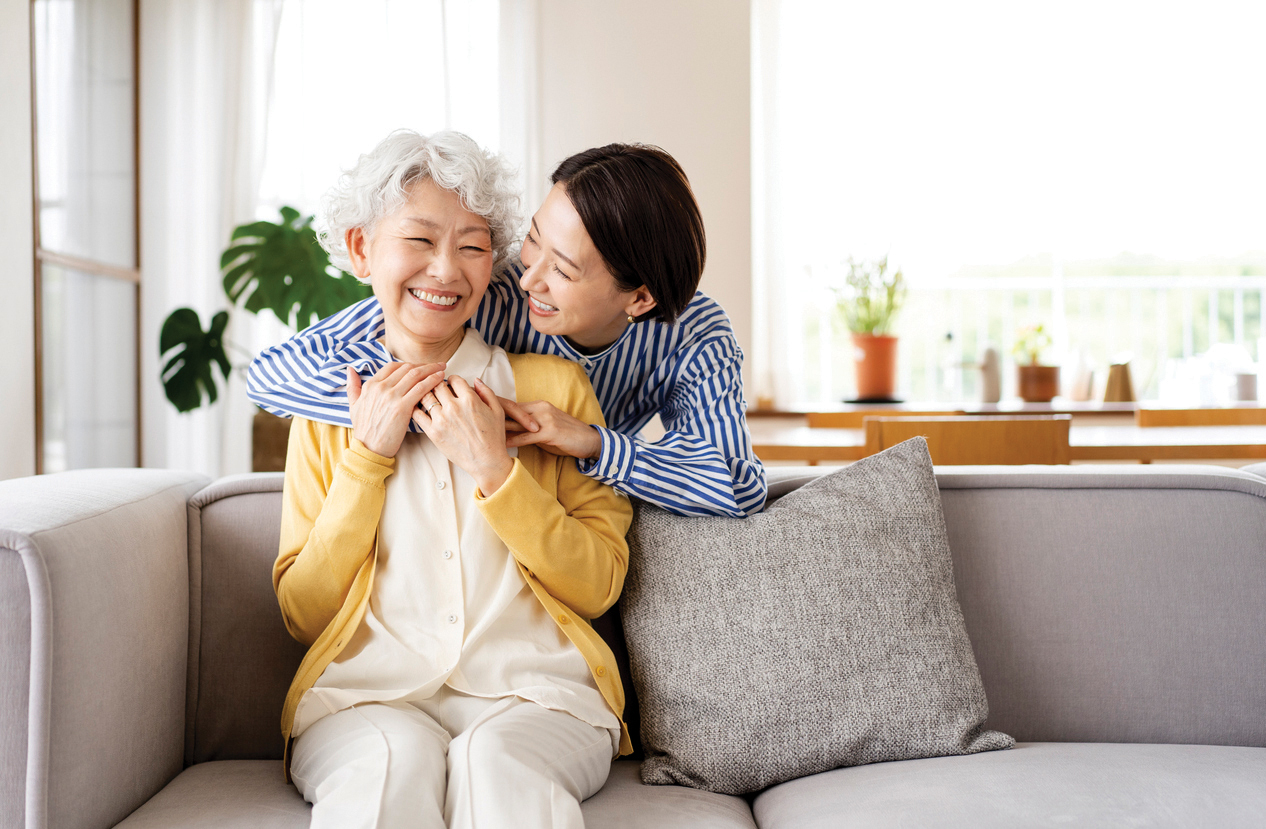
    If you’re between the ages of 35 and 60, you may be feeling a financial pinch from both your growing — or grown — children and your aging parents or in-laws.1 You may also find yourself juggling your work commitments and the expectations of family members for your time and support. As a member of what’s known as the “sandwich generation,” you’re not alone.

    Children today leave home later than in previous generations and less permanently. Today, children tend to live at home longer — or move out and return over time, sometimes with their own children in tow. And parents tend to live longer, often spending 25 years or more in retirement. If you’re wondering how to keep yourself financially on track, the following strategies may help.

    ■ Pay yourself first. Instead of paying your bills and other expenses and save what’s leftover, automatically route a portion of your paycheck to your 401(k), Roth IRA or other retirement savings account — and encourage your working children to do the same. This ensures you’re regularly investing in your future financial security.
    ■ Talk openly about finances. Discuss the basic tenets of sound money management with your children to help them develop good financial habits at an early age. According to an Ameriprise Financial study, 70% of parents involve their children in family financial decisions to help instill values and principles,2 allowing them to see where they can contribute. It’s equally important to talk with your parents about their plan for meeting their future financial obligations.
    ■ Make sure financial and legal documents are up to date. You, your parents and your children must determine whether you’ll need a Durable Power of Attorney, a Healthcare Proxy, a Living Will and a Last Will and Testament. Also, review and update beneficiary designations on investments and insurance policies (they may outweigh what is stated in a will). Keep a list of your financial accounts and passwords — know where your parents and children keep theirs.
    ■ Discuss long-term care insurance. In-home health care costs or a lengthy nursing home stay can be very costly. If you or your parents don’t have long-term care insurance, it may be wise to look into it to see if it fits with your family’s goals and options.
    ■ Explore resources to help offset costs. If your children are attending college, research the scholarship opportunities or work-study programs that may be available to them. Also, find out whether your parents qualify for any federal, state or local benefits for their care.
    ■ Set limits. If you have the desire and financial resources to support adult family members, it’s important to balance your generosity with ensuring you have enough money to last through retirement — and support your family’s own financial independence. Be clear with your children and parents about how much financial support you are realistically able to provide.

    Managing the responsibility that comes with being a member of the sandwich generation can be difficult. For help understanding how to plan for your future while caring for those who matter most to you, consult a reputable financial advisor. An advisor can help you create a financial strategy that makes sense for your unique situation.

    MICHAEL W. K. YEE, CFP,® CFS,® CLTC, CRPC®
    1585 Kapiolani Blvd., Ste. 1100, Honolulu, HI 96814
    808-952-1240 | michael.w.yee@ampf.com
    ameripriseadvisors.com/michael.w.yee
    Michael W. K. Yee, CFP®, CFS®, CLTC®, CRPCTM, is a Private Wealth Advisor/Financial Advisor with Ameriprise Financial Services, LLC in Honolulu, Hawaii. He specializes in fee-based financial planning and asset management strategies and has been in practice for 42 years.

    1Pew Research Center, “More than half of Americans in their 40s are “sandwiched” between an aging parent and their own children”. www.pewresearch.org/short-reads/2022/04/08/more-than-half-of-americans-in-their-40s-are-andwichedbetween-an-aging-parent-and-their-own-children 2Ameriprise Financial Parents & Finances Study, 2025. Ameriprise Financial, Inc. and its affiliates do not offer tax or legal advice. Consumers should consult with their tax advisor or attorney regarding their specific situation. Investment products are not insured by the FDIC, NCUA or any federal agency, are not deposits or obligations of, or guaranteed by any financial institution, and involve investment risks including possible loss of principal and fluctuation in value. Ameriprise Financial cannot guarantee future financial results. Securities offered by Ameriprise Financial Services, LLC. Member FINRA and SIPC. ©2026 Ameriprise Financial, Inc. All rights reserved.
    If you’re between the ages of 35 and 60, you may be feeling a financial pinch from both your growing — or grown — children and your aging parents or in-laws.1 You may also find yourself juggling your work commitments and the expectations of family members for your time and support. As a member of…

  • When Care Feels Like Friendship

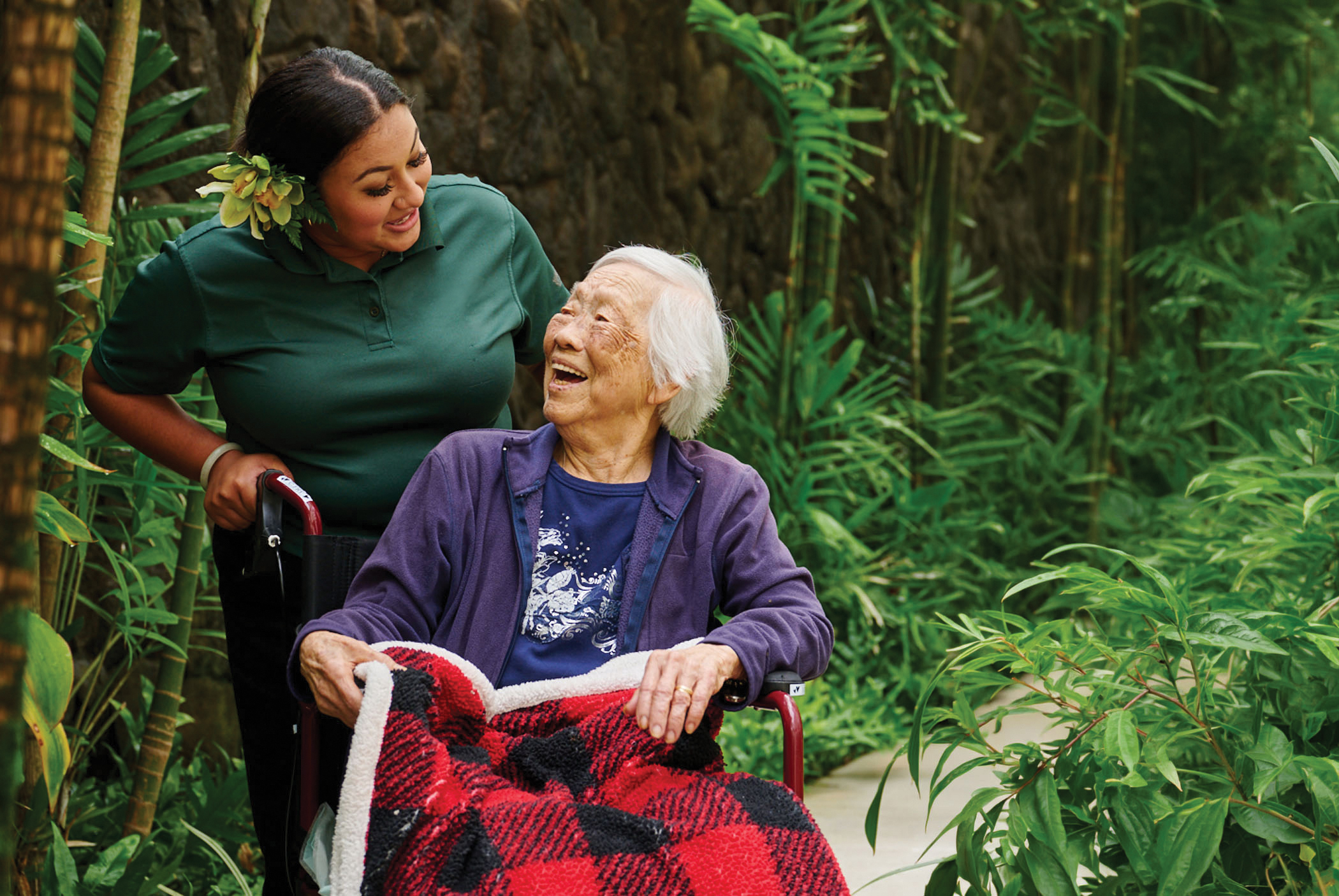
    When memory changes, familiar routines can begin to feel confusing or unsettling. A once confident parent may repeat questions, struggle with transitions or feel anxious in new settings. For families, these moments often bring concern and a deep desire to preserve a loved one’s dignity and sense of self.

    In Hawai‘i, an estimated 62,000 unpaid caregivers provide more than 111 million hours of support each year, care valued at nearly $2.8 billion. These figures reflect both the scope of memory loss and the growing need for compassionate, relationship-centered support.

    In response, memory care has evolved beyond task-based routines. One widely respected philosophy is the Best Friends™ Approach, co-created by dementia care expert David Troxel. This model emphasizes empathy, patience and intentional connection, encouraging caregivers to relate to individuals living with memory loss as they would a trusted friend.

    Understanding a person’s life story is central to this approach. Knowing personal history, preferences and lifelong habits helps caregivers create familiar routines and meaningful moments. Even as memory changes, the need for connection remains. Relationship-centered care ensures that identity, spirit and dignity stay at the heart of daily life.

    THE PLAZA ASSISTED LIVING
    808-809-9834 | info@plazaassistedliving.com
    plazaassistedliving.com

    When memory changes, familiar routines can begin to feel confusing or unsettling. A once confident parent may repeat questions, struggle with transitions or feel anxious in new settings. For families, these moments often bring concern and a deep desire to preserve a loved one’s dignity and sense of self. In Hawai‘i, an estimated 62,000 unpaid…

  • Thriving in Place

    Hawai‘i’s homes hold stories, carrying memories of raising children, holiday celebrations and laughter. For many of our kūpuna, remaining in that home is deeply personal.

    Today, more seniors are choosing to age in place, yet many are doing so alone. Children may live far away. Friends may no longer drive. Neighborhoods change. What once felt lively can become too quiet. Independence is precious, but
    without connection, can turn into isolation.

    Having lived with and supported my 93-year-old mother, I have seen how much the small things matter — regular conversation, help navigating schedules and doctor visits, guidance with nutrition for meals she can enjoy or simply knowing someone will check in consistently. These steady rhythms create calm. They restore confidence. They allow seniors to remain in control of their own lives.

    Aging should not mean shrinking one’s world. As Hawai‘i’s population continues to age, we must reimagine what community truly means. Supporting seniors who live independently is not only a family responsibility — it is a societal one. When we build thoughtful systems around our kūpuna, we strengthen the fabric of our islands. With intentional connection and steady presence, growing older at home can remain a chapter defined by dignity, purpose and belonging.

    VENTUS SENIOR CONCIERGE SERVICES
    1108 Auahi St., #307, Honolulu, HI 96814
    808-353-6280 | rlewis@ventus.design
    ventusconcierge.com

    Hawai‘i’s homes hold stories, carrying memories of raising children, holiday celebrations and laughter. For many of our kūpuna, remaining in that home is deeply personal. Today, more seniors are choosing to age in place, yet many are doing so alone. Children may live far away. Friends may no longer drive. Neighborhoods change. What once felt…

  • Supporting Adult Children Caregivers

    As we grow older, many of us rely more on our adult children for help — with transportation, medical appointments, household tasks or managing health concerns. While this support is often given with love, it can also place a heavy responsibility on family caregivers.

    Adult children who care for aging parents may balance many roles: employee, parent, spouse, caregiver. The emotional and physical demands can be significant.

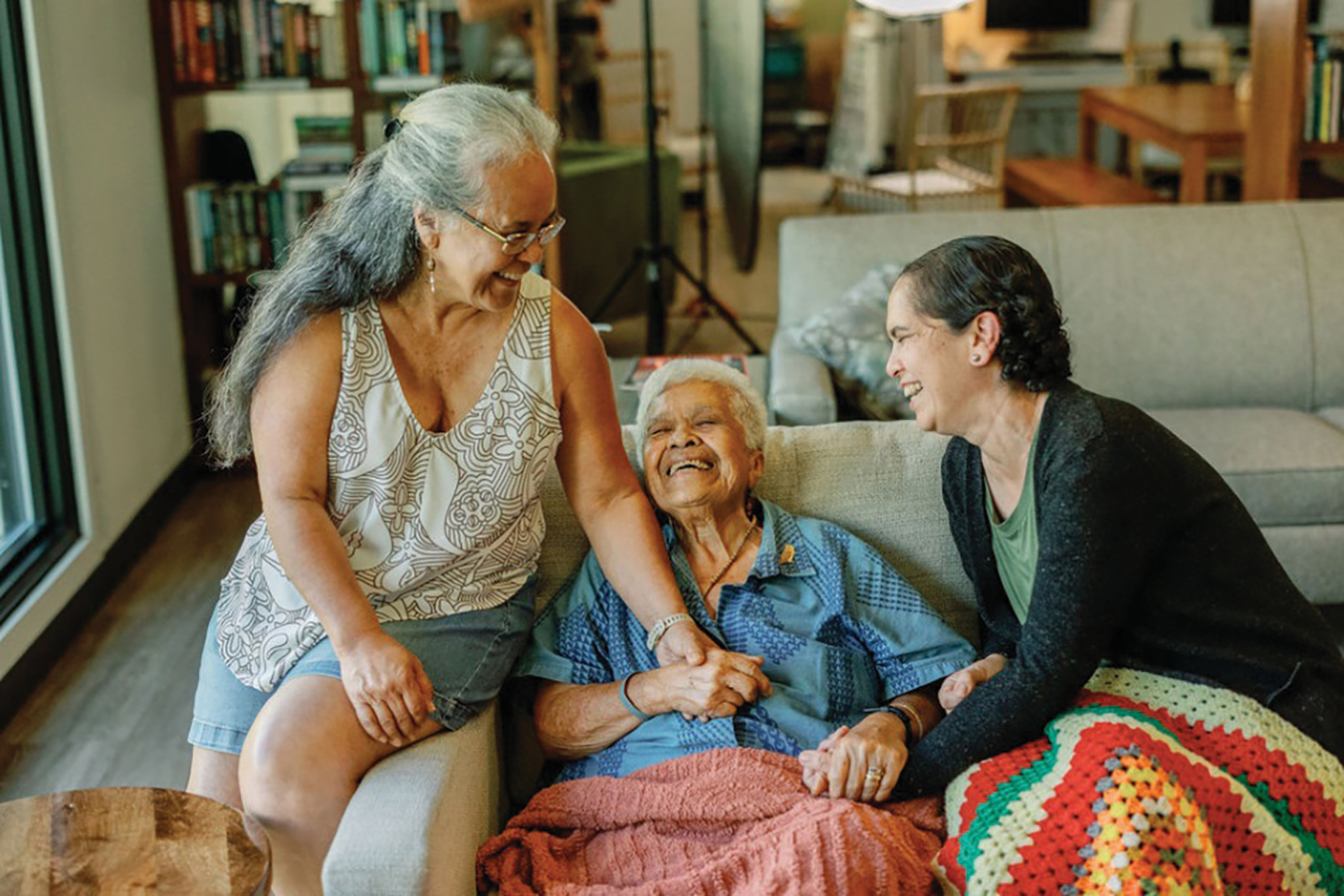
    Jennifer Oyer and her mom, Karen Pape

    Kūpuna can acknowledge that caregiving may be stressful by asking, “How are you doing?” which can open the door to honest conversation.

    Seniors can also support caregivers by sharing responsibilities, when possible, keeping medical information organized, communicating preferences clearly and discussing future care wishes before a crisis arises. Small actions, like preparing a list of important phone numbers and medications, can ease the daily burden.

    Just as importantly, encourage your adult children to take breaks and accept help from others. Caring for a loved one shouldn’t be left to one person.

    Caregiving is an expression of aloha across generations. By supporting those who support you, families can stay stronger, healthier and more connected through every stage of life.

    NAVIAN HAWAII
    Jody Shiroma, Chief Growth Officer
    808-302-4144 | jshiroma@navianhawaii.org
    NavianHawaii.org

    As we grow older, many of us rely more on our adult children for help — with transportation, medical appointments, household tasks or managing health concerns. While this support is often given with love, it can also place a heavy responsibility on family caregivers. Adult children who care for aging parents may balance many roles:…

  • Adult Day Care: A Solution for Aging in Place

    Statistics show that most kūpuna want to age in place, in the comfort of their own home. But isolation and inactivity can lead to rapid decline in seniors’ well-being. Adult day care offers socialization, physical/mental stimulation and other benefits. It combats loneliness, improves cognitive function, provides exercise and offers an engaging social setting.

    For the caregivers, adult day care offers much needed respite from their caregiving responsibilities. Some centers open as early as 6am, giving caregivers the ability to get to work on time. Late pick-up times significantly reduce stress caused by traffic, work meetings or unexpected emergencies. Adult day care also allows caregivers time to tend to their own personal activities and appointments, reduces stress and provides peace of mind knowing their loved one is in a safe, secure and loving environment.

    A normal day at an adult day care facility may include arts and crafts, music, games, exercise, personal care, social interactions with peers and a lot of fun! It also can include a hot lunch and snacks. Clients are assisted with medications, if needed.

    As long-term care prices increase, adult day care serves as a cost-effective and engaging solution for caregivers. Fees are significantly less than other options, while providing safety, reducing isolation and preventing caregiver burnout.

    HALE HAU‘OLI HAWAI‘I (nonprofit)
    98-1247 Kaahumanu St., Ste. 207, Aiea, HI 96701
    808-798-8706 | halehauolihawaii.org

    Statistics show that most kūpuna want to age in place, in the comfort of their own home. But isolation and inactivity can lead to rapid decline in seniors’ well-being. Adult day care offers socialization, physical/mental stimulation and other benefits. It combats loneliness, improves cognitive function, provides exercise and offers an engaging social setting. For the…

  • Preventive Care for a Healthy Smile

    Taking care of your smile is an important part of maintaining your overall health and quality of life. Regular oral health screenings allow your dentist to examine your mouth for early signs of decay, gum disease, abnormal tooth wear, alignment issues and even oral cancers. Catching these problems early gives you and your dentist time to treat issues before they become serious, saving you from painful and expensive procedures down the road.

    As we age, preventive screenings become even more critical. Regular checkups reduce your risk for cavities, gum disease, receding gums, tooth sensitivity and tooth loss. Maintaining good oral health may also help prevent or manage serious conditions like diabetes and heart disease, which are more common among older adults.

    Many dental benefits plans cover preventive services with little to no out-of-pocket costs, making regular visits more affordable. Professional cleanings remove plaque and tartar that daily brushing and flossing can miss, while routine exams catch small problems, preventing extensive treatment.

    Don’t put off your dental care. Regular exams and cleanings protect your overall health while saving you time, money and discomfort. Schedule your next dentist appointment today to keep your smile healthy for years to come.

    HAWAII DENTAL SERVICE
    Dr. Vihn Tran, Dental Director
    808-529-9213 | vinh.tran@hawaiidentalservice.com
    HawaiiDentalService.com

    Taking care of your smile is an important part of maintaining your overall health and quality of life. Regular oral health screenings allow your dentist to examine your mouth for early signs of decay, gum disease, abnormal tooth wear, alignment issues and even oral cancers. Catching these problems early gives you and your dentist time…

  • Get Help Navigating Cancer Screenings

    Did you know that an estimated 9,420 people in Hawai‘i will hear the words, “You have cancer,” in 2026? And approximately 2,720 residents will not survive their diagnosis, making cancer the second leading cause of death in the State of Hawai‘i.

    Cancer screening and detection not only catches cancer early, it can help save lives. While cancer screening can raise questions about access, transportation and more, the American Cancer Society (ACS) has a wealth of resources for people nationwide, including Hawai‘i.

    Starting a Conversation About Screening

    Listening to your body matters, but screenings detect cancer before symptoms appear and provide the full picture. The Kauhaihao family, three generations of Native Hawaiian women diagnosed with breast cancer, urges, “Cancer screening is important because early detection doesn’t just save lives — it protects families, friends and futures of our lāhui.”

    Talk with your healthcare provider to review family history and lifestyle factors, determine recommended screenings, how often they should be done and where to schedule them.

    Overcoming Barriers to Screening

    Cost, transportation or finding a provider can delay screenings, particularly where access to specialists varies by island. For questions about screening, call the American Cancer Society’s 24/7 Cancer Helpline at 800-227-2345.

    Support During Treatment

    If cancer is diagnosed following a screening, frequent treatment and travel can add challenges. The American Cancer Society’s Hawai‘i Flight Program provides one free flight per year to a patient and their caregiver traveling for active treatment. Call the ACS helpline to arrange flights through Alaska and Hawaiian Air. For patients traveling to O‘ahu for treatment, the Clarence T.C. Ching Hope Lodge Hawai‘i provides a safe, welcoming space for guests to stay free of charge while receiving care.

    Taking the First Step Toward Prevention

    The American Cancer Society works across Hawai‘i and the Pacific to provide information and support for prevention, screening, treatment and recovery. Learn more about cancer prevention, screening, treatment and support at every stage at cancer.org or call the helpline.

    To reach the ACS team in Hawai‘i, contact Executive Director Laura Rodriguez at Laura.Rodriguez@cancer.org.

    AMERICAN CANCER SOCIETY (nonprofit)
    2370 Nu‘uanu Avenue, Honolulu, HI 96817
    24/7 Helpline: 800-227-2345 | 808-595-7544
    HawaiiPacific@cancer.org | cancer.org/hawaii

    Did you know that an estimated 9,420 people in Hawai‘i will hear the words, “You have cancer,” in 2026? And approximately 2,720 residents will not survive their diagnosis, making cancer the second leading cause of death in the State of Hawai‘i. Cancer screening and detection not only catches cancer early, it can help save lives.…

  • Alzheimer’s ‘Mammogram Moment’

    Breakthroughs in early detection, treatments and lifestyle research are changing how we understand and address Alzheimer’s disease, offering new opportunities.

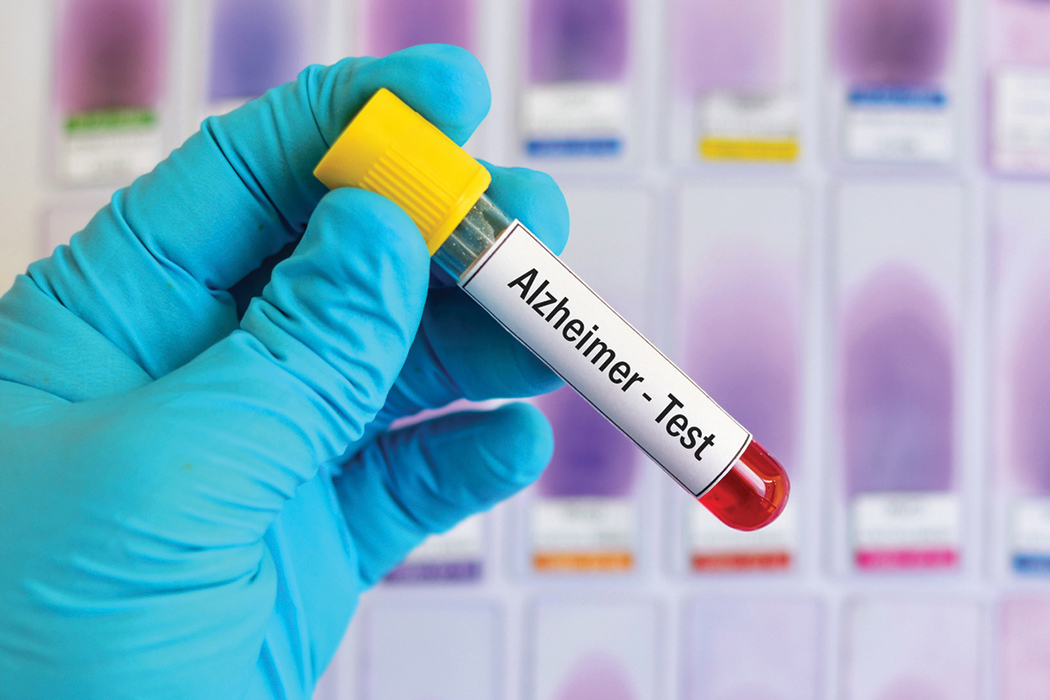
    One of the most promising advances is the development of blood tests that can detect Alzheimer’s disease earlier and more easily than ever before. These new blood tests can identify proteins linked to the disease such as amyloid and tau, potentially allowing doctors to detect the disease much earlier in primary care settings, not only in specialty clinics.

    Early detection is critical because new treatments are most effective when the disease is identified in its earliest stages.

    Therapies designed to target the underlying biology of Alzheimer’s have also come into play. These treatments work by removing or reducing the buildup of amyloid in the brain, one of the hallmarks of the disease.

    While these therapies are not cures, studies show they can slow disease progression by roughly 30% in some patients, marking the first time treatments have been able to meaningfully change the course of Alzheimer’s.

    At the same time, research is demonstrating that prevention and brain health may be more within our control than we first believed. A study led by the Alzheimer’s Association is the largest clinical trial in the US examining how lifestyle changes influence brain health. It found that a comprehensive program combining physical exercise, improved nutrition, cognitive stimulation/brain exercises, social engagement and management of cardiovascular health improved thinking and memory in older adults at risk for cognitive decline. Participants who followed a more structured lifestyle program experienced even greater benefits.

    For communities in Hawai‘i, these advances are particularly important. Our state faces a rapidly aging population and increasing rates of Alzheimer’s and dementia. Efforts such as the HANAI Memory Network bill aim to strengthen coordination among healthcare providers, caregivers and community organizations to ensure people living with or who have concerns with memory loss can access early diagnosis, care and support.

    Hawai‘i is also poised to contribute to the future of Alzheimer’s research. The University of Hawai‘i’s John A. Burns School of Medicine continues to expand opportunities for students. We hope the association’s UH dementia research bill will accelerate funding capacity through the federal government to enable access to clinical studies/trials, allowing local residents to participate in trials that help advance new diagnostics, treatments and prevention strategies.

    Together, these advances in science and care signal a shift from simply reacting to Alzheimer’s disease to detecting it earlier, slowing its progression and potentially preventing it altogether.

    The takeaways from this: This is our “mammogram moment” for Alzheimer’s. Just as early screening transformed outcomes for breast cancer, new diagnostic tools like blood tests could make early detection for Alzheimer’s and other forms of dementia the standard of care.

    If you have concerns for yourself or a loved one, speak to your doctor or call the Alzheimer’s Association 24/7 Helpline at 800-272-3900.

    ALZHEIMER’S ASSOCIATION (nonprofit)
    677 Ala Moana Blvd, Ste 301, Honolulu, HI 96813
    808-591-2771 | alohainfo@alz.org | alz.org/hawaii

    Breakthroughs in early detection, treatments and lifestyle research are changing how we understand and address Alzheimer’s disease, offering new opportunities. One of the most promising advances is the development of blood tests that can detect Alzheimer’s disease earlier and more easily than ever before. These new blood tests can identify proteins linked to the disease…

  • Ask the Doctor: Help for Bladder Issues

    In this ongoing column, Kaiser Permanente doctors answer commonly asked questions.
    Generations Magazine

    As someone who deals with bladder issues all the time, I want to start with one important thing, right away: bladder control problems are nothing to be embarrassed about. Many folks in Hawai‘i experience changes in bladder control as they get older, yet too many delay getting care because they feel uncomfortable bringing it up or assume it’s just something they must accept.

    If bladder leakage is bothering you in any way, that’s reason enough to talk to your doctor — especially if it’s happening regularly, waking you up at night, causing sudden urges you can’t control or making you avoid activities you enjoy.

    Seek care if you have pain, burning, blood in your urine or a sudden change in symptoms — all signal issues that need prompt attention.

    Many of these issues can be handled by your primary care provider, but sometimes they’ll need to refer you to a specialist like me. These conversations are routine for all of us and you’re never the only patient asking.

    Can I prevent issues with bladder control?

    Not every bladder problem can be prevented, but many issues can be improved with a few changes. Gentle pelvic floor exercises, staying physically active and not waiting too long to use the bathroom can make a difference. Constipation is another common factor, as it can put extra pressure on the bladder. It’s also important to review your medications with your doctor once a year, as some prescriptions, over-the-counter medications and supplements can worsen bladder symptoms.

    One myth I hear often is that drinking less water will improve things. Especially in Hawai‘i’s warm climate, that idea can backfire. When you’re dehydrated, urine becomes more concentrated and can irritate the bladder. What helps is steady, balanced hydration throughout the day rather than cutting fluids altogether.

    Do coffee, tea or local foods make bladder problems worse?

    For some people, certain foods and drinks can irritate the bladder — but this varies from person to person.

    Caffeine, including coffee and iced tea, is a common trigger for bladder urgency. Citrus fruits and juices, spicy foods and acidic dishes (adobo, kimchi and tomato-based dishes such as spaghetti and stew) may also affect some people. That doesn’t mean you need to give up the foods you like. The key is paying attention. If you notice symptoms tend to appear after you consume certain foods or drinks, small adjustments might help. Try switching to half-caf or decaf, choosing milder seasonings or enjoying smaller portions.

    Enjoying local food with loved ones is an integral part of living in Hawai‘i. But moderation and awareness often go a long way.

    A final word

    Bladder control problems are not something you must deal with alone. If symptoms are affecting your comfort, sleep or confidence, talk to your doctor. Together we can find ways to support your health and quality of life.

    DR. MICHELLE C. LEACH is a urologist at Kaiser Permanente Moanalua Medical
    Center. She earned her medical degree from Thomas Jefferson University in Philadelphia and completed a general surgery internship and urology residency at the University of California, San Diego, where she served as chief resident. Dr. Leach is passionate about improving quality of life through minimally invasive and innovative urologic care, helping patients restore health, comfort and confidence.

    Kaiser Permanente will cover heart health in the next issue. If you have a medical question for the doctor, email: cynthia@generations808.com.

    As someone who deals with bladder issues all the time, I want to start with one important thing, right away: bladder control problems are nothing to be embarrassed about. Many folks in Hawai‘i experience changes in bladder control as they get older, yet too many delay getting care because they feel uncomfortable bringing it up…

  • Voters 50-Plus Can Make a Difference!

    Every two years, many kūpuna will do something important and elected officials should pay attention to the issues we care about.

    We vote.

    And that means voters 50 and older have a power to make a difference. Older voters turn out in record numbers during elections. In the 2024 election, voters 50 and older made up 52% of the electorate nationally. In Hawai‘i, the percentage is even higher — nearly 60% of votes cast were from people 50 and older.

    You can help us make sure that candidates know which issues you care about. Candidates will likely be knocking on your door or holding forums. Let them know what you think.

    We’ve heard from kūpuna across the state about the importance of Social Security, Medicare support for caregivers, affordable housing for kūpuna and their children and grandchildren, high prescription drug prices and fighting fraud and we’re sharing your concerns with the candidates we talk to.

    The reason we have power during elections is that we vote and you should make sure that you vote and that your vote is counted.

    In Hawai‘i, we have an all-mail-in election. If you’ve moved since 2024, make sure your new address is updated with your county elections office so you’ll get the correct ballot mailed to you. If you’re registered to vote at your current address, you should get a colored postcard in the mail to confirm your registration. If you didn’t receive a postcard, call your county elections office.

    When you turn in your ballot, you also want to make sure that you didn’t forget to sign it so that it will be counted.

    Sign up for the state’s Ballottrax service to get text messages confirming receipt of your ballot at Hawaii.ballottrax.net.

    For more information on voting, registering to vote and how you can vote in person, go to the state Office of Elections website at elections.hawaii.gov or call 808-453-8683.

    AARP HAWAI‘I (nonprofit)
    1001 Bishop St., Ste. 625, Honolulu, HI 96813
    866-295-7282 | hiaarp@aarp.org
    aarp.org/hi | facebook.com/aarphawaii

    Every two years, many kūpuna will do something important and elected officials should pay attention to the issues we care about. We vote. And that means voters 50 and older have a power to make a difference. Older voters turn out in record numbers during elections. In the 2024 election, voters 50 and older made…

  • Zumba for Your Golden Years

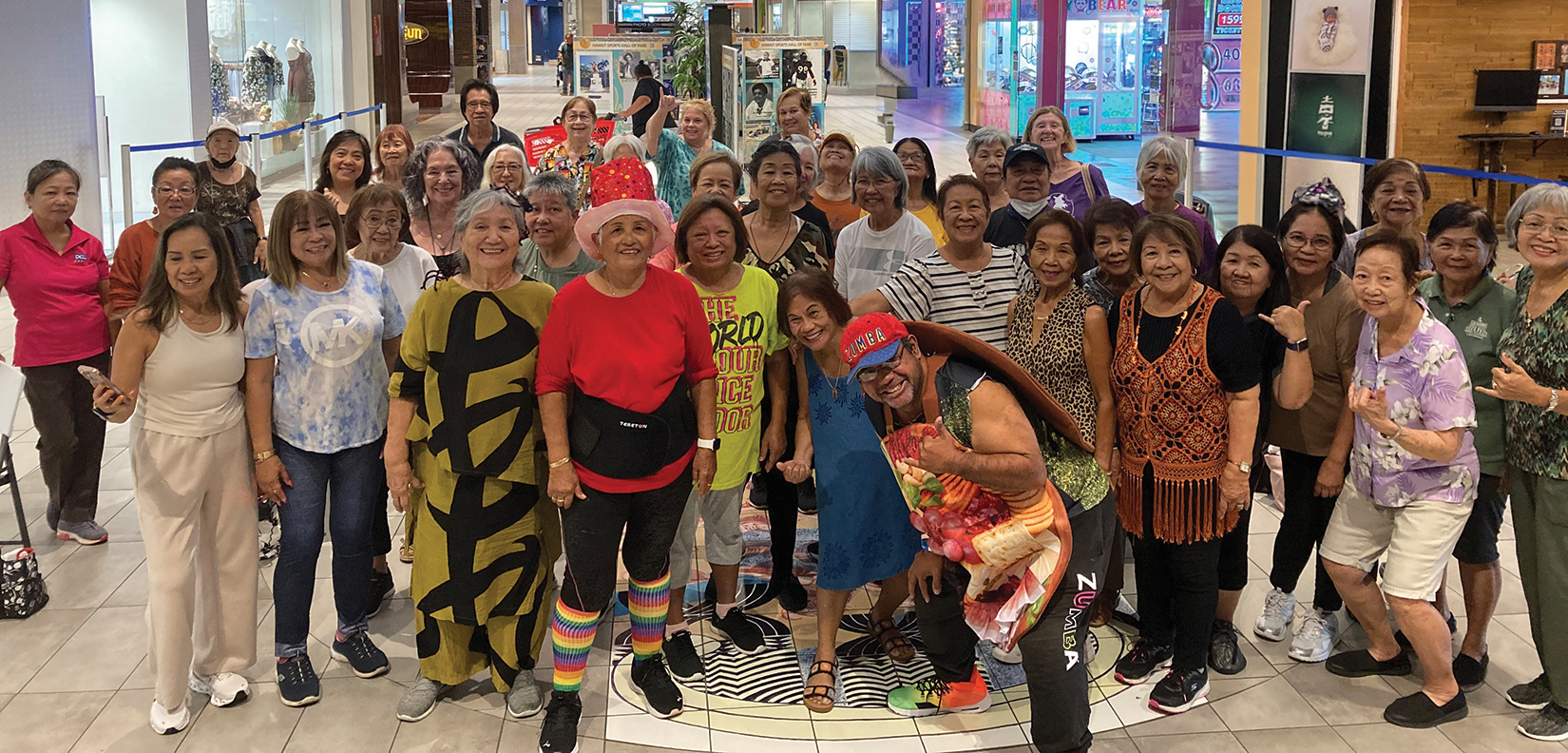
    Every Thursday morning, Pearlridge Center in O‘ahu hums with the sounds of ABBA and Elvis. On the second‑floor stage near the former Sears and Jeans Warehouse, kūpuna and caregivers gather from 10:30 to 11:30 a.m., finding their rhythm — some standing, some seated, all moving together. At the center, Dale Delos Reyes leads his Zumba Gold class with a smile and a simple instruction: Just keep moving and have fun.

    Unlike traditional Zumba, Zumba Gold is designed specifically for kūpuna and those who may need extra support, offering a safe, enjoyable way to stay active. The choreography is slower and modified, with a focus on balance, range of motion, coordination and joint safety. Dale, a licensed Zumba Gold instructor, keeps routines intentionally simple — no more than three moves at a time. He offers chair-based options for participants with mobility concerns, vertigo or recent surgeries. His classes are free and open to everyone — walkers, wheelchairs and first-timers alike — creating a space where everyone can move confidently and enjoy the music.

    Join Dale and his Zumba Gold group every Thursday morning at 10:30.

    For Dale, the dance floor began not as fitness, but as healing. A few years ago, he lost his wife, Yolanda, and found himself searching for a way forward. One day, just steps from his home, he noticed a class pulsing with music and energy. He joined, stood close to the speakers and let the rhythm carry him. “I just let everything go,” he recalls. What started as a personal refuge soon became a mission to share movement as joy, connection and wellness. His classes grew from a way to cope with grief into a lifelong commitment to community service through movement.

    Regular movement is at the heart of Zumba Gold’s impact. For many kūpuna, the class helps ease morning stiffness, improves balance and keep joints moving without strain. The steady rhythms support coordination and gentle cardio, but the real changes show up in everyday moments — standing a little steadier, walking with more confidence and feeling less alone. Dale notices it each session as shoulders drop, breathing settles and cautious movements begin to ease. He says he can see it by the end of class, when most leave with brighter faces and increased energy.

    What began as a way to heal has become a practice of showing up—creating a space where people can move at their own pace. “If you only know one move, do that one move,” he tells newcomers. “Just feel the music.” Today, Dale brings that same spirit of care to kūpuna across O‘ahu, offering free classes at Island Family Christian Church from 9:30 to 10:30am on the first three Fridays of each month. He also leads private sessions at senior housing sites, including The Plaza Waikīkī and its sister locations across the island, with schedules varying by facility.

    Every Thursday morning, Pearlridge Center in O‘ahu hums with the sounds of ABBA and Elvis. On the second‑floor stage near the former Sears and Jeans Warehouse, kūpuna and caregivers gather from 10:30 to 11:30 a.m., finding their rhythm — some standing, some seated, all moving together. At the center, Dale Delos Reyes leads his Zumba…

  • Celebrating King Kamehameha Day

    Our islands form the only US state to celebrate their monarchical history. To honor his grandfather, King Kamehameha V inaugurated King Kamehameha I Day on June 11, 1872. The legacy of the sovereign nicknamed “Kamehameha the Great” is that of a powerful warrior and beloved ruler who successfully united the Hawaiian
    archipelago in 1810, ending a decades-long pattern of inter-island conflict. This year’s festivities on June 11 will mark the 109th King Kamehameha Day. This year’s theme, E kū, e ho‘ololi, means stand upright and change unpleasant conditions.

    Festivities usually include a procession by the Hawaiian Royal Societies, an organization commissioned by Kamehameha V, whose purpose is protecting, preserving and perpetuating the Hawaiian culture. Floral parades feature floats and pā‘ū riders on horseback. Pā‘ū riders wear long, flowing skirts (pā‘ū ) representing the different islands with specific colors and flowers. Ho‘olaule‘a, a festival that celebrates Hawai‘i’s culture, include local food, Hawaiian music and more.

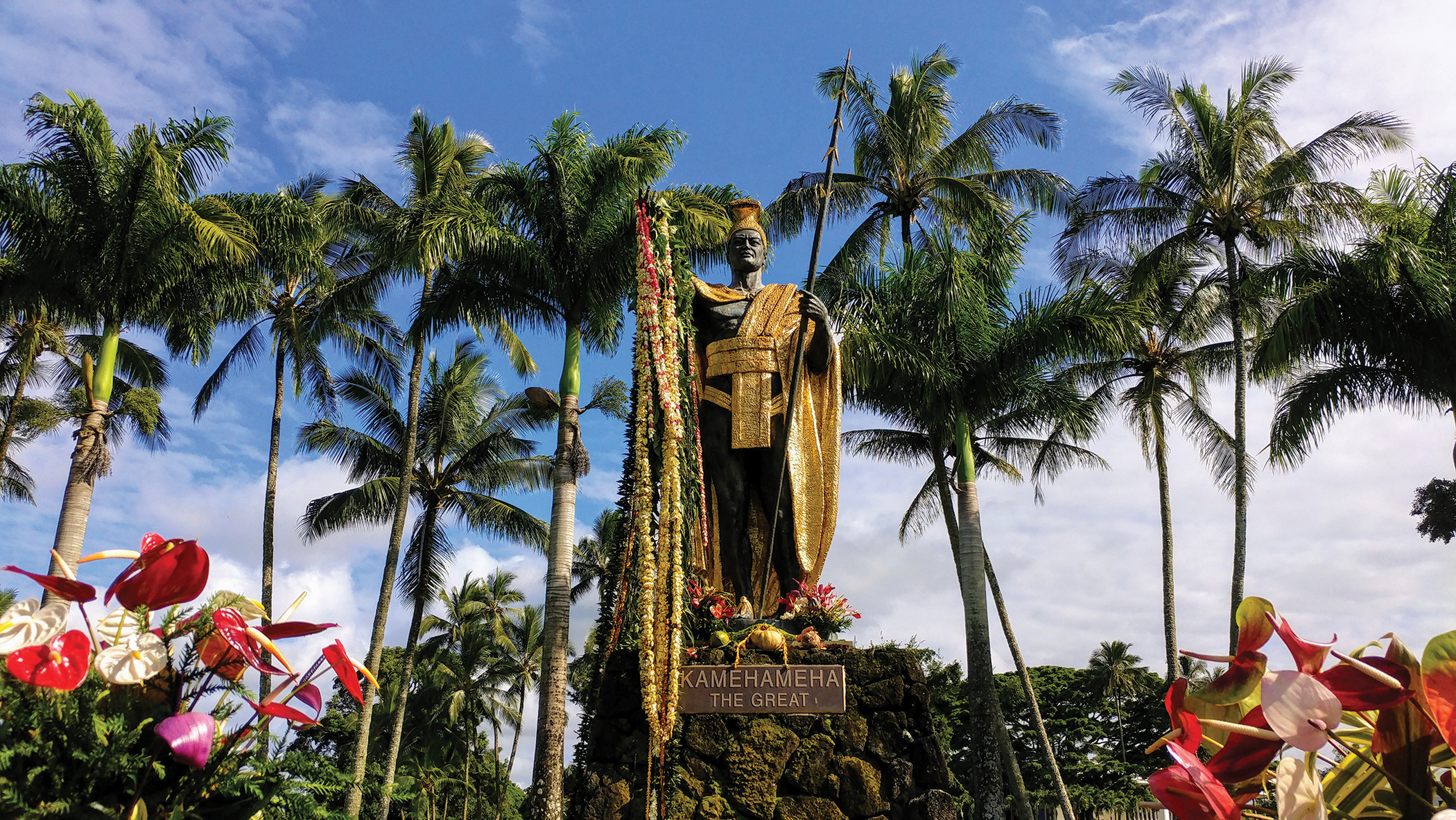
    Traditionally, each year, a statue of Kamehameha I is adorned during the lei-draping ceremony that attracts large crowds of locals and tourist alike. Each island’s Hawai‘i Civic Society prepares nearly 100 20- to 30-foot plumeria lei for the ceremony.

    Thomas Gould had been commissioned to sculpt the first statue of Kamehameha I. In 1883, upon completion of the 8.5-foot statue, it was sent via ship from Europe to the judiciary building in Honolulu. Although thought to be lost after the boat was shipwrecked near the Falkland Islands, it was recovered later that year. With a replacement statue already unveiled in Honolulu, this statue was relocated to the district of Kohala on the Big Island, where Kamehameha I was born.

    The 18-foot King Kamehameha replacement statue stands in front of Ali‘iōlani Hale in Waikīkī, the main stage for the festivities on O‘ahu. As with all statues of His Majesty, the spear clutched in Kamehameha’s right hand symbolizes his ability to protect his people. His left hand is outstretched as a sign of welcome and peace.

    In 1997, a 14-foot statue of Kamehameha I was erected in Hilo. Commissioned by the Princeville Corporation on Kaua‘i and built by Italian sculptor R. Sandrin in 1963, it was originally intended to be erected on island; however, residents pushed back on these plans as Kaua‘i and neighboring Ni‘ihau were the only islands not conquered by force by Kamehameha I during his campaign to unify the islands.

    The County of Maui traditionally hosted Nā Kamehameha Commemorative Pā‘ū Parade on Front Street and a ho‘olaule‘a at Banyan Tree Park in Lahaina. The one-time capital of the Kingdom of Hawai‘i is still recovering from the devastating 2023 Lahaina wildfires and celebrations have since been relocated to Kahului in Central Maui. The June 20 parade will start at Baldwin High School and end at Queen Ka‘ahumanu Center and will be followed by a ho‘olaule‘a.

    Visit the Hawai‘i State Foundation on Culture and the Arts’ website at sfca.hawaii.gov/resources/king-kamehameha-celebration-commission for more information and updates on how you can join these celebrations.

    Our islands form the only US state to celebrate their monarchical history. To honor his grandfather, King Kamehameha V inaugurated King Kamehameha I Day on June 11, 1872. The legacy of the sovereign nicknamed “Kamehameha the Great” is that of a powerful warrior and beloved ruler who successfully united the Hawaiianarchipelago in 1810, ending a…