Category: Programs & Services

  • Nourishing Meals and Mele for Shirley

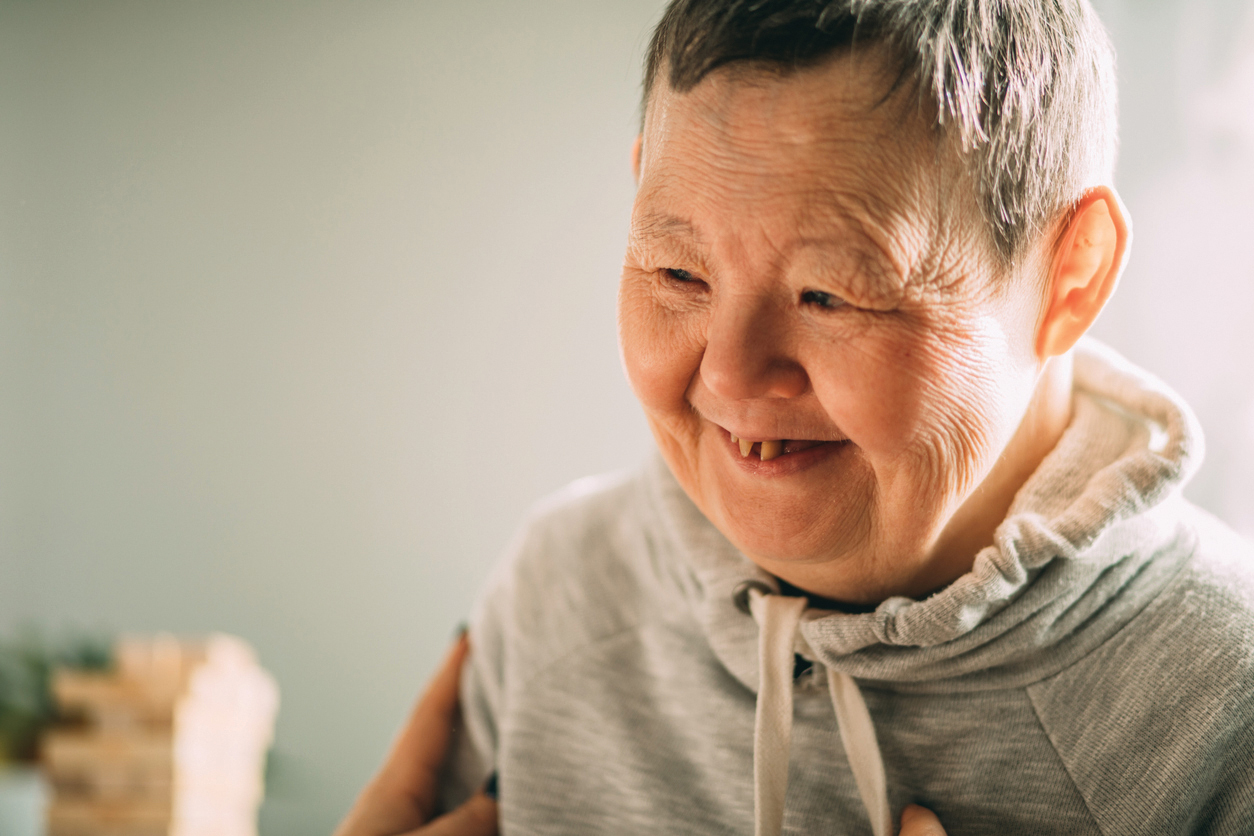
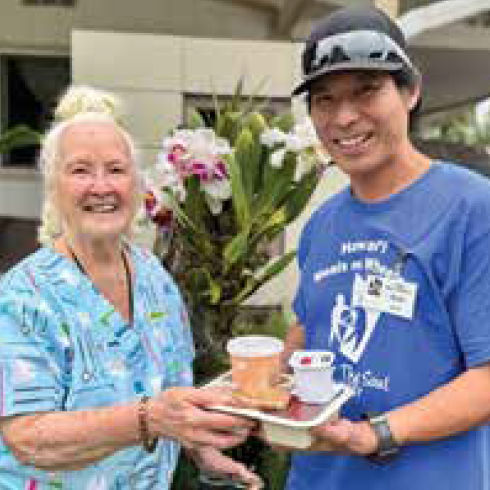
    Shirley’s life has long been guided by music and movement. Raised in Kalihi in a family rooted in hula, she began dancing as a child and later performed across Hawai‘i, the continent and abroad. Recognized as a top Tahitian dancer in the 1950s, she spent decades sharing her artistry while also supporting her family as a nurse aide.

    Now 88, Shirley remains sharp and spirited, though chronic pain and limited mobility make daily tasks such as cooking difficult. Before receiving support from Hawai‘i Meals on Wheels (HMoW), her simple meals did not meet her nutritional needs. Today, home-delivered meals help sustain her independence while ensuring she remains safe and well-nourished at home.

    “I’m so thankful for the meals,” Shirley shared. “I love the beef stew, and they bring milk, pudding and cookies. The meals are a big help for me.” Through HMoW’s new Mele Meals Program, musician/meal delivery drivers brought live music to her doorstep. Shirley danced hula to her favorite, “Hanalei Moon.”

    To learn more about home-delivered meals, contact Hawai‘i Meals on Wheels using the information provided below.

    HAWAI‘I MEALS ON WHEELS (nonprofit)
    PO Box 236099, Honolulu, HI 96823
    808-988-6747 | hmow.org

    Shirley’s life has long been guided by music and movement. Raised in Kalihi in a family rooted in hula, she began dancing as a child and later performed across Hawai‘i, the continent and abroad. Recognized as a top Tahitian dancer in the 1950s, she spent decades sharing her artistry while also supporting her family as…

  • Project Maka‘ala Helps Kūpuna Avoid Fraud

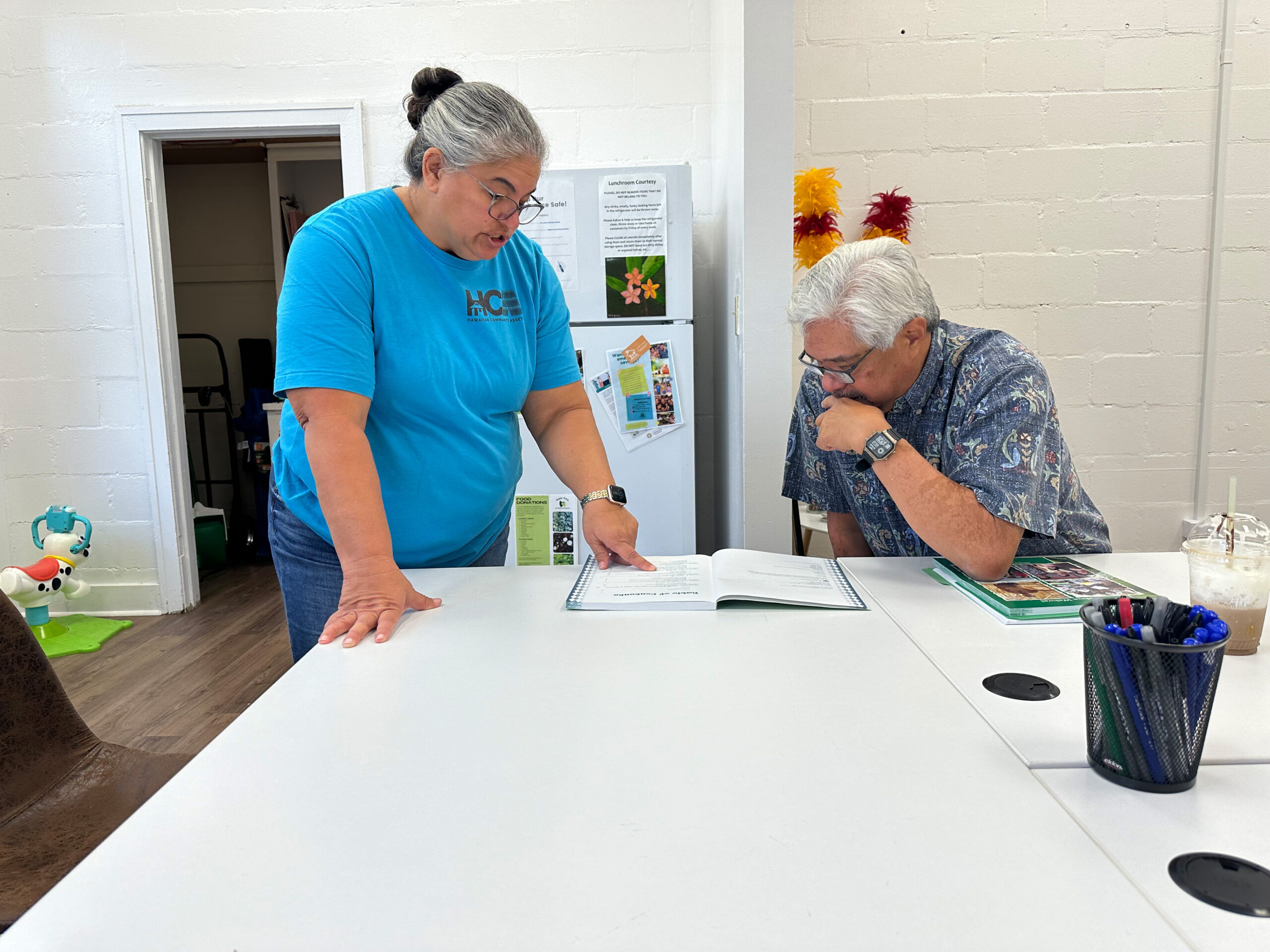
    Hawaiian Community Assets (HCA), a statewide nonprofit dedicated to building economic self-sufficiency and housing stability for low- and moderate-income communities, recently launched Project Maka‘ala (to be alert, vigilant and aware), a culturally grounded community initiative designed to help kūpuna recognize, avoid and respond to financial scams and fraud. The program is rooted in Hawaiian values: When something feels wrong — pause, kāhea (reach out), then decide. Kūpuna are encouraged to kāhea to a trusted person/resource before acting, to enhance clarity, protection and support.

    This spring, kūpuna gathered for a lunch-and learn event, fraud/scam awareness and protection seminar, community resource fairs, a film event and a workshop. Participants learned valuable skills, such as how to recognize, avoid and report potential fraud and scams. Guests shared real world mo‘olelo (stories) about how they identified and avoided fraud.

    Project Maka‘ala works with numerous community partners, including local law enforcement, the Kualoa-He‘eia Ecumenical Youth (KEY) Project and the multi-agency Kūpuna Alert Partners (KAP) program. The program provides free presentations on fraud, scams and prescription drug misuse to communities statewide. Project Maka‘ala also collaborates with Windward O‘ahu communities and Hawaiian Homestead residents.

    To protect yourself and your loved ones from an “under-the-radar” fraud epidemic, refer to the Consumer Financial Protection Bureau’s free “Smart Money for Older Adults” resource guide. If you suspect you may be a victim of fraud, contact the State of Hawai‘i’s Adult Protective and Community Services Branch Statewide Reporting Line: 808-832-5115.

    Help protect yourself by:

    • Identifying a trusted contact
    • Reviewing your accounts regularly
    • Securing personal information
    • Planning for financial, legal or medical decisions

    Stay tuned for future Project Maka‘ala events to
    learn more.

    HAWAIIAN COMMUNITY ASSETS (nonprofit)
    310 Paoakalani Ave., #204e, Honolulu, HI 96815
    808-587-7886 | oahufoc@hawaiiancommunity.net
    hawaiiancommunity.net

    Hawaiian Community Assets (HCA), a statewide nonprofit dedicated to building economic self-sufficiency and housing stability for low- and moderate-income communities, recently launched Project Maka‘ala (to be alert, vigilant and aware), a culturally grounded community initiative designed to help kūpuna recognize, avoid and respond to financial scams and fraud. The program is rooted in Hawaiian values:…

  • Wellness Beyond the Workout

    Wellness for kūpuna is often misunderstood. It is not just about staying physically strong or checking the right boxes at a doctor’s visit. True well-being includes physical health, mental health and something just as important: social connection. One of the greatest risks to health as we age is isolation. One of the greatest protectors at any age is belonging. At the YMCA, we see this every day. Many kūpuna first come to the Y to stay active. What keeps them coming back is connection. The Y offers classes on land and in the pool designed specifically for seniors, including strength, balance, water exercise and evidence-based programs like Enhance Fitness that help manage arthritis and support mobility. But the real magic happens beyond the workout.

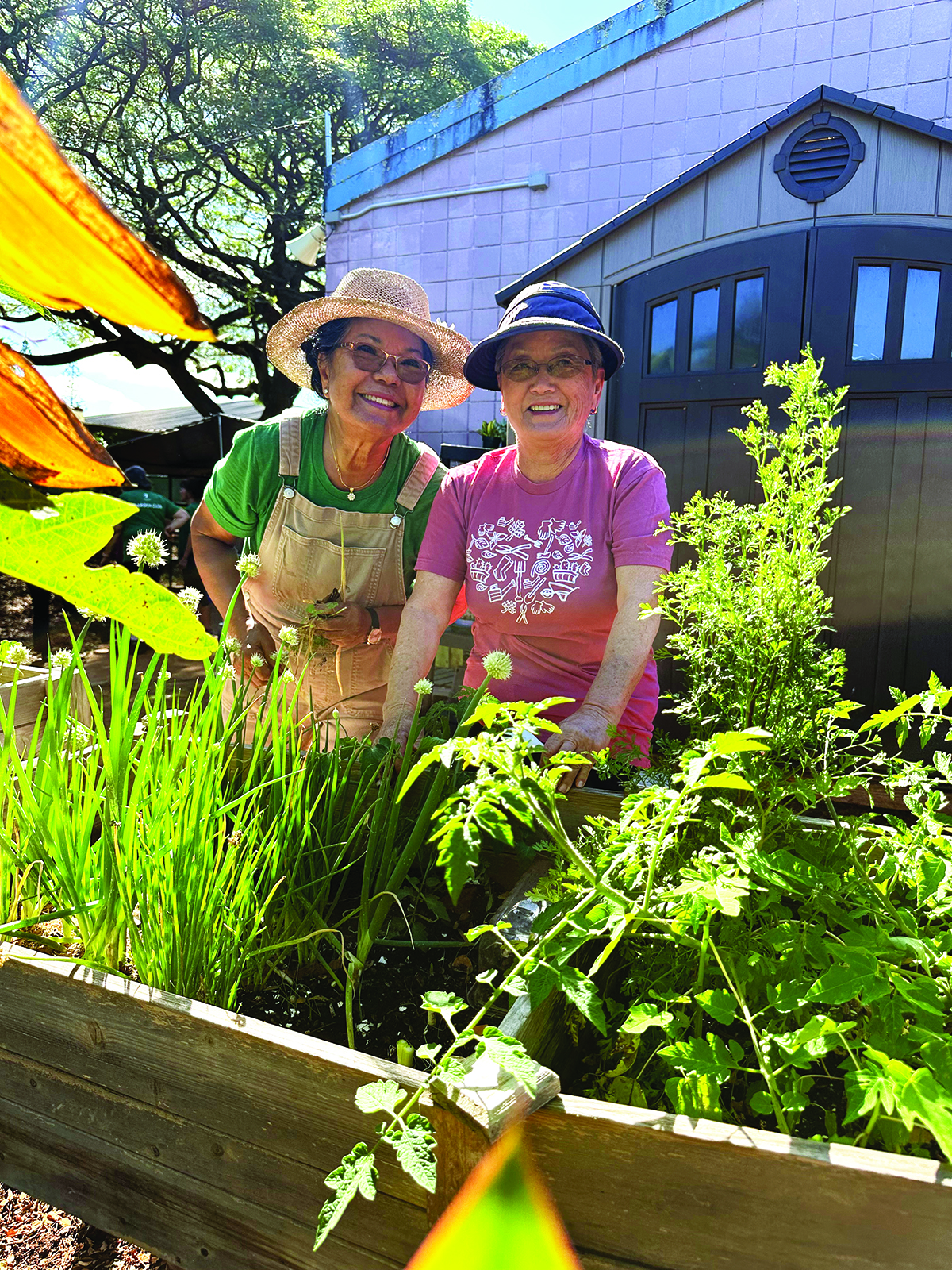
    Wellness at the Y looks like pickleball games/lessons, hula classes, garden clubs, nutrition workshops and digital classes. It includes celebrating birthdays and holidays, honoring veterans, recognizing achievements and sharing meals. Intergenerational activities include youth and senior hula classes. The impact is real. In our Kūpuna Food & Fun program, 100% of participants say they have met new people, made new friends and feel a sense of belonging. Well-being grows in places where you feel welcomed, valued and at home.


    YMCA OF HONOLULU – Metropolitan Office (nonprofit)
    1441 Pali Hwy., Honolulu, HI 96813
    808-531-9622 | info@ymcahonolulu.org
    ymcahonolulu.org

    Wellness for kūpuna is often misunderstood. It is not just about staying physically strong or checking the right boxes at a doctor’s visit. True well-being includes physical health, mental health and something just as important: social connection. One of the greatest risks to health as we age is isolation. One of the greatest protectors at…

  • VoTech Program Opens Career Doors

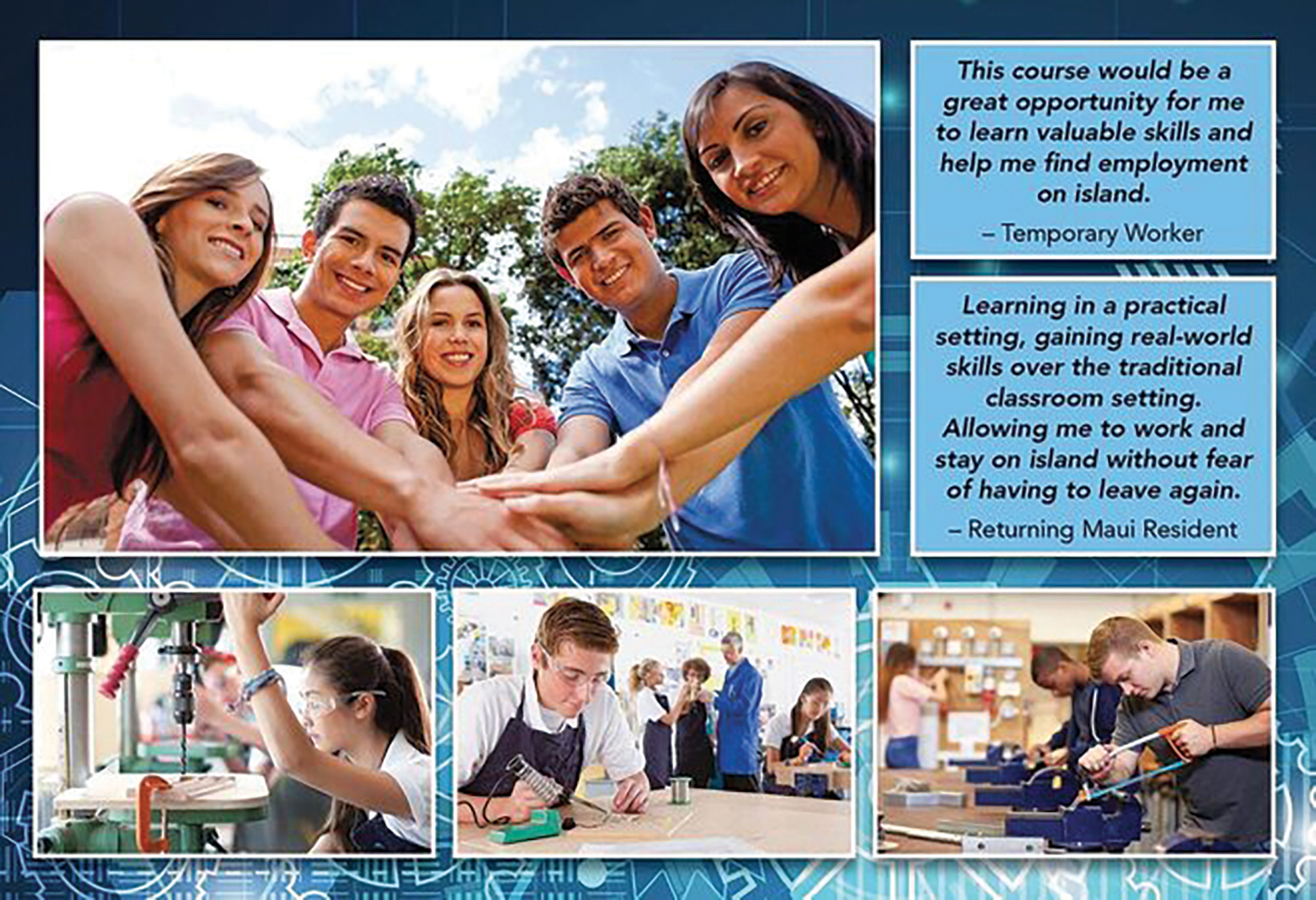
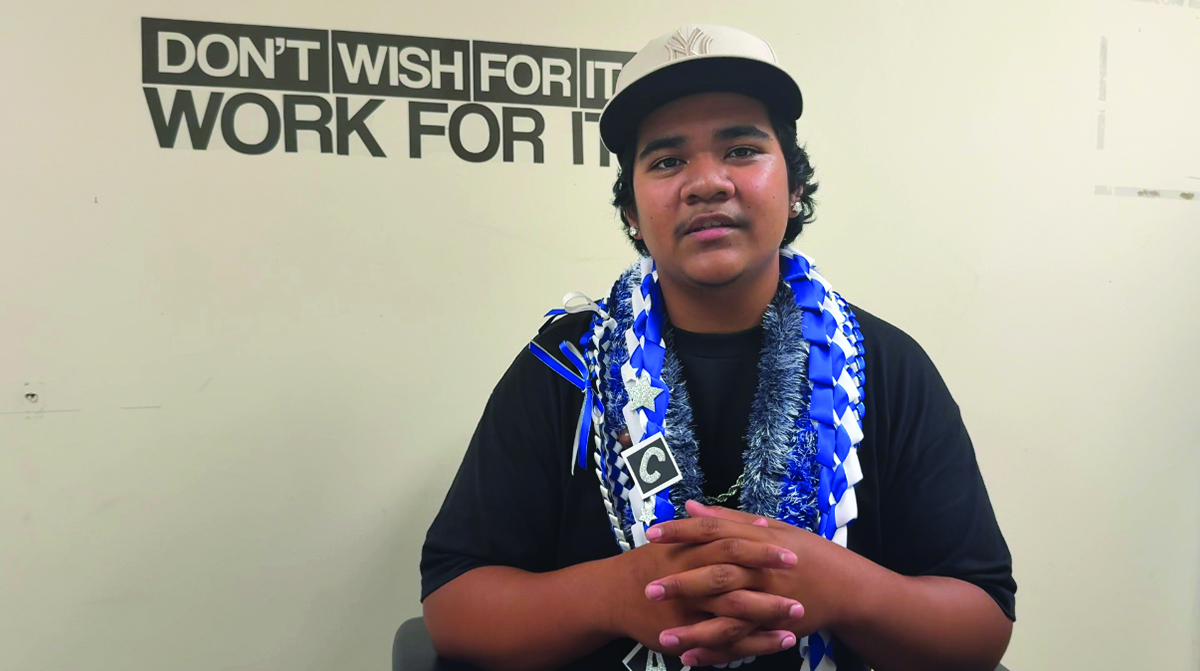
    “They helped me see bigger opportunities,” says Chasthan Hernandez, a 2025 graduate of a Maui vocational technology awareness program that helps qualifying high school students gain high-demand skills in the facilities maintenance and engineering trades.

    The Tradewinds VoTech awareness initiative offers
    learning in a practical setting, where students can gain
    real-world skills that are in high demand on Maui.

    For high school seniors who are not college-bound, the nonprofit Maui Facilities and Engineering Leadership Council (MFELC), comprised of members of the island’s major firms and businesses, offers another pathway to success. In this cross-generational education program, working and retired senior volunteers pass their knowledge about the trades to the next generation, helping to build careers through mentorship with qualifying high school seniors through communication, collaboration and education. A very impactful part of this program is the life experience and wisdom imparted by the instructors.

    The State of Hawai‘i Alternative Learning Programs, Services and Supports (ALPPS) program and the Baldwin-Kekaulike-Kulanihakoi-Maui Complex Area developed a hands-on learning experience tailored to graduating seniors who qualify and enroll in the program. The Tradewinds VoTech awareness initiative is a win-win for students and the community by giving students meaningful pathways to immediate, stable careers while closing the skilled worker gap and helping to ensure Maui’s continued growth and prosperity. The program offers avenues to paid training in construction, tools, blueprints and engineering skills, especially for wildfire survivors, graduates and returning residents to rebuild the island’s infrastructure and economy.

    Chasthan Hernandez

    Students will gain real-world, practical insights into Maui’s skilled trades, including plumbing, carpentry, electrical work, HVAC and more. Each module builds upon the last, offering students a deeper understanding of how these vital trades are interconnected and essential to Maui’s success. “Our goal is to provide graduating students with an awareness of how, with just a high school degree, they can access immediate opportunities for careers offering salaries that rival and in some cases exceed those of college graduates right here on Maui,” says MFELC Executive Director Rich Sato. “We’re here to open doors to career possibilities that many students may not have known existed.”

    Plans are also in the works to launch an online platform to engage more retirees. “We will match retired, skilled trades professionals with opportunities to put their skills to use—at their convenience—to help our member facilities augment their dwindling full-time—and in many cases overworked—teams,” says Rich. They are currently beta-trialing the platform and look to launch it in the first quarter of 2026.

    If your teen is not headed for college, help him or her find an alternate pathway to success on Maui. Businesses and retired seniors who are looking to re-engage and can offer their mentorship are also welcome to contact MFELC using the contact information below.


    MAUI FACILITIES AND ENGINEERING LEADERSHIP COUNCIL (nonprofit)
    95 Mahalani St, Ste. 28-4, Wailuku, HI 96793
    808-874-7400 | mauifelc@gmail.com
    mfelc.org

    “They helped me see bigger opportunities,” says Chasthan Hernandez, a 2025 graduate of a Maui vocational technology awareness program that helps qualifying high school students gain high-demand skills in the facilities maintenance and engineering trades. For high school seniors who are not college-bound, the nonprofit Maui Facilities and Engineering Leadership Council (MFELC), comprised of members…

  • Bridging Aging & Disability Care on Kaua‘i

    In Hawai‘i, many families care for both kūpuna and individuals with intellectual and developmental disabilities. But aging and disability systems often operate separately, leaving families with gaps in services, caregiving support and long-term planning.

    The Hawai‘i State Council on Developmental Disabilities (DD Council) works to improve the lives of people with developmental disabilities and their families. It brings together community members, agencies and advocates to identify needs, shape policy and promote inclusive practices. On Kaua‘i, the local DD Council plays a vital role in connecting partners and ensuring rural areas have access to coordinated support.

    Through the Bridging Aging and Disability Networks (BADN) initiative, the DD Council convened aging and disability providers to share information, align resources and strengthen care practices. This collaboration has led to community resource fairs, caregiver training, internship programs to grow the caregiving workforce and practical tools like emergency forms for families and first responders. BADN also emphasizes culturally grounded practices, respect for family caregiving traditions and proactive planning to reduce unnecessary institutionalization.

    Bridging these networks strengthens local capacity and supports Hawai‘i’s caregivers.


    HAWAI‘I STATE COUNCIL ON DEVELOPMENTAL DISABILITIES
    3060 Eiwa St. Rm. 207, Lihue, HI, 96766
    808-348-4898 | hiddcouncil.org

    In Hawai‘i, many families care for both kūpuna and individuals with intellectual and developmental disabilities. But aging and disability systems often operate separately, leaving families with gaps in services, caregiving support and long-term planning. The Hawai‘i State Council on Developmental Disabilities (DD Council) works to improve the lives of people with developmental disabilities and their…

  • Beware of Medical Identity Theft

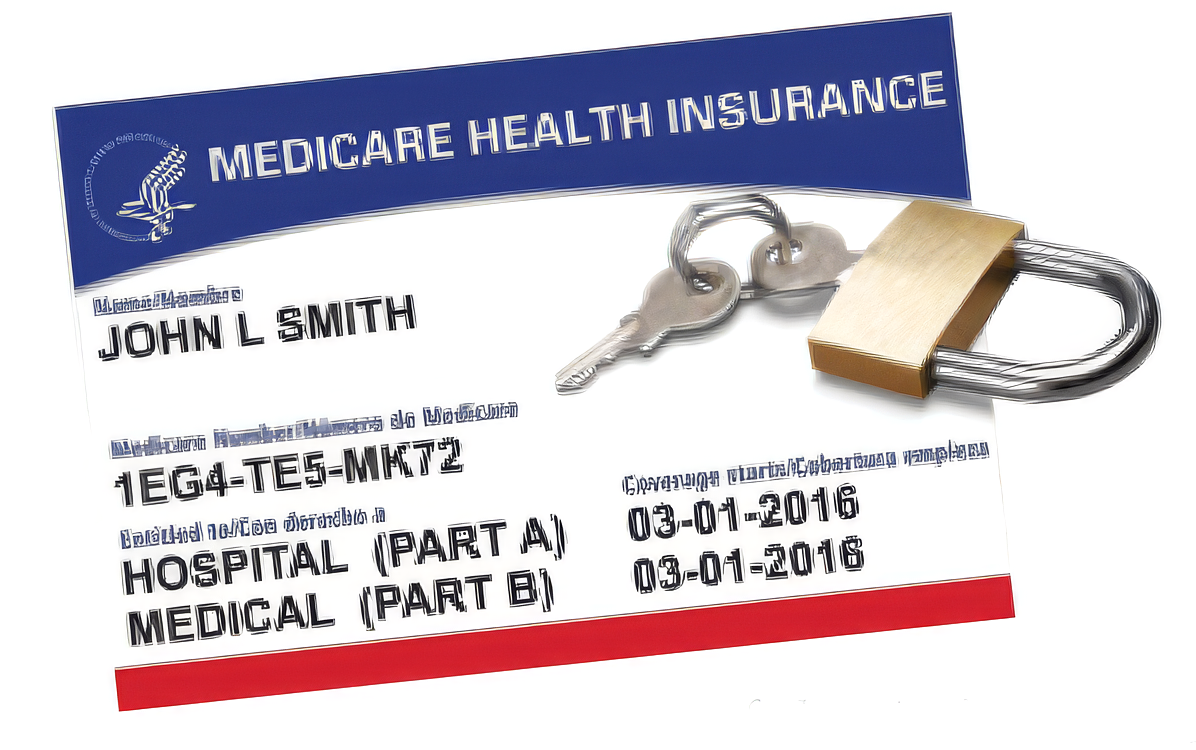
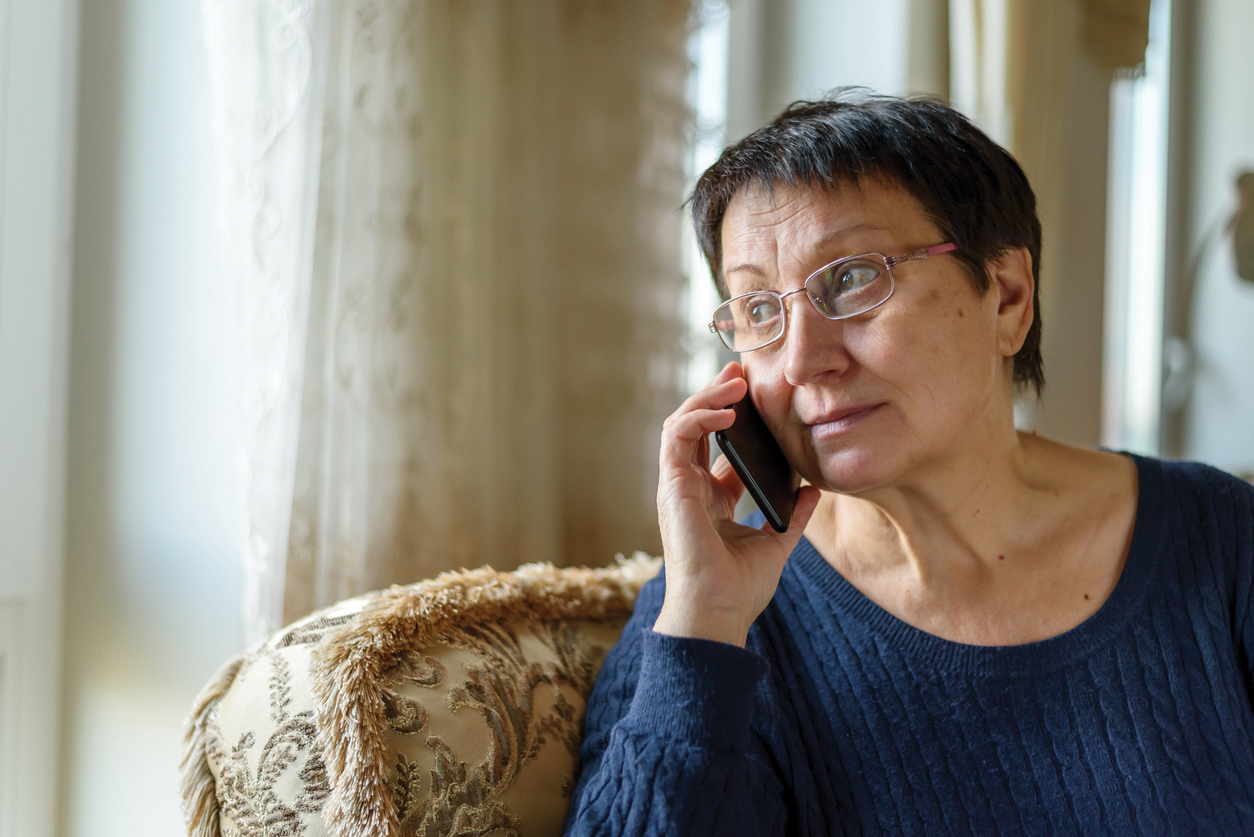
    When Aunty Lei’s Medicare Summary Notice showed lab test charges she didn’t recognize, she called SMP Hawai‘i, a volunteer-based federal program that helps prevent Medicare fraud through education. The counselor helped her report the fraud, document each detail and understand how scammers target kūpuna through their Medicare numbers.

    But Aunty Lei also wondered if these false charges would affect her benefits and future claims, so she was referred to Hawai‘i State Health Insurance Assistance Program (SHIP). SHIP offers free, confidential and unbiased counseling, outreach and education to help Medicare beneficiaries make informed decisions about their health coverage. A SHIP counselor helped review her Medicare plan and check her claims, and also taught her how to read her statements and understand her rights.

    SMP protected her from fraud, while SHIP helped her understand and resolve Medicare issues.

    Protect yourself:
    ❶ Never share your Medicare or Social Security number with unexpected callers;
    ❷ Review your Medicare Summary Notices and Explanation of Benefits regularly and
    ❸ Watch for bills, supplies or services you didn’t request.

    SMP HAWAIʻI & HAWAIʻI SHIP
    250 South Hotel St., Ste. 406, Honolulu, HI 96813
    SMP HAWAIʻI
    808-586-7281 | 1-800-296-9422 | smphawaii.org
    HAWAIʻI SHIP
    808-586-7299 | 1-888-875-9229 | hawaiiship.org
    When Aunty Lei’s Medicare Summary Notice showed lab test charges she didn’t recognize, she called SMP Hawai‘i, a volunteer-based federal program that helps prevent Medicare fraud through education. The counselor helped her report the fraud, document each detail and understand how scammers target kūpuna through their Medicare numbers. But Aunty Lei also wondered if these…

  • Helping to Protect Sea Turtles

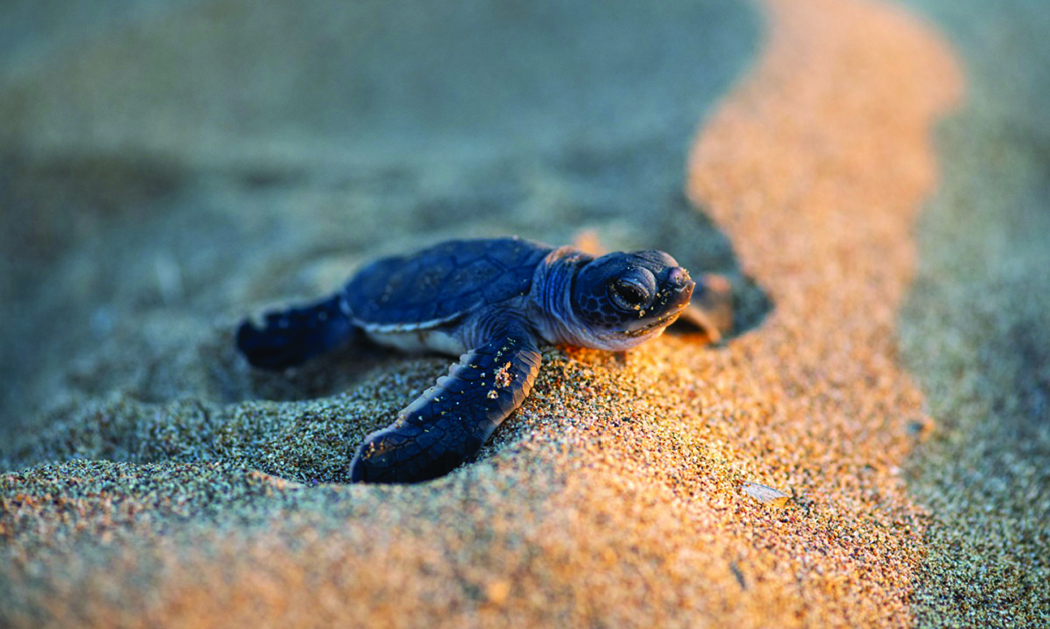
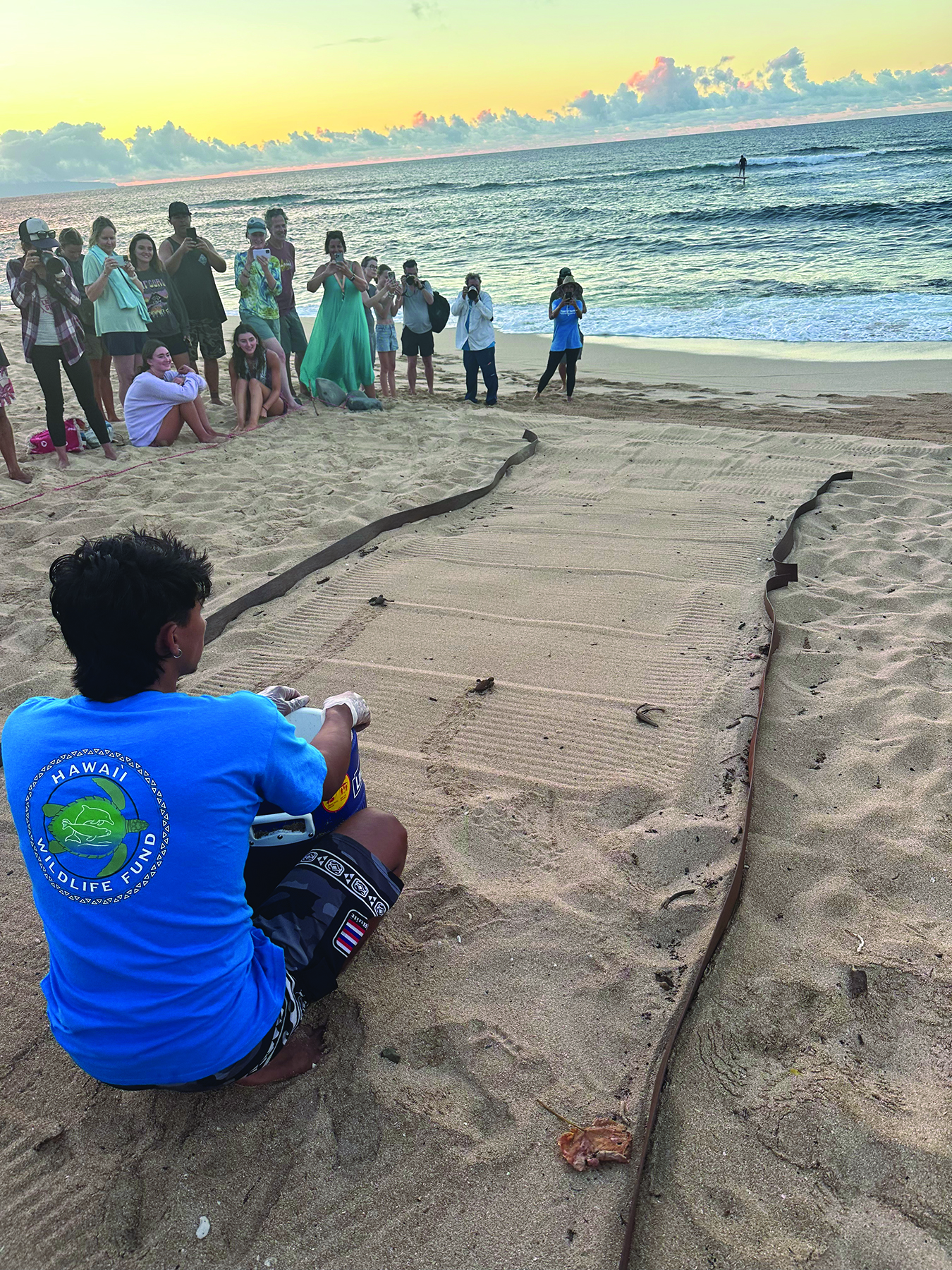
    Under the cover of a moonlit sky, a familiar hawksbill sea turtle, Orion, hauls herself up the beach with slow, powerful strokes. Now in her fifth nesting season, she begins meticulously carving into the sand, preparing a nest chamber to hold the next generation of hatchlings. One day, they too will repeat this prehistoric cycle.

    For nearly three decades, Hawai‘i Wildlife Fund (HWF) has been protecting nesting sea turtles, including the endangered hawksbill, helping to ensure the continuation of this cycle into an uncertain future. As a community-driven nonprofit organization, HWF is dedicated to the conservation of Hawai‘i’s coastal and marine species through research, education, marine debris removal and habitat restoration. On Maui, HWF leads several programs with a strong focus on safeguarding hatchlings and nesting sea turtles, including Dawn Patrol, Night Patrol and Nest Watch.

    Dawn Patrol staff and volunteers go out early looking for sea turtle tracks or an indication of a nest that has been laid. The Night Patrol looks for, guards and monitors nesting females. Nest Watch occurs day and night, watching over the nests to keep hatchlings safe from disturbance.

    However, the path to stronger sea turtle conservation on Maui has not been without its hardships. In 1993 and 1996, two hawksbill turtles searching for suitable nesting sites at Kealia Beach were tragically drawn off course by artificial lights from the nearby road. Both turtles, laden with eggs, were subsequently struck and killed by passing cars. Though heartbreaking and all too familiar, this incident marked a turning point for sea turtle conservation on Maui. In response, HWF and partnered agencies launched the Sea Turtle Recovery Project to address the many challenges sea turtles face through monitoring, researching, and the protection of nesting hawksbill and green turtles.

    Since then, with tireless support from our community, HWF has monitored 154 nests and protected 13,047 hatchlings as they made their way to the ocean. Each nesting season brings stories of resilience and survival, serving as a powerful reminder of the importance of this work. Nonetheless, every step forward is only possible through the dedication of our community. Every volunteer, from students to kūpuna, plays a vital role in our efforts. Join us in helping ensure that turtles like Orion—and even her hatchlings, who may now be finding their way back—continue to return and nest on the beaches of Maui for generations. Learn more or get involved on Maui via wildhawaii.org/get-involved/volunteer.


    HAWAI‘I WILDLIFE FUND (nonprofit)
    PO Box 790637, Paia, HI 96779
    719-332-0218 | alex@wildhawaii.org
    wildhawaii.org

    Under the cover of a moonlit sky, a familiar hawksbill sea turtle, Orion, hauls herself up the beach with slow, powerful strokes. Now in her fifth nesting season, she begins meticulously carving into the sand, preparing a nest chamber to hold the next generation of hatchlings. One day, they too will repeat this prehistoric cycle.…

  • Akamai Seniors: a Nonprofit for Seniors

    I’m honored to share the heart of Akamai Seniors, a nonprofit 501(c)(3) organization dedicated to serving Hawai‘i’s older adults. Our mission is simple: to help you find peace of mind and live healthy, productive lives, ensuring you get more out of life while spreading the aloha spirit in the communities we serve.

    We’re educators and a community outreach resource focusing on vital areas. Billions in benefits often go unclaimed because applications are complex. We step in to help. Our team provides crucial Medicare education, assisting with enrollment and ensuring you utilize the plan that best fits your needs. We also specialize in the Low-Income Subsidy (Extra Help) program. Half of all seniors qualify for this program that significantly lowers prescription drug costs and covers premiums.

    Beyond finances, we champion your overall well-being. Our Senior Wellness Program offers education on everything from fall prevention, nutrition and Alzheimer’s disease to combating social isolation. We also empower you with financial education, covering wills and trusts, Social Security and protection against scams.

    Akamai Seniors is your resource for aging and healthy living. We love our seniors and are always striving to best serve your needs. We believe every kupuna deserves to thrive!


    AKAMAI SENIORS (nonprofit)
    1311 Kapiolani Blvd., Ste. 508, Honolulu, HI 96814
    808-460-4940 | edward@akamaiseniors.org
    Akamaiseniors.org

    I’m honored to share the heart of Akamai Seniors, a nonprofit 501(c)(3) organization dedicated to serving Hawai‘i’s older adults. Our mission is simple: to help you find peace of mind and live healthy, productive lives, ensuring you get more out of life while spreading the aloha spirit in the communities we serve. We’re educators and…

  • From Keiki to Kūpuna

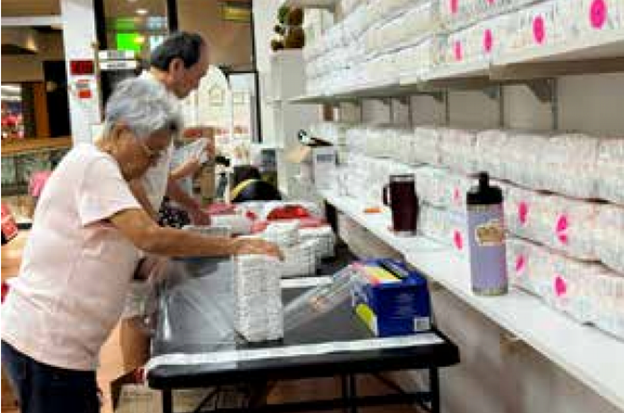
    Since 2019, Aloha Diaper Bank has supported Hawai‘i’s families by providing diapers and baby essentials to those in need. While our primary mission is keeping keiki healthy, we also gratefully accept donations of adult diapers, which are shared with kūpuna at our Windward Mall location and distributed to neighbor islands where the need is great.

    Kūpuna are more than recipients—they are an essential part of our organization. Many volunteer their time to wrap and inventory diapers and assist families visiting our site. Their involvement keeps them active, provides meaningful engagement, and allows them to share wisdom and experiences.

    Many kūpuna also care for their mo‘opuna (grandchildren), and we are honored to support them in that role. From keiki to kūpuna, every diaper donation impacts generations.

    We also host kūpuna-centered activities that foster connection and joy. Weekly hanafuda card games and monthly ‘ukulele classes with Joe Ahuna bring people together, encourage social interaction and celebrate lifelong learning.

    Together, we thrive when every generation is cared for with aloha.


    ALOHA DIAPER BANK (nonprofit)
    46-056 Kamehameha Hwy., Ste. 111, Kaneohe, HI 96744
    808-762-0364 | alohadiaperbank.org

    Since 2019, Aloha Diaper Bank has supported Hawai‘i’s families by providing diapers and baby essentials to those in need. While our primary mission is keeping keiki healthy, we also gratefully accept donations of adult diapers, which are shared with kūpuna at our Windward Mall location and distributed to neighbor islands where the need is great.…

  • Prepare for the Journey: As Memory Fades

    If you or a loved one has started to have memory loss, you may ask, “What will happen in the future? What can I do now to prepare?”

    SHARE may be right for you!

    Support, Health, Activities, Resources, Education (SHARE) is an evidence-based program that can help you or your loved one’s care team plan for the future by helping the team better understand the disease process, opening up communication channels, and providing resources that acknowledge individual values and preferences.

    The care team will include an individual at early stage of dementia or memory loss who is able to participate in discussion about their values, preferences and goals for the future. The other member of the care team is a care partner—often a spouse/significant other, adult child, or good friend—someone who is committed to being present with the person at an early stage as they progress on their life journey.

    A certified coach meets with the two-person care team in five sessions. The coach is a trained neutral party who will encourage communication and shares tips, skills and resources. A planning guidebook provided to the care team will serve as a tool to record plans for their future together.

    SHARE—and prepare—for the journey.


    CATHOLIC CHARITIES HAWAI‘I (nonprofit)
    1822 Keeaumoku St., Honolulu, HI 96822
    808-527-4777 | info@catholiccharitieshawaii.org
    catholiccharitieshawaii.org

    If you or a loved one has started to have memory loss, you may ask, “What will happen in the future? What can I do now to prepare?” SHARE may be right for you! Support, Health, Activities, Resources, Education (SHARE) is an evidence-based program that can help you or your loved one’s care team plan…

  • Medicare Coverage for Surgery

    Medicare covers many medically necessary services for both inpatient and outpatient surgical procedures, but the cost may vary depending on many factors.

    For outpatient surgery, the costs of ambulatory surgical center and hospital outpatient surgery may be different. Ambulatory centers usually have lower overhead costs than hospital-based outpatient surgery. For inpatient services, Medicare covers 80% of the Medicare-approved amount for doctors’ services you get while you are in a hospital and you pay the remaining 20% after meeting the deductibles. Currently, the Medicare Part A deductible is $1,676 and Part B is $257.

    Other factors that may affect cost include other insurance you may have aside from Medicare (Medicare Advantage or a Medigap plan), how much the provider charges or if the provider accepts Medicare assignment (the provider agrees to accept the Medicare-approved amount as full payment for covered services) and the type of facility.

    Outpatient costs can be found by looking up the procedure name, CPT code or Health Care Common Procedure Coding System code at medicare.gov/procedure-price-look-up. Get the code for a specific service from your healthcare provider for more accurate pricing.

    COPELAND INSURANCE GROUP
    1360 S. Beretania St., Ste. 209, Honolulu, HI 96814
    808-591-4877 | josie@copelandgroupusa.com
    planenroll.com/?purl=Josie-Banasihan

    Medicare covers many medically necessary services for both inpatient and outpatient surgical procedures, but the cost may vary depending on many factors. For outpatient surgery, the costs of ambulatory surgical center and hospital outpatient surgery may be different. Ambulatory centers usually have lower overhead costs than hospital-based outpatient surgery. For inpatient services, Medicare covers 80%…

  • Kupuna in the Classroom

    In classrooms across the State of Hawai‘i, a quiet yet powerful force is shaping the academic and emotional well-being of students: senior volunteers. Kupuna in the Classroom volunteers are stepping up to provide essential services that help bridge educational and emotional gaps many students face. They provide the kind of one-on-one attention and support that overburdened teachers often can’t consistently offer.

    Kupuna in the Classroom is also known as the
    Foster Grandparent Program.

    Kupuna in the Classroom volunteers are assigned to three to five students and focus on the specific needs of students. The one-on-one time they dedicate to students enables them to develop meaningful and productive relationships. This intergenerational model is good for the soul and helps kūpuna to stay active, use their cognitive skills and enhance their lives.

    To become a Kupuna in the Classroom (foster grandparent), an individual must be at least 55 years of age, commit to volunteering a minimum of 15 hours per week, and meet income and other program requirements.

    To volunteer as a foster grandparent, apply for services or for more information about this program, call the Foster Grandparent Program office on O‘ahu at 808-832-5169.

    FOSTER GRANDPARENT PROGRAM (nonprofit)
    1010 Richards St., Ste. 614, Honolulu, HI 96813
    shull@dhs.hawaii.gov | 808 832-5167
    humanservices.hawaii.gov/foster-grandparent-program

    In classrooms across the State of Hawai‘i, a quiet yet powerful force is shaping the academic and emotional well-being of students: senior volunteers. Kupuna in the Classroom volunteers are stepping up to provide essential services that help bridge educational and emotional gaps many students face. They provide the kind of one-on-one attention and support that…