Category: Programs & Services

  • Am I Doing This Right? Where Do I Turn?

    These questions are asked by every caregiver everywhere! Family caregivers frequently begin their journey with no experience and little or no training, which, understandably, leaves the caregiver feeling overwhelmed by their new responsibilities. There are 60,000 family caregivers caring for someone living with Alzheimer’s, so they bear the brunt of the disease in Hawai‘i.

    Caregivers don’t know what to expect as their loved one’s dementia progresses, so they don’t know what questions to ask in order to prepare themselves for what lies ahead. With no experience and no education, the caregiver will most likely experience stress, uncertainty, fear, frustration and a myriad of other emotions.

    The most effective ways to help ensure the highest quality of care for those with dementia are through caregiver education and making sure all the resources available to caregivers are easily accessible. Learning about the disease and knowing what to expect can help caregivers feel more in control and better able to cope and plan. Knowing where to turn to for help is crucial to help caregivers navigate their caregiving journey.

    There are many organizations that offer quality caregiver education at no cost to the caregiver, including the Alzheimer’s Association, The Caregiver Foundation, Project Dāna, AARP, the Hawaii Parkinson Association and Hale Hau‘oli Hawai‘i. Virtual workshops are advertised on websites.

    “To be forewarned is to be forearmed” makes sense for providing the public with information about Alzheimer’s disease and related dementias. Receiving education and training for caregiving, learning practical caregiving approaches and using local caregiving resources are important strategies. Armed with the resources needed to continue to provide safe, effective care for their loved one, and knowledge that there is help in the community to assist them, caregivers can be successful in their caregiving journeys, and their loved ones can remain in their communities.

    In addition, “The Dementia Public Awareness Campaign” bill passed through the legislature a few years ago and will be rolling out soon.

    HALE HAU‘OLI HAWAI‘I (nonprofit)
    98-1247 Kaahumanu St., Ste. 207, Aiea, HI 96701
    808-798-8706 | halehauolihawaii.org
    alz.org/help-support/caregiving
    thecaregiverfoundation.org/the-caregiver-foundation-services
    projectdana.org/caregiver
    states.aarp.org/hawaii/caregiver-resources
    parkinsonshawaii.org/resource-center

    These questions are asked by every caregiver everywhere! Family caregivers frequently begin their journey with no experience and little or no training, which, understandably, leaves the caregiver feeling overwhelmed by their new responsibilities. There are 60,000 family caregivers caring for someone living with Alzheimer’s, so they bear the brunt of the disease in Hawai‘i. Caregivers…

  • Long-Term Care Ombudsman Program

    This year, we celebrate the 50th anniversary of the Long-Term Care Ombudsman Program (LTCOP). Part of the Executive Office on Aging, an ombudsman is primarily an advocate for residents living in a nursing home, assisted living facility, community care foster family home, or an adult or expanded adult residential care home. Having an advocate is especially important for residents who are comatose, have dementia or cannot speak for themselves.

    The LTCOP is federally mandated to visit every facility at least once a quarter. With 1,779 facilities (12,895 beds) spread over six islands, that can only be accomplished with volunteers.

    We are not state inspectors. We don’t cite facilities for deficiencies when regulations are violated. The state Department of Health’s Office of Health Care Assurance does that. We champion quality of life and quality of care for all residents.

    The LTCOP utilizes both staff and certified volunteers to promote its mission to provide culturally sensitive advocacy and referral services to Hawai‘i’s long-term care residents.

    For more information on becoming a volunteer, use the contact information below.

    STATE LONG-TERM CARE OMBUDSMAN
    Executive Office on Aging
    Hawai‘i State Department of Health–Ka ‘Oihana Olakino
    250 South Hotel St., Ste. 406 Honolulu, HI 96813
    john.mcdermott@doh.hawaii.gov | C: 808-892-9306
    808-586-7268 | Toll Free: 1-888-229-2231
    hi-ltc-ombudsman.org | health.hawaii.gov/eoa

    This year, we celebrate the 50th anniversary of the Long-Term Care Ombudsman Program (LTCOP). Part of the Executive Office on Aging, an ombudsman is primarily an advocate for residents living in a nursing home, assisted living facility, community care foster family home, or an adult or expanded adult residential care home. Having an advocate is…

  • SSA Issues Imposter Scam Alert

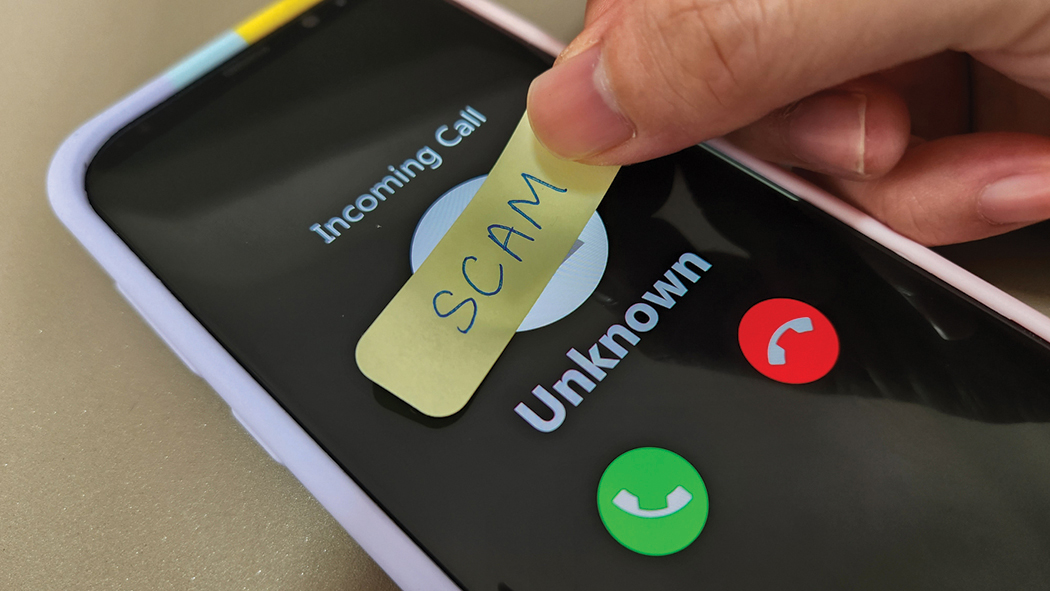
    Social Security (SS) imposter scams continue to be widespread across the United States. Scammers use tactics to deceive you into providing sensitive information or money. If you receive a suspicious letter, text, email or call, do not respond.

    SSA WILL NEVER:

    • Text or email images of an employee’s official government identification
    • Suspend your SS number
    • Threaten you with arrest or other legal action unless you immediately pay a fine or fee
    • Require payment by retail gift card, wire transfer, internet currency or cash by mail
    • Promise a benefit increase or other assistance in exchange for payment
    • Mail or email “official” letters or reports containing your personal information

    WE ONLY SEND TEXT MESSAGES IN LIMITED SITUATIONS, INCLUDING:

    • When you have subscribed to receive updates and notifications by text
    • As part of our enhanced security when accessing your personal my Social Security account

    If you owe money to us, we will mail you a letter with payment options and appeal rights. SS employees do contact the public by telephone for business purposes. Ordinarily, the agency calls people who have recently applied for a SS benefit, are already receiving payments and require an update to their record or have requested a phone call from the agency. If there is a problem with a person’s SS number or record, SS will mail a letter.

    Report suspected SS imposter scams and other SS fraud by going to the Office of the Inspector General’s website: oig.ssa.gov/report. Find more information about scams at ssa.gov/scam. Please share this information with your friends, family and colleagues to help spread awareness about Social Security imposter scams.

    For more SSA information, call 7am–5pm, Mon–Fri:
    1-800-772-1213 (toll free) | socialsecurity.gov
    Your COLA Notice

    Individuals who have a personal my Social Security account can view their COLA notice online, which is secure and faster than receiving a letter in the mail. Users can also receive text or email alerts when there is a new message waiting for them, including a COLA notice. Set up a my Social Security account at ssa.gov/myaccount.

    SSA ONLINE SERVICE HOURS
    Eastern Standard Time
    Mon– Fri 4:15am–1am
    Sat 5am–11pm
    Sun 8am–11:30pm
    SSA COLA: ssa.gov/cola
    ssa.gov/news/press/factsheets/colafacts2025.pdf
    SSA Full Retirement Age Chart:
    ssa.gov/benefits/retirement/planner/agereduction.html
    Medicare & You 2025:
    publications/10050-medicare-and-you.pdf

    Social Security (SS) imposter scams continue to be widespread across the United States. Scammers use tactics to deceive you into providing sensitive information or money. If you receive a suspicious letter, text, email or call, do not respond. SSA WILL NEVER: WE ONLY SEND TEXT MESSAGES IN LIMITED SITUATIONS, INCLUDING: If you owe money to…

  • SSA Benefits Toolkits Explained

    We’ve released new resources to help you better understand Social Security benefits. We’ve designed easy-to-use toolkits to provide education about our programs for children and our benefits for families after the death of a loved one. Our School Professional and Survivor Benefits toolkits are downloadable PDFs that include ready-to-go communications, such as sample email blasts, newsletter articles, hand-outs and social media posts.

    SCHOOL PROFESSIONAL TOOLKIT

    The School Professional Toolkit at ssa.gov/marketing/assets/materials/toolkit-ss-benefits-and-ssi-payments-for-children.pdf is for teachers, school counselors and other educators. The purpose of this toolkit is to educate parents and guardians about the financial help we provide. We make payments to students with disabilities and to those who have experienced the loss of a parent or have a parent who is receiving retirement or disability benefits.

    The toolkit discusses the following:

    • Eligibility requirements
    • How to apply
    • How to respond to requests for school records and forms
    • Evidence we need from school professionals to determine whether a child with a disability may be eligible for SSI

    SURVIVORS BENEFITS TOOLKIT

    The Survivors Benefits Toolkit at ssa.gov/marketing/assets/materials/toolkit-ss-survivors-benefit.pdf is for funeral homes, care facilities and other organizations working with people who have lost a loved one. This toolkit increases awareness about survivors benefits for eligible family members. We make monthly payments to surviving spouses, minor children, adult children with disabilities and dependent parents of workers who paid Social Security taxes before they died.

    The toolkit discusses the following:

    • Eligibility requirements
    • How to apply
    • Evidence for processing applications

    For more information about our toolkits, visit the blog post titled “New Resources for School Employees and Survivors” at blog.ssa.gov/new-resources-to-educate-school-employees-and-survivors. Please help us spread the word about our tool-kits with your colleagues and others who may find them helpful.

    For more information on SSA benefits, including who is eligible and how to apply, visit ssa.gov/benefits. To make an appointment, call between 7am and 5pm, Mon–Fri: 1-800-772-1213 | socialsecurity.gov

    We’ve released new resources to help you better understand Social Security benefits. We’ve designed easy-to-use toolkits to provide education about our programs for children and our benefits for families after the death of a loved one. Our School Professional and Survivor Benefits toolkits are downloadable PDFs that include ready-to-go communications, such as sample email blasts,…

  • Recreation, Leisure & Assistive Technology

    Recreational activities provide a wide range of benefits for seniors, significantly contributing to their physical health, mental sharpness and emotional well-being.

    Engaging in leisure activities helps maintain physical fitness, stimulates cognitive function and fosters emotional resilience. Additionally, recreation offers seniors valuable opportunities to form and strengthen social connections, promoting a strong sense of community and reducing feelings of isolation.

    In recent years, assistive technology (AT) has emerged as a powerful ally in helping older adults stay engaged in recreational and leisure pursuits. AT enables seniors to maintain independence, explore new interests, and participate in social and physical activities despite age-related challenges. With the help of technology, seniors can remain active, socially connected and mentally engaged, enhancing their overall quality of life.

    What is Assistive Technology?

    Assistive technology is a broad term that includes tools, devices and systems designed to help individuals maintain or improve their functional abilities. These technologies assist with mobility, communication, cognition, vision, hearing and self-care. As people age, they often face physical or cognitive limitations. AT can help bridge those gaps to support health, participation and inclusion.

    AT for Staying Physically Active

    A wide range of assistive technology is available to help seniors engage in physical and recreational activities. Adaptive equipment makes hobbies like fishing, golf, billiards, bowling, photography, cycling and gardening more accessible. Specialized tools for card and board games and arts and crafts allow seniors to continue enjoying their favorite pastimes.

    Mobility aids such as wheelchairs, walkers, scooters and canes are vital for enabling recreation participation. Some wheelchairs are specially designed for sports such as tennis or basketball.

    Fitness trackers serve as adaptive technologies by helping seniors monitor their physical activity and health data in real-time.

    Sensory assistive devices like vibrating timers, tactile maps and audio beacons, enable individuals with hearing or vision impairments to enjoy outdoor and sports activities safely and independently.

    AT for Staying Social

    Technology also plays a significant role in helping seniors to maintain social connections. Tools such as video chat apps, adaptive phones and digital group platforms help older adults to stay in touch with family, friends and community groups, promoting their social engagement and reducing their isolation.

    AT for Mental Health and Enrichment

    Devices like speech readers, screen readers, FM systems, virtual reality, smart home assistants and communication aids provide mental stimulation and entertainment. Voice recognition software, braille displays and alternative input devices allow those with physical or cognitive impairments to access digital content and interact with the world around them.

    By integrating assistive technology into their lives, Hawai‘i’s seniors can enjoy a more active, social and enriched lifestyle. ATRC is committed to helping older adults explore how AT can support their well-being and fully empower them to participate in the activities they love.

    ASSISTIVE TECHNOLOGY RESOURCE CENTERS OF HAWAI I (nonprofit)
    200 N. Vineyard Blvd., Ste. 430, Honolulu, HI 96817
    808-532-7110 | info@atrc.org | atrc.org
    ATRC does not sell products, but recommends vendors. Device demonstration and lending programs give individuals and groups the opportunity to make an informed choice about an AT device prior to acquiring one.

    Recreational activities provide a wide range of benefits for seniors, significantly contributing to their physical health, mental sharpness and emotional well-being. Engaging in leisure activities helps maintain physical fitness, stimulates cognitive function and fosters emotional resilience. Additionally, recreation offers seniors valuable opportunities to form and strengthen social connections, promoting a strong sense of community and…

  • A Lifeline for Tenants & Landlords

    Managing rental agreements can be challenging, especially when tenants face financial difficulties. When rent isn’t paid and communication breaks down, eviction often becomes the next step. However, there’s a way to address these issues before they escalate into legal proceedings. The Early Eviction Mediation (EEM) program is a neutral, solution-based approach whereby tenants and landlords can come together with the help of an impartial mediator to find mutually agreeable solutions that allow tenants to remain in their homes while enabling landlords to receive payment — without needing to go to court.

    What to Expect from EEM

    Mediation is straightforward and accessible. Sessions are conducted through Zoom. For those with no internet, The Mediation Center of the Pacific (MCP) provides in-person access at its office.

    Both parties are required to sign a confidentiality agreement to protect the privacy of the discussions. The mediation session typically lasts about 1.5 hours, during which the mediator helps facilitate communication. Participants can also meet with the mediator separately.

    In addition to the mediator’s guidance, participants can involve case managers, social workers or US Veterans Affairs Department case managers to ensure they have support and resources.

    Mediations are scheduled quickly, typically within 48 hours, and can be resolved in three to five business days, depending on the availability of the parties involved. This quick turnaround time is especially important for senior tenants facing eviction and senior landlords who rely on rental income for their livelihood.

    Benefits of EEM

    The mediation program boasts an impressive93% agreement rate. Agreements can include payment plans, giving tenants a chance to catch up on overdue rent, or mutually agreed-upon move-out dates that allow sufficient time for tenants to secure new housing. Such solutions help foster greater housing stability, allowing tenants to stay housed longer and landlords to avoid costly, uncertain legal proceedings.

    Mediation is cost-effective and efficient. It helps prevent the emotional and financial toll of eviction, improves communication, and strengthens trust between tenants and landlords. By addressing these issues early, both parties are empowered to find solutions that keep the housing market stable and reduce the risk of future disputes. Contact us for more information.

    THE MEDIATION CENTER OF THE PACIFIC
    1301 Young St., 2nd Floor, Honolulu, HI 96814
    808-521-6767 | Roberta@mediatehawaii.org
    Mediatehawaii.org/eem

    Managing rental agreements can be challenging, especially when tenants face financial difficulties. When rent isn’t paid and communication breaks down, eviction often becomes the next step. However, there’s a way to address these issues before they escalate into legal proceedings. The Early Eviction Mediation (EEM) program is a neutral, solution-based approach whereby tenants and landlords…

  • Nourishing Kūpuna: Body & Soul

    Lana grew up in Kalihi, where her exceptional voice was recognized early on. Her family often said, “You have a voice you can hear three blocks away!” This talent led her to study at the University of Hawai‘i and later at San Jose State University, where she earned a master’s degree in vocal performance and piano. Through the years, Lana became well-known for her operatic roles across California, New York, Canada and Hawai’i, enjoying a long career as a teacher, performer and music director.

    Many years after returning home to care for her mother, Lana faced unexpected challenges. Struggling with memory loss, she found it difficult to make ends meet, with many of her meals consisting of just bread, tuna and Vienna sausages. She reached out to Hawai’i Meals on Wheels and we delivered meals to her within a day.

    Lana and Keoki

    Because Lana is homebound, she really looks forward to visits from our meal delivery staff and volunteers. Recently, we made a special Saturday visit to Lana — bringing both lunch and music to share. We learned that she had once sung with the Royal Hawaiian Band. Even more remarkably, her meal delivery driver, Keoki, revealed that both he and his father had also performed in the band. It was a beautiful moment of connection!

    Lana cherishes these interactions. “Those who bring my meals are wonderful,” she says. “I look forward to their smiles, ‘good mornings’ and ‘how are yous.’ They are always uplifting. While I miss doing the things I used to do, the small interactions and time to talk story keep my most precious moments alive.”

    Home-delivered meals have brought Lana great relief, providing both nutritious food and a consistent source of comfort.

    “People ask, ‘Do you still cook?’ I say, ‘Are you kidding? I have Hawai’i Meals on Wheels!’ No need worry. I love the meals. They are perfect — healthy and just the right portions,” Lana said.

    Lana’s story is a testament to the power of community and connection. Through the simple act of delivering meals, Hawai’i Meals on Wheels ensures kūpuna like Lana are not only nourished but also reminded that they are cherished and never alone. These moments of shared humanity and care define what we do — and why it matters.

    For more information about the program, please contact Hawai‘i Meals on Wheels using the information provided below.

    HAWAI‘I MEALS ON WHEELS (501(c) 3 nonprofit)
    P.O. Box 236099, Honolulu, HI 96822
    808-988-6747 | hmow.org

    Lana grew up in Kalihi, where her exceptional voice was recognized early on. Her family often said, “You have a voice you can hear three blocks away!” This talent led her to study at the University of Hawai‘i and later at San Jose State University, where she earned a master’s degree in vocal performance and…

  • Safe Prescription Drug Disposal

    The amount of unwanted medical waste has risen considerably in recent decades. But did you know that unused or expired medicine should be properly disposed of when it is no longer needed? But proper disposal does not mean throwing it in the trash or flushing it. Proper disposal by the proper authorities during Drug Take Back Days reduces the risk of prescription drugs entering the human water supply or potentially harming aquatic life.

    Why proper disposal of expired or unused medication is important, according to government officials and law enforcement agencies:

    • Expired medicines may lose their effectiveness.
    • Improper use of prescription drugs can be as dangerous as illegal drug use.
    • Having unused or expired medicine in your home increases the risk of accidental poisoning — especially in homes where children or the elderly live, as they are especially vulnerable.
    • People may mistake one type of medicine for another, as pills can look very similar.
    • Children may mistake medicine for candy.

    Plus, the drug overdose epidemic in the US has become a clear and present public health, public safety and national security threat.

    The main goal of the program is to fight the opioid epidemic, which medical professionals say can stem from the easy access to such medicines in homes everywhere. Removing unneeded medicine helps to prevent misuse and opioid addiction from ever starting and is also intended to help reduce drug-related violence.

    For the public’s safety, the Hawai‘i Department of the Attorney General has partnered with the US Drug Enforcement Administration (DEA), the Hawai‘i Department of Public Safety’s Narcotics Enforcement Division, and other local law enforcement agencies to participate in the National Prescription Drug Take Back Days. Results of these take-back events have been substantial, “with thousands of pounds of unneeded and potentially dangerous medications being collected and safely destroyed,” the DEA says.

    National Take Back Initiatives (NTBIs) are conducted every spring and fall and are free and anonymous services to the public — no questions asked. Anyone with expired or unused medications is encouraged to bring them to the collection sites located on O‘ahu, Maui, Kaua‘i and Hawai‘i Island on April 26 and Oct. 25, 2025, from 10am to 2pm. The majority of the take-back locations will be drive-through. So, if you’ve got a bottle or patch of medicine, or a vaping device you no longer use, drive to one of these centers for safe disposal.

    Tablets, capsules, liquids, and other forms of medication will be accepted. Everything can be kept in its original container. Labels do not need to be removed. But batteries must be removed from vaping devices before dropping them off. New or used syringes will not be accepted.

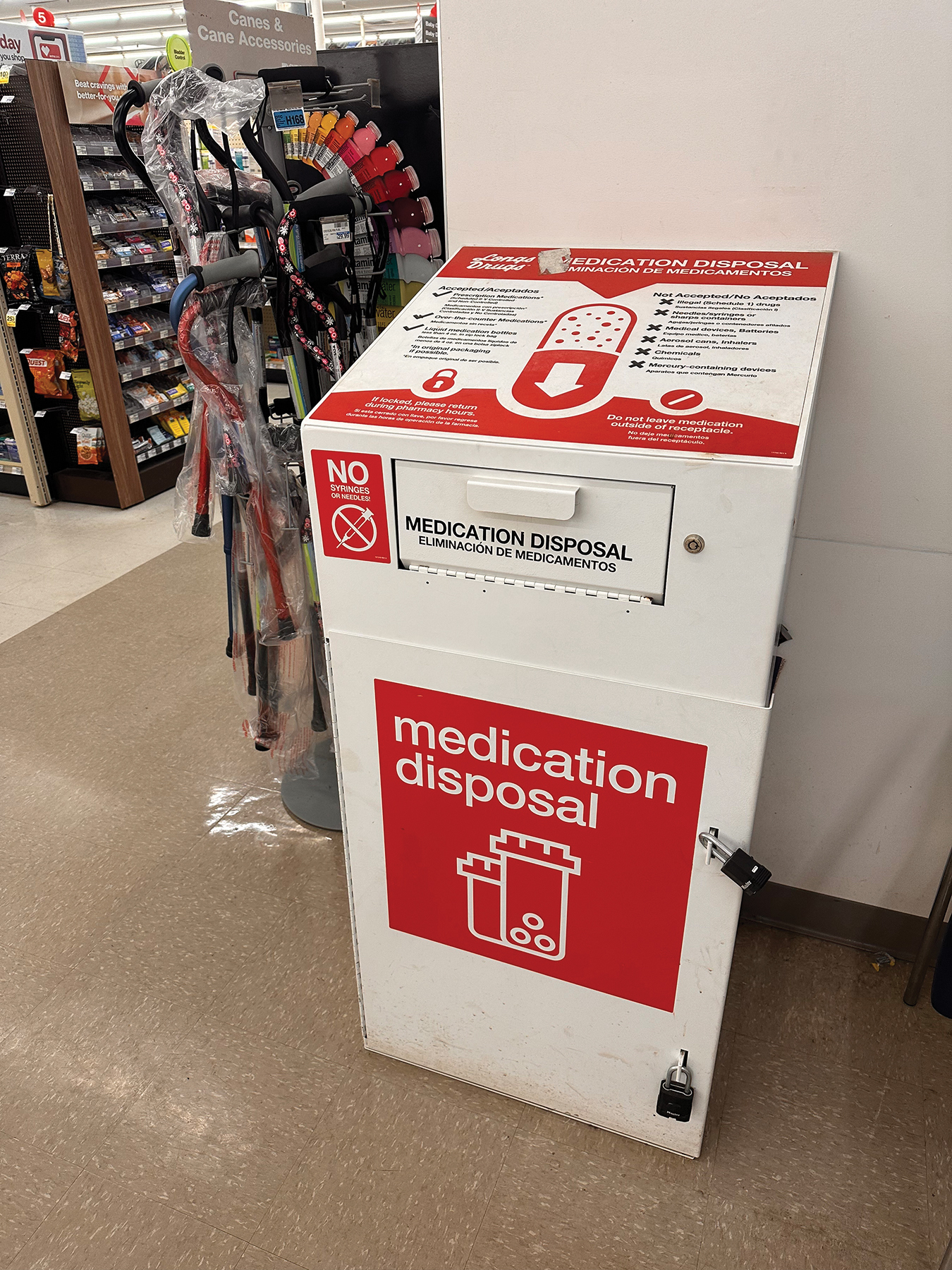
    Visit manoa.hawaii.edu/c3od2a/take-back for a list of take-back locations in Hawai‘i. To find your nearest take-back location, visit dea.gov/takebackday#resources (enter your zip code). If you are unable to participate in the take-back event, there are several year-round medication drop-off sites across the state. Any police or fire station will accept medication. Many CVS stores and all military pharmacies also have anonymous drop-off boxes that look like large mail boxes. Ask your pharmacist for help locating a box.

    No access to the internet? Contact GM Publisher Cynthia Arnold at Cynthia@Generations808.com or 808-258-6618, or GM Community Relations Manager Sherry Goya at sgoyallc@aol.com or 808-722-8487 for locations.

    The amount of unwanted medical waste has risen considerably in recent decades. But did you know that unused or expired medicine should be properly disposed of when it is no longer needed? But proper disposal does not mean throwing it in the trash or flushing it. Proper disposal by the proper authorities during Drug Take…

  • Help Prevent Medicare Fraud & Abuse

    Medicare fraud poses a significant threat to the integrity of healthcare systems, leading to increasing healthcare costs and undermining trust. Medicare loses an estimated $60 billion annually due to fraud, errors and abuse, but the actual figure is difficult to measure. Medicare fraud and abuse can block people’s access to potentially lifesaving services and benefits. Educating yourself and your loved ones on how to prevent Medicare fraud, errors and abuse is the best place to start.

    Understanding Medicare Fraud

    Medicare fraud involves the intentional deception or misrepresentation that results in unauthorized benefits. Common examples are as such:

    Phantom billing: Charging for services or equipment not provided.

    Patient billing: Using a beneficiary’s Medicare number for false claims.

    Upcoding: Billing for more expensive services than those actually performed.

    Kickbacks: Receiving incentives for patient referrals or prescribing specific products.

    Preventing Medicare Fraud

    Beneficiaries should be vigilant:

    Protect personal information: Never share Medicare numbers with unverified groups.

    Review statements: Regularly examine Medicare Summary Notices (MSNs) and Explanation of Benefits (EOBs) for inconsistencies.

    Avoid unsolicited offers: Offers for free medical services or equipment may be scams.

    Detecting and Reporting Fraud

    To identify potential fraud:

    Verify services: Ensure all billed services were received and necessary.

    Check provider legitimacy: Confirm that providers are reputable/services were authorized.

    If fraud is suspected:

    Contact providers: Discuss billing concerns with healthcare providers.

    Report to authorities: Reach out to the Senior Medicare Patrol (SMP) or the Office of Inspector General.

    Senior Medicare Patrol

    SMP Hawaii is a federally funded volunteer program that empowers and assists Medicare beneficiaries to prevent, detect and report healthcare fraud. By staying informed and vigilant, we all can play a crucial role in identifying and mitigating dishonest activities.

    SENIOR MEDICARE PATROL (SMP) HAWAII
    1-800-296-9422 | info@smphawaii.org
    smphawaii.org | Facebook: smphawaii808

    Medicare fraud poses a significant threat to the integrity of healthcare systems, leading to increasing healthcare costs and undermining trust. Medicare loses an estimated $60 billion annually due to fraud, errors and abuse, but the actual figure is difficult to measure. Medicare fraud and abuse can block people’s access to potentially lifesaving services and benefits.…

  • A Native Hawaiian Health Road Map

    Hawaiian elders are treasured and revered for their profound and invaluable role in strengthening families and sustaining the rich tapestry of Hawaiian culture and language. But despite their significance, they have the poorest health outcomes compared to their counterparts from other ethnic groups in Hawai‘i. They are at the highest risk of developing dementia as they age.

    In 2023, Papa Ola Lōkahi (POL), the Hawaiian Board of Health, followed the Healthy Brain Institute (HBI) Road Map for Indian Country to develop the Road Map for Native Hawaiians to inform the state plan of public health strategies to specifically address their unique needs.

    Using cultural sensitivity and understanding, POL conducted focus groups with kūpuna and stakeholders to gain information about service barriers and gaps, caregiver and patient support, and culturally relevant recommendations.

    The HBI Road Map for Indian Country highlighted important themes that guided POL’s inquiries when it engaged with advisory board members, Hawaiian elders and focus group participants. The process was grounded in cultural values, with utmost respect for Hawaiian elders, sensitivity toward their family/caregivers and mindfulness that trust is essential to developing and sustaining collaborative relationships.

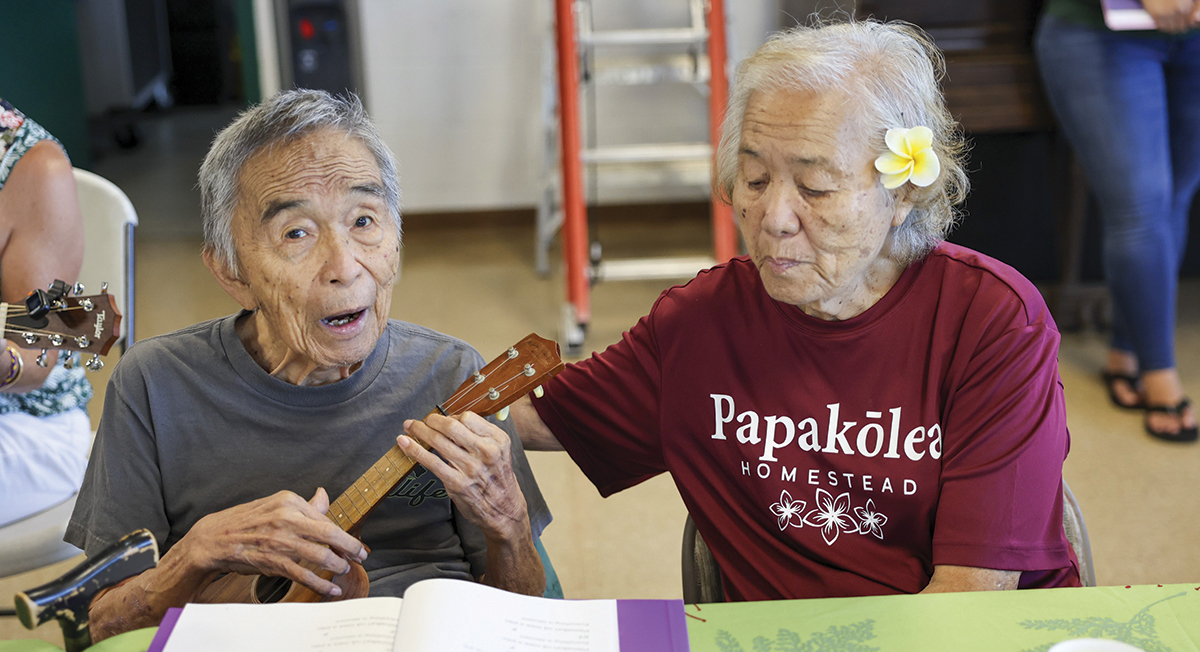
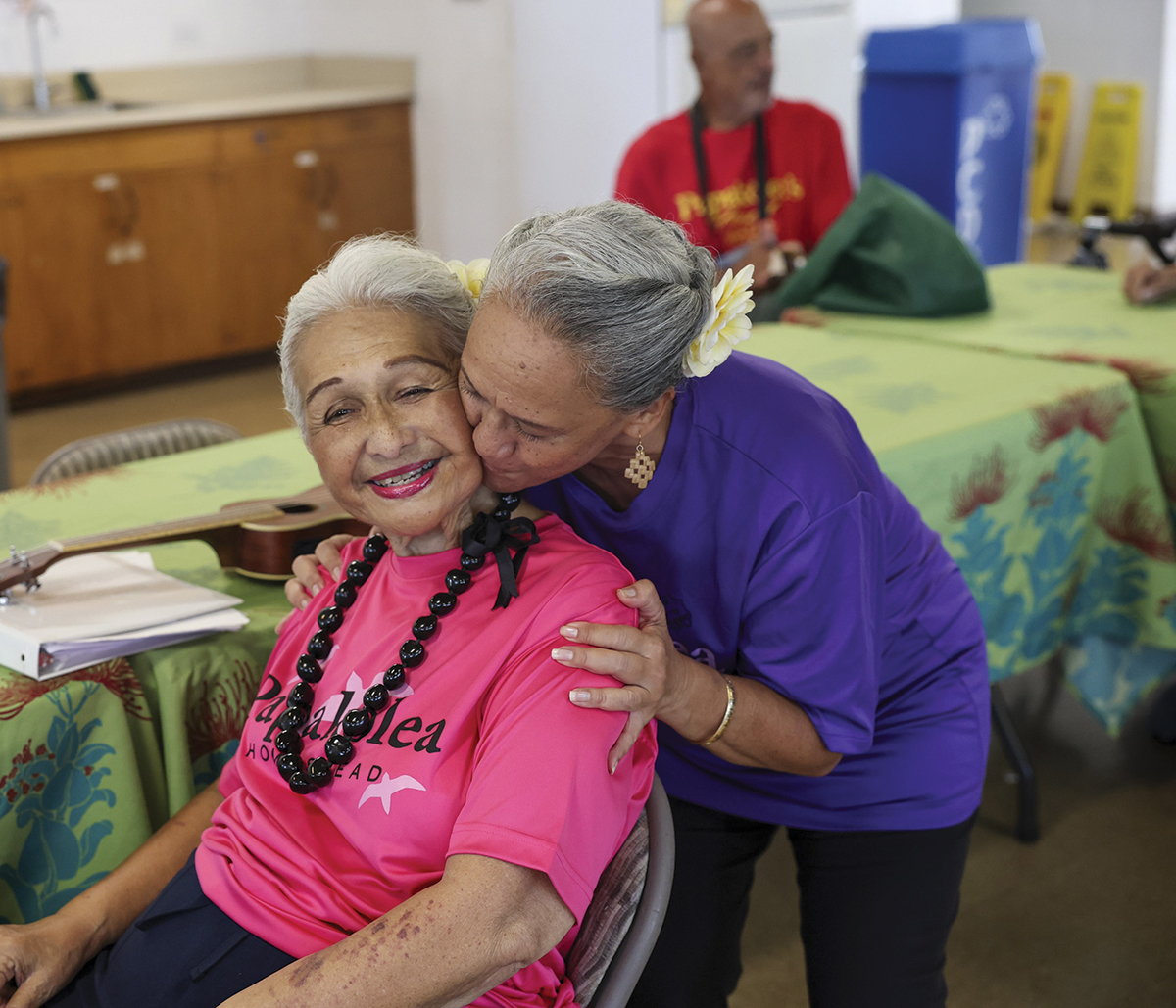
    POL utilized insights and recommendations from this process to assist the Hawai‘i Department of Health Executive Office on Aging (EOA) in updating its State Plan on Aging. This initiative aims to enhance the development and implementation of the Road Map for Native Hawaiians. Dr. Adrienne Dillard, PhD., CEO of Kula No Nā Po‘e Hawai‘i (KULA) of Papakōlea, is one of five members on the advisory board involved in the road map project and is currently leading its implementation through a grant from the EOA.

    This “living document” can change and grow over time, and is designed to bring together kūpuna, families, caregivers and service agencies to help support those affected by dementia in Native Hawaiian communities. It also includes suggestions for overcoming obstacles that prevent access to essential resources.

    Upcoming KULA road map conversations will be held on O‘ahu and Lāna‘i, and in Kona and Hāna. KULA will continue caregiver training on O‘ahu. For information a about a meeting or caregiver training, contact KULA at kula.papakolea@gmail.com or 808-649-3725. Access the Native Hawaiian Road Map at papaolalokahi.org/program/kupuna-brain-health.

    PAPA OLA LO¯ KAHI (nonprofit)
    677 Ala Moana Blvd., Ste. 720, Honolulu, HI 96813
    808-597-6550 | manao@papaolalokahi.org
    papaolalokahi.org

    Hawaiian elders are treasured and revered for their profound and invaluable role in strengthening families and sustaining the rich tapestry of Hawaiian culture and language. But despite their significance, they have the poorest health outcomes compared to their counterparts from other ethnic groups in Hawai‘i. They are at the highest risk of developing dementia as…

  • Legacy2Action Bridges Students & Kūpuna

    The 100th Infantry Battalion was a unit of second-generation Americans of Japanese ancestry men, nisei, who were born in Hawai‘i and achieved worldwide recognition as fierce fighters and loyal Americans. They achieved these accomplishments despite initial, unfounded suspicion and discrimination because they looked like the Japanese enemy who attacked Pearl Harbor on Dec. 7, 1941. Together with the 442nd Regimental Combat Team, the 100th earned recognition as the most decorated in US military history for its size and length of service. There are only seven known living veterans remaining from the 100th.

    Club 100 (primarily descendants) and its partners — ‘Iolani School, the University of Hawai‘i Center on Aging and Central Pacific Bank — are passionate about sharing the values of the 100th with youth, so they can apply these leadership characteristics to community service projects. They call this initiative “Legacy2Action.”

    The concept was piloted in 2022 with four students. In 2024, over 100 students participated and shared creative solutions. Their foci included inspiring students to learn about their grandparents’ history and culture, providing hygiene supplies for the Women’s Correctional Center, providing more ethnic/diverse books for schools, promoting peace, containing fire ants and more. The students shared leadership values, such as gaman (quiet endurance), ganbari (perseverance) and giri (obligation), that made the nisei so successful, despite being small in stature — on average 5-feet 4-inches tall, weighing 125 pounds.

    Organizers also welcomed kūpuna to help by sharing their knowledge. A few months ago, internationally acclaimed gerontologist Dr. Emi Kiyota visited the 100th Infantry Battalion Clubhouse and shared her thoughts on healthy aging, living with independence and purpose. Her studies show seniors enjoy giving to others and making a difference in their community. The organizers encourage kūpuna to share their skills and interests to help students develop their community service projects. Please share your interests by using the contact information below.

    100th INFANTRY BATTALION VETERANS
    520 Kamoku St. Honolulu, HI 96826
    For more information:
    info@100thbattalion.org | 808-946-0272
    Written in collaboration with the UH Center on Aging and ’Iolani School

    The 100th Infantry Battalion was a unit of second-generation Americans of Japanese ancestry men, nisei, who were born in Hawai‘i and achieved worldwide recognition as fierce fighters and loyal Americans. They achieved these accomplishments despite initial, unfounded suspicion and discrimination because they looked like the Japanese enemy who attacked Pearl Harbor on Dec. 7, 1941.…

  • Save More on Prescriptions

    On Aug. 16, 2022, the Inflation Reduction Act became law, bringing relief for many Medicare beneficiaries who pay a lot for their prescription drugs. New benefits begin each year to lower your copays and out-of-pocket costs.

    2023: The law caps copay at $35/month for certain insulin medications. Medicare covers 100% of Part D vaccinations, such as for shingles.

    2024: Medicare Part D covers 100% of drug costs once you meet $8,000 out-of-pocket limit per calendar year. More people qualified for Extra Help to offset drug plan copays and deductibles.

    2025: Payment plan spreads out prescription drug copays through the calendar year. Maximum out-of-pocket limit drops from $8,000 to $2,000 per calendar year.

    2026: It significantly reduces costs of 10 lifesaving drugs. For a comprehensive list of drugs and their newly negotiated prices, visit hawaiiship.org.

    The Inflation Reduction Act is a major step toward improving Medicare coverage. Beneficiaries can expect more enhancements soon to lessen financial strain and increase access to needed medications to support health and well-being.

    If you have questions regarding Medicare or how these benefits may affect you, contact Hawai‘i SHIP using the information below.

    HAWAI‘I SHIP
    250 South Hotel St., Ste. 406, Honolulu, HI 96813
    O‘ahu: 808-586-7299 | Toll free: 888-875-9229
    hawaiiship.org
    Free, local, one-on-one Medicare counseling is provided by the Hawai‘i State Health Insurance Assistance Program.

    On Aug. 16, 2022, the Inflation Reduction Act became law, bringing relief for many Medicare beneficiaries who pay a lot for their prescription drugs. New benefits begin each year to lower your copays and out-of-pocket costs. 2023: The law caps copay at $35/month for certain insulin medications. Medicare covers 100% of Part D vaccinations, such…