As the years of our lives accumulate, so do our belongings. Every drawer has stories overflowing, closets are museums of memories and the contents of each room whisper about the moment in time they became part of your home. So how do we bring honor to a lifetime of memories, without being weighed down?
Be gentle with yourself. Ask, “Does this reflect who I am today?” and/or “Does this need to travel with me into the next chapter of my life?” Grief may be part of this journey as you learn to let go. Set realistic expectations and deadlines. Be strategic by tackling one drawer at a time or by working one hour a day. Celebrate the small wins.
Sift through belongings with curiosity and reflection beyond “keep or toss.” Ask yourself, “What do I use daily? What is deeply meaningful and/or a legacy item? What can I gift with intention?”
There are ways to save things using a fraction of space. One idea is photographing your items/memories. Then create a digital photo library for viewing on-screen or for printing into a book. Curate and create a space for items that you’ve kept that best tell your story.
Downsizing is about distilling down to clearer stories, people and things that truly matter. You’ll soon feel lighter, clearer and more connected.
As the years of our lives accumulate, so do our belongings. Every drawer has stories overflowing, closets are museums of memories and the contents of each room whisper about the moment in time they became part of your home. So how do we bring honor to a lifetime of memories, without being weighed down? Be…
An Alaska cruise can be one of the most memorable trips of your life. The breathtaking scenery, fresh mountain air and cooler temperatures often make travelers feel comfortable and refreshed. However, one health concern that many passengers overlook is dehydration.
Because Alaska is cooler than tropical destinations, many people simply do not feel thirsty. As a result, they may drink far less water than their bodies need. Unfortunately, dehydration can develop gradually and become serious before you realize it.
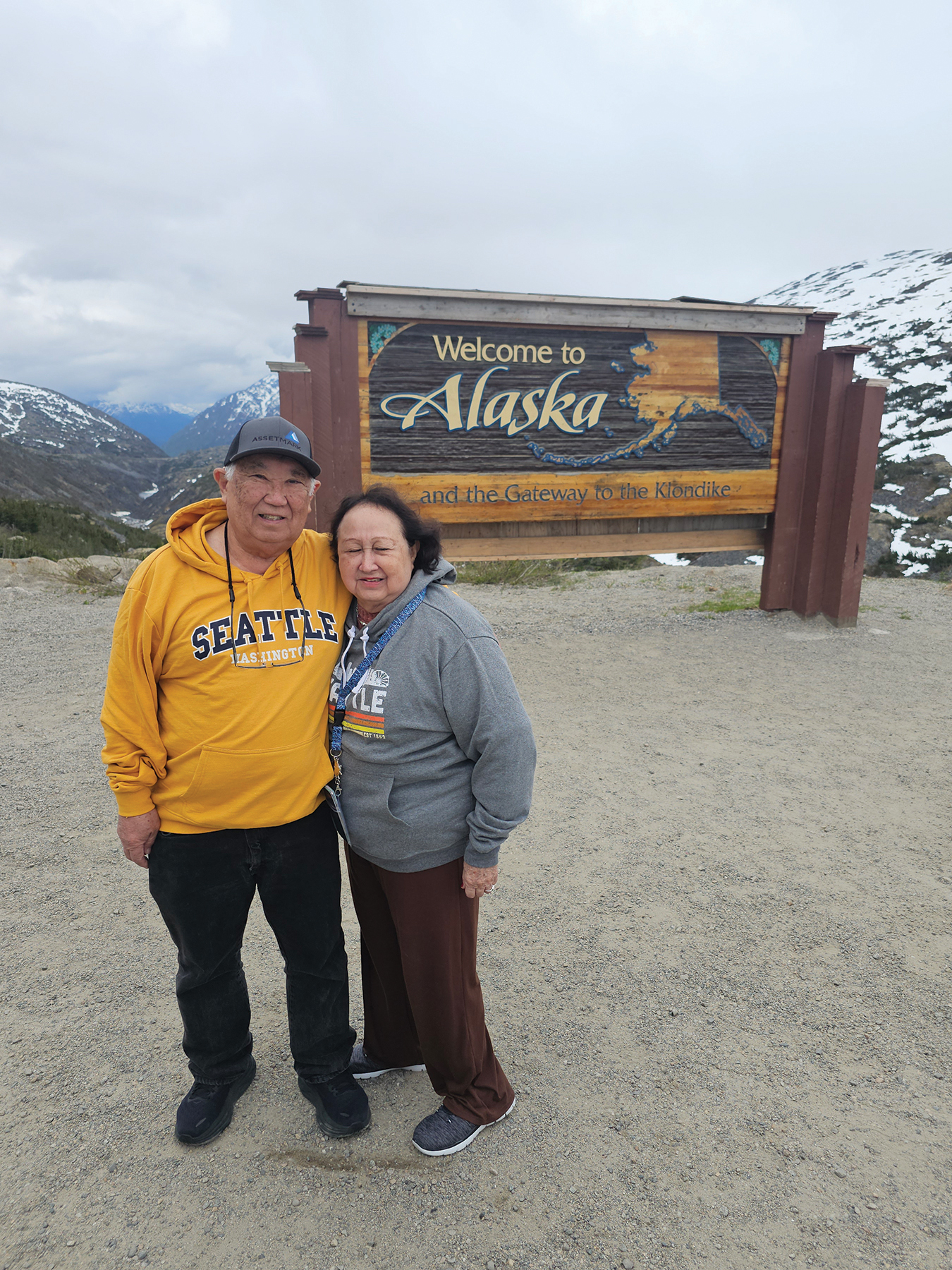
My wife, Darlee, and I learned this lesson firsthand. On the final day of our Alaska cruise, Darlee became ill with vomiting and diarrhea. She was unable to eat breakfast, lunch or dinner, and more importantly, was unable to keep fluids down. Our flight home was delayed for four hours, requiring us to remain at the airport much longer than expected. During that time, it became increasingly difficult for Darlee to replace the fluids she had lost.
While we were at the airport, Darlee became so weak and dehydrated that we called emergency medical technicians. She was transported by ambulance to the emergency room, where she remained hospitalized for four days and required three bags of intravenous fluids. Multiple blood tests, EKGs and MRI studies revealed no underlying medical problems. The physicians concluded that severe dehydration had placed significant stress on both her kidneys and her heart.
As we age, our bodies naturally contain less water and our sense of thirst becomes less reliable. Older adults can become dehydrated much more quickly than younger individuals. When vomiting or diarrhea occurs, life-threatening risks increase dramatically.
During your Alaska cruise, make a conscious effort to drink water throughout the day, even when you do not feel thirsty. Carry a refillable water bottle, limit excessive alcohol consumption and increase your fluid intake if you become ill. Staying hydrated is a simple step that can help ensure your Alaska adventure remains enjoyable, safe and memorable.
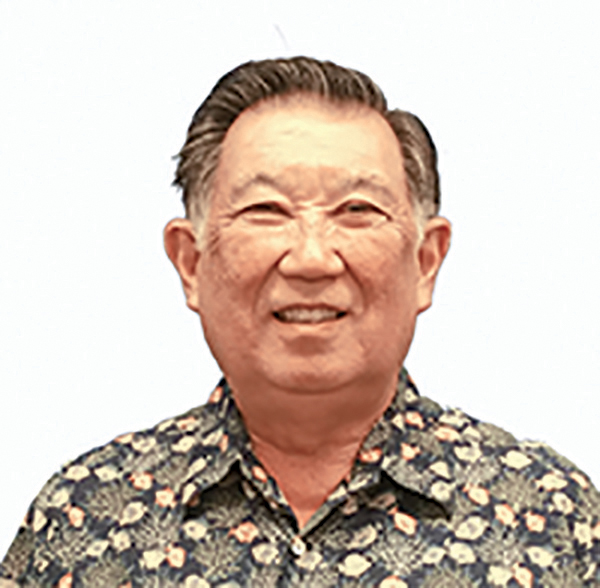
EDWARD MOTOSUE is a 1967 graduate of ‘Iolani High School. In 1971, he earned a bachelor’s degree in biology from the University of Hawai‘i. In 1978, he earned a master’s degree from Pepperdine University. He is the Vice President of Financial Benefits Insurance, Inc. (FBI). Ed’s mission is to help educate our kūpuna. Our kūpuna deserve to live healthier productive lives and find peace of mind.
An Alaska cruise can be one of the most memorable trips of your life. The breathtaking scenery, fresh mountain air and cooler temperatures often make travelers feel comfortable and refreshed. However, one health concern that many passengers overlook is dehydration. Because Alaska is cooler than tropical destinations, many people simply do not feel thirsty. As…
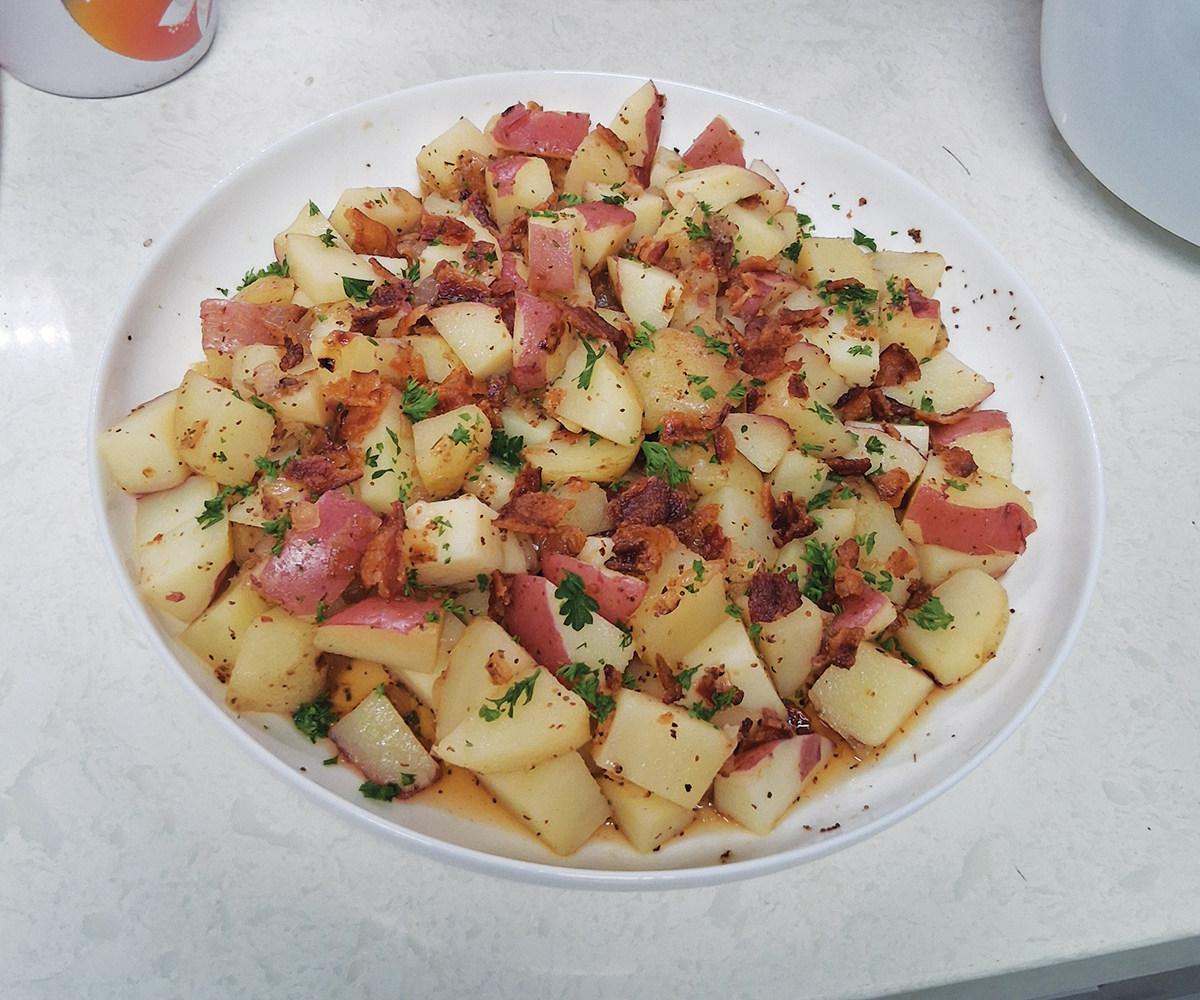
When looking for a German recipe, I asked Beate Lipko, AKA Aunty Crystal, my brother’s high school/baseball friend’s mom. She is kindly sharing with us her German Potato Salad recipe. I am a sucker for potatoes and who doesn’t love bacon! So this was one I was happy to make and it turned out yummy! OMG! I may start making this for parties. It was simple and easy, but super tasty!
Ingredients 6 cups peeled potatoes (cut in half if large) 12 bacon slices 1 medium onion, chopped ½ cup white or apple cider vinegar ¼ cup water 4 tbsp. granulated sugar, to taste 1 tsp. salt ¼ tsp. black pepper, freshly ground 1½ tsp. celery seeds 1 tbsp. Dijon or spicy brown mustard (optional) 2–3 tbsp. fresh parsley, chopped
Directions
Add potatoes to a large pot and cover with at least 1 inch of water. Generously salt the water with about 1 tbsp. of salt and boil for about 10 minutes or until the potatoes can easily be pierced with a fork. Drain well and slice potatoes into thick discs or chunks. Set aside. We prefer Yukon gold or red potatoes, but Russet potatoes will also work. I ended up using a combination of red and gold potatoes and kept some of the skin on.
Cook bacon in a large skillet over medium-high heat until crispy. Remove from pan, crumble and set aside, reserving at least 2 tbsp. of the bacon grease.
Cook the onions in the bacon grease over medium heat until softened and starting to brown, about 5 to 8 minutes.
Add vinegar, water, sugar, salt, pepper, celery seeds and mustard. Bring to a boil.
Add potatoes, parsley and half of the crumbled bacon. Toss to coat the potatoes and evenly heat everything through, then transfer to a serving dish.
Sprinkle with remaining crumbled bacon and chopped parsley. Serve warm.
Prep and cooking time: 45 minutes
Serves: 6 with a main entrée item
Do you have a favorite recipe and story to share? For consideration, include a photo and mail them to Generations Recipe, PO Box 4213, Honolulu, HI 96812, or email them to Cynthia@generations808.com.
When looking for a German recipe, I asked Beate Lipko, AKA Aunty Crystal, my brother’s high school/baseball friend’s mom. She is kindly sharing with us her German Potato Salad recipe. I am a sucker for potatoes and who doesn’t love bacon! So this was one I was happy to make and it turned out yummy!…
Since more than 1,500 years ago, Kānaka Maoli (Native Hawaiians) have welcomed immigrants from every corner of the globe, cultivating and perpetuating a tapestry of diverse cultures. In the 11th article in this ongoing series on the many cultures that comprise Hawai‘i, we will focus on the Germans, their arrival to the Hawaiian Islands, their traditions and celebrations. Today, people of German descent make up 5.8% of Hawai‘i’s population.
Arrival in Hawai‘i
In 1778, three German sailors and one Swiss painter aboard Captain Cook’s ships were the first Europeans to land in the Hawaiian archipelago, on the shores of Kaua‘i. Kaua‘i’s German population grew to such an extent that Līhu‘e was nicknamed “German Town” at one point in time. From the first landfall, German and Hawaiian culture became intertwined. German firms flourished in Chinatown, Lutheran churches dotted the landscape and while many Germans also toiled in the sugarcane fields, they also eventually held positions of power, overseeing other migrant workers.
King Kalākaua had an especially strong relationship with the German people. He appointed the Royal Hawaiian Band’s most influential bandmaster, Prussian-born Heinrich (Henry/ Henri) Berger. He arranged the Hawaiian Kingdom’s national anthem, “Hawai‘i Pono‘ī,” deriving it from the Prussian anthem, “Hefl Dir im Siegerkranz.” Berger befriended future Queen Lili‘uokalani — who named him “The Father of Hawaiian Music” — arranging and performing the songs she wrote.
Culture and Traditions
German culture in Hawai‘i primarily manifests itself in food and drink. Baumkuchen, a traditional many-layered cake cooked on a stick, is a beloved pastry here. It is speculated that King Kalākaua was the first Hawaiian to have baumkuchen when he visited Berlin in 1881.
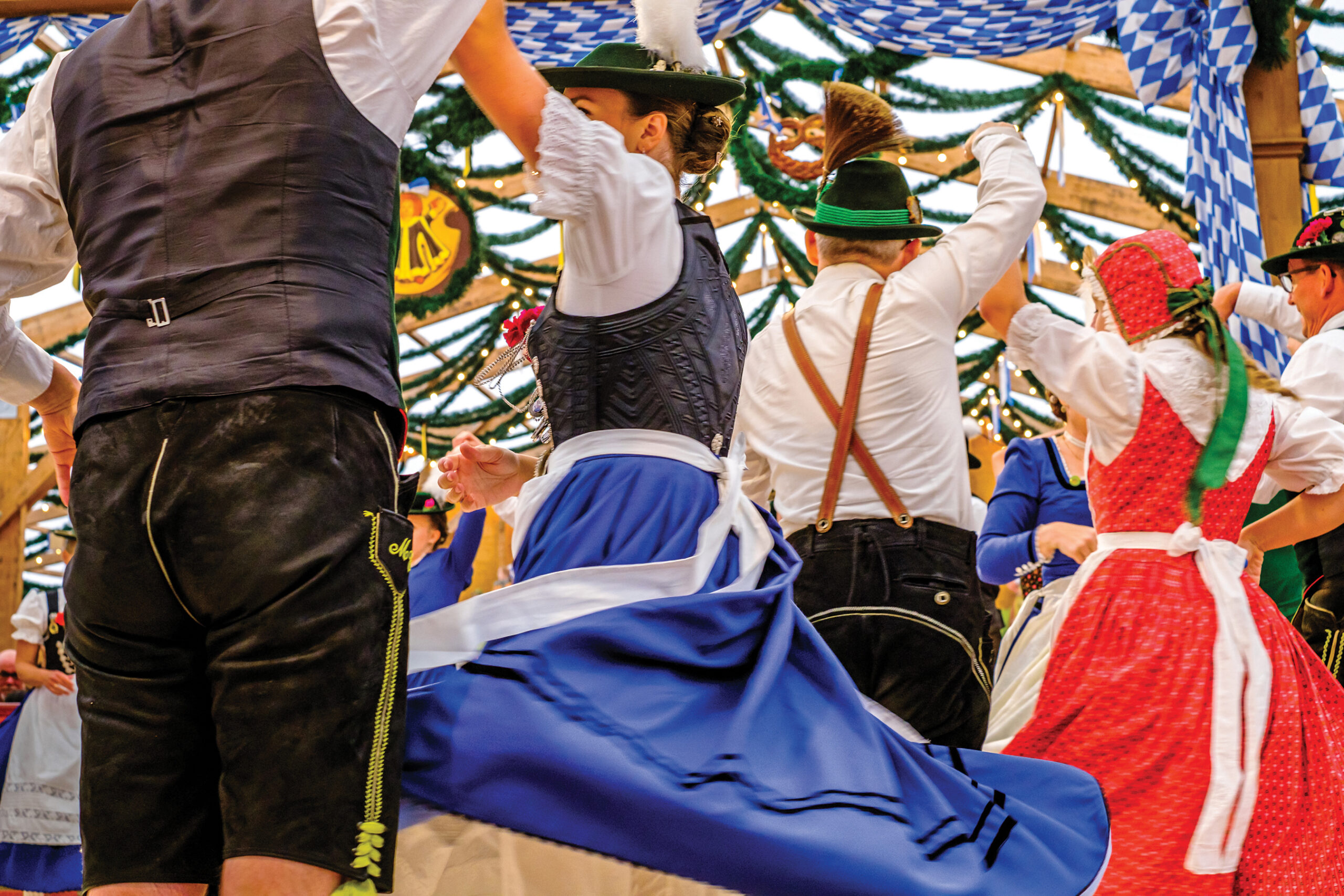
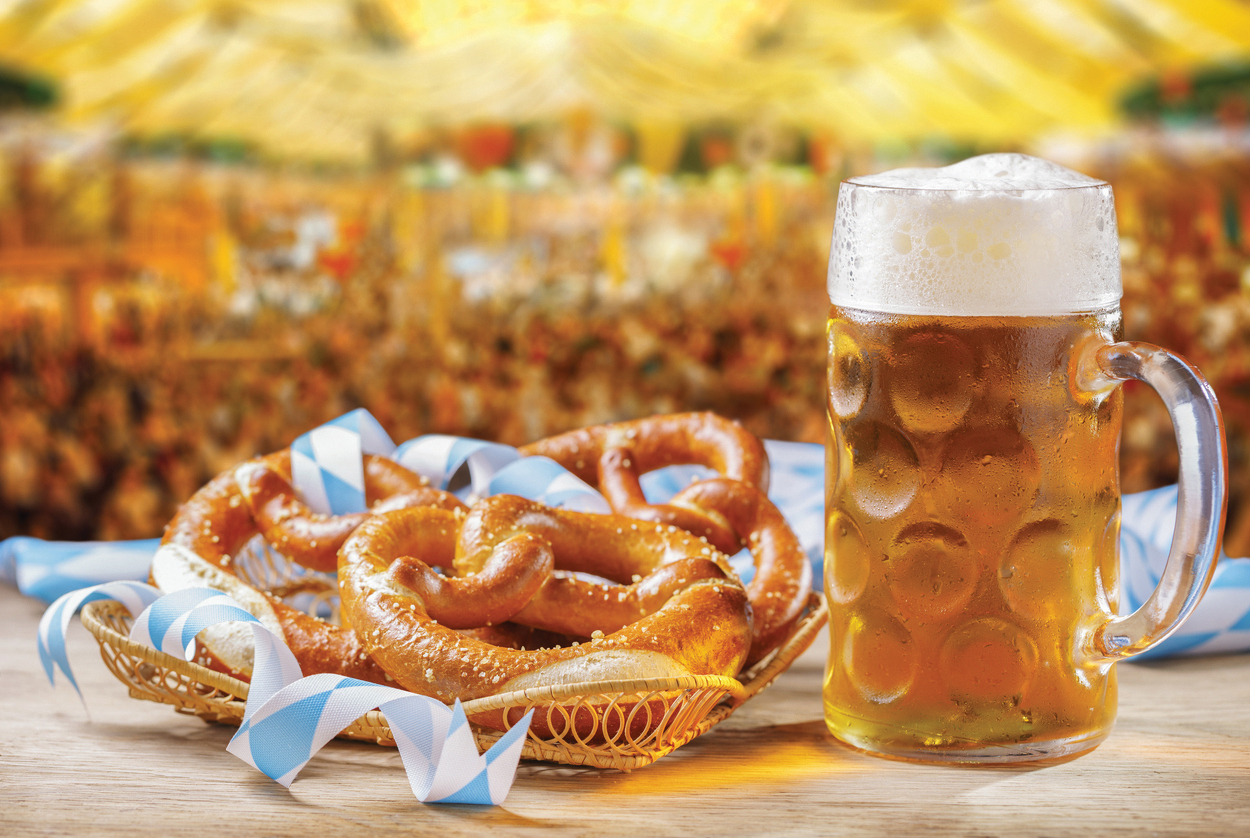
The largest and most known cultural celebration is Oktoberfest, which takes place at various venues throughout the Hawaiian Islands during September and October. Local restaurants, bars and other venues annually host Oktoberfest, featuring a plethora of festival beers, bratwurst and Masskrugstemmen — stein-hoisting competitions.
Celebrations
On O‘ahu, Helping Hands Hawai‘i hosts its annual Oktoberfest fundraiser event to support local community programs, with other local breweries also hosting their own celebrations. The Honolulu Museum of Art hosts the annual FilmFreude Honolulu every spring, a film festival showcasing the latest in German cinema. On Hawai‘i, Oktoberfest is organized by the Rotary Club of Hilo Bay. Celebrations are also held on Maui and Kaua‘i.
The next article in this series will feature the influences of Jewish culture in Hawai‘i.
Since more than 1,500 years ago, Kānaka Maoli (Native Hawaiians) have welcomed immigrants from every corner of the globe, cultivating and perpetuating a tapestry of diverse cultures. In the 11th article in this ongoing series on the many cultures that comprise Hawai‘i, we will focus on the Germans, their arrival to the Hawaiian Islands, their…
Losing someone we love is never easy. Then, families are often asked to quickly make important decisions that may have never been talked about before, adding stress during a time that should be focused on healing and being together.
Planning ahead and making arrangements in advance gives a loved one’s ‘ohana clear guidance and peace of mind at a crucial time. Planning ahead is an act of aloha, offering comfort, reducing uncertainty and giving families time to focus on honoring a life and supporting one another.
First taking time to reflect about one’s life, values, milestones and relationships helps shape how that life will be remembered, creating a meaningful foundation for what comes next.
Planning a ceremony is another important step. Whether it’s a traditional service or a more personal celebration of life, today’s gatherings can reflect culture, personality and the stories that matter most.
Choosing a place for remembrance is also important. Having a space to visit can bring comfort and connection throughout the grieving process.
Taking the first step to explore preplanning options today can help families find what feels right, bringing a sense of alignment and peace of mind for them going into the future.
Losing someone we love is never easy. Then, families are often asked to quickly make important decisions that may have never been talked about before, adding stress during a time that should be focused on healing and being together. Planning ahead and making arrangements in advance gives a loved one’s ‘ohana clear guidance and peace…
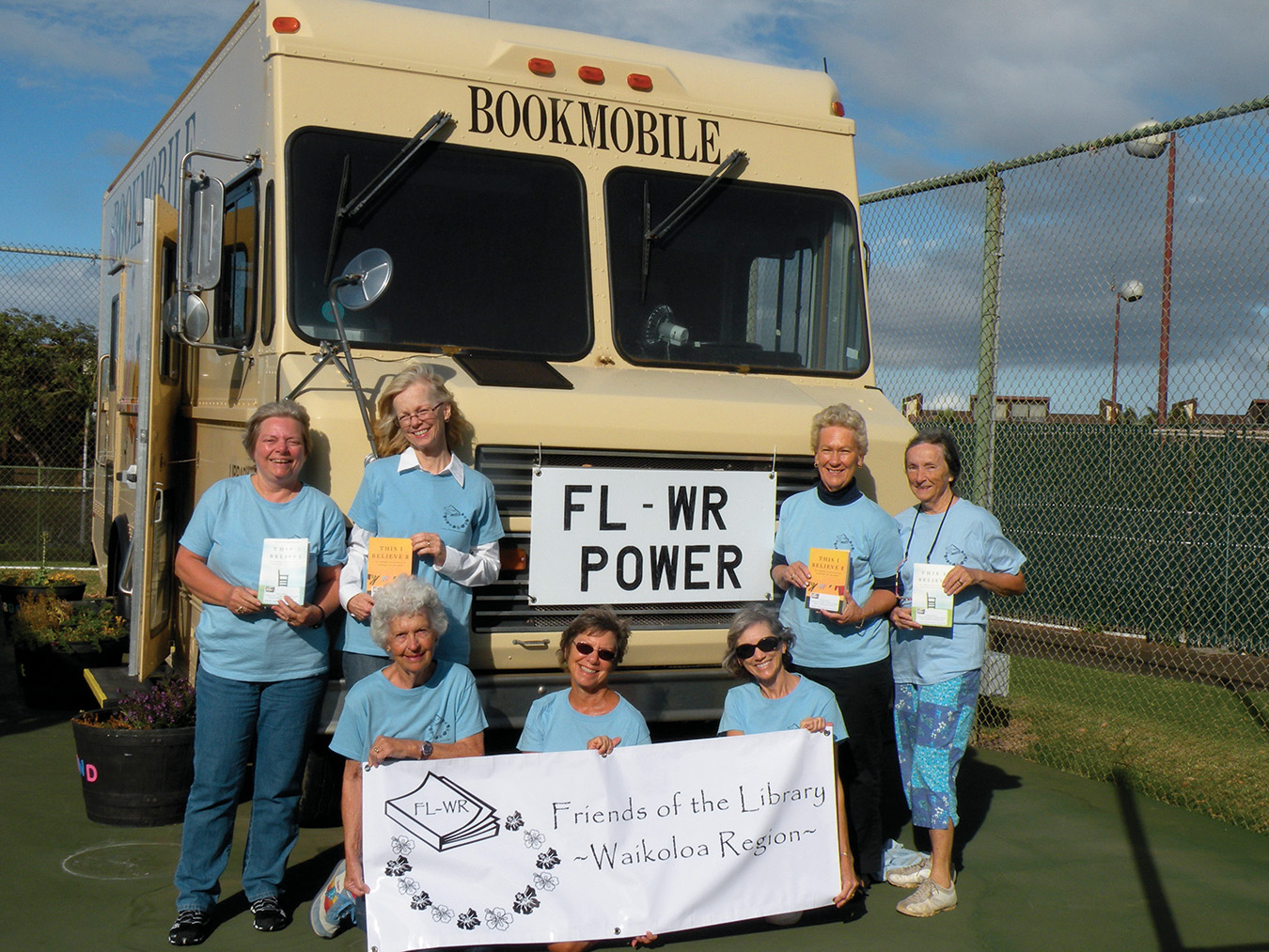
When the state librarian of Hawai‘i shuttered the state’s Bookmobile Program in 2003 due to budget cuts, a vital chapter of local history seemed to close. However, the residents of Waikōloa Village refused to let the story end.
In 2010, when beginning to organize Friends of the Library–Waikōloa Region, one of our first steps in advocating for a library was to meet with the state librarian. He suggested that we could take possession of a bookmobile that was in storage at the Kona library. We took him up on that offer right away! It now has a permanent home in Waikōloa Village behind the tennis courts, with Wi-Fi, electricity and a pergola for activities.
Today, this community asset is a seven-day-a-week hub. Run entirely by volunteers who meticulously curate the donated collection and assist in picking out books, the bookmobile offers books, DVDs and audiobooks for all ages. Operating on a refreshingly simple no-checkout policy, it has become a favorite destination for families, vacationers and seniors alike.
The bookmobile is more than just a place to grab a poolside novel; it is a center for creativity. From painting spring wind chimes to designing Valentine’s bookmarks and back-to-school pencil pouches, these activities bring the generations together. Each visit concludes with the best gift of all — a new book to take home. In Waikōloa, we aren’t just sharing stories, we are building them.
The enthusiasm for this community asset is overwhelming. Families, vacationers, high schoolers, seniors and residents of all ages enjoy stepping up into the van, walking the aisle and looking for new reading materials — books, audio books and DVDs. Enjoy your visit to the Waikōloa Village bookmobile, open seven days a week from 9am to 5pm.
When the state librarian of Hawai‘i shuttered the state’s Bookmobile Program in 2003 due to budget cuts, a vital chapter of local history seemed to close. However, the residents of Waikōloa Village refused to let the story end. In 2010, when beginning to organize Friends of the Library–Waikōloa Region, one of our first steps in…
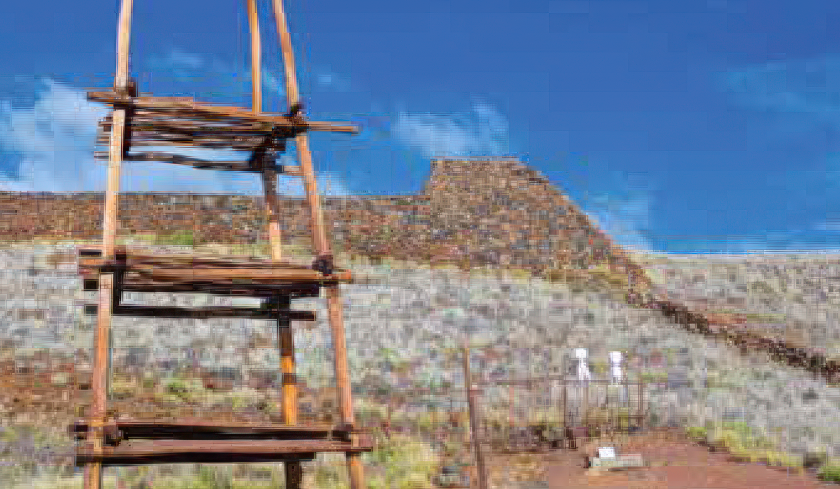
In the foreground of the crystal blue waters of Spencer Beach Park at Ōhai‘ula Beach in Kawaihae on Hawai‘i are jagged lava stones neatly stacked on top of each other, their corners coming together like a jigsaw puzzle. It is Pu‘ukoholā Heiau — one of the last ancient Native Hawaiian heiau (temple) built, marking the end of the traditional kapu system.
King Kamehameha I was to fulfill a prophecy and secure his unification of the Hawaiian Islands —“Ho‘oku‘ikahi,” to “unify as one.” A prophet told Kamehameha that to conquer and unite all the islands, he must first build a large heiau at Pu’ukoholā and dedicate it to war god Kūkā‘ilimoku. Nearly 10,000 pairs of careful hands passed along lava rocks across 25 miles in a human chain. The mortarless stone temple took a year to complete. Finally, Kamehameha carried out the last step of this spiritual journey — the sacrifice to Kū of his adversary and first cousin, Keoua.
Kamehameha reunited the Hawaiian Kingdom in 1810. During his reign, he stored his ammunition at Mailekini Heiau, below Pu’ukoholā, to protect Kawaihae Harbor. The submerged remains of another heiau, Hale o Kapuni, dedicated to shark akua (deities), are believed to lie just offshore.
King Kamehameha’s Pelekane (royal courtyard) is situated along the coast directly below Pu’ukoholā Heiau and Mailekini Heiau at the Pu’ukoholā Heiau National Historic Site. Upon European contact, this is where ali‘i met with foreign dignitaries and the first group of New England Protestants made their new home. The residence of shipwrecked American sailor John Young, who served as Kamehameha’s advisor, is also located here. Recognizing the historical and cultural significance, Congress designated all of these buildings as National Historic Sites in 1972.
On Aug. 15 and 16, the 54th Ho‘oku‘ikahi Establishment Day Hawaiian Cultural Festival (nps.gov/puhe/festival.htm) celebrating Hawai‘i’s history and culture will be held at the Pelekane. The festival traditionally begins with a ho‘okupu (gift-giving ceremony). Activities include ulana lauhala (lauhala weaving), kuiki (quilting), lei making, kapa-making, hulu ali‘i (chiefly feather work) and traditional Hawaiian games. There will also be informational booths, workshops, food, canoe rides and live music. Admission is free.
If you are unable to attend the festival, know that Pu’ukoholā will always be there for you and future generations to witness Hawai‘i’s history.
In the foreground of the crystal blue waters of Spencer Beach Park at Ōhai‘ula Beach in Kawaihae on Hawai‘i are jagged lava stones neatly stacked on top of each other, their corners coming together like a jigsaw puzzle. It is Pu‘ukoholā Heiau — one of the last ancient Native Hawaiian heiau (temple) built, marking the…
Approximately 32,000 Hawai‘i residents have been diagnosed with Alzheimer’s disease (AD) as of 2020 and 20% of Hawai‘i’s residents serve as their caregivers. Most caregivers are like my ‘ohana and myself, family members who mālama our kūpuna out of a sense of duty and love. Anyone who has taken up this momentous task knows it is far from smooth sailing. Loss of independence and control over their physiological functions can cause our loved ones to become frustrated, angry and/or depressed. In turn, we, too, can become overwhelmed to see the people we looked up to our entire lives slowly become shadows of themselves.
The Alzheimer’s Association (alz.org) recommends that caregivers encourage persons with dementia to talk openly about their lives. Not only will they be challenged to recall memories, but the process of remembering may help reinstall a sense of self. That type of cognitive stimulation has been shown to be beneficial for people diagnosed with AD and other forms of dementia.
According to a recent New York Times article, artificial intelligence (AI) is transforming AD patient care by providing tools that are meant to improve safety and offer personalized support. For example, researchers are testing AI chatbots as “digital companions.” A chatbot is a software program that analyzes complex data to process and simulate human speech. Chatbots integrated into the patient’s daily routine can remind the patient to take their daily medications. A chatbot can ask a patient to recall their favorite memory, start a conversation about their favorite hobby and play a favorite song to make your loved one more comfortable. Chatbots can also prompt a patient to remember a list of words that they will be asked to recall later. In addition, chatbots can produce puzzles and other brain-stimulating activities, which have all been shown to improve the mood of people diagnosed with AD.
While AI brings significant benefits in early detection and caregiver support, it also presents challenges regarding data privacy, potential for bias and the necessity of human oversight, because it is also possible for AI companions to encourage disruptive or destructive behaviors. In addition, research is limited to subjects who are in the early stages of AD, so its applicability once the condition progresses is unknown.
Researchers are also concerned that caretakers will become over-reliant on the technology. They may rely too heavily upon AI and neglect to provide their loved ones with human contact. Additionally, more research needs to be conducted to integrate AI into the spectrum of side-effects that may occur in AD, such as hallucinations.
AI is considered a valuable tool for AD patient care when used as a complement to rather than a replacement for human care. Check with a medical professional before making any decisions.
Approximately 32,000 Hawai‘i residents have been diagnosed with Alzheimer’s disease (AD) as of 2020 and 20% of Hawai‘i’s residents serve as their caregivers. Most caregivers are like my ‘ohana and myself, family members who mālama our kūpuna out of a sense of duty and love. Anyone who has taken up this momentous task knows it…
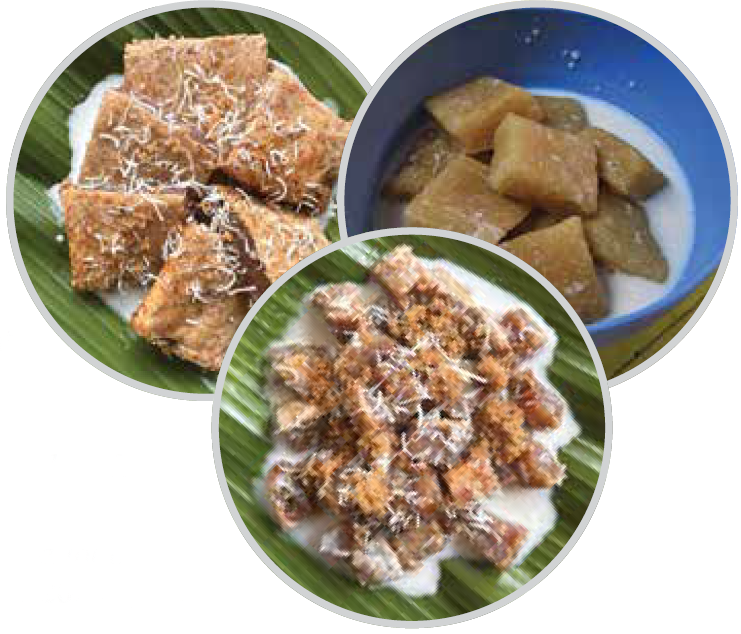
Wow! This ended up being really fun! We found this very easy Tahitian dessert recipe and Cynthia and I (Wilson) thought we’d try our hand(s) at it. Hence, the GM cooking challenge: “On your mark, get set… bake ’em!” Wilson: I found this recipe lends itself to a lot of personal preference — from preparation to taste, proportion and texture. Cynthia: It was easy and quite delicious. It reminds me a lot of chi chi dango (mochi) (generations808.com/may-june-2025, pg. 21).
Ingredients
8–12 bananas (any type, very ripe) 1 tbsp. vanilla extract 1 cup tapioca flour/starch 1 cup brown sugar 3/4 cup coconut shreds (sugared or plain) 1 can coconut milk
Directions
Peel the bananas completely, including the strings/veins. Place them in a large bowl to be mashed. Depending on personal preference, the degree of mashing is up to you. It can be pureed or mashed just enough for it to be a bit chunky. Preheat the oven to 375° F. Mix in the vanilla extract. One tablespoon is a good starting point, but an extra dash won’t hurt. Mix in the brown sugar and coconut shreds.
Next, mix in the tapioca flour/starch (gluten-free, made from the cassava root) until it’s the consistency of pancake batter. Corn starch is another option. Prep an 8-by-8-inch pan by greasing the bottom and sides with butter. Pour the mixture in the pan, place it in the oven and bake it for 1 hour. The finished cake will be about 3/4-inch thick.
When done, remove from oven.
While it is still warm, the cake may be cut into 2-inch squares; smaller if you desire. For smaller, 1/2-inch bite-sized pieces, use kitchen scissors.
Serve the cake slices/pieces in a saucer or shallow bowl. Pour the coconut milk right from the can over the pieces. Quantity is to your liking. Sprinkle some coconut shreds and brown sugar on top — BAM! All pau, all ono!
Do you have a favorite recipe and story to share? For consideration, include a photo and mail them to Generations Recipe, PO Box 4213, Honolulu, HI 96812, or email them to Cynthia@generations808.com.
Wow! This ended up being really fun! We found this very easy Tahitian dessert recipe and Cynthia and I (Wilson) thought we’d try our hand(s) at it. Hence, the GM cooking challenge: “On your mark, get set… bake ’em!” Wilson: I found this recipe lends itself to a lot of personal preference — from preparation…
Since more than 1,500 years ago, Kānaka Maoli (Native Hawaiians) have welcomed immigrants from every corner of the globe, cultivating and perpetuating a tapestry of diverse cultures. In the 10th article in this ongoing series on the many cultures that comprise Hawai‘i, we will focus on the Tahitians, their arrival to the Hawaiian islands, their traditions and celebrations such as Heiva i Hawai‘i and Tahiti Fête.
Tahitian Arrival in Hawai‘i
Some records state that around 500 AD, Polynesian people from Tahiti and Hiva (Marquesas Islands) sailing in double-hulled canoes navigated to and settled Hawai‘i. Several hundred years later, the second wave of Tahitian immigrants arrived in the 9th or 10th century, hailing from Kahiki (Tahiti in ‘ōlelo Hawai‘i, according to oral tradition) and worked with the Hawaiian Kingdom to form the new ali‘i class. European explorers also noted similarities in language between Hawai‘i and Tahiti, with some Tahitians even arriving to the islands aboard foreign vessels as translators and sailors. Today, people of Tahitian heritage make up about .2% of Hawai‘i’s population.
Cultures & Traditions
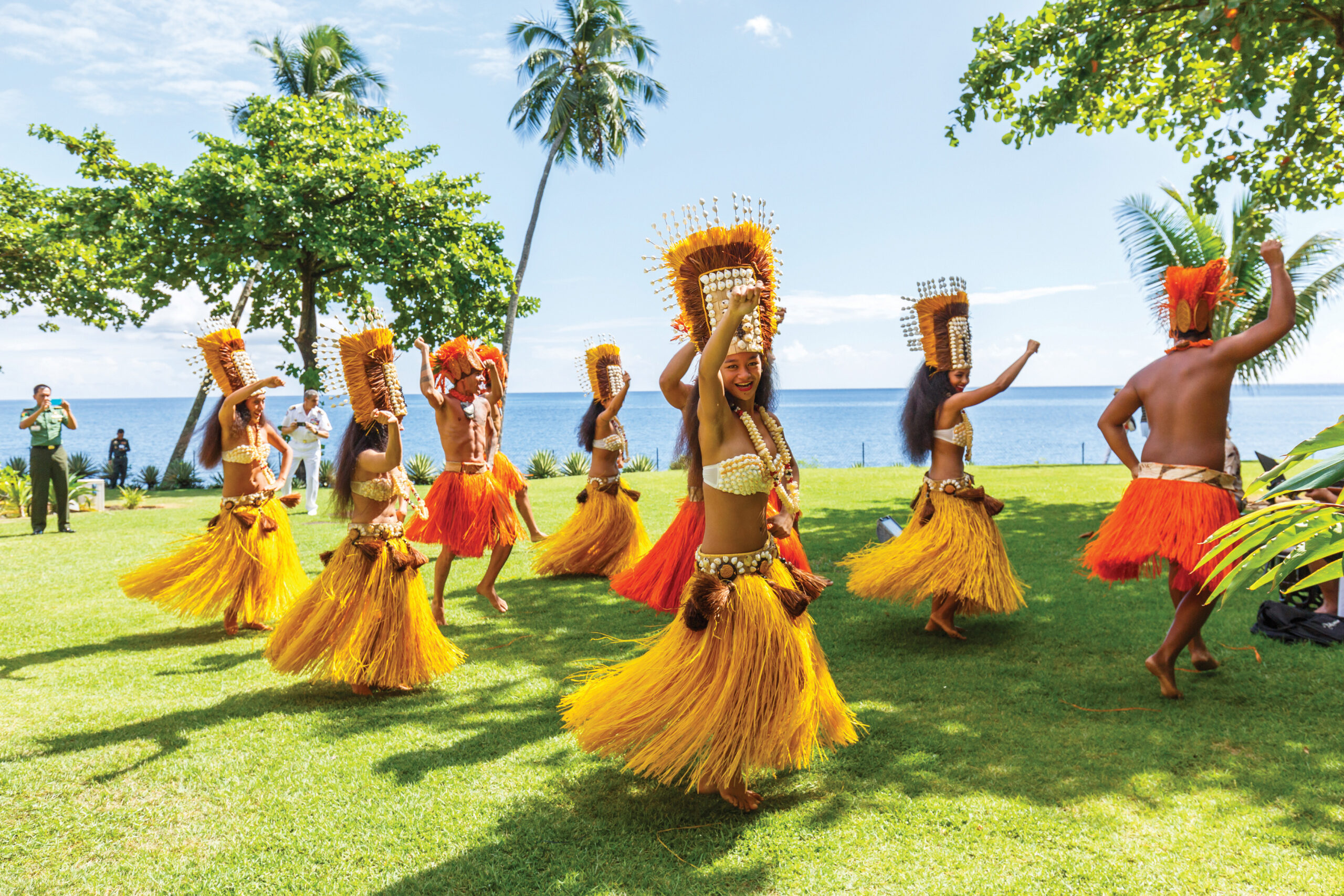
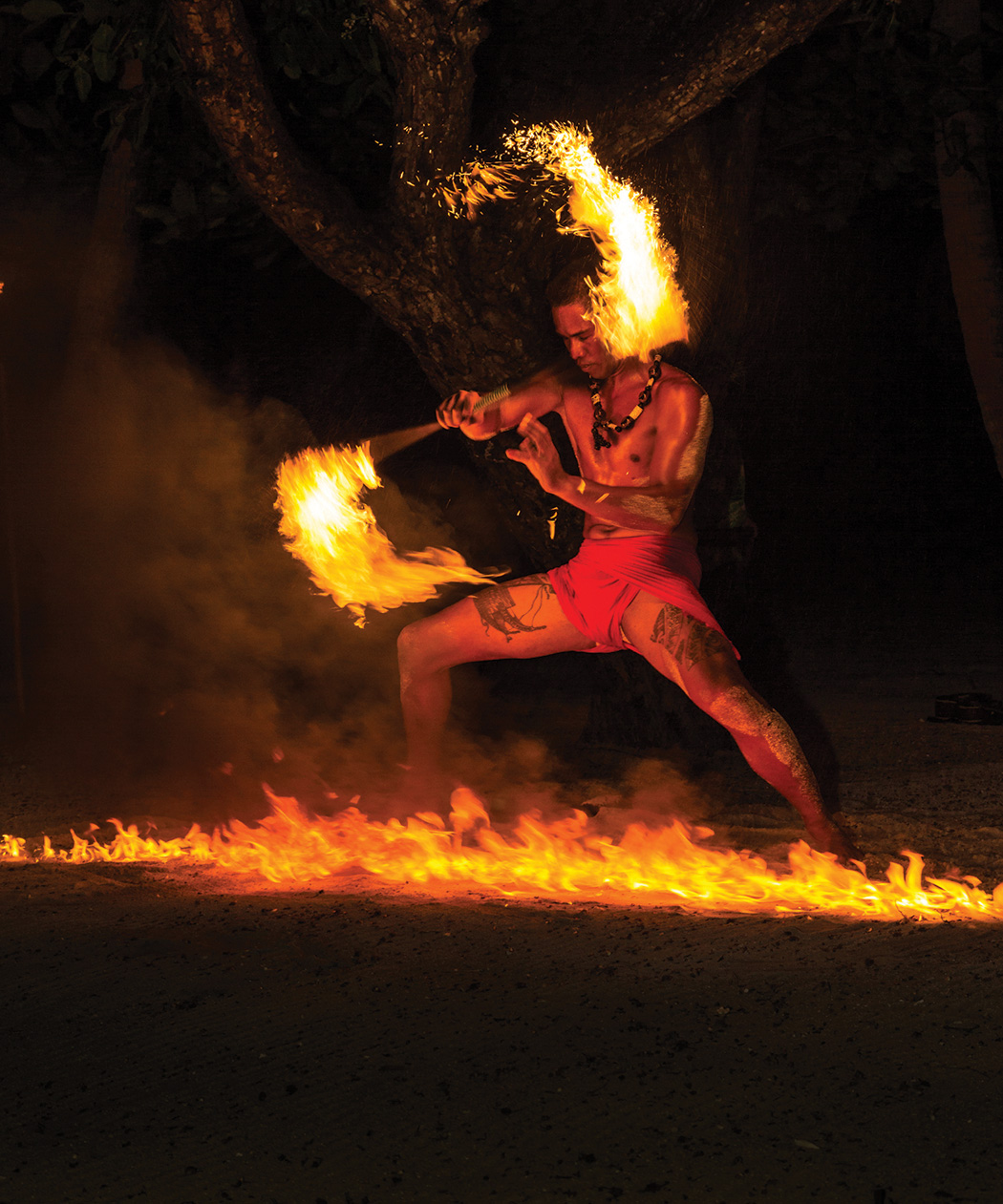
Tahitian people proudly share their heritage with the world, communicating the trust their ancestors had in future generations to carry on their oral and physical traditions. Similar to Hawai’i, Tahitian clothing was traditionally made from tapa cloth, with women wearing pareo made of the material. Today’s pareo have changed in dressing style and pattern, but the meaning and cultural pride remain. Music and dance are a foundational part of Tahitian life, characterized by tamure (a fast hip-shaking dance) as well as riveting beats on pahu (wooden drums traditionally covered with sharkskin) and toere (a long drum with a split). Tatau (tattoo) is another way for Tahitians to express cultural identity and pride.
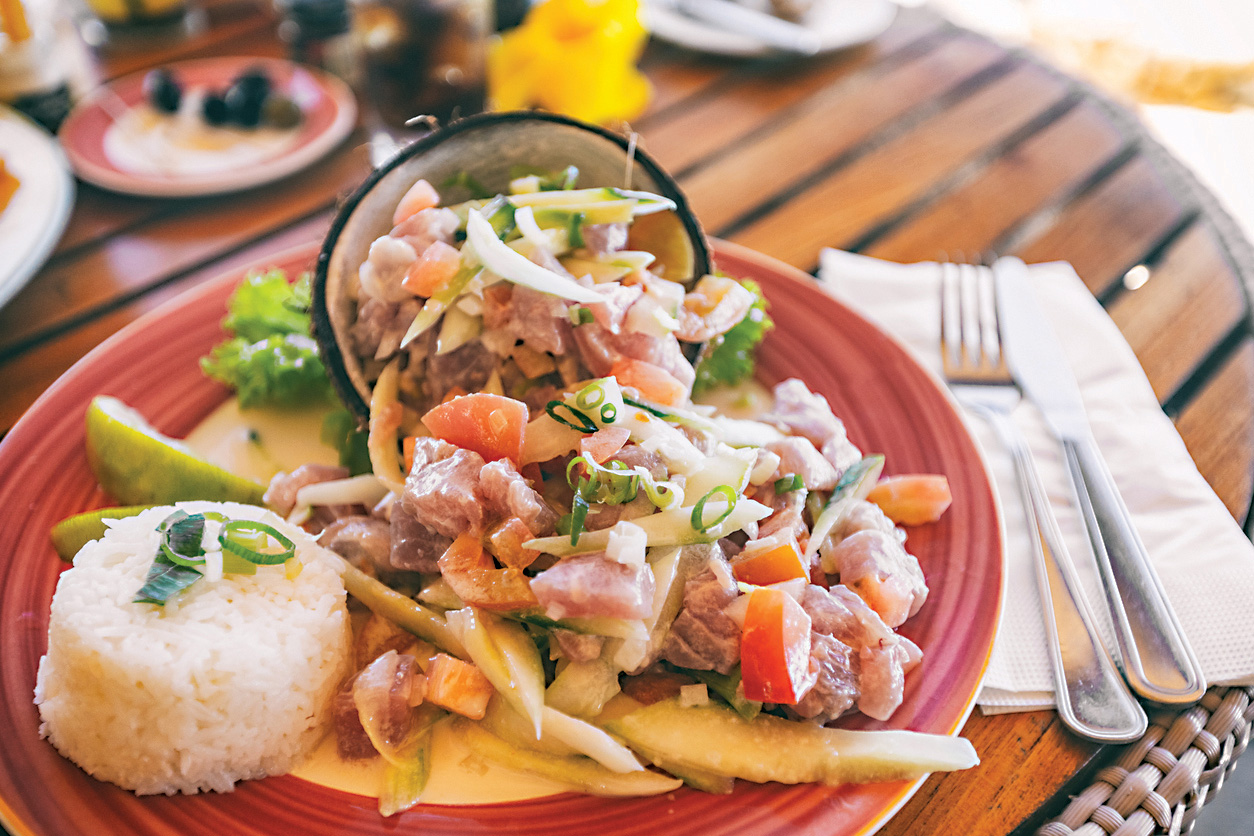
Foods such as poisson cru (raw fish marinated in lime juice, mixed with vegetables and coconut milk) and abundances of fish and vanilla emphasize Tahiti’s natural splendor.
Celebrations
Tahitian celebrations tend to focus on dance. Heiva i Hawai‘i (heivaihawaii.myshopify.com) is an annual Tahitian dance competition featuring ‘aparima (a Tahitian dance focusing on hand movements), ‘ahuroa (another dance rooted in ‘aparima) and drum dances. This year, Heiva i Hawai‘i was held in Kailua-Kona of Hawai‘i Island this past February.
This year’s Tahiti Fête Hawai‘i (tahitifete.com), regarded as the largest Tahitian dance competition in the US, will be held July 3 through 5 at the Neil S. Blaisdell Arena in Honolulu for the very first time. From August 1 to 2, Heiva i Kaua’i (heivaikauai.com) will take place at Kapa‘a State Park on Kaua‘i.
The next article in this series will feature the influences of German culture in Hawai‘i.
Since more than 1,500 years ago, Kānaka Maoli (Native Hawaiians) have welcomed immigrants from every corner of the globe, cultivating and perpetuating a tapestry of diverse cultures. In the 10th article in this ongoing series on the many cultures that comprise Hawai‘i, we will focus on the Tahitians, their arrival to the Hawaiian islands, their…
Every two years, many kūpuna will do something important and elected officials should pay attention to the issues we care about.
We vote.
And that means voters 50 and older have a power to make a difference. Older voters turn out in record numbers during elections. In the 2024 election, voters 50 and older made up 52% of the electorate nationally. In Hawai‘i, the percentage is even higher — nearly 60% of votes cast were from people 50 and older.
You can help us make sure that candidates know which issues you care about. Candidates will likely be knocking on your door or holding forums. Let them know what you think.
We’ve heard from kūpuna across the state about the importance of Social Security, Medicare support for caregivers, affordable housing for kūpuna and their children and grandchildren, high prescription drug prices and fighting fraud and we’re sharing your concerns with the candidates we talk to.
The reason we have power during elections is that we vote and you should make sure that you vote and that your vote is counted.
In Hawai‘i, we have an all-mail-in election. If you’ve moved since 2024, make sure your new address is updated with your county elections office so you’ll get the correct ballot mailed to you. If you’re registered to vote at your current address, you should get a colored postcard in the mail to confirm your registration. If you didn’t receive a postcard, call your county elections office.
When you turn in your ballot, you also want to make sure that you didn’t forget to sign it so that it will be counted.
Sign up for the state’s Ballottrax service to get text messages confirming receipt of your ballot at Hawaii.ballottrax.net.
For more information on voting, registering to vote and how you can vote in person, go to the state Office of Elections website at elections.hawaii.gov or call 808-453-8683.
Every two years, many kūpuna will do something important and elected officials should pay attention to the issues we care about. We vote. And that means voters 50 and older have a power to make a difference. Older voters turn out in record numbers during elections. In the 2024 election, voters 50 and older made…
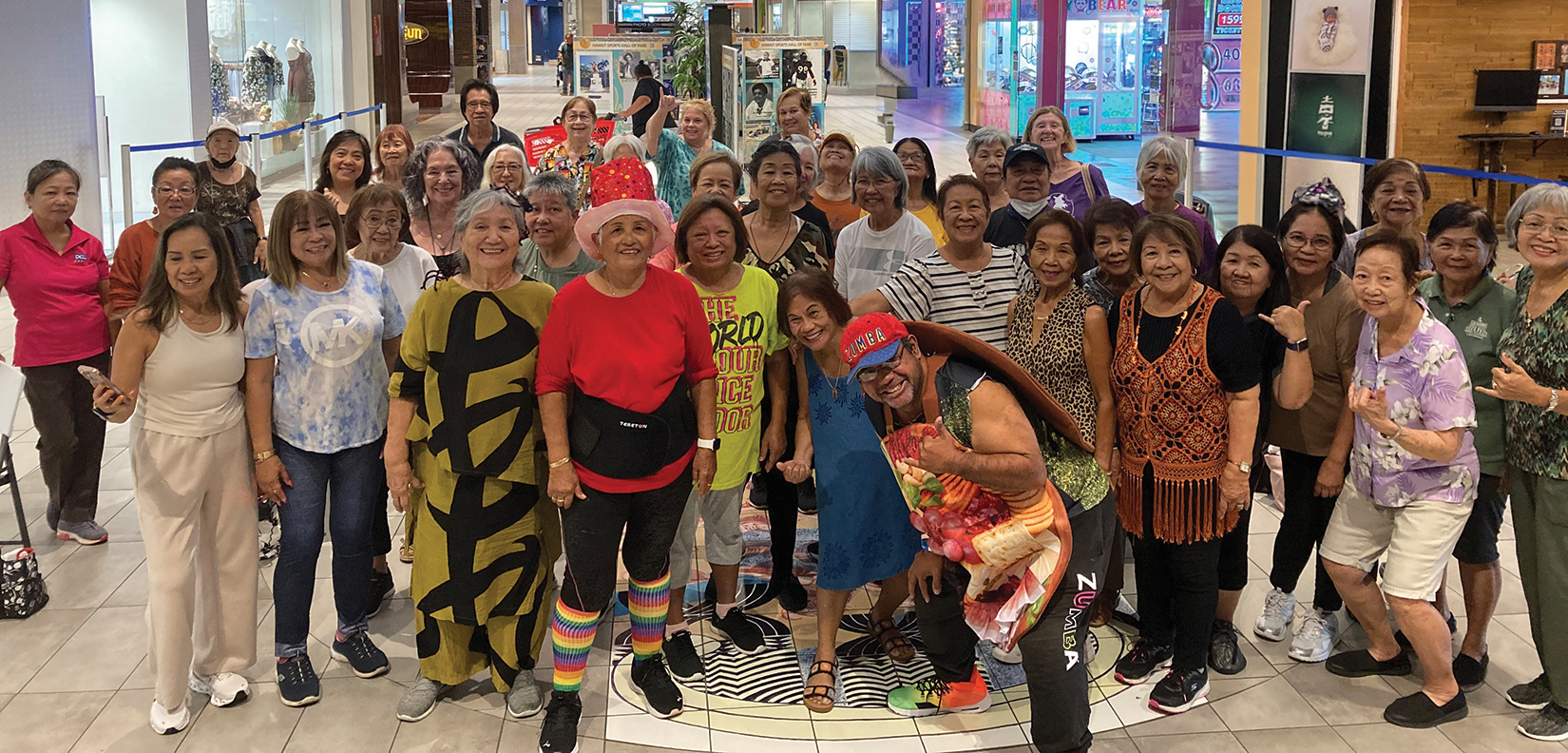
Every Thursday morning, Pearlridge Center in O‘ahu hums with the sounds of ABBA and Elvis. On the second‑floor stage near the former Sears and Jeans Warehouse, kūpuna and caregivers gather from 10:30 to 11:30 a.m., finding their rhythm — some standing, some seated, all moving together. At the center, Dale Delos Reyes leads his Zumba Gold class with a smile and a simple instruction: Just keep moving and have fun.
Unlike traditional Zumba, Zumba Gold is designed specifically for kūpuna and those who may need extra support, offering a safe, enjoyable way to stay active. The choreography is slower and modified, with a focus on balance, range of motion, coordination and joint safety. Dale, a licensed Zumba Gold instructor, keeps routines intentionally simple — no more than three moves at a time. He offers chair-based options for participants with mobility concerns, vertigo or recent surgeries. His classes are free and open to everyone — walkers, wheelchairs and first-timers alike — creating a space where everyone can move confidently and enjoy the music.
Join Dale and his Zumba Gold group every Thursday morning at 10:30.
For Dale, the dance floor began not as fitness, but as healing. A few years ago, he lost his wife, Yolanda, and found himself searching for a way forward. One day, just steps from his home, he noticed a class pulsing with music and energy. He joined, stood close to the speakers and let the rhythm carry him. “I just let everything go,” he recalls. What started as a personal refuge soon became a mission to share movement as joy, connection and wellness. His classes grew from a way to cope with grief into a lifelong commitment to community service through movement.
Regular movement is at the heart of Zumba Gold’s impact. For many kūpuna, the class helps ease morning stiffness, improves balance and keep joints moving without strain. The steady rhythms support coordination and gentle cardio, but the real changes show up in everyday moments — standing a little steadier, walking with more confidence and feeling less alone. Dale notices it each session as shoulders drop, breathing settles and cautious movements begin to ease. He says he can see it by the end of class, when most leave with brighter faces and increased energy.
What began as a way to heal has become a practice of showing up—creating a space where people can move at their own pace. “If you only know one move, do that one move,” he tells newcomers. “Just feel the music.” Today, Dale brings that same spirit of care to kūpuna across O‘ahu, offering free classes at Island Family Christian Church from 9:30 to 10:30am on the first three Fridays of each month. He also leads private sessions at senior housing sites, including The Plaza Waikīkī and its sister locations across the island, with schedules varying by facility.
Every Thursday morning, Pearlridge Center in O‘ahu hums with the sounds of ABBA and Elvis. On the second‑floor stage near the former Sears and Jeans Warehouse, kūpuna and caregivers gather from 10:30 to 11:30 a.m., finding their rhythm — some standing, some seated, all moving together. At the center, Dale Delos Reyes leads his Zumba…