Category: Health

  • How to Safely Buy Medicine Online

    Not all online medicine retailers operate with the safety standards consumers expect. Reports shared with Better Business Bureau (BBB) detail how consumers have been impacted by issues such as missing prescriptions, incorrect orders, subscription traps and poor follow-through when problems arise. This is bad for any business, but in the supplement and medication business, the results can be catastrophic.

    A legitimate pharmacy will always require a valid prescription, provide access to a licensed pharmacist, and clearly list its address and contact details. It will also be properly licensed in the states in which it operates (look up online).

    Consumers should also be cautious with supplements. Unlike prescription drugs, supplements are not as regulated. Look for clear labeling and proof of third-party testing, and always ask your doctor before starting a new supplement.

    So be cautious and do your research before buying from a new online pharmacy or supplement store. Check reviews and ratings at BBB.org. Taking a few minutes to research your provider pays big time when your health is on the line!

    BETTER BUSINESS BUREAU GREAT WEST + PACIFIC (nonprofit)
    800-460-0910 | info@thebbb.org | thebbb.org
    Ad or company clarification: bbb.org
    Report a scam: bbb.org/scamtracker
    File a complaint: bbb.org/file-a-complaint

    Not all online medicine retailers operate with the safety standards consumers expect. Reports shared with Better Business Bureau (BBB) detail how consumers have been impacted by issues such as missing prescriptions, incorrect orders, subscription traps and poor follow-through when problems arise. This is bad for any business, but in the supplement and medication business, the…

  • Glaucoma Risk Increases as Our Eyes Age

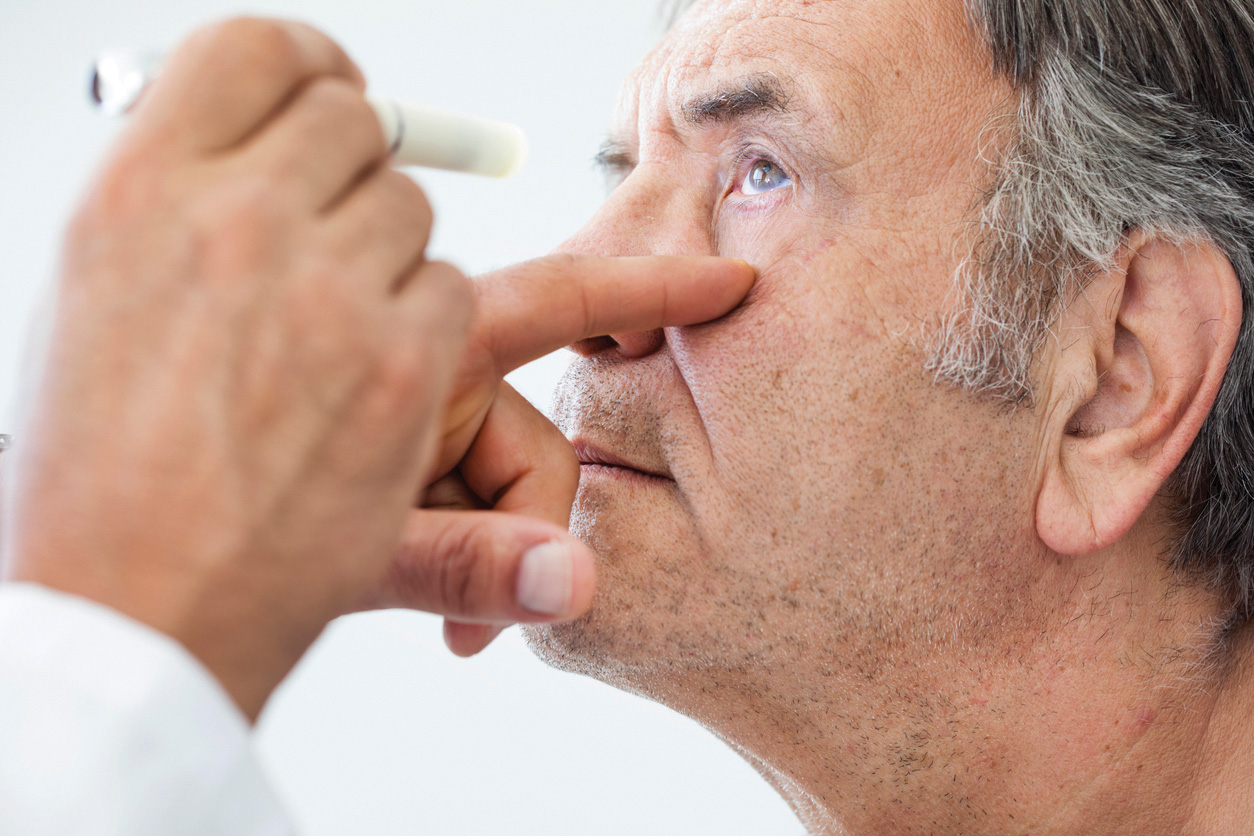
    It is often referred to as the “silent thief of sight.” Glaucoma is one of the leading causes of irreversible blindness in the US, posing a serious risk to older adults. It’s especially dangerous because it often has no noticeable symptoms in its early stages.

    Glaucoma is a group of eye diseases that damage the optic nerve, often due to increased fluid pressure inside the eye, leading to gradual peripheral vision loss and potential blindness. Common types include open-angle (gradual) and angle-closure (sudden, severe pain).

    Over 4 million Americans have glaucoma. Over 3% of adults over 40 are diagnosed with glaucoma nationally — approximately 2% across Hawai‘i. The best protection against glaucoma-related blindness is routine, comprehensive eye exams that enable eye doctors to detect glaucoma early — before significant vision loss occurs — and begin treatment to help preserve and protect sight.

    The difference between good vision and poor vision is early detection. Vision loss from glaucoma can happen slowly and painlessly, so many people do not realize they have the disease until their eyesight has been permanently affected.

    It is never too early to protect and prioritize your vision. Routine eye exams can help support your eyes as they age — protecting your eyesight, and ensuring a better life for years to come.

    HAWAIIAN EYE CENTER
    1441 Kapiolani Blvd., Honolulu, HI 96814
    808-621-8448 | Hawaiianeye.com

    It is often referred to as the “silent thief of sight.” Glaucoma is one of the leading causes of irreversible blindness in the US, posing a serious risk to older adults. It’s especially dangerous because it often has no noticeable symptoms in its early stages. Glaucoma is a group of eye diseases that damage the…

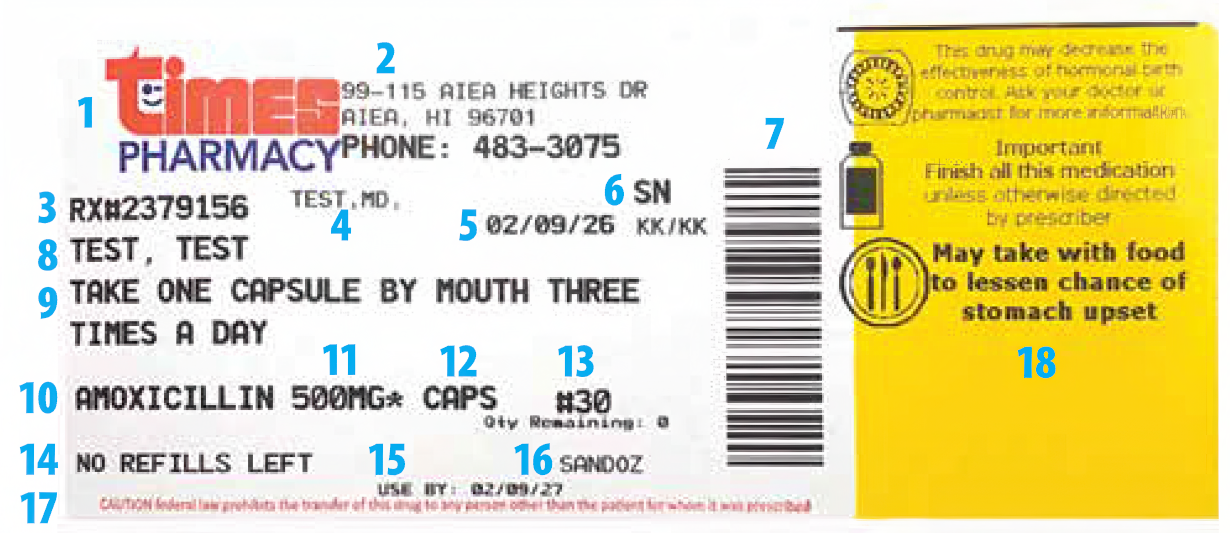
  • Anatomy of a Prescription Label

    The information printed on prescription medication labels is critical for your safety. The Drug Enforcement Administration mandates that consumers receive sufficient information to be able to independently take their medications and contact their pharmacy/physician if questions or issues arise.

    Reading from top of above label, left to right:

    1) Pharmacy name

    2) Pharmacy address and phone number

    3) The pharmacy gives each prescription an identifier called an “Rx number.” If you call the pharmacy to request a refill or have questions about a specific medication, this number can be used in lieu of difficult-to-pronounce names. Each time your physician sends in a refill request, the Rx number will change.

    4) Your physician’s name (in example: TEST, MD)

    5) Date when the prescription was filled

    6) To the right of the fill date is SN where the “S” stands for safety cap (child-resistant). If there is an “E” in the “S” position, it is an easy-open cap, so it is not child-resistant. The “N” in the SN combination stands for new prescription. An “R” in place of the “N” means it is a refill.

    7) When scanned, the bar code reveals the National Drug Code (NDC) number, which pharmacy staff scan to verify they are dispensing the correct medication/dosage to the correct patient.

    8) Your first and last name (in example: TEST, TEST) appears on the label above the instructions.

    9) Instructions regarding how, when and how much of the medication should be taken

    10) Name of medication

    11) Strength of the medication in the form of a numeral and unit of measurement: e.g.
    milligram, milliliter, etc.

    12) Form of your medication: e.g. tablet, capsule, suppository, ointment, patch, etc.

    13) Quantity of medication you receive

    14) Number of refills you have left: Refills are valid one-year from the initial date you received the prescription.

    15) Expiration date (in sample: use-by date) is on the bottom middle edge in small text

    16) Manufacturing company (in sample: SANDOZ) that made the medication

    17) Note that all prescriptions carry a warning (in sample: “CAUTION federal law prohibits the transfer of this drug to any person other than the patient for whom it was prescribed.”

    18) The warning/precaution area (usually in a colored box) of the label alerts consumers and healthcare providers to serious side effects associated with the medication, even when used correctly.

    Keep in mind that the label may not be a full reflection of all possible side effects. Ask your pharmacy for a medication guide with the complete list of possible side effects.

    Remember, taking medications exactly as prescribed — correct dosage, time and duration — is essential for achieving the intended therapeutic effect, preventing treatment failure and managing chronic conditions.

    Disclaimer: Be aware that there is no nationwide standard for prescription medication labels. The FDA requires the patient’s name and dosage instructions, but other details vary by state. Each state’s board of pharmacy is responsible for what goes on the Rx labels.

    The information printed on prescription medication labels is critical for your safety. The Drug Enforcement Administration mandates that consumers receive sufficient information to be able to independently take their medications and contact their pharmacy/physician if questions or issues arise. Reading from top of above label, left to right: 1) Pharmacy name 2) Pharmacy address and…

  • Protect Your Smile from Periodontitis

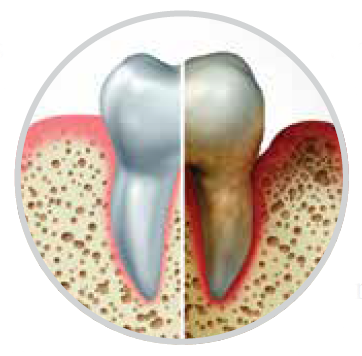
    Tender, swollen or bleeding gums could be early signs of periodontitis, a serious form of gum disease that damages the bone and soft tissue supporting your teeth. And it’s more common than you might think! About 42% of US adults over 30 have some form of periodontitis.

    Periodontitis begins when plaque builds up from inadequate brushing and flossing, triggering gum inflammation known as gingivitis. Over time, gingivitis can progress into periodontitis, forming deep pockets between your gums and teeth that destroy supporting tissue and bone and may eventually cause tooth loss.

    If caught too late, surgery may be needed to repair the damage. Knowing your risk factors is key. These include poor oral hygiene, smoking, aging (most cases develop after age 35), diabetes, poor diet, teeth grinding, stress and genetics.

    The good news? Periodontitis is largely preventable! Brush twice a day, floss daily and see your dentist regularly. If you suspect gum disease, schedule a dentist appointment so your dentist can help create a long-term plan to keep your smile healthy. Taking care of your gums today means fewer costly and uncomfortable problems down the road!

    HAWAII DENTAL SERVICE
    Kahala Howser Pimentel, Wellness Manager
    808-529-9391 | Kahala.Pimentel@HawaiiDentalService.com
    HawaiiDentalService.com

    Tender, swollen or bleeding gums could be early signs of periodontitis, a serious form of gum disease that damages the bone and soft tissue supporting your teeth. And it’s more common than you might think! About 42% of US adults over 30 have some form of periodontitis. Periodontitis begins when plaque builds up from inadequate…

  • What Seniors Should Know About Statins

    In this ongoing column, Kaiser Permanente doctors will answer commonly asked questions.

    Cholesterol is essential for the functioning of all human organs, but nevertheless, it plays a key role in coronary heart disease. But scientists and the pharmaceutical industry have
    developed statins, an effective class of drugs that lowers cholesterol levels and reduces heart attacks.

    Q: What are statins and why are they so popular with cardiologists?

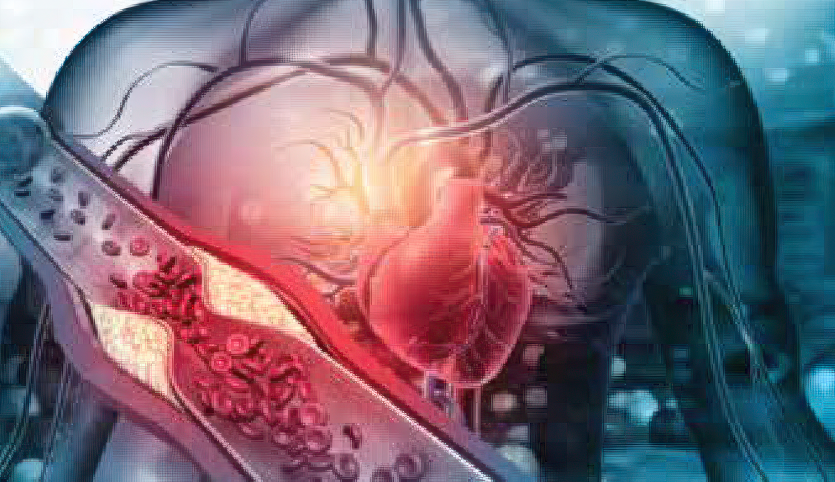
    Statins are medications that lower unhealthy cholesterol in the blood. As an interventional cardiologist, I treat heart blockages by opening clogged arteries with balloons and stents. But what I would much rather do is prevent those blockages from forming in the first place.

    Most dangerous blockages are made of fat and cholesterol that build up inside the arteries over time. I sometimes explain it like this: Pouring grease down your kitchen drain eventually clogs the pipes. In the same way, excess cholesterol can clog the heart’s arteries. Statins help reduce that buildup and stabilize plaque, lowering the risk of heart attack and stroke.

    I can often see the difference when I’m doing procedures on patients. Those who take statins regularly tend to have healthier-looking arteries. That’s why I strongly recommend this cardiovascular medication when indicated.

    Q: Don’t statins have lots of side effects?

    Statins have been around for more than 35 years and are among the most well-studied medications we use in cardiology. For most people, they are very safe and effective.

    The most common side effect is muscle soreness. If that happens, it does not mean you have to stop treatment altogether. There are several different statins available and we can often adjust the dose or switch to another type that works better for you. The key is to communicate with your doctor so we can find the right option.

    Q: Who should consider taking a statin?

    If your physician suggests that you take a statin medication, it’s because the benefits in
    reducing heart attack and stroke are likely to outweigh the risks.

    At Kaiser Permanente Hawaii, doctors follow evidence-based guidelines when recommending statins for people with high cholesterol, diabetes, a history of heart disease or other risk factors, such as a strong family history of heart problems. Many seniors fall into one or more of these categories.

    The goal is preventing heart injury. If your arteries can stay or become healthy through lifestyle changes and the right medications, hopefully you’ll never need to visit a cardiac catheterization lab.

    Your heart works hard for you every day — give it the love and care it deserves!

    DR. STEPHEN CHAN is an interventional cardiologist and Director of the Cardiac Catheterization Labs at Kaiser Permanente Moanalua Medical Center. The Harvard Medical School graduate is board-certified in cardiovascular disease, interventional cardiology and internal medicine. Dr. Chan has been with Kaiser Permanente Hawaii for more than two decades.

    NOTE: Statins should not be given to individuals who are pregnant, have liver disease or certain muscle disorders or have an allergy to them.

    Kaiser Permanente will cover fall prevention in the next issue. If you have a medical question for the doctor, email cynthia@generations808.com.

    In this ongoing column, Kaiser Permanente doctors will answer commonly asked questions. Cholesterol is essential for the functioning of all human organs, but nevertheless, it plays a key role in coronary heart disease. But scientists and the pharmaceutical industry havedeveloped statins, an effective class of drugs that lowers cholesterol levels and reduces heart attacks. Q:…

  • Connection Beyond Hearing

    Hearing loss can create distance between people, especially kūpuna. The challenge is not just about missing sounds, but the frustration that grows when communication feels out of reach. I understand this personally. I experienced significant hearing loss from childhood into adulthood. Over time, I learned something important: Connection does not depend on hearing alone. So I learned to focus my attention and adjust my environment, which allowed me to stay connected in deeper ways.

    Some tips on how to better communicate with a hearing impaired person:

    ■ Vision plays a powerful role. Choose a well-lit space and face the person as you speak. Facialexpressions, gestures and lip movements provide meaning that words alone cannot carry. A smile, a quick wink or a friendly greeting can express love and warmth when hearing gaps exist.

    ■ Touch strengthens presence. A gentle tap on the arm can bring attention before speaking. Holding a hand builds comfort and trust.

    ■ Speech matters. Speak clearly and at a slightly slower pace. As hearing decreases, the brain works harder to fill in missing parts of a sentence. When words come too quickly, the mind struggles to keep up. Slowing down gives the listener time to process and stay engaged.

    ■ One-on-one time is important. Group conversations can feel overwhelming. Multiple voices and shifting topics make it difficult to follow along. Do not assume others heard what you heard. Summarize key points and speak directly to the person with hearing limitations.

    ■ Connect at a regular time each day. Simple habits make a difference. I experienced this with my hearing-impaired grandmother. When I called her in the morning, she felt loved and less alone.

    ■ Learn basic sign language. Using the American Sign Language creates another layer of connection. At Hōkūlani Children’s Theatre of Molokai, I teach children and kūpuna simple songs in sign language. This helps them connect voice, facial expression and gesture — three essential parts of communication.

    At its heart, effective communication builds relationships. I feel grateful for my hearing loss because it taught me to listen with my heart, not just my ears.

    Vicki Boswell is the Founder and President of Hōkūlani Children’s Theatre of Moloka‘i and a dedicated advocate for life skill development among kūpuna. Drawing from her lifelong experience with hearing loss, she teaches practical, multisensory communication strategies that strengthen connection and reduce isolation. Vicki holds a BA in educational psychology and an MSW with a child and family emphasis. She loves working with children and kūpuna, helping them build confidence, express themselves and stay meaningfully connected within their communities. If you have a story to share, email the editor: debra@generations808.com.

    Hearing loss can create distance between people, especially kūpuna. The challenge is not just about missing sounds, but the frustration that grows when communication feels out of reach. I understand this personally. I experienced significant hearing loss from childhood into adulthood. Over time, I learned something important: Connection does not depend on hearing alone. So…

  • Preventive Care for a Healthy Smile

    Taking care of your smile is an important part of maintaining your overall health and quality of life. Regular oral health screenings allow your dentist to examine your mouth for early signs of decay, gum disease, abnormal tooth wear, alignment issues and even oral cancers. Catching these problems early gives you and your dentist time to treat issues before they become serious, saving you from painful and expensive procedures down the road.

    As we age, preventive screenings become even more critical. Regular checkups reduce your risk for cavities, gum disease, receding gums, tooth sensitivity and tooth loss. Maintaining good oral health may also help prevent or manage serious conditions like diabetes and heart disease, which are more common among older adults.

    Many dental benefits plans cover preventive services with little to no out-of-pocket costs, making regular visits more affordable. Professional cleanings remove plaque and tartar that daily brushing and flossing can miss, while routine exams catch small problems, preventing extensive treatment.

    Don’t put off your dental care. Regular exams and cleanings protect your overall health while saving you time, money and discomfort. Schedule your next dentist appointment today to keep your smile healthy for years to come.

    HAWAII DENTAL SERVICE
    Dr. Vihn Tran, Dental Director
    808-529-9213 | vinh.tran@hawaiidentalservice.com
    HawaiiDentalService.com

    Taking care of your smile is an important part of maintaining your overall health and quality of life. Regular oral health screenings allow your dentist to examine your mouth for early signs of decay, gum disease, abnormal tooth wear, alignment issues and even oral cancers. Catching these problems early gives you and your dentist time…

  • Get Help Navigating Cancer Screenings

    Did you know that an estimated 9,420 people in Hawai‘i will hear the words, “You have cancer,” in 2026? And approximately 2,720 residents will not survive their diagnosis, making cancer the second leading cause of death in the State of Hawai‘i.

    Cancer screening and detection not only catches cancer early, it can help save lives. While cancer screening can raise questions about access, transportation and more, the American Cancer Society (ACS) has a wealth of resources for people nationwide, including Hawai‘i.

    Starting a Conversation About Screening

    Listening to your body matters, but screenings detect cancer before symptoms appear and provide the full picture. The Kauhaihao family, three generations of Native Hawaiian women diagnosed with breast cancer, urges, “Cancer screening is important because early detection doesn’t just save lives — it protects families, friends and futures of our lāhui.”

    Talk with your healthcare provider to review family history and lifestyle factors, determine recommended screenings, how often they should be done and where to schedule them.

    Overcoming Barriers to Screening

    Cost, transportation or finding a provider can delay screenings, particularly where access to specialists varies by island. For questions about screening, call the American Cancer Society’s 24/7 Cancer Helpline at 800-227-2345.

    Support During Treatment

    If cancer is diagnosed following a screening, frequent treatment and travel can add challenges. The American Cancer Society’s Hawai‘i Flight Program provides one free flight per year to a patient and their caregiver traveling for active treatment. Call the ACS helpline to arrange flights through Alaska and Hawaiian Air. For patients traveling to O‘ahu for treatment, the Clarence T.C. Ching Hope Lodge Hawai‘i provides a safe, welcoming space for guests to stay free of charge while receiving care.

    Taking the First Step Toward Prevention

    The American Cancer Society works across Hawai‘i and the Pacific to provide information and support for prevention, screening, treatment and recovery. Learn more about cancer prevention, screening, treatment and support at every stage at cancer.org or call the helpline.

    To reach the ACS team in Hawai‘i, contact Executive Director Laura Rodriguez at Laura.Rodriguez@cancer.org.

    AMERICAN CANCER SOCIETY (nonprofit)
    2370 Nu‘uanu Avenue, Honolulu, HI 96817
    24/7 Helpline: 800-227-2345 | 808-595-7544
    HawaiiPacific@cancer.org | cancer.org/hawaii

    Did you know that an estimated 9,420 people in Hawai‘i will hear the words, “You have cancer,” in 2026? And approximately 2,720 residents will not survive their diagnosis, making cancer the second leading cause of death in the State of Hawai‘i. Cancer screening and detection not only catches cancer early, it can help save lives.…

  • Alzheimer’s ‘Mammogram Moment’

    Breakthroughs in early detection, treatments and lifestyle research are changing how we understand and address Alzheimer’s disease, offering new opportunities.

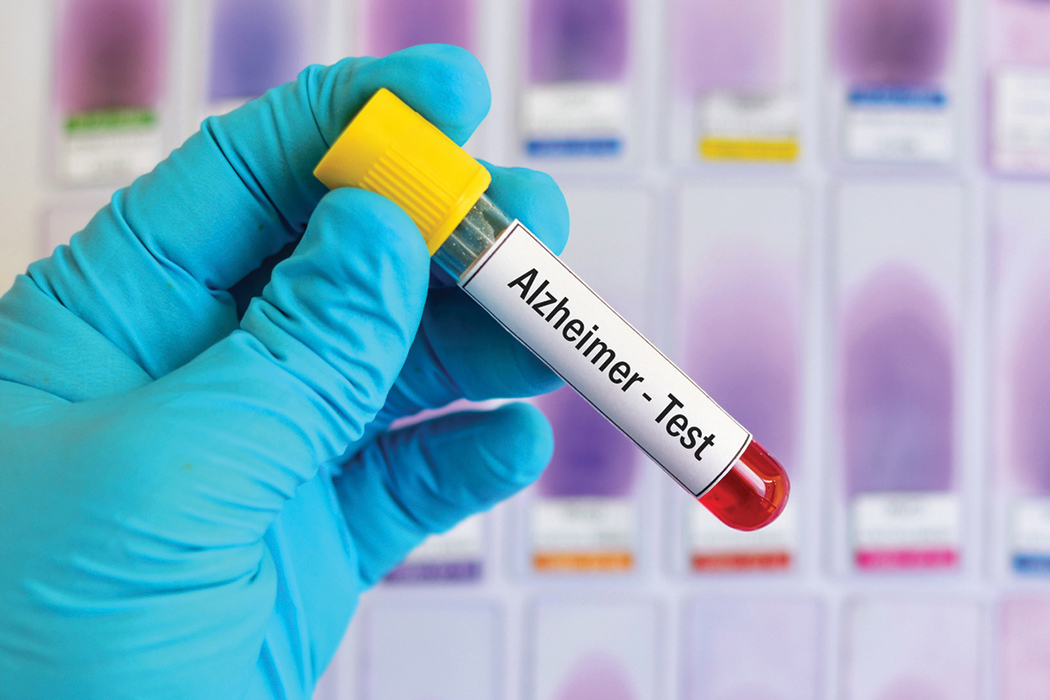
    One of the most promising advances is the development of blood tests that can detect Alzheimer’s disease earlier and more easily than ever before. These new blood tests can identify proteins linked to the disease such as amyloid and tau, potentially allowing doctors to detect the disease much earlier in primary care settings, not only in specialty clinics.

    Early detection is critical because new treatments are most effective when the disease is identified in its earliest stages.

    Therapies designed to target the underlying biology of Alzheimer’s have also come into play. These treatments work by removing or reducing the buildup of amyloid in the brain, one of the hallmarks of the disease.

    While these therapies are not cures, studies show they can slow disease progression by roughly 30% in some patients, marking the first time treatments have been able to meaningfully change the course of Alzheimer’s.

    At the same time, research is demonstrating that prevention and brain health may be more within our control than we first believed. A study led by the Alzheimer’s Association is the largest clinical trial in the US examining how lifestyle changes influence brain health. It found that a comprehensive program combining physical exercise, improved nutrition, cognitive stimulation/brain exercises, social engagement and management of cardiovascular health improved thinking and memory in older adults at risk for cognitive decline. Participants who followed a more structured lifestyle program experienced even greater benefits.

    For communities in Hawai‘i, these advances are particularly important. Our state faces a rapidly aging population and increasing rates of Alzheimer’s and dementia. Efforts such as the HANAI Memory Network bill aim to strengthen coordination among healthcare providers, caregivers and community organizations to ensure people living with or who have concerns with memory loss can access early diagnosis, care and support.

    Hawai‘i is also poised to contribute to the future of Alzheimer’s research. The University of Hawai‘i’s John A. Burns School of Medicine continues to expand opportunities for students. We hope the association’s UH dementia research bill will accelerate funding capacity through the federal government to enable access to clinical studies/trials, allowing local residents to participate in trials that help advance new diagnostics, treatments and prevention strategies.

    Together, these advances in science and care signal a shift from simply reacting to Alzheimer’s disease to detecting it earlier, slowing its progression and potentially preventing it altogether.

    The takeaways from this: This is our “mammogram moment” for Alzheimer’s. Just as early screening transformed outcomes for breast cancer, new diagnostic tools like blood tests could make early detection for Alzheimer’s and other forms of dementia the standard of care.

    If you have concerns for yourself or a loved one, speak to your doctor or call the Alzheimer’s Association 24/7 Helpline at 800-272-3900.

    ALZHEIMER’S ASSOCIATION (nonprofit)
    677 Ala Moana Blvd, Ste 301, Honolulu, HI 96813
    808-591-2771 | alohainfo@alz.org | alz.org/hawaii

    Breakthroughs in early detection, treatments and lifestyle research are changing how we understand and address Alzheimer’s disease, offering new opportunities. One of the most promising advances is the development of blood tests that can detect Alzheimer’s disease earlier and more easily than ever before. These new blood tests can identify proteins linked to the disease…

  • Ask the Doctor: Help for Bladder Issues

    In this ongoing column, Kaiser Permanente doctors answer commonly asked questions.
    Generations Magazine

    As someone who deals with bladder issues all the time, I want to start with one important thing, right away: bladder control problems are nothing to be embarrassed about. Many folks in Hawai‘i experience changes in bladder control as they get older, yet too many delay getting care because they feel uncomfortable bringing it up or assume it’s just something they must accept.

    If bladder leakage is bothering you in any way, that’s reason enough to talk to your doctor — especially if it’s happening regularly, waking you up at night, causing sudden urges you can’t control or making you avoid activities you enjoy.

    Seek care if you have pain, burning, blood in your urine or a sudden change in symptoms — all signal issues that need prompt attention.

    Many of these issues can be handled by your primary care provider, but sometimes they’ll need to refer you to a specialist like me. These conversations are routine for all of us and you’re never the only patient asking.

    Can I prevent issues with bladder control?

    Not every bladder problem can be prevented, but many issues can be improved with a few changes. Gentle pelvic floor exercises, staying physically active and not waiting too long to use the bathroom can make a difference. Constipation is another common factor, as it can put extra pressure on the bladder. It’s also important to review your medications with your doctor once a year, as some prescriptions, over-the-counter medications and supplements can worsen bladder symptoms.

    One myth I hear often is that drinking less water will improve things. Especially in Hawai‘i’s warm climate, that idea can backfire. When you’re dehydrated, urine becomes more concentrated and can irritate the bladder. What helps is steady, balanced hydration throughout the day rather than cutting fluids altogether.

    Do coffee, tea or local foods make bladder problems worse?

    For some people, certain foods and drinks can irritate the bladder — but this varies from person to person.

    Caffeine, including coffee and iced tea, is a common trigger for bladder urgency. Citrus fruits and juices, spicy foods and acidic dishes (adobo, kimchi and tomato-based dishes such as spaghetti and stew) may also affect some people. That doesn’t mean you need to give up the foods you like. The key is paying attention. If you notice symptoms tend to appear after you consume certain foods or drinks, small adjustments might help. Try switching to half-caf or decaf, choosing milder seasonings or enjoying smaller portions.

    Enjoying local food with loved ones is an integral part of living in Hawai‘i. But moderation and awareness often go a long way.

    A final word

    Bladder control problems are not something you must deal with alone. If symptoms are affecting your comfort, sleep or confidence, talk to your doctor. Together we can find ways to support your health and quality of life.

    DR. MICHELLE C. LEACH is a urologist at Kaiser Permanente Moanalua Medical
    Center. She earned her medical degree from Thomas Jefferson University in Philadelphia and completed a general surgery internship and urology residency at the University of California, San Diego, where she served as chief resident. Dr. Leach is passionate about improving quality of life through minimally invasive and innovative urologic care, helping patients restore health, comfort and confidence.

    Kaiser Permanente will cover heart health in the next issue. If you have a medical question for the doctor, email: cynthia@generations808.com.

    As someone who deals with bladder issues all the time, I want to start with one important thing, right away: bladder control problems are nothing to be embarrassed about. Many folks in Hawai‘i experience changes in bladder control as they get older, yet too many delay getting care because they feel uncomfortable bringing it up…

  • Local Foods for a Healthy Smile

    Did you know the food on your plate can strengthen your smile? Hawaii’s vibrant food culture offers delicious ways to support your oral health.

    Limu and seaweed varieties like miyeok (wakame) and gim (dried seaweed) are rich in calcium and magnesium, helping maintain strong teeth while reducing inflammation. Fresh ahi and salmon in your poke bowl provide omega-3s that may help to fight gum disease. And don’t forget our beloved Okinawan sweet potato, which is packed with vitamins A and C for healthy gums. The probiotics in kimchi may also support a healthy mouth by reducing harmful bacteria. Tofu provides calcium for enamel strength, while leafy kkaennip (perilla leaves) promote gum health. Even the garlic and ginger in your cooking act as natural antibacterials. Local oxtail soup and sagol-gukmul (Korean bone broth) are warm, comforting options rich in collagen and minerals that support gum tissue.

    While nutritious foods are a delicious and enjoyable approach to oral health, it’s most important to maintain a strong oral hygiene routine that includes daily brushing, flossing, and regular dental visits. These simple habits protect your smile for years to come. Eat well, smile often, and take care of your oral health!


    HAWAII DENTAL SERVICE
    Kahala Howser Pimentel, Wellness and Events Manager
    808-529-9391
    Kahala.Pimentel@HawaiiDentalService.com
    HawaiiDentalService.com

    Did you know the food on your plate can strengthen your smile? Hawaii’s vibrant food culture offers delicious ways to support your oral health. Limu and seaweed varieties like miyeok (wakame) and gim (dried seaweed) are rich in calcium and magnesium, helping maintain strong teeth while reducing inflammation. Fresh ahi and salmon in your poke…

  • Diabetes 101

    Over 38 million Americans are living with diabetes. It continues to be one of the fastest growing chronic conditions in the world. One in three Americans aged 65 and older is living with diabetes (16.5 million seniors). Risk factors include age, a family history of diabetes, not getting enough physical activity and being overweight/obese. Diabetes is also more common in certain ethnic groups.

    The American Diabetes Association® (ADA) recommends that adults aged 35 and older get screened regularly, regardless of risk factors.

    Diabetes is a complex problem that causes blood glucose (blood sugar) levels to rise higher than normal.

    The three most common types of diabetes:

    TYPE 1 DIABETES: In this type of diabetes, the immune system mistakenly destroys the beta cells in the pancreas that make insulin. When enough beta cells are gone, the pancreas stops making insulin or makes so little you need to take insulin to live. Along with insulin, a healthy diet and physical activity are part of managing Type 1 diabetes. Type 1 diabetes develops most often in young people but can appear in adults.

    TYPE 2 DIABETES is the most common type. It develops when the body does not use the insulin it makes well or does not make enough insulin. Managing type 2 diabetes includes a healthy eating plan, physical activity, and medication.

    GESTATIONAL DIABETES (GDM) develops during pregnancy. After giving birth, blood glucose levels may return to normal. If they do not, the individual is considered to have Type 2 diabetes. Even if blood glucose levels return to normal, having had GDM increases the risk of developing Type 2 diabetes later in life.

    Prediabetes is diagnosed when blood glucose levels are higher than normal but are not high enough to be determined to be diabetes. Treatment includes lifestyle changes, which may prevent or delay Type 2 diabetes.

    A crucial part of ADA’s work is spreading awareness . Early detection and treatment can significantly reduce the risk of developing complications.

    Symptoms of diabetes can include:

    Feeling very thirsty

    Feeling very hungry (even though you’re eating)

    Frequent urination

    Blurred vision

    Extreme fatigue

    Cuts or bruises that heal slowly

    Weight loss even though you’re eating more (Type 1)

    Tingling, pain, or numbness in hands or feet (Type 2)

    Be aware that the symptoms of Type 2 diabetes may be so mild that they may not be noticed.

    In addition to recognizing symptoms, it’s also important to know your risk of developing Type 2 diabetes. The ADA offers a free, 60-second Type 2 Diabetes Risk Test at diabetes.org/RiskTest. Those found to be at high risk should contact their doctor. The ADA also provides a list of National Diabetes Prevention Programs to learn about preventing or delaying Type 2 diabetes.

    It takes all of us to end diabetes and support our loved ones who are impacted. Bringing the community together to raise awareness, connect people affected by diabetes, and support research, education and prevention efforts. This spring, the ADA will host its walkathon-style fundraiser event:

    Step Out® Walk: Hawaii, Saturday, March 21
    Kapi‘olani Regional Park, 3840 Paki Ave., Honolulu

    The walk is free to attend. All are encouraged to register at diabetes.org/StepOutHawaii.


    AMERICAN DIABETES ASSOCIATION –HAWAII CHAPTER (nonprofit)
    1670 Makaloa St., Unit 235, Honolulu, HI 96814
    808-201-1304 | SYamada@diabetes.org
    diabetes.org/local/hawaii

    Over 38 million Americans are living with diabetes. It continues to be one of the fastest growing chronic conditions in the world. One in three Americans aged 65 and older is living with diabetes (16.5 million seniors). Risk factors include age, a family history of diabetes, not getting enough physical activity and being overweight/obese. Diabetes…