Category: Health

  • Meeting a Growing Need: Palliative Care

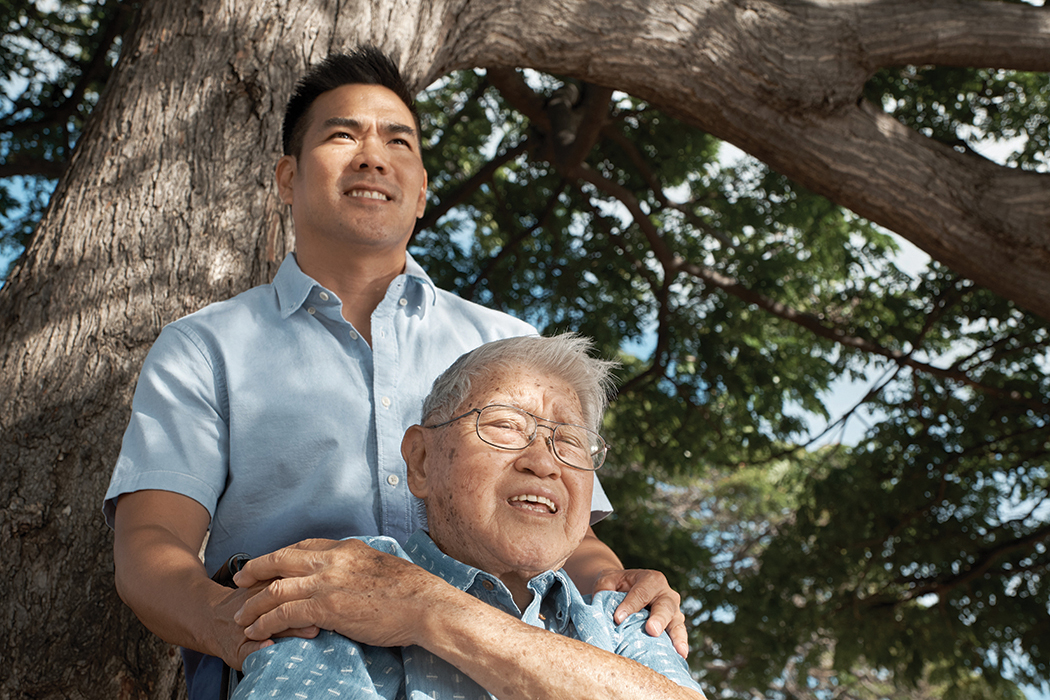
    As Hawai‘i’s population ages rapidly, the need for compassionate, coordinated care for kūpuna living with serious illness is growing. Palliative care offers a vital solution providing relief from symptoms, emotional support and guidance for individuals and families navigating complex health challenges.

    Unlike hospice care, which is reserved for end of-life support, palliative care can begin at diagnosis and continue alongside curative treatment. Its goal is to improve comfort, reduce stress and help patients maintain independence and dignity throughout their care journey.

    Palliative care is delivered by a multidisciplinary team—nurses, nurse practitioners, social workers and care specialists—who address physical, emotional, spiritual and cultural needs.

    It empowers patients to make informed decisions and focus on what matters most: spending time with loved ones and preserving the traditions that give life meaning.

    With kūpuna expected to make up a quarter of Hawai‘i’s population by 2035, early access to palliative care is becoming essential. Palliative care enhances quality of life, supports caregivers and reduces unnecessary hospital visits. Families are encouraged to learn about palliative care options early, as more seniors choose to age in place.


    NAVIAN HAWAIʻI
    Jody Shiroma, Chief Growth Officer
    808-302-4144 | jshiroma@navianhawaii.org
    NavianHawaii.org

    As Hawai‘i’s population ages rapidly, the need for compassionate, coordinated care for kūpuna living with serious illness is growing. Palliative care offers a vital solution providing relief from symptoms, emotional support and guidance for individuals and families navigating complex health challenges. Unlike hospice care, which is reserved for end of-life support, palliative care can begin…

  • What is Your Gut Trying to Tell You?

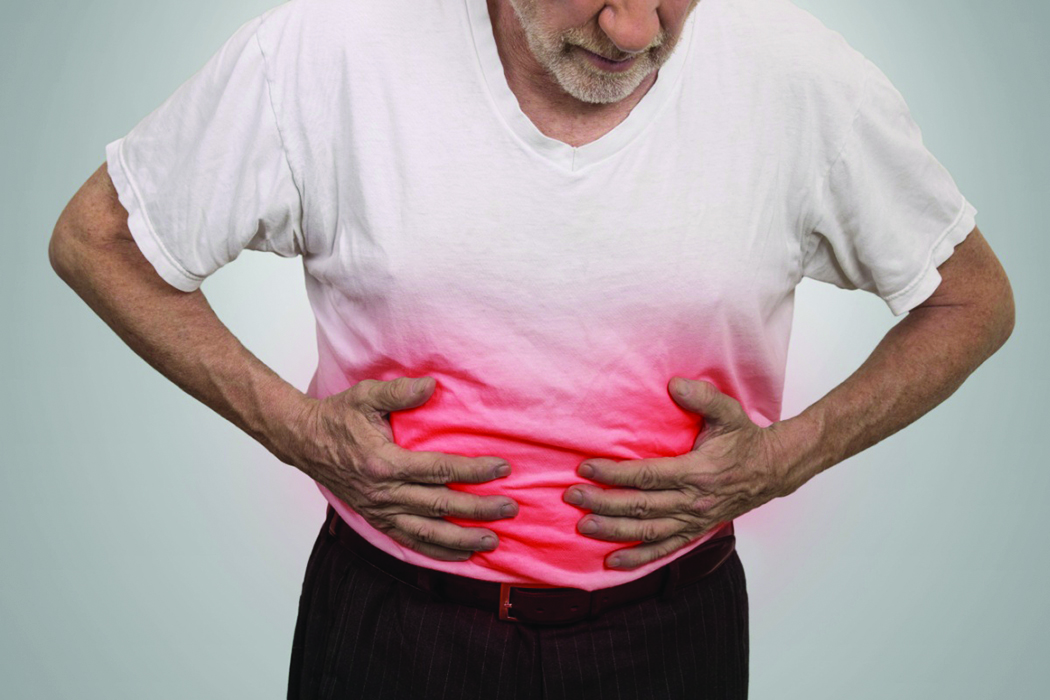
    Your gut is often the first to signal when something’s not quite right. While occasional bloating or indigestion may be harmless, certain symptoms should never be ignored. Gastroenterologists flag warning signs that call for further evaluation:

    • Unintentional weight loss
    • Loss of appetite
    • Changes in bowel movements—narrower, more or less frequent, a different color or consistency
    • Blood in the stool—whether bright red, maroon, or black and tarry
    • Chronic or recurrent abdominal pain, especially if it disrupts sleep
    • Low blood counts (measured by your healthcare provider) fatigue or unexplained weakness

    These red flags help your doctor determine when urgent testing is needed, because these symptoms may be early indicators of serious conditions like colorectal cancer, inflammatory bowel disease or malabsorption disorders. And be aware that risk increases with age—especially after 50—or with a family history of GI cancers. But early detection saves lives. So if you have questions about your gut health, start by talking with your primary care provider, who may refer you to a specialist in gastroenterology. Trust your gut. Take action when it speaks.


    KUAKINI HEALTH SYSTEM
    347 N. Kuakini St., Honolulu, HI 96817
    kuakini.org

    Your gut is often the first to signal when something’s not quite right. While occasional bloating or indigestion may be harmless, certain symptoms should never be ignored. Gastroenterologists flag warning signs that call for further evaluation: These red flags help your doctor determine when urgent testing is needed, because these symptoms may be early indicators…

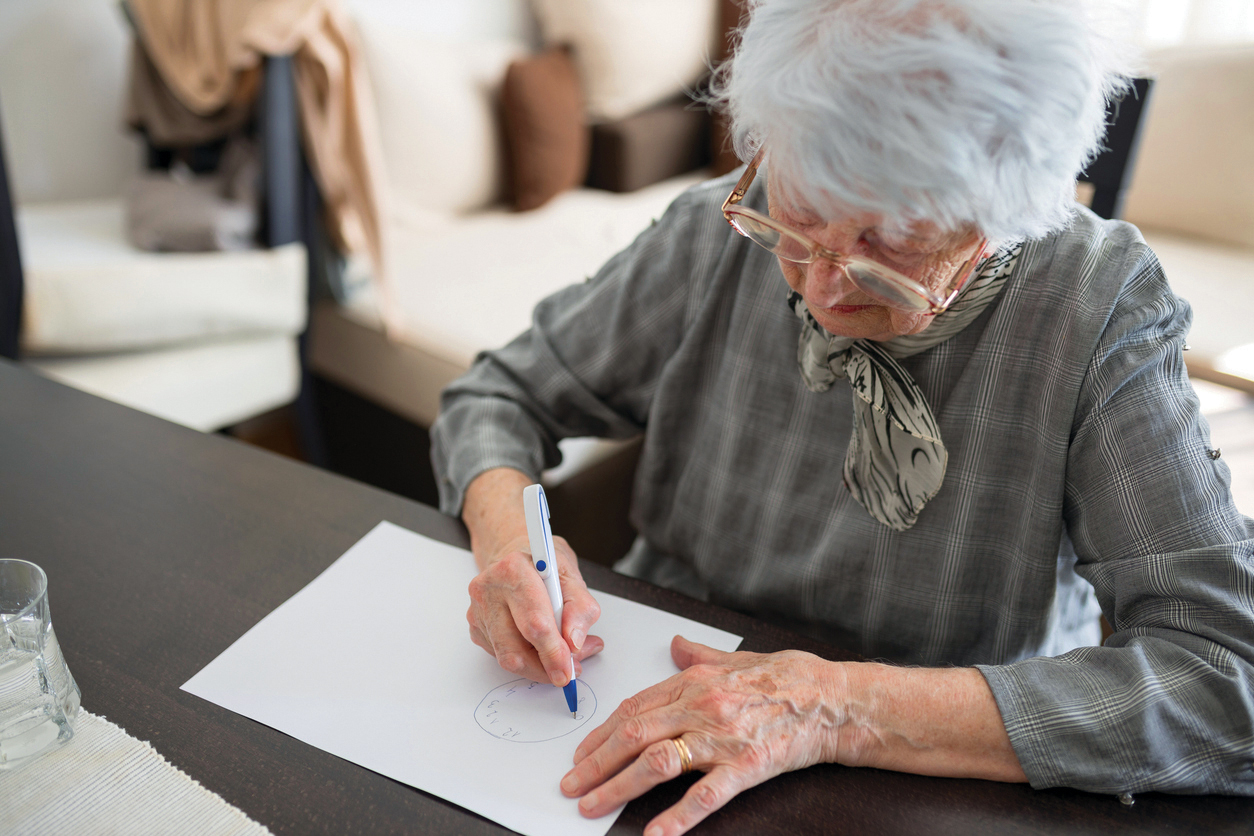
  • 10 Early Signs of Dementia

    Everybody forgets something now and then. As the brain ages, it’s normal to occasionally blank on a name, make a mistake with numbers or misplace your keys or phone. But with typical aging, we can usually recall it later and retrace our steps.

    However, dementia presents differently and it affects more than just memory. These brain changes cause ongoing problems with everyday tasks and represent a noticeable shift from how someone normally functions. It’s important to know the difference between normal lapses and more serious signs that could indicate dementia. Why pay attention to these early signs in yourself or those you love? Because when you know sooner, you can live better.

    By talking to your healthcare provider early, you can learn whether memory changes are due to dementia or another treatable condition. An early diagnosis makes all the difference. While there is no cure for dementia, finding out sooner gives you access to FDA-approved treatments and lifestyle strategies that can slow mental decline and improve quality of life.

    WARNING SIGNS TO WATCH FOR

    Here are 10 early signs that you or someone you love may be experiencing dementia:

    Memory loss that disrupts daily life. This includes asking the same questions repeatedly and depending on memory aids or family members for things previously handled independently.
    Challenges in planning or solving problems. This may involve trouble developing and following a plan or working with numbers.
    Difficulty completing familiar tasks. Examples include trouble driving to familiar locations or remembering the rules of favorite games.
    Confusion with time or place. This includes losing track of dates, seasons or forgetting where they are or how they got there.
    Difficulty with visual perception and spatial relationships. Beyond cataract-related vision changes, this may involve problems with balance, reading, judging distance and determining color and contrast.
    New problems with speaking or writing. Examples include trouble following conversations, stopping or getting lost mid-conversation, or repeating oneself. There may also be difficulty remembering words or using wrong words.
    Misplacing things and being unable to retrace steps. While normal occasionally, it’s concerning if this happens frequently and they can’t retrace their steps.
    Poor judgment and decision-making. This may involve increased poor judgment with money or personal grooming.
    Withdrawal from work or social activities. As they notice thinking changes or difficulty holding a conversation, they may withdraw from work, hobbies and socializing.
    Changes in mood and personality. Becoming confused, depressed, fearful or anxious, or getting easily upset in situations out of their comfort zone are other early warning signs.

    If you notice some of these signs in yourself or a loved one, don’t wait. Schedule an appointment with a healthcare provider for a proper evaluation. Take steps today to protect your brain health. Know sooner and live better.


    HAWAI‘I DEMENTIA INITIATIVE
    Executive Office on Aging, Hawai‘i State Dept. of Health
    250 South Hotel St., Ste. 406, Honolulu, HI 96813-2831
    DOH.Dementia@doh.hawaii.gov | hawaiidementia.org
    For local resources: 808-643-ADRC (808-643-2372)
    Alzheimer’s Association 24/7 Helpline: 1-800-272-3900

    Everybody forgets something now and then. As the brain ages, it’s normal to occasionally blank on a name, make a mistake with numbers or misplace your keys or phone. But with typical aging, we can usually recall it later and retrace our steps. However, dementia presents differently and it affects more than just memory. These…

  • Kūpuna: Don’t Let Cavities Go Untreated!

    It’s easy to think that cavities are something only kids need to worry about. But the truth is, kūpuna can still get cavities, even if they’ve had healthy teeth their whole lives. In fact, aging can bring new dental challenges that make cavities more likely, such as dry mouth from medications or gum recession.

    If left untreated, cavities can lead to pain, infections, difficulty eating and even tooth loss. These issues can affect overall health, nutrition and daily comfort. Oral health is closely tied to overall well-being, especially in our later years.

    The good news? Cavities are preventable with a few simple daily habits. Brush twice a day with fluoride toothpaste to remove plaque. Floss once a day to clean between the teeth where a brush can’t reach. And don’t forget to see your dentist regularly! Routine check-ups can help catch small problems before they become big ones.

    Taking care of your smile is an important part of staying healthy and living well. No matter your age, it’s never too late to give your teeth the care they deserve.


    HAWAII DENTAL SERVICE
    Kahala Howser Pimentel, Wellness & Events Manager
    808-529-9391
    Kahala.Pimentel@HawaiiDentalService.com
    HawaiiDentalService.com

    It’s easy to think that cavities are something only kids need to worry about. But the truth is, kūpuna can still get cavities, even if they’ve had healthy teeth their whole lives. In fact, aging can bring new dental challenges that make cavities more likely, such as dry mouth from medications or gum recession. If…

  • Music Therapy for Continuing Wellness

    Sounding Joy Music Therapy, Hawai‘i’s first and only nonprofit music therapy organization, was established in 2002 by board-certified music therapist Keiko Kajiwara to serve diverse local communities that value music as a cultural resource for healing and empowerment. Its mission is to improve well-being and quality of life through music therapy, especially in underserved communities. Services include music therapy for people with disabilities, medical/mental health challenges and those in at-risk circumstances, in collaboration with hospitals, rehabilitation and long-term care centers, senior programs, shelters, schools and other community sites. Public education and advocacy services include research, training and charitable events.

    Music therapy participants engage in singing, movement and improvisation on a variety of instruments. The purpose of this therapy is creative self-expression and community-building, so no prior musical experience is required. Participants’ diverse musical preferences and cultural traditions are embraced in group music-making, honoring the wealth of knowledge and life experience of Sounding Joy’s older adult participants.

    The federal government has recommended music therapy as a mandatory service for senior programs, as it supports active engagement, rehabilitation and palliative care. It is also accessible for those with limited verbal communication.

    Because music stimulates and integrates the functioning of different areas of the brain, it can address a variety of therapeutic goals—motor functioning, memory, communication, emotional expression and socialization. Research demonstrates beneficial music therapy outcomes for a wide range of conditions, including autism, dementia, developmental disabilities, movement disorders, chronic pain and trauma. The program has partnered with the Hawai‘i Parkinson Association and others to offer music therapy to Parkinson’s patients and their caregivers.

    While Sounding Joy works with clients of all ages, the state’s fast-growing population of seniors constitutes the largest age group. But there are less than 12 board-certified music therapists practicing in Hawai‘i. To help make music therapy available to those in need, support Sounding Joy’s Holiday Giving campaign using the donation link below.


    SOUNDING JOY MUSIC THERAPY, INC. (nonprofit)
    Serving people of Hawai‘i since 2002
    1314 South King St., Ste. #963, Honolulu, HI 96814
    808-593-2620 | nguerrero@soundingjoymt.org | soundingjoymt.org
    Donate: tinyurl.com/Donate-SoundingJoyMusic

    Sounding Joy Music Therapy, Hawai‘i’s first and only nonprofit music therapy organization, was established in 2002 by board-certified music therapist Keiko Kajiwara to serve diverse local communities that value music as a cultural resource for healing and empowerment. Its mission is to improve well-being and quality of life through music therapy, especially in underserved communities.…

  • Prostate Cancer in Hawai‘i

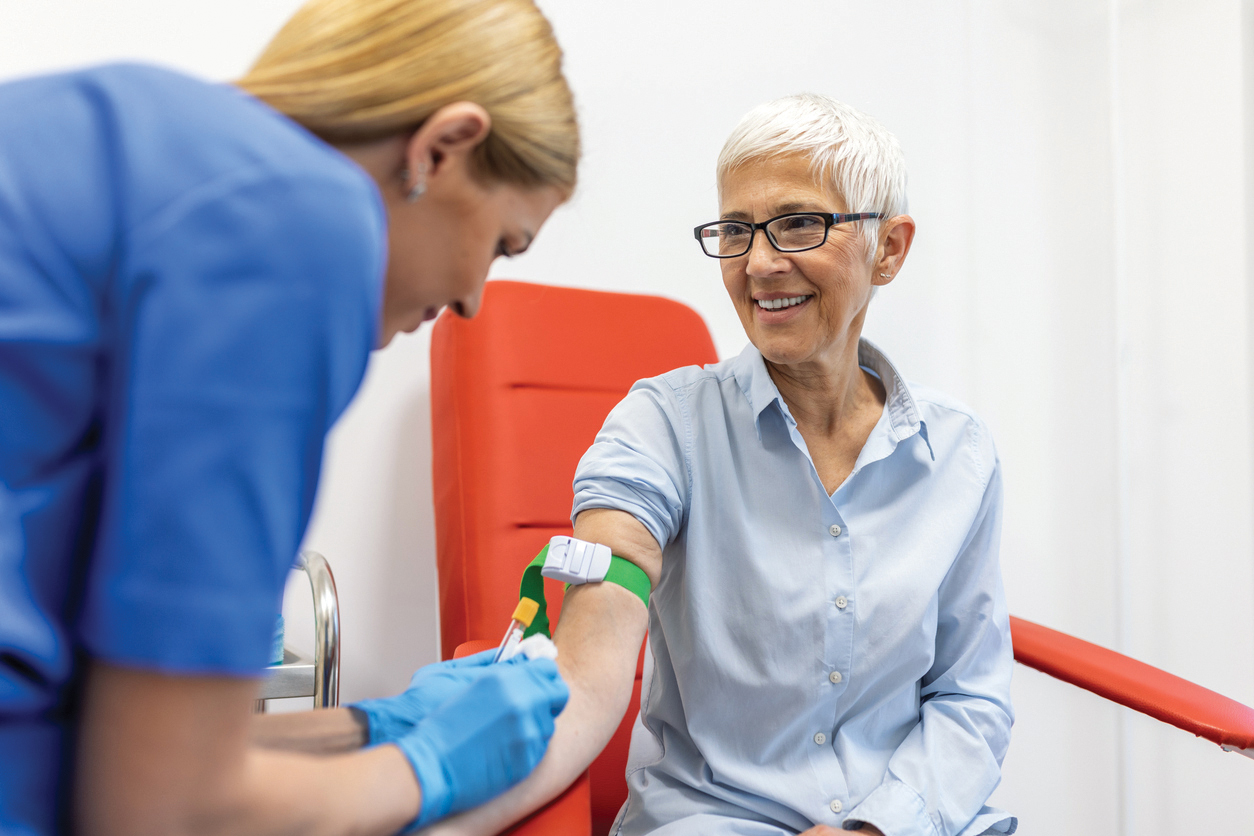
    It is estimated that there will be 1,160 new cases and 190 deaths from prostate cancer in Hawai‘i in 2025. If it is diagnosed at an advanced (metastatic) stage, the five-year survival rate is just 37%. If diagnosed at an early stage, the five-year survival rate is more than 99%.

    Early-stage prostate cancer often does not have any symptoms. Screening starts with a prostate-specific antigen (PSA) blood test. Individualized risk assessment and imaging can now help determine if a biopsy is necessary.

    Non-aggressive prostate cancers may not need treatment. New treatments available in Hawai‘i, such as focal therapy, target only the cancerous part of the prostate, minimizing side effects.

    Men don’t have to face prostate cancer alone. The Us TOO Hawaii support group offers virtual monthly meetings for patients/their loved ones, providing information, education and support.

    Patients often have choices in their cancer treatment. Learning about prostate cancer terminology, various diagnostic and treatment options and talking with other prostate cancer patients helps them make informed decisions for their individual situation.

    US TOO HAWAII 501(c)(3) nonprofit
    Gary Kim, 808-486-9675 | garyhkim@hawaii.rr.com
    hawaiiprostatecancer.org
    bit.ly/cancer-facts-and-figures-2025
    bit.ly/survival-rates-for-prostate-cancer

    The information and opinions expressed on this article are not an endorsement or recommendation for any medical treatment, product, service or course of action by Us TOO Hawaii and are not intended to be a substitute for professional medical advice, diagnosis or treatment. Consult with your physician or other qualified healthcare provider.

    It is estimated that there will be 1,160 new cases and 190 deaths from prostate cancer in Hawai‘i in 2025. If it is diagnosed at an advanced (metastatic) stage, the five-year survival rate is just 37%. If diagnosed at an early stage, the five-year survival rate is more than 99%. Early-stage prostate cancer often does…

  • Healthy Teeth and Gums at Every Age

    September is National Gum Care Month—a great reminder for kūpuna to care for their oral health and protect their smiles. As we age, maintaining healthy gums becomes even more important to overall well-being. One common concern is gum disease, also called periodontal disease, which affects nearly 60% of adults over age 65.

    Often caused by poor brushing and flossing habits, gum disease can lead to tooth loss and increase the risk of other health problems if left untreated. It is fortunate that it’s both preventable and treatable, especially when caught early.

    Early signs include red or swollen gums, tenderness, bleeding, bad breath, painful chewing and receding gums. These symptoms may seem small but can lead to serious problems.

    To keep your gums healthy, brush twice a day with fluoride toothpaste and floss daily. Regular dental visits are also important, especially if you notice changes. Your dentist may recommend a deep cleaning, such as scaling and root planing, or surgery.

    Caring for your gums is a lifelong habit. This September, make oral health a priority and keep your smile strong for years to come.

    HAWAII DENTAL SERVICE
    Dr. Vinh Tran, DDS, Dental Director
    808-529-9213
    vinh.tran@hawaiidentalservice.com
    HawaiiDentalService.com

    September is National Gum Care Month—a great reminder for kūpuna to care for their oral health and protect their smiles. As we age, maintaining healthy gums becomes even more important to overall well-being. One common concern is gum disease, also called periodontal disease, which affects nearly 60% of adults over age 65. Often caused by…

  • Think Pink in October

    The pink ribbons and pink merchandise at retail stores mean it is National Breast Cancer Awareness Month, commemorated annually in October. Think Pink is a campaign for prevention, perseverance in finding a cure and the possibilities for surviving breast cancer.

    According to the National Cancer Institute, 1 in 8 women and 1 in 800 men in America will develop breast cancer. Yes, men are susceptible, too. Breast cancer is the second most diagnosed cancer in the US, and No. 1 in Hawai‘i. Although diagnosis rates are high, death rates have significantly decreased.

    The best way to increase your chance of survival is to detect cancer early. Getting tested according to your doctor’s recommendations is so important. If you are due or overdue for a mammogram, please call your doctor’s office today! Many insurance plans do not charge a copayment for mammograms. And if copay amounts are a concern, most hospitals will work with patients to provide financial assistance or a payment plan.

    In between machine screenings, everyone can benefit from self-exams. If at any time you see or feel anything unusual or suspicious, contact your doctor.

    Do it for yourself and the ones you love.

    ALOHACARE
    1357 Kapiolani Blvd., Ste. G101, Honolulu, HI 96814
    808-973-0712 | toll free 1-877-973-0712
    kreid@alohacare.org | alohacare.org

    The pink ribbons and pink merchandise at retail stores mean it is National Breast Cancer Awareness Month, commemorated annually in October. Think Pink is a campaign for prevention, perseverance in finding a cure and the possibilities for surviving breast cancer. According to the National Cancer Institute, 1 in 8 women and 1 in 800 men…

  • Summer Tips for Healthy Teeth and Gums

    You may have heard of the saying “Drink well, eat well, live well.” What we eat and drink directly affects our overall health and our oral health. That’s especially true during the summer months, when it is typically hotter in Hawai‘i.

    Dehydration, especially for kūpuna, can lead to dry mouth, which may put them at greater risk for cavities and gum disease.

    The solution is simple: Drink plenty of water. Native Hawaiian wisdom notes, “ola i ka wai,” which loosely translates to “water is life.” Drinking water helps remove food particles and harmful bacteria in our mouth and stimulates saliva production. This prevents plaque buildup and tooth decay. Avoid sweet, acidic beverages or rinse with water immediately after drinking them.

    This summer, remember that what you eat also affects your health. Nutritional foods help to maintain healthy tissues and bones, including your teeth. Avoiding foods that contain excessive sugar also help us maintain healthy teeth. Remember, your children and grandchildren are looking to you as their role model!

    With these simple reminders, you can have a more enjoyable, healthy summer. Eat well, drink well, live well and smile more!

    HAWAII DENTAL SERVICE
    Kahala Howser Pimentel, Wellness & Events Manager
    808-529-9391
    Kahala.Pimentel@HawaiiDentalService.com
    HawaiiDentalService.com

    You may have heard of the saying “Drink well, eat well, live well.” What we eat and drink directly affects our overall health and our oral health. That’s especially true during the summer months, when it is typically hotter in Hawai‘i. Dehydration, especially for kūpuna, can lead to dry mouth, which may put them at…

  • UV Protection is Important for Eye Health

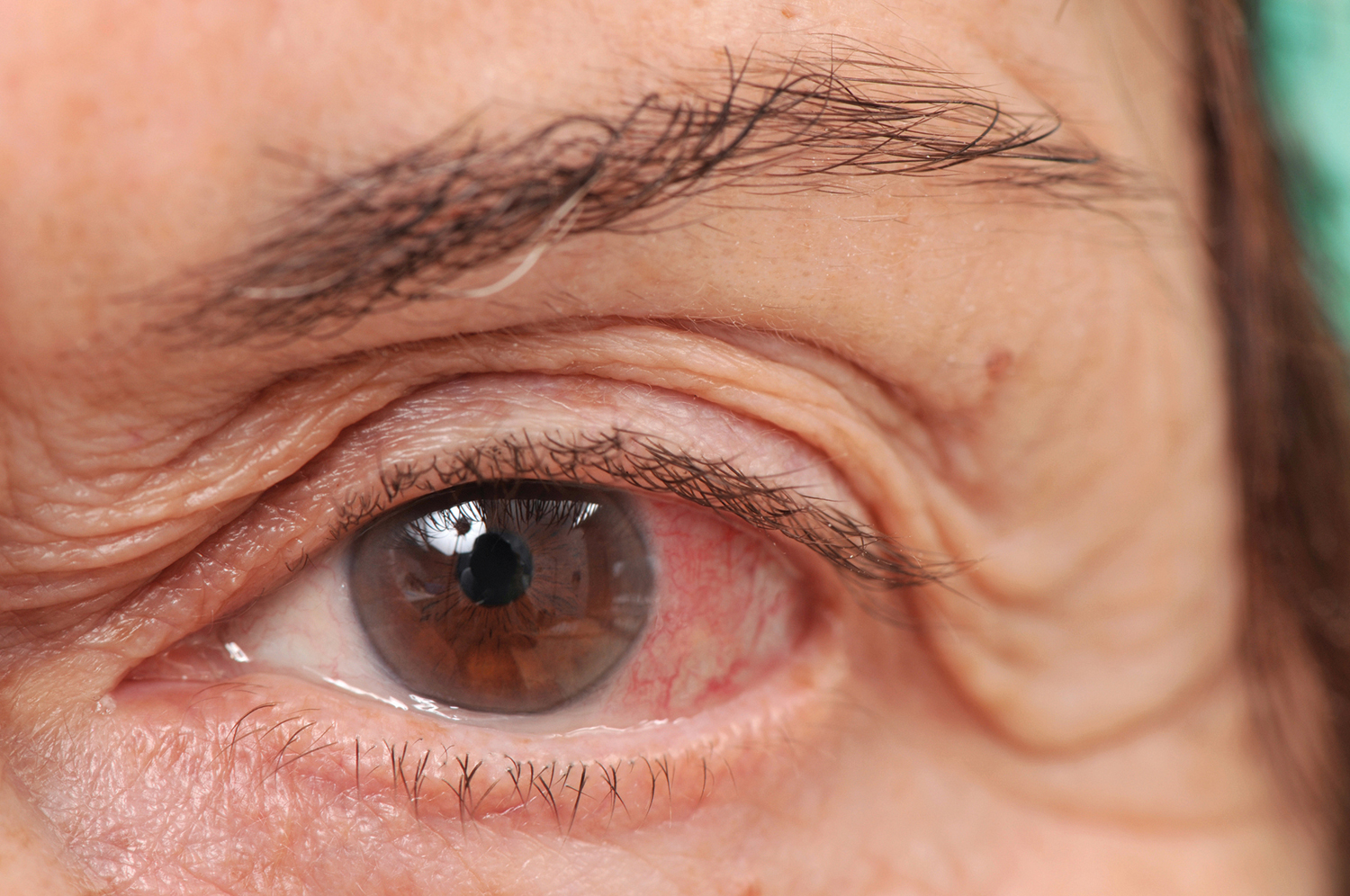
    Ultraviolet (UV) radiation can do permanent damage to our eyes. Regardless of age, it’s important to keep our eyes safe from the powerful summer sun, as our vision quality helps to support a long, healthy and happy life.

    For UV Safety Month in July, there are many things we can do to help protect our eyes; these preventive measures are crucial:

    • Wear sunglasses that block 100% of both UVA and UVB rays. This is a simple yet highly effective way to protect your eyes. Your sunglasses should wrap completely around your temples so the sun can’t enter from the side.
    • Wear a broad-brimmed hat. This can reduce the amount of UV radiation that reaches your eyes by up to 50%.
    • Stay in the shade. Or make sure you are blocking out UV rays during peak UV hours—10am to 2pm—when UV rays are most damaging.

    If you experience any signs or symptoms of vision problems, schedule an eye exam as soon as possible. Note that some common eye diseases can show little or no symptoms or may not be vision-related, such as headaches or dizziness.

    Take precautions before heading outside to safeguard your vision and reduce the long-term impact of UV damage, ensuring your health and vision for years to come.

    HAWAIIAN EYE CENTER
    606 Kilani Ave., Wahiawa, HI 96786
    808-621-8448 | HawaiianEye.com

    Ultraviolet (UV) radiation can do permanent damage to our eyes. Regardless of age, it’s important to keep our eyes safe from the powerful summer sun, as our vision quality helps to support a long, healthy and happy life. For UV Safety Month in July, there are many things we can do to help protect our…

  • Make Oral Health a Family Tradition

    As we age, oral health becomes even more essential in order to maintain a healthy mouth, not just for ourselves, but also as an example for future generations. Passing down the tradition of good oral hygiene habits can have a lasting impact on your keiki and grandchildren.

    Just as traditions like family meals and shared stories strengthen bonds, teaching children the importance of brushing, flossing and regular dental visits help instill lifelong habits that help prevent serious oral health issues. These small yet powerful routines become part of who they are, ensuring their health for years to come.

    As role models, adults have the unique opportunity to demonstrate that oral care isn’t just a chore but a vital part of a healthy life. By brushing our teeth twice a day, flossing daily and regularly visiting the dentist as part of our routine, we show younger family members the importance of self-care and creating healthy habits.

    By embracing oral health as a tradition, we not only safeguard our own well-being but also pass down a legacy of care and self-respect. The example we set today will continue to shape the smiles and health of tomorrow. Let’s celebrate the simple act of oral care as a lasting gift for those we love!

    HAWAII DENTAL SERVICE
    Kahala Howser Pimentel, Wellness & Events Manager
    808-529-9391
    Kahala.Pimentel@HawaiiDentalService.com
    HawaiiDentalService.com

    As we age, oral health becomes even more essential in order to maintain a healthy mouth, not just for ourselves, but also as an example for future generations. Passing down the tradition of good oral hygiene habits can have a lasting impact on your keiki and grandchildren. Just as traditions like family meals and shared…

  • The YMCA: Your Second Home

    Many seniors first step into the Y because their doctor says they need to keep moving. Others stop in for a visit because their health plan includes a free membership. Some are nudged to give “the Y” a try by family members who want them to get out and stay engaged. But what happens next is something we see time and again — what starts as a single visit turns into a daily routine, a lifeline — a second home.

    It’s that first warm greeting when they check in — and every time after. It’s the welcoming class instructor, friendly potlucks, laughter over mahjong or the camaraderie of our Kupuna Food & Fun program, where seniors share meals, swap stories and enjoy activities. Some classes are staff-led, like crafting, bingo and gardening. Others are member-led, with seniors sharing skills in lei-making, cooking or ‘ukulele. Volunteers even teach seniors how to confidently and safely use iPhones and email.

    With seniors making up a third of Y members, there are endless opportunities to make new friends and reconnect with old ones. And it’s affordable — many health insurance plans include free Y memberships. We offer senior rates and financial aid. The Y isn’t just a gym. It’s a second home. It’s ‘ohana. Join today!

    YMCA OF HONOLULU (501(c) 3 nonprofit)
    1441 Pali Hwy., Honolulu, HI 96813
    808-678-4296 | info@ymcahonolulu.org
    ymcahonolulu.org

    Many seniors first step into the Y because their doctor says they need to keep moving. Others stop in for a visit because their health plan includes a free membership. Some are nudged to give “the Y” a try by family members who want them to get out and stay engaged. But what happens next…