Category: Column

  • One Story at a Time

    Many people believe family history begins with old photographs, genealogy charts or lists of names and dates.

    While those things are important, I teach kūpuna that family history truly begins with something much simpler: your own story — preserving family history through personal memory.

    If we fail to tell our personal stories, the links between generations slowly disappear. Grandchildren may know where they came from, but they may never know who their ancestors truly were — their struggles, traditions or dreams.
    I often compare family history to making a lei. Each memory is like a flower added one piece at a time. Alone, each memory may seem small, but together they create something beautiful and lasting. When stories are left untold, empty spaces are left behind for future generations.

    One of the most important lessons I share is that you do not need to be a professional writer. A simple notebook, loose paper or recorded conversation can become a treasured family history.

    Start with small moments: What was your childhood home like? What foods remind you of family gatherings? Who taught you important lessons? What traditions made your family unique?

    Often, as kūpuna begin talking about their lives, forgotten memories naturally return. I have seen this many times while helping elders write their personal histories. One memory unlocks another, almost like opening old drawers and rediscovering treasures tucked away for years.

    I also encourage families to talk story about loved ones who have passed on. Celebrating a heavenly birthday or remembering someone on an anniversary — whether it marks a loss, a milestone or a past relationship — can gently reopen important connections.

    Memories are closely tied to our senses. Talking about favorite meals, familiar music or what an old neighborhood looked like can help awaken details long forgotten.

    Sometimes one of the best ways to help memories return is to revisit meaningful places. Taking a senior family member on a drive through an old neighborhood, stopping at a former school, church or family home can spark stories that have been resting quietly for years.

    Today there are wonderful tools available to help preserve memories. Websites such as FamilySearch (familysearch.org/en/united-states) offer free ways to record stories, upload photographs and preserve audio memories for future generations. This can be especially helpful for kūpuna who find writing difficult but enjoy speaking about their memories and life experiences.

    But technology is only a tool. The real gift is the willingness to share.

    The important thing is not to wait for the perfect time or perfect words. Simply begin.
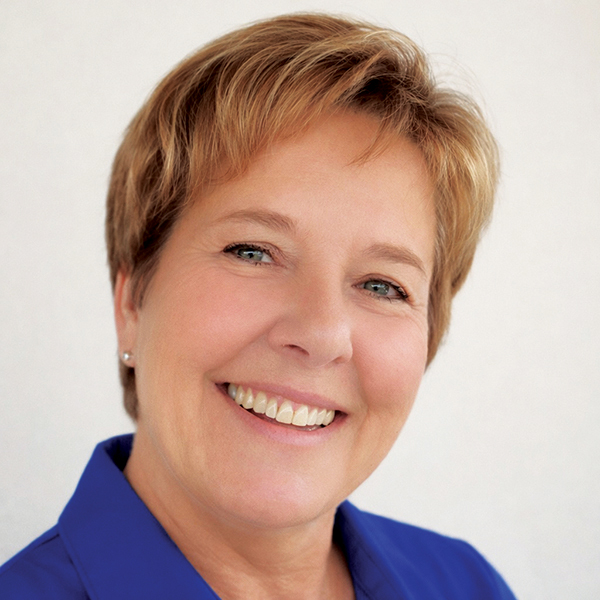
    Vicki Boswell is the Founder and President of Hōkūlani Children’s Theatre of Moloka‘i and a dedicated advocate for life skill development among kūpuna. Drawing from her lifelong experience with hearing loss, she teaches practical, multisensory communication strategies that strengthen connection and reduce isolation. Vicki holds a BA in educational psychology and an MSW with a child and family emphasis. She loves working with children and kūpuna, helping them build confidence, express themselves and stay meaningfully connected within their communities. If you have a story to share, email the editor: debra@generations808.com.
    Many people believe family history begins with old photographs, genealogy charts or lists of names and dates. While those things are important, I teach kūpuna that family history truly begins with something much simpler: your own story — preserving family history through personal memory. If we fail to tell our personal stories, the links between…

  • Volunteering Made Me a Better Person

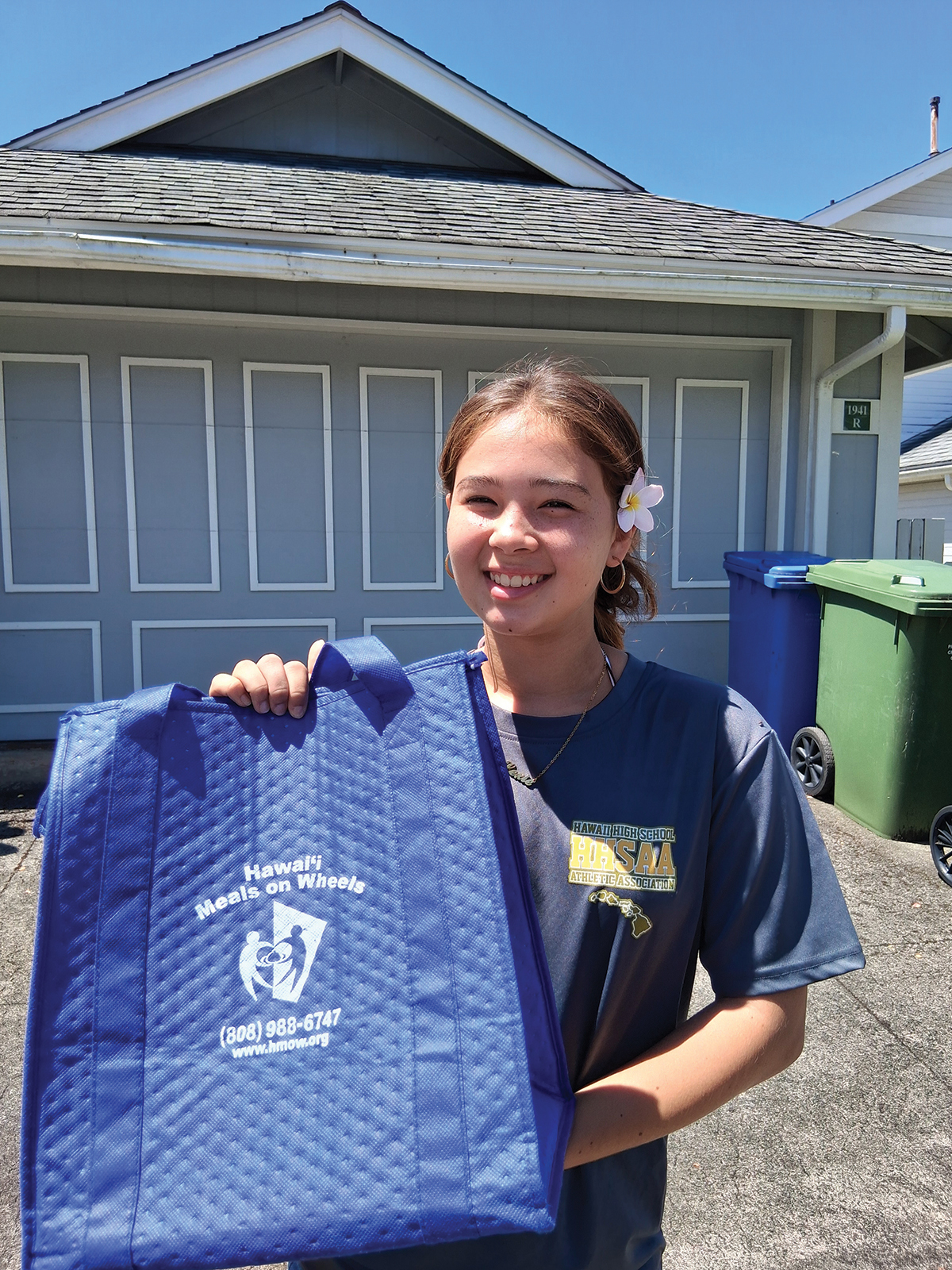
    When my family started volunteering for Hawai‘i Meals on Wheels on Thanksgiving in 2023, I honestly didn’t want to do it. My mom signed us up, and my dad and I just went along with it. I was 12 years old and I remember thinking, “Why am I being forced to do this?” I wanted to hang out with my friends or watch my iPad. I’m now 15 and I’m really glad she made me do it.

    Delivering meals to kūpuna showed me how different life can be for other people. Some don’t have family nearby, some can’t cook anymore and some can’t even drive to get groceries. I never really thought about these things. My favorite part is seeing them smile when I bring them their food. They also talk to me and ask me questions like how old I am, where I go to school and even if I play sports. Talking with them has helped me be able to talk to strangers and new people, which is something I have to learn to do. This experience made me learn to not only help others, but it is helping me grow, too.

    I’ve started volunteering at my school office and library this summer. My mom signed me up because she said she needed more time to work instead of driving me all over the place. It turned out to be a lot of fun. I met new people, learned how to speak to staff, did office work and helped out the librarians. I am also collecting service points to go toward a service cord, a braided honor cord worn at graduation to recognize community service,
    when I graduate from Moanalua High School. This is helping me get more volunteer hours that will look good on college applications and scholarships.

    My mom always tells me that it’s better to give than to receive, but I mean… getting money is still pretty nice, not gonna lie! Next year, I will still volunteer, but I also want to get my first job. I love shopping and going out with my friends, and apparently I need to start paying for those things myself. Plus, I want to start saving for my future, maybe even for a house someday.

    Even though I didn’t want to volunteer in the beginning, I’m really glad my mom made me do it. It turned out that this changed the way I see other people — and myself.

    Lexie Arnold is a 10th grader at Moanalua High School and the daughter of GM Publisher Cynthia Arnold. She loves to dance and play softball, hang out with her friends and volunteer for organizations on the island.

    If you have a story to share, email the editor:
    debra@generations808.com.

    When my family started volunteering for Hawai‘i Meals on Wheels on Thanksgiving in 2023, I honestly didn’t want to do it. My mom signed us up, and my dad and I just went along with it. I was 12 years old and I remember thinking, “Why am I being forced to do this?” I wanted…

  • A Wake-Up Call for Congress

    This year’s Social Security Trustees report sends a clear message: Congress needs to act. The latest projections show Social Security’s Trust Fund reserves are expected to be depleted by 2034. That means without Congressional action, Social Security will have about 80% of the money it needs to make full payments. Congress needs to act to fill the 20% gap and they have plenty of tools in their toolbox to do it.

    Some special interests in Washington will seize on this report to push proposals that would cut Social Security by reducing payments, raising the retirement age or otherwise shifting the burden onto hardworking Americans. We are fighting against this.

    At AARP we hear every day from older Americans across the country who are struggling to make ends meet, like Victoria in Hawai‘i, who told us she depends on Social Security to pay her mortgage and bills. “Without it, my financial security would be shattered,” she said.

    She’s not alone. A recent AARP Financial Security Trends Survey found that six in 10 Americans 50 and over worry about whether they will have enough to stay financially secure in retirement. Nearly seven in 10 say prices are rising faster than their income. Almost half report higher healthcare costs than just a year ago.

    At the same time, many are entering retirement without enough savings — 42% of adults 0-plus who are not yet retired have less than $50,000 set aside. This is why Social Security
    remains a lifeline. It helps people cover basic needs like housing, groceries, utilities and healthcare. Even with that support, a majority of older Americans say today’s average benefit (around $2,000 a month) is not enough.

    For millions of Americans — including 302,577 here in Hawai‘i — Social Security is an essential part of their plan for financial security in retirement. It is earned through a lifetime of hard work. Social Security is not a bonus or a handout and it must be protected.

    The good news is Social Security isn’t going broke. This is absolutely something Congress can fix in a way that protects the money we’ve earned, without cuts. Lawmakers have time to act and there are many ways to strengthen Social Security and close the projected funding gap. You can join our fight to maintain your earned Social Security benefits. Go to action.aarp.org/protectsocialsecurity to learn more.

    AARP HAWAI‘I (nonprofit)
    1001 Bishop St., Ste. 625, Honolulu, HI 96813
    866-295-7282 | hiaarp@aarp.org
    aarp.org/hi | facebook.com/aarphawaii

    This year’s Social Security Trustees report sends a clear message: Congress needs to act. The latest projections show Social Security’s Trust Fund reserves are expected to be depleted by 2034. That means without Congressional action, Social Security will have about 80% of the money it needs to make full payments. Congress needs to act to…

  • Centering Mind, Body & Spirit With Tai Chi

    Centuries ago in China, tai chi was a form of martial arts. It was practiced as an internal force, not brute strength. Certain hand movements and footwork were taught as techniques of tai chi. Techniques of pushing hands were an important part of tai chi and this technique was to maintain combat efficiency. Currently, tai chi is a sports activity in some parts of China, enjoyed by many athletes.

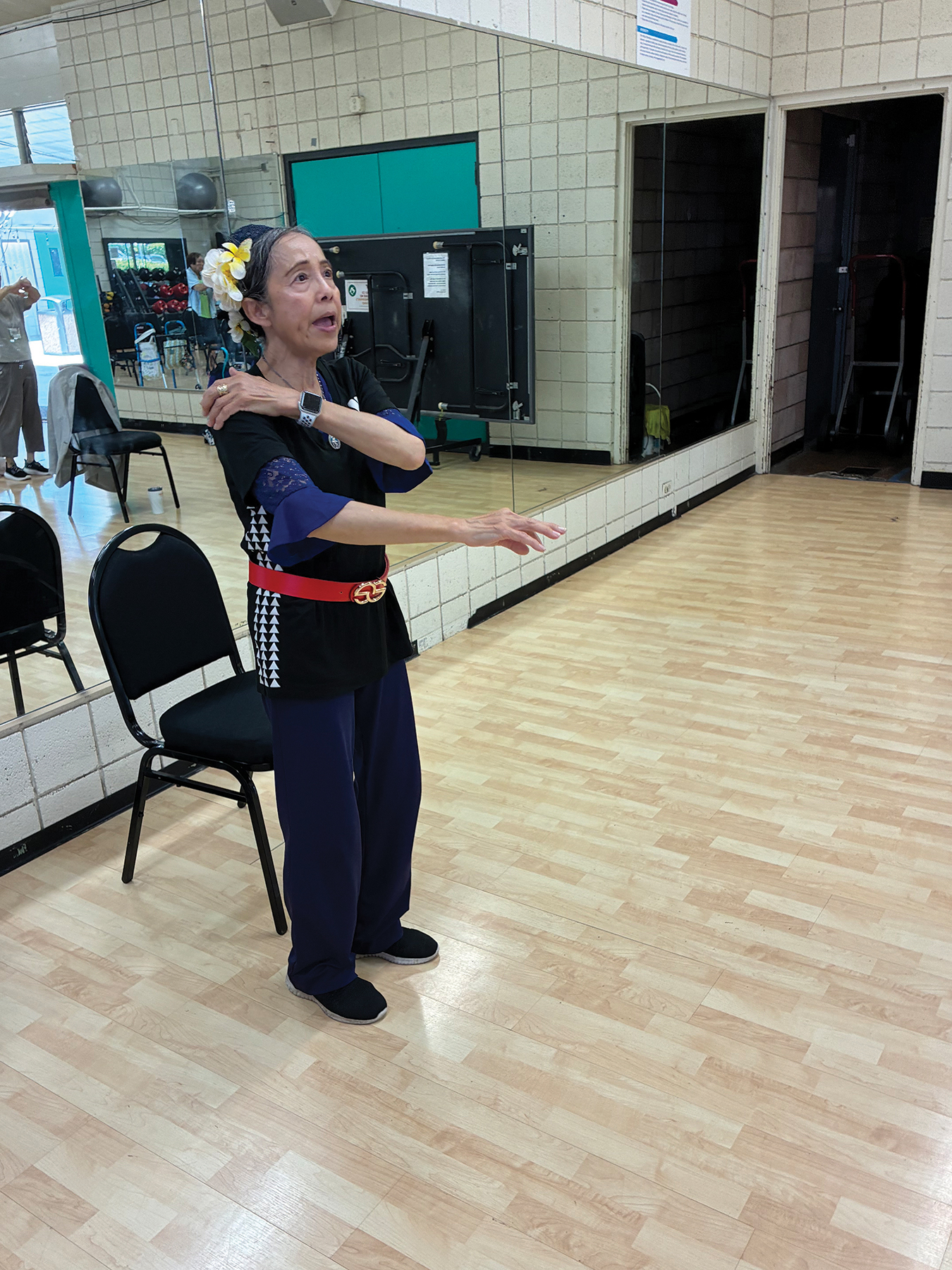
    “Tai chi has made a great, positive impact on my life,” says Elizabeth Thu Hai Pham, the current tai chi instructor at the YMCA Kaimuki Wai‘alae Branch. “I teach kūpuna tai chi, mainly the prevention of falling and the hand movements and footwork if the kūpuna should find himself or herself in a situation of unexpectedly falling. Tai chi consists of slow movements, and consequently, it is easy for a kūpuna to learn. Because it is slow, kūpuna gradually become graceful and acquire balance in everyday life.”

    Elizabeth was born in Vietnam. In the final days of the Vietnam War in 1975, she fled, leaving her family possessions behind. She traveled to New Jersey, where her brother-in-law resided.

    In America, she cried to God, “‘Why me?’ My father was weak. He didn’t have enough to eat. But I learned whatever happens makes us stronger. Every Saturday, Vietnamese refugees came to our small apartment for a bowl of soup from my grandmother. Our family didn’t have enough to eat, but when you have little, I was taught to share what little you have with someone who has nothing.”

    Tai Chi Master Dr. Paul Lam taught her not only the tai chi forms, but also her strengths and weaknesses, because “by learning such conditions, you look within yourself,” Elizabeth says. “You learn about yourself, how to focus, how to breathe properly and how to move your energy deliberately without rushing, with calmness of the mind, now called ‘mindfulness.’ My master said I must honor myself.” Dr. Lam is recognized throughout the world as a Tai Chi Grand Master.

    Elizabeth, who I will now call “sensei” (Japanese for teacher or highly respected person), has been awarded a tai chi certificate for her completion of training in tai chi education and skills. She is certified to teach the remedy for arthritis and the prevention of falling of all levels, more particularly for kūpuna. Pham Sensei says, “Myself and the kūpuna who attend my classes are in a support group. There is no denying that, in their own way, the kūpuna support me and I do my best to support them. We honor, respect and practice tai chi for the benefit of our health, to reduce arthritis and to prevent falling.”

    Pham Sensei continues by saying, “Proper breathing has an important connection with the brain. Unless you can relax and have peace of mind, it adversely affects the waves in your brain, which results in poor health.”

    She also emphasizes drinking water: “Our body requires water, because our blood needs water. I encourage everyone to drink at least 17 fluid ounces of water each day.”

    Pham Sensei rises at 3am daily, does her tai chi exercises and attends church where she prays for everyone and finds spiritual peace. In the early morning she has time to think, she says. As her Tai Chi Master recommended, she enjoys her life the best she can, particularly since her early years had been a time of suffering.

    Her enduring advice for everyone, not only kūpuna, is to be slow and gentle in all aspects of life. Practice tai chi every day to maintain your health, peace of mind and happiness.

    “Tai chi has made a great difference in my life, good health, clear thinking, lots of friends and happiness,” Pham Sensei says. “If you practice tai chi every day, slow and gentle, a certain spirituality will emerge in your life.”

    Centuries ago in China, tai chi was a form of martial arts. It was practiced as an internal force, not brute strength. Certain hand movements and footwork were taught as techniques of tai chi. Techniques of pushing hands were an important part of tai chi and this technique was to maintain combat efficiency. Currently, tai…

  • The Way of Writing

    In Japanese culture, rank is important. It signifies accomplishment, perseverance and strict adherence to righteous values. Hiromi Nakai Peterson has attained the rank of eighth dan (Hachidan), the highest rank in Shodo, the traditional Japanese art of artistic calligraphy. Derived from “sho” (writing) and “do” (way or path), it represents a spiritual discipline rather than just a technique, similar to martial arts. The art originated in China and was introduced to Japan around the sixth to seventh centuries.

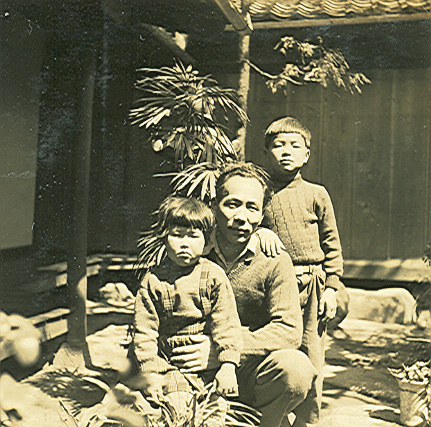
    Hiromi with her father and older brother
    in 1953. PC: Hiromi Peterson

    Hiromi was born in Hiroshima City, Japan, three years after the atomic bomb was dropped. The city was still in a state of profound devastation, resembling a “wasteland of crooked steel and charred rubble.” But, miraculously, she and her family survived. Whether by divine intervention or by geographic good fortune, a hill called “Hijimayama” partially protected her family residence from the terrible blast of blinding light and radiation that emanated from the first atomic bomb dropped on humanity.

    Hiromi’s Shodo introduction and education started quite early. In Japan, Shodo is taught as part of the regular curriculum. She also attended Shodo classes with her two older sisters, starting in kindergarten. After high school, she enrolled at the Kyoto University of Foreign Studies to learn English. After graduation, she returned to Hiroshima and taught high school English.

    During a summer break, she attended summer school at the University of Hawai‘i at Mānoa, where she met William Peterson, a professor of computer science. After months of courtship, traveling between Hawai’i and Japan, William proposed to Hiromi. They eventually married, despite her family’s disapproval. The atomic bombing was most likely the reason.

    Hiromi studied Shodo in Hawai‘i with an informal group. They took written exams and sent them to Japan for credit. Hiromi’s rank rose. Her formal Shodo education started when she met Amaishi sensei (teacher), who owned and operated a Shodo school and published a Shodo magazine in Japan. Amaishi sensei is the owner and executive of Shodo schools throughout Japan.

    To obtain her seventh dan, Hiromi sent her written exam to Amaishi sensei. Then for her eighth dan exam, she travelled to the sensei’s school for her exam. Hiromi passed her eighth dan exam, received her teaching certificate and also received her professional name of “Toka” (“to” means east; “ka” means flower).

    In Shodo there are three basic styles. Kaisho is regular block script, Gyosho is semi-cursive script and Sosho is cursive script. Peterson sensei has become highly skilled in both Gyosho and Sosho.

    Peterson sensei also taught Japanese language at Punahou School for 30 years. She co-authored a Japanese textbook, which was donated to Punahou. She also co-authored a teacher’s manual. Her former students express their indebtedness to her for her patient, warm and supportive demeanor.

    The life lessons Shodo offers are many and profound, all positively affecting the soul. “The practice of Shodo is like meditation,” she says. “It involves breathing, focus and clarity of mind. As you practice, it coordinates the hand, mind and body. The more you practice, you learn to let go and to go beyond. It leads to freedom. I begin each day with Shodo. It brings together all the goodness in hopes that the hours of the day will give us peace and serenity.”

    Like a phoenix rising from the dark and forsaken ashes of Hiroshima, Peterson sensei attained cultural and artistic heights. She sought her own path with a clear, spiritual mind and an unwavering devotion to Shodo.

    In Japanese culture, rank is important. It signifies accomplishment, perseverance and strict adherence to righteous values. Hiromi Nakai Peterson has attained the rank of eighth dan (Hachidan), the highest rank in Shodo, the traditional Japanese art of artistic calligraphy. Derived from “sho” (writing) and “do” (way or path), it represents a spiritual discipline rather than…

  • For a More Perfect Union

    On Memorial Day 2026, on the 250th birthday of America, please reflect and honor all military men and women who died for our freedom and for our country. As we honor America’s history and hope for its future, we are reminded that a strong country needs to correct errors and continue to improve “to form a more perfect union” as envisioned in our Constitution.

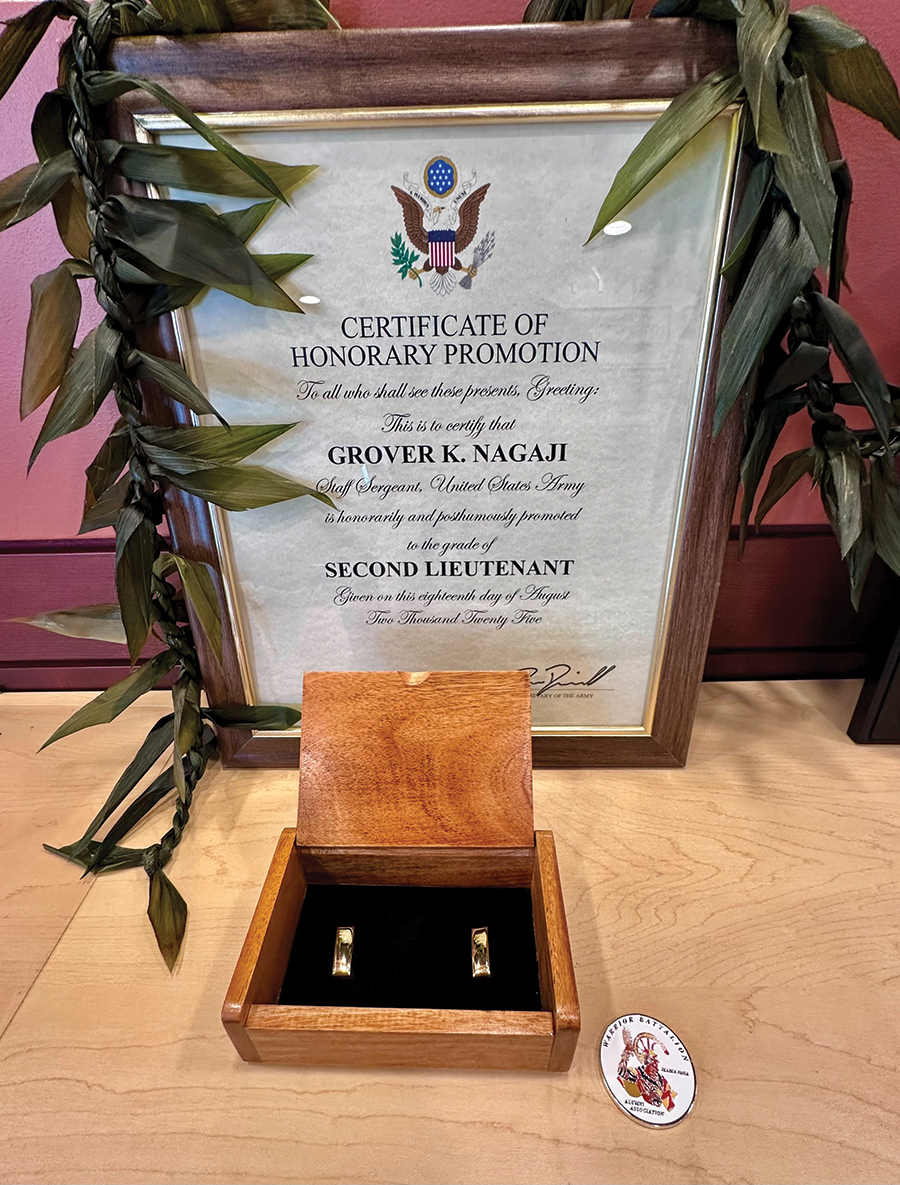
    On Jan. 26, 2026, I was fortunate to see continuous improvement for the USA in action when the US Army Pacific (USARPAC), in partnership with the University of Hawai‘i at Mānoa (UH), honored seven World War II UH Army Reserve Officer Training Corps (ROTC) cadets during a posthumous commissioning ceremony at Ke‘ehi Lagoon Memorial State Park. This action by the US Army corrected an error of the past and is highly commendable “for a more perfect union.”

    With the hysteria of war, Americans of Japanese ancestry (AJA) were unjustly discriminated against, accused of sabotage and endured mass incarcerations, which crushed their self-esteem. AJA ROTC cadets attending UH were forced out of the program and deemed “enemy aliens” solely because they looked like the Japanese enemy. Later, when they were allowed to join the US Army, many did. Seven were killed serving their country in the AJA 100th/442nd unit and never had a chance to re-enter the ROTC program to become officers. The former cadets: Staff Sgt. Grover Nagaji, Sgt. Howard Urabe, Sgt. Robert Murata, Sgt. Jenhatsu Chinen, Sgt. Daniel Betsui, Pfc. Hiroichi Tomita and Pvt. Akio Nishikawa. They were posthumously commissioned to second lieutenant officer status.

    The 100th and 442nd were fierce soldiers and loyal Americans and would overcome America’s initial betrayal to become one of the most decorated in US military history. In 1948, President Truman issued Executive Order 9981 that desegregated the military—one of the first acts of civil rights in America—due to members of the segregated unit proving their loyalty.

    We owe so much to these AJA trailblazers who, despite being betrayed by their country, still put their lives on the line for “a more perfect union.”

    We are proud of America for acknowledging and correcting prior decisions. Happy 250th and God bless America!

    100th INFANTRY BATTALION VETERANS
    520 Kamoku St. Honolulu, HI 96826
    For more information:
    info@100thbattalion.org | 808-946-0272

    On Memorial Day 2026, on the 250th birthday of America, please reflect and honor all military men and women who died for our freedom and for our country. As we honor America’s history and hope for its future, we are reminded that a strong country needs to correct errors and continue to improve “to form…

  • The Art of Old-School Medicine

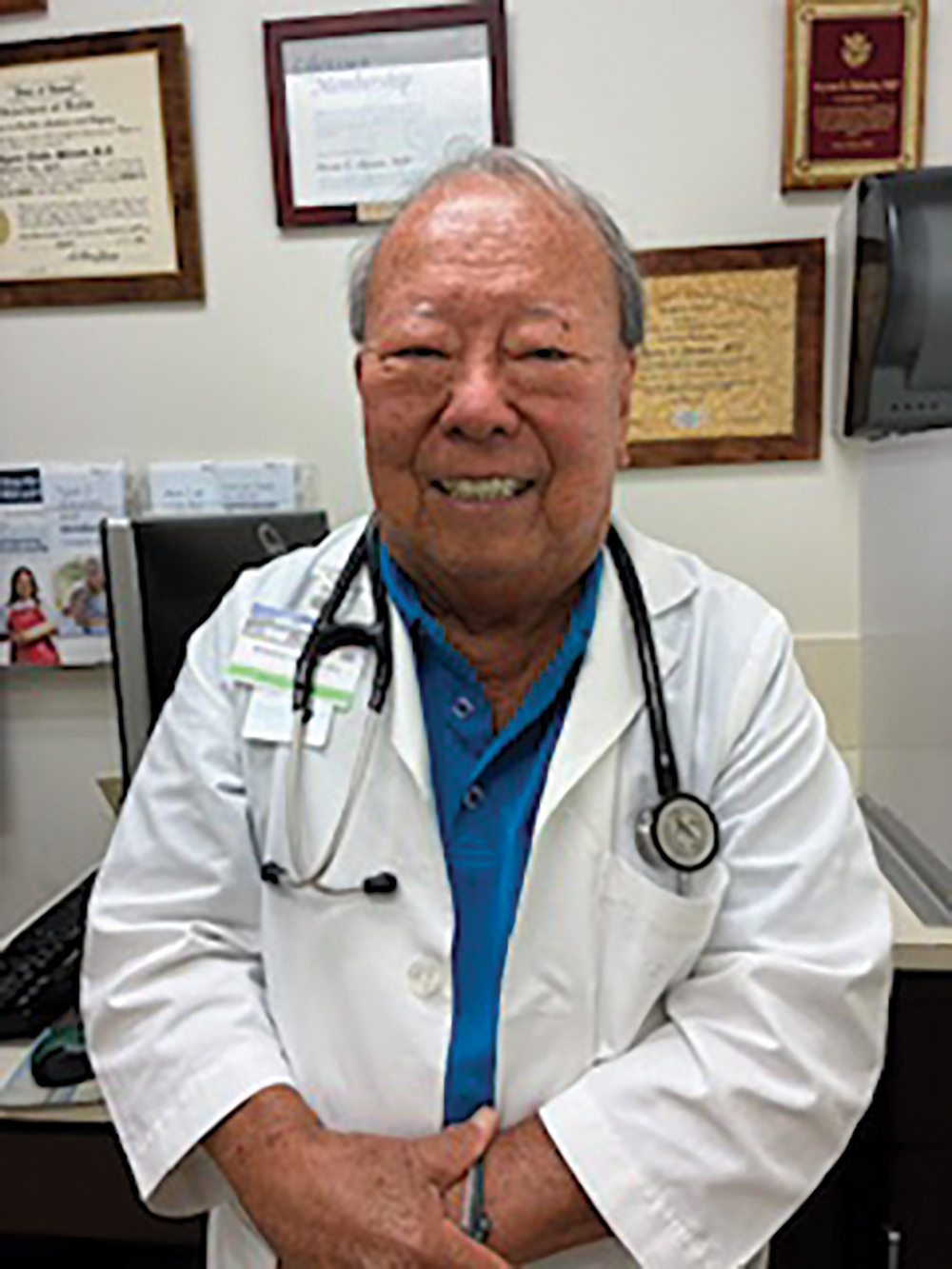
    Experience may help develop intuition and that intuition just might prove to be more effective when diagnosing a patient’s illness than cold technology. Human insight in this AI-infested world may detect the essence and spirit of a patient that technology alone is incapable of understanding. Dr. Myron E. Shirasu, in his early 90s, has treated four generations of patients relying on more than 50 years of medical experience that has led to profound insights into each of his patients. The human touch of this old-school physician, characterized by active listening, kindness and respect, combines thorough, hands-on physical exams with empathetic, unhurried and personalized care, fostering deep trust. His art-of-medicine approach utilizes the power of touch to diagnose, comfort and connect, rather than relying solely on data and test results.

    Dr. Shirasu is a country boy who “pulled himself up by his bootstraps” to become a successful Honolulu physician. He was born in Shimane, Japan, and came to Hawai‘i at the age of 3. His father was a Buddhist priest assigned to Hilo Hongwanji. But like many Buddhist priests during WWII, he was incarcerated in a concentration camp, ending up in Tule Lake, California. Dr. Shirasu’s mother and his siblings were also held there. When they returned to Hawai‘i, his father was assigned as the head priest of Olaa Hongwanji (now Puna Hongwanji) in Hawai‘i.

    Myron attended Olaa Elementary and Intermediate Schools in Kea‘au, then Hilo High School. After graduation, he attended the University of Hawai‘i at Mānoa. Originally, he intended to become to become a dentist and enrolled at the University of Oregon. To make ends meet, he worked part-time as a hospital orderly in Eugene, where a physician urged him to go to med school. Consequently, Dr. Shirasu had to decide between dental school and medical school. He was accepted at both schools, but the medical school responded first, making his decision for him. He studied at the medical school in Portland for five years.

    While there, he faced cruel racial discrimination. Looking back, he believes he made the correct decision.

    He returned to Honolulu, and completed his internship and residency at Queen’s Hospital. He joined Central Medical Clinic in Honolulu in 1967, where he continues to practice at age 89.

    Many of my older patients prefer my oldschool treatment. They like it when I take time to explain things in a way they can understand. They don’t want to be rushed in and out.”

    Dr. Shirasu makes the hospital rounds—without charge. Currently, hospital rounds are done by specialists referred to as hospitalists. He says, “My patients look forward to and appreciate my visits. I believe they rest and sleep better after my visits. The old-time bedside manner ensures a quicker recovery. But most of the younger doctors don’t make hospital rounds nowadays.”

    “In the past, medical school concentrated on science courses,” he says. “Now, pre-med education has broadened to produce well-rounded professionals, preparing doctors who will treat patients as a whole human being. The physician must be knowledgeable of the social aspects of the patient as well as the physical makeup.”

    “I have been asked to join other clinics, but Central Medical Clinic has been very accommodating, very professional in their treatment of patients and most importantly, the doctors there have wonderful bedside manners,” he says. “I suppose you can teach new doctors bedside manners, but I think they are inborn—from the heart.” His inherent, heartfelt approach continues to help patients feel valued, reduces their anxiety and improves overall treatment outcomes.

    Dr. Shirasu says, “At my age, I don’t have to treat patients anymore. Treating patients is not a job. I enjoy it. I have no regrets becoming a doctor. All my patients are like family to me. Being a doctor is the best profession there is because you are always helping people.”

    Experience may help develop intuition and that intuition just might prove to be more effective when diagnosing a patient’s illness than cold technology. Human insight in this AI-infested world may detect the essence and spirit of a patient that technology alone is incapable of understanding. Dr. Myron E. Shirasu, in his early 90s, has treated…

  • How to Best Support Grieving Keiki

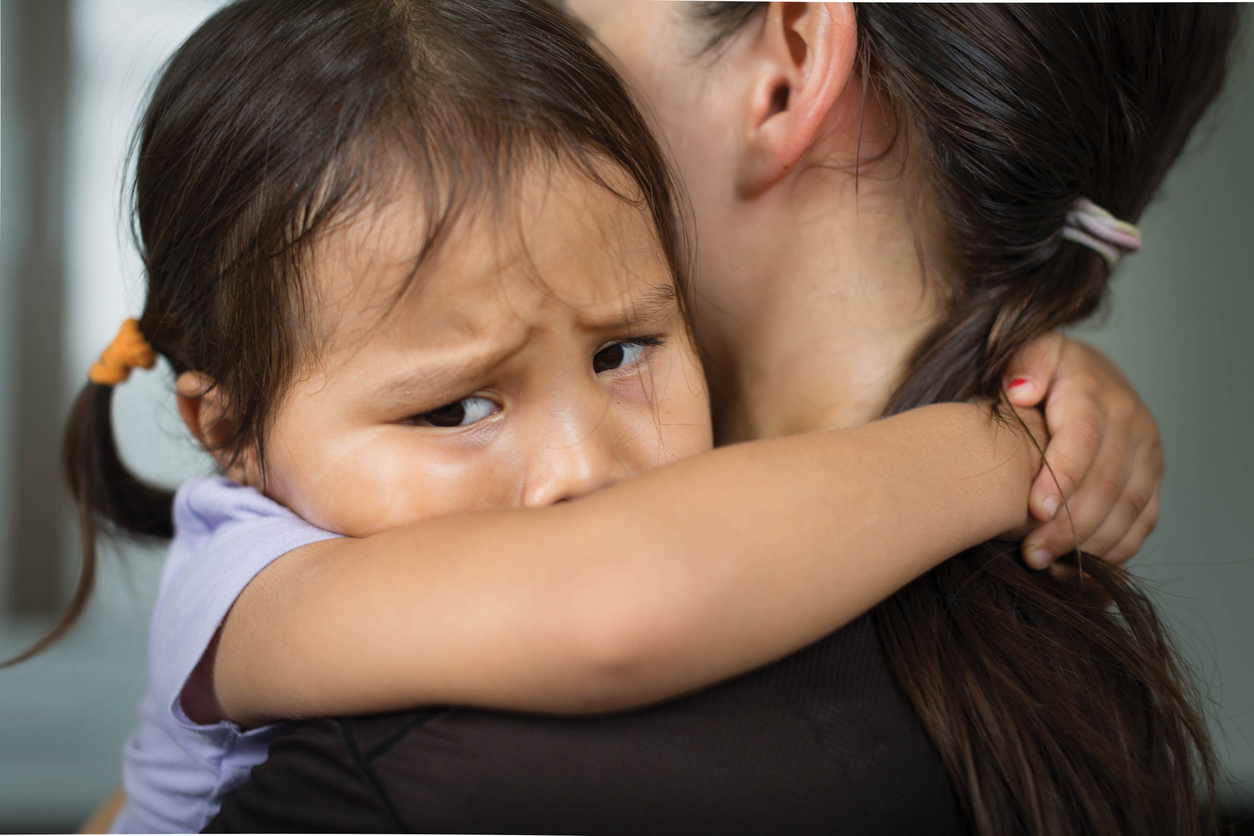
    Children process and experience grief according to their developmental stage. If we try to determine their grief status by an adult measure, then something may be missed.

    Grieving kids can experience a wide range of emotions, expressing sorrow through tears one moment and wanting to play the next. From an adult lens, this can be perceived as the child being “fine,” but in actuality, playing is one way they process their emotions. Another indicator of grief in children may be a regression in behaviors. The child may have a consistent developmental skill, then suddenly, they are no longer exhibiting their typical abilities. For example, a child may have independent toileting skills, then they begin to have bathroom accidents. This can be frustrating for a parent or the child’s caregiver, especially if they are unaware of the root cause. Healthy support includes talking story with them using simple words about their feelings, allowing them to cry, assuring them that what they are going through is normal and modeling healthy coping skills.

    Good conversation starters may include encouraging the child to draw their emotions, reading through a children’s grief book or discussing a movie. Disney movies have many threads of grief sewn through their storylines.

    Addressing grief can be uncomfortable, but it does not have to be overwhelming.


    BEREAVEMENT NETWORK OF HAWAI‘I
    Facilitated by KŌKUA MAU (nonprofit)
    808-585-9977 | kokuamau.org

    Children process and experience grief according to their developmental stage. If we try to determine their grief status by an adult measure, then something may be missed. Grieving kids can experience a wide range of emotions, expressing sorrow through tears one moment and wanting to play the next. From an adult lens, this can be…

  • Where Do Implants Go After Cremation?

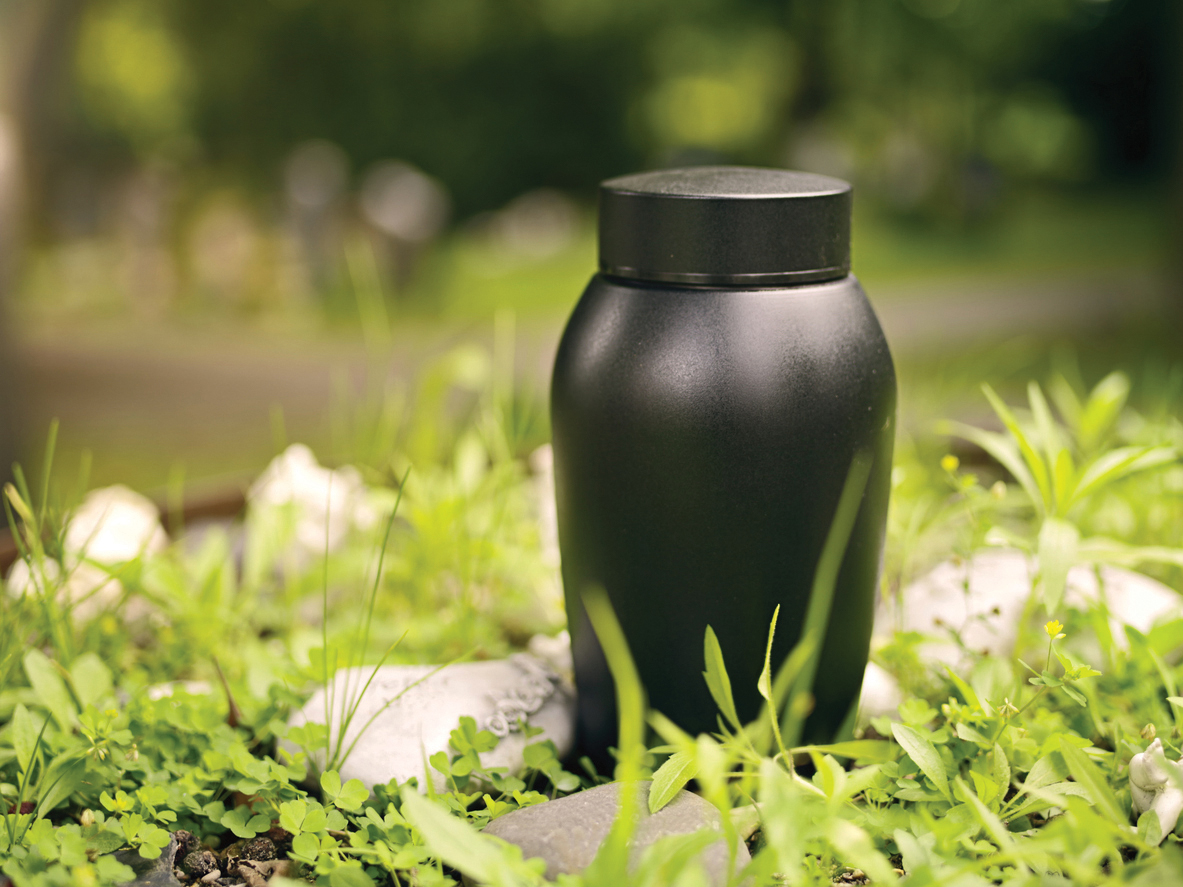
    If you or a loved one have surgical implants, be aware that metal implants will not be in your loved one’s urn following cremation. Handling of incombustible semi-precious metal implants following cremation is not something we think about when we are grieving. However, there are a few reasons why this will be a consumer protection concern increasingly affecting a growing segment of Hawai‘i:

    1. Hawai‘i, like much of the US, is experiencing a rapid growth in its retiree population.
    2. Significant medical advances and the increased use of surgical implants are becoming common-place for repairing or replacing bones and joints due to deterioration or fractures.
    3. Hawai‘i has the fourth-highest cremation rate in the US, therefore, a continued accumulation of surgical implants after cremation is likely.

    These incombustible remains will need to be discarded, recycled or resold by the mortuary industry in Hawai‘i. These metals may include, but are not limited to, silver, gold, titanium, platinum and palladium, in the form of dental fillings, plates, rods and screws for your teeth, neck, spine, hip and other joints. What happens to them? Are they donated, recycled, sold or discarded in a landfill? Are families providing their informed consent regarding their approved method of disposition?

    Is there evidence of unreported revenue generation? The fact is, we do not know what Hawai‘i’s mortuaries are doing. Meanwhile, companies in the continental US are harvesting these metals from mortuaries. Some company websites indicate that they can donate the proceeds to a nonprofit upon a mortuary’s request. The proceeds can also provide the mortuary with an additional revenue stream.

    But what is happening in Hawai‘i is unclear. The mortuary industry is silent. If a financial transaction is made, should mortuaries reimburse families for the value of these metals? That might be an insurmountable administrative task and a challenge to enforce. If there is revenue, a donation to a nonprofit would impress the community. Through community dialogue, it is possible to create a collaborative framework that ensures transparency, ethics and community benefits.


      CULLEN T. HAYASHIDA is an affiliate faculty member with the Center on Aging, and the School of Nursing and Dental Hygiene at the University of Hawai‘i at Mānoa. Over the past 50 years, he has been involved with developing over 50 elder care service projects in hospital, nursing home, home care, college and community settings, and has provided technical assistance to other organizations locally, nationally and in East Asia. He has taught at the University of Washington, Willamette University, Case Western Reserve University, Kapi‘olani Community College, University of Hawai‘i and JF Oberlin University.

      If you have a story to share, email the editor: debra@generations808.com.
      If you or a loved one have surgical implants, be aware that metal implants will not be in your loved one’s urn following cremation. Handling of incombustible semi-precious metal implants following cremation is not something we think about when we are grieving. However, there are a few reasons why this will be a consumer protection…

    1. Her Handi-Van Heroes

      Not all heroes wear capes. In fact, many go unnoticed, with their efforts sometimes taken for granted. These “unsung heroes” are a model of compassion who contribute valuable, often challenging work without receiving recognition or praise for their efforts. But once in a while, a recipient of their kindness steps up to sing their praises. O‘ahu resident Diane Wright contacted us to help her make that happen.

      “TheHandi-Van drivers do more on the van for passengers than most people know,” says Diane. “They work hard and do it with compassion and care.”

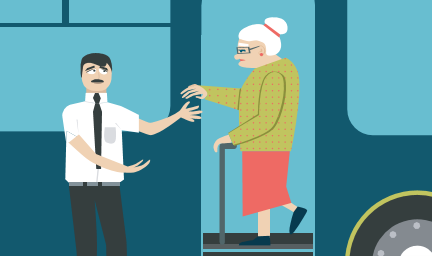
      “They are well trained,” says Diane. “The nice, friendly drivers greet you when you get onboard, then, if the van is full, the driver helps to space the people apart in the van so we can all fit. They move around a lot to help the passengers, buckling wheelchairs to the floor and strapping in rollators and walkers. They even help seatbelt you in, if you need.”

      When the passengers disembark, the driver unbuckles each rider and helps them to the exit lift, lowering the lift so they can get out easily. “The drivers always say a friendly ‘have a nice day’ when we leave,” adds Diane.

      “TheHandi-Van drivers have a lot of compassion and patience, so I thought I’d tell others about them,” says Diane. “I admire them. Thank you to all hard-working Handi-Van drivers who show compassion every day!


      To share your story of gratitude for possible publication, email the editor at debra@generations808.com.

      Not all heroes wear capes. In fact, many go unnoticed, with their efforts sometimes taken for granted. These “unsung heroes” are a model of compassion who contribute valuable, often challenging work without receiving recognition or praise for their efforts. But once in a while, a recipient of their kindness steps up to sing their praises.…

    2. Getting Old is Getting Old!

      Getting old has its blessings and its challenges. The blessings are many, especially here in Hawai‘i where kūpuna are usually treated with a bounty of respect and kindness. However, I have found that to be less true while traveling on the continent.

      Among my many blessings, I count my three kids. My eldest daughter, Kalei, age 54, who lives upstairs from me with her husband, Paul, are there to help when asked. Kala‘i, age 51, and his partner, Lawrence, are also both willing and able to help in any way that they can. Puna, my youngest daughter, age 47, lives in Florida, but comes when needed, as she demonstrated when her father was diagnosed with brain cancer. She appeared two days later and stayed for two months.

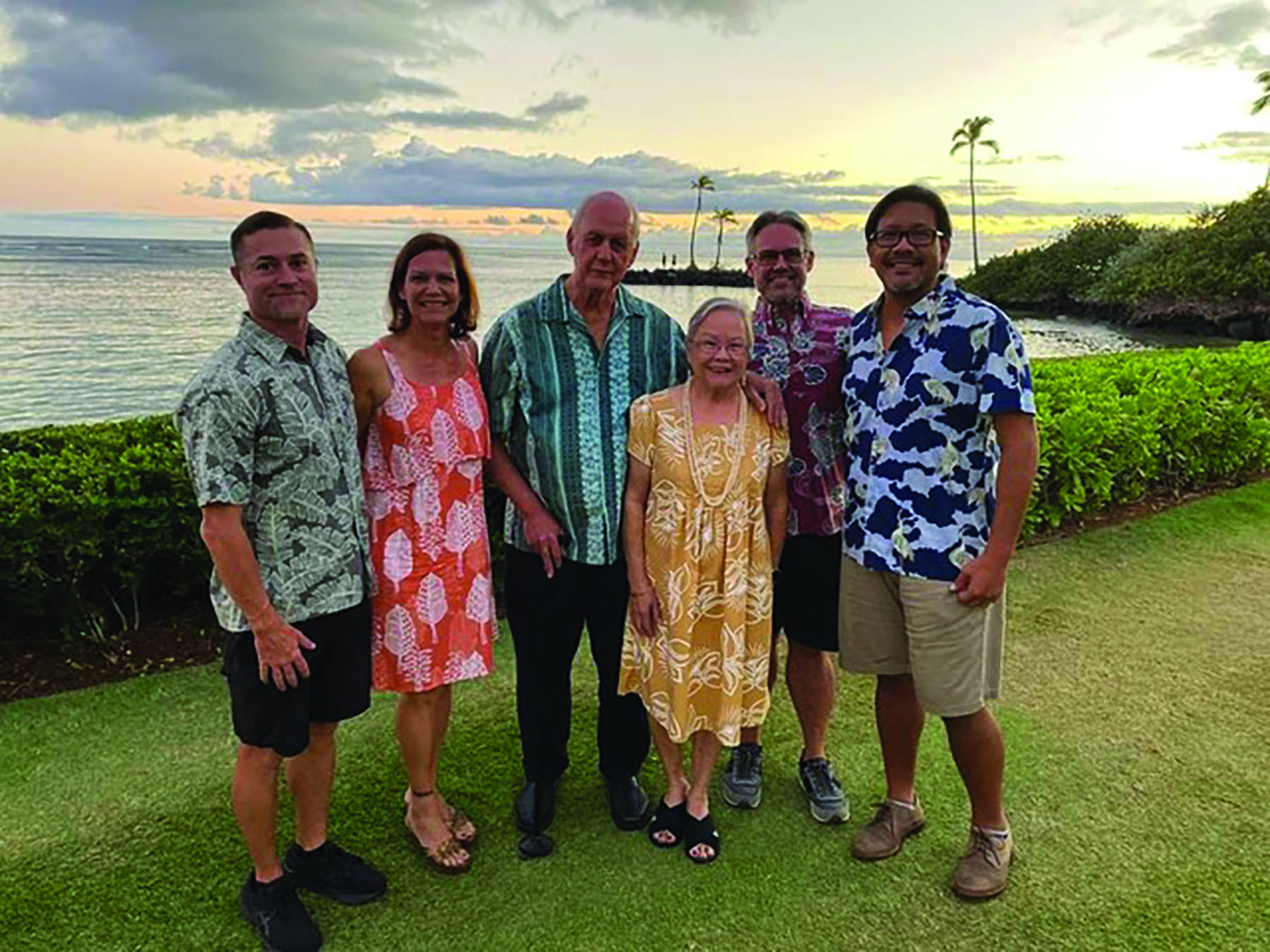
      (L–R) My son-in-law Paul, daughter Kalei, husband Bill,
      me, son Kala‘i and his partner, Lawrence.

      But challenges are also many. Pesky little obstacles include being unable to recall the names of actors and classmates from long ago, and forgetting appointments, even though they are in my cell phone calendar and written on a paper calendar. Trials include being unable to do the simple, everyday tasks that were once so easy to do, like bending to tie shoelaces, reaching for dishes from a high kitchen shelf, opening a jelly jar and even popping open a can of cola. All the little things…

      The big things are getting short of breath during a slow, 18-minute walk halfway around the loop, or during a 45-minute sitting-fitness class at the YMCA, enduring the pain from my knees and feet from arthritis while walking and exercising or even just trying to fall asleep at night.

      But the biggest challenge in my life is grieving for a lifetime companion who died and left me to survive without him, dealing with the pain of turning over in bed and seeing an empty pillow, preparing meals for one person instead of two, filling out forms required by the government after the death of spouse for VA, Social Security, military retirement, medical insurance…

      Yes, getting old has its blessings and its challenges. Getting old is getting old!


      ANITA ‘ILIMA STERN is a retired elementary school teacher and writer who taught hula for 33 years. Her students liked learning hula and chant from her and appreciated the positive feedback they received. She lives in Kailua, O‘ahu.

      If you have thoughts or a story to share, email the editor: debra@generations808.com. It may be published in Generations Magazine, Facebook or our website.
      Getting old has its blessings and its challenges. The blessings are many, especially here in Hawai‘i where kūpuna are usually treated with a bounty of respect and kindness. However, I have found that to be less true while traveling on the continent. Among my many blessings, I count my three kids. My eldest daughter, Kalei,…

    3. A Class Reunion Trip Down Memory Lane

      When I got the save-the-date card for my 50th high school reunion, I was shocked! Hey, 50th reunions are for old people! Then I realized I must be one!

      So I volunteered to be our Class of 1975 reunion secretary and sent out emails asking for life updates and attendance plans. As I sifted through the replies, I began getting information about classmates who had passed away. A girl I had dated died of cancer. Another I had a crush on had died the year before. I received a heart-breaking email from the widow of a wrestling team buddy saying he had passed. All told, I found out a dozen classmates had passed on.

      Those sad responses convinced me that I must go to the reunion to reconnect with people with whom I had spent four important years.

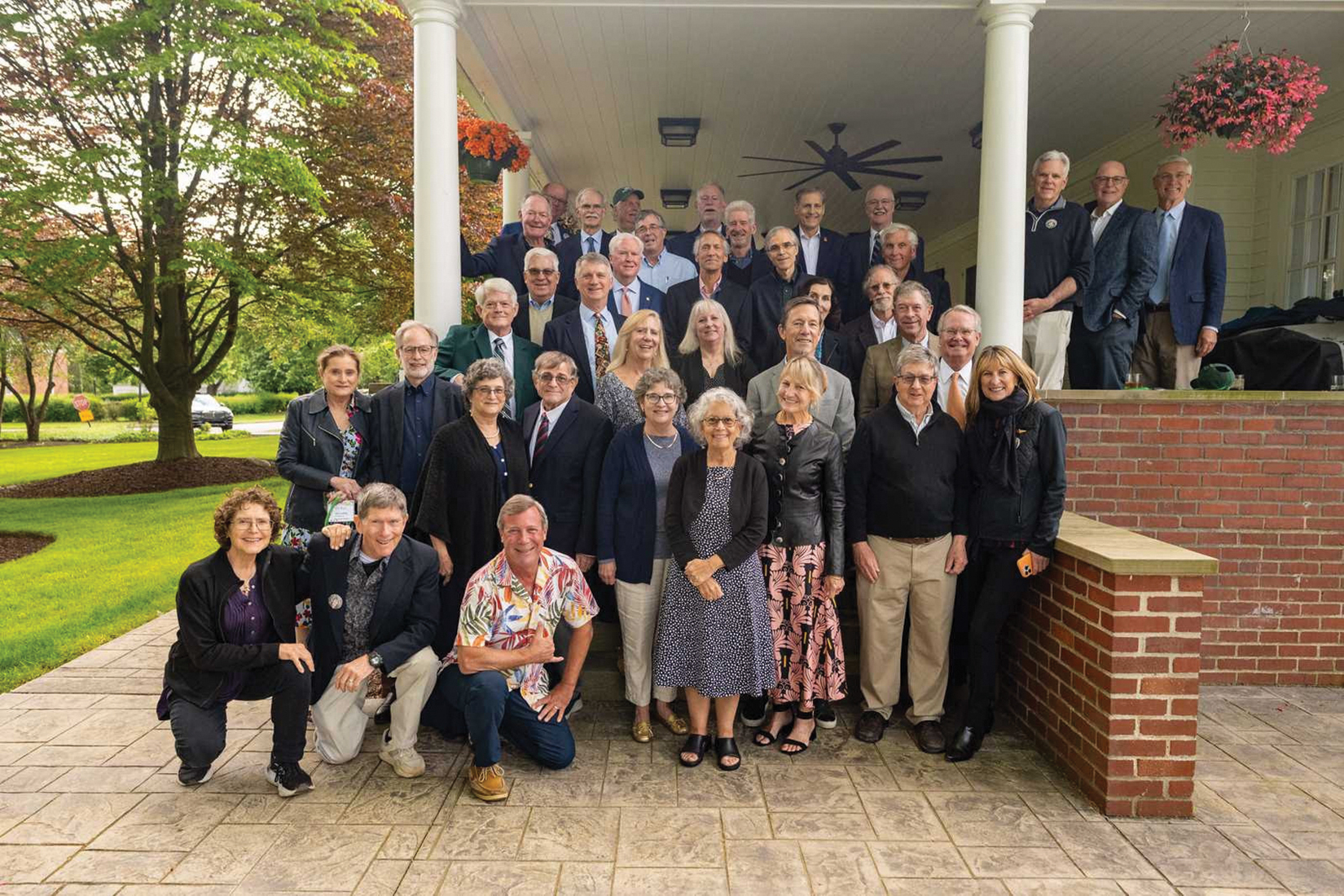
      The 50th reunion of Western Reserve Academy’s Class of 1975 was well-attended. Following “the road less traveled,” Rob paved his own path to a permanent home on Maui, where he enjoys life with wife Kelly

      When my wife and I arrived in my hometown for the reunion, we went for a long walk around the school grounds. Memories came flooding back. The next evening, we dined with our 50th reunion group. I was pleased that 36 classmates of the 100 (about) in our graduating class attended. Everyone looked great! Granted, now in our late 60s, our definition of “looking great” is far more forgiving than it used to be!

      During dinner, we didn’t compare accomplishments, cars or careers—we honored the past as we reminisced about our classmates who are no longer with us. We remembered a classmate I had known since we went to preschool together. After I shared precious memories of her, others who were close to her shared theirs. We remembered another friend—a funny, well-liked, brilliant and athletic student who became a leading brain surgeon at Johns Hopkins. His widow joined us; we all cried with her. And so it went through the list, with shared recollections triggering tears and eliciting laughs. I was pleasantly surprised that as we all told our stories, old friends recalled things that I had forgotten and I was able to jog their memories, as well.

      As we talked, my classmates transformed in my mind’s eye to how they looked in our school days. Grey hair turned brown again and bald heads regrew shoulder-length locks. Guys shuffling painfully to their tables were once again fleet-footed soccer jocks and track stars. Grandmothers with etched laugh lines and crow’s feet transformed into gorgeous young girls again.

      Saying goodbye at the end of the reunion was bittersweet. I hugged it out with everyone.

      I had viewed reunion group photos of the older classes above us, hanging in the hallways. Seeing fewer people in each five-year grouping, I realize that at our next reunion, I may not be seeing some of these dear friends again.

      So I’m glad I went back for the Big Five-O and I’m going to attend all of my class reunions for as long as I am able, God willing.


      ROB MELDRUM was born and raised in Hudson, Ohio, and graduated from Middlebury College in Vt. summa cum laude, with high honors for his senior thesis. After a 20-year career with AT&T, he started a telecomm software company and is a patent-holder. He and his wife, Kelly, moved from Seattle to Maui in 2019. In retirement Rob enjoys playing guitar, writing songs, playing pickleball and baking sourdough bread.

      If you have a story to share, email the editor: debra@generations808.com.
      When I got the save-the-date card for my 50th high school reunion, I was shocked! Hey, 50th reunions are for old people! Then I realized I must be one! So I volunteered to be our Class of 1975 reunion secretary and sent out emails asking for life updates and attendance plans. As I sifted through…