Category: Health

  • A Natural Path to Senior Wellness

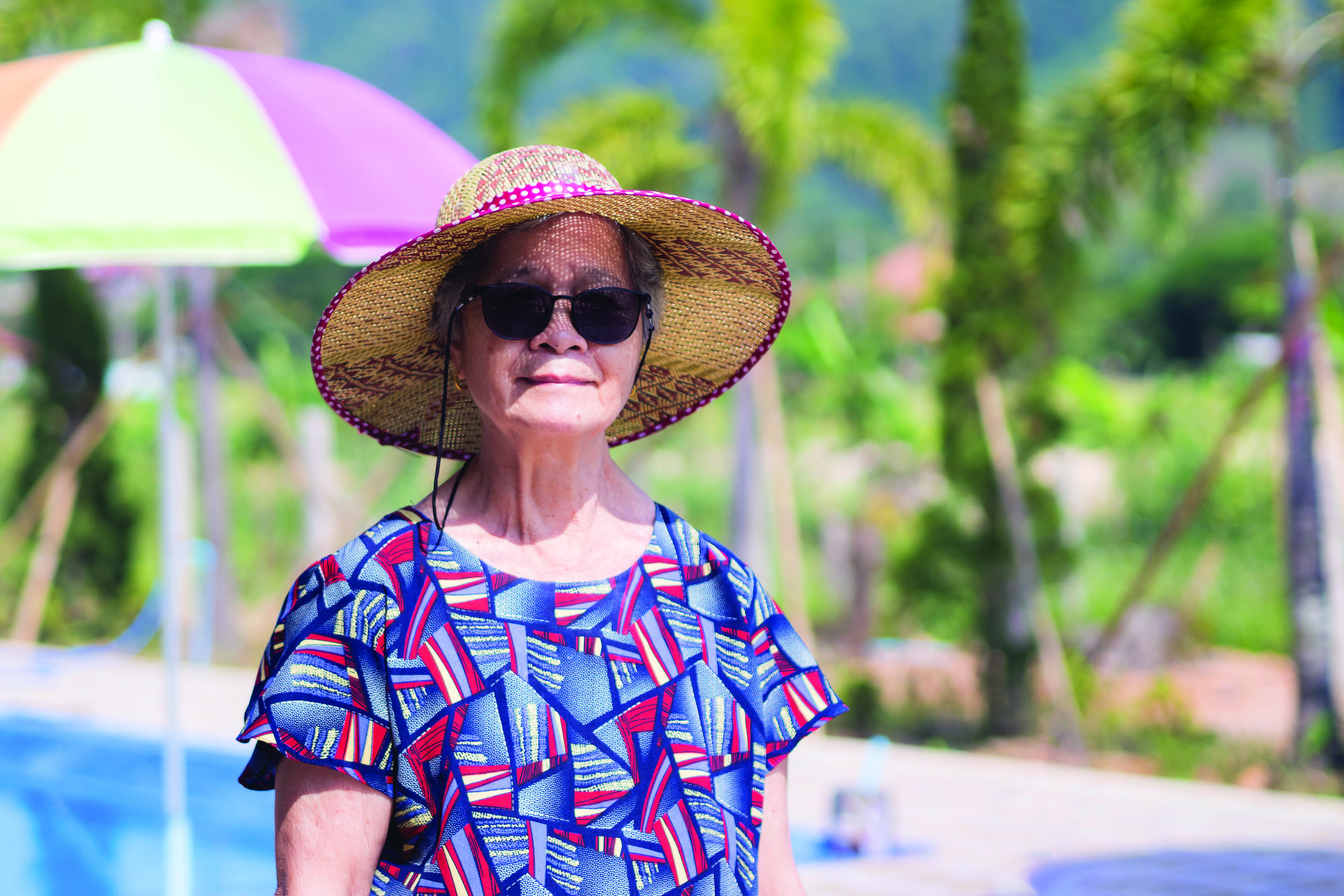
    Holistic medicine offers seniors a natural, gentle approach to wellness. By focusing on the balance of mind, body and spirit, holistic practices address the root causes of health concerns, helping seniors to feel their best every day.

    Holistic medicine combines natural therapies with traditional care to support your body’s healing abilities. Gentle treatments like acupuncture, chiropractic care, meditation, light therapy patches and herbal supplements can ease chronic pain, reduce stress and improve flexibility and mobility. Light therapy patches use innovative technology to promote cellular repair and improve energy levels, offering a convenient and non-invasive option. Stretching or strengthening exercises can also enhance balance, help prevent falls and keep your mind sharp.

    Good nutrition is essential! Choosing organic and foods rich in nutrients gives you more energy and strengthens your immune system. Staying socially active — whether it’s joining a senior club, going to church or enjoying pickleball or golf — can brighten your outlook on life and create deeper social connections.

    Holistic medicine empowers you to stay independent, energetic and vibrant by embracing a lifestyle that supports your well-being, helping you enjoy your golden years with vitality.

    LIFEWAVE
    808-554-9710 (text only, no calls)
    About Lightwave: startx39now.com

    Holistic medicine offers seniors a natural, gentle approach to wellness. By focusing on the balance of mind, body and spirit, holistic practices address the root causes of health concerns, helping seniors to feel their best every day. Holistic medicine combines natural therapies with traditional care to support your body’s healing abilities. Gentle treatments like acupuncture,…

  • RSV Symptoms & Vaccine Developments

    Respiratory Syncytial Virus (RSV) is a widespread infection that can affect anyone. But the virus poses a heightened threat to infants, young children, seniors and those with compromised immune systems. The virus tends to circulate more frequently during fall and winter. Gaining awareness of the virus’ symptoms, risk factors and available vaccines can help safeguard vulnerable individuals.

    What is RSV?

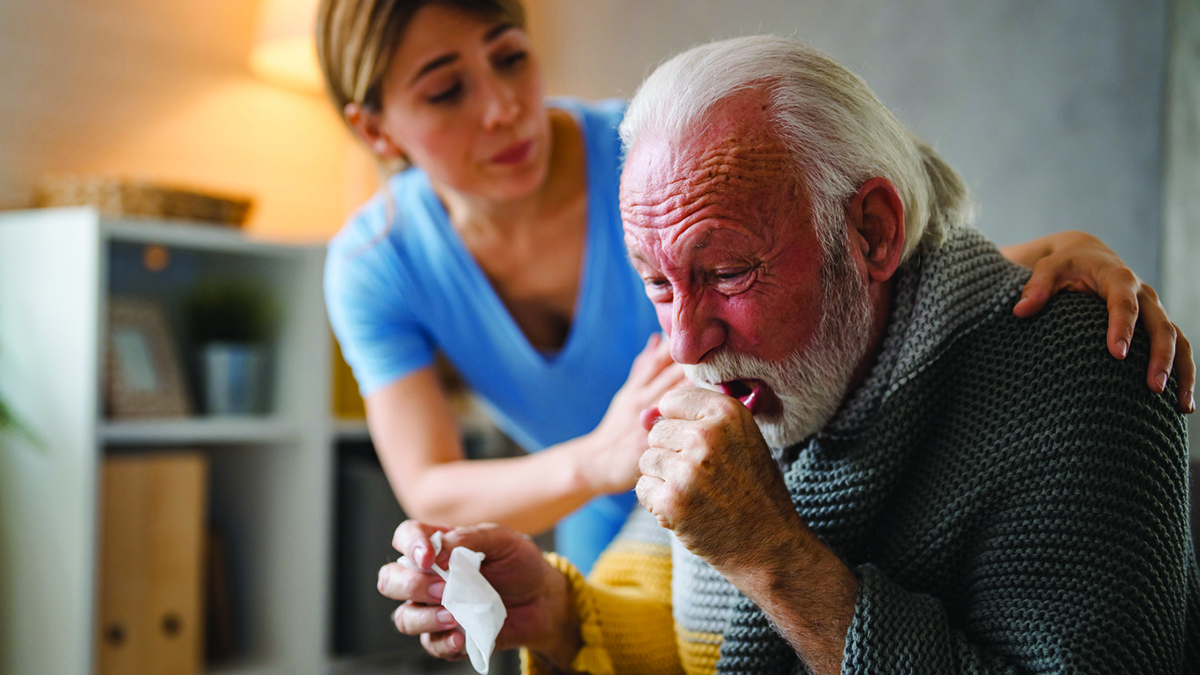
    RSV is a highly infectious virus that impacts the respiratory system, particularly the lungs and airways. While most cases result in mild symptoms resembling a cold, some individuals may develop more severe respiratory illnesses, such as bronchiolitis and pneumonia. These more serious cases often occur in infants and the elderly. The virus spreads through droplets when an infected person coughs or sneezes and can also be contracted by touching contaminated surfaces. Due to its ease of transmission, it frequently spreads in schools, daycare facilities and nursing homes.

    Symptoms of RSV

    Symptoms of RSV usually begin to manifest within four to six days after exposure. The severity of symptoms can vary, influenced by factors such as age and pre-existing health conditions. Common signs include runny nose, persistent coughing, sneezing, fever, wheezing, loss of appetite, and in severe cases, difficulty breathing.

    Older individuals with chronic lung or heart conditions may experience more significant respiratory issues, such as pneumonia, which may necessitate hospitalization.

    High-Risk Groups
    ■ Infants, particularly those born prematurely or with health complications.
    ■ Children under the age of 2 who have chronic lung or congenital heart disease.
    ■ Adults over 65, especially those with weakened immune systems or chronic respiratory conditions like COPD or asthma.
    ■ Immunocompromised individuals of all ages.

    Preventive Measures and Vaccines

    For many years, RSV prevention was limited, as no specific vaccines existed. However, recent medical advancements have led to vaccines and treatments that provide greater protection for high-risk groups.

    Vaccination for Older Adults

    In 2023, the FDA approved a vaccine known as Arexvy, designed for adults aged 60 and over. This vaccine aims to reduce the risk of severe illness caused by RSV, particularly for seniors who are at an elevated risk for hospitalization. The vaccine is administered in a single dose to help protect against serious respiratory complications — ideally, before RSV season begins.

    RSV, though common, can lead to serious health risks for certain individuals. Recognizing its symptoms and the current availability of new vaccines offer hope in reducing severe cases, particularly among those most at risk. With proper preventive measures, we can significantly reduce both the spread and the impact of RSV.

    CARE PLUS by OHANA PACIFIC MEDICAL LLC
    1150 S. King St. #1007, Honolulu, HI 96814
    808-930-9858 | info@micareplus.org
    micareplus.org

    Respiratory Syncytial Virus (RSV) is a widespread infection that can affect anyone. But the virus poses a heightened threat to infants, young children, seniors and those with compromised immune systems. The virus tends to circulate more frequently during fall and winter. Gaining awareness of the virus’ symptoms, risk factors and available vaccines can help safeguard…

  • Exercise Does Not Have to Be a Chore

    Incorporating fitness into your schedule doesn’t have to feel like a chore or an obligation you struggle to find time for. Adding physical activity — focusing on strength, balance and flexibility — can easily fit into your day.

    Start Your Day with Gentle Movement

    Before getting out of bed, awaken your muscles and joints. Begin with deep breathing and heel slides. Slide one leg up and down on the bed, lengthening and bending it. After a few reps, hug your knee to your chest and hold. Straighten your leg and repeat these motions with the other leg. With the soles of your feet touching, let your knees fall open like a butterfly to stretch your hips and thighs. A low trunk rotation is a good stretch for increasing your back’s range of motion. Allow your knees to fall to one side of your body at a time and take a breath.

    Incorporate More Movement

    Throughout your day, add simple exercises. For example, try two to three sit-to-stands before you walk to your task. While enjoying your favorite show, do leg kicks during commercials or move pillows from one side of the sofa to the other to increase your torso’s range of motion. Daily outdoor walks are great, but consider adding a few laps around the grocery store or doctor’s office to boost your step count. When your grandkids visit, engage them in a game of catch using a ball or socks. Sit to catch and stand to throw. Get a small basketball hoop that attaches to a door and shoot while seated or standing, or play a game of HORSE. If bowling is more your style, mini sets can be used on the floor or tabletop. All of these offer fun, total body workouts that allow you to focus on balance, strength and flexibility.

    End With a Breath and a Stretch

    At the end of your day take a moment to focus on breathing and posture. Seated or lying, lengthen your neck, and relax your shoulders as you inhale through your nose and exhale through your mouth. Imagine sniffing flowers and blowing out candles. Initially, you may feel muscle soreness from exercise, but remember that soreness doesn’t always indicate something is wrong. The right amount of work can increase muscle strength and flexibility. Gradually incorporating more activity as your body allows is an effective way to cultivate a more active lifestyle, helping you stay functionally fit and engaged in your daily life.

    GYMGUYZ Urban Honolulu
    808-204-4747 | urbanhonolulu@gymguyz.com
    gymguyz.com/urban-honolulu-hi

    Incorporating fitness into your schedule doesn’t have to feel like a chore or an obligation you struggle to find time for. Adding physical activity — focusing on strength, balance and flexibility — can easily fit into your day. Start Your Day with Gentle Movement Before getting out of bed, awaken your muscles and joints. Begin…

  • Actively Aging: Safe Activities for Seniors

    Staying physically active as you age is crucial for maintaining overall health and well-being. Regular activity can help improve mobility, sleep and mental health, while reducing the risk of falls and injuries.

    Here are some beneficial activities:

    Walking together: Simple and effective, walking around safely with a friend inside or out can boost cardiovascular health.

    Stretching first: Gentle stretching exercises before you start moving can improve flexibility and reduce muscle stiffness throughout the day.

    Taking breaks: Where you rest is just as important as when you rest. Plan on taking short breaks where you can get in and out of a seated position easily.

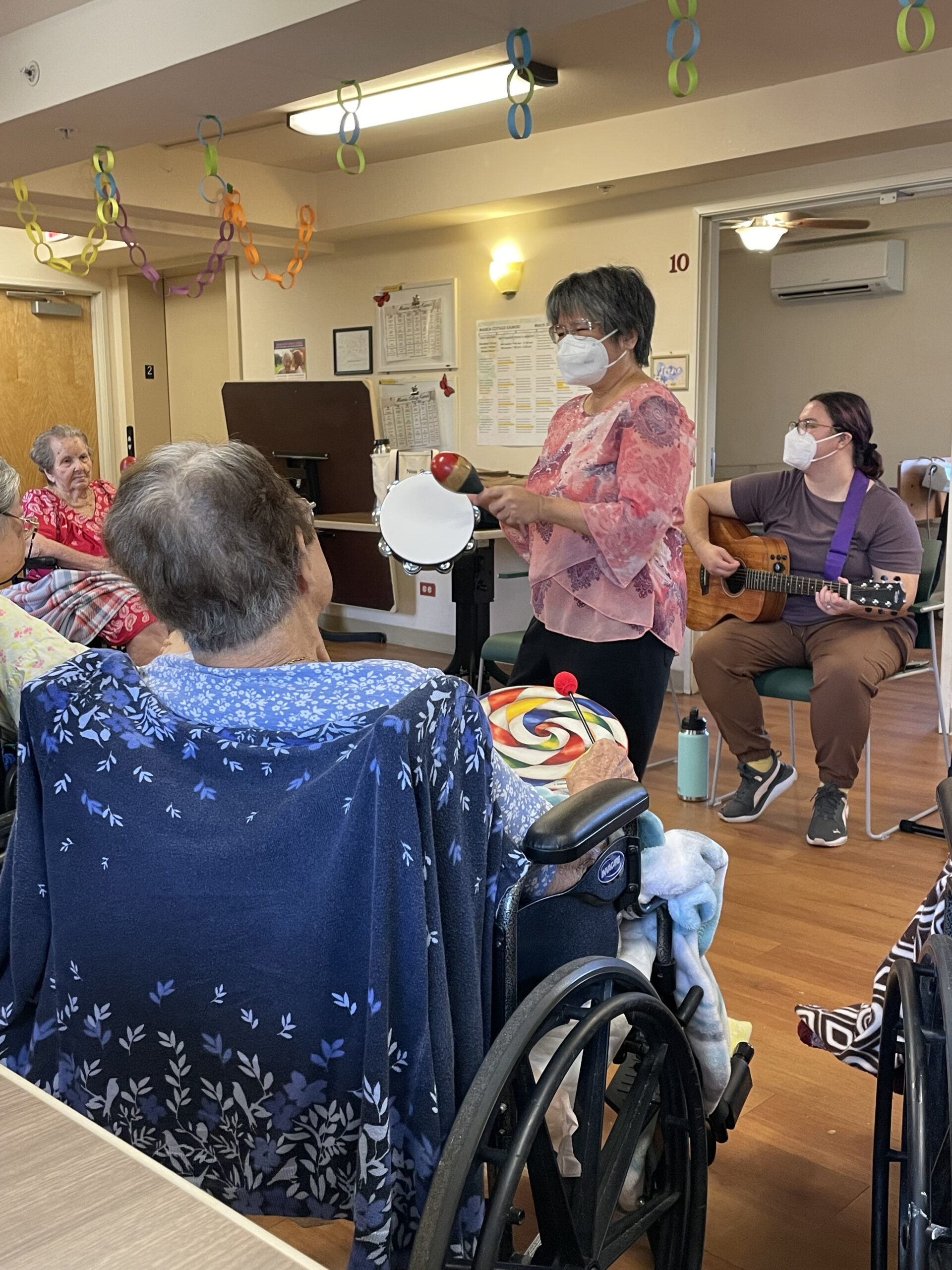
    Keep moving: Enjoy music by singing, clapping or even shuffling your feet while seated to get your heart pumping.

    While these activities are beneficial, a fully licensed senior care community offers a safe and supportive environment in which kūpuna can stay safe and active. Senior care communities may offer structured programs, professional supervision and social opportunities, ensuring that seniors can enjoy a level of physical activity that can help them maintain their independence.

    ROSELANI PLACE
    88 S Papa Ave., Kahului, HI 96732
    808-871-7720 | marketing@roselaniplace.com
    roselaniplace.com

    Staying physically active as you age is crucial for maintaining overall health and well-being. Regular activity can help improve mobility, sleep and mental health, while reducing the risk of falls and injuries. Here are some beneficial activities: Walking together: Simple and effective, walking around safely with a friend inside or out can boost cardiovascular health.…

  • Harvesting Wellness: Nutrient-Dense Foods

    Harvesting Wellness: Nutrient-Dense Foods

    Physical health enables us to lead active lives, with food intake being a primary determinant. The food we consume not only provides us with energy, but also influences our weight, diversity of gut bacteria, immune system strength, inflammation levels and rate of aging.

    The nutrient density of our produce is an important factor. Studies reveal that most vegetables can lose up to 55% of their Vitamin C within a week, and spinach can lose 90% within just 24 hours. This underscores the importance of growing your own produce or purchasing fresh fruits and vegetables from local farmers.

    Fruits and vegetables are rich sources of anti-inflammatory antioxidants, sugar and fiber, benefiting both us and our gut bacteria. Since 80% of our immune system resides in the small intestine, maintaining good gut health is crucial. Poor gut health can lead to inflammation and autoimmune disease.

    Nutrient-dense foods

    • High fiber: legumes (beans), leafy greens and vegetables.
    • Anti-inflammatory: turmeric and ginger.
    • Antioxidants: fruits and berries.

    Keep in mind that the foundation of good physical health relies heavily on nutrient-dense foods for ourselves and our gut bacteria.

    VEGANFEST INTERGRATED HEALTH
    27-711 Onohi Loop, Pepeekeo, HI 96783
    808-765-8393 | info@veganfestintegratedhealth.com
    veganfestintegratedhealth.com
    The Medicinal Agriculture & Lifestyle Festival
    Oct. 19–20, 10am–5pm, Butler Bldg. in Ho‘olulu Park, Hilo

    Physical health enables us to lead active lives, with food intake being a primary determinant. The food we consume not only provides us with energy, but also influences our weight, diversity of gut bacteria, immune system strength, inflammation levels and rate of aging. The nutrient density of our produce is an important factor. Studies reveal…

  • Top 10 Yoga Benefits for Seniors

    Top 10 Yoga Benefits for Seniors

    Practicing yoga can improve quality of life for seniors. As with any exercise regimen, check with your doctor before beginning yoga for the first time as a senior citizen.

    Reduce stress: With its combination of low-impact exercises and breathing techniques, yoga can have a relaxing effect on the body and mind, leading to a sense of improved overall wellness. Some forms of yoga have also been shown to have positive effects on brain health, which may help combat the cognitive decline often experienced by seniors.
    Improve mood: Through stretching, breathing, movement and meditation, there is evidence that yoga has mood-enhancing properties because it can inhibit both physiological stress and inflammation that can adversely affect behavioral health.
    Improve posture:
    – Improve core strength. When the core muscles of the body are strong, the spine is supported to maintain proper alignment.
    – Improve bone density. The weight-bearing aspects of yoga may slow the decrease in bone density that leads to osteoporosis.
    – Greater awareness of the body. Through yoga’s focus on the body and breath, seniors can feel more in control of their bodies, which makes them more likely to stand tall with confidence.
    Improve sleep: Older adults are more susceptible to sleep disorders like insomnia. Studies have shown that yoga improves sleep quality after just six months of practice.
    Increase flexibility: Yoga promotes flexibility through gentle stretching, breathwork and increased internal awareness.
    Reduce risk of falls: Yoga can prevent/reduce falls by strengthening muscles, improve balance, calm the mind and bring focus into the body.
    Improve mobility: Stiff muscles and joints are common among senior citizens, but practicing yoga can gently support your range of motion.
    Increase strength: Even the most gentle yoga can strengthen your body. Using a combination of gravity and your own body weight, yoga can help build lean muscle to make you stronger.
    Increase social interactions: People may find themselves increasingly isolated as they get older. Attending group yoga classes is a great way to stay engaged within your community.
    Encourage mindfulness: Yoga focuses on breathing and listening to your body. Looking inward in this way helps create a deeper connection between your mind and body.

    BODY & BRAIN
    99-080 Kauhale St., #C21, Aiea, HI 96701
    808-486-9642 | aiea@bodynbrain.com
    bodynbrain.com
    *Excerpt from bodynbrain.com

    Practicing yoga can improve quality of life for seniors. As with any exercise regimen, check with your doctor before beginning yoga for the first time as a senior citizen. ■ Reduce stress: With its combination of low-impact exercises and breathing techniques, yoga can have a relaxing effect on the body and mind, leading to a…

  • Get Paid to Take a Walk?

    A Medicare beneficiary was surprised and thrilled to learn her health plan was interested in tracking activities like walking, volunteering, social activities, annual health checks and even scheduling preventive services.

    Those behaviors are associated with maintaining a healthy lifestyle and improved health outcomes if illness does strike. She could relay her activities by phone or set up an online account to report them. Her accumulated points earned her a rewards card. Many insurance companies, not just Medicare plans, are offering rewards through employer plans, as well. Health insurance programs are increasingly focused on promoting the preventive side of healthcare and encouraging subscribers to adopt healthy habits. They track healthy activities and reward positive behaviors.

    Here’s how it works:

    TRACKING: Self-report steps, gym visits, annual checkups and even completion of health-related courses.
    REWARDS: Reach certain activity goals or demonstrate healthy choices to earn rewards such as gift cards.
    THE BENEFITS: Subscribers are motivated to improve their health, resulting in fewer issues. Insurance companies pay less for care associated with lack of exercise and unhealthy habits.

    Call your insurance plan today and maybe you, too, can get paid to take a walk.

    GET2INSURANCE.COM FAMILY OFFICE
    1003 Bishop St., Ste. 2700, Honolulu, HI 96813
    800-226-3660 | martha@get2insurance.com
    Get2insurance.com

    A Medicare beneficiary was surprised and thrilled to learn her health plan was interested in tracking activities like walking, volunteering, social activities, annual health checks and even scheduling preventive services. Those behaviors are associated with maintaining a healthy lifestyle and improved health outcomes if illness does strike. She could relay her activities by phone or…

  • Tune-Up for a High-Performance Life

    How can you optimize your life so you can not only live longer, but better? Using an automobile analogy, the better you take care of your car, the better it will perform and the longer it will last.

    Muscle atrophy is the reduction of muscle mass and fiber size caused by disuse or neurogenic conditions. Sarcopenia — loss of muscle mass and strength — occurs naturally due to aging or other health conditions.

    But there are four “tune-up” components that can combat this propensity and help maximize muscles and optimize seniors’ lives:

    1. The fuel: A high protein diet provides the building blocks needed for maintaining and/or boosting your muscle mass.
    2. The oil: Hydration is important, too. If you do not have oil in your car, it will seize up. Water is vital because it is the main component of the body and represents approximately 76% of muscle mass.
    3. Preventative maintenance: A regular workout routine that incorporates weight-bearing exercises helps prevent muscle atrophy and sarcopenia. A little exercise is good; more exercise is better.
    4. Driving sensibly: Don’t rev your engine at too many RPMs! Stress reduction makes for a smoother ride. So “get your motor runnin’” and enjoy your ride on that golden highway of life!

    THE PLAZA ASSISTED LIVING
    900 Fort Street Mall, Ste. 1300, Honolulu, HI 96813
    808-628-7604 | tmedeiros@plazaassistedliving.com
    plazaassistedliving.com

    How can you optimize your life so you can not only live longer, but better? Using an automobile analogy, the better you take care of your car, the better it will perform and the longer it will last. Muscle atrophy is the reduction of muscle mass and fiber size caused by disuse or neurogenic conditions.…

  • Pain Management for Quality of Life

    “I go to bed feeling fine and wake up injured.” It’s abnormal to awaken with pain daily. But many think pain is to be expected as they age or are unfit, so they don’t contact their doctor. If you’re regularly in pain, talk with your doctor about pain management options — especially if you frequently use OTC pain meds.

    Quality of life is to be expected as we age and your doctor can work with you on solutions to alleviate pain… beyond taking a pill. These solutions may include chiropractor services, physical and other therapies, hot/cold compresses, exercise, acupuncture and cognitive behavioral therapy. Check with your health plan to assure your doctor’s recommendations are covered benefits.

    Opioid Addiction & Overdose

    Opioids, such as oxycodone (Percocet), hydrocodone (Norco), Fentanyl and morphine, are powerful prescription painkillers that carry serious risks of addiction and overdose.

    Opioid medicines may not improve all pain and over time may also change how the brain handles pain signals. This may lead to more pain and/or other health symptoms like changes in mood or sleep and less ability to perform daily activities. Long-term use of opioids should be monitored closely by a doctor.

    KAISER FOUNDATION HEALTH PLAN INC.
    711 Kapiolani Blvd., Honolulu, HI 96813
    808-432-5915 (TTY 711) | kp.org/seniorhealth
    This article contains health and wellness or prevention information.

    “I go to bed feeling fine and wake up injured.” It’s abnormal to awaken with pain daily. But many think pain is to be expected as they age or are unfit, so they don’t contact their doctor. If you’re regularly in pain, talk with your doctor about pain management options — especially if you frequently…

  • Eat Superfoods to Feed Your Brain

    It turns out you can feed your mind with food in addition to knowledge. Researchers have found superfoods for the brain that are part of what’s known as the MIND diet—Mediterranean-DASH Diet Intervention for Neurodegenerative Delay.

    These foods are similar to what you would eat in the Mediterranean and DASH (Dietary Approaches to Stop Hypertension) diets. Both diets have been shown to benefit brain and heart health. The basic advice is to eat more vegetables, fish, nuts and berries and reduce red meat, sweets, cheese, butter and margarine, and fried foods.

    Top superfoods for brain health:

    • Olive oil, green tea and leafy greens (broccoli, spinach and kale) contain antioxidants to fight inflammation.
    • Beets, tomatoes, kale, spinach and broccoli are rich in flavanols, the chemicals responsible for the bright colors in fruits and vegetables.
    • Tree nuts seem to guard against memory loss and enhance mental abilities.
    • Berries are rich in antioxidants and contain phytonutrients that play a role in improving communication between brain cells.
    • Fish, blueberries, grapes, coffee and dark chocolate increase the level of brain-derived  neurotrophic factor (BDNF), a protein that supports the growth of new neurons.
    • Black beans contain significant amounts of B9 vitamins.

    To learn more, go to aarp.org/brainhealth.


    AARP HAWAI‘I (nonprofit)
    1001 Bishop St., #625, Honolulu, HI 96813
    808-545-6000 | hiaarp@aarp.org | aarp.org/hi
    AARP is a non-partisan organization dedicated to empowering Americans 50 and older to choose how they live as they age.

    It turns out you can feed your mind with food in addition to knowledge. Researchers have found superfoods for the brain that are part of what’s known as the MIND diet—Mediterranean-DASH Diet Intervention for Neurodegenerative Delay.

  • The Key Ingredient for a Sweet Smile

    Sweets can be irresistible. We can easily succumb to scoops of ice cream, indulging in chocolates or falling for delectable cookies.

    There’s a simple recipe that will help maintain your healthy smile. The key ingredient is limiting the time sugary confections interact with your teeth. Sugar feeds bacteria that create erosive acids on your enamel, leading to tooth decay.

    So how can you have a dazzling smile and eat your cake, too? Here are some morsels of advice:

    • Make smart sweet choices. Avoid hard candies that take a long time to dissolve or sticky candies that can cling to your teeth. Extended time in your mouth increases tooth decay risk. Even sugar-free candies can produce high levels of acids that may damage your teeth.

    Rinse your mouth with water. Water dilutes the acid that bacteria produce in your mouth after eating sweets.

    Don’t end your meal with sweets. After finishing your meal, drink a cup of water and brush your teeth to deter yourself from reaching for dessert.

    Always return to the basics of good oral hygiene. Floss your teeth to remove harmful bacteria between your teeth, brush twice daily with a fluoride toothpaste and visit a dentist regularly to maintain a strong, cavity-free smile!


    HAWAII DENTAL SERVICE (nonprofit)
    Kahala Howser, Wellness & Events Manager
    808-529-9391
    Kahala.Howser@hawaiidentalservice.com
    HawaiiDentalService.com

    Sweets can be irresistible. We can easily succumb to scoops of ice cream, indulging in chocolates or falling for delectable cookies.

  • Diabetes’ Impact on Eye Health

    In the US, a staggering 34.2 million grapple with diabetes, marking a critical public health concern, particularly for older adults. This chronic condition impacting blood sugar levels significantly threatens seniors’ eye health. Elevated blood sugar can damage delicate retinal blood vessels, leading to diabetic retinopathy—a condition that, if left untreated, can result in vision impairment and possible blindness.

    Beyond the retina, seniors with diabetes often face vision fluctuations due to the impact on the eye’s lens, causing temporary blurriness or focusing difficulties, adding an extra layer of challenge to daily activities. Diabetes also heightens the risk of other ocular complications that commonly develop as we age, including cataracts and glaucoma, further exacerbating visual challenges.

    Regular eye examinations are not merely recommended but are a critical aspect of comprehensive healthcare for seniors with diabetes or prediabetes. Early detection through these exams enables timely management, potentially preventing or minimizing the progression of debilitating eye conditions brought on by the condition. Prioritizing proper diabetes management and proactive eye care measures becomes paramount for preserving the well-being and independence of seniors, ensuring a fulfilling life with optimal health and vision.


    HAWAIIAN EYE CENTER
    606 Kilani Ave., Wahiawa, HI 96786
    808-621-8448 | Hawaiianeye.com

    In the US, a staggering 34.2 million grapple with diabetes, marking a critical public health concern, particularly for older adults. This chronic condition impacting blood sugar levels significantly threatens seniors’ eye health. Elevated blood sugar can damage delicate retinal blood vessels, leading to diabetic retinopathy—a condition that, if left untreated, can result in vision impairment…