
Category: Living Life

  • Avoid Family Disputes About Real Estate

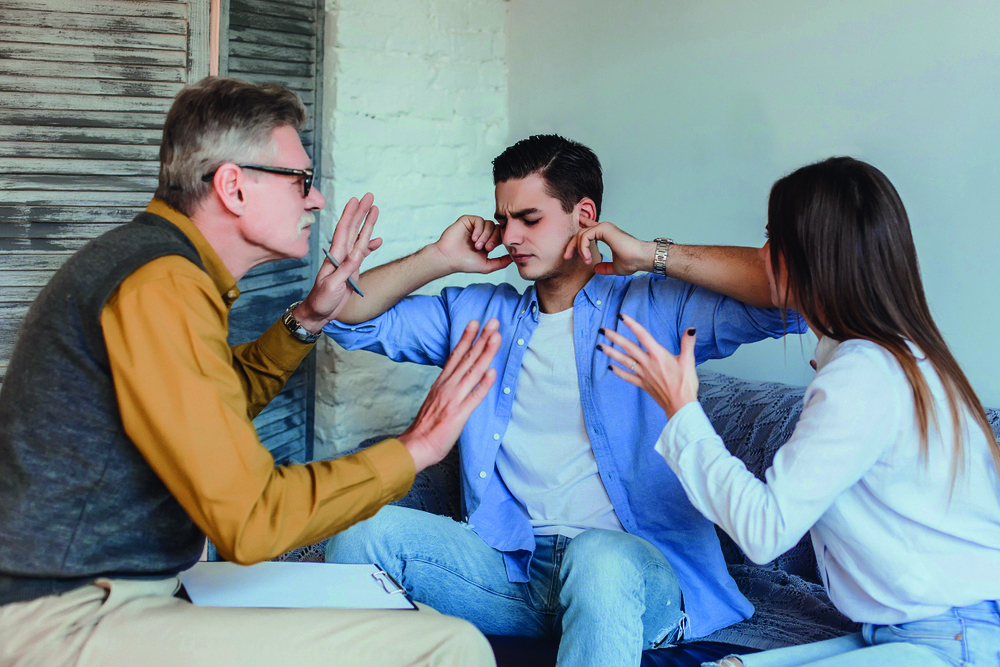
    Sadly, some families fight over real estate after their parents have passed away. Although a trust protects against probate, there are other issues that may arise. Problems can develop between siblings due to unanticipated decisions that must be made, causing differences of opinion.

    Avoiding family disputes starts with a clear strategy regarding the desires of the owners and beneficiaries. What is the desired end result? Once there is clarity regarding the best strategy and goals, the next step is to outline a plan. The more detailed the plan, the better. The last and most critical part of this plan is to communicate it to the beneficiaries. Without this clarity, opinions abound and emotions can run high. Unfortunately, many skip this last step — parents probably assume “the kids will figure things out.”

    Typically, a successor trustee is designated to fulfill the instructions in the trust. Challenges arise when the siblings don’t agree. This can become a huge burden for the successor trustee, as well as a significant liability.

    To maintain family harmony, understand your options, plan ahead and plan early to create a clear strategy that all stakeholders can agree upon.


    THE COMPLETE SOLUTION™ — Powered by The Ihara Team of Keller Williams Honolulu RB-21303
    1347 Kapiolani Blvd., Ste. 300, Honolulu, HI 96814

    Dan Ihara (RA), CAPS, CLHMS, SRES RS-65892
    808-256-7873
    Julie Ihara (RA), SRES RS- 67440
    808-754-2225
    ihara@iharateam.com | www.iharateamhawaii.kw.com

    Sadly, some families fight over real estate after their parents have passed away. Although a trust protects against probate, there are other issues that may arise. Problems can develop between siblings due to unanticipated decisions that must be made, causing differences of opinion.

  • Spring Decluttering After the Holidays

    Now that the holidays are over and we are settling in the new year, it’s is a good time to do a “Spring De-Cluttering.” Spring decluttering is similar to spring cleaning, but instead of dusting and cleaning the windows, you will instead do some quick removal of unnecessary items.

    Quick decluttering is making fast decisions about getting rid of stuff. But it doesn’t have to be drudgery. You can make it fun! Call in the family for an hour of collaborative activity. Dial up your favorite tunes and rock on together!

    Here are some helpful tips to follow:

    Throw out the trash: Pick up noticeable and obvious trash around the house, such as old papers, food wrappers, plastic bags, etc.

    Recycle: Collect all the recyclables, such as plastics, cans, bottles, newspaper and boxes, and take them to your recycling center. You’d be surprised how much you can get for the stuff that is taking up space in your house.

    Move items into the proper room: Only kitchen items go in the kitchen and only bedroom items go in the bedroom. Go room by room and take out items that don’t belong in that room. Then put it in the room it belongs in. And don’t forget to put your Christmas decorations away!

    Now that the holidays are over and we are settling in the new year, it’s is a good time to do a “Spring De-Cluttering.” Spring decluttering is similar to spring cleaning, but instead of dusting and cleaning the windows, you will instead do some quick removal of unnecessary items.

  • A Second Chance at Love

    Sharon Young and Jim Nishimoto first met in 1989. They were in their 40s, working together at Group 70 International Inc., a local planning and architectural firm. Sharon was a single mom with three children. Jim was happily married to Gail and the father of two children.

    Sharon was widowed at the young age of 33 after caring for her husband at home for over two years. Mike passed away in 1982, leaving her to raise her children alone while working fulltime — sometimes at multiple jobs.

    Jim served as the president/chief operating officer of the architectural firm, and later as the vice chairman. But in 2010, he left to become the full-time caregiver for his wife, who began to exhibit signs of dementia. He felt that he wouldn’t be able to devote the necessary time and attention to his work with his wife at home under someone else’s care. Gail passed away in early 2016.

    In late 2016, Jim’s thoughts turned to his former Group 70 workmate, Sharon. Wondering if she had married again, memories of their previous friendship propelled him forward.

    Jim began asking former office colleagues and friends about Sharon, trying to track down her whereabouts. Finally, he followed a lead to a last known residence. He took a chance. He drove to the address and left a business card in the mailbox. On the card, he asked if she would call him.

    “She took some time to respond,” says Jim. Apparently, Sharon had her own questions about him, consulting with friends and former coworkers. “She responded only after finding out that Gail had passed away.”

    When Sharon finally responded, they met for dinner.

    While they were caretakers, they missed out on many opportunities. Being widowed left a strong desire to enjoy life to the fullest. They decided they did not want life to pass them by without enjoying each other’s company for as long as possible.

    Both nearing age 70, they were married the following year with the blessings of their friends, children and grandchildren.

    “It is always better to enjoy life with someone — someone special,” they said.

    Their bond is their shared love of family, music, the arts, travel, and more importantly, their shared love of the Lord. At their wedding, Pastor Francis Oda said their marriage “was made in heaven.” Jim says “their marriage happened because of heaven.” They both believe that it is the Lord who brought them together after all those years — for a second chance at love.

    Sharon Young and Jim Nishimoto first met in 1989. They were in their 40s, working together at Group 70 International Inc., a local planning and architectural firm. Sharon was a single mom with three children. Jim was happily married to Gail and the father of two children. Sharon was widowed at the young age of…

  • Green Point Nurseries: A Growing Business on the Big Island

    Harold Tanouye started the beginnings of Green Point Nurseries in 1957, when Hilo’s economy had not yet recovered from the impacts of WWII. Residents were moving away due to lack of work.

    Harold wanted to live in his hometown, but needed employment. He recognized a demand for anthuriums, which military personnel and civilians were sending home during the war.

    Although growing anthuriums in Hilo may have been only a part-time, backyard-type industry back then, Harold soon realized this was going to be his life’s work.

    As a teenager, Harold got the opportunity to go to Grinnell College in Iowa. He worked summer jobs on local farms in the Midwestern heat.

    Harold taught son Eric, who now passes that knowledge to his sons, Christopher, Jonathan (pictured) and Mark.
    Harold taught son Eric, who now passes that knowledge to his sons, Christopher, Jonathan (pictured) and Mark.

    “He was a small Asian guy, so the farmers would task him with cleaning the inside of the silos,” says Eric, Harold’s oldest son. “They give the new kids that job. It was easily over 100 degrees inside the silos. He joked about it a lot.”

    Even so, Harold said his time in the Midwest was one of the best experiences of his life.

    He returned to Hawai‘i and raised four children — two boys and two girls — with his wife. “But he never lost his Midwest values and customs,” says Eric. “He brought us up that way.”

    “We all grew up on the farm,” says Eric. “Like most farm kids, when our friends were going to the bowling alley or going fishing, we had to work. We all grew up with responsibilities.”

    Eric and Lolita Tanouye have three sons. Their two older boys, Christopher and Jonathan, have joined Eric in the family business, the third generation to do so. Their youngest son Mark is currently studying horticulture at the University of Hawai‘i at Mānoa as a graduate student at the College of Tropical Agriculture and Human Resources. He will join the family business soon.

    A budding fourth generation may work in the family business down the road. Oldest son Chris and his wife Jeribie have two sons — Ethan, almost 3, and Oscar, 6 months old. Second son Jonathan and his wife Remi recently brought that generation’s first girl into the family fold. Makenna is about 10 months old. “As soon as they can walk, we put them to work,” Eric joked, referring to the family’s ingrained work ethic.

    Although Harold learned old-school values while in the Midwest, he didn’t attribute that way of thinking and living to the location, but to a bygone era. “Those values are in line with the mother country’s values during that time,” Eric says. His father was a third-generation descendant of Japanese immigrants.

    Eric iterated his father’s list of old-school ideals: “Go to sleep early, get up early, work hard, do the best you can at your job, don’t complain, save money for a rainy day, respect your elders and never talk back. Help the less fortunate. Share what you have with others. Be community-minded. Don’t say anything bad about others. Compliment others; never boast. Be courteous to women and elders. Make sure they are taken care of.”

    “In high school, we didn’t cut the boys loose,” says Eric. “They probably didn’t like it, but every summer, they worked in the nursery. We exposed them to working with our employees and learning tasks from the ground up. They learned humility. They learned everything from the simple-skill jobs to running their own crews. They got exposed to different types of responsibilities and it gave them some self-confidence early on.”

    While attending college, each son ran his own Saturday morning farmer’s market supplied with Green Point flowers, foliage and other nursery products. Chris attended the University of Hawai‘i on O‘ahu and ran a market at Kapi‘olani Community College. Jon had a booth at Kino‘ole Farmers Market while attending UH-Hilo.

    “They had to learn a lot about the family business because people would ask them all kinds of questions,” says Eric. “Most farm kids are a little bashful and quiet. They had to come out of their shell. It taught them to speak clearly and with confidence.” They also realized they had to be on their best behavior, and had to carry themselves well as representatives of the family and the family business. “I’m glad they got that opportunity to learn what we do here every week,” says Eric.

    “My first mentor was my father,” says Eric. “Now deceased, he left a lasting imprint. Now our focus is to train our next generation to carry on the legacy of their grandfather.”

    Harold Tanouye started the beginnings of Green Point Nurseries in 1957, when Hilo’s economy had not yet recovered from the impacts of WWII. Residents were moving away due to lack of work. Harold wanted to live in his hometown, but needed employment. He recognized a demand for anthuriums, which military personnel and civilians were sending…

  • Overcoming Insurmountable Odds

    In life, we have sunshine and rainbows and clouds and storms,” says Liane K. Chong on her website. It is a apt introduction to her inspirational autobiography, Hope Inspires Strength: How One Woman Overcame Insurmountable Odds. She tells readers how she faced challenges with courage, the right mindset and by finding hope where none seemed to exist. It’s a moving, powerful story about strength, focus, perseverance and determination.

    Liane and her husband and daughter were living an enviable life in Hawai‘i. Hardships began.

    She suddenly lost her father at the young age of 54. Soon after, her mother developed a debilitating disease that left her paralyzed and in need of constant care. So at age, 31, Liane took over the daunting task of caring for her mother. Then, a few months later,  they found out that their newborn baby boy had cortical blindness, cerebral palsy, autism, and might never walk or talk.

    Liane chose not to give up. She chose to succeed. Not only did she survive, she thrived, becoming a successful entrepreneur.

    The author’s story will surely refocus anyone feeling like life has become too overwhelming. Her legacy of hope is bound to help you find your strength.


    For more information and to order the book:
    www.lianekchong.com | lianekchong@gmail.com
    A 30-minute interview with Liane: https://youtu.be/C85ga3F5Y7s

    In life, we have sunshine and rainbows and clouds and storms,” says Liane K. Chong on her website. It is a apt introduction to her inspirational autobiography, Hope Inspires Strength: How One Woman Overcame Insurmountable Odds. She tells readers how she faced challenges with courage, the right mindset and by finding hope where none seemed…

  • Have More Fun Aging With Cool Devices

    The gang’s all here to help you adapt to aging with some cool devices: (L–R, front) Monty Anderson-Nitahara, Barbara Fischlowitz-Leong, (back) Katie Friedman, Hannah Diaz, Janelle Feliciano and Harvey Gordon
    The gang’s all here to help you adapt to aging with some cool devices: (L–R, front) Monty Anderson-Nitahara, Barbara Fischlowitz-Leong, (back) Katie Friedman, Hannah Diaz, Janelle Feliciano and Harvey Gordon

    As we mature, our bodies may no longer work the way they once did — our eyes and ears are not quite as sharp; our hands not quite as steady. We may find ourselves straining to see the TV; we may no longer be able to read our favorite publications; we may need to ask people to speak up or repeat themselves.

    Fortunately, technology can help us regain
    what was lost due to aging. These tools fall into two different categories: durable medical equipment (DME), which includes wheelchairs, walkers and walking sticks; and assistive technology (AT), which includes magnifiers, talking computers, audible books and document readers.

    Ask a professional to help you find what works best for you. At ATRC, we specialize in helping you identify the exact device and model that fits you — at no cost. Call us for more information.


    ASSISTIVE TECHNOLOGY RESOURCE CENTERS OF HAWAI‘I (501(c) 3 nonprofit)
    200 N. Vineyard Blvd., Ste. 430, Honolulu, HI 96817
    808-532-7111 | monty@atrc.org | www.atrc.org

    As we mature, our bodies may no longer work the way they once did — our eyes and ears are not quite as sharp; our hands not quite as steady. We may find ourselves straining to see the TV; we may no longer be able to read our favorite publications; we may need to ask…

  • Auntie M’s Family-Favorite Spare Ribs

    When I was a newlywed, I was given this very special recipe from Aunty Matsue (Inouye) Omori, Sen. Daniel Inouye’s aunt. Aunty is remembered for her special recipes and her dedication as a third grade teacher at Pu‘unēnē School.

    Ingredients:
    2 lbs. soft-bone pork spare ribs (precut in cubes or regular)
    1 cup vinegar
    2 cups brown sugar
    2 cloves garlic (pounded)
    1 small piece ginger (pounded)
    2 tsp. Chinese thick soy sauce
    2 tsp. shoyu
    1 tsp. salt
    1 can pineapple chunks
    1 each turnip & carrot
    1/2 cup stock (taken from boiling ribs)

    Directions:
    Preparing the ribs: If not precut, cut the ribs in small, 1-inch, bite-sized cubes. Rinse the ribs in a medium pot by pouring boiling water over them, then drain. Add enough water to cover the ribs. Boil for 2 minutes, drain the water into a separate container and keep it to be added as stock.

    Mixing ribs and sauce: Mix all of the ingredients, including the stock, with the ribs. Let the ribs soak and marinate in the sauce for 4 hours or even overnight in the refrigerator.

    Cooking the ribs: Take the ribs out of the sauce and place them in a separate container. (Reserve the marinade.) Dredge the ribs with all-purpose flour. In a separate pot, brown the ribs in cooking oil (olive oil is okay), then drain the excess oil. Pour the sauce back in with the ribs (option: add 1 tsp. red wine or to taste).

    Cook on medium heat for about 30 minutes until tender. Add 1 tsp. cornstarch to thicken sauce; add more to desired thickness.

    Garnish with pineapple chunks or small cubes, or thin-cut white turnips and carrots.


    Do you have a favorite recipe and story to share? For consideration in the next issue of Generations Magazine, mail your story and recipe to Generations Food & Story, PO Box 4213, Honolulu, HI 96812, or email them to wilson@generations808.com.

    When I was a newlywed, I was given this very special recipe from Aunty Matsue (Inouye) Omori, Sen. Daniel Inouye’s aunt. Aunty is remembered for her special recipes and her dedication as a third grade teacher at Pu‘unēnē School.

  • A Woman on a Journey of Well-Being

    How did I get to be 65 and retired?  And what happens now? Those were two questions I was asking myself this past April as my birthday and retirement occurred without much fanfare due to the COVID-19 pandemic. But, I had been planning this for over five years. So, let’s go back a few years…

    Like most people, my life journey has had its ups and downs, but in my 30s and 40s, I started to take notice of how stress was impacting my health, and began my quest to find the resources and tools that could support my wellness. There were several signposts along the way that signaled I needed to stop and take a wellness inventory. And, there were two major life events that changed the course for me. They both involved the health of my youngest child, who at the age of 5 was hit by a car and was in a body cast for three months. When he was 19, he was diagnosed with a brain tumor. Jacob Michael passed away three years later.

    In both cases, while I took on an intense caregiver role, I was also made keenly aware of how I needed to find ways for self-care. I went on to work in a caregiving capacity through my role with the American Cancer Society.

    But I continued to see signs and impacts of stress in my life and those around me, so I extended my search for resources and tools that I could use and share with others. I found simple tools that I could easily deploy on a daily basis.

    A short, guided meditation. Breathing is an essential part of any meditation — slow and controlled at a natural pace.

    “Begin by sitting in a comfortable position with nothing in your lap. It can be in a chair or on a cushion on the floor or against a wall for support. Just don’t lie down. Close your eyes. Begin to breathe slowly and rhythmically. Relax your head and shoulders. Feel the tension drain from your face. Breathe. Relax your chest and arms. Feel the tension melt away. Breathe. Relax your belly, hips and buttocks. Let go completely. Breathe. Relax your legs and feet, letting all the tension just drip away. Breathe.

    Use of essential oils. The sense of smell can be very powerful. It can invigorate you or slow you down. It has the potential to place you in an emotional state — preferably, calm and happy.

    I like to do exercises that fit my abilities. I know I’m personally not aiming for any triathlon. Enjoyment aligned with abilities is key.

    Eating healthier — not dieting, was something I sought to  change entirely.

    When I turned 60, I decided to focus my energy toward sharing these ideas with various caregivers and others who may need my help — work I started before my son got sick. I focused on wellness and helping others through life’s transitions by connecting them to resources for health, wellness and self-care.

    The journey continues…


    ALAKAI‘I ASSOCIATES LLC, Kaneohe
    808-554-2081 | lani_almanza@alakaiassociates.com
    www.alakaiassociates.com

    How did I get to be 65 and retired?  And what happens now? Those were two questions I was asking myself this past April as my birthday and retirement occurred without much fanfare due to the COVID-19 pandemic. But, I had been planning this for over five years. So, let’s go back a few years…

  • Aloha Fried Rice

    Fried rice has long been a comfort food throughout the islands. Not only is this recipe a savvy way to repurpose leftover rice, it’s easy to dress up with vegetables and fresh pineapple. Serve it alongside meat or a hunk of grilled fish caught by one of our local fishermen, and you’ve got a Hawaiian Regional classic. Here’s the recipe.

    Ingredients:
    4 cups cooked and chilled rice
    3 eggs lightly beaten with a dash of salt and pepper
    2 cups chopped pineapple
    1 small onion (chopped)
    3 cloves garlic (minced)
    1 red bell pepper (chopped)
    1 cup frozen shelled edamame
    3 Tbsp. oil
    3 Tbsp. butter (divided)
    2 tsp. sambal (chili garlic paste)
    1/4 cup soy sauce (use tamari for a gluten-free option)
    Salt and Pepper

    Directions:
    1. Preheat a large, nonstick skillet on medium heat. Add oil and 2 Tbsp. of butter into the pan. Once the butter has melted, add the onions and sambal and cook until tender. Then add the red bell pepper, edamame and garlic. Season with salt and pepper. Cook until fragrant and take care not to burn the garlic.
    2. Turn the heat up slightly and add the cold rice. Cook for about 3 to 4 minutes until the rice has separated and softened. Then add the pineapple. Drizzle the soy sauce and fold it into the rice mixture and cook for another 3 minutes.
    3. Push the rice mixture to one side and melt 1 Tbsp. of butter on the other side and add the eggs and scramble constantly until slightly set.
    4. Fold everything together; season if needed. Cook until rice mixture is hot, then serve.

    Optional accompaniment: grilled meat or seafood.

    Prep time: 15 minutes | Cook time: 15 minutes
    Serves: 4


    CHEF KRISTIN MICHAELS
    info@ChefKristin.com | www.ChefKristin.com
    Facebook & Instagram: @ChefKristinMichaels

    Fried rice has long been a comfort food throughout the islands. Not only is this recipe a savvy way to repurpose leftover rice, it’s easy to dress up with vegetables and fresh pineapple. Serve it alongside meat or a hunk of grilled fish caught by one of our local fishermen, and you’ve got a Hawaiian…

  • Live Longer, Better, in the Blue Zone

    Six cultures around the world seem to have uncovered the secrets of longevity. For more than a decade, Dan Buettner, author of The Blue Zones Solution, worked to identify these hot spots of long life. Dan found places that not only had high concentrations of individuals over 100 years old, but also clusters of people who had grown old without health problems like obesity, cancer and diabetes.

    Dan found that diet is one of the factors contributing to their longevity. He distilled simple guidelines from his studies that reflect what the world’s longest-lived people ate. Dan suggests that the average American could live an extra 12 years if they optimize their lifestyle by eating a diet similar to the Blue Zones Diet. He says that by adopting some of the healthy eating principles into your life, you, too, can Live Longer, Better®.

    Blue Zones Diet Starter Kit
    • Eat 2 oz. or less of meat 5 times per month; 95% of your food should be plant-based.
    • Reduce dairy.
    • Consume only 7 tsps. of added sugar daily.
    • Eat no more than 3 eggs per week.
    • Eat less than 3 oz. of fish up to 3 times weekly.
    • Eat about 1 to 2 handsful of nuts a day.
    • Drink about 7 glasses of water per day.
    • Eat a half-cup of beans daily.
    • Don’t eat highly processed food.
    • Eat your largest meal at breakfast.
    • Cook the majority of your meals at home

    Healthy living is a lifestyle, not an activity

    The Blue Zones Diet is a guideline of what to eat for a long, healthy life. It’s not a short-term diet plan. None of the 100-plus-year-old people Dan interviewed participated in diet or even exercise programs. The world’s longest-lived people don’t pump iron, run marathons or join gyms. Instead, they are immersed in an environment designed to help them make the healthiest decisions. COVID-19 has indeed helped us to focus on eating most of our meals at home. In addition, our shopping environment can help make healthy choices easier for you and your family. Find the Blue Zones Meal Planner at https://meals.bluezones.com.

    Blue Zone-Approved Grocers in Hawai‘i
    HAWAI‘I ISLAND
    Foodland
    – Kamuela: Parker Ranch Center, #109
    – Kea‘au: 16-586 Old Volcano Road
    – Waimea: 66-1330 Mauna Lani Drive
    KTA
    – Kailua-Kona: 74-4494 Palani Road
    – Kamuela: 65-1158 Ma¯malahoa Highway
    – Keahou: 78-6831 Ali‘i Drive
    – Kealakekua: Konawaena School Road
    – Hilo: 321 Keawe St.
    – Hilo: 50 E. Puainako St.
    – Waikoloa: 68-3916 Paniolo Ave.
    Sack N Save
    – Hilo: 250 Kino‘ole St.
    – Hilo: 2100 Kanoelehua Ave., Ste. 101
    – Kailua-Kona: 75-5595 Palani Road
    MAUI
    Foodland
    – Kahului: 90 Kane St.
    – Wailuku: 370 Kehalani Village Drive
    Sack N Save
    – Wailuku: 790 Eha St.
    O‘AHU
    Down to Earth
    – Honolulu: 2525 South King St.
    – Kailua: 201 Hamakua Drive
    Foodland
    – Kailua: 108 Hekili St.
    – Kaneohe: 45-480 Kaneohe Bay Drive
    – Wahiawa: 823 California Ave.
    Whole Foods Market
    – Kailua: 629 Kailua Road, Ste. 100 n

    Six cultures around the world seem to have uncovered the secrets of longevity. For more than a decade, Dan Buettner, author of The Blue Zones Solution, worked to identify these hot spots of long life. Dan found places that not only had high concentrations of individuals over 100 years old, but also clusters of people…

  • Move US to Racial Justice


    MoveMeHawai‘i is a joint effort of the Beta Beta Gamma Foundation and the Hawaii State Bar Foundation with the objectives of educating the public about social justice issues, promoting community unity, and supporting organizations that provide legal or social services to the underserved. This October, MoveMeHawai‘i is presenting a free, online community education program, Move US to Racial Justice, which will include an award-winning film and a lively panel discussion about racial discrimination during World War II and how we can move together to combat systemic racism that continues today.

    A Documentary: ALTERNATIVE FACTS

    Throughout October, participants can view Alternative Facts: The Lies of Executive Order 9066, a compelling documentary about the false information and political influences that led to the World War II incarceration of Japanese Americans. This film, an Honorable Mention for the 2020 American Bar Association’s Silver Gavel Award, sheds light on the people, prejudice, and politics behind the lies and deliberate withholding of critical information that influenced the signing of the infamous Executive Order 9066 and US Supreme Court reviews of that order.

    Panel Discussion

    On Oct. 25 at 2 p.m., MoveMeHawai‘i will present a live, online panel discussion of the film and how it relates to the ongoing social injustices faced by US minority groups. The Black Lives Matter movement, Hawai‘i’s own racial issues, and alliances of people of all ethnicities in support of racial equality will be discussed by Jon Ozaki, the filmmaker and visionary of Alternative Facts; Camille Nelson, the new dean of the William S. Richardson School of Law and a leading scholar on critical race theory; and Avi Soifer, the immediate past dean of the law school and a constitutional law expert.

    Submit questions for the panelists in advance via the online registration form or use the online chatbox during the live panel. The discussion and the film will both be available through Oct. 31.


    MOVE ME HAWAI‘I (501(c) 3 nonprofit)
    For details, film and panel discussion registrations:
    MoveMeHawaii@gmail.com | www.MoveMeHawaii.org.
    Access links will be sent for the film, the live panel discussion and the recorded panel discussion.

    This October, MoveMeHawai‘i is presenting a free, online community education program, Move US to Racial Justice, which will include an award-winning film and a lively panel discussion about racial discrimination during World War II and how we can move together to combat systemic racism that continues today.

  • Organized. Happy. Safe.

    As we age, staying organized and living in an uncluttered space can help reduce the stress of transitioning into different phases of life. Many seniors find themselves needing or wanting to downsize from a family home to a smaller space, such as an apartment, retirement community or multigenerational family space. Taking the time to sort through possessions accumulated over the years will make downsizing or aging in place less stressful and improve your overall health. Here are tips to help you create an organized living space:

    • Keep only those belongings most precious to you. Share other items with family and friends who will treasure them or donate items to your favorite charity for someone else to enjoy.
    • Create large, open areas for easy mobility and cleaning. Remove any unused furniture and keep steps and hallways clear of clutter.
    • Make frequently used items accessible. Store items between waist- and upper thigh-level to prevent bending over or reaching overhead.
    • Label drawers and cabinets to make it easier for you and/or caregivers to find items.
    • Use clear or translucent boxes for storage.
    • Store important documents in a secure location.

    Living in a clean and organized home is beneficial at any phase of life. Just set aside a little time each day to declutter. Remember, don’t be afraid to ask family and friends for help!


    SIMPLY ORGANIZED by City Mill – Kahala Mall
    4211 Waialae Ave., Ste. #1200, Honolulu, HI 96816
    808-739-7007 | www.simplyorganizedhi.com

    As we age, staying organized and living in an uncluttered space can help reduce the stress of transitioning into different phases of life. Many seniors find themselves needing or wanting to downsize from a family home to a smaller space, such as an apartment, retirement community or multigenerational family space. Taking the time to sort…