Category: Living Life

  • Plan for Tomorrow Today

    {Play}

    To help relieve their families from stress at an already stressful time, an increasing number of people are planning their own funerals and designating their funeral preferences — sometimes paying for them in advance.

    It does not have to be a complicated process. In fact, many funeral providers have created preplanning guides that allow clients to document important details and wishes. Some providers offer online webinars to inform viewers of the options they have to preplan arrangements from the comfort of their homes.

    Preplanning will provide comfort to your loved ones and give them the confidence that comes from knowing they are honoring your wishes and following through with your plans exactly as you wanted.

    Be sure to tell your family about the plans you’ve made, including if you have prepaid. Preplanning your cemetery and funeral needs will make a difficult time just a bit easier for your family. Do it for yourself; do it for your family.


    VALLEY OF THE TEMPLES MEMORIAL PARK
    47-200 Kahekili Highway, Kaneohe, HI 96744
    808-824-3426 | fred.collins@vothi.com
    www.Valley-Of-The-Temples.com

    We will all face the inevitable some day. No one likes to think about their eventual passing, but loved ones can be spared anxiety and uncertainty about your final wishes if you take time now to preplan your cemetery and funeral arrangements.

  • 101 Caregiver Stories

    {Play}

    Currently, more than 29,000 people in Hawai‘i are living with Alzheimer’s disease, and over 65,000 family members and friends are providing their care, according the the Alzheimer’s Association website (www.alz.org/hawaii).

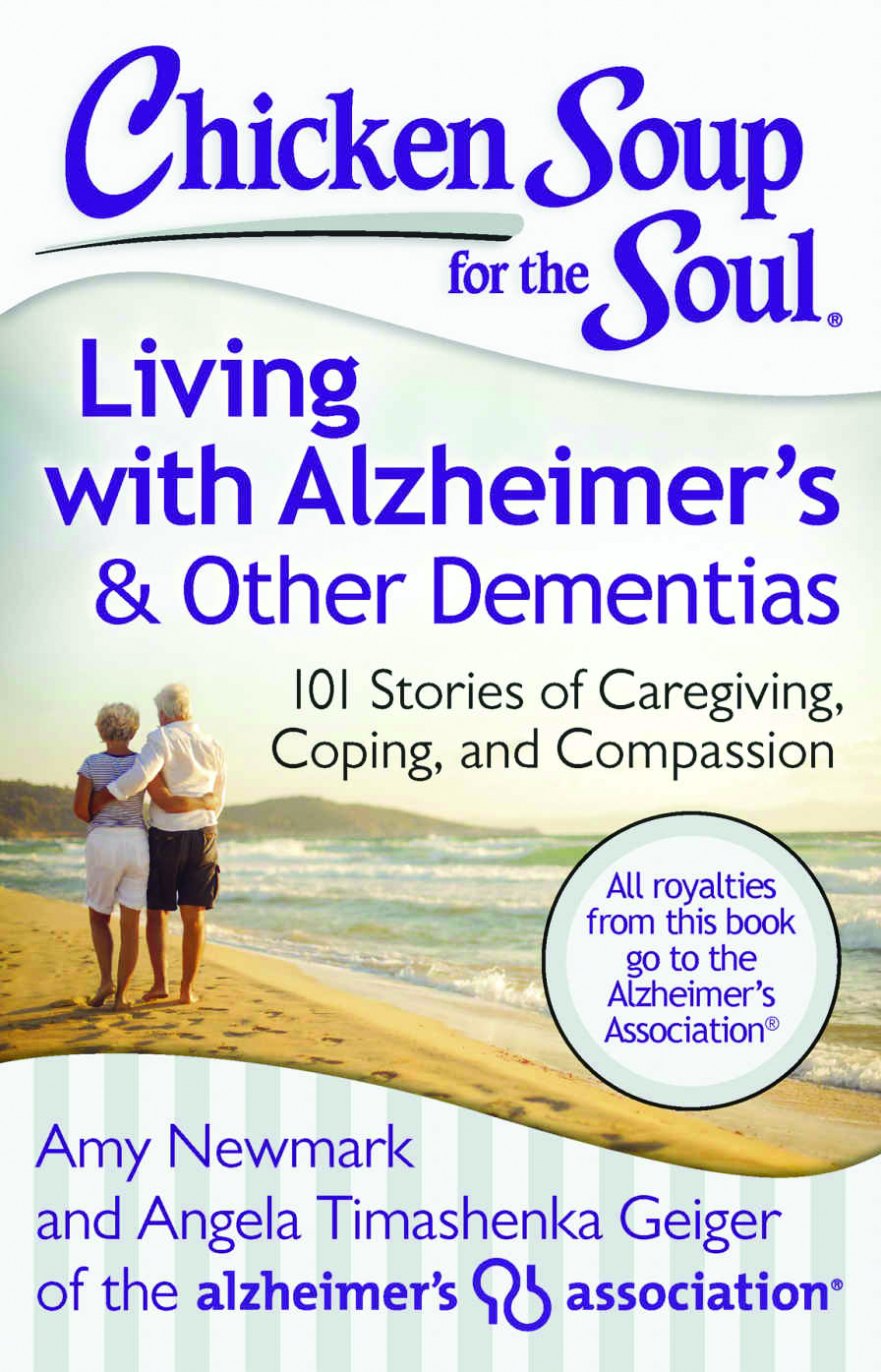
    Chicken Soup for the Soul Publishing offers Living with Alzheimer’s & Other Dementias: 101 Stories of Caregiving, Coping, and Compassion, a collection of personal stories of love and lessons written by caregivers especially for caregivers. This joint project with the Alzheimer’s Association aims to provide support, advice, encouragement and comfort for caregivers, as well as those living with Alzheimer’s. Chapters includes stories that touch on topics such as, what it’s like to have Alzheimer’s, advice from other families, keeping marriages strong and loving, the role of laughter, and powerful music and art therapies. The book is full of heartfelt reflections and heart wrenching truths told by those who have endured seeing a loved one in the clutches of a cruel thief.


    Chicken Soup for the Soul: Living with Alzheimer’s & Other Dementias: 101 Stories of Caregiving, Coping, and Compassion by Amy Newmark and Angela Geiger All royalties go to the Alzheimer’s Association. The book is available at most bookstores and online.

    If you are caring for a loved one with Alzheimer’s or another form of dementia, know that you are not alone. Know that you are not the only one who has experienced the wrath of these diseases or felt the roller coaster of emotions that accompanies watching a loved one disappear.

  • What’s Happening to Papa?

    Pomai has become worried as she sees Papa, her grandfather, become more forgetful. She wants Papa to play with her, but he is losing his memory and is no longer able to make poi with her or take her to the beach. In Pomai and Her Papa: Growing Up with Memory Loss and Holding On to What Matters Most, a short, illustrated storybook, Pomai sets off on her journey to learn how to help Papa and her family. She receives guidance from a teacher, social worker and doctor, who help her understand what is happening to Papa. The story educates young caregivers about dementia, including the most common form, Alzheimer’s disease, and offers age-appropriate ways to help.

    “People in Hawai‘i are especially affected by Alzheimer’s disease, in part because of the high rate of multigenerational homes here,” said Professor Colette Browne, one of the book’s co-authors.

    “Children are deeply affected by dementia in their families, and yet often they are not viewed as caregivers who need education and support.”

    This free booklet includes information on local and national resources where youth and families can seek answers and find support. It was written by Myron B. Thompson School of Social Work researchers at the University of Hawai‘i at Mānoa. It is published and distributed through Hā Kūpuna project, a resource center for Native Hawaiian elders and their families.


    FREE PDF:
    www.manoa.hawaii.edu/hakupuna/pomai-and-her-papa
    HARD COPIES:
    muneokas@hawaii.edu

    Pomai has become worried as she sees Papa, her grandfather, become more forgetful. She wants Papa to play with her, but he is losing his memory and is no longer able to make poi with her or take her to the beach. In Pomai and Her Papa: Growing Up with Memory Loss and Holding On…

  • Hiroshima Survivor Shares Story of Hope

    Lawrence Fumio Miwa was born in Hawai‘i in 1931 and lived in Hiroshima, Japan, from age 2 to 15. Now 89, he was 14 years old when the atomic bomb was dropped on Hiroshima, Japan, on Aug. 6, 1945. Although he was in school approximately 20 miles away from his Hiroshima home, he could see what happened. Seventy-five years later, he can still recall “that unforgettable morning,” when the bombers flew over the city. He remembers the blinding yellow flash from the atomic explosion. He thought at the time that it was the end of the world. He wondered if his family survived.

    Days later, he returned to the city and witnessed overwhelming casualties and total devastation. “People were suffering severe burns and their clothes were burned and tattered.”

    Lawrence Fumio Miwa at age 12 in 1943, when he was a sixth grader at Misasa Elementary School. Below, at age 88, visiting Punahou Japanese classes in 2019.
    Lawrence Fumio Miwa at age 12 in 1943, when he was a sixth grader at Misasa Elementary School. Opposite, at age 88, visiting Punahou Japanese classes in 2019.

    Approximately 70,000 people were killed when the US military dropped an atomic bomb over Hiroshima during World War II. Tens of thousands later died from radiation exposure and cancer. Three days later, another atomic bomb was dropped over Nagasaki, killing about 40,000 people. The exact mortality figures will never be known. The destruction and overwhelming chaos made orderly counting impossible.

    “We didn’t know that that was the first atomic bomb,” he said. “On Aug. 15, our teacher allowed us to go back to the city — and for me, to find out if my parents and sister were still alive. When I arrived at the Hiroshima train station, there were no houses or buildings. The ground was burned and blackened. In that moment of time, I was the only person standing alone in the city where some 140,000 people had lost their lives. I was sure I had experienced a big turning point in my life.” Miraculously, his family survived.

    August marks the 75th anniversary of the bombings. Larry has devoted his life to sharing his story with the goal of working together to eliminate nuclear weapons.

    “It should not matter what nationality we are,” says Larry. “We are all human beings living together on our precious Earth. We all have a duty and responsibility to preserve humanity for our future  generations. We should work together, setting a goal of common sense and decency to eliminate all nuclear weapons and related materials, for the sake of world peace.”

    “No one, especially our children, should ever experience the horrors of nuclear weapons,” Larry said in a recent public presentation. “Please remember my story of survival. Overcoming animosity and making efforts to understand each other can lead to world peace and a better world for every one of us.”


    [box] Larry shared more thoughts at the University of Hawai‘i Matsunaga Institute for Peace via Zoom on August 5, 2020. You can see the recording here. [/box]


    The five-generation history of Miwa’s family is detailed in the book Tadaima! I Am Home by Tom Coffman.

    Lawrence Fumio Miwa was born in Hawai‘i in 1931 and lived in Hiroshima, Japan, from age 2 to 15. Now 89, he was 14 years old when the atomic bomb was dropped on Hiroshima, Japan, on Aug. 6, 1945. Although he was in school approximately 20 miles away from his Hiroshima home, he could see…

  • Friends Forever: Pet Therapy

    Lower your blood pressure and make a new friend. The Hawaiian Humane Society brings the joy of pets to seniors with its Pet Therapy program.

    The Hawaiian Humane Society has been dedicated to teaching and promoting the bond between humans and animals since 1897. The Society believes that compassionate and responsible care toward animals develops compassionate and caring people. In essence, all life has an intrinsic value that contributes to the quality of life.

    With Pet Therapy, the Hawaiian Humane Society brings the joy of pet visits to the elderly at hospitals, rehabilitation centers, nursing homes, hospices and other senior and health care facilities island-wide. The pet visits help seniors with medical and emotional issues. In fact, many medical studies have shown that pet visits reduce stress, anxiety and can even lower blood pressure. Visitations can also encourage seniors to become more physically active, emotionally responsive and cooperative with caregivers and doctors, leading to a better quality of life.

    Emotionally, pet visits enhance quality of life and bring joy to the Society’s clients. Pets provide us with entertainment, companionship, love and security. Animal visitations can ease loneliness, stress, and pain—especially for older folks.

    If you, or someone you love, is interested in pet visits, please contact the Society today.

    This Pet Therapy Program not only gives back to the community, but it also provides a way to strengthen bonds between owners and their pets. If you (and your furry friend) are interested in becoming participants, please contact the Society for details on Peet Visitation Assessments.


    Hawaiian Humane Society 356-2217 www.hawaiianhumane.org

    Lower your blood pressure and make a new friend. The Hawaiian Humane Society brings the joy of pets to seniors with its Pet Therapy program. With Pet Therapy, the Hawaiian Humane Society brings the joy of pet visits to the elderly at hospitals, rehabilitation centers, nursing homes, hospices and other senior and health care facilities…

  • The Hawaii Alliance for Retired Americans (HARA)

    2011 will be a year of change for most of us, especially if you’re a senior. Some things are out of our control, such as changes in Medicare enrollment, health care reform, the country’s (and our family’s) financial stability. That is why it’s important for us to affect change when and where we can.

    Are you at a place in your life where you want to do something to affect change? Are you a retired union member? If so, we have just the place for you to volunteer and start to affect change in our state.

    The Hawai‘i Alliance for Retired Americans (HARA) is the state affiliate of the Alliance for Retired Americans (ARA), a national advocate on senior and aging issues with more than 3 million members. ARA ensures social and economic justice and full civil rights for all citizens so we may enjoy lives of dignity, security and personal and family fulfillment. The alliance believes that all older and retired persons have a responsibility to create a society that incorporates these goals and rights. The alliance encourages seniors to take advantage of their retirement and use it as an opportunity to pursue new and expanded activities with their unions, civic organizations and communities.

    Founded in 2001, HARA consists of 10 organizations with shared goals. HARA ensures that our state is a good place to retire and age. It supports the aspirations of seniors to remain healthy and lead a full and productive life, while aging in place at home.

    HARA is a strong voice for Hawai‘i’s retirees and seniors; a diverse community-based organization with national roots; a grassroots organizer, educator, and communicator; and a trusted source of information for decision-makers.


    To learn more about HARA or to join, please email Al Hamai, HARA president, he will get you involved in advocacy work here in the Islands; hamaia001@hawaii.rr.com. For more information, please visit www.retiredamericans.org.

    Our Mission: HARA strives to better the health, economic security and quality of life for Hawai‘i’s seniors and retirees.

    Our Vision: That Hawai‘i’s seniors and retirees enjoy “choices,” which result in an improved standard of living and a better, higher quality of life.

    Our Legislative Agenda: Some issues that ARA/HARA are now engaged in include: Expand the Kupuna Care Program; protect and expand Social Security, Medicare and Medicaid; urge people to take advantage of the benefits under the new health reform act; safeguard pensions and other retirement benefits; provide adequate, accessible and affordable housing and transportation services; and educate members about issues affecting its members and families.

    2011 will be a year of change for most of us, especially if you’re a senior. Some things are out of our control, such as changes in Medicare enrollment, health care reform, the country’s (and our family’s) financial stability. That is why it’s important for us to affect change when and where we can.

  • Peopleʻs Open Market

    Founded in 1973, the People’s Open Market (POM) was formed to accomplish three goals:

    1. Provide the opportunity to purchase fresh agricultural and aquacultural products and other food items at low cost.
    2. Support the economic viability of diversified agriculture and aquaculture in Hawai‘i by providing market sites for local farmers, fishermen or their representatives to sell their surplus and off-grade produce.
    3. Provide focal point areas for residents to socialize.

    More than 1 million people shop at the 25 market sites each year. Each market operates once a week and lasts about one hour. Prices are usually 35% lower than retail stores. The POM staff closely regulates the markets. The staff conducts weekly price surveys at various stores to determine a recommended price for the POM vendors to follow. Vendors may sell below, but not over, the recommended prices. The staff also supervises the arrival and departure of the POM vendors to ensure safety for both vendor and consumer. Each vendor is monitored to ensure that they comply with all city, state and federal government rules and regulations, ordinances and laws affecting their participation in the POM.

    TYPES OF PRODUCE

    At the POM, you will find many kinds of ethnic fruits, vegetables and other food items that are not ordinarily available in grocery stores. Depending on the ethnic make-up of the neighborhood, you’ll find a variety of foods associated with the different ethnic groups. Fresh ocean and pond fish, as well as farmed shrimps and prawns, are available—many sold live. In addition, a variety of Hawai‘i-grown flowers, such as ginger, orchids and anthuriums are for sale.

    HISTORY OF THE OPEN MARKETS The beginning of the open markets is attributed to Mrs. Joyce Fasi. After hearing concerns of women in a discussion group regarding the high cost living in Honolulu and in particular the high cost of food, she relayed these thoughts to her husband, then Mayor Frank F. Fasi. Hence, the People’s Open Market was started to assist farmers with selling their “off-grade,” “ungraded” and surplus produce while lowering food costs for the citizens of Honolulu.

    The first People’s Open Market (POM) was started at the Banyan Court Mall location in Kalihi in November, 1973. People in other communities began requesting their own POMs. Soon, a caravan of POM farmer/vendors was traveling to various sites to help the public purchase low-cost food items.

    The city requires all vendors to be authorized to accept food stamps to help those who are on fixed incomes.

    SHOPPING TIPS

    The People’s Open Market (POM) vendors are bound by a set of rules and regulations, which ensure that the POM operates smoothly and fairly for vendors and as well as customers. It is the vendors’ responsibility to see that their customers follow the rules and regulations. They are subject to citations and disciplinary action, including dismissal from the program for failure to comply with the rules and regulations.

    Please cooperate with the POM vendors. Here are some of the POM shopping tips:

    Plan ahead! There will be times that the market will start or end a little earlier or later than officially scheduled (5–10 minutes) due to certain conditions such as traffic, road conditions, school, weather, etc.

    Things to keep in mind:

    • Do NOT bag or ask vendor to reserve items before the start of the market (sound of an air Horn)!
    • Do NOT cut in lines that vendors have formed!
    • Do NOT shoplift!
    • Do NOT squeeze or mistreat fruits and vegetables (papayas, tomatoes, etc.)!
    • Do NOT bring animals (except seeing eye/ working dogs)!
    • Do NOT litter!
    • Do NOT ride bicycles through the shopping area. Park on the sides of the POM.
    • Do NOT park illegally, double park or block driveways!
    • Park in marked stalls ONLY!
    • Bring your own shopping bags, packages and cartons!
    • Be careful when the POM vendors’ trucks and vans are entering or leaving a POM site!
    • Be considerate of other shoppers!
    • Bring small bills and coins!

    More than 1 million people shop at the 25 market sites each year. Each market operates once a week and lasts about one hour. Prices are usually 35% lower than retail stores. The POM staff closely regulates the markets. The staff conducts weekly price surveys at various stores to determine a recommended price for the…

  • Rumours has it: The Big Chill

    Rumours has it: The Big Chill

    Remember watching the classic movie The Big Chill? Yes, it was the movie about a group of idealistic college buddies who had not seen each other for years. They reunite, reconnect and reminisce about the good ol’ days.

    The Big Chill, at Rumours Nightclub at the Ala Moana Hotel, was named after the classic movie. Malcolm Sur, the creator, original DJ and boogie man himself says he named the weekly event “The Big Chill” because he wanted a place where his friends could hang out, have a great time and party— something he felt Honolulu was lacking in the ‘80s.

    The Big Chill, home to the longest running nightclub in the state, is party central every Friday night. “Simply put, it’s all about the music,” Sur says.

    The passion for good music from “back in the day” still lives strong every Aloha Friday, from 5 p.m. to 9 p.m. For Friday-night regular, Jodi from Mililani, who has been coming to The Big Chill for more than 20 years, dancing is the greatest way to stay in good health and enjoy herself with good friends. “I’m with my girls, and no worries about work,” she says. “It’s Friday night!”

    Since 1984, Rumours Night Club has been a hotspot for company parties, class reunions and pau hana with friends. If you like to boogie down, it’s the place to go. The club has an extensive collection of hits from the ‘60s and ‘70s—from Motown and Marvin Gaye to The Temptations and Earth Wind & Fire. Then there are the “let’s get on the dance floor” songs by Rick James, Kool & The Gang and, of course, the King of Pop, Michael Jackson.

    According to Malcolm, there are people who have been coming to the club since day one. He calls them the “Original Chillers.” In fact, he heard of a story about an original chiller who recently passed away on the Mainland and in his obituary headline read, “Original Chiller is Gone.”

    Twenty-four years after opening, Malcom is starting to see some old familiar faces. The 20-somethings from the ‘80s are now empty nesters and are entering retirement. They have more free time … and they’re looking for a good time. Many of them are finding their way back to one of their favorite haunts, dancing the night away to the tunes of their times. Even Yvonne Elliman, a celebrated Hawai‘i recording artist from the ‘70s, still loves to come down to Rumours and groove to tunes like, “Play That Funky Music White Boy.”

    With new general manager Vince Depietro and assistant manager Pauline Keb, expect more to come in terms of parties. “Rumours Night Club and The Big Chill has withstood the test of time and the locals love our easy parking at the Ala Moana Center,” Keb says. She books parties in the club’s two private party rooms, which are always great for celebrating birthdays, class reunions, retirement parties and even yakudoshi.

    As the writer of this article, I’m also a regular patron of Rumours. I love the energy my fellow baby boomers still exhibit in their middle years. In fact, I celebrated my 50th yakudoshi at the Big Chill. What a party we had!

    The Big Chill, at Rumours Nightclub at the Ala Moana Hotel, was named after the classic movie. Malcolm Sur, the creator, original DJ and boogie man himself says he named the weekly event “The Big Chill” because he wanted a place where his friends could hang out, have a great time and party— something he…

  • Waikīkī Revival; Your Perfect Weekend Retreat is Within Reach

    As good as we have it in Hawaii, even in our golden years the grind can get to us. The best way to beat the blahs? A weekend of ease and indulgence without breaking the bank, close to home yet a world away: Waikiki. The new Waikiki, that is — fully restyled with fresh local appeal and new-millennium spirit. You’ll escape not only your daily routine, but also the chaos of the unfamiliar, the craze of airport commutes and the cost of a rental car. In fact, you don’t need a car at all. Plus, the fall season is filled with kamaaina and seniors hotel discounts, so you can afford an oceanfront room. Hele mai! Rediscover why there’s no place like home.

    A Prescription for Paradise

    FRIDAY :: Check in and settle on your balcony for full oceanview relaxing. Then ease into sunset bliss at the immortal waterfront lanai, House Without a Key, where savory pupu, cocktails and vintage Hawaiian melodies soothe the soul. Stay put or take the beach boardwalk to the Hilton Hawaiian Village for 7:45 p.m. fireworks and Lappert’s ice cream.

    SATURDAY :: Begin with coffee on your balcony. For a bagel or strawberry waffles, try Honolulu Coffee Co. For an oceanfront breakfast, Hula Grill is an affordable gem. Grab homemade sandwiches from Panya to take back to your room, then laze away the day with a mid-morning nap, lunch on your balcony and a good book.

    To sup in slippers, go Mexican-Carib at Cha Cha Cha or all-American at The Cheesecake Factory. Wrap with shopping on Kalakaua or a nightcap at the beachfront Mai Tai Bar. For fancy fare, Roy’s, Nobu and Azure are the new Waikiki dining dream team. The also-new Rumfire serves tapas and a tremendous selection of rums. The Manhattan-style jazz Lewers Lounge is decadence deluxe.

    SUNDAY :: Enjoy an early-morning stroll to Kapiolani Park, where area residents walk their dogs. Relax with a classic Island breakfast at Hau Tree Lanai. Afterward, take a dip at Kaimana Beach, wander the Waikiki Aquarium or head back to your hotel for balcony time before checkout.

    Leave your bags with the front desk so you’re free to roam. Trade lunch for leisurely afternoon tea service at The Veranda, a 100-year-old Moana tradition. End your weekend with pampering treatments at the Moana’s new spa, Moana Lani.

    As good as we have it in Hawaii, even in our golden years the grind can get to us. The best way to beat the blahs? A weekend of ease and indulgence without breaking the bank, close to home yet a world away: Waikiki. The new Waikiki, that is — fully restyled with fresh local…

  • Swiiing Battah! Senior League Softball

    For some people, playing ball into your 60’s, 70’s or even your 80’s may seem like a stretch. Well, not for the active seniors at Kawananakoa Park in Nuuanu. Every Sunday morning you can find teams sweating in the warm morning sun, trying to beat each other … and these guys are serious.

    The league runs eight months out of the year with six teams that sport players whose average age is 70.

    For the last 50-plus years, this American Japanese American (AJA) community softball league has been at this park keeping avid ballplayers in shape and having the time of their lives. Actually, it’s unclear as to how long this league has been playing. You see, you have to be a minimum of 60 years old to be on the team, but none of today’s players were in the league 50 years ago (even though there are players in their 90’s still playing in the league).

    For some former players just getting out to the park to cheer on the teams keeps them active and young, just like Takeo “Take” Shimabukuro, at 90 years of age.

    And then there is rookie Dennis Koki at 60 years young. The opportunity to compete and play the game keeps him spry. And, for many of the seniors, the pupus after the games are the best part!

    Every 10 seconds someone in the U.S. turns 62 years old. As our population grows older, we hope that the interest in senior sports and activities grows too — as this has certainly been the case with several of Hawaii’s softball leagues. Mostly recently, the state softball tournament was held on Maui. There were 49 teams, with five divisions of various skill levels and more than 750 players.

    One of the more popular leagues is the statewide City and County parks and recreations senior league where on Oahu, they play every Wednesday morning at the beautiful Waipio complex. If you are interested in playing in the Kawanakoa league just come on down to the park and talk to the players as they are always looking to recruit new “young” men. For the city league you may call Les Lunasco 295-3962 as their minimum age is 55.

    Good luck to all the players and see you soon at the park, as I am only 50.

    For some people, playing ball into your 60’s, 70’s or even your 80’s may seem like a stretch. Well, not for the active seniors at Kawananakoa Park in Nuuanu. Every Sunday morning you can find teams sweating in the warm morning sun, trying to beat each other … and these guys are serious.

  • Love to Spare? Become a Pet Foster Parent

    If you have some time, energy and love to spare, the Maui Humane Society in Pu‘unēnē offers an opportunity to open your heart and home to foster one of its shelter animals.

    Foster pet parents provide temporary care in their home for companion animals when the shelter is full or for those not yet ready for adoption.

    By offering a home to one of these animals in need, volunteer parents help prepare them for adoption into a permanent home, and at the same time, create valuable space in the shelter to accommodate other homeless animals.

    Dogs, cats, rabbits and guinea pigs may be selected as foster candidates. Those that qualify or the program include very young animals that are often under-socialized and too timid to thrive in   shelter. MHS also takes in ill, injured and stressed animals that need additional TLC and a quiet place to recover. Animals may need a foster home for a few days, a few weeks or a few months.

    Foster parents are responsible for feeding, cleaning, socializing and cuddling. Some animals may need bottle feeding or medications. Cats and kittens don’t require much space — a laundry room or bathroom is fine, but a cage set up in the corner of a room will work as well. For puppies, a bathroom or crate will usually suffice. It is recommended that larger dogs be kept in a crate while parents sleep or when they leave the house until their home-alone behavior can be assessed.

    MHS provides food, veterinary care and other supplies, including carriers, beds, blankets,  towels, kennels, toys, collars, leashes, bowls, food or formula, litter, medicines, as well as any other items the furry foster may require.

    The Foster Pet Program is perfect for seniors who spend a lot of time at home. It’s a joy to be a foster parent and it’s easy to sign up. The hardest part of the program may be “letting go” as your new friend moves on to a permanent home. Rest assured you have played a significant role in making that happen.

    Go to www.mauihumanesociety.org, click on the “Get Involved” tab, then “Volunteer,” then “HS Volunteer Foster Program.”

    During the COVID-19 pandemic, prospective parents should click on the “Sign up for the MHS Emergency Foster Network” tab. MHS will contact you when it needs your help.


    MAUI HUMANE SOCIETY
    Foster Pet Program (501(c) 3 nonprofit)
    1350 Mehameha Loop, Puunene, Maui, HI 96784
    808-877-3680, x221 | foster@mauihumanesociety.org
    www.mauihumanesociety.org
    Puppy photo by Maui Humane Society; Kitten photo by Kristen Deblasi

    If you have some time, energy and love to spare, the Maui Humane Society in Pu‘unēnē offers an opportunity to open your heart and home to foster one of its shelter animals. Foster pet parents provide temporary care in their home for companion animals when the shelter is full or for those not yet ready…

  • New Book Reveals Chronic Pain Solutions

    Husband-and-wife team Anthony Chrisco and Eileen Paulo-Chrisco offer drug-free relief for chronic pain in Pain Free Everyday: The Roadmap for Natural Treatment When Pills, Injections, or Surgery Aren’t Your Solutions.

    The book explains how those suffering from stiffness and chronic pain who prefer to avoid opiates and surgical intervention can restore the body’s innate ability to heal.

    Anthony, a post-rehabilitation specialist, and Eileen, a former medical researcher and fitness professional, reveal how pain-free and drug-free living begins by reconnecting with the largest organ system of the body, the fascia.

    Fascia weaves throughout the body, binding and supporting muscles, bones and organs. Tight fascia causes excess pressure on structures within the muscles — arteries, veins, nerves, lymphatic vessels and nerve endings — causing of dozens of different idiopathic pathologies.

    The authors describe a holistic, sustainable, self-care strategy that can minimize or completely eliminate a number of ailments — from joint pain to irritable bowel syndrome.

    Pain sufferers can learn to “let go and relax” by reducing muscle adhesions (knots) and experience increased oxygenated blood flow, lymphatic drainage and cellular waste removal, and a body free from musculoskeletal imbalances.


    The book is available at www.thefascianator.com/shop-2/ and www.amazon.com.
    Or contact: 808-227-5888, thefascianator@gmail.com

    Husband-and-wife team Anthony Chrisco and Eileen Paulo-Chrisco offer drug-free relief for chronic pain in Pain Free Everyday: The Roadmap for Natural Treatment When Pills, Injections, or Surgery Aren’t Your Solutions. The book explains how those suffering from stiffness and chronic pain who prefer to avoid opiates and surgical intervention can restore the body’s innate ability…