Category: Living Life

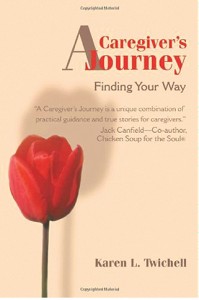
  • A Book By Karen L. Twichell: A Caregiver’s Journey – Finding Your Way

    “Karen Twichell presents a unique combination of practical guidance and true stories for caregivers.” — Jack Canfield, Co-Author, Chicken Soup for the Soul®
    “Karen Twichell presents a unique combination of practical guidance and true stories for caregivers.”
    — Jack Canfield, Co-Author, Chicken Soup for the Soul®

    Caregiving is as much a crisis as the disease or catastrophe that calls us to service. With little warning and less training, we assume responsibility for our loved one. Karen Twichell, R.N. has written a book for us. Twichell knew bed care, but when caring for her own mother, she found that medical training did not address overcoming fear, exhaustion and balancing two jobs.

    Twichell put together A Caregiver’s Journey, a powerful, truthful and most of all, helpful guide that should be in every adult’s home library, and shared with every friend called to care for a loved one.

    Millions of caregivers are providing long-term support for patients with Cancer, AIDS, Alzheimer’s, strokes, heart disease and other chronic diseases. With most of the attention focused on the disease crisis, caregiving family or friends with no medical or social work experience become overwhelmed, but often feel shy to even ask for help. This book’s main concern is the health, stability and perseverance of the loving caregiver.

    A Caregiver’s Journey addresses both the practical and emotional issues facing those new to patient care with instruction, references and personal anecdotes. Twichell shares real-life experiences that touch the heart and demonstrate strategies to manage difficult times. Informative chapters packed with information and dozens of resources provide hope. A companion workbook offers charts and journals to keep track of medications and schedule the nitty-gritty details of 24/7 care.


    A Caregiver’s Journey — Finding Your Way By Karen L. Twichell
    Available at www.amazon.com | ISBN 0595168353
    Caregiving is as much a crisis as the disease or catastrophe that calls us to service. With little warning and less training, we assume responsibility for our loved one. Karen Twichell, R.N. has written a book for us. Twichell knew bed care, but when caring for her own mother, she found that medical training did…

  • Hooked On “Seniors Living In Paradise” Show

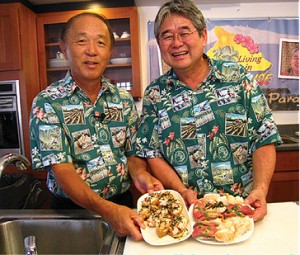
    George Yoshida and Dereck Kurisu — two guys seniors invite into their homes every day.
    George Yoshida and Dereck Kurisu — two guys seniors invite into their homes every day.

    “Seniors Living in Paradise” one-hour show on Oceanic Cable TV is a phenom — re-running twice a day in prime time all month, and cut into short Youtubes for the online world. Some seniors watch it nightly to bring sound, laughter, and company into their homes. “I can’t believe how many people in Hawai‘i and on the mainland watch this show!” says Hawai‘i County Mayor Billy Kenoi. “Tune in and you’ll be hooked.”

    It’s a series of upbeat, homespun vignettes featuring seniors, kids and families doing what communities do. For 60 minutes we follow show host George Yoshida, a jovial tutu man who “knows everybody’s auntie,” from one happy activity to another. The program bumps along like a Sunday drive, with something for everyone: banter of personal interviews, community activities, family parties, information for seniors, cooking demonstrations, and kids of all ages and ethnic groups — interacting with seniors. Local style music and Yoshida’s “everything is beautiful” attitude keep viewers engaged and coming back for more.

    “I think we deliver a lot of information — we recognize many talents, achievments and values that our kupuna pass on to the keiki. We want folks who are not able to get out to see good things happening in our communities on the Big Island. They get enough upsetting news — we bring them fun, hope, and plenty to smile about.”

    Volunteer host Yoshida started out as a high school teacher and coach before joining the Hawai‘i County Department of Parks and Recreation, their Elder Activities Division. He created Kupuna Hula and Seniors Softball. George is happiest devoting his time, cheerfully showing the world what happy seniors and their families are up to. He didn’t count on becoming a senior superstar, but things happen.

    Kurisu is in demand too, as an inspirational public speaker on “plantation values:” norms, values, attitudes and work ethic that plantation workers practiced to get along with one another and share in the benefits of plantation camps communities like Hakalau, where he grew up. Now he teaches younger generations these same values, so they can be successful too. He creates respect and brings the generations closer together.

    As Vice President of KTA Superstores, Derek is a business superman, disquised as a kua‘aina farmer who leads a never-ending battle in helping seniors enjoy a better life, and create public/private collaborations that grow KTA Superstores brand in the process. Seniors win big with: The annual Old American Luncheon, monthly cooking demonstration at senior centers and Mountain Apple Brand, KTA’s private label plant that employs many seniors.

    These “Seniors Living in Paradise” guys are going to hook you too!


    Living in Paradise: Oceanic Time Warner Cable channel 27
    Seniors Living in Paradise
    Mon. – Fri.: 6:00 am – 7:00 am | Daily: 6:30 pm – 7:30 pm
    Primetime Living in Paradise
    Daily: 7:30 pm – 8:30 pm, 12:00 am–1:00 pm
    Watch recent Youtube episodes online: www.ktasuperstores.com/living-in-paradise-show

    “Seniors Living in Paradise” one-hour show on Oceanic Cable TV is a phenom — re-running twice a day in prime time all month, and cut into short Youtubes for the online world. Some seniors watch it nightly to bring sound, laughter, and company into their homes. “I can’t believe how many people in Hawai‘i and…

  • Preserving Hilo’s Past: The Lyman Museum

    Photo by W Nowicki
    Photo by W Nowicki

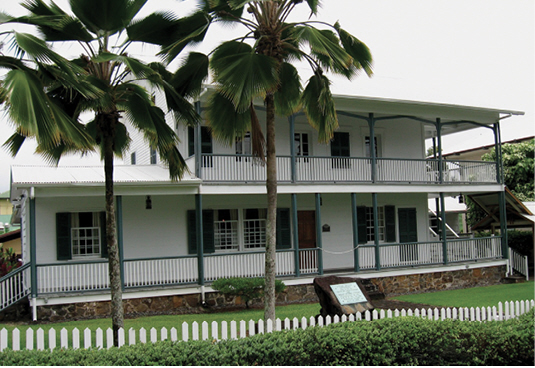
    A few blocks mauka of Hilo Bay at 276 Haili Street is a white frame building with dark green trim and a surrounding veranda upstairs and down, in the style of nineteenth-century New England homes. A guided tour of the Lyman Mission House, listed on both the National and State Registers of Historic Places, gives visitors a colorful and accurate look at missionary life in 1800s Hilo. The Lyman Museum, which includes the adjacent Mission House, is one of only four accredited museums in Hawai‘i and is also a Smithsonian affiliate.

    Sarah and David Belden Lyman were educator-missionaries of the American Board of Commissioners for Foreign Missions (ABCFM) in Massachusetts, assigned to the Hilo Mission in 1832. The very first missionary station in East Hawai‘i, the Hilo Mission had been established in 1824 at the village of Waiakea. The Lymans entered the Hawaiian mission field at a time of the “Second Great Awakening,” when thousands of converts were filling new churches throughout the Islands, including Hilo’s own Haili Church, founded in 1824. By 1840, over 90 percent of Hawaiians throughout the Islands attended Sunday services every week.

    The Lymans also built a large thatched-roof meeting hall where they held religious services and educational programs each week. Later, as seasoned teachers, they were commissioned by Kamehameha III to found and administer the Hilo Boarding School for Hawaiian boys and young men. Native Hawaiians responded so favorably to missionary training in reading and writing that Hawai‘i became the most literate country on the planet.

    Generation Magazine-on2014k-2
    Photo courtesy by the Lyman Museum

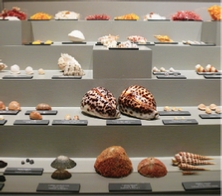
    The Lyman Museum was established in 1931, with natural and cultural history collections housed in the Lyman family home, and a mission “To tell the story of Hawai‘i, its islands and its people.” In 1971, an adjacent museum building designed by architect Vladimir Ossipoff was constructed, and all the holdings were moved to this secure space with controlled environmental conditions and expanded room for exhibits. The Earth Heritage Gallery showcases the geological beginnings and natural habitats of the islands, while the Island Heritage Gallery tells the stories of the peoples and cultures of Hawai‘i. The Lyman Hawaiian shell collection is renown. The Museum’s collection of gems and minerals is the life’s work of a Lyman great-grandson, is described by the Smithsonian as one of the ten best in the U.S.

    The Museum upholds the Lyman tradition of lifelong learning by regularly hosting educational programs on the natural, cultural, and social history of Hawai‘i, engaging and informing the community and visitors alike. In October, local island historian Boyd D. Bond will present “A Broad History of Hawai‘i Island”; later in November, he will talk story about the complex life and colorful reign of Kauikeaouli (Kamehameha III).


    For information on the many educational opportunities:
    Lyman Museum, Hilo
    808-935-5021 | www.lymanmuseum.org

    A few blocks mauka of Hilo Bay at 276 Haili Street is a white frame building with dark green trim and a surrounding veranda upstairs and down, in the style of nineteenth-century New England homes. A guided tour of the Lyman Mission House, listed on both the National and State Registers of Historic Places, gives…

  • Crossing the Rainbow Bridge

    Generations Magazine- Crossing the Rainbow Bridge - Image 01For many people, a pet is their best friend and loyal confidant. Losing a loved one is never easy, especially when you have to make the difficult decision of saying good-bye because your pet is suffering, or no longer enjoying a good quality of life. The Hawaiian Humane Society offers euthanasia and cremation services for pets who are ready to cross the Rainbow Bridge.
    In the emotional period following your pet’s death, it’s important to know that no two people grieve the same. Recovering from grief often involves finding positive ways to fill the void created by the loss.

    There are many ways to celebrate your pet’s life to help you during the grieving process:

    • Record happy memories in a journal or a letter.
    • Make a photo album or collage.
    • Plan a memorial service.
    • Volunteer to help animals.
    • Make a donation in memory of your pet to the Humane Society.
    • Your pet’s name will be listed in the Society’s community newsletter.

    Grieving the loss of a pet is natural and anyone struggling can attend the Pet Loss Support Group. The group meets the first Tuesday of each month, from 6 p.m. to 7 p.m. at the Hawaiian Humane Society. Meetings are facilitated by counselor Rosemarie Grigg.

    While a pet may be gone, their memory lives on with the people who loved them.


    Hawaiian Humane Society
    808-356-2222 | www.HawaiianHumane.org

    For many people, a pet is their best friend and loyal confidant. Losing a loved one is never easy, especially when you have to make the difficult decision of saying good-bye because your pet is suffering, or no longer enjoying a good quality of life. The Hawaiian Humane Society offers euthanasia and cremation services for…

  • Move for Parkinson’s Disease

    Generations - 2014-08 - Move for Parkinsons - Image 01The Hawaii Chapter of the National Parkinson Foundation (NPF) is inviting the people of Hawai‘i to get ready to move on Saturday, October 25th at 9 am – noon at Honolulu Hale Civic Grounds for the 2nd annual Moving Day Hawaii. Moving Day events are held around the country to raise awareness about Parkinson’s disease and funds for Parkinson’s research and NPF programs.

    Parkinson’s disease is a neurodegenerative brain disorder that progresses slowly in most people. Approximately 60 – 80% of dopamine-producing cells in the brain are damaged and do not produce enough dopamine, symptoms of Parkinson’s disease appear. In the United States, 60,000 new cases are diagnosed each year, adding to the one million people who have Parkinson’s disease.

    Generations - 2014-08 - Move for Parkinsons - Image 02Moving Day Hawaii will feature a Movement Pavilion with yoga and hula, 3K walk, health fair and a kid zone. The event is designed for people living with Parkinson’s disease, their caregivers, friends and families. Studies show movement is beneficial and proven to help manage symptoms of Parkinson’s disease, improving flexibility and mobility. Vigorous exercise, such as biking and running has been shown to potentially slow down or delay progression of the disease. The aim is to encourage people to stay active and move for better health.

    Learn more about Moving Day Hawaii and how you, your family, friends and/or your company can get involved, visit www.movingdayhawaii.org or email movingday@parkinsonshawaii.org. There is no cost to register and participate, but fundraising is encouraged.

    The Hawaii Chapter of the National Parkinson Foundation (NPF) is inviting the people of Hawai‘i to get ready to move on Saturday, October 25th at 9 am – noon at Honolulu Hale Civic Grounds for the 2nd annual Moving Day Hawaii. Moving Day events are held around the country to raise awareness about Parkinson’s disease…

  • Behind the White Picket Fence: The Memoir of Sharon L. Hicks

    9781458206190_COVER.inddAn award-winning memoir, “How Do You Grab a Naked Lady?” A life about family and acceptance, a daughter’s lifelong search for normalcy is overshadowed by the antics of her mentally ill mother.

    Sharon L. Hick speaks of her childhood life raised between two conflicts of opposing forces: mother vs. father, normalcy vs. lunacy. Her father an idealist and role model, mother an irrational, charming, seductive, and unpredictable bipolar, who parades naked in public.

    Not the role model Sharon needed. She tries to escape the pressures of, mustn’t becoming her mother as she enters adulthood, distancing herself from her uncontrollable mother, only to learn she can’t escape. The only choice — dad’s dream of the white picket fence, a beautiful home and enough financial security so his daughter would never need to work. Sharon searched for the white picket fence with a squeaky clean husband, turned out empty, having two failed marriages and numerous men, Sharon questioned her Dad’s dream of the white picket fence and discovered the answer in the most unlikely source — her Mother.

    With self-discovery, strong bonds, societal expectations, and a fascia of the American Dream, her touching honesty exposed the realisms of mental illness with humor.

    Bestsellers like Running with Scissors, Sharon memoir sets apart the emphasis on the rippling effect of a dysfunctional upbringing through adulthood and a reality of mental illness behind the white picket fence.

    Winner of Southern California Writers’ Conference Outstanding Non-Fiction Award 2012, tell-all memoir with full of interesting twists and turns.

    About the author

    Sharon L. Hicks is a retired executive living in Honolulu, Hawai‘i. She is the daughter of businessman and community leader Harold E. Hicks. This is her first book, inspired by her mother.


    How Do You Grab a Naked Lady? By Sharon L. Hicks
    Available at www.amazon.com and www.barnesandnoble.com
    www.sharonlhicks.com | 808-282-4944

    An award-winning memoir, “How Do You Grab a Naked Lady?” A life about family and acceptance, a daughter’s lifelong search for normalcy is overshadowed by the antics of her mentally ill mother. Sharon L. Hick speaks of her childhood life raised between two conflicts of opposing forces: mother vs. father, normalcy vs. lunacy. Her father…

  • ‘Olelo’s “Senior Sunrise” Mornings

    Generations - Aug/Sep 2014 - Olelo Senior Sunrise Movements - Image 01
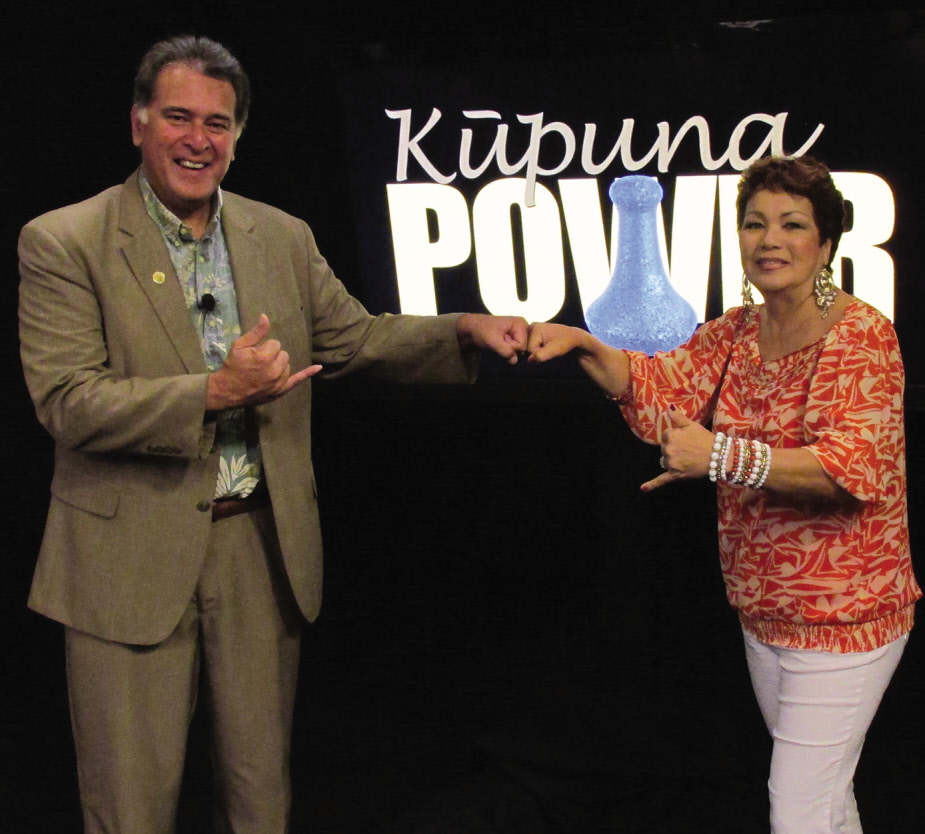
    Senator Brickwood Galuteria and Melveen Leed

    Since March of this year, ‘Ōlelo Community Media has featured one hour of daily programming each Monday through Friday from 8 am – 9 am especially for, and by, senior citizens in our community.

    These “Senior Sunrise” mornings on Channel 53 are centered around “Kupuna Power,” a weekly magazine-format half-hour program created in partnership with Senator Brickwood Galuteria, the Executive Office on Aging and AARP Hawai‘i. The “Kupuna Power” show, produced and hosted by Galuteria, airs each Monday at 8 a.m. and will repeat at that same time on Thursdays.

    ‘Ōlelo believes senior-focused programming is acutely needed because of Hawai‘i’s aging community: In 2012, those 60 years and over accounted for 21.6 percent of the total population, according to the Executive Office on Aging. By 2020, the Hawai‘i Department of Business, Economic Development and Tourism estimates senior population growth will be 26.1 percent.

    ‘Ōlelo is developing other original senior programming and working with several strong community producers to create more shows for kupuna; these include a variety of short segments of interest including the “I Remember When” flashback, “Everyday Tai Chi” and “Kau Kau Moment,” a light-hearted cooking show featuring Janice Terukina Morimoto, a local actress and comedian now based in Korea who stars in a series of island-style cooking shorts.

    The senior-focused programming each weekday morning is available on ‘Ōlelo Channel 53 on both Oceanic Time Warner and Hawaiian Telecom cable on O‘ahu. It can also be viewed via live stream at www.olelo.org. Happy viewing!

    Since March of this year, ‘Ōlelo Community Media has featured one hour of daily programming each Monday through Friday from 8 am – 9 am especially for, and by, senior citizens in our community. These “Senior Sunrise” mornings on Channel 53 are centered around “Kupuna Power,” a weekly magazine-format half-hour program created in partnership with…

  • Financial Security & Health for Voters 50+

    Hawaii had the lowest voter turnout among all states in 2012 — less than half (44.5%) of voters casting ballots. Voters age 50-plus went to the polls in greater numbers than any other age group. In 2014 election, 50-plus voters could once again play a deciding role. So, what issues are on the minds of Hawaii’s mature voters?

    On the federal side, protecting Social Security is a high priority, especially for residents who feel financially unprepared for retirement. In Hawaii, Social Security makes up 50% or more of income for over half of Hawaii residents age 65 and older, and more than a quarter of older residents rely on Social Security as their only source of income.

    When “entitlement reform” and Social Security have become bargaining chips in Washington, D.C., voters agree there should be a separate debate about the future of the program — that focuses on its major role in providing financial security in retirement and strengthening the system for future generations.

    Another is Medicare, which provides guaranteed affordable health coverage for more than 217,000 beneficiaries in Hawaii alone. The program faces a number of challenges in the coming years due to rising health care costs and changing demographics. AARP believes stabilizing the system for future generations and keeping promises to seniors with responsible, commonsense solutions will improve care and reduce costs. For example, better use of information technology could promote care coordination, reduce medical errors and ensure patients are getting the care they need.

    In state issues, voters are interested in candidates’ views supporting family caregivers. They want to know candidates support laws that call for hospitals to recognize and train family caregivers when loved ones are hospitalized. In light of legislation, broadening the state’s Kupuna Care program to include Medicaid recipients, voters want to know if candidates would expand access to services provided at home and in the community — including residents not eligible for Medicaid.

    The months leading to November 4 election, AARP Hawaii sponsors a series of federal and state issues forums to help residents make informed decisions as they vote. Sessions will include briefing on the future of Social Security and updates on AARP’s priority state legislative issues related to caregiving and long-term care. Learn more about at aarp.org/hi.

    AARP informs its members and the general public about candidates’ position on issues so they can choose candidates that best represent their views and values. Over 28 years, non-partisan voter education has been part of AARP’s mission to help Americans. AARP does not endorse candidates, have a political action committee, or make contributions to political campaigns or candidates. Visit aarp.org/yourvote.


    AARP Hawai‘i state office:
    808-545-6024 | Toll-Free: 866-295-7282
    www.aarp.org/hi | facebook.com/AARPHawaii
    twitter.com/AARPHawaii

    Hawaii had the lowest voter turnout among all states in 2012 — less than half (44.5%) of voters casting ballots. Voters age 50-plus went to the polls in greater numbers than any other age group. In 2014 election, 50-plus voters could once again play a deciding role. So, what issues are on the minds of…

  • Hurricane Preparedness

    While the Eastern Pacific hurricane season remains in effect, as does the increased possibility of potentially dangerous storms headed Hawai‘i’s way, homeowners are encouraged to shore up their roof with the goal of mitigating catastrophic damage.

    According to the National Oceanic and Atmospheric Administration’s Climate Prediction Center, this year’s hurricane season that runs through November has up to an 80% chance of being enhanced by El Nino conditions. El Nino is responsible for elevating ocean temperatures and leading to above-average tropical cyclone activity in the waters surrounding Hawai‘i, thus making hurricane preparedness more important than ever.

    Preparedness is best advised. Not only should you make sure your emergency provisions are up-to-date and well stocked, but your dwelling — roof — need to be checked on as well.

    Here are some preventive measures to follow:

    • Check past service records on your roof. If more than 10 years since installation or repairs has been done, then it’s best to have a free roofing inspection pinpoint necessary improvements.
    • Trim encroaching tree branches
    • Take inventory of loose outdoor items such as coolers, patio furniture, umbrellas, awnings and other objects that could turn into dangerous projectiles when tossed by hurricane-force winds. By securing these items around the home and making sure one’s roof is intact, residents give themselves, family members and neighbors the best chance of riding out what is predicted to be a busy hurricane season.


    Murakami Roofing, LLC | www.murakamiroofing.com
    808-348-8270 | murakamiroofing@gmail.com

    While the Eastern Pacific hurricane season remains in effect, as does the increased possibility of potentially dangerous storms headed Hawai‘i’s way, homeowners are encouraged to shore up their roof with the goal of mitigating catastrophic damage. According to the National Oceanic and Atmospheric Administration’s Climate Prediction Center, this year’s hurricane season that runs through November…

  • Art on the Zoo Fence

    Generations Magazine - Art on the Zoo Fence - Image 01
    Artist Lavonne Baldwin at the fence with her art.

    Since 1953, some of Hawaii’s best local artists have displayed and sold their art on the fence of the Honolulu Zoo along Monsarrat Avenue across from Kapiolani Park.

    Many artists have come and gone; including young artists just getting started in the art world, older artists that picked up art as a hobby after retirement, artists that have become very successful and a few artists that have been regular members for many years.

    The artists gather every Saturday & Sunday from 9:00 am – 4:00 pm, rain or shine under the beautiful trees along Monsarrat Avenue, offering shade, a welcome reprieve from sunny Waikiki beach across the street.

    As you stroll along the zoo’s fence line, you will find these artists showcasing a wide variety of art and photography; you are sure to find something you will like.

    Visitors come from all over the world to view and purchase art from these artists, and many have customers who return each year.

    Currently there are about 25 regular artists and spaces available for stand-by artists as well. The organization is non-profit, and each year a donation of art supplies is given away to schools and other groups.

    If you are interested in displaying your art or would like more information, visit our website, www.artonthezoofence.com. And “like” us on our Facebook page, Art On The Zoo Fence.

    We look forward to seeing you in beautiful Waikiki!

    Since 1953, some of Hawaii’s best local artists have displayed and sold their art on the fence of the Honolulu Zoo along Monsarrat Avenue across from Kapiolani Park. Many artists have come and gone; including young artists just getting started in the art world, older artists that picked up art as a hobby after retirement,…

  • Bedroom & Bathroom Safety

    Generations Magazine - Bedroom & Bathroom Safety - Image 01Two of the rooms you spend the most time in — the bedroom and the bathroom — are also the most important rooms to look at if you’re considering renovations to your home.
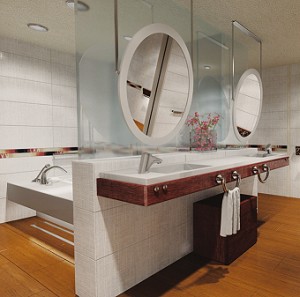
    For seniors, one of the most dangerous rooms in a home is the bathroom. Investing in enhancements here can pay huge dividends in significantly reducing the risk of accidents and injuries later. Even what can seem like simple changes, such as creating even, single-level entry into the bathroom or installing grab bars, which offers a dual function as a light, can reduce that risk for family members of all ages.

    One change that homeowners don’t often think of, is moving the bathroom faucet volume control from its typical location at the back of the sink to the front of the sink, or even installing touch-censored faucets. This can be a little more work, but allows the faucets to be more easily accessed — from both a wheel chair as well as young keiki. Installing a lighted mirror with pivots can also be an added convenience.

    In the bedroom, don’t let the dangers of trip and falls keep you up at night. Installing low energy lighting along the floor and bed frame is not only quick and easy, but keeps the floor and your path visible in the dark. The best part, you’ll sleep more soundly knowing you’ve done everything you can to keep every member of your family safe.


    Ventus Design | 1441 Kapiolani Blvd., Suite 1115
    ph 808-356-5622 | c 808-358-9135
    rlewis@ventusdesignhnl.com
    www.ventusdesignhonolulu.com

    Two of the rooms you spend the most time in — the bedroom and the bathroom — are also the most important rooms to look at if you’re considering renovations to your home. For seniors, one of the most dangerous rooms in a home is the bathroom. Investing in enhancements here can pay huge dividends…

  • Senior Games 2014

    Generations Magazine - Senior Games 2014 - Image 01
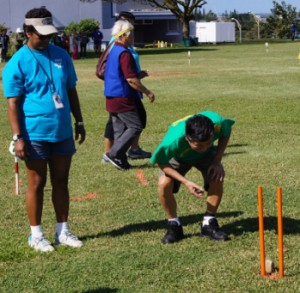
    Above, Mayor Kirk Caldwell gives his best, while outdoor activities are enjoyed.

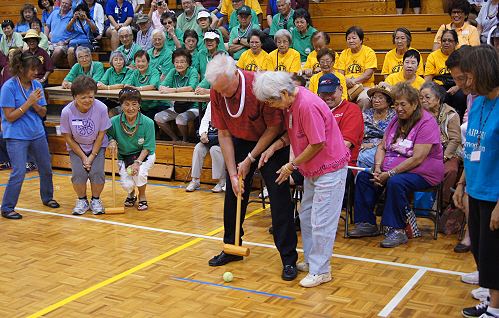
    The games continue on: The City & County of Honolulu’s Parks and Recreations’ 25th Annual Senior Classic Games 2014. The games were created for seniors by Herbert Yasuhara, a retired Halawa Park director.

    Generations Magazine - Senior Games 2014 - Image 02This year there were over 270 participants (not including spectators) and a total of 88 teams from 20 senior clubs entered in 4 different games: Tunnel Vision, Peg Ball, Pin Ball and Nine Gates, with age divisions: Seniors 55 – 69 and Masters 70+. There were over 40 staff members from the Department of Parks and Recreation helped with management and execution, even the Honorable Mayor Kirk Caldwell stopped by to play a few games with the seniors.
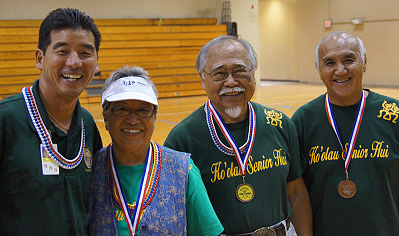
    Generations Magazine sponsored the event and presented each division’s participants with certificates of achievement and medals for outstanding performance. For information and to join next year, contact Recreation Specialist, Garrett Iwai at 808-768-3030 or email, giwai1@honolulu.gov.


    Generations Magazine - Senior Games 2014 - Image 03
    Garrett Iwai, Shirley & John Macadangdang and Harrry Mizushima

    The games continue on: The City & County of Honolulu’s Parks and Recreations’ 25th Annual Senior Classic Games 2014. The games were created for seniors by Herbert Yasuhara, a retired Halawa Park director. This year there were over 270 participants (not including spectators) and a total of 88 teams from 20 senior clubs entered in…