
In this ongoing column, Kaiser Permanente doctors will answer commonly asked questions.
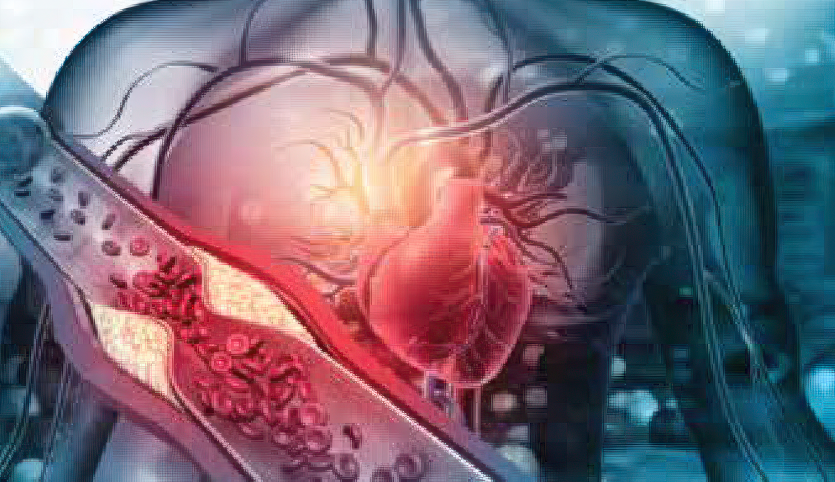
Cholesterol is essential for the functioning of all human organs, but nevertheless, it plays a key role in coronary heart disease. But scientists and the pharmaceutical industry have
developed statins, an effective class of drugs that lowers cholesterol levels and reduces heart attacks.
Q: What are statins and why are they so popular with cardiologists?
Statins are medications that lower unhealthy cholesterol in the blood. As an interventional cardiologist, I treat heart blockages by opening clogged arteries with balloons and stents. But what I would much rather do is prevent those blockages from forming in the first place.
Most dangerous blockages are made of fat and cholesterol that build up inside the arteries over time. I sometimes explain it like this: Pouring grease down your kitchen drain eventually clogs the pipes. In the same way, excess cholesterol can clog the heart’s arteries. Statins help reduce that buildup and stabilize plaque, lowering the risk of heart attack and stroke.
I can often see the difference when I’m doing procedures on patients. Those who take statins regularly tend to have healthier-looking arteries. That’s why I strongly recommend this cardiovascular medication when indicated.
Q: Don’t statins have lots of side effects?
Statins have been around for more than 35 years and are among the most well-studied medications we use in cardiology. For most people, they are very safe and effective.
The most common side effect is muscle soreness. If that happens, it does not mean you have to stop treatment altogether. There are several different statins available and we can often adjust the dose or switch to another type that works better for you. The key is to communicate with your doctor so we can find the right option.
Q: Who should consider taking a statin?
If your physician suggests that you take a statin medication, it’s because the benefits in
reducing heart attack and stroke are likely to outweigh the risks.
At Kaiser Permanente Hawaii, doctors follow evidence-based guidelines when recommending statins for people with high cholesterol, diabetes, a history of heart disease or other risk factors, such as a strong family history of heart problems. Many seniors fall into one or more of these categories.
The goal is preventing heart injury. If your arteries can stay or become healthy through lifestyle changes and the right medications, hopefully you’ll never need to visit a cardiac catheterization lab.
Your heart works hard for you every day — give it the love and care it deserves!
DR. STEPHEN CHAN is an interventional cardiologist and Director of the Cardiac Catheterization Labs at Kaiser Permanente Moanalua Medical Center. The Harvard Medical School graduate is board-certified in cardiovascular disease, interventional cardiology and internal medicine. Dr. Chan has been with Kaiser Permanente Hawaii for more than two decades.
NOTE: Statins should not be given to individuals who are pregnant, have liver disease or certain muscle disorders or have an allergy to them.
Kaiser Permanente will cover fall prevention in the next issue. If you have a medical question for the doctor, email cynthia@generations808.com.

Leave a Reply