Category: Living Life

  • The Sewing Hui

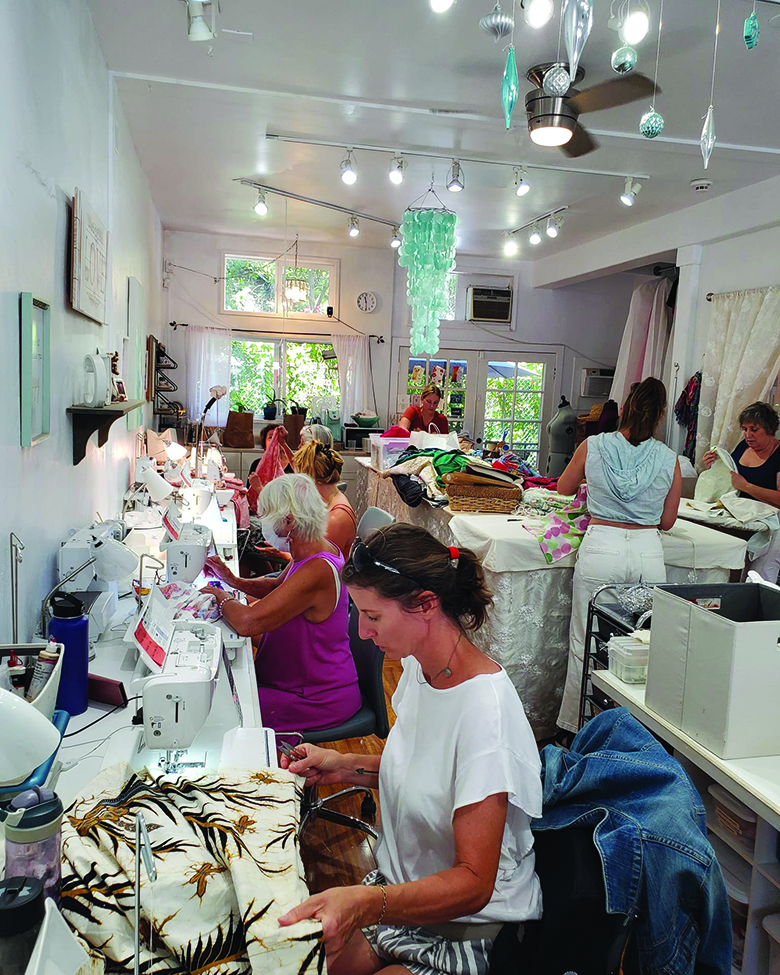
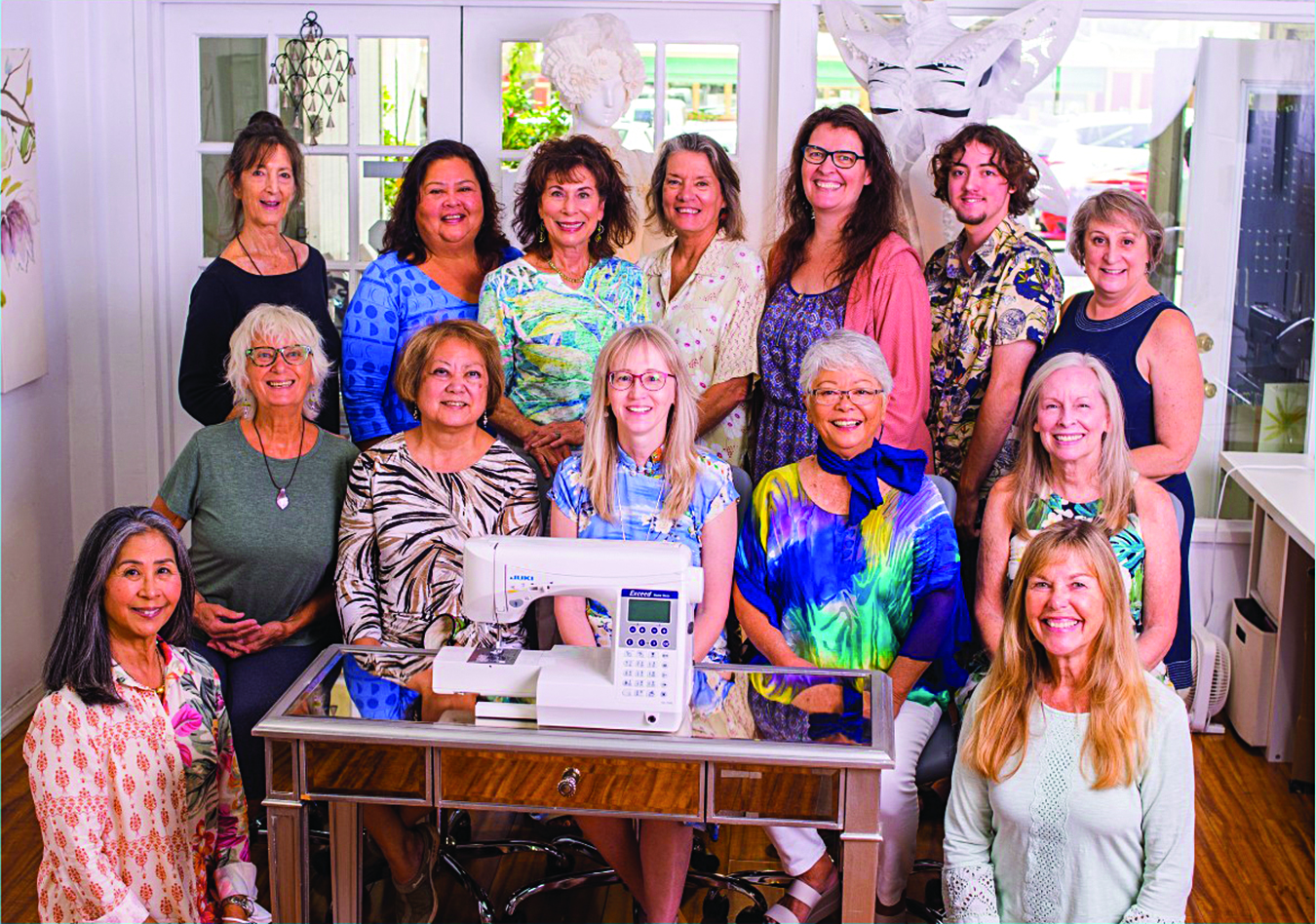
    Nestled in the quiet paniolo town of Makawao in Upcountry Maui lies a powerhouse of volunteer sewists. Jennifer Oberg, a dressmaker who specializes in custom wedding gowns, opens her studio on a weekly basis for The Sewing Hui to gather, create, and talk story. On most Thursdays, you’ll find people from Upcountry, Kihei, Kahului, Lahaina and even visitors sewing together.

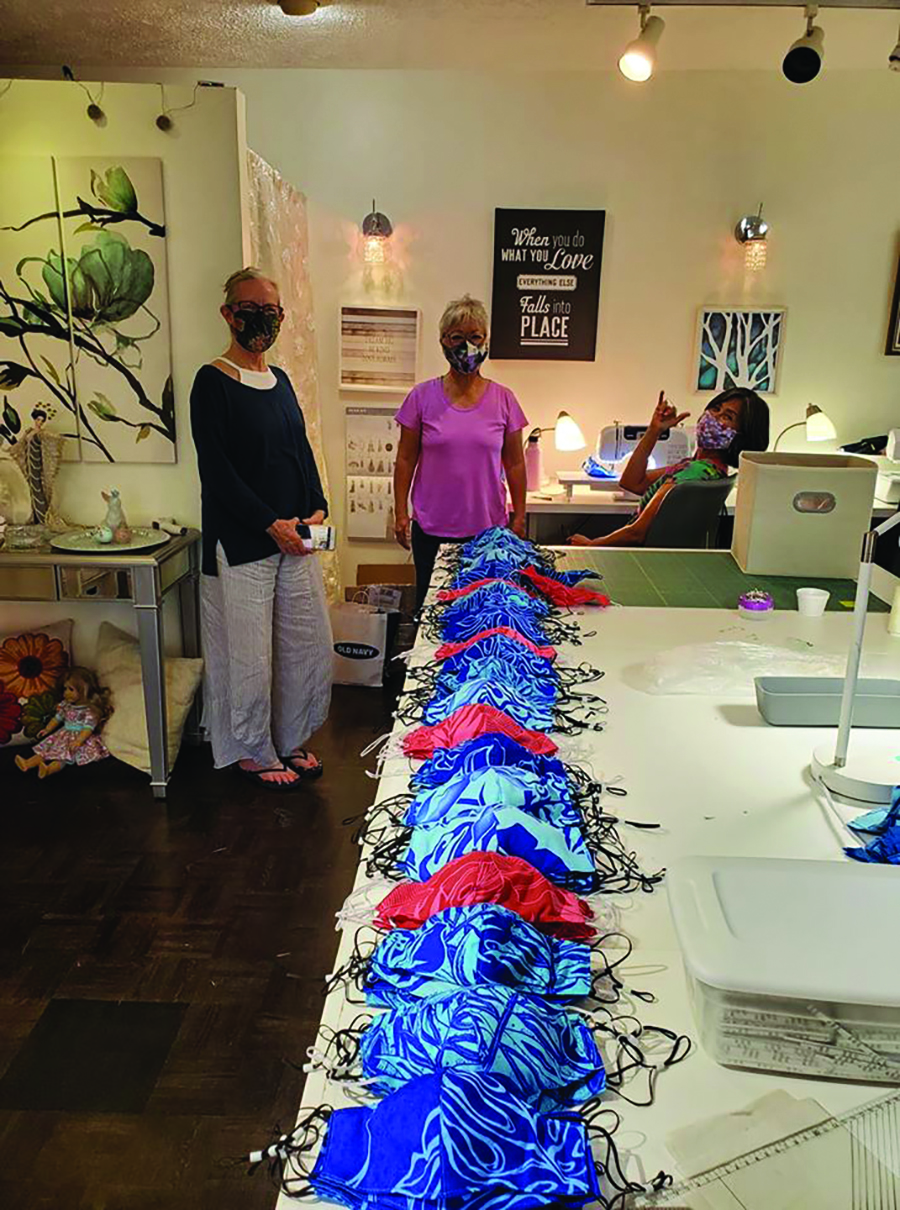
    This group came together as the Maui Face Mask Project in the spring of 2020. The project was started to address the critical shortage of N-95 face masks on Maui. 10,411 high quality filter face masks were created for Maui’s healthcare providers. Since then, the volunteers wanted to continue sewing for the community, and became The Sewing Hui in June 2020. The Sewing Hui maintained a core group of volunteers, mostly retirees. Friendships have been formed and good work has been  accomplished.

    Past initiatives include 13,000 fabric masks for organizations and community members, fleece blankets for kūpuna in long term care facilities, shorts and bags for the unsheltered, costumes for local dance schools, garments for May Day celebrations, and walker bags for kūpuna. The next big project is costume design for the December 2023 production of The Nutcracker ballet by Alexander Academy of Performing Arts on Maui.

    Current projects are helping those displaced by the recent fires. The studio is buzzing with people cutting and sewing pillowcases and walker/ wheelchair bags. We’ve put the word out to other sewing organizations around the world, and they have responded with donations and support. We appreciate all the love and concern everyone around the world has for Maui. Contact the hui for more information, to volunteer, or to make a supply or monetary donation to our cause.


    THE SEWING HUI OF MAUI
    thesewinghui@gmail.com | thesewinghui.com
    facebook.com/thesewinghui
    instagram.com/thesewinghui

    Nestled in the quiet paniolo town of Makawao in Upcountry Maui lies a powerhouse of volunteer sewists. Jennifer Oberg, a dressmaker who specializes in custom wedding gowns, opens her studio on a weekly basis for The Sewing Hui to gather, create, and talk story. On most Thursdays, you’ll find people from Upcountry, Kihei, Kahului, Lahaina…

  • Tech Update for Older Adults

    Trends in technology for older adults highlight continued adaption in a variety of services, including health care.

    Older adults are continuing to live better because of technological innovation. A recent AARP report about tech trends shows that adults over 50 have nearly as high an adoption rate for smartphones, wearables, voice assistants and smart home technologies as their younger counterparts.

    Tech Adaption Increases

    Older adults are streaming movies, video-chatting with friends and family, and buying plenty of smart devices such as tablets and home security systems. COVID-19 was the tailwind that spurred increased acceptance of technology while we couldn’t get together in person. Spending on devices such as smart TVs, smartphones and Bluetooth headsets skyrocketed as older adults changed how they consume entertainment.

    However, that’s not to say that barriers to adoption don’t exist for older adults. More than half were eager to learn more about how to use technology, and over a third said they’d use technology more often if they knew how. The three top barriers cited were cost, lack of knowledge, and concerns around privacy. The majority (83%) were not confident that what they do online remains private.

    Finally, there are still disparities relating to access. Some relate to cost, which is an issue for about a quarter of older adults. But a quarter of rural consumers cited a lack of access, including 15% who either don’t have internet access or are not sure if they do.

    What’s On the Horizon

    So, knowing that tech is increasingly prevalent in the lives of older adults, let’s look at what’s catching on. Sheri Rose, director of the Thrive Center nonprofit that provides education on tech for older adults and looks at trends, highlights five areas where home tech and delivery models are morphing.

    1. Tech to support independent living. The kitchen is changing, from induction cooktops that can’t burn a user to fridges that let users see the contents without opening the door and remind users when product is expiring. Those lacking the full pocketbook for a fancy fridge can take advantage of a voice assistant — one that can be paired with other devices to move the thermostat, see who’s at the door, or turn on the lights. Sensors can help family members living elsewhere keep tabs on a loved one by detecting motion via laser scanning or measuring changes in gait and thus the likelihood of a fall.

    2. Wearables for health data. A plethora of wearable products is available to help users monitor their own health. Of course, there are the iconic Apple Watch and Fitbit, but you can also find Wi-Fi-enabled pulse oximeters and blood pressure monitors that will reduce visits to the doctor or alert when the measurement is abnormal. “Chronic heart failure and other comorbidities can be monitored remotely and help seniors avoid exposure to the virus, keeping them safe and healthy at home,” Rose says. “Smart tablets designed for seniors have integrated data collected from wearables. While you’re playing solitaire on your tablet, you get an alert that you need to take a walk or take your heart medication.”

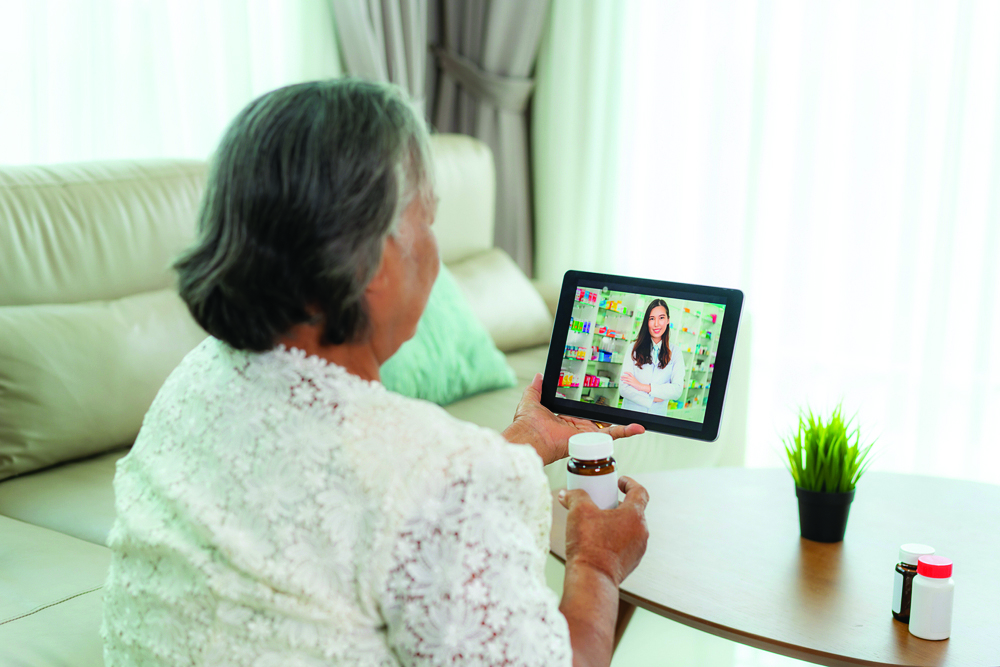
    3. Telehealth is taking off. The pandemic spurred adaption of remote health visits, made possible by secure videoconferencing platforms and improvements in camera sensitivity, making it possible for doctors to diagnose a rash or assess healing.

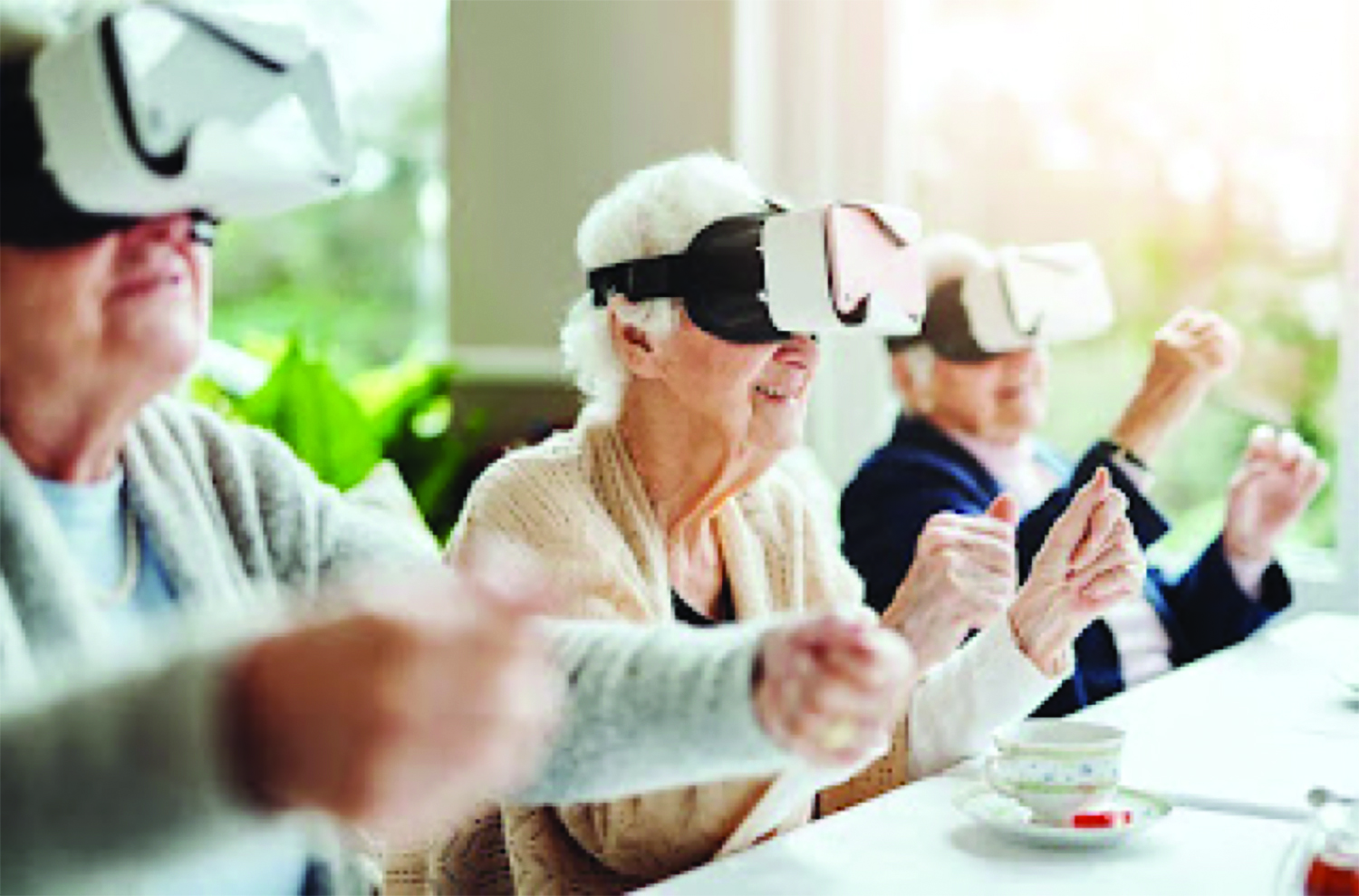
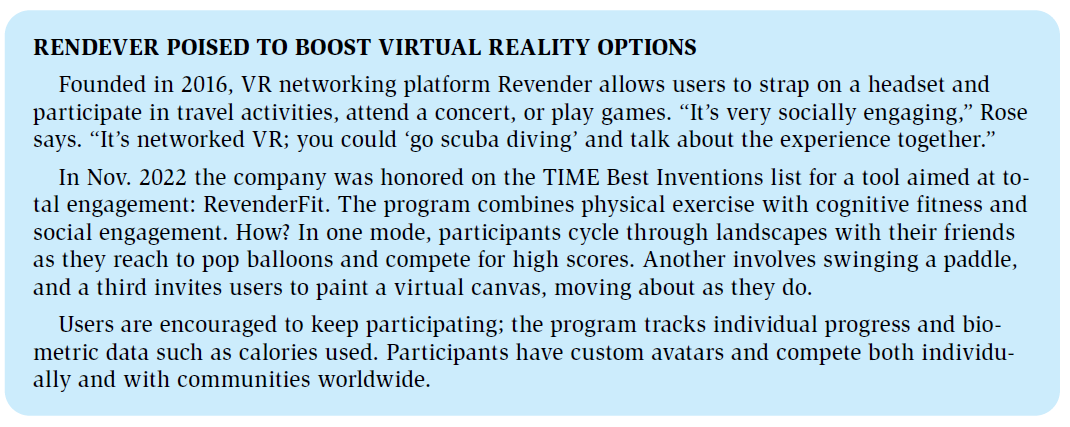
    4. Virtual reality is viable entertainment. The isolation of COVID-19 corresponded with an uptick in the use of virtual reality (VR) systems. Thrive Center seniors have been overwhelmingly positive in their assessment of the technology. “We see older adults visit Thrive and put on a VR headset, and they get so enthralled with sitting on the beach and meditating,” Rose says. “We do so much with virtual reality because we know the impact it can have on reducing pain, loneliness and stress levels.”

    5. 5G will make a difference. The fifth-generation cell service is set to boost speeds up to 100 times over current levels, and users will have to be trained in best-practice cybersecurity measures before joining up. Older adults may see the most benefit in the healthcare delivery arena. “5G is really going to boost a lot of  download and upload capacity. When deployed, I think it will make a huge difference,” Rose says.

    It’s clear that technology use is on the rise among older adults. Senior living facilities may soon be competing based on their tech offerings, as well as more traditional amenities.


    SOCIETY OF CERTIFIED SENIORADVISORS
    The SCSA educates and supports specialists in aging dedicated to improving lives of older adults.
    1-800-653-1875 | csa.us
    Sources:
    https://healthtechmagazine.net/article/2021/01/whats-next-senior-tech-5-insights-thrive-center
    https://www.rendever.com
    https://www.rendever.com/rendeverfit
    https://www.aarp.org/research/topics/technology/info-2021/2021-technology-trends-older-americans.html

    Trends in technology for older adults highlight continued adaption in a variety of services, including health care. Older adults are continuing to live better because of technological innovation. A recent AARP report about tech trends shows that adults over 50 have nearly as high an adoption rate for smartphones, wearables, voice assistants and smart home…

  • A Healthy Lifestyle Can Help with Diabetes

    Medications and insulin may be necessary to help you manage diabetes, but diet and exercise can have great impacts on your health.

    Noticeable benefits of a healthy lifestyle include improved glucose levels, blood pressure, and cholesterol; maintaining a healthy weight or weight loss; building muscle strength; improved mood and improved sleep.

    Wondering where to begin? National guidelines for healthy adults recommend at least 150 minutes of moderate-intensity physical activity each week, which can be broken down into 30-minute sessions a day for five days each week. Taking a brisk walk, doing housework, dancing, and swimming are just some of the various activities that you can do. Here are some tips that can help you get started incorporating physical activity:

    ❉ Find something you enjoy doing. This makes it fun rather than a chore.
    ❉ Start small. You are creating a lifelong habit. You can always build and add to the time and intensity of your activity.
    ❉ Set a goal. Give yourself something to strive for; hold yourself accountable and make sure these goals are specific and realistic.

    It does not have to be too difficult to manage diabetes and your health. You can start slowly and gradually build to make healthy eating and physical activity more manageable for you. Your doctor and healthcare team are always a resource for you if you have any questions or need help creating and managing your goals.

    From the American Diabetes Association’s Food Hub, enjoy this thirst-quenching beverage.
    SPARKLING STRAWBERRY MINT WATER
    Prep Time: 5 min.
    Servings: 4 glasses
    Ingredients
    1- ½ cups Sparkling water
    2 tsp. Fresh lemon juice
    4 Fresh mint leaves & sprigs
    4 Fresh strawberries with crown
    Directions
    – Puree the strawberries, mint leaves, lemon juice and ½ cup of sparkling water in a blender on low speed until smooth, at least 30 seconds.
    – Pour the puree into a serving pitcher. Very slowly, pour in the remaining sparkling water.
    – Serve chilled over ice in tall beverage glasses. Garnish each with a sprig of fresh mint.

    Nutrition Facts (total per serving) Calories: 5, Fat: 0g, Cholesterol: 0mg, Sodium: 0mg, Carbohydrate: 2g, Sugars: 1g, Protein: 0g, Potassium: 30mg

    diabetesfoodhub.org/recipes/sparkling-strawberry-mint-infused-water.html


    TIMES PHARMACY
    1620 North School St., Honolulu, HI 96817
    808-832-8265 | timespharmacyhawaii.com

    Medications and insulin may be necessary to help you manage diabetes, but diet and exercise can have great impacts on your health. Noticeable benefits of a healthy lifestyle include improved glucose levels, blood pressure, and cholesterol; maintaining a healthy weight or weight loss; building muscle strength; improved mood and improved sleep. Wondering where to begin?…

  • Thrifting: The New Cool

    Save money, help the environment,  and get a fresh look all at the same time by shopping the Gen Z way: at thrift stores.

    Buying gently used clothing has become trendy, thanks to young adults and the pandemic. A culture has built up around finding your wardrobe at Goodwill, Savers, Salvation Army, flea markets, and a host of other brick-and-mortar second-hand stores, or online sites dedicated to recycled clothing. It is a way to add pieces to perk up your basics without spending an arm and a leg. You can get expensive items for a fraction of the retail price. And then there’s that added element: the thrill of the hunt.

    According to a recent study commissioned by online resale platform ThredUp, it’s a $36 billion market in the U.S. today, and expected to reach $77 billion in five years, eclipsing the growth in the broader retail sector 11 times over. One in five Americans shops at a thrift store in a given year — about the same number as those who go to a major department store.

    Green Machine

    “Having a young family where the kids are constantly outgrowing their clothes, thrift stores are a blessing,” says mom Beth Jarvie. “There is also now the awareness of conservation of resources, keeping your environmental footprint small, and upcycling durable goods.” According to the ThredUp study, younger shoppers are far more concerned with the environmental impact of clothing than their grandparents.

    The apparel and footwear industry accounts for about 10% of climate impact, which is more than the combined effect of every international flight and all maritime shipping, combined.

    Keenly aware of clothing’s impact, college student Grace Snelling says, “I’ve kind of stopped buying clothes from traditional stores. People almost respect you if what you’re wearing is thrifted, and it looks good because you’ve managed to pull off a cool outfit, and it’s sustainable.”

    What’s In It for Older Adults

    Thrift stores are a goldmine of clothing for grandchildren, and it’s priced right for people on a fixed income. You may find jeans or a gorgeous dress for your  granddaughter for around $5. Bikes, toys, crafts — they can all be thrifted.

    Switching to a fake Christmas tree? Shop your local thrift store and get it for a quarter of the retail price. Need some new dinnerware or kitchen tools? How about an edger for the lawn? Halloween costume? The nice thing about thrift stores vs. garage sales is that the thrift store will have a huge array of items in one stop. Most also have a senior day once a week when items are marked down for adults over a certain age.

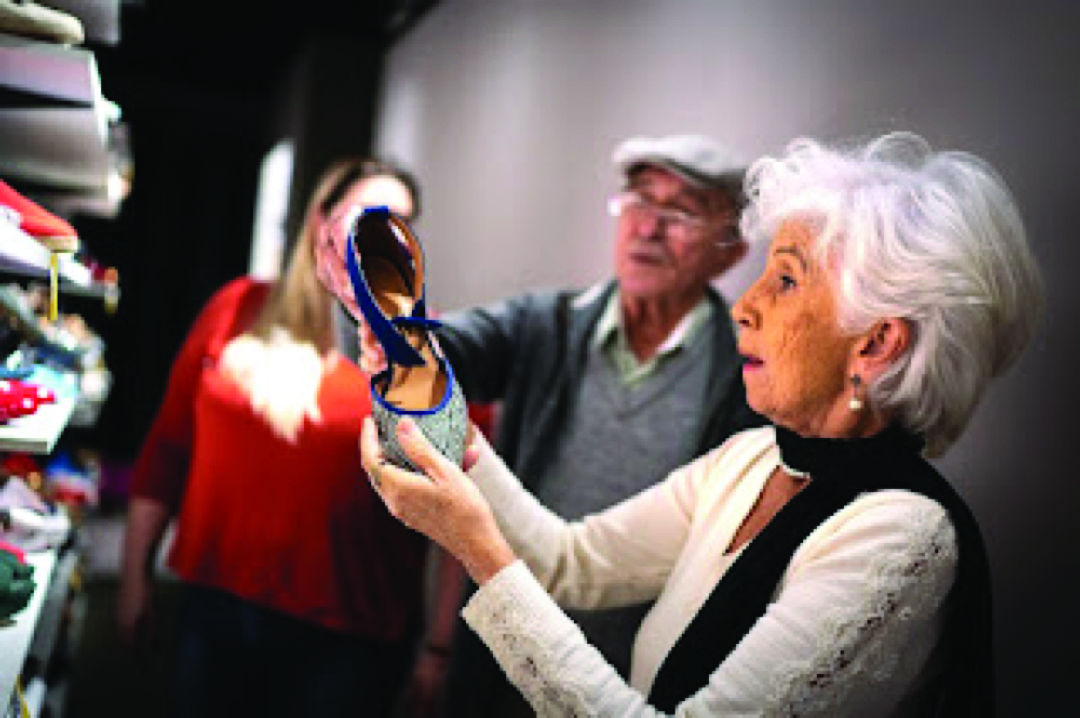
    Another fun find is books, which seldom cost more than a dollar or two. How fun to bring over a basket of books for little grandkids or choose a few interesting reads for yourself. Invite a friend to accompany you for more fun and to get a second opinion on whether or not you should buy the jeans with the giant sparkle pockets.

    Online Thrifting

    Have you ever bought a used item on the internet? Hundreds of thousands of items are all available at any one time, from a vintage wool Norwegian sweater to a leather Harley Davidson jacket. Sites like eBay, ThredUp, Poshmark and the RealReal offer buyers the chance to find bargains galore. You can pay the stated price, make an offer to the seller, or bid in auctions where gorgeous clothing sometimes gets sold for a ridiculously low price. By the way, don’t forget to look for jewelry and shoes or boots. How about a fun pair of cowboy boots for $20 instead of $200? You don’t have to give up your favorite brands to thrift; they’re not this season’s goods, but they’re a whole lot cheaper!

    Be prepared to model your latest finds for older grandchildren, who will applaud your style and your savvy. They may even ask to go on your next thrifting trip!


    Save money, help the environment,  and get a fresh look all at the same time by shopping the Gen Z way: at thrift stores.

  • Discussing End-of-Life Care Empowers You

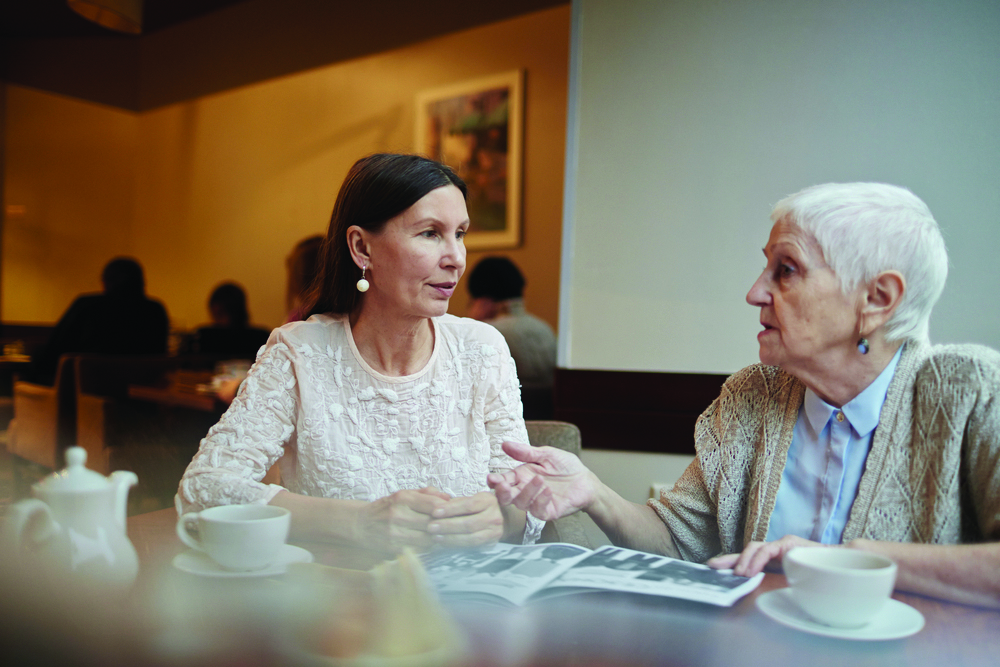
    Elderly females talking and looking through magazine in cafe

    While they can be difficult conversations to navigate, early discussions about end-of-life care can help you and your ‘ohana navigate the stress that arises alongside health challenges.

    It might seem like there is never a good time to bring up the topic, especially in the absence of major medical events. But it’s better to discuss your wishes well before times of crisis. Consider starting conversations at upcoming family gatherings; weaving discussions into the everyday lives of family and friends may reduce the stress of beginning to discuss your goals or wishes with your loved ones.

    Here are three tips for conversations about end-of-life wishes:

    The conversation should be around your wishes.
    Research the differences between hospice, palliative care, in-home care, nursing home facilities and other care options to determine your goals for different stages of your end-of-life journey.
    Write it down. Create a living document replete with details. Make these discussion points easily accessible to designated family members.

    A power of attorney, advance care directive and an informed healthcare team can work together in concert to help achieve your goals.


    ISLANDS HOSPICE
    820 Mililani St., Ste. 400, Honolulu, HI 96813
    808-550-2552 | islandshospice.com

    While they can be difficult conversations to navigate, early discussions about end-of-life care can help you and your ‘ohana navigate the stress that arises alongside health challenges.

  • Create a Legacy: 1031 Exchange

    Imagine living life on your terms, free to focus on family, friends and your passions. Few among us don’t desire to live this way. Passive income streams can help lead you to this reality. There are many ways to begin forming them.

    Baby boomers, in particular, would do well to be thinking about passive income streams. A 1031 is one way of creating a passive income stream.

    A 1031 exchange is a powerful tool used to defer capital gains taxes when selling one investment property and purchasing another. By deferring taxes, one can reinvest their profits into larger and more profitable properties, creating a larger estate for future generations. Additionally, a 1031 exchange allows investors to pass their properties to heirs with minimal tax consequences.

    For mature adults, incorporating a 1031 exchange into a real estate plan can be a key component of legacy planning. Incorporating a 1031 exchange into your real estate plan requires careful planning and execution. With the right guidance and execution, a 1031 exchange can be an effective strategy for achieving your financial goals and planning for your legacy.


    THE COMPLETE SOLUTION™
    Powered by The Ihara Team of Keller Williams Honolulu RB-21303
    1347 Kapiolani Blvd., Ste. 300, Honolulu, HI 96814
    Dan Ihara (RA), CAPS, CLHMS, SRES RS-65892
    808-256-7873
    Julie Ihara (RA), SRES RS- 67440
    808-754-2225 | ihara@iharateam.com
    iharateamhawaii.kw.com

    Imagine living life on your terms, free to focus on family, friends and your passions. Few among us don’t desire to live this way. Passive income streams can help lead you to this reality. There are many ways to begin forming them.

  • Breeze Through the Airport with TSA Cares

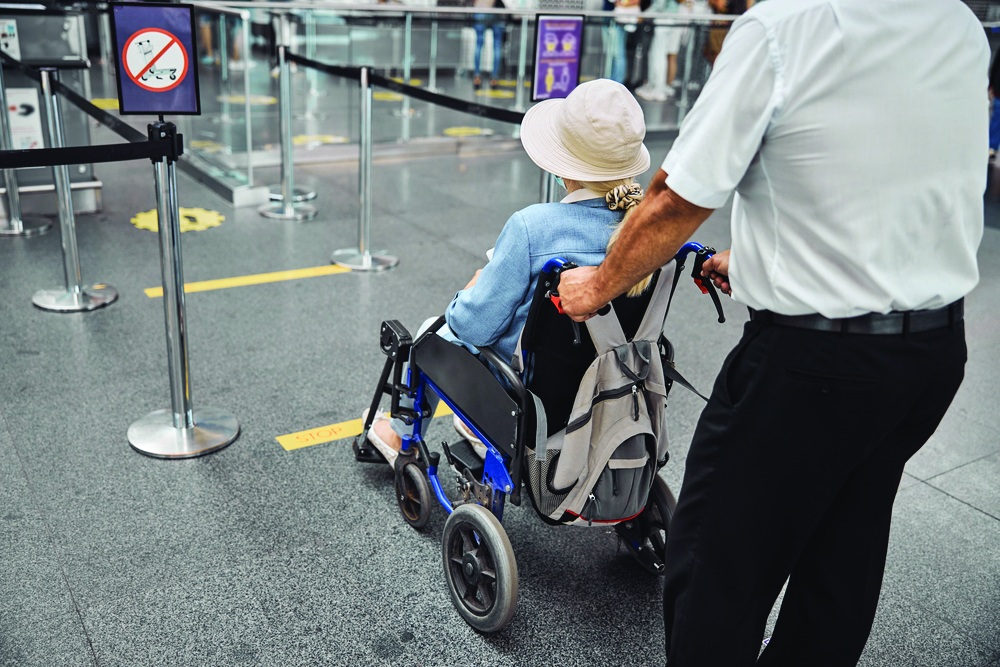
    Back view of an airport male employee transporting a disabled female traveler to a plane

    Going through security at the airport is stressful. The lines are long. People around you are losing their minds. Airport air conditioning is way too cold, and when you finally get to the security scanner, TSA officials are shouting confusing directions: “Take your shoes off!” “Pour out that water!”

    But this unavoidable airport experience shouldn’t stop you from traveling. A program called “TSA Cares” is available to anyone who needs assistance, free of charge.

    TSA Cares isn’t picky about what qualifies you for assistance. Here are some example qualifiers:

    • Difficulty standing or waiting in line
    • Difficulty understanding instructions
    • Mobility limitations
    • Use of mobility aids or support devices
    • Internal/external devices that should
    not go through the metal detector
    • Traveling with medically necessary
    liquids over the standard 3.4 oz.

    A passenger support specialist will meet you before security and guide you through.

    To use this program, you or a loved one can call 855-787-2227 up to 72 hours before a flight, or go to request assistance. TSA Cares will take care of the rest.

    Requesting this assistance is a great way to prevent airport stress and ensure you get off island.


    MANOA COTTAGE KAIMUKI
    748 Olokele Ave., Honolulu, HI 96816
    808-800-4089 | info@manoacottage.com
    manoacottage.com

    Going through security at the airport is stressful. The lines are long. People around you are losing their minds. Airport air conditioning is way too cold, and when you finally get to the security scanner, TSA officials are shouting confusing directions: “Take your shoes off!” “Pour out that water!”

  • Crazy Little Thing Called Love!

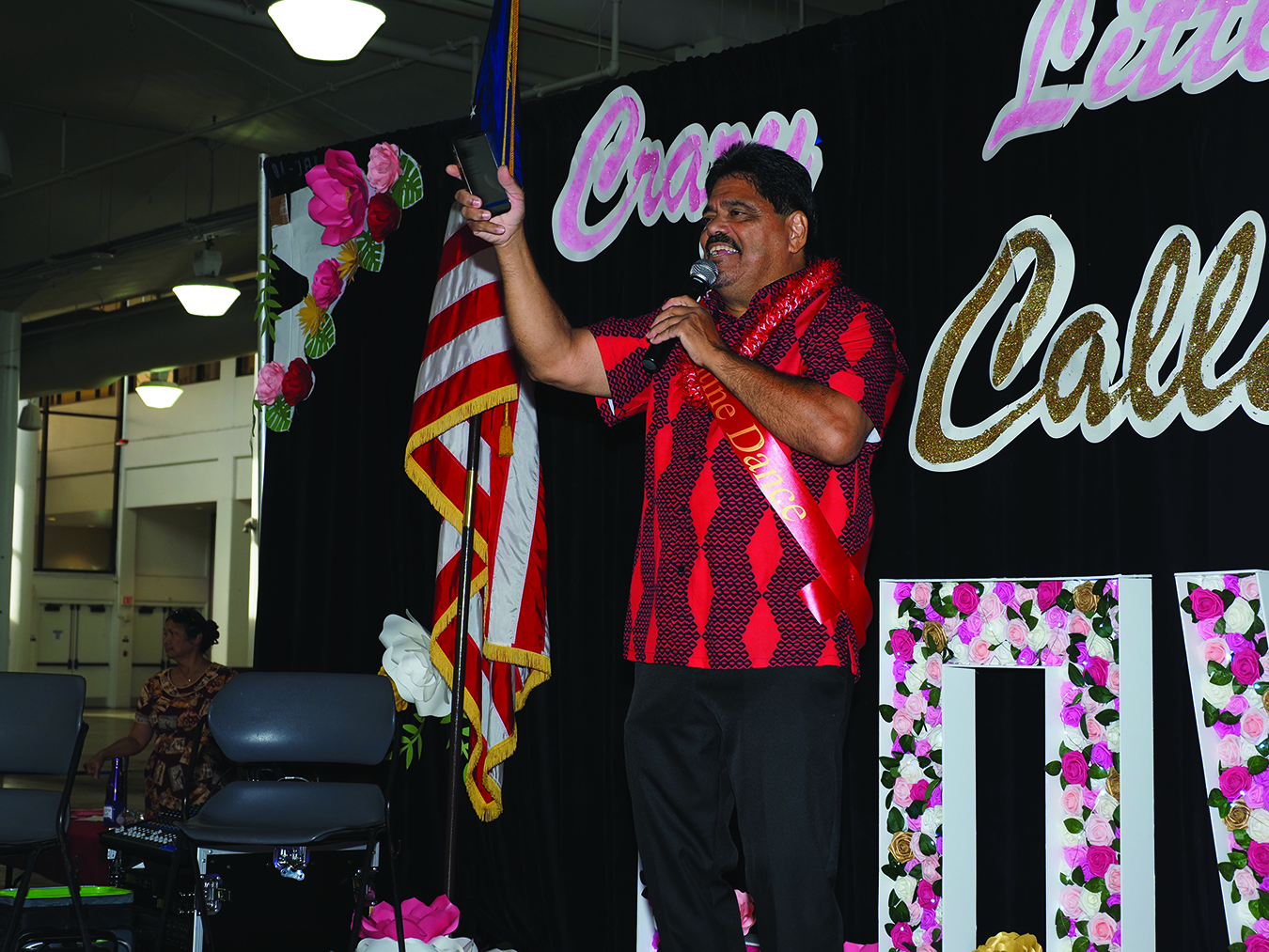
    Hearts were racing, booties were shaking and the music kept playing! Smiles and laughter donned the floor. It was hard to resist just getting caught up and joining in the fun.

    The city and county’s Department of Parks and Recreation (DPR) Senior Citizens Program made a splash this year hosting an annual event Valentines Day dance titled Crazy Little Thing Called Love. Sponsored by Bank of Hawaii and DPR. Music by the Royal Hawaiian Band. 850 hearts (people) attended!

    Local celebrities: comedians, singers, newscasters, HPD, HFD, even the mayor were paired up with seniors. Volunteered MC, Rodney Villanueva, was tantalizing, witty and humorous. This is certainly an even to look forward to next year again, 2024!


    CITY AND COUNTY OF HONOLULU
    DEPT. OF PARKS & RECREATION
    1541 Kalākaua Ave., Honolulu, HI 96813
    808-768-6895 | honolulu.gov/parks
    DPRseniorcitizens@honolulu.gov

    The city and county’s Department of Parks and Recreation (DPR) Senior Citizens Program made a splash this year hosting an annual event Valentines Day dance titled Crazy Little Thing Called Love. Sponsored by Bank of Hawaii and DPR. Music by the Royal Hawaiian Band. 850 hearts (people) attended!

  • Can You Trust Wristband Health Readings?

    wristband health technologyRapid advances in healthcare technology allow many older adults to monitor their vital signs with a glance at their wrist. But is the wristband health technology accurate?

    You’ve probably seen or heard of the multitude of health monitors you can strap on your wrist. And you might assume that they have passed testing to show that they are accurate and reliable. Well, think again.

    Most wrist-worn health monitoring products that come on the market are not approved by the FDA. For example, Fitbit, Samsung and Apple devices all detect blood oxygen levels. However, none of them tie those readings to any medical conditions, so they did not need clearance from the agency before they were made available to consumers.

    FDA Approved

    There is one outlier. The Withings ScanWatch, which scans for abnormal heart rhythms via an EKG feature and also warns about breathing issues during sleep with a blood oxygen sensor, is the first unit to garner FDA approval on both features. The ScanWatch monitors blood oxygen levels, heart rate and movement to flag breathing problems that could indicate chronic obstructive pulmonary disease or sleep apnea, according to a company spokesman.

    A study of the pulse oxygen feature was published in the Journal of Medical Internet Research and found that readings from the smartwatch and a standard pulse oximeter were virtually the same. An ongoing trial is evaluating whether or not the ScanWatch can accurately diagnose sleep apnea. Fitbit and Apple are working on similar products.

    Sleep experts see the smartwatch as a potential means to diagnose sleep apnea at an early stage; the condition often goes undiagnosed. However, experts are cautious since doctors normally use other measurements in combination with those indicated by the watch to make a final diagnosis.

    How Do Wearables Work?

    Smartwatches shine a broad-spectrum LED onto the user’s skin and evaluate changes in the light that is reflected back. Some sensors in development use several discrete laser outputs from a single chip, enabling assessments of a variety of biometric markers including those in blood, interstitial fluids and different layers of skin.

    As time goes on, you can expect wearables with a greater variety of health measurements and increased accuracy. But before you buy, make sure to do your homework and check how accurate the data is.

    Hot Tip: Place your fitness tracker in a pocket near your hip for a more accurate step count. If you must wear it on an arm or hold it, use your non-dominant side.


    SCSA (Society of Certified Senior Advisors)
    The SCSA educates and supports specialists in aging dedicated to improving lives of older adults.
    1-800-653-1875 | csa.us
    Sources:
    scmp.com/lifestyle/gadgets/article/3132243/apple-watch-monitor-blood-pressure-blood-sugar-and-alcohol-levels
    modernhealthcare.com/technology/fda-approves-blood-oxygen-and-ecg-monitoring-smartwatch
    ncbi.nlm.nih.gov/pmc/articles/PMC7055753/theverge.com/2021/10/12/22722333/withings-fda-clearance-blood-oxygen-heart-rhythm
    techradar.com/news/no-the-next-apple-watch-wont-measure-blood-glucose-and-alcohol
    health.harvard.edu/heart-health/how-accurate-are-wearable-heart-rate-monitors

    Rapid advances in healthcare technology allow many older adults to monitor their vital signs with a glance at their wrist. But is the wristband health technology accurate? You’ve probably seen the multitude of health monitors you can strap on your wrist. And you assume that they have passed testing to show that they are accurate…

  • Lifelong Learning in Hawai‘i

    The population structure in the U.S. is rapidly changing. Increased life expectancy, strong immigration and a fertility rate of presently 1.64 children per woman — higher than in other developed countries — will cause a population increase from 336 million (2023) to 373 million (2053). The population ages 60 and older will experience the strongest growth, and their share in the total population is expected to increase from 12 percent (1950) to 28 percent (2050). These developments are also visible in Hawai‘i. Estimates suggest that more than a quarter of the population in the state will be aged 60+ by 2030.

    These demographic developments create new societal challenges, such as for retirement and healthcare systems, but education in older age has the potential to transform such challenges into opportunities. A 2019 study by Xu et al. in JAMA Neurology found lifelong learning and engagement in cognitive training to be one of the most significant modifiable factors in reducing the risk of dementia and depression. Also other research suggests that learning provides numerous benefits for kūpuna with respect to cognitive functioning, overall well-being and health, self-confidence and social inclusion.

    Although learning in old age benefits society and the individual, enrollment data indicate that traditionally older adults have been underrepresented in organized education. Nevertheless, mature adults in our community can choose from a rich assortment of educational programs and providers, including the following:

    Osher Lifelong Learning Institutes: As one of the 125 OLLIs in the United States, the OLLI at the University of Hawai’i at Mānoa (OLLI-UHM) is a membership-based educational program that offers mature adults aged 50+ a wide array  of non-credit college-level courses, workshops, lectures and other events that enrich the mind and foster a community of learners. Classes are held at the UH Mānoa campus or online via Zoom and include topics such as arts, music, history, politics, health and mindfulness. Membership ($75 per term, $50 for new members) is open to all interested kūpuna and entitles individuals to enroll in 3+ courses per term.

    University of Hawai‘i: At multiple campuses (e.g., UH Mānoa, Windward Community College, Kauai Community College), kūpuna can take university classes free of charge through their Senior Citizen Visitor Programs (SCVPs). While the various SCVPs can differ in their administration, they typically do not require formal educational degrees and grant course access on a space available basis with prior registration and faculty approval.

    Outreach College: At UH Mānoa offers a diverse array of non-credit and credit courses to help participants of all age groups pursue personal growth and  professional development.

    Department of Parks and Recreation’s Senior Citizens Program: With 32 locations on O‘ahu, these programs strives to improve the quality of life of kūpuna in the community through various activities, such as business meetings, speakers, community service, excursions and luncheons.

    Front Porch’s Well Connected: For kūpuna over the age of 60 who want to take classes from the comfort of their home, this national non-profit organization program provides an array of educational programs in person and online.


    HAWAII PACIFIC GERONTOLOGICAL SOCIETY
    (501(c) 3 nonprofit)
    PO Box 3714, Honolulu, HI 96812
    Sherry Goya, HPGS Executive Director
    808-722-8487 | Sgoyallc@Aol.com
    hpgs.org

    The population structure in the U.S. is rapidly changing. Increased life expectancy, strong immigration and a fertility rate of presently 1.64 children per woman — higher than in other developed countries — will cause a population increase from 336 million (2023) to 373 million (2053). The population ages 60 and older will experience the strongest…

  • More Seniors Try Marijuana

    More Seniors Try Marijuana

    As cannabis becomes more accepted in the medical community, a rising number of seniors are trying it, especially for pain.

    Ileane Kent, 80, has spent years vaping nightly. A breast cancer survivor, she got a medical marijuana card in June 2020 so she wouldn’t have to risk going to her supplier’s house. Barbara Blaser, 75, dealt with the pain and anxiety produced by a complicated surgery with edible marijuana, which came in the guise of a chocolate-covered blueberry every morning and evening. Harry B. Lebowitz, 69, enjoys smoking a joint in his backyard every night while his partner drinks her vodka and soda.

    Cannabis Use Among Seniors Rising

    A recent analysis culled from the National Survey of Drug Use and Health concluded that the use of marijuana among those over 65 rose 75% from 2015 to 2018 — from 2.4% to 4.2%. It jumped again in 2019 to include 5% of seniors. The lead author expects the trend, which is particularly strong among women and the affluent, to continue to increase sharply.

    “It’s rare to see that much change in a three-year period,” said William Jesdale, an epidemiologist at the University of Massachusetts.

    Legality of Marijuana Use

    Although most marijuana use remains illegal at the federal level, researchers theorize that the increasing number of states legalizing pot combined with the trend away from prescribing opioids for pain has boosted the number of seniors willing to give cannabis a try.

    The $17.5 billion legal cannabis industry has taken note, with some dispensaries offering senior discounts and free delivery. Retailers have sent cannabis advocates to talk to residents in assisted living facilities or picked up seniors at a retirement development to bring them to the dispensary, complete with a catered lunch, product information and a special discount.

    Does Pot Work?

    The efficacy of products containing marijuana is still debatable. The effect of pot was “modest” to alleviate nausea and vomiting due to chemotherapy, muscle spasms caused by multiple sclerosis, some sleep disorders and chronic pain, according to a National Academy of Science report.

    Older adults adding pot to other medications and/or alcohol may be at increased risk of negative drug interactions and falls. Cannabis is known to increase heart rate and possibly blood pressure, but a Journal of the American College of Cardiology review failed to find direct evidence linking cannabis to coronary events.

    Of more concern is seniors combining cannabis with anti-seizure medications and/or blood thinners, since there is little room for error. Talk to your doctor if you use cannabis and are planning to have surgery. Anesthesia drugs and post-operative pain management may require adjustment.

    Like many healthcare professionals, researcher Dr. Benjamin H. Han advocates a “start low, go slow” regimen and he warns older patients who smoked pot in their youth about higher THC concentrations in modern products. Typically, seniors seek marijuana to treat four conditions: pain, insomnia, neuropathy and anxiety. There is also research supporting the use of cannabis to improve cognitive function.

    Many Ways to Take Cannabis

    There are four main routes to take cannabis: inhalation, oral, sublingual and topical. All are a little different and you may have to try more than one to find what works for you.

    Inhalation delivers active compounds to your lungs and compounds are delivered to your brain in about 15 minutes. There are two ways to inhale: smoking and vaping. Smoking involves burning cannabis flower. Vaping uses a device to heat the cannabis flower or concentrate to just below the point of combustion, releasing the active compounds into a vapor.

    Oral ingestion takes place through edibles or tinctures. Edibles include cannabis-infused drinks, baked goods and gummies. It may take anywhere from 20 minutes to three hours to feel the effect.

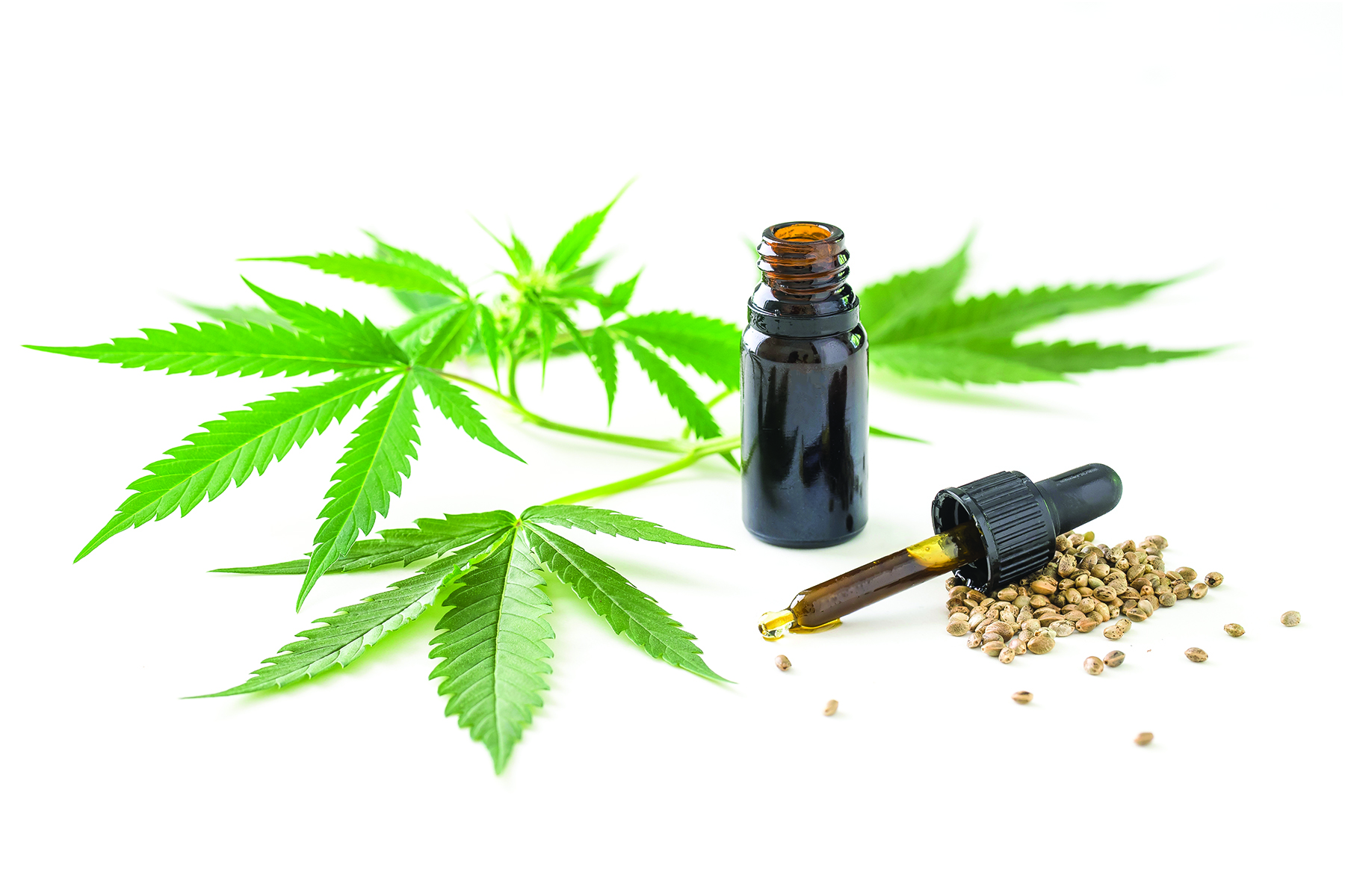
    Sublingual administration. Tinctures are created by steeping cannabis in alcohol. The liquid is placed under the tongue using an eye dropper, where it is absorbed by the many blood vessels located there and the rest travels to the stomach. The benefit is an immediate effect from the cannabis absorbed into the blood and a delayed effect from the cannabis that travels to your digestive tract.

    Topical products deliver cannabinoids through the skin via pads or cream to deliver localized relief, usually for muscle soreness or joint pain. No matter what product you use, you won’t get any psychoactive effects from topical application. It may take an hour or two for effects to kick in.

    How Much THC?

    Ask your doctor or other healthcare professional how much to use, and make sure they know what other drugs you’re taking. Start with a very low dose and  remember some methods of ingestion are slow to take effect.

    “Older adults generally need less, because their metabolism has slowed,” says Eloise Theisen, president of the American Cannabis Nurses Association and a geriatric nurse-practitioner. “They can have a delayed onset, so it’s easier to overconsume, especially with products that taste good.”

    Another concern is the accidental consumption of edibles by children. It is very important that you treat your edibles like poison and keep them somewhere safe. A large dose can cause changes in a child’s blood pressure, heart rate, severe tiredness, trouble breathing and even coma.

    Consult With Your Doctor First

    Cannabis may become an important part of your healthcare regimen. Marijuana may help you sleep better or free you from constant pain. It could reduce anxiety and worry. It’s more available than ever, and there are endless resources to help you decide how you’d like to try it. Just remember to consult with your doctor first, start with a very low dose and make sure to keep your cannabis products away from children.


    SCSA (Society of Certified SeniorAdvisors)
    The SCSA educates and supports specialists in aging dedicated to improving lives of older adults.
    800-653-1875 | csa.us

    As cannabis becomes more accepted in the medical community, a rising number of seniors are trying it, especially for pain.

  • Time Flies When You’re Having Fun

    photo of Frank B. Shaner
    Frank B. Shaner

    I’m turning 75 in a month. I’m ok with that. But then I think to myself, “Wait a minute! It was just 1965 a week ago! What the hell happened?” Smack dab in the middle of the 1960s, my innocence ended.

    I graduated from Kaimuki High School, experienced the Bay of Pigs, and the assassinations of JFK, Martin Luther King Jr. and Bobby Kennedy. The Vietnam conflict was still raging, Jimi Hendrix died of an overdose and there was “one small step for man, one giant leap for mankind.” I joined the Army and traveled overseas, then left the army and went to college. All this happened just moments ago — or so it seems. I’d never really looked back before now.

    My life has been a roller coaster ride. And it’s been one hell of a trip, hanging on to this rocket, gripping this monster with my arms and legs wrapped around this force of nature, and having the time of my life. Yes, there have been rough patches, but I’ve always found myself surfacing on the other side, arising to embrace a new day and tackling the latest challenge.

    I like to think of myself as a realist. I know we are all going to die and that 75 is actually not the new 50. Sorry to disappoint you. It ends up that 75 is really more like — wait for it — the old 74. What is also true is that time does fly by when you’re having fun. Sometimes I’m having so much fun in life (and this might be difficult to understand) that sometimes I won’t bathe, just so I can keep all the beautifulness of the day on me. Think about it: When you shower, you’re scrubbing the remains of the day off your body and watching it all go down the drain. The residue of those good moments does not have to go down the drain.

    So just to slow life down, I sometimes choose to be introspective and contemplative — in other words, miserable. You know, when you have those days and you think, “Damn, will this goofy day ever end?” But you actually need a couple of those days every once in awhile to stretch out time, so life won’t fly by so fast. Therefore, every now and then, I throw in one of those days, just to slow down the momentum.

    So there’s my simple philosophy at turning 75. Have the time of your life every day if you can. Bathing is optional after a good day. Decelerate time by throwing in an occasional rotten one. Don’t be afraid to have a downhearted day now and then.

    After almost seven-and-a-half decades of life, I’ll leave you with just a few more insights. Don’t be afraid to live well, no matter how old you are. Don’t let this time wormhole throw you for a loop. Appreciate it for its time-bending effects.

    The biggest mistake we make in life is thinking we have endless time, so just keep letting the good times roll until they can’t hele on no mo’.

    I like to think of myself as a realist. I know we are all going to die and that 75 is actually not the new 50. Sorry to disappoint you. It ends up that 75 is really more like — wait for it — the old 74. What is also true is that time does…