Category: Health

  • Caregivers’ Tips for a Healthy Smile

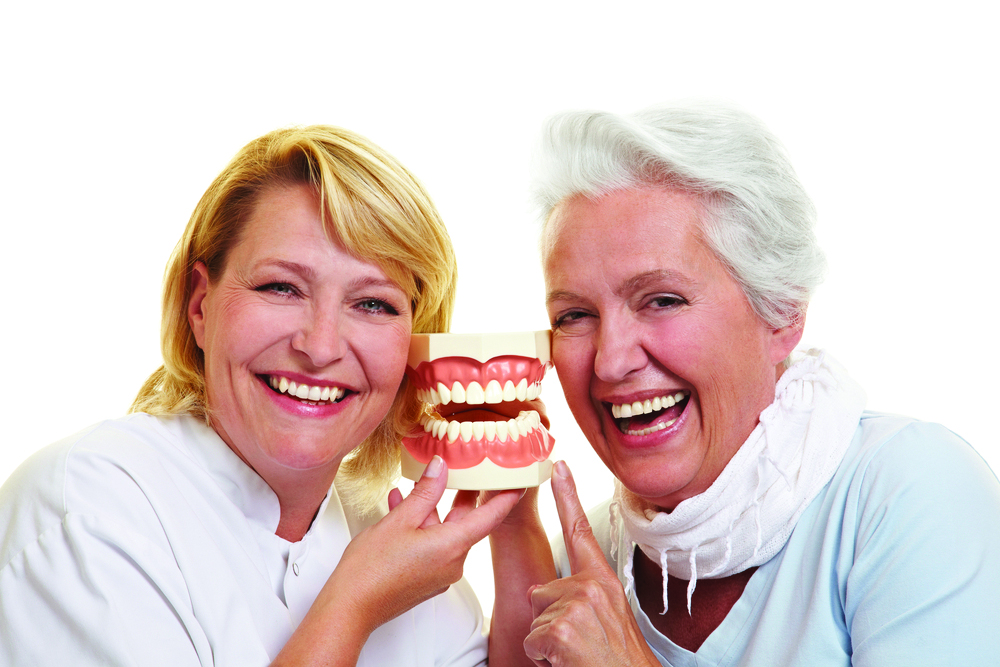
    Most caregivers know good oral health is important at every age and is a clear indication of their patient’s overall health.
    Some things caregivers should look for are signs of change in the patient’s mouth. Has there been recent tooth loss, discoloration or dryness? Often, seniors may experience those conditions, which affects how they digest their food or indicates other health problems. It’s important to monitor even small changes or signs of discomfort while eating or drinking.
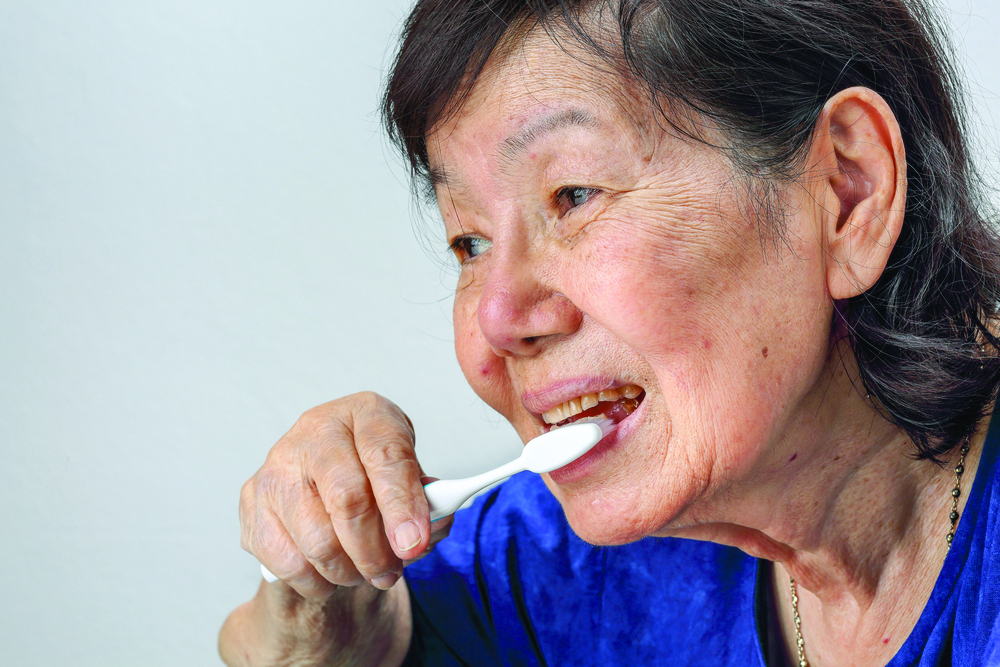
    Caregivers can maintain good oral health for their patients by brushing their teeth twice a day for two minutes and flossing daily. Use special oral health tools to properly brush and floss. Rinse dentures after every meal and brush them with a denture cleaner. Don’t forget to take the dentures out before bedtime and store them in water.

    Nutrition plays a large role in maintaining good oral health at any age; it’s best to limit sugary foods and drinks. Drinking lots of water keeps the teeth and body healthy. Also, don’t forget that seniors still need to see the dentist twice a year for exams and cleanings, even if they have dentures.

    Lastly, I want to say thank you to all caregivers for caring for our kūpuna. You are appreciated and valued. We hope these tips help your patient or loved one live well and smile more.


    HAWAII DENTAL SERVICE
    Kahala Howser, Wellness & Events Manager
    808-521-1431 | khowser@hawaiidentalservice.com
    www.HawaiiDentalService.com

    Most caregivers know good oral health is important at every age and is a clear indication of their patient’s overall health. Some things caregivers should look for are signs of change in the patient’s mouth. Has there been recent tooth loss, discoloration or dryness? Often, seniors may experience those conditions, which affects how they digest…

  • SEED for the Holidays

    The holiday season is a time of joy, but for many, it’s a challenging time as well. When the body holds too much tension and emotional energy, it can affect the immune system, making a person more prone to illness, as well as depression. And while we all want to enjoy this time, if we’re not proactive in taking care of ourselves, we may not feel like celebrating. So here is a word to practice to make this winter more wonderful: SEED, an acronym for stress, exercise, emotions and diet.

    Stress: More than 80 percent of chronic diseases are caused by stress. Learn to manage and reduce stress through proper breathing and meditation.

    Exercise: Deliberately move your body for one minute every hour at least 10 times a day to help make your body stronger and your brain smarter.

    Emotions: Positive emotions are the most powerful vitamins for your mental health. Spend time each day to appreciate yourself, your life and your loved ones. Smiling goes a long way, too.

    Diet: If overeating or making bad choices is challenging for you, stock your fridge with fruits and vegetables, and eat them before you indulge in holiday party food. You’ll eat less and your body will thank you.

    Plant this SEED now and ring in the New Year in better health. Happy holidays!


    KAIMUKI BODY & BRAIN
    3569 Harding Ave #B, Honolulu, HI 96816
    808-738-5522 | www.bodynbrain.com/kaimuki

    The holiday season is a time of joy, but for many, it’s a challenging time as well. When the body holds too much tension and emotional energy, it can affect the immune system, making a person more prone to illness, as well as depression. And while we all want to enjoy this time, if we’re…

  • Battlefield Acupuncture for Pain

    Some of our best inventions come out of the military: the walkie-talkie (1930s), duct tape (1942) and “Battlefield Acupuncture” (2001).

    Chronic pain is a serious problem for many of us, including combat veterans and soldiers. Unfortunately, pain medications, including opioids, often have limited efficacy and may impose adverse effects.

    Acupuncture is known to provide immediate relief for acute and chronic pain without the risk of addiction. Dr. Richard Niemtzow, MD, has finetuned this idea by developing Battlefield Acupuncture (BFA), an acupuncture protocol in which needles are placed in the ear.

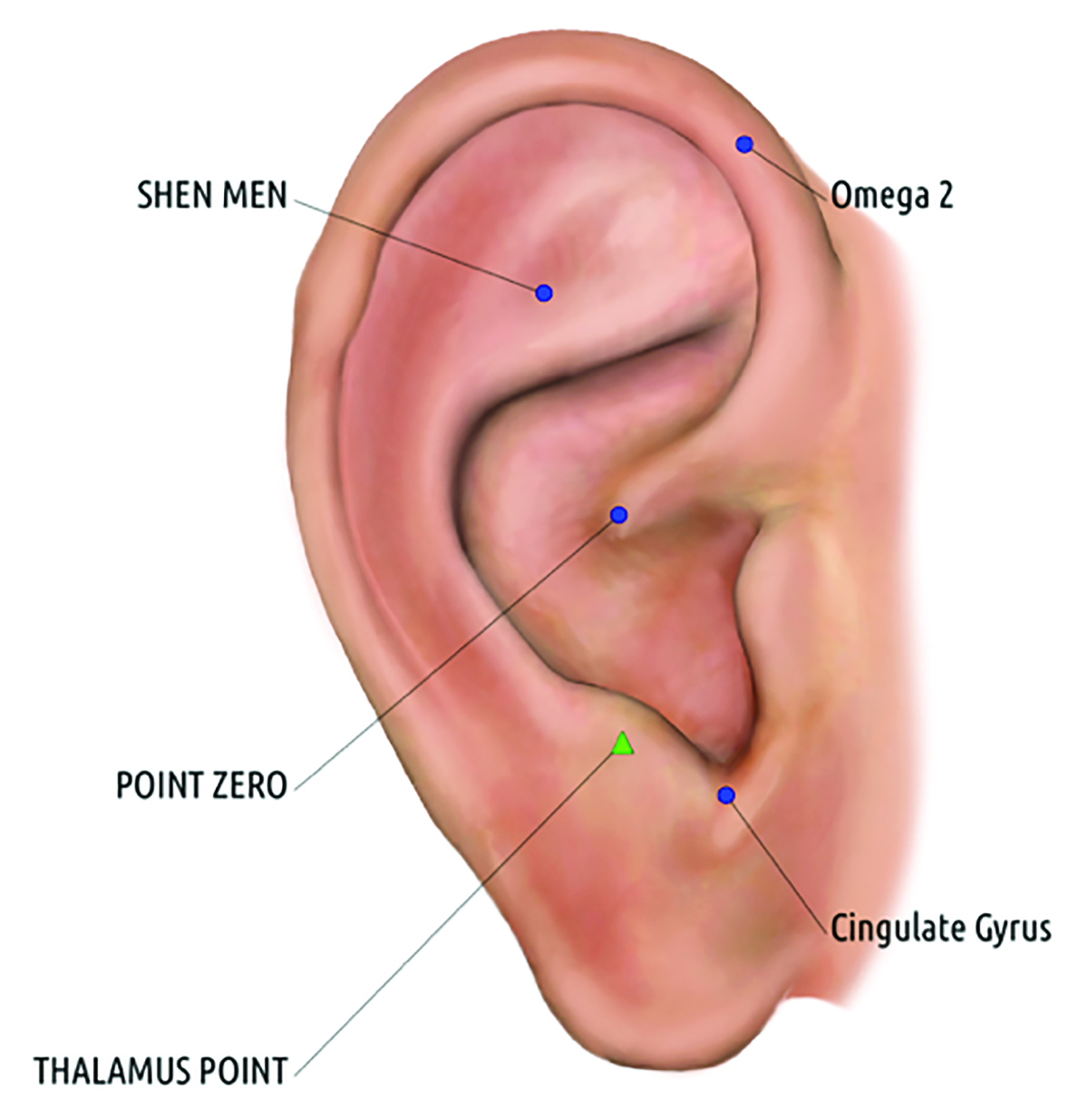
    There are five points in this protocol: 1) Cingulate Gyrus, 2) Thalamus, 3) Omega 2, 4) Shen Men and 5) Point Zero. These points influence how the central nervous system processes pain. It has been suggested that they elicit short-term analgesia or anti- inflammatory cytokines for long-term effects. BFA has been proven effective for immediate pain reduction.

    Little gold semi-permanent needles are left to fall out on their own in a few days. But conventional acupuncture needles can work, too. This protocol is a quick and effective way of managing pain.


    NEEDLES OF HOPE
    1314 S. King St., Ste. 1050, Honolulu, HI 96814
    808-450-2527 | kathy@needlesofhope.com
    www.needlesofhope.com
    Source: Miridia Technology

    Chronic pain is a serious problem for many of us, including combat veterans and soldiers. Unfortunately, pain medications, including opioids, often have limited efficacy and may impose adverse effects.

  • Hearing Tips During the Pandemic

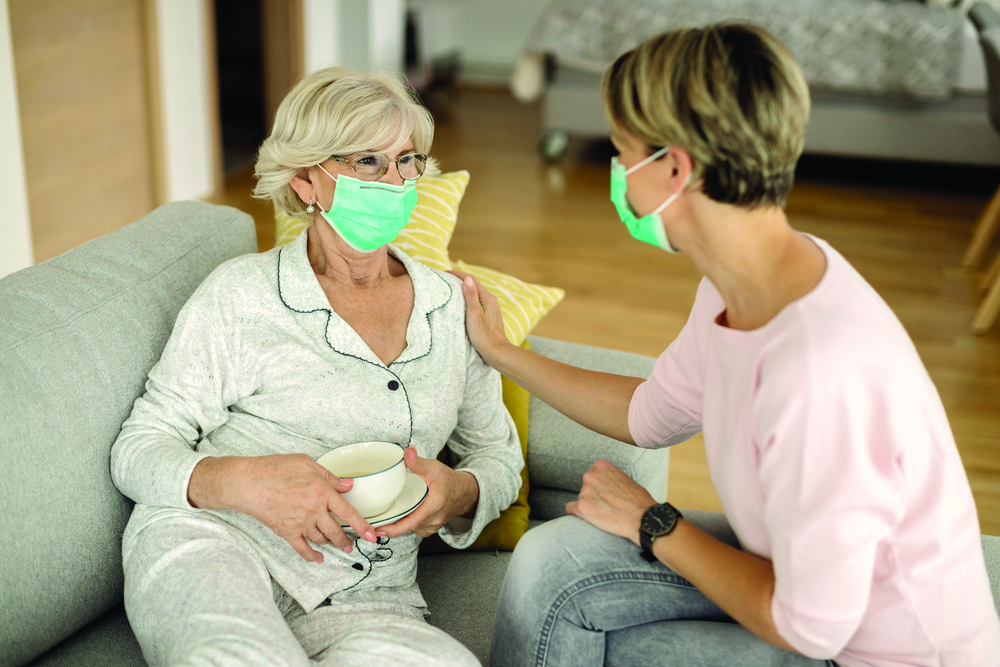
    This has been a tough year. Our lives have been disrupted at the least and dramatically changed at the worst by COVID-19. The effects are far-reaching and life-changing for us all — especially for our kūpuna.

    For those with hearing problems, it’s even more difficult to understand conversation when the speaker is wearing a mask. Voices become muffled and visual speech clues are hidden. Social distancing requires a separation of at least six feet, which makes it harder to communicate. The following are some tips for the kūpuna with hearing loss and their family and friends.

    Tips for kūpuna with hearing loss:

    • Let the speaker know you have problems hearing.
    • Ask the speaker to talk slower and louder so you are more likely to understand him or her.

    Tips for family and friends:

    • Make sure you have the person’s attention before you begin to speak.
    • Never speak from another room or over a long distance.
    • Ask a simple question to determine if you are being heard and understood. “Tūtū, can you understand me now?”
    • Do not start speaking and then turn away. Always face the person you are talking to.


    OHANA HEARING CARE
    1296 S. Beretania St., Ste. 102, Honolulu, HI 96814
    808-593-2137 | www.ohanahearingcare.com
    www.honoluluprosecutor.org/contact-us/

    This has been a tough year. Our lives have been disrupted at the least and dramatically changed at the worst by COVID-19. The effects are far-reaching and life-changing for us all — especially for our kūpuna. For those with hearing problems, it’s even more difficult to understand conversation when the speaker is wearing a mask.

  • Stay Independent

    Each year, one in four seniors suffers a fall, leading to injuries and emergency room visits. Although they are preventable, falls can lead to a loss of independence.

    Take Control of Your Home

    Taking control of your environment is crucial in preventing and reducing your risk of falling.

    • Keep all walkways clear of clutter or potential tripping hazards.
    • Make sure your home is well-lit.
    • Add grab bars inside and outside your tub or shower, and next to the toilet.

    Take Control of Your Health

    Taking control of your health is another important step. Keep yourself safe by being proactive regarding your health.

    • Talk openly with your doctor about fall risks and prevention. Have your doctor or pharmacist review your medications.
    • Consult with your doctor about an exercise program to improve your leg strength and balance.
    • Get an annual eye exam. Replace eye glasses or contacts as needed.


    MDX HAWAI‘I
    500 Ala Moana Blvd., Ste. 2200, Honolulu, HI 96813-4993
    808-522-7500 | www.MDXHawaii.com
    MDX Hawai‘i has over 35 years of experience serving the people of Hawai‘i. Our
    physician network represents over 630 top primary care physicians, and 2,200 leading
    specialists and hospitals. MDX Hawai‘i contracts with Humana HMO, Humana
    PPO and AARP/UnitedHealthcare PPO Medicare Advantage Plans.

    Each year, one in four seniors suffers a fall, leading to injuries and emergency room visits. Although they are preventable, falls can lead to a loss of independence.

  • Regain Your Posture as You Age

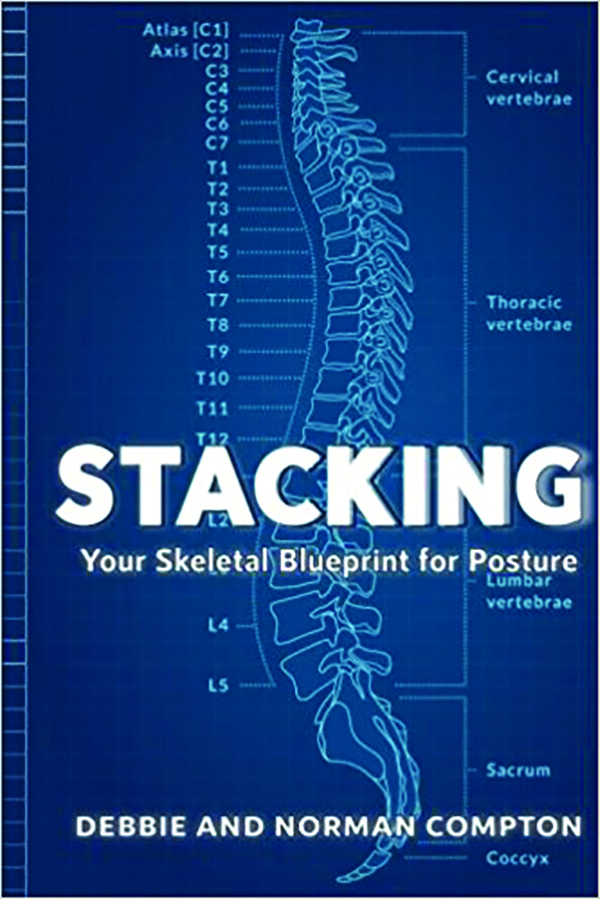
    Forty years ago, medical exercise specialists Debbie and Norm Compton met in Hawai‘i and made fitness the key element in both their personal and professional lives. Personal training, stunt work, injuries and their continual quest for excellence compelled them to write Stacking: Your Skeletal Blueprint for Posture. In their book, the Comptons share techniques for regaining posture as you age.

    Learning to develop a strong skeletal “stack” and the ability to keep your bones in their intended places allows us to know the feeling of neutral and true posture, they say. “When you’re strong in neutral, you’re strong everywhere.”

    Using a construction theme, the Comptons take all 206 of your bones and teach you how to build your frame from the bottom up, beginning with your feet. Moving up the body, they describe which parts serve as the glue that keeps your body together.

    They also explain what can go wrong if your bones aren’t aligned correctly, and have first-hand knowledge regarding misalignments and injuries. Deb has scoliosis; Norm was a Hollywood stuntman for 27 years.

    Now in their mid-60s, the Comptons continue to practice the fitness principles they preach, illustrating living proof of the old axiom “if you don’t use it, you lose it!” They still have it!


    STACKING GURUS
    310-292-6632 | stackingme@icloud.com
    www.stackinggurus.com

    Forty years ago, medical exercise specialists Debbie and Norm Compton met in Hawai‘i and made fitness the key element in both their personal and professional lives. Personal training, stunt work, injuries and their continual quest for excellence compelled them to write Stacking: Your Skeletal Blueprint for Posture. In their book, the Comptons share techniques for…

  • Sugar is Bad for Your Teeth & Mind

    I love sugar! Sugar makes desserts, candies and drinks taste wonderful! The bacteria in our mouth love sugar, too. Eating foods that contains sugar instantly activates bacteria for 20 minutes. As bacteria devour the sugar, their waste is acid.

    Acid is one of the few things that can destroy your enamel and may contribute to dementia.

    While sipping on a soda, sweet tea, a cup of coffee with cream and/or sugar for an hour, you have exposed your teeth to over an hour of enamel-eroding acid. Be aware that sugar-free diet drinks, and starchy foods like rice, chips and bread also activate bacteria.

    To lessen acid exposure, eat your dessert or sugary treat right after meals, rinse with water after consuming candies and sweet drinks, and brush and floss — especially before bedtime.

    Do not constantly tuck cough drops or hard candies on the side of your cheek! Not only is it a dental disaster, studies have shown that sugar may have a role in the progression of Alzheimer’s disease. Researchers found that people with high blood-sugar levels are prone to dementia.

    Enjoy your sweets but take steps to keep your teeth and mind intact.


    DR. PAUL K. TANAKA, DDS
    4747 Kilauea Ave., Ste. 113, Honolulu, HI 96816
    808-737-6229 | office@paultanakadds.com
    www.paultanakadds.com

    I love sugar! Sugar makes desserts, candies and drinks taste wonderful! The bacteria in our mouth love sugar, too. Eating foods that contains sugar instantly activates bacteria for 20 minutes. As bacteria devour the sugar, their waste is acid. Acid is one of the few things that can destroy your enamel and may contribute to…

  • Virtual Training: Think About It!

    Seniors are less likely to attend community fitness classes and participate in face-to-face networking  due to social distancing mandates put in place for our safety during the pandemic.
    Enter virtual training!

    If asked about attending an online class before COVID-19, seniors’ likely response may have been “heck no.” Now, if they have an underlying medical condition which makes it risky to attend in-person classes — even with rigorous safety protocols in place — it may be the only way.

    COVID-19 has forced many seniors to become more tech savvy and open-minded to new ways of doing things. With someone to assist in the setup, more seniors are exploring and enjoying the benefits of working virtually with a professional trainer in their home.

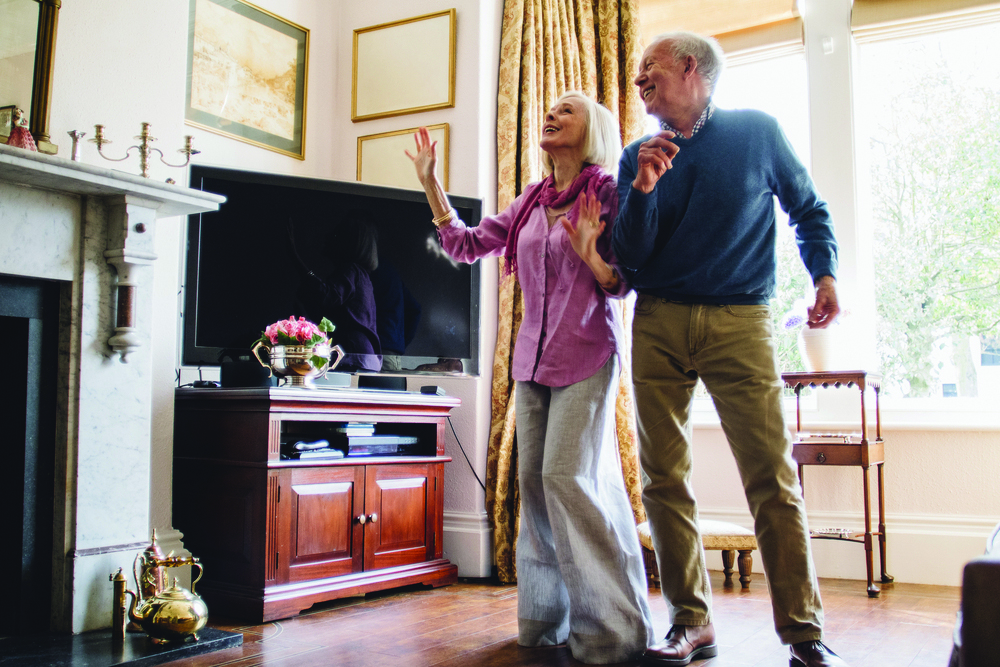
    Les and Shirley were initially hesitant about having someone come to their home; but when offered a virtual exercise session, they agreed. Assisted by their daughter, they started with individual sessions because of the difference in their physical abilities, but quickly moved to working out together. They seem to enjoy ribbing each other when one of them is having difficulty perfecting their form. They even showed us their dance moves at the end of one session! Virtual training: Think about it!


    GYMGUYZ URBAN HONOLULU
    Debbie Kim Morikawa, Owner
    808-295-1163 | debbie.kim.morikawa@gymguyz.com
    www.gymguyz.com

    Seniors are less likely to attend community fitness classes and participate in face-to-face networking  due to social distancing mandates put in place for our safety during the pandemic. Enter virtual training!

  • Healthy Smiles Can Prevent Alzheimer’s

    It’s no secret that poor oral health can lead to many overall health issues, such as heart disease, diabetes and other ailments. But studies show poor oral health may also lead to an increased risk of dementia. People who have gum disease for 10 years or more are 70 percent more likely to develop Alzheimer’s disease than those who have healthy gums.

    When sticky plaque on your teeth combines with sugars, the bacteria release acid that attacks your tooth’s enamel. The same plaque and bacteria can escape into the bloodstream and affect major organs, such as your heart and brain, which can increase risk for early onset dementia. And the side effects of gum disease (inflamed and receding gums) may make it difficult for you to eat, preventing your body from getting nutrients.

    The presence of gum disease and tooth decay can be treated by brushing twice a day, flossing daily and by visiting your dentist regularly.

    It’s important to maintain a healthy smile as you get older. Good oral health not only ensures you get to enjoy delicious and nutritious food during your retirement years, but also limits the health issues you’ll come across later in life.

    Protect yourself from Alzheimer’s disease and dementia by maintaining a healthy smile and diet so you can live well and smile more!


    HAWAII DENTAL SERVICE
    Kahala Howser, Wellness & Events Manager
    808-521-1431 | khowser@hawaiidentalservice.com
    www.HawaiiDentalService.com
    It’s no secret that poor oral health can lead to many overall health issues, such as heart disease, diabetes and other ailments. But studies show poor oral health may also lead to an increased risk of dementia. People who have gum disease for 10 years or more are 70 percent more likely to develop Alzheimer’s…

  • Healthy Heart, Happy Brain

    According to the Journal of the American College of Cardiology, chronic heart disease factors like high cholesterol, high blood pressure, diabetes and obesity can quicken the pace of cognitive decline.

    High blood pressure and diabetes can accelerate shrinkage of the brain, especially affecting the brain’s memory center, the hippocampus. When combined with other cardio risk factors, the rate at which cognitive decline advances, leading to dementia and Alzheimer’s.

    Improve your brain’s processing, memory and overall health by making heart-healthy lifestyle changes. Think of your heart and brain as good buddies who are on this journey of life with you. Each of you supports one another, and you, as the leader, will be the one making decisions that are based on everyone’s best interests.

    Daily exercise and meditation have the biggest impacts on improving heart and brain conditions, thinking and verbal skills in older adults. Exercise helps the gut create serotonin, which helps manage stress, and melatonin, which helps to improve sleep. Meditation helps lower blood pressure and relax tension in the brain and body.

    Make healthy decisions to lower your risk for heart disease and improve your cognitive functions daily. Your good buddies — your heart and brain — are counting on you.


    KAIMUKI BODY & BRAIN
    3569 Harding Ave., #B, Honolulu, HI 96816
    808-738-5522 | www.bodynbrain.com/kaimuki

    According to the Journal of the American College of Cardiology, chronic heart disease factors like high cholesterol, high blood pressure, diabetes and obesity can quicken the pace of cognitive decline. High blood pressure and diabetes can accelerate shrinkage of the brain, especially affecting the brain’s memory center, the hippocampus. When combined with other cardio risk…

  • Using Light to Improve Brain Health

    One would expect that an effective treatment for Alzheimer’s disease (AD) would be  pharmacological. And yet, 99 percent of AD drug trials fail. The last time the FDA approved an AD drug was 2003.

    Acupuncturists might focus on neuroregeneration using neuroacupuncture. In a similar fashion, a new modality — photobiomodulation (PBM) — has been building its case as a credible treatment alternative for AD. Rather than targeting a single biological mechanism, it helps the brain repair itself.

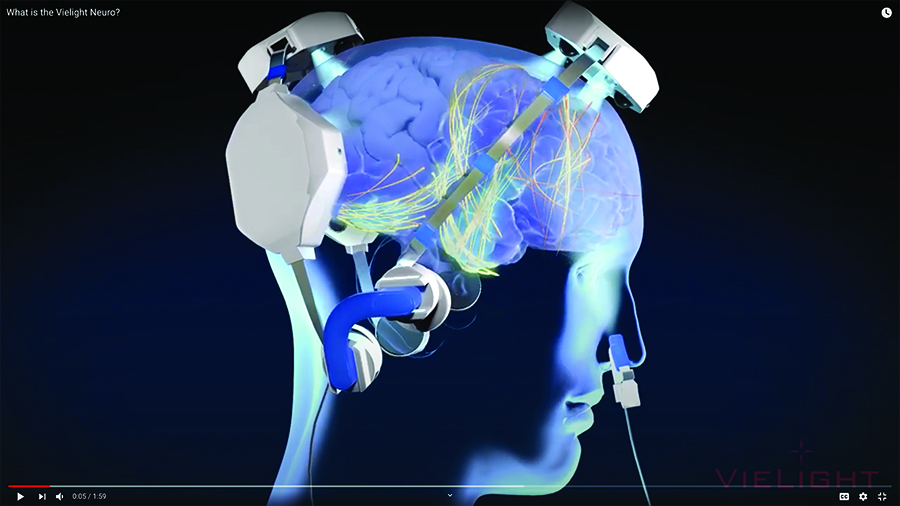
    Photobiomodulation uses near-infrared light to stimulate, heal, regenerate and protect brain cells and tissues that have been injured, are degenerating or are at risk of dying. A high-quality PBM device sends photons of light through the skull, stimulating brain cells to increase metabolic energy, and increase cerebral blood flow and neuroconnectivity.

    Many studies have used  photobiomodulation for cognitive decline and dementia/AD. Currently, there is a large clinical trial being run at eight sites across North America.

    Using light is easy. It’s noninvasive and unlike medication, it is able to affect multiple neural pathways, which may make it an elegant solution to a very complex problem.


    NEEDLES OF HOPE
    1314 S. King St., Ste. 1050, Honolulu, HI 96814
    808-450-2527 | kathy@needlesofhope.com
    www.needlesofhope.com
    Photo courtesy by Vielight

    One would expect that an effective treatment for Alzheimer’s disease (AD) would be  pharmacological. And yet, 99 percent of AD drug trials fail. The last time the FDA approved an AD drug was 2003. Acupuncturists might focus on neuroregeneration using neuroacupuncture. In a similar fashion, a new modality — photobiomodulation (PBM) — has been building…

  • The Benefits of Pilates

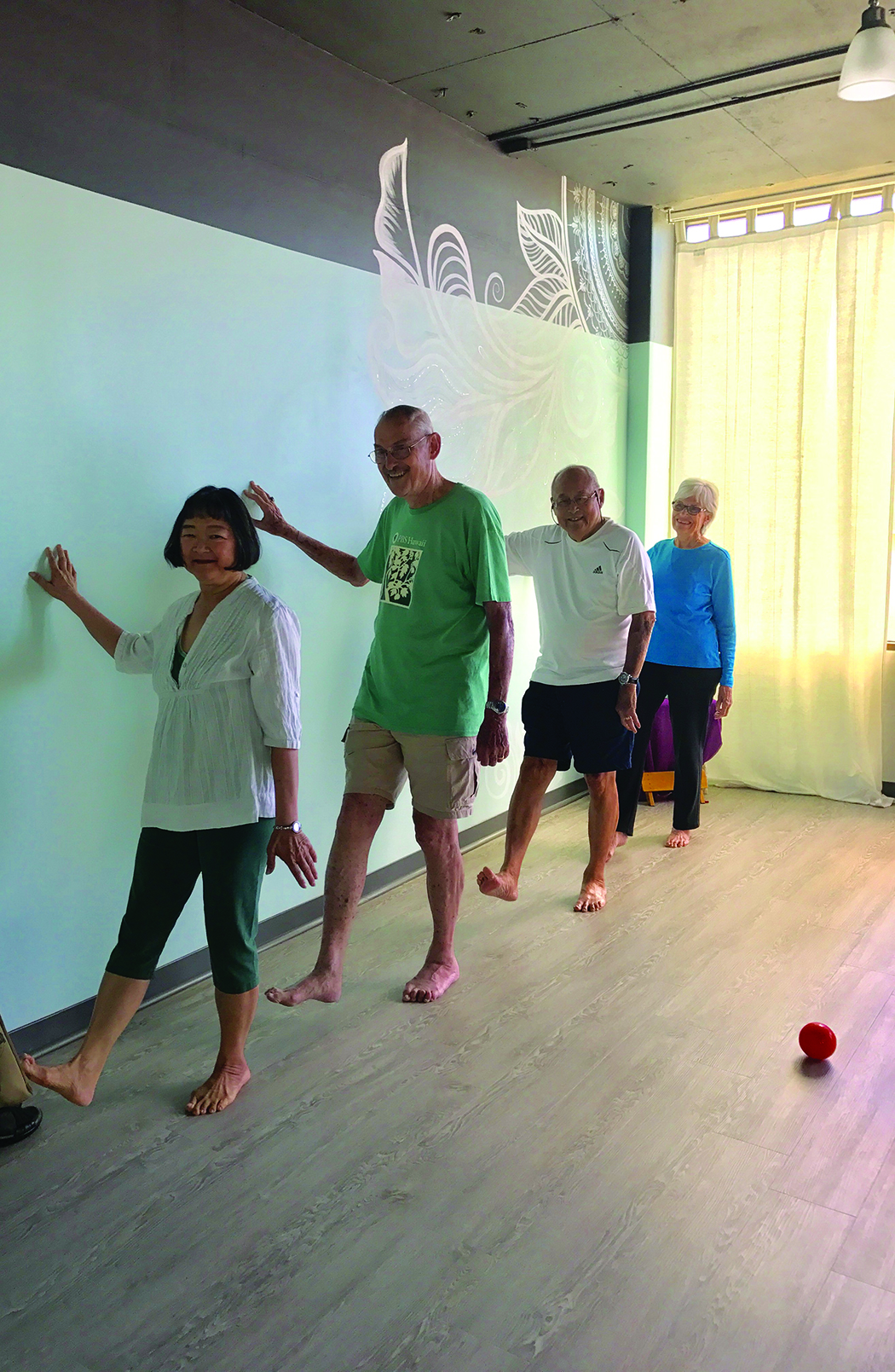
    (L–R) Elvira Lee, Tom Glass, George and Grace Lee work on optimal posture, balance and coordination.
    (L–R) Elvira Lee, Tom Glass, George and Grace Lee work on optimal posture, balance and coordination.

    Joseph Pilates truly was ahead of his time with his holistic approach to exercise.

    “Contrology [now called ‘Pilates’] is designed to give you suppleness, natural grace and skill that will be unmistakably reflected in the way you walk, in the way you play and in the way you work,” Pilates said. “You will develop muscular power with corresponding endurance, ability to perform arduous duties, to play strenuous games,to walk, run or travel for long distances without undue body fatigue or mental strain.”

    Students say that Pilates “woke up muscles I never knew I had.” “I feel relaxed yet energized.” “I now have better posture and little to no pain.”

    Pilates is founded on the principals of breath, centering, precision, concentration, flow and control. A Pilates routine inherently moves the  practitioner mindfully through different planes and ranges of motion, which is essential in stimulating the body and mind. Although there are classical exercises that are quintessential to Pilates, there are limitless variations. It doesn’t matter your age, gender, physicality — anyone can do it.

    BENEFITS OF PILATES

    Balance & Coordination: Better equilibrium, steadiness, confidence and overall balance.
    Strength & Stamina: Improves muscle and skeletal strength and endurance.
    Flexibility & Mobility: Improves muscular flexibility and joint health.
    Improves Circulation & Detoxification: Activates the lungs and pumps the heart to move debris out of the body via the bloodstream.
    Mental Health: Clears the mind and promotes better brain function.
    Resilience: Strengthens the nervous system, which increases resilience to daily stressors.
    Vibrancy: Promotes better sleep, which builds energy and the immune system.
    Self-Care: Teaches how to care for yourself and inspires you to want to take care of yourself.
    Inspires: Staying active and improving diet.
    Pain-Free: Reduces or removes physical pain.
    Accessible: Pilates mat exercises and techniques are with you wherever you go. A Pilates routine can be enhanced by props and equipment, but they are not required.

    Pilates will meet you where you are at today so you can enjoy all that life has to offer.


    WAINANI WELLNESS CENTER
    1144 10th Ave., Ste. 302, Honolulu, HI 96816
    808-369-1992 | info@wainaniwellness.com
    WainaniWellness.com
    To best serve you, call us if you have an injury or are recovering from surgery.

    Joseph Pilates truly was ahead of his time with his holistic approach to exercise. “Contrology [now called ‘Pilates’] is designed to give you suppleness, natural grace and skill that will be unmistakably reflected in the way you walk, in the way you play and in the way you work,” Pilates said. “You will develop muscular…