Category: Health

  • Free Dental Care & Education for Seniors

    Since 1995, the Aloha Medical Mission (AMM) Dental Clinic has provided basic dental care at no cost for adults who are unable to afford it.

    AMM Dental Clinic is a secular, nonprofit organization supported by government grants, independent donors and private foundations. Our independence and dedication to our mission has allowed AMM Dental Clinic to thrive, even during the COVID-19 pandemic, while other health centers closed. In 2020 between the months of April and June, the clinic experienced a 267 percent increase in patient visits.

    AMM Dental Clinic continues to be a dental health “safety net,” providing care at no cost for the homeless, immigrants, abused women, the elderly, and those with financial limitations, or limited or no dental insurance.

    We support the local dental community by referring patients to participating providers. As a no-cost dental clinic, care is limited to dental examinations, cleanings, X-rays, fillings, extractions, limited dentures (for abused women) and limited root canals, with the goal of treating acute dental disease and preventing systemic health problems.

    AMM Dental Clinic is grateful to the local dental community for volunteering their expertise and skills and providing pro bono dental care. Each month, five to 12 dentists step up to offer pro bono care. These volunteers allow AMM Dental Clinic to be a “safety net” at no-cost to those in need.

    HOW CAN SENIORS BENEFIT?

    Tooth decay is common among older adults. Nearly 50 percent of adults 65 years and older have untreated dental conditions, including tooth decay, gum problems and missing teeth.

    A virtual educational format called “Kupuna Smiles” has been designed by the HDS Foundation to provide training to nursing home staff and caregivers to obtain certification for oral health care. Expansion through outreach with community partners is on the horizon. The primary goal of this initiative is to improve the oral health of senior citizens in Hawai‘i through community-oriented  projects.

    The truth of the matter is that seniors are at increased risk for dental problems that affect their overall health and quality of life. Dental disease is a common cause of medical and emergency room visits. AMM Dental Clinic is here to help.


    ALOHA MEDICAL MISSION DENTAL CLINIC
    (501(c) 3 nonprofit)
    200 N. Vineyard Blvd., Unit B-120, Honolulu 96817
    Clinic hours: M–F, 8am–5pm
    808-847-3400 | www.alohamedicalmission.org

    Since 1995, the Aloha Medical Mission (AMM) Dental Clinic has provided basic dental care at no cost for adults who are unable to afford it. AMM Dental Clinic is a secular, nonprofit organization supported by government grants, independent donors and private foundations.

  • Strengthen Foot & Ankle Foundations

    When building a house, having a solid foundation is key to its stability. The feet and ankles are the foundations for your body, and are critical for stability and balance while standing and walking. Yet how often do we think of exercising these muscles to keep them strong and flexible.

    The intrinsic muscles of the feet (contained within the foot) and extrinsic muscles (originating outside of the foot and attached to the foot by tendons) contribute significantly to what happens at the ankles and joints above. As ground forces hit our feet, how the feet react affects our posture — the ability to keep our center of mass solidly in line over our hips, knees and ankles — and most importantly, our balance.

    To test your strength, mobility and coordination, try the following (these can be done seated):

    • Keeping your foot flat on the floor, alternate lifting your toes starting with the the big toe, then the other toes.

    • To strengthen your feet and ankles, put your foot on a towel. Then contract your toes and relax them.

    Practicing these exercises can improve the health of your feet and ankles, and ensure that they give you the best support possible.


    GYMGUYZ Urban Honolulu
    808-638-2525
    gymguyzurbanhonolulu@gymguyz.com
    www.gymguyz.com/urban-honolulu-hi

    When building a house, having a solid foundation is key to its stability. The feet and ankles are the foundations for your body, and are critical for stability and balance while standing and walking. Yet how often do we think of exercising these muscles to keep them strong and flexible.

  • How to Wear a Mask With Hearing Aids

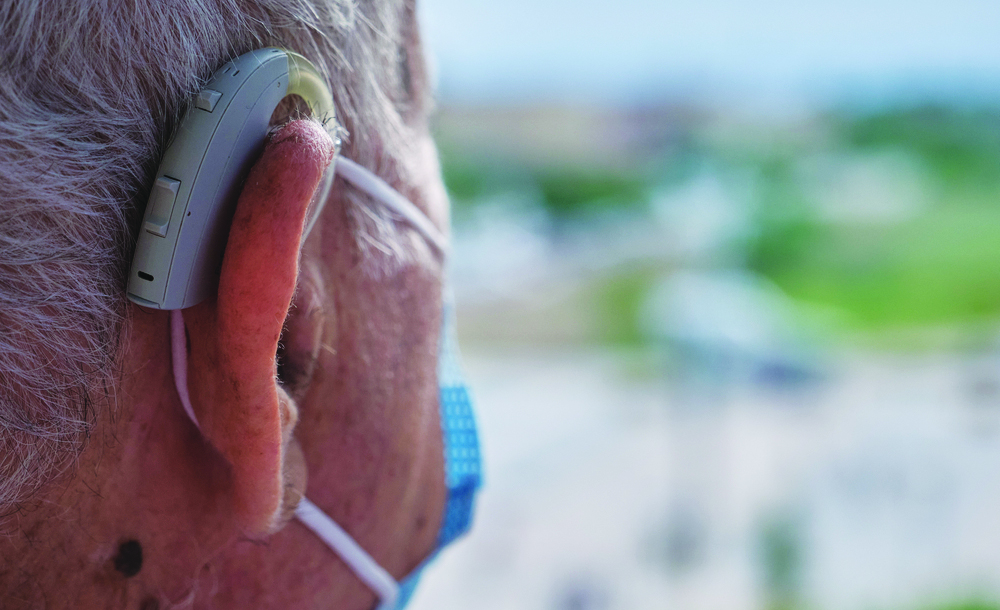
    Elderly man with hearing aid in the ear and surgical mask, close-upHearing aid wearers know the difficulty of getting the elastic bands of their protective face mask tangled up with their hearing aid. Hearing aids can fly out when removing a mask. I have seen many patients with lost and damaged hearing aids due to this problem.

    Here are seven tips that will help protect your hearing aids and stop you from losing them.

    1. Put your hearing aids in first, then the mask.

    2. Practice in the mirror. Work on refining your technique until you can remove your mask and keep your hearing aids in place.

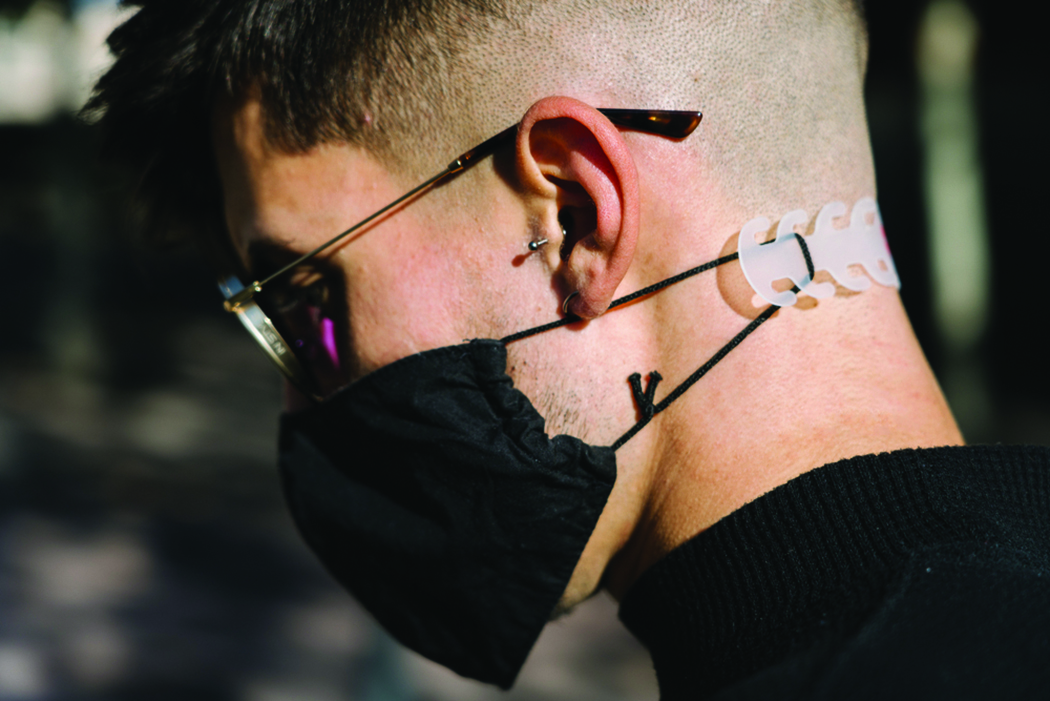
    A man standing back to camera tying a medical gauze mask on dark.Virus preventive methods. plastic that holds a facial mask on the back of the head

    3. Long hair adds to the problem. Pull long hair back in an elastic hair tie or bun.

    4. Don’t secure your mask to your ears. Instead, use button extensions to secure your mask at the back of your head.

    5. Use four-string masks. They also tie behind the head rather than on the ears.

    6. Check your hearing aid during and following the removal of your mask.

    7. Remove your mask in a clear area so if the hearing aid comes out, you can find it easily.


    OHANA HEARING CARE
    1296 S Beretania St., Ste. 102, Honolulu, HI 96814
    808-593-2137 | www.ohanahearingcare.com

    Hearing aid wearers know the difficulty of getting the elastic bands of their protective face mask tangled up with their hearing aid. Hearing aids can fly out when removing a mask. I have seen many patients with lost and damaged hearing aids due to this problem. Here are seven tips that will help protect your…

  • Bad Breath: Is It Poor Oral Hygiene?

    Bad breath

    Chronic bad breath can be embarrassing, but it can also tell you what’s going on with your mouth or body, such as underlying medical conditions, stress, hormonal changes, dry mouth and poor oral hygiene.

    Bad breath can be caused by a few things: bacteria, decaying food, infected gums, smoking and even an empty  stomach.

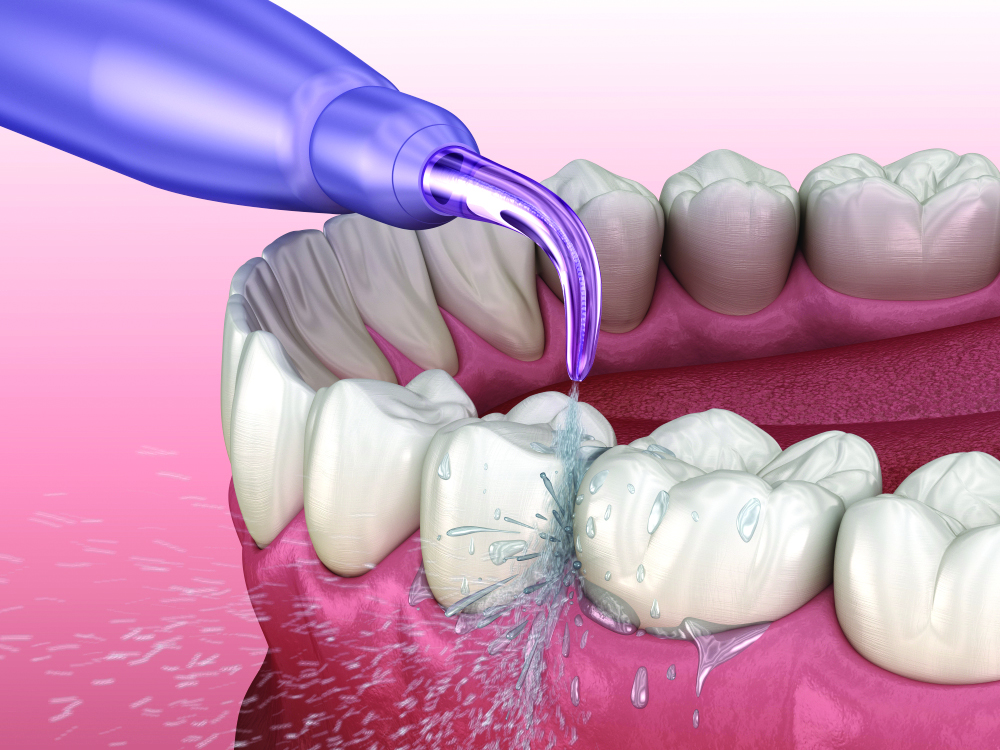
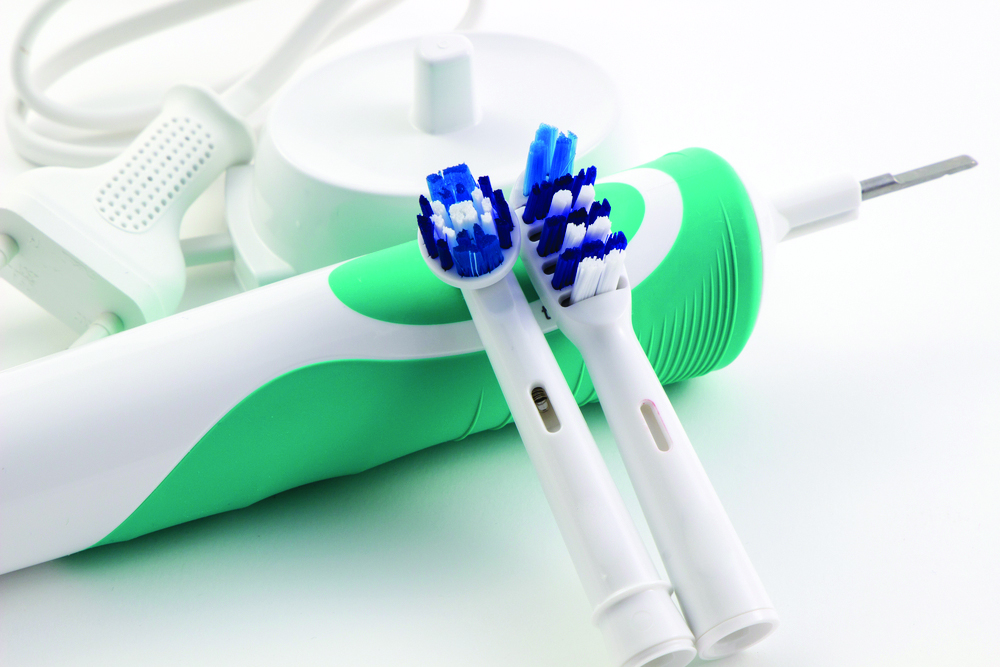
    Make sure your oral health is in good shape by maintaining a solid routine of brushing at least twice a day, flossing daily and seeing your dentist twice a year. Your dentist can tell right away if your gums or other parts of your mouth are  causing bad breath. It’s important to also gently brush your tongue each day, as bacteria tends to cling to the back of the tongue.

    What you eat and drink also plays a  key role in maintaining good oral health. A healthy diet of fruits and vegetables (and yes, even garlic) helps keep your teeth strong and clean. Limiting sugary foods will help prevent cavities, and drinking lots of water helps flush away food debris and bacteria from the mouth.

    There is no better time than now to schedule an appointment with your dentist to kick bad breath and poor oral health aside so you can live well and smile more.


    HAWAII DENTAL SERVICE
    Kahala Howser, Wellness & Events Manager
    808-521-1431 | khowser@hawaiidentalservice.com
    www.HawaiiDentalService.com

    Chronic bad breath can be embarrassing, but it can also tell you what’s going on with your mouth or body, such as underlying medical conditions, stress, hormonal changes, dry mouth and poor oral hygiene. Bad breath can be caused by a few things: bacteria, decaying food, infected gums, smoking and even an empty  stomach.

  • Virtual Training: Think About It! Copy

    Seniors are less likely to attend community fitness classes and participate in face-to-face networking  due to social distancing mandates put in place for our safety during the pandemic.
    Enter virtual training!

    If asked about attending an online class before COVID-19, seniors’ likely response may have been “heck no.” Now, if they have an underlying medical condition which makes it risky to attend in-person classes — even with rigorous safety protocols in place — it may be the only way.

    COVID-19 has forced many seniors to become more tech savvy and open-minded to new ways of doing things. With someone to assist in the setup, more seniors are exploring and enjoying the benefits of working virtually with a professional trainer in their home.

    Les and Shirley were initially hesitant about having someone come to their home; but when offered a virtual exercise session, they agreed. Assisted by their daughter, they started with individual sessions because of the difference in their physical abilities, but quickly moved to working out together. They seem to enjoy ribbing each other when one of them is having difficulty perfecting their form. They even showed us their dance moves at the end of one session! Virtual training: Think about it!


    GYMGUYZ URBAN HONOLULU
    Debbie Kim Morikawa, Owner
    808-295-1163 | debbie.kim.morikawa@gymguyz.com
    www.gymguyz.com

    Seniors are less likely to attend community fitness classes and participate in face-to-face networking  due to social distancing mandates put in place for our safety during the pandemic. Enter virtual training!

  • Aging With Aloha: Caring for Your Eyes

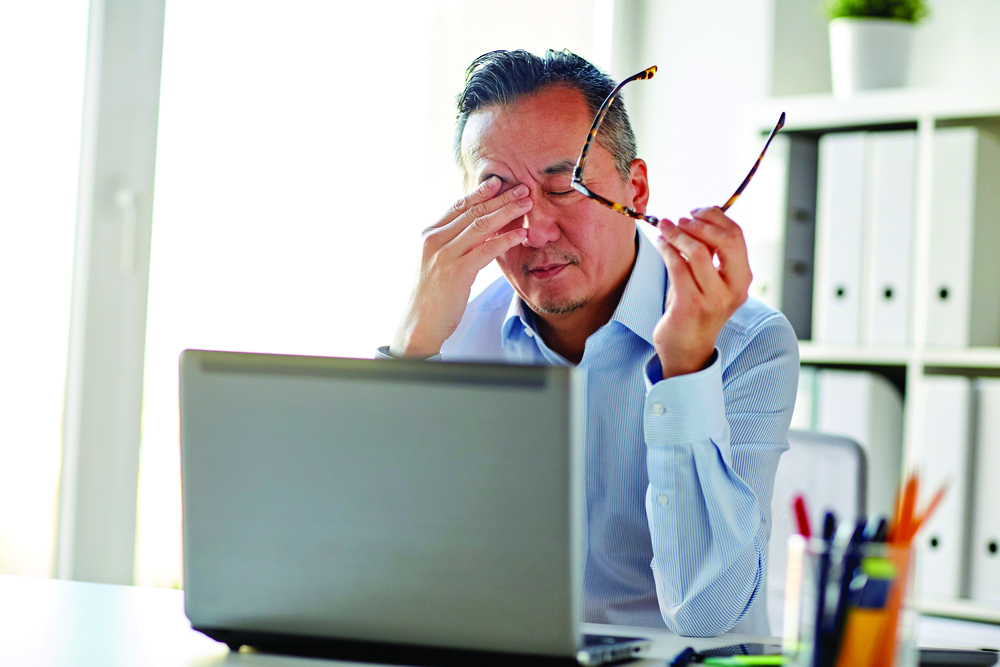
    With aging comes new challenges; our eyesight is no exception. One in six Americans aged 65 and older has a vision impairment that cannot be corrected with glasses or contact lenses alone. It’s important to see your ophthalmologist every one to two years in order to check for cataracts, glaucoma, macular degeneration and diabetic retinopathy. Early detection and treatment are imperative to prevent vision loss.

    Normal aging of the eye actually does not lead to vision impairment, which is the result of eye disease and/or injury. Symptoms include loss of central and/or peripheral vision, blurred or hazy vision, or night blindness. Here are some tips:

    • Always wear protective eyewear/goggles when working on home and garden projects.
    • Exercise regularly and eat well in order to mitigate the risks of high blood pressure and diabetes.
    • Get enough sleep every night to ensure healing and lubrication.
    • Always wear sunglasses and/or a wide-brimmed hat when outside. Your sunglasses should be 100 percent ultraviolet (UV) blocking.
    • Women, especially, should adhere to their ophthalmologist’s recommendations and treatment plan, because they are at higher risk for cataracts and glaucoma.


    HAWAIIAN EYE CENTER
    606 Kilani Ave., Wahiawa, HI 96786
    808-621-8448 | www.hawaiianeye.com

    With aging comes new challenges; our eyesight is no exception. One in six Americans aged 65 and older has a vision impairment that cannot be corrected with glasses or contact lenses alone. It’s important to see your ophthalmologist every one to two years in order to check for cataracts, glaucoma, macular degeneration and diabetic retinopathy.…

  • Frontiers in Cardiovascular Health

    Over the past two  decades, successful therapeutic cardiovascular disease strategies have focused primarily on lowering bad cholesterol (LDL) with statins, and reducing the risk of the blood clots that cause heart attacks or strokes with “blood thinners” such as aspirin. Blood pressure medications are also widely used. Despite these interventions, a significant number of patients experience recurrent events or disease progression.

    New research using large clinical trials points strongly to the role of chronic inflammation as a culprit. The studies also show the need for treatments that provide multiple cardiovascular health benefits — optimization of total cholesterol, LDL, blood pressure, triglycerides and inflammation.

    New dietary supplements that support this broader cardiovascular inflammatory health approach are available. Dietary supplements that successfully target inflammatory health may also provide support for joint health, liver health, kidney health, metabolic health and cognitive health.

    Drugs being developed that address multiple cardiovascular health issues may offer further reduction of the risk of heart attacks, strokes and other major cardiovascular events. New drug treatments that result in the systemic reductions of inflammation may also have a positive impact on other chronic diseases caused by inflammation — including diabetes, arthritis, cancer and Alzheimer’s.


    CARDAX, INC.
    2800 Woodlawn Drive, Ste. 129, Honolulu, HI 96822
    800-618-3050 | zanthosyn@cardaxpharma.com
    www.zanthosyn.com

    Over the past two decades, successful therapeutic cardiovascular disease strategies have focused primarily on lowering bad cholesterol (LDL) with statins, and reducing the risk of the blood clots that cause heart attacks or strokes with “blood thinners” such as aspirin. Blood pressure medications are also widely used. Despite these interventions, a significant number of patients…

  • Practice Good Oral Hygiene Together

    Grandmother and granddaughter brushing teeth in the bathroom at home

    Grandparents play an important role in raising children, especially in Hawai‘i, with changing family patterns and dual-worker households. And while it’s acceptable for grandparents to treat their grandchildren to sweets, they are also expected to show them the importance of good oral health and a healthy diet.

    February is National Children’s Dental Health Month, when children are reminded to brush, floss and see their dentist at least twice a year. Grandparents and parents are also reminded to practice good oral hygiene with children to avoid tooth decay, gum disease and other oral health issues that could arise at any stage of life.

    Oral health directly impacts overall health. Be sure to establish a consistent routine of brushing for at least two minutes twice a day and flossing daily. This simple routine can prevent plaque and bacteria from infecting the teeth and gums. A healthy diet and limiting sugar will also help the family stay healthier longer. Drinking water regularly and after eating sugary foods helps flush out excess sugar that tends to linger inside the mouth and cause cavities.

    Instill good oral health habits and show the next generation that it’s possible to live well and smile more at any age.


    HAWAII DENTAL SERVICE
    Kahala Howser, Wellness & Events Manager
    808-521-1431 | khowser@hawaiidentalservice.com
    www.HawaiiDentalService.com

    Grandparents play an important role in raising children, especially in Hawai‘i, with changing family patterns and dual-worker households. And while it’s acceptable for grandparents to treat their grandchildren to sweets, they are also expected to show them the importance of good oral health and a healthy diet.

  • Poling for Better Posture, Balance & Health

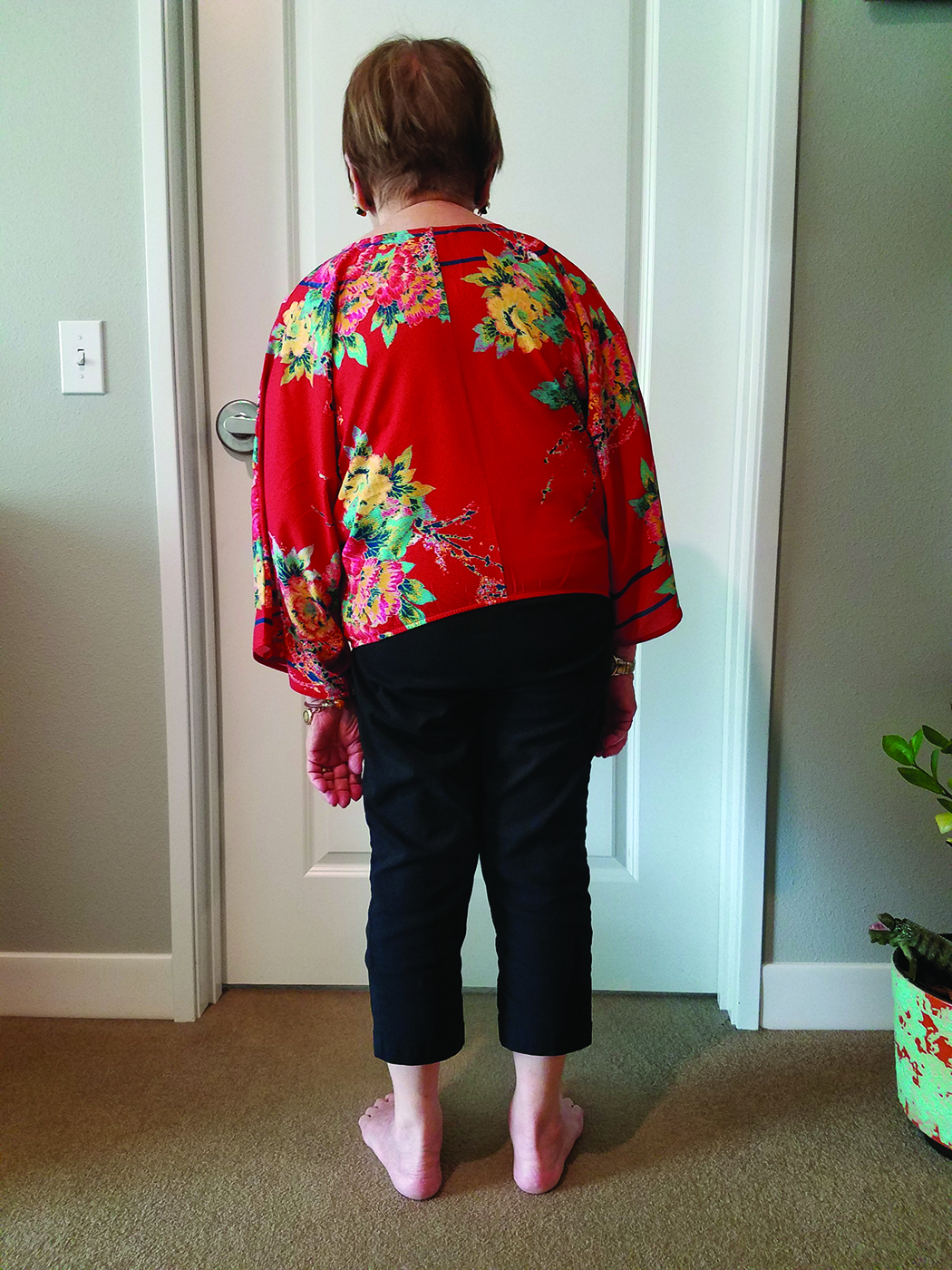
    Two-time stroke survivor June struggled with her balance. She felt unsteady, even when holding onto something. She was very worried about falling… until she discovered specialized walking poles. These poles provide greater stability for those who use them while they walk, and also improve balance and posture, increase upper-body and core strength, reduce the risk of falls, and allow faster walking speeds. June’s posture and mobility have improved since using them and she feels more confident in her physical abilities.

    Pole walking engages up to 90 percent of the body’s muscles and enables a greater range of joint mobility. Using specialized poles for walking or exercising can burn up to 20 to 46 percent more calories than regular walking, while providing more support. They’re ideal for people with Parkinson’s disease, hip or knee issues, or arthritis, or those who’ve had a stroke.

    Besides, walking is one of the best and easiest ways to get your recommended 150 minutes a week of moderate-intensity aerobic exercise. Imagine boosting this benefit by adding a tool that enhances strength and balance, reduces the risk of falls, and burns more calories.


    GYMGUYZ URBAN HONOLULU
    808-638-2525
    gymguyzurbanhonolulu@gymguyz.com
    www.gymguyz.com/urban-honolulu-hi

    Two-time stroke survivor June struggled with her balance. She felt unsteady, even when holding onto something. She was very worried about falling… until she discovered specialized walking poles.

  • In-Home Physical Therapy Made Easy

    Nowadays, in-home physical therapy is more important than ever. Seniors must find creative ways in their own home area to continue exercising for mobility and strength.

    Walking is still a popular and convenient way to exercise. To add intensity, you can walk briskly for one minute followed by one minute at a  regular pace, then repeat for 10 minutes or more.

    Using a kitchen counter or back of a chair, you can do a number of standing leg exercises for 10 minutes each, repeated twice:

    • Squats. With your head forward, butt back and back straight, lower yourself until your thighs are horizontal to the floor; rise to a standing position.
    • Marching in place. Alternating legs, raise your knees to your waist, keeping your stomach tight.
    • Side kicks. Stomach tight and toes pointed, alternately lift one leg at a time to the side.
    • Heel-Toe Raises. With both feet together, raise them upward on your heel, then rock forward on the balls of your feet, raising your heels upward.

    For those who can’t walk or stand safely, chair exercises can be done by lifting your knees towards your chest; side kick with one leg extended horizontally and swung side to front; heel-toe raises by rocking your feet back and forth heel to toe.

    Don’t stop moving! Consult your physical therapist for specific exercises that fill your needs.

    Arm exercises will be the next topic.


    MAKAI MOBILE REHAB LLC
    808-783-9320 | jason@makaimobile.com
    www.makaimobile.com

    Nowadays, in-home physical therapy is more important than ever. Seniors must find creative ways in their own home area to continue exercising for mobility and strength. Walking is still a popular and convenient way to exercise. To add intensity, you can walk briskly for one minute followed by one minute at a  regular pace, then…

  • COVID-19 Testing & Virus Symptoms

    When should you get tested for COVID-19? Which of the three main types of tests for COVID-19 will you be given?

    Three main types of tests for the coronavirus

    1) Molecular Testing: This FDA-approved method tests for the virus’ DNA or genetic material. This type of testing is typically processed in a certified lab where it could take 24 to 48 hours or longer to get results. Although, none of the tests are 100 percent accurate, this one is preferred  or the best accuracy.
    2) Antigen Testing: This FDA-approved method is a rapid test that can produce results within 15 minutes. This test is very useful for screening due to its quick turnaround time. However, it is less accurate than molecular testing. A negative test result may need to be confirmed by a molecular test.
    3) Antibody Testing: This blood test result will reveal whether or not you have been infected by the coronavirus in the past. It may take weeks for antibodies to be detected in your blood after contracting the virus. This test is not used to diagnose coronavirus.

    When should you get a test?

    According to the Centers for Disease Control & Prevention (CDC), people with COVID-19 have exhibited a wide range of symptoms — ranging from mild to severe. Symptoms may appear two to 14 days after exposure to the virus. The following list includes some, but not all possible symptoms.

    • Fever or chills
    • Cough
    • Shortness of breath or difficulty breathing
    • Fatigue
    • Muscle or body aches
    • Headache
    • New loss of taste or smell
    • Sore throat
    • Congestion or runny nose
    • Nausea or vomiting
    • Diarrhea

    The CDC will continue to update this list of symptoms as it learns more about COVID-19.*

    Please be responsible; wear your mask and practice social distancing.


    OHANA PACIFIC MEDICAL
    Hawaii’s Premiere Telemedicine & Health Monitoring Program
    808-930-9858 | www.ohanapacificmedical.org
    Call to make an appointment or for more information about COVID-19 testing and receiving a test.
    * Source: Centers for Disease Control & Prevention (CDC)
    www.cdc.gov/coronavirus

    When should you get tested for COVID-19? Which of the three main types of tests for COVID-19 will you be given?

  • How to Avoid Age-Related Muscle Loss

    Sarcopenia is age-related loss in muscle mass. Although muscle mass declines 1 to 2 percent per year after age 50, exercise can reduce this loss. Resistance training using bodyweight, machines or weights is the most effective way of building muscle. {Play}

    Sarcopenia makes exercising more difficult, which unfortunately, makes you want to exercise less, contributing even less stimulation of your muscles, leading to more muscle loss. But you can slow down this vicious cycle.

    So now we know that strength training is important. If you have access to some weights or bands, use them. If you don’t have weights, get creative! Water bottles, filled gallon jugs and even bottles of wine will do.

    Be careful not to overexert yourself. Steady breathing and good form are important.
    Be careful not to overexert yourself. Steady breathing and good form are important.

    How Many Reps are Best?

    More repetitions at lower weights? Or lower repetitions at higher weights? If you are an active person, you’ll want to aim to use a weight/resistance band that really challenges you at a maximum of 15 reps. The lower the reps to get to the point of muscle exhaustion, the better. So if you are just  beginning to exercise, start with the higher reps and a lower weight.

    Good: maximum of 15 reps, 2 to 4 sets
    Better: 8 to 12 reps, 2 to 4 sets
    Best: 6 to 10 reps, 2 to 4 sets

    Be conscious of your limits. Pain in your joints means stop.
    Be conscious of your limits. Pain in your joints means stop.

    Focus on doing exercises using multiple joints and the big muscles of your body.
    • Squats or chair squats
    • Lunges or deep walks
    • Dead lifts
    • Bent-over rows or pull-ins using bands
    • Lat pulls or pullups (use assistance if needed)

    As a bonus, resistance training also helps build bone density. Aim for two to three sessions a week for 30 to 60 minutes a day for best results. Just remember, some activity is better than none! And be sure to take it slow. Awareness and self-focus is key to exercising safely.


    FRAN PATOSKIE
    CPT, GFI, Certified Fascianation Method Practitioner
    808-349-5598 | franpatoskie@gmail.com

    Sarcopenia is age-related loss in muscle mass. Although muscle mass declines 1 to 2 percent per year after age 50, exercise can reduce this loss. Resistance training using bodyweight, machines or weights is the most effective way of building muscle. Sarcopenia makes exercising more difficult, which unfortunately, makes you want to exercise less, contributing even…