Category: Health

  • Lewy Body Dementia & Parkinson’s Disease

    Lewy body disease includes two types of dementia — Lewy body dementia (LBD) and Parkinson’s disease dementia (PDD). Parkinson’s starts with an abnormal accumulation of alpha synuclein protein that is found mainly at the tips of neurons in specialized structures called “presynaptic terminals” in different parts of the brain. LBD precedes a Parkinson’s diagnosis, while PDD develops after the changes of Parkinson’s have occurred. Currently, 1.4 million people in the US
    are coping with LBD. It’s is the third most common type of dementia after Alzheimer’s and vascular dementia.

    Unusual Features

    LBD exhibits many unusual features, such as variable levels of awareness and consciousness. Those with LBD display rapid shifts between orientation and confusion, alertness and drowsiness, and being attentive or unfocused. Changes in the processing of visual information are prominent, with visuospatial changes such as struggling with depth perception, location and the interrelationships with objects. There can be mistakes in decoding positional information, such as above or below, inside or outside, and left or right.

    Psychiatric Symptoms

    Compared to other types of dementia, those with LBD display a range of psychiatric symptoms that include simple or complex visual hallucinations. A simple visual hallucination might be seeing a kitten in the room. A complex visual hallucination could involve people, actions and purpose. Sometimes hallucinations are pleasant, warm or reassuring, while others are confusing, frightening or even terrifying.

    People with LBD can develop delusions (fixed beliefs that do not reflect reality), such as jealousy delusions that a spouse is unfaithful, or persecutory  delusions of being threatened or maltreated. These delusions are very real to the person with LBD, and can trigger a huge outpouring of emotions and misunderstandings. Agitation and anxiety can be triggered in those living with LBD, as well as their families and caregivers.

    Motor Symptoms

    These changes can simultaneously occur with the motor symptoms of Parkinson’s, such as slowness, tremors, and difficulties with posture and balance. There are also many non-motor symptoms of Parkinson’s, such as dizziness, fainting and falling due to uncontrolled changes in blood  pressure. People with LBD can also have severe difficulties with constipation, excessive drooling and abnormal temperature regulation.

    Meds, Research & Clinical Trials

    Medications to treat the symptoms of LBD may be less effective than with other types of dementia. Sometimes the medications have a paradoxical effect. Instead of helping to reduce hallucinations, the medications actually make the hallucinations worse.

    It is important to work closely with your medical team to find the best treatments for you. Your team could include neurologists, geriatrics specialists, psychiatrists and physical therapy experts who will help protect your comfort and safety.

    The Clinical Research Center at Hawaii Pacific Neuroscience (HPN) is running new clinical trials for dementia caused by Alzheimer’s, Parkinson’s and traumatic brain injury. Refer to the contact information below for more information.


    HAWAII PACIFIC NEUROSCIENCE
    2230 Liliha St., #104, Honolulu, HI 96817
    For an appointment, call or text: 808-261-4476
    Dedicated Research Hotline: 808-564-6141
    info@hawaiineuroscience.com
    www.HawaiiNeuroscience.com

    Lewy body disease includes two types of dementia — Lewy body dementia (LBD) and Parkinson’s disease dementia (PDD). Parkinson’s starts with an abnormal accumulation of alpha synuclein protein that is found mainly at the tips of neurons in specialized structures called “presynaptic terminals” in different parts of the brain. LBD precedes a Parkinson’s diagnosis, while…

  • Nutrition Facts Food Labels Explained

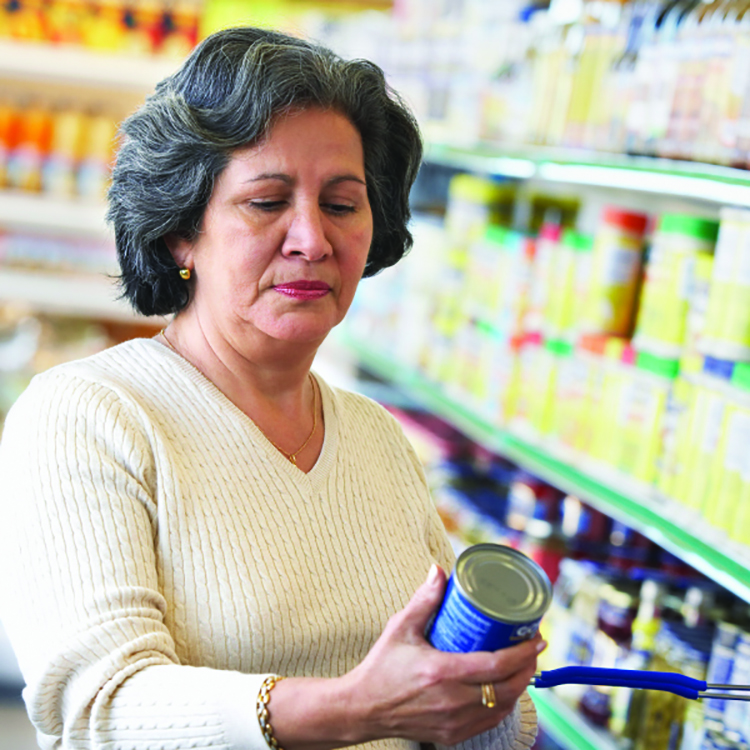
    Making healthy dietary choices can help you feel your best and stay active. It can also help you lower your risk of developing some health conditions that are common among older adults.

    The US Food and Drug Administration (FDA) has a tool to help you make informed food choices that can have positive effects on your health and wellness. It is called the Nutrition Facts label and you can find it on packaged foods and beverages.
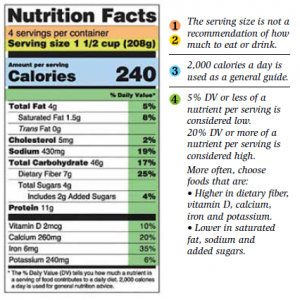
    Understanding the Nutrition Facts Label

    The following key terms are intended to make it easier for you to use the Nutrition Facts labels to make informed food choices.

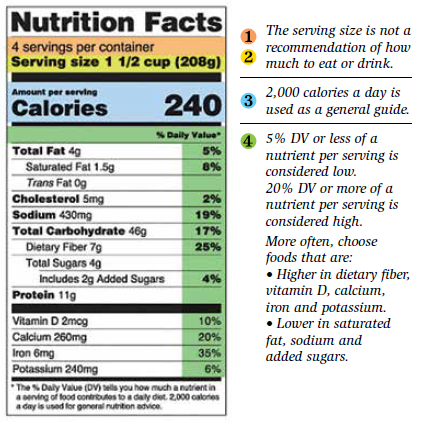
    [1] Servings Per Container shows the total number of servings in the entire food package or container. One package of food may contain more than one serving. For example, if you eat or drink two servings, you are getting double the calories and double the nutrients that are listed on the label.

    [2] Serving Size is based on the amount of food that is usually eaten at one time. Serving size is not a recommendation of how much to eat. The nutrition information listed on the label is usually based on one serving of the food; however, some containers may also have nutrition information listed for the entire package.

    [3] Calories refers to the total number of calories in a serving of the food. To achieve or maintain a healthy body weight, balance the number of calories you eat and drink with the number of calories your body burns.

    The general guide for calorie consumption per day is 2,000. Your calorie needs may be higher or lower and vary depending on your age, sex, height, weight and physical activity level. Check your calorie needs at www.ChooseMyPlate.gov/MyPlatePlan.

    [4] %Daily Value (%DV) shows how much a nutrient in a serving of the food contributes to a total daily diet. The Daily Values are reference amounts (in grams, milligrams or micrograms) of nutrients to consume or not to exceed each day.

    Use the %DV to determine if a serving of the food is high or low in an individual nutrient. You can also use the %DV to compare food products (make sure the serving size is the same). For example, if you eat one serving of a food and it provides 10% DV of dietary fiber, then for that day, you have eaten 10% of your dietary fiber daily goal.

    As a general guide, 5% DV or less is considered low; 20% DV or more is considered high.

    Nutrients and Your Needs

    Nutrients are substances in your food that keep your body working well. Eating too much or too little of some nutrients may increase your risk of certain chronic conditions, such as heart disease and high blood pressure.

    Older adults have different nutritional needs than other age groups. The Nutrition Facts label can help you monitor some of the nutrients in your diet.

    Get More of These Nutrients: Dietary Fiber, Vitamin D, Calcium and Potassium

    Many older adults do not get the recommended amount of these nutrients. Compare and choose more foods in order to get more of these nutrients on most days.

    Dietary fiber is a type of carbohydrate that cannot be easily digested. It can speed up the movement of food and waste through the body, increasing the frequency of bowel movements. Diets higher in dietary fiber may reduce the risk of developing cardiovascular disease. The Daily Value for dietary fiber is 28 grams (g) per day.*

    Calcium is a mineral that is important for bone health. It also helps with muscle and nerve function, blood clotting and hormone secretion. Diets higher in calcium can reduce the risk of developing osteoporosis (weak and brittle bones). The Daily Value for calcium is 1,300 milligrams (mg) per day.*

    Vitamin D helps your body absorb calcium and is important for bone health. It also plays a role in blood pressure management, hormone production, and immune and nervous system function. Diets higher in vitamin D can reduce the risk of developing osteoporosis (weak and brittle bones). The Daily Value for vitamin D is 20 micrograms (mcg) per day.*

    Potassium is a mineral that helps with fluid balance and heart, muscle and nervous system function. The Daily Value for potassium is 4,700 mg per day.*
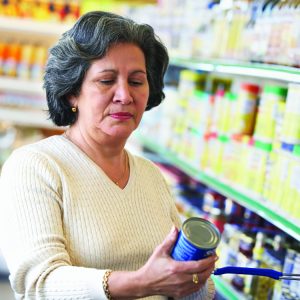
    Consume Less of These Nutrients: Saturated Fat, Sodium and Added Sugars

    Most older adults get too much of these nutrients. Compare and choose foods in order to consume less of these nutrients each day.

    Saturated fat is found in higher amounts in animal products. An exception is seafood, which is generally low in saturated fat. Unsaturated fats are found in higher amounts in plant-based oils (e.g., canola and olive oils), nuts, seeds and seafood. Diets in which unsaturated fats are eaten in place of saturated fats and within the recommended daily limits for calories are associated with a reduced risk of developing cardiovascular disease. The Daily Value for saturated fat is less than 20 g per day.*

    Sodium is a mineral commonly found in table salt and in many commercially processed, packaged and prepared foods. The body needs sodium in relatively small amounts. Sodium is important for fluid balance as well as muscle and nervous system function. Diets higher in sodium are associated with an increased risk of developing high blood pressure, which can raise the risk of heart attacks, heart failure, stroke, kidney disease and blindness. Since blood pressure often rises with age, limiting your sodium intake becomes even more important each year. The Daily Value for sodium is less than 2,300 mg per day.*

    Added sugars include sugars that are added during the processing of foods (such as sucrose or dextrose), foods packaged as sweeteners (such as table sugar), sugars from syrups and honey, and sugars from concentrated fruit or vegetable juices. Diets high in calories from added sugars can make it harder to meet nutrient needs while staying within calorie limits. The Daily Value for added sugars is less than 50 g per day.*

    Older adults should more often look for foods with a higher %DV of dietary fiber, vitamin D, calcium and potassium. Older adults should also look for foods with a lower %DV of saturated fat, sodium and added sugars more often. Talk to your healthcare provider about which nutrients you should track closely for your overall health.

    *Based on a 2,000-calorie daily diet.


    US FOOD AND DRUG ADMINISTRATION
    www.fda.gov/nutritioneducation
    1-800-SAFEFOOD (toll free):
    MTWF, 10a–4p, Th 12:30p–1:30p EST (- 6 hrs PST)
    Closed on federal holidays
    Visit www.ChooseMyPlate.gov for more information about making healthy food choices.

    Making healthy dietary choices can help you feel your best and stay active. It can also help you lower your risk of developing some health conditions that are common among older adults. The US Food and Drug Administration (FDA) has a tool to help you make informed food choices that can have positive effects on…

  • Dental Caregiving

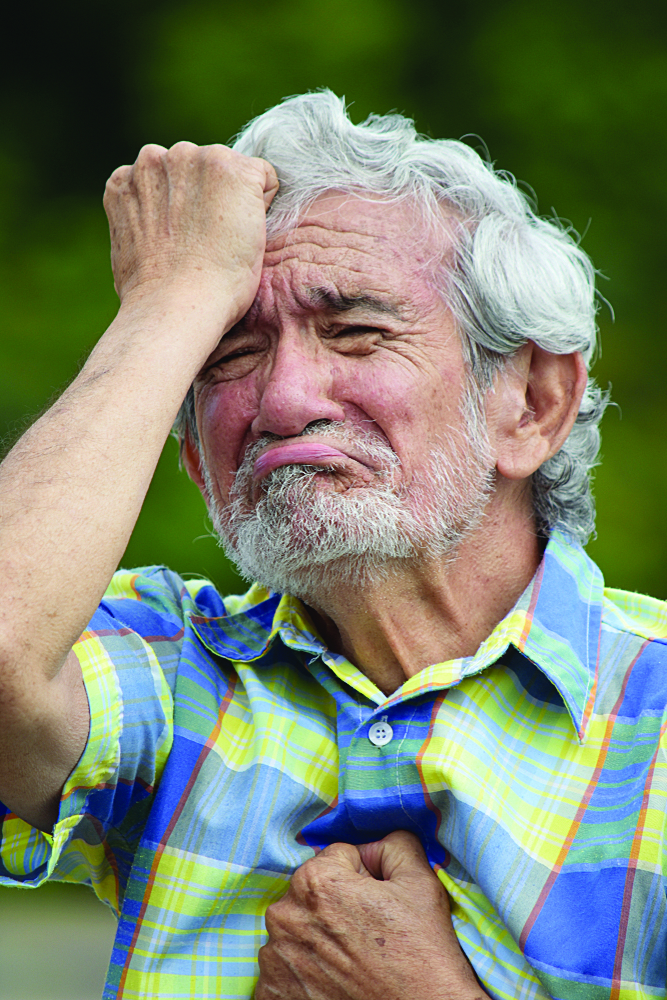
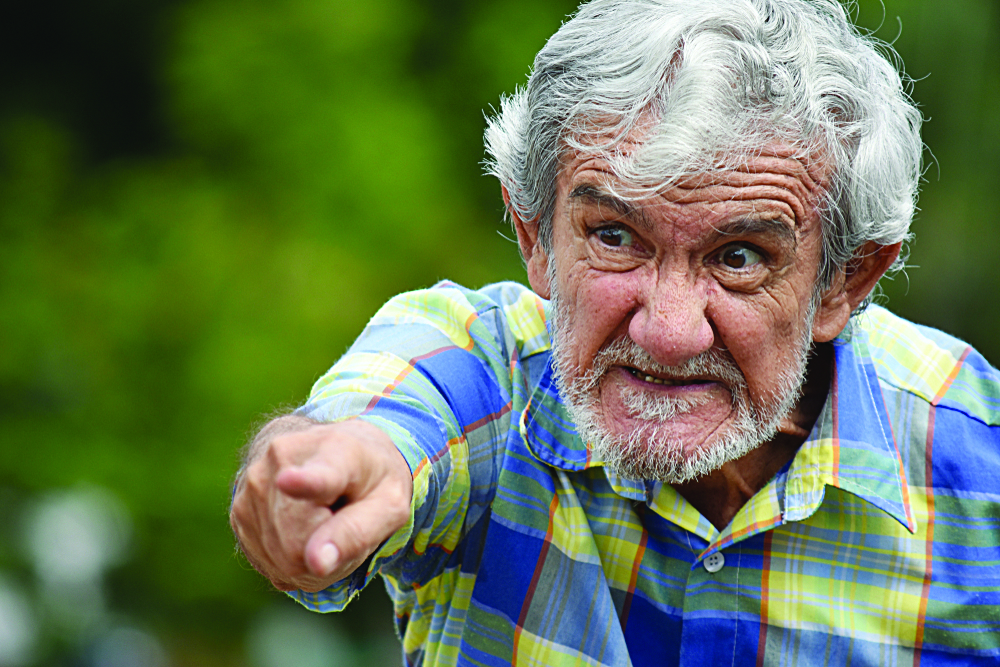
    Early in my dental career, I was the dental advisor for elder care facilities in Honolulu. The most challenging tasks were demonstrations on dental care. Some patients were extraordinarily combative!

    The combative patient’s teeth are typically not clean — minimal toothbrushing is done. It can be a struggle! Occasionally, though, you may be able to use a proxy-brush (a small Christmas tree-shaped brush) to clean between their teeth. Sometimes, using a thin, wet cloth or gauze around your finger works well in place of a toothbrush.

    Teeth that are very loose should be removed. They may choke and/or aspirate them.

    If the person can still go to the dentist and has cavities, the amount of difficulty and risk while conducting the restorative treatment must be weighed against the amount of discomfort the patient is in. A product we call “Silver Diamond” (silver diamine fluoride) is easy to use and works well in arresting decay. It does turn the decayed area black and may require more than one application.

    If the person you are caring for is cooperative, then do whatever you can to remove the plaque and debris. I admire all of you who are caregivers. You all have hearts of gold.


    DR. PAUL K. TANAKA, DDS
    4747 Kilauea Ave., Ste. 113, Honolulu, HI 96816
    808-737-6229 | office@paultanakadds.com
    www.paultanakadds.com

    Early in my dental career, I was the dental advisor for elder care facilities in Honolulu. The most challenging tasks were demonstrations on dental care. Some patients were extraordinarily combative!

  • For Med Safety, Work With Your Pharmacist

    When medications are not properly administered, the result can be harmful — even fatal. Research indicates there is a vital need for people to manage their medications to avoid adverse drug reactions. This is especially true for our kūpuna.

    According to one study, adverse drug events accounted for 4.5 million visits to outpatient settings and emergency rooms nationally per year. Adults over 65 had the highest adverse drug events rate. The odds of these events increased in proportion to the number of medications taken. Public health officials are especially concerned about older adults who take five or more medications.

    Although Hawai‘i’s kūpuna generally use fewer prescription drugs compared to their counterparts across the nation, they still fill an average of 25.7 prescriptions per year.

    The Hawaii Pharmacists Association (HPhA) and the Honolulu Subarea Health Planning Council (HONSAC) have begun a public education program promoting patient safety in self-administered medications for our kūpuna through locally produced public service announcements that will air statewide. The three new PSAs remind kūpuna to “know” their medications, adhere to all medication guidelines and take advantage of any additional pharmaceutical services that provide healthcare benefits. The campaign empowers kūpuna to work with their pharmacists in preventing harm from self-administered medications.

    “The PSAs serve as a reminder that pharmacists are a resource whom kūpuna can rely on for medication management that must be carefully executed to avoid adverse drug events and other types of patient harm,” said HPhA President Dr. Janelle Siu.

    “For kūpuna, pharmacists are sometimes the most accessible healthcare practitioners, so we want to encourage the kūpuna to feel comfortable in asking their pharmacists questions about their prescriptions, over-the-counter medications, vaccinations or any other services the pharmacy can provide,” said Dr. Wes Sumida, who chairs HONSAC. “We want them to “Ask questions. Get the answers. Age wisely.”


    HAWAII PHARMACISTS ASSOCIATION (501(c) 6 nonprofit)
    PO Box 22954, Honolulu, HI 96823
    hawaiipharm@gmail.com | www.hipharm.org
    View the PSAs: youtu.be/6fv41EH8IdY,
    youtu.be/tdl3jasCStk, youtu.be/Uik7-4yQXAA

    When medications are not properly administered, the result can be harmful — even fatal. Research indicates there is a vital need for people to manage their medications to avoid adverse drug reactions. This is especially true for our kūpuna.

  • Caregivers’ Tips for a Healthy Smile

    Most caregivers know good oral health is important at every age and is a clear indication of their patient’s overall health.
    Some things caregivers should look for are signs of change in the patient’s mouth. Has there been recent tooth loss, discoloration or dryness? Often, seniors may experience those conditions, which affects how they digest their food or indicates other health problems. It’s important to monitor even small changes or signs of discomfort while eating or drinking.
    Caregivers can maintain good oral health for their patients by brushing their teeth twice a day for two minutes and flossing daily. Use special oral health tools to properly brush and floss. Rinse dentures after every meal and brush them with a denture cleaner. Don’t forget to take the dentures out before bedtime and store them in water.

    Nutrition plays a large role in maintaining good oral health at any age; it’s best to limit sugary foods and drinks. Drinking lots of water keeps the teeth and body healthy. Also, don’t forget that seniors still need to see the dentist twice a year for exams and cleanings, even if they have dentures.

    Lastly, I want to say thank you to all caregivers for caring for our kūpuna. You are appreciated and valued. We hope these tips help your patient or loved one live well and smile more.


    HAWAII DENTAL SERVICE
    Kahala Howser, Wellness & Events Manager
    808-521-1431 | khowser@hawaiidentalservice.com
    www.HawaiiDentalService.com

    Most caregivers know good oral health is important at every age and is a clear indication of their patient’s overall health. Some things caregivers should look for are signs of change in the patient’s mouth. Has there been recent tooth loss, discoloration or dryness? Often, seniors may experience those conditions, which affects how they digest…

  • SEED for the Holidays

    The holiday season is a time of joy, but for many, it’s a challenging time as well. When the body holds too much tension and emotional energy, it can affect the immune system, making a person more prone to illness, as well as depression. And while we all want to enjoy this time, if we’re not proactive in taking care of ourselves, we may not feel like celebrating. So here is a word to practice to make this winter more wonderful: SEED, an acronym for stress, exercise, emotions and diet.

    Stress: More than 80 percent of chronic diseases are caused by stress. Learn to manage and reduce stress through proper breathing and meditation.

    Exercise: Deliberately move your body for one minute every hour at least 10 times a day to help make your body stronger and your brain smarter.

    Emotions: Positive emotions are the most powerful vitamins for your mental health. Spend time each day to appreciate yourself, your life and your loved ones. Smiling goes a long way, too.

    Diet: If overeating or making bad choices is challenging for you, stock your fridge with fruits and vegetables, and eat them before you indulge in holiday party food. You’ll eat less and your body will thank you.

    Plant this SEED now and ring in the New Year in better health. Happy holidays!


    KAIMUKI BODY & BRAIN
    3569 Harding Ave #B, Honolulu, HI 96816
    808-738-5522 | www.bodynbrain.com/kaimuki

    The holiday season is a time of joy, but for many, it’s a challenging time as well. When the body holds too much tension and emotional energy, it can affect the immune system, making a person more prone to illness, as well as depression. And while we all want to enjoy this time, if we’re…

  • Battlefield Acupuncture for Pain

    Some of our best inventions come out of the military: the walkie-talkie (1930s), duct tape (1942) and “Battlefield Acupuncture” (2001).

    Chronic pain is a serious problem for many of us, including combat veterans and soldiers. Unfortunately, pain medications, including opioids, often have limited efficacy and may impose adverse effects.

    Acupuncture is known to provide immediate relief for acute and chronic pain without the risk of addiction. Dr. Richard Niemtzow, MD, has finetuned this idea by developing Battlefield Acupuncture (BFA), an acupuncture protocol in which needles are placed in the ear.

    There are five points in this protocol: 1) Cingulate Gyrus, 2) Thalamus, 3) Omega 2, 4) Shen Men and 5) Point Zero. These points influence how the central nervous system processes pain. It has been suggested that they elicit short-term analgesia or anti- inflammatory cytokines for long-term effects. BFA has been proven effective for immediate pain reduction.

    Little gold semi-permanent needles are left to fall out on their own in a few days. But conventional acupuncture needles can work, too. This protocol is a quick and effective way of managing pain.


    NEEDLES OF HOPE
    1314 S. King St., Ste. 1050, Honolulu, HI 96814
    808-450-2527 | kathy@needlesofhope.com
    www.needlesofhope.com
    Source: Miridia Technology

    Chronic pain is a serious problem for many of us, including combat veterans and soldiers. Unfortunately, pain medications, including opioids, often have limited efficacy and may impose adverse effects.

  • Hearing Tips During the Pandemic

    This has been a tough year. Our lives have been disrupted at the least and dramatically changed at the worst by COVID-19. The effects are far-reaching and life-changing for us all — especially for our kūpuna.

    For those with hearing problems, it’s even more difficult to understand conversation when the speaker is wearing a mask. Voices become muffled and visual speech clues are hidden. Social distancing requires a separation of at least six feet, which makes it harder to communicate. The following are some tips for the kūpuna with hearing loss and their family and friends.

    Tips for kūpuna with hearing loss:

    • Let the speaker know you have problems hearing.
    • Ask the speaker to talk slower and louder so you are more likely to understand him or her.

    Tips for family and friends:

    • Make sure you have the person’s attention before you begin to speak.
    • Never speak from another room or over a long distance.
    • Ask a simple question to determine if you are being heard and understood. “Tūtū, can you understand me now?”
    • Do not start speaking and then turn away. Always face the person you are talking to.


    OHANA HEARING CARE
    1296 S. Beretania St., Ste. 102, Honolulu, HI 96814
    808-593-2137 | www.ohanahearingcare.com
    www.honoluluprosecutor.org/contact-us/

    This has been a tough year. Our lives have been disrupted at the least and dramatically changed at the worst by COVID-19. The effects are far-reaching and life-changing for us all — especially for our kūpuna. For those with hearing problems, it’s even more difficult to understand conversation when the speaker is wearing a mask.

  • Stay Independent

    Each year, one in four seniors suffers a fall, leading to injuries and emergency room visits. Although they are preventable, falls can lead to a loss of independence.

    Take Control of Your Home

    Taking control of your environment is crucial in preventing and reducing your risk of falling.

    • Keep all walkways clear of clutter or potential tripping hazards.
    • Make sure your home is well-lit.
    • Add grab bars inside and outside your tub or shower, and next to the toilet.

    Take Control of Your Health

    Taking control of your health is another important step. Keep yourself safe by being proactive regarding your health.

    • Talk openly with your doctor about fall risks and prevention. Have your doctor or pharmacist review your medications.
    • Consult with your doctor about an exercise program to improve your leg strength and balance.
    • Get an annual eye exam. Replace eye glasses or contacts as needed.


    MDX HAWAI‘I
    500 Ala Moana Blvd., Ste. 2200, Honolulu, HI 96813-4993
    808-522-7500 | www.MDXHawaii.com
    MDX Hawai‘i has over 35 years of experience serving the people of Hawai‘i. Our
    physician network represents over 630 top primary care physicians, and 2,200 leading
    specialists and hospitals. MDX Hawai‘i contracts with Humana HMO, Humana
    PPO and AARP/UnitedHealthcare PPO Medicare Advantage Plans.

    Each year, one in four seniors suffers a fall, leading to injuries and emergency room visits. Although they are preventable, falls can lead to a loss of independence.

  • Regain Your Posture as You Age

    Forty years ago, medical exercise specialists Debbie and Norm Compton met in Hawai‘i and made fitness the key element in both their personal and professional lives. Personal training, stunt work, injuries and their continual quest for excellence compelled them to write Stacking: Your Skeletal Blueprint for Posture. In their book, the Comptons share techniques for regaining posture as you age.

    Learning to develop a strong skeletal “stack” and the ability to keep your bones in their intended places allows us to know the feeling of neutral and true posture, they say. “When you’re strong in neutral, you’re strong everywhere.”

    Using a construction theme, the Comptons take all 206 of your bones and teach you how to build your frame from the bottom up, beginning with your feet. Moving up the body, they describe which parts serve as the glue that keeps your body together.

    They also explain what can go wrong if your bones aren’t aligned correctly, and have first-hand knowledge regarding misalignments and injuries. Deb has scoliosis; Norm was a Hollywood stuntman for 27 years.

    Now in their mid-60s, the Comptons continue to practice the fitness principles they preach, illustrating living proof of the old axiom “if you don’t use it, you lose it!” They still have it!


    STACKING GURUS
    310-292-6632 | stackingme@icloud.com
    www.stackinggurus.com

    Forty years ago, medical exercise specialists Debbie and Norm Compton met in Hawai‘i and made fitness the key element in both their personal and professional lives. Personal training, stunt work, injuries and their continual quest for excellence compelled them to write Stacking: Your Skeletal Blueprint for Posture. In their book, the Comptons share techniques for…

  • Sugar is Bad for Your Teeth & Mind

    I love sugar! Sugar makes desserts, candies and drinks taste wonderful! The bacteria in our mouth love sugar, too. Eating foods that contains sugar instantly activates bacteria for 20 minutes. As bacteria devour the sugar, their waste is acid.

    Acid is one of the few things that can destroy your enamel and may contribute to dementia.

    While sipping on a soda, sweet tea, a cup of coffee with cream and/or sugar for an hour, you have exposed your teeth to over an hour of enamel-eroding acid. Be aware that sugar-free diet drinks, and starchy foods like rice, chips and bread also activate bacteria.

    To lessen acid exposure, eat your dessert or sugary treat right after meals, rinse with water after consuming candies and sweet drinks, and brush and floss — especially before bedtime.

    Do not constantly tuck cough drops or hard candies on the side of your cheek! Not only is it a dental disaster, studies have shown that sugar may have a role in the progression of Alzheimer’s disease. Researchers found that people with high blood-sugar levels are prone to dementia.

    Enjoy your sweets but take steps to keep your teeth and mind intact.


    DR. PAUL K. TANAKA, DDS
    4747 Kilauea Ave., Ste. 113, Honolulu, HI 96816
    808-737-6229 | office@paultanakadds.com
    www.paultanakadds.com

    I love sugar! Sugar makes desserts, candies and drinks taste wonderful! The bacteria in our mouth love sugar, too. Eating foods that contains sugar instantly activates bacteria for 20 minutes. As bacteria devour the sugar, their waste is acid. Acid is one of the few things that can destroy your enamel and may contribute to…

  • Virtual Training: Think About It!

    Seniors are less likely to attend community fitness classes and participate in face-to-face networking  due to social distancing mandates put in place for our safety during the pandemic.
    Enter virtual training!

    If asked about attending an online class before COVID-19, seniors’ likely response may have been “heck no.” Now, if they have an underlying medical condition which makes it risky to attend in-person classes — even with rigorous safety protocols in place — it may be the only way.

    COVID-19 has forced many seniors to become more tech savvy and open-minded to new ways of doing things. With someone to assist in the setup, more seniors are exploring and enjoying the benefits of working virtually with a professional trainer in their home.

    Les and Shirley were initially hesitant about having someone come to their home; but when offered a virtual exercise session, they agreed. Assisted by their daughter, they started with individual sessions because of the difference in their physical abilities, but quickly moved to working out together. They seem to enjoy ribbing each other when one of them is having difficulty perfecting their form. They even showed us their dance moves at the end of one session! Virtual training: Think about it!


    GYMGUYZ URBAN HONOLULU
    Debbie Kim Morikawa, Owner
    808-295-1163 | debbie.kim.morikawa@gymguyz.com
    www.gymguyz.com

    Seniors are less likely to attend community fitness classes and participate in face-to-face networking  due to social distancing mandates put in place for our safety during the pandemic. Enter virtual training!