Category: Health

  • Body-Proofing II – Motion is Lotion

    Last month, we emphasized the importance of exercise to combat the natural aging process. Specifically, exercises like Pilates, Tai Chi and Yoga provide coordinated full body workouts with an emphasis on core muscle strengthening, balance and fluidness of movements. But what if you have pain in your knees or back making even simple movements like walking difficult? Thank your lucky stars because here in Hawai‘i, you are surrounded by the perfect modality—water.

    Physical therapists have been utilizing the unique properties of water to rehabilitate patients for decades. We call it Aquatic Therapy. By submerging the body partially in water, it creates weightlessness and takes the pressure off our knees, hips and spine. This is especially useful for patients with arthritis, healing fractured bones, or who are overweight. By decreasing the amount of joint stress it is easier and less painful to perform exercises.

    Once submerged, the viscosity of water provides resistance so you can build strength without using additional weights. Slow controlled movements like leg lifts and arm circles under water can be very effective for strengthening your legs, arms and back. Even simply walking in chest-height water can improve leg and back strength, balance and cardiovascular fitness.

    Another important feature of aquatic therapy is hydrostatic pressure, which is the evenly distributed pressure that is exerted on the body when it is submerged under water. This pressure provides joint positional awareness. As a result, your proprioception, the sense of where your body is in space, is improved. This is important as proprioception naturally declines with age, beginning at around 40, and is critical factor for balance reactions. Hydrostatic pressure also allows for pain free movements by decreasing swelling caused by injury or arthritic disorders.

    For rehabilitation purposes, Aquatic Therapy is often done in a heated pool, which helps to increase circulation and allow muscles to relax and stretch safely. However, if your goal is fitness and not rehabilitation from injury, any pool will do.

    Many facilities have “water aerobics” for a more structured program. Hawai‘i’s beaches are superb for aquatic fitness too. The calm waters at Magic Island are ideal. Simply walking in waist to chest-high water is an excellent workout and the gentle currents will help improve balance. As always, use good safety precautions at the beach.

    Physical therapists like to say, “Motion is lotion,” the more we move, the easier it will be to keep moving!


    Teresa Wong is a physical therapist, certified Pilates instructor and manager of the Rehab Hospital Of the Pacific Nu‘uanu Clinic. The clinic provides state-of-the-art rehabilitation programs for individuals recovering from injuries and illnesses. Visit online at www.rehabatnuuanu.org; email, twong@rehabhospital.org.

    Last month, we emphasized the importance of exercise to combat the natural aging process. Specifically, exercises like Pilates, Tai Chi and Yoga provide coordinated full body workouts with an emphasis on core muscle strengthening, balance and fluidness of movements. But what if you have pain in your knees or back making even simple movements like…

  • Your Mind and Body: The Breakdown on Bone Loss

    What is Osteoporosis?

    Osteoporosis (porous bones) is a bone disease that involves thinning of the bone tissue and loss of bone density over time. This weakens the bones and increases a person’s risk for fracture. Women are four times more likely to have osteoporosis as compared to men.

    In 2005, osteoporosis was responsible for two million fractures and $19 billion in costs. Breaking a bone is a serious matter for seniors as it can lead to disability. Active seniors who wish to maintain their independence for as long as possible need to get screened for osteoporosis. If you are diagnosed with osteoporosis, your doctor can prescribe medication and supplements.

    What are the risk factors for osteoporosis?

    Some factors increase your chances of developing osteoporosis. Some you can change, others you can’t.

    Things You Can Change

    • Increase the amount of calcium in your diet
    • Stop smoking
    • Treat eating disorders such as anorexia or bulimia
    • Exercise and lead an active lifestyle
    • Stop drinking alcohol. More than two alcoholic drinks a day prevents your body from absorbing calcium Things You Can’t Change
    • Being a woman
    • Getting older
    • Race: You’re at greatest risk if you’re of Caucasian or Asian descent
    • Family history
    • Being very thin or having a small frame size
    • Certain medical conditions, procedures and drugs

    What foods are rich in calcium and vitamin D?

    Food rich in vitamin D include dairy food such as milk, yogurt and cheese; vegetables such as broccoli, kale and collard greens; proteins such as beans, tofu and salmon; fruits such as orange, figs and rhubarb. Fish and fish liver oils are the best sources of vitamin D.

    See your doctor for a more complete, and perhaps more appetizing, list of calcium-rich foods. And, of course, sunlight is a major source of vitamin D, however, most of us in Hawai‘i get enough rays.


    Dr. Ritabelle Fernandes, MD, MPH, FACP is Clinical Associate Professor at the Geriatric Medicine Department of the John A Burns School of Medicine, University of Hawai‘i. She is board certified in Geriatric medicine, Hospice and Palliative Medicine, Internal Medicine and Home Care. She is a practicing physician at the Kokua Kalihi Valley and Kalihi-Palama Health Center

    Osteoporosis (porous bones) is a bone disease that involves thinning of the bone tissue and loss of bone density over time. This weakens the bones and increases a person’s risk for fracture. Women are four times more likely to have osteoporosis as compared to men.

  • The Art of Pressure

    Have you ever instinctively held your forehead or temples when you’ve had a headache? Everyone at one time or another has used their hands to hold tense or painful places on the body. This is the healing touch of acupressure.

    Acupressure is an ancient Chinese healing art that uses the fingers to press key pressure point to release muscular tension and promote blood circulation and the body’s natural healing abilities. Acupuncture and acupressure use the same points, but acupuncture employs needles, while acupressure uses the gentle but firm pressure of hands (and even feet).

    Foremost among the advantages of acupressure’s healing touch is that it is safe to do on yourself and others. There are no drugs involved. And the only pieces of equipment needed are your own two hands. You can practice acupressure therapy any time, anywhere.

    My acupressure clinical experiences over the past 18 years have shown me that acupressure can be effective in helping relieve headaches, eyestrain, sinus problems, neck pain, backaches, arthritis, muscle aches and stress tension. Acupressure can also be used to relieve ulcer pain, menstrual cramps, lower back aches, constipation and indigestion.

    Alice, one of my older clients, had limited mobility in her neck with severe arthritic neck pain that radiated down her shoulders into her arms as well as up into her head. After her first acupressure session, she not only felt less discomfort but also had greater flexibility in her neck. For the first time in years, she was able to move her head freely without pain.

    After several weeks, Alice realized that she could help herself by using the points underneath the base of her skull to relieve both her neck pain and stiffness. Recently she told me that whenever the pain “creeps up on her,” she practices self-acupressure.

    There are many great advantages to using acupressure as a way to balance the body and maintain good health. By relieving stress, acupressure strengthens resistance to disease and promotes wellness … using the power and sensitivity of the human hand.

    For more information, self-healing books, CDs and DVDS, visit www.Acupressure.com


    Michael Reed Gach, Ph.D., author and Acupressure Institute founder, is a foremost expert on Acupressure Therapy and self-care techniques. His seven books and instructional DVDs have sold more than a half million copies, bringing healing to thousands. Dr. Gach directs the Acupressure.com website of articles, self-healing books, CDs and DVDs available online. Gach received his PhD. from Columbia Pacific University in Health & Human Services. He authored Acupressure’s Potent Points and Acupressure for Emotional Healing.

    Have you ever instinctively held your forehead or temples when you’ve had a headache? Everyone at one time or another has used their hands to hold tense or painful places on the body. This is the healing touch of acupressure. Acupressure is an ancient Chinese healing art that uses the fingers to press key pressure…

  • Glaucoma Awareness

    Glaucoma is one of the leading causes of blindness in the United States today. Sadly, more than half of people affected by glaucoma are not aware they have it. Symptoms develop slowly over time, so most people who have glaucoma don’t notice changes in their vision until it’s too late. As a result, it is vital to take a proactive approach by scheduling a full eye examination regularly.

    Vision loss in glaucoma is caused by damage to the optic nerve. This nerve is responsible for carrying images from the eye to the brain. Glaucoma is usually associated with increased eye pressure, known as intraocular pressure. It can affect anyone, but is more common as we age, if a parent or sibling has glaucoma, or in people who have diabetes or hypertension. People of African or Hispanic ethnicity are also at higher risk.

    In America, glaucoma is a leading cause of blindness, especially when it is undiscovered or untreated. There is no cure for glaucoma, but for most people, glaucoma can be effectively treated once it is diagnosed. Vision loss from glaucoma can not be reversed, so early detection is critical. Treatment usually involves ongoing use of eye drops, laser, and sometimes surgery.

    Many will not experience noticeable signs of glaucoma in the early stages, as it develops slowly. The condition can, however, be detected through a complete eye examination. Key elements of the glaucoma exam include measurement of the eye pressure (tonometry), and evaluation of the optic nerve (ophthalmoscopy). Sometimes, a test of the peripheral vision (visual field) is recommended.

    Some would say vision is our most precious sense. To keep vision going strong, we recommend having regular eye exams. Ideally, people over 40 should have an eye exam every two years and people over 60 or with diabetes, every year. Keeping the eyes healthy will help preserve quality of life and allow enjoyment of all the sights the world has to offer.


    Christopher Tortora, M.D. is a board-certified ophthalmologist and host of “The Hawaiian Eye Show,” a weekly informational radio program about healthy vision. He and his colleagues at Hawaiian Eye Center are committed to educating the public about the importance of preventative eye care. Hawaiian Eye Center has been serving Hawaii for over 35 years with locations in Hilo and Wahiawa. To learn more about a variety of eye health issues, please contact Hawaiian Eye Center at SEE-2020 (733-2020) or visit the website, http://HawaiianEye.com where “life has never looked better.”

    Glaucoma is one of the leading causes of blindness in the United States today. Sadly, more than half of people affected by glaucoma are not aware they have it. Symptoms develop slowly over time, so most people who have glaucoma don’t notice changes in their vision until it’s too late.

  • Body-Proofing Combats Aging

    Growing older is inevitable but the rapid physical deterioration we call “aging” does not have to be.  In fact, the aging process can be slowed down or in some cases reversed with a consistent exercise program. Numerous studies show adults who make regular exercise a part of their lifestyle are biologically younger by almost 10 years than those who do not exercise. In fact, lack of exercise is responsible for about half of the physical decline associated with aging!

    Each year, one in three adults age 65 and older experience a fall, which can lead to injuries such as hip fractures and head traumas. Many organizations stress “home proofing” to prevent the likelihood of falls by removing throw rugs, installing better lighting, etc., and while those are smart things to do, many falls actually occur outside the home. A better method is what we at REHAB Hospital call “Body-Proofing.”

    Body-Proofing utilizes exercises designed specifically to address issues of balance, muscle weakness and lack of “fluid” movements. Can you get up from a low chair without using your hands? Can you go up or down stairs without holding on to the handrail? Can you put a pair of pants on in a standing position? If you answered ‘no’ to any of the above, read on!

    The key to Body-Proofing is “core” strength. Your “core” often refers to the center of gravity, deep in the abdominal cavity. The actual muscles of the “core” are the deep muscles that make up the internal abdominal wall as well as your pelvic floor and spinal musculature. This group of muscles stabilizes the body during movements. Balance is all about maintaining stability while we are moving. The other key muscles are what I refer to as the “anti-gravity muscles,” those that hold us up against gravity—the hip, thigh and calf muscles that must remain not only strong but also limber in order to react quickly.

    Pilates is almost a perfect form of Body-Proofing exercise and that’s why we utilize it for rehabilitation programs. It focuses on core strength, with emphasis on stabilizing the body while you move against resistance. If done properly, it is an exercise program that conditions the body back to its optimal state of strength, flexibility and stability. Other methods include martial arts with its emphasis on stability, flexibility and strength. Or even something as gentle as Tai Chi can be powerful in emphasizing balance, fluid movements and strength through its controlled upright positions.

    One best-selling author and medical expert often uses the concept of “real age” as how well a person is maintaining their physical health based on lifestyle choices. Rapid physical deterioration as we grow older is not inevitable. You can choose to “grow younger” with the right exercise program, at any age.


    Teresa Wong is a physical therapist, certified Pilates instructor and manager of the Rehab Hospital Of the Pacific Nu‘uanu Clinic. The clinic provides state-of-the-art rehabilitation programs for individuals recovering from injuries and illnesses. Visit online at www.rehabatnuuanu.org; email, twong@rehabhospital.org

    Growing older is inevitable but the rapid physical deterioration we call “aging” does not have to be.  In fact, the aging process can be slowed down or in some cases reversed with a consistent exercise program. Numerous studies show adults who make regular exercise a part of their lifestyle are biologically younger by almost 10…

  • Your Mind and Body

    What can a person do to reduce his or her risk of memory loss?

    The 2010 National Institutes of Health consensus and state-of-the-science statement revealed preliminary evidence that suggests beneficial associations between physical and leisure activity in reducing the risk of cognitive decline in seniors. Participation in activities at local senior citizen centers, health maintenance groups, clubs and churches will keep the mind active. Healthy lifestyle measures such as good control of blood pressure, blood sugar, and cessation of smoking reduces the risk for cardiovascular disease and memory loss.

    Is there any role for vitamins or supplements such as Gingko?

    The most consistence evidence is available for omega 3 fatty acids found in fish, with several longitudinal studies showing reduced risk for cognitive decline. Adherence to an island diet rich in fish consumption will help preserve a person’s memory. Gingko biloba was initially found to be beneficial in smaller short term studies. However, a recent large randomized control trial called the Gingko Evaluation of Memory (GEM) study compared Gingko Biloba with placebo in more than 1,500 elderly showing no reduction in the incidence of Alzheimer’s dementia. There is very little evidence to suggest a protective effect of Vitamin A, B, C or E. At this time vitamin supplementation does not prevent memory loss.


    Dr. Ritabelle Fernendes, MD, MPH, FACP a Column by By Teresa Wong, Physical Therapist Serafina Smith at 91 years young. Teresa Wong is a physical therapist, certified Pilates instructor and manager of the Rehab Hospital Of the Pacific Nu‘uanu Clinic. The clinic provides state-of-the-art rehabilitation programs for individuals recovering from injuries and illnesses. Visit online at www.rehabatnuuanu.org; email, twong@rehabhospital.org. is Clinical Associate Professor at the Geriatric Medicine Department of the John A Burns School of Medicine, University of Hawai‘i. She is board certified in Geriatric medicine, Hospice and Palliative Medicine, Internal Medicine and Home Care. She is a practicing physician at the Kokua Kalihi Valley and Kalihi-Palama Health Center.

    The 2010 National Institutes of Health consensus and state-of-the-science statement revealed preliminary evidence that suggests beneficial associations between physical and leisure activity in reducing the risk of cognitive decline in seniors.

  • Ward off the Flu

    It’s the holiday season, meaning most of us will be out and about more often than usual. Shopping malls, restaurants, parties, church services— wherever we are, it’s a good idea to remember that crowds provide the perfect environment for influenza viruses (the flu) to spread by coughs and sneezes.

    Symptoms appear one to four days after the virus enters the body. These include fever, fatigue, cough, sore throat, runny or stuffy nose and muscle or body aches. Adults may pass the virus beginning a day before and up to a week after they develop symptoms. Children may infect others for longer than a week.

    The 2009 H1N1 influenza virus and various seasonal flu viruses are still circulating throughout the world. While there’s no reason to panic, you should be aware that outbreaks due to any of these strains remain a threat.

    “The best protection against influenza is immunization,” says Dr. Phil Bruno, infectious disease physician specialist and chairman of the infectious disease control committee for Kaiser Permanente’s Hawai‘i Region. “The good news is adults and children over the age of 8 will need only one vaccine this season. The 2010-2011 trivalent influenza vaccine will provide protection against the 2009-H1N1 influenza virus, the seasonal H3N2 influenza virus and the influenza B virus.”

    According to Dr. Bruno, children who are 6 months to 8 years old may need two doses of the vaccine administered at least four weeks apart this year if they have never received seasonal or 2009-H1N1 influenza vaccines before, or if they have received only one dose of seasonal influenza vaccine in the past.

    “The CDC recommends influenza immunizations for everyone who’s 6 months and older,” Dr. Bruno says. Influenza immunization protects you, your family and your community. It’s important for you and your loved ones to be immunized.”


    For more information on the flu, visit kp.org/flu

    It’s the holiday season, meaning most of us will be out and about more often than usual. Shopping malls, restaurants, parties, church services— wherever we are, it’s a good idea to remember that crowds provide the perfect environment for influenza viruses (the flu) to spread by coughs and sneezes.

  • Dr. Rio Banner, MD: Health Visionary

    Dr. Rio Banner, MD: Health Visionary

    In Hawaii, we live an average of 81 years— longer than almost anywhere else in the world. But when it comes to successful aging, the key is to not only live longer, but to live longer as a healthy individual. The way to better health is taking care of ourselves as we age, which helps prevent the decline of our physical and mental abilities. And although any doctor would agree with that, the health care industry has traditionally emphasized treatment over prevention. But things are changing. A new model of health care is emerging—the Medical Home. It focuses on preventive, patient-centered care and has been gradually taking shape nationwide. Dr. Rio Banner, medical director at AlohaCare, tells us about this fundamental shift in our health care system and how it may contribute to a healthier you. As a preventive health specialist, he also gives us a rundown of ways to stay healthier, including cutting-edge therapies that some believe may help to restore a more youthful health.

    GM: Can you begin by telling us a little bit about your background in the medical field?

    RB: Of course. I received my medical degree in 1970 and have a master’s degree in public health, which I earned from the University of Hawai‘i at Mānoa. My interest in medicine was inspired by my cousin, who was a medical missionary in India while I was in high school. After my training, I chose to study public health in Hawai‘i because of its cultural diversity. My 16 years at Wai‘anae Coast Comprehensive Health Center (WCCHC)— first as a staff physician, then additionally as medical director—were so exciting because I was helping everyone from Native Hawaiians to immigrant Southeast Asian families. What a great experience.

    GM: Now you’re the medical director at AlohaCare. How did that come about?

    RB: Back in 1994, the state decided to take bids for the managed care of QUEST, which is Hawai‘i’s Medicaid care for low-income families. At WCCHC, which serves a majority of QUEST recipients, we were concerned that our patients’ care would be diminished, depending on who won the bid. So, we decided to partner with several Hawai‘i community health centers and individual health care providers to create a self-governed, island-wide, non-profit, managed health care plan called AlohaCare that would serve this population best. I left WCCHC at that point to be medical director of AlohaCare and have been here ever since. I’m also an internal medicine consultant at Kahi Mohala Behavioral Health Psychiatric Hospital.

    GM: Can you explain to us what’s happening in health care today? Seems preventive care is a major component of the paradigm shift.

    RB: That’s right—it is. You know, we take preventive measures in other aspects of our lives all the time without thinking about it. For example, most of us understand that changing our car oil periodically will help our car run better and longer. And, it can cost less than fixing the problems that could otherwise develop. Same with people! So this is the direction health care is heading. The recent Health Care Reform is said to be based on the philosophy of prevention.

    GM: Can you outline the foundations of this new health care model?

    RB: It’s called the Medical Home model, and it’s been developing since at least the 1960s—in fact, Hawai‘i’s community health centers have been using core aspects of it for years. In a nutshell, it’s a fully interactive, team-based approach to care.

    Who’s on the team? To begin with, you are. You are the center of the team. You know yourself best, and you are the only person who can make healthy lifestyle choices for yourself. Supporting you are health care providers, such as a primary care provider, nurses, specialists and insurers; other experts, such as behavioral health specialists, dietitians and outreach workers; and, if you choose, your family members. Your team works together, creating a web of health care knowledge about you and supporting your optimal health, both when you’re well and when you’re not.

    GM: What do you mean when you say “your team works together”?

    RB: First of all, a major component to teamwork is sharing information. Organizations are going electronic with health records, enabling providers to pull up a patient’s medical history, including pharmaceuticals, on the spot. That means your entire Medical Home team—including you—will be able to easily review your complete medical records and make better health care decisions because of it.

    Second, the way we interact with our doctors is going to change. You’ll still have a “home” doctor, or primary care provider. But instead of just seeing one doctor at a time, as we typically do today, you may sometimes see several providers—say, for example, your primary care provider, a nurse practitioner and a specialist—all together in the same room during your appointment to talk about your care. G

    GM: For those of us in our older years, how’s this new model of care going to be a benefit?

    RB: Seniors will find this team-oriented health care approach helpful for many reasons. According to the U.S. Census, about 80 percent of older Americans have at least one chronic health condition, and 50 percent have two or more. Naturally, then, they tend to spend more time at the doctor and take more medications than younger folks. It becomes increasingly difficult to navigate the health care system and track prescriptions, follow-up appointments, test results, etc. But the new system keeps dots connected and you at the center of the action. The result? Better care and ultimately better health.

    GM: Intuitively speaking, this sounds really great. But what’s it going to cost us?

    RB: What’s expensive is fixing a car after it breaks down, instead of taking better care of it in the first place. That’s what the U.S. is doing now, and costs are through the roof. Of course, that’s a simple answer to a complex question. Sometimes this kind of care may cost a bit more, depending on a patient’s situation. Other times it may cost far less, especially when preventive care is embraced. Numerous studies and pilot programs have been done on the Mainland, even by private employers such as Boeing, with overall results showing a huge cost savings.

    GM: In the meantime, what can we “older folks” start doing to improve healthy longevity?

    RB: I want to say this loud and clear: It’s never too late to improve your health. I hope your readers take this to heart and really start living these suggestions today. Eat nutritious, diverse foods. Exercise every day and maintain a healthy weight. Control your cholesterol level. Take calcium. Drink plenty of water. Always use sunscreen. Get medical screenings on time, such as for prostate cancer, colorectal cancer and glaucoma. Wear your seatbelt. Set up your household to be free of things you can trip over, slip on or fall from.

    GM: Will do. And you promised you’d have something “revolutionary” in the area of anti-aging. What is that?

    RB: That’s right. I’m the father of 13-year-old twin girls, so I have good reason to want to be at my best for as many years as possible. As AlohaCare’s medical director, one of my roles is to research innovative solutions for better health care. And I’ve become very excited about two emerging preventive care opportunities that may soon revolutionize not only the way we think about aging, but literally how we age.

    The first is the explosion of knowledge about our genes—the “information” packets found within the center of each cell in our body. Since the chemical structures of the human chromosome were discovered about 60 years ago, scientists are finding not only the molecular causes of disease, but also the specific treatments for them. Because each person’s genetic code is unique, we’re on the verge of understanding a specific personal prevention, prescription or treatment for each of us to best face age-old challenges such as diabetes, arthritis or cancer. This will be truly personalized care.

    A second opportunity is optional hormone replacement therapy. I’m not referring to certain controversial name-brand hormones currently prescribed for menopause. Rather, they are natural hormones that are exact matches to our body’s hormones, not synthetic molecules. As men and women age, the levels of our natural hormones, such as estrogen, progesterone, testosterone, melatonin, thyroid and Vitamin D, gradually decrease. The more they drop, the more they result in bodily deterioration, which includes anything from fatigue and loss of skin tone to depression, osteoporosis and cancer. By boosting our hormone levels to our younger levels, we can actually improve our immunity and nervous system, and slow deterioration, thereby helping prevent injury and illness.

    GM: Wow. As you continue your research on these subjects, we hope you’ll drop by Generations Magazine again and tell us more.

    RB: I certainly will!


    About AlohaCare – AlohaCare was founded in 1994 by local community health centers to provide managed health care for Hawaii’s most needy and under-served individuals. The non-profit organization has since grown to Hawai‘i’s third largest health care insurer, providing Medicaid (QUEST) and Medicare coverage for more than 75,000 members across the state. AlohaCare contributes to the health of Hawai‘i’s communities by improving access to health care; promoting quality care and disease prevention; and supporting health partnerships, projects and education.

    In Hawaii, we live an average of 81 years— longer than almost anywhere else in the world. But when it comes to successful aging, the key is to not only live longer, but to live longer as a healthy individual. The way to better health is taking care of ourselves as we age, which helps…

  • Fit for Life

    The objective at Club 50 Fitness is simple and direct: to improve the lives of people who are 40 years of age and above with fitness training and overall good health. As many Club 50 members will tell you, exercise is medicine! Just ask Rose, who says that exercise has been the best thing for her mentally and physically. “The days I’m tired or stressed, I have learned to let it go with exercising. I feel so much better after I leave,” she says. “I have maintained my weight for four years by just exercising. Everyone here is friendly, including the staff.”

    Club 50 Fitness on King St. is just the place to get your blood moving again. Club 50’s low-impact, easy-to-follow, 30-minute workout program can help you achieve your health and fitness goals. Its Hydraulic Resistance Training equipment offers six levels of adjustability with the turn of a knob, offering more challenge as you gain strength.

    For a free tour of Club 50 Fitness give Chris a call at 593-9292. If you are a senior, check your insurance plan’s gym benefits (HMSA, Kaiser, HMAA and Medicare Advantage) to see how you can workout at Club 50 Fitness for free.

    Non-seniors can mention Generations Magazine and get 50% off of the initial membership fee. Plus, courtesy of the gym, the first month’s dues will be waived. For more information, visit www.club50fitnesshawaii.com.

    The objective at Club 50 Fitness is simple and direct: to improve the lives of people who are 40 years of age and above with fitness training and overall good health. As many Club 50 members will tell you, exercise is medicine! Just ask Rose, who says that exercise has been the best thing for…

  • About Hypertension

    Blood pressure is a measure of the force of blood against the walls of your arteries. Blood pressure readings include two numbers, such as 120/80 (say “120 over 80”). The first number is the systolic pressure. This is the force of blood on the artery walls as the heart pumps. The second number is the diastolic pressure. This is the force of blood on the artery walls between heartbeats, when the heart is at rest.

    If your blood pressure is usually above 140/90, you have high blood pressure or hypertension. Despite what a lot of people think, high blood pressure usually does not cause headaches or make you feel dizzy or lightheaded. It usually has no symptoms, but it does increase your risk for heart attack, stroke, and kidney or eye damage. The higher your blood pressure, the more your risk increases.

    Treating high blood pressure may include changing your lifestyle, such as not smoking, staying at a healthy weight, exercising, and making healthier food choices. Your treatment may include medicines.


    From Kaiser Permanente’s High Blood Pressure Care Instructions booklet. For more information, visit kp.org/heart.

    Blood pressure is a measure of the force of blood against the walls of your arteries. Blood pressure readings include two numbers, such as 120/80 (say “120 over 80”). The first number is the systolic pressure. This is the force of blood on the artery walls as the heart pumps. The second number is the…

  • It’s Time to Hear Life

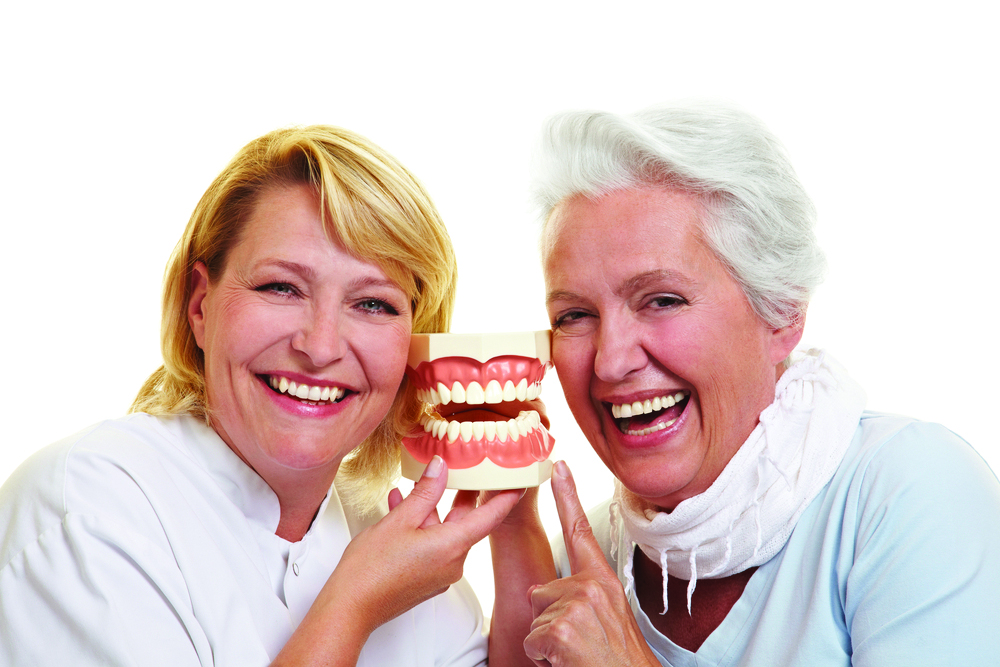
    Hearing loss can have a huge impact on your overall health and well-being. It is just as important to take care of your hearing health as the rest of your body. Studies link untreated hearing loss to both depression and mental decline.

    How can a hearing aid help?

    A hearing aid will bring back the sounds you have been missing, putting you back into conversations and improving your  relationships. It clarifies speech by boosting the sounds you need to hear so you are able to understand more easily. Conversation will go from muffled to sounding clear. Hearing aids enhance your quality of life by reducing the stress and frustration of hearing loss so you can be the sharpest version of yourself.

    What if I have learned to live with my hearing loss?

    Hearing loss is not just about you. If you have a hearing problem, those around you will also experience problems. In addition, those who have hearing difficulties may avoid social situations that they once enjoyed because of difficulty hearing. They may feel tired or stressed from straining to hear conversation and become annoyed or frustrated with others because they just can’t understand what they are trying to communicate.

    Find out how a hearing aid may help you.

    Hearing loss can have a huge impact on your overall health and well-being. It is just as important to take care of your hearing health as the rest of your body. Studies link untreated hearing loss to both depression and mental decline.

  • Exercise: A Panacea for Heart Disease

    Exercise is the closest thing to a complete remedy — a panacea — for heart disease. The heart fuels the entire body. If the heart gets too weak, it cannot sufficiently provide nutrients to organs and the body slowly deteriorates. Unfortunately, this is quite common for people in hospice care. Thankfully, prevention is readily available.

    Note that effective exercise may be tiring and straining.* The harsh reality is that the body — especially the heart — will not get stronger if not pushed past its comfort zone. Use it or lose it is one of the most universal laws of the body. Therefore, finding at least one enjoyable aspect is key. If the pros outweigh the cons, continued performance is more likely.

    • Prevention of slowly starving the body and the variety of ailments/diseases that come with it is essential.
    • Make it enjoyable! Play with the grandkids, make it social or involve one of your passions.
    • Even the frail and elderly body is highly adaptable. It will respond to hard work and reach a point where strenuous exercise becomes the norm. It can and will become “a piece of cake” with no strain.


    PRIME PHYSICAL THERAPY
    600 Queen St., C-2, Honolulu, HI 96813
    808-286-0194 | www.primepthawaii.com
    * Please do not overdo any exercise. Exercise should be increased gradually, in moderation and not cause discomfort.

    Exercise is the closest thing to a complete remedy — a panacea — for heart disease. The heart fuels the entire body. If the heart gets too weak, it cannot sufficiently provide nutrients to organs and the body slowly deteriorates. Unfortunately, this is quite common for people in hospice care. Thankfully, prevention is readily available.