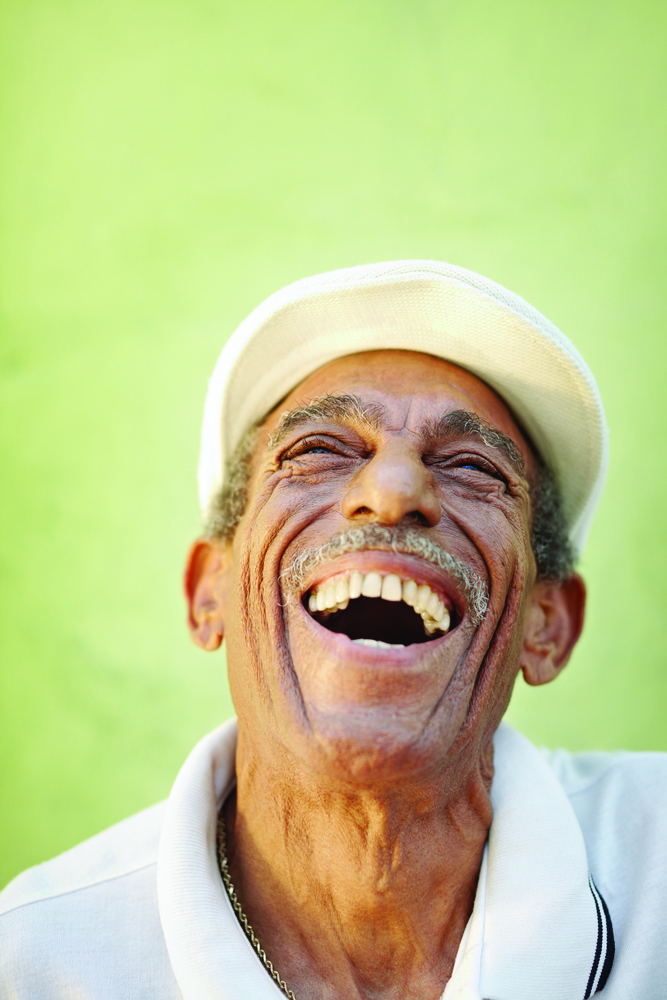
Poor oral health can affect overall physical health at any age. Without treatment, poor oral health can lead to pain, infection, malnutrition and even serious illnesses. Therefore, it’s important to incorporate good oral health habits into all stages of life. So if you’re weighing options for a long-term care facility for yourself or a loved one, ask them how oral health practices are incorporated into their care program.
More long-term care homes have expanded their nurse training to incorporate dental care. For example, the HDS Foundation created the Kupuna Smiles — Oral Health Training Program for nurses and other professionals who provide healthcare for seniors. Through this program, dental hygienists have conducted hands-on training for more than 80 registered nurses, certified nurse assistants and the managerial nursing staff of The Clarence TC Ching Villas at St. Francis in Liliha. Hygienists instructed each staff member on how to properly brush and floss patients’ teeth and care for dentures, reach difficult spots in the mouth, work carefully around mouth sores and identify signs of decay.
Long-term care facilities should prioritize oral health, especially if patients are unable to brush and floss on their own. The formula for good oral health is to brush, floss and see a dentist so you can live well and smile more!
Poor oral health can affect overall physical health at any age. Without treatment, poor oral health can lead to pain, infection, malnutrition and even serious illnesses. Therefore, it’s important to incorporate good oral health habits into all stages of life.
As we age, it may become more difficult to get a full night’s rest. This is caused by many things: changes in your body’s internal clock, spending less time outdoors or moving and a decrease in the hormones that help aid in sleep. It is a common misconception that we need less sleep as we get older. Sleep is still very important. Adults over age 65 should strive to get seven to eight hours of sleep a night.
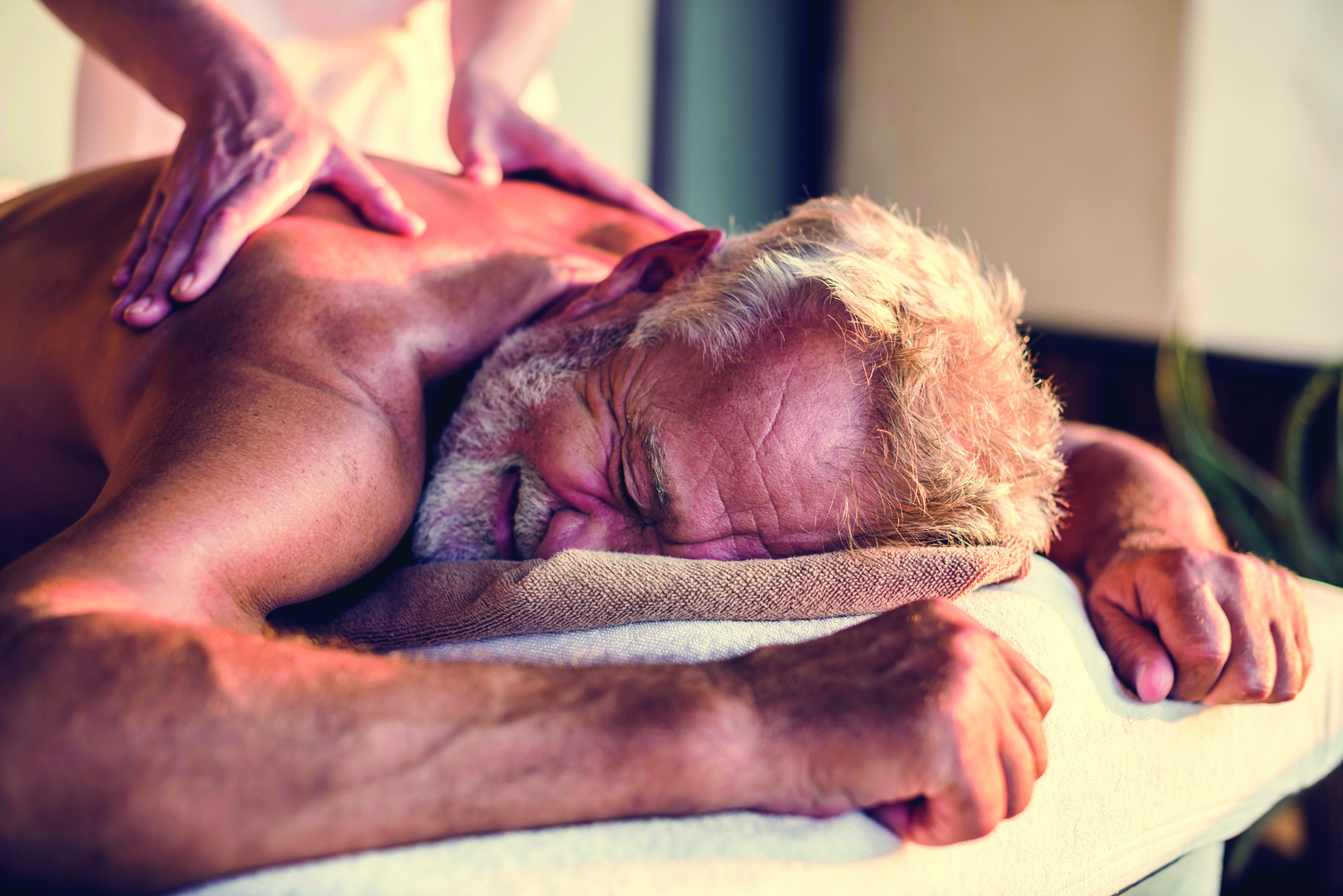
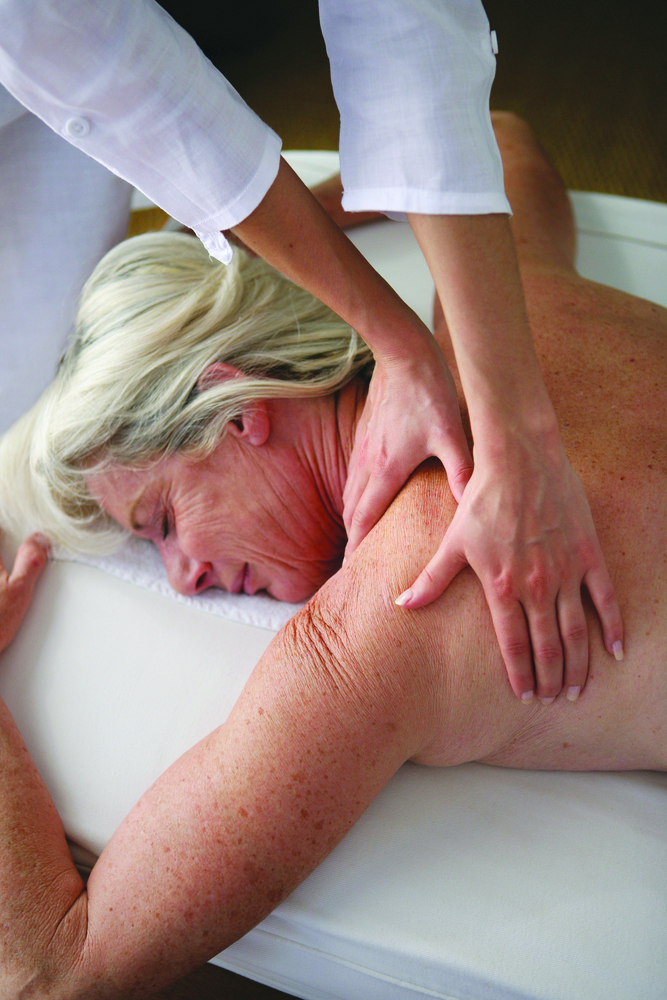
Swedish massage, which should already be a part of your regular wellness routine, can also help you get a better night’s rest because it helps the body release serotonin and dopamine. These hormones help you relax and feel good, and can help your body achieve more restful sleep.
Another fantastic benefit of Swedish massage is its ability to connect you with your body again. As we age, there is tendency toward less movement. This can be because of injuries, or lack of balance or mobility. When we move less, we become less in tune with our bodies. A huge part of massage is to bring that awareness back.
In addition, humans are social beings and need physical touch. When babies are born they crave being held. The simple act of being carried brings them comfort. We still need this physical connection as we age.
Massage also helps us retain muscle tone. As we age, we naturally lose muscle strength. Swedish massage improves muscle tone by mechanically stimulating the reflexes within the muscle. Muscle tone/strength is important in maintaining balance, which helps in preventing falls, and also increases an overall sense of well-being and vitality. Your body also recovers from a fall faster if you have good muscle tone.
To enhance sleep, reconnect to your body and retain muscle tone, schedule a massage on a weekly, biweekly or monthly basis. It really depends on your needs. Massage can be done wherever you feel comfortable — at a massage facility, in your own bed or even a recliner.
Wherever you go, always communicate with your massage therapist. Let him or her know if you are feeling any discomfort from the pressure or the technique. Our goal is to help you feel relaxed and relieved from pain you may be experiencing. Regular massage can help you live a better, happier, more pain-free life.
As we age, it may become more difficult to get a full night’s rest. This is caused by many things: changes in your body’s internal clock, spending less time outdoors or moving and a decrease in the hormones that help aid in sleep. It is a common misconception that we need less sleep as we…
Here in Hawai‘i, we’re lucky to live on beautiful islands with multigenerational families in multicultural communities. We have city life, country life, sunshine every day and some of the best food in the world. But our lifestyle, diet and even our genes can put us at risk for cancer. Yes, even here in paradise.
Cancer is a big problem. But it isn’t just one problem. It isn’t even one disease. It’s hundreds of diseases that touch millions of lives. There were an estimated 18.1 million cancer cases around the world in 2020. Of these, 9.3 million cases were in men and 8.8 million in women.
According to the American Cancer Society (ACS), one in two men and one in three women in the US will be diagnosed with cancer in their lifetime and cancer will cause the death of one in five Americans.
In Hawai‘i, it is estimated that there will be 7,730 new cases of cancer and 2,590 cancer deaths this year. Today, tomorrow and each day of the year, 20 people will be diagnosed with cancer; seven people will die from it. Sadly, these nameless, faceless statistics may hit close to home.
In this article, we’ll introduce you to people who are on a cancer journey and others who are working to help them in different ways. We’ll focus on folks here in Hawai‘i, with an emphasis on men. And we’ll highlight actions we can all take to reduce our risk for cancer and improve our lives. This article endeavors to relay accurate, helpful information with an eye toward a hopeful future. Because the future does look hopeful. At present, a lot more people are living with cancer than dying from it. There are nearly 17 million cancer survivors in the US and more than 62,000 people are living with cancer in Hawai‘i.
Over the last 30 years, cancer deaths have decreased by 29 percent due to lifesaving cancer research, increased screening, enhanced diagnostics, improved care and less tobacco use.
While cancer deaths are on the decline, cancer incidence is on the rise. As the global population grows and life expectancy increases, cancer is projected to increase to 30 million new cases worldwide in 2040. In other words, the “big problem” is projected to get even bigger.
RESEARCH IN HAWAI‘I
Looking for the cure for cancer can be like opening a box only to find another box. But researchers are thinking outside these boxes to unlock the mysteries of this enigmatic disease.
In Hawai‘i, more than 600 local families (2,266 people) are participating in the Hawai‘i Colorectal Cancer Family Registry Cohort, an international research project that’s studying the impact of genetics and lifestyle factors on the risk of colorectal cancer which is the third most frequently diagnosed cancer in the state of Hawai‘i.
People diagnosed with colorectal cancer, as well as family members who are affected and unaffected, will help doctors better predict the risk for colorectal cancers and find new ways to prevent them. The study revealed that some family members were at risk for colorectal cancer — but didn’t know it — and received additional testing paid for by the research study.
“Data from the registry identified new genetic mutations that had not been categorized as causing colon cancer,” says Dr. Loïc Le Marchand, PhD, the associate director for ethnic diversity at the University of Hawai‘i Cancer Center (UHCC). “These findings are significant and clinically relevant to the study of cancer risk — especially for different racial/ethnic groups.”
WHO IS AT RISK FOR DEVELOPING CANCER IN HAWAI‘I
What determines who will get cancer and who won’t? Are lifestyle, diet and race/ethnicity factors? To better understand the roles that lifestyle, diet and genetics play in cancer and other chronic diseases, researchers at the UH Cancer Center and the Keck School of Medicine of the University of Southern California began collecting data from 215,000 men and women aged 45 to 75 in Hawai’i and California in five racial/ethnic groups: Japanese American, Native Hawaiian, African American, Latino and white.
The Multiethnic Cohort (MEC) Study, which began in 1993, continues today with about half its participants still living. The large number of participants and long span of the research have generated an invaluable body of data from the most ethnically diverse study of its kind.
A key part of the study was the collection of blood and urine samples from 75,000 participants in the early 2000s. Investigators have used the samples to take measurements “that may be predictive of the occurrence of cancer — not only to better understand who will develop cancer, but to understand the mechanisms,” says Dr. Le Marchand, the principal investigator.
The MEC Study, funded by the National Cancer Institute (NCI), has brought $150 million to Hawai‘i through federal research funding. To date, more than 850 scientific articles have been published using its data to advance the understanding of cancer risk, reduce health disparities and discover new and more effective ways to prevent cancer among all people.
Multiethnic Cohort (MEC) Study Findings
■ Native Hawaiians and Japanese Americans are at higher risk of pancreatic cancer.
Among all ethnic/racial groups in Hawai‘i, Native Hawaiians and Japanese Americans have a higher risk of developing pancreatic cancer. Previous studies have shown that African Americans are at increased risk as well. But the MEC Study gives scientists data to evaluate risk, incidence and mortality rates compared to lifestyle, diet and genetics among additional ethnic/racial groups in Hawai‘i.
■ Native Hawaiians and Japanese Americans have a higher risk of liver fat.
Native Hawaiians and Japanese Americans are known to be at greater risk for liver fat and conditions associated with it. A new investigation found a genetic link between liver fat and a variant on chromosome six, which is found in Japanese Americans and Native Hawaiians, and legumes are high-quality foods that were assigned higher dietary data scores in the study. Red and processed meat, alcohol, refined grains, sodium and sugar-sweetened beverages (e.g., sodas) are foods that the study recommends we eat less of.
■ There are racial/ethnic differences in ovarian cancer risk.
A recent study using data from the MEC showed large differences in ovarian cancer risk between racial/ethnic groups. Compared to white women, the risk for Native Hawaiians was 36 percent higher. For Japanese Americans and Latinas, the risk was 21 percent and 26 percent lower. For African Americans, the risk was similar to that in whites.
■ Diet relates to the risk of colorectal cancer.
A high-quality diet was related to a reduction of colorectal cancer in men (from 16 percent to 31 percent) and women (from 4 percent to 18 percent). Fruits, vegetables, whole grains, nuts and lower level of body fatness in Japanese Americans than other ethnic groups. Visceral (VAT) and liver fat, adjusted for total adiposity, differs by race and is highest among Japanese Americans and lowest among African Americans. A better understanding of the causes of these risk factors may lead to new methods of prevention and treatment. And ongoing research to develop blood markers of visceral and liver fat may help to identify high risk individuals.
■ Processed and grilled meats are linked to an increase in cancer incidence.
People who consume the greatest amount of processed meats, such as hot dogs and sausages, had a 67 percent higher risk of developing cancer over those with the lowest consumption. A diet rich in pork and red meat may increase pancreatic cancer risk. One key takeaway is that a healthy diet includes a variety of foods in moderation.
■ Race/ethnicity is a risk factor for obesity-related cancers and metabolic diseases.
Body mass index (BMI) carries different risks for cancer across ethnic groups. Its effect on breast cancer risk is stronger and observed at a not in African Americans, European Americans or Latinos. Identifying genetic variants for liver fat will help in the development of new strategies for prevention and early detection of liver disease and related outcomes.
■ Additional findings:
Alcohol consumption, even in low amounts, increases breast cancer risk. Smoking also increases the risk of breast cancer. Lung cancer risk due to smoking is greater in Native Hawaiians and African Americans. Smokers with newly discovered genetic markers have a higher lung cancer risk.
Ka‘ana Like Mana‘o: KĀNE VS CANCER
Native Hawaiian men (kāne) have the highest death rate from colon cancer among all ethnic groups in Hawai‘i. Yet, 90 percent of colon cancer can be prevented by early and regular screening. Early screening can detect cancer at an earlier stage, lead to effective treatment and result in a better outcome. But low screening rates among Native Hawaiian men can place them at risk for late stage diagnoses and death.
“Native Hawaiian men are not diagnosed as much with colorectal cancer. But they die more often,” says Kevin Cassel, doctor of public health and principal investigator of “No Ke Ola Pono o Nā Kāne” (for the good health of men), a research study at the UHCC.
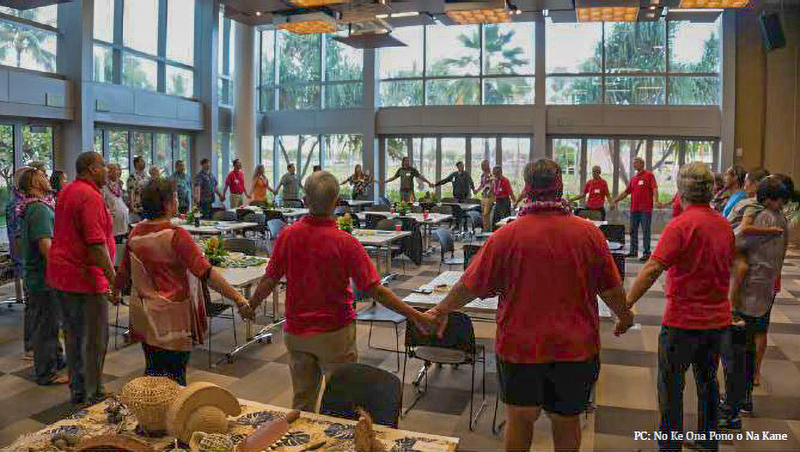
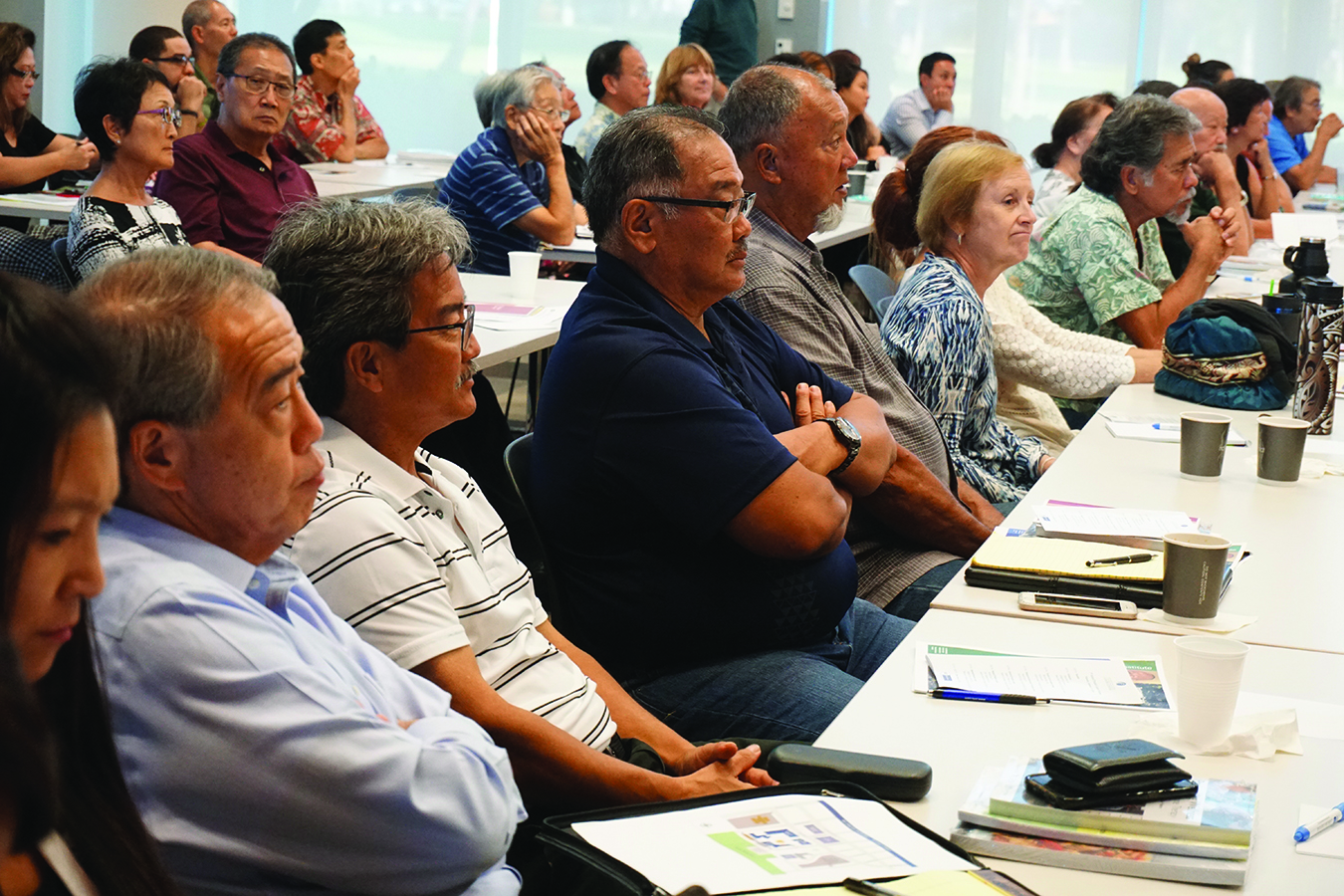
Using culturally grounded approaches based on Native Hawaiian traditional practices of hale mua (men’s house) and community hui kūkākūkā (discussion groups), the study investigated why nearly 60 percent of Native Hawaiian men over age 50 had never been screened and 30 percent had not discussed colon health or screening with their doctors — in spite of disproportionately higher rates of cancer, diabetes, cardiovascular diseases and obesity among Native Hawaiians.
The study was designed to promote healthy behaviors among 378 kāne, with an emphasis on colon cancer prevention strategies such as the fecal immunochemical test (FIT). By the end of the study, 92 percent of the kāne had improved their knowledge about colon health, 91 percent said they liked the approach and benefited from it and 76 percent agreed to complete a FIT.
“We did find a couple of men who screened positive,” says Dr. Cassel, noting that everyone who needed care received it.
Attributing to the study’s success was the fact that only men were included in the groups, and even the community volunteers who conducted peer-led conversations were Native Hawaiian kāne. Another key that led to the success of the study and its program was bringing in cultural practitioners and kūpuna (elders) who shared knowledge about traditional practices.
Another topic the men covered in the hale mua was ‘ai pono — the traditional Hawaiian diet based on fish and root vegetables, with participants discussing the relevance of those foods today. Other conversations in the hui kūkākūkā centered around pule and the importance of prayer and maintaining spiritual health.
Each community hui kūkākūkā discussion included a physician who was present to field questions. The informal setting appealed to participants who normally only see doctors during office visits.
Nancy La Joy, executive director of the Pacific Cancer Foundation and Peter Kafka of the men’s online support group, Men’s Talk Story, recognizes alternative Hawaiian medicines such as the Noni fruit. Photo by Hideharu Yoshikawa
“Once the questions started, we’d just go wherever it went,” says Nathan Wong, MD, a study kauka (physician). Dr. Wong was one of five Native Hawaiians in the first class enrolled at the John A. Burns School of Medicine on O‘ahu. Now retired from family medicine, Dr. Wong, a member of the Native Hawaiian Community Advisory Board at the UHCC, is deeply concerned about disparities that challenge Native Hawaiian men today. “There’s something going on there,” he says. “We need to see what we could do with alleviating that significant differentiation between Native Hawaiian men and others. There’s no doubt that you have significant issues with and susceptibility to many cancers.”
Expanding on issues that affect Native Hawaiian men, Dr. Wong says, “Kāne don’t go to their doctor. Perhaps they don’t trust the physician; perhaps they’re too busy. And maybe they just don’t have enough information.”
He adds that women are more accustomed to going to the doctor for themselves and their children. So this discrepancy is more than cultural or socioeconomic; it’s also gender-based. “That’s why we focused on kāne. Only guys. That’s the whole point of the hale mua.”
Dr. Wong is proud to see the community hui kūkākūkā for kāne work as “a way of bringing them together in something that’s culturally familiar — to some extent, very much Hawaiian.” And, we got more men to do their FIT tests,” he’s proud to say. Introducing FIT to kāne through community hui kūkākūkā may improve outcomes and reduce deaths. “And to me, that’s the main thing — realizing the power of groups of kāne that can discuss health in a way that is comfortable for them.”
Kākoo: KĀNE SUPPORT SERVICES
“Men are a little bit different,” says Peter Kafka, who lives on Maui and runs support groups for men. “Our minds — our emotions — work differently.” And when it comes to taking care of their own health, he says, “You know, we treat our bodies kind of like our automobile.” While describing his 1998 Toyota truck with 200,000 miles on it, Peter explains, “We’re looking to fix things. You know, when something goes awry, we get on the internet and search.” And that’s what Peter did when he was told that he had an aggressive form of prostate cancer.
Peter’s search for information and advice from people who had walked the path before him led to a support group for cancer patients. But eight years ago, the only support groups he found on Maui were filled with women with breast cancer who talked about hairstyles and recipes, he said.
Peter’s search for a support group that he could connect with led him to the Maui-based Pacific Cancer Foundation (PCF) and a national organization called AnCan (Answer Cancer) that supported him in pioneering a movement when he began hosting an online support group for men called Men’s Talk Story. The group is still active and meets online regularly for men who are dealing with every stage of every type of cancer that want to connect and talk about their diagnosis, treatments, health insurance, relationships and more.
“We also have a group specifically for men under 60,” Peter explains. “We have an emotional support group called ‘Speaking Freely’ for just guys to talk about cancer in general and how it’s impacted their life and relationships, their work — everything. This is not just a male affliction. It strikes at the heart of a relationship. So we talk very honestly and open about things. To create a trustworthy group of guys you can connect with is really life-changing.”
And now that he’s retired as the maintenance supervisor at Haleakalā National Park, Peter has more time to talk story. “A lot of guys are uncomfortable doing Zoom meetings,” he says. “So I make myself available on the phone.” If you’d like to talk story with Peter, call 808-298-1655.
Ho‘okele: NAVIGATING A CANCER JOURNEY
What happens when your life’s journey is detoured by cancer and you come to a crossroads where you must start making choices right away? You meet new doctors. You hear about surgery, chemotherapy, radiation. You spend hours sifting through information on the internet.
For many people, navigating the healthcare system can be overwhelming. And having to make choices can be beyond overwhelming.
And while you have to take this journey, you don’t have to do it alone.
Patient navigators are health professionals who focus on providing education, guidance and assistance to help patients find their way through the healthcare system and to ensure that their healthcare needs are met. The PCF offers free patient navigation services for people on Maui, Lāna‘i and Moloka‘i.
“Everybody’s cancer journey is different,” says PCF Executive Director Nancy La Joy, who describes a patient navigator as “a lot like a social worker and a community health worker who really walks the journey with each person, one by one, hand in hand.”
Personalized care can make all the difference for a patient’s outcome.
“The patient navigator’s job is to eliminate any barriers to healthcare,” says Nancy, “Those could be educational, advocacy, understanding your diagnosis, understanding your treatment plan, understanding your medical team, and what the role is of each of the players.”
Transportation is one of the biggest barriers to healthcare, says Nancy. “A lot of times, during the course of treatment, people will get to the point where they don’t feel well enough to drive themselves. Or maybe they need to go to O‘ahu or the mainland for specialized treatment. We help with all of that — ground transportation, air transportation, and sometimes lodging.” When travel is necessary, the PCF will work with patients, insurance companies and service providers, including airlines and hotels, to find solutions.
PCF’s goal is, “to help people get through treatment without any trouble or missed appointments, missed opportunities for care — feeling better and doing better and getting on with your life,” says Nancy, noting that navigators also help people learn to live with cancer for months and years. Throughout the pandemic, the PCF has continued to provide free services through support groups, meditation classes, nutritional support, and its largest program — patient navigation.
Hale o Ka Mana‘olana: BUILDING HOPE
The American Cancer Society is built on hope. Its mission is to save lives, celebrate lives and lead the fight for a world without cancer. And one way the organization does that is by providing a free place for patients and caregivers to stay when they need to travel for cancer treatment — because often, the best hope for effective treatment is far from home.
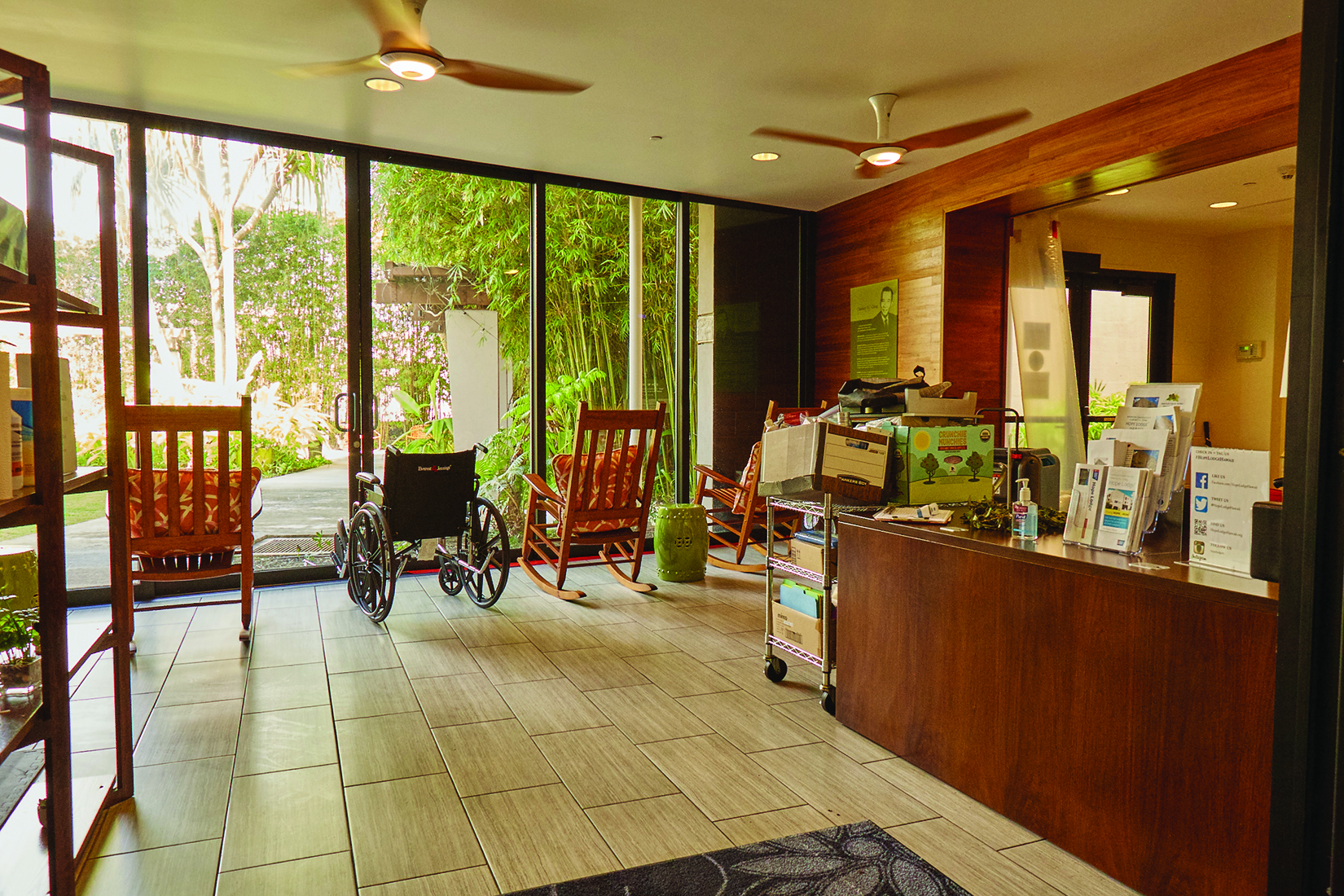
There are more than 30 places in the US known as Hope Lodge.
The Clarence T.C. Ching Hope Lodge Hawai‘i in Honolulu opened in 2016 as the first and only Hope Lodge in the western US.
For nearly 1,000 cancer patients and their caregivers who’ve traveled from Hawai‘i Island, Maui, Lana‘i, Moloka‘i, Kaua‘i, Guam, American Samoa, and other Pacific Islands for cancer care on O‘ahu, Hope Lodge Hawai‘i has been a safe, caring, comfortable home away from home.
An average stay at Hope Lodge Hawai‘i is 14 nights. And by offering more than 5,000 nights of accommodations each year — free-of-charge — the ACS provides an annual benefit to cancer patients in Hawai‘i and the Pacific totaling more than $1.2 million. That’s a big help and a big comfort in a place built on hope.
Nā Mea No‘ono‘o Hana: LATEST INNOVATIONS FOR LIFE
Through innovations in cancer care in Hawai‘i, doctors have access to better tools that are giving patients better outcomes.
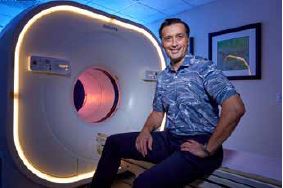
PET/CT (positron emission tomography/computed tomography) scans are key in detecting, staging and monitoring for recurrence of cancer.
Advanced medical imaging technology is now available in Hawai‘i, offering increased speed and quality for doctors, and enhanced comfort and safety for patients.
“Accurate diagnostic data can provide a roadmap for the treating physician to best assess a treatment protocol,” says Insight Imaging President Massimiliano “Max” Clini.
“Better scans lead to better data which lead to better care.”
The latest innovations in digital PET/CT scanners reduce the amount of radiation exposure to patients by up to 50 percent while reducing scan times by up to 90 percent. “Older technology would require patients to lie down on the scanner for upwards of 45 minutes,” explains Max. And that was the case just a few years ago. Today, cutting-edge diagnostic scans can be completed in less than 10 minutes.
State-of-the-art digital imaging can also benefit patient care. “The opportunity to detect smaller lesions can lead to earlier detection of cancers,” says Max, showing how innovative advancements in diagnostic tools can improve the success rate of
cancer treatments.
E Ho‘oikaika Imua: STRIVING FOR A BRIGHT FUTURE
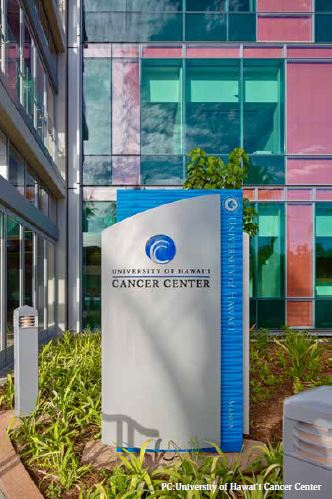
The UH Cancer Center just celebrated 50 years of progress through cancer research, education and community outreach, as well as 25 years of continuous designation by the NCI.
“This is Hawai‘i’s cancer center,” says UHCC Interim Director Joe W. Ramos, PhD. “We focus on: How can we help Hawai‘i? How do we reduce the burden of cancer here? How can we better identify their causes here and use that knowledge to prevent cancers?” And just as urgently, Dr. Ramos adds, “How can we use that knowledge to attack cancers with these new therapeutics and new diagnostics?”
“We’re trying to figure out what makes different cancers form, grow, and move and metastasize,” explains Dr. Ramos. “If you can catch the cancer early, you have more options for successful treatment and a cure — if it’s early enough. But the problem is, if you catch it later, it may have already spread to other locations. So we’re working hard to better prevent, diagnose and treat cancer.”
To address these issues,” Dr. Ramos says, “We have great faculty and staff working specifically for Hawai‘i and the USAPI.” He describes the UHCC faculty as among the top in the country. And they’re bolstered by strong partnerships with local hospitals and healthcare groups, support from the state legislature and funding through grants that acknowledge the center’s high-quality faculty and top-level ranking as a world-class research institute.
What will success look like for the UHCC in the future? It will be as diverse as the populations it serves, with cutting-edge technologies, innovative research, expanded access to clinical trials here in Hawai‘i, an Early Phase Clinical Research Center, and a high-tech Organoid Generation Facility that will help ensure that Hawai’i continues to have one of the leading cancer research institutions in the nation and the world for the next 50 years.
Filled with hope, ACS Hawai‘i Board Chair Shane Morita, MD, also sees the promise of new technologies and innovations.
“I think the future is really bright,” he says. “We’re looking at different ways of treating cancer with immunotherapy and targeted therapy. There are breakthroughs being made every day.”
As medical director for surgical oncology at The Queen’s Medical Center, Dr. Morita draws inspiration from personal experience — his father died of cancer and his mother became a caregiver. And through professional experience, he sees a
path to a cure through clinical trials.
“They pave the way to find the next standard of care — the gold standard of how we treat patients,” adds Dr. Morita. “When I was training at the National Institutes of Health, a lot of the clinical trials that I was involved in were proven to be effective and have become the standard of care.”
Komo i Ka Noi‘i: JOIN A STUDY OR CLINICAL TRIAL
Would you like to help to advance scientific knowledge and have an impact on the fight against cancer? If you participate in a research study or clinical trial at the UHCC, you might play a role in the discovery of new ways to detect, diagnose, and treat cancer and other diseases, and reduce the chance of developing them in the first place. Volunteers of all ages and ethnicities are needed, and recruitment opens up for different projects at different times. To learn more, call the UHCC at 808-586-2979.
Clinical Trials Actively Recruiting Participants
■ Cyanotoxin Trial
There’s an urgent need to investigate cyanobacteria (blue-green algae) because men and women in Hawai‘i and Guam have some of the highest rates of liver cancer in the US; Native Hawaiian men and CHamoru men have the highest risk of liver cancer. The UHCC is recruiting 400 adults — especially Native Hawaiian men — aged 40 to 70 with no prior cancer.
■ Mediterranean Diet Trial
Researchers at the UHCC are looking for 240 Asian, Native Hawaiian/Pacific Islander and white people in Hawai‘i to go on a Mediterranean diet (seafood, vegetables, fruits, whole grains, beans, nuts and olive oil) or an intermittent energy restriction diet for six months for weight loss.
■ Breast Screening Study
Women 45 to 74 who are planning to get a mammogram are invited to join a research study and help improve future breast screening. The TMIST Breast Screening Study will compare 2-D and 3-D mammography and build a tissue bank for research that can help personalize screening based on personal risk factors and genetics.
■ Caregiver Study
Eligible caregivers, family members or friends of newly-diagnosed colorectal cancer patients may be eligible to receive a tablet with educational materials. Participants may keep the tablet when the study concludes. Researchers want to learn whether providing an educational curriculum in this way can improve quality of life for patients and their caregivers.
Noho Ana Maika‘i a Hau‘oli: LIVING WELL WITH CANCER
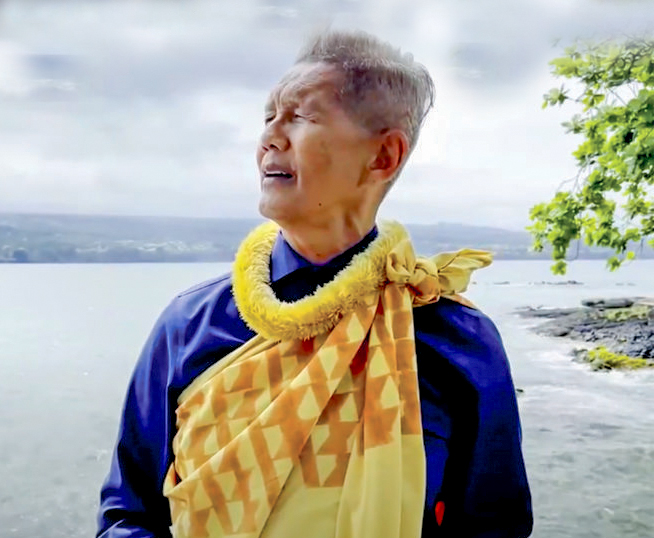
Brad Lum says he’s glad that he learned he had Stage 4 prostate and bone cancer eight years ago. If he hadn’t been told that then, he wouldn’t be living his best life now.
“Cancer isn’t the most important thing in my life,” insists Brad. “It is there. I acknowledge it. That’s about it.”
Active and fit, Brad enjoys hiking, surfing and going to the gym. He’s becoming vegan. And he encourages people to eat foods like kalo, ‘ulu, and ‘ōlena (turmeric) that were cultivated in Hawai‘i. Brad also strives to balance Western medicine with traditional Hawaiian la‘au lapa‘au. “You can do both,” he says. “Make it balanced.”
Kumu Brad keeps his balance through chant and prayer. Around the time of his cancer diagnosis, he realized, “I started to see clearly.” And that’s when he became a Buddhist.
The kumu hula and retired teacher is also glad to be making plans for his 70th birthday. “I’m gonna have two parties,” he says. “And I’m gonna jump out of a plane.”
For all his positivity, Kumu Brad keeps it real and he keeps it balanced. “I just wanna enjoy life,” he says. “Just enjoy, period.”
Cancer is a big problem. And our lifestyle, our diet, and even our genes can put us at risk to be among the one in two men or one in three women who will be diagnosed with cancer in our lifetime.
So take actions that will reduce your risk. Go for a walk. Smell the flowers. Keep informed. Eat more vegetables. Lose weight. Use sunscreen. Stop smoking. Join a research study. Enjoy the views. Keep in touch with friends and family. Stay balanced. And just enjoy life, period.
Here in Hawai‘i, we’re lucky to live on beautiful islands with multigenerational families in multicultural communities. We have city life, country life, sunshine every day and some of the best food in the world. But our lifestyle, diet and even our genes can put us at risk for cancer. Yes, even here in paradise.
April is Oral Cancer Awareness Month and it’s the time of year to remind seniors and loved ones to visit the dentist. Did you know a routine visit to the dentist also includes a screening for oral cancer? While they look for signs of decay (cavities) and gum disease, they’re looking for typical warning signs of cancer in the mouth.
Possible signs of oral cancer are white or red patches in the mouth; persistent sores, ulcers, or irritation in the mouth cavity; difficulty in chewing, swallowing, moving the jaw or tongue; numbness in the tongue, a sore throat that does not go away; a constant toothache or pain in the jaw; or an earache. If you come across any of these signs, give your dentist a call right away. An early diagnosis can make a huge difference. Even if you don’t see any of the warning signs, you should still see your dentist twice a year for exams and routine cleanings, whether you have dentures or not.
Every day, 132 people in the US will be newly diagnosed with oral cancer caused by lifestyle conditions, poor dental care and oral hygiene, age, poor nutrition, exposure to UV light, genetics and other medical conditions. Smoking and chewing tobacco can also contribute to oral cancer.
April is Oral Cancer Awareness Month and it’s the time of year to remind seniors and loved ones to visit the dentist. Did you know a routine visit to the dentist also includes a screening for oral cancer? While they look for signs of decay (cavities) and gum disease, they’re looking for typical warning signs…
Although glaucoma is a leading cause of irreversible blindness, the most common presentation of glaucoma often has no noticeable symptoms in its early stages. When glaucoma develops, vision loss progresses so gradually that the people affected are often unaware of it until their sight has already been compromised. Due to the lack of symptoms in most cases of glaucoma, the American Academy of Ophthalmology advises the public that the best defense against developing glaucoma-related blindness is to maintain routine, comprehensive eye exams.
“Like many illnesses that progress slowly over time, the best preventative measure against developing vision loss from glaucoma is by early detection of symptoms, only possible by having regular eye exams,” says Dr. Steven Rhee of Hawaiian Eye of Hawaiian Eye Center. “When glaucoma is in its early stages, most vision loss is preventable with early detection and medical intervention.”
Open-angle glaucoma, in which the drainage angle for eye fluid remains open, is the most common presentation, with gradual onset of symptoms without pain. Less common types of glaucoma include closed-angle glaucoma and normal-tension glaucoma, which can come on gradually or suddenly. The sudden presentation may involve severe eye pain, blurred vision and other bodily symptoms.
Those most at risk of developing glaucoma include those…
• aged 40 and older.
• who are siblings of people diagnosed with glaucoma or have a family history of glaucoma.
• who are of African and Hispanic descent in older age groups.
• diagnosed with diabetes or high blood pressure.
• who have had an eye injury or eye surgery.
Most known risk factors of glaucoma are not preventable and the optic nerve is unable to regenerate after any damage has occurred. However, glaucoma can be controlled with an early diagnosis and treatment to slow down or stop further damage. Treatment ranges from topical medications to laser surgery, which helps lower the eye’s internal pressure.
People of older age groups or with a family history of glaucoma should have a comprehensive dilated eye exam every two to three years from an eye care professional to check for glaucoma and other eye diseases. People at higher risk of developing glaucoma should get eye exams annually, including those 40 and over or with other known risk factors.
Although glaucoma is a leading cause of irreversible blindness, the most common presentation of glaucoma often has no noticeable symptoms in its early stages. When glaucoma develops, vision loss progresses so gradually that the people affected are often unaware of it until their sight has already been compromised.
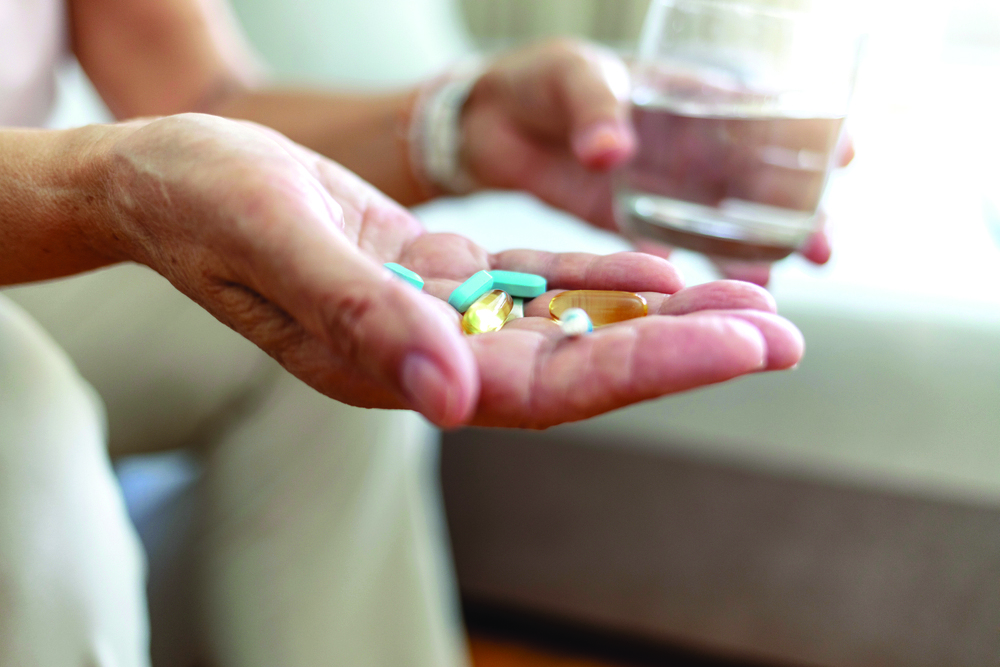
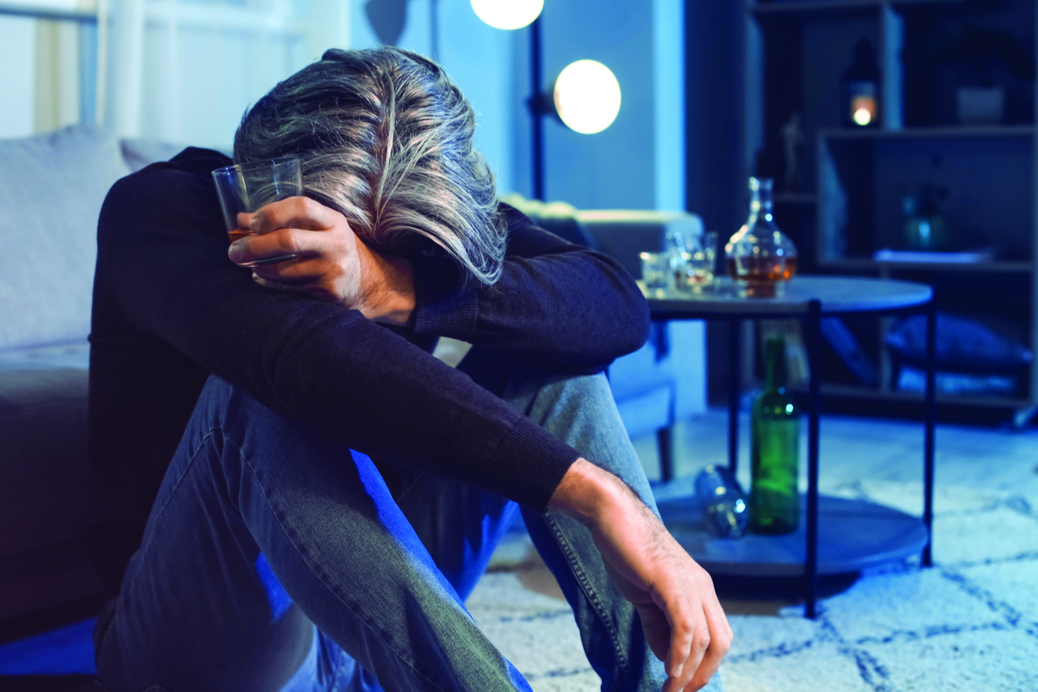
When people think about substance abuse and addiction, they often imagine young adults. While it’s true teenagers are at a higher risk for substance abuse as a group, research done on the elderly population is lacking. Despite the lack of research, it’s widely believed that substance abuse and addiction in the elderly is a hidden epidemic.
While no one wants to even imagine that their parents or grandparents may have problems with substance abuse or addiction (especially if they have no history), it’s essential to keep an eye out for these challenges. This article aims to help explain the importance of the issue, how to recognize the signs of use and abuse of different substances, and how to help.
Substance Abuse & Addiction Defined
There are many terms used to describe the use of drugs or alcohol. The shortest description is: “Substance abuse is a coping mechanism developed in response to triggers, while addiction is a disease involving chemical dependency.”
Those living with substance abuse generally have more control over the situation, often drinking or using drugs to deal with stress. They sometimes experience minimal disruption to their lives, but this should still be taken seriously because substance use or abuse of any level can exacerbate health problems — especially for seniors.
Those who are addicted to substances tend to have their lives overtaken by their conditions. They usually have a chemical need for alcohol or drugs and very little ability to stop themselves from partaking. It affects their daily lives and relationships are often damaged.
Substance Abuse Disorder is a Health Crisis
There’s a common misconception that older adults don’t experience substance use disorder (SUD). However, a study revealed that nearly one million people over 65 were living with SUD.
As people age, their need for pain relief is likely to increase. But because opioids are highly addictive, they risk abuse of or addiction to the drugs.
Substances Commonly Abused by the Elderly
■ ALCOHOL: Alcohol is the most commonly abused substance. Alcohol abuse can be hard to recognize, leading many to call it a “hidden epidemic.” Part of the challenge is that signs of alcohol abuse are very similar to signs of aging. Nonetheless, here are some signs of alcohol abuse disorder:
• Frequent injuries
• Increased tolerance for other medications
• An overabundance of empty liquor bottles
• Displaying signs of cognitive impairment (e.g., forgetfulness, unsteadiness, confusion, memory loss, etc.)
• Slurred speech
• Symptoms of depression or anxiety
• Unpredictable mood swings
■ OPIOIDS: Synthetic opioids, such as oxycodone (Percocet and OxyContin), hydrocodone (Vicodin), codeine, morphine and fentanyl, are commonly prescribed for severe or chronic pain. With an estimated 65 percent of older adults suffering from pain and 30 percent reporting chronic pain, many could be prescribed opioids — which are highly addictive. Signs of opioid addiction:
• Hiding prescriptions
• Running out of opioid medications quickly
• Showing withdrawal symptoms (e.g., nausea, vomiting)
• Signs of cognitive impairment
• Using multiple pharmacies to fill prescriptions
■ BENZODIAZEPINES (BENZOS): Benzodiazepines, such as diazepam (Valium), lorazepam (Ativan), alprazolam (Xanax) and midazolam (Versed), are psychoactive relaxers that are commonly prescribed for people experiencing depression, anxiety, insomnia, muscle spasms or seizures (benzos are no longer recommended for treating insomnia in older adults because of the risk of Alzheimer’s). Signs of potential abuse include:
• Decreased attention span
• Drowsiness
• Memory loss
• Profuse sweating
• Running into objects or walls frequently (difficulty with spatial reasoning)
• Slurred speech
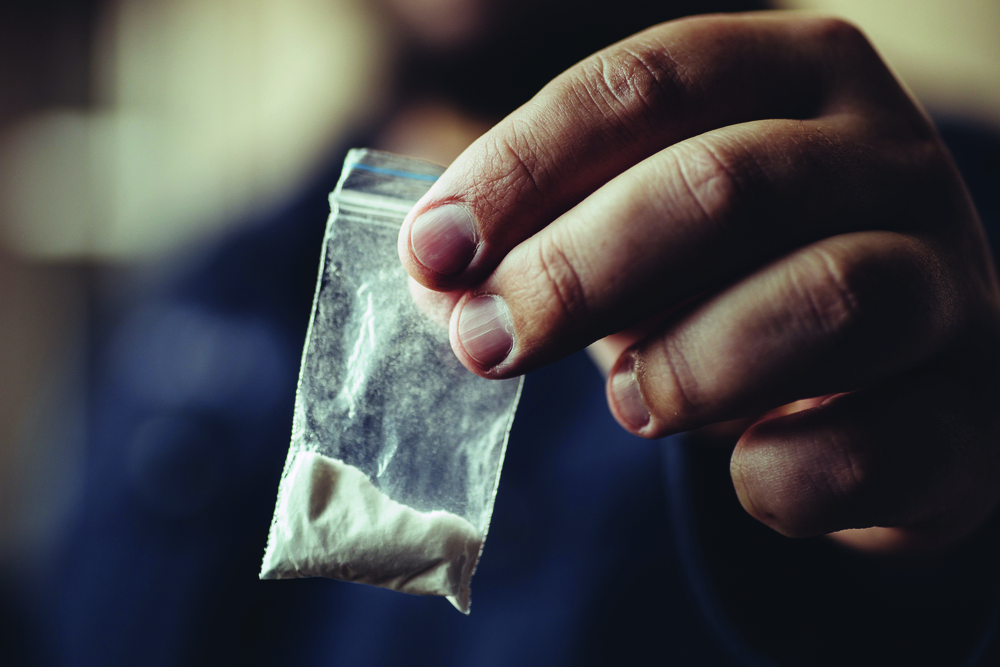
■ COCAINE: It may seem odd that cocaine is on a list of substances commonly abused by seniors. But aging baby boomers are changing the landscape of drug use — cocaine wasn’t a widely used in previous generations at the same age. Cocaine is popular because it makes many people feel great — at least for a little while. They may have increased self-confidence, euphoria and desire to be social — all things older adults may miss from their youth. With no prescriptions allowed — the only way users can get cocaine is through dealers. Some signs your loved one could be addicted to cocaine include:
• Dilated pupils
• Excess energy and over-excitement
• Experiencing paranoia
• Little appetite
• Not sleeping
• Runny or red nose and sniffling often
■ MARIJUANA: Marijuana can be either smoked or ingested by being mixed with foods (edibles). Medical marijuana is commonly prescribed to older adults because it’s believed to help treat Alzheimer’s, cancer, glaucoma and pain, among other things that frequently affect this population. For states where it’s legal to sell and purchase, you can walk into a cannabis shop or dispensary. For states where the drug is illegal, regular users would likely purchase from a dealer. Some signs your loved one might have a marijuana dependency include:
• Consistently bloodshot eyes
• Decrease in coordination
• Lethargy and lack of motivation
• Loss of memory
• Using it every day or multiple times a day, especially if their doctors have recommended a lower frequency
■ HEROIN: People addicted to prescription opioids are often at risk of turning to heroin, especially if it gets too difficult to procure prescriptions. The drug can ease their pain the same way the opioids did. Heroin is usually acquired through a dealer. Signs of heroin use include:
• Constricted pupils
• Sleepiness while on it; inability to sleep when it wears off
• Slowed thoughts or movements
• Visible injection marks on their skin, often called “track marks”
• Pain, chills, vomiting, itchiness and nervousness when the heroin wears off
How to Help
Acknowledging there is a problem can be the first step to helping a loved one overcome addiction. Both caregivers and medical professionals can have important roles in getting assistance to someone suffering from SUD.
• Addiction Center: www.addictioncenter.com. Information on SUD and addiction, rehabilitation centers and other treatment options.
• National Institute on Drug Abuse: www.drugabuse.gov. Government resource provides answers to nearly every question you may have.
• Opioid Treatment Program Directory: dpt2.samhsa.gov/treatment. This directory helps you find opioid treatment in your state.
• RehabNet: https://rehabnet.com. Specifically designed for seniors living with drug and alcohol abuse or addiction. It provides a 24/7 hotline.
• SAMHSA National Helpline: www.samhsa.gov/find-help/national-helpline. This 24/7, confidential hotline is available to people living with or who care about someone with a substance use disorder. They can provide referrals to local assistance and send publications.
When people think about substance abuse and addiction, they often imagine young adults. While it’s true teenagers are at a higher risk for substance abuse as a group, research done on the elderly population is lacking. Despite the lack of research, it’s widely believed that substance abuse and addiction in the elderly is a hidden…
It has long been established that consistently wearing a proper-fitting mask over your nose and mouth is critical in preventing the spread of COVID-19. In January, nearly two years into the pandemic, the Centers for Disease Control and Prevention (CDC) updated its mask recommendations, because as the SARS-CoV-2 coronavirus changes and mutates, producing a bounty of variants, we must adapt. The virus will continue to circulate and mutate as long as there are people to infect, so masks will likely remain a part of our lives for some time.
Proper Fit is Essential
Masks are made to contain droplets and particles you breathe, cough or sneeze out. They {Play} mostly protect others. If they fit closely to the face, they can also provide some protection from particles spread by others.
Respirators fitting closely on the face to protect you by filtering out particles so that you don’t breathe them in. They can also contain droplets and particles you breathe, cough, or sneeze out so you do not spread them to others.
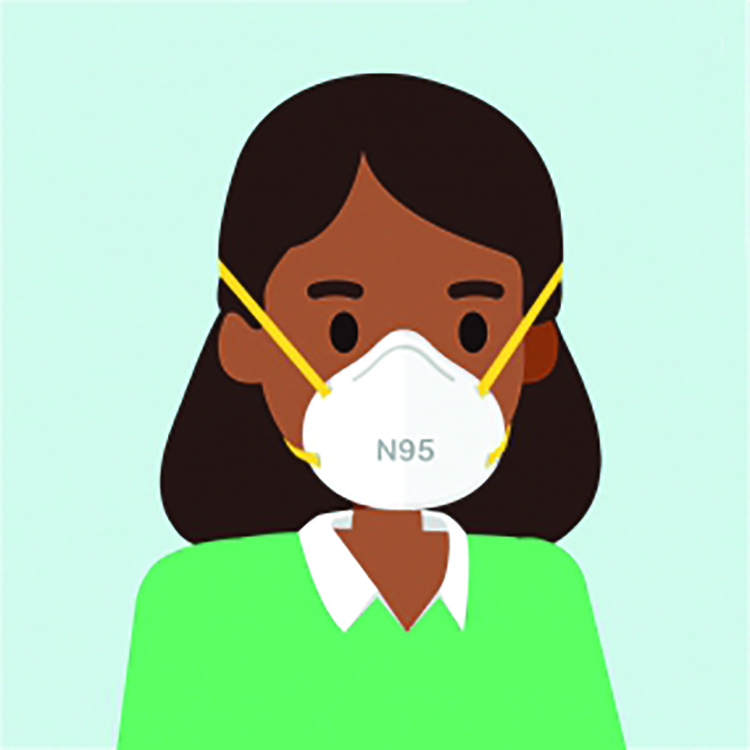
While all masks and respirators provide some level of protection, properly fitting respirators provide the highest level of protection. N95s, KN95s and surgical-style masks, (when they are legitimate and fit properly) are more protective than cloth ones.
Assuming the mask fits well and its filtration has been rigorously tested, these types of masks are some of the most protective face coverings you can buy.
Whichever you chose, fit, comfort and consistent use are important to provide good protection.
• Make sure your mask fits snugly against your face.
• Pick a mask with layers to keep your respiratory droplets in and others’ out.
• Choose a mask with a nose wire and bend it over your nose to fit it close to your face.
• Use a mask fitter or brace over a disposable or cloth mask.
• Check for gaps by cupping your hands around the outside edges of the mask.
• Make sure no air is flowing from the area near your eyes or from the sides of the mask.
• If the mask has a good fit, you will feel warm air come through the front of the mask and may be able to see the mask material move in and out with each breath.
• If you use a cloth mask, make sure it has multiple layers of fabric, or wear a disposable mask underneath the cloth mask. The cloth mask should push the edges of the disposable mask against your face.
• Knot the ear loops of a three-ply face mask where they join the edge and fold and tuck the unneeded material under the edges (instruction video: https://youtu.be/GzTAZDsNBe0.)
The Genuine Article
The New York Times’ “Wirecutter” features a selection of masks they consider to be the best options. They tested 39 models and confirmed the filtration claims of their favorites with government agencies or their own lab testing performed in collaboration with Colorado State University.
Their picks have been confirmed to block at least 95 percent of 0.1-micron particles when worn with a secure seal, with good fit, feel and value. They vetted the sellers and manufacturers to confirm that you’re getting the genuine article.
Go to www.nytimes.com/wirecutter/reviews/where-to-buy-n95-kn95-masks-online/#ourfavorite-respirator-masks to find legitimate N95, KN95 and surgical masks from trusted retailers. For reusable options, visit www.nytimes.com/wirecutter/reviews/best-cloth-face-masks.
You may find that these disposable respirator masks cost $1 to $3 apiece. The cost can add up and used masks in our landfills can pile up. Fortunately, for most people and in most situations, you don’t need to dispose of your mask after each use or each day.
Masks work the same way on any variant — by trapping virus-containing particles in their layers. But don’t try to save money or your local landfill by trying to wash or disinfect a mask, which can render it ineffective. You can have a steady supply of reusable masks by marking paper bags with the days of the week written on them. When you take off a used mask, put it in the appropriate bag, touching only the elastics. Then wash your hands. Store the bags by a sunny window to hasten decontamination.
The coronavirus has an expected survival time of about 72 hours, so waiting seven days should be enough time for the mask to become clear of virus contaminants.
When Should You Throw It Away?
According to the CDC, a mask should still be wearable if its elastic bands continue to create a secure fit and the material looks clean and provides good airflow.
However, consider where you’ve worn the mask and for how long. Someone who wears a mask in close quarters with others every day, for example, may need to throw it out sooner than someone who wears theirs to the grocery store every once a week.
Whatever the circumstances, switch to a fresh mask if yours is dirty, thinning, damaged or hard to breathe through, or if it no longer maintains a good seal. Throw the mask away if you think you have been exposed to a virus load, such as, if you may have interacted with a person who has tested positive for COVID-19.
It has long been established that consistently wearing a proper-fitting mask over your nose and mouth is critical in preventing the spread of COVID-19. In January, nearly two years into the pandemic, the Centers for Disease Control and Prevention (CDC) updated its mask recommendations, because as the SARS-CoV-2 coronavirus changes and mutates, producing a bounty…
Most people visit the doctor only a few times a year, so it’s important to get the most out of each appointment. The more information you share, the better your doctor can take care of you.
Bring a List to Your Appointment
Before you go to the doctor, make a list of the questions. When you’re not feeling your best, write down your symptoms. Talking with your doctor can help pinpoint and address potential issues, enabling you to get better quickly.
Write Down the Answers
Take notes. Doctors are accustomed to discussing complex medical topics and simplifying them for easier understanding by their patients. Don’t be shy. Ask questions for better understanding.
Follow Through
Keep the notes from the doctor’s visit and follow through. Write down the changes you see during treatment so your doctor can see what’s working the next time you talk.
Your doctor’s goal is to provide you with the care you deserve at every visit. You are a key component of your wellness, so it is important that you and your doctor work as a team to achieve your optimal health.
MDX HAWAI‘I
A statewide network of physicians, specialists, hospitals and ancillary providers (Humana HMO, Humana PPO, and AARP/UnitedHealthcare PPO Medicare Advantage Plans).
500 Ala Moana Blvd., Ste. 2200, Honolulu, HI 96813-4993 808-522-7500 | www.MDXHawaii.com
Most people visit the doctor only a few times a year, so it’s important to get the most out of each appointment. The more information you share, the better your doctor can take care of you.
Hawai‘i’s sandwich generation is confronted with both unique challenges and great opportunities as baby boomers care for their elderly parents, while also supporting their adult children and grandchildren. Multi-generational homes are very common in Hawai‘i.
Interdependence can strengthen families and provide valuable intergenerational opportunities to meet each other’s needs. February, which is National Children’s Oral Health Month, is the perfect time to put this into practice.
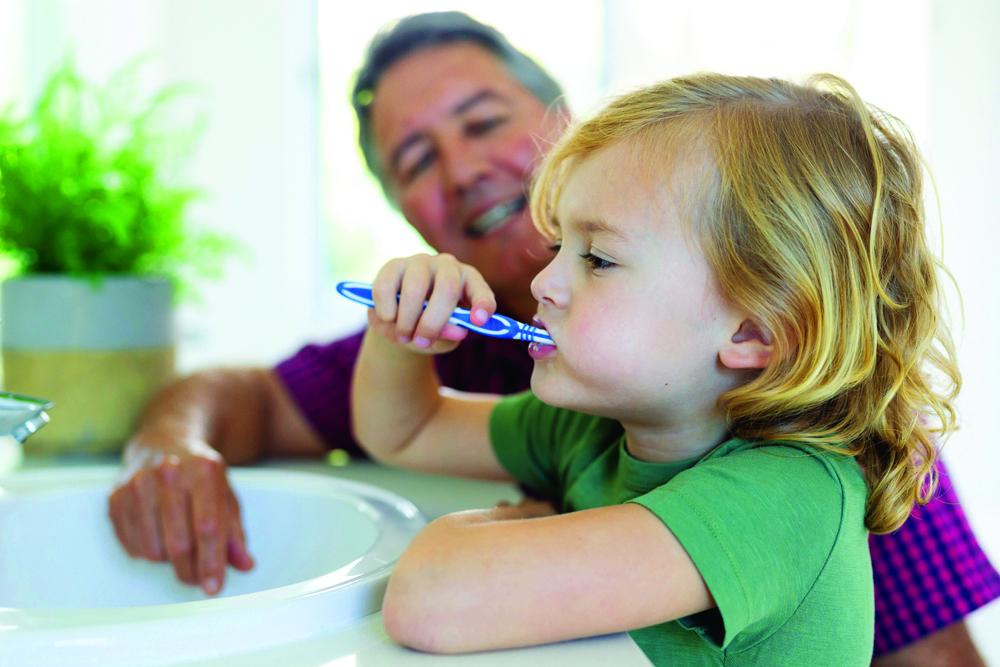
Hawai‘i’s children have the highest prevalence of tooth decay in the nation. Tooth decay can affect their overall health and well-being, including their ability to concentrate in school. But grandparents can help their grandchildren and great-grandchildren maintain their oral health from an early age by showing — by example — the importance of properly brushing and flossing, and visiting a dentist on a regular basis for checkups. Children need to know a visit to the dentist is not scary!
Millennial adult children can also share their knowledge about oral healthcare with their grandparents who may have diabetes or are taking medications that may make their mouth feel dry and affect their gums.
Hawai‘i’s sandwich generation is confronted with both unique challenges and great opportunities as baby boomers care for their elderly parents, while also supporting their adult children and grandchildren. Multi-generational homes are very common in Hawai‘i.
A common misconception is that massage is a luxury. Massage is becoming recognized as complementary medicine, along with other modalities, such as chiropractic care and acupuncture. An increasing amount of research is being conducted that demonstrates the scientific and medical benefits of massage.
The most common types of massage are Swedish/ relaxation massage, lymphatic massage and reflexology. Seniors can benefit from them all.
SWEDISH/RELAXATION MASSAGE increases circulation and eases tension. As we age, our circulation may become less efficient due to inactivity. Poor circulation may lead to muscle cramps, pain and more. Think of Swedish massage as passive exercise, where the massage therapist is doing all the work for you! Another benefit of this type of massage is that it helps seniors retain muscle tone. As we age, we naturally lose muscle mass and strength. Massage helps maintain balance, which helps decrease the risk of falling. Maintaining muscle tone also increases an overall sense of well-being and vitality.
LYMPHATIC MASSAGE is a very gentle massage that increases lymphatic system function. Our lymphatic and circulatory systems work together to function as our immune system. The lymph system may become stagnant due to lack of physical activity. One of the most common symptoms of a poorly functioning lymphatic system is swelling, also called “edema.” Lymphatic massage aids the lymphatic system by helping to move the fluid that causes that swelling. Lymphatic massage benefits include better circulation and reduced swelling in the legs and ankles.
REFLEXOLOGY focuses on the the feet, hands and ears. Traditional Chinese medicine tells us there are pressure points on your feet, hands and ears that correspond to other body parts. If you look straight down at your feet, you will see a reflection of your entire body. The outside of your pinky toes correlates with your shoulders and the inside of your feet with your spine. Reflexology can be relaxing and reduce pain. Reflexology also helps reduce joint pain and stiffness, improves joint mobility and function, and last but not least, promotes relaxation.
Taking care of a loved one or your grandchildren may take a toll on your body. Maybe you have previous injuries or various health conditions that cause aches and pains in your body and may lead to arthritis. If you don’t address these issues, they may just get worse. Invest in a body tune-up — talk to your massage therapist about the type of massage that may benefit you the most.
A common misconception is that massage is a luxury. Massage is becoming recognized as complementary medicine, along with other modalities, such as chiropractic care and acupuncture. An increasing amount of research is being conducted that demonstrates the scientific and medical benefits of massage.
An interview with Debbie Kim Morikawa, owner of GYMGUYZ
Why is it important that seniors continue to work on their fitness?
It’s always important to remain active to stay healthy and strong. Regular exercise is also great for brain health, boosting mood and energy, and speeding up recovery from an injury or illness. “Use it or lose it” applies to balance skills, agility, muscle strength and stamina.
As we age, there’s a natural tendency to slow down and do things more cautiously, which is sensible. The active older adult can usually maintain functional strength through everyday activities. However, living a sedentary lifestyle increases the risk of feeling stiffer, getting weaker and becoming less coordinated. Adapting to these changes may seem easy — until the day it becomes very apparent that the activities are not only too difficult to do — but also scary!
What are some warning signs that a fitness program may be needed?
Maintaining mobility is critical to independence. When walking, we spend about 40 percent of the time on one leg. Not being able to stand on one leg for a minimum of 20 seconds can be an indicator of muscle weakness, decreased balance skills or impaired brain health.
Other indicators of weakness or deconditioning are not being able to walk as far, feeling more tired or short of breath, or needing to take more rest breaks. Getting up from a low chair may take more effort or getting down to or up from the floor may require assistance.
Feeling the need to grab onto something for stability while walking or going up and down stairs versus wanting to be cautious or safe is a sign that something is off.
What should a senior look for when seeking out an exercise professional?
Look for someone who’s willing to take the time to understand your needs and do a comprehensive assessment of your posture and biomechanics (how you move) to identify any asymmetries, muscle imbalances or loss of flexibility.
Due to these imbalances, people often develop compensatory movement patterns or postural shifts that can affect balance skills, spinal alignment and joint integrity. Being unaware of any dysfunctional habits precludes your ability to correct them. Your training plan should address any issues revealed in the assessment while still focusing on your goals. You should be clear about the functional skills you want improved and ask how the assigned exercises will achieve those goals.
When looking for an exercise professional, a personal training certification or therapy license are important credentials. Equally important are the professional’s experience and skill. Someone who has the right personality fit and communication style can also have a great impact on the progress and success of your training program.
What’s the difference between personal training and physical therapy?
A licensed physical therapist’s skill is critical in the acute and rehabilitation phases of an injury or illness. Personal training can be complementary in the rehab phase and very beneficial post-rehab in progressing seniors to achieve their full functional capacity.
Physical therapists are highly trained in assessment and therapeutic modalities to address specific disorders or pain. Physical therapy is generally offered through a healthcare provider and is usually covered by health insurance. Therapists recommend the focus and length of treatment, but the insurance provider generally makes the final determination on how long a therapist can work with a client.
Because seniors may take longer to recover, therapists must often discharge a client with a home program.
This is where working with a personal trainer can be highly beneficial. A trainer can work with all areas in need of training and progress clients to achieve their maximum potential.
When is it important to pay someone to help you maintain/regain skills you may have lost?
When we lose the ability to function independently, when every movement causes pain or when we’re afraid to move because of a fear of falling or getting injured, we’ve lost some of our freedom to live well. Paying someone to keep us active and healthy, and to address these issues is simply a worthwhile investment in our health and quality of life.
Should I sign up for a class, go to the gym or have someone come to my home?
Not all instructors or classes are equal. If attending a class, it’s important to know your body and keep yourself safe in a class while getting the full benefit of the exercises.
Find an instructor who pays attention to your form and asks you questions, or provides cues about what muscles to use or what you should be feeling. Sometimes, performing exercises improperly can cause more harm than good.
Working out in a gym when properly trained on the equipment is a great way to focus on specific areas of strength and endurance. Even better is working with a trainer who understands functional fitness — exercises that help you with your everyday activities.
In-home personal training is ideal for those who don’t have the time or don’t want to get dressed, drive to a gym or class, or have to wear a mask during a workout. Again, working with a trainer familiar with functional fitness provides for a more practical workout with fewer distractions in a home setting. An additional benefit is the trainer’s ability to assess clients’ functional safety and limitations in their home environment, allowing the exercises to be more tailored to the clients’ functional needs.
What about virtual sessions?
One-on-one or small group sessions can be as effective as in-person exercises, depending on the skill of the professional and your ability to utilize technology to provide enough information for your trainer to know what your body is doing.
What is the typical cost?
Personal training fees can range between $50 to $150 a session, depending on whether you’re working with an individual personal trainer, a franchise like GYMGUYZ, or an upscale professional gym or club.
How must the industry change to meet the needs of an expanding senior population?
There’s a large group of seniors who are more interested in functional fitness. At GYMGUYZ, we take a therapeutic approach to exercise with seniors. We can use a common daily activity, such as getting up from a chair or stair climbing, as part of our exercise routine to produce quicker functional results.
What habits should soon-to-be seniors develop now for optimal fitness in the future?
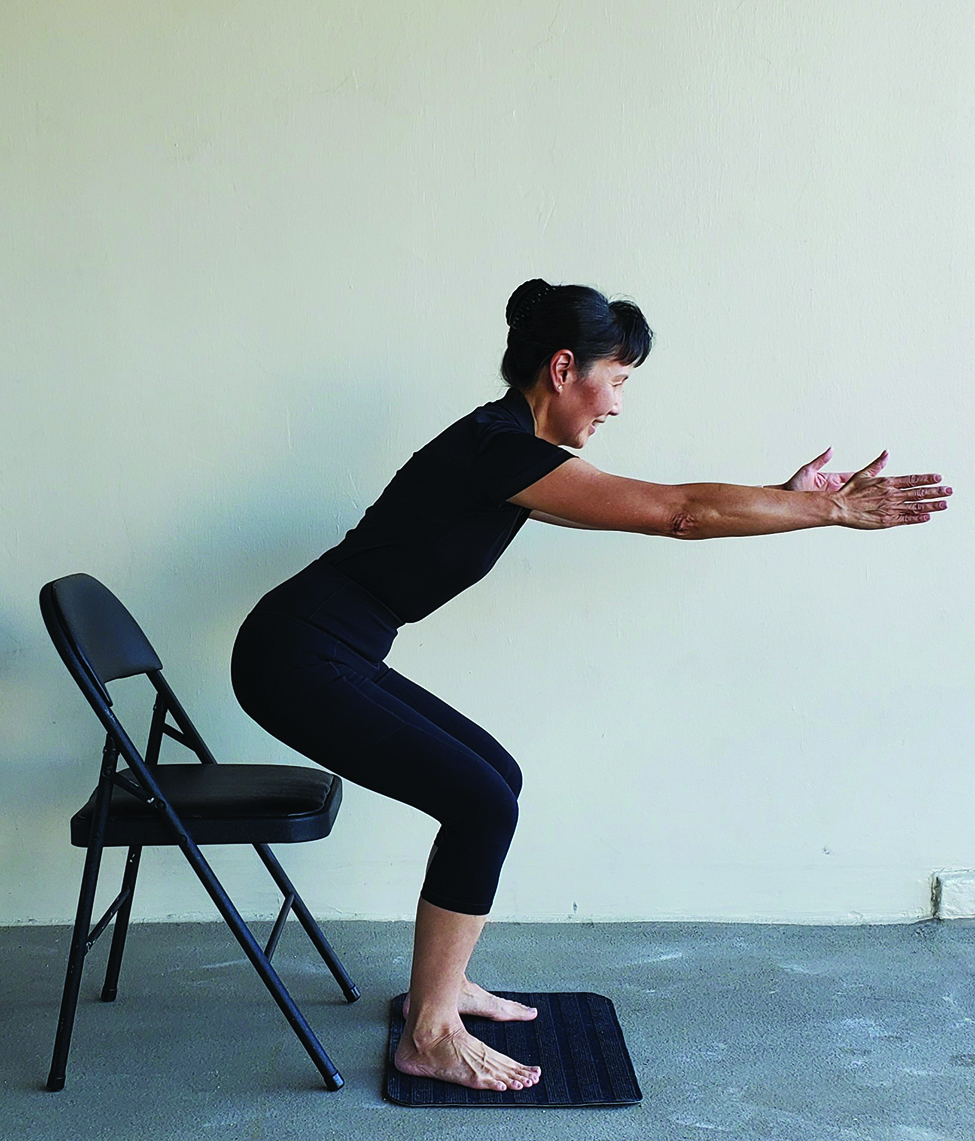
People of all ages should learn the proper way to do a “functional or modified bodyweight squat.” This movement is used in many daily activities — from getting up from a chair to lifting a grandchild. It is not a knee bend. Instead, bend at the hips, keep your back straight and push your butt back, allowing your knees to bend while keeping your weight on your heels. This protects your knees, strengthens your leg and butt, and keeps your bones strong. Repeat this squat five times whenever you sit and you’ve got the start to a great workout! It’s never too late or too early to begin a fitness routine and it can be as easy as transitioning from sitting to standing up.
Why is it important that seniors continue to work on their fitness? It’s always important to remain active to stay healthy and strong. Regular exercise is also great for brain health, boosting mood and energy, and speeding up recovery from an injury or illness. “Use it or lose it” applies to balance skills, agility, muscle…
Do you ever feel faint or lose your balance? Are your legs unsteady or seem like they’ll give way? Would you feel safer using a walker or cane?
If you answered yes to any of these questions, talk to your doctor about preventing falls that can lead to serious injury. Meanwhile, consider these other ways you can help fall-proof your life.
■ Get rid of clutter. It’s a good idea to remove cords, crowded furniture, slippery rugs and anything you can trip over at home. Good lighting is essential. Consider night lights for your bedroom, hallways and bathroom.
■ Wear it wisely. Replace slippery shoes with non-skid, safer alternatives. Avoid wearing long clothing, such as mu‘umu‘u or robes, and blankets that could get caught under your feet.
■ Adjust your glasses. If your glasses (bifocals, transition lenses) make it difficult to perceive changes in elevation, such as stairs, curbs and driveways, make an eye doctor appointment.
■ Check your medications. Some medications may cause side effects that can lead to a fall. It’s important to regularly review your medications with your doctor. (Be sure to include all over-the-counter medicines, supplements and herbal medications you take.)
■ Plan ahead. If possible, sign up for a medical alert system, or keep a portable or mobile phone nearby. Voice-activated devices such as smart watches and virtual assistants (Amazon Echo, Google Home) can also be used to call for help in a fall emergency. It’s a good idea to give a spare key to a family member or a friend, and to program their phone numbers in your phone.
■ If you fall and can’t get up… If you need help, try to make noise, shout, bang on something, call 911 or press your medical alert button. Move your legs, arms and lift your hips slightly to help prevent pressure sores from starting.
■ Improve balance with leg bends. Bend one knee so your foot comes up behind you and is level with your knee. Lower your foot to the floor. Repeat with the other leg. Hold on to a sturdy chair or wall. Be sure to talk to your doctor before doing this or any other exercise program.
■ Add strength to your core. Sit in a sturdy chair placed against a wall. Stand up without using your hands. If this is too hard, start by using a pillow on the chair until you get stronger. Repeat 10 to 15 times, if possible. Again, talk to your doctor before doing this or any other exercise program.
KAISER FOUNDATION HEALTH PLAN, INC.
711 Kapiolani Blvd., Honolulu, HI 96813
808-432-5915 (TTY 711) | www.kp.org
This article contains health and wellness or prevention information.
Do you ever feel faint or lose your balance? Are your legs unsteady or seem like they’ll give way? Would you feel safer using a walker or cane? If you answered yes to any of these questions, talk to your doctor about preventing falls that can lead to serious injury. Meanwhile, consider these other ways…

 Poor oral health can affect overall physical health at any age. Without treatment, poor oral health can lead to pain, infection, malnutrition and even serious illnesses. Therefore, it’s important to incorporate good oral health habits into all stages of life. So if you’re weighing options for a long-term care facility for yourself or a loved one, ask them how oral health practices are incorporated into their care program.