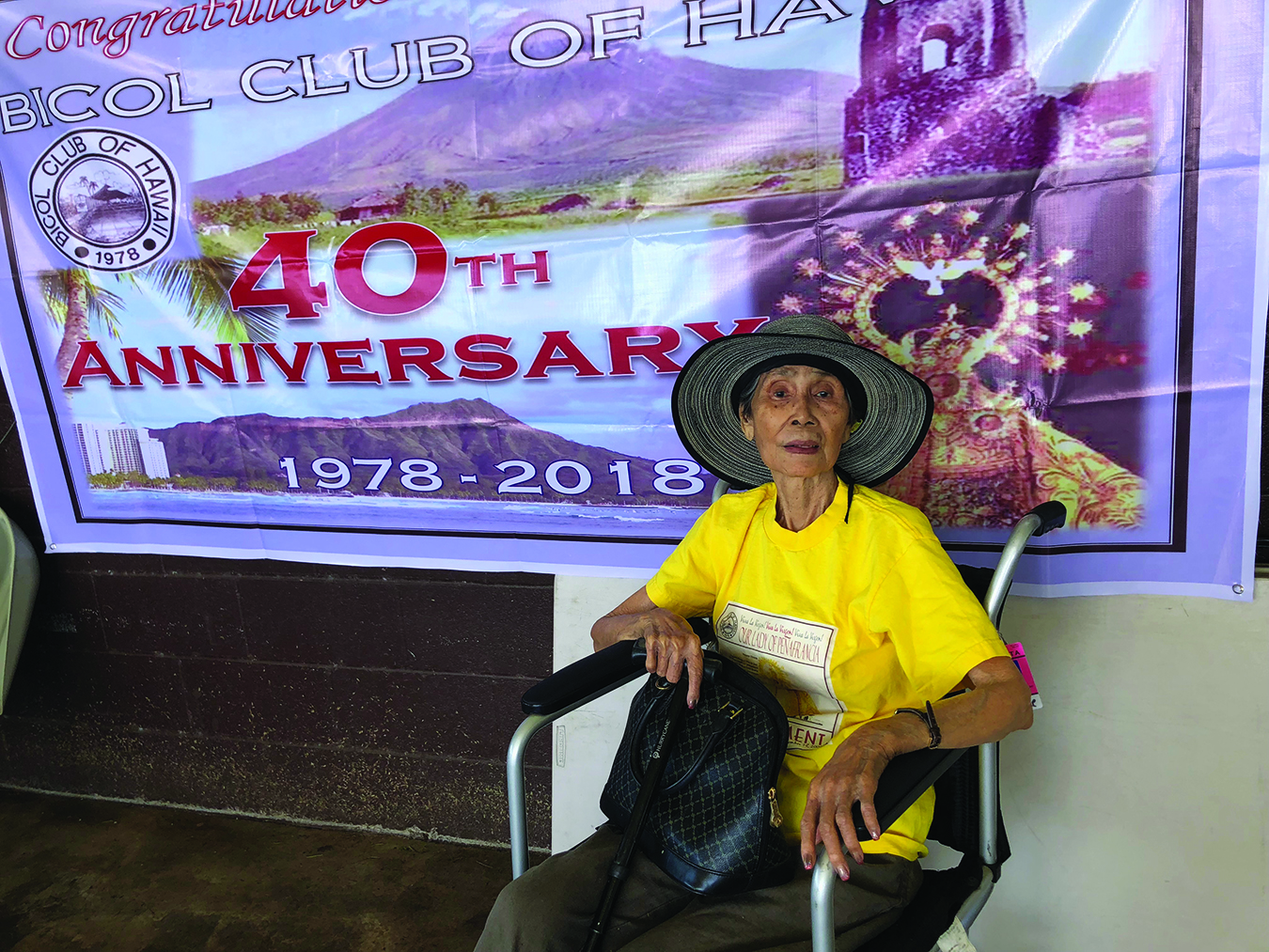
Mom at the Bicol Club of Hawaii’s 40th anniversary.
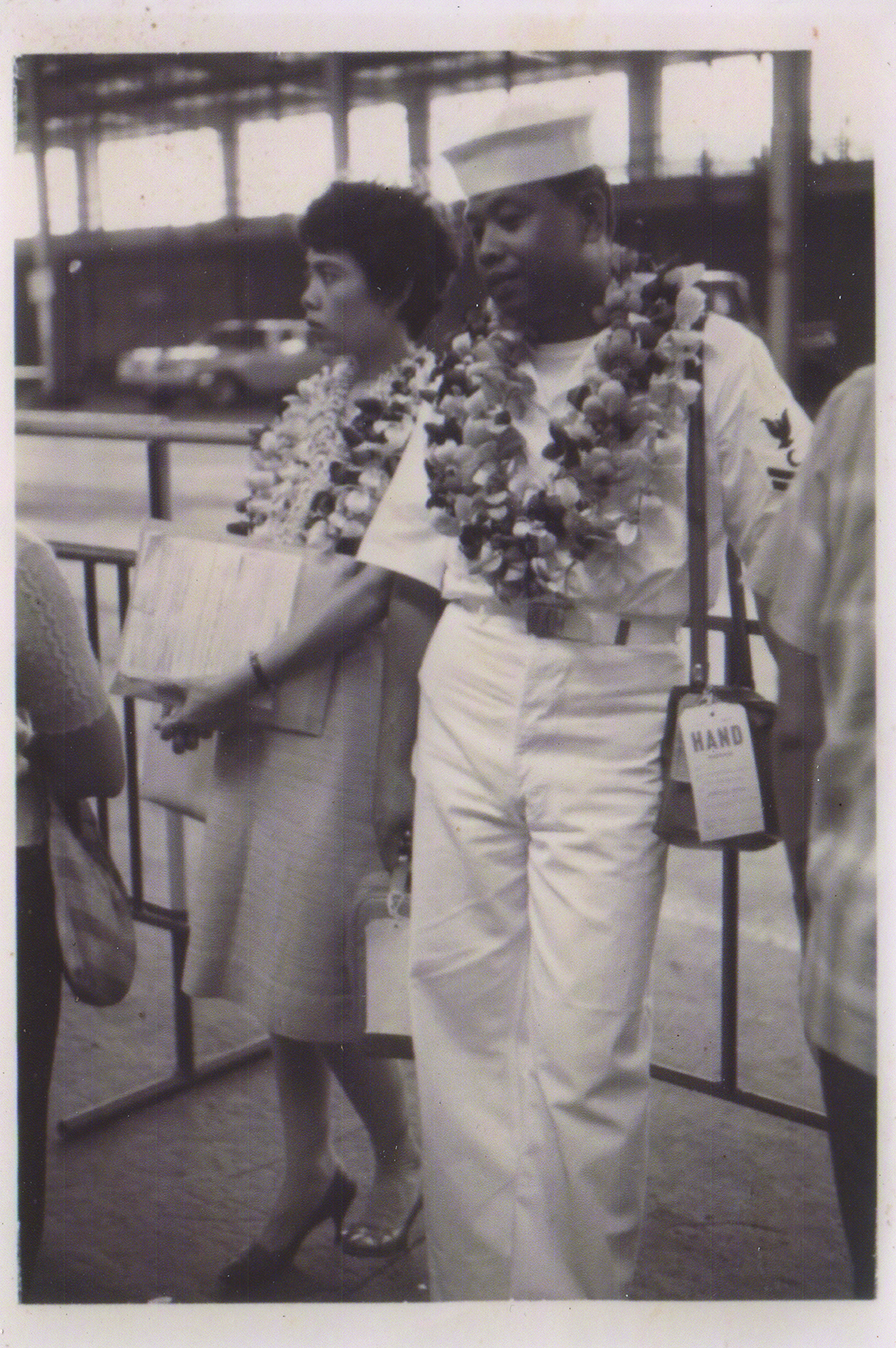
My mother, Paz Pontillas Celebrado, graduated from college in the Philippines and dreamed of coming to America to start her nursing career. Her dream came true when she fell in love with my father, Felipe Celebrado, a U.S. Navy man. They immigrated to America in 1959 and she adjusted to a new life as a military wife and mother, and as a nurse for the next 40-plus years.
She expanded her traditional nursing role, becoming a home- and community-based case manager. In addition, my mother was one of the first care/boarding home operators in the state.
Mom and Dad in 1959 on their arrival to the states.
Having been exposed to what it takes to be a care manager at a very young age as I watched my mother tend to disabled clients in our home, I followed in my mother’s footsteps. I pursued a social work degree from the University of Hawai‘i at Mānoa and eventually worked at HMSA as a care coordinator, supervisor and manager.
After nearly 20 years at HMSA, I realized that my husband and I had become members of the “sandwich generation,” caring for three children and aging parents. When my father became seriously ill in 2008, my mother embraced her role as his personal nurse until he passed away from lung cancer in 2009.
But after he was gone, my mom began showing signs of mild dementia or cognitive impairment. I left HMSA and looked for a job that would allow me to work from home. I found an opportunity as a community outreach liaison with Urgent Care Hawaii, working alongside a longtime case management colleague Donna Schmidt, owner of the company. Finding employment that allowed remote work provided me the flexibility I needed to earn an income while raising our children and caring for my mother in our home.
This is what I learned through my experiences as a caregiver.
My niece, Juliana, graduated from college in 2017. Mom was always proud to attend any of her family’s celebrations.
■ Caregiving is a marathon, not a sprint. It’s a cross-country run with highs, lows and unexpected obstacles. Be prepared and plan for the long course. Read, attend caregiver workshops and join caregiver support groups. Learn what resources are available at every stage of the journey.
■ Plan around your loved one’s abilities. My mom always loved grocery shopping and going to Longs. So when she lost her ability to drive, I signed her up for services through Project Dana, which provided my mom with three volunteers who would take turns taking her shopping. She relished her outings!
■ Identify what brings them joy. Surround your loved one with those whom they are familiar with and those who will bring them comfort. Is there a church group, civic group or volunteer group that your loved one enjoys? For my mom, it was her Filipino club — The Bicol Club of Hawaii. The social connection, and common native language, food and culture provided the comfort my parents needed in their final years. My mother enjoyed attending celebrations and events that would make her feel socially connected and valued. During her final months, members of the Bicol Club would bring her favorite foods that would stimulate her declining appetite. It was great to have the support and respite provided by familiar faces and friends who could bring back memories of better times for my mother. If you have that kind of social connection available, utilize these invaluable relationships.
■ Practice self-care. As a caregiver, you need a break. You cannot be a caregiver 24/7 without experiencing burnout. Schedule time for yourself to recharge your batteries. Find a niche, hobby or interest that will provide that little slice of happiness to escape from day-to-day caregiving. Exercise regularly. I have heard too many stories about caregivers who begin to experience health issues due neglect of their own health after the loved one passes away.
■ Make memories as you provide caregiving. Embrace the time you have with your loved one by including them in celebrations, special occasions and travel plans. My mother was able to travel until a year before she passed away. I became a specialized travel agent, planning all details of the itinerary. Anticipatory planning included identifying urgent and emergent medical services available in transit and at our destination. Packing included durable medical equipment and devices, sufficient medication for the entire trip and packing that extra change of clothes. The memories spent with dear family and friends were priceless and helped my mother feel a sense of completion as she checked off items on her lengthy bucket list.
■ Leverage all the support you can. The last 10 years were not easy. I could not have done it without the support of my family. As the primary caregiver, I controlled the calendar and coordination of schedules. I was the quarterback. But we were a team. Fortunately, there were builtin advantages in our multi-generational home, where we were able to provide 24/7 care for my mother among us all.
■ Cultivate good relationships with each member of your loved one’s healthcare team. My parent’s PCP took care of them for over 40 years. He was always available to help me navigate and coordinate my parents care needs. The supportive services provided by Project Dana, St. Francis Hospice – Bereavement Support Group and Hospice, Kupuna Care Hawaii, Urgent Care Hawaii and Hale Hau‘oli Adult Day Care were the foundational support that allowed me and my family keep my mom comfortable in her own home until the very end.
■ You are your loved one’s patient advocate. If they are no longer able to communicate their needs, then you must. You need to have the conversations early in the caregiving process to understand the care preferences and wishes in order to honor their wishes. There may be conflicts that arise within the family and it is important to remember that the focus should be on your loved one. It is important to consider a good mediator or elder care attorney if you and your family are not able to represent your loved one’s wishes.
Mom passed away in 2019 according to her wishes; peaceful, at home, surrounded by family and dear friends. I can look at the last 10 years of caregiving with no regrets and feel blessed with great memories. I wouldn’t have done it any other way. I hope these reflections on my caregiving journey will help you in yours. You have an incredibly difficult job, but it can be do-able with the right plan, support team and resources.
CAREOPS CONSULT LLC 808-778-2752 | melissacareopsconsult@gmail.com Provides healthcare consultation services to organizations that need assistance with business development, project management, product or program development.
Having been exposed to what it takes to be a care manager at a very young age as I watched my mother tend to disabled clients in our home, I followed in my mother’s footsteps. I pursued a social work degree from the University of Hawai‘i at Mānoa and eventually worked at HMSA as a…
Each year, one in four seniors suffers a fall, leading to injuries and emergency room visits. Although they are preventable, falls can lead to a loss of independence.
Take Control of Your Home
Taking control of your environment is crucial in preventing and reducing your risk of falling.
• Keep all walkways clear of clutter or potential tripping hazards.
• Make sure your home is well-lit.
• Add grab bars inside and outside your tub or shower, and next to the toilet.
Take Control of Your Health
Taking control of your health is another important step. Keep yourself safe by being proactive regarding your health.
• Talk openly with your doctor about fall risks and prevention. Have your doctor or pharmacist review your medications.
• Consult with your doctor about an exercise program to improve your leg strength and balance.
• Get an annual eye exam. Replace eye glasses or contacts as needed.
MDX HAWAI‘I
500 Ala Moana Blvd., Ste. 2200, Honolulu, HI 96813-4993 808-522-7500 | www.MDXHawaii.com MDX Hawai‘i has over 35 years of experience serving the people of Hawai‘i. Our physician network represents over 630 top primary care physicians, and 2,200 leading specialists and hospitals. MDX Hawai‘i contracts with Humana HMO, Humana PPO and AARP/UnitedHealthcare PPO Medicare Advantage Plans.
Each year, one in four seniors suffers a fall, leading to injuries and emergency room visits. Although they are preventable, falls can lead to a loss of independence.
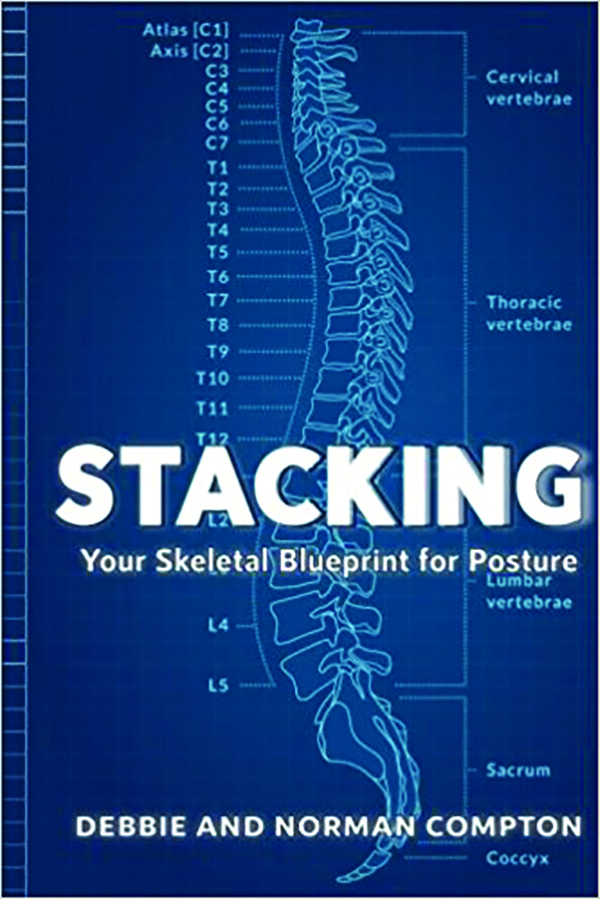
Forty years ago, medical exercise specialists Debbie and Norm Compton met in Hawai‘i and made fitness the key element in both their personal and professional lives. Personal training, stunt work, injuries and their continual quest for excellence compelled them to write Stacking: Your Skeletal Blueprint for Posture. In their book, the Comptons share techniques for regaining posture as you age.
Learning to develop a strong skeletal “stack” and the ability to keep your bones in their intended places allows us to know the feeling of neutral and true posture, they say. “When you’re strong in neutral, you’re strong everywhere.”
Using a construction theme, the Comptons take all 206 of your bones and teach you how to build your frame from the bottom up, beginning with your feet. Moving up the body, they describe which parts serve as the glue that keeps your body together.
They also explain what can go wrong if your bones aren’t aligned correctly, and have first-hand knowledge regarding misalignments and injuries. Deb has scoliosis; Norm was a Hollywood stuntman for 27 years.
Now in their mid-60s, the Comptons continue to practice the fitness principles they preach, illustrating living proof of the old axiom “if you don’t use it, you lose it!” They still have it!
Forty years ago, medical exercise specialists Debbie and Norm Compton met in Hawai‘i and made fitness the key element in both their personal and professional lives. Personal training, stunt work, injuries and their continual quest for excellence compelled them to write Stacking: Your Skeletal Blueprint for Posture. In their book, the Comptons share techniques for…
I love sugar! Sugar makes desserts, candies and drinks taste wonderful! The bacteria in our mouth love sugar, too. Eating foods that contains sugar instantly activates bacteria for 20 minutes. As bacteria devour the sugar, their waste is acid.
Acid is one of the few things that can destroy your enamel and may contribute to dementia.
While sipping on a soda, sweet tea, a cup of coffee with cream and/or sugar for an hour, you have exposed your teeth to over an hour of enamel-eroding acid. Be aware that sugar-free diet drinks, and starchy foods like rice, chips and bread also activate bacteria.
To lessen acid exposure, eat your dessert or sugary treat right after meals, rinse with water after consuming candies and sweet drinks, and brush and floss — especially before bedtime.
Do not constantly tuck cough drops or hard candies on the side of your cheek! Not only is it a dental disaster, studies have shown that sugar may have a role in the progression of Alzheimer’s disease. Researchers found that people with high blood-sugar levels are prone to dementia.
Enjoy your sweets but take steps to keep your teeth and mind intact.
I love sugar! Sugar makes desserts, candies and drinks taste wonderful! The bacteria in our mouth love sugar, too. Eating foods that contains sugar instantly activates bacteria for 20 minutes. As bacteria devour the sugar, their waste is acid. Acid is one of the few things that can destroy your enamel and may contribute to…
Seniors are less likely to attend community fitness classes and participate in face-to-face networking due to social distancing mandates put in place for our safety during the pandemic.
Enter virtual training!
If asked about attending an online class before COVID-19, seniors’ likely response may have been “heck no.” Now, if they have an underlying medical condition which makes it risky to attend in-person classes — even with rigorous safety protocols in place — it may be the only way.
COVID-19 has forced many seniors to become more tech savvy and open-minded to new ways of doing things. With someone to assist in the setup, more seniors are exploring and enjoying the benefits of working virtually with a professional trainer in their home.
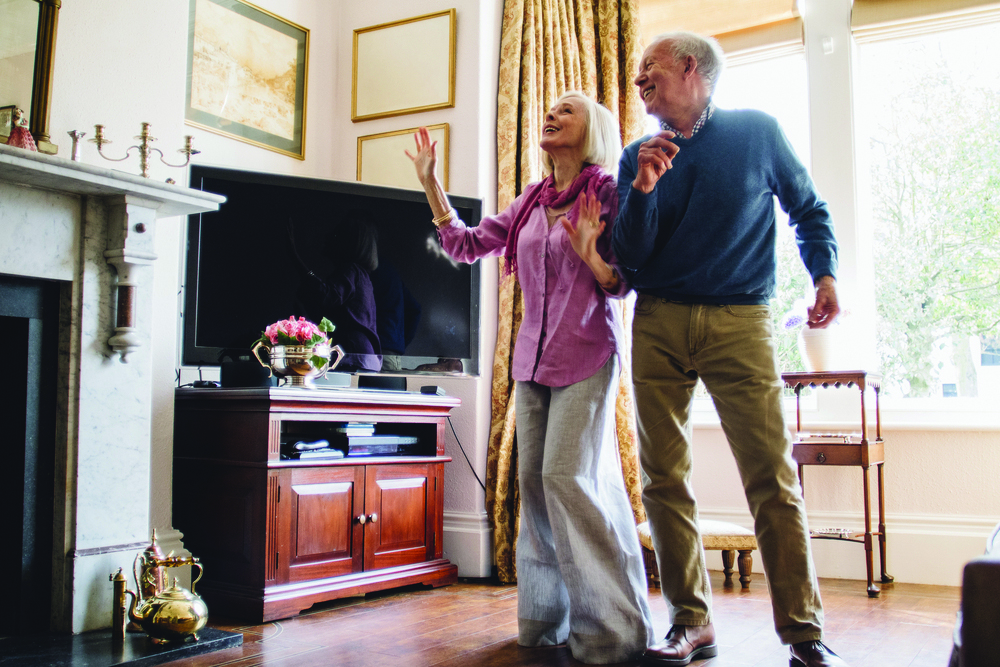
Les and Shirley were initially hesitant about having someone come to their home; but when offered a virtual exercise session, they agreed. Assisted by their daughter, they started with individual sessions because of the difference in their physical abilities, but quickly moved to working out together. They seem to enjoy ribbing each other when one of them is having difficulty perfecting their form. They even showed us their dance moves at the end of one session! Virtual training: Think about it!
Seniors are less likely to attend community fitness classes and participate in face-to-face networking due to social distancing mandates put in place for our safety during the pandemic. Enter virtual training!
It’s no secret that poor oral health can lead to many overall health issues, such as heart disease, diabetes and other ailments. But studies show poor oral health may also lead to an increased risk of dementia. People who have gum disease for 10 years or more are 70 percent more likely to develop Alzheimer’s disease than those who have healthy gums.
When sticky plaque on your teeth combines with sugars, the bacteria release acid that attacks your tooth’s enamel. The same plaque and bacteria can escape into the bloodstream and affect major organs, such as your heart and brain, which can increase risk for early onset dementia. And the side effects of gum disease (inflamed and receding gums) may make it difficult for you to eat, preventing your body from getting nutrients.
The presence of gum disease and tooth decay can be treated by brushing twice a day, flossing daily and by visiting your dentist regularly.
It’s important to maintain a healthy smile as you get older. Good oral health not only ensures you get to enjoy delicious and nutritious food during your retirement years, but also limits the health issues you’ll come across later in life.
Protect yourself from Alzheimer’s disease and dementia by maintaining a healthy smile and diet so you can live well and smile more!
It’s no secret that poor oral health can lead to many overall health issues, such as heart disease, diabetes and other ailments. But studies show poor oral health may also lead to an increased risk of dementia. People who have gum disease for 10 years or more are 70 percent more likely to develop Alzheimer’s…
According to the Journal of the American College of Cardiology, chronic heart disease factors like high cholesterol, high blood pressure, diabetes and obesity can quicken the pace of cognitive decline.
High blood pressure and diabetes can accelerate shrinkage of the brain, especially affecting the brain’s memory center, the hippocampus. When combined with other cardio risk factors, the rate at which cognitive decline advances, leading to dementia and Alzheimer’s.
Improve your brain’s processing, memory and overall health by making heart-healthy lifestyle changes. Think of your heart and brain as good buddies who are on this journey of life with you. Each of you supports one another, and you, as the leader, will be the one making decisions that are based on everyone’s best interests.
Daily exercise and meditation have the biggest impacts on improving heart and brain conditions, thinking and verbal skills in older adults. Exercise helps the gut create serotonin, which helps manage stress, and melatonin, which helps to improve sleep. Meditation helps lower blood pressure and relax tension in the brain and body.
Make healthy decisions to lower your risk for heart disease and improve your cognitive functions daily. Your good buddies — your heart and brain — are counting on you.
According to the Journal of the American College of Cardiology, chronic heart disease factors like high cholesterol, high blood pressure, diabetes and obesity can quicken the pace of cognitive decline. High blood pressure and diabetes can accelerate shrinkage of the brain, especially affecting the brain’s memory center, the hippocampus. When combined with other cardio risk…
One would expect that an effective treatment for Alzheimer’s disease (AD) would be pharmacological. And yet, 99 percent of AD drug trials fail. The last time the FDA approved an AD drug was 2003.
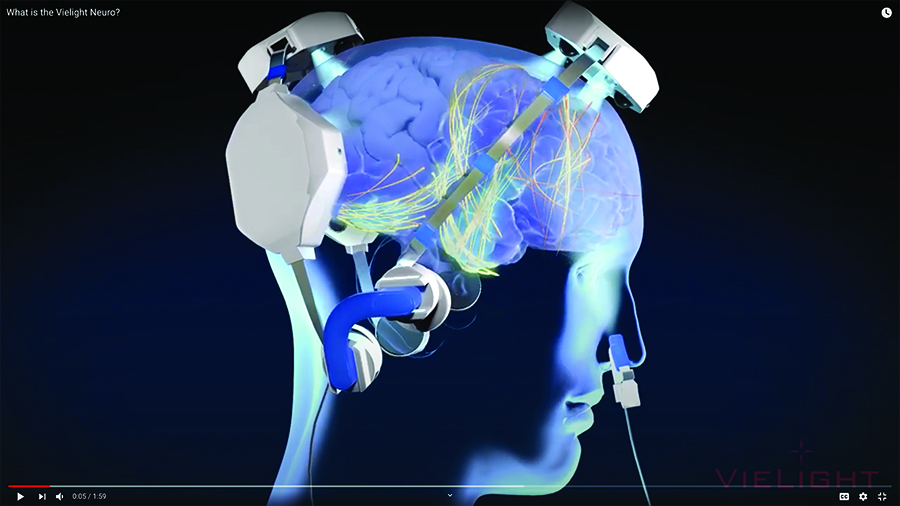
Acupuncturists might focus on neuroregeneration using neuroacupuncture. In a similar fashion, a new modality — photobiomodulation (PBM) — has been building its case as a credible treatment alternative for AD. Rather than targeting a single biological mechanism, it helps the brain repair itself.
Photobiomodulation uses near-infrared light to stimulate, heal, regenerate and protect brain cells and tissues that have been injured, are degenerating or are at risk of dying. A high-quality PBM device sends photons of light through the skull, stimulating brain cells to increase metabolic energy, and increase cerebral blood flow and neuroconnectivity.
Many studies have used photobiomodulation for cognitive decline and dementia/AD. Currently, there is a large clinical trial being run at eight sites across North America.
Using light is easy. It’s noninvasive and unlike medication, it is able to affect multiple neural pathways, which may make it an elegant solution to a very complex problem.
One would expect that an effective treatment for Alzheimer’s disease (AD) would be pharmacological. And yet, 99 percent of AD drug trials fail. The last time the FDA approved an AD drug was 2003. Acupuncturists might focus on neuroregeneration using neuroacupuncture. In a similar fashion, a new modality — photobiomodulation (PBM) — has been building…
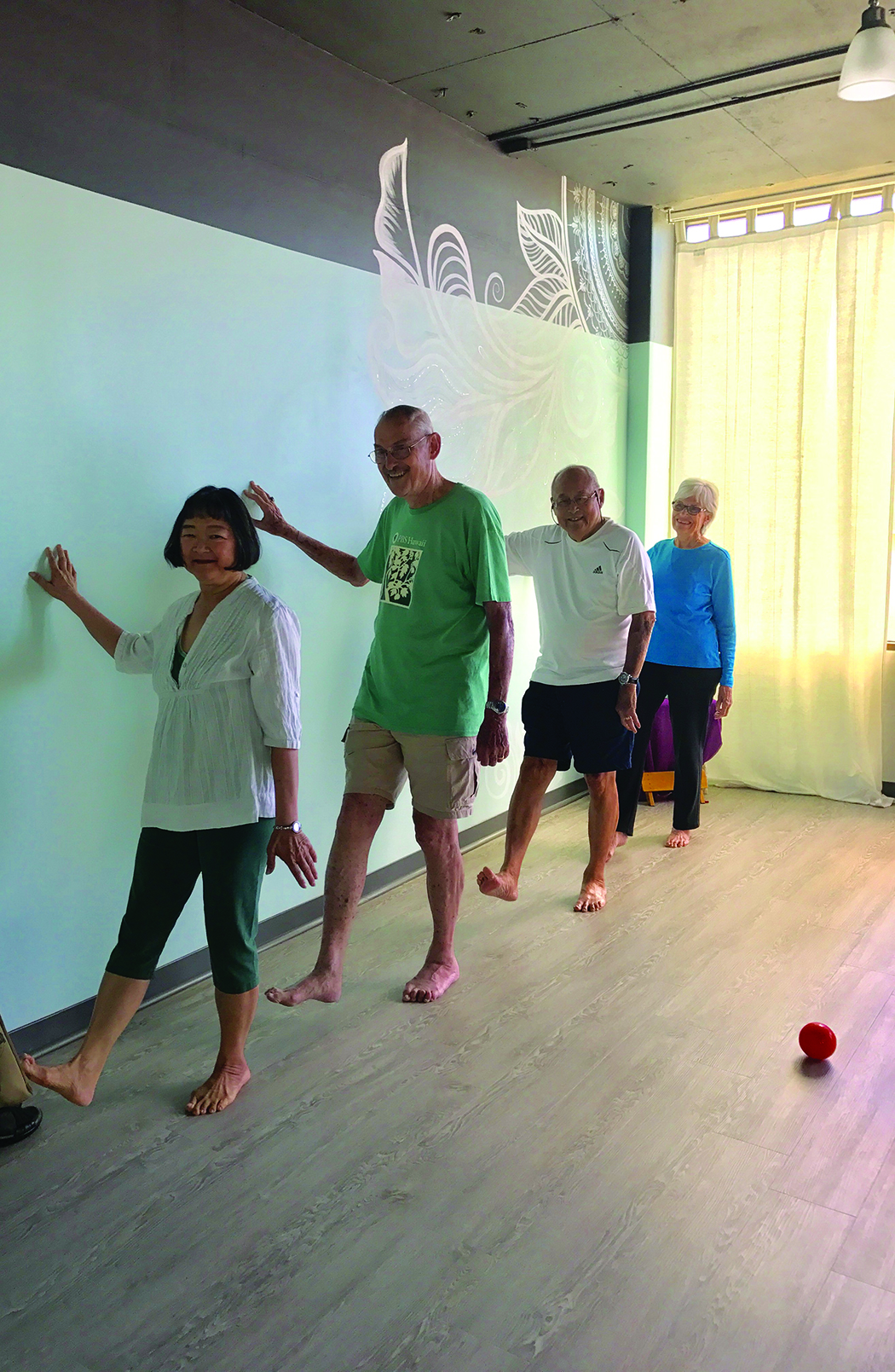
(L–R) Elvira Lee, Tom Glass, George and Grace Lee work on optimal posture, balance and coordination.
Joseph Pilates truly was ahead of his time with his holistic approach to exercise.
“Contrology [now called ‘Pilates’] is designed to give you suppleness, natural grace and skill that will be unmistakably reflected in the way you walk, in the way you play and in the way you work,” Pilates said. “You will develop muscular power with corresponding endurance, ability to perform arduous duties, to play strenuous games,to walk, run or travel for long distances without undue body fatigue or mental strain.”
Students say that Pilates “woke up muscles I never knew I had.” “I feel relaxed yet energized.” “I now have better posture and little to no pain.”
Pilates is founded on the principals of breath, centering, precision, concentration, flow and control. A Pilates routine inherently moves the practitioner mindfully through different planes and ranges of motion, which is essential in stimulating the body and mind. Although there are classical exercises that are quintessential to Pilates, there are limitless variations. It doesn’t matter your age, gender, physicality — anyone can do it.
BENEFITS OF PILATES
• Balance & Coordination: Better equilibrium, steadiness, confidence and overall balance.
• Strength & Stamina: Improves muscle and skeletal strength and endurance.
• Flexibility & Mobility: Improves muscular flexibility and joint health.
• Improves Circulation & Detoxification: Activates the lungs and pumps the heart to move debris out of the body via the bloodstream.
• Mental Health: Clears the mind and promotes better brain function.
• Resilience: Strengthens the nervous system, which increases resilience to daily stressors.
• Vibrancy: Promotes better sleep, which builds energy and the immune system.
• Self-Care: Teaches how to care for yourself and inspires you to want to take care of yourself.
• Inspires: Staying active and improving diet.
• Pain-Free: Reduces or removes physical pain.
• Accessible: Pilates mat exercises and techniques are with you wherever you go. A Pilates routine can be enhanced by props and equipment, but they are not required.
Pilates will meet you where you are at today so you can enjoy all that life has to offer.
Joseph Pilates truly was ahead of his time with his holistic approach to exercise. “Contrology [now called ‘Pilates’] is designed to give you suppleness, natural grace and skill that will be unmistakably reflected in the way you walk, in the way you play and in the way you work,” Pilates said. “You will develop muscular…
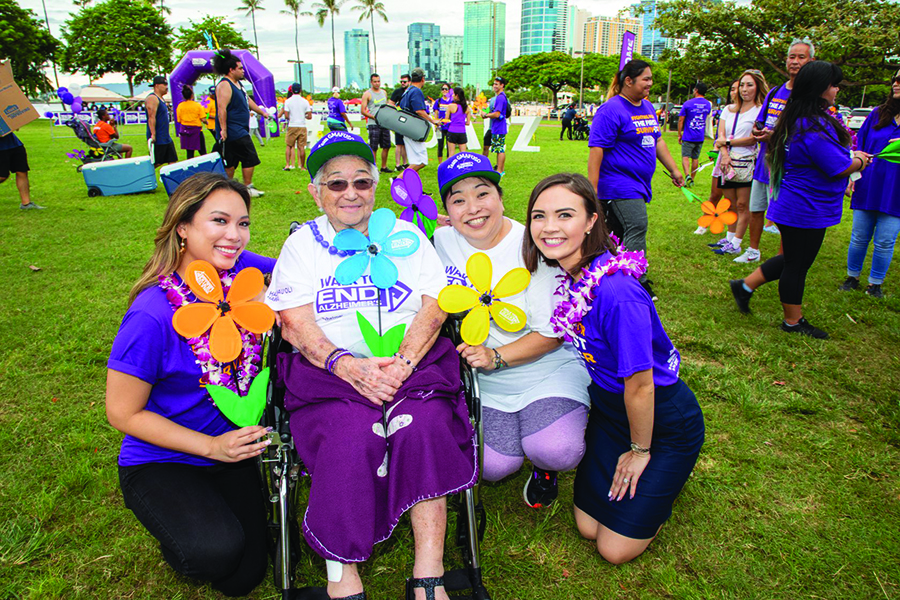
The Alzheimer’s Association, formed in 1980, is the country’s leading voluntary health organization in Alzheimer’s care, support and research. Its mission is to continue to lead the way to end Alzheimer’s and all other dementia by driving risk reduction and early detection, and by advancing vital, global research regarding treatment and prevention in it’s continuing efforts to find a cure.
The association is currently the leading voice for Alzheimer’s disease advocacy, fighting for critical research and care initiatives at both the state and federal levels.
SERVICES PROVIDED
■ Information and Referral. The association provides basic disease information, referrals to community resources and providers, and support for persons living with Alzheimer’s or another dementia, their families and the general public.
■ Care Consultation. The association assists individuals and families in planning for and coping with Alzheimer’s and other dementia. Care consultations may include an assessment of needs and safety, emotional support and information on available resources.
■ Education Programs. The association offers a variety of credible, evidence-informed education programs and training for caregivers, the general public and professionals.
■ 24/7 Helpline. The association offers around-the-clock support for families. Trained dementia care experts are ready to listen and assist with referrals to local community programs and services, dementia-related education, crisis assistance and emotional support.
■ COVID Messaging. The association has successfully transitioned its support groups, education programs and family care consultations to a virtual format — through either phone or live video delivery — to ensure uninterrupted care and support services to local families. The number of support groups statewide and programs specific to addressing concerns regarding COVID-19 and caregiving have also been increased.
ADVOCACY & SUPPORT
The COVID-19 pandemic presents additional challenges, especially financial, for more than 5 million Americans living with Alzheimer’s, their caregivers, the research community and the nonprofits serving these vulnerable populations. The pandemic will continue to challenge health systems across the nation and affect decisions such as care planning. But thankfully, Congress can act to help the Alzheimer’s and dementia community by including provisions to support the community during this crisis. These key provisions include:
• $354 million for Alzheimer’s research activities at the National Institutes of Health
• $20 million to implement the BOLD Infrastructure for Alzheimer’s Act at the Centers for Disease Control and Prevention which will establish centers of excellence that expand and promote the evidence base for effective population-based interventions to improve dementia outcomes
Contact Sen. Brian Schatz and Congressman Ed Case and ask them for their continued support. Also ask them to gain the support of other members of Congress regarding these provisions.
Sign up online and encourage others to become Alzheimer’s Association volunteers at www.alz.org/advocate or by calling 800-272-3900.
The Alzheimer’s Association, formed in 1980, is the country’s leading voluntary health organization in Alzheimer’s care, support and research. Its mission is to continue to lead the way to end Alzheimer’s and all other dementia by driving risk reduction and early detection, and by advancing vital, global research regarding treatment and prevention in it’s continuing…
Hawai‘i’s first lady, Dawn Amano-Ige, is a wife (married to Gov. David Ige), a mother of three, a sister and a daughter. Dawn’s mother, Mitsue Amano, provided childcare for the Ige kids when Dawn was a young, working mother and David was a new legislator. Today, at 94 years old, Mitsue is no longer the family’s caregiver. That’s now Dawn’s role.
Mitsue has Alzheimer’s disease.
When Dawn first learned of her mother’s diagnosis, she had very little idea of exactly what she and her family would face as caregivers. She recalls being given a fact sheet from the Alzheimer’s Association and learning that she was one of 65,000 in Hawai‘i caring for more than 29,000 people living with Alzheimer’s disease and other dementia.
Nearly 5 percent of Hawai‘i’s residents care for someone living with Alzheimer’s disease. And since the start of the COVID-19 pandemic, that number has increased. In March 2020, all adult day care services closed, and many residential facilities sent patients home to their families to allow for increased social distancing and reduced staffing. People who weren’t already full-time caregivers suddenly found themselves in exactly that position.
“My mother has no short-term memory and she knows that,” says Dawn. “I always greet her by saying, ‘Hi Mom — do you know who I am?’ as I hope the first two words will serve as the enduring clue as to who I am.”
‘Hi Mom — do you know who I am?’
Five years ago, Dawn began noticing slight changes in her mother. Mitsue repeated herself often, started walking with a shuffle and displayed memory issues. Over time, the family noted more changes. “For me,” Dawn says, “my mother refused to do anything. She said she was tired and refused to self-care.”
And sadly, Dawn says, “I think she was recognizing that her disease was changing her, and change is scary and unacceptable when it affects your memory.” Dawn was told that this was a phase and there would be a time when her mother wouldn’t complain at all; but she found that hard to believe.
The family cared lovingly for Mitsue in her home, as she wished. But at one of the most challenging times for the governor’s family, just weeks after the missile alert crisis, Mitsue took a hard fall and was whisked to the emergency room, admitted to the hospital and transported to a nursing home that provided 24-hour care. She never moved back home. And now, she’s at that phase — she rarely complains.
“I learned that my story is not uncommon, but experienced by many,” Dawn says. “Each of our journeys is different, but some of the struggles are the same and heartbreaking.”
“As a caregiver, there are two things I hold on to,” says Dawn. “First, despite the mental deterioration caused by the disease, my mother’s core self remains. And that’s important to me. Despite the memory loss and changes in personality, I believe she will always be who she is in her heart and ours. That is never lost or forgotten.”
“The second is to enjoy the moments. because of her short-term memory, good moments also repeat themselves. I enjoy seeing the surprise on her face when I tell her again that her son-in-law is governor of Hawai‘i.” Mitsue also takes pride in hearing news of her grandchildren because she provided much of their care in their early years. Dawn is delighted to share that her children come home each year to celebrate their grandmother’s birthday — but not for her own birthday or her husband’s.
A family portrait: (L–R) Gov. David Y. Ige, Mitsue Amano, Byron Amano, First Lady Dawn Amano-Ige.
Walk the Walk to End Alzheimer’s Disease
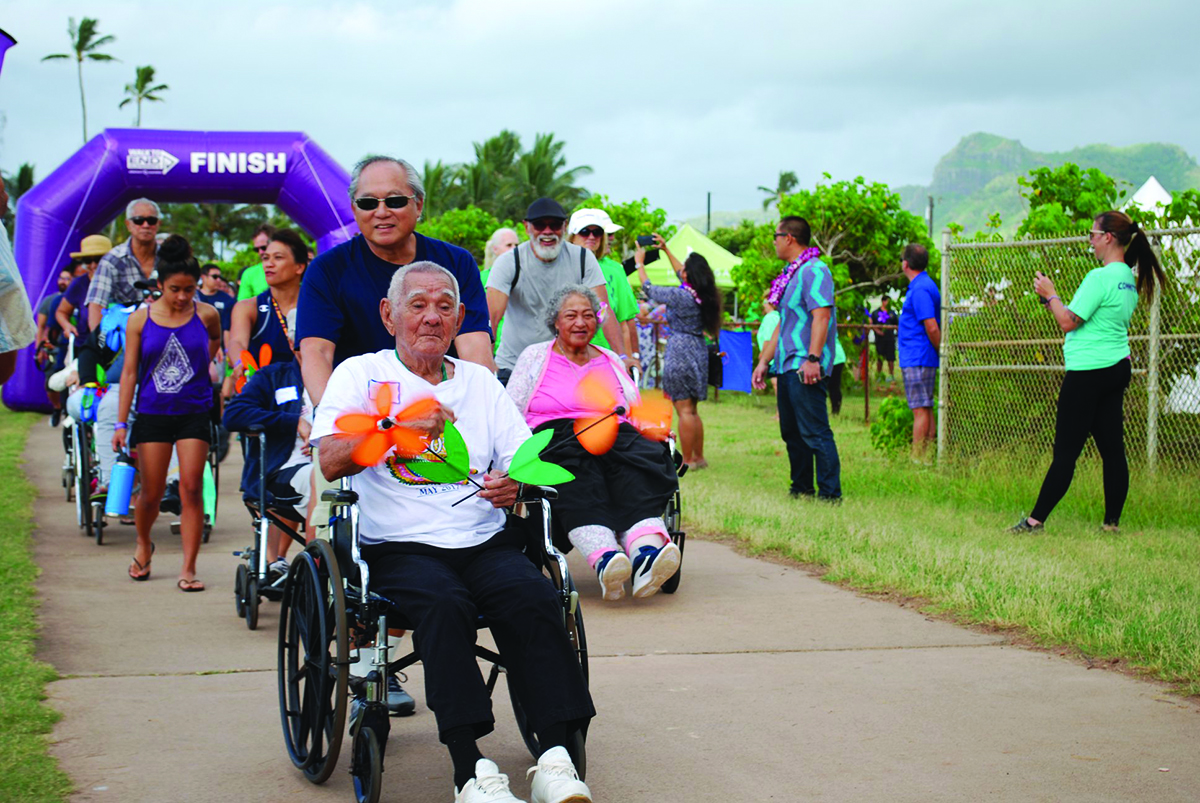
When Dawn and her brother became the primary caregivers for their mother, she reached out to the Alzheimer’s Association in Hawai‘i for information about the disease and tips for caregivers. She also attended the Walk to End Alzheimer’s, where she met many other caregivers and people living with the disease.
“Alzheimer’s is not an easy disease to deal with. You see parts of their personality leave them, or they leave them temporarily, and they forget who different people are in their family. I think that’s really where it hits the heart.”
“When my mother was first diagnosed, I attended a walk because I thought the cause was so important. And to see so many people affected by Alzheimer’s is quite eye-opening,” she says.
The first lady felt such a strong connection to the cause and the people she met at the event that she offered to serve as the statewide honorary chair for the 2020 Walk to End Alzheimer’s on O‘ahu, Maui, Kaua‘i and Hawai‘i Island.
A Product of Her Community
In her role as first lady, Dawn draws on her experience as an educator and businesswoman to support causes she’s passionate about: education, literacy, healthcare and youth.
Dawn is a product of the Ewa Plantation. Like her father, she was actually born in Ewa at the plantation hospital and attended Ewa Elementary, ‘Ilima Intermediate and Campbell High School.
Among the first in her family to graduate from college, Dawn has a bachelor’s degree in journalism and a professional diploma in elementary education from the University of Hawai‘i at Mānoa, and a master’s degree in business from Chaminade University of Honolulu.
And like her mother, Dawn worked for many years in the Hawai‘i Department of Education (HIDOE) as a third grade teacher at Waiau and Waimalu Elementary Schools, and vice principal of Kanoelani Elementary and Moanalua High School. Before that, she served as the marketing director of Kapi‘olani healthcare system and an account executive at the public relations firm of Stryker Weiner Associates. Her resume shows an authentic belief in the causes she continues to support in the community today.
Jump Start Breakfast in Schools
One of the causes Dawn feels most passionate about is feeding Hawai‘i’s children and making sure they start each day with a nutritious breakfast. She recently partnered with Hawai‘i’s public schools and community nonprofit organizations to help kids “Jump Start Breakfast” in schools. And of course, the inspiration for supporting this program comes from her mother, who was once a school cafeteria baker.
“Eating breakfast is important to helping our keiki grow up strong, healthy and academically successful,” Dawn said in an op-ed co-written with HIDOE Superintendent Christina Kishimoto and others.
Hawai‘i ranks last in the nation in school breakfast participation, but kids who eat breakfast have better attendance, can achieve 17.5 percent higher scores in math and are 20 percent more likely to graduate from high school.
Last fall, the program piloted a Grab ’n Go model where kids could pick up free breakfast in the cafeteria and eat it outside or even in the classroom. Dawn is proud that this Grab ’n Go model was used for school meal distribution during the COVID-19 pandemic and may continue to be used in the new school year.
The First Lady reads aloud in a weekly Facebook podcast, “Storytime with Dawn.”
‘Ohana Readers Promoting Literacy
Dawn is also passionate about early education, and is proud of the ‘Ohana Readers literacy program that puts books in the hands of children and encourages families to read together. It’s a partnership with several nonprofit organizations, including the Hawai‘i State Library System, the Friends of the Library of Hawai‘i, Hawai‘i Department of Human Services and Dolly Parton’s Imagination Library.
“Research shows that children are ready to learn in their earliest years,” she points out. “And this program provides no-cost opportunities for learning from birth through age 4. ‘Ohana Readers encourages family read-aloud time, an activity that increases the vocabulary and language skills of our children, and contributes to their growing knowledge of the world.”
Expansion of the program begun on Moloka‘i and Lāna‘i, is on hold during the ongoing pandemic. But the first lady continues to promote literacy by reading books aloud to children through her Facebook page.
Fading Memories
Mitsue Fukuda was born in 1925 in the small town of Hōnaunau on the Island of Hawai‘i and raised on a small coffee farm in Kealakekua, south of Kona. Memories from her youth have begun to fade away.
After World War II, Mitsue married Sakuji Amano. They lived on O‘ahu, working and raising a family on the Ewa Sugar Plantation. Sakuji was born in Honolulu, raised on the plantation and educated through the seventh grade at Ewa Elementary School.
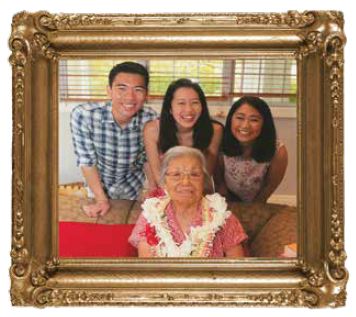
Mitsue’s grandchildren, (L–R) Matthew, Amy and Lauren, helped care for her.
Back at the plantation, Sakuji worked as a crane operator and Mitsue worked nearby as a baker in the Campbell High School cafeteria. Both their jobs were demanding, with long hours. Mitsue’s shift began early in the mornings so she could begin preparing school lunches for hundreds of hungry high school students. In her small plantation community, Mitsue was known as a good cook who enjoyed gardening, and often shared baked goods with friends and family. And together with Sakuji, she raised their children to value hard work and education. Sakuji died in 1989 at the age of 69, leaving his family with fond memories, except for his wartime stories that he never shared.
Mitsue and Sakuji have a son, a daughter and several grandchildren. One grandchild lives in Washington, DC; two live in Washington State; and their daughter lives at Washington Place.
Dawn Amano-Ige and David Ige, Mitsue and Sakuji’s daughter and son-in-law, have lived at the official residence of Hawai‘i’s governors as first lady and governor since 2014. Until 1917, Washington Place had been the private home of Queen Lili‘uokalani, who lived there with her husband. And today, First Lady Dawn Amano-Ige is leading efforts to make the historic executive mansion more accessible to visitors through new technologies and educational experiences such as virtual tours and iPad apps.
Now in the year 2020, it’s clear to see that Mitsue has collected a lifetime of memories — through her own experiences and those of her late husband, their children and grandchildren. But with hindsight that is 20/20, it has also become clear that Mitsue’s memories have faded away and most are completely gone.
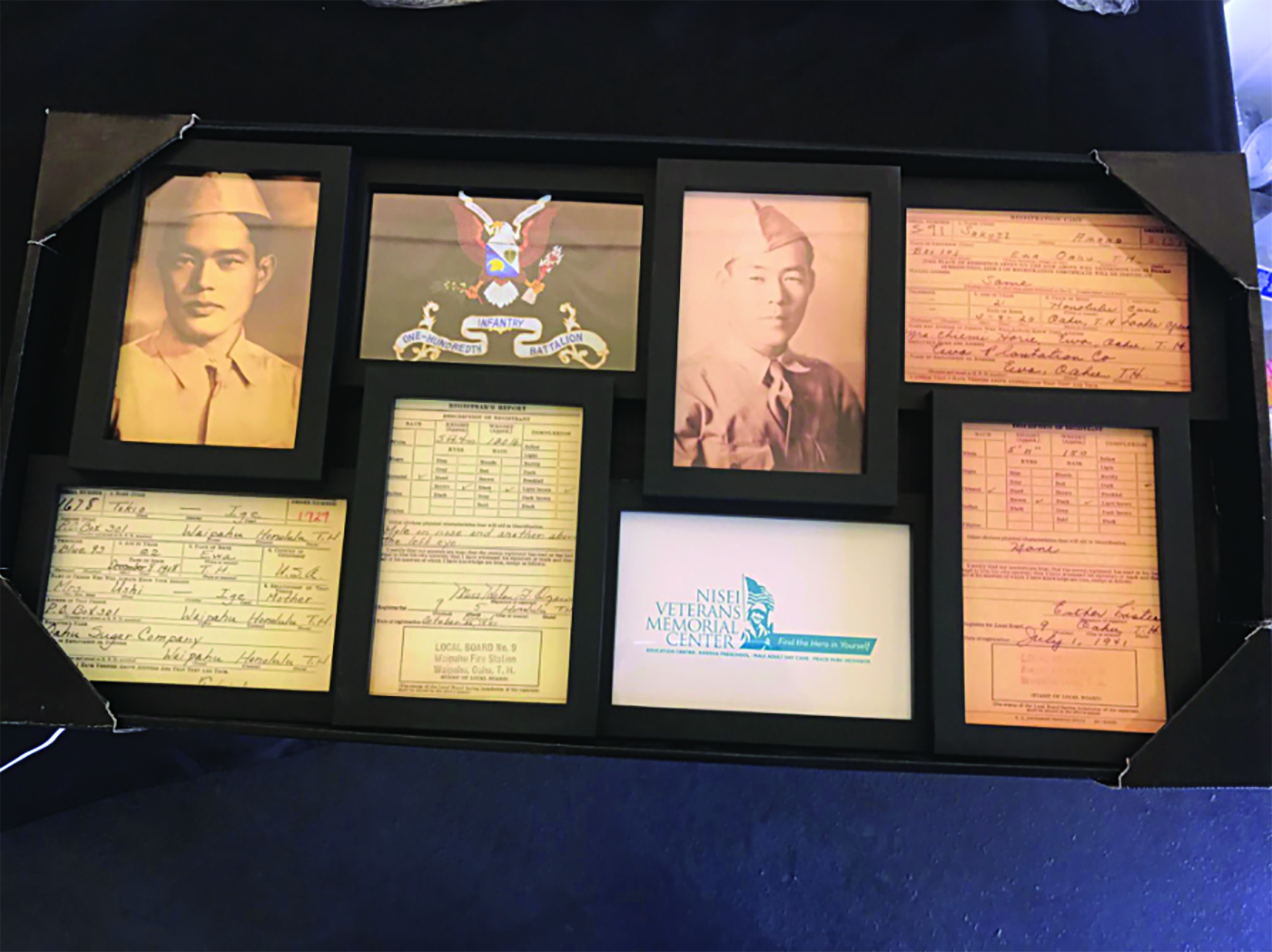
Gov. David Ige and First Lady Dawn Amano-Ige are proud of both their fathers: Tokio Ige (L) and Sakuji Amano (R) who served with the 442nd Regimental Combat Team during WWII.
Holding On
“I remember going out to my grandfather’s home in Kona when he was alive,” recalls Dawn. “Our relatives would get together there during the summer. My Mom showed me how she picked coffee very much the old-fashioned way — by hand. She could go down a branch of coffee beans and just pick the red ones and leave the green ones behind. It was amazing that she could do it so quickly. It’s a vivid memory for me.”
These are the memories that Dawn holds onto.
“My grandfather came to Hawai‘i to look for a better life and the promise of prosperity,” says Dawn. When Mitsue had a family of her own, she enjoyed telling stories about her small kid times in the small town of Kealakekua.
Dawn has even fewer memories from her father and regrets that she knows little of his WWII experiences. He served with the 100th Infantry Battalion, Company C, which was part of the 442nd Regimental Combat Team, the most decorated unit for its size and length of service in US military history.
“My father spoke little of war and its hardships. David and I speak about this quite often because the strength our fathers carried were so important to our history, and serves as an inspiration to us.”
“We are living through difficult times now. I often think about my parents and how their generation also lived through difficult times — they endured and were never bitter about it. Growing up, they stressed to us the value of working hard, doing well and overcoming challenges without complaining. I admire that about my parents and their parents,” Dawn says.
“I know we’ll be able to get through these difficult times. We have to stay focused, work together as a community and forge ahead. So that’s how I look at their experiences — as an inspiration for me.”
Adjusting to ‘A New Normal’
Dawn and her husband haven’t seen Dawn’s mother since mid-March, due to safety precautions in the face of COVID-19.
“We can’t go into the nursing home. And of course, we don’t want to put anyone at risk. We need to keep the residents and the employees safe,” says Dawn.
“An Alzheimer’s patient in a nursing home has to adjust because he or she is missing the physical touch and close proximity of family, which I think are so important. It’s a natural human instinct to want and need those things. And right now, that’s all on hold. We have to look for different ways of communicating. So what can we do instead? We can use technology for virtual visits. Writing letters or having our young ones draw pictures are simple but meaningful ways to connect. Music is also another source of comfort. And I am so appreciative of the caregivers and nurses in my mother’s nursing home, as they are providing the extra care and attention patients need during this time.
Looking Toward a Better Future
“Alzheimer’s and dementia affect so many people we love — and it seems that everyone knows someone affected by Alzheimer’s,” says Dawn. “And we want to do all we can to help them on their journey through this.”
“One way I deal with it is to remember that it’s the disease and not the person, when difficult times occur. And that’s helped me a lot — knowing that it’s a disease where you treat the symptoms like you would in any other disease. And that way, it’s much easier to cope with.”
Admittedly, navigating the healthcare system is daunting, says Dawn. “Many of us take our loved ones through homecare, emergency room, hospital and nursing home. Each of these organizations have decision-making structures that seem mysterious and I’ve simply had to muddle through it all,” she adds. “There are a lot of nice brochures out there. But often, the information must be put in proper context.” Dawn suggests turning to healthcare workers, social workers, care coordinators, support groups, publications like Generations Magazine and organizations like the Alzheimer’s Association for help and resources.
“It’s important to connect; to interact; to know that you’re not alone in this situation,” she adds. “And it’s comforting to know, when you’re met with challenging times, that other people have gone through it — that they have solutions to the same problems. And many have ideas that can make it work. I think those things are important.”
And what’s truly important, Dawn says, is coming together and sharing resources. “Finding the cure is a priority. Together, let’s do all we can to help create a future without this disease and make the place we live a little better.”
Hawai‘i’s first lady, Dawn Amano-Ige, is a wife (married to Gov. David Ige), a mother of three, a sister and a daughter. Dawn’s mother, Mitsue Amano, provided childcare for the Ige kids when Dawn was a young, working mother and David was a new legislator. Today, at 94 years old, Mitsue is no longer the…
During the coronavirus pandemic, most adult day centers and community senior centers have closed or cut their services, and families across the state have had to scramble to provide caregiver services at home. If you’re now caring for a loved one with memory or other health issues, follow these tips and find links to resources below.
Tip 1: Stay healthy. Caregivers need to stay healthy in order to protect and take care of those with dementia. Taking care of yourself is as important for you as it is for your loved ones — without you, they will be even more vulnerable.
• Take breaks and find enjoyable things to do. Remember to take breaks, because this job is hard. Walk, swim or go running in a park.
• See if family members or others can help you. You really can’t do this alone. That could be family, calabash cousins or even hired help. You need to maintain that work-life balance in your life.
• Have meals and groceries delivered. Limit the quantity and duration of your shopping trips.
• Ask your primary care physician (PCP) to refill 90 days of medication rather than a 30-day supply. Have medications mailed to you for fewer trips and less worry.
• Seek support through groups. It’s important to talk to other people and other caregivers, especially during this time of social isolation. Look for events on the Alzheimer’s Association website.
Tip 2: Plan ahead. If you’re the only person taking care of someone with memory issues, you need to create a backup plan for care for your loved one in case you get sick.
Tip 3: Advance Care Planning. This is very important. Talk with those with dementia about:
• Their wishes in case a life-threatening situation arises. For loved ones with dementia, it’s important to prepare ahead with advance-care planning. Write down what they want to happen if and when they get sick and may require hospitalization or hospice care.
• Healthcare power of attorney. It’s also important for patients with memory issues to designate someone they trust if they get sick and can’t make decisions for themselves. Ask your primary care physician for these forms or visit these websites: Kokua Mau (kokuamau.org), Prepare for Your Care (prepareforyourcare.org).
Tip 4: Keep in Close Contact. Social distancing is necessary during the COVID-19 pandemic, but social isolation is stressful for patients with dementia. Keep in close touch with your loved ones with dementia, especially if you’re not living with them. Loved ones may be feeling confused, and may not remember what’s going on or understand why their family can’t visit them if they’re in a care home. This can cause anxiety and sadness. So make regular phone calls; send emails to tech-savvy seniors. Mail or drop off care packages. Stop by to wave from the outside. Many facilities now have iPads to help residents connect with family members via Facetime, Zoom or Blue Jeans. Little things like these can make a loved one with dementia feel a lot better.
Tip 5: Maintain a Routine. It’s important to maintain a regular schedule for patients with dementia. They really thrive with a routine. Any kind of deviation may cause confusion, anxiety, agitation and mood changes. With social distancing restrictions, patients who used to go to senior centers suddenly can’t attend anymore. They may not understand why. Develop new routines to put them at ease.
Loved ones with dementia should wake up and go to bed at a regular time, and eat meals at the same time each day. You might also enhance your own routine by adding a regular daily walk or other activities.
Tip 6: Keep Active. What kinds of things can you do to keep a loved one with dementia active? Take them on walks, and get fresh air and sunshine. That is really good for the mind and for the sleepwake cycle. Of course, wear a mask and keep a safe distance from other people. Be creative when planning home-based activities. Dust off old board games and play cards — there’s Monopoly, checkers, solitaire, poker and many other activities to chose from. Listening to music is also very therapeutic. Reading books engages the mind. Talking on the phone is a great way to socialize at this time.
Tip 7: Eat Healthy. It’s important to maintain your energy that keeps you alert, mentally sharp and emotionally balanced.
• Eat a well-balanced diet. Eat a little bit of everything — fruits, vegetables, protein, dairy. It can be okay to have an occasional piece of cake —
a small portion is best.
• Consider using a meal delivery service. Meal delivery services can be lifesavers. Be sure to select well-balanced menu options.
• Limit canned, processed and prepared frozen foods. During this time, you might not be going to the grocery store as much, and you might have stocked up on a lot of spam, canned foods and frozen meals. Be cautious. A lot of these are high in salt. And if your loved one with dementia has a history of heart failure or heart problems, this is something to watch.
Tip 8: Calm Your Emotions. We’re all under a lot of stress, balancing a lot of things on our plate. So be aware that patients with dementia can really pick up on these emotions. That’s why it’s really important for caregivers to find ways to relax and de-stress themselves.
If you’re feeling anxious or angry or frustrated or worried, patients with dementia can pick up on that and react in destructive or challenging ways. If your loved one with dementia is feeling anxious, reassure him or her (and yourself) that things are going to be okay. Change the topic, turn on an old movie, go for a walk or have a snack. Distractions can help, but limit watching or reading the news.
Tip 9: Avoid Elder Abuse Scams. Check in with people with dementia to see if they are getting emails, mail or calls that are potential scams.
Tip 10: Call Your PCP if You Feel Sick. Don’t wait to take action because you are afraid to go to the doctor or emergency room. Many physicians are able to help you over the phone or via telemedicine. Take notes on your symptoms so you will have ready all the information your doctor may need during your call.
During the coronavirus pandemic, most adult day centers and community senior centers have closed or cut their services, and families across the state have had to scramble to provide caregiver services at home. If you’re now caring for a loved one with memory or other health issues, follow these tips and find links to resources…


 Mom passed away in 2019 according to her wishes; peaceful, at home, surrounded by family and dear friends. I can look at the last 10 years of caregiving with no regrets and feel blessed with great memories. I wouldn’t have done it any other way. I hope these reflections on my caregiving journey will help you in yours. You have an incredibly difficult job, but it can be do-able with the right plan, support team and resources.