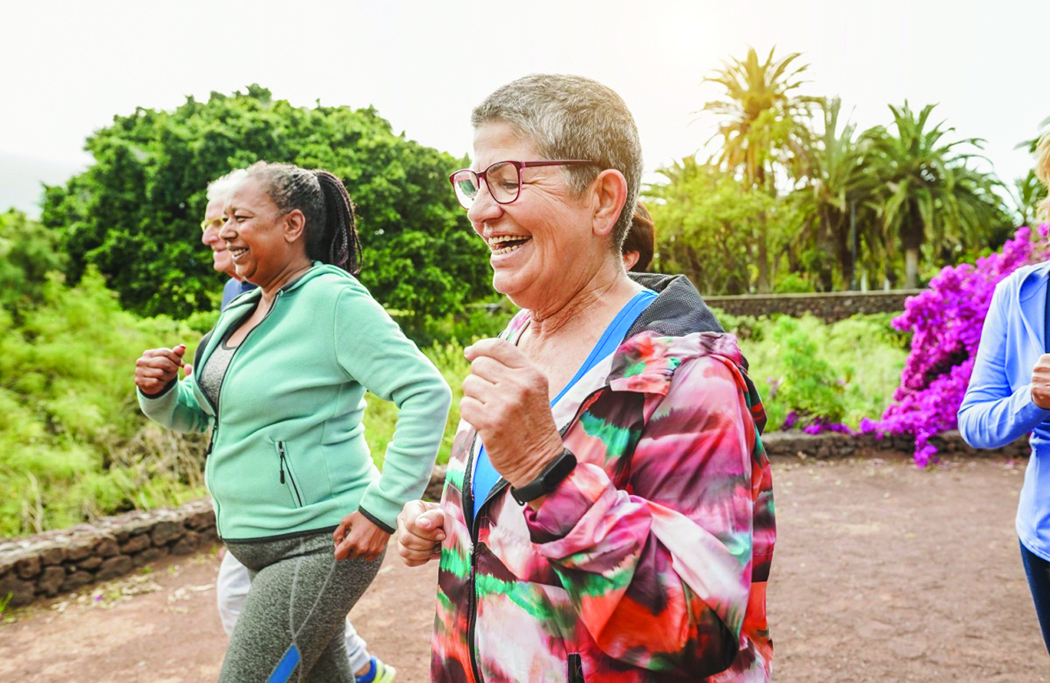
The Mō‘ili‘ili Senior Center is dedicated to enriching seniors’ lives through activities that enhance fine motor skills, cognition, balance and strength. Our offerings include exercise, dance, music, crafts, painting, Japanese and multicultural games. We strive to keep seniors safe, informed and connected.
The Mō‘ili‘ili Community Center (MCC) Senior Program serves seniors 60 years and older living from Ward Avenue to Hawai‘i Kai. It receives partial funding from the Elderly Affairs Division, Department of Community Services, City and County of Honolulu, and the Hawai‘i Executive Office of Aging, an Aloha United Way Agency.
Mō‘ili‘ili: A Community with Rich Heritage
Mō‘ili‘ili has a rich history and cultural diversity. MCC began as a Japanese language school and continues to offer after-school Japanese language classes along with an after-school program that includes homework assistance, fun exercise and play. Keiki and kūpuna engage in shared activities, bridging generations and emphasizing sonkei — respect and care for elders.
MCC: A Hub of Support
Since 1945, MCC has been a cornerstone of Mō‘ili‘ili, offering programs such as:
Mō‘ili‘ili Senior Center (MSC): Fitness, arts, crafts, health talks and educational workshops
Kupuna Support Program (KSP): Respite care with social activities, hot meals, daily exercise, and cognitive activities
Children and Family Program (CFP): Afterschool programs, summer camps and cultural activities are offered
Community Impact
At Mō‘ili‘ili Community Center, we create a supportive environment where seniors can thrive. We welcome you to visit us, participate in our programs, and stay active and connected at the Mō‘ili‘ili Senior Center.
Join us in celebration of Mō‘ili‘ili’s rich cultural diversity and become a valued member of our vibrant community today.
The Mō‘ili‘ili Senior Center is dedicated to enriching seniors’ lives through activities that enhance fine motor skills, cognition, balance and strength. Our offerings include exercise, dance, music, crafts, painting, Japanese and multicultural games. We strive to keep seniors safe, informed and connected. The Mō‘ili‘ili Community Center (MCC) Senior Program serves seniors 60 years and older…
Imagine living and working on Moloka‘i most or all your life. Now you’re a kūpuna and many of your ‘ohana members have moved out of the family home or off the island, leaving you to live alone. You begin to feel depressed and cut off from family and even friends.
To fill this gap, the Moloka‘i Rural Health Community Association (MRHCA) runs the Moloka‘i Kupuna Program, a comprehensive program developed to provide a wide range of services, activities and socialization opportunities for seniors. Funded by the County of Maui’s Office of Economic Development (OED) and the Office of Aging (MCOA), the program is under the direction and coordination of myself and my staff.
Activities: MRHCA has partnered with programs and individuals who provide kupuna-friendly activities, such as hula, theater, ceramics, online painting, leihulu (feather lei making), ‘ukulele classes, lauhala weaving, origami and other cultural activities. One of the program’s primary goals is to provide outlets for socialization and talk story time for kūpuna and their peers as they participate in these activities.
Health: Exercise classes, tai-chi and stretching sessions help loosen up ku¯puna’s stiff muscles. In collaboration with Sustainable Moloka‘i, ku¯puna receive free bags of fresh produce. Outreach workers visit the homebound in tandem with our public health nurses.
Education: Computer classes and online classes in Social Security, Medicare and gerontology are also offered.
Services: Kūpuna who have received haircuts, lomilomi massages or footcare from the podiatrist often say they “feel like a million dollars.” Yard and house cleaning services are also available.
The MRHCA is very grateful to provide these services to our island kūpuna and we are happy that they entrust us with their daily needs.
Imagine living and working on Moloka‘i most or all your life. Now you’re a kūpuna and many of your ‘ohana members have moved out of the family home or off the island, leaving you to live alone. You begin to feel depressed and cut off from family and even friends. To fill this gap, the…
With pleasant weather and sunshine nearly every day of the year, paradise offers a safe and pristine backdrop for our golden years. But seniors who want to maintain their independence may desire or even require another layer of security.
Medical alert devices and services systems designed to connect people in need with emergency help are particularly useful for seniors or individuals living alone who may be at risk of falling or experiencing a medical emergency. Typically, a medical alert system consists of a wearable button and a base station. Pressing the button triggers a call to a monitoring center, where a trained professional can assess the situation and send help if needed. Some systems also include features like fall detection and medication reminders.
Finding the Right Fit
Personal Emergency Response Systems (PERS) come in two main types: traditional and mobile.
Traditional PERS devices are connected to a landline through a base unit and include a wearable pendant. If the user pushes the button on the pendant, even if they are far from the base unit, help will be called. A traditional PERS is ideal for homebound users.
Mobile PERS device works like a cell phone, so it can be worn and be effective anywhere within cell service range. A mobile PERS device allows users to talk directly to an operator through the device itself. A mobile PERS is better for those who are active outside the home.
So to find the right fit, consider your needs. Do you need fall detection or mobile coverage? Research companies to look at features available, pricing and customer reviews. Also, consider availability. Confirm the coverage in your area. Most major providers cover all of Hawai‘i.
What’s Available?
■ SENIOR SAFETY MEDICAL ALERT SYSTEMS has been providing senior medical alert systems for 25 years. They offer 24/7 monitoring with quick response times. Their team of EMD-certified operators provides multiple layers of monitoring to give seniors peace of mind.
Home Alert System: Options include systems that operate with or without a landline. The medical alert system that operates with a landline has a range of up to 1,000 feet inside and outside your house. The system can work with your existing landline phone service and has special features like “Family Check-In” to help keep you connected with loved ones.
For those without a landline, they offer a medical alert system that operates on 4G LTE technology that plugs into a standard electrical outlet for a quick and simple setup. Prices can range from $19 to 29 per month and are also available with automatic fall detection for an added $10 per month.
Mobile Medical Alerts Systems: These wearable options, available as buttons or smartwatches, provide protection wherever you go. The smartwatch includes added features — a heart rate monitor, step counter and even the weather report. It’s also available with automatic fall detection for added security. Both operate on 4G LTE technology and do not require Wi-Fi. Prices range from $30 to 34 per month or a one-time payment ranging from $75 to $100 per device. Both are available with automatic fall detection for an added $10 per month.
A call to the company revealed that purchasing and setup are simple, even without internet access. Choose a device, share credit card information and the device is mailed. Staff will walk you through the setup process over the phone.
■ HAWAII MEDICAL ALERT AND MEDICAL ALARM BY PRIME is a service available to residents across the state. While some companies charge extra for shipping to Hawai‘i and may have higher service fees, Prime offers free 2- to 3-day priority shipping and a free lockbox with your purchase. Their medical alert bracelets and necklaces provide peace of mind to seniors, including those with a fear falling.
Home Medical Alert Devices: Both Linear PERS-2400 and LogicMark Life Sentry are medical alert systems designed to provide security and independence for seniors at home. They require minimal maintenance with batteries that last 3 to 5 years, have a wide range of movement within the house without signal limitations, and have 24/7 emergency monitoring with customizable contact and response protocols. However, they differ in communication and pendant functionality. While Linear PERS-2400 relies on a base unit connected to a landline for communication and comes with a waterproof pendant that can be worn during showers, LogicMark Life Sentry allows two-way voice communication directly through the pendant itself, eliminating the need for a landline and offering more flexibility within the home. The pendant also has a built-in speaker, enabling direct conversation with emergency personnel. Prices can range from $15 to 30 per month with no additional fees or obligations.
Fall Detection Systems: Both NextAlert II and Climax Medical Series are medical alert systems with fall detection and offer 24/7 emergency monitoring by certified EMTs, allowing users to customize their response protocols. However, NextAlert II is a cellular system that uses GPS to allow emergency dispatch without communication, whereas Climax Medical Series can be connected through a landline or cellular connection and does not have GPS. Prices can range from $30 to 40 per month with no additional fees or obligations.
A phone call to Prime Medical Alert was also answered by a affable staff person. This company skips the credit card information and instead, will send you a bill or accept a checking account transfer. They will also walk you through setup over the phone, step by step.
Both companies mailed descriptive, detailed brochures within the week.
With Hawai‘i’s rapidly growing senior citizen population, medical alert devices and services can provide peace of mind for both residents and their loved ones.
With pleasant weather and sunshine nearly every day of the year, paradise offers a safe and pristine backdrop for our golden years. But seniors who want to maintain their independence may desire or even require another layer of security.
A Medicare beneficiary was surprised and thrilled to learn her health plan was interested in tracking activities like walking, volunteering, social activities, annual health checks and even scheduling preventive services.
Those behaviors are associated with maintaining a healthy lifestyle and improved health outcomes if illness does strike. She could relay her activities by phone or set up an online account to report them. Her accumulated points earned her a rewards card. Many insurance companies, not just Medicare plans, are offering rewards through employer plans, as well. Health insurance programs are increasingly focused on promoting the preventive side of healthcare and encouraging subscribers to adopt healthy habits. They track healthy activities and reward positive behaviors.
Here’s how it works:
TRACKING: Self-report steps, gym visits, annual checkups and even completion of health-related courses. REWARDS: Reach certain activity goals or demonstrate healthy choices to earn rewards such as gift cards. THE BENEFITS: Subscribers are motivated to improve their health, resulting in fewer issues. Insurance companies pay less for care associated with lack of exercise and unhealthy habits.
Call your insurance plan today and maybe you, too, can get paid to take a walk.
A Medicare beneficiary was surprised and thrilled to learn her health plan was interested in tracking activities like walking, volunteering, social activities, annual health checks and even scheduling preventive services. Those behaviors are associated with maintaining a healthy lifestyle and improved health outcomes if illness does strike. She could relay her activities by phone or…
How can you optimize your life so you can not only live longer, but better? Using an automobile analogy, the better you take care of your car, the better it will perform and the longer it will last.
Muscle atrophy is the reduction of muscle mass and fiber size caused by disuse or neurogenic conditions. Sarcopenia — loss of muscle mass and strength — occurs naturally due to aging or other health conditions.
But there are four “tune-up” components that can combat this propensity and help maximize muscles and optimize seniors’ lives:
The fuel: A high protein diet provides the building blocks needed for maintaining and/or boosting your muscle mass.
The oil: Hydration is important, too. If you do not have oil in your car, it will seize up. Water is vital because it is the main component of the body and represents approximately 76% of muscle mass.
Preventative maintenance: A regular workout routine that incorporates weight-bearing exercises helps prevent muscle atrophy and sarcopenia. A little exercise is good; more exercise is better.
Driving sensibly: Don’t rev your engine at too many RPMs! Stress reduction makes for a smoother ride. So “get your motor runnin’” and enjoy your ride on that golden highway of life!
How can you optimize your life so you can not only live longer, but better? Using an automobile analogy, the better you take care of your car, the better it will perform and the longer it will last. Muscle atrophy is the reduction of muscle mass and fiber size caused by disuse or neurogenic conditions.…
“I go to bed feeling fine and wake up injured.” It’s abnormal to awaken with pain daily. But many think pain is to be expected as they age or are unfit, so they don’t contact their doctor. If you’re regularly in pain, talk with your doctor about pain management options — especially if you frequently use OTC pain meds.
Quality of life is to be expected as we age and your doctor can work with you on solutions to alleviate pain… beyond taking a pill. These solutions may include chiropractor services, physical and other therapies, hot/cold compresses, exercise, acupuncture and cognitive behavioral therapy. Check with your health plan to assure your doctor’s recommendations are covered benefits.
Opioid Addiction & Overdose
Opioids, such as oxycodone (Percocet), hydrocodone (Norco), Fentanyl and morphine, are powerful prescription painkillers that carry serious risks of addiction and overdose.
Opioid medicines may not improve all pain and over time may also change how the brain handles pain signals. This may lead to more pain and/or other health symptoms like changes in mood or sleep and less ability to perform daily activities. Long-term use of opioids should be monitored closely by a doctor.
KAISER FOUNDATION HEALTH PLAN INC. 711 Kapiolani Blvd., Honolulu, HI 96813 808-432-5915 (TTY 711) | kp.org/seniorhealth This article contains health and wellness or prevention information.
“I go to bed feeling fine and wake up injured.” It’s abnormal to awaken with pain daily. But many think pain is to be expected as they age or are unfit, so they don’t contact their doctor. If you’re regularly in pain, talk with your doctor about pain management options — especially if you frequently…
One of The American Legion’s main pillars is its concern for veterans who have served their country in any of our military branches during wartime or peacetime.
I visited many longterm care facilities as a American Legion Post 1 representative to make short patriotic talks and pass out “Thank You For You Service” certificates. I was surprised to find so many veterans residing in these facilities. The number, on average, ranged from 30 to 40 veterans, with a high of 79 at one facility.
After making a presentation in late 2021 at The Plaza in Waikiki, I became concerned about the veterans’ well-being and the loneliness they must face at the end of their lives. I wondered if they felt if anyone outside the facility really cared about them besides their family. That is when I got the idea of establishing a memorial in their honor that would serve as a lasting reminder that they would be remembered.
The Plaza in Waikiki activities director and I collaborated on a plan to have a large Wall of Honor (16-by-4-feet) with black-and-white photos, name and service branch positioned in a prominent place in the facility as a permanent reminder. It was constructed and installed by a local company and the cost was divided between our Post 1 and The Plaza’s board of directors. The wall was dedicated in 2022. Since then, another wall was installed at The Plaza in Moanalua in 2023. The next wall was installed at The Plaza in Mililani on Memorial Day, May 27, 2024.
These Walls of Honor pay tribute to The Plazas’ veterans, who have served and contributed to the the freedom that we all enjoy today. More Walls of Honor are in the queue.
THE AMERICAN LEGION POST 1 612 McCully St., Honolulu HI 808-946-6383
One of The American Legion’s main pillars is its concern for veterans who have served their country in any of our military branches during wartime or peacetime. I visited many longterm care facilities as a American Legion Post 1 representative to make short patriotic talks and pass out “Thank You For You Service” certificates. I…
Falls are the leading cause of fatal injury and the most common cause of non-fatal trauma-related hospital admissions among older adults. But falling is not the inevitable result of aging. Awareness and lifestyle adjustment can help prevent falls or lessen the number of falls. And learning how to fall safely will reduce the potential for significant injury.
Practice fall prevention with the ABC method:
Awareness: When you walk, focus on walking. Lifting your feet, looking where you are going and walking heel to toe will help keep you safe.
Balance: Exercise regularly to help develop strength and flexibility. Practice standing on one foot for 20 to 30 seconds to help develop your balance. In addition, tai chi, dancing and yoga are some of the activities that can help keep you balanced by enhancing your mind-body connection.
Control: Take control of your environment. Use handrails whenever possible. Install grab bars in your bathroom.
Using these safe falling principles can help reduce the severity of injury from falls.
When you feel like you’re about to fall forward, here are important points to remember:
Protect your head. Tuck your chin into your chest and place one hand across the centerline of your body so that your head hits your hand rather than the ground. Rather than brace for a fall, relax your hands.
Get low. Take a step forward and lower yourself as much as possible. Reach forward with one hand slightly ahead of the other. Extend both arms forward in a sliding motion. Relax into the motion. As you fall forward, begin turning your body so that you fall on soft tissue — first your calf, then your thigh, then turn onto your back, and finally, your lower back.
Do not get up immediately. If you feel dizzy, hurt or strange, don’t get up and ask for medical assistance. If you feel ok, ask for help getting up.
The practice of falling properly and safely must be conducted within a safe environment only. For more information on how to fall safely, contact Kupuna Aikido for presentations, instructions and class schedules. Visit the Kupuna Aikido website for more prevention and safety tips.
KUPUNA AIKIDO (nonprofit) kupuna.aikido@gmail.com | kupunaaikido.org – Japanese Cultural Center of Hawaii, Honolulu – Higashi Hongwanji, Honolulu – Mililani District Park, Mililani – Ahuimanu, Kaneohe
Falls are the leading cause of fatal injury and the most common cause of non-fatal trauma-related hospital admissions among older adults. But falling is not the inevitable result of aging. Awareness and lifestyle adjustment can help prevent falls or lessen the number of falls. And learning how to fall safely will reduce the potential for…
Founded in 2016, Honolulu Kupuna Shed was originally named the “Honolulu Men’s Shed,” based on an Australian model that promotes fellowship and well-being among senior men. For the past 8 years, “The Shed” focused on traditional woodworking, bike repair and canoe building. In 2022, The Shed renamed itself the “Honolulu Kupuna Shed” to encourage more women to join. From its new home in Kaka‘ako, the Honolulu Kupuna Shed has expanding its repertoire of activities to include handcrafting and jewelry making. The new, two-story facility also houses areas for laser engraving, CNC carving (a woodworking technique that uses computer-controlled machines) and lathe turning.
Additionally, the Shed will offer short classes in a number of wood and craft disciplines.
The Shed welcomes kūpuna interested in making items from wood (and other materials), collaborating in projects that benefit the community and connecting with like-minded individuals.
Founded in 2016, Honolulu Kupuna Shed was originally named the “Honolulu Men’s Shed,” based on an Australian model that promotes fellowship and well-being among senior men. For the past 8 years, “The Shed” focused on traditional woodworking, bike repair and canoe building. In 2022, The Shed renamed itself the “Honolulu Kupuna Shed” to encourage more…
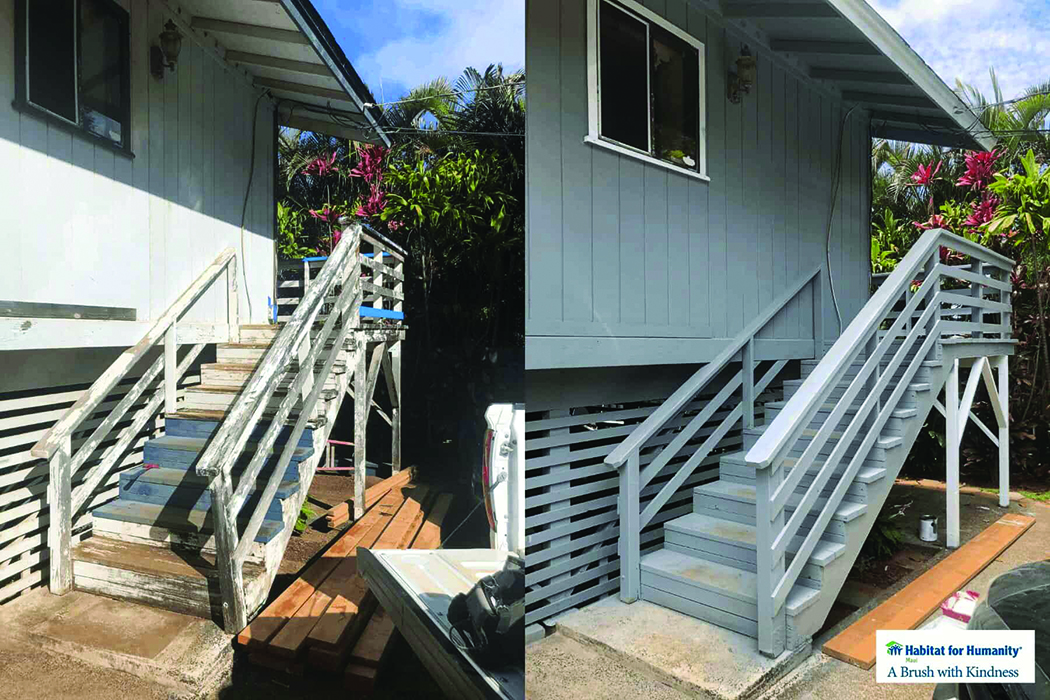
Accessing the second story of your home using a wheelchair may not be something you have ever even considered. But planning proactively and modifying your home now can help you stay independent and comfortable as you age in place.
You may not even feel old yet, but it’s important to consider what you may need in the future as the realities of aging approach. Caregivers can also benefit from home modifications by reducing physical and mental stress.
Modifications such as installing an elevator lift, or making doorways wider or constructing ramps for easier wheelchair access can make a significant difference in a senior’s quality of life.
Home modifications do not have to be complicated or expensive, however. And aesthetically pleasing options are available, such as bathroom grab bars that look like ordinary towel bars or soap holders.
Making modifications can help prevent falls, secure your independence and ensure safety. And knowing your home will support you through each stage of life can bring peace of mind.
Talk to your doctor about getting a home modification assessment completed by an occupational therapist (OT). OTs ensure modifications will align with your health needs, as certain conditions may require specific accommodations.
Accessing the second story of your home using a wheelchair may not be something you have ever even considered. But planning proactively and modifying your home now can help you stay independent and comfortable as you age in place. You may not even feel old yet, but it’s important to consider what you may need…
Internet shopping continues to evolve quickly. Today, anyone can set up an online store and start selling, even without a business license. With both good and bad online businesses to choose from, consumers now have more opportunities than ever to support and encourage ethical online stores. Here are five BBB recommendations on how to do so:
Leave reviews. Whether it’s positive or negative, help evaluate a seller’s legitimacy by leaving a review on BBB.org.
Reward security. Let business owners know that you’ll only shop at companies with a commitment to customer privacy and data protection. Look for websites with secure URLs that start with “https” and show the secure lock icon.
Comment. Your social media comments can let future customers know about a business’s quality, service and practices.
Do the survey. Most businesses have a feedback form or survey request. Tell them what they are doing right that you enjoy and how they can improve to better earn your trust.
Recommend BBB. If there’s a business that’s gone above and beyond for you — tell them about BBB. They can benefit from being in our community of Accredited Businesses.
Internet shopping continues to evolve quickly. Today, anyone can set up an online store and start selling, even without a business license. With both good and bad online businesses to choose from, consumers now have more opportunities than ever to support and encourage ethical online stores. Here are five BBB recommendations on how to do…
Remember those kitschy “Clap on! Clap off!” commercials of the 1980s? (See one below). Who would have guessed that “The Clapper” device they advertised to turn your lights on and off with a clap of your hand was ahead of its time?
Now we have entire homes with smart devices and voice assistants. Instead of clapping, we say, “Hey, Alexa,” “Hey, Google” or “Hey, Siri.”
If you’re still stuck in the ’80s and clapping to turn on a light or manually using light switches, AARP is offering a free seminar just for you at the Generations Magazine Aging in Place Workshop on Aug. 3, Saturday, this year.
An instructor from Senior Planet, an AARP affiliated charity dedicated to helping older adults thrive in today’s digital age, will teach participants about smart homes and how they can help caregivers and kūpuna age in place. Smart homes can do so much more than just control your lights. Using technology, you can monitor your body health, visit with doctors and nurses through telehealth, detect falls or wandering, detect fires or unsafe situations and call for emergency assistance.
Other seminars AARP is offering will cover the importance of sleep in keeping your brain healthy and strategies to fight insomnia, streaming and smart TVs, how to use a digital wallet, transportation alternatives and more.
There’s no pre-registration and seating is first come, first served. You don’t have to be an AARP member, nor of AARP age to attend the Aging in Place Workshop or AARP’s seminars.
Learn more about Senior Planet classes and resources: Seniorplanet.org.
AARP HAWAI‘I (nonprofit) 1001 Bishop St., #625, Honolulu, HI 96813 808-545-6000 | hiaarp@aarp.org | aarp.org/hi AARP is a non-partisan organization dedicated to empowering Americans 50 and older to choose how they live as they age.
Remember those kitschy “Clap on! Clap off!” commercials of the 1980s? (See one below). Who would have guessed that “The Clapper” device they advertised to turn your lights on and off with a clap of your hand was ahead of its time? Now we have entire homes with smart devices and voice assistants. Instead of…