In today’s information age we are inundated with material on what to eat and what not to eat. This can be confusing for seniors with changing dietary needs due to advancing age or illness. As we age, many changes to our bodies occur that can impact our nutritional status.
Here are some suggestions to help you eat better and live happier:
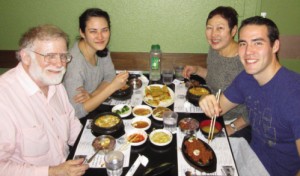
The Modified Food Pyramid for Older Adults suggests regular daily exercise is crucial to maintain a healthy body and mind.
Drink 6-8 glasses of water a day. Note: Caffeinated drinks can increase urination, requiring you to drink more water to stay hydrated.
Consume five ounces of lean protein a day. An increase in protein may be necessary if you are sick or healing from wounds.
Eat a wide variety of fruits and veggies of every color three times a day.
Low-fat dairy and low-saturated oils are great for a healthy heart.
In today’s information age we are inundated with material on what to eat and what not to eat. This can be confusing for seniors with changing dietary needs due to advancing age or illness. As we age, many changes to our bodies occur that can impact our nutritional status. Here are some suggestions to help…
“We are developing more livable communities where people of all ages and physical abilities can get safely where they want to go.” — Stanton
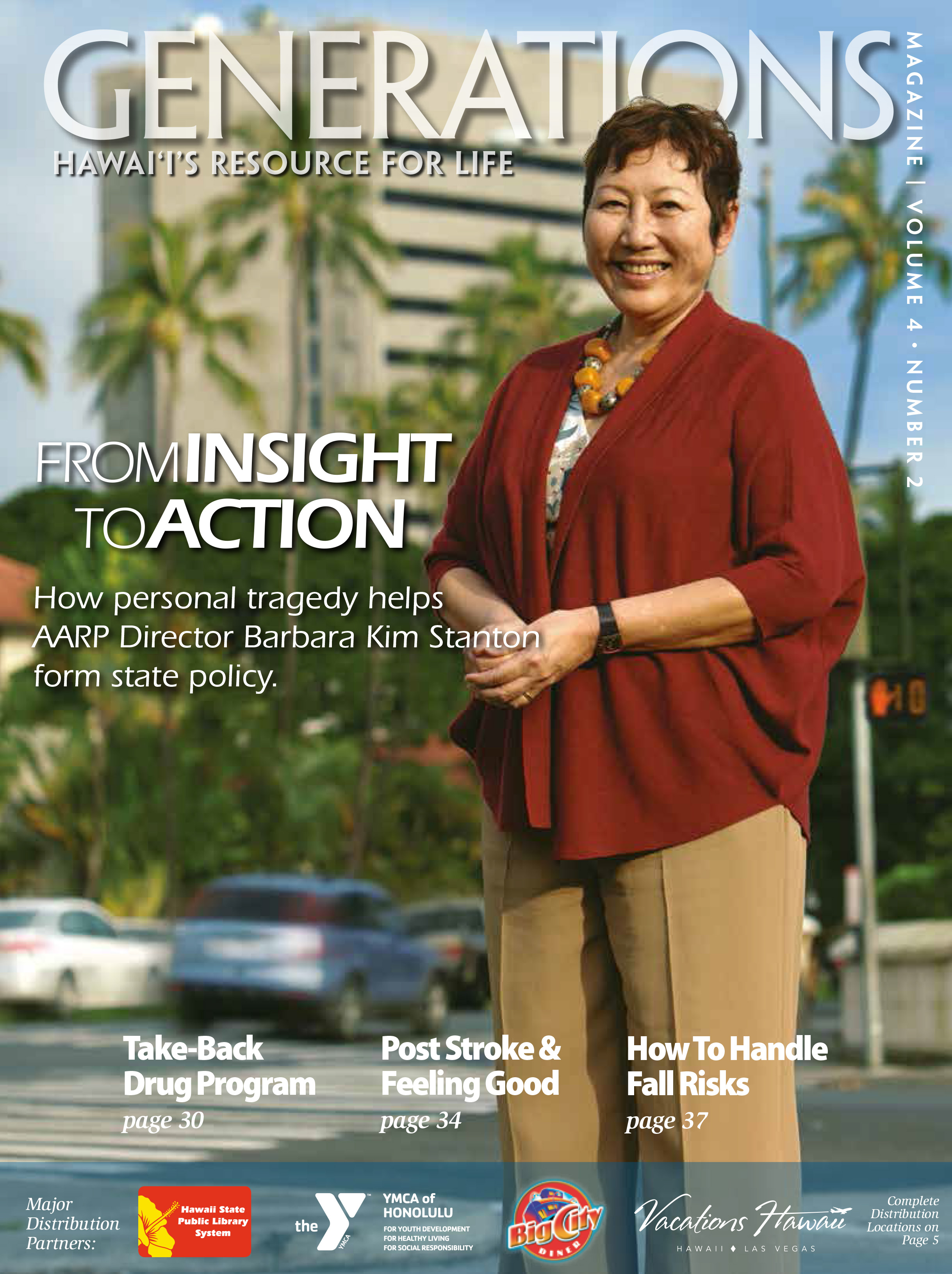
In a split second your life can change dramatically,” says Barbara Kim Stanton, AARP Hawai‘i state director, of a lifethreatening pedestrian crash in 2003. The accident left her with multiple fractures, requiring extensive rehabilitation and a six-month recovery at home. The debilitating incident provided her with unique insight into what it must be like for seniors who have limited mobility and/or depend on home care — as she did for nearly half a year. Ultimately, the experience shaped her view of some of the significant challenges facing our aging community and continued to affect her in 2005 as she assumed leadership of AARP, the influential member organization for people 50-plus.
In this issue, Stanton sits down to talk with Generations about the social changes seniors are facing today — from redefining retirement to the national and local movement toward creating walkable and safe age-friendly communities.
GM: In what ways did the pedestrian crash influence your view of aging?
BKS: The injuries I had were so severe it was like being fast-forwarded into old age. I couldn’t do anything for myself. I couldn’t dress or feed myself. I couldn’t even brush my own teeth. When something like this happens you learn very quickly what life is like for frail, elderly residents who are dependent on friends and family for their basic needs. You start looking at your surroundings and reassessing your ability to age in the home you’re in. It wasn’t long before I realized that the ‘Aiea home, which my husband and I built in 1982, was inadequate for growing old in. It’s a single-level home on a level lot with extra-wide doors that make it easy to navigate from the yard into the house. Still, many of the things I had taken for granted — door handles, window latches, access to the bathroom — took on a new significance because I didn’t have the strength to perform even simple tasks.
Memories of this experience shaped my belief that everyone needs to plan for how to best meet their needs when they can no longer live without the help of others.
GM: What is it like to not be able to take care of basic daily tasks — dressing, eating, personal grooming — that most of us take for granted?
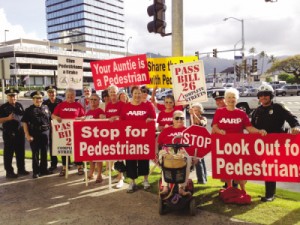
AARP supported the Honolulu City Council’s 2012 Complete Streets ordinance, making it safer for all residents.
BKS: I was discharged from the hospital after about three weeks and needed around-the-clock assistance for half a year, and several months of rehabilitation services before I was able to return to work. I needed total care. My husband helped me in the morning before he went to work. During the day, I had a physical therapist, an occupational therapist and a nurse. In the afternoon when the last medical person left, my neighbors came in. They took shifts. Fortunately, I had a network of family and friends to cook meals and help in any way they could. Even Mainland friends from college used their vacation to fly over and lend a hand. I’m indebted to a lot of people for helping me recover at home.
Through this experience I learned how unpaid caregivers are the backbone of Hawai‘i’s longterm care system. They are the ones who make it possible for the elders they love to age at home, which is where most Hawai‘i residents say they want to be rather than an expensive care facility.
Of course, the main difference between my situation and the seniors who I met at the rehabilitation hospital was that I eventually started to recover. I was getting better, while the frail, elderly folks I got to know said it was a “good day” if their condition stayed the same.
GM: How important are family caregivers to helping elders with activities of daily life?
BKS: In Hawai‘i today most of the day-to-day care for the elderly is provided by family members, often women, who juggle this responsibility with their jobs. This isn’t talked about much and is rarely viewed as a public issue. That’s beginning to change, especially as the percentage of elderly residents needing home care grows. Hawai‘I residents are beginning to realize that caregiving affects just about everyone. At some point in your life, you will either be a caregiver or you’ll need a caregiver — maybe both.
Stanton’s husband and kids were a large part of her daily caregiving network.
I’ve experienced both sides of the caregiver experience, and it’s given me valuable perspective. I, along with other family members, cared for both of my parents at their home in Honolulu. I used to stay with them while my husband watched over the kids at our place. After Mom passed, Dad moved in with us for about a year until he went into hospice. Many adult couples with children are juggling similar situations.
AARP research indicates that there are 247,000 family caregivers in Hawai‘i throughout the year, and the value of the unpaid care they provide to loved ones is estimated at $2 billion a year. However, trends show that the number of potential caregivers (aged 45 to 64 for every person aged 80 and older in Hawai‘i) is declining rapidly. In 2010 there were about six potential caregivers available for every older person. By 2030 there will be fewer than three caregivers available. That’s a red flag. Family support is one of the keys to being able to stay in your home and community as you age.
GM: In what ways do family caregivers contribute to keeping health care costs in check?
BKS: The range of services family caregivers provide is very broad. Many take care of all of the basic daily needs such as personal care, bathing, dressing and cooking. Increasingly, they’re also being called on to perform medical tasks that would make a first-year nursing student tremble — such as wound care and tube feedings — often without adequate training.
Caregivers also play a critical role as unofficial “care coordinators” when family members transition from a health facility back to the home. In that respect they’re on the front lines of keeping their loved ones out of costly institutions and preventing readmissions to the hospital. At the State Legislature this year, AARP Hawaii is supporting legislation that will help caregivers in their role as care coordinators. The CARE Act (SB2264) requires hospitals to provide caregivers with instruction on how to provide the care that’s needed when their loved ones return home.
GM: What steps can people take to increase their chances of staying in their homes as they age?
BKS: The most important thing family members can do is talk with each other about the kind of care they want in the future. For adult children watching their parents grow older, it’s normal to feel anxious. But “The Conversation,” as we call it, has to occur — and better sooner than later. The worst thing to do is to wait until a catastrophic health incident occurs in the family. Then you’re scrambling for answers under stress.
We recommend that people become familiar with public and private health care services available in our communities. A good place to start is the office of aging in each of the counties. They have case workers who can sit down and discuss your family’s needs.
Families may also qualify to receive in-home services through Kupuna Care, a state-funded program that offers a safety net for residents who don’t qualify for Medicaid and can’t afford to pay for services.
The state also provides information about caregiving and long-term care options on its Aging and Disability Resources Center website. It’s a one-stop shop for information about what services are available and how much they cost.
GM: Are Hawai‘i residents prepared to cope with the rising cost of long-term care?
BKS: The cost of long-term care in Hawai‘i is among the highest in the country, and few of us are prepared. The median cost of private nursing home care in Hawai‘i is about $145,000 for just one year, and the average stay is about three years. Unless you have private long-term care insurance or make other financing arrangements, that’s an out-of-pocket expense that not many people can afford. Only about 12 percent of residents age 40 and older are covered by private long-term care insurance.
People are generally uninformed about their options when it comes to planning and paying for care, and a tremendous amount of misinformation exists about what programs such as Medicare pay for. We surveyed our members a few years ago and found that 29 percent believe that Medicare covers the cost of long-term care. Actually, it’s Medicaid that pays for the bulk of long-term care in the U.S., but only for the very poor.
GM: What is AARP doing to help raise awareness of the public’s need to plan for their long-term care?
BKS: AARP helped establish the Hawai‘i Long-Term Care Commission, which studied the state’s long-term care system and recommended reforms (click to see Generations, March 2011). One of the Commission’s top proposals to the Legislature was for the state to launch an education and awareness campaign to help Hawai‘i residents understand long-term care and available options to pay for it.
The idea is to help people live independently at home for as long as possible rather than moving to more costly nursing homes. AARP is working with legislators this session to get $500,000 appropriated for this purpose.
Another recommendation was for the state to consider a public, long-term care insurance program for our working population. We are waiting for the results of a financial and actuarial study, due this summer. Depending on what the report finds, legislation establishing the financing program could be introduced as early as 2015.
GM: As you look at the physical layout of our communities, do you think we’re prepared for the aging boom that’s already begun?
BKS: Our communities have been designed with the automobile in mind, which doesn’t support the ability of older residents to age in place. When large numbers of people and cars come together in urbanized areas built primarily for automobiles, the results can be tragic. There have been unacceptably high numbers of pedestrian crashes in Honolulu over the past decade, and the threat to public safety will rise as the percentage of residents age 65 and older increases to 20 percent over the next two decades.
AARP is working to develop more livable communities where people of all ages and physical abilities have multiple transit options to get safely where they want to go — whether driving, walking, cycling or taking public transportation. What’s really exciting is the new Age-Friendly Cities initiative just announced with the City and County of Honolulu that will transform Honolulu into a place that is livable for everyone — kupuna to keiki.
GM: Can you share some details of the Age-Friendly Cities initiative?
BKS: Mayor Kirk Caldwell announced his commitment to prepare Honolulu to be more age friendly and has partnered with the AARP Network of Livable Cities and the World Health Organization’s Global Network of Age-Friendly Cities and Communities. The WHO Network is part of an international effort to get cities and towns around the world prepared for rapid population aging and increased urbanization.
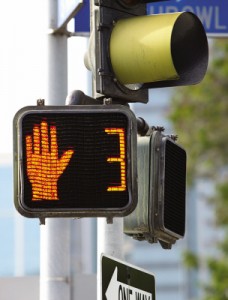
AARP lobbied for countdown signals with adequate time to cross for the disabled and the elderly. It also joined residents in a planning session for Complete Streets in Kakaako.
Over the next five years Honolulu city officials will work with AARP and residents of all ages to improve physical and social environments on O‘ahu that will help older residents remain healthy, active and engaged. This will be a local, community-driven initiative to transform our island into a livable community that’s safe and secure, including affordable housing and adequate transportation. Once in place, these resources will enhance personal independence, allow residents to age in place and foster engagement in civic, economic and social life.
In April a citizens advisory committee will be convened. This group is responsible for developing an action plan that will promote public safety and provide seamless access to shopping, recreational sites, housing and transportation services.
GM: What are your members saying they want to do with their retirement years?
BKS: The Baby Boomers are rewriting traditional definitions of what it means to retire. The first of the Boomers reached age 65 in 2011 and more of them are taking advantage of the extra longevity years their parents and grandparents didn’t have. Regardless of income and whether or not they continue working, they’re reflecting on the meaning and purpose of their lives, overcoming fears, achieving aspirations and building a greater sense of community. Boomers are creating this new life phase and rejecting the notion that their possibilities are shrinking as they get older. They’re using their years of experience not to wind down but to reach even higher.
GM: Are you optimistic about the next 20 years as the boomers move into their 80s and beyond?
BKS: Older adults today are living in a new age of possibilities. For those who prepare for the future, it will be good. Hawai‘i is a great community, we respect our kupuna, and our people know how to pull together. But the challenges with health care are formidable. That’s why I’m concerned about people who may not have enough resources.
My goal with AARP is to help seniors stay connected to their communities and enhance the quality of their lives as they get older.
About AARP Hawaii AARP is a membership organization for people age 50 and older, with nearly 150,000 members in Hawai‘i. We champion access to affordable, quality health care and deliver a strong message to our elected officials: No cuts to Medicare or Social Security benefits. We also provide the tools needed to save for retirement, and serve as a reliable information source on critical issues that help older Americans navigate the “what’s next” in their lives. Drive to End Hunger. Life Reimagined. Financial Freedom Campaign. Fraud Watch Network. Driver Safety. Tax-Aide. Life@50+ Expo. Consumer Advocacy. Volunteering. Toll-Free: 1-866-295-7282 Website: www.aarp.org/hi| Facebook: /AARPHawaii | Twitter: @AARPHawaii Published with the assistance of Bruce Bottorff, director of communications of AARP Hawaii.
In a split second your life can change dramatically,” says Barbara Kim Stanton, AARP Hawai‘i state director, of a lifethreatening pedestrian crash in 2003. The accident left her with multiple fractures, requiring extensive rehabilitation and a six-month recovery at home. The debilitating incident provided her with unique insight into what it must be like for…
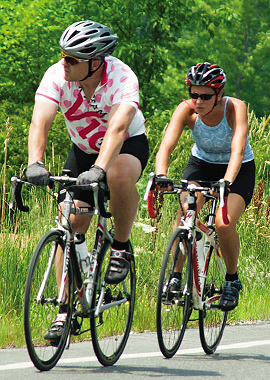
In these Boomer days of taking care of my bodily vessel, I’ve taken up riding my bicycle 4 to 5 times a week. In doing so, I have made some observations that I would like share with my fellow riders.
First, a few tips on bike safety. Before doing anything, get down on your one good knee and ask the Biking Gods for protection ‘cause you’re going to need it. While you’re down there, check the tires and make sure they are pumped up. Tighten all levers and check the seat and chain. Make sure you have a rear view mirror, reflectors and a horn or bell. Wear a helmet.
Why be so vigilant while riding around this city? Because it seems that drivers look at “bike riders” as moving targets! Paying attention is of the utmost importance. Ride defensively. Take nothing for granted. Don’t ever think drivers of cars know where you are. They don’t! When riding passed parked cars, beware that someone could always open his/her door. Because when that happens, you’ll be hurled head first onto the pavement. And, believe me … it hurts.
Despite an ideal climate for bicyclists — consistent weather, a flat, dense urban center and an extensive bus system — Honolulu has struggled to create a bike-friendly environment. However, organizations such as the Hawai‘i Bicycling League (HBL) continue to work to turn O‘ahu into a more biker-friendly island. HBL is a 38-year-old nonprofit organization that works to get more people riding bikes for health, recreation and transport. It also works toward by making Hawai‘i’s roads safer through education, events and advocacy. HBL is the organization behind BikeEd for 4th graders all around O‘ahu and also the biggest cycling event in the state, the Honolulu Century Ride.
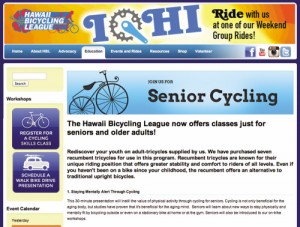
Recently HBL launched its Senior Cycling Program, which is the newest addition to the range of adult education programs. Through a grant from the City & County of Honolulu, HBL purchased several recumbent tricycles and provides rides and workshops to the public for free.
Because of the way the trikes are made, nearly anyone of any age is able to use them. HBL brings the trikes to off-road paths around Hawai‘i and invites anyone 55 or better to ride (helmets available). The rides are led by certified cycling instructors from the League of American Bicyclists.
Also, HBL has a 30-minute presentation that shows seniors ways they can incorporate cycling into their lives, along with the health benefits that can come from riding. For more information, visit www.hbl.org/seniors.
More about bike safety and approaching a cross-walk next time. Happy bike riding!
In these Boomer days of taking care of my bodily vessel, I’ve taken up riding my bicycle 4 to 5 times a week. In doing so, I have made some observations that I would like share with my fellow riders. First, a few tips on bike safety. Before doing anything, get down on your one…
Momi and Roland are a retired couple living in Central O‘ahu. Last year Roland learned he has incurable lung cancer and has been in the hospital several times. The couple has had many conversations together and with the doctors. Because of his short life expectancy and desire for quality of life, he has decided to forgo aggressive life-prolonging treatments although he still wants hospitalization if needed. His doctor recommended that he put his wish to let nature take its course in writing in a document called POLST (Physicians Orders for Life-Sustaining Treatment). This form, signed by his doctor, will ensure that his healthcare wishes be carried out if he is not able to speak for himself at anytime. It also helps put Momi at ease, since she is the one who will be called on to make decisions for Roland if he is unable.
One night, Roland has problems breathing. Momi calls 911 and the paramedics arrive. Knowing her husband’s wishes, Momi wants to be sure that if her husband’s heart or breathing stop en route to the hospital, he can have the natural death he desires. She runs to the kitchen, grabs the completed and signed POLST form hanging on their refrigerator, and hands it to the paramedics. Momi can now feel a sense of relief that her husband’s treatment wishes will be followed, even if she’s not around to tell his medical providers.
So, what is a POLST, and how does it work? A POLST is a portable doctor’s order that makes you or your loved one’s wishes for treatment known. Portable means that it is valid wherever the patient is, whether it is at home, in an ambulance, in an emergency department or anywhere in the hospital or a nursing home. It is for people with a chronic debilitating illness or a life-limiting disease, such as end-stage lung or heart disease, a terminal cancer or anyone who may be approaching the end of their life.
How is the POLST different from an Advance Healthcare Directive (AD)? POLST is completed by you and your doctor and turns your healthcare wishes into orders for healthcare providers and ambulance personnel to follow. An AD is a form that you and everyone over 18 should have to document your values and future wishes for healthcare, and allows you to appoint an agent to act as your health care power of attorney in the event you are unable to speak for yourself. The combination of the POLST and AD will help make sure your wishes are known even if you cannot speak for yourself.
Be just as prepared as Momi and Roland! By talking about these issues ahead of time, you can prevent crisis, relieve stress and ensure that your family’s healthcare wishes are honored. Take action and start the conversations today. To learn more about the POLST and AD or to download forms, visit www.kokuamau.org.
Momi and Roland are a retired couple living in Central O‘ahu. Last year Roland learned he has incurable lung cancer and has been in the hospital several times. The couple has had many conversations together and with the doctors. Because of his short life expectancy and desire for quality of life, he has decided to…
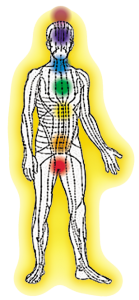
The Chinese call healing energy Qi — the life force, or vital energy, that flows through all things in the universe. In Japan, the life force is termed Ki, while yoga practitioners refer to the body’s life force as prana or pranic energy. These terms all relate to the same universal healing energy, which exists in our environment and links us to all forms of life. It’s the primordial force of nature.
The movement of the life force can be seen in molecules, elements, the landscape — and within our bodies through channels called meridians. The flow of human energy nourishes and governs all of the systems of the body and gives us the ability to concentrate; it’s the basis of creativity and healing.
Within all living animals are meridian energy pathways. The way energy flows through the meridians dictates wellness, disease and imbalances. Our energy flow reflects our state of mind, how we feel and how we think. As such, negative thoughts can block the meridians from flowing and cause numbness, pressure, spasm and many kinds of aches and pains. An energy blockage affects our stress, the way we eat food and how well it gets digested. Sleep patterns and disorders are also a result of how the meridians flow.
However, positive thoughts can build healing energy and help the life force flow through the meridians in a balanced way, leading to various forms of health and happiness.
For example, the foundations of both martial arts and the healing arts focus on the interplay of two polar opposites — yin and yang — to create a vibratory movement and build healing energy to strengthen their practices.
Martial artists move the life force externally in the form of self-dense and physical power, while the healing arts channel the life force internally for therapeutic purposes.
Both practices benefit from the cultivation of Qi through exercise, diet, and creative and positive visualizations. Once a martial artist masters how to use the life force for self-defense, a skilled warrior will also learn how to use his/her energy to heal an opponent.
Likewise, some of the most powerful massage and energy work rely on the principles of Qi to remove harmful energy blocks. During massage, acupressure points are often used because they have a high electrical conductivity at the surface of the skin and effectively conduct the body’s energy.
Acupressure is an ancient healing art that developed in Asia more than 5,000 years ago. Using the power and sensitivity of the hand, acupressure can relieve stress-related ailments such as depression, anxiety, headaches, backache, insomnia, nausea and carpel tunnel. It can also release tension, reduce pain, increase circulation and help develop vibrant health.
Building human energy, developing its healing potential, and strengthening the flow of the life force have been priorities in the Chinese culture since ancient times. Using special Qi healing exercises and meditations today can help you build healing energy, cultivate the life force and channel it throughout your body. By heightening the life force within your body — through martial art exercises and healing arts — you can help treat yourself and others.
The Chinese call healing energy Qi — the life force, or vital energy, that flows through all things in the universe. In Japan, the life force is termed Ki, while yoga practitioners refer to the body’s life force as prana or pranic energy. These terms all relate to the same universal healing energy, which exists…
Many of Hawai‘i residents are baseball fans, especially when it comes to UH’s Baseball Bows. We take pride in these young men who represent our state in collegiate competitions, now playing all their home games in “the house that Les built.”
The 2014 season marks the 30th anniversary of the Les Murakami Stadium (built in 1984 and previously named the Rainbow Stadium). Coach Les, who was the cover story of Generations’ April/May 2013 issue, was honored on February 21st to commemorate the three decades of the stadium. He became the UH head coach in 1971, won his 1,000th game in 1998, was inducted in the American Baseball Coaches Association Hall of Fame in 2001 and retired after 31 seasons.
I am proud to say that my husband and I have been UH baseball fans since we met in 1974. Our three children, and now our son-in-law Trey and granddaughter Alexis, enjoy watching at least one game of the home series. Over the years, we have seen great wins and heartbreaking loses. Our most memorable were probably the two longest UH games ever played (prior to the “Les” being built). As we recall, it was in 1976 and we stayed until after midnight, sitting outside the stadium in center field (Scholarship Hill), where Gerald Ako and Derek Tatsuno pitched their entire games of 17 and 18 innings — and won!
Watching UH baseball is a great tradition for my family. To join the fun, call 808-944-2697 or visit www.hawaiiathletics.com.
Many of Hawai‘i residents are baseball fans, especially when it comes to UH’s Baseball Bows. We take pride in these young men who represent our state in collegiate competitions, now playing all their home games in “the house that Les built.” The 2014 season marks the 30th anniversary of the Les Murakami Stadium (built in…
Financial abuse of seniors oftentimes goes unreported. Studies have estimated that as few as 1 in 30 cases are brought to the attention of authorities. There are many reasons why these matters don’t get reported.
The two main reasons for none reporting are:
the abuser is a family member and the victim doesn’t want to get them in trouble
the victim is too embarrassed about being taken advantaged of that they would rather no one know about it than to be humiliated
The first reason, although misguided, is understandable, but second reason, however, is not.
To be direct and word this in no uncertain terms, victims of financial abuse should not feel embarrassed about being tricked out of their money. Today’s criminals who target seniors are smart criminals with hundreds of hours of experience and sophisticated tools that can convince even professionals that they are legitimate in their business dealings.
Encountering today’s scam artist is very similar to seeing a professional magician perform. He has spent countless hours practicing his act, invested in resources and props, and achieved a certain level of competence that earned him his own show. When the audience leaves the performance, they are often left wondering how the tricks were accomplished. They are not, however, embarrassed that they could not figure out how a particular illusion was accomplished. The same should be said about victims of today’s scams.
An example of the skill level of these criminals is seen in a rash of sweepstakes/lottery scams occurring in the Islands today. Potential victims are sent a personalized message (mail, email or telephone) telling them of their good fortune at winning a prize. How did the criminal get this contact information? They spent money getting it. Just like the magician going into a magic shop to buy a deck of marked cards or a collapsible wand, the scam artist can purchase personal information from various sources including people who steal mail; telemarketers who compile information from people who fill out contest entry forms; or computer programs designed to hack email accounts or link addresses to names.
Gone are the misspelled, poorly written emails and letters. These scam artists have learned from past mistakes and perfected their trade. Today’s personalized lottery winning letters are well-written and look legitimate. Some include pre-printed checks that will initially fool even a bank teller into giving a sum of money that is suppose to be sent to the scam artist to pay for “taxes and fees” on the prize money. Other letters include a credit card that the victim is told has the lottery winnings on it and it just needs to be activated with a payment.
So professionally done are these notifications, that some banking personnel, financial planners, lawyers and judges have been fooled by these scams.
In short, if you have been scammed, do not feel embarrassed. You were taken by a professional. Report the crime so that there is a chance these criminal magicians will disappear. All reports are confidential.
Financial abuse of seniors oftentimes goes unreported. Studies have estimated that as few as 1 in 30 cases are brought to the attention of authorities. There are many reasons why these matters don’t get reported. The two main reasons for none reporting are: the abuser is a family member and the victim doesn’t want to…
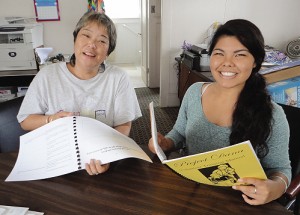
Osajima at the front porch of Project Dana office and doing an orientation inside with volunteer Ashley.
Welcome to Project Dana. Its headquarters is nestled in Moili‘ili in a little blue house, which was donated to Moili‘ili Hongwanji Mission by a long-time dedicated member.
In recognition of the great and growing need of in-home assistance for Hawai‘i’s frail elderly, Project Dana was launched in 1989 by the Moili‘ili Hongwanji Mission with the wise leadership and foresight of founder Mrs. Shimeji Kanazawa and founding administrator Rose Nakamura. Project Dana is an interfaith volunteer caregiving program that provides a variety of supportive services to the elderly, disabled persons and family caregivers to ensure their well-being, independence and dignity in an environment of their choice. Support comes through a corps of trained volunteers from a coalition of churches/temples and community organizations that demonstrate the universal principle of DANA, a Sanskrit word that means “selfless giving without the desire for recognition or reward.”
Volunteer project coordinator Cyndi Osajima is one of the staff members who works out of the “office.” She has been with Project Dana since 1993 and considers this her dream job. “I am honored and consider it a privilege to be with Project Dana, working with the devoted staff, site leaders and volunteers. I learn so much from the elderly as they share their life experiences” she says.
Part of Osajima’s job includes conducting orientations for new volunteers, matching volunteers to the requests of the elders, providing information and referrals, and giving presentations to organizations, agencies, workshops, senior fairs and groups about Project Dana.
“I am grateful to work in a field where I can utilize my academic knowledge and put my faith into action as a Buddhist,” she says.
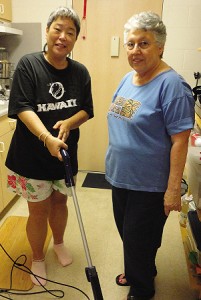
Osajima working with seniors.
With an increasing number of elderly in Hawai‘I and greater demands put on social support services, Project Dana fills important service gaps by providing respite, in-person visits or telephone calls, transportation to medical appointments, grocery shopping assistance, caregiver support groups and home safety assessments/education. Working with more than 200 public and private agencies, organizations and individuals, Project Dana provides compassionate and loving care to help advance the well-being of Hawai‘i’s elders as they age in place.
As the volunteers are the “heart” of The Project, on Sept. 20, 2014, Project Dana will be honoring and thanking all volunteers throughout the state with a 25th Anniversary Celebration.
Anyone needing services or interested in becoming a volunteer, please contact Project Dana.
Welcome to Project Dana. Its headquarters is nestled in Moili‘ili in a little blue house, which was donated to Moili‘ili Hongwanji Mission by a long-time dedicated member. In recognition of the great and growing need of in-home assistance for Hawai‘i’s frail elderly, Project Dana was launched in 1989 by the Moili‘ili Hongwanji Mission with the…
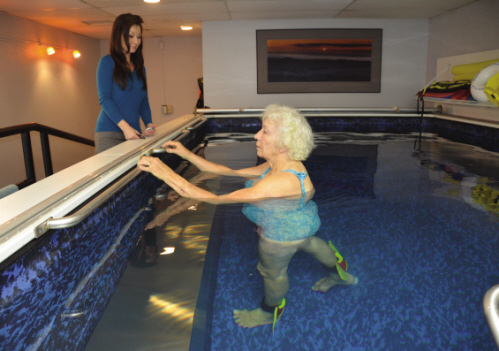
More than 50 million Americans suffer from debilitating joint pain, making day-to-day living a challenge. As a result, many people choose not to undergo land-based rehabilitation, which is often times very painful. But without treatment, further joint damage, increased pain and decreased function are all very real possibilities. Luckily, aquatic therapy offers another option.
Aquatic therapy benefits:
Decreased Stress on Joints: Water buoyancy supports body weight and reduces compression and vibration that cause pain on land.
Improved Safety: Water provides a gentle, pain free environment for challenging activities that improve balance, strength and mobility.
Reduced Swelling: The pressure of the water around the joints reduces swelling, which improves mobility and flexibility.
For patients with chronic pain, aquatic therapy is the gateway to independent pain management and fitness through water exercise.
Ivalee, 85, says that aqua therapy has helped her joint pain tremendously by loosening her muscles and improving her flexibility. “Water exercises are easier to do than land exercises and I’m able to increase the resistance so that when I do transition to a land program, I’ll be stronger,” she says. “I highly recommend aqua therapy. It is refreshing, relaxing and lots of fun.”
Moon Physical Therapy’s Cardiac Rehab Program 320 Ward Avenue, Suite 107, Honolulu, HI 96814 808-597-1005 | www.moonpt.com
More than 50 million Americans suffer from debilitating joint pain, making day-to-day living a challenge. As a result, many people choose not to undergo land-based rehabilitation, which is often times very painful. But without treatment, further joint damage, increased pain and decreased function are all very real possibilities. Luckily, aquatic therapy offers another option. Aquatic…
It was just a year ago that Marion Iwane, 88, read a story in Generations Magazine about a senior in her 90s who started exercising at age 77. Inspired by the story, Marion decided to come in for help with balance, weakness and pain in her hips and shoulders. One month into the program, Marion suffered a mild stroke. After a brief stay in the hospital, she was sent to a nursing rehabilitation facility. Two months later, Marion’s daughter brought her back in to see me. Seeing her with a walker and weak on the left side of her body due to the stroke, I knew we had some work to do. I had successfully worked with another client who suffered a much stronger stroke, so I had high hopes for Marion’s recovery.
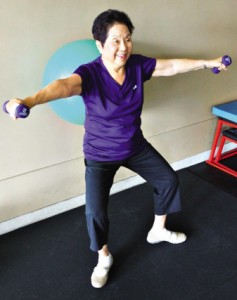
Marion has come in twice a week for the last 10 months. We started with moving the joints and light stretching, working our way up to strength and flexibility exercises. While training the right and then the left side of the body, it was important that she not lead with her dominant side. When she accomplishes one task we move on to a new one, continually stimulating her brain and connecting the mind to the movement. In the beginning there were times when she wanted to stop coming. Thanks to her daughter who encouraged her to continue, her attitude toward exercise has changed. One day she said to me, “I want to be strong like you.” Wow, that made my day!
In addition to exercise, Marion and I have worked on infusing her diet with healthy nutrients through green smoothies. Getting enough fruits and vegetables into our diets is important for good health and longevity. We also need healthy fats (monounsaturated and polyunsaturated fats from avocados, raw nuts, fatty fish, etc.) to maintain brain function and help with cellular communication. We add flaxseed and coconut oil into our smoothies as an easy way to ensure we get our good fats.
Nearly a year later, Marion is stronger and more flexible than prior to the stroke. The pain she was having in her shoulders and hips is gone. She no longer uses a walker and sometimes forgets her cane in the studio after her workout.
Diane, Marion and daughter, Shirley
Marion continues to feel better and stronger. I am so proud of her and grateful that she allowed me to share her story to inspire others not to give up regardless of our age and obstacles.
It is important for all of us to connect the mind and body through movement patterns and exercise (neuromechanics). The more connections — the more brain activity — the healthier the mind, body and spirit.
It was just a year ago that Marion Iwane, 88, read a story in Generations Magazine about a senior in her 90s who started exercising at age 77. Inspired by the story, Marion decided to come in for help with balance, weakness and pain in her hips and shoulders. One month into the program, Marion…
Spring is here and it’s the season of rebirth and rejuvenation! Outdoor. Indoor. Or both. Sit. Stand. Move. Interact. Anyway you want it. Though it is the time to come alive! So here are just a few activities to do to keep you busy during this spring.
1) Go Bows! Get out and cheer on the Rainbow Warrior baseball team. See pg. 11
2) I believe we need to have more intergenerational programs, such as the One-Mile Project featured in last month’s issue with the class from ‘Iolani School. We need to cherish our kupuna as they have a wealth of experience and values. To all our kupuna, I encourage you to pass down all your values, work ethic and stories of old Hawai‘i, and there is no better way than spending time with your children, grandchildren and even great-grandchildren.
3) Listen to music and your favorite radio station, AM 690 (KHNR). Tune in Saturdays for two shows:
Frank B. Shaner’s Baby Boomer radio show, 4 – 5 p.m.
4) Expand your knowledge, mind and ideas about aging in place, making each year golden! Attend this informational workshop — Generations publisher, Percy Ihara, will be the keynote speaker on “Aging in Hawai‘i.”
Mini Aging In Place Workshop
Friday, May 30, 2014, 9:30 –11:00 a.m., Ala Moana Pacific Center, 1585 Kapiolani Blvd., #1518. IMPORTANT: Seating is LIMITED — RSVP with the number of people attending by May 23. Contact: Scott Sakata, Realtor, Seniors Real Estate Specialist (SRES). Phone: 808-228-4916 (call for parking and directions).
5) It’s showtime! Be entertained with enthusiastic and talented performers.
Hawai‘i Ballroom Dance Association Cabaret— Mardi Gras Follies 2014, with director Jack Cione. Saturday, June 7, 7 p.m.(doors open at 6:30 p.m.), Hawai‘i Theater, 1130 Bethel St. Tickets are $30 and can be purchased through the Hawai‘i Theater, 808-528-0506.
6) It’s the right cause for the right reason: give back to our community … just by walking.
2014 Walk to Cure Arthritis — Hawaii Sunday, June 1, 2014 at the Hawaii State Capitol. For Walk information, call the local Arthritis Hawaii office at 808-596-2900.
Live well,
Percy Ihara, Editor/Publisher
Spring is here and it’s the season of rebirth and rejuvenation! Outdoor. Indoor. Or both. Sit. Stand. Move. Interact. Anyway you want it. Though it is the time to come alive! So here are just a few activities to do to keep you busy during this spring. 1) Go Bows! Get out and cheer on…
In my 19 years as an estate planning attorney, I’ve noticed that many of the things we do as attorneys seem backward. The consequence of backward estate planning is dire, causing failed estate plans and fractured family relationships. To ensure a successful estate plan, we must reverse the way we view many of the common estate planning practices:
“Read the Will” prior to, not after, someone dies. In a family meeting, discuss your estate plan. What better time to reveal and clarify intentions than when we are alive.
It is not solely the document that makes up a sound estate plan, it is the underlying intent that provides the foundation for each document.
Start with “why”, then get to the “how” and “what.” Often lawyers want to rush into telling people what to do without exploring the client’s desires and hopes. If we don’t start with asking why the client wants to complete a plan, the what and how will miss the mark.
Stop the tail from chasing the dog. Meaning, lawyers often prioritize artificial tax planning over spending time in the relational aspects of estate planning, only to see that while we may minimize taxes, relationships fail.
Mend relationships now. We often avoid strained relationships, and leave it to the estate plan to speak to fractured relationships. While some relationships are not “fixable,” now is the time to try.
What is most important is not only equal distribution of assets to our children, but also preserving and nurturing the relationships between those we leave behind.
We might feel that it is only the worth (dollars and cents) of our assets that is important. However when pressed, most of us feel it is the value (emotion/relational) of our gift that is our most important legacy.
Change “I just completed my plan, now I’m done” to: “I just completed my plan and now I’m ready to start.” Once you’ve signed your estate planning documents, I believe you’ve just started the estate planning process because life changes. Now you’ve committed to something that you can review as change occurs.
It’s not an entitlement to receive an inheritance. It’s a loving gift.
“It’s family so we don’t have to write legal instructions.” It is because it is family, there is much at stake. The clearer the communicate, the better chance for a successful estate plan.
In my 19 years as an estate planning attorney, I’ve noticed that many of the things we do as attorneys seem backward. The consequence of backward estate planning is dire, causing failed estate plans and fractured family relationships. To ensure a successful estate plan, we must reverse the way we view many of the common…

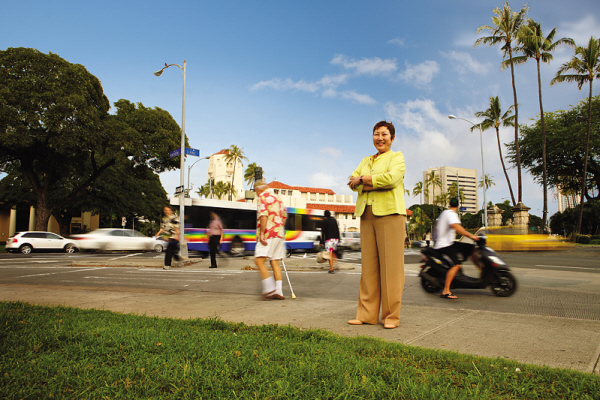
 AARP is working to develop more livable communities where people of all ages and physical abilities have multiple transit options to get safely where they want to go — whether driving, walking, cycling or taking public transportation. What’s really exciting is the new Age-Friendly Cities initiative just announced with the City and County of Honolulu that will transform Honolulu into a place that is livable for everyone — kupuna to keiki.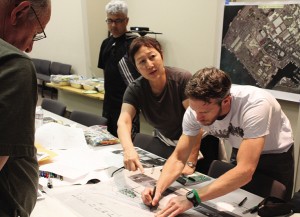
 In these Boomer days of taking care of my bodily vessel, I’ve taken up riding my bicycle 4 to 5 times a week. In doing so, I have made some observations that I would like share with my fellow riders.
 Also, HBL has a 30-minute presentation that shows seniors ways they can incorporate cycling into their lives, along with the health benefits that can come from riding. For more information, visit
  The Chinese call healing energy Qi — the life force, or vital energy, that flows through all things in the universe. In Japan, the life force is termed Ki, while yoga practitioners refer to the body’s life force as prana or pranic energy. These terms all relate to the same universal healing energy, which exists in our environment and links us to all forms of life. It’s the primordial force of nature.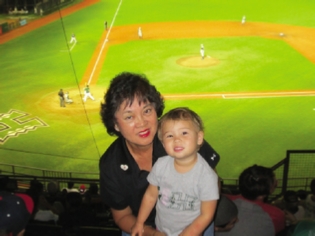
 Encountering today’s scam artist is very similar to seeing a professional magician perform. He has spent countless hours practicing his act, invested in resources and props, and achieved a certain level of competence that earned him his own show. When the audience leaves the performance, they are often left wondering how the tricks were accomplished. They are not, however, embarrassed that they could not figure out how a particular illusion was accomplished. The same should be said about victims of today’s scams.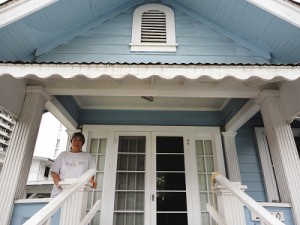
 portive services to the elderly, disabled persons and family caregivers to ensure their well-being, independence and dignity in an environment of their choice. Support comes through a corps of trained volunteers from a coalition of churches/temples and community organizations that demonstrate the universal principle of DANA, a Sanskrit word that means “selfless giving without the desire for recognition or reward.”
 Volunteer project coordinator Cyndi Osajima is one of the staff members who works out of the “office.” She has been with Project Dana since 1993 and considers this her dream job. “I am honored and consider it a privilege to be with Project Dana, working with the devoted staff, site leaders and volunteers. I learn so much from the elderly as they share their life experiences” she says.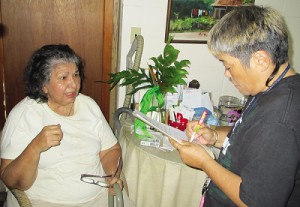
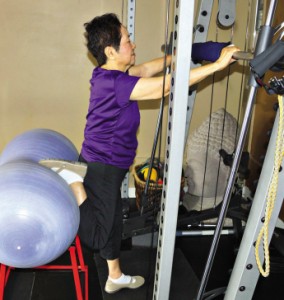 ear ago that Marion Iwane, 88, read a story in Generations Magazine about a senior in her 90s who started exercising at age 77. Inspired by the story, Marion decided to come in for help with balance, weakness and pain in her hips and shoulders. One month into the program, Marion suffered a mild stroke. After a brief stay in the hospital, she was sent to a nursing rehabilitation facility. Two months later, Marion’s daughter brought her back in to see me. Seeing her with a walker and weak on the left side of her body due to the stroke, I knew we had some work to do. I had successfully worked with another client who suffered a much stronger stroke, so I had high hopes for Marion’s recovery.
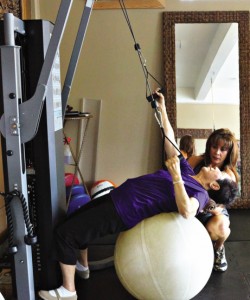 Marion has come in twice a week for the last 10 months. We started with moving the joints and light stretching, working our way up to strength and flexibility exercises. While training the right and then the left side of the body, it was important that she not lead with her dominant side. When she accomplishes one task we move on to a new one, continually stimulating her brain and connecting the mind to the movement. In the beginning there were times when she wanted to stop coming. Thanks to her daughter who encouraged her to continue, her attitude toward exercise has changed. One day she said to me, “I want to be strong like you.” Wow, that made my day!
 In addition to exercise, Marion and I have worked on infusing her diet with healthy nutrients through green smoothies. Getting enough fruits and vegetables into our diets is important for good health and longevity. We also need healthy fats (monounsaturated and polyunsaturated fats from avocados, raw nuts, fatty fish, etc.) to maintain brain function and help with cellular communication. We add flaxseed and coconut oil into our smoothies as an easy way to ensure we get our good fats.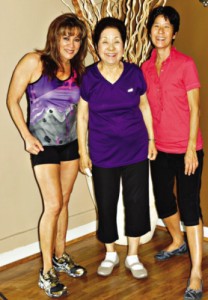
 2014 Walk to Cure Arthritis — Hawaii