While the Eastern Pacific hurricane season remains in effect, as does the increased possibility of potentially dangerous storms headed Hawai‘i’s way, homeowners are encouraged to shore up their roof with the goal of mitigating catastrophic damage.
According to the National Oceanic and Atmospheric Administration’s Climate Prediction Center, this year’s hurricane season that runs through November has up to an 80% chance of being enhanced by El Nino conditions. El Nino is responsible for elevating ocean temperatures and leading to above-average tropical cyclone activity in the waters surrounding Hawai‘i, thus making hurricane preparedness more important than ever.
Preparedness is best advised. Not only should you make sure your emergency provisions are up-to-date and well stocked, but your dwelling — roof — need to be checked on as well.
Here are some preventive measures to follow:
Check past service records on your roof. If more than 10 years since installation or repairs has been done, then it’s best to have a free roofing inspection pinpoint necessary improvements.
Trim encroaching tree branches
Take inventory of loose outdoor items such as coolers, patio furniture, umbrellas, awnings and other objects that could turn into dangerous projectiles when tossed by hurricane-force winds. By securing these items around the home and making sure one’s roof is intact, residents give themselves, family members and neighbors the best chance of riding out what is predicted to be a busy hurricane season.
While the Eastern Pacific hurricane season remains in effect, as does the increased possibility of potentially dangerous storms headed Hawai‘i’s way, homeowners are encouraged to shore up their roof with the goal of mitigating catastrophic damage. According to the National Oceanic and Atmospheric Administration’s Climate Prediction Center, this year’s hurricane season that runs through November…
Liz Damon, David Lebby and Riley Wallace at the Boar’s Head Bar at Main Street Station
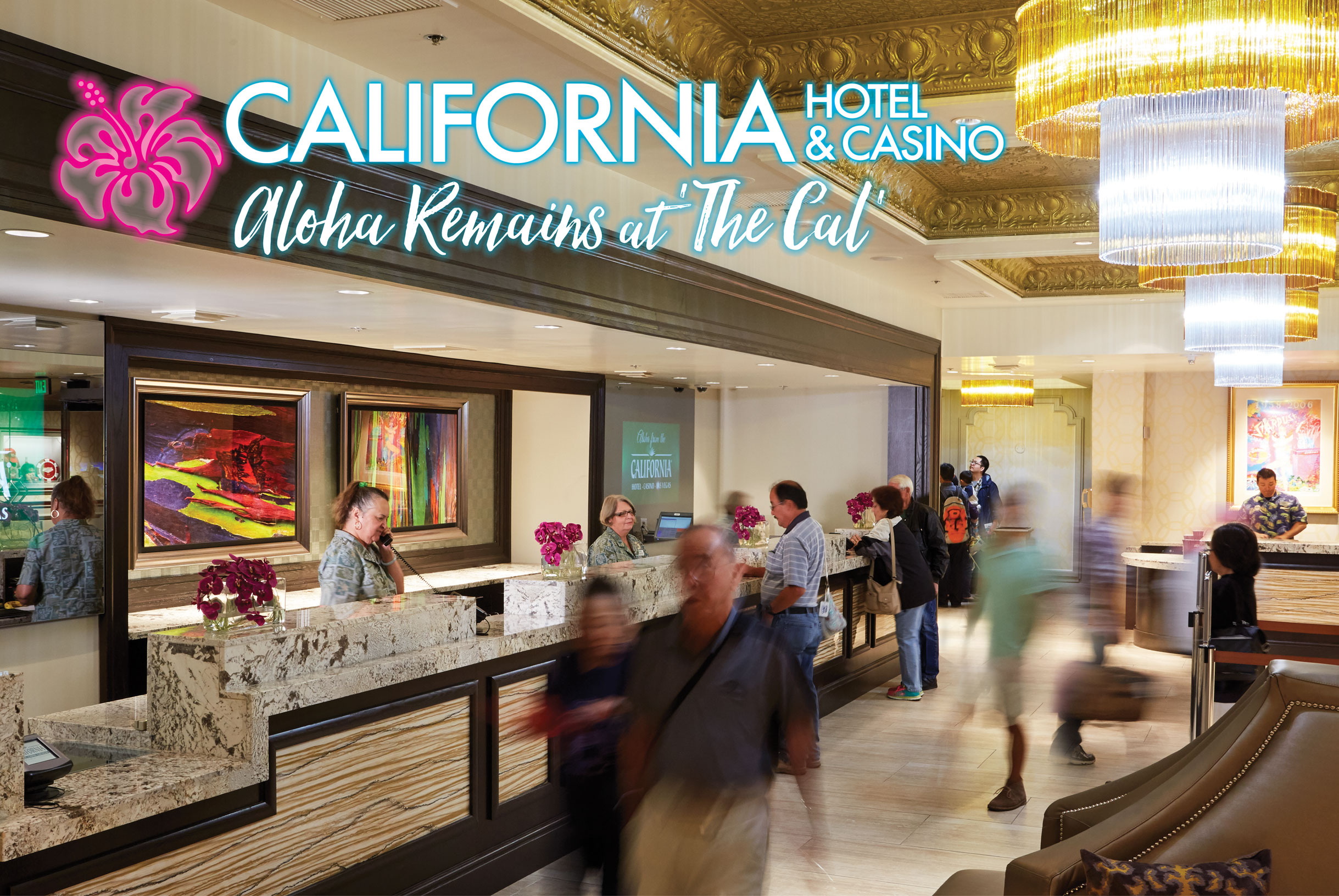
In the middle of a sprawling desert town, Aloha blooms. It is spoken at the guest check-in with each new arrival, served at the café with each fragrant dish of oxtail soup, and spread through the gifted efforts of the employees.
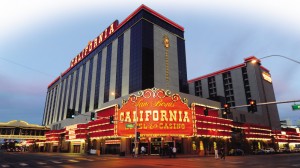
The evolution of Boyd Gaming Corporation’s California Hotel & Casino from a gambling spot to a second home for Hawaiians contributed greatly to the designation of Las Vegas as the 9th Island.
Bill & Sam Boyd
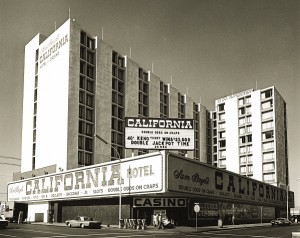
It was a gamble when the California Hotel & Casino opened in 1975, the first large property to set up off the famed Fremont Street, but Sam Boyd was good at playing the odds in his favor.
The Boyd family started in the gaming business in 1941, with Sam Boyd moving up from dealer to major hotel owner by 1962 when he first partnered with his son Bill for the Eldorado Casino in Henderson. A little over a decade later, father and son were determined to make their new endeavor work. They borrowed money from the bank, more than once, to realize their dream of a hotel in the booming downtown area that would eventually cater to an often underserved niche market: the Hawaiians.
“(Dad) said, ‘You know when we lived in Hawai‘i, there was a game on every block,’” said Bill Boyd, executive chairman and co-founder of Boyd Gaming. “In other words, the Hawaiians love to play. And he said, ‘We’re going to make the Cal their home away from home.’”
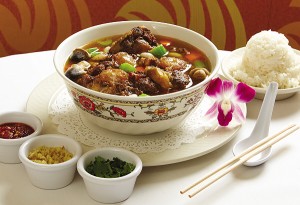
It was a heartfelt endeavor. The Boyd family sent a chef to Hawai‘i to learn to cook saimin and oxtail soup, “just the way Hawaiians like them,” Boyd said. “The chef said he also learned a new way to cook rice.”
That attention to detail is what has kept Boyd Gaming ahead of the competition and a favorite among Hawaiians visiting and living in Las Vegas. More than half of Boyd’s downtown business at its three hotels, The California Hotel and Casino, Fremont Hotel and Casino and Main Street Station Hotel Casino and Brewery, comes from Hawaiian customers.
“We go to the Cal, oh, I’d say every week or so to see family who come from the island to visit,” said Mano Hale, a longtime Las Vegan and Hawaiian native. “My uncle and his family have stayed there every year for the (football) game. It’s like a second home for us, with all the family coming in (from Hawai‘i) and checking in there.”
When Jasmine Lee, a Hawaiian native and Las Vegas dental assistant, is feeling a little homesick, she goes to the Cal.
“It’s been a tradition to go there since my family has been coming to Vegas,” for more than 15 years, she said. “Aunties like to stay at the Cal. It’s a good place for us to all get together without a lot of hassle. It’s like a little piece of Hawai‘I downtown, so we feel at home.”
Las Vegas is home to more than 15,000 non-Hispanic Hawaiians and other Pacific Islanders according to the latest U.S. Census Bureau figures. The Hawaiian population in Las Vegas doubled from 2002 – 2012, which has helped to confirm the city’s unofficial designation as the 9th Island, although many Hawaiians refer to the Cal as the ninth island.
Many Hawaiians moved to Las Vegas because of the lower cost of living and the tight-knit local Hawaiian community already in place.
“We already had family here and it’s so much cheaper, from housing to hot dogs,” said James Ihorn, a waiter at a Strip restaurant and 5-year resident of Las Vegas.
But there’s no place like home.
Before in 1977
“We go to the Cal about once a week to gamble a little, get the oxtail soup at the (Market Street) Café for my wife, and get a little aloha back into our system,” he said. “That’s one thing you can’t get in Hawai‘i, the gambling, and, come on, Hawaiians love to gamble. But you can get that at the Cal and you can also get that Hawaiian spirit. It’s all over the Cal.”
Present in 2013
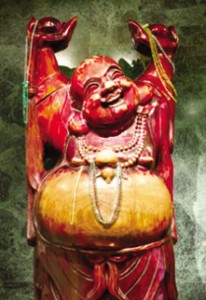
They also make it a point to rub the belly of the giant Buddha at the valet entrance to The Cal, a symbol of luck, wealth and prosperity. The Buddha was a gift to The Cal in the ‘70s from Char Travel, one of Boyd Gaming’s loyal travel agents based in Hawai‘i.
David always hopes for the best from the Happy Buddha.
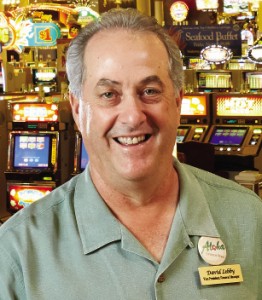
The name of the Cal’s Buddha is Happy Buddha, meaning good luck, said David Lebby, Vice President and General Manager at California and Main Street Station Hotel, Casino & Brewery.
“When you leave items such as money, leis, TITO tickets, it will bring you luck,” Lebby said, who has been with Boyd for 34 years, 29 of those at the Cal.
“I have to say that the customers from Hawai‘I are what makes this job so gratifying,” he said. “Over the years many of our customers have become friends and are a part of my life.”
The Aloha spirit is prevalent.
“What’s special about our properties is we make our Hawaiian customers feel at home and it’s a place they can gather and talk story,” he said.
To better serve their Hawaiian guests, Boyd Gaming purchased Vacations Hawai‘i, a travel agency and charter service, in 1995. The following year, they began charter flights between Honolulu and Las Vegas. They offer the Kama’aina vacation packages which include complete four and five-night stays. These packages include round-trip airfare, comfortable accommodations at the Cal, daily ground transportation and three meals. Meal selections include trips to the largest downtown buffet, California’s Paradise Buffet, or a bowl of the legendary oxtail soup at Market Street Cafe — all for an incredible value starting at $699.
“The packages we get from Boyd are better and cheaper than it would cost to just by air tickets for my family alone,” said Manny Price, a native Hawaiian and Las Vegas car salesman. “We use them a couple times a year at least for big events.”
Guests check in at Omni Air International’s location at Lobby 6 in the main terminal at Honolulu International Airport and in Las Vegas, check-in is at the McCarran Terminal 1.
The packages include transportation as well as luggage pick up from the plane to the hotel as well as any medical needs, wheelchair accessibility and personal attention. Vacations Hawai‘I focuses on ease of travel for their guests, who are often returning to Las Vegas or Honolulu to visit family.
“Hawai‘i residents have always held a special place in their hearts and Aloha for Sam Boyd,” said Johanna “Duke” Duclayan, Las Vegas Charter Manager for Vacations Hawai‘i.
During the summer, Vacations Hawai‘i runs four charter flights per week to Las Vegas, bringing about 872 passengers to Las Vegas each week. Otherwise, they run five charter flights per week.
Additionally Vacations Hawai‘i features 7 and 8 night packages with Hawaiian Airlines and the California Hotel. In their travel agency department, Vacations Hawai‘i can get Hawai‘i customers to Vegas on all commercial airlines and also feature great fares to other US cities, with outer island, Disney and cruise packages as well.
“We treat each customer with and in the Aloha Spirit,” Duclayan said.
Jimmy Kline is an alum of the University of Hawai‘i and makes sure to go down to the Cal each spring for the UH vs. UNLV annual game.
“UH Coach Norm Chow is so accessible when he’s at the Cal,” Kline said. “I’ve gone up to him a couple of times when we were at the buffet and he was eating and we talked for a long time.”
Book at the Fremont and seeing old friends return.
Sports are a big reason Kline makes it a point to visit the Cal during football and basketball seasons. Former University of Hawai‘i men’s basketball team coach from 1987-2007, Riley Wallace, is an executive host at the Cal.
Periodically, Riley loves visiting the Race & Sports
The customers are one reason Wallace enjoys his job. He became friends with Bill Boyd during his coaching career and it was a natural progression from friends to working for the gaming giant.
“It’s like seeing old friends when you go to work,” said Wallace, who lives in Las Vegas with his wife Joan full time and returns to his condo in Honolulu regularly with his family. “You can talk about the present and the past with them.”
Wallace makes a point to visit each of the three Boyd properties downtown, often running into Bill Boyd walking the casino floor as well.
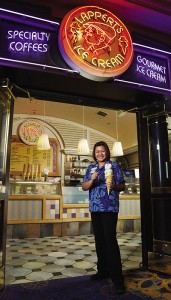
Lappert’s Ice Cream is a must after the infamous Oxtail Soup. Ono-licious both ways.
“Boyd wants people to know that Aloha is spoken here, and it is,” Wallace said. “Our customers know the Aloha spirit and respect it. It’s a good marriage right here between Boyd and Hawai‘i. It’s real. They want you to like the islands, and it doesn’t take you long to know why. It’s a beautiful place, and the people are, too.”
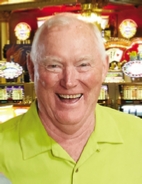
Boyd Gaming employees are what makes the properties stand out within all that glitters for guest’s attention in Las Vegas, said Liz Damon, a slot host at the Fremont hotel and former pop singer.
“The employees are the ones that are going to bring them back over and over,” said Damon, who has more than 20 years in the industry, 9 of those with Boyd. Finding a position that worked well with her personality and skills was a lucky break, she said, when she decided to step away from the music industry for a time. “The employees are great every day, every time, and that’s what people come back for again and again — they feel at home here. I believe the employees are the mainstay of our three downtown properties.” Much of that positive, Aloha attitude on the casino floor comes from the corporate culture, she said.
“Mr. Boyd himself, from what I’ve known (talking to him) in the last nine years, you can tell he really cares about the employees and our guests,” Damon said.
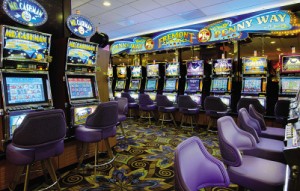
Damon is humble, particularly since she is better known as the lead singer in the Hawai‘i-based group Liz Damon’s Orient Express, with hits that made the Billboard charts, including “1900 Yesterday,” “But For Love,” and “Me Japanese Boy.” Each weekend she gives away T-shirts, stuffed animals and other Boyd paraphernalia to winners at the Blazing 7 slot machines near the VIP booth, where she sings some of her well-known hits.
Liz’s smile is so infectious, no one’s ever a stranger, everyone’s a friend — truly a gift of Aloha!
“Being at the Fremont, one of the sweetest things is I get is folks who come in and ask for my autograph, they bring in old records and things to sign,” Damon, a Hawaiian native, said. “It’s a lot of fun. I sing during slot tournaments and people get a kick out of it.”
When Hawaiians wonder what makes Downtown Las Vegas the 9th Island, the resounding answer is the aloha spirit found at Boyd properties like The California, Fremont and Main Street Station — so stop by, rub the Lucky Buddha’s belly, grab a bowl of oxtail soup and see what the Aloha spirit in Las Vegas is all about.
Market Street Café — Open 24 hours at the Cal, this café serves American favorites with a twist of island flavor. Specials include a legendary oxtail soup, saimin and Kahlua pig.
Lappert’s Ice Cream — A mainstay on the main Island is a winner late night for cool treats.
Redwood Bar & Grill– Recognized by Zagat with outstanding ratings this restaurant offers an intimate setting featuring tender steaks, succulent lobster, luscious crab legs and other delectable seafood.
Award-winning keno at the Cal — From the friendly keno staff to the many winning tickets, The Cal is the place for keno.
Triple 7 Restaurant and Microbrewery— Chill with six varieties of hand-crafted beers, in-house seasonal specialty brews made by our own brewmaster, and an array of delicious dishes from pizza to fresh sushi to Korean tacos and beyond.
Garden Court Buffet — Ranked in the top five Las Vegas buffets by USA Today Travel, the Garden Court Buffet is known for its delicious rotisserie chicken but wows with Southwestern, pizza, Asian-inspired and specialty stations.
Main Street Station antiques — Behold history. This free, self-guided walking tour will take you back into time: Berlin Wall, a chandelier from Paris’s Figaro Opera House, even the bronze doors and façade of the Royal Bank of Kuwait!
Tony Roma’s — yearning for sticky ribs and other Tony Roma’s specialties? Just down the street at The Cal’s sister property, The Fremont, you can find the only Tony Roma’s in the state of Nevada!
Paradise Buffet— Set in a tropical garden decor, the largest buffet downtown serves breakfast with a variety of specialty nights, fresh sushi made nightly and 8 stations of culinary delights.
Second Street Grill— Recognized year after year by the Zagat survey and featuring a unique Pacific Rim influence, Second Street Grill specializes in seafood dishes, steak and poultry. Specialties include Thai Cioppino soup and Mongolian rack of lamb.
Next time you’re on at the Cal, Fremont or Main Street Station, if you don’t have a B Connected Players Card — it’s time to sign up! Not only will you receive deals tailored just for you, but you can get discounts on dining, room and entertainment specials. Recently voted the Best Loyalty Club in Las Vegas by the LVRJ, B Connected is your pa
ssport to deals at destinations in Downtown Las Vegas and beyond!
Exclusive for Generations Magazine readers — sign up for a B Connected card at the Players Club desk.
In the middle of a sprawling desert town, Aloha blooms. It is spoken at the guest check-in with each new arrival, served at the café with each fragrant dish of oxtail soup, and spread through the gifted efforts of the employees.
Aging is part of life and as time goes on, we all have to deal with its effects. But we don’t have to start falling apart as time goes on if we realize some simple concepts. The most fundamental concept is that all of life is energy. Every cell in your body is like a microscopic mini-battery. When we are young, the battery is fully charged and we are full of life and energy. As we get older, our batteries run down and we feel tired, move more slowly, injuries don’t heal quickly, and gradually aches, pains and illnesses become more common.
But it doesn’t have to be that way. Here are some of the things to consider. First, it is important to realize that diet will affect our health profoundly. Of course it is important not to consume too much animal fat because of cholesterol and too much processed carbohydrates like sugar and white flour because you want to prevent diabetes. But did you know that this can affect your energy and how you feel?
Eating too much animal protein can cause you to feel tired and sap you of energy. This happens because the high concentration of protein in meat, chicken, fish, etc. causes acidification of the blood. When this happens, your body’s voltage decreases and you feel tired and want to go to sleep. Just think of what happens to a lion after it consumes its kill. Sugar and processed flour also acidifies the blood because it ferments and has no other natural nutrients to neutralize the acid.
Conversely, eating more vegetables can help to alkalize your blood and increase your energy. Plant-based foods are full of alkaloids and other nutrients that protect your cells and boost your energy. Did you know that we are blood-related to plants? Most people don’t realize that the hemoglobin molecule in our blood cells is identical to that of chlorophyll in plants. I don’t mean similar — I mean identical. The only difference is that chlorophyll chelates magnesium at its core and hemoglobin chelates iron at is core. Chlorophyll helps to capture energy and hemoglobin helps to deliver oxygen and allow cells to produce energy. This is why I emphasize that it is important to eat greens and chew it well to get chlorophyll and thousands of other helpful nutrients into your system.
Other ways to keeping your energy up includes breathing properly and exercising. Breathing deeply helps to oxygenate your tissues and alkalize your blood. It is important to avoid smoke, pesticides, herbicides, and other environmental toxins that can sap your energy. Exercise — regular exercise — can boost your metabolism.
We are also looking into the effects of scalar energy which is a new technology that seems to help people feel more energy just by sitting in an energy chamber. For more information, listen on Sundays at 8 pmon KWAI 1080AM for “Healing and You” or call 808-628-8784for information about two new books about this and a FREE seminar about scalar energy.
Aging is part of life and as time goes on, we all have to deal with its effects. But we don’t have to start falling apart as time goes on if we realize some simple concepts. The most fundamental concept is that all of life is energy. Every cell in your body is like a…
One in three adults in the U.S. has high blood pressure. Blood pressure is the force of the blood pushing against the walls of the arteries as the heart pumps blood. If pressure stays high over time it will damage the body. Hypertension is the persistent elevation of blood pressure. Blood pressure rises with age and is a common health problem in seniors. The only way to tell whether you have high blood pressure is to have your blood pressure measured with a blood pressure cuff (sphygmomanometer). This is usually done in a doctor’s office. It is important to know your blood pressure numbers. “Systolic” (the top number) refers to blood pressure when the heart beats while pumping blood. “Diastolic” (the bottom number) refers to blood pressure when the heart is at rest between beats.
What are the symptoms of high blood pressure?
Most people do not have any symptoms. Rarely headaches may occur. Often seniors find out too late that they have high blood pressure after damage has occurred to the heart, brain or kidneys.
What are the complications of untreated high blood pressure?
High blood pressure is a silent killer. It causes stroke, heart attack, heart failure, kidney failure and may even lead to blindness. High blood pressure and its complications are a common cause of disability in seniors.
What are the causes of high blood pressure?
Genetics
Family history of high blood pressure
Older age
Lifestyle factors, such as obesity, lack of physical activity, increased alcohol use, high salt diet, smoking
Illicit drugs, such as cocaine or ice
Medications, such as steroids, hormone replacement therapy
Chronic kidney disease
Thyroid and adrenal gland disorders
Sleep apnea
What are the treatment approaches to high blood pressure?
Blood pressure lowering medications are often needed for life, and once blood pressure is under control it is important to continue to take the prescribed medications
Aspirin to be taken daily to prevent heart attack and stroke
What is the DASH diet?
Dietary Approaches to Stop Hypertension (DASH) is a flexible and balanced eating plan.
Low in saturated fat, cholesterol and total fat
Low in salt
Focuses on fruits, vegetables and fat-free or low-fat dairy products
Rich in whole grains, fish, poultry, beans, seeds and nuts
Contains fewer sweets, added sugars and sugary beverages and red meats than the typical American diet
One in three adults in the U.S. has high blood pressure. Blood pressure is the force of the blood pushing against the walls of the arteries as the heart pumps blood. If pressure stays high over time it will damage the body. Hypertension is the persistent elevation of blood pressure. Blood pressure rises with age…
Since 1953, some of Hawaii’s best local artists have displayed and sold their art on the fence of the Honolulu Zoo along Monsarrat Avenue across from Kapiolani Park.
Many artists have come and gone; including young artists just getting started in the art world, older artists that picked up art as a hobby after retirement, artists that have become very successful and a few artists that have been regular members for many years.
The artists gather every Saturday & Sunday from 9:00 am – 4:00 pm, rain or shine under the beautiful trees along Monsarrat Avenue, offering shade, a welcome reprieve from sunny Waikiki beach across the street.
As you stroll along the zoo’s fence line, you will find these artists showcasing a wide variety of art and photography; you are sure to find something you will like.
Visitors come from all over the world to view and purchase art from these artists, and many have customers who return each year.
Currently there are about 25 regular artists and spaces available for stand-by artists as well. The organization is non-profit, and each year a donation of art supplies is given away to schools and other groups.
If you are interested in displaying your art or would like more information, visit our website, www.artonthezoofence.com. And “like” us on our Facebook page, Art On The Zoo Fence.
We look forward to seeing you in beautiful Waikiki!
Since 1953, some of Hawaii’s best local artists have displayed and sold their art on the fence of the Honolulu Zoo along Monsarrat Avenue across from Kapiolani Park. Many artists have come and gone; including young artists just getting started in the art world, older artists that picked up art as a hobby after retirement,…
It is with great honor and a privilege to welcome all of you to a new season — summer! It’s a time where most of our seniors enjoy their time with friends and family. Summer months are always the busiest for family time, even our city’s Parks and Recreation will close all the Senior Clubs during the summer. However, for the kids and the ‘ohana, July is Parks and Recreation month and I am sure there are tons of activities to keep everyone busy.
June is Elder Abuse month worldwide. Here in Hawaii we need to protect our kupuna. Every year, an estimated 2.1 million older Americans are injured, exploited, or otherwise mistreated by someone whom they depend on for care or protection. It can happen anywhere and to anyone. But most of all, it does happen; and it is happening here in Hawai‘i.
Unfortunately, elder abuse is a grossly under-reported crime. It is estimated that for every case that is reported, another 25 cases remain unreported. Just as there are many reasons elder abuse is committed, there are also as many reasons why it is not reported.
If you know of someone being physically abused or merely suspect that this crime is occurring, call the Police and Adult Protective Service immediately! Also, look for our recurring article from Deputy Prosecutor Scott Spallina from the Elder Abuse Unit by clicking here.
Everyone has the right to live free of abuse, and it is up to us to come together to fight these crimes.
Finally, I want to thank retired Chief Justice Ronald Moon for graciously accepting my offer to be our cover story in Generations Magazine. His story about coming from a third generation Korean family in rural Wahiawa, then becoming our Chief Justice of Hawaii’s State Supreme Court, is not only impressive, but a display of the honor and integrity that is Ronald Moon. And yes, his daughter is one of our business partners, physical therapist Julie Moon. He is also a fellow MPI alumni along with art director Wilson Angel, myself and the late Reverend Osumi, whom you can read about it this issue’s article by clicking here.
Live well this summer!,
Percy Ihara, Editor/Publisher
PS — Don’t forget about our 8th Annual Aging in Place workshop on August 23rd at the Ala Moana Hotel (click here for a complete list of presentations). It’s FREE and no reservations required — just show up. Parking is at the Ala Moana Shopping Center.
It is with great honor and a privilege to welcome all of you to a new season — summer! It’s a time where most of our seniors enjoy their time with friends and family. Summer months are always the busiest for family time, even our city’s Parks and Recreation will close all the Senior Clubs…
Moving on in life, there are a lot to think about and questions to consider when passing down assets to loved ones.
Are you married?
Is your marriage a partnership?
Are your children from the same marriage?
Do you have separate trusts?
Do you own a home?
If you answer yes to any of these questions, consider a Joint Legacy Trust.
With the new $5.34 million estate tax exemption, only about 0.14% of us will pay an estate tax. Owning a home and passing it on could cause a capital gains tax. Having a joint trust not only reflects and mirrors your life as a partnership, but other benefits include: simplicity, flexibility, and reducing capital gains tax.
The Joint Trust offers simplicity in that it eliminates the need for obtaining a Federal Identification Number and filing a trust income tax return when the first spouse dies; flexibility to accommodate change after the first spouse’s passing; and reduces capital gains tax by taking advantage of a “step-up” in basis, coined “freebasing” by Forbes Magazine.*
Separate Trusts were prepared when the estate tax exemption was $600,000 per spouse and helped to reduce estate tax. With an exemption of over $10 million per couple, most of us will not pay an estate tax, and our children may pay capital gains tax unless we change to a Joint Legacy Trust.
* Forbes Magazine, March 2014: “Freebasing Your Estate”. If you would like a free copy of this article, please call me and I will be happy to send you a copy.
Moving on in life, there are a lot to think about and questions to consider when passing down assets to loved ones. Are you married? Is your marriage a partnership? Are your children from the same marriage? Do you have separate trusts? Do you own a home? If you answer yes to any of these…
Are you going to stop working when you are 65 years old? If you are like some people in Hawaii — you love your job and you aren’t ready to stop working just because you are eligible for Medicare. What happens then? Do you have to sign up for Medicare? Will you be penalized if you don’t enroll?
These are some common questions that we receive at the Hawaii SHIP Program (State Health Insurance Assistance Program). We will try and walk you through the common factors, but again, you need to check with your current employer and any other insurance that you are eligible for to see how they all fit together.
First, we suggest that you contact the benefits administrator at your current job (or your spouse’s job if you are covered by their plan) to find out how Medicare may change your coverage or what you need to do for them. This is usually the Human Resource department.
Second, call Social Security Administration (or best to create an account with them so you can check it online) and see if you are eligible for “premium free” Medicare Part A (for most people they have worked 40 quarters (10 years) and paid payroll taxes). If you don’t have to pay for Part A — enrolling will usually be secondary to your employer group health plan and you will also receive the Medicare & You Handbook in the mail each fall.
The decision to enroll in Medicare Part B & Medicare Part D is a personal decision, but you want to make the right decision at the right time so that you will have the coverage when you need it and won’t incur higher costs through penalties.
If you are able to delay enrolling in Part B (Medical Insurance) and Part D (Prescription Drug Coverage) then you will have a special enrollment period when you (or your spouse) stop working and are no longer covered by the active employer group health plan. The special enrollment periods are eight (8) months for Part B and 63 days for Part D. Best to start investigating your options about 6 months before you plan to retire.
Again, Medicare unlike your Social Security, full retirement begins at 65 and you should begin looking at what your options are about six (6) months prior to your 65th birthday. If you need assistance the Hawaii SHIP provides counseling, pre-retirement webinars and presentations to help you look at your options.
Contact our certified Medicare counselors if you would really like to learn more about Medicare and help your community, or becoming a Hawaii SHIP Volunteer.
Are you going to stop working when you are 65 years old? If you are like some people in Hawaii — you love your job and you aren’t ready to stop working just because you are eligible for Medicare. What happens then? Do you have to sign up for Medicare? Will you be penalized if…
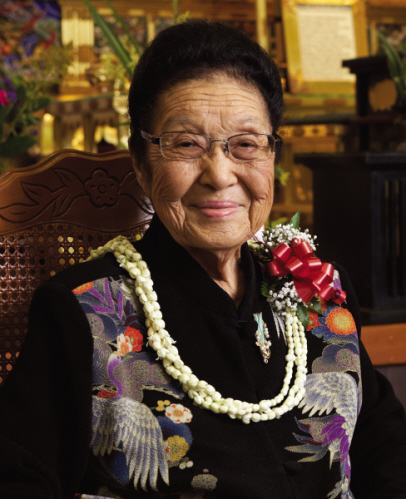
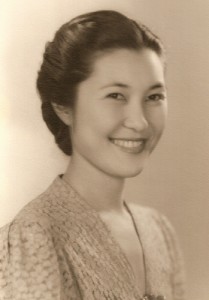
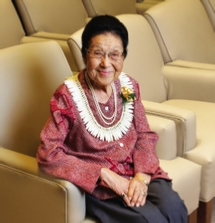
In this issue’s category of Seniors Of Service, we spotlight someone of community involvement and inspiration. Shimeji Kanazawa or “Shim” as she was fondly called graced our cover in April 2011. In this issue, we would like to honor her again, as a senior of service.
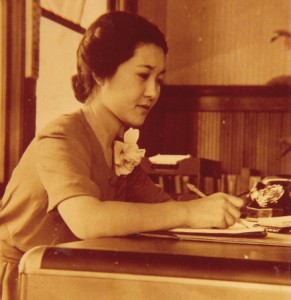
Shim was an advocator to numerous programs and services for the elderly, disabled and youth. She was best known for being the “founder” of Project Dana, although she credited its development and growth to the many contributing volunteers.
In this following concept for Project Dana, she stated, “For the project’s next phase, I’d like to propose a partnership between the youth and elderly. Together, they could share their talents and resources, supporting each other in relationships that benefit both the individuals and the community.” At the time of our interview, Shim continued to be a leading visionary of character and heart.
Shim’s continued commitments and dedication awarded her an Honorary Doctorate of Humane Letters degree from the University of Hawai‘i for her public service of over six decades and a Lifetime Honorary Kupuna member of the Policy Advisory Board for Elder Affairs (PABEA). She was chosen as the first to receive the honors in the recognition for her decades of achievement in advancing policies and programs that enhanced the lives, safety and welfare of Hawai’i’s elders and their caregivers.
Shim helping Japanese civilians and internees during WWII.
She had been appointed and commissioned by many of our leading Governors from being chairperson for Family Life and Law Committee to being the driving force behind the State of Hawai‘i Executive Office on Aging. In 1981, Shim became the first female director and chairperson of the Board of Kuakini Medical Center.
In 1961, 1971 and 1981, Shim led a delegation of approximately 12 community leaders to Washington, D.C. discussing current issues facing the aging population. She was selected to serve on the National White House Aging Committee in Washington, D.C. under the administration of President Jimmy Carter. Here, it allowed her the opportunity to share the plight and success of eldercare in Hawai‘i as an advisory to our President and Senate Committee regarding current matters and trends of the older Americans.
Her sitting in the Governor’s press chamber.
Since 1986, Shim served on the Board of Directors for Mo‘ili‘ili Community Center (MCC), participating in their various committees and chaired the annual membership meeting committee. She appreciated the multi-generational and cultural component MCC provides to the community.
In the article done in April 2011, Shim was asked, “What should people in retirement do with their lives?” She said, “keep up a healthy lifestyle, keep busy, pursue hobbies, do things for others, focus on volunteerism, and keep families together.”
She will be missed!
In this issue’s category of Seniors Of Service, we spotlight someone of community involvement and inspiration. Shimeji Kanazawa or “Shim” as she was fondly called graced our cover in April 2011. In this issue, we would like to honor her again, as a senior of service. Shim was an advocator to numerous programs and services…
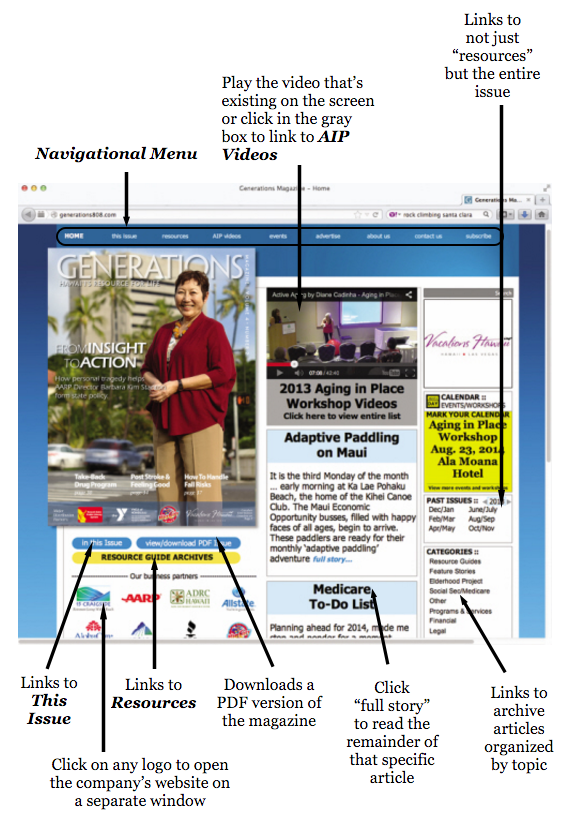
Main navigation menu: Use these topics to navigate to the various pages in our site. As you run the cursor over the word, it’ll become bold. These topics will always exist on every page. Throughout the homepage, there are also various other buttons that’ll take you to any one of these topics.
Home is the main page.
This Issue will take you to the current issue’s table of contents with live\ links to individual articles.
Resources will take you to resource guide archives.
AIP Videos show a list of the Aging In Place Workshop speakers.
Events: contains the events calendar.
Advertising contains all of our advertising and marketing information.
About Us is just a little background.
Contact Usvia mail, phone or email.
Subscribe provides a subscription form so you can enjoy Generations Magazine delivered to your door every other month.
Main navigation menu: Use these topics to navigate to the various pages in our site. As you run the cursor over the word, it’ll become bold. These topics will always exist on every page. Throughout the homepage, there are also various other buttons that’ll take you to any one of these topics. Home is the…
Two of the rooms you spend the most time in — the bedroom and the bathroom — are also the most important rooms to look at if you’re considering renovations to your home.
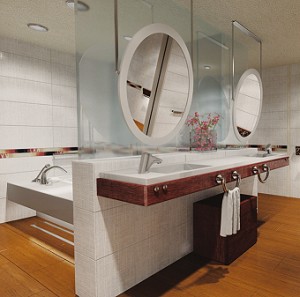
For seniors, one of the most dangerous rooms in a home is the bathroom. Investing in enhancements here can pay huge dividends in significantly reducing the risk of accidents and injuries later. Even what can seem like simple changes, such as creating even, single-level entry into the bathroom or installing grab bars, which offers a dual function as a light, can reduce that risk for family members of all ages.
One change that homeowners don’t often think of, is moving the bathroom faucet volume control from its typical location at the back of the sink to the front of the sink, or even installing touch-censored faucets. This can be a little more work, but allows the faucets to be more easily accessed — from both a wheel chair as well as young keiki. Installing a lighted mirror with pivots can also be an added convenience.
In the bedroom, don’t let the dangers of trip and falls keep you up at night. Installing low energy lighting along the floor and bed frame is not only quick and easy, but keeps the floor and your path visible in the dark. The best part, you’ll sleep more soundly knowing you’ve done everything you can to keep every member of your family safe.
Two of the rooms you spend the most time in — the bedroom and the bathroom — are also the most important rooms to look at if you’re considering renovations to your home. For seniors, one of the most dangerous rooms in a home is the bathroom. Investing in enhancements here can pay huge dividends…
Above, Mayor Kirk Caldwell gives his best, while outdoor activities are enjoyed.
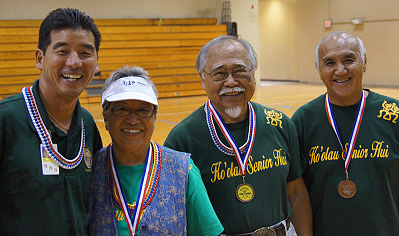
The games continue on: The City & County of Honolulu’s Parks and Recreations’ 25th Annual Senior Classic Games 2014. The games were created for seniors by Herbert Yasuhara, a retired Halawa Park director.
This year there were over 270 participants (not including spectators) and a total of 88 teams from 20 senior clubs entered in 4 different games: Tunnel Vision, Peg Ball, Pin Ball and Nine Gates, with age divisions: Seniors 55 – 69 and Masters 70+. There were over 40 staff members from the Department of Parks and Recreation helped with management and execution, even the Honorable Mayor Kirk Caldwell stopped by to play a few games with the seniors.
Generations Magazine sponsored the event and presented each division’s participants with certificates of achievement and medals for outstanding performance. For information and to join next year, contact Recreation Specialist, Garrett Iwai at 808-768-3030 or email, giwai1@honolulu.gov.
Garrett Iwai, Shirley & John Macadangdang and Harrry Mizushima
The games continue on: The City & County of Honolulu’s Parks and Recreations’ 25th Annual Senior Classic Games 2014. The games were created for seniors by Herbert Yasuhara, a retired Halawa Park director. This year there were over 270 participants (not including spectators) and a total of 88 teams from 20 senior clubs entered in…

 “I have to say that the customers from Hawai‘I are what makes this job so gratifying,” he said. “Over the years many of our customers have become friends and are a part of my life.”
 Damon is humble, particularly since she is better known as the lead singer in the Hawai‘i-based group Liz Damon’s Orient Express, with hits that made the Billboard charts, including “1900 Yesterday,” “But For Love,” and “Me Japanese Boy.” Each weekend she gives away T-shirts, stuffed animals and other Boyd paraphernalia to winners at the Blazing 7 slot machines near the VIP booth, where she sings some of her well-known hits.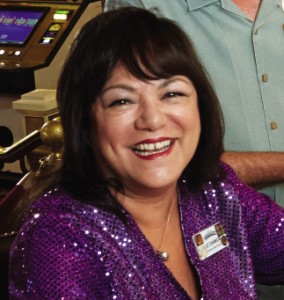
 Market Street Café — Open 24 hours at the Cal, this café serves American favorites with a twist of island flavor. Specials include a legendary oxtail soup, saimin and Kahlua pig.
 Triple 7 Restaurant and Microbrewery — Chill with six varieties of hand-crafted beers, in-house seasonal specialty brews made by our own brewmaster, and an array of delicious dishes from pizza to fresh sushi to Korean tacos and beyond.
 Tony Roma’s — yearning for sticky ribs and other Tony Roma’s specialties? Just down the street at The Cal’s sister property, The Fremont, you can find the only Tony Roma’s in the state of Nevada!
 Next time you’re on at the Cal, Fremont or Main Street Station, if you don’t have a B Connected Players Card — it’s time to sign up! Not only will you receive deals tailored just for you, but you can ge
 t discounts on dining, room and entertainment specials. Recently voted the Best Loyalty Club in Las Vegas by the LVRJ, B Connected is your pa
 Exclusive for Generations Magazine readers — sign up for a B Connected card at the Players Club desk.
 One in three adults in the U.S. has high blood pressure. Blood pressure is the force of the blood pushing against the walls of the arteries as the heart pumps blood. If pressure stays high over time it will damage the body. Hypertension is the persistent elevation of blood pressure. Blood pressure rises with age and is a common health problem in seniors. The only way to tell whether you have high blood pressure is to have your blood pressure measured with a blood pressure cuff (sphygmomanometer). This is usually done in a doctor’s office. It is important to know your blood pressure numbers. “Systolic” (the top number) refers to blood pressure when the heart beats while pumping blood. “Diastolic” (the bottom number) refers to blood pressure when the heart is at rest between beats.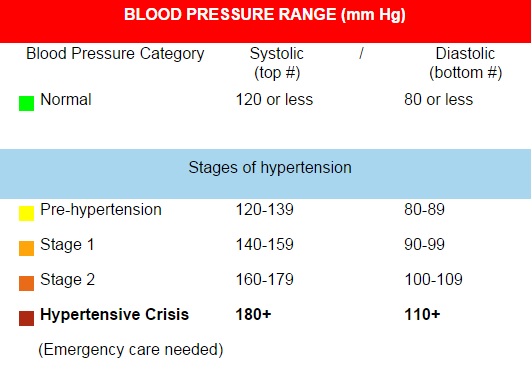
 Low in saturated fat, cholesterol and total fat
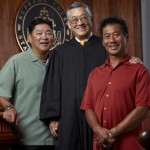 Finally, I want to thank retired Chief Justice Ronald Moon for graciously accepting my offer to be our cover story in Generations Magazine. His story about coming from a third generation Korean family in rural Wahiawa, then becoming our Chief Justice of Hawaii’s State Supreme Court, is not only impressive, but a display of the honor and integrity that is Ronald Moon. And yes, his daughter is one of our business partners, physical therapist Julie Moon. He is also a fellow MPI alumni along with art director Wilson Angel, myself and the late Reverend Osumi, whom you can read about it this issue’s article by clicking

 Two of the rooms you spend the most time in — the bedroom and the bathroom — are also the most important rooms to look at if you’re considering renovations to your home.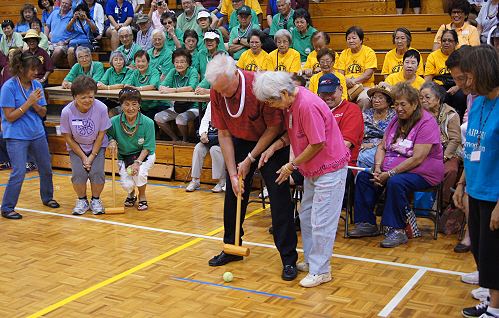
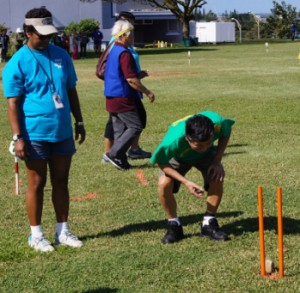 This year there were over 270 participants (not including spectators) and a total of 88 teams from 20 senior clubs entered in 4 different games: Tunnel Vision, Peg Ball, Pin Ball and Nine Gates, with age divisions: Seniors 55 – 69 and Masters 70+. There were over 40 staff members from the Department of Parks and Recreation helped with management and execution, even the Honorable Mayor Kirk Caldwell stopped by to play a few games with the seniors.