
What is the Hawai‘i Family Caregiver Coalition? How did they get started? Why are they here? Good questions!
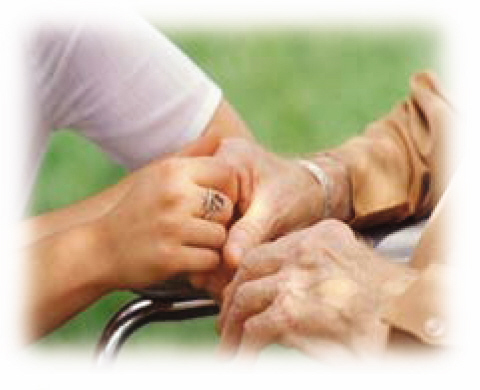
The Hawai‘i Family Caregiver Coalition, or HFCC, is a group of organizations, including government agencies, non-profit organizations, and private businesses concerned with the needs of unpaid family caregivers. Friends and neighbors are often caregivers, in addition to family members. Most people don’t realize that on any given day in Hawai‘i, about 169,000 adults are caring for frail or impaired adults, and about 247,000 are caregivers at some time during the year. These caregivers provide an astounding 162 million hours of unpaid service during the year! The estimated dollar value of this service is $1.990 Billion per year.1 This potentially saves a tremendous amount of money for insurance companies, family members, and the state, which might otherwise have to pay for care through the Medicaid program or other sources.
HFCC started when Hawai‘i was selected in 2004 to participate in a project designed to create coalitions such as theirs at the state and local levels. This project was funded by the US Administration on Aging and conducted by the AARP Foundation. The Coalition emerged following a two-day training period, in which 27 organizations participated.
Most importantly, why is HFCC here?
HFCC exists because family caregivers often face great challenges, yet they are not represented by supporting organizations; and their needs are not known to most policymakers or by the community. HFCC’s member organizations support caregivers and their families either through providing direct services or by other means. They have joined together in order to achieve two goals: first, to identify gaps in service and advocate for service expansion which will need caregiver needs; and, second, to promote education to caregivers, professionals in the field of aging, policymakers, and the public regarding caregiver needs.
What does HFCC do?
Here are a few examples: During Family Caregiver Day at the Capitol, advocates and caregivers visit legislative offices to discuss legislative priorities and have family members share their personal experiences with caregiving. They also distribute copies of their annual Aging and Disabilities Issues report to lawmakers, senior organizations and the public. The Coalition’s Educational Symposiums offers members valuable information and a chance to learn new skills. The Speakers Bureau and educational materials are available at no charge.
Organizations interested in joining HFCC can contact Anthony Lenzer via email Tlenzer@hawaii.rr.com or call 808-261-2095. Mailing address is P.O. Box 3088, Honolulu, HI 96802.
(1) Lynn Feinberg, Susan C. Reinhard, Ari Houser, and Rita Choula. Valuing the Invaluable: 2011 Update The Growing Contributions and Costs of Family Caregiving. Washington, DC: AARP Public Policy Institute
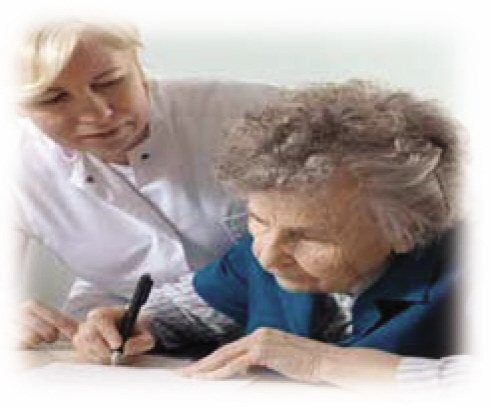
 The National Disaster Preparedness Training Center (NDPTC) offers many workshops to community members free of charge. One of our latest courses targets a broad cross section of seniors, senior caregivers, family members, friends, home health providers, and medical personnel to help them better understand the actions that might be required of them during a natural disaster. Seniors are frequently the most vulnerable population during a natural disaster because they often require additional support or have special needs. This 4-hour hands-on workshop focuses specifically on planning and preparedness actions that caregivers of seniors can take to help ensure the continued health, safety, and security of the senior(s) in their care.
 Natural disasters can happen with little or no warning, but that doesn’t mean that we are completely powerless to protect ourselves or that we must depend entirely on emergency management personnel to rescue us. Did you know that individuals, families and businesses in Hawai‘i should expect to be on their own for at least 7 days after a disaster? The goal of this workshop is to empower you and help minimize risks and ultimately to reduce the impact of the natural disaster on the people you love and care for.
 Ingredients:
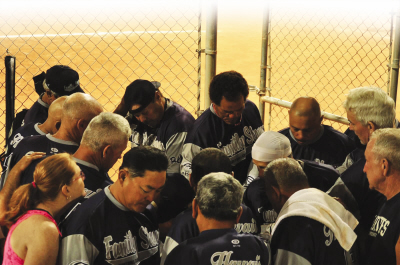 For the last several years, the Family Stones softball team from Honolulu, of which I am a player and member, has tried their luck at just that — being the champions of the Las Vegas Senior Softball Championships. Due to the increased popularity of senior softball, in this year the Las Vegas Senior Softball Championships. Due to the increased popularity of senior softball, in this year the Las Vegas Senior Softball Association (LVSSA) teamed up with the Senior Softball-USA (SSUSA) to hold the first annual Senior Softball World Championships. This year’s historic event created the largest tournament in the history of senior softball: combining over 450 teams in seven age brackets with nearly 5,000 players nationwide and Guam. The future of senior softball is growing for these baby boomers and older, from all over the world, and hopefully, you will see teams soon from Asia, Australia and South America.
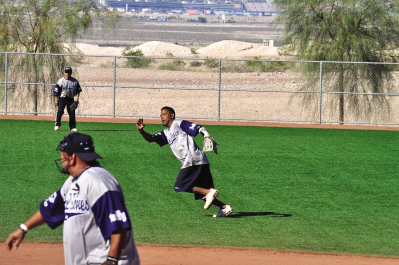 Entering the final day as one of only two undefeated teams, we faced a tough New Mexico team. We knew if we lost, we would have to play this same team again since this was a double elimination tournament.
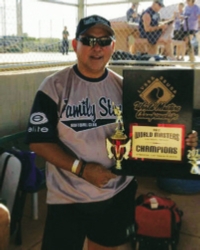 Congratulations to our entire Family Stones’ team and fans for working and playing towards our goal for the championship and the ring. Kudos also go out to MVP Craig Ayala and all tournament players, Tom McCarthy, Johnny Arroy, Jr, Joey Rodrigues and Cris Ray. Yours truly won honorable mention from the Family Stones’ team.
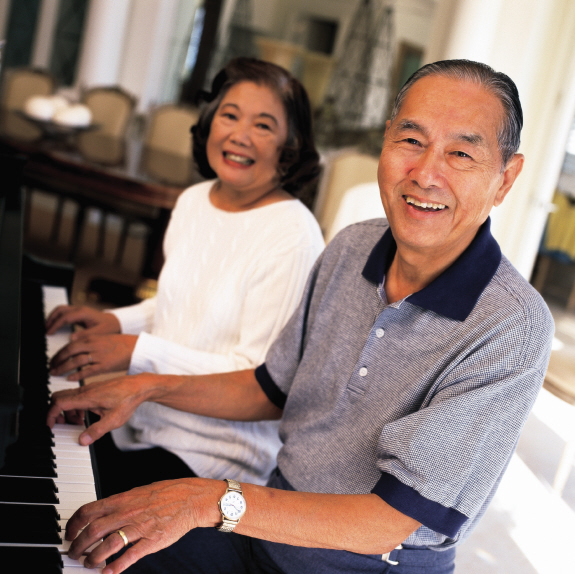 So, the City and County of Honolulu Elderly Affairs Division is excited to announce an upcoming television program that will be aired on an ‘Olelo Media television channel by the New Year, 2013. This program is intended for our island kupuna, and will showcase a mix of current events, personal interviews, recreation, sports, services, demonstrations, inter-generational opportunities, tips, etc. The program will serve as a means of obtaining information, as well as, provide entertainment and potential life lessons to our entire audience no matter their age. Best of all, the program’s segments will be produced by seniors from our very own community! It will give them the chance to share their mana‘o (knowledge), give back to their community, explore and utilize new technology. Our ku¯puna has so much to offer, and we intend on tapping into that wealth of knowledge.
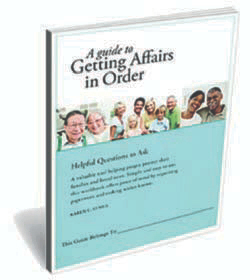 Grief does not discriminate. No matter who you are, losing a loved one can be an overwhelming life experience. Imagine dealing with looking for important documents and organizing burial wishes while dealing with the loss. Many people don’t realize the need for getting affairs in order before they or a loved one dies. Being prepared protects families and loved ones, and alleviates stress for everyone involved.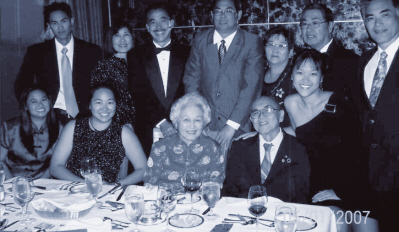
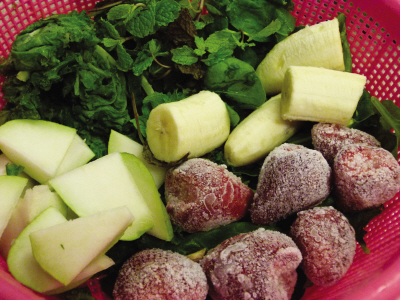 The most important thing for our health is to get enough fruits and vegetables on a daily basis. It provides antioxidants, micronutrients, and phytochemicals to protect us from disease such as cancer and heart disease. These nutrients help us continue to function on a cellular level, keep our immune system strong and add a lot of fiber that’s needed in a healthful diet. The requirement is 5–7 servings of fruits and vegetables and 25–30 grams of fiber daily. Leafy greens like kale, collard, Swiss chard and spinach are the most nutrient-dense of all foods. Yet most people find it challenging to get this into their diets.
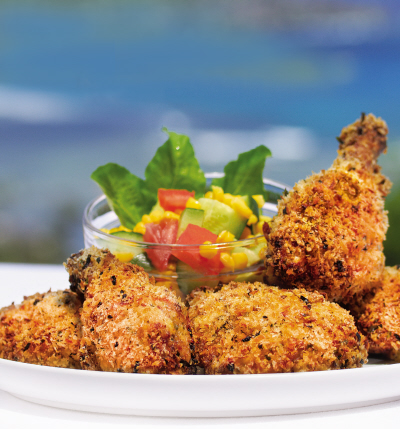
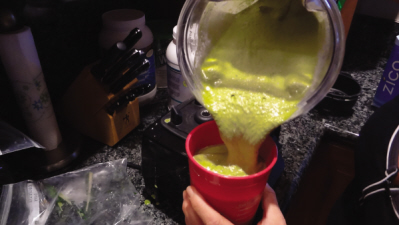 Ingredients