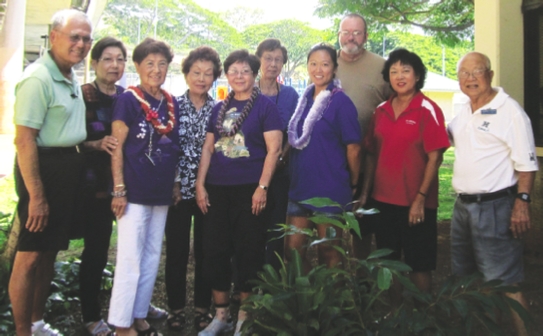
It is no secret that the number of individuals over the age of 60 is increasing exponentially. Without massive changes to operations, there will be no way to effectively meet the needs of seniors in the future. This we know. What may not be so evident are the strides forward that the Hawai‘i State Executive Office on Aging and the Area Agencies on Aging (AAA) in Hawai‘i are making in “getting ahead” of the population boom.
About 18 months ago, the Maui County Office on Aging (MCOA) implemented a new assessment protocol that each AAA in Hawai‘i will eventually use. (Kaua‘i began the use of the new tool a year ago). And let me warn you, it is a long assessment. So, why implement an assessment that could be construed as cumbersome and downright bothersome for frail seniors?
The answer lies in what seniors and family caregivers end up receiving from the assessment. Imagine a senior who needs assistance in order to remain safely at home. Maybe the senior and family identify a few services that would allow him/her continued independence. Rather than having to call numerous agencies and participate in separate assessments, the AAA can conduct one assessment that provides a comprehensive view of how to help keep that senior at home.
I like to think of the assessment as a traffic light. MCOA used to only determine the red and the green lights. We could easily identify when seniors were in the “red” and required immediate in-home assistance. We could also determine functions for which the senior required no assistance — the “green” areas. The new assessment process allows us now to identify the “yellow” at-risk areas as well. These are the areas that do not yet require intervention but that could eventually undermine the senior’s desire to remain independent at home.
By identifying the at-risk areas, MCOA can assist families in taking a proactive approach. We no longer simply authorize necessary services, but we help the individual and family plan to avert the need for services in the future.
So, yes, we spend a few hours getting to know the senior and family caregiver. But the time is well spent. We identify not only needs, but also areas of strength and potential areas of risk. Seniors receive a comprehensive support plan designed to meet current needs, improve function when possible, and prevent further decline.
This proactive approach, combined with evidence-based health promotion activities, is critical to the future success of the aging network. We know the amount of funding we receive will not keep pace with the aging population. Therefore, we must engage in coordinated planning efforts that maximize health and independence in a preemptive manner and be able to meet the needs of at-risk seniors for years to come.
Maui County Office On Aging
J. Walter Cameron Center
95 Mahalani Street, Rm. 20, Wailuku
808-270-7774 | F: 808-270-7935
Toll Free in Hawai‘i 808-643-2372 | www.co.maui.hi.us
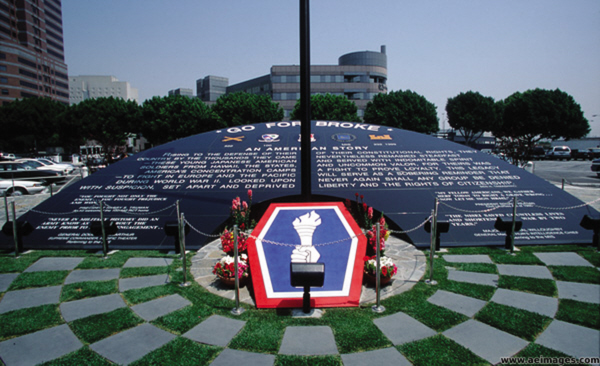 When Generations invited me to write an article about my high school days, one of the first memories that came to mind was of riding in the backseat of my dad’s 1959 Chevy Impala every morning, heading to school and listening to his favorite radio program.

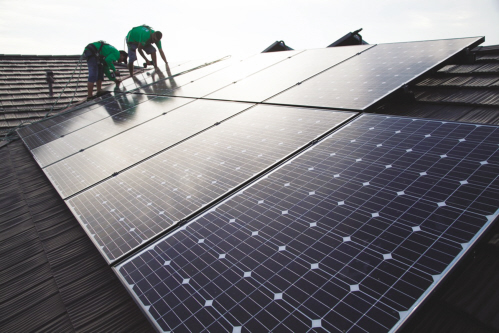 Look around. Gleaming new solar panels are going up on roofs all over Hawai‘i. It’s no wonder — with our exorbitant electricity rates, year-round sun and substantial tax credits, installing a PV system in Hawai‘i makes so much sense, especially if you’re on a fixed income. Homeowners who educate themselves before investing will enjoy reliable energy savings for generations to come.
 Hawai‘i’s legendary jazz musician Gabe Baltazar, Jr. has thrilled audiences since the late 1940s with his powerful and passionate playing. In his memoir, If It Swings, It’s Music, Gabe takes readers along the long road to becoming one of the very few Asian Americans who has achieved worldwide acclaim as a jazz artist.
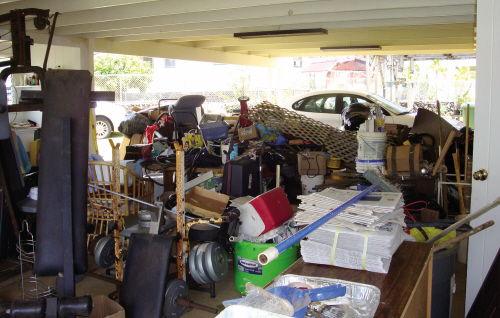 Most of us who have lived in the same home for decades have collected a good amount of personal treasures. And before you know it, you’re shocked by all the things you own. Some people may call these things clutter or trash, but to the owner these things could be a lifetime of memories. The difficulty comes when we have to think about downsizing or decluttering because it’s a safety concern (trip hazard), or we need more open space for a walker or wheelchair or move to a smaller home. Many say that they have “so much stuff” that it’s “just overwhelming.” Sometimes people even become trapped by their own personal belongings and can’t seem to break the “cycle.”
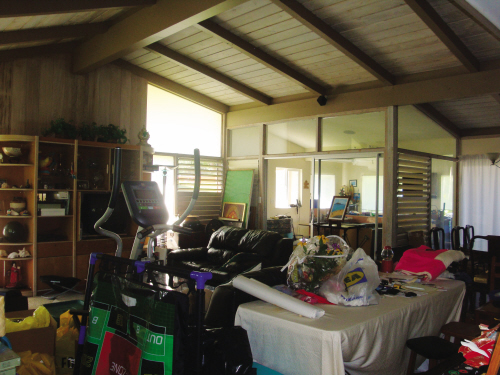
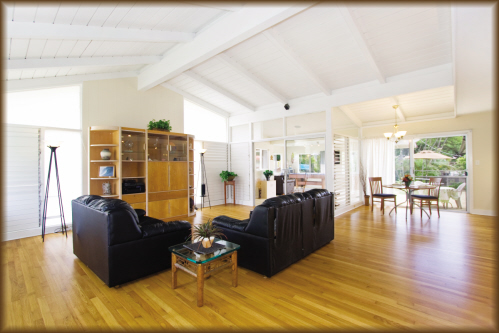
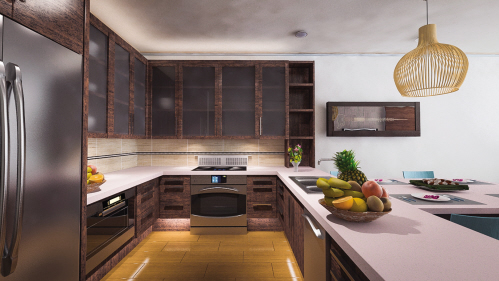 As we grow older, the need to renovate our home to meet evolving needs grows … but so can the headache from all of the labor involved.
 The pool of family and friends to care for Hawai‘i baby boomers as they age into their 80s will be less than half as deep as it is today, according to a new report from AARP. The report predicts the ratio of potential family caregivers to elders needing care will plummet from today’s six caregivers for each person over the age of 80 to fewer than three caregivers per elderly person in 2030.
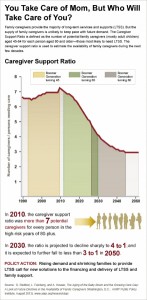 The new caregiver report calculates the availability of caregivers by dividing the number of people in the most common caregiving age range (those ages 45-64) by the number of older people most at risk of needing long-term services and\ supports (those ages 80+). The former group reflects the demographics of today’s average caregivers, the latter is the population likely to have some kind of disability and need help with daily activities.