Assets School makes a difference in the lives of gifted and dyslexic students through a strengths-based learning environment. We place a strong emphasis on the importance of family support to help to build confidence and resilience in each child.
“Let us be grateful to people who make us happy; they are the charming gardeners who make our souls blossom.” — Marcel Proust
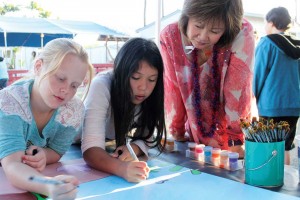
I remembered this quote on Kūpuna Day, one of my favorite days on the school calendar. This year, we welcomed 150 guests to campus: grandparents, parents, grand aunts and uncles, as well as aunties, uncles and family friends. We are excited to meet the many different adults and elders who make a positive impact on our students’ lives. As we shared breakfast together, two classes greeted us with a song and dance. Then, we had fun making arts-and-crafts and moved to the classrooms where children and ku¯puna engaged in all kinds of fun activities. As I listened to ku¯puna sharing stories about their school-aged years, I couldn’t help but wonder who had more fun, the children or the adults?
“I was thoroughly entertained and so glad I made the effort to attend on both days for both of my grandchildren,“ said Susan Lee, grandmother of Zak Campos, grade 3 and Bella Campos, grade 5. “Visiting Assets gives me a unique perspective on Zak and Bella’s world and brings us closer together.”
ASSETS SCHOOL
1 Ohana Nui Way, Honolulu, HI, 96818
808-432-1356 | www.assets-school.net
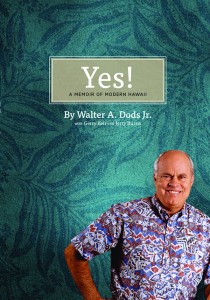 In Dodd’s new book, Yes! A Memoir of Modern Hawai‘i, he shows how dreams and schemes become a reality for corporations like First Hawaiian Bank, and state officials like governors Cayetano and Ariyoshi and U.S. Sen. Inouye. It’s a fascinating view of events we only know from the outside — the savings and loan disaster or Ariyoshi’s journey from, “who’s he?” to a household name. Dods’ candid account of the 2008 HawaiianTel bankruptcy and First Hawaiian’s debut venture in Japan define the high stakes he faced. Sober analysis and backing up his “Yes!” with results is an important lesson for all executives.
 If truth is stranger than fiction, then this book is the strangest you will ever read. James Dooley, a former investigative reporter for The Honolulu Advertiser, KITV 4 News and Hawaii Reporter, details public corruption and criminality in Hawai‘i during the 70’s and 80’s. A lot of Dooley’s sleuthing formed the basis of the original essay called “Broken Trust,” printed in the old Honolulu Star-Bulletin and later published as a book. Dooley’s gripping memoirs of ties among celebrities, Teamsters, politicians and judges weaves a broad web of “how things were done in Hawai‘i.”
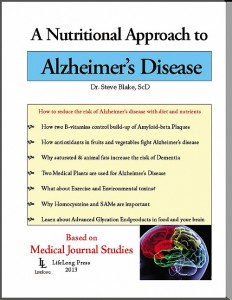 When it comes to Alzheimer’s disease, anything that offers hope gets attention. Dr. Blake analyses the latest scientific information and results from his clinical trials with Alzheimer’s patients at Hawaii Pacific Neuroscience Institute on O‘ahu, and dishes us up a simple diet — berries, green vegetables, nuts and beans — to prevent and slow the progression of Alzheimer’s and related dementia. The subject is rocket science, but his book is easy to understand. Learn how powerful flavonoids in plant foods preserve brains cells and keep them active. See how how antioxidant vitamins protect our brain cells.
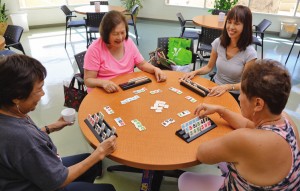 Seniors also love our newest classes — MOSSA Group Power™ and Enhanced Fitness.™ These fun, high-energy group exercise classes provide a very efficient workout at every pace and level. Motivated by great music, up-beat instructors and positive physical results, seniors excel in these classes.
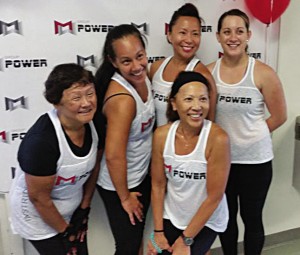 For those suffering from arthritis, evidencebased Enhanced Fitness is designed to help reduce painful symptoms. Seniors see improved strength, mobility and agility — all while having fun and making new friends. One senior’s physical therapist asked what she was doing. He was amazed at how much flexibility she gained in her spine!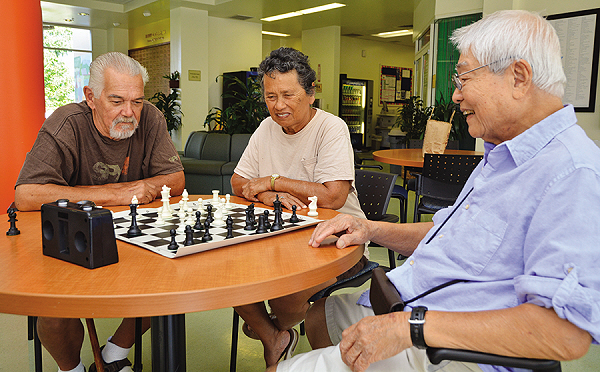
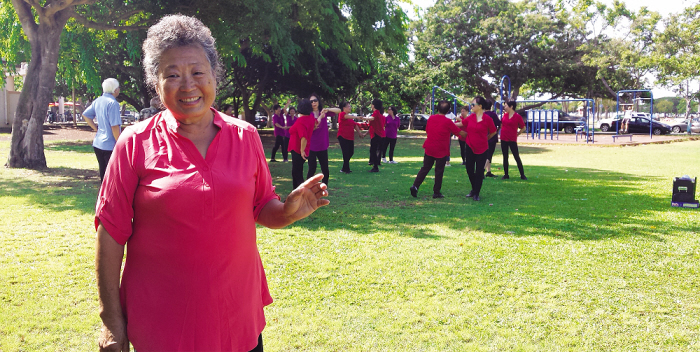
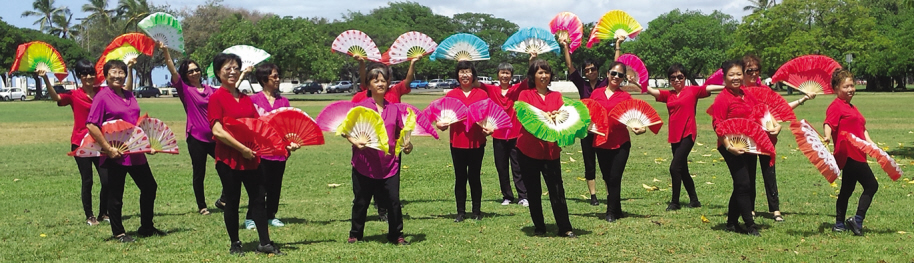
 Senior citizens can attend classes on University of Hawaii Manoa campus through the Osher Lifelong Learning Institute. For 10 years OLLI has been offering non-credit, college-level courses and other activities to encourage older individuals to engage their minds, enrich their lives, and serve the community. While the institute primarily serves mature learners aged 50+, the only true requirements for participation are maturity, life experience, and a desire to learn.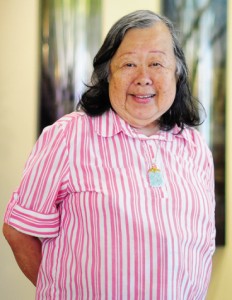
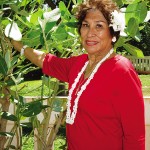 Rosemarie Dungca has been working for the City and County of Honolulu since 1978. In 1983, Whitmore Village asked her to teach hula classes. Her popularity grew and soon was teaching throughout the Leeward area.