Is your home too large now that the kids are gone? Maybe you have a 3-, 4-, or 5-bedroom home and you’ve realized that your kids aren’t coming back home. Maybe it’s time to downsize to a condo, townhouse or retirement community.
Does your home have too many stairs? Over time the stairs could be a challenge as you get older. Do you want to plan ahead before you have to react to an unfortunate accident? Maybe it’s time to seek out a single level home or one with no stairs.
When you start to feel concerned about your security then it’s probably a good time to look for other options that will make you feel safe.
If you’re thinking of downsizing to a smaller house or condo, a realtor specializing in that field can guide you to options that could work for you.
Perhaps you’re thinking of a retirement community or care home. They can share different options their other clients have chosen and even introduce you to some who have made the move. Some realtors can even set up tours for you at any of the retirement communities on the island and on the mainland. So call the folks who help older adults make this huge transition.
THE IHARA TEAM — The Complete Solution™
Keller Williams Honolulu RB-21303
4747 Kilauea Ave., Suite 201, Honolulu HI 96816
Dan Ihara (RA), CAPS, CLHMS, SRES RS-65892 808-256-7873
Is your home too large now that the kids are gone? Maybe you have a 3-, 4-, or 5-bedroom home and you’ve realized that your kids aren’t coming back home. Maybe it’s time to downsize to a condo, townhouse or retirement community.
Many agree that those reaching the twilight years would be entitled to coast for the remainder, but the stark reality facing most seniors includes declining health, social and financial challenges, and a feeling of insecurity.
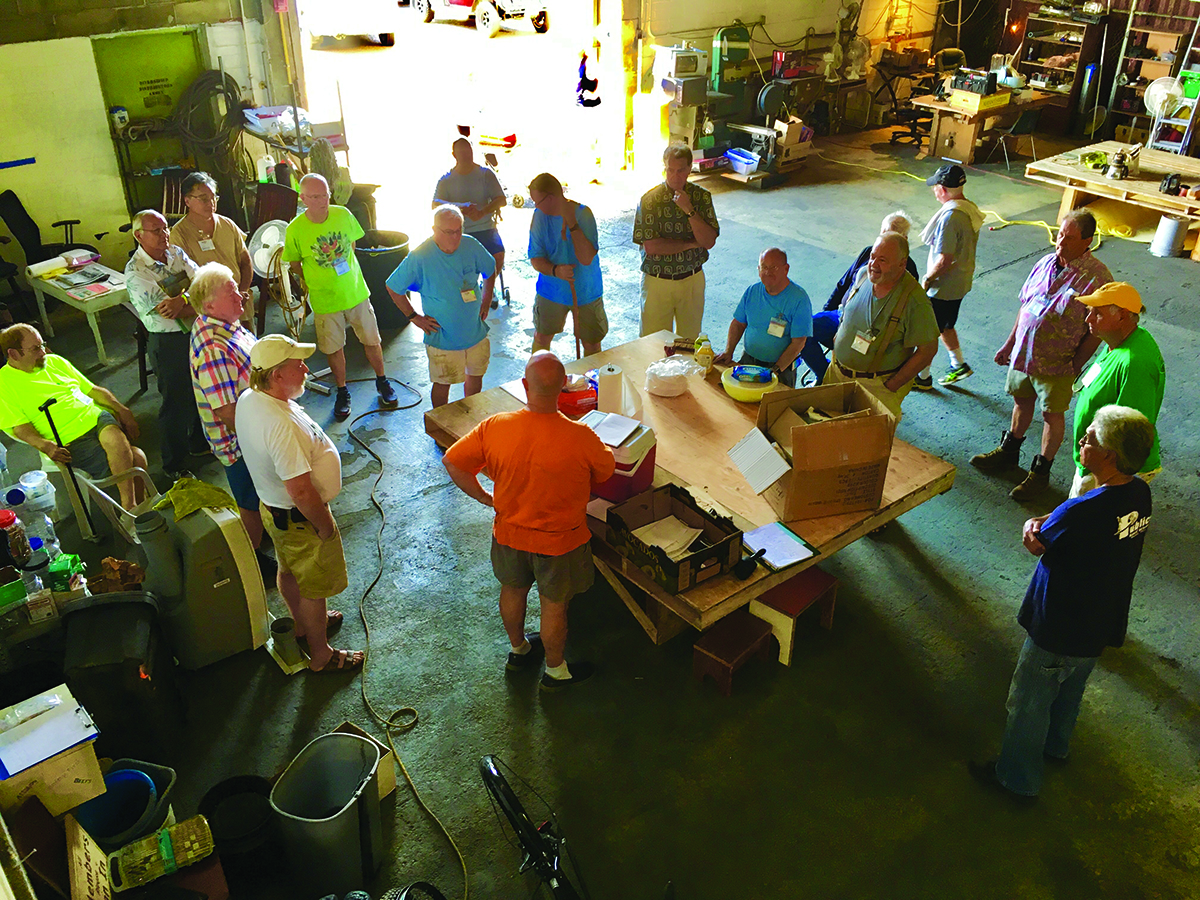
Men’s Shed began in Australia over 11 years ago and is thriving, with evidenced growth to 1,200 Sheds today, especially in rural communities. Studies have shown that participants experienced marked improvement in their health and social skills. In December 2015, fellow Rotarians began the discussion on chartering Hawaii Men’s Shed, a social organization focused on improving the lives of senior men through social interaction and work-related programs.
Hawaii Men’s Shed can fulfill what our growing senior population needs — a place to work and play. In just our third year, membership has grown to 95 members (91 men, 4 women). Shed members come from all vocations and backgrounds, including from the building and related industries. We operate temporarily out of a warehouse near Pier 19.
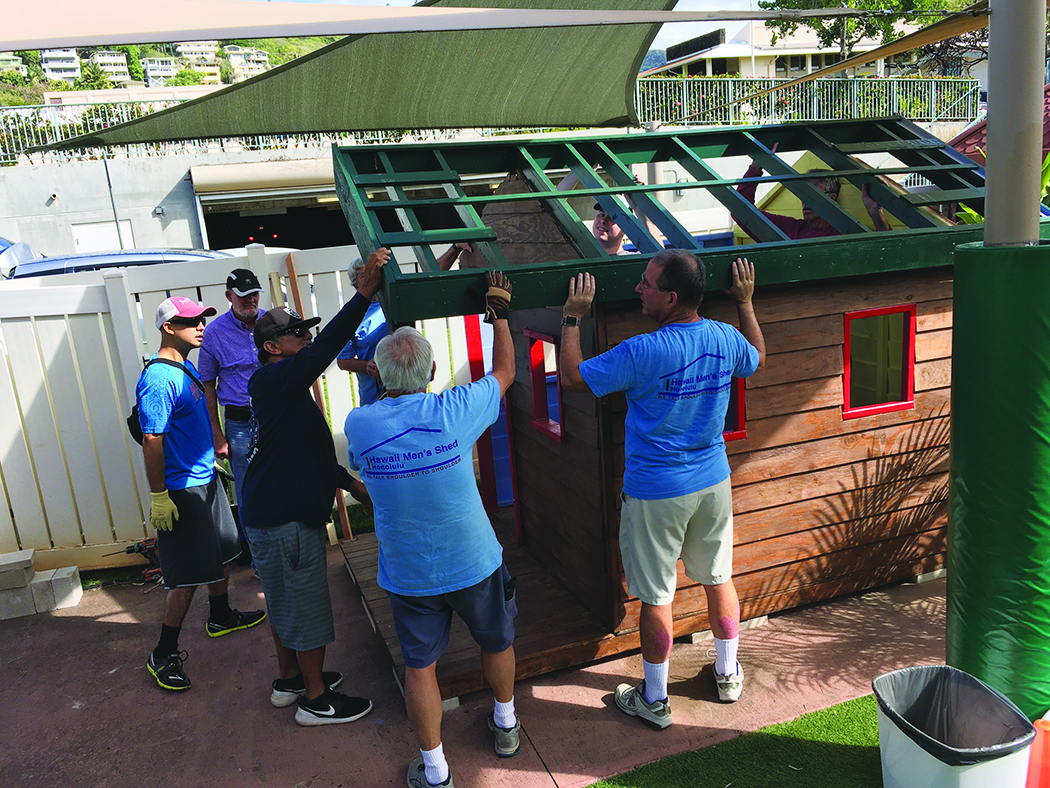
Recently, our Men’s Shed assembled a wood playhouse that we designed, built and later donated to the Star of the Sea Preschool. It is a great example of what our Shed members can accomplish using our planning, design and woodworking skills. Preschool director Lisa Foster notes the important life-play experiences that the new structure is providing for their more than 220 young students.
Last year, we donated two picnic tables to the Jefferson Elementary School, refurbished 15 bicycles and finished 100 orchid baskets for a Leeward O‘ahu orchid club. Since our inception, we have accepted donations of materials and tools to fill the specific needs of our many projects.
We focus on building sustainability through Shed’s programs on safety, financial well-being, and developing great projects. Our funding comes from members’ dues to cover insurance and administrative costs), donations and grants.
Members can avail themselves of Shed tools and materials, and also contribute by serving on our board and in key technical positions. Our vision is to grow Men’s Sheds statewide. So far we are working with interested groups in Hawai’i Kai, Lanakila, Kaua‘i and the Big Island.
We encourage all to go to our website or call to check out our Men’s Shed.
Many agree that those reaching the twilight years would be entitled to coast for the remainder, but the stark reality facing most seniors includes declining health, social and financial challenges, and a feeling of insecurity.
Ever wondered if the first Filipino American Governor in the United States, Ben Cayetano, got up to mischief in his youth? Or what it was like to be sent to Kalaupapa, as Makia Malo was? Or maybe you fancy going for a hike and are wondering which ones you can do. If so, read these!
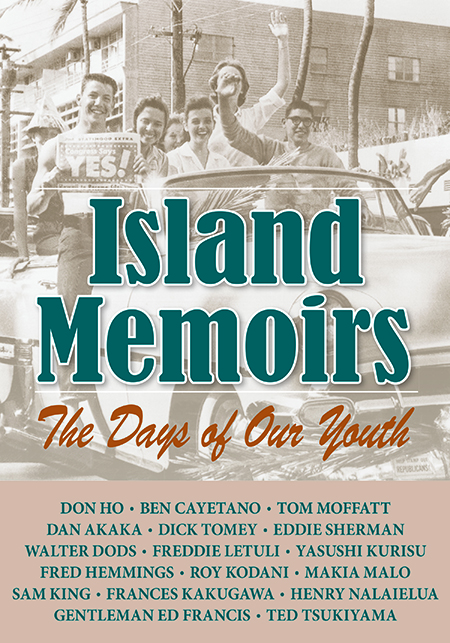
An anthology of excerpts from previously published memoirs, Island Memoirs: The Days of Our Youth highlights the special experience of coming of age in Hawai’i as seen through the eyes of native born and new transplants alike.
The tales of childhood, early education and budding careers span time from pre-statehood to the new millennium, offering wonderful glimpses of Hawaii’s social and natural environment over the years.
Frances Kakugawa’s descriptions of being determined to replace pidgin with standard English in order to become a published author and of the destruction of Kapoho in the 1960 Kilauea lava event are but one example.
All 17 lives leading to careers in sports, show business, the boardroom and even the Governor’s Office are recounted with compelling honesty.
WATERMARK PUBLISHING 808-587-7766 | www.bookshawaii.net
Island Memoirs: The Days of Our Youth (2018)
Hard cover. Also available at all HI State Public Libraries
Author Stuart M. Ball, Jr. has expanded and updated The Hikers Guide to the Hawaiian Islands to include 13 hikes each on Hawai‘i, Kaua‘i, Maui and O‘ahu.
The hikes are graded as Novice, Intermediate and Experienced and a handy index in the front of the book lets you see which suits your fitness level. That index also includes the hike’s length and elevation gain, as well as whether there are views, swimming, native plants/birds, historical sites and volcanic features.
The trail descriptions themselves are extremely detailed and each has trailhead directions (including GPS coordinates), a topographical map, and brief highlights. Many have notes about the best time of day to take the hike, what you can expect to see and the area’s history.
The appendix lists trail and camping contacts. Always call ahead to learn of current conditions!
UNIVERSITY OF HAWAI‘I PRESS 808-956-8255 | www.uhpress.hawaii.edu
The Hikers Guide to the Hawaiian Islands (2018)
Soft cover. Also available at all HI State Public Libraries.
Ever wondered if the first Filipino American Governor in the United States, Ben Cayetano, got up to mischief in his youth? Or what it was like to be sent to Kalaupapa, as Makia Malo was? Or maybe you fancy going for a hike and are wondering which ones you can do. If so, read these!…
Drawing the human form has been done since early man lived in caves. Today, artists still use bits of charcoal to make marks on a page that transform into a likeness of a person.
What makes figure drawing so alluring is to somehow capture the form of a live model and imbue it with a life of its own. What makes it so challenging is that people know too well the shape of a human body and mistakes are easily spotted.
Studied in art schools and ateliers, life drawing can also be done by anyone who has the interest at open studios that are available to the public for a small fee. Models hold poses from 2 to 20 minutes — the challenge is to complete a sketch in the allotted time before the pose changes. Generally, there is no instruction. The 2- to 3-hour sessions are simply a chance to hone one’s drawing skills.
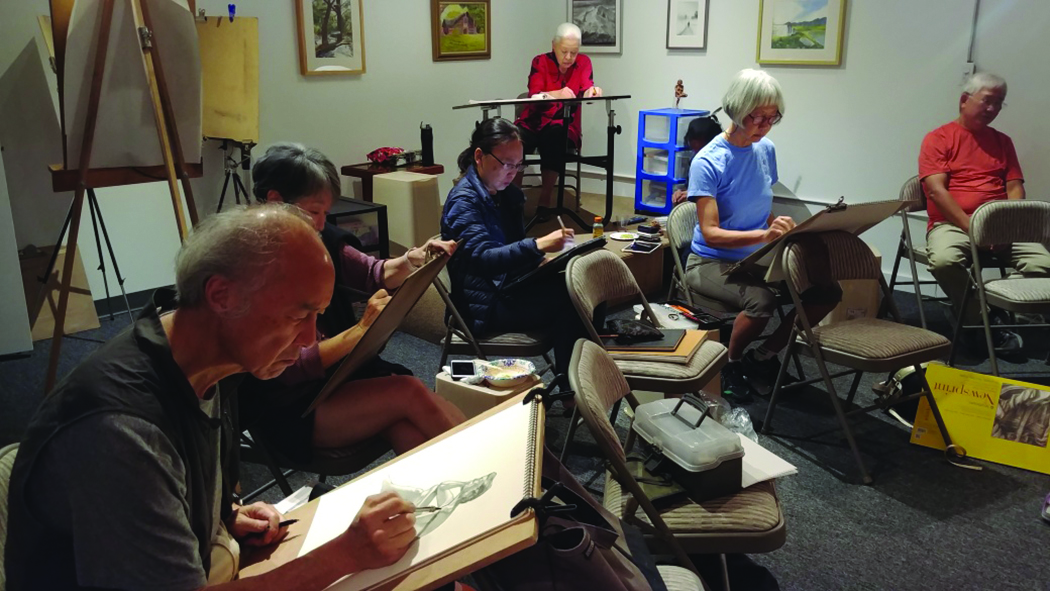
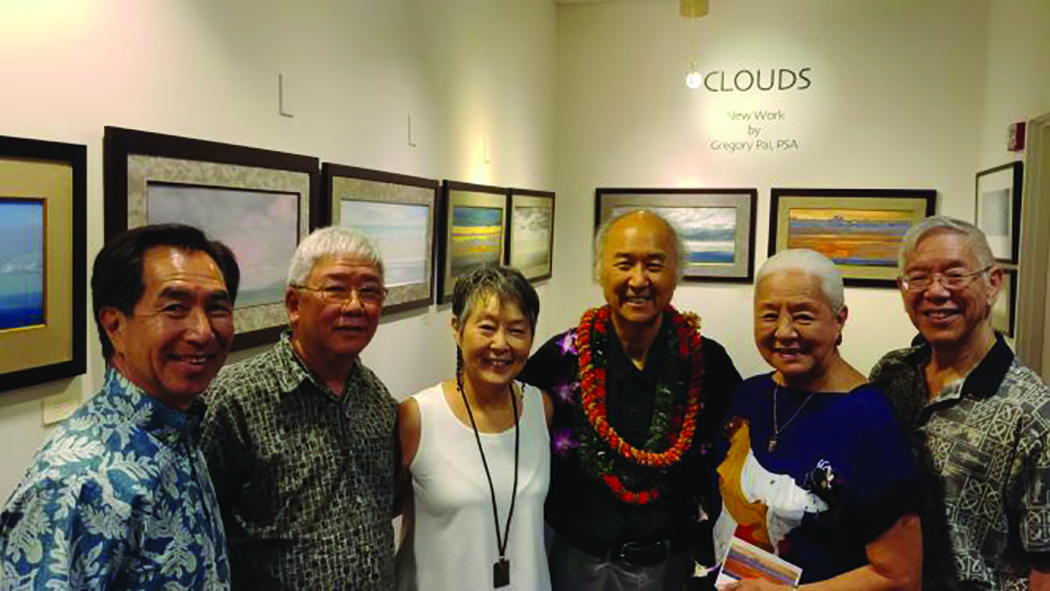
Sometimes artists form their own drawing groups. One such group has been meeting regularly at a private studio for over three years. We gather every other Wednesday for 3-hour sessions of sketching, fellowship and encouragement.
The group is primarily comprised of retired and working professionals. Herb is a real estate investor, Greg Pai a retired economist, Frances Wong a retired hotel executive, Beatrice Ku an architect, Ken Okuno a retired IT professional, Joan Shigemoto a retired speech pathologist, Flora Ling a retired financial writer and me, a financial professional.
Most in the group started drawing as they approached their senior years. Herb was inspired by the book Drawing on the Right Side of the Brain by Betty Edwards and happily discovered that he could draw. Greg is now a highly regarded professional artist who exhibits at Manoa Gallery and Nohea Gallery. Everyone’s sketches vary wildly, but each of us appreciates the deep satisfaction of drawing and how it can be a lifelong endeavor.
Check out your island’s local community bulletins, community colleges, or www.meetup.com. O‘ahu also has these life drawing open studios:
Honolulu Museum of Art — Linekona Art Center: Monday evenings — contact Jared Wickware, jwickware@icloud.com
It’s refreshing to explore new creative outlets or reconnect to youthful talents. In the deep focus of drawing and the stillness of the studio environment you might even discover a new you.
Drawing the human form has been done since early man lived in caves. Today, artists still use bits of charcoal to make marks on a page that transform into a likeness of a person.
The opening lines of an ancient mele (chant) describes Lāna‘i with the following line — “Hanohano Lāna‘i i ke kauna‘oa, koku kapa ‘ahu‘ula kau po‘ohiwi…” Lāna‘i is distinguished by the lei of kauna‘oa (Cuscuta sandwichiana), which looks like a feather cloak set upon its shoulders.
The island of Lāna‘i is sixth in size of the major islands in the archipelago, and in many ways, it is a reminder of earlier times in Hawai‘i. Prior to western contact, it was home to some 6,000 native residents. Today it is host to around 3,200 residents. The honua ola (bio-cultural landscape) of Lāna‘i is richly storied, largely untouched, and little known.
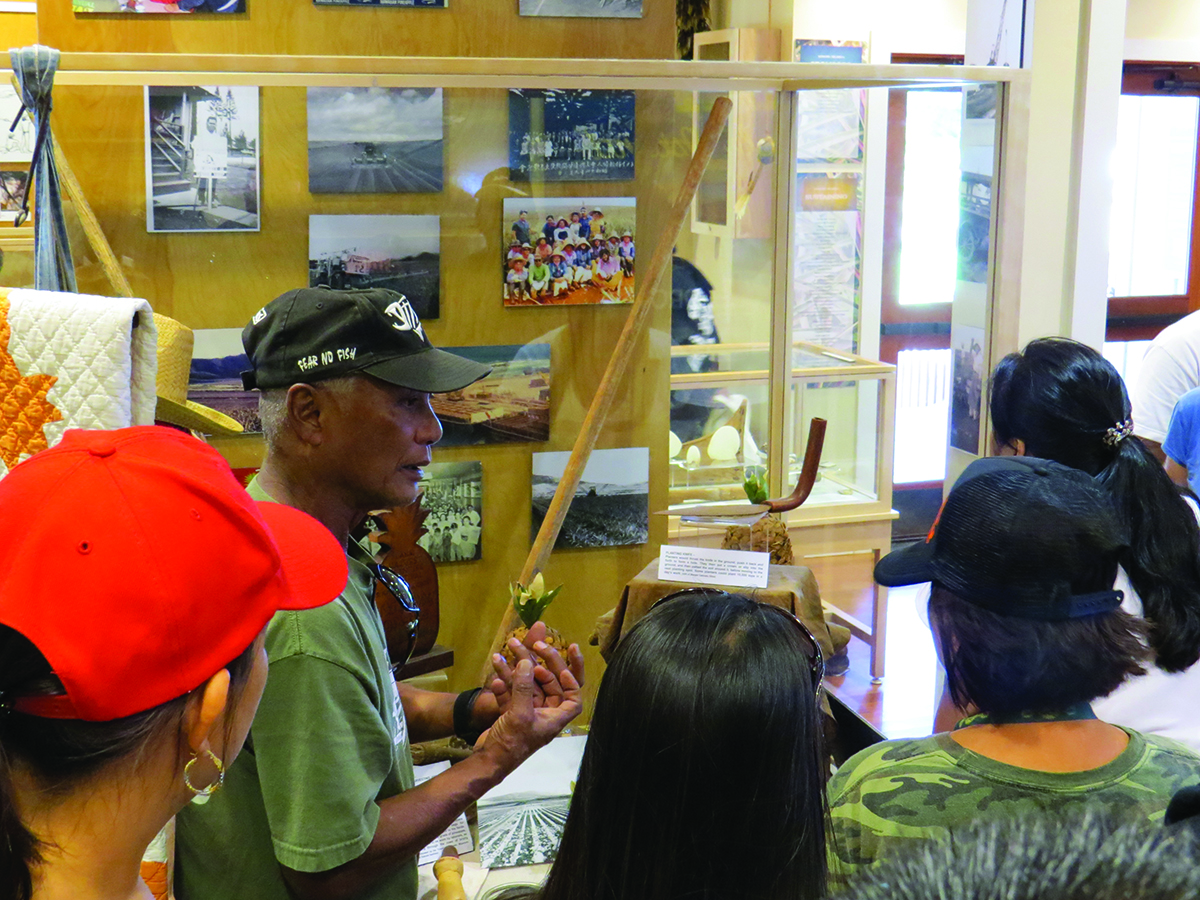
Guests from near and far explore island history at Lāna‘i Culture and Heritage Center. (Images courtesy of LCHC)
The Lāna‘i Culture & Heritage Center (Lāna‘i CHC) is a community-based charitable organization that strives to provide opportunities for students, community members and visitors to learn more about the island’s unique history. We have been privileged to partner with many organizations on both the local and national level and been the recipient of several significant grants.
Since opening in 2007, Lāna‘i CHC has served nearly 100,000 guests and residents through programs which include visiting a small museum and outdoor experiences. Among the notable programs for residents are the curation of indigenous artifacts, plantation era records and memorabilia representative of the cultural groups who have made Lāna‘i home. The collection includes thousands of records, artifacts, photos, oral history interviews, maps and more — many of which cannot be found in other collections.
The Lāna‘i Culture and Heritage Center. (Images courtesy of LCHC)
While artifacts and the material culture of place are fragile and in need of protection, even more fragile facets of history are the knowledge and recollections of elder kama‘āina (people of the land). Since starting Lāna‘i CHC, we have conducted nearly 150 oral history interviews with elder kama‘āina of Lāna‘i, aged 60s to 102. Many have since passed away. The interviews have been recorded in both audio and video format, include multicultural backgrounds, and share the experiences of life that have made the community what it is today.
The 100 years of life on Lāna‘i, described by those who lived through and made the history of the island make the story of Lāna‘i more than just items displayed in glass cases. The voices and faces of the interviewees ground us in our community legacy, remind us of long-held values and inspire us.
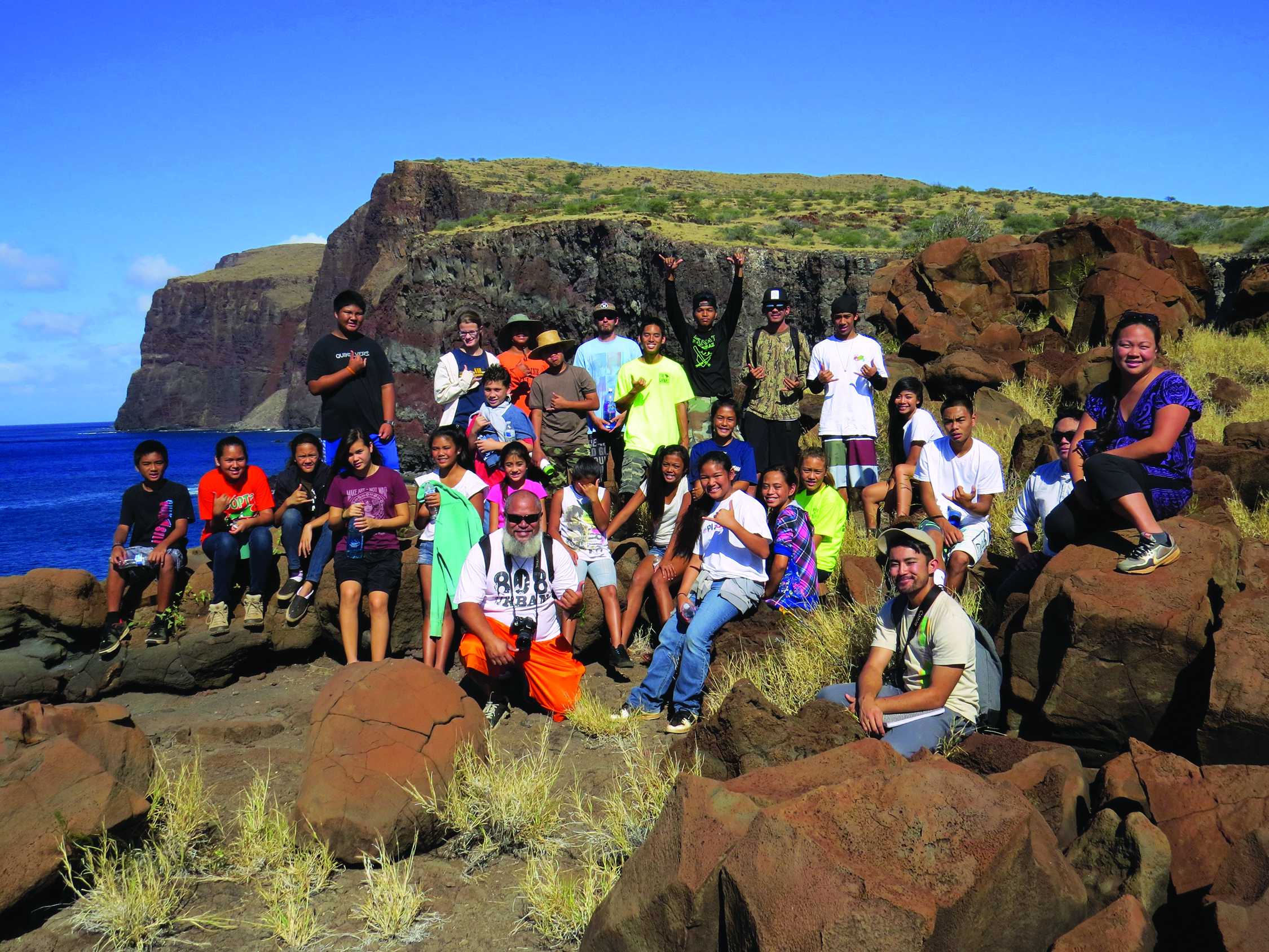
Lāna‘i High & Elementary School students at Kaunolū, with the famed Pali o Kāholo in the background.
We’ve also developed curricula and engaged Lāna‘i students in cultural literacy/place-based education programs and partnered with the majority landowner, Pūlama Lāna‘i, in access and protection of sites across the island. The access is more than a just “go see.” Through field programs, we engage residents, students (on island, from across the state and from abroad) in stewardship programs from the mountains to the reefs to build a new generation of resource managers and interpreters to lead the future in care for the honua ola.
One of the tools available to residents and visitor alike is the Lāna‘i Guide, a GPS web-enabled app (free at Google Play or the Apple store) that was designed as an interactive tool to engage users in the spirit and history of place. Because the information can also be accessed remotely from anywhere on earth (www.lanaiguideapp.org), visitors, students and researchers may also plan ahead for their time on Lāna‘i. The live GPS-enabled app directs the traveler (be it by vehicle, foot or bike) on the ground in real time. Travelers will find locations on the map and have access to various levels of information depending on their own interests. The content also includes links to other resource sites, photos and maps, audio files with narrations, songs or chants of old, and interesting video clips.
The opening lines of an ancient mele (chant) describes Lāna‘i with the following line — “Hanohano Lāna‘i i ke kauna‘oa, koku kapa ‘ahu‘ula kau po‘ohiwi…” Lāna‘i is distinguished by the lei of kauna‘oa (Cuscuta sandwichiana), which looks like a feather cloak set upon its shoulders. The island of Lāna‘i is sixth in size of the…
Most of life’s memorable experiences are memorable because they’re shared. What if there were an easy way to not only write down your memories for family and friends but to also give them the opportunity to reminisce with you about them?
There is! Developed by a team right here in Hawai‘i — led by local entrepreneur Beth N. Carvin — JamBios is an easy-to-use memoir writing platform that lets you write one story at a time while also keeping you organized. Nobody can see, comment on, or add to your memoir unless you invite them to. And if any of those you’ve invited add something to it, you are notified.
It may sound a lot like Facebook, but there are several important differences based on JamBios’ specific focus on a memoir format, such as:
Pre-defined chapters
1000s of memory prompts
The option to create a keepsake book with a few clicks
No professional writing skills are required and you are guided through the process of creating the pages and chapters of your memoir. You can write as much or as little as you wish, and add photos, audio and video links. There is no cost to create your JamBio, but you will have to sign up on the website to get started. Before signing up, you can check out example galleries of pages created by users who have opted to have them showcased.
There is no time like the present to remember and share the past!
Most of life’s memorable experiences are memorable because they’re shared. What if there were an easy way to not only write down your memories for family and friends but to also give them the opportunity to reminisce with you about them? There is! Developed by a team right here in Hawai‘i — led by local…
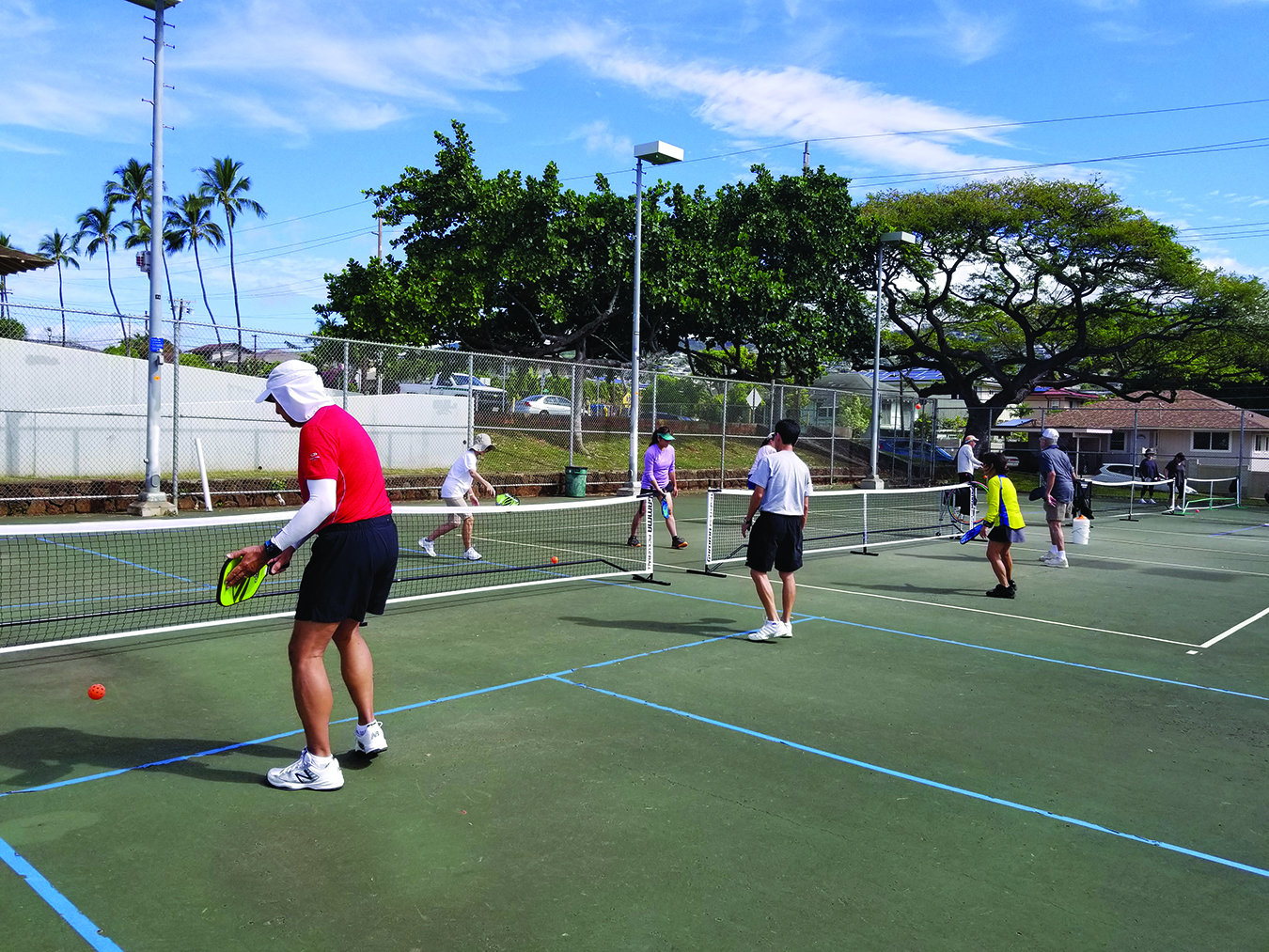
Pickleball combines elements of tennis, badminton, and table tennis and is played either indoors or outdoors on a 20×44-foot court. Players use a paddle, perforated ball similar to a whiffle ball, and a 3-foot-high net. Pickleball can be played as singles or doubles and it’s like playing ping pong on the ground.
Because the serve is underhand, and players cannot hit the ball within 7 feet of the net without letting it bounce first, it is less a game of power and more one of finesse and placement. Hence, younger players do not have as much advantage as they might in other sports, like tennis, where power plays a greater role.
Making friends and building community while getting healthy
Rather than playing with the same partner for multiple games, players during open-play typically change partners and opponents after every game, which creates a highly social environment where many new friendships are made. Sports with a social component may improve physical, mental and emotional well-being, and longevity more than non-social sports.
Pickleball helps to increase fitness, create inter-generational social opportunities, and build community ties. It is easy to learn; most people can gain an understanding of the basic rules and can start playing games after a single lesson.
Where can I learn and play?
The Oahu Pickleball Association hosts community events, clinics and tournaments. It’s not un-likely to find a very diverse group of approximately 20-40 people showing up to the free open-play sessions at various sites across the island. Pickleball players set up nets in public parks — usually on volleyball or basketball courts.
The Oahu Pickleball Association is a nonprofit and its passion, mission and purpose is to pro-mote, inform, instruct and organize pickleball on O‘ahu. Other pickleball groups throughout Hawai‘i are listed below. The sport is governed by the USA Pickleball Association, and you can search for the nearly 6,000 places to play in the United States on its website www.usapa.org
Pickleball combines elements of tennis, badminton, and table tennis and is played either indoors or outdoors on a 20×44-foot court. Players use a paddle, perforated ball similar to a whiffle ball, and a 3-foot-high net. Pickleball can be played as singles or doubles and it’s like playing ping pong on the ground.
The annual Senior Classic Games is sponsored by Generations Magazine.
The motto of the City and County of Honolulu, Department of Parks and Recreation is “We Add Quality to Life” and the public programs it provides, along with the events it hosts and participates in, are a reflection of that aim. Concerts, fairs, cultural exhibitions and the longest-running non-competitive hula event in the state are all on the agenda for the coming year.
As well as the many opportunities it makes available for individual exercise — swimming, gym workouts, walking at a beach or park — the department schedules exercise classes for kūpuna.
Senior Golf Program
March 8, Friday; Ewa Villages Golf Course
May 10, Friday; West Loch Golf Course
July 12, Friday; Ala Wai Golf Course
March 8, Friday; Ewa Villages Golf Course
May 10, Friday; West Loch Golf Course
July 12, Friday; Ala Wai Golf Course
Call for details & time: 808-768-3030 Senior Classic Games
March 21, Thursday, 8 am – 12 pm Halawa District Park
Senior Fun Walk
April 5, Friday, Check-in 8:30 am; 9 am start Patsy T. Mink Central Oahu Regional Park
92nd Annual Lei Day Celebration
May 1, Wednesday, 9 am – 5:30 pm Kapi‘olani Park
Nā Hula Festival
August 4, Sunday, 9 am – 2 pm Kapi‘olani Park Bandstand
Talk Story Festival
October 11, Friday, 5:30 pm – 8:30 pm Mission Memorial Auditorium
45th Annual Mayor’s Craft & Country Fair
November 23, Saturday, 9 am – 1 pm Neal Blaisdell Exhibition Hall
The motto of the City and County of Honolulu, Department of Parks and Recreation is “We Add Quality to Life” and the public programs it provides, along with the events it hosts and participates in, are a reflection of that aim. Concerts, fairs, cultural exhibitions and the longest-running non-competitive hula event in the state are…
With the holidays and the spirit of the season upon us, our energies turn toward the festivities with our friends and families. What better opportunity for us to shine the spotlight on our kūpuna than by tapping into their vast knowledge of life, wisdom and memories? A fun way to do this is through a day of “Life Stories,” where all the generations get together and share their fondest memories.
Using photographs that each person brings to the gathering, you can create a collage to be displayed on your wall and enjoyed throughout the coming year. Being the center of this activity can give your kūpuna a sense of renewed purpose and of belonging. It may also enable those with dementia or Alzheimer’s to speak more cohesively as they become engaged in sharing their memories and experiences.
Family and friends will have a fun, touching and enlightening time as the collage is pieced together. You can create your own “Life Stories” collage with just a few simple items: photos, card stock or poster board, glue sticks, markers, scissors (child-safe ones), and lots of smiles!
May the joy of the holidays bring an extra special touch to your “Life Stories.”
With the holidays and the spirit of the season upon us, our energies turn toward the festivities with our friends and families. What better opportunity for us to shine the spotlight on our kūpuna than by tapping into their vast knowledge of life, wisdom and memories? A fun way to do this is through a…
There is no perfect time to discuss end-of-life care. Most seniors would prefer to age in place at home, as independently as possible. But too few take the time to discuss their preferences with their family, leaving family caregivers
stressed and scrambling. The most important thing any family can do to prepare for a loved one to live at home is to talk about it today.
Here are three tips to keep in mind as you discuss and plan how to spend those precious golden years.
Tip #1: Don’t wait for a perfect moment. Bring up the topic casually at family dinners and get-togethers, so everyone is present to hear your wish.
Tip #2: Be alert for behavior and lifestyle changes. If you notice changes, have a conversation with a medical professional about what kind of caregiving support might be needed.
Tip #3: Have the conversation by age 60, at the latest! This is a natural age when retirement, healthcare and financial planning conversations are happening. Include aging-in-place planning in that mix.
Above all, consider working together with caring professionals to help your kūpuna live long, independent, and comfortable lives.
There is no perfect time to discuss end-of-life care. Most seniors would prefer to age in place at home, as independently as possible. But too few take the time to discuss their preferences with their family, leaving family caregivers stressed and scrambling. The most important thing any family can do to prepare for a loved…
When I moved from Moloka‘i to Kapolei earlier this year, my goals for retirement were to spend time with my granddaughter, become involved
in my new community by volunteering at the library and local school, and to continue what I enjoy doing — walking daily, reading, acrylic painting, gardening, cooking healthy meals, attending art shows and educational workshops, and hosting new students from Southeast Asian countries who are currently pursuing their degrees at UH-Mānoa.
I also have the pleasure and great opportunity to attend the Intermediate Level Hawaiian Language class at UH-West O‘ahu this Fall semester. The class consists of regular students taking it for credit, and non-credit students, like myself, taking it through the Senior Citizen Visitor Program/Nā Kūpuna. The class meets three times a week in the afternoon and we also have the option of attending a conversation session on Wednesday mornings at the student lounge where we can communicate in Hawaiian with students from other classes.
We have been learning some sentence patterns and new words, as well as familiarizing ourselves with Hawaiian websites and databases. We navigate the internet to read “old” Hawaiian newspapers to practice our reading, pronunciation and comprehension. In class, our instructor encourages his students to speak in Hawaiian and, every other week, we take written quizzes.
To learn more about free enrollment in UH courses through the Senior Citizen Visitor Program/Nā Kūpuna, call 808-956-4642.
When I moved from Moloka‘i to Kapolei earlier this year, my goals for retirement were to spend time with my granddaughter, become involved in my new community by volunteering at the library and local school, and to continue what I enjoy doing — walking daily, reading, acrylic painting, gardening, cooking healthy meals, attending art shows and educational…
One of the pleasures of being a grandparent is spending time with the grandkids, and reading books together is a wonderful way to do just that — whether introducing a toddler to the alphabet or helping a sixth-grader research a project. Here are some ideas for locally published books to share with your special keiki.
Young children will delight in the newly redesigned second edition of A is for Aloha, now with bold color photographs. First published in 1980, the original edition used black-and-white photos showing familiar island experiences as a way for Hawai‘i’s children to learn their ABCs. Early-education experts Stephanie Feeney and Eva Moravcik, and photographer Jeff Reese have made this classic freshly appealing with full-color images of everyday activities: eating noodle soup, dancing hula, and watching birds and geckos. Ages 2 to 6. (University of Hawai‘i Press, 2018)
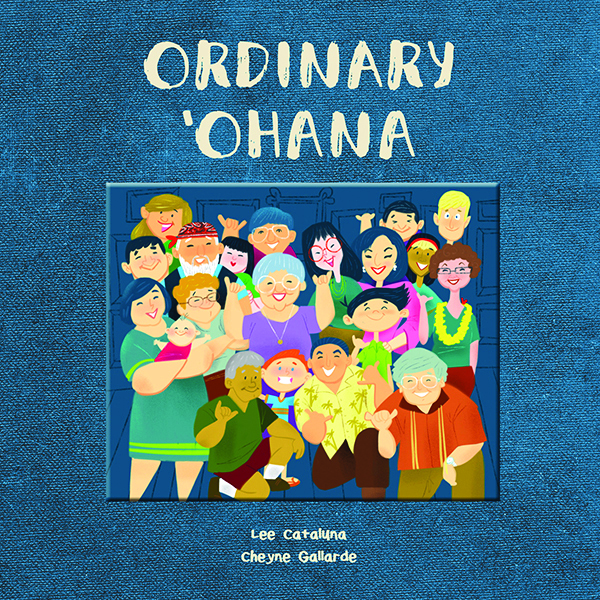
Written by columnist Lee Cataluna, Ordinary ‘Ohana assures readers that a diverse family is a normal family. The story unfolds through the experiences of a young boy named Kainoa, who introduces the various members of his ‘ohana. With playful illustrations by Cheyne Gallarde, the book shows that one’s family is who you choose and there’s always room for more at Sunday dinner, even if it’s on Saturday night, or Wednesday night, or whenever. Ages 4 to 8. (Bess Press, 2016)
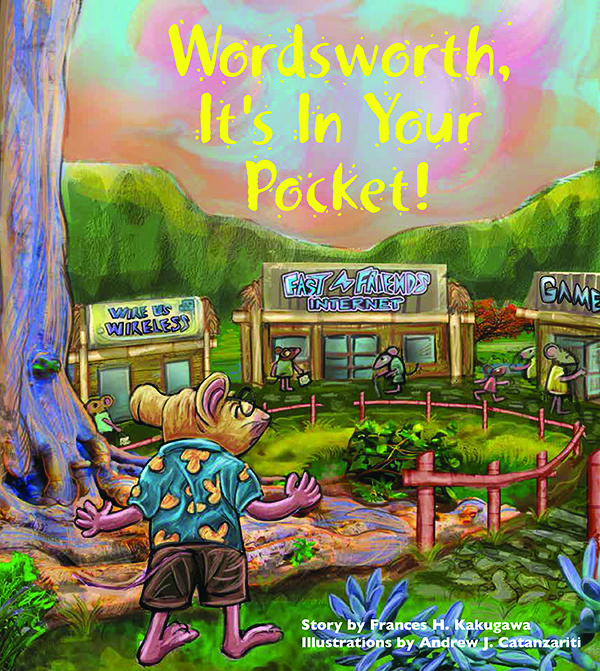
By valuing creative play, imagination, and the fun of the outdoors over the allure of video games, computers, and cellular phones, Wordsworth, It’s In Your Pocket! by Frances Kakugawa is a gentle reminder that it’s important for young minds to unplug and enjoy real-world friends and activities. This entertaining, yet thought-provoking, Wordsworth adventure is the fourth book in the award-winning series featuring the poetry-loving mouse. Ages 8 to 12. (Watermark Publishing, 2015)
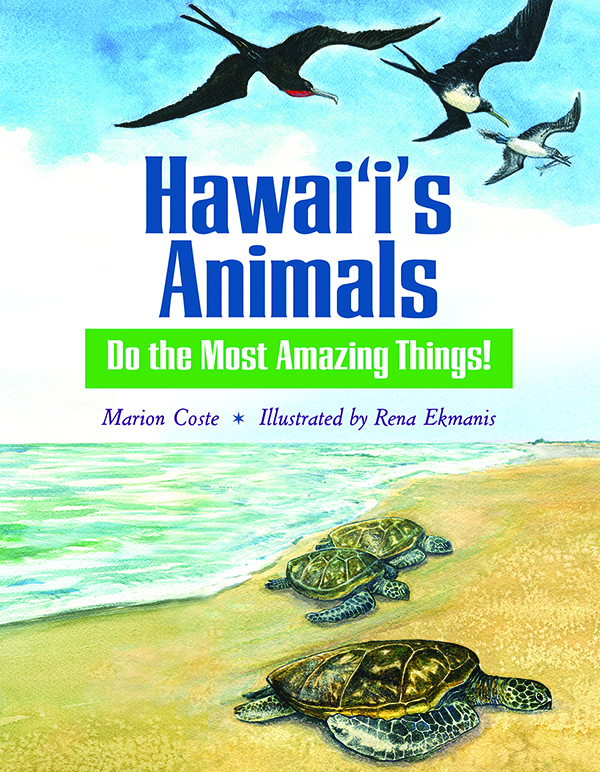
Hawai‘i’s Animals Do the Most Amazing Things! by Marion Coste and illustrated by Rena Ekmanis is jam-packed with information about native species of our islands, including birds, insects, and sea creatures found nowhere else in the world. Older children — and adults as well — will enjoy the fascinating facts about the natural habitat and unusual animals of the Hawaiian Islands. The book would also be a useful resource for science reports. Ages 9 and up. (UH Press, 2015)
Find these at your favorite bookstore or order directly from the publishers.
One of the pleasures of being a grandparent is spending time with the grandkids, and reading books together is a wonderful way to do just that — whether introducing a toddler to the alphabet or helping a sixth-grader research a project. Here are some ideas for locally published books to share with your special keiki.

 When you start to feel concerned about your security then it’s probably a good time to look for other options that will make you feel safe.