Like cilantro, beets are one of those foods that spark strong feelings. Whether you think they taste like dirt or you love their earthy sweetness, most people know that beets are healthy — and now there is science to back that up.
Recent studies show beets are high in nitric oxide, which helps to naturally dilate our blood vessels, increasing blood flow and circulation. Other things high in nitric oxides are dark, leafy greens, garlic and walnuts. Nitric oxide isn’t the only benefit of beets, the brightly colored bulbs are also high in antioxidants, potassium, fiber and vitamin C.
Beets come in a delightful variety of colors (red, white and yellow) and are remarkably versatile. Not only can they be eaten raw, juiced, pickled or roasted, they are also an excellent addition in sandwiches, salads, pasta, hummus — and even as a secret sweet ingredient in vegan cupcakes!
The possibilities are endless! Here’s an easy and delicious recipe to try at home:
GINGER BALSAMIC BEETS
Ingredients:
6–8 small/medium whole beets
1 tsp. olive or coconut oil
1–2 Tbsp. grated ginger
2 Tbsp balsamic vinegar
(to taste) salt/pepper
Directions:
Preheat oven to 400 degrees. Scrub each beet and wrap them in foil or parchment paper. There’s no need to peel them.
Roast for about 30 to 45 minutes, depending on how big they are. The beets are done when a knife goes through them easily.
When they have cooled down, push down on the foil or parchment paper and the skin will come right off. It will stain your skin and your clothes, so be careful.
Heat oil over medium-low temperature. Add ginger and cook one or two minutes. Keep the heat low so it doesn’t burn. Add the beets and cook two or three minutes. Add balsamic vinegar and cook another minute or so until it turns into a light glaze. Salt and pepper to taste — and enjoy!
Three varieties of beetsBeet HummusJuiced beets
Like cilantro, beets are one of those foods that spark strong feelings. Whether you think they taste like dirt or you love their earthy sweetness, most people know that beets are healthy — and now there is science to back that up.
When a dear friend got dizzy and fell, she agreed to go to the ER. We tried to help her, but we couldn’t find her insurance card, primary doctor’s name or her spare house keys.
If something happens and you are in need of help, will your family and friends be fumbling at a time when every minute counts?
Do they know where you keep your keys, computer passwords, bank account numbers, meds, medical directives, will and estate plan?
It is critical for baby boomers to gather their documents into one file and let trusted family and friends know the location of this important information. Caregivers can be more effective when they know what you want and have the power to carry out your wishes.
Too many times, I have witnessed frustration, sadness, loneliness and depression when clueless but well-intentioned families misinterpret their loved ones’ wishes and needs because they were not made clear in advance.
Ensure they know your plans by organizing your important documents and let someone know about them for the benefit of all concerned.
LIVING AND CARING MĀNOA
Adult Residential Care Homes (ARCH) since 2001
Call for a complimentary tour:
Todd Pang, Sr. VP | 808-779-8871
If something happens and you are in need of help, will your family and friends be fumbling at a time when every minute counts? Do they know where you keep your keys, computer passwords, bank account numbers, meds, medical directives, will and estate plan?
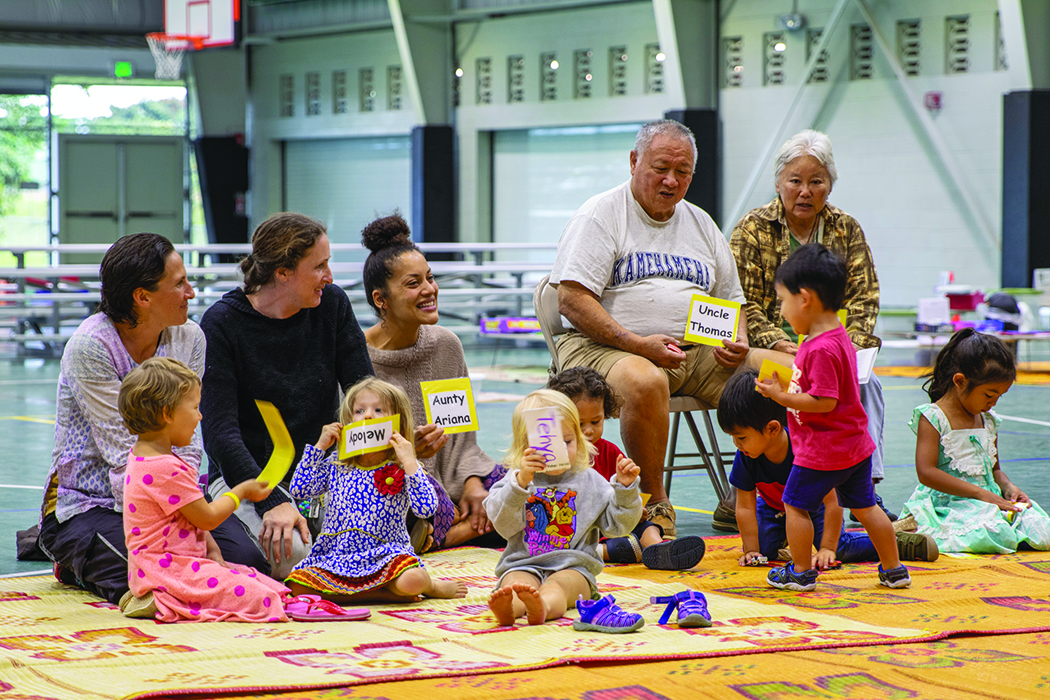
When someone says the word “preschool,” you might think of drop-off centers, where dozens of children are offloaded to bustling classrooms with strictly scheduled snack times, naps and play. Such an image couldn’t be farther from reality with Partners in Development Foundation’s Tūtū and Me Traveling Preschool.
Since 2002, the Tūtū and Me Traveling Preschool program has helped families across the Hawaiian Islands prepare their keiki for school success. It’s a program for children up to 5 years old, and requires parents and caregivers to attend with their keiki. Tūtū and Me equips caregivers with knowledge and resources, and provides opportunities to actively participate in a multi-generational set of activities with their keiki.
“The Tūtū and Me Traveling Preschool was created specifically to meet the early education needs of Hawaiian extended and multi-generational families,” says Jan E. Hanohano Dill, the president and founder of Partners in Development Foundation (PIDF). He illustrates how in families such as these, the kūpuna, or elders, are usually tasked with the care of younger children.
This presence and influence of elders on young children is vitally important, but often, kūpuna may not be prepared to fulfill the needs of young keiki. Through its two-generational approach, Tūtū and Me imparts the skill sets necessary to guide early childhood development. Each Tūtū learns techniques that help develop their grandchild’s cognitive, motor and executive skills.
“I’m grateful for Tūtū and Me because it’s a good curriculum,” says Yvonne Martinez, a Tūtū at the Pāhoa site in East Hawai‘i Island. “It’s a balance of art and science, we celebrate birthdays and they have a lot of singing, and it teaches the children to all get along together. It’s good diversity. It’s an extraordinarily wonderful program.”
Over the years, Tūtū and Me has worked with thousands of families, equipping kūpuna to be a child’s first and best teacher. This model has also been applied at over 100 YMCAs on the mainland and even overseas in the East African country of Tanzania, serving as the basis for the First Teacher Group initiative of global development organization Project Concern International (PCI).
Jessica Samura and her ‘ohana were part of Tūtū and Me for the last four years. She says that the traveling preschool program has helped both her kids with their confidence, social skills and preschool skills. Jessica also describes the opportunities she had to meet with other parents and grandparents as highlights of the program. She says the adults are able to discuss, share with and advise one another on early childhood parenting life.
When someone says the word “preschool,” you might think of drop-off centers, where dozens of children are offloaded to bustling classrooms with strictly scheduled snack times, naps and play. Such an image couldn’t be farther from reality with Partners in Development Foundation’s Tūtū and Me Traveling Preschool.
We grew up valuing the wisdom of our elders — skills or ideals that “uncle” or “tutu” taught us, like sticking together, working smart and showing respect for our family and neighbors.
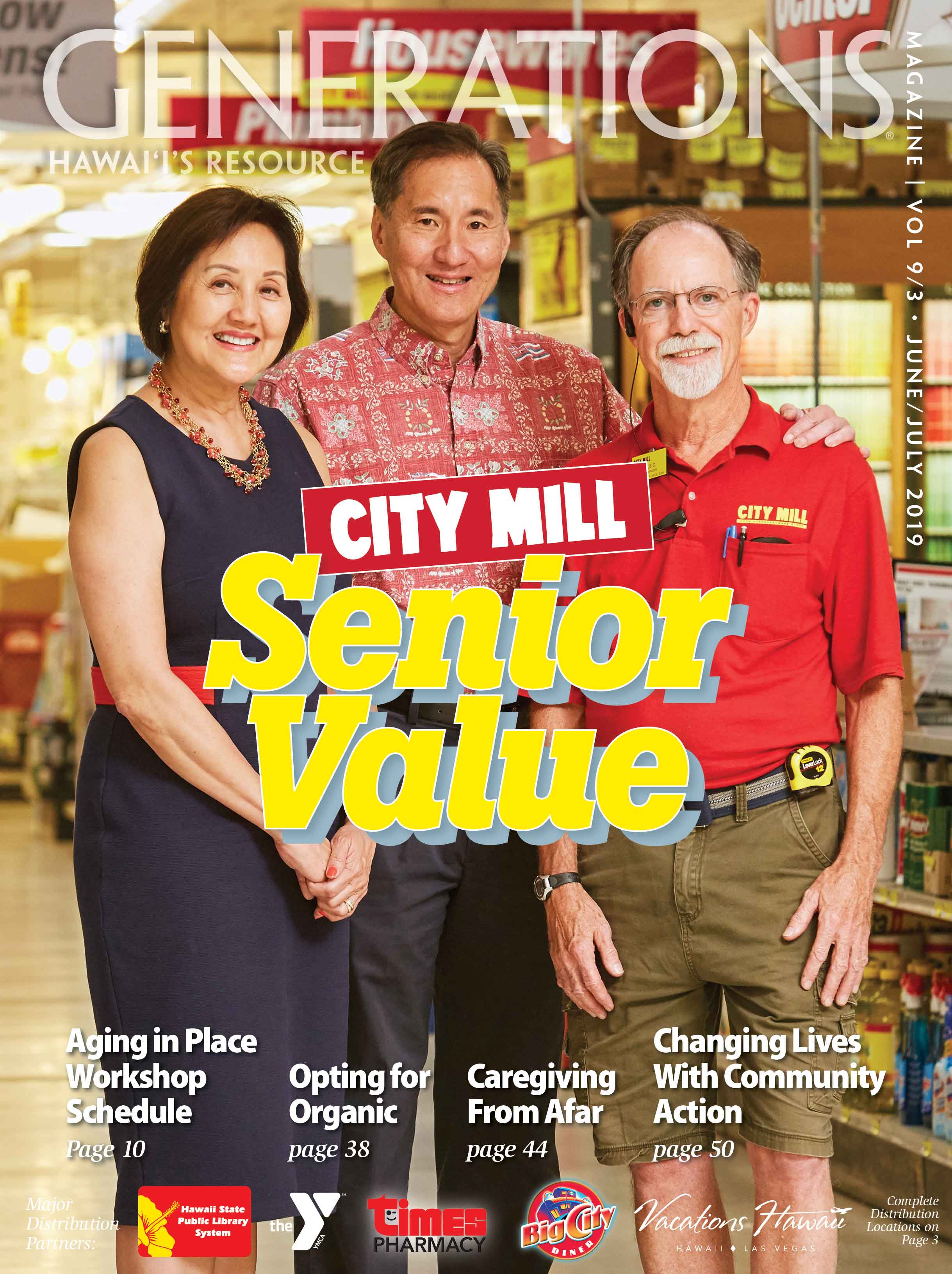
In July, City Mill Ltd. will celebrate 120 years of business in Honolulu. Their success is grounded in four generations of family wisdom. Our grandparents and parents loved shopping there, and today, we receive that same kindly respect and assistance every time we visit the store.
Vice President Carol Ai May and President Steven Ai are the third generation of their family running City Mill. This brother and sister are also part of a group of family caregivers who assist their mother and stepmother, now in their nineties. Their family culture of helping others began in the 1890s.
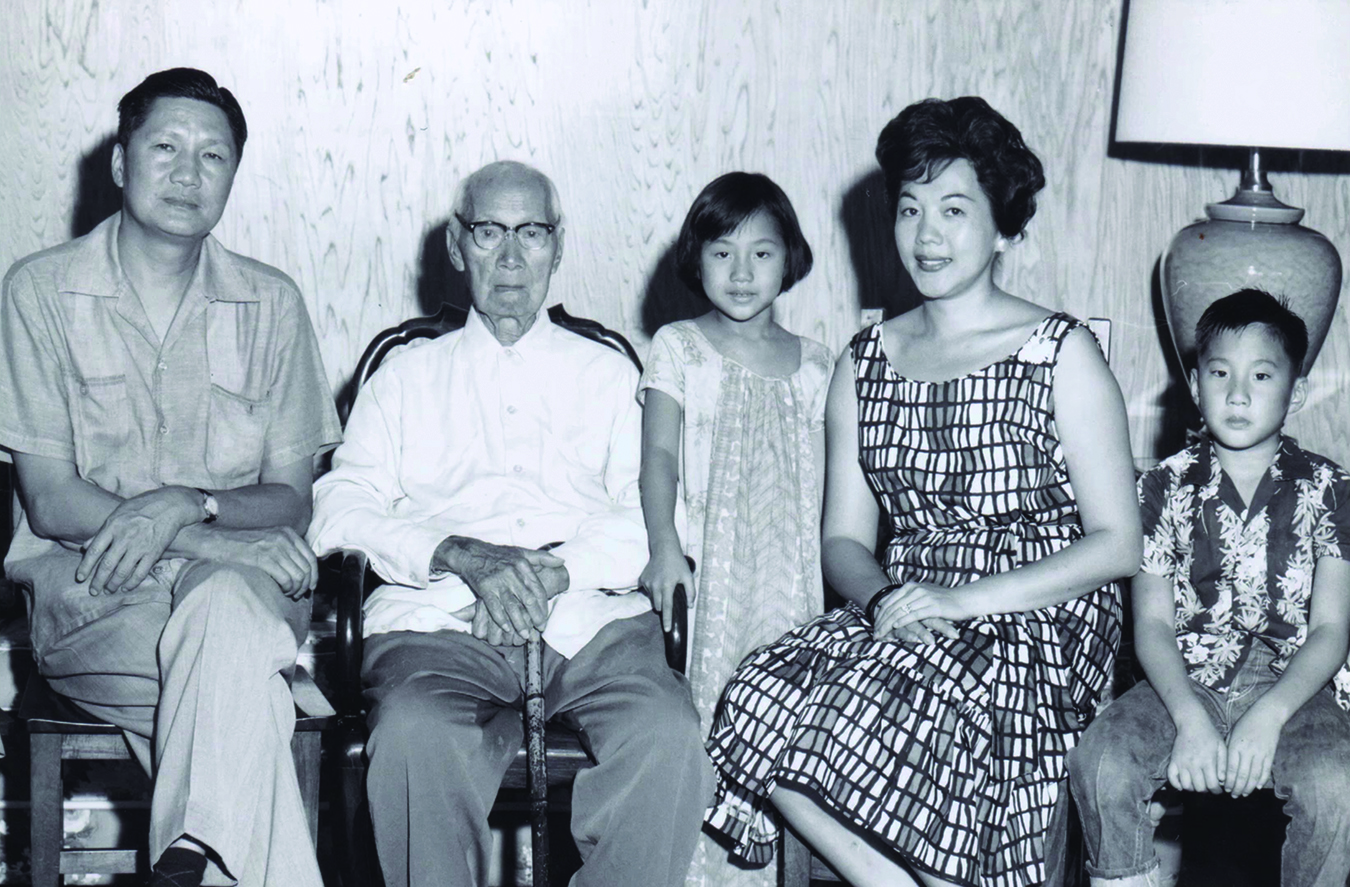
“Our father, David C. Ai, took over City Mill from his father, Chung Kun Ai, in 1961,” says Steven. “C.K. Ai was mentored in business by James I. Dowsett at the end of the 19th century, and became a respected businessman and leader of the Chinese community in the Territory of Hawai‘i. His ‘mill’ was once the biggest rice mill in the islands, hence ‘City Mill.’ The other side of his business was importing lumber from the Northwest. In the 1950s, many single-wall wood homes were built with our lumber, and we still try to sell hardware and fixtures for maintaining these homes. Later, Dad moved from commercial lumber into retail hardware.”
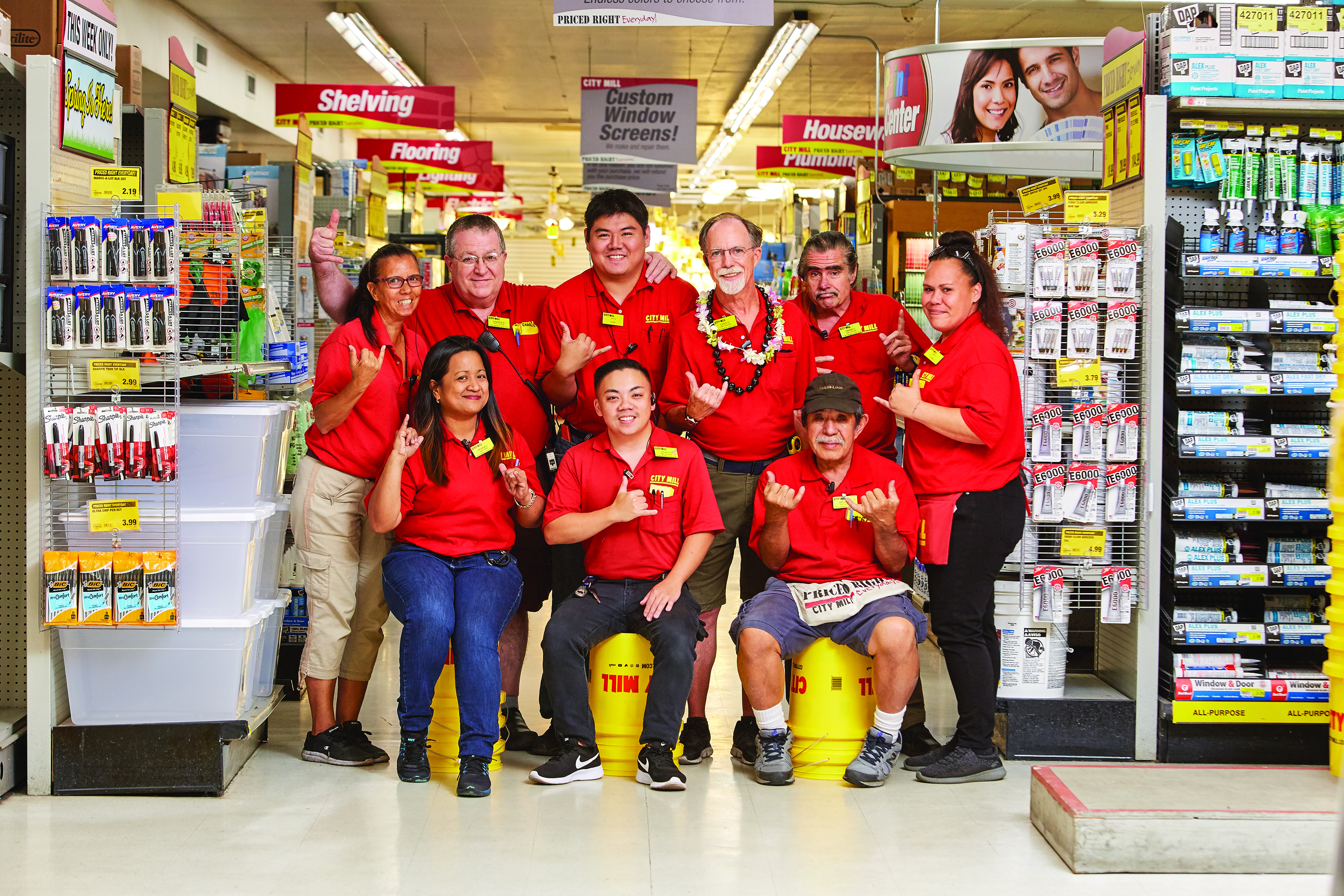
Three generations of City Mill Ltd.: When Steven and Carol were children, their grandfather, C.K. Ai, lived in their home. Following the wisdom of elders, helping the community and respecting others became a family and business culture to be celebrated. (L–R) David Ai, C.K Ai, Carol Ai, Lani Ai and Steven Ai.
City Mill Company Culture Values Community
Carol explains how their compassionate way of working with the O‘ahu community developed.
“We were in elementary school when Gung Gung (grandfather) passed away, but our grandparents lived in our home and we watched our parents care for them,” Carol says. “Our dad is gone now, too, but he passed down Gung Gung’s wise teaching: ‘When you drink water, remember the source.’ It means that everything we have is due to the community support of our business, so be humble and honor those who helped make you successful along the way. This adage is still our family and company value. We donate to community charities and treat our employees like family; when disasters strike and power goes down, we stay open so people can get the supplies they need to protect their homes.”
“Respect and compassion for others is the heart of our City Mill customer service,” says Carol. “Up until 1998, we used to hire people with plumbing, electrical or carpentry background. But now we hire people with good attitudes who like helping others. We figured that we can train associates about our products, but attitude and empathy come from within. We are looking for people who can help others and manage with compassion.”
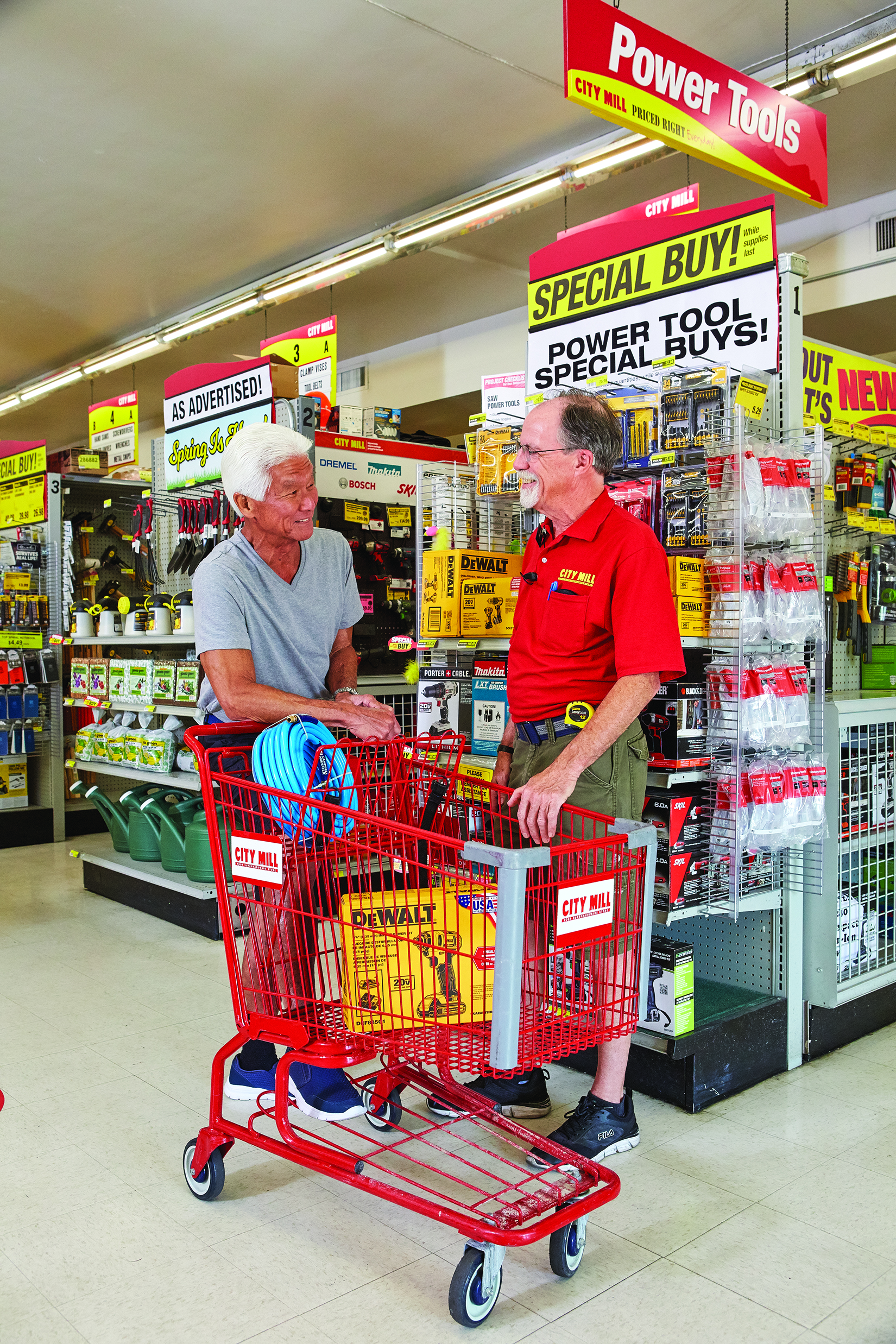
Client Earl Omoto and Christopher Griffin talk shop.
Seniors Make Great Employees
Almost 300 employees are the face of City Mill to its many thousands of customers. The Ai family demonstrates how they value seniors by providing excellent customer service, but they also place a high value on senior employees.
“Seniors make great employees because they are helpful and knowledgeable,” says Carol. “We observe that they are less likely to regard their job as a steppingstone and they eagerly bond with the ‘team’ at any one of City Mill’s six stores.”
Ruby Cooper, Inventory Control Supervisor, Age 70
Ruby applied at the Mililani store 19 years ago, when she was 51 years old. Her husband was career military and they saw a lot of the world, but when they settled in Honolulu, Ruby was looking for a career where she could interact with people.
“I’m not good with names, but I know all our repeat customers’ faces,” says Ruby. “What our company does best is making eye contact and acknowledging the presence of every customer, every day. That’s our expertise. All who come in the door get the same help, young or old. Hey, people know what they want. All we have to do is listen and get them what they need. It’s a big store, but our garden guys are happy to escort a customer all the way to electrical — with a smile.”
Ruby oversees receiving, stocking and taking inventory of all the items in the Mililani store. She is a certified forklift operator and gets to work at 5 a.m., to manage inventory. When the doors open, she becomes a floor manager, handling customers calls and backing up the cashiers. Ruby says her job keeps both her mind and body active, and customers never guess that she is 70 years old. On Ruby’s bucket list is a little more traveling, walking the beach with her Cavalier Spaniel and spending more time with her family.
Ruby Cooper loves the work she does and the people around her, from workmates to her senior patrons.
“At my age, I have to accept that I can’t load a 94-pound bag of cement anymore,” says Carol. “So I say to seniors — realize your limitations, be smart and find new ways to work around activities that have become risky. Don’t stop doing what makes you happy — just do it differently. I love my job, so I plan to work here as long as I can contribute to the team — that’s a great comfort.”
Steven Ai says senior employees like Ruby add value to City Mill because they stick around and get very good at their jobs. They are eager to fit in and make friends with the other employees. In time, they develop good working relationships with customers. City Mill’s oldest employees are in their 80s, and common reasons seniors leave are: 1) they have to give up their driver’s license; or 2) their family wants them to stay home.
Christopher Griffin, Sales Associate, Age 67
Christopher Griffin is a human resources manager from Massachusetts. When he retired and moved to Hawai‘i, he opted for a more physically active job. He says his sales associate job is like a daily yoga class or a workout at the gym because the large City Mill floor plan requires him to cover a lot of ground.
“My job is healthy in so many ways,” says Christopher. “When I shopped at City Mill, I was so impressed. As a human resources guy, I knew this was a great company by the generous way the employees treated me and each other. The hiring process required me to interview with a whole panel of employees. What a novel idea — workers instinctively know who is going to fit in and work hard. I am so grateful that they picked me.”
Here’s what the employees saw in Griffin: he is politely upbeat and engaging. He calls himself a “MacGyver” because he likes to help people find solutions for their maintenance and home improvement problems. And that’s what clients want.
“Everybody who comes in here is looking for answers,” says Christopher. “Even when we don’t share the same native tongue, we can find the perfect material, hardware or fitting they need.
“There’s a lot of camaraderie among the employees, too — most have worked here many years, and when I started, they taught me about all these products,” says Christopher, “The more I learned, the better I could help customers. City Mill’s commitment to the O‘ahu community means our team is helping folks all over this island. I am so grateful for the team I work with: Donna, Tina, Irene, Ricky, Devon, Russell … I could name them all!
From Shirtsleeves to Shirtsleeves in Three Generations”
David Ai was the second generation. He encouraged Steven and Carol to pursue their passions and provided them with excellent educations. Both have business experiences outside City Mill. Steven studied business, and then worked in financial accounting and management consulting. After Carol earned her degree at Tufts University, she worked in commercial bank marketing and advertising before starting a juice company. Later, they became the third generation of City Mill.
Carol says, “My dad warned us about the old adage, ‘Shirtsleeves to shirtsleeves in three generations.’ It refers to the typical life cycle of a family-owned business: the first two generations grow the company and it fails in the third generation. Steven and I were determined not to fail, but when mainland big box home stores came to Hawai‘i in the ’90s, we faced a considerable challenge. Lowe’s and Home Depot moved in and built their stores near ours, but folks still come to us for personalized service; we see a strong future.”
Carol raised her two sons with this challenge: “If you decide that you want to work at City Mill, you must first earn bachelor degrees and MBAs, work outside the company for five or more years and get promoted along the way.” Both sons met this high standard and now one is working at City Mill. Before joining the team, he earned his MBA, did retail consulting, was a financial planner at Nike and Gap Inc., and then started two of his own businesses.
“As the fourth generation, my son brings technology, supply chain and digital/social media knowledge — current ways of doing business,” says Carol. “We don’t have to teach him our City Mill company culture because he grew up with it. He designed an online store so our customers can shop at home and pick up their orders in the store. Everything we do continues to focus on the very best service we can deliver to our customers.”
Helping Seniors Add Value to Their Lives
Behind every City Mill customer is a home or office repair, or a maintenance or improvement project. Seniors are replacing old stuff, downsizing, renovating or simplifying their active lifestyles. They are continually adding value to their homes, retirement businesses or pastimes. City Mill provides them materials and personalized, helpful tips.
Earl Omoto, 72
Earl Omoto, Commercial Diver & Homeowner, Age 72
Many City Mill senior customers are entrepreneurs. Earl Omoto is a semi-retired commercial diver who specializes in installing and repairing moorings — some up to 3,000 pounds. He also owns a rental property, which he recently renovated himself. His project included “snow coating” the shingle roof, replacing the flooring, retiling and re plumbing bathrooms, interior and exterior painting, and building custom counters and tables.
“I always shop City Mill first for supplies,” says Earl. “I like to be treated like a customer, not a browser. They have enough staff so you never have to hunt for a salesperson. The guys in red shirts know where everything is! I always compliment the team because I want them to keep doing exactly what they are doing.”
“Another thing I like is that nobody is ‘king’ at City Mill,” says Earl. “All the sales people work together — if one can’t help, he calls the next one to get you what you want. Wendell in plumbing, Gary and John in lumber, Glenn and Ron — are plenty helpful with a smile. When I needed help on my remodel, they gave me good suggestions.”
Earl’s rental house is all ready to go. He says he took his time and did a good job. He considers himself lucky because he has no health challenges, and to stay that way, he works out at the gym three or four days a week. He also likes to play his guitar. On his bucket list is a second trip to Hong Kong and Macau for sightseeing, shopping and fun.
The City Mill Team gave Christopher a warm send-off the day of our photoshoot. He will be caring for a family member on the mainland for a while. His City Mill family understands the importance of helping seniors and honoring family. (L–R, top) Desiree, Charles, Cody, Chris, Dennis, Tanya, (bottom) Donna, Brian and Melvin.
Owen Oda, Handyman & Small Renovations, Age 65
“I go to City Mill a lot because it’s a store that makes sense,” says Owen. “They sell hardware in bins that are clearly labeled with a picture and specs for each bolt, nut, screw or washer. It’s easy to find what you need and you can buy the exact number you want. I appreciate efficiency.
“For my small jobs, I need pieces of plywood and two by fours cut to exact lengths and dimensions. City Mill employees in the lumber dept will do the precise cuts for me — no waiting around. They can cut jalousie glass to size and thread pipes — and it’s not expensive. Best of all, their employees know what they’re doing, and they are eager to help.”
A handyman for 15 years, Owen says he may be just a little weaker than in his youth, but he stays very healthy by drinking lots of water every day. His bucket list includes seeing his kids settled and then helping with the grandchildren.
“Another thing; when I walk into the store, they always ask me if I need a wagon and if I will need help getting items off the upper shelves,” says Owen. “That’s a good service for seniors like me, but I watch them do the same thing for every customer! Do you know that all the cashiers know me by name? There are very few stores like City Mill — it’s a good place.”
Seniors Value Kindness
Seniors respond positively to authentic respect and kind concern. We repay kindly businesses with loyalty and referrals. We remember the days when most companies focused on serving the customer — when personal attention and pampering was not restricted to high-end boutiques or hotel spas. Every shopkeeper appreciated our purchases; we were served with respect at the feed store, bakery, barber shop and corner seed shop.
Hoo-ray for City Mill! The Ai family business model values people, including seniors. Their genius is not only preserving a deeply held family ideal, but also practicing it in their lumber and hardware business, and teaching generations of employees and customers to value each other and to respect the sources of their success.
In July, the City Mill team will celebrate 120 years of business — helping generations of Honolulu builders and homeowners find the right materials for their projects. When you next visit City Mill, congratulate the salespersons, cashiers and managers. Let them know how much you appreciate the way they value seniors. The message on the backs of their red T-shirts sounds like an ad, but it’s the wisdom of the Ai family business: “What are you working on? I can help.”
CITY MILL COMPANY LTD.
660 N. Nimitz Highway, Honolulu HI 96817 808-533-3811 | www.citymill.com Check online for details of their other locations: Ewa Beach, Hawaii Kai, Kaimuki, Kaneohe and Mililani.
In July, City Mill Ltd. will celebrate 120 years of business in Honolulu. Their success is grounded in four generations of family wisdom. Our grandparents and parents loved shopping there, and today, we receive that same kindly respect and assistance every time we visit the store. Vice President Carol Ai May and President Steven Ai…
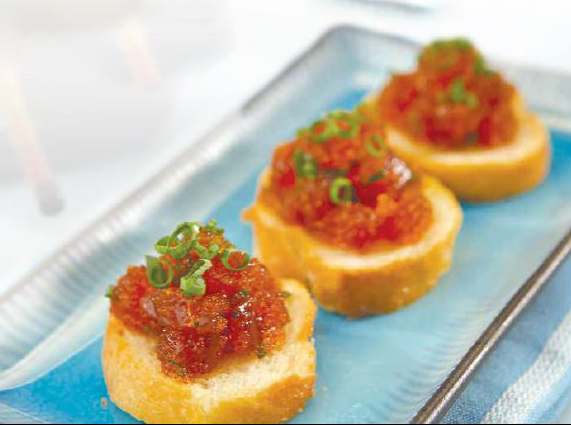
This is a great appetizer because of its big, two-level crunch — first, the happy pop of the tobikko and then the satisfying crunch of the crostini. It’s perfect for afternoon gatherings with a favorite white wine or beer.
INGREDIENTS
‘Ahi spread
2 lbs. ‘ahi, ¼-inch or less, diced
1/2 cup tobikko fish eggs
1/2 cup green onion, thinly sliced
2 Tbsp. sesame oil
1 Tbsp. light soy sauce
1/4 tsp. wasabi paste or wasabi oil
1/2 tsp. kosher salt, fresh ground Black pepper, to taste
Crostini
1 baguette, sliced into rounds 1/4” thick Extra-virgin olive oil Garlic salt
DIRECTIONS (Serves 10):
In a bowl, combine all of the ‘ahi spread ingredients and keep well chilled until ready to serve. To make the crostini (you can also purchase prepared crostini), brush each slice of bread with a little olive oil and bake at 400ºF for 10 minutes or until crispy. Remove from the oven and sprinkle with garlic salt or an herbed salt blend. Top each crostini with a rounded teaspoon of the ‘ahi spread and serve. Total time: 30 minutes
CHEF MICHI’S COOKING FRESH | cookingfreshforyou@gmail.com
Queens POB III – 550 S. Beretania St. | Honolulu Community College – 874 Dillingham Blvd. Cooking FRESH Food Truck: Corner of Pahoakalani & Cartwright
This is a great appetizer because of its big, two-level crunch — first, the happy pop of the tobikko and then the satisfying crunch of the crostini. It’s perfect for afternoon gatherings with a favorite white wine or beer.
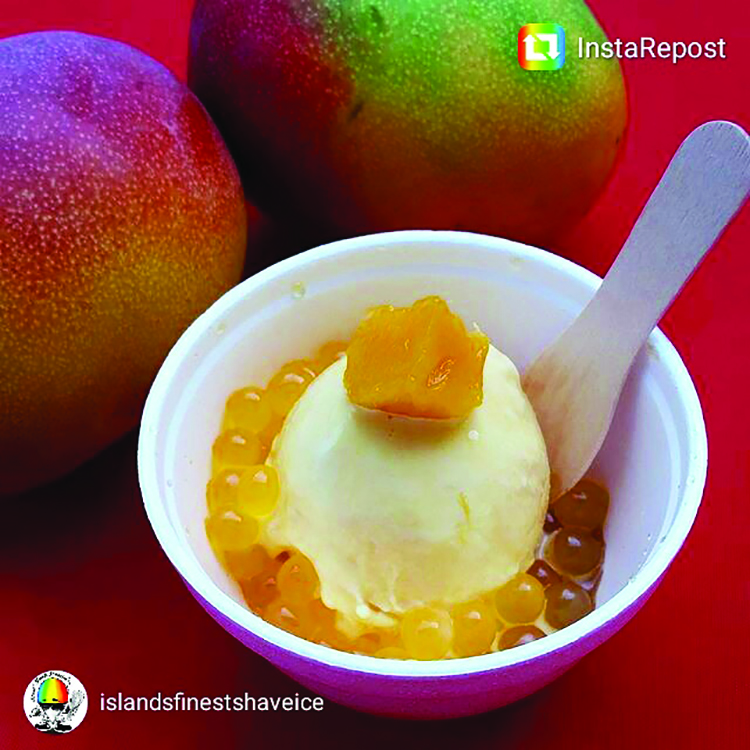
A lot of people, especially those new to the islands, say Hawai‘i doesn’t have seasons, but longtime locals know that’s not true — we have whale season, hurricane season and the most important, mango season!
Friday, June 21, 2019 – 4:30pm – 9pm Saturday, June 22, 2019 – 10am – 9pm FRANK F. FASI CIVIC GROUNDS – 550 S. King Street, Honolulu
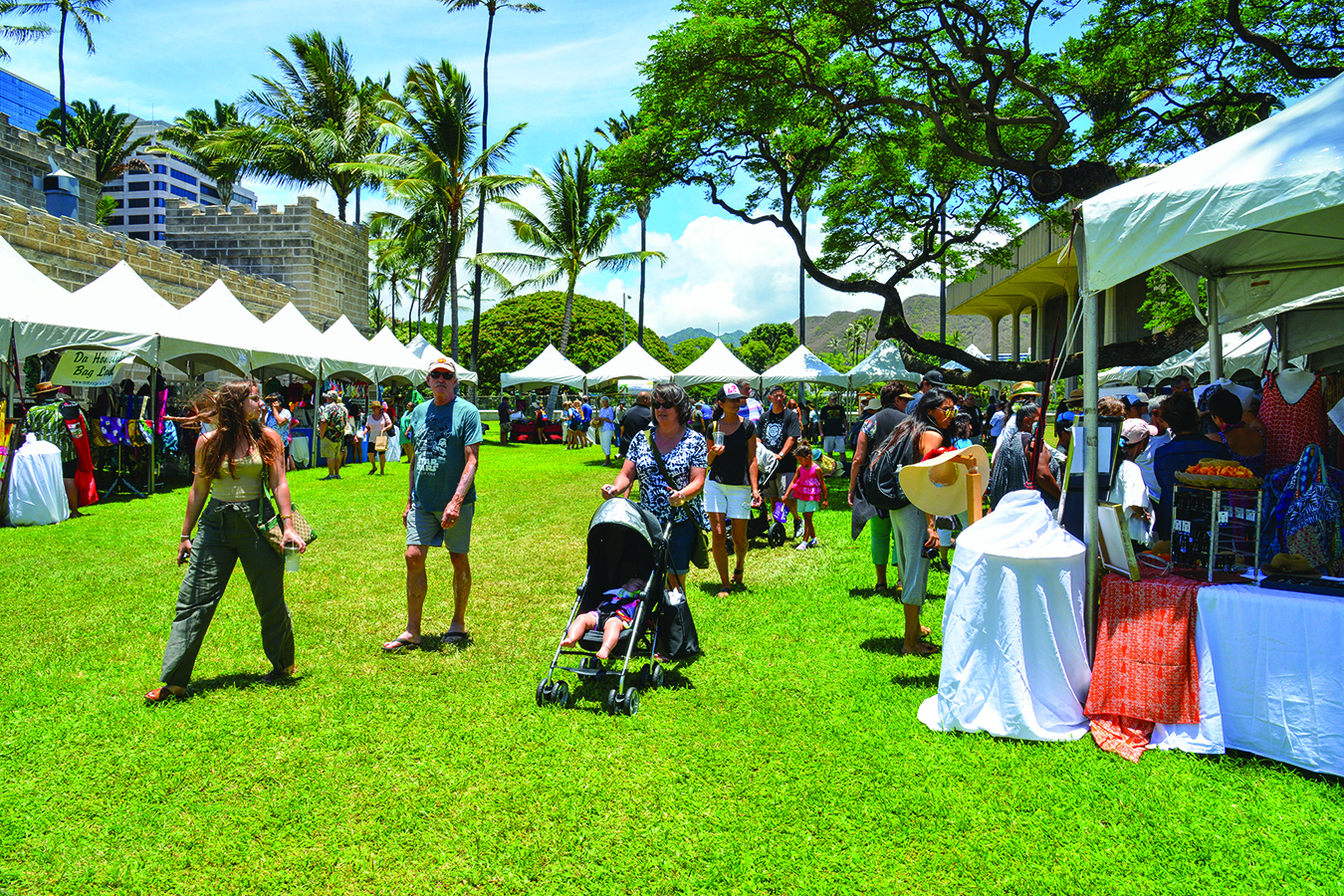
Whether you prefer to eat your mango in bread, jam or just off the tree, come celebrate Hawai‘i’s favorite fruit at Mango Jam Honolulu. It’s a free annual event for the whole family with live entertainment, food and craft booths, cultural activities, a beer garden and a farmers market.
Located in the backyard of Honolulu Hale, Mango Jam Honolulu features some of the best Mango offerings on O‘ahu. Park for free at the Frank F. Fasi Municipal Parking Lot or across the street at the new Joint Management Traffic Center.
With an all-day musical lineup, catch Iron Mango, 10 Feet, Kapena and more on the Mango Stage. Browse Mango Row for the latest designs and crafts from Hawai‘i creatives. Pick up a snack or cocktail at the Mango Lounge and Cafe, or grab some local goodies from the Mango Market.
Saturday kicks off with a recipe contest to find the best “Sweet Mango Delight” and “Savory Mango Masterpiece.” Then, who will be crowned master of the mango? Taste along as chefs from two popular local restaurants — Vino and Sansei — battle it out during the BBQ Cook-off.
With free cultural activities for the whole family, you can practice pounding poi with a papa and pohaku at a ku‘i ‘ai class, get hands-on with lomilomi massage and lā‘au lapa‘au, or show off your skills at the Makahiki games.
So don’t miss the sweetest celebration of the summer! Check www.mangojamhonolulu.com for more details and a full lineup of the annual two-day event.
A lot of people, especially those new to the islands, say Hawai‘i doesn’t have seasons, but longtime locals know that’s not true — we have whale season, hurricane season and the most important, mango season! Whether you prefer to eat your mango in bread, jam or just off the tree, come celebrate Hawai‘i’s favorite fruit…
If hula is the heartbeat of the Hawaiian people, then get ready for some cardio, because the 42nd Annual Prince Lot Hula Festival is almost here!
Featuring two days of hula, a Hawaiian-themed craft fair, cultural demonstrations and more, the largest non-competitive hula event in Hawai‘i returns for the third year.
PRINCE LOT HULA FESTIVAL — ‘Iolani Palace Saturday & Sunday, July 20 – 21 at 9 am
Everyone is welcome to this free, family-friendly event, and is encouraged to bring a chair or mat and enjoy the show from the lawn.
This celebration honors Prince Lot Kapuāiwa, who helped revive Hawaiian culture. During his reign as Kamehameha V (1863 to 1872), he repealed laws that banned traditional practices such as hula. He also created the Royal Order of Kamehameha to honor his grandfather, Kamehameha the Great.
Aloha e komo mai. Come and join the festivities with the whole family. Make it an aloha day! Photos courtesy of Moanalua Gardens Foundation of the 2018 event.
Founded in 1978 by the Moanalua Garden Foundation (MGF), the festival invites hālau from every major island and attracts thousands of residents and visitors each year. This year’s theme is I Mua E Nā Pōki’i, Move Forward, O Youth and represents the passing of hula traditions to the next generation, the keepers of the culture.
Saturday’s opening ceremonies will include the Royal Order of Kamehameha, presentation of MGF’s Malia Kau Award to renown Kumu Hula Iris Naleialoha Napaepae-Kunewa of Hawai‘i Island, followed by an impressive lineup of premier hālau hula who will perform both kāhiko (ancient) and ‘auana (contemporary) hula.
As part of the opening program on Sunday, MGF will honor chanter Kamuela Chun from Hilo with its Namakahelu Oli Award. Local food and refreshments will be available for purchase and limited edition T-shirts and souvenir kōkua buttons will be for sale. So come down and enjoy the fun, food and festivities in the magnificent setting of ‘Iolani Palace.
For a complete schedule and hālau line-up, visit Moanalua Gardens Foundation online.
MOANALUA GARDENS FOUNDATION 808-839-5334 | www.moanaluagardensfoundation.org A nonprofit organization founded in 1970, Moanalua Gardens Foundation is committed to preserving and perpetuating the native culture and environment of Hawai‘i through education and stewardship of Kamananui (Moanalua) Valley and celebration of the Prince Lot Hula Festival at ‘Iolani Palace. MGF depends upon grants and donations to cover festival costs. To make a donation or become a member, visit the foundation online.
If hula is the heartbeat of the Hawaiian people, then get ready for some cardio, because the 42nd Annual Prince Lot Hula Festival is almost here! Featuring two days of hula, a Hawaiian-themed craft fair, cultural demonstrations and more, the largest non-competitive hula event in Hawai‘i returns for the third year on Saturday and Sunday,…
Is your home too large now that the kids are gone? Maybe you have a 3-, 4-, or 5-bedroom home and you’ve realized that your kids aren’t coming back home. Maybe it’s time to downsize to a condo, townhouse or retirement community.
Does your home have too many stairs? Over time the stairs could be a challenge as you get older. Do you want to plan ahead before you have to react to an unfortunate accident? Maybe it’s time to seek out a single level home or one with no stairs.
When you start to feel concerned about your security then it’s probably a good time to look for other options that will make you feel safe.
If you’re thinking of downsizing to a smaller house or condo, a realtor specializing in that field can guide you to options that could work for you.
Perhaps you’re thinking of a retirement community or care home. They can share different options their other clients have chosen and even introduce you to some who have made the move. Some realtors can even set up tours for you at any of the retirement communities on the island and on the mainland. So call the folks who help older adults make this huge transition.
THE IHARA TEAM — The Complete Solution™
Keller Williams Honolulu RB-21303
4747 Kilauea Ave., Suite 201, Honolulu HI 96816
Dan Ihara (RA), CAPS, CLHMS, SRES RS-65892 808-256-7873
Is your home too large now that the kids are gone? Maybe you have a 3-, 4-, or 5-bedroom home and you’ve realized that your kids aren’t coming back home. Maybe it’s time to downsize to a condo, townhouse or retirement community.
Many agree that those reaching the twilight years would be entitled to coast for the remainder, but the stark reality facing most seniors includes declining health, social and financial challenges, and a feeling of insecurity.
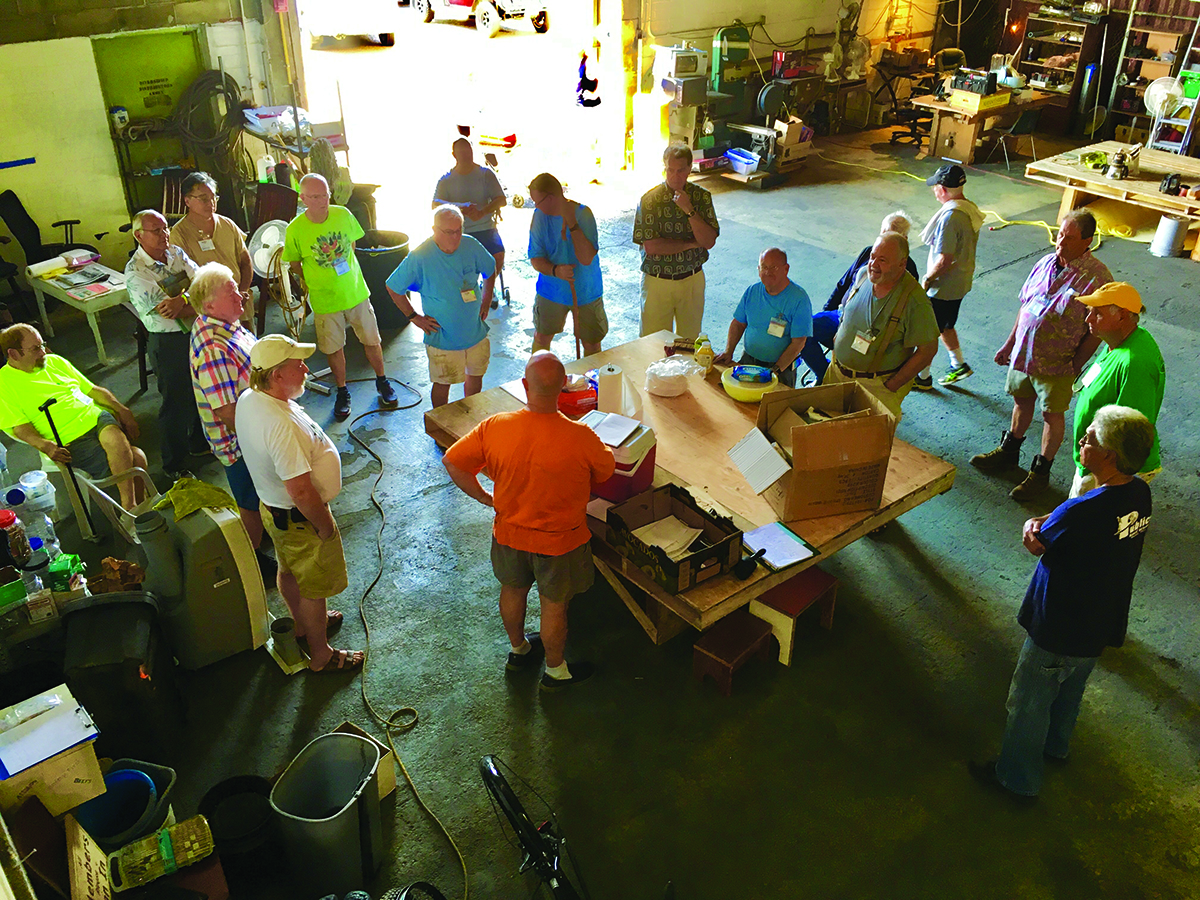
Men’s Shed began in Australia over 11 years ago and is thriving, with evidenced growth to 1,200 Sheds today, especially in rural communities. Studies have shown that participants experienced marked improvement in their health and social skills. In December 2015, fellow Rotarians began the discussion on chartering Hawaii Men’s Shed, a social organization focused on improving the lives of senior men through social interaction and work-related programs.
Hawaii Men’s Shed can fulfill what our growing senior population needs — a place to work and play. In just our third year, membership has grown to 95 members (91 men, 4 women). Shed members come from all vocations and backgrounds, including from the building and related industries. We operate temporarily out of a warehouse near Pier 19.
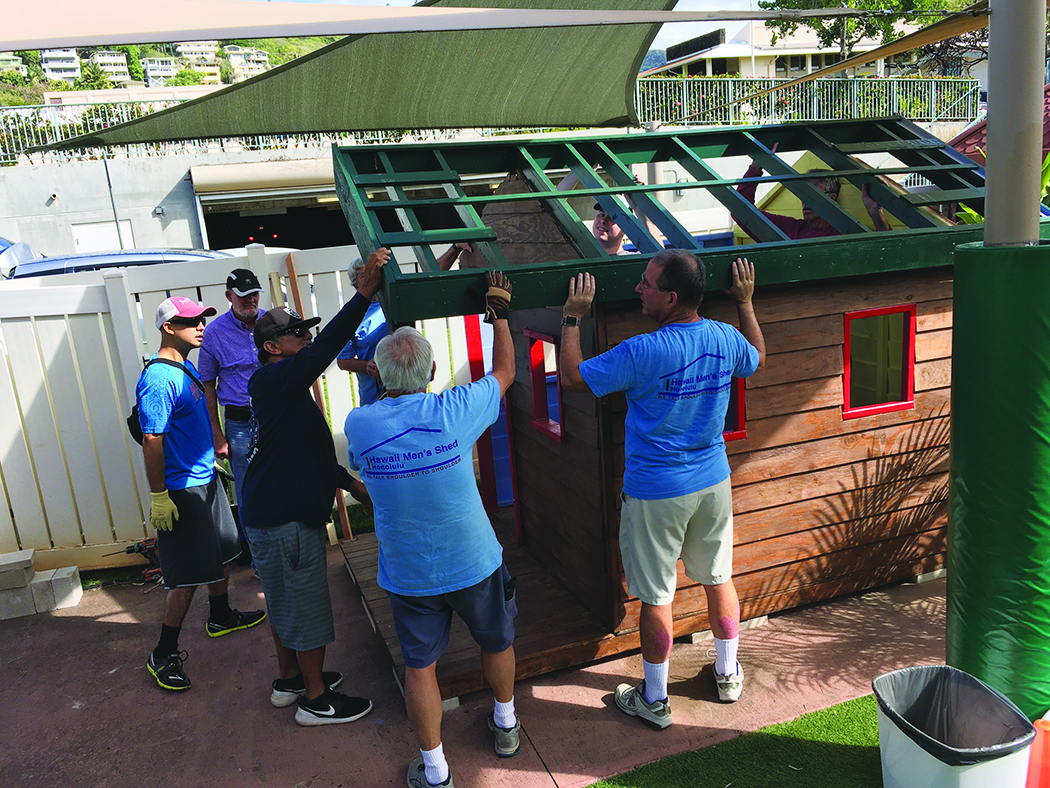
Recently, our Men’s Shed assembled a wood playhouse that we designed, built and later donated to the Star of the Sea Preschool. It is a great example of what our Shed members can accomplish using our planning, design and woodworking skills. Preschool director Lisa Foster notes the important life-play experiences that the new structure is providing for their more than 220 young students.
Last year, we donated two picnic tables to the Jefferson Elementary School, refurbished 15 bicycles and finished 100 orchid baskets for a Leeward O‘ahu orchid club. Since our inception, we have accepted donations of materials and tools to fill the specific needs of our many projects.
We focus on building sustainability through Shed’s programs on safety, financial well-being, and developing great projects. Our funding comes from members’ dues to cover insurance and administrative costs), donations and grants.
Members can avail themselves of Shed tools and materials, and also contribute by serving on our board and in key technical positions. Our vision is to grow Men’s Sheds statewide. So far we are working with interested groups in Hawai’i Kai, Lanakila, Kaua‘i and the Big Island.
We encourage all to go to our website or call to check out our Men’s Shed.
Many agree that those reaching the twilight years would be entitled to coast for the remainder, but the stark reality facing most seniors includes declining health, social and financial challenges, and a feeling of insecurity.
Ever wondered if the first Filipino American Governor in the United States, Ben Cayetano, got up to mischief in his youth? Or what it was like to be sent to Kalaupapa, as Makia Malo was? Or maybe you fancy going for a hike and are wondering which ones you can do. If so, read these!
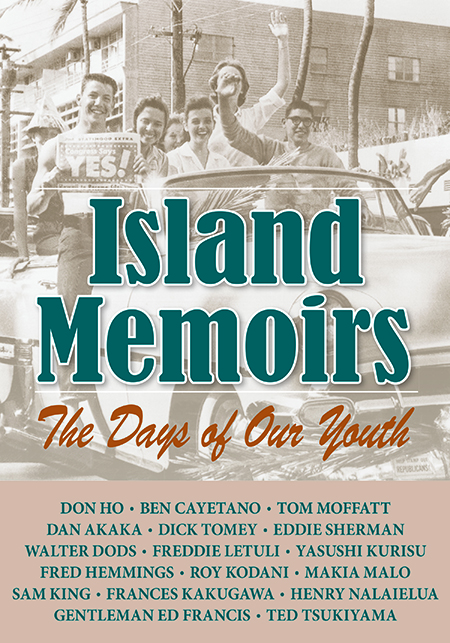
An anthology of excerpts from previously published memoirs, Island Memoirs: The Days of Our Youth highlights the special experience of coming of age in Hawai’i as seen through the eyes of native born and new transplants alike.
The tales of childhood, early education and budding careers span time from pre-statehood to the new millennium, offering wonderful glimpses of Hawaii’s social and natural environment over the years.
Frances Kakugawa’s descriptions of being determined to replace pidgin with standard English in order to become a published author and of the destruction of Kapoho in the 1960 Kilauea lava event are but one example.
All 17 lives leading to careers in sports, show business, the boardroom and even the Governor’s Office are recounted with compelling honesty.
WATERMARK PUBLISHING 808-587-7766 | www.bookshawaii.net
Island Memoirs: The Days of Our Youth (2018)
Hard cover. Also available at all HI State Public Libraries
Author Stuart M. Ball, Jr. has expanded and updated The Hikers Guide to the Hawaiian Islands to include 13 hikes each on Hawai‘i, Kaua‘i, Maui and O‘ahu.
The hikes are graded as Novice, Intermediate and Experienced and a handy index in the front of the book lets you see which suits your fitness level. That index also includes the hike’s length and elevation gain, as well as whether there are views, swimming, native plants/birds, historical sites and volcanic features.
The trail descriptions themselves are extremely detailed and each has trailhead directions (including GPS coordinates), a topographical map, and brief highlights. Many have notes about the best time of day to take the hike, what you can expect to see and the area’s history.
The appendix lists trail and camping contacts. Always call ahead to learn of current conditions!
UNIVERSITY OF HAWAI‘I PRESS 808-956-8255 | www.uhpress.hawaii.edu
The Hikers Guide to the Hawaiian Islands (2018)
Soft cover. Also available at all HI State Public Libraries.
Ever wondered if the first Filipino American Governor in the United States, Ben Cayetano, got up to mischief in his youth? Or what it was like to be sent to Kalaupapa, as Makia Malo was? Or maybe you fancy going for a hike and are wondering which ones you can do. If so, read these!…
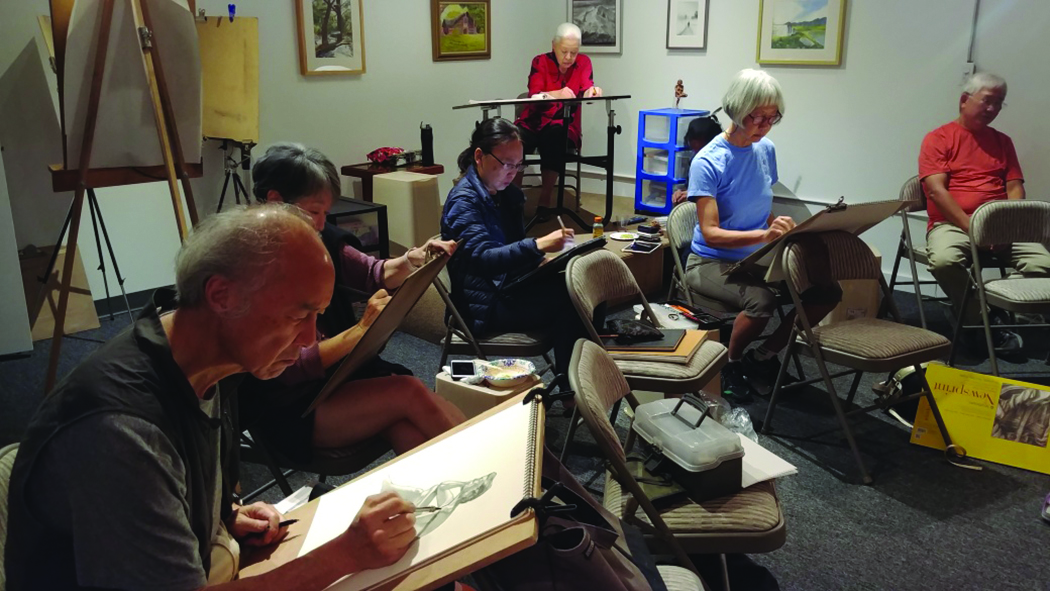
Drawing the human form has been done since early man lived in caves. Today, artists still use bits of charcoal to make marks on a page that transform into a likeness of a person.
What makes figure drawing so alluring is to somehow capture the form of a live model and imbue it with a life of its own. What makes it so challenging is that people know too well the shape of a human body and mistakes are easily spotted.
Studied in art schools and ateliers, life drawing can also be done by anyone who has the interest at open studios that are available to the public for a small fee. Models hold poses from 2 to 20 minutes — the challenge is to complete a sketch in the allotted time before the pose changes. Generally, there is no instruction. The 2- to 3-hour sessions are simply a chance to hone one’s drawing skills.
Sometimes artists form their own drawing groups. One such group has been meeting regularly at a private studio for over three years. We gather every other Wednesday for 3-hour sessions of sketching, fellowship and encouragement.
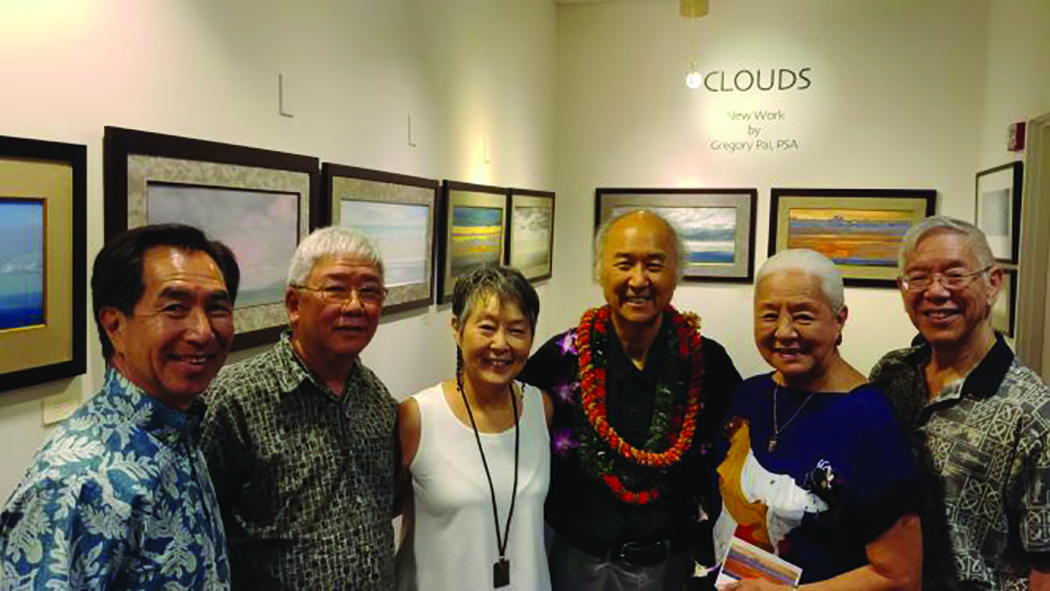
The group is primarily comprised of retired and working professionals. Herb is a real estate investor, Greg Pai a retired economist, Frances Wong a retired hotel executive, Beatrice Ku an architect, Ken Okuno a retired IT professional, Joan Shigemoto a retired speech pathologist, Flora Ling a retired financial writer and me, a financial professional.
Most in the group started drawing as they approached their senior years. Herb was inspired by the book Drawing on the Right Side of the Brain by Betty Edwards and happily discovered that he could draw. Greg is now a highly regarded professional artist who exhibits at Manoa Gallery and Nohea Gallery. Everyone’s sketches vary wildly, but each of us appreciates the deep satisfaction of drawing and how it can be a lifelong endeavor.
Check out your island’s local community bulletins, community colleges, or www.meetup.com. O‘ahu also has these life drawing open studios:
Honolulu Museum of Art — Linekona Art Center: Monday evenings — contact Jared Wickware, jwickware@icloud.com
It’s refreshing to explore new creative outlets or reconnect to youthful talents. In the deep focus of drawing and the stillness of the studio environment you might even discover a new you.
Drawing the human form has been done since early man lived in caves. Today, artists still use bits of charcoal to make marks on a page that transform into a likeness of a person.
The opening lines of an ancient mele (chant) describes Lāna‘i with the following line — “Hanohano Lāna‘i i ke kauna‘oa, koku kapa ‘ahu‘ula kau po‘ohiwi…” Lāna‘i is distinguished by the lei of kauna‘oa (Cuscuta sandwichiana), which looks like a feather cloak set upon its shoulders.
The island of Lāna‘i is sixth in size of the major islands in the archipelago, and in many ways, it is a reminder of earlier times in Hawai‘i. Prior to western contact, it was home to some 6,000 native residents. Today it is host to around 3,200 residents. The honua ola (bio-cultural landscape) of Lāna‘i is richly storied, largely untouched, and little known.
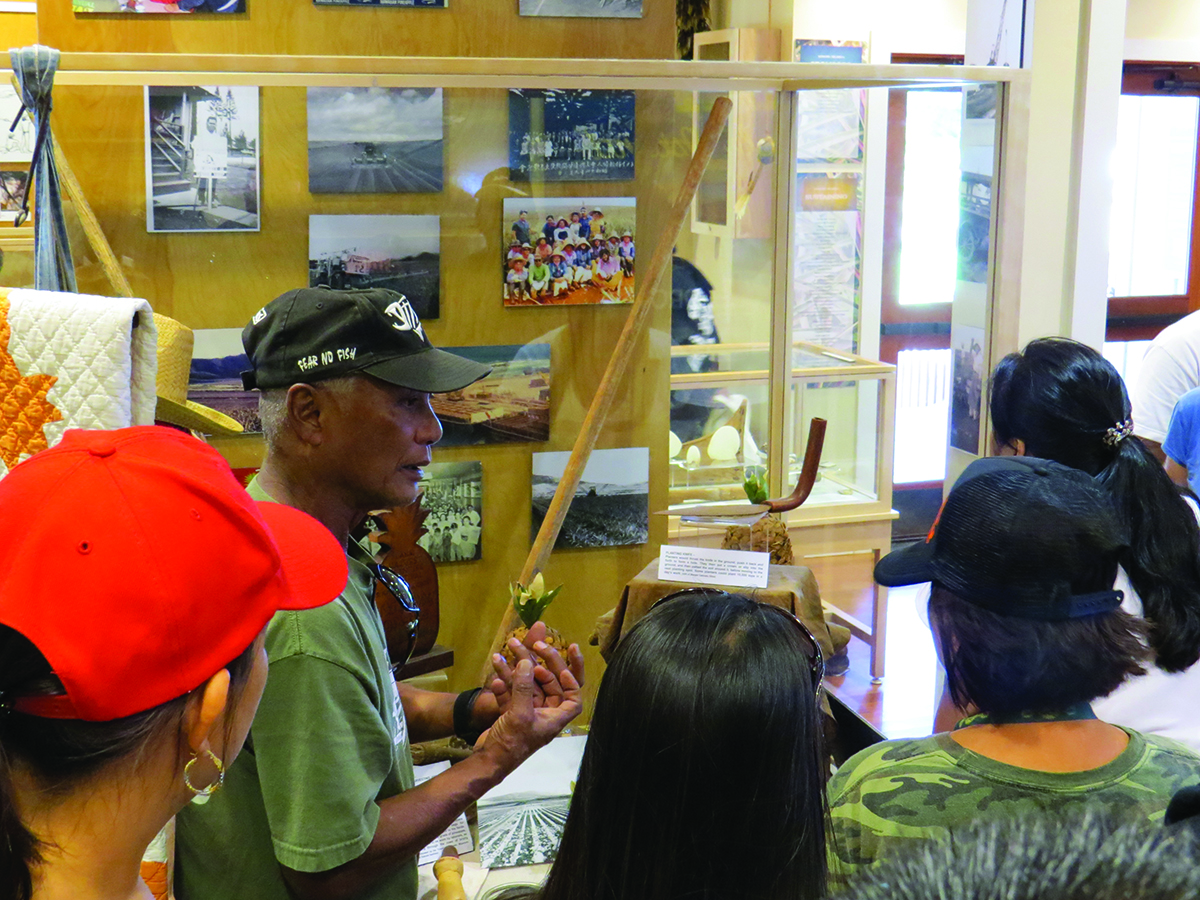
Guests from near and far explore island history at Lāna‘i Culture and Heritage Center. (Images courtesy of LCHC)
The Lāna‘i Culture & Heritage Center (Lāna‘i CHC) is a community-based charitable organization that strives to provide opportunities for students, community members and visitors to learn more about the island’s unique history. We have been privileged to partner with many organizations on both the local and national level and been the recipient of several significant grants.
Since opening in 2007, Lāna‘i CHC has served nearly 100,000 guests and residents through programs which include visiting a small museum and outdoor experiences. Among the notable programs for residents are the curation of indigenous artifacts, plantation era records and memorabilia representative of the cultural groups who have made Lāna‘i home. The collection includes thousands of records, artifacts, photos, oral history interviews, maps and more — many of which cannot be found in other collections.
The Lāna‘i Culture and Heritage Center. (Images courtesy of LCHC)
While artifacts and the material culture of place are fragile and in need of protection, even more fragile facets of history are the knowledge and recollections of elder kama‘āina (people of the land). Since starting Lāna‘i CHC, we have conducted nearly 150 oral history interviews with elder kama‘āina of Lāna‘i, aged 60s to 102. Many have since passed away. The interviews have been recorded in both audio and video format, include multicultural backgrounds, and share the experiences of life that have made the community what it is today.
The 100 years of life on Lāna‘i, described by those who lived through and made the history of the island make the story of Lāna‘i more than just items displayed in glass cases. The voices and faces of the interviewees ground us in our community legacy, remind us of long-held values and inspire us.
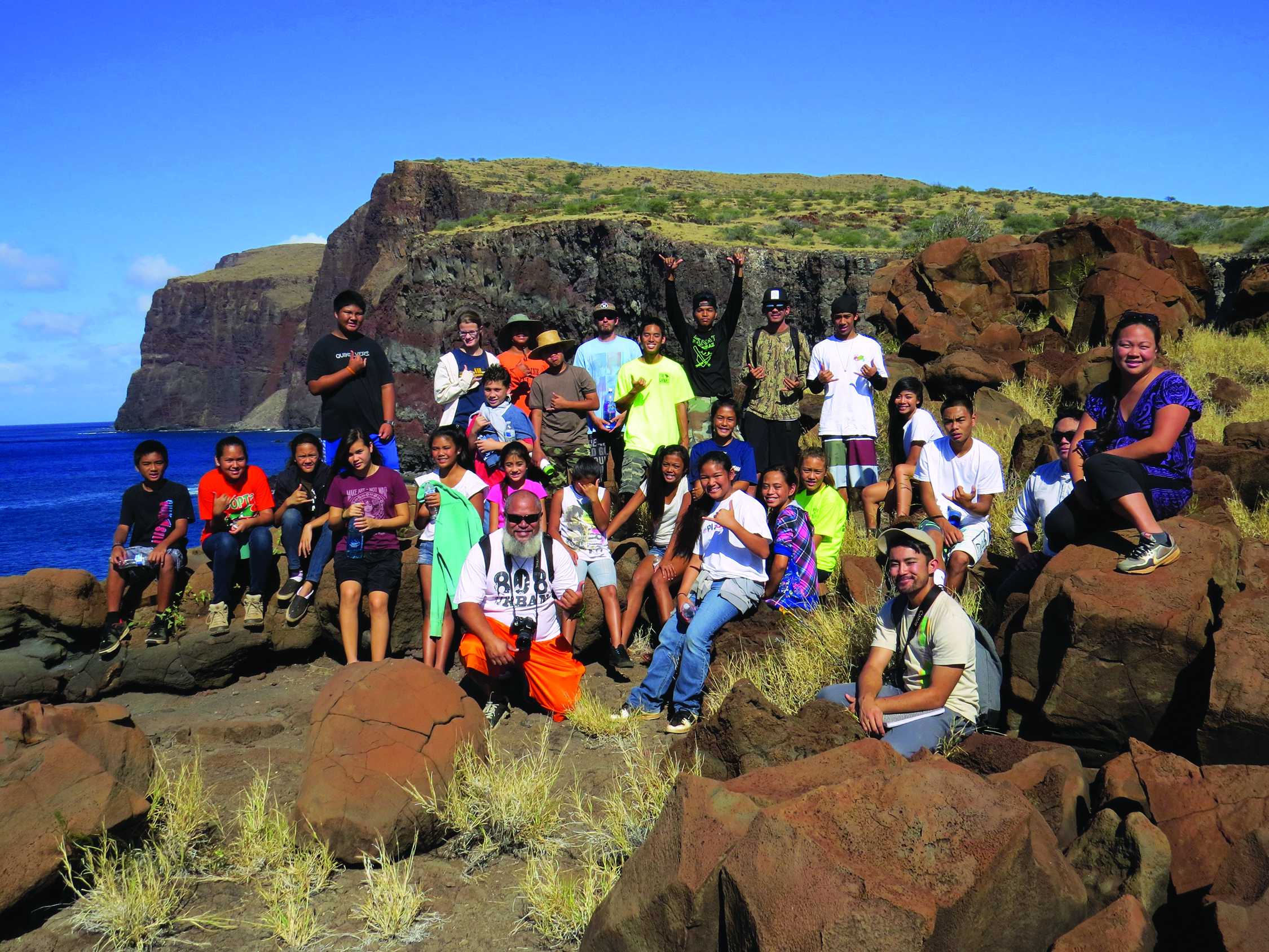
Lāna‘i High & Elementary School students at Kaunolū, with the famed Pali o Kāholo in the background.
We’ve also developed curricula and engaged Lāna‘i students in cultural literacy/place-based education programs and partnered with the majority landowner, Pūlama Lāna‘i, in access and protection of sites across the island. The access is more than a just “go see.” Through field programs, we engage residents, students (on island, from across the state and from abroad) in stewardship programs from the mountains to the reefs to build a new generation of resource managers and interpreters to lead the future in care for the honua ola.
One of the tools available to residents and visitor alike is the Lāna‘i Guide, a GPS web-enabled app (free at Google Play or the Apple store) that was designed as an interactive tool to engage users in the spirit and history of place. Because the information can also be accessed remotely from anywhere on earth (www.lanaiguideapp.org), visitors, students and researchers may also plan ahead for their time on Lāna‘i. The live GPS-enabled app directs the traveler (be it by vehicle, foot or bike) on the ground in real time. Travelers will find locations on the map and have access to various levels of information depending on their own interests. The content also includes links to other resource sites, photos and maps, audio files with narrations, songs or chants of old, and interesting video clips.
The opening lines of an ancient mele (chant) describes Lāna‘i with the following line — “Hanohano Lāna‘i i ke kauna‘oa, koku kapa ‘ahu‘ula kau po‘ohiwi…” Lāna‘i is distinguished by the lei of kauna‘oa (Cuscuta sandwichiana), which looks like a feather cloak set upon its shoulders. The island of Lāna‘i is sixth in size of the…

 Like cilantro, beets are one of those foods that spark strong feelings. Whether you think they taste like dirt or you love their earthy sweetness, most people know that beets are healthy — and now there is science to back that up.