Category: Living Life

  • Dust to Dust: Leaving a Clean Legacy

    In Hawai‘i, we’ve developed a rich social discourse around issues of sustainability impacting our communities and environment during our lifetimes. The ever-increasing level of consciousness regarding single-use plastics, reusable bags, clean energy and more is an encouraging sign. But what about the eco-impact of our decisions about end-of-life space? Each year in Hawai‘i, we bury an average of 3,400 imported caskets constructed from non-biodegradable materials such as metal, polyester, lacquer, caustic glue, rubber and formaldehyde. We additionally inter hundreds of gallons of hyper-toxic embalming fluid. These are materials we would never bury on any other day of the year in our backyards. So how have we arrived at a place where our lifestyle choices for the environment look markedly different from our end-of-life choices?
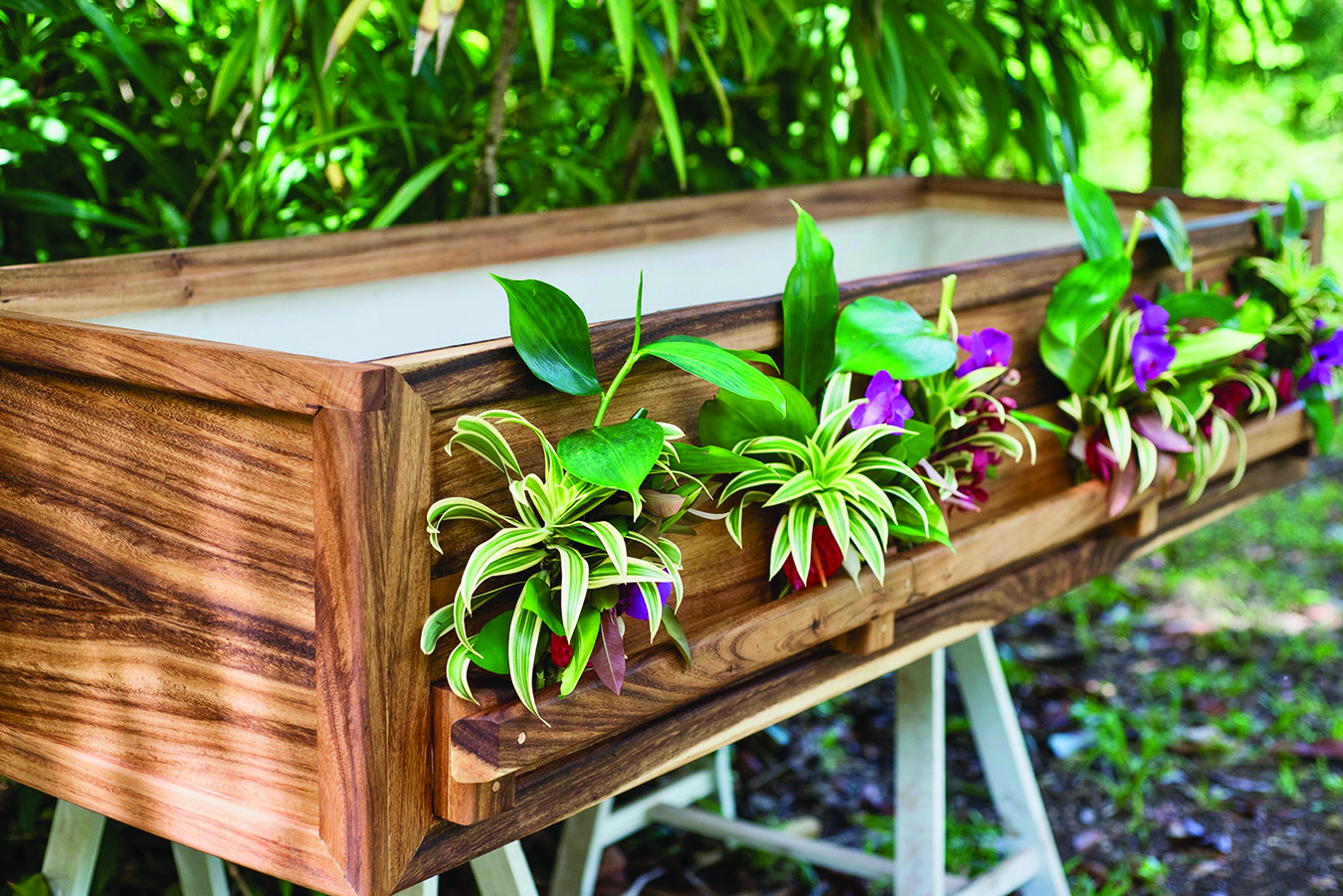
    This casket was made from 100 percent locally reclaimed monkeypod wood.
    This casket was made from 100 percent locally reclaimed monkeypod wood.

    We live in a society where conversations about mortality are largely uncomfortable, disintegrated and oftentimes taboo. The unintended consequence  is that the eco-implications of our very impactful choices in this space are also not discussed. When we don’t engage, we’re not able to make fully informed decisions and instead, fall back on what is traditionally offered. Funeral homes typically provide a standard catalog with dozens of casket options — very few of which are biodegradable. Given these items are intended to be buried in our beloved land, they should, at a minimum, be able to return to the earth.

    The wonderful news is the Federal Trade Commission has established the Funeral Rule, a comprehensive set of rights and protections we all enjoy as consumers in the death space. It includes, among many other privileges, the ability to purchase a casket from any source, regardless of where you’re buried or cremated. This allows families time for an unmediated, online search from the comfort of home. It also affords them the opportunity to procure an environmentally conscious option in the event the funeral home does not offer one. The Funeral Rule is an empowering protection that allows us to leave a clean eco-legacy for future generations.


    PĀHIKI ECO-CASKETS
    808-542-7691 | aloha@pahikicaskets.com
    www.pahikicaskets.com
    https://www.instagram.com/pahikicaskets/?hl=en
    Each year in Hawai‘i, we bury an average of 3,400 imported caskets constructed from non-biodegradable materials such as metal, polyester, lacquer, caustic glue, rubber and formaldehyde. We additionally inter hundreds of gallons of hyper-toxic embalming fluid. These are materials we would never bury on any other day of the year in our backyards. So how…

  • Create a Legacy With Your Real Estate

    One of the biggest decisions we face as we age is what to do with our most valuable asset — our real estate. Our home is a precious place of comfort… well, most of the time. But perhaps a flight of stairs is becoming a struggle to climb. Maybe the house is now just too big to maintain. Where to go when it’s time to downsize is a question select real estate professionals can answer. These specialists can help you navigate your living options and help with the transition.

    Another big challenge is what to do with your investment property — such as a rental that has become a burden. Experienced realtors can conduct an Asset Performance Test to see how valuable your property is performing. Is your rental generating the most Net Operating Income? If you don’t need extra income but you want to keep the real estate in the family, there are ways to transfer property to your heirs while you are still living. Building wealth through real estate is the way most “akamai” families create generational wealth. If you want a better life for you and your family, now is the time to create a legacy.


    The Ihara Team
    1347 Kapiolani Blvd 3rd floor
    Honolulu, HI 96814
    (808) 518-2310
    Iharateam.com 

    One of the biggest decisions we face as we age is what to do with our most valuable asset — our real estate. Our home is a precious place of comfort… well, most of the time. But perhaps a flight of stairs is becoming a struggle to climb. Maybe the house is now just too…

  • Send Love to Caregivers Who Give Love

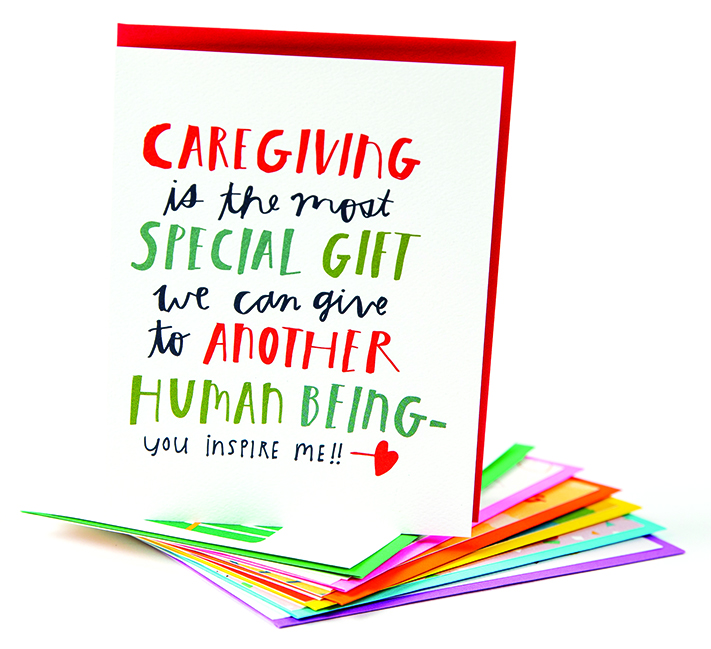
    Looking for a simple, non-digital way to connect with family caregivers who take care of older adults? Send them an appreciation card to acknowledge their dedication and compassionate work.

    Family caregivers devote their time and energy to provide care and to ensure quality of life for their aging loved ones. Family caregivers play a vital role in healthy aging.

    With all the duties involved, family caregiving can be socially isolating, emotionally stressful, physically exhausting, mentally frustrating and financially challenging. Over time, the strain and stress of caregiving can negatively impact a caregiver’s health, according to the National Alliance for Caregiving and AARP. To ensure our loved ones age successfully, we should also focus on the well-being of their caregivers. Their emotional and mental health are critical in performing caregiving tasks. It’s also important to reach out to family caregivers so they do not feel alone.

    Family caregivers give love and should receive love, too. A greeting card that acknowledges family caregivers for their important role, recognizes their devotion, honors their work, expresses gratitude and celebrates caregiving can go a long way to shine a bright light on a deserving longtime or new caregiver.


    SENIOR SHOWER PROJECT
    415-529-5659 | info@seniorshowerproject.com
    www.seniorshowerproject.com

    Family caregivers give love and should receive love, too. A greeting card that acknowledges family caregivers for their important role, recognizes their devotion, honors their work, expresses gratitude and celebrates caregiving can go a long way to shine a bright light on a deserving longtime or new caregiver.

  • Dine Out or Order In Tasty, Healthy Meals

    Today, innovation is changing our way of life for the better. Technology evolves to eliminate painstaking tasks and make our lives easier. Improving methods also applies to the food business, where the combination of technology and innovation enables hungry islanders to obtain their favorite meals from local restaurants with delivery to their doorsteps within minutes of ordering. We can choose snacks, meal plates or fine dining from the comfort of our home using our smartphone or laptop.

    Companies involved in meal plans and food preparation services are personalizing menu items according to customers’ needs. New and improved cooking methods and recipes help chefs to retain great flavor while they provide the customers the healthiest possible meals. Freshly prepared foods do not require preservatives or MSG to boost flavor. Most restaurants have abandoned their use.

    Some clients may want to consume less carbohydrates, so the meal company cuts out carbs from the meal item, and adds more proteins and vegetables instead. Seniors controlling their cholesterol need low-fat meals, which restaurants and food services are able to offer.

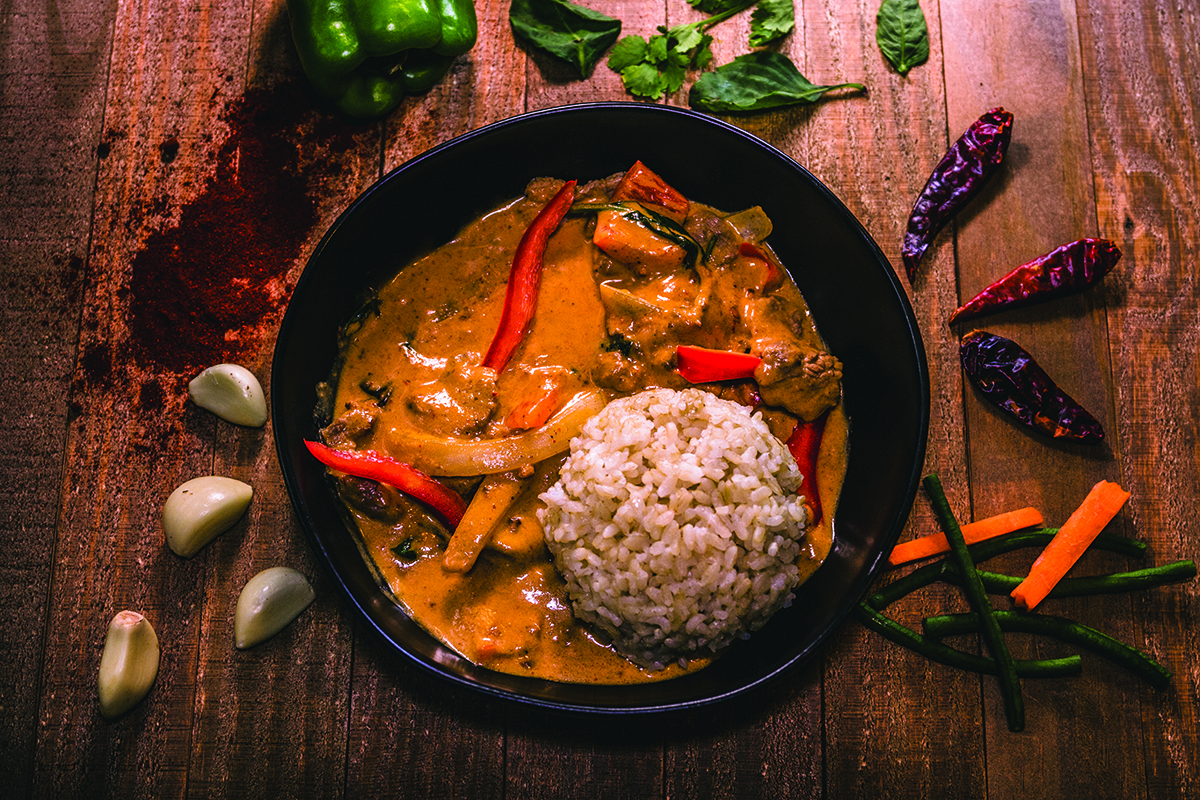
    Cuisines from across the world have their own unique flavor profiles. One that rises to the top of the “big flavor” category is Thai food. Chefs incorporate robust herbs and spices, citrus, and “salt and sweet” Thai flavors with the best fresh ingredients so seniors and their families can enjoy healthy, delicious food without consuming excessive calories.

    There is a lot more to be gained by eating 500-calorie, taste bud-satisfying veggie and protein dishes, than meals loaded with fat and bland starches. So for a better life, make healthy choices, whether you step out or order in.


    ME MYSELF ’N THAI RESTAURANT AND MEAL PLAN
    1336 Dillingham Blvd., Honolulu, HI 96817
    Mon–Sun, 9am – 4pm | 808-693-5131
    Nont Panayanggool
    n.panayanggool22@gmail.com  | www.memyselfnthai.com

    Today, innovation is changing our way of life for the better. Technology evolves to eliminate painstaking tasks and make our lives easier. Improving methods also applies to the food business, where the combination of technology and innovation enables hungry islanders to obtain their favorite meals from local restaurants with delivery to their doorsteps within minutes…

  • Mom’s Date Cake – A 1945 Holiday Treat

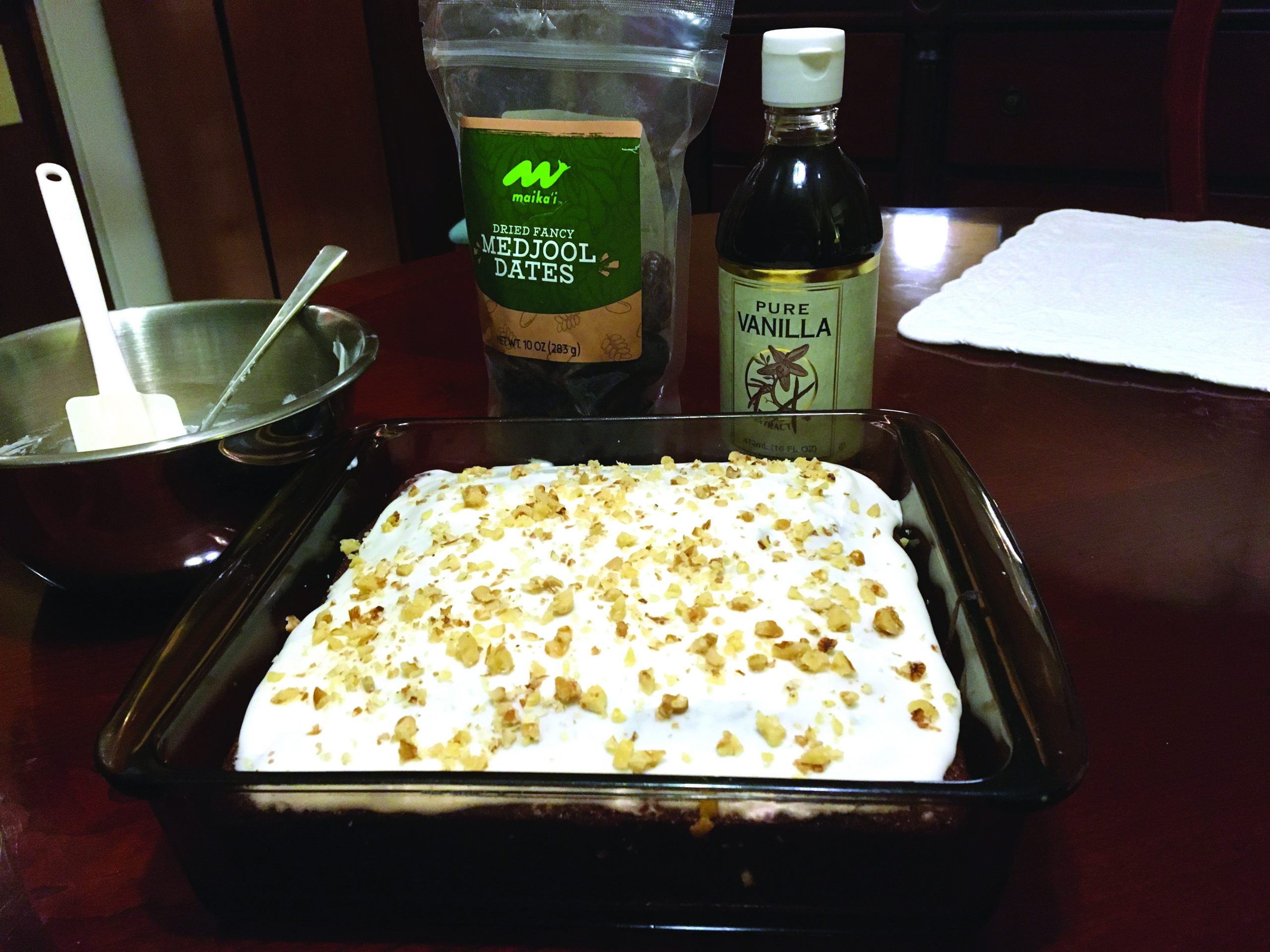
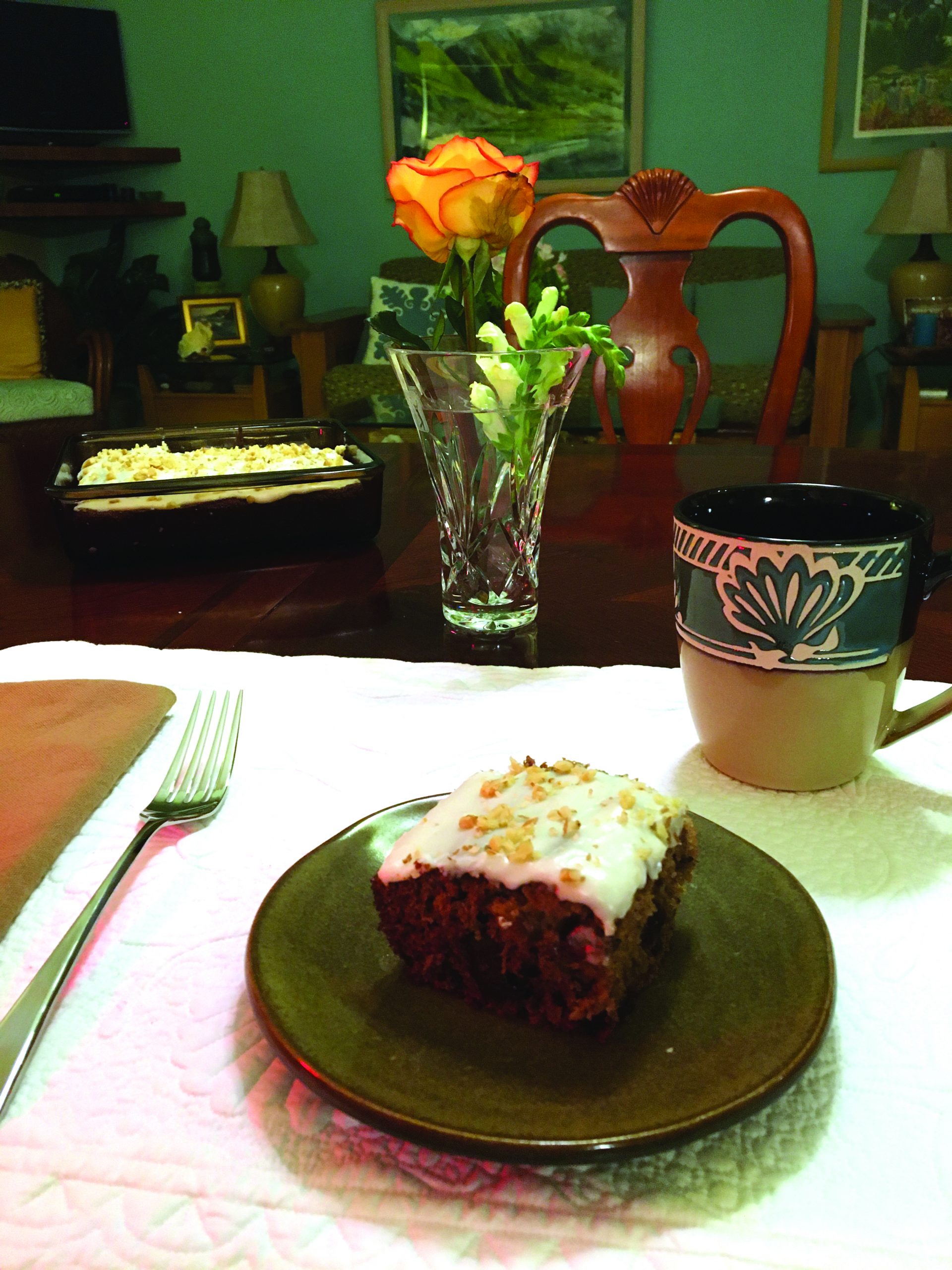
    This satisfyingly sweet and moist cake makes up in 10 minutes and a small piece turns morning coffee or afternoon tea into a special occasion. At my home, the women sat down for tea before starting to cook the evening meal or when “the people” came to visit. Funny how a sweet treat triggers fond memories.

    Ingredients:

    Cake:
    1 cup (packed) pitted dates (cut in quarters)
    1 tsp. baking soda
    2 Tbsp. cubed butter
    1 cup boiling water
    1 egg
    2/3 cup sugar
    1-1/2 cup flour
    1/2 tsp. vanilla
    1/2 tsp. salt

    Icing:
    1 cup confectioner’s sugar
    2 Tbsp milk or cream
    Dash vanilla
    Pinch salt
    1/2 cup+ walnuts (chopped)

    Directions:
    Preheat the oven to 350 degrees. Prepare a square 9-by-9 baking pan. Spray cooking oil on the inside.

    Cake:
    In a medium bowl, beat all the cake ingredients into a smooth, thin batter, either using an electric beater or by hand.

    Then pour into the prepared pan, place it on the middle rack of your oven and bake for 25 minutes, until brown. Remove and let it sit to cool.

    Icing:
    In a small bowl, beat the ingredients to a smooth consistency. Then spread evenly on top of the cooled cake. Evenly sprinkle chopped walnuts over the icing — add more walnuts if desired.

    Serves: 9–16 | Total time: 35 minutes


    If you’d like to share, Generations Magazine would love to list your favorite recipe and story behind it. For review, please send your story and recipe to: Generations Food & Story 1414 Dillingham Blvd., Ste. 201, Honolulu, HI 96817

    This satisfyingly sweet and moist cake makes up in 10 minutes and a small piece turns morning coffee or afternoon tea into a special occasion. At my home, the women sat down for tea before starting to cook the evening meal or when “the people” came to visit. Funny how a sweet treat triggers fond…

  • Understanding Whole-Body Donation

    Choosing end-of-life arrangements can be one of those tough decisions as a senior. However, these are very important decisions to make. With so many options available, how can anyone decide what the most cost-effective and responsible way to proceed would be? According to the National Funeral Directors Association, the trend of having an expensive burial is on the decline (down 16 percent since 2005). Cremation rates, however, are on the rise nationally (55 percent) and locally (75 percent). In recent years, a new option has become available — whole-body donation in which you donate your body to science.

    You may have heard someone say they want to donate their body to science after they pass. Many people are interested for a variety of reasons, including philanthropic, wanting to give back, covering the cost of cremation or aiding in education, research and the development of new medical interventions.

    According to Associated Press reports, whole-body donation is becoming a more popular option. However, in Hawai‘i, information about the process and its benefits are not well understood. For example, did you know that the decision to donate your body to science can be made in advance or can be made by a family member after one’s passing? And, you can pledge to be both an organ donor and a whole-body donor.

    The decision to donate your body to science is an extremely important one and it is an opportunity to make a difference in your community.

    One benefit of whole-body donation is that the cost of cremation is covered, but the benefits go far beyond just cost savings.Whole-body donor tissues are used by universities, orthopedic device developers, researchers and hospitals all over the world in order to aid in the advancement of medicine and treatment. Surgeons use donated tissue in order to learn new surgical techniques, for example. A single donor has the potential to help thousands of people all over the world.

    Whole-body donation organizations are a fairly new development. Until recently, there were no alternate options in Hawai‘i until now, through Ke Ola ‘Uhane (pledges can be made on its website).

    This is an important and needed service for residents of Hawai‘i, since it will directly benefit research and medical education in the state.

    What is the impact of my donation?

    Beyond education and research, there are also significant benefits for medical innovation. For example, Zion Harvey is the first child in the world to receive a double hand transplant. At age 2, Zion’s hands and feet were surgically amputated due to an infection. Due in part to whole-body donor organizations, Zion was able to undergo a life-changing 10-hour surgery at just 8 years old. One year later, he is able to write his name and grip a baseball bat.


    KE OLA ‘UHANE (501(c) 3 nonprofit)
    905 Kalanianaole Hwy., #4504, Kailua, HI 96734
    808-391-6041 | F: 808-261-0245
    www.keolauhane.org

    Choosing end-of-life arrangements can be one of those tough decisions as a senior. However, these are very important decisions to make. With so many options available, how can anyone decide what the most cost-effective and responsible way to proceed would be? According to the National Funeral Directors Association, the trend of having an expensive burial…

  • Life in a Retirement Community

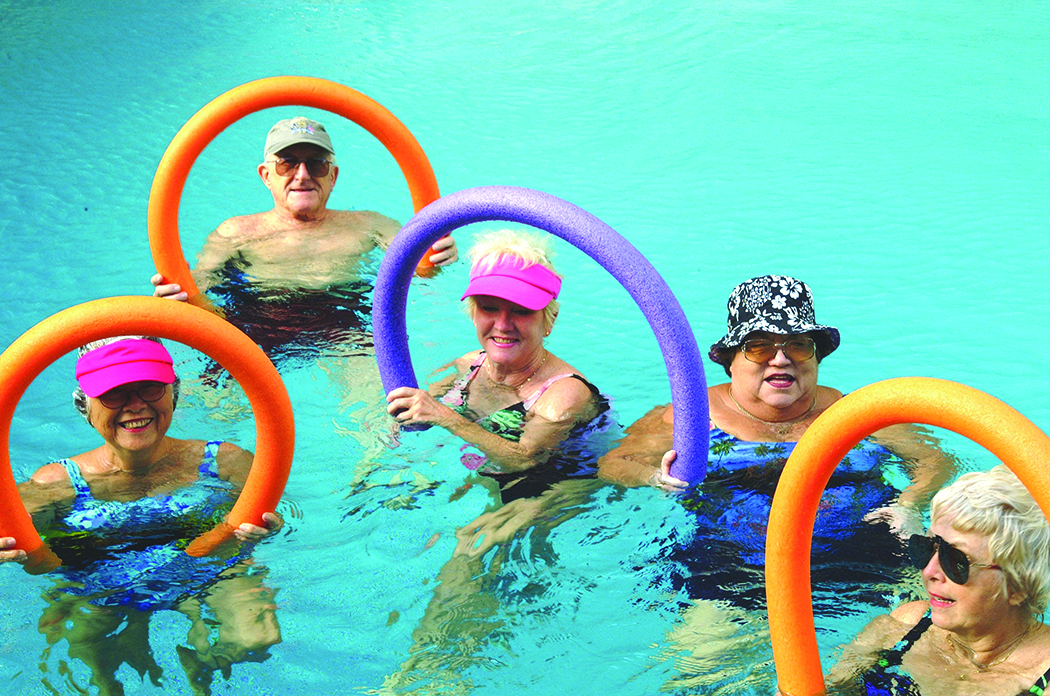
    Retirement communities are a lot like cruise ships. There’s a lot of excitement and options to choose from, including delicious cuisine, opportunities to relax, read and watch movies. There’s also time to talk story with neighbors and participate in activities such as hula and art classes, tai chi, water aerobics and more.

    You’ve worked hard all your life. Now it’s your time to be pampered and not worry about cooking, cleaning, yard and house work, grocery shopping or finding parking at the doctor’s office. Don’t let life pass you by. Don’t wait until you can’t enjoy the fun and excitement that retirement living can offer. At a retirement community, you will never even have to worry about what you’re going to do on any given day!

    Aging is a natural process that no one wants to face alone. Many seniors battle silent depression, a lack of healthy meals and rapid decline of health. Start your search now for a retirement community that will support your needs. Don’t wait too long and end up saying “I should of but I didn’t!”

    Many retirement communities have a full continuum of care options that allow residents to stay within one campus as they age. And as a resident in a retirement community, you become part of the ‘ohana. Explore your options now and see how your quality of life can be enhanced by living in a retirement community.


    GOOD SAMARITAN SOCIETY – POHAI NANI
    45-090 Namoku St., Kaneohe, HI 96744
    808-247-6211 | www.good-sam.com/locations/pohai-nani

    Retirement communities are a lot like cruise ships. There’s a lot of excitement and options to choose from, including delicious cuisine, opportunities to relax, read and watch movies. There’s also time to talk story with neighbors and participate in activities such as hula and art classes, tai chi, water aerobics and more. You’ve worked hard…

  • Friendship Through Flowers

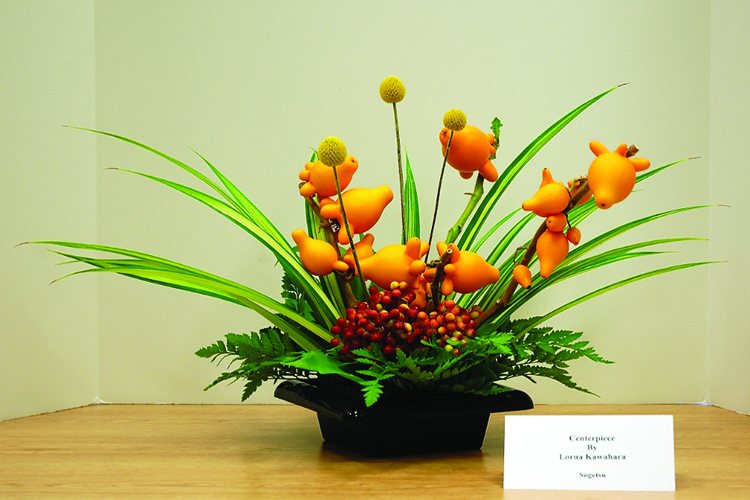
    Sogetsu centerpiece

    Ikebana, the Japanese art of flower arranging, is also known as kadō — the way of the flowers. Based on an ancient Buddhist ritual of using flowers to honor the spirits of the dead, kadō is one of the three Japanese arts of refinement.

    More than 600 years later, this ancient art form is celebrated by more than 8,500 people in more than 60 countries through Ikebana International. Started in 1956 by Ellen Gordon Allen, a U.S. general’s wife who was stationed in Japan, this international organization was founded to unite people and create a worldwide “Friendship of Flowers.”

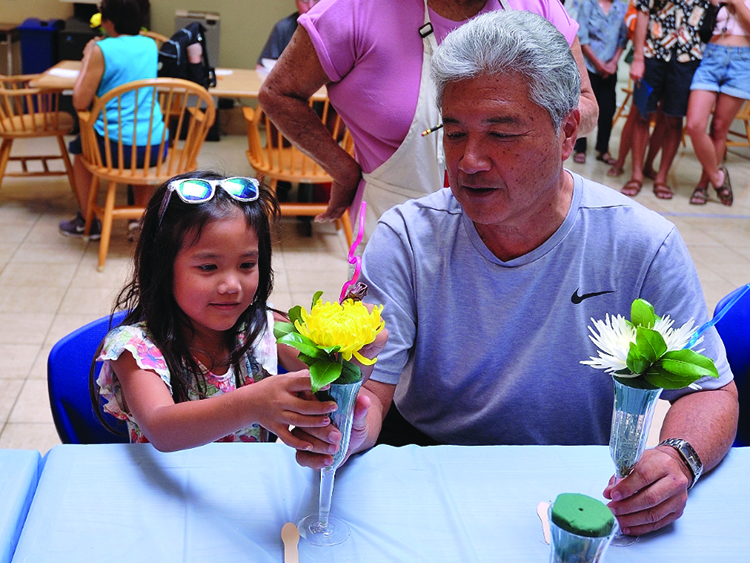
    Make & Take

    Hawai‘i’s chapter began in 1961, when a friend of Ellen’s, Pearl Jensen, met local arrangers from Enshu, Ikenobo, Koryu, Ohara and Sogetsu schools while attending an exhibit at the Shirokiya Department Store. Since then, the Honolulu Chapter, known as Hawai‘i’s Ikebana International Honolulu Chapter 56, has been promoting cultural understanding and appreciation of this craft through exhibitions, demonstrations, workshops and community service projects.

    The biggest exhibit is the Splendors of Ikebana held every summer in Honolulu. This year’s event brought thousands of people to the Hawai‘i State Library, with some even trying their hand at ikebana in the make-and-take workshop. While the elegant and restrained creations may seem simple, they are anything but. This delicate art form can take decades to master.

    Look for other ikebana workshops and classes throughout the year at the Mo‘ili‘ili Community Center, the University of Hawai‘i at Mānoa, Honolulu Museum of Art, Honolulu Hale, and various other schools and nonprofits.


    IKEBANA INTERNATIONAL – CHAPTER 56 (501(c) 3 nonprofit)
    P.O. Box 61306, Honolulu, HI 96839-1306
    information@ikebana-hawaii.org
    www.ikebana-hawaii.org
    Facebook: @ikebanainternationalhonolulu

    Ikebana, the Japanese art of flower arranging, is also known as kadō — the way of the flowers. Based on an ancient Buddhist ritual of using flowers to honor the spirits of the dead, kadō is one of the three Japanese arts of refinement.

  • Enjoy Life More With a Furry Best Friend

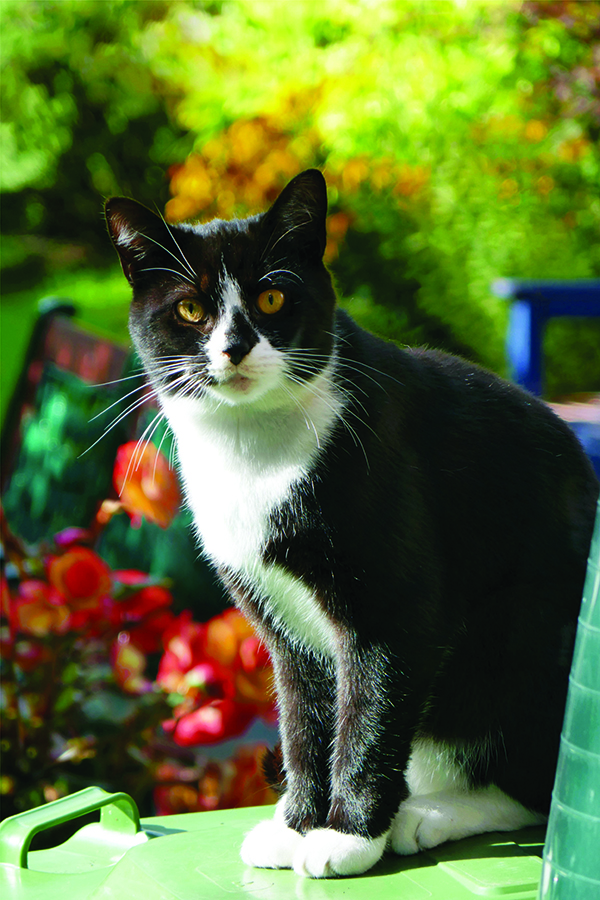
    It’s always comforting to have a best friend to share in the journey of life every step of the way. For seniors, while the idea of caring for a furry friend can seem overwhelming, the benefits are highly rewarding; pets can provide a whole new experience of joy and purpose. Here are just five of the many benefits you can look forward to with a pet in your life:

    Companionship

    Navigating new adventures in senior life can feel lonely. What better solution than to have the unconditional love from a pet to support you through it! You may even prefer the company of your pet over people!

    Routine

    Caring for a pet can give new meaning to the same old routine. Caring for a pet requires responsibility that benefits you by creating and maintaining a solid routine. Never fear, Fido won’t let you forget breakfast, lunch or dinner (and a few fun snacks in between). What better way to organize and find purpose in each day than by spending time with your pet?

    Exercise

    Just like humans, all pets need exercise to stay healthy and happy. Caring for a pet can provide great motivation to get up and move around, whether taking your pet for a stroll or simply walking around your house with them. The more active time you can spend with your pet, the better you will both feel.

    Socialization

    Just like humans, pets need pet friends, too. Spending time with your pet, whether going for a walk around your neighborhood or even shopping for groceries, will give you both the chance to meet others and strike up fun interactions. You can even find local opportunities to go on group walks with your pets, giving you and your pal the chance to make more friends and enjoy all of life’s precious moments.

    Stress, Worry and Pain Reliever

    When the stresses of everyday life reach an overwhelming level, having a pet you love can make all the difference. Scientific studies have shown that caring for a pet can lower one’s blood pressure, reduce stress and tension, and even help to alleviate chronic pain.

    As seniors navigate new changes in their lives, deciding to bring a pet companion along for the journey can bring many benefits and happiness.

    Not ready to commit to a pet, but want to try it out? Think about foster parenting.

    The Hawaiian Humane Society’s Foster Care program is always looking for good foster parents to temporarily shelter animals in need. Go to www.hawaiianhumane.org/fostercare to find out more about the program.


    KALĀKAUA GARDENS
    1723 Kalakaua Ave., Honolulu, HI 96826
    808-518-2273 | www.kalakauagardens.com

    It’s always comforting to have a best friend to share in the journey of life every step of the way. For seniors, while the idea of caring for a furry friend can seem overwhelming, the benefits are highly rewarding; pets can provide a whole new experience of joy and purpose.

  • Maui Pink Paddlers Give Us Hope

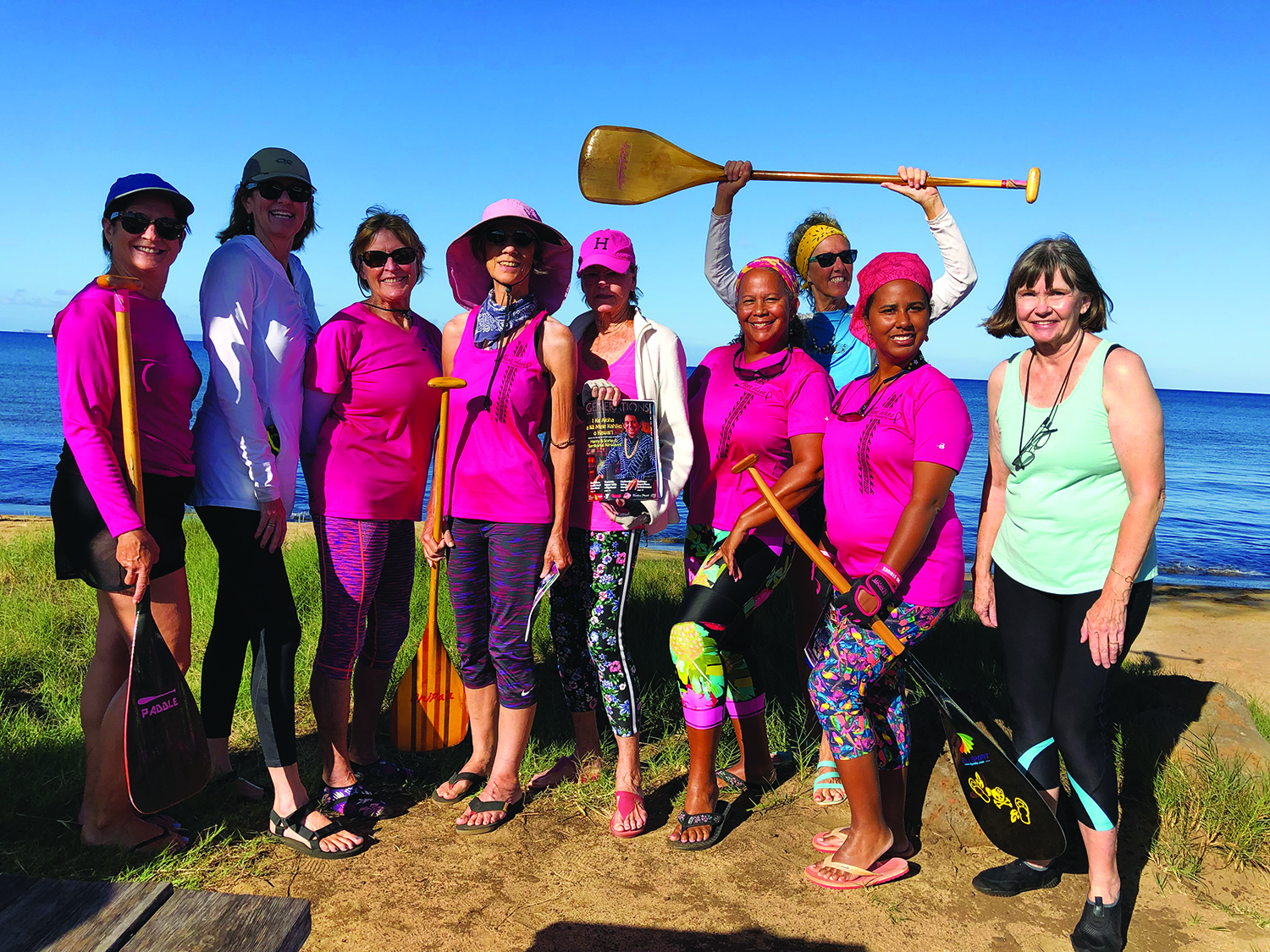
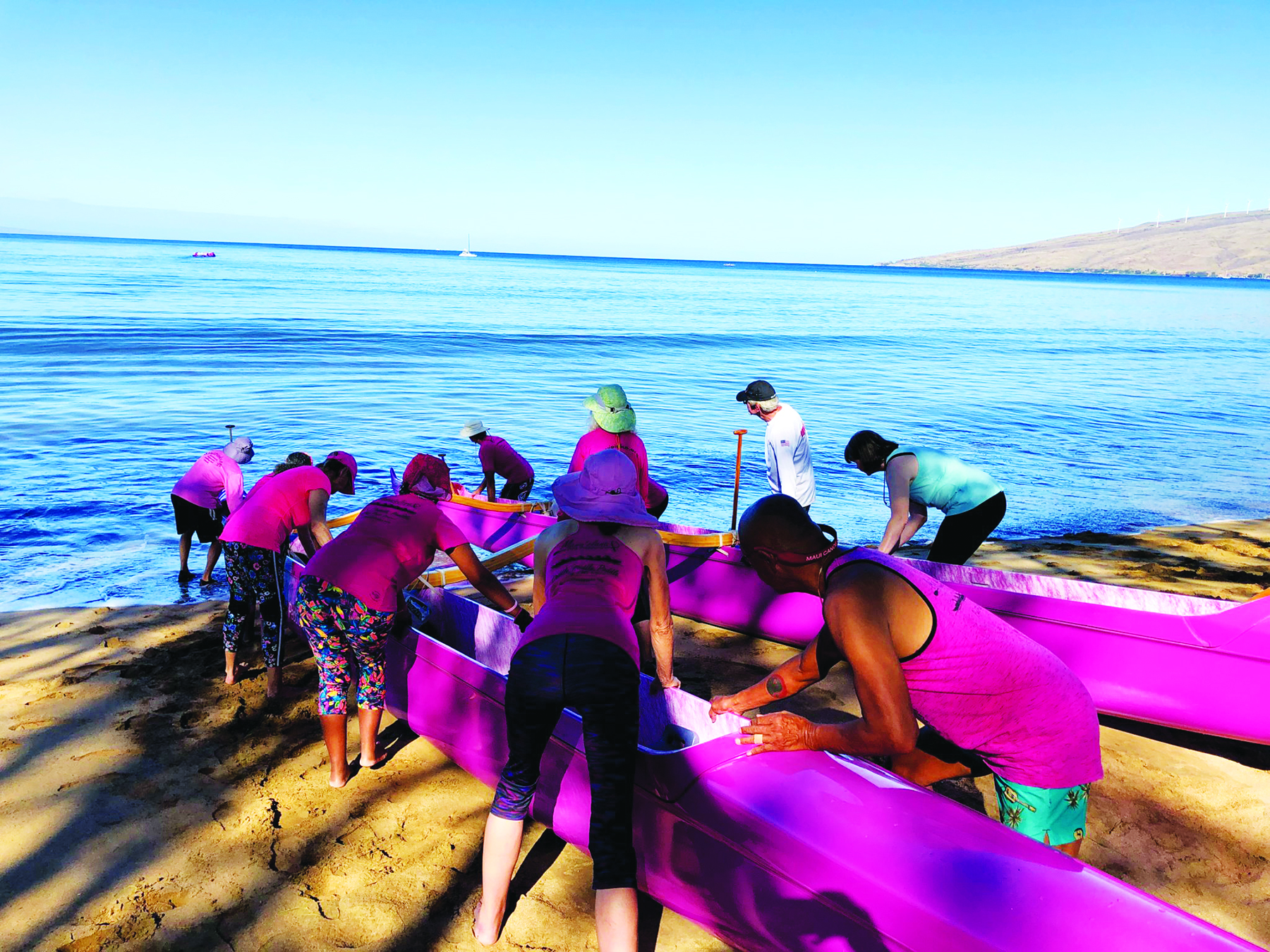
    Hope and togetherness for persons affected by cancer is Mana‘olana Pink Paddlers’ (MPP) specialty. Tuesday and Thursday mornings, cancer patients, survivors and supporters pull together, paddling their pink double-hull canoes across the ocean off Kīhei on Maui. Oct. 12 and 13 will be their 10th voyage and overnight on Lāna‘i with The Pacific Cancer Foundation’s Paddle for Life — not a race, but a fun outing (www.paddleforlifemaui.org).

    “Mākaukau!” (Ready!) “Imua!” (Forward!) When all 12 paddlers are in sync, the canoe flies. In the last seat, the steersman selects the course; the first seat sets the pace. We paddle with her. After 15 strokes, seat three shouts “Hut!” (Prepare
    to paddle on the other side!) and “Hoe!” (Switch!). This works both sides of the body.

    This is the first exercise that I tried since my hysterectomy. Mary Dungans, president of MPP, invited me to experience what the nonprofit does for cancer patients and survivors — Wow! — training, an ocean paddle, then a healthy snack and talk story. Half the paddlers are cancer supporters like Mary. Since retiring in 2012, she devotes her skills to MPP.

    Says Mary, “We all love life. Alone, we feel weak, but in our big, stable double-hull canoes, 12 easily bear the load. Kīhei morning seas are calm so we can take off safely most days. Paddling is a fun, physical activity that builds both strength and hope. Cancer isolates, but paddling connects.”

    She’s right. The peace and freedom of the open ocean heal the spirit. MPP gets you there with aloha and ruthless encouragement — like pink gold. Drive on down to Sugar Beach in Kīhei any Tuesday or Thursday at 7:30 am. Look for the pink paddle. The Mana‘olana Pink Paddlers’ fleet of bright pink double-hulls take off from the north end of the beach and everyone is welcome.

    To the Pink Paddlers, life is about moving forward and staying grounded. So, as they say in the canoe, “Imua!”


    Enthusiasm and camaraderie! Love these Pink Paddlers who taught me how to paddle and opened up my world. We cut across a flat Ma‘alaea Harbor to see the wreckage of a WWII Hellcat fighter plane. Wow!


    MANA‘OLANA PINK PADDLERS
    Info@manaopinkpaddlersmaui.org
    www.mauipinks.org | www.manaolanapinkpaddlersmaui.org
    Facebook: Manaolana Maui and Maui Pink Paddlers
    To sign up for the Lāna‘i Paddle for Life voyage with MPP or to engage MPP to schedule an Ashes to Sea ceremony, you may get the details online.

    Hope and togetherness for persons affected by cancer is Mana‘olana Pink Paddlers’ specialty. On Tuesday and Thursday mornings, cancer patients, survivors and supporters pull together, paddling their pink double-hull canoes across the ocean off Kīhei on Maui. Oct. 12 and 13 will be their 10th voyage and overnight on Lāna‘i with The Pacific Cancer Foundation’s…

  • A Paddler First, a Cancer Survivor Twice

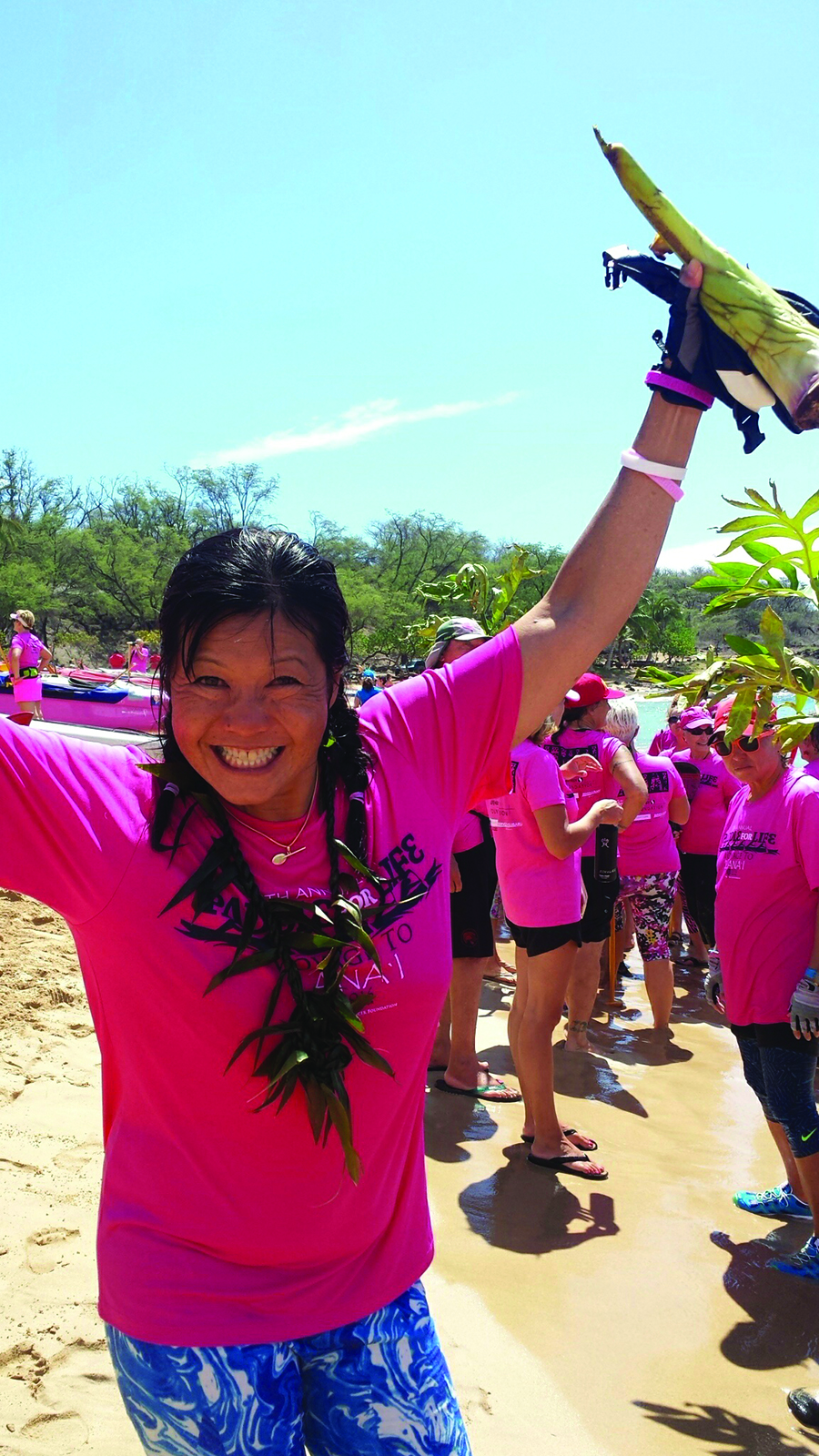
    Tammy Osurman of West Maui has competed in 10 Nā Wāhine o Ke Kai canoe races — a grueling 42-mile paddle across the treacherous Kaiwi Channel from Moloka‘i to Waikīkī. This “Paddle Bunny” is in the canoe three days a week with the North Shore Renegades. Tammy has paddled in all 10 of the Pacific Cancer Foundation’s Paddle for Life: Voyage to Lāna‘i Events.

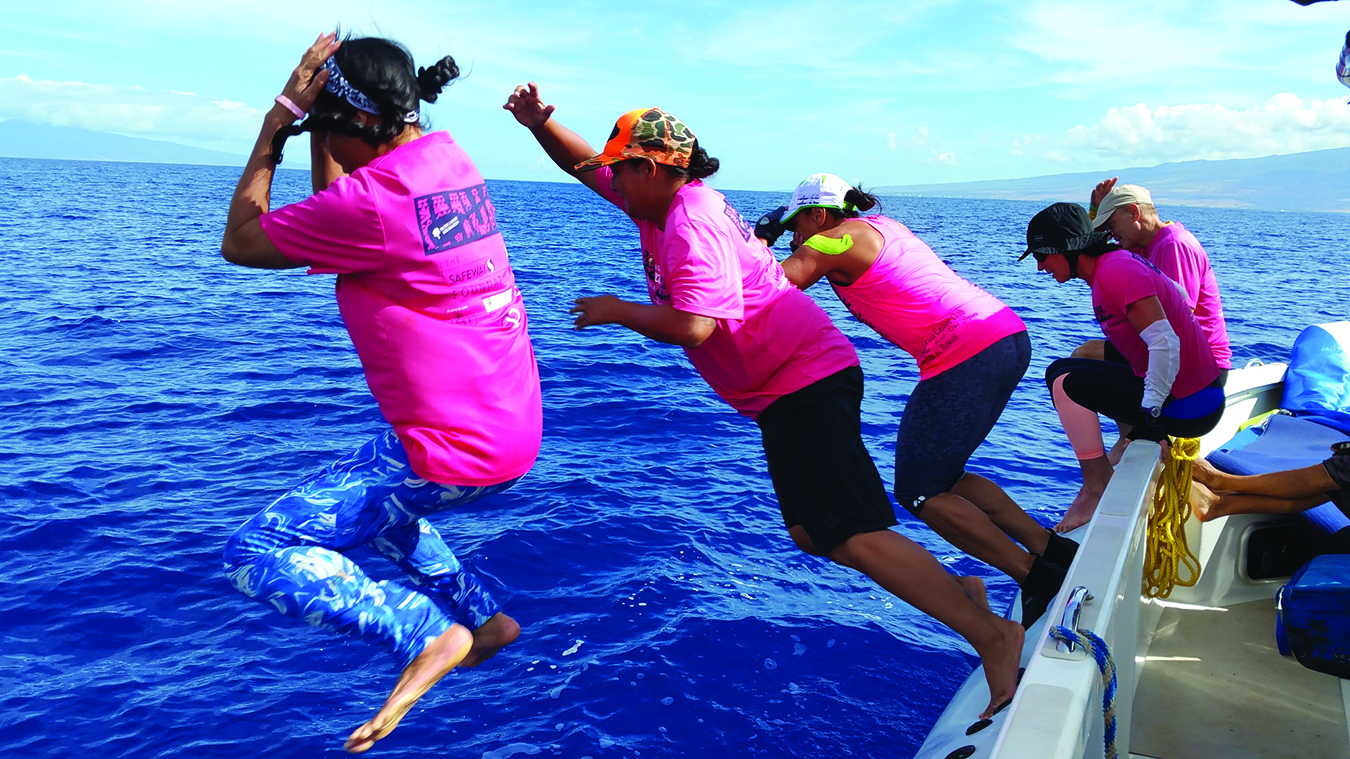
    In 2009, Tammy wanted to support Mana‘olana Pink Paddlers when they needed an experienced paddler to help train them for the 68-mile paddle around Lāna‘i. Voyaging canoes rotate three crews — 30 minutes on, 60 minutes off. During a change, a fresh crew from an escort boat is dropped in front of the canoe; in unison, the paddlers jump out on the right and the fresh crew climbs into their seats. Could the Pink Paddlers manage these maneuvers?

    “Operations, radiation and chemotherapy treatments weaken body and soul,” says Tammy. “Two Mana‘olana ladies had just completed therapy but were determined to go. But when you cannot lift your arm above your shoulder, how are you going to climb into a canoe or save yourself in a capsize? We needed to encourage them beyond their fears so they could succeed. When they hesitated at their first deep water change, I jumped into the ocean and told them I would catch them. When they could not get up in the canoe, I hung on the side and let them use my body as a step. Chemotherapy is harder than getting in a canoe! They paddled 48 miles on the first day (farther than my longest race) and became my heroes.

    “Two months later, I was diagnosed with breast cancer and Pink Paddlers became my supporters. I knew they survived; I knew if they could paddle, so could I!

    “The doctor on the voyage told me to wait until I knew what type of cancer I had before researching and telling my family and friends. Every tumor has specific treatment options and outcomes. That was good advice.

    “My friends took me on a zip line; my primal screams released anger and pain, and I found the strength to navigate my treatments. PT and Monday night survivor talk-story sessions at PCF prepared me to paddle and race again.

    “In 2013, more cancer appeared — more operations, more therapy. I survived again! I cannot make a fist, but I can still paddle! This year, I plan to race 26 miles in the Pailolo Challenge.”

    Tammy has advice for us: “Follow your passions; don’t let cancer rob your joy. Take on challenges and be bold! Cry or scream as loud as you can if you want to — it’ll clear your head!”

    Tammy, standing center, celebrating on a ride with the Renegades of Maui.
    Tammy, standing center, celebrating on a ride with the Renegades of Maui.


    Tammy Osurman of West Maui has competed in 10 Nā Wāhine o Ke Kai canoe races — a grueling 42-mile paddle across the treacherous Kaiwi Channel from Moloka‘i to Waikīkī. This “Paddle Bunny” is in the canoe three days a week with the North Shore Renegades. Tammy has paddled in all 10 of the Pacific…

  • What is Active Aging?

    You see the term “active aging” quite frequently, but what does it mean? Active aging is a term describing people and populations who live life as fully as possible. Particularly, they live within the seven dimensions of wellness — emotional, vocational, physical, spiritual, intellectual, social and environmental. These dimensions of wellness overlap. Active aging encourages everyone in a community to engage in active living, regardless of their age, health or socioeconomic status. The concept of active aging can be summed up in the phrase “staying engaged in life”— essentially, tapping into our human potential throughout our lifespan. Wellness is the foundation of active aging. It involves shifting the mindset that aging involves managing disease to one of disease prevention and proactive strategies.

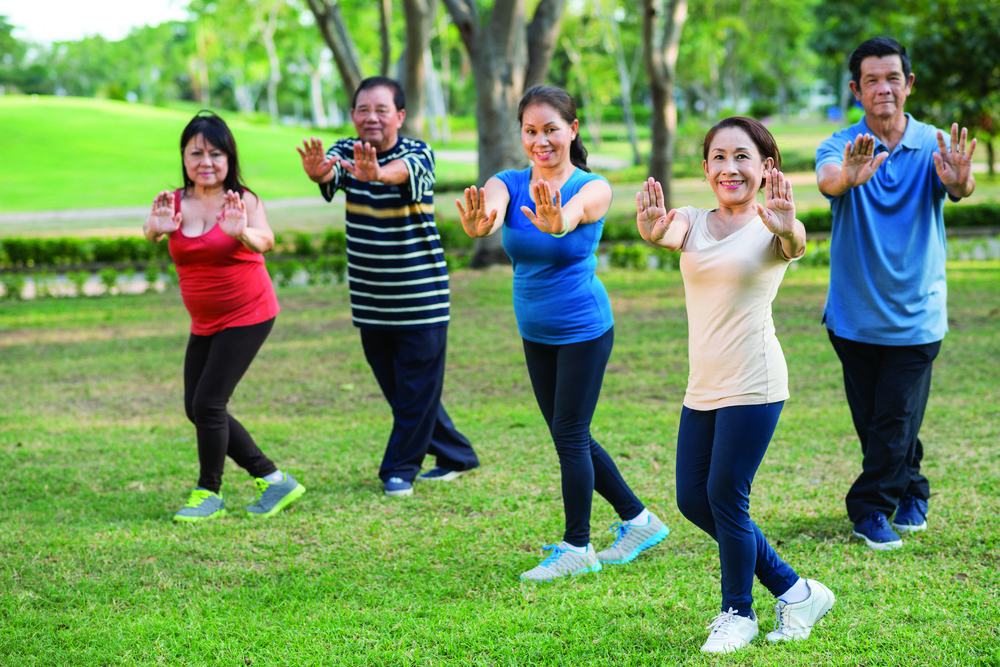
    Wellness becomes a valuable framework to serve the needs of a person engaged in life and provides rich environments for living. You’ll find many active aging programs in Hawai‘i. Activities such as tai chi are a good example of overlapping wellness dimensions, including physical, social, spiritual and intellectual aspects. A ‘ukulele class is another good example. Seek out activities that keep you engaged and to continue living your rich, full life!


    KUPUNA EDUCATION CENTER
    Kapi‘olani Community College
    808-734-9108 | www.kupunaeducation.com

    You see the term “active aging” quite frequently, but what does it mean? Active aging is a term describing people and populations who live life as fully as possible. Particularly, they live within the seven dimensions of wellness — emotional, vocational, physical, spiritual, intellectual, social and environmental.