
Last November, my mother’s side of the family flew to Las Vegas to see my cousin get married. Family trips usually include everyone, from newborns to our wise elders. So, of course, grandma came along for the trip!
Throughout our weeklong stay, we ran into a few challenges. I’d like to share with you our experiences and triumphs.
Here are three tips on traveling with kūpuna:
1) Check the weather beforehand, and pack accordingly.
Coming from Hawai‘i, where the weather is always tropical and warm, we weren’t prepared for the Las Vegas air to fluctuate and hit as low as 68 degrees! As a result, grandma endured the cold, dry air for an entire day until we headed to the shopping outlet and bought her the essentials — a thick, warm and cozy jacket paired with a black beanie cap to match.
2) Kūpuna take great pride in feeling helpful.
Grandma will always be who she used to be; she’s just a little different now. She was always the planner of the party — providing more than enough food and a plethora of games and activities. It’s obvious that she still enjoys holding a leadership position when it comes to family functions. Only now, she desperately needs our patience and guidance to successfully complete certain tasks. Grandma stayed over at the bride and groom’s house for the last three days leading up to the wedding. For those three days, she helped create centerpieces, went on car rides to pick up flowers and decorations, and helped set up the banquet room for the wedding reception.
3) Share Grandma Duties.
Assuming you have a team of caregivers, it is important to delegate duties according to strengths. Luckily, we have an executive team of four siblings, consisting of three daughters and one son. They each play an intricate role in the care of grandma.
Grandma is a bonafide Diamond.* While we were on our trip, it was almost an instinct for each sibling to know when someone has reached his or her limit. The siblings would unconsciously tag team and swap places when one sibling’s temper was growing short due to Grandma’s bothersome behavior.
Although the three tips mentioned were examples from my trip to Las Vegas, they can also be useful with travelling to doctors’ appointments, family parties, etc.
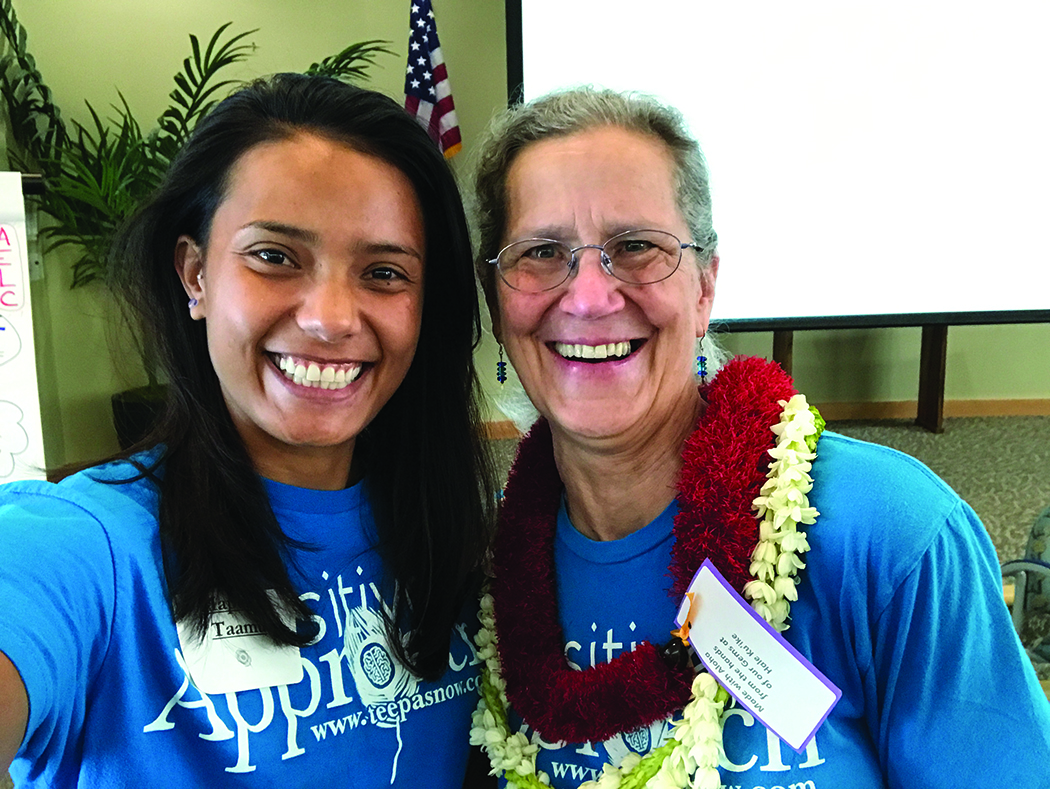
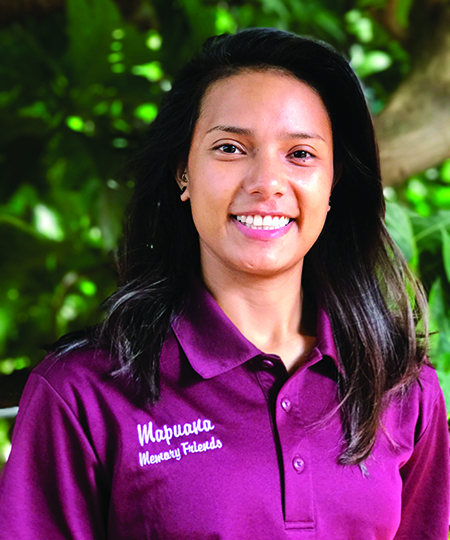 Mapuana Taamu is a professional, family caregiver specializing in dementia. She owns and operates Memory Friends, a companionship, respite and consultation service for seniors. She also is a “Certified Positive Approach to Care” Trainer. Reach her at:
808-469-5330 | mfriends808@gmail.com
*Diamond: Refers to one of six “gems” in Teepa Snow’s Positive Approach® To Care model. Each gem represents a classification system comparing the different stages of dementia.



 “For many people, kidney damage may be temporary and occur quickly due to changes in kidney function from illness, injury or taking medications,” said Marissa Ramos, a Honolulu home healthcare nurse. “If not treated properly, kidney damage can become a chronic condition, often without one knowing — especially if it is related to other underlying conditions, such as diabetes or high blood pressure. Regular health screenings and tests are key in detecting risks for kidney disease. We see and often care for clients with multiple health issues, such as diabetes, uncontrolled high blood pressure or congestive heart failure. We focus on early detection, education and proper care, which can slow the progression of kidney disease and help avoid kidney failure.”