Tag: Exercise

  • Before the Finish Line: Medicare & Fitness

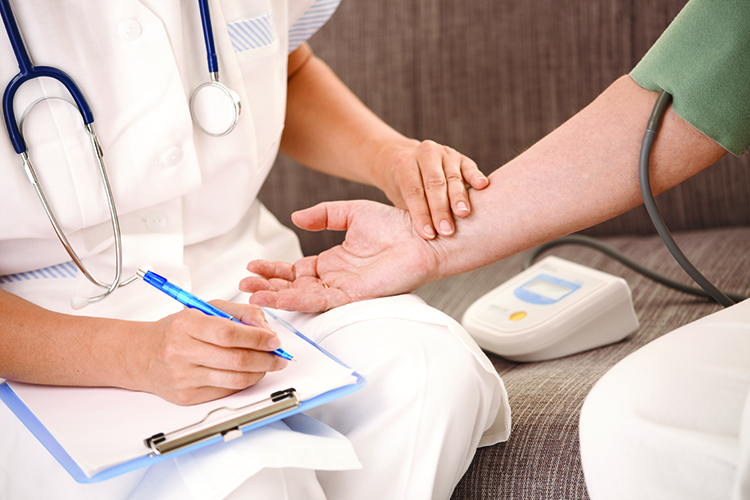
    Although improved fitness plays a significant role in improving overall health and reducing your risk for disease, Medicare usually does not cover exercise classes or the services of a personal trainer. However, when medically necessary, Medicare Part B may cover occupational and physical therapy, which could include some exercise and fitness training. This coverage only applies if your physician specifically prescribes the therapy.

    Medicare Part B helps pay for physical and occupational therapy deemed medically necessary by your doctor. He or she must prescribe and regularly review the therapy, which must be provided by a Medicare-certified therapist on an outpatient basis. There may be limits or a cap on the total amount of therapy services you can receive without additional approval from Medicare.
    Medicare Advantage (MA) plans (also known as Medicare Part C) must offer at least the same coverage as Original Medicare. They may also offer extra benefits, including exercise program coverage. MA plans are not required to offer that benefit, so first research plans at https://www.medicare.gov/find-a-plan or call the Hawaii SHIP Program on 1-888-875-9229.

    Most important is to work with your partner physician to improve your physical lifestyle and get ready for that big race!


    Kaiser Permanente Hawaii

    www.kpinhawaii.org  |  1-866-973-4588 (toll free)

    Kaiser Permanente Hawaii is an HMO plan with a Medicare contract but does not represent Medicare in any way.
    Although improved fitness plays a significant role in improving overall health and reducing your risk for disease, Medicare usually does not cover exercise classes or the services of a personal trainer. However, when medically necessary, Medicare Part B may cover occupational and physical therapy, which could include some exercise and fitness training.

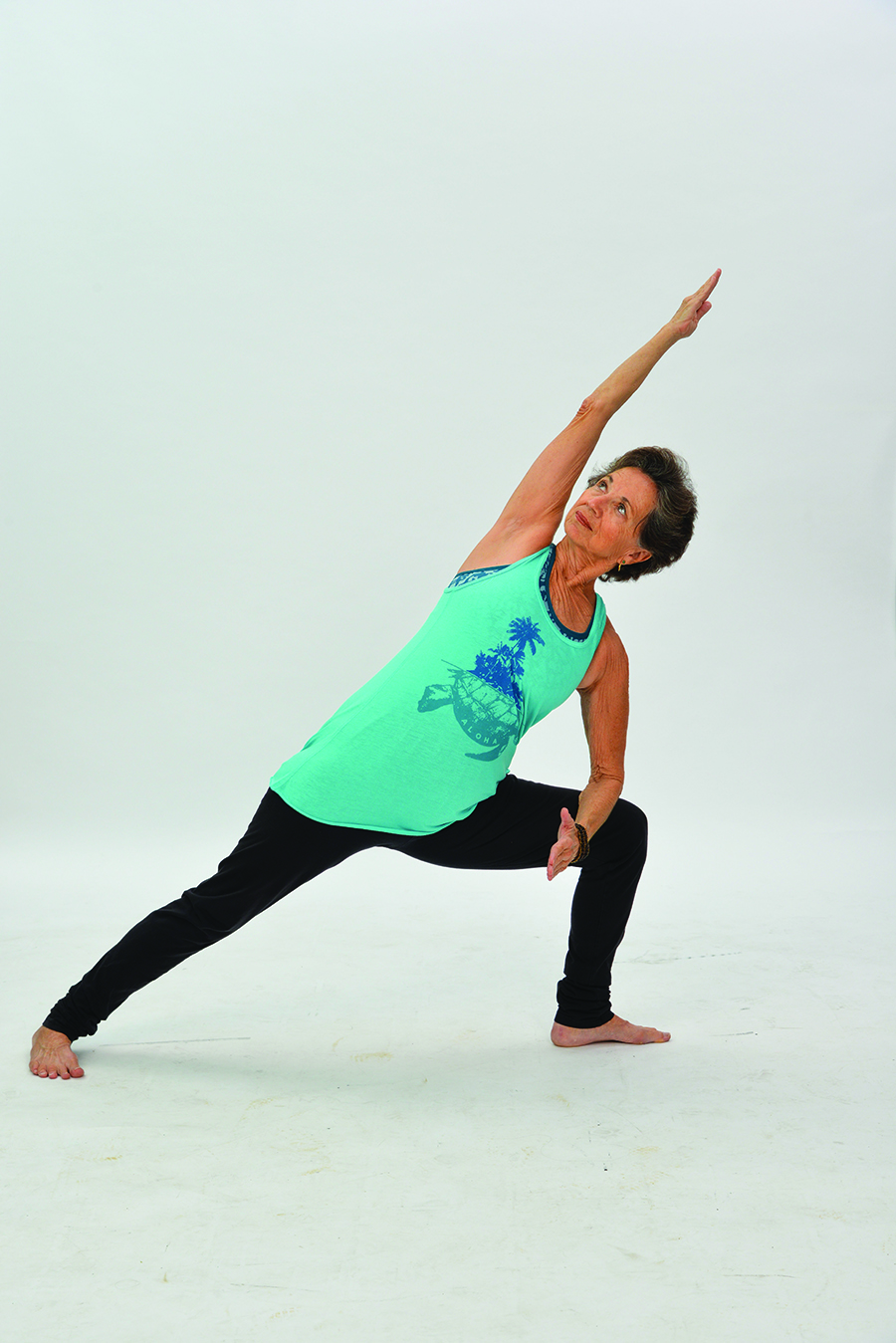
  • Yoga: The ‘Ki’ to Mastership of Your Life

    Our daily lives are filled with so many distractions that it’s easy to feel scattered and stressed. When you are chronically stressed it becomes harder to function properly, increasing your stress even more and often inviting disease. To help manage their stress, many people have turned to yoga and mind-body training because its healthy effects on body and mind are now widely recognized.

    To manage your body’s energy, you have to know how to feel it. Learning how to feel and focus on your energy, known as ki, chi, qi, or prana in Asia, will enable you to clear your mind and calm your emotions. It will help you concentrate more deeply by quieting all of the thoughts in your head that distract you.

    One option for learning how to do this is the integrated mind-body training method, which combines deep stretching exercises, meditative breathing techniques, joint rotation, held postures, body tapping, vibration exercises and energy awareness training. Its objective is to help practitioners achieve their highest level of personal potential.

    They learn to use their ki for the purpose of personal self-development, and how to communicate with their bodies through energy. The body’s energy circulation is stimulated, activating its innate natural healing power. Through consistent practice, practitioners can lead themselves back to optimum health. Essentially, they regain true mastership over their bodies through the medium of energy.

    Three characteristics of mind-body training

    The mastery and use of energy: As one’s sense of energy gradually develops, formerly blocked energy channels open up, promoting circulation of energy throughout the body. Once able to control and command energy, practitioners experience natural healing in their bodies while gaining control of emotions and habits.

    Enhancing the body-brain connection:
    The brain is not simply an organ but is the center of the whole human body and its energy system. Through programs like Body & Brain, practitioners can learn to utilize their brain fully toward the creation of a better life for themselves and those around them.

    Self-managed, holistic health care: By learning techniques for improving emotional patterns, physical condition, quality of social interaction, communication skills, and correcting unhealthy habits, practitioners can become masters of their own lives.

    If you want to live a better life and gain flexibility and balance of body and mind, you should look into the various programs and benefits of yoga, especially mind-body training. It is easy and simple enough for anyone to learn — male or female, young or old — yet can be enjoyed by even the most advanced practitioner.


    BODY & BRAIN

    401 Kamakee St. #317, Honolulu |  808-596-9642
    99-080 Kauhale St. #C21, Aiea  |  808-486-9642
    3569 Harding Ave. #B, Kaimuki  |  808-738-5522
    2851 E Manoa Rd Ste 1-207, Manoa  |  808-691-9642
    www.bodynbrain.com

    Our daily lives are filled with so many distractions that it’s easy to feel scattered and stressed. When you are chronically stressed it becomes harder to function properly, increasing your stress even more and often inviting disease. To help manage their stress, many people have turned to yoga and mind-body training because its healthy effects…

  • Improve Your Health with Tai Chi

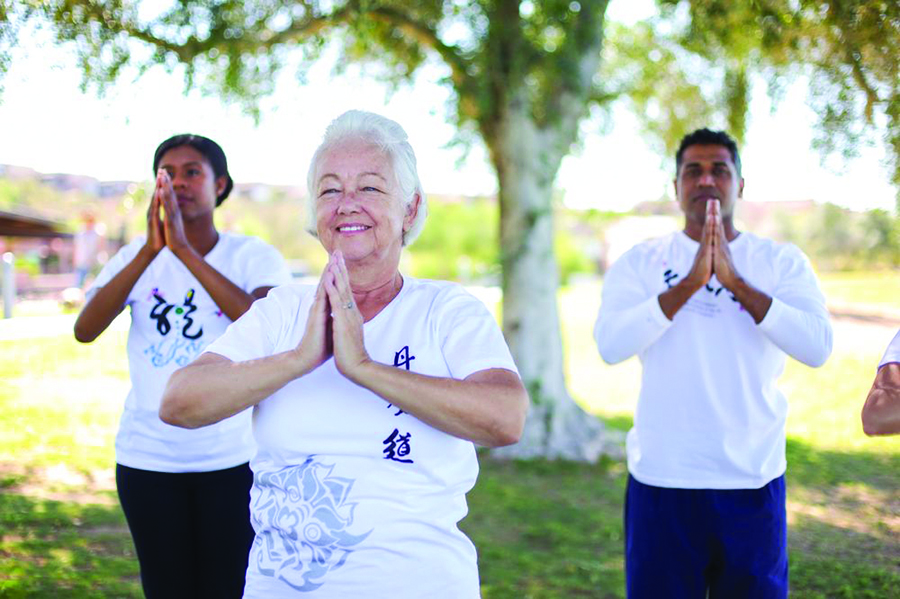
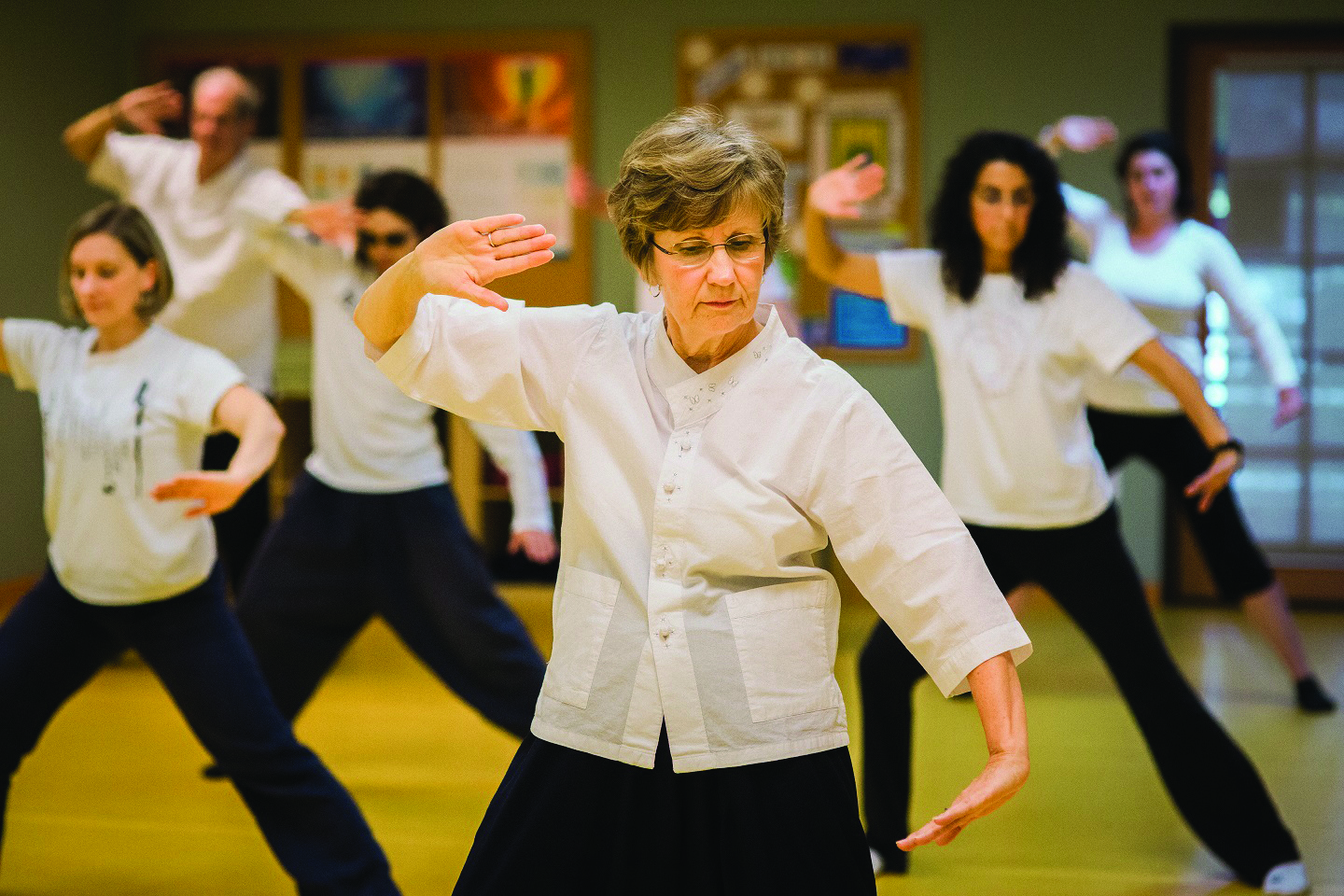
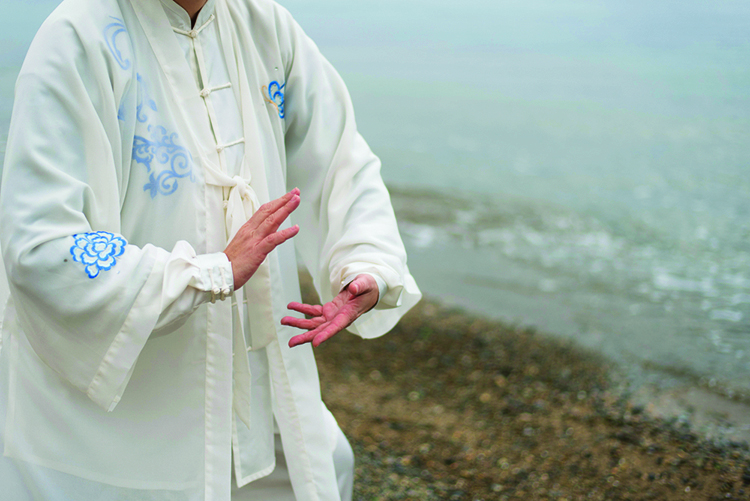
    Tai Chi, often referred to as “moving meditation,” is an ancient Chinese practice characterized by slow, flowing, low-impact movements and deep breathing. It offers wonderful benefits for any age group and is an incredibly effective and helpful practice for older adults. Potential benefits include:

    • improved balance and fall prevention
    • relief for arthritis symptoms
    • improved blood pressure and circulation
    • increased relaxation and stress relief

    Tai Chi also taps into the principle of Mindfulness — being able to calmly focus on a single idea, movement, thought, or problem.

    The Tai Chi for Health program at the Nā Kūpuna Makamae Senior Center in Honolulu, taught by certified instructor Randal Lau, provides a safe exercise designed specifically to meet the challenges of aging. It is open to all fitness levels and abilities, and is a great way to relax, enjoy yourself and improve your health and overall well-being! The class runs Tue. 10–11am and Fri. 11am–12pm.

    Weekly kūpuna activities at the Senior Center in the historic pumping station on Ala Moana Blvd. include: Gentle Yoga & Sound Bath, Hula, Qi Gong, Hawaiian Language, Lauhala Weaving, Pua Culture/Lei-Making Class, Hanafuda, Tech Savvy Seniors, Kūpuna Podcasting, and a monthly Farmers Market.


    NĀ KŪPUNA MAKAMAE SENIOR CENTER
    A Project of Pacific Gateway Center
    653 Ala Moana Blvd., Honolulu HI 96813
    808-774-7047 | M-F 9am-5pm
    www.NaKupunaMakamae.org

    Tai Chi, often referred to as “moving meditation,” is an ancient Chinese practice characterized by slow, flowing, low-impact movements and deep breathing. It offers wonderful benefits for any age group and is an incredibly effective and helpful practice for older adults.

  • SQUAT – The One Exercise You Should Learn

    Just think of the tasks you do every day that should involve a squat: getting on/off a chair or toilet or picking up something from the floor.

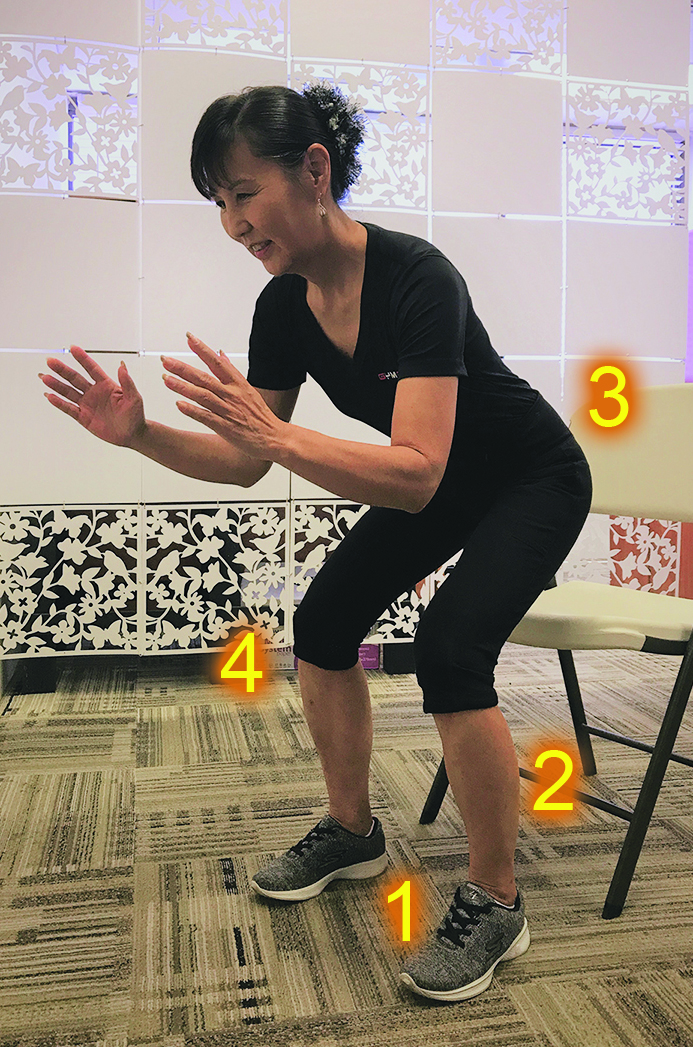
    A “modified squat” is one of the most beneficial exercises to learn. It strengthens the lower body and core and reduces the strain on the knees when done right.

    Unfortunately, most people never learn the PROPER way to squat (a squat is NOT the same as a knee bend). To start:

    • POSITION feet hip distance apart, toes ideally pointing forward
    • SET yourself by pressing the big toe into the ground, push your knees slightly out and keep the knees in line with the ankles and the toes — try to maintain the normal curves in your neck and back and keep your shoulders in line with your hips
    • BEGIN with a “hip hinge” or bow (DO NOT start with your knees) — PUSH your butt back as if sitting on a chair — KEEP your weight and pressure on the big toes and heels
    • KNEES STAY BEHIND THE TOES squatting down —
      On the way UP, squeeze in your stomach and butt muscles and drive through the heels as you stand

    Do 10–12 squats, 3–5 times a day, and soon you’ll be feeling stronger and more steady on your feet.


    GYMGUYZ Urban Honolulu
    808-638-2525 | www.gymguyz.com

    A “modified squat” is one of the most beneficial exercises to learn. It strengthens the lower body and core and reduces the strain on the knees when done right. Unfortunately, most people never learn the PROPER way to squat.

  • Biking for Seniors

    As we age, exercise becomes more and more important — not only for our bodies, but for our minds as well. But fitness doesn’t always have to happen from inside the local gym. You can get on a path to a fit and healthy lifestyle by incorporating cycling into your daily routine. Instead of driving the short distance to the store or park, try biking there instead! This can sometimes be quicker and more convenient for you — and certainly better for your body, your wallet, and the planet.

    It’s important to start small, but for most people getting back on the bicycle is really just like riding a bike — you never forget! Bicycling reminds us of the freedom of our childhood, where we could expand and explore our world all from two wheels. Bicycles can be used for the same thing in our older years! Look for a bicycle with a step-through frame and upright seating position for comfort and stability. And don’t forget your helmet! Start on multi-use bike paths, which are physically separated from motorized traffic, or quiet residential roads. Consider joining up with a group of friends to ride or meet new friends at an organized group ride in your area!

    If you haven’t been on the saddle for years (or decades), or never learned how to ride a bicycle, the Hawaii Bicycling League (HBL) offers free Adult Learn to Ride workshops that can get you rolling safely, at any age (bikes, helmets, and friendly instructors all are provided)!

    HBL is a local non-profit founded in 1975, with the mission to enable more people to ride bicycles for health, recreation, and transportation, through advocacy, education, and events.

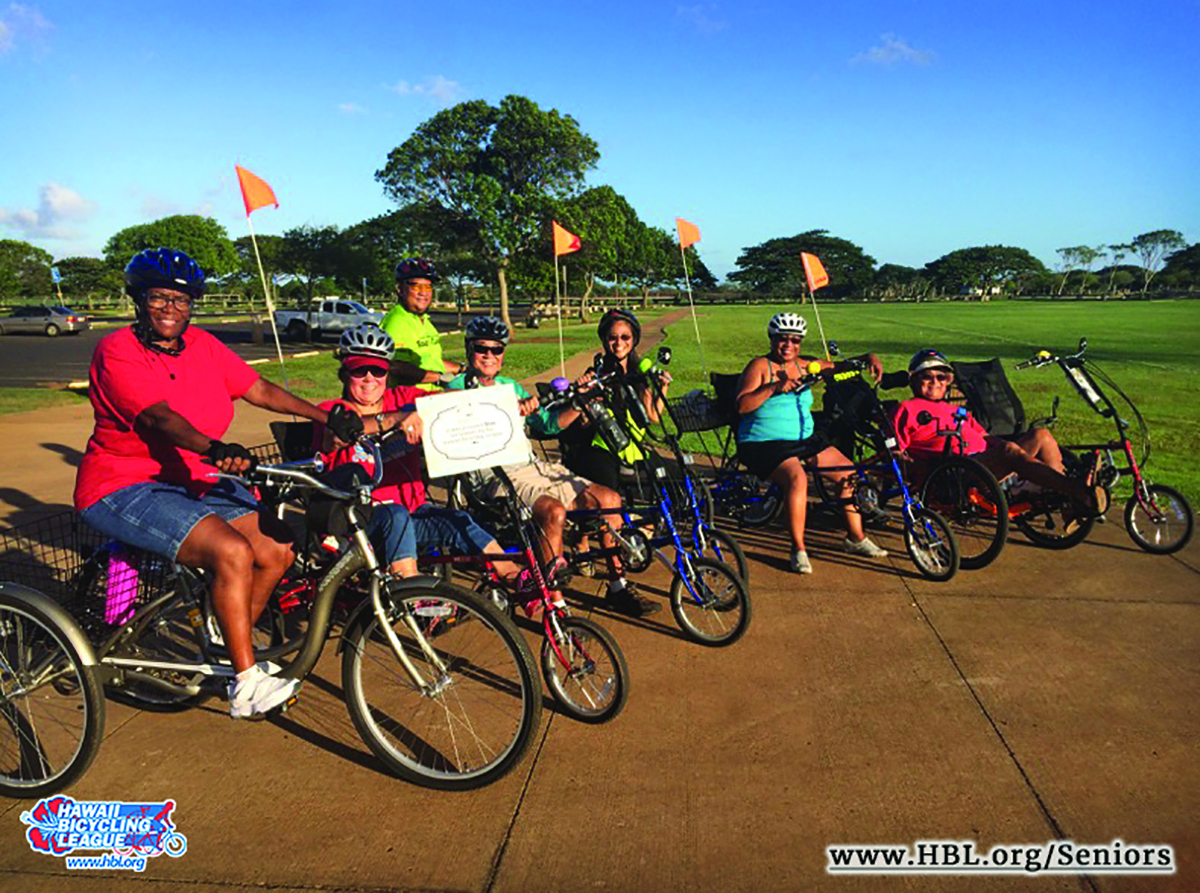
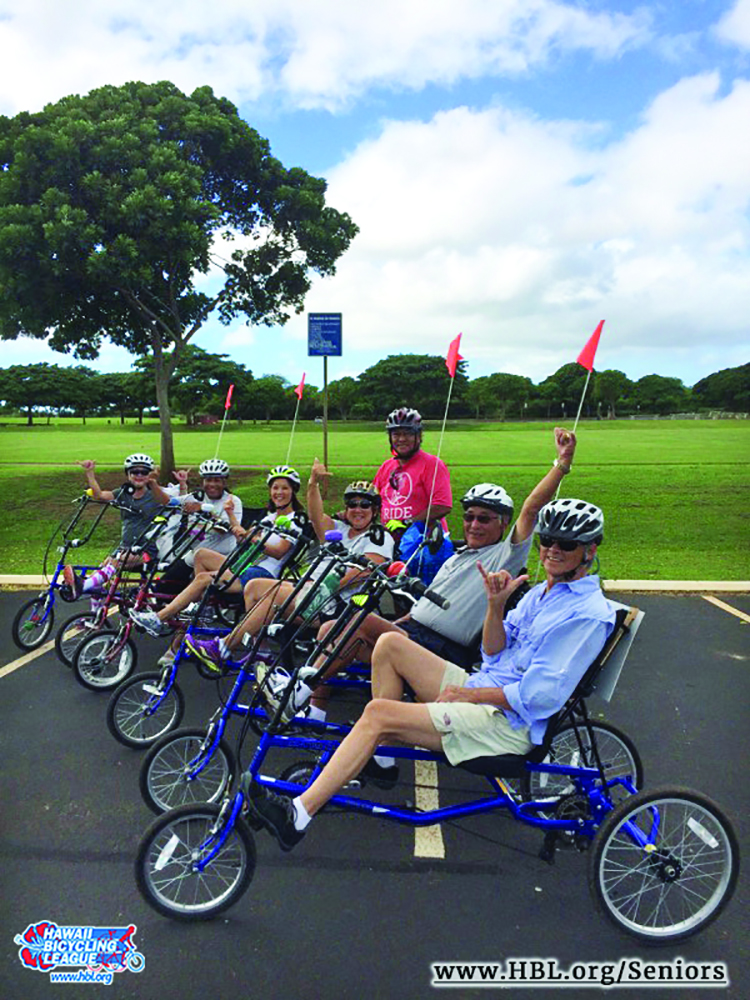
    If a two-wheeled ride isn’t your cup of tea, check out HBL’s Senior Cycling Program! Kupuna 50 years of age (and up) get to rediscover their youth with HBL’s recumbent tricycles on Oahu’s car-free bike paths. The adult three-wheelers are great for those that have poor balance or bad joints, or those that don’t know how to bike. Senior Rides are scheduled five times a month at the Pearl Harbor Bike Path and Magic Island multi-use paths and are for all levels of riders. Recumbent trikes, along with all the bells and whistles, are provided free of charge through this fun program designed to get you outdoors and healthy!

    However you decide to get your roll on, the Hawaii Bicycling League has you covered. Whether you are an adult looking to learn how to ride a bike for the first time or are someone ready to regain comfort and confidence with cycling on the roads of Hawai‘i, HBL will get you there.


    HAWAII BICYCLING LEAGUE
    3442 Waialae Ave., Suite 1, Honolulu HI 96816

    808-735-5756 bicycle@hbl.org www.hbl.org

    As we age, exercise becomes more and more important — not only for our bodies, but for our minds as well. But fitness doesn’t always have to happen from inside the local gym. You can get on a path to a fit and healthy lifestyle by incorporating cycling into your daily routine.

  • Yoga Just for Kūpuna

    At the YMCA of Honolulu, our programs and services are tailored to meet all ages, abilities and goals — and so are our yoga classes! All health and fitness facility Y Branches offer a range of yoga classes for kūpuna, from ones that will bring on a light sweat to others that will give you a soothing stretch while seated on a chair.

    As a sanctuary for those getting stronger and doing their best to keep healthy, we at the YMCA encourage our seniors to explore yoga, as it:

    • Strengthens bones and protects joints
    • Builds balance and flexibility
    • Sharpens the mind and improves mood
    • Minimizes hypertension
    • Improves the respiratory system
    • Encourages calm and mindfulness

    When practiced with our experienced yoga instructors on a regular basis, you can be sure you’ll enjoy many of these benefits!

    Feeling unsure about trying it out? We understand. Here are a few tips that will help you enjoy your first senior yoga class at the Y!

    • Talk to our yoga instructor before class. Let them know if it’s your first time (or your first few times) and what conditions you may be challenged with that could make you feel dizzy or cause pain. Ask them any questions you may have about the class.
    • Talk to your fellow students. We have a large kūpuna population who enjoy working out at each of our Y’s and who love yoga! Most of these members regularly attend their classes and are eager to meet and help you! You can also ask them how yoga has helped them in their lives — to encourage you to keep coming!
    • Use a wall, use the props. When you go to a yoga class, there will be yoga props available, such as blocks, straps, and pads for your knees. Use everything you can to feel comfortable and make the class manageable — especially during your first few times. For standing and balancing poses, use a wall to prop yourself up to ensure you feel stable while trying the poses out.

    YMCA of Honolulu

    www.ymcahonolulu.org/

    Contact your closest Y Branch for membership, discount opportunities and other activity schedules and information.


    SENIOR YOGA CLASSES

    Kaimuki-Waialae: 808-737-5544

    Hatha Yoga                             M / 2:15 pm
    Senior Stretch Yoga                W / 10:30 am

    Kalihi: 808-848-2494

    Gentle Yoga                            M, W, F / 12:10 pm
    Tu, Th / 10:15am
    Yin/Yang Yoga                        Tu, Th / 4:30 pm
    with Back Care

    Leeward: 808-671-6495

    Gentle Yoga                            M / 8 am
    Stretch & Relax                       Tu, Th / 8 am
    M / 7:30 pm
    Iyengar base Yoga                  W / 8 am

    Mililani: 808-625-1040

    Senior Yoga                             M, W / 7 am
    Hatha Yoga                              W / 9:45 am
    F / 10 am
    Su / 9:05 am
    Chair Yoga                              Tu / 12:15 pm
    F / 11:15 am
    Stretch and Relax                   M, W / 5:30 pm
    Hatha Yoga                             M / 6:45 pm
    Yin Yoga                                  F / 6:45 pm

    Nu‘uanu: 808-536-3556

    Gentle Yoga                            Tu / 10 am
    Hatha Yoga                             Th / 10:05 am

    Windward: 808-261-0808

    Sunrise Stretch                        M, F / 6:30 am
    W / 6:15 am
    Sunrise Yoga                           Tu, Th / 6:30 am
    Gentle Yoga                             M, F / 11:30 am
    Senior Chair Stretch                Tu / 11:45 am
    Basic Yoga                               W / 12:15 pm
    Hatha Yoga                              Sa / 9:15 am

    At the YMCA of Honolulu, our programs and services are tailored to meet all ages, abilities and goals — and so are our yoga classes! All health and fitness facility Y Branches offer a range of yoga classes for kūpuna, from ones that will bring on a light sweat to others that will give you a soothing…

  • FUN ’N GAMES: Think Outside The Box

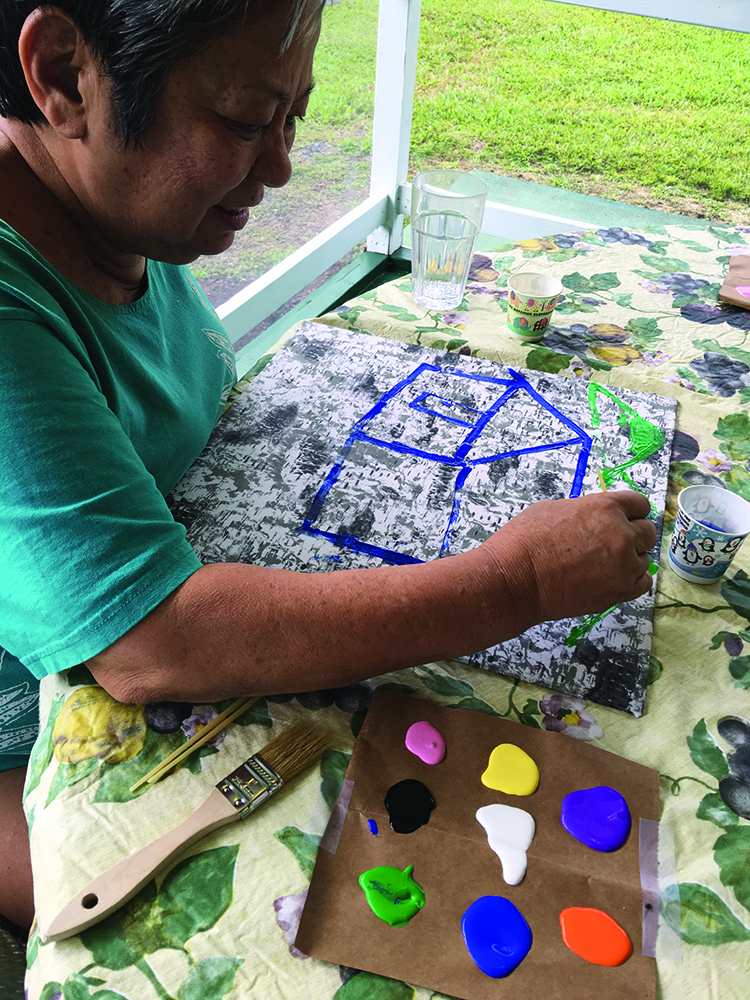
    How does one keep the interest of the elderly? It can be challenging. Nature walks, painting, board games, puzzles, word and picture games are among the typical activities of the elderly.

    How does one maintain their interest level? This is where you have to be creative and think “outside the box.” Daily walks become nature walks and scavenger hunts. Giving ordinary activities “new” names to spice it up a bit is a good idea. It gives everyone something to look forward to and may excite them. Some examples: Dancing Tuesdays (exercise day), Bingo Wednesdays, Spa and Salon Thursdays, and Happy Hour Fridays. You can’t forget about Donut Saturdays and Spaghetti Sundays.

    Make a space in your home, or assisted living facility, where the residents can display their works of art. Painting is an all-time favorite, and having a “Hallway of Art” will be of interest to the painters as well as family, friends or visitors. There can also be “Gallery Night” to show off the paintings to see these masterpieces.

    It’s all about being creative, thinking outside the box and creating life-enriching activities that stimulate the whole person — the body, mind and soul of each individual.


    KINOLAU HOME MALAMA, LLC

    15-1735 19th St., Kea‘au, HI 96749
    808-982-5415  |  facebook.com/kinolauhomemalama

    How does one keep the interest of the elderly? It can be challenging. Nature walks, painting, board games, puzzles, word and picture games are among the typical activities of the elderly.

  • Stretch Away Your Stress

    Adults of all generations, from millennials to baby boomers and “maturers,” struggle with managing stress. Life can often be chaotic. When we are stressed, the body releases hormones adrenaline and cortisol. This increases heart rate and blood pressure, and interferes with sleep, which is vital for body repair, restoration and emotional balance.

    When severely stressed, tension usually is held in the shoulders, head and neck. Tension restricts blood flow, which leads to tightness in muscles. If not treated, the muscles will shorten over time, causing headaches and pain.

    The good news is that there are simple techniques to help reduce stress. According to the Mayo Clinic, stretching increases blood flow to the muscles and aids in circulation, allowing muscles to relax. Stretching also promotes circulation of new blood to the brain, resulting in mood elevation. Deep breathing while stretching increases oxygen consumption, slows heart rate and lowers blood pressure, which incites relaxation of the body.

    So, take time out of your busy schedule to listen to your body. The more you stretch, the better you will feel overall.

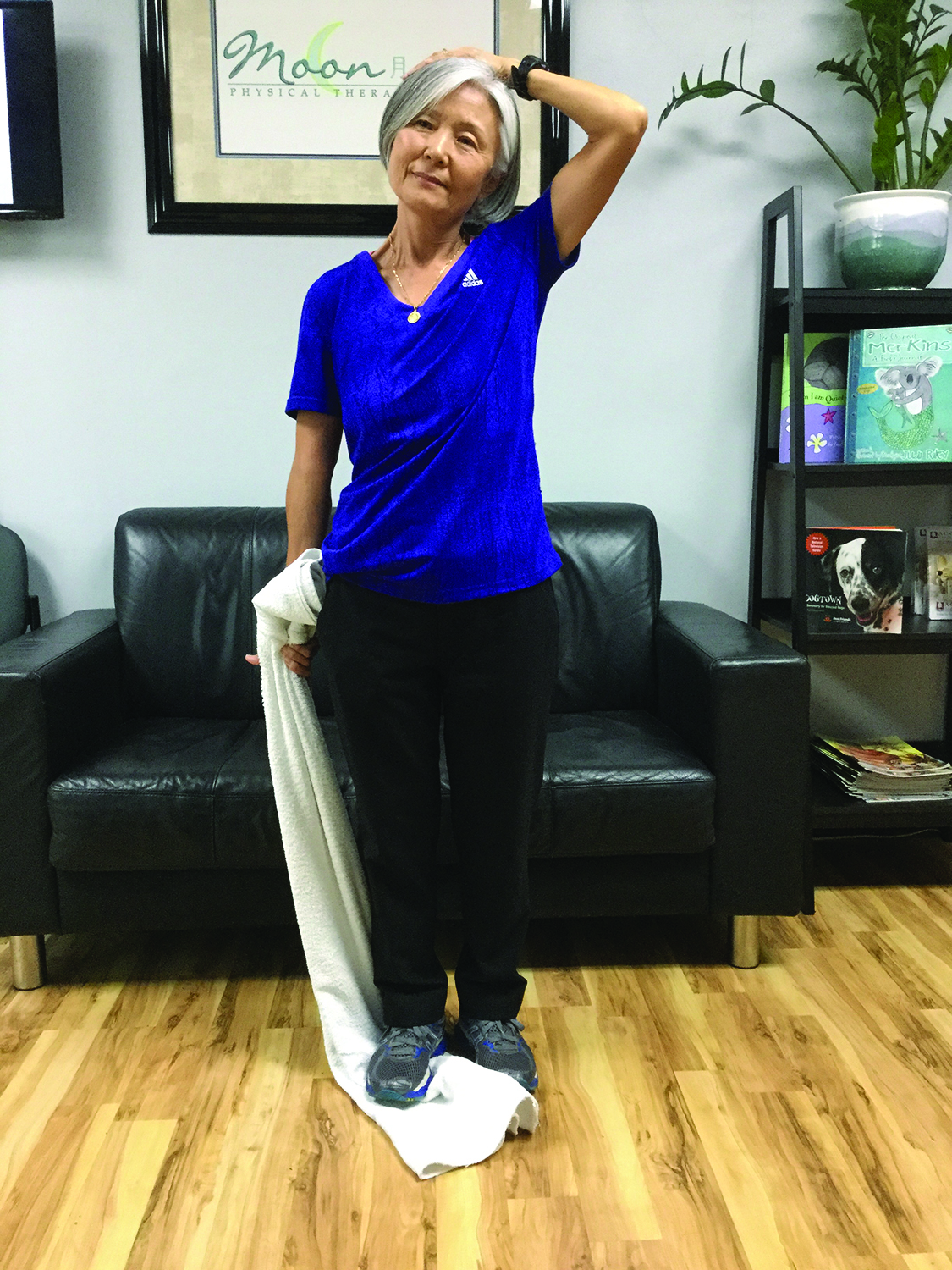
    • Stand on a towel and hold it taut with one hand.
    • Grasp your head and gently pull to one side.
    • Use the towel to hold the shoulder down and rotate the arm out, opening the chest area. This provides a deeper stretch in the neck, chest and shoulder.
    • Breathe deeply in through the nose and out through the mouth. Hold for 30 seconds and then switch.

    Moon Physical Therapy, LLC
    320 Ward Ave., Ste. 107, Honolulu HI 96814

    Aquatic, Land-based and Manual Therapy and Cardiopulmonary Rehab Programs

    808-597-1005 | www.moonpt.com
    Like me on Facebook: Moon Physical Therapy, LLC

    Adults of all generations, from millennials to baby boomers and “maturers,” struggle with managing stress. Life can often be chaotic. When we are stressed, the body releases hormones adrenaline and cortisol. This increases heart rate and blood pressure, and interferes with sleep, which is vital for body repair, restoration and emotional balance. When severely stressed,…

  • Healthy New Year’s Resolutions

    Every one of us, regardless of our age, can make plans and set goals. Each new year is a new beginning … a time to start fresh and hopefully get it right.

    Write down what you would like to see happen in the year ahead. It’s a way to solidify your dreams and desires, and move into the new year with an upbeat, positive attitude.

    The top New Year’s resolution is to lose weight and live a healthier lifestyle. We all start with good intentions and then seem to fall back into bad habits. Experts say it takes 21 days for a new activity to become a habit and six months for it to become part of our personality. It doesn’t happen over night, so be persistent and patient. Obsessing over the occasional slip won’t help you achieve your goal. Do the best you can each day and take one day at a time. The key is to start small and set realistic goals for yourself.

    Here is a list of things you can start doing today to feel better and move toward a healthier lifestyle in 2014.

    • Start each day with a 8 oz. glass of water. Water has many benefits. It carries nutrients to our cells, flushes the kidneys, lubricates joints and prevents constipation. The goal is to work up to 1 to 2 liters a day.
    • Eat more fruits and vegetables. Start by adding a salad to your daily diet or making yourself a green smoothie. Fruits and vegetables protect your body from disease and help fight cancer cells. The goal is 3 to 5 servings a day.
    • Eat a handful (1 oz.) of raw nuts every day. Walnuts, macadamia nuts, almonds. Healthy proteins and fats are important for preserving muscle and brain function.
    • Move your joints every day. Moving helps keep and improve function. Start at your neck, look left to right and then up and down. Go to the shoulders, arms out to the side, palms up and make small to large circles from the shoulder joint. Go both directions. Same with the wrist. Work your way down the body.
    • Try not to sit for longer than 15 minutes. Sitting for long periods slows the metabolism and can raise insulin and cholesterol levels. Taking a 10-minute walk every 2 hours can improve your health dramatically.
    • Practice taking deep breaths. Breathe in through the nose and out the mouth. This clears the lungs of toxins, increases energy, calms the mind and allows you to think more clearly.
    • Educate yourself on staying healthy. For example, Dr Oz came out with an updated version of YOU: The Owners Manual. It contains a lot of great info on health and longevity.

    Remember empowerment comes from doing!


    Join Diane online at www.shapingup808.com,
    or call 808-221-3905; email shapingup@hawaii.rr.com.

    Every one of us, regardless of our age, can make plans and set goals. Each new year is a new beginning … a time to start fresh and hopefully get it right. Write down what you would like to see happen in the year ahead. It’s a way to solidify your dreams and desires, and…

  • Medicare: Staying Healthy

    February is “Heart Healthy Month” (and for all of you sweethearts out there, don’t forget Valentine’s Day on February 14th). Taking care of your heart is very important and there are some easy things that each of us can do.

    Ask your physician what your “healthy weight” is and make an effort to eat lots of color: purple (eggplants), red (radishes), blue (blueberries), green (broccoli), white (cauliflower) and orange (tangerines). Try some grains like quinoa, instead of white rice.

    Quit smoking and stay away from second-hand smoke.

    Exercise — don’t let this scare you. One of the best things is walking. You don’t need equipment; and if you have a dog, you both benefit. A 30 minute walk each day will have you signing up for the Honolulu Marathon in no time.

    March is “Colorectal Cancer Awareness Month” and the same three things are suggested to lower your risks — healthy eating, exercising, and quitting smoking.

    Medicare’s benefits include a yearly “Wellness” visit where you will fill out a Health Risk Assessment form and then you and your physician will develop a personalized prevention plan to help you stay healthy.

    Other preventive services include: bone mass measurement, mammograms, cardiovascular screenings, diabetes screenings, flu shots and glaucoma tests, just to name a few. Some of the new preventive benefits in 2013 are:

    Cardiovascular Disease — Behavioral Therapy. Medicare will pay for one visit per year with your primary care doctor to help you lower your risks for cardiovascular disease.

    Alcohol Misuse Counseling. One screening per year for adults with Medicare who use alcohol and don’t meet the medical criteria for alcohol dependency. Your primary care doctor can recommend up to four brief face to face counseling sessions per year and Medicare will pay for those.

    Depression Screening. One screening per year. The screening must be done in a primary care setting (like a doctor’s office) that can provide follow-up treatment and referrals.

    Obesity Screening and Counseling. If you have a BMI (body mass index) of more than 30 you may be eligible for intensive counseling to help you lose weight.

    Sexually Transmitted Infections Screening and Counseling. These screenings are covered by Medicare for those that are pregnant and/or for certain people who are at an increased risk for STIs. Medicare will also pay for up to two individual 20-30 minute face to face counseling sessions each year for those at risk.

    For more information about these preventive benefits and other Medicare benefits, the Hawai‘i SHIP (State Health Insurance Assistance Program) is available by calling 1-888-875-9229.

    Sage PLUS - Generations Magazine - June-July 2013

    February is “Heart Healthy Month” (and for all of you sweethearts out there, don’t forget Valentine’s Day on February 14th). Taking care of your heart is very important and there are some easy things that each of us can do. Ask your physician what your “healthy weight” is and make an effort to eat lots…

  • Serious Consequences for Elderly Falls

    Falls are the leading cause of injuries among seniors in Hawai‘i. The risk and frequency of falling increase with age. Every 5 hours a senior in Hawai‘i suffers a fall that results in the senior being hospitalized. One in three adults 65 years or older in the US suffers a fall each year. Falls can affect seniors in many ways. Falls can result in bruises, sprains, broken bones, and/or head injuries. Falls account for 87% of all fractures among people aged 65 years or older. It can cause injury and their ability to live independently decreases. It can also limit confidence and the ability to live a comfortable life.

    What are the causes of falls in seniors?

    For people aged 65 years or older, 60% of fatal falls occur in the home, 30% in public places and 10% in health care institutions. Falls can be caused by many factors which are associated with health and aging conditions. Predictors of falls include a previous fall, poor posture, poor balance, prolonged bed rest, muscle weakness, mobility problems, loss of sensation in the feet, vision changes, dehydration, and drug interactions. Chronic health conditions such as arthritis, osteoporosis, stroke, Parkinson’s disease, urinary incontinence, diabetes, and heart problems may predispose to falls. Review of physician prescribed and over the counter medications, alcohol consumption, and marijuana use, may provide information that can be useful in decreasing the occurrence of falls. Environmental hazards such as slippery surfaces, poor lighting, and tripping obstacles also play a contributing role in falls.

    Is there a role for therapy and exercise?

    Home safety evaluations conducted by a physical therapist or an occupational therapist are invaluable in the prevention of falls. There is no charge for home safety evaluations by medical insurance, if the evaluation is prescribed by a physician. Senior participation in community fall prevention exercise programs and educational classes help prevent in-home falls. Tai Chi is excellent in decreasing the number of falls and fear of falling. Studies have shown Tai Chi to improve functional balance and physical performance in physically inactive seniors.

    FALL PREVENTION

    Home Modifications:

    Home safety is very important in preventing falls and disabilities. Some falls can be prevented by use of the following.

    • Non-slip flooring.
    • Install stair railing and/or stair climber.
    • Eliminate area rugs that shift or curl.
    • De-clutter the living spaces and footpaths throughout the home.
    • Provide a roll-in or curb-less shower stall.
    • Install grab bars in the shower and tub areas.
    • Appropriate height toilet seat.
    • Lights in hallways as well as closets.
    • Replacing door knobs and faucets with lever type handles.
    • Increase the width of doorways to 32 inches or more to accommodate the use of a wheelchair or walker.
    • Installation of a smoke detector and fire extinguisher according to code.
    • Setting of hot water heater thermostat at 110˚F or lower.

    Lifestyle Changes:

    • Have your vision & hearing checked regularly.
    • Talk to your doctor or pharmacist about the side effects of your medication.
    • Limit your intake of alcohol.
    • Use caution when getting up from eating or sleeping.
    • Use a cane or walker to help maintain your balance.
    • Wear supportive, rubber-soled shoes.
    • Maintain a regular exercise program to improve strength and tone

    Falls are the leading cause of injuries among seniors in Hawai‘i. The risk and frequency of falling increase with age. Every 5 hours a senior in Hawai‘i suffers a fall that results in the senior being hospitalized. One in three adults 65 years or older in the US suffers a fall each year. Falls can…