Category: Date

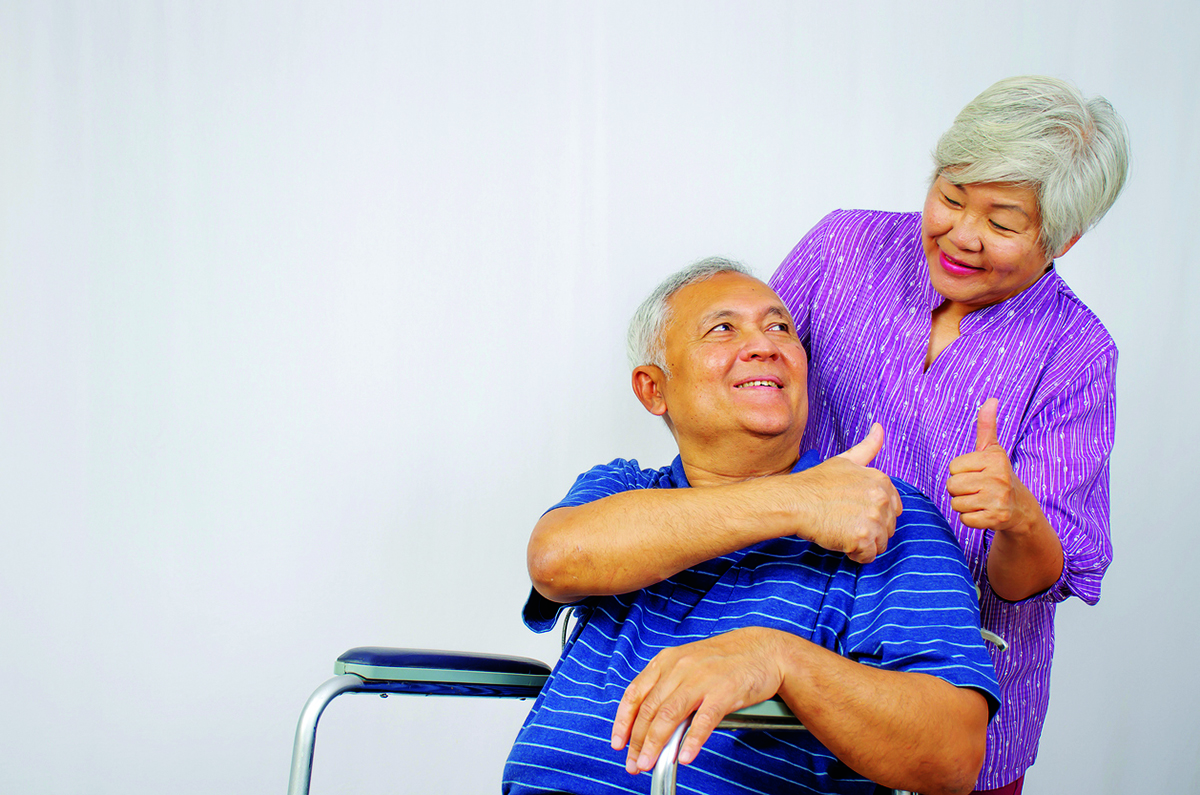
  • What Seniors Should Know About Statins

    In this ongoing column, Kaiser Permanente doctors will answer commonly asked questions.
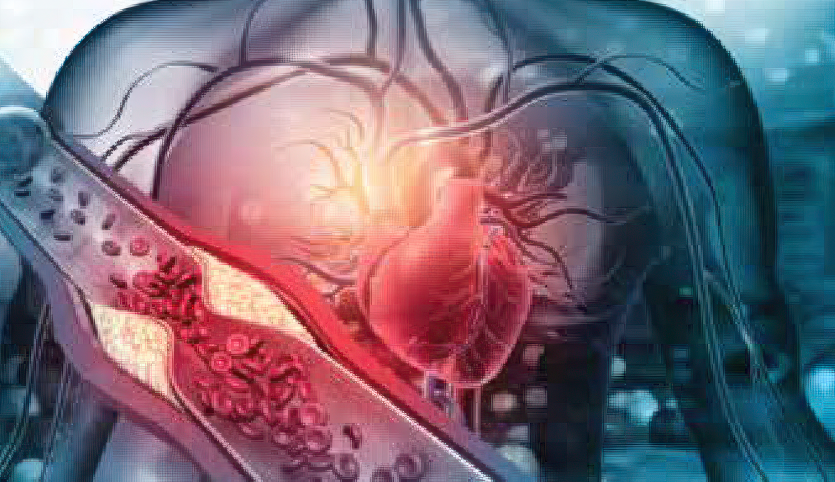
    Cholesterol is essential for the functioning of all human organs, but nevertheless, it plays a key role in coronary heart disease. But scientists and the pharmaceutical industry have
    developed statins, an effective class of drugs that lowers cholesterol levels and reduces heart attacks.

    Q: What are statins and why are they so popular with cardiologists?

    Statins are medications that lower unhealthy cholesterol in the blood. As an interventional cardiologist, I treat heart blockages by opening clogged arteries with balloons and stents. But what I would much rather do is prevent those blockages from forming in the first place.

    Most dangerous blockages are made of fat and cholesterol that build up inside the arteries over time. I sometimes explain it like this: Pouring grease down your kitchen drain eventually clogs the pipes. In the same way, excess cholesterol can clog the heart’s arteries. Statins help reduce that buildup and stabilize plaque, lowering the risk of heart attack and stroke.

    I can often see the difference when I’m doing procedures on patients. Those who take statins regularly tend to have healthier-looking arteries. That’s why I strongly recommend this cardiovascular medication when indicated.

    Q: Don’t statins have lots of side effects?

    Statins have been around for more than 35 years and are among the most well-studied medications we use in cardiology. For most people, they are very safe and effective.

    The most common side effect is muscle soreness. If that happens, it does not mean you have to stop treatment altogether. There are several different statins available and we can often adjust the dose or switch to another type that works better for you. The key is to communicate with your doctor so we can find the right option.

    Q: Who should consider taking a statin?

    If your physician suggests that you take a statin medication, it’s because the benefits in
    reducing heart attack and stroke are likely to outweigh the risks.

    At Kaiser Permanente Hawaii, doctors follow evidence-based guidelines when recommending statins for people with high cholesterol, diabetes, a history of heart disease or other risk factors, such as a strong family history of heart problems. Many seniors fall into one or more of these categories.

    The goal is preventing heart injury. If your arteries can stay or become healthy through lifestyle changes and the right medications, hopefully you’ll never need to visit a cardiac catheterization lab.

    Your heart works hard for you every day — give it the love and care it deserves!

    DR. STEPHEN CHAN is an interventional cardiologist and Director of the Cardiac Catheterization Labs at Kaiser Permanente Moanalua Medical Center. The Harvard Medical School graduate is board-certified in cardiovascular disease, interventional cardiology and internal medicine. Dr. Chan has been with Kaiser Permanente Hawaii for more than two decades.

    NOTE: Statins should not be given to individuals who are pregnant, have liver disease or certain muscle disorders or have an allergy to them.

    Kaiser Permanente will cover fall prevention in the next issue. If you have a medical question for the doctor, email cynthia@generations808.com.
    In this ongoing column, Kaiser Permanente doctors will answer commonly asked questions. Cholesterol is essential for the functioning of all human organs, but nevertheless, it plays a key role in coronary heart disease. But scientists and the pharmaceutical industry havedeveloped statins, an effective class of drugs that lowers cholesterol levels and reduces heart attacks. Q:…

  • Planning With Care and Aloha

    Losing someone we love is never easy. Then, families are often asked to quickly make important decisions that may have never been talked about before, adding stress during a time that should be focused on healing and being together.

    Planning ahead and making arrangements in advance gives a loved one’s ‘ohana clear guidance and peace of mind at a crucial time. Planning ahead is an act of aloha, offering comfort, reducing uncertainty and giving families time to focus on honoring a life and supporting one another.

    First taking time to reflect about one’s life, values, milestones and relationships helps shape how that life will be remembered, creating a meaningful foundation for what comes next.

    Planning a ceremony is another important step. Whether it’s a traditional service or a more personal celebration of life, today’s gatherings can reflect culture, personality and the stories that matter most.

    Choosing a place for remembrance is also important. Having a space to visit can bring comfort and connection throughout the grieving process.

    Taking the first step to explore preplanning options today can help families find what feels right, bringing a sense of alignment and peace of mind for them going into the future.

    VALLEY OF THE TEMPLES HAWAII
    47-200 Kahekili Hwy., Kaneohe, HI 96744
    808-239-8811 | jeff.short@vothi.com | Vothi.com

    Losing someone we love is never easy. Then, families are often asked to quickly make important decisions that may have never been talked about before, adding stress during a time that should be focused on healing and being together. Planning ahead and making arrangements in advance gives a loved one’s ‘ohana clear guidance and peace…

  • The Little Bookmobile That Could

    When the state librarian of Hawai‘i shuttered the state’s Bookmobile Program in 2003 due to budget cuts, a vital chapter of local history seemed to close. However, the residents of Waikōloa Village refused to let the story end.

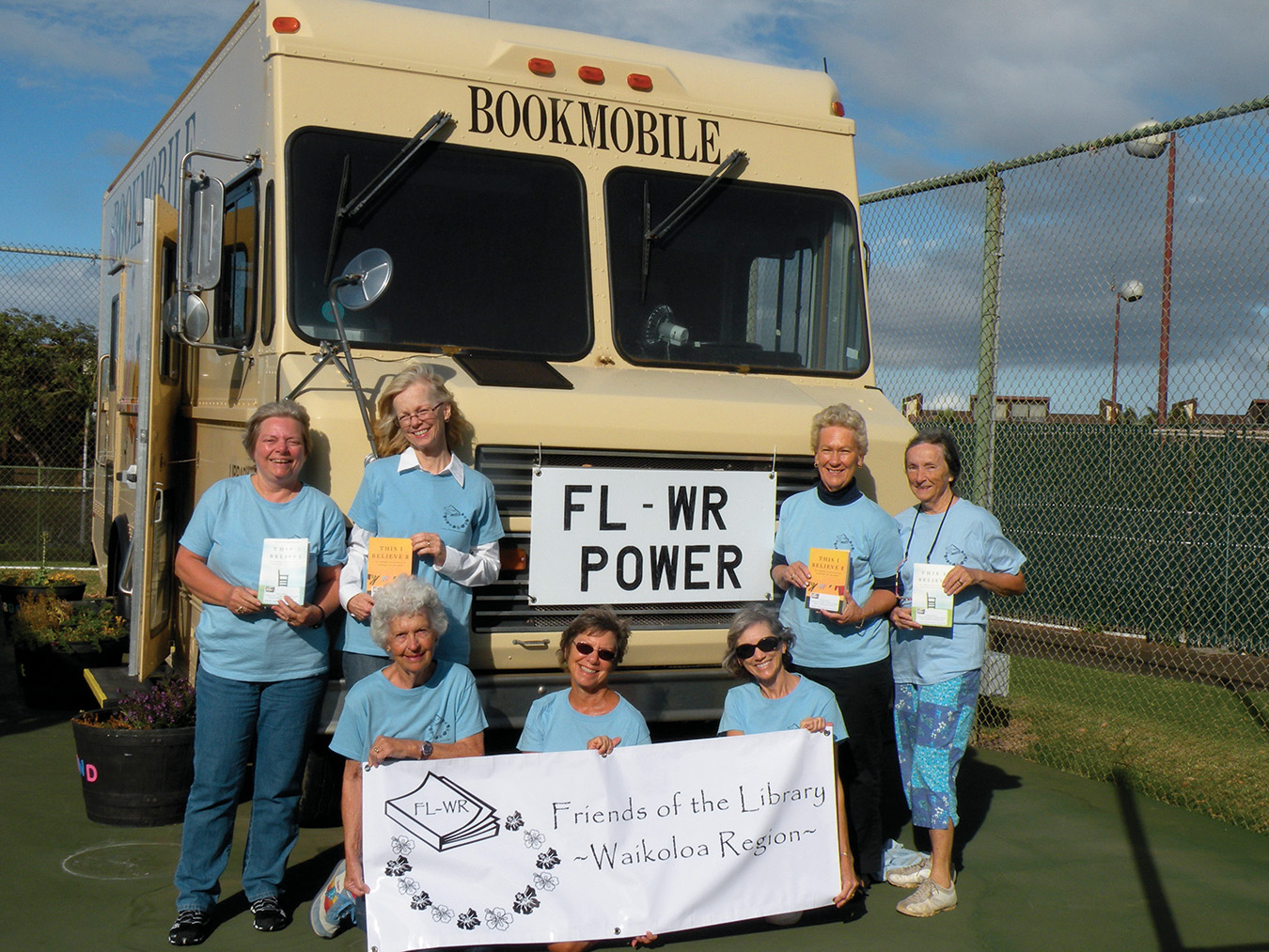
    In 2010, when beginning to organize Friends of the Library–Waikōloa Region, one of our first steps in advocating for a library was to meet with the state librarian. He suggested that we could take possession of a bookmobile that was in storage at the Kona library. We took him up on that offer right away! It now has a permanent home in Waikōloa Village behind the tennis courts, with Wi-Fi, electricity and a pergola for activities.

    Today, this community asset is a seven-day-a-week hub. Run entirely by volunteers who meticulously curate the donated collection and assist in picking out books, the bookmobile offers books, DVDs and audiobooks for all ages. Operating on a refreshingly simple no-checkout policy, it has become a favorite destination for families, vacationers
    and seniors alike.

    The bookmobile is more than just a place to grab a poolside novel; it is a center for creativity. From painting spring wind chimes to designing Valentine’s bookmarks and back-to-school pencil pouches, these activities bring the generations together. Each visit concludes with the best gift of all — a new book to take home. In Waikōloa, we aren’t just sharing stories, we are building them.

    The enthusiasm for this community asset is overwhelming. Families, vacationers, high schoolers, seniors and residents of all ages enjoy stepping up into the van, walking the aisle and looking for new reading materials — books, audio books and DVDs. Enjoy your visit to the Waikōloa Village bookmobile, open seven days a week from 9am to 5pm.

    FRIENDS OF THE LIBRARY–WAIKŌLOA REGION
    PO Box 383283, Waikoloa, HI 96738
    808-536-4174 | bookmobile@flwrhi.org
    friendsofthelibraryofhawaii.org/waikoloaaffiliate

    When the state librarian of Hawai‘i shuttered the state’s Bookmobile Program in 2003 due to budget cuts, a vital chapter of local history seemed to close. However, the residents of Waikōloa Village refused to let the story end. In 2010, when beginning to organize Friends of the Library–Waikōloa Region, one of our first steps in…

  • Ho‘oku‘ikahi Establishment Day Festival

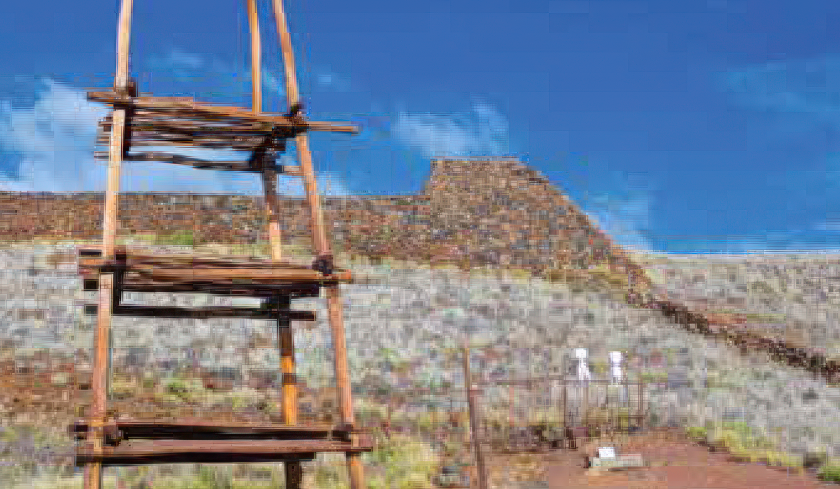
    In the foreground of the crystal blue waters of Spencer Beach Park at Ōhai‘ula Beach in Kawaihae on Hawai‘i are jagged lava stones neatly stacked on top of each other, their corners coming together like a jigsaw puzzle. It is Pu‘ukoholā Heiau — one of the last ancient Native Hawaiian heiau (temple) built, marking the end of the traditional kapu system.

    King Kamehameha I was to fulfill a prophecy and secure his unification of the Hawaiian Islands —“Ho‘oku‘ikahi,” to “unify as one.” A prophet told Kamehameha that to conquer and unite all the islands, he must first build a large heiau at Pu’ukoholā and dedicate it to war god Kūkā‘ilimoku. Nearly 10,000 pairs of careful hands passed along lava rocks across 25 miles in a human chain. The mortarless stone temple took a year to complete. Finally, Kamehameha carried out the last step of this spiritual journey — the sacrifice to Kū of his adversary and first cousin, Keoua.

    Kamehameha reunited the Hawaiian Kingdom in 1810. During his reign, he stored his ammunition at Mailekini Heiau, below Pu’ukoholā, to protect Kawaihae Harbor. The submerged remains of another heiau, Hale o Kapuni, dedicated to shark akua (deities), are believed to lie just offshore.

    King Kamehameha’s Pelekane (royal courtyard) is situated along the coast directly below Pu’ukoholā Heiau and Mailekini Heiau at the Pu’ukoholā Heiau National Historic Site. Upon European contact, this is where ali‘i met with foreign dignitaries and the first group of New England Protestants made their new home. The residence of shipwrecked American sailor John Young, who served as Kamehameha’s advisor, is also located here. Recognizing the historical and cultural significance, Congress designated all of these buildings as National Historic Sites in 1972.

    On Aug. 15 and 16, the 54th Ho‘oku‘ikahi Establishment Day Hawaiian Cultural Festival (nps.gov/puhe/festival.htm) celebrating Hawai‘i’s history and culture will be held at the Pelekane. The festival traditionally begins with a ho‘okupu (gift-giving ceremony). Activities include ulana lauhala (lauhala weaving), kuiki (quilting), lei making, kapa-making, hulu ali‘i (chiefly feather work) and traditional Hawaiian games. There will also be informational booths, workshops, food, canoe rides and live music. Admission is free.

    If you are unable to attend the festival, know that Pu’ukoholā will always be there for you and future generations to witness Hawai‘i’s history.

    In the foreground of the crystal blue waters of Spencer Beach Park at Ōhai‘ula Beach in Kawaihae on Hawai‘i are jagged lava stones neatly stacked on top of each other, their corners coming together like a jigsaw puzzle. It is Pu‘ukoholā Heiau — one of the last ancient Native Hawaiian heiau (temple) built, marking the…

  • Is AI Appropriate for Alzheimer’s Patients?

    Approximately 32,000 Hawai‘i residents have been diagnosed with Alzheimer’s disease (AD) as of 2020 and 20% of Hawai‘i’s residents serve as their caregivers. Most caregivers are like my ‘ohana and myself, family members who mālama our kūpuna out of a sense of duty and love. Anyone who has taken up this momentous task knows it is far from smooth sailing. Loss of independence and control over their physiological functions can cause our loved ones to become frustrated, angry and/or depressed. In turn, we, too, can become overwhelmed to see the people we looked up to our entire lives slowly become shadows of themselves.

    The Alzheimer’s Association (alz.org) recommends that caregivers encourage persons with dementia to talk openly about their lives. Not only will they be challenged to recall memories, but the process of remembering may help reinstall a sense of self. That type of cognitive stimulation has been shown to be beneficial for people diagnosed with AD and other forms of dementia.

    According to a recent New York Times article, artificial intelligence (AI) is transforming AD patient care by providing tools that are meant to improve safety and offer personalized support. For example, researchers are testing AI chatbots as “digital companions.” A chatbot is a software program that analyzes complex data to process and simulate human speech. Chatbots integrated into the patient’s daily routine can remind the patient to take their daily medications. A chatbot can ask a patient to recall their favorite memory, start a conversation about their favorite hobby and play a favorite song to make your loved one more comfortable. Chatbots can also prompt a patient to remember a list of words that they will be asked to recall later. In addition, chatbots can produce puzzles and other brain-stimulating activities, which have all been shown to improve the mood of people diagnosed with AD.

    While AI brings significant benefits in early detection and caregiver support, it also presents challenges regarding data privacy, potential for bias and the necessity of human oversight, because it is also possible for AI companions to encourage disruptive or destructive behaviors. In addition, research is limited to subjects who are in the early stages of AD, so its applicability once the condition progresses is unknown.

    Researchers are also concerned that caretakers will become over-reliant on the technology. They may rely too heavily upon AI and neglect to provide their loved ones with human contact. Additionally, more research needs to be conducted to integrate AI into the spectrum of side-effects that may occur in AD, such as hallucinations.

    AI is considered a valuable tool for AD patient care when used as a complement to rather than a replacement for human care. Check with a medical professional before making any decisions.

    Approximately 32,000 Hawai‘i residents have been diagnosed with Alzheimer’s disease (AD) as of 2020 and 20% of Hawai‘i’s residents serve as their caregivers. Most caregivers are like my ‘ohana and myself, family members who mālama our kūpuna out of a sense of duty and love. Anyone who has taken up this momentous task knows it…

  • Banana Po‘e

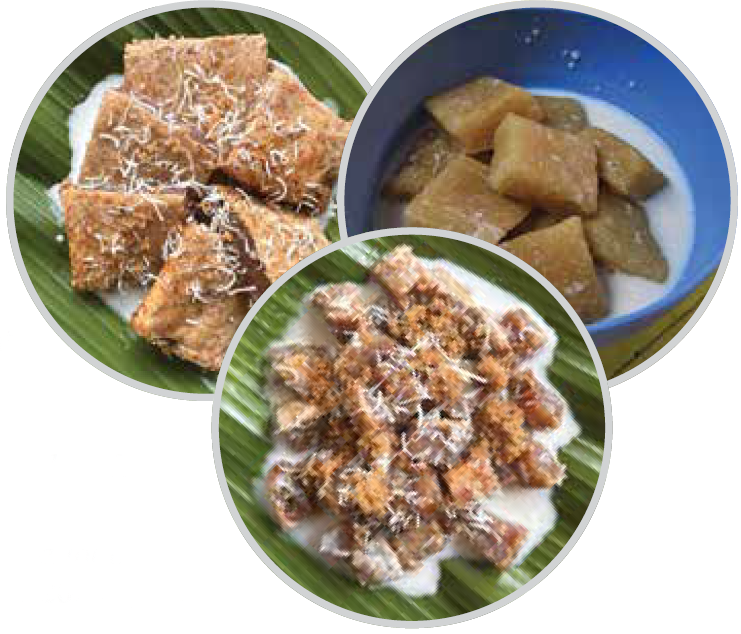
    Wow! This ended up being really fun! We found this very easy Tahitian dessert recipe and Cynthia and I (Wilson) thought we’d try our hand(s) at it. Hence, the GM cooking challenge: “On your mark, get set… bake ’em!” Wilson: I found this recipe lends itself to a lot of personal preference — from preparation to taste, proportion and texture. Cynthia: It was easy and quite delicious. It reminds me a lot of chi chi dango (mochi) (generations808.com/may-june-2025, pg. 21).

    Ingredients

    8–12 bananas (any type, very ripe)
    1 tbsp. vanilla extract
    1 cup tapioca flour/starch
    1 cup brown sugar
    3/4 cup coconut shreds (sugared or plain)
    1 can coconut milk

    Directions

    Peel the bananas completely, including the strings/veins. Place them in a large bowl to be
    mashed. Depending on personal preference, the degree of mashing is up to you. It can be pureed or mashed just enough for it to be a bit chunky. Preheat the oven to 375° F. Mix in the vanilla extract. One tablespoon is a good starting point, but an extra dash won’t hurt. Mix in the brown sugar and coconut shreds.

    Next, mix in the tapioca flour/starch (gluten-free, made from the cassava root) until it’s the consistency of pancake batter. Corn starch is another option. Prep an 8-by-8-inch pan by greasing the bottom and sides with butter. Pour the mixture in the pan, place it in the oven and bake it for 1 hour. The finished cake will be about 3/4-inch thick.

    When done, remove from oven.

    While it is still warm, the cake may be cut into 2-inch squares; smaller if you desire. For smaller, 1/2-inch bite-sized pieces, use kitchen scissors.

    Serve the cake slices/pieces in a saucer or shallow bowl. Pour the coconut milk right from the can over the pieces. Quantity is to your liking. Sprinkle some coconut shreds and brown sugar on top — BAM! All pau, all ono!

    Prep & cooking time: 1-1/2 hours (approx.)
    Serves: 6–8 servings

    Do you have a favorite recipe and story to share? For consideration, include a photo and mail them to Generations Recipe, PO Box 4213, Honolulu, HI 96812, or email them to Cynthia@generations808.com.

    Wow! This ended up being really fun! We found this very easy Tahitian dessert recipe and Cynthia and I (Wilson) thought we’d try our hand(s) at it. Hence, the GM cooking challenge: “On your mark, get set… bake ’em!” Wilson: I found this recipe lends itself to a lot of personal preference — from preparation…

  • Celebrating the Tahitian Culture

    Since more than 1,500 years ago, Kānaka Maoli (Native Hawaiians) have welcomed immigrants from every corner of the globe, cultivating and perpetuating a tapestry of diverse cultures. In the 10th article in this ongoing series on the many cultures that comprise Hawai‘i, we will focus on the Tahitians, their arrival to the Hawaiian islands, their traditions and celebrations such as Heiva i Hawai‘i and Tahiti Fête.

    Tahitian Arrival in Hawai‘i

    Some records state that around 500 AD, Polynesian people from Tahiti and Hiva (Marquesas Islands) sailing in double-hulled canoes navigated to and settled Hawai‘i. Several hundred years later, the second wave of Tahitian immigrants arrived in the 9th or 10th century, hailing from Kahiki (Tahiti in ‘ōlelo Hawai‘i, according to oral tradition) and worked with the Hawaiian Kingdom to form the new ali‘i class. European explorers also noted similarities in language between Hawai‘i and Tahiti, with some Tahitians even arriving to the islands aboard foreign vessels as translators and sailors. Today, people of Tahitian heritage make up about .2% of Hawai‘i’s population.

    Cultures & Traditions

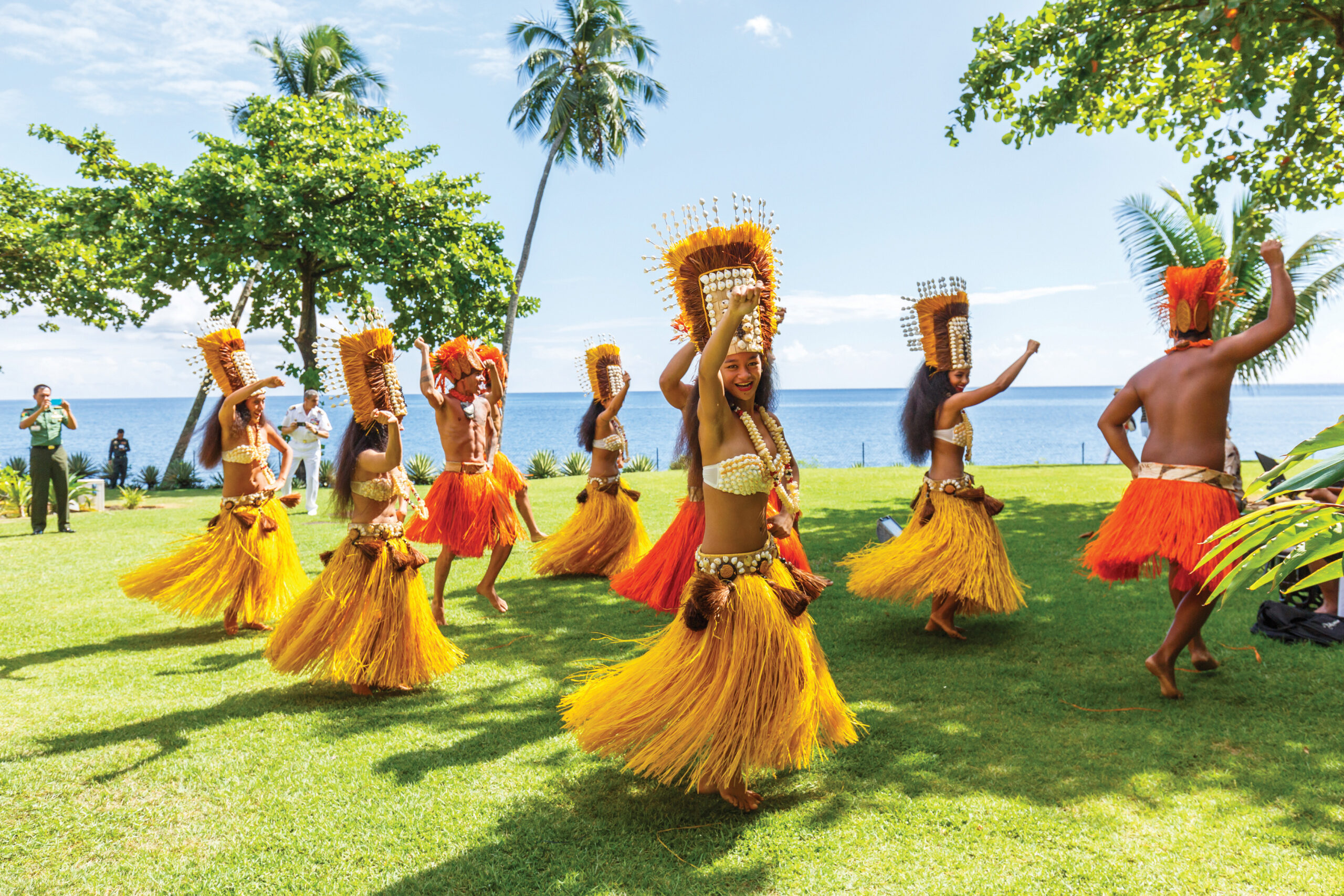
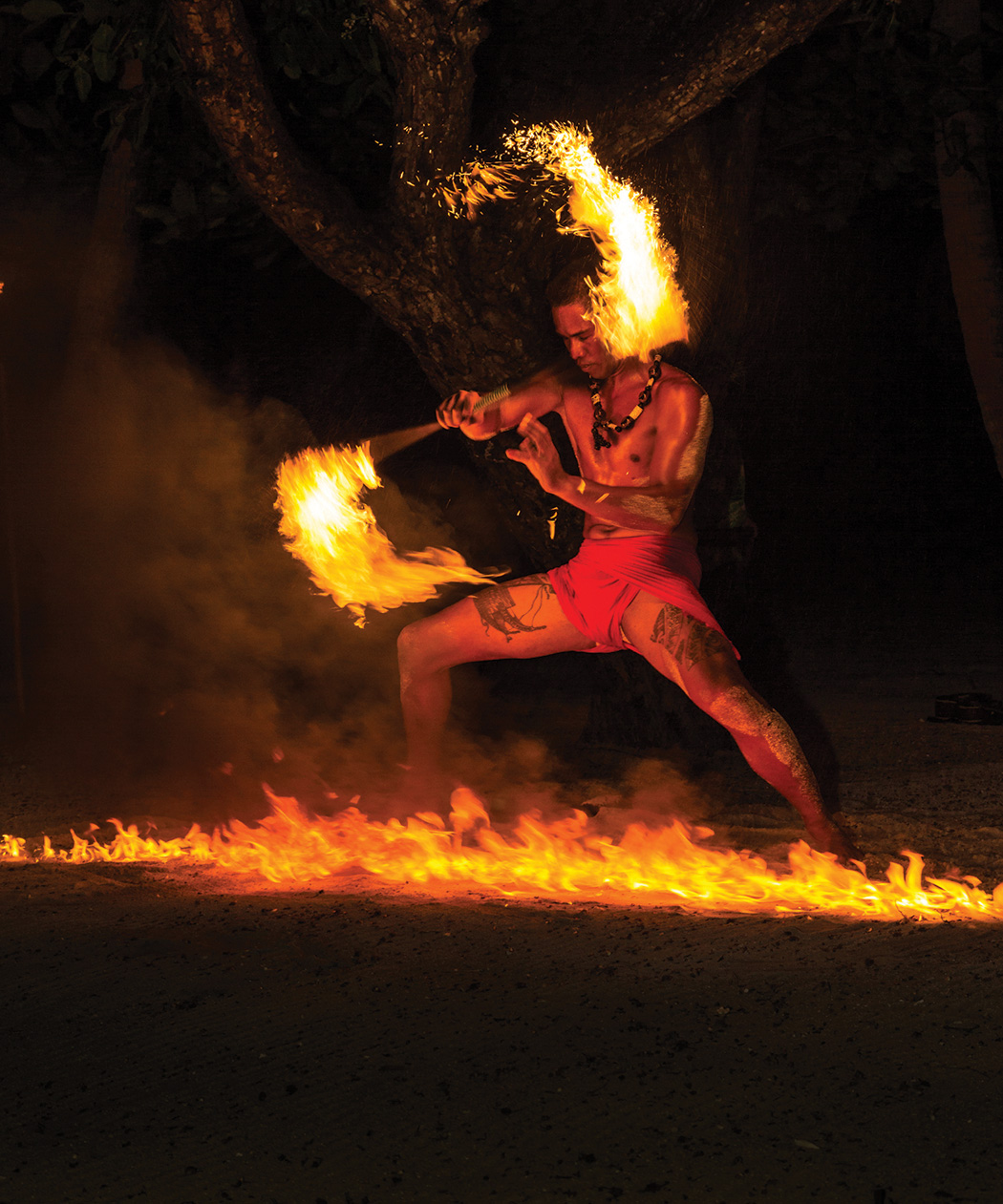
    Tahitian people proudly share their heritage with the world, communicating the trust their ancestors had in future generations to carry on their oral and physical traditions. Similar to Hawai’i, Tahitian clothing was traditionally made from tapa cloth, with women wearing pareo made of the material. Today’s pareo have changed in dressing style and pattern, but the meaning and cultural pride remain. Music and dance are a foundational part of Tahitian life, characterized by tamure (a fast hip-shaking dance) as well as riveting beats on pahu (wooden drums traditionally covered with sharkskin) and toere (a long drum with a split). Tatau (tattoo) is another way for Tahitians to express cultural identity and pride.

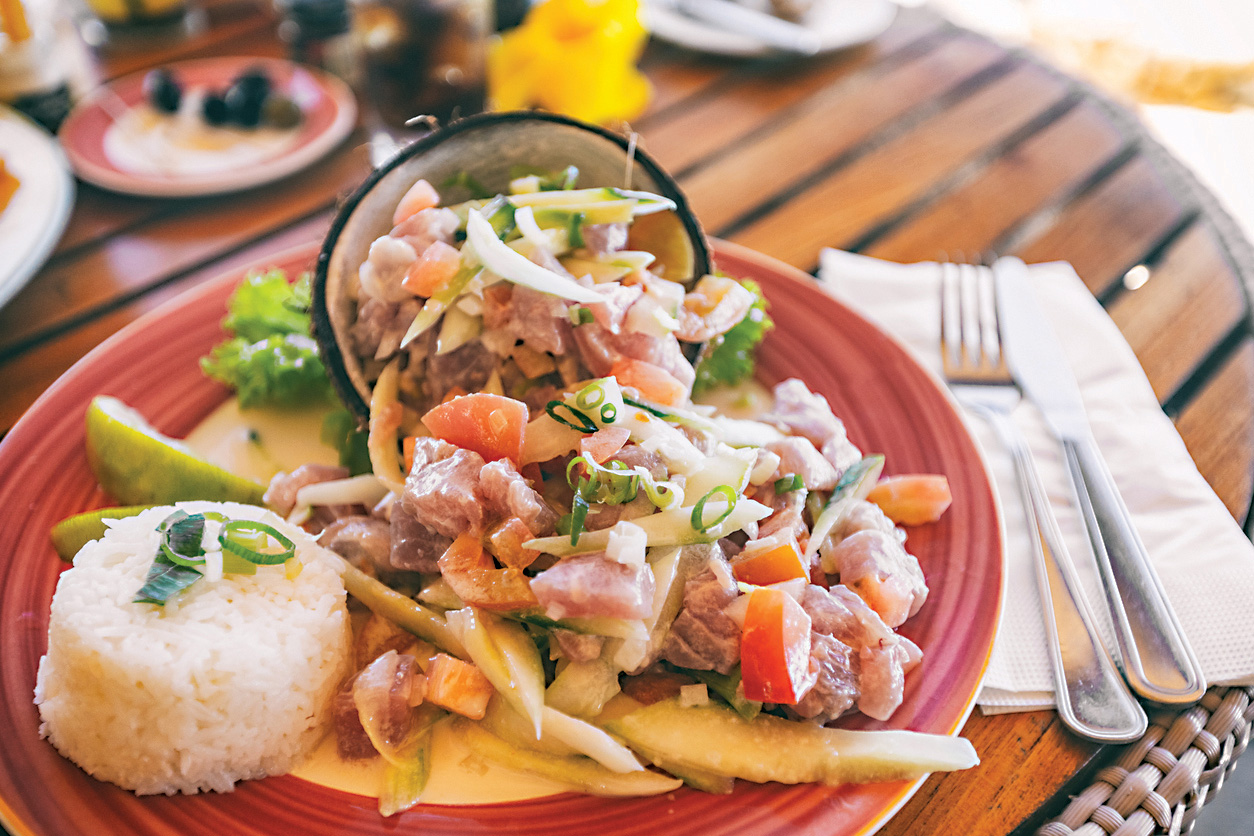
    Foods such as poisson cru (raw fish marinated in lime juice, mixed with vegetables and coconut milk) and abundances of fish and vanilla emphasize Tahiti’s natural splendor.

    Celebrations

    Tahitian celebrations tend to focus on dance. Heiva i Hawai‘i (heivaihawaii.myshopify.com) is an annual Tahitian dance competition featuring ‘aparima (a Tahitian dance focusing on hand movements), ‘ahuroa (another dance rooted in ‘aparima) and drum dances. This year, Heiva i Hawai‘i was held in Kailua-Kona of Hawai‘i Island this past February.

    This year’s Tahiti Fête Hawai‘i (tahitifete.com), regarded as the largest Tahitian dance competition in the US, will be held July 3 through 5 at the Neil S. Blaisdell Arena in Honolulu for the very first time. From August 1 to 2, Heiva i Kaua’i (heivaikauai.com) will take place at Kapa‘a State Park on Kaua‘i.

    For more information, see Generations Magazine’s Facebook page (facebook.com/genmag808) and website calendar (generations808.com/calendar) for community events and opportunities.

    The next article in this series will feature the influences of German culture in Hawai‘i.

    Since more than 1,500 years ago, Kānaka Maoli (Native Hawaiians) have welcomed immigrants from every corner of the globe, cultivating and perpetuating a tapestry of diverse cultures. In the 10th article in this ongoing series on the many cultures that comprise Hawai‘i, we will focus on the Tahitians, their arrival to the Hawaiian islands, their…

  • Connection Beyond Hearing

    Hearing loss can create distance between people, especially kūpuna. The challenge is not just about missing sounds, but the frustration that grows when communication feels out of reach. I understand this personally. I experienced significant hearing loss from childhood into adulthood. Over time, I learned something important: Connection does not depend on hearing alone. So I learned to focus my attention and adjust my environment, which allowed me to stay connected in deeper ways.

    Some tips on how to better communicate with a hearing impaired person:

    ■ Vision plays a powerful role. Choose a well-lit space and face the person as you speak. Facialexpressions, gestures and lip movements provide meaning that words alone cannot carry. A smile, a quick wink or a friendly greeting can express love and warmth when hearing gaps exist.

    ■ Touch strengthens presence. A gentle tap on the arm can bring attention before speaking. Holding a hand builds comfort and trust.

    ■ Speech matters. Speak clearly and at a slightly slower pace. As hearing decreases, the brain works harder to fill in missing parts of a sentence. When words come too quickly, the mind struggles to keep up. Slowing down gives the listener time to process and stay engaged.

    ■ One-on-one time is important. Group conversations can feel overwhelming. Multiple voices and shifting topics make it difficult to follow along. Do not assume others heard what you heard. Summarize key points and speak directly to the person with hearing limitations.

    ■ Connect at a regular time each day. Simple habits make a difference. I experienced this with my hearing-impaired grandmother. When I called her in the morning, she felt loved and less alone.

    ■ Learn basic sign language. Using the American Sign Language creates another layer of connection. At Hōkūlani Children’s Theatre of Molokai, I teach children and kūpuna simple songs in sign language. This helps them connect voice, facial expression and gesture — three essential parts of communication.

    At its heart, effective communication builds relationships. I feel grateful for my hearing loss because it taught me to listen with my heart, not just my ears.

    Vicki Boswell is the Founder and President of Hōkūlani Children’s Theatre of Moloka‘i and a dedicated advocate for life skill development among kūpuna. Drawing from her lifelong experience with hearing loss, she teaches practical, multisensory communication strategies that strengthen connection and reduce isolation. Vicki holds a BA in educational psychology and an MSW with a child and family emphasis. She loves working with children and kūpuna, helping them build confidence, express themselves and stay meaningfully connected within their communities. If you have a story to share, email the editor: debra@generations808.com.

    Hearing loss can create distance between people, especially kūpuna. The challenge is not just about missing sounds, but the frustration that grows when communication feels out of reach. I understand this personally. I experienced significant hearing loss from childhood into adulthood. Over time, I learned something important: Connection does not depend on hearing alone. So…

  • The Way of Writing

    In Japanese culture, rank is important. It signifies accomplishment, perseverance and strict adherence to righteous values. Hiromi Nakai Peterson has attained the rank of eighth dan (Hachidan), the highest rank in Shodo, the traditional Japanese art of artistic calligraphy. Derived from “sho” (writing) and “do” (way or path), it represents a spiritual discipline rather than just a technique, similar to martial arts. The art originated in China and was introduced to Japan around the sixth to seventh centuries.

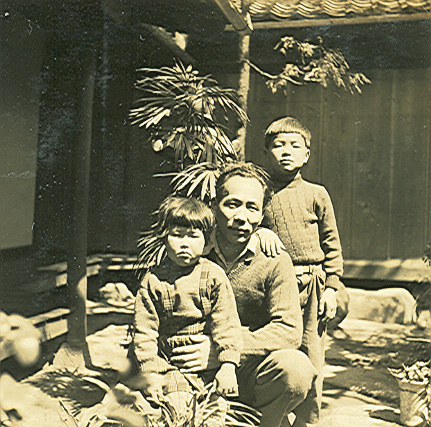
    Hiromi with her father and older brother
    in 1953. PC: Hiromi Peterson

    Hiromi was born in Hiroshima City, Japan, three years after the atomic bomb was dropped. The city was still in a state of profound devastation, resembling a “wasteland of crooked steel and charred rubble.” But, miraculously, she and her family survived. Whether by divine intervention or by geographic good fortune, a hill called “Hijimayama” partially protected her family residence from the terrible blast of blinding light and radiation that emanated from the first atomic bomb dropped on humanity.

    Hiromi’s Shodo introduction and education started quite early. In Japan, Shodo is taught as part of the regular curriculum. She also attended Shodo classes with her two older sisters, starting in kindergarten. After high school, she enrolled at the Kyoto University of Foreign Studies to learn English. After graduation, she returned to Hiroshima and taught high school English.

    During a summer break, she attended summer school at the University of Hawai‘i at Mānoa, where she met William Peterson, a professor of computer science. After months of courtship, traveling between Hawai’i and Japan, William proposed to Hiromi. They eventually married, despite her family’s disapproval. The atomic bombing was most likely the reason.

    Hiromi studied Shodo in Hawai‘i with an informal group. They took written exams and sent them to Japan for credit. Hiromi’s rank rose. Her formal Shodo education started when she met Amaishi sensei (teacher), who owned and operated a Shodo school and published a Shodo magazine in Japan. Amaishi sensei is the owner and executive of Shodo schools throughout Japan.

    To obtain her seventh dan, Hiromi sent her written exam to Amaishi sensei. Then for her eighth dan exam, she travelled to the sensei’s school for her exam. Hiromi passed her eighth dan exam, received her teaching certificate and also received her professional name of “Toka” (“to” means east; “ka” means flower).

    In Shodo there are three basic styles. Kaisho is regular block script, Gyosho is semi-cursive script and Sosho is cursive script. Peterson sensei has become highly skilled in both Gyosho and Sosho.

    Peterson sensei also taught Japanese language at Punahou School for 30 years. She co-authored a Japanese textbook, which was donated to Punahou. She also co-authored a teacher’s manual. Her former students express their indebtedness to her for her patient, warm and supportive demeanor.

    The life lessons Shodo offers are many and profound, all positively affecting the soul. “The practice of Shodo is like meditation,” she says. “It involves breathing, focus and clarity of mind. As you practice, it coordinates the hand, mind and body. The more you practice, you learn to let go and to go beyond. It leads to freedom. I begin each day with Shodo. It brings together all the goodness in hopes that the hours of the day will give us peace and serenity.”

    Like a phoenix rising from the dark and forsaken ashes of Hiroshima, Peterson sensei attained cultural and artistic heights. She sought her own path with a clear, spiritual mind and an unwavering devotion to Shodo.

    In Japanese culture, rank is important. It signifies accomplishment, perseverance and strict adherence to righteous values. Hiromi Nakai Peterson has attained the rank of eighth dan (Hachidan), the highest rank in Shodo, the traditional Japanese art of artistic calligraphy. Derived from “sho” (writing) and “do” (way or path), it represents a spiritual discipline rather than…

  • Six Reminders for the Primary Election

    Ahead of the 2026 primary election on Saturday, Aug. 8, we have a few key reminders for Hawai‘i voters.

    Your primary election ballot will arrive by mail. Hawai‘i registered voters automatically receive a mail ballot for every election.

    Confirm your voter registration. Visit elections.hawaii.gov or call 808-453-8683 to confirm that your voter registration is current. If you have moved or changed your mailing address since the 2024 elections, be sure to update online or by submitting a Voter Registration Application (elections.hawaii.gov/wp-content/uploads/VR-Form-English-Fillable.pdf).

    Track your ballot. Sign up for Hawai‘i’s free ballot tracking system at elections.hawaii.gov. You’ll receive alerts when your ballot is mailed to you and when your voted ballot has been accepted for counting. You can expect to receive your ballot packet by July 21.

    Learn about the candidates. View the digital voter guide at elections.hawaii.gov to read statements from the candidates.

    Return your ballot by 7pm on Aug. 8. Return your ballot by mail or drop it off at a ballot drop box. Visit elections.hawaii.gov for location details. Don’t forget to sign the return envelope for your ballot to be counted.

    Need assistance? Accessible options are available including accessible voting equipment at voter service centers and requesting an electronic ballot if you have a print disability. Visit elections. hawaii.gov to learn more.

    Ahead of the 2026 primary election on Saturday, Aug. 8, we have a few key reminders for Hawai‘i voters. ❑ Your primary election ballot will arrive by mail. Hawai‘i registered voters automatically receive a mail ballot for every election. ❑ Confirm your voter registration. Visit elections.hawaii.gov or call 808-453-8683 to confirm that your voter registration…

  • Heart Health for Every Age

    For many kūpuna across Hawai‘i, staying active is more than a lifestyle choice, it’s a lifeline. As heart disease continues to be the leading cause of death in the islands, community events that encourage movement, connection and awareness play an essential role in supporting longer, healthier lives.

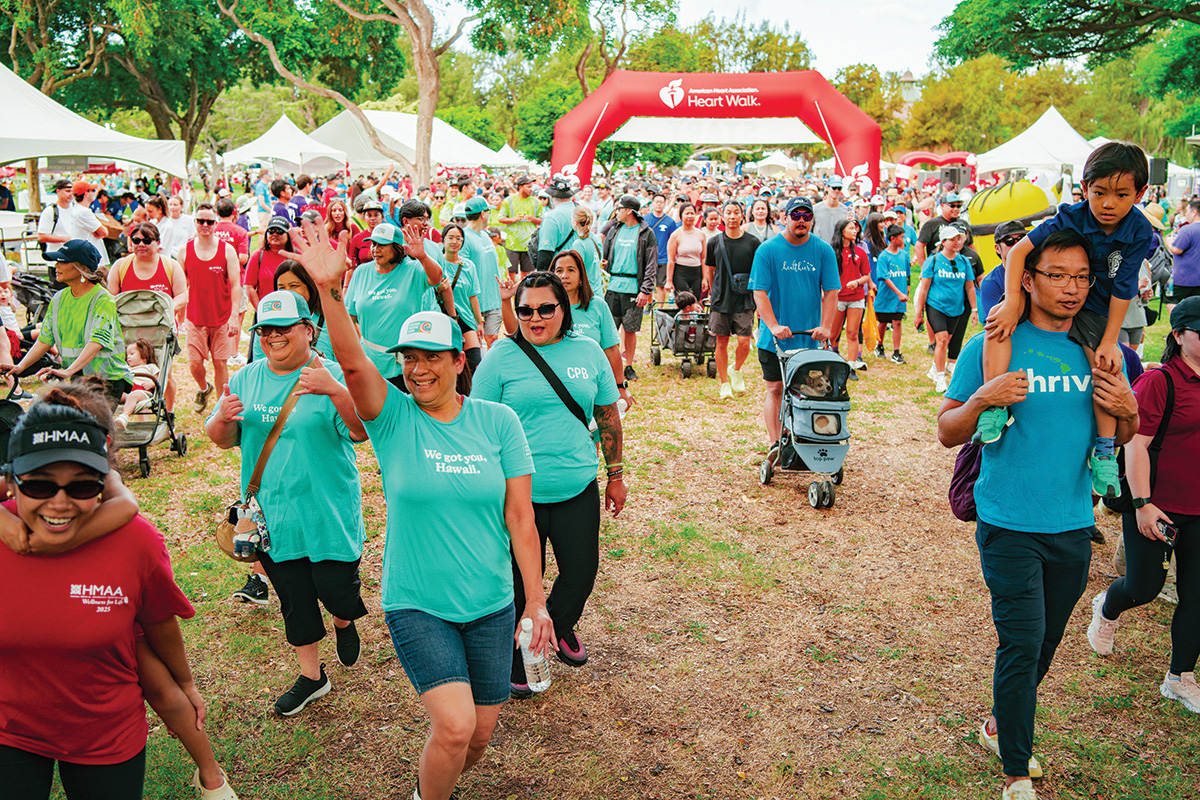
    This year’s Hawai‘i Heart Walk at Kapi‘olani Regional Park in Honolulu on Aug. 15 invites older adults, families and caregivers to come to￾gether in a celebration of wellness. The event isn’t a race. There’s no pressure to finish fast or go far. Participants can choose between a one-mile route or a four-mile route. Both options offer a chance to enjoy time outdoors and take meaningful steps toward better heart health.

    Regular walking lowers blood pressure, improves circulation, strengthens muscles and boosts mood. For kūpuna, even short daily walks can support balance, mobility and independence.

    Registration for The Heart Walk is free and participants will also have access to free health information. Whether you walk a mile or simply enjoy the morning with others, your presence helps strengthen a healthier Hawai‘i. For more information, use the contacts below.

    AMERICAN HEART ASSOCIATION HAWAI‘I (nonprofit)
    707 Richards St., Ste. 615, Honolulu, HI 96813
    808-377-6630 | ahahawaii@heart.org
    heart.org/Hawaii

    For many kūpuna across Hawai‘i, staying active is more than a lifestyle choice, it’s a lifeline. As heart disease continues to be the leading cause of death in the islands, community events that encourage movement, connection and awareness play an essential role in supporting longer, healthier lives. This year’s Hawai‘i Heart Walk at Kapi‘olani Regional…

  • HPGS Honors Kūpuna Advocates

    The mission of Hawaii Pacific Gerontological Society (HPGS) is to enhance the general well-being of older individuals in Hawai‘i. HPGS awards scholarships to students enrolled in paraprofessional training, undergraduate and graduate programs in Hawai‘i, who have a serious interest in professional work related to aging and long-term care.

    This is the 10th year of our Tony Lenzer Scholarship Fundraising event. Each year, HPGS honors a deserving individual who has contributed to Hawai‘i’s senior community and advocates for our kūpuna. This year’s honoree is Suzanne Chun Oakland, program director of Lanakila Multi-Purpose Senior Center. She also served in the Hawai‘i State Legislature for 26 years.

    The first annual event honored HPGS’s first president, Dr. Tony Lenzer (2017). He was followed by Rose Nakamura of Project Dana (2018), retired AARP State Director Barbara Kim-Stanton (2019), Founding HPGS Board member Cullen Hayashida (2020), Gerontologist Emmet White of Arcadia Family of Homes (2021), State Ombudsman John McDermott (2022), AARP President Gary Simon (2023), Dorothy Colby of Hale Kū‘ike (2024) and Jeannette Koijane of Kokua Mau (2025).

    The event will be held on September 11, 2026. For more information and to register, visit hpgs.org


    HAWAII PACIFIC GERONTOLOGICAL SOCIETY (nonprofit)
    PO Box 3714, Honolulu, HI 96812
    HPGS.808@gmail.com | hpgs.org

    The mission of Hawaii Pacific Gerontological Society (HPGS) is to enhance the general well-being of older individuals in Hawai‘i. HPGS awards scholarships to students enrolled in paraprofessional training, undergraduate and graduate programs in Hawai‘i, who have a serious interest in professional work related to aging and long-term care. This is the 10th year of our…