Category: Programs & Services

  • Still Working? Got Medicare?

    Photo of expert helping people with Social Security mattersOur parents may have had an easier time than many of us do now. When they turned 65 years old, they were eligible for full Social Security retirement benefits and Medicare. Today, depending on the year you were born, your full SS may not take effect until you are 67, so you may continue to work and you’re eligible for Medicare. So what should you do?

    Below are factors that may affect your decision.

    Health Insurance — Is your health insurance from you or your spouse’s retirement benefit? You may need to enroll in Medicare Part A, Part B and Part D (prescription drug plan) to avoid surcharges or penalties. Medicare becomes the primary payer of health benefits (this includes if you are covered through Consolidated Omnibus Budget Reconciliation Act (COBRA).

    ◆ If you or your spouse are working and covered by employer’s health plan, then the size of the employer group may make a difference.

    ◆ If your employer has 20 or more employees, the Medicare Secondary Payer (MSP) provisions of the Social Security Act require Group Health Plans (GHP) to make payments before Medicare. Medicare is the secondary payer under the Working Aged provisions of MSP, if all of the following conditions are met: 1) the beneficiary must be age 65 or older and on Medicare, 2) the insured person under the GHP must be either the beneficiary or the spouse of the beneficiary, 3) the GHP coverage must be based upon the current employment status of the insured person, 4) the employer providing the GHP coverage must have 20 or more
    employees, or if the GHP is part of a multiple employer or multi-employer plan. When you leave your job, you have eight months to sign up for Part B under a Special Enrollment Period.

    ◆ If your employer has fewer than 20 employees, then Medicare is the primary payor. There are some federal protections that include the following: The GHP may not offer coverage that pays after Medicare. The GHP may not pay the provider of service a lesser amount, impose limitations on benefits, apply a higher deductible or coinsurance amount, or charge a higher premium because the patient has Medicare. A GHP may not require a person to wait longer for the GHP coverage to begin because they have Medicare. The GHP may not terminate coverage because a person became entitled to Medicare, except as provided in COBRA. Finally, the GHP is prohibited from providing misleading or incomplete information that might induce a Medicare beneficiary to reject coverage under the employer plan.

    Medicare Part D — Prescription drug coverage has to be “creditable.”

    ◆ Part D offers prescription drug coverage. If your employer plan offers what Medicare calls “creditable” coverage, you may be able to delay enrolling in a Part D plan. Creditable means that your employer plan is as good as or better than the coverage provided by Medicare’s prescription drug benefit. If you don’t have this type of coverage and don’t enroll as soon as you’re eligible, there‘s a late enrollment penalty if you go more than 63 days without prescription drug coverage.

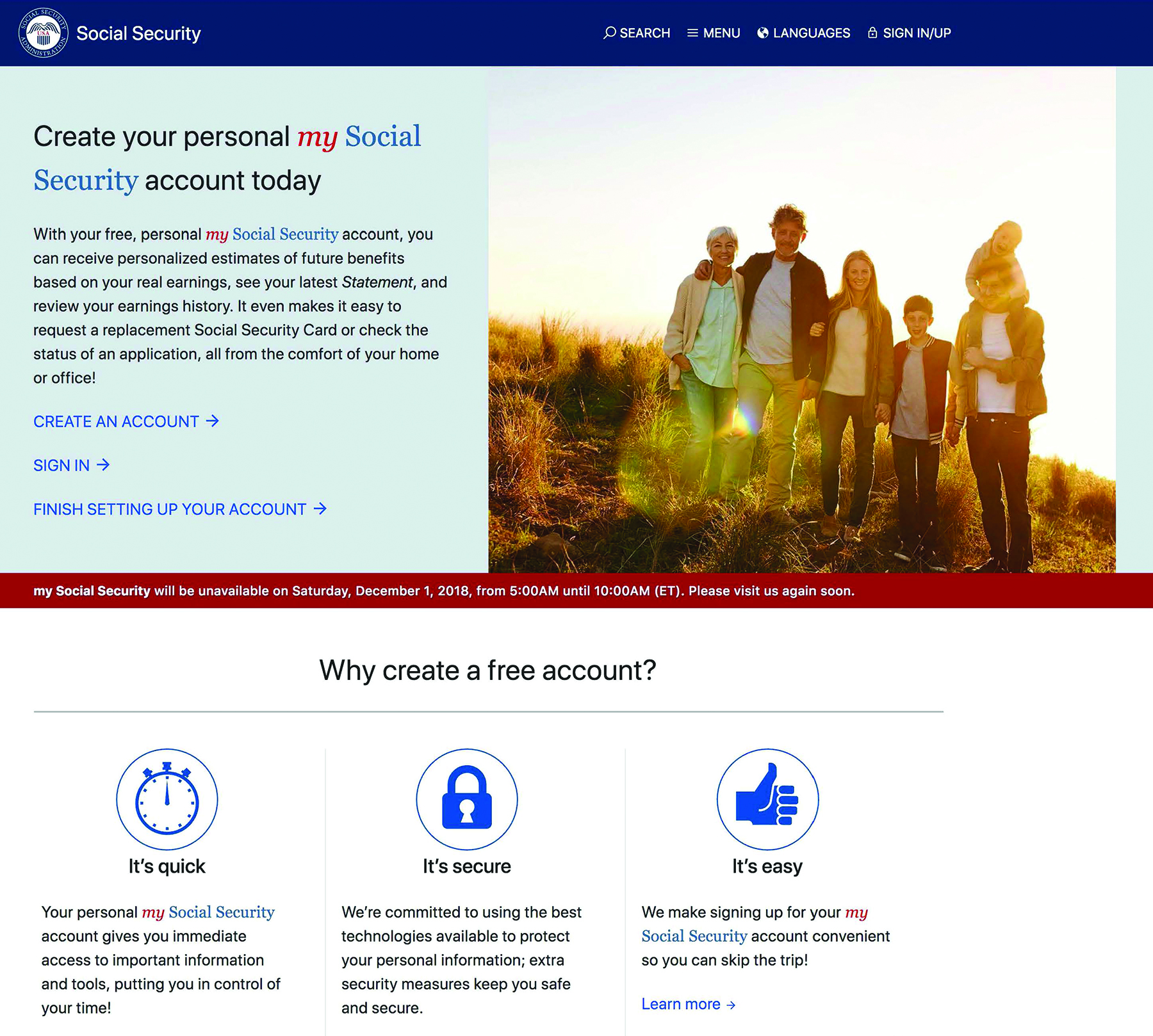
    ◆ If you’re you turning 65 soon, check with your employer’s benefit administrator about Medicare or go to www.socialsecurity.gov.


    KAISER FOUNDATION HEALTH PLAN — HAWAII
    Medicare Sales Information – 808-432-5915
    Information provided by the Hawaii Kaiser Permanente Medicare Team as an educational resource.
    Our parents may have had an easier time than many of us do now. When they turned 65 years old, they were eligible for full Social Security retirement benefits and Medicare. Today, depending on the year you were born, your full SS may not take effect until you are 67, so you may continue to…

  • Changing Lives With Community Action

    In 1963, President John Kennedy’s economic advisors drew up proposals to address the problem of American poverty, which led to the Economic Opportunity Act of 1964.The act included a variety of initiatives: Head Start, Job Corps, the Work-Study program for university students, Neighborhood Youth Corps and CAPs (Community Action Programs).

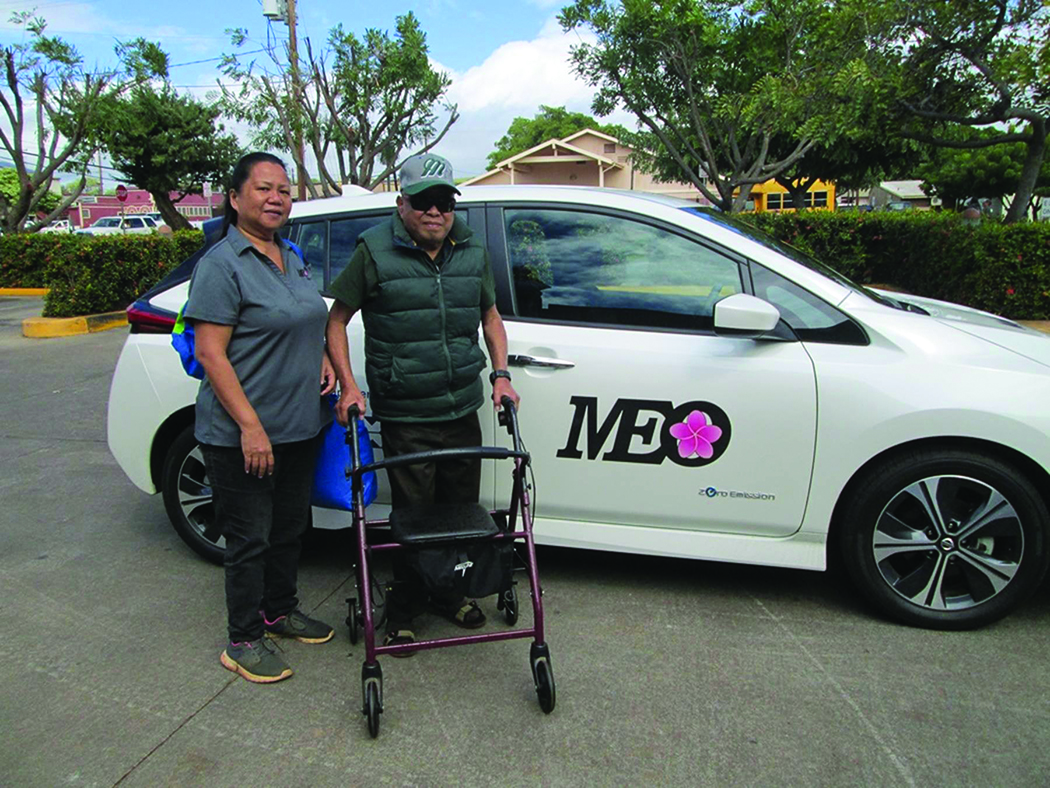
    Maui Economic Opportunity Inc. (MEO), a Community Action Program, was chartered on March 22, 1965.

    MEO administers more than 40 programs and provides tools to help people and change lives through five departments: MEO Business Development Center, Community Services, Early Childhood Services, Transportation Services and Youth Services.

    Services for low-income seniors are at the core of MEO programs, administered through MEO Community Services. Of the more than 166,000 Maui County residents, nearly 18% are age 65 and older and 10% of those seniors are living in poverty. The poverty income level in Hawai‘i is $14,380 for a single person and $19,460 for a family of two. Studies show that a single person living in Maui County needs an annual income of approximately $32,000 to live. In response to this disparity, MEO provides assistance to low-income seniors in a variety of ways.

    ◊ The Senior Community Service Employment Program enrolls seniors 55 and older with little or no work experience in a paid on-the-job training program, placing them with nonprofits throughout the county. When the training is complete, seniors are placed into unsubsidized employment in a variety of fields, including landscaping, healthcare and more.

    Rental assistance helps low-income seniors who are at risk of becoming homeless, providing the first month’s rent and a rental subsidy for up to six months, ensuring their living situation is stable. A rental specialist meets with the senior to review finances and establish a plan for self-sufficiency when the subsidy ends.

    The Weatherization Assistance Program enables low-income seniors to reduce their energy bills by making their homes more energy efficient. Funds are used to improve the energy performance of their dwelling.

    ◊ The Low Income Home Energy Assistance Program (LIHEAP) assists eligible low-income seniors with their heating and cooling energy costs, bill payment assistance and energy crisis assistance.

    ◊ The MEO Senior Red Card provides seniors age 60 older with discounts on food and merchan- dise at establishments throughout Maui County.

    ◊ The Senior Planning and Coordinating Council assists 54 senior citizen clubs, representing more than 1,100 seniors with organizing, recruitment and membership enrollment, advocacy, education and social activities and events.

    ◊ The Senior Farmers’ Market Nutrition Program provides low-income seniors with eligible fresh produce with the goal of improving their health and nutritional status. Each senior receives a book of coupons worth $50 to exchange for fresh, nutritious and unprocessed locally grown fruits, vegetables, herbs and honey from an authorized farmer or farmers’ market.

    ◊ A local attorney provides pro bono legal services for low-income seniors in the form of simple wills or living trusts (no probate), or deeds (to change names on real property), advance care directives and other simple legal matters.

    ◊ Persons in Need 60Plus assists low-income individuals 60 and older, who have income at or below the 125 percent poverty level, achieve economic security through supportive services to include subsidies for hearing aids, glasses, scooters and dental work.

    • The Maui Independent Living Center assists seniors with disabilities and their families to identify community resources and navigate the education and medical systems to remove barriers and empower them to be fully engaged in all aspects of life.

    ◊ MEO Transportation provides specialized transportation services for seniors on the islands of Maui, Moloka‘i and Lāna‘i and in Hāna. Services include senior leisure and nutrition programs, excursions, rural shopping shuttles, Adult Day Care, rides to work for low-income individuals, and to special community events and dialysis. MEO also operates the Maui Bus Paratransit program, providing rides to disabled seniors who reside within .75 miles of the fixed route.

    In addition to senior services, in the last fiscal year, MEO served more than 275 children and families in its Head Start program, trained 219 individuals under its Core Four Business Planning classes, and other employment and training programs, created or saved 52 jobs, provided evidence-based prevention programming to more than 450 youth, assisted 1,615 individuals with rental and/or energy assistance and provided more than 340,000 rides to low-income individuals, seniors, disabled and youth.

    MEO has been “Helping People. Changing Lives.” for 54 years and is an articulate advocate for those whose voices are often not heard. MEO works in concert with the resident, public and private sector, providing services to over 18,000 individuals and families, touching more than 54,000 lives throughout Maui County and the State of Hawai‘i annually.


    MAUI ECONOMIC OPPORTUNITY, INC
    99 Mahalani St., Wailuku, HI 96793
    Main office.: 808.249.2990 | Transportation: 808-877-7651
    www.meoinc.org

    For Neighbor Island Senior Bus Transports:
    Kaua‘i: www.tinyurl.com/KauaiCounty-SeniorBus808-246-8110
    Hawai‘i: www.tinyurl.com/HawaiiCounty-SeniorBus East HI: | 808-961-2681, West HI: 808-322-3429

    Maui Economic Opportunity administers more than 40 programs and provides tools to help people and change lives through five departments: MEO Business Development Center, Community Services, Early Childhood Services, Transportation Services and Youth Services. Services for low-income seniors are at the core of MEO programs, administered through MEO Community Services.

  • Military Service and Social Security

    Q: I’m planning to retire next year. I served in the Navy back in the 1960s and need to make sure I get credit for my military service. What do I need to do?

    A: You don’t need to do anything to apply for the special credit for your military service — it is added automatically. For service between 1957 and 1967, we will add the extra credits to your record at the time you apply for Social Security benefits. For service between 1968 and 2001, those extra military service credits have already been added to your record. So you can rest assured we have you covered. You can read the Military Service and Social Security booklet at www.socialsecurity.gov/pubs/10017.html.

    Q: I served in the military, and I’ll receive a military pension when I retire. Will that affect my Social Security benefits?

    A: You can get both Social Security retirement benefits and military retirement at the same time. Generally, we don’t reduce your Social Security benefits because of your military benefits. When you’re ready to apply for Social Security retirement benefits, go to www.socialsecurity.gov/ applyonline. This is the fastest and easiest way to apply. For your convenience, you can always save your progress during your application and complete it later. And thank you for your military service!


    For questions, online applications or to make an appointment to visit a SSA office, call from 7am–5pm, Mon–Fri:

    1-800-772-1213 (toll free) | www.socialsecurity.gov

    I’m planning to retire next year. I served in the Navy back in the 1960s and need to make sure I get credit for my military service. What do I need to do?

  • Heads up! It’s Upgrade Time!

    Most people use new or upgraded versions of cars, phones, appliances and all sorts of gadgets to manage their daily lives. Yet, they seem surprised to learn of a loved one’s, a friend’s or their own need for a medical procedure to maintain or improve functional capabilities. The need for a knee or hip replacement or cataract surgery comes as a shock or a hardship.

    While individuals routinely replace cars on average every 7 years, cellphones whenever a new model is launched and appliances every 3–10 years, few expect their bodies to break down after six or seven decades of service. Without insurance coverage, a full hip or knee replacement can cost about $39,000 per knee or hip — the price of a new car! Cataract surgery can run about $7,000 for both eyes. That brand new kitchen suite with refrigerator, dishwasher and matching microwave would cost about the same.

    So schedule your free annual wellness visit with your physician. The examination and preventive screenings may be able to determine if any upgrades are needed. Any time is a good time to develop a realistic understanding and approach for caring for the physical body that supports you daily. Accepting the upgrades and replacements that may be needed after decades of daily use can create a “new” you!


    MEDICARE MOMENT WITH MARTHA
    A radio program with Martha Khlopin
    KHNR-690AM: Sundays 9:30am–10am
    808-230-3379 | getmartha@aol.com

    Most people use new or upgraded versions of cars, phones, appliances and all sorts of gadgets to manage their daily lives. Yet, they seem surprised to learn of a loved one’s, a friend’s or their own need for a medical procedure to maintain or improve functional capabilities. The need for a knee or hip replacement…

  • Honoring and Protecting Patients’ Rights

    Long-Term Care Ombudsmen are advocates for residents living in nursing homes, assisted living facilities, adult residential care homes, expanded adult residential care homes and community care foster family homes.

    We are NOT the state inspectors and do not write deficiencies or issue fines or citations. Our focus has always been on quality of life and quality of care issues — advocating for all our residents so their rights can be honored and protected.

    Our program is part of the Executive Office on Aging, which is attached to the Department of Health. Our mandate is in the federal Older Americans Act and state HRS 349. Hawai‘i currently has 1,700 facilities with 12,661 beds. Visiting all these residents spread over six islands is an impossible task by myself.

    I’m happy to report that the Hawai‘i State Legislature provided two-year funding for part-time paid ombudsmen for Kaua‘i, Hawai‘i and Maui Counties. It is our hope that permanent funding for additional full-time positions will eventually be approved.

    Meet Maui County’s new LTC Ombudsman

    Photo of Brent Freemont
    Brent Freemont

    Brent Freemont has lived on Maui for 16 years and is active in the Maui community. He is an experienced caregiver himself, caring for his father and stepmother with dementia for 10 years, enjoys advocating for seniors and is looking forward to serving as the Ombudsman for Maui County. In addition to his previous volunteer service for the Long-Term Care Ombudsman Program, he received a Volunteer Services Recognition from Kaunoa Senior Services and was recognized by Kula Hospital as their Volunteer of the Year for his part in the volunteer team delivering Meals on Wheels to upcountry residents. Brent is a member of the Kula Hospital Auxiliary and a sitting member of the Kula Hospital Human Rights Committee. He is credentialed as a Certified Case Manager and has a BA in Social Sciences.

    Our two new volunteers for Maui, Valerie Muroki and Edeltraud Muroki, are also assigned to facilities as advocates for our LTC residents.

    To contact Brent, call 808-344-4212.

    We are recruiting for more new volunteers for all the islands. If you know anyone who enjoys working with seniors and is willing to advocate on their behalf, please contact our volunteer coordinator, Lynn Niitani, at 808-586-7291.

    ————–

    STATE LONG-TERM CARE OMBUDSMAN

    808-586-7268  |  john.mcdermott@doh.hawaii.gov
    www.health.hawaii.gov/eoa/home/long-term-care-ombudsman-program/

    Long-Term Care Ombudsmen are advocates for residents living in nursing homes, assisted living facilities, adult residential care homes, expanded adult residential care homes and community care foster family homes. We are NOT the state inspectors and do not write deficiencies or issue fines or citations. Our focus has always been on quality of life and…

  • Celebrating 30 Years of Service to Kūpuna

    Since 1989, ALU LIKE’s Elderly Services Department, Ke Ola Pono No Nā Kūpuna (KOPP), has provided nutrition and supportive services (recreation, education, promotion of well-being) to independent Native Hawaiians 60 years of age or older on the islands of Hawai‘i, Kaua‘i, Maui, Moloka‘i and O‘ahu. Today, there are 18 site locations statewide.

    Visitors learn lei-making in Hilo
    Visitors learn lei-making in Hilo

    Our services include but are not limited to: nutritious congregate meals; outreach; information and assistance services to link our elders to other service agencies and organizations; health monitoring, health promotion and education; nutritional screening; exercise; limited transportation services; and culturally

    ——————

    ALU LIKE, Inc.

    Hawai‘i: 808-895-2158  |  Kaua‘i: 808-245-8545 Maui: 808-242-9774  |  Moloka‘i: 808-560-5393 O‘ahu: 808-535-6700  |  info@alulike.org

    www.alulike.org

    Since 1989, ALU LIKE’s Elderly Services Department, Ke Ola Pono No Nā Kūpuna (KOPP), has provided nutrition and supportive services (recreation, education, promotion of well-being) to independent Native Hawaiians 60 years of age or older on the islands of Hawai‘i, Kaua‘i, Maui, Moloka‘i and O‘ahu. Today, there are 18 site locations statewide.

  • Helping Hawai’i Seniors Fight Hunger

    Photo of staff of Lanakila Meals on WheelsLanakila Meals on Wheels, a program of Lanakila Pacific, works with registered dietitians and chefs to ensure their healthy and delicious meals meet or exceed USDA nutrition guidelines while addressing the age-related dietary needs of seniors. Whether you are utilizing supplemental funding with SNAP benefits, a subsidy from one of the state’s federally funded programs or private funds, we can assist in applying for our island-wide O‘ahu meal service.

    In addition to nutritious home-delivered meals, Lanakila Meals on Wheels offers other services that help kūpuna live independently and with dignity.

    SOCIAL AND WELLNESS PROGRAMS — Our Kupuna Wellness Centers help active seniors, ages 60+, maintain a healthy mind, body and spirit. Creative projects like crafts and cooking, fitness exercises and community outings help these

    kūpuna live an active and social lifestyle. Best of all, a hot meal is served and services are free.

    WELLNESS CHECKS — Along with a meal, a dedicated team of delivery volunteers provide a friendly visit and wellness check for seniors. They are trained to identify changes in behavior and areas that may need attention so we can help.

    EMERGENCY PREPAREDNESS — Our islands are susceptible to hurricanes, tsunamis and other natural disasters. To ensure kūpuna have access to food until meals can be safely delivered, Lanakila Meals on Wheels provides an emergency food care package for its seniors twice a year.

    SENIOR ADVOCACY — One in six seniors face hunger each day. To raise awareness about their plight and galvanize support for Hawai‘i’s kūpuna, Lanakila Meals on Wheels rallies with hundreds of kūpuna and community supporters at the Hawai‘i State Capitol in March in support of March for Meals, an annual nationwide event.

    If you are interested in our home-delivery meal service, Kupuna Wellness Centers, volunteering or March for Meals, please call, email or visit us on the web.

    —————–

    LANAKILA MEALS ON WHEELS

    808-356-8519  |  mow@lanakilapacific.org
    www.lanakilapacific.org/senior-services/meals-on-wheels/

    Lanakila Meals on Wheels, a program of Lanakila Pacific, works with registered dietitians and chefs to ensure their healthy and delicious meals meet or exceed USDA nutrition guidelines while addressing the age-related dietary needs of seniors.

  • The Doctor Is In!

    Graphic of stethoscopeDid you know Medicare coverage includes preventive services? Contact your doctor for more information and to schedule recommended preventive screenings, care, and to participate in educational classes. (Cost sharing and other limitations may apply.)

    Medicare preventive services—start here!

    • One-time “Welcome to Medicare” visit (within 12 months of enrollment in Part B)
    • Annual “Wellness” visit

    Shots

    Flu • Hepatitis B • Pneumococcal

    Screenings and tests

    Abdominal aortic aneurysm • Alcohol misuse (+counseling) • Bone mass • Cardiovascular (cho-lesterol, lipids, triglycerides) • Colorectal cancer • Depression • Diabetes • Glaucoma • Hep B Virus Hep C • HIV • Lung cancer • Mammogram • Obesity (+counseling) • Pelvic and breast exam, pap test • Prostate cancer • STIs (+counseling)

    Other counseling and training

    Cardiovascular disease (behavioral therapy) • Diabetes prevention program • Diabetes self-management training • Medical nutrition therapy services • Smoking and tobacco-use cessation

    You can find more detailed information by going to the Medicare resources listed below.

    ——————

    MEDICARE MOMENT WITH MARTHA
    A radio program with Martha Khlopin

    KHNR-690AM: Sundays 9:30am–10am
    808-230-3379 | getmartha@aol.com

    Detailed information about frequency and qualifying conditions is available at: https://www.medicare.gov/coverage/preventive-screening-services

    Downloadable PDF:
    https://www.medicare.gov/Pubs/pdf/10110-Medicare-Preventive-Services.pdf?

    Did you know Medicare coverage includes preventive services? Contact your doctor for more information and to schedule recommended preventive screenings, care, and to participate in educational classes. (Cost sharing and other limitations may apply.)

  • Medicare Q&A

    Q

    I didn’t enroll in Medicare Part B back when my Part A started a few years ago. Can I enroll now?

    A

    It depends. The general enrollment period for Medicare Part B, medical insurance, begins January 1 and runs through March 31. Keep in mind that, although there is no monthly premium for Medicare Part A, there will be a premium for your Medicare Part B. And in most cases, that premium goes up each 12-month period you were eligible for it and elected not to enroll. If you are covered by a group healthcare plan based on your employment or the employment of a spouse, you may qualify for a special enrollment. For more information, please read our “Medicare” booklet, or talk to your personnel office before you decide.

    Q

    What can I do if my Medicare prescription drug plan says it won’t pay for a drug that my doctor prescribed for me?

    A

    If your Medicare prescription drug plan decides that it won’t pay for a prescription drug, it must tell you in writing why the drug isn’t covered in a letter called a “Notice of Denial of Medicare Prescription Drug Coverage.” Read the notice carefully because it will explain how to ask for an appeal. Your prescribing doctor can ask your Medicare drug plan for an expedited redetermination (first level appeal) for you, if the doctor tells the plan that waiting for a standard appeal decision may seriously harm your health.


    To find out more about Medicare, visit online at:
    www.medicare.gov  |  www.socialsecurity.gov/medicare

    For visits and appointments at your nearest SSA office,
    call from 7am–5pm, Mon–Fri:
    1-800-772-1213 (toll free)
    or visit
    www.socialsecurity.gov

    Medicare booklet:
    https://www.ssa.gov/pubs/EN-05-10043.pdf

    The general enrollment period for Medicare Part B, medical insurance, begins January 1 and runs through March 31. Keep in mind that, although there is no monthly premium for Medicare Part A, there will be a premium for your Medicare Part B. And in most cases, that premium goes up each 12-month period you were…

  • Medicare Has Made Some Changes!

    In 2019, a new Medicare Advantage Open Enrollment Period, from January 1 to March 31, will begin and is expected to run annually. If you’re enrolled in a Medicare Advantage Plan, you’ll have the opportunity to switch to another Medicare Advantage Plan or to Original Medicare Parts A and B. You can also sign up for a standalone Medicare Part D Prescription Drug Plan (if you are covered by Original Medicare), or drop your Medicare Part D Prescription Drug Plan altogether. If you are happy with the plan you have, and your plan renews, you do not have to take any action and your existing plan will continue.

    OPEN ENROLLMENT January 1- March 31, 2019
    OPEN ENROLLMENT January 1- March 31, 2019

    For those qualifying at age 65 or due to a disability, you may have a different enrollment period. Best to call Medicare to get information about your specific situation. There is no “one size fits all” with Medicare.

    Get more information:

    • Visit www.medicare.gov
    • Call Medicare at
      1-800-Medicare, 24/7 daily
    • Contact your local State Health Insurance
      Program (SHIP) for unbiased advice.

    MEDICARE MOMENT WITH MARTHA
    A radio program with Martha Khlopin
    KHNR-690AM: Sundays 9:30am–10am

    808-230-3379 | getmartha@aol.com

    In 2019, a new Medicare Advantage Open Enrollment Period, from January 1 to March 31, will begin and is expected to run annually. If you’re enrolled in a Medicare Advantage Plan, you’ll have the opportunity to switch to another Medicare Advantage Plan or to Original Medicare Parts A and B.

  • Before the Finish Line: Medicare & Fitness

    Although improved fitness plays a significant role in improving overall health and reducing your risk for disease, Medicare usually does not cover exercise classes or the services of a personal trainer. However, when medically necessary, Medicare Part B may cover occupational and physical therapy, which could include some exercise and fitness training. This coverage only applies if your physician specifically prescribes the therapy.

    Medicare Part B helps pay for physical and occupational therapy deemed medically necessary by your doctor. He or she must prescribe and regularly review the therapy, which must be provided by a Medicare-certified therapist on an outpatient basis. There may be limits or a cap on the total amount of therapy services you can receive without additional approval from Medicare.

    Medicare Advantage (MA) plans (also known as Medicare Part C) must offer at least the same coverage as Original Medicare. They may also offer extra benefits, including exercise program coverage. MA plans are not required to offer that benefit, so first research plans at https://www.medicare.gov/find-a-plan or call the Hawaii SHIP Program on 1-888-875-9229.

    Most important is to work with your partner physician to improve your physical lifestyle and get ready for that big race!


    Kaiser Permanente Hawaii

    www.kpinhawaii.org  |  1-866-973-4588 (toll free)

    Kaiser Permanente Hawaii is an HMO plan with a Medicare contract but does not represent Medicare in any way.

    Although improved fitness plays a significant role in improving overall health and reducing your risk for disease, Medicare usually does not cover exercise classes or the services of a personal trainer. However, when medically necessary, Medicare Part B may cover occupational and physical therapy, which could include some exercise and fitness training.