In the movie Ghostbusters, when someone needed help with anything paranormal (ghosts, demons … or maybe even night marchers), there was only one number to call — Ghostbusters!
Unfortunately, when a person suspects fraud or financial scams going on, there are a variety of agencies that handle different aspects of this dishonest behavior. As we discussed in the last issue of Generations Magazine, if you suspect elder abuse is occurring, call your local police department; for immediate emergencies, don’t hesitate to dial 911. But if you suspect fraud, there are other agencies you may call:
Charity Division of the Attorney General — 808-586-1480: This division will look up a charity and indicate whether it is licensed. This service is a big factor in determining if the charity is real.
American Institute of Philanthropy — www.charitywatch.org: Here is another resource that monitors charities and if charitable donations are being put to good use.
DO NOT CALL Registry — 888-382-1222 or www.donotcall.gov: This helps reduce phone calls from legitimate businesses (unfortunately scammers can still call saying you won the lottery). And solicitors from charities and politicians will still call you.
Direct Marketing Association (DMA) Mail Preference Service — 202-955-5030: This number removes your name and address from prospective mailing lists to decrease the amount of junk mail you receive from them.
Opt Out Prescreen.Com — 888-567-8688: This number will allow you to “opt-out” of getting offers for preapproved credit cards and insurance deals. This decreases junk mail and the risks of having your mail stolen and someone opening up a credit card in your name.
Medicaid Fraud & Patient Abuse Unit — 808-586-1058: This is a department within the Attorney General’s Office that investigates abuse of dependent adults committed by Medicaid providers, care facilities and paid caregivers.
Long Term Care Ombudsman — 808-586-0100: This department investigates and resolves complaints about the care or services provided in long-term care facilities, including nursing homes, adult residential care homes, assisted living facilities and community care foster family homes.
Consumer Resource Center — 808-587-3295 or 808-587-4272: This agency handles complaints against merchants and licensed professionals, and one can call them for license verification and complaint history of professionals or businesses.
Hawaii Internet & Technology Crimes Unit — 808-587-4111: This unit within the Attorney General’s Office investigates and prosecutes computer-facilitated crimes. Call this department if you fall for a dishonest email or an Internet scam.
Office of Consumer Protection — 808-586-2630: They review, investigate and prosecute allegations of unfair or deceptive business practices.
Financial Crimes Unit — 808-723-3609: This unit within the Honolulu Police Department investigates telemarketing scams, investment frauds and various other white collar crimes.
U.S. Postal Inspection Service — 877-876-2455: This department investigates crimes that use the U.S. Mail, the postal system or postal employees.
Be safe and visit our office’s new elder abuse channel on www.youtube.com. Search for “Elder Abuse Hawaii” to watch videos on elder abuse.
In the movie Ghostbusters, when someone needed help with anything paranormal (ghosts, demons … or maybe even night marchers), there was only one number to call — Ghostbusters! Unfortunately, when a person suspects fraud or financial scams going on, there are a variety of agencies that handle different aspects of this dishonest behavior. As we…
Generations Magazine asked me to share my thoughts about the first six months of my retirement. My feelings have definitely been surreal. I can expend all the time and energy I want to on hobbies and interests I rarely had time for over the past 42 years; more importantly I have time to spend with my grandson, family and friends. If there’s a downside to retirement, it’s the loss of contact with so many great people I encountered along life’s journey. It’s a good feeling when people call or write — they still have you in their thoughts. Keeping in contact with old friends creates a lot of comfort. I know I am very fortunate, having witnessed firsthand over my career, the plight of many of our island’s kupuna, who struggle just to survive.
In retrospect, I think I did a fairly good job preparing for retirement. But now that I am here, I must make adjustments. With so many choices, I have to prioritize what I want to accomplish, set goals and objectives and develop action steps and time frames to get things done. But I thought retirement means getting a break from my work! I want to say, “Hey, the planner retired!”
As I write, I realize that I still get to use my talents no matter what stage in life I am in, and a little bit of planning doesn’t hurt! Like it or not, planning is a part of life and the better planning results in better the outcomes! As I get my retirement goals down on paper, retirement gets even more enjoyable — maybe even less stressful…
Did I say stress? Yes, at times “enjoying myself” stressed me out. I set my pace as if I were at the office — trying to get things done immediately. Now I make a “habit” of relaxing. I have to keep reminding myself, “Why are you rushing? You don’t have to finish that today!”
So yes, retirement is great — an unbelievable blessing — now that I balance “going with the flow” with defined goals and objectives. I’m still in control — but my journey is more enjoyable.
Staying active is very important. Make exercise a priority and know your limits! Stretching is really important — muscles are resilient and react fairly well to exercise if you don’t overdo. However, your tendons aren’t as forgiving in old age. I tried to play softball without stretching. You know the old saying: “Your mind says, ‘I can,’ but your hamstring says, ‘Oh, no!’” If you want your body to go along, train for the sport you want to play.
Some great advice I got from a good friend: “Don’t start hiring someone to do the yard and other kinds of physical work. It’s good for the body. When you start sweating, just tell yourself it’s ‘therapy.’” I sing with a two-man band, so now lugging amps and equipment is my “weight training.” Retirement is a blessing — I hope to be rocking and rolling until I am at least 80!
Generations Magazine asked me to share my thoughts about the first six months of my retirement. My feelings have definitely been surreal. I can expend all the time and energy I want to on hobbies and interests I rarely had time for over the past 42 years; more importantly I have time to spend with…
How do the state and counties work together for seniors? We asked all four county executives on aging who administer and deliver services to the elderly to tell us about their favorite senior programs. There are so many departments, programs and organizations for seniors, that Wilson Angel, our art director, decided to list them for you and on the bottom of each page — like a program at a UH football game.
One thing is certain: seniors and persons with disabilities are not forgotten in Hawai‘i. You will be impressed at how much our state and counties do to support and bring services to seniors. Volunteers and non-profits come together with government and make it happen. When you visit a county agency or they come to your home, please extend your aloha for all they do. I suspect they get many requests and some complaints, but not very many thank-you’s.
Look at these two senior programs with upcoming application deadlines: Hawaii Food Bank Foodbox Program (p.46 of magazine or click here to read online) and the State Tax Relief Office Property Tax Credit for seniors (p. 37 of magazine or click here to read online).
Next, meet Barbara Service in our Volunteer Highlight (p.17of magazine or click here to read online). Barbara has found success and fulfillment, working on community initiatives at Keiki Caucus and Kupuna Caucus.
Last October, we reported on Alan Parker and his retirement as Director of Hawai‘i County Office on Aging. Alan comes back to Generations Magazine as an author with retirement lessons he learned over these past six months (p.56 of magazine or click here to read online).
On page 53 of magazine or click here to read online, learn what and Dr. Bowman are doing to diagnose and treat Alzheimer’s and dementia at their treatment center and clinical research institute.
It looks like we are in for extended “Dog Days of Summer” in this El Niño year. Get out of the heat at Generations Magazine and KHON2 Elderhood Project’s “9th Annual Aging In Place Workshop.” We also look forward to seeing you and your family at the Hawai‘i
Seniors’ Fair in September: 9th Annual Aging In Place Workshop
Saturday, Aug. 15
Ala Moana Hotel Conference Center Hawai‘i Seniors’ Fair
Friday – Sunday, Sept. 25 – 27
Neal Blaisdell Center
Every Day is Brand New! Katherine Kama‘ema‘e Smith, Associate Editor
Correction June/July issue, “Keiko Matsui Higa Recalls Being Local,” pg. 31: To order copies of “Being Local in Hawaii” by Julia Keiko Higa, or book a lecture, call: 808-852-1892.
How do the state and counties work together for seniors? We asked all four county executives on aging who administer and deliver services to the elderly to tell us about their favorite senior programs. There are so many departments, programs and organizations for seniors, that Wilson Angel, our art director, decided to list them for…
Who’d have thought that “peroxide” could do so many useful things … Cleaning, disinfecting, laundering and even healing! Here are uses for that plain brown bottle of peroxide — under $1 on sale at any drug store.
Canker sores: Instead of mouthwash, hold a capful in your mouth for 10 seconds daily. No more sores and your teeth will be whiter!
Germicide: Let your toothbrushes soak in a cup of peroxide to keep them free of germs.
Antiseptic: Soak any infections or cuts in peroxide for five to 10 minutes several times a day.
Sinus reliever: Tilt your head back and spray into nostrils with 50-50 mixture of water and peroxide. Hold for a few minutes, then blow out.
Toothache: To lessen pain of a toothache, put a capful of peroxide into your mouth and hold for 10 minutes several times a day.
Disinfectant: To kill germs on your counters, clean them with a 50-50 mixture of peroxide and water in a spray bottle, and wipe dry.
Disinfectant: Peroxide kills salmonella and other bacteria on your kitchen cutting board.
Glass cleaner: Use peroxide to clean mirrors, wihout smearing.
Healing bath: Half a bottle of peroxide in your bathwater helps get rid of boils and fungus.
Laundry whitener: Add a cup of peroxide to a load of “no chlorine bleach” whites. If there is blood on clothing, pour directly on the soiled spot. Let it bubble for a minute, then rub it and rinse with cold water. Repeat, if necessary.
Help us share your wisdom by giving us your helpful tips. Contact Sherry Goya. Or comment on this article online.
Who’d have thought that “peroxide” could do so many useful things … Cleaning, disinfecting, laundering and even healing! Here are uses for that plain brown bottle of peroxide — under $1 on sale at any drug store. Canker sores: Instead of mouthwash, hold a capful in your mouth for 10 seconds daily. No more sores…
Legendary singer Diana Ross recently graced the stage of the Neal Blaisdell Center for an amazing evening of Motown hits and so much more. The stunning 71-year-old looked decades younger than her “baby boomer” audience. Ross sauntered down the aisle singing, “I’m Coming Out!” I was in the audience, enjoying a welcome respite from my “sandwich generation” lifestyle. Weeks earlier, my son and I were discussing whether he should return to the dorm next semester, seek off-campus housing or move home. My octogenarian mom, now in nursing rehab, is deciding whether to permanently reside in the nursing home, live alone or move in with us. As the music of my youth and the crowd’s energy eclipsed those thoughts, Ross sang “This is my house and I live here.” The words really hit home. While I am busy at work, a professional, well-managed and caring staff administers Mom’s medications, serves her meals and organizes activities, like keiki hula performances and even a karaoke hour. She enjoys the activity and being with the other residents. I never seriously considered long-term nursing as an option; but listening to Ross sing helped me realize that the nursing home is my mom’s home and she lives there!
808-543-2073 | getmedicare@aol.com www.get2insurance.com Medicare Moment With Martha A radio program with Martha Khlopin AM690: Sundays, 9:30 to 10:00 am
Legendary singer Diana Ross recently graced the stage of the Neal Blaisdell Center for an amazing evening of Motown hits and so much more. The stunning 71-year-old looked decades younger than her “baby boomer” audience. Ross sauntered down the aisle singing, “I’m Coming Out!” I was in the audience, enjoying a welcome respite from my…
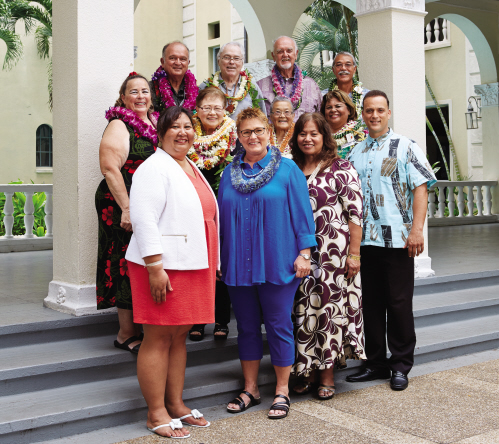
Volunteer honoree delegates throughout the state were celebrated on Friday, June 5th, at Cafe Julia, Honolulu, with the directors of each Hawai‘i county for the Executive Office on Aging (they are also known as the AAAs).Volunteer honoree delegates (L–R top) Roger Caires (Kaua‘i), Robert Ferolano (Hawai‘i Island), Donald Jensen (Maui), Alan Kumalae (O‘ahu), (middle): Pat Simpson (Kaua‘i), Janet Murakami (Hawai‘i Island), Katsuko Enoki (Maui), Yolanda Morreira (O‘ahu); (bottom) AAA directors Nalani Aki, (O‘ahu County), Deborah Stone-Walls (Maui County), Kealoha Takahashi (Kaua‘i County), Kimo Alameda (Hawai‘i County).
An Introduction by Terri Byers, Director of Executive Office on Aging
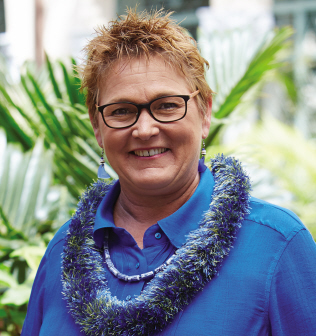
Mahalo to Generations Magazine for the opportunity to introduce myself to you. When I was appointed director of the state Executive Office on Aging (EOA) by Gov. David Ige earlier this year, I joined a fantastic team of professionals and volunteers dedicated to honoring our kupuna. The office is funded primarily by grants under the Older Americans Act, state appropriations and other federal grants. EOA has a staff of 25, assisted by volunteers from the Long Term Care Ombudsman program, the Senior Medicare Patrol and the Hawai‘i State Health Insurance Program.
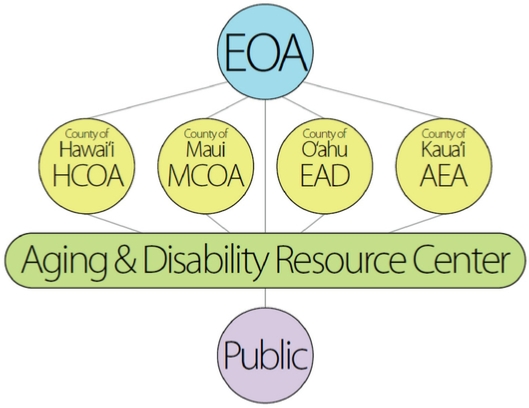
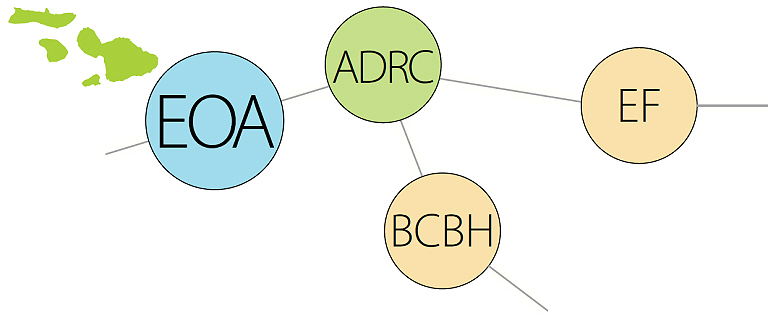
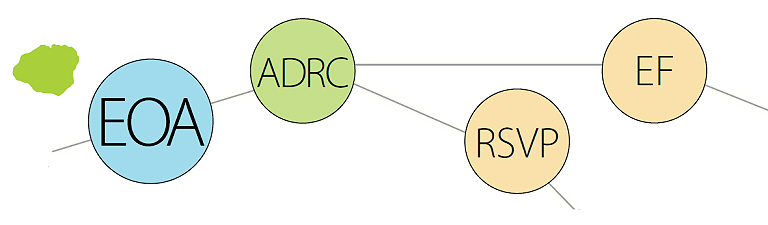
We work with all four county Area Agencies on Aging (AAAs) via local Aging and Disability Resource Centers (ADRC) to enable older adults to live in their own homes for as long as possible. Connecting them to direly needed support and services can be a complex process.
Alternatives to institutional care are called home and community based services. In Hawai‘i, these supports are made available through DHS, Quest Integration (QI), EOA’s Kupuna Care and Older Americans Act services provided through your county’s AAA. EOA provides training and technical assistance to the AAAs so they can meet federal guidelines for a fully functioning ADRC.
A Driving Need for Change
Section 2402(a) of the Affordable Care Act requires the U.S. Department of Health (DOH) and the Hawai‘i Human Services (HHS) create regulations that:
Respond to beneficiary needs and choices;
Provide strategies to maximize independence, including client-employed providers; and
Provide support and coordination necessary for “individualized, self-directed, community-supported life.”
We use ADRC as a mechanism to comply with these federal requirements, and we are actively seeking new private and nonprofit partnerships to help us serve the needs of older adults and family caregivers. Read on and find out what’s going on in your county. You will see why I am excited about the future of aging in Hawai‘i. To become involved with EOA planning activities, please call our office at 808-586-0100.
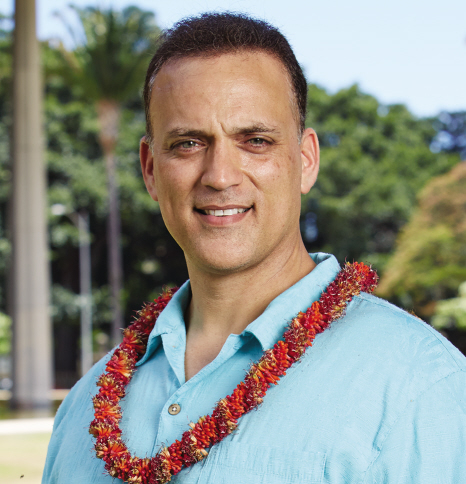
COUNTY OF HAWAI’I
by C. Kimo Alameda, HI County Executive Director, Office on Aging
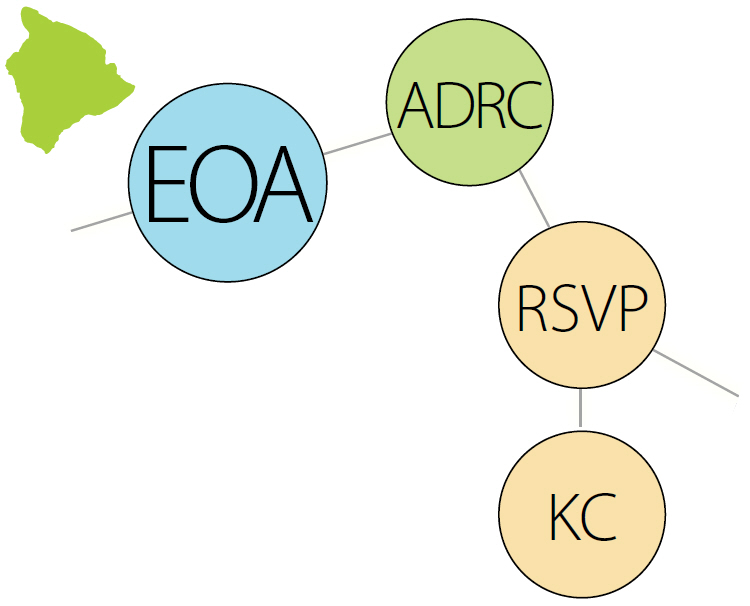
Kupuna Care (KC) program provides funds to “… help frail and vulnerable older persons lead independent, meaningful and dignified lives in their own homes and communities.” Services for Seniors and the Hawai‘i County Office of Aging (HCOA) has increased the number of seniors receiving Kupuna Care funding in Hawai‘i County by creating a unique case management and transition approach, that doubles the impact of the state’s fiscal investment while ensuring seniors are safe, happy and living in their homes with their families for as long as they choose.
Services for Seniors Office Team, (L–R) Kim Takehiro-Jack, Michelle Yamasaki and Tessie Hernando
Of 273 KC-funded seniors receiving case management from Services for Seniors in 2014, 77 percent were able to stay in their homes at an average cost of $1,200 per month. This is an astonishingly low figure when average monthly costs at Hilo’s Life Care Center run $12,405, Okutsu VA at $11,200 and Foster Home Care or a Care Home between $3,000 and $5,000. Services for Seniors reduced out-of-pocket costs through its “least restrictive placement” approach to transition planning that involves the development of lasting informal partnerships for seniors at every level.
After a Kupuna Care consumer receives three to six months of case management and wrap services, Services for Seniors staff works diligently to replace formal services with community and volunteer supports. These supports are provided by caregivers in the family, friends, faith-based members and/or community volunteers willing to be a part of the consumer’s caregiving team. Transition to informal supports reduces the use of Kupuna Care funds, which then enables other eligible seniors to participate in the program. This system also reduces the number of consumers on a wait list, allowing Services for Seniors to help a larger number deserving elders age in place with dignity.
For every Kupuna Care dollar HCOA and Services for Seniors spends, the State of Hawai‘i and its taxpayers save either $2 to $3 in foster care home costs, or $10 to $12 in long-term residential costs. By listening to our kupuna and connecting them to their circle of support, Services for Seniors creates successful relationships that benefit the whole community.
Active Seniors Give Back Through RSVP
Hawai‘i County’s Elderly Activities Division is one of the most active senior entities in the state, serving over 12,000 older adults. One of its prized programs is the Retired & Senior Volunteer Program (RSVP) that places close to 1,700 Hawai‘i Island seniors in over 150 volunteer stations. This year, RSVP celebrates 42 years and will accumulate 130,000 hours of service — a value of $1.3 million given back to the community. RSVP also gives our active seniors meaningful volunteer work that enables them to engage with their community as well as live independently in their own homes.
You never know whom you might run into as you walk the halls of Hawai‘i County’s Aging and Disabilities Resource Center. How would you like to chat with a guy who was inducted into the Volleyball Hall of Fame?
Pete Velasco, RSVP Volunteer
Hall of famer and Olympic volleyball legend Pedro “Pete” Velasco is an RSVP volunteer who spends several hours a week answering the phone and welcoming walk-in clients at Hawai‘i County’s Nutrition (HCN) program — one of many duty stations available to RSVP volunteers aged 55 and older. Pete’s wife, Adelle, oversees the Keaau HCN program. “She introduced me to RSVP,” says Pete. “I answer phones, and I help make connections between people.”
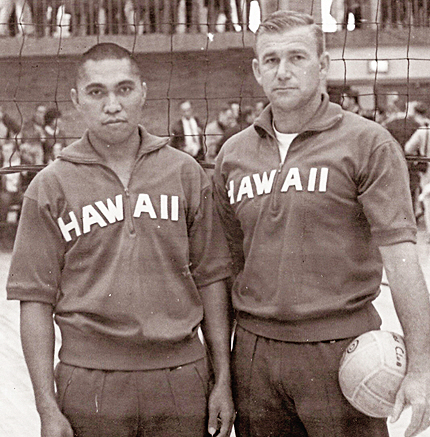
Pete Velasco and Tom Haine, 1966 USVBA National Champioships
Connections between people and leadership is what led Pete to the pinnacle of volleyball — first as part of the Outrigger Team that won tournaments across the nation in the ‘50s. He played on the United States National teams at the 1963 and 1967 Pan American Games. In 1964, he was elected captain of the USA Olympic volleyball team for the Tokyo games, where volleyball was first recognized as an Olympic sport. He returned to the Olympics in Mexico City in 1968.
Pete has a great recipe for life: “I live by seven words — commitment, dedication, and sacrifice. If you do these three things, God is bound to give you success. But to maintain success you need the next two words — creativity and innovation. And to perpetuate the success you need the final two words — humility and compatibility.” Pete is truly a humble man. “At my point in life, I give from the heart. You don’t owe me anything, because I already received when I gave to you.”
Pete is still winning points, answering telephone requestsat the ADRC office, and finding out the answers.
Giving is what RSVP is all about. Pete says, “I love what I do. The RSVP program helps me to share my aloha with those I can help.”
Join RSVP and share your aloha with those you can help. RSVP volunteers come from all walks of life: homemakers, landscapers, postal workers, salespersons and coffee growers all bring their successes and wisdom to their volunteer work. If you are over 55 and can commit to several hours a week, please call 808-961-8730 or visit our office at Kamana Senior Center, 127 Kamana St. in Hilo. And contact our ADRC office for information on our various programs and services.
by Deborah Stone-Walls, Maui County Executive on Aging
Maui County Office on Aging (MCOA) is an office filled with activity. Since implementing standardized tools and procedures of the Aging and Disability Resource Center (ADRC), new referrals to MCOA have increased as much as 400 percent a month. While the numbers of seniors and individuals with disabilities requesting assistance has increased, the available funding to serve the seniors of Maui, Moloka‘i, and Lana‘i has remained mostly static. Therefore, MCOA finds it necessary to look for opportunities to creatively solve the issue of how to meet the increasing need without the luxury of an increase in funding.
A major way that MCOA is working to find solutions is to greatly increase emphasis on helping seniors, family caregivers and individuals with disabilities improve their overall health. Two “evidence-based” (proven to create expected outcomes) healthy-aging programs now available on Maui are Better Choices, Better Health (BCBH) and Enhance®Fitness (EF).
Lana and Jose Queding of Keokea, Maui, attended a six-week Better Choices Better Health training class that “Gave us back our life,” according to Lana. Many seniors can benefit by learning how to manage their chronic disease and enjoy a better quality of life.
BCBH includes a Chronic Disease Self-Management Program (for those with a long-term health conditions, such as diabetes, arthritis, heart disease, obesity, high blood pressure and many others). The six-week workshop covers how to deal with pain, fatigue and frustration, and teaches action planning, in addition to ways to improve fitness and manage medications.
Another BCBH workshop is the Diabetes Self- Management Program (for those who are prediabetic or suffer from diabetes). Both workshops provide the necessary self-management tools that reduce symptoms and promote better health and overall enjoyment of life. The once-a-week class for people with diabetes meets for six weeks, building awareness for healthy choices, and creating good habits that allow participants to bring themselves into better control and increased overall health. Family members may attend to reinforce and support healthy choices. Jose and Lana Quedding from Keokea in Upcounty Maui are enjoying their retirement with the improved quality of life that came from attending our program.
These dynamic, interactive and fun workshops are offerred to seniors on Maui, Moloka‘i and Lana‘i. Evidence shows that program participants experience positive outcomes, such as improved health behaviors, positive changes in health, increased confidence, better communication with health providers, fewer visits to physicians, expanded support networks, more energy and less fatigue. Participants experience a better quality of life when they are no longer totally controlled by their chronic disease.
MCOA is also excited to continue work with community partners by offering Enhance®Fitness, a nationwide, evidence-based physical activity program for seniors. The program has been nationally recognized by the Centers for Disease Control and Prevention, U.S. Department of Health and Human Services, U.S. Administration on Aging and the National Council on Aging. More importantly, folks on Maui who have participated in Enhance®Fitness report that they are noticeably stronger and more physically fit! Many have been astounded that physically, they now can do more than they have in years. Even small increases in strength, flexibility and balance can make household chores and errands much easier.
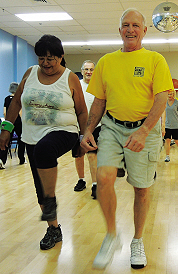
Leona Medeiros and Rodger Mellema have fun in Kihei’s Enhance®Fitness class. The “stepping-over-object” exercise improves balance as students lift one foot off the ground while balancing on the other leg for a short time
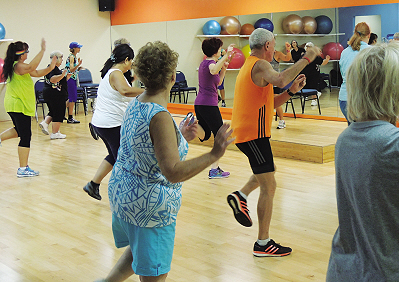
Enhance®Fitness is a fun, one-hour, interactive class offered three times a week at various locations on Maui and Lana‘i. MCOA is in the initial stages of planning for Enhance®Fitness implementation on Moloka‘i.
The program challenges active, older adults, as well as individuals who are unfit or near-frail, with exercises and activities geared to every level of fitness. Participants “work out” standing, seated or in their wheelchairs — each as they are able. Every class is like four classes in one: aerobics, balance, strength training and stretching. No special or expensive equipment is needed, and soft wrist and ankle weights are provided.
Enhance®Fitness instructors are specially trained. Individual participant progress is followed with fitness checks at enrollment and every four months thereafter. Exercises are safe and may be modified according to participant ability. The class also affords social interaction and reinforcement among persons who have a common desire to get healthier. Enhance®Fitness classes are a great way to get stronger, have more energy and maintain independence.
For further information on all Maui County Office of Aging programs and services, please call Monday through Friday 7:45 am to 4:30 pm:
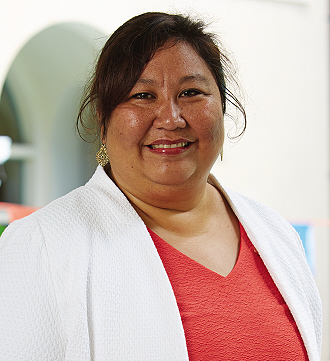
by Nalani Aki, County Executive on Aging, City & County of Honolulu, Elderly Affairs Division
For O‘ahu elders over 60 and people with disabilities of any age, obtaining information and referral assistance starts with the Elderly Affairs Division, ADRC “one-stop” Senior Helpline: 808-768-7700. Trained community service aids assess needs and refer callers to service providers in Honolulu County, and conduct assessments for frail elders 60 and older who may qualify for publicly funded services. For example, a homebound elder in need of meals would be assessed and connected to local agencies that provide meal service.
My job is to oversee Honolulu’s Aging and Disabled Resource Center (ADRC), a component of the Elderly Affairs Division. Each month, our helpline connects answers hundreds of calls regarding long term service and supports on O‘ahu.
We understand that transportation is a challenge for many people, so ADRC is a helpline to we connect older adults and people with disabilities to the agencies that can help them. Aids answer questions Monday through Friday from 7:45 am to 4:30 pm except holidays. Many call to ask what programs are available and how to qualify; those interested in specific services may be in directly referred to a service provider. In addition to connecting O‘ahu elderly and people with disabilities to specific government and community agencies, a community service aid will also arrange to visit potential clients to verify assessment information and help them create a support plan. Many seniors wish to continue to live in their own homes, but need assistance with meals, transportation or other services. A support plan may include state or federally funded services, identifies members of support, such as family members, friends and neighbors, volunteers or paid professionals. It is a plan that covers all options for assistance — formal and informal.
A warm “aloha” from our O‘ahu EAD Staff: front row (L–R): Sandy Esaki, Kaimanaonalani Makekau, Andrea Golden, Remy Rueda, Carol Makainai, (middle row) Ryan Gallardo, Pablo Venenciano, Melanie Hite, Kelly Yoshimoto, Sharra Feliciano, Matu Marrero, Lenny Fabro, Jade Kauwe-Lopez, (back row) Robyn Meyer, Joel Nakamura, Alex Blackwell, Daleena Castaneda, Roger Clemente, Carolyn Tellio, Craig Yamaguchi. Not pictured: Carlton Sagara.
Some seniors say the hardest step is admitting that they need help and picking up the phone to ask for help. Our aids will guide you to community services that make sense and connect you to publically funded services you qualify for. ADRC also supports a website packed with information. Family members and caregivers use it most. During the next year, we plan to enhance the site for easier navigation. We are still evolving. It has taken a lot of time and effort to roll out our “onestop” helpline and ADRC services to such a large audience of seniors and people with disabilities. Agencies and community programs are changing and improving their services, too. We ask for your understanding as we continue to meet the challenge of guiding everyone to the best options to meet their specific needs.
O‘ahu’s Retired and Senior Volunteer Program (RSVP) is the volunteer end of help and assistance. RSVP engages people age 55 and over in a diverse range of volunteer activities offered by more than 25 “volunteer stations” (nonprofit or government agencies who deliver services to the elderly, as well as providing other community needs). Project Director Lenny Fabro heads this very successful island-wide program.
RSVP is federally funded under the Corporation for National and Community Services (CNCS). In 1972, it was initiated on O‘ahu by Helping Hands Hawaii. Since 2010, the City/County of Honolulu, under the Elderly Affairs Division (EAD), sponsors RSVP O‘ahu. Currently, over 200 RSVP O‘ahu volunteers contribute over 14,000 hours. “Two hundred more volunteers are needed,” says Fabro.
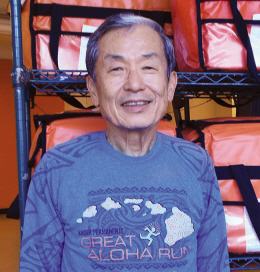
Carl Nakamura preparing to load his truck with meals. Carl’s duty station is “shuttling” and distributing meals outside the Honolulu area. Other volunteers will meet Carl in Wahiawa and deliver the meals to seniors.
“We make it easy for citizens to volunteer,” Fabro continues. “Persons over 55 who can commit time each week may enroll by calling 808-768-7700, or by filling out the online form at www.elderlyaffairs.com/site/460/rsvp.aspx or on Facebook at www.facebook.com/RSVPOahu. We also reach out with presentations at fairs, community gatherings and organization meetings. We invite volunteers to an orientation that explains all the many types of volunteer opportunities available. The beauty of RSVP is flexibility. Volunteers pick what they want to do based on their skills and tastes. If they want to help on Mondays delivering a meal to a senior, and on another day help with blood donors, they can do it. If an activity does not suit them, they may switch to another more compatible assignment.”
Some of the volunteer stations now available are: Hawai’i Literacy, The Next Step Shelter, Office for Social Ministry, Blood Bank of Hawai‘i, Lanakila Meals on Wheels, State Executive Office on Aging, HCAP Head Start and several elementary schools providing tutoring and mentoring. One important volunteer opportunity is with the EAD. Volunteers assist with important independent living services, such as transportation, companionship and telephone reassurance, to homebound elders. Another station that assists with independent living services is the Waikiki Friendly Neighbors program.
Fabro encourages people 55 and over, to apply their knowledge, skills, and experiences to volunteer and help meet community needs. If you have some time to commit, sign up and check out the many ways you can help our O‘ahu community.
by Kealoha Takahashi, Executive on Aging, County of Kaua‘i Agency on Elderly Affairs, Office of Community Assistance
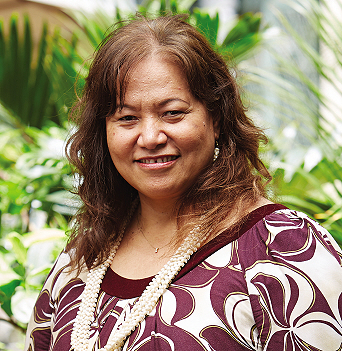
Elders on Kaua‘i are just a phone call away from our Agency on Elderly Affairs. Our receptionist will answer requests for information, and process requests for assistance by taking the caller’s name and address and making an appointment for visit and needs assessment from a Community Service Assistant. Our goal is to be sure elders know what federal, state, county and community services are available to them, and to refer them to agencies and care providers who can deliver those services. Funding is limited and helping those who live alone is top priority.
In April, at the 2015 Mayors’ Day of Recognition for National Service, Kaua‘i Foster Grandparents Program and RSVP volunteers presented William Arakai, Kaua‘i District superintendent, with a cartful of school supplies for Kapa‘a Elementary School.
While most people call us, we also assist elders who email us, visit our office or submit questions on our website. Last year, we processed over 4,000 requests for information and referrals.
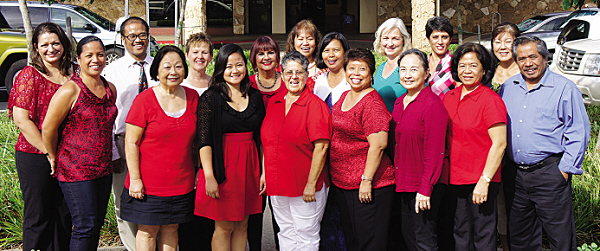
Friendly Agency on Elderly Affairs staff help Kaua‘I seniors “Live well and age well.”
Kaua‘i County is part of a nationwide Area Agency on Aging program, which was created by the Older Americans Act. It mandates that we provide elders access to health, transportation, information and referral services in our community. To be sure that all elders have access to us, we reach out to the community with presentations and workshops, too. We follow our elder clients as they age, and send caseworkers to do annual assessments.
It is important for seniors on Kaua‘I to know that services are available to them and to their families. Never believe that you have nowhere to turn.
That goes for caregivers, too. Plan ahead for the time when your loved one will need more help than you can give. Find out what services are available to you now and in the future. Don’t wait until you are exhausted and stressed out before you call for assistance with your loved one. We have information about daycare for elders and respite services for worn out caregivers that can help them manage better and maintain their own mental and physical health. Call us — we can help.
Kaua‘i RSVP Volunteer Opportunities
The Corporation for National Community Services (CNCS) grants funds to Kaua‘i County that help pay for Community Service staff salaries. Actually coordinating and delivering services takes the work of a full community. On Kaua‘i, over 350 volunteers donate their time to assist 24 different organizations that deliver services to the elderly. All skills can be used to help others. If you want to learn new skill, we will teach you. All you need is to be active, age 55 or older, and able to commit to several hours a week to help the elderly. To volunteer, call 808-241-4479.
Foster Grandparents Program
Another statewide program that CNCS funds is Foster Grandparents. This program teams elders with school children who don’t have grandparents. Educational research shows that kids who spend time with grandparents perform better in school. Undivided attention, unconditional friendship and mentoring from elders can create a positive framework for the child at school and play.
Healthy Aging Program on Kaua‘i
It’s never too late to get healthy! We encourage seniors to participate in our newest programs for healthy aging. Doctors have proven that exercise and careful management of chronic disease can keep body, heart and mind healthy as we age, and improve quality of life.
Enhance®Fitness classes are very popular with seniors, because exercises are modified to each senior’s ability. Here, participants do upper body strength training while seated.
Enhance®Fitness
We currently run nine Enhance®Fitness classes at seven different sites on Kaua‘i. Instructors monitor students’ progress and record increased flexibility, balance, overall strength and endurance. Fitness also improves attitude. Just the social interaction of attending class is a happy benefit for elders who spend most of their time at home.
Diabetes Self-Management Workshop
This important program meets once a week for six weeks. It helps diabetic seniors make better choices. We currently have a two-hour-a-week Diabetes Self-Management workshop that helps diabetics keep their “numbers” under control, become more active and generally feel better.
For more information on Healthy Aging workshops on Kaua‘i, please call or visit us oline.
AAA – Area Agencies on Aging ADRC – Aging & Disability Resource Center AEA – Agency on Elderly Affairs (County of Kaua‘i) BCBH – Better Choices, Better Health CNCS – Corporation for National & Comm. Services DHS – Department of Human Services DOH – Department of Health EAD – Elderly Affairs Division (County of O‘ahu) EF – Enhance®Fitness EOA – Executive Office on Aging HCEAD – Hawai‘i County’s Elderly Activities Division HCN – Hawai‘i County’s Nutrition HCOA – Hawai‘i County Office of Aging HHS – Hawai‘i Department of Human Services KC – Ku¯puna Care MCOA – Maui County Office of Aging QI – Quest Integration RSVP – Retired & Senior Volunteer Program
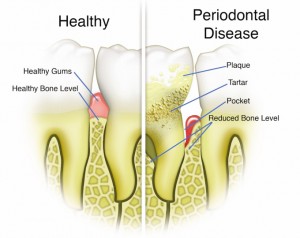
If your teeth are tight, you can floss and brush bacteria away. Loose teeth trap bacteria, allowing infection to flow into the blood stream, affect other organs and compromise overall health.
Reasons for Loose Teeth
Gum disease: The No. 1 reason people lose their teeth is not age, but periodontal disease. Bacteria on the roots of your teeth may cause the gum to swell, turn red and bleed. If left untreated, the bone will corrode and the tooth loosens. Often, gum disease causes no pain.
Trauma: Getting hit in the mouth can loosen teeth. If a dentist can stabilize the teeth, they will tighten up again. However, if the top and bottom teeth are not connecting properly and the bite is off, the teeth may loosen more.
Partial dentures: Denture wires that don’t fit properly may cause teeth to loosen or shift, resulting in a bad bite and more problems.
Symptoms and Treatment
Bad breath
Red, inflamed gums
Bleeding gums on brushing or flossing
Front teeth beginning to separate, leaving spaces that were not there before
Looseness of any or all teeth
For health reasons alone, pick up the phone and call your favorite dentist.
Hawaii Center for Cosmetic & Laser Dentistry 808-526-0670 |www.smilepower.net
If your teeth are tight, you can floss and brush bacteria away. Loose teeth trap bacteria, allowing infection to flow into the blood stream, affect other organs and compromise overall health. Reasons for Loose Teeth Gum disease: The No. 1 reason people lose their teeth is not age, but periodontal disease. Bacteria on the roots…
Eighty years ago, on Aug. 14, 1935, President Franklin D. Roosevelt signed the Social Security Act into law. The new law guaranteed a basic income for retirees and, at the time, the unemployed.
Over the years, Social Security has expanded its safety net beyond retirees to provide benefits for people with disabilities and the chronically ill, and spouses and children of deceased workers. The agency has evolved to serve the needs of a changing America. This year, we celebrate our past successes and look down the path to an even brighter future.
Social Security is there for you during all stages of life. We issue a unique Social Security number to most newborns when an application is taken at the hospital. We track income over your working career and accurately calculate your retirement benefit. We provide disability benefits to injured and chronically ill workers and their families. We provide survivors benefits to widows, widowers and minor children of deceased workers. We also provide Supplemental Security Income (SSI) to those with low income and resources, and Extra Help with Medicare prescription drug costs for people who qualify.
Social Security evolves to meet the demands of our digital world. “My Social Security account” lets you view your Social Security Statement, verify the accuracy of your earnings record, and get estimates of future monthly benefits — all online. Once you begin receiving Social Security benefits, you can use your online account to manage your record, including changing your address and phone number, checking your benefit information, changing your electronic payment method, and obtaining an instant benefit verification letter or replacement SSA-1099/1042S. If you don’t have one, sign up for a my Social Security account at www.socialsecurity.gov/myaccount.
Our safe and secure online services allow you to apply for retirement, spouse’s, Medicare and disability benefits from the comfort of your home. Visit https://www.ssa.gov/applyonline.
Looking to the future, we recently released our Vision 2025, a strategic plan to help us shape the future of Social Security services and maintain clear communication with you. For more information about our vision for the next ten years, visit https://www.ssa.gov/vision2025.
We look to the next 80 years to proudly serve- Social Security customers throughout their lifetime, when and where you need us. See how Social Security has evolved over the years at www.socialsecurity.gov/history.
MARK YOUR CALENDAR
Social Security 80th Anniversary Webinar
Friday, Aug. 14, 2015, 9 –11 am
Sponsored by
State of Hawai‘i Insurance Assistance Program
(SHIP, formerly known as Sage Plus)
Speakers:
Jane Yamamoto-Burigsay, Social Security Public Affairs Specialist in Hawai‘i
– Retirement, Spouse’s and Disability benefits
– How to file, Social Security’s online tools
Pamela Cunningham, SHIP Coordinator
–Medicare A, B, C and D
For more information and to register, please visit online at
www.hawaiiship.org.
Questions, online applications, or to make an appointment to visit a Social Security office, contact: 1-800-772-1213 (toll free) |1-800-325-0778 (TTY) www.socialsecurity.gov
Eighty years ago, on Aug. 14, 1935, President Franklin D. Roosevelt signed the Social Security Act into law. The new law guaranteed a basic income for retirees and, at the time, the unemployed. Over the years, Social Security has expanded its safety net beyond retirees to provide benefits for people with disabilities and the chronically…
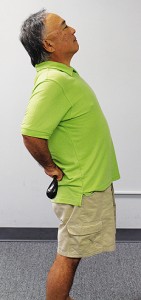
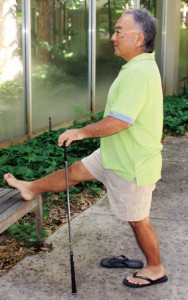
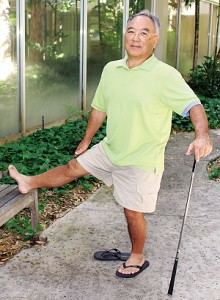
Golf is a popular sports activity. Unlike most sports, it can be played throughout the golden years, if you can avoid injury and stay in shape. The American Physical Therapy Association says that older golfers often forget that while their passion for the game remains high, their bodies have aged. As we age, we lose flexibility, muscle mass and strength. Because the golf swing’s extreme bending and twisting movements are not natural for the body, senior golfers are at a greater risk of injury. Correct body mechanics on and off the course (lifting golf bags, etc.) play a larger role in preventing injuries. Warm-up exercises before starting a game are essential to prevent injury, and continuing with these exercises during the game will help muscles recover faster and maintain muscular balance. Keeping yourself in shape with year-round conditioning, balance, strength, endurance and flexibility training ensures an injury-free game.
Essential Warm-Up Exercises to Prevent Injury
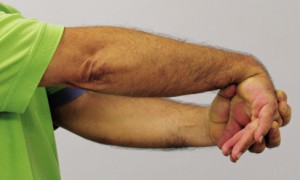
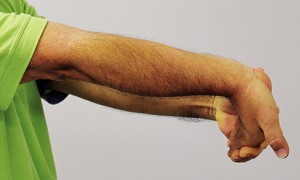
Wrist Stretches: Increase flexibility. Start with one arm held outward horizontally, elbows straight, palms down. Use your other hand to bend your wrist downward. Hold it for 20–30 seconds. Then turn palms upward and repeat. Do 2–3 sets.
Trunk Rotation:
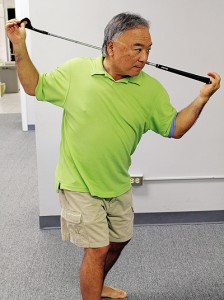
Increases trunk ROM. Stand in the golf posture. Place your club behind your neck, on your shoulders and grasp each end. Rotate your upper body back and through in a slow and controlled motion, simulating a golf swing. Feel a stretch at the trunk region. Repeat 10 times.
Anterior Shoulder Stretch:
Increases range of motion (ROM). Standing, hold your golf club behind your back with palms outward. Raise the club upwards until a stretch is felt in the front of your shoulders and chest. Hold 20–30 seconds. Do 2–3 sets.
Trunk
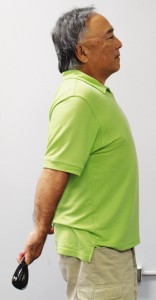
Extension: Increases trunk ROM and prepares muscles for your golf swing (reduces back injury.) Stand holding your golf club with both hands (palms outward), rest your club on the small of your back. Bend backwards slowly. Hold for 2 seconds and return. Repeat 5–10 times.
Hamstring and Groin Stretches:
Improves ROM at the hips and groin, allowing for better movement during the golf swing. Starting with one side, stand in front of a bench holding the golf club as a cane to maintain balance. Place your heel on the bench seat with the standing leg straight. Keeping hips facing forward, point your toes back toward you, hold 20–30 seconds. Next, rotate your body toward the club side and feel a groin stretch. Hold 20–30 seconds. Alternate position and repeat 2–3 times.
Moon Physical Therapy, LLC
320 Ward Avenue, Suite 107, Honolulu, HI 96814
Aquatic, Land-based and Manual Therapy
Golf is a popular sports activity. Unlike most sports, it can be played throughout the golden years, if you can avoid injury and stay in shape. The American Physical Therapy Association says that older golfers often forget that while their passion for the game remains high, their bodies have aged. As we age, we lose…
What if there was an easy, affordable way to get necessary nutrients for good health, without having to figure it all out yourself? Hawaii FoodBank on O‘ahu is taking applications for the Senior FoodBox Program, an ongoing supplemental food program in addition to the current Hawai‘i FoodBank food voucher program. Each Senior FoodBox provides about 32 pounds of nutritious USDA foods, including canned meats, fish, juice, peanut butter, beans, nonfat milk, and ready-to-eat cereal. This federal Commodity Supplemental Food Program is managed by the Hawai‘i State Office of Community Services and distributed monthly at nine Hawaii Foodbank locations.
O‘ahu Senior FoodBox Program Locations:
Kokua Kalihi Valley Elderly Services — Kalihi: 1846 Gulick Avenue, Kuhio Park Terrace Community Center
Hale Ola Ho’opakolea — Nanakuli: 89-137 Nanakuli Avenue
Dynamic Compassion — Waimanalo: Waimanalo District Park, 41-415 Hihimanu St.
Sts. Peter & Paul Church — Honolulu: 800 Kaheka Street (across Don Quijote)
Waipahu United Church of Christ — Waipahu: 94-330 Mokuola Street
Once A Month Church — Haleiwa: 66-434 Kamehameha Hwy.
St. Jude Catholic Church — Kapolei: 92-455 Makakilo Drive
Sacred Hearts Church — Waianae: 85-786 Old Government Road
Requirements:
You must complete an application every year and re-certify after six months. Applications are accepted at any time. Once maximum caseload of 2400 seniors is met, a continuous waitlist will be maintained at each site.
You must be at least 60 years of age and show a photo ID confirming age and residence on Oahu.
Your gross income must be at or below 130 percent of Federal Poverty Income Level (FPIL)
How it Works:
Apply at your nearest FoodBox location. You must pick-up your monthly FoodBox from the same site where you applied.
Because the boxes are heavy (32 lbs), participants are highly encouraged to bring their own carts with wheels in order to pick up the food, or assign a proxy to pick up the box for you.
After six months, you will be asked to re-certify your qualifications in order to continue the program for the remaining six months of the year.
What if there was an easy, affordable way to get necessary nutrients for good health, without having to figure it all out yourself? Hawaii FoodBank on O‘ahu is taking applications for the Senior FoodBox Program, an ongoing supplemental food program in addition to the current Hawai‘i FoodBank food voucher program. Each Senior FoodBox provides about…
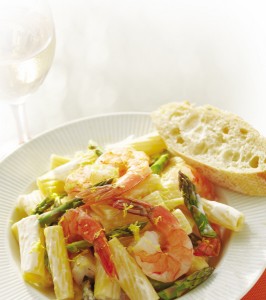
A golden rule: no cheese with seafood in Italian cooking. But a little cheese does so well with this lemony cream sauce!
Ingredients:
1 lb rigatoni or spaghetti, cooked
1 lb jumbo shrimp, deveined, shelled and baked
Garlic salt to taste
Juice and zest of two lemons
3/4 cup heavy cream
1/2 cup white wine (or low sodium chicken broth)
1 Tbsp butter
1/4 cup chopped fresh flat leaf parsley
1/4 cup fresh grated Parmesan cheese
Salt and fresh ground black pepper to taste
1/2 tsp red pepper flakes (optional)
Directions:
Try baking shrimp! Preheat oven to 350 degrees. Prepare a rimmed baking sheet with cooking spray and pour in 1/2 cup water onto the pan — creating a shallow bath. Place the shrimp onto the pan, season with garlic salt and bake for about 8 –10 minutes (while pasta cooks). When done, set aside shrimp and cooked pasta while you prepare lemony, fresh-tasting sauce.
Zest both lemons. Squeeze juice and pulp into a cup. Set aside. In a 12” skillet or sauté pan, combine cream, white wine and butter,.a bring to a boil. Turn down heat and gently stir until the sauce starts to thicken (about 8 minutes). Stir in lemon juice, and season with salt and pepper to taste. Add shrimp to sauce and heat through; then toss with pasta. Sprinkle with parsley, lemon zest, Parmesan and red pepper flakes (optional). Serve.
Kona Bean Café at Hilo Hattie – 700 Nimitz Hwy. | Queens POB I – 1380 Lusitana St. & POB III – 550 S. Beretania St.
Cooking FRESH Food Truck: Follow us on Twitter: michi@cookingfresh4U
A golden rule: no cheese with seafood in Italian cooking. But a little cheese does so well with this lemony cream sauce! Ingredients: 1 lb rigatoni or spaghetti, cooked 1 lb jumbo shrimp, deveined, shelled and baked Garlic salt to taste Juice and zest of two lemons 3/4 cup heavy cream 1/2 cup white wine…
Peace. That’s a word we hippies used for “goodbye.” (Yes I was, and yes, I had hair down to my shoulders.)
Peace is easy to say. As a concept, it may be harder to understand. It’s not just the absence of war. I first learned about worldwide peace when I was 16 and had the opportunity to spend a week at the United Nations. I grew up in a small town in Oregon, so you can imagine the culture shock when I saw New York. Multiply that shock a hundred times when I walked through the U.N.
There were people from countries all over the world wearing their native garb. They walked those halls with a single purpose — to represent their countries. They were looking for ways to get along with their neighbors — near and far.
Many organizations are busy trying to foster peace. Rotary comes to mind. Rotary International sponsors exchange programs for teens and peace fellowships for college students. Local Rotarians were responsible for one of three Peace Forums in the world. The work never stops.
Peace is like a good marriage. It’s working hard at communication, trust and faith. Nations find peace the same way — everyone working at it.
During this International Year of Peace, you will see the newspaper filled daily with conflicts among nations. It could be and often is discouraging. But as Bishop Desmond Tutu once told me, “Peace has to start with the individual.”
Please don’t think I’m a namedropper. I hate that. In fact, as I said to Prince Charles just the other day…
Retired Broadcast Personalities and Journalists Kirk Matthews and Linda Coble speak from the heart on issues concerning boomers and seniors. Post comments for them on below.
Peace. That’s a word we hippies used for “goodbye.” (Yes I was, and yes, I had hair down to my shoulders.) Peace is easy to say. As a concept, it may be harder to understand. It’s not just the absence of war. I first learned about worldwide peace when I was 16 and had the…

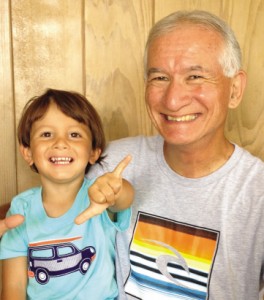 Generations Magazine asked me to share my thoughts about the first six months of my retirement. My feelings have definitely been surreal. I can expend all the time and energy I want to on hobbies and interests I rarely had time for over the past 42 years; more importantly I have time to spend with my grandson, family and friends. If there’s a downside to retirement, it’s the loss of contact with so many great people I encountered along life’s journey. It’s a good feeling when people call or write — they still have you in their thoughts. Keeping in contact with old friends creates a lot of comfort. I know I am very fortunate, having witnessed firsthand over my career, the plight of many of our island’s kupuna, who struggle just to survive.

 Kupuna Care (KC) program provides funds to “… help frail and vulnerable older persons lead independent, meaningful and dignified lives in their own homes and communities.” Services for Seniors and the Hawai‘i County Office of Aging (HCOA) has increased the number of seniors receiving Kupuna Care funding in Hawai‘i County by creating a unique case management and transition approach, that doubles the impact of the state’s fiscal investment while ensuring seniors are safe, happy and living in their homes with their families for as long as they choose.
 After a Kupuna Care consumer receives three to six months of case management and wrap services, Services for Seniors staff works diligently to replace formal services with community and volunteer supports. These supports are provided by caregivers in the family, friends, faith-based members and/or community volunteers willing to be a part of the consumer’s caregiving team. Transition to informal supports reduces the use of Kupuna Care funds, which then enables other eligible seniors to participate in the program. This system also reduces the number of consumers on a wait list, allowing Services for Seniors to help a larger number deserving elders age in place with dignity.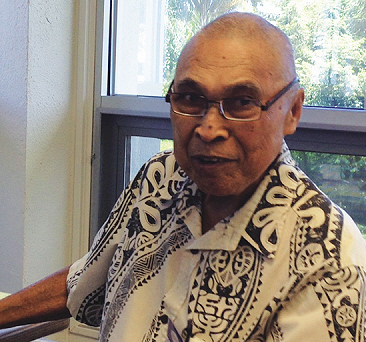
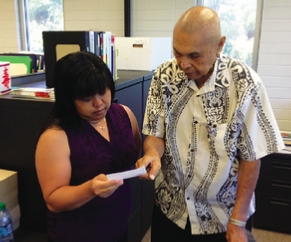
 Maui County Office on Aging (MCOA) is an office filled with activity. Since implementing standardized tools and procedures of the Aging and Disability Resource Center (ADRC), new referrals to MCOA have increased as much as 400 percent a month. While the numbers of seniors and individuals with disabilities requesting assistance has increased, the available funding to serve the seniors of Maui, Moloka‘i, and Lana‘i has remained mostly static. Therefore, MCOA finds it necessary to look for opportunities to creatively solve the issue of how to meet the increasing need without the luxury of an increase in funding.
 A major way that MCOA is working to find solutions is to greatly increase emphasis on helping seniors, family caregivers and individuals with disabilities improve their overall health. Two “evidence-based” (proven to create expected outcomes) healthy-aging programs now available on Maui are Better Choices, Better Health (BCBH) and Enhance®Fitness (EF).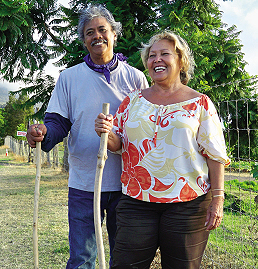
 Enhance®Fitness instructors are specially trained. Individual participant progress is followed with fitness checks at enrollment and every four months thereafter. Exercises are safe and may be modified according to participant ability. The class also affords social interaction and reinforcement among persons who have a common desire to get healthier. Enhance®Fitness classes are a great way to get stronger, have more energy and maintain independence.
 For O‘ahu elders over 60 and people with disabilities of any age, obtaining information and referral assistance starts with the Elderly Affairs Division, ADRC “one-stop” Senior Helpline: 808-768-7700. Trained community service aids assess needs and refer callers to service providers in Honolulu County, and conduct assessments for frail elders 60 and older who may qualify for publicly funded services. For example, a homebound elder in need of meals would be assessed and connected to local agencies that provide meal service.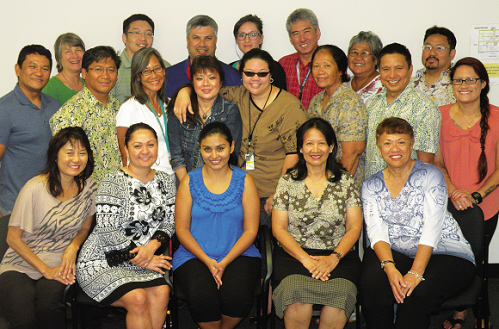
 O‘ahu’s Retired and Senior Volunteer Program (RSVP) is the volunteer end of help and assistance. RSVP engages people age 55 and over in a diverse range of volunteer activities offered by more than 25 “volunteer stations” (nonprofit or government agencies who deliver services to the elderly, as well as providing other community needs). Project Director Lenny Fabro heads this very successful island-wide program.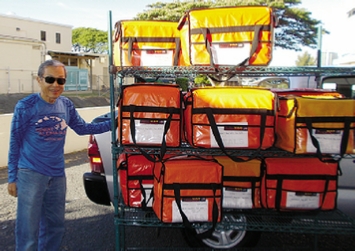
 Some of the volunteer stations now available are: Hawai’i Literacy, The Next Step Shelter, Office for Social Ministry, Blood Bank of Hawai‘i, Lanakila Meals on Wheels, State Executive Office on Aging, HCAP Head Start and several elementary schools providing tutoring and mentoring. One important volunteer opportunity is with the EAD. Volunteers assist with important independent living services, such as transportation, companionship and telephone reassurance, to homebound elders. Another station that assists with independent living services is the Waikiki Friendly Neighbors program.
 Elders on Kaua‘i are just a phone call away from our Agency on Elderly Affairs. Our receptionist will answer requests for information, and process requests for assistance by taking the caller’s name and address and making an appointment for visit and needs assessment from a Community Service Assistant. Our goal is to be sure elders know what federal, state, county and community services are available to them, and to refer them to agencies and care providers who can deliver those services. Funding is limited and helping those who live alone is top priority.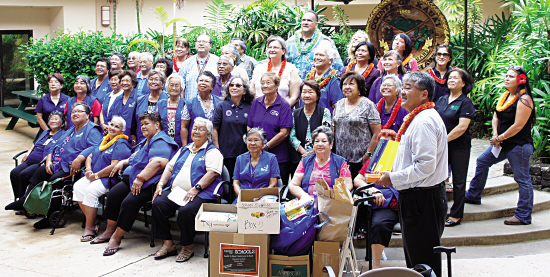
 That goes for caregivers, too. Plan ahead for the time when your loved one will need more help than you can give. Find out what services are available to you now and in the future. Don’t wait until you are exhausted and stressed out before you call for assistance with your loved one. We have information about daycare for elders and respite services for worn out caregivers that can help them manage better and maintain their own mental and physical health. Call us — we can help.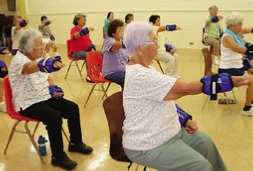
 If your teeth are tight, you can floss and brush bacteria away. Loose teeth trap bacteria, allowing infection to flow into the blood stream, affect other organs and compromise overall health.