Category: Articles

  • Silver Cyclists Show Pedal Power

    Generations Magazine - August-September 2016 - Silver-Cyclists_image1
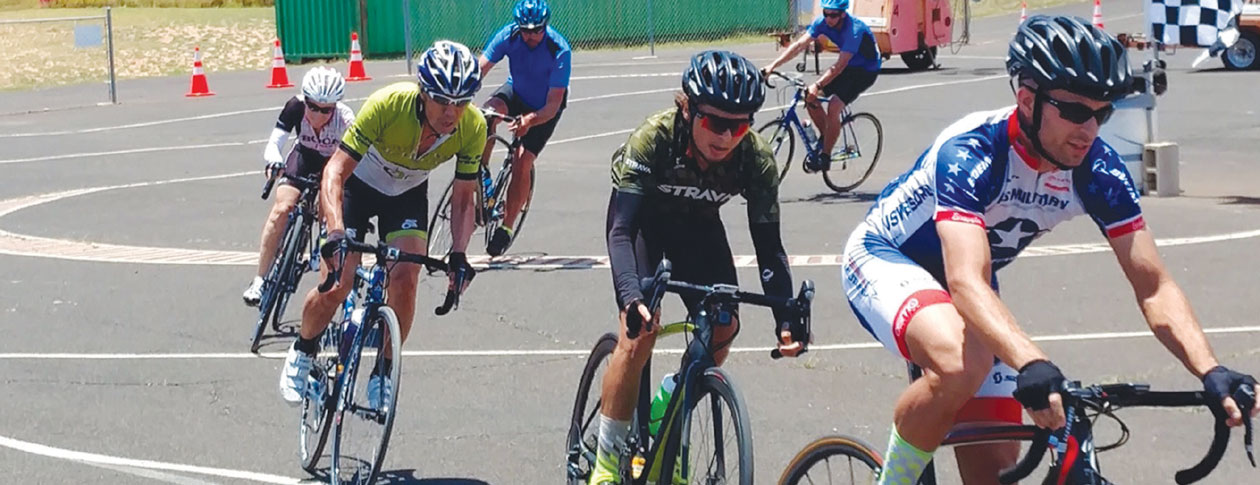
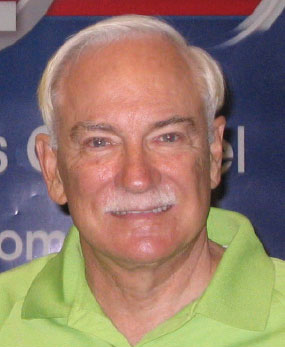
    Barry Masuda (light green and white shirt) powers through a turn at the criterium race on Kaua‘i. Photo by TBW Photo


    At sports events around Hawai‘i, age categories often end at 50-plus or senior masters. For a bicycle race on Kaua‘i, enough older cyclists come out to participate each Memorial Day weekend that 60-plus and 70-plus age groups had to be added.

    “Pedal to the Meadow” is a USA Cycling–sanctioned hill race on the Garden Island that climbs from hot, dry Kekaha to the rim of Waimea Canyon and cool forests of Koke‘e. This challenging course gains 3,800 feet in elevation over 16 miles.

    Generations Magazine - August-September 2016 - Silver-Cyclists_image2
    The Men’s 70-plus “Pedal to the Meadow” race winners (L – R) County of Kaua‘i Lifeguard Roy Yamagata, 73, Honolulu resident Barry Masuda, 71, and Stevan Yee. Photo by Atomman Kimm

    It took Barry Masuda, 71, of Honolulu only one hour and 39 minutes to finish, placing first in 70-plus, and 34th overall in a field with riders as young as 13. The next day, Masuda saddled up again with Cambriamento D’Andaturo Team Core Hawai‘i for the Mana Time Trial and the “Cycle on the Strip” Criterium race.

    These road races are organized by Bicycle Racing Kauai, a not-for-profit hui. Race director Binney Williamson likes the senior divisions. “It’s inspiring. We younger riders hope to stay that fit.”

    According to experts, riding a bike four miles a day cuts heart disease risk in half, is aerobic, but puts minimal strain on joints and muscles. Like all sports, it is good to start out slow. Biking is fun! To learn more about clycling and clubs on your island, visit your local bike shop.


    To learn more about “Pedal to the Meadow,” visit: 
www.PedaltotheMeadow.com and www.
Facebook.com/BicycleRacingKauai


    Silver Cyclists Show Pedal Power by Mary Friend Williamson, “Pedal to the Meadow” Race Coordinator from the August-September 2016 issue of Generations Magazine, Hawai‘i’s Resource for Life

  • National Honors for Kara Yamamoto, MD

    Generations Magazine - August-September 2016 - National-Honors_image1Dr. Yamamoto, a pediatric rheumatologist for over 20 years, has become a leader in her field. She cares for the majority of children diagnosed with Juvenile Arthritis (JA) in the state, who come from all eight islands. JA affects over 1,200 kids and their families in Hawai‘i.

    Through her leadership, financial support and volunteer work, major partnerships and funding have been established, including Camp Mana’olana, a summer camp for kids with JA.

    This May, Dr. Yamamoto was awarded the 2016 Earl Brewer Award for Physician Leadership. This national award is presented each year to a physician who has fostered a reputation for excellence in his or her field. She was also honored at the 2016 JA Conference in Phoenix and Philadelphia.

    Dr. Yamamoto’s support and leadership of local JA programs has brought awareness to families with arthritis and has tapped into media opportunities, including the development of a video focussing on kids with JA that ultimately raised over $250,000 in the fall of 2014.

    “Many seniors serve as the primary caregivers for grandchildren with JA,” said Dr. Yamamoto. “They should be supported for their critical role in helping these children access care, control their condition and stay healthy.”


    ARTHRITIS FOUNDATION HAWAII
    2752 Woodlawn Drive, Ste. 5-204B, Honolulu HI 96822

    Lara Yamada, Executive Director
  |  808-596-2900  |  lhazenfield@arthritis.org
    www.arthritis.org/hawaii

    National Honors for Kara Yamamoto, MD by Lara Yamada, Executive Director, Arthritis Foundation Hawai‘i from the August-September 2016 issue of Generations Magazine, Hawai‘i’s Resource for Life

  • Vacation With Your Important Papers

    Hauling a massive three-ring binder or a file folder with you when you travel is imprac-tical. However, there are times when having 
your estate planning documents at your fingertips can be helpful. If you or someone close to you should experience a health emergency and can’t make decisions, how do you prove who has the authority to step in as “substitute decision maker?” Wouldn’t it be ideal to have immediate access to your advance healthcare directive and possibly other estate planning documents as well? The good news is you can.

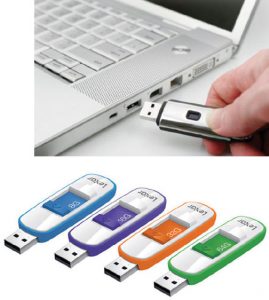
    Generations Magazine - August-September 2016 - Vacation-Important-Papers_image1One substitute for that great big binder is a USB, “thumb” or “jump” drive. It is a thumb-sized piece of hardware that plugs into almost any computer (iPads excepted) that will store more electronic documents than you will ever need it to hold. At a bare minimum, you will want store a copy of your advance directive and your HIPAA authorization (the document that gives medical providers your permission to talk to your decision maker), but you might also want other documents, such as your durable power of attorney. The downside to this technology is that it is a piece of non-waterproof hardware that can be lost, or stolen and misused.

    Another solution is to subscribe to a service that gives you online access to your documents. Two companies that provide this service are:

    1) Legal Directives 866-363-4894, www.legaldirectives.com

    2) DocuBank 866-362-8226, www.docubank.com

    Both companies will keep your advance directive and HIPAA authorization on file and give you the ability to look at them online and print them out, or have them faxed by way of an automated system to any location. The way you access the system is by following the instructions on a credit card-sized plastic card that you are issued. This is a great solution while you are in your hometown, as well as well as when you are on the road. The major catch is that you need to have your card with you when you go to the emergency room or otherwise seek treatment.

    Generations Magazine - August-September 2016 - Vacation-Important-Papers_image2Yet another option is Internet technology that allows you to store your estate planning documents in the “cloud” and access them from any computer or laptop (including your iPad) whenever you need to, and from wherever you happen to be at the time. One example is called Cubby (www.cubby.com), but there are others on the market. When you are a Cubby subscriber, you can create a secure link that you (or your kids or your financial planner) can use to access your estate planning documents 24/7. This can be a very helpful solution in a variety of contexts — not just medical emergencies.

    Of course, all of these technologies require access to a computer, a telephone and/or a fax machine, and may require Internet access.

    If your travels take you deep into the jungles of Borneo or to the summit of Mt. Everest, you may need to do things the “old-fashioned” way and carry paper copies in a waterproof container.


    SCOTT MAKUAKANE, Counselor at Law
    Focusing exclusively on estate planning and trust law.

    O‘ahu: 808-587-8227  |  maku@est8planning.com
    www.est8planning.com

    Vacation With Your Important Papers by Scott A. Makuakane, Counselor at Law, Est8Planning Counsel LLLC from the August-September 2016 issue of Generations Magazine, Hawai‘i’s Resource for Life

  • Giving Retirement Assets

    Americans own trillions of dollars in qualified pension plans, profit sharing plans, 401(k)s, 403(b)s, SEPs and IRAs. Congress never meant for these plans to be passed tax-free to heirs. They are considered “income in respect of decedent or IRD.”

    Someone has to pay tax on these assets. By leaving them to someone other than your spouse, your heirs may pay significant taxes on this inheritance. Even if you do not have a taxable estate, the tax rate for your heirs on these assets could be quite substantial.

    CHARITABLE BEQUEST

    Consider gifting IRD assets, because charities are tax-exempt and will not pay taxes on retirement assets. Leave heirs assets such as your home or stocks that step up to fair market value when you pass away, leaving little or no tax to pay.

    CHARITABLE GIFT ANNUITY OR CHARITABLE REMAINDER TRUST

    Some use IRD assets to fund a charitable gift annuity that will benefit a family member with lifetime fixed payments. Typically, this type of gift is used by older beneficiaries in exchange for fixed, tax-advantaged payments.

    Funding a charitable remainder trust with IRD assets creates a tax-advantaged charitable legacy for your heirs, while lessening their tax burden. The trust will pay income over years, spreading out their tax burden. At the end of the trust, any remaining principal will go to the charity.


    National Kidney Foundation of Hawaii
    808-589-5976 | jeff@kidneyhi.org
    For Planned Giving: www.kidneyhawaii.org
    Main: www.kidneyhi.org  |  www.kidney.org

    Giving Retirement Assets by Jeffrey B. Sisemoore, JD, National Kidney Foundation of Hawaii from the August-September 2016 issue of Generations Magazine, Hawai‘i’s Resource for Life

  • Medicare Identity Theft

    SPECIAL FEATURE Medicare-Identity-Theft_image1Medicare Identity Theft is a serious and growing problem that impacts the lives of millions of seniors every year. A variety of reasons, including the expansion of technology and the Internet, allow personal information to be stolen and sold worldwide. Furthermore, the sheer magnitude of Medicare provides both incentive and opportunity for thieves to take advantage of the program. Medicare serves 46 million beneficiaries, who are primarily seniors, and expends $375 billion annually. Because it is so large and complex, with thousands of health care providers submitting millions of claims daily, Medicare is difficult to oversee. As a result, $68 billion is estimated to be lost to fraud annually.

    The loss of a senior’s Medicare card or Social Security card (Note: both numbers are the same) immediately puts the senior at risk. While Social Security will replace the Medicare or Social Security card, it will not issue a new number. When this valuable identification falls into the wrong hands, the senior will be at risk of being victimized for the rest of his or her life.

    What risks might the senior be exposed to from identity theft? Theft and misuse of a beneficiary’s Medicare number can lead to false claims being filed under that number and can impact the beneficiary with staggering medical bills, maxed-out benefits and compromised medical history records.

    In a report about medical identity theft, Pam Dixon, Executive Director of the World Privacy Forum (WPF) pointed out, “Victims of medical identity theft may receive the wrong medical treatment, find their health insurance exhausted, and could become uninsurable for both life and health insurance coverage.” She warned, “Changes made to victims’ medical files and histories can remain for years and may not ever be corrected, or even discovered, which can have deadly consequences.”

    A different blood type, incorrect reports of substance abuse, someone else’s lab test results, wrong history of illnesses — think about the serious consequences any one of these could have for the victim of medical identity theft.

    What should seniors do to protect themselves from shattering financial loss and personal harm? The primary protection is to exercise extreme vigilance and caution on all matters relating to Medicare and personal identification, such as Medicare number, Social Security number, birth date, birthplace, and mother’s maiden name. Here are some precautions that will minimize risk:

    • Keep a record of doctor visits, hospital visits and medical supplies and equipment purchases. The Senior Medical Patrol (SMP Hawai‘i) has a Personal Health Care Journal for that purpose. Call 586-7319 or 1-800-296-9422 for a copy.
    • Check the Medicare Summary Notice (MSN) or Explanation of Benefits (EOB) for possible errors. If there is a mistake in the Medicare statement or another billing issue, call SMP Hawai‘i for assistance. All that may need to be done is to call the provider to correct the error. If concerns remain, SMP Hawai‘i staff and certified volunteers will assist.
    • Always safeguard your Medicare card. Be careful not to give out the number to anyone questionable.
    • Do not accept money or free gifts, products, or services in exchange for the Medicare number.
    • Beware of persons that claim to be from the government and ask for personal information or money. Try to get their name and phone number. Report the contact to SMP Hawai‘i.
    • Be informed about beneficiary’s rights under Medicare, including access to medical records, statements of services received, and appeals of unfavorable decisions.

    In summary, Medicare identity theft is a real and growing threat to seniors’ wellbeing and Medicare’s sustainability. Seniors are the best front-line defense to detect, prevent, and report Medicare identity theft. To perform that role, they need to keep informed and be proactive.

    “Who is the Senior Medicare Patrol (SMP Hawai‘i)?”

    In 1997, through Public Law 104-208, the U.S. Administration on Aging established 12 grant-funded demonstration projects to recruit and train retired professionals to identify and report error, fraud and abuse related to Medicare. Hawai‘i received one of the original 12 grants, and named its Senior Medicare Patrol project, “SageWatch.” Now, “SMP Hawai‘i,” the project is based in the State Executive Office on Aging.

    SMP Hawai‘i has volunteers on Kaua‘i, O‘ahu, Maui, Moloka‘i and Hawai‘i. The volunteers engage in educational outreach about Medicare fraud by disseminating information at community events and group presentations. Currently, SMP Hawai‘i is conducting a statewide media campaign to recruit volunteers and to reach Cantonese, Ilocano, Tagalog and Vietnamese populations in Hawai‘i. You may have seen SMP ads in Generations Magazine and RSVP newsletters and heard SMP radio announcements on KNDI, ESPN 1420/1500, and Hawai‘i Public Radio. In the works, is a volunteer recruitment public service announcement for TV.


    For more information, contact Senior Medicare Patrol (SMP) program:
 www.smpresource.org | 808-586-7281 | 1-800-296-9422 (toll-free)

    For presentations, resource materials or a volunteer application packet, call: 808-586-7319

     

    Medicare Identity Theft is a serious and growing problem that impacts the lives of millions of seniors every year. A variety of reasons, including the expansion of technology and the Internet, allow personal information to be stolen and sold worldwide. Furthermore, the sheer magnitude of Medicare provides both incentive and opportunity for thieves to take…

  • Message from the Editor

    This issue takes a broad look at “legacy.” What we leave to our families and our extended community can take many shapes. Sometimes, we know how our actions or gifts help others. Other times, the good we do goes without recognition, but in either case, our hope rests with the generations to come. Enjoy learning about how our contributing authors look at legacy.

    Summer graduations and wedding celebrations mark important family milestones. As elders, we may be seated up front or have our plate brought to us instead of standing in the buffet line. Perhaps we help with food preparation or keep track of grandchildren during the bustling event. Whatever the role, celebrate your family and be thankful for a joyous opportunity for all generations to mingle. Create good memories, laugh heartily, stay out of direct sun, use mosquito repellent and drink water to stay hydrated.

    We look forward to seeing our Generations family of readers, contributing experts, advertisers and partners at our Generations Magazine’s Aging in Place Workshop in the Ala Moana Hotel Conference Center on Saturday, Aug. 20, from 8:30 am to 2:30 pm. This event celebrates our 10th year! Mark your calendars for a full day of learning from top experts. Bring a friend who needs to know more about aging well.

    One of the few annual events for seniors living in Leeward O‘ahu is the Senior Health & Fitness Fair at the Hawaii Okinawan Center in Waipi‘o on June 17 from 9 am to 1pm. Admission is free, and workshops will be full of valuable information.

    Another reason for gathering is to honor our departed loved ones. In April, Generations Magazine Feature Photographer Brian Suda lost his mother, Tokiko Suda. She lived a full 98 years at home. Brian and his wife, Pamela Cunningham, cared for Tokiko many years and helped her meet the challenges of dementia at the end of her life. Brian and Pamela are grateful for the friends, professionals, agencies and organizations that kindly assisted Tokiko, and helped them honor her.


    Generations Magazine - Editors Note - Katherine Portrait

    Every Day is Brand New!
    Katherine Kama‘ema‘e Smith, Associate Editor


    Message from the Editor by Katherine Kama‘ema‘e Smith from the June-May 2016 issue of Generations Magazine, Hawai‘i’s Resource for Life

  • Punahou: Celebrating 175 Years of Service

    Generations Magazine - Punahou Celebrating_image1
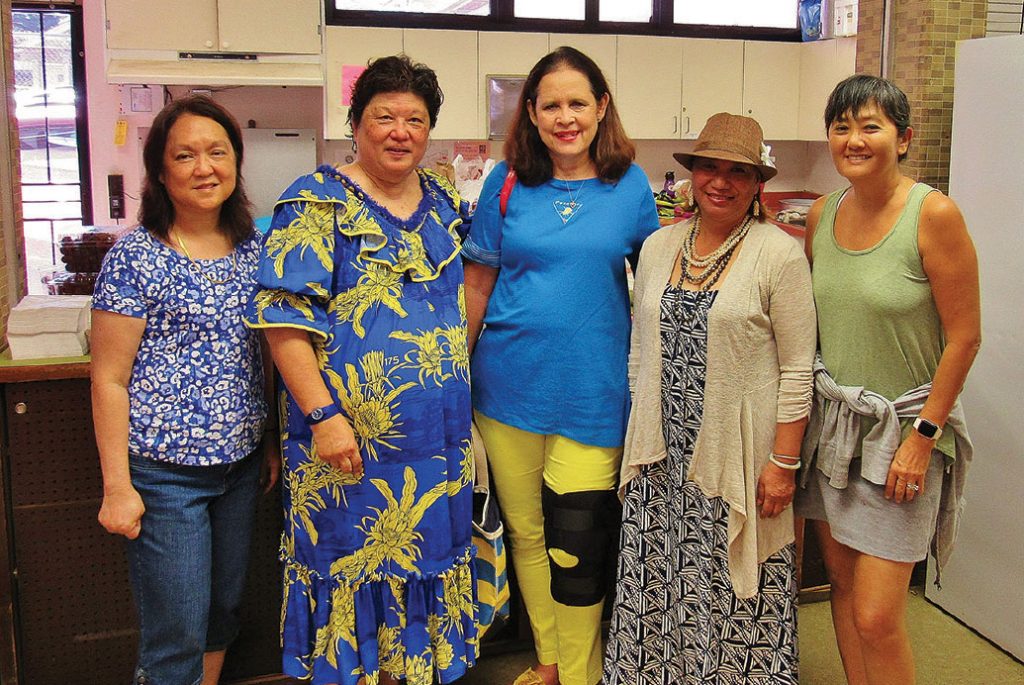
    L–R: Pauline Chang Chin, Gaye Miyasaki, 
Lynne Gartley Meyer, Renee Ahuna Cabrinha and 
Lisa Yamaguchi Bowden.


    For Punahou School’s 175th anniversary, administrators challenged alumni, teachers, students and their families to collectively perform 175 acts of community service. The Class of 1974 decided to sponsor a Kūpuna Health Seminar at Lanakila Multipurpose Senor Center. Generations Magazine, Percy Ihara helped contact educational speakers and exhibitors, such as expert Nutritionist Dr. Shintani, and Tai Chi Instructor Tommy Amina from Nu‘uanu YMCA. Class of 1974 alumni prepared and served a healthy lunch to all participants.

    Since 1841, Punahou School has earned a tradition for excellent scholarship and community service. The Luke Center for Public Service teaches students social; they create their own service projects and work with Aloha United Way. Congratulations to the Class of 1974 and all Punahou alumni serving our community!


    PUNAHOU SCHOOL,
1601 Punahou St., Honolulu, HI 96822
    808-944-5711  |  advancement@punahou.edu
www.punhou.edu

    Punahou: Celebrating 175 Years of Service by Gaye Miyasaki, Punahou Class of 1974 from the June-May 2016 issue of Generations Magazine, Hawai‘i’s Resource for Life

  • Expanding End-of-Life Options

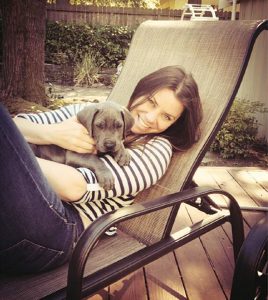
    You may remember Brittany Maynard, the young woman diagnosed with a terminal brain tumor, who moved her family to Oregon to take advantage of the state’s Death with Dignity law. Her story galvanized a movement and was greatly responsible for getting California’s new End-of-Life Option law passed. One young woman telling her story — plainly relaying her sadness and brave resolve — inspired others to take a stand.

    Generations Magazine - ExpandingEnd_image1
    Brittany Maynard died at 30 yrs. old.

    Medical aid in dying (also known as Death with Dignity) is an end-of-life care option that most people in Hawai‘i support. In a 2011 QMark study, more than 75 percent of Hawai‘i voters surveyed believe that a terminally ill adult should have the choice to request and receive medication from their doctor to bring about a peaceful death. Throughout our state Compassion & Choices is working to make more end-of-life care options available, including hospice care, pain management, palliative care, the ability to refuse unwanted medical treatment, and 
medical aid in dying.

    Thanks to Brittany, more people feel free to speak their minds. Perhaps you have a story to share. Do you support death with dignity? What would it mean to you to have access to all end-of-life options? Compassion and Choices wants to hear from you.


    COMPASSION & CHOICES HAWAII

    4348 Waialae Ave., Unit 927, Honolulu, HI 96816
    1-800-247-7421  |  hawaii@compassionandchoices.org
    www.compassionandchoices.org/Hawaii

    Expanding End-of-Life Options by Mary Steiner, Campaign Manager, Compassion & Choices Hawai‘i

  • SilverSneakers Fitness® Benefits Body & Mind

    Generations Magazine - Silver Sneakers_image2

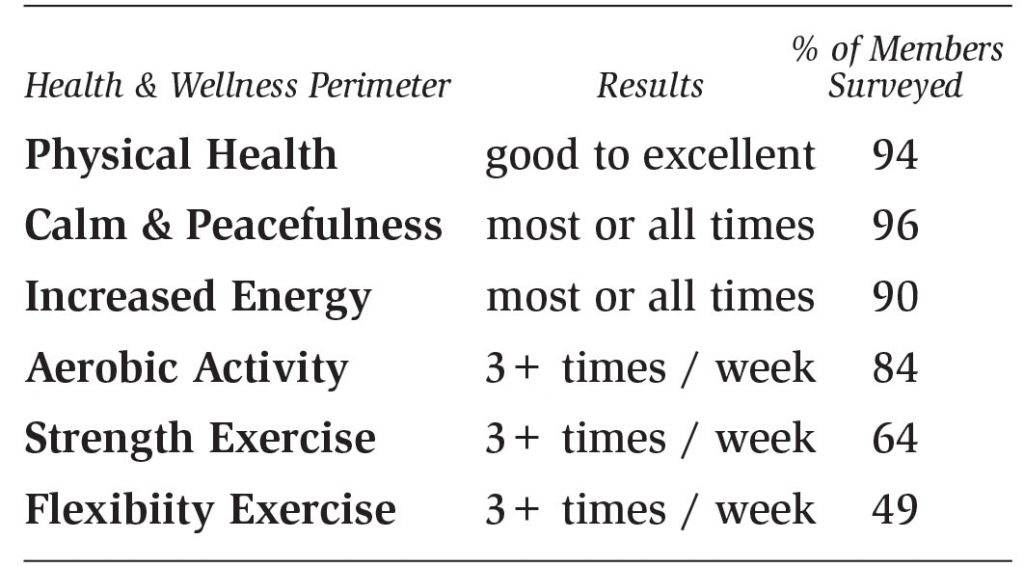
    Every year, SilverSneakers Fitness® conducts a national participation survey of its members. It documents the activity level, fitness 
attitudes and health outcomes of more than 27,000 persons aged 65 and older across 50 states. Results show an active generation of older adults turning to fitness to achieve high levels of energy and mental balance. Here are the survey results:

    Generations - Silver Sneakers_image1

    Healthways SilverSneakers Fitness, a paid service available to more than 13 million eligible members nationwide, is covered by some Medicare plans. SilverSneakers Fitness offers specialized group exercise classes at 23 fitness and wellness facilities on O‘ahu, and members also have access to standard gym amenities and the SilverSneakers FLEX™ network that includes classes and activities at parks, recreation centers and local venues. To find out if your Medicare plan covers SilverSneakers fees and to find a location near you, call 1-866-666-7956 or visit www.SilverSneakers.com/tools.

    SilverSneakers Fitness® Benefits Body & Mind by Generations Magazine Staff from the June-May 2016 issue of Generations Magazine, Hawai‘i’s Resource for Life

  • Memories Still Flow

    Generations Magazine - MemoriesStillFlow_image1
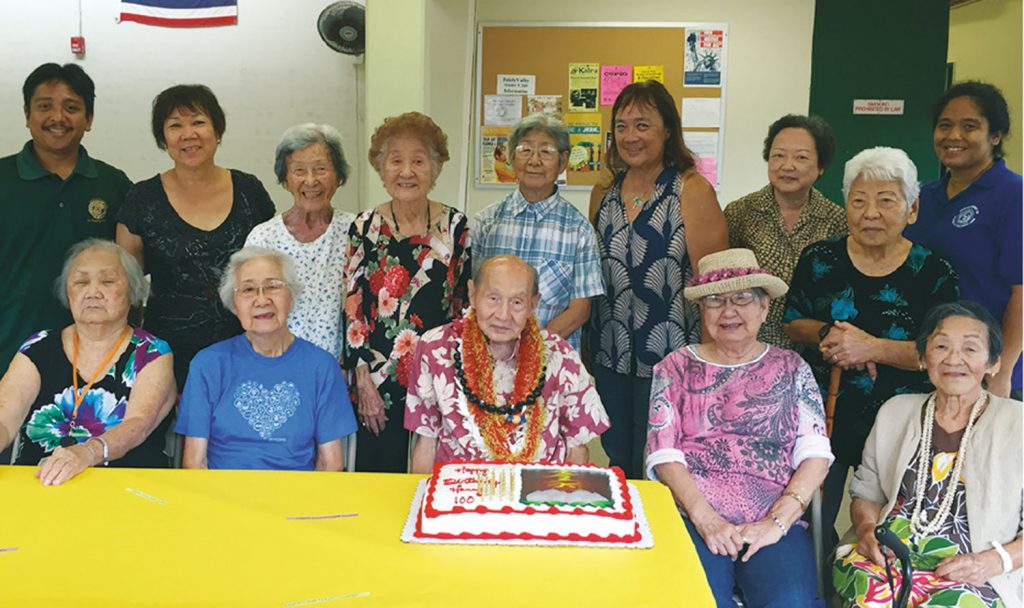
    Harry Hoo celebrates at the Pālolo Senior Club.


    Harry Hoo (he says, pronounced “who”) has a very strong lineage of family members living long and healthy lives. His mother passed away at 98, but his brother still lives in Hong Kong at 101. In celebration of Harry’s 100th birthday, the Pa¯lolo Senior Club had a party at its Tuesday meeting, with Chinese food and birthday cake, courtesy of his family.

    Harry tells me that his grandparents came to Hawai‘i to work on the plantations. His father was born in Hawai‘i, but went to China to find a wife and start a family. Harry was born March 6, 1916, and after high school, he came to Hawai‘i and attended night school. Although he doesn’t remember when he started his many jobs, Harry told me he worked for the Army. After that, he joined the Navy at Pearl Harbor. Because he had a driver’s license, he was able to work in transportation department. After he married and had two children, he worked other jobs and retired in 1981 as a parking supervisor at The Queen’s Medical Center.

    As Harry tells me about his two children and two grandchildren, his memory astounds me. He remembers where they graduated from college, all the positions they have held and what they are doing today. He is very proud of his family and also appreciates the care he receives from his son-in-law.

    Memories Still Flow by Sherry Goya from the June-May 2016 issue of Generations Magazine, Hawai‘i’s Resource for Life

  • Making A Difference for Retirees in Hawai‘i

    Generations Magazine - Making A Difference_image1
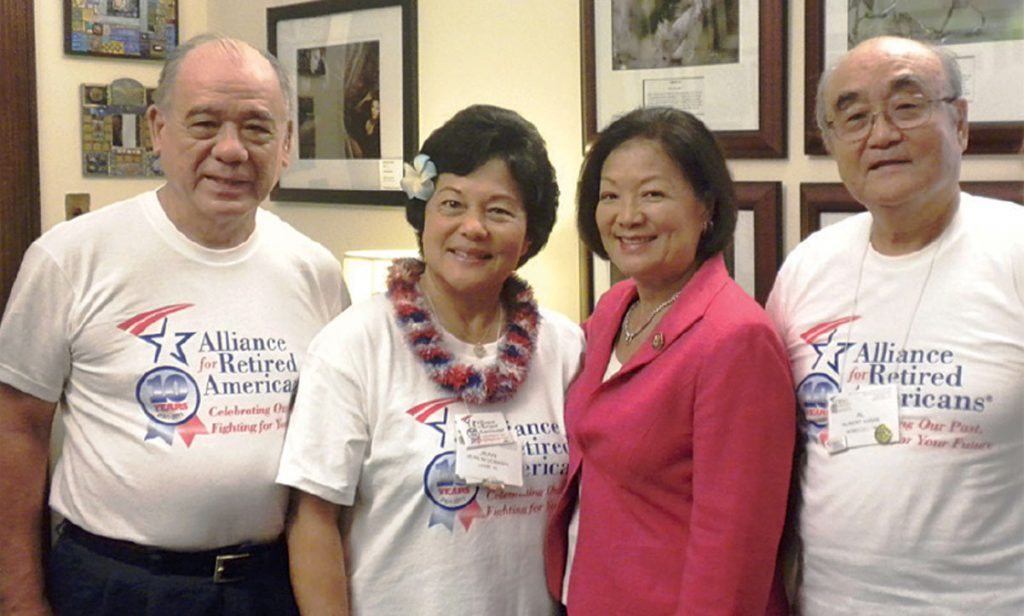
    L–R: Justin Wong, Jean Dobashi, 
Senator Maizie Hirono, Al Hamai.


    The Hawaii Alliance for Retired Americans (HARA) is our state affiliate of the Alliance for Retired Americans (ARA), which serves as a national umbrella organization for advocacy organizations interested in working together on aging, retirees and community issues.

    Founded in 2001, HARA is comprised of eight affiliate organizations in Hawai‘i totaling more than 21,000 members, including AFT Retirees, HGEA Retirees, HSTA-Retired, Hawaii Family Caregiver Coalition, ILWU Retirees, Kokua Council, Machinist Union Retirees and UPW Retirees.

    HARA works with the Legislative Kupuna Caucus and other senior/aging advocacy organizations to support legislative measures and to provide public input on issues that affect seniors. Some important examples are the Kupuna Care Program (state funds to enable the elderly and people with disabilities to remain at home) and a state-administered long-term care program. We also endorse measures to reduce the cost of prescription drugs, create permanent absentee registration and voting, and develop one-stop Aging and Disability Resource Centers (ADRC). HARA urges support for family caregivers, affordable housing and assistance for the homeless. Besides our biennial conventions, HARA members get together with the Kokua Council to meet with members of the Hawai‘i State Legislature every May. The recent legislative session was very productive because we are in an election cycle.

    HARA is part of ARA, a national grassroots movement for seniors/retirees, in which we join with 49 other independent state organizations. Our four million members work together to make our voices heard in shaping federal laws, policies, politics and institutions that affect our lives. The national ARA mission is to ensure social and economic justice and full civil rights for all citizens, so they may enjoy lives of dignity, personal and family fulfillment and security. The 2016 Legislative Session was evaluated in late May at a Legislative Review sponsored by HARA and Kokua Council.

    For more information or to get involved helping other retirees, visit www.retiredamericans.org. Those who join ARA online automatically become members of HARA. Annual dues are $10. If you belong to a group of retirees who would like to align with HARA, contact President Justin Wong.

    HARA officers serving Hawai‘i retirees include President Wong, Vice President Elmer Yuen, Secretary Carol Noland, Treasurer Phyllis Hiramatsu and Past President Al Hamai.


    HAWAI‘I ALLIANCE OF RETIRED AMERICANS, 
1953 S. Beretania St. Suite 5c, Honolulu, HI 96826
    Justin Wong, President
  |  808-395-9717  |  wongj060@hawaii.rr.com
  |  www.retiredamericans.org

    Making A Difference for Retirees in Hawai‘i by Justin Wong, President of Hawaii Alliance for Retired Americans from the June-May 2016 issue of Generations Magazine, Hawai‘i’s Resource for Life

  • Preventing & Resolving Family Conflicts

    Caregiving is an act of love. Balancing the needs and safety of a kūpuna with his or her desire to be as independent as possible requires a sensitive conversation with the senior and the entire family. When talking is avoided or discussions break down, conflicts may erupt and the role of the caregiver can become overwhelmingly painful.

    Generations Magazine - Preventing Resolving_image1
    To help families engage in difficult exchanges regarding the needs, desires, care and support of an elderly family member, the Mediation Center of the Pacific created the Kūpuna Pono Program (KPP). Through KPP, mediation and conferencing help families talk through issues to reach an agreement that supports the elder family member.

    Family conferences are facilitated discussions that bring together the kūpuna and the entire family in order to talk about his or her needs and develop a plan to meet them. The conference begins with an assessment of the family’s strengths, and the desires and values of the kūpuna. Then, the current and future needs of the elder person are discussed, including what resources are available to support his or her needs and who will assist in their coordination.

    With two impartial facilitators guiding the discussion, family members talk about medication management, safety, living arrangements, meal preparation, personal assistance, finances, end-of-life plans and more. Then, the action steps and plans that are agreed upon during the conference are incorporated into a plan that is provided to every family member. The plan serves as a guide to help the family support their elder member and share in caregiving responsibilities.

    If conflicts have already erupted between family members, the mediation process helps them talk about the specific issues at the heart of the dispute. Working in private and joint sessions with the family members who are in conflict, two impartial mediators help them understand each other’s perspectives and negotiate solutions.

    Caregiving can be stressful, leading to conflicts that may tear a family apart at a time when their unification is most needed. The Kūpuna Pono Program helps restore harmony among them. Visit the mediation center online for more information.


    THE MEDIATION CENTER OF THE PACIFIC, Inc.
245 N. Kukui Street, Suite 206, Honolulu, HI 96817
    Monday – Friday, 8:30 – 4pm
  |  808-521-6767  |  Fax: 808-538-1454
  |  www.mediatehawaii.org

    Preventing & Resolving Family Conflicts by Tracey S. Wiltgen, Executive Director, The Mediation Center of the Pacific from the June-May 2016 issue of Generations Magazine, Hawai‘i’s Resource for Life