During Sam C. Dobbs’ time, the early 20th-century, advertising promised consumers various outcomes; however, the claims weren’t based on any facts. This inspired him as the head of Coca-Cola to create a group of businesses to monitor each other’s advertising. The Better Business Bureau (BBB) began.
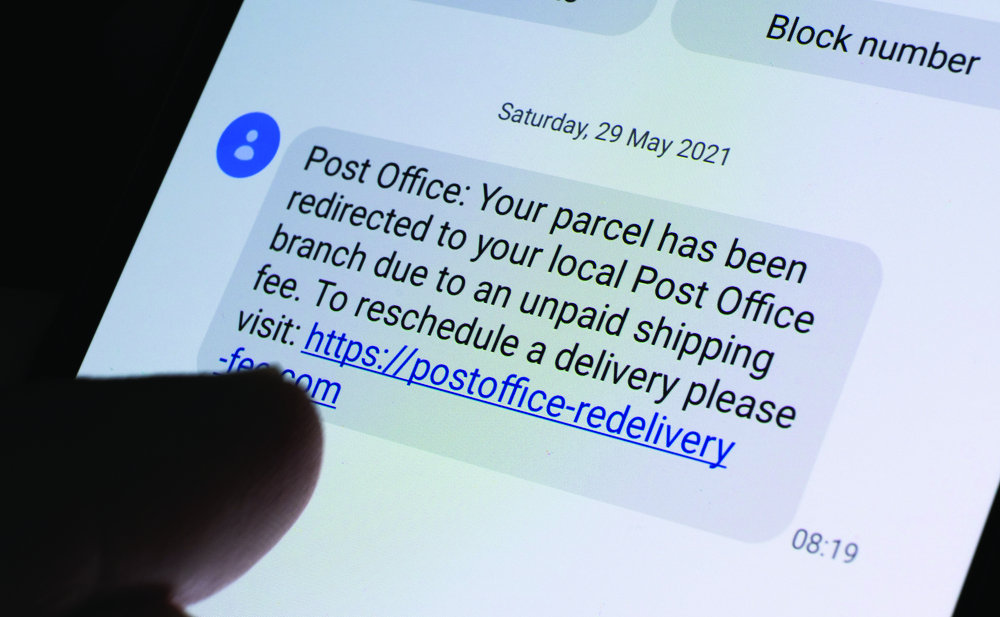
Fast forward to 2023. If you have used gaming apps or social media recently, you have seen ads that promise you will lose weight fast or product offers that are too good to be true. The ads look authentic and the offer is so enticing that many consumers click the buy button. However, many customers are dissatisfied with their purchase after receiving the order because the product wasn’t as advertised or they never received it.
While ethical businesses follow advertising codes, the market is filled with fraudulent companies exploiting consumers. How do consumers know if the ad is false and if it is, who can they report it to?
BBB Tips for spotting false advertising and avoiding fraud are:
• Too good to be true offer. Resist the temptation to click the purchase button. Remind yourself of the laws of supply and demand. If supply is low, demand is high and the cost will be increased.
• Don’t believe everything you read. Can the product deliver the results promised? For example, it’s easy to be deceived by quick weight loss promises. Evaluate the product and the promise to see if it is feasible.
• Vet the company. There is a plethora of websites and many are fake. Before purchasing from a company you don’t know, check the business’s BBB profile at BBB.org. Also, search for the company’s name with the words “complaints, reviews and scams.”
Use your brain and not your heart. Before purchasing, ask yourself if you are thinking rationally or emotionally. When it comes to money, decisions should be made rationally.
• Look closely at the domain name to avoid impersonated websites. Is the domain name spelled correctly?
During Sam C. Dobbs’ time, the early 20th-century, advertising promised consumers various outcomes; however, the claims weren’t based on any facts. This inspired him as the head of Coca-Cola to create a group of businesses to monitor each other’s advertising. The Better Business Bureau (BBB) began. Fast forward to 2023. If you have used gaming…
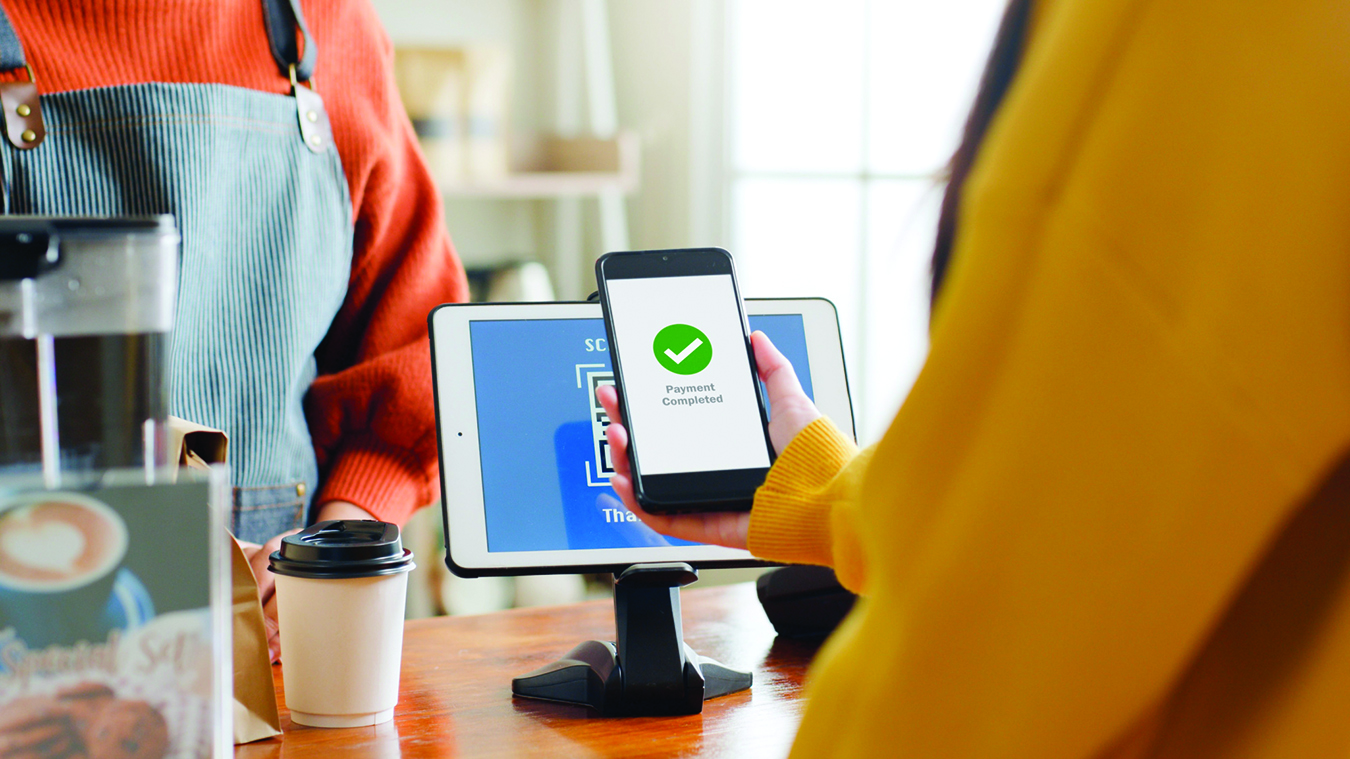
Digital person-to-person payment services and mobile payment apps have become part of everyday life for millions of people. Mobile payment services and apps such as PayPal, Venmo, Zelle, Apple Pay and Google Pay let you send money to people without having to write a check, swipe a card or hand them cash. These services have become increasingly popular among young and old alike for splitting the cost of a meal or donating to a charity, etc.
We all must be aware that these electronic payment services come with their own sets of risks that scammers, fraudsters and identity thieves utilize to victimize the public.
It is important to note that most if not all these mobile payment apps have a website counterpart that has similar features that allow the the use of a computer to conduct transactions. Features may differ between the mobile app and its website version, but their basic tasks (sending and receiving funds) are the same. And though the focus of this article is on mobile apps, the risks and security precautions applies to both app and website versions.
How do they work?
Mobile payment apps enable you to send money to someone who banks somewhere different than you. Your bank may even offer one of the apps as part of its service. Some services require both the sender and recipient to have an account with the same mobile payment app/service. Each app has its own easy-to-follow, step-by-step instructions. Most start with enrollment using your email or mobile number. To send funds, enter the email address or mobile number of the recipient
who has a bank account. Enter the amount. Your recipient gets a notification explaining how to complete the payment.
A word about passwords
Create a separate and unique password for the service you have chosen to use that’s different from any other accounts and services you use. For example, use a different password for your email and PayPal accounts.
Are they safe?
The greatest risk is losing your mobile device or having it stolen. It not only contains the mobile payment app you use but all your other apps, including social media and email apps. Also at risk are the entire contents of the device, such as your contacts and other important personal data.
And like any computing device, it can also be infected by malware and carry out various kinds of malicious activities, such as stealing passwords and other sensitive personal information and transmitting them to cybercriminals. Furthermore, fake apps masquerading as legitimate apps — including mobile payment apps — can compromise the data stored on your devices.
In addition, cybercriminals also rely on traditional scams and fraudulent schemes to trick unsuspecting users to send them money using mobile payment apps. For example, fraudsters are known for “spoofing” legitimate companies like Amazon to trick users into purchasing items they will never get, or sending donations to a fake charity organization that is nonexistent.
How do I protect myself from scams & theft?
The first line of defense is protecting your device. Do not leave it unattended. Do not let strangers use it unless you can see what they are using if for. Enable your device’s screen lock when not in use or even power it off.
Most importantly, ensure the app you installed is from a legitimate source. Then consider using security software. Most fully featured security products have protections for your banking and payment applications.
Most mobile payment apps allow you to set up a passcode, PIN or fingerprint that you can use to authenticate yourself before making a payment. Setting up this feature helps to prevent someone else from making unauthorized transactions from your account. Use a strong password which contains a combination of uppercase letters, numerals and control characters (%, ^ , !).
If your mobile phone is lost or stolen, notify your bank and payment provider. If stolen, report it to law enforcement and obtain a police report number, which may be required to prevent you from being responsible for any financial loss.
Most payment apps have additional security features such as two-factor authentication (2FA). Activate it so before a transaction is authorized, a code is sent to you via text message or email that you’ll need to input to complete the transaction.
When you are not using the app or web service, log out and ensure that your mobile device and computer are locked when they are not being used.
Use a credit card with a low credit line or open a bank account designated for the payment app/service. Do not use accounts associated with any income (pension, SS benefits).
One of the most common risks when using mobile payment apps is human error. Always double check the amount you entered and the person you selected to pay. Also, pause a bit to confirm the transaction went through before tapping again. Again, contact your bank or payment provider if you make an error.
Ultimately, mobile payment apps and web services make our lives easier, but we don’t want to make it easy for scammers, fraudsters and hackers to victimize us. Stay vigilant and stay safe.
Contact Christopher with questions about online security.
Christopher Duque | aikea808@gmail.com
Digital person-to-person payment services and mobile payment apps have become part of everyday life for millions of people. Mobile payment services and apps such as PayPal, Venmo, Zelle, Apple Pay and Google Pay let you send money to people without having to write a check, swipe a card or hand them cash. These services have…
The 2024 Chinese New Year — the Year of the Dragon — begins on Feb. 10 and ends on Jan. 28, 2025, when the Year of the Snake begins. Marking the end of winter and the beginning of the spring season, observances traditionally take place starting on Chinese New Year’s Eve (Feb. 9).
Chinese New Year, also called “Lunar New Year,” is an annual 15-day festival in China and Chinese communities around the world, including Hawai‘i. The first day of Chinese New Year begins on the new moon that appears between Jan. 21 and Feb. 20. Festivities continue until the following full moon, which is Feb. 24, this year.
The Chinese zodiac starts with the Year of the Rat and cycles continuously through 12 signs. The dragon is the fifth of 12 animals in the Chinese zodiac, which is based on a 12-year cycle. So if you were born in 1952, 1964, 1976, 1988, 2000, 2012 or this year, then your Chinese zodiac sign is Dragon. The dragon, a revered symbol in Chinese culture, is one of its most important mythological creatures, symbolizing strength, wisdom, honesty, benevolence, good fortune, power and prosperity.
Traditions Immigrate
Traditional dragon and lion dances are indispensable parts of community celebrations during every Chinese New Year. One of the most prominent origination theories suggests that the dragon dance began during the Han Dynasty (206 BCE–220 CE); the lion dance has its roots in the Tang Dynasty (618–907 CE).
Chinese immigrants brought their traditions to the Kingdom of Hawai‘i near the end of the 18 century. Records show that the Chinese people welcomed the Year of the Dog on Feb. 4, 1886, when the United Chinese Society of Hawai‘i held a blessing to open its King Street Hall. Princess Lili‘uokalani and other royalty attended the festivities.
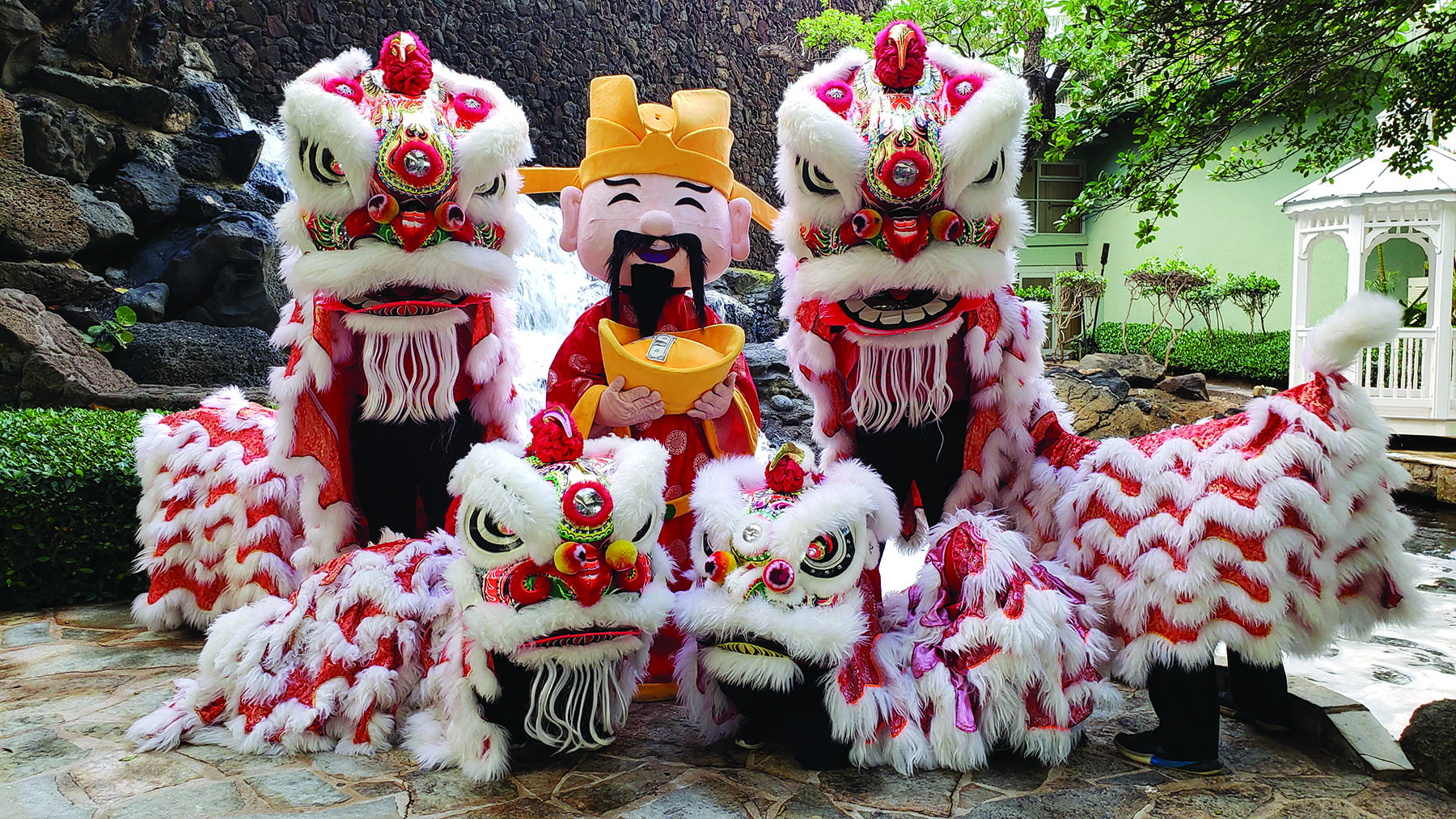
Chinese Southern Fo Shan lions with Caishen (God of Prosperity). PC: Majestic Culture and the Arts Association
Lion & Dragon Dances
Lions are considered symbols of protection in Chinese culture. Lion dances are often performed at important occasions, especially Chinese New Year celebrations, to bring good fortune and ward off evil spirits.
There are many stories about the origins of the Chinese lion dance. The most popular one involves a beast named “Nian” (“year”) that terrorized the villagers at the beginning of each new year. The monster was afraid of loud noises, bright lights and the color red, so those were the things villagers utilized to chase the beast away. Celebrations to usher out the old year and bring forth the luck and prosperity of the new one incorporated a cacophony of noise and often included firecrackers, fireworks, and red clothing and decorations. Dancers dressed as lions, the protectors of the weak, bearers of righteousness and bringers of blessings.
There are several distinctions between lion and dragon dances. Both dances are accompanied by a percussion team that plays drums, gongs and cymbals. Other instruments may be added to the musical ensemble, such as flutes, wind instruments or stringed instruments.
The lion dance is executed by two performers portraying the lion; one manipulates the head and the other moves the tail.
The dragon dance utilizes an uneven number of performers, most often, more than nine. In synchrony, dancers maneuver a long, colorful serpentine body held aloft on poles with a dragon head and tail at either end. Many dancers are needed to control the dragon’s long, undulating body, which can extend to 30 yards in length. The dragon’s body is made from thin bamboo strips covered in cloth and painted with scales. Dancing dragons are frequently led by someone holding a large sphere — either a white pearl representing immortality and the pursuit of wisdom, or a red sun representing the hope for a good harvest. Dragons most often dance during the Chinese New Year and other auspicious events that offer them a large performance area.
Miss Chinatown Hawaii Court 2020 with Chinese Southern Fo Shan Lions and the Three Stars — Blessings, Wealth and Longevity. PC: Miss Chinatown Hawaii
In Hawai‘i, lion dances are performed throughout the year at a variety of festive occasions, such as grand openings, birthday parties and weddings. During the Chinese New Year period, which spans two weeks prior to and after New Year’s Day, lion dances are performed in Chinatown and elsewhere throughout the island chain at businesses, malls and restaurants.
Unique to Hawai‘i, spectators will often feed money to the lion to receive blessings of health, wealth and prosperity. Sometimes the money is placed in a red envelope called “lai see,” meaning good fortune (Cantonese), or “hong bao,” meaning red packet (Mandarin).
The last event held during the Chinese New Year is the Lantern Festival, which honors deceased ancestors, during which glowing lanterns are floated in waterways, hung in temples or carried during a nighttime parade. A dragon dance procession through the streets highlights many Lantern Festival celebrations.
Kung hei fat choi (Cantonese)! Wishing you happiness and prosperity.
The 2024 Chinese New Year — the Year of the Dragon — begins on Feb. 10 and ends on Jan. 28, 2025, when the Year of the Snake begins. Marking the end of winter and the beginning of the spring season, observances traditionally take place starting on Chinese New Year’s Eve (Feb. 9). Chinese New…
As we welcome the New Year, a key goal for many revolves around health and vitality. Good nutrition, what you eat to “fuel” your body, combined with physical activity, are key.
Many conditions (heart disease, high blood pressure, diabetes, obesity, osteoporosis) can be prevented or controlled with dietary changes and exercise. A healthy diet also provides vitamins and minerals your body needs. And water, along with fiber, helps your digestive system.
What is healthy eating?
Healthy eating is about balance, variety and moderation. It means you eat enough, but not too much, and eat a variety of colorful foods that provide nutrients needed to stay healthy. All foods eaten in moderation can be a part of healthy eating. Five or more servings of fruits and veggies daily provides fiber and energy to help you live a healthy life. Create power-packed easy meals by adding spinach or kale to a morning fruit smoothie, vegetables to scrambled eggs, vegetables to your whole grain sandwich, roasted veggies to soup, salads or grains.
How to roast vegetables
It’s quick and easy to roast vegetables, usually taking less than 45 minutes. Choose various vegetables, such as potatoes, beets, carrots, Brussels sprouts and broccoli, and chick peas for extra protein. Experiment with fresh herbs, citrus and seasonings such as rosemary, thyme, garlic and lemon to decrease sodium intake.
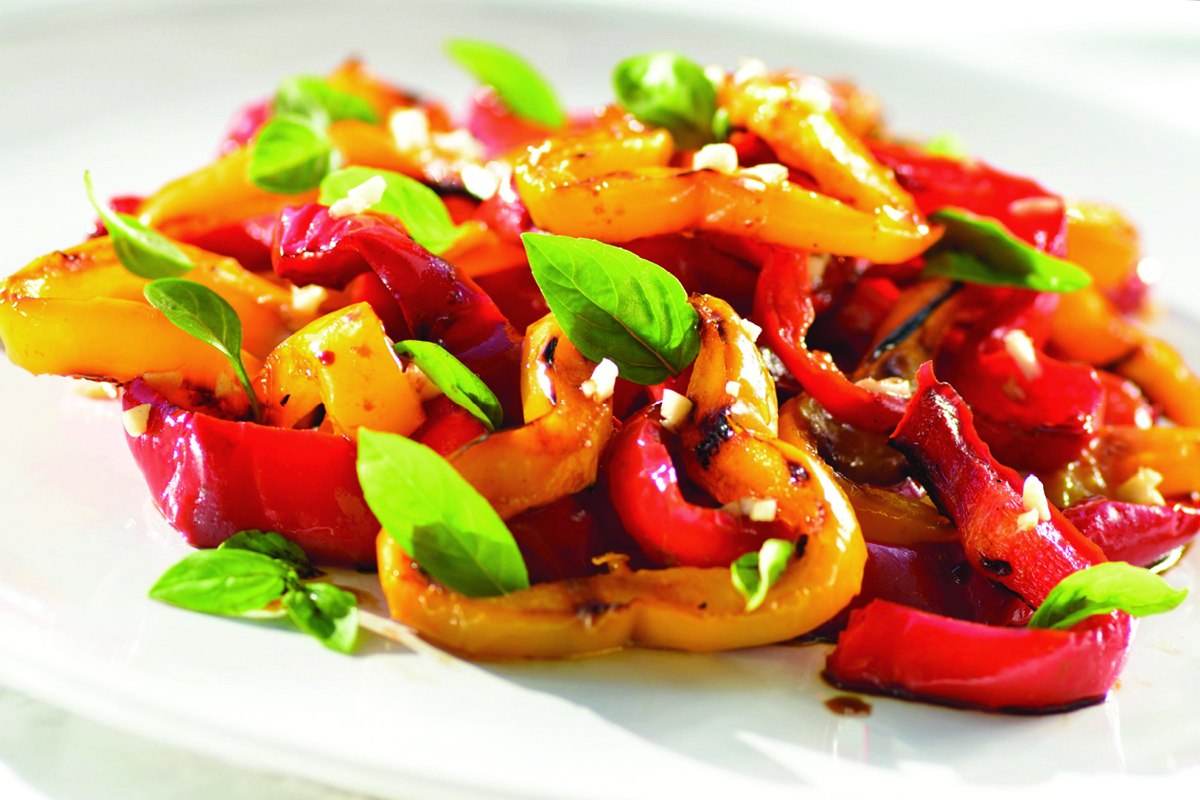
ROASTED BELL PEPPER MEDLEY
Servings: 2 to 3
Prep time: 15 minutes
Ingredients
4 large bell peppers (use a mix of green,
yellow and red)
2 Tbsp. olive oil
2 Tbsp. dried or fresh chopped herbs
pinch (to taste) kosher salt and pepper
Directions
1. Preheat oven to 425 degrees.
2. Wash peppers, cut them in half, remove top and seeds.
3. Slice peppers into strips.
4. Mix/toss slices in a bowl with olive oil, salt and pepper.
5. Spread sliced peppers on baking sheet and sprinkle with herbs.
6. Roast for 30 minutes or until tender.
KAISER FOUNDATION HEALTH PLAN, INC.
711 Kapiolani Blvd., Honolulu, HI 96813 808-432-5915 (TTY 711) | kp.org This article contains health and wellness or prevention information.
As we welcome the New Year, a key goal for many revolves around health and vitality. Good nutrition, what you eat to “fuel” your body, combined with physical activity, are key. Many conditions (heart disease, high blood pressure, diabetes, obesity, osteoporosis) can be prevented or controlled with dietary changes and exercise. A healthy diet also…
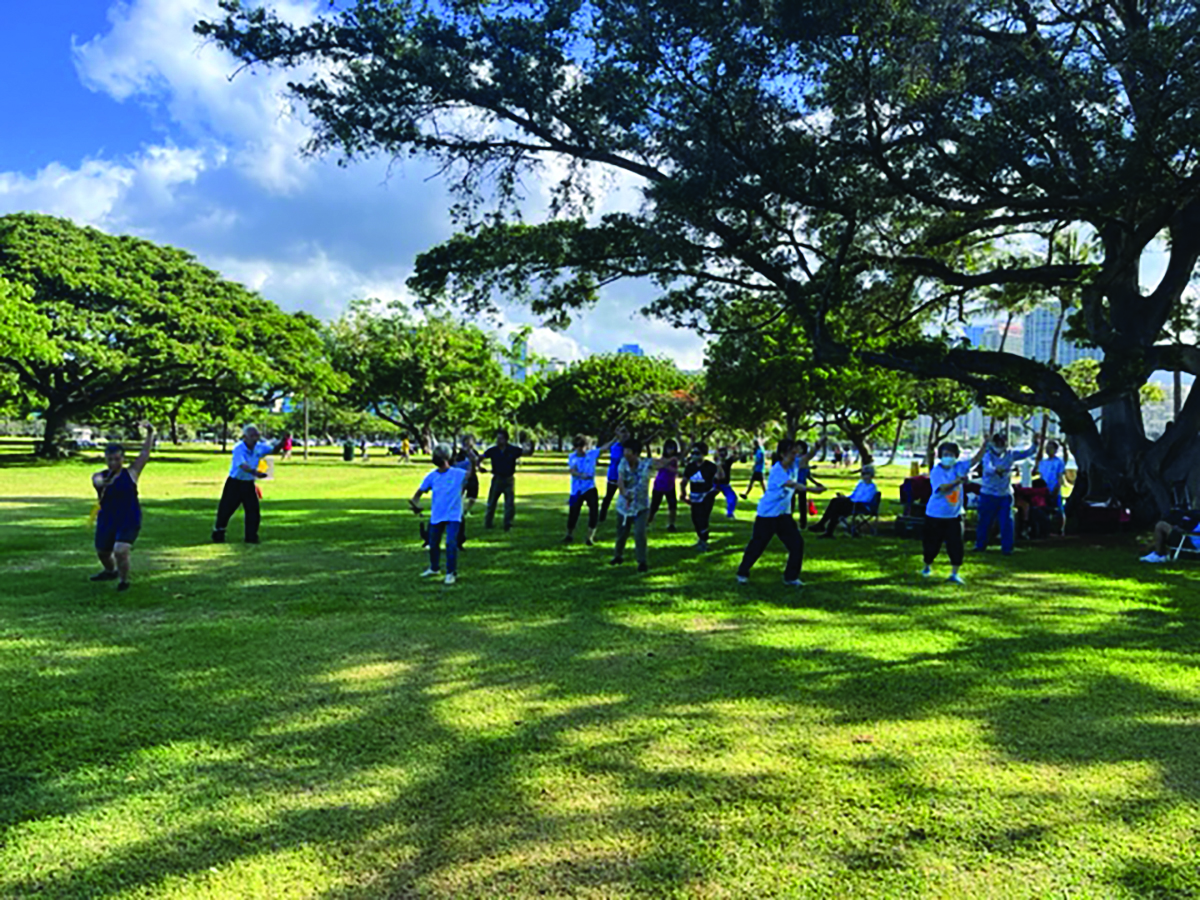
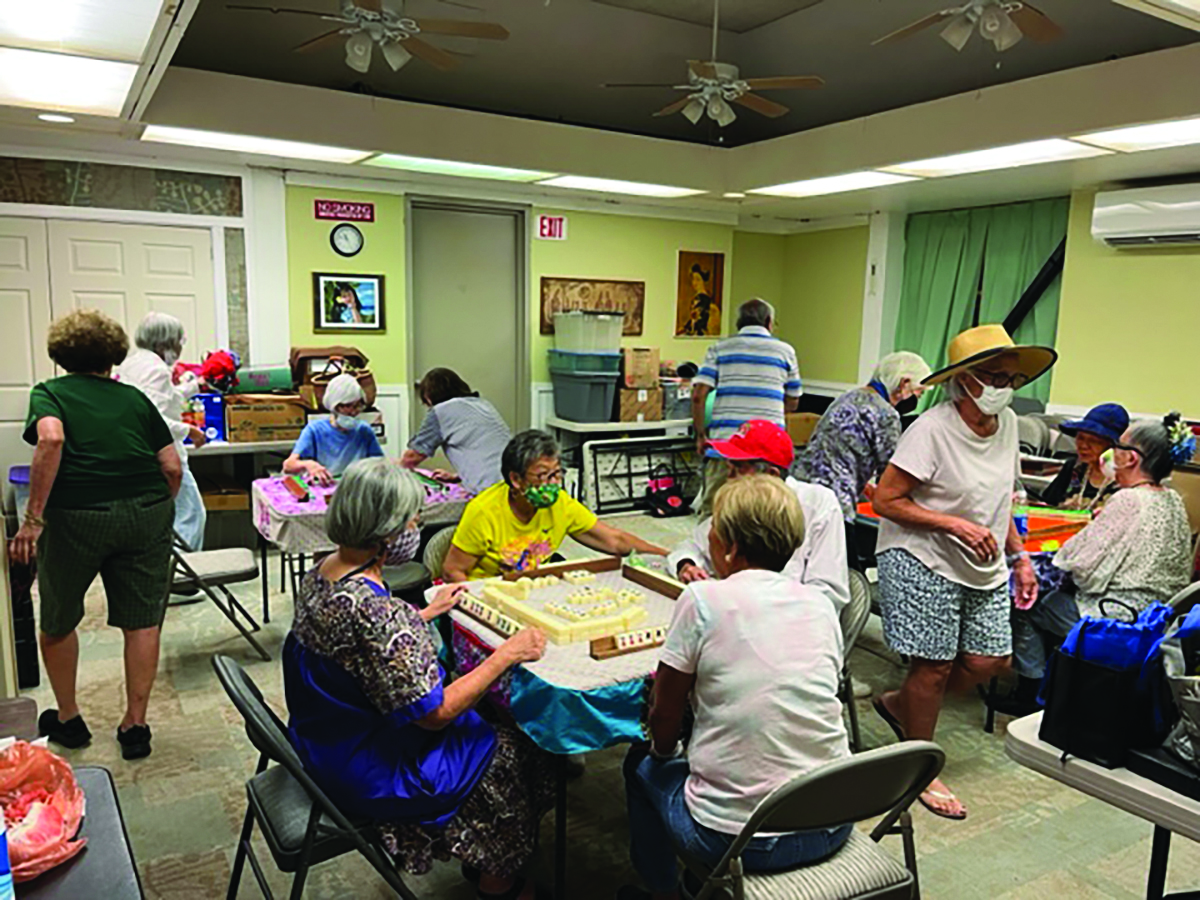
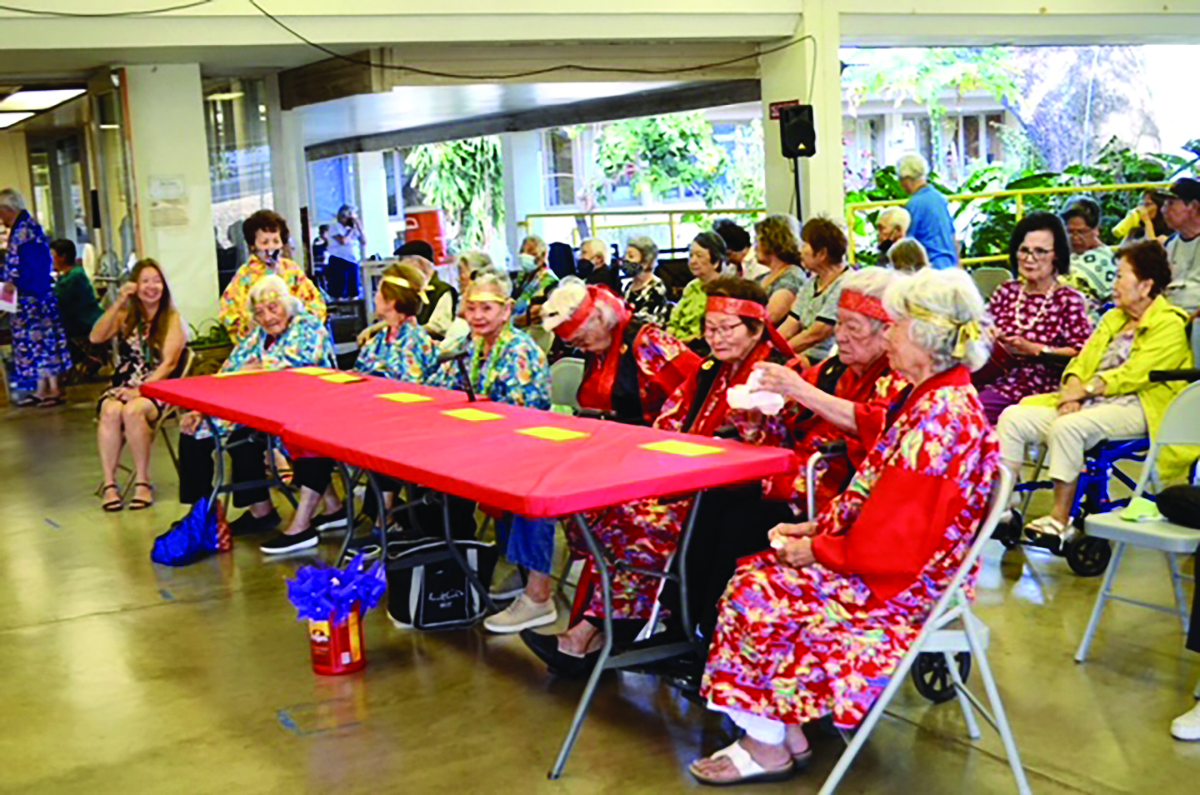
In the former location of taro patches and rice paddies, Lanakila Multi-Purpose Senior Center (LMPSC) managed by Catholic Charities Hawai‘i, nestled in Liliha in the heart of Honolulu, offers camaraderie, education, recreation, exercise, health promotion, volunteer opportunities and more for kūpuna 60 years of age and older from diverse ethnic, cultural and career backgrounds.
LMPSC, the oldest and largest senior center in Hawai‘i, was created by the state in 1969 as part of Hawai‘i’s comprehensive response to the passage of the Older Americans Act of the 1960s. Devoted elected officials and other community leaders supported and funded this much-used gathering place.
There is no membership fee. Those who are able to participate safely on their own without supervision are welcome to visit and observe the activities of the senior center twice. If they feel comfortable, make an appointment with the LMPSC’s membership specialist (see below).
Currently, there are about 2,000 members participating in over 50 classes a week, including pickleball, ping pong, yoga, cultural dances, ‘ukulele and guitar, language and calligraphy classes, technology training, arts and crafts, line dancing, stretching and toning, tai chi, fitness fusion, American Sign Language, board games, singing and performing arts, and much more.
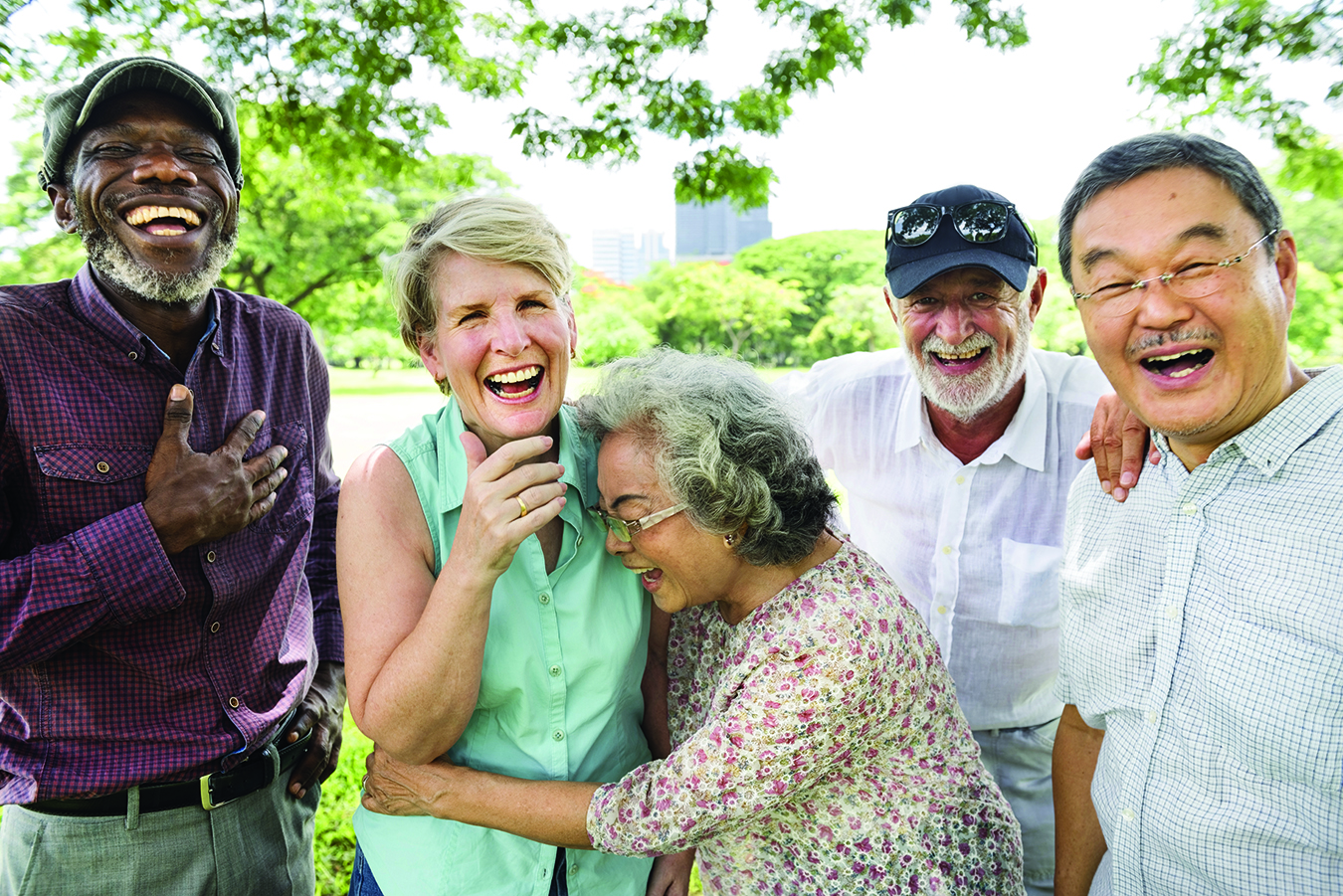
LMPSC members attend hundreds of educational presentations and workshops, excursions, and social and volunteer activities throughout the year. LMPSC has demonstrated for over five decades the importance of social engagement, sharing talents and knowledge for the betterment of the community, recreation and lifelong learning opportunities to keep older adults happy, healthy, and living independent and productive lives.
CCH CEO Rob Van Tassell emphasized that “the annual cost of two nursing home patients equates to the operating costs associated with this senior center. Public and private sector support for senior centers throughout Hawai‘i would be a very good investment for the state.”
Long-time Lanakila member Mary Sueda was touched every day by the caring and kindness that members and staff shared with one another. She is happy that her mom was able to enjoy such wonderful times with friends at Lanakila, too.
Sen. Carol Fukunaga believes that the center “can serve as a role model that can be incorporated into future community developments and redevelopments, because it encourages healthy aging and effectively keeps our kūpuna active and independent!”
LANAKILA SENIOR CENTER managed by CATHOLIC CHARITIES HAWAI‘I (501(c) 3 nonprofit)
1640 Lanakila Ave., Honolulu, HI 96817
Membership Specialist Iris Hiramoto: 808-847-1322 suzanne.oakland@catholiccharitieshawaii.org catholiccharitieshawaii.org
Check online for Catholic Charities Hawaii offices on the Neighbor Islands: Hawai‘i Island, Maui and Kaua‘i.
In the former location of taro patches and rice paddies, Lanakila Multi-Purpose Senior Center (LMPSC) managed by Catholic Charities Hawai‘i, nestled in Liliha in the heart of Honolulu, offers camaraderie, education, recreation, exercise, health promotion, volunteer opportunities and more for kūpuna 60 years of age and older from diverse ethnic, cultural and career backgrounds. LMPSC,…
Volunteering brings fun, joy and a sense of purpose into your life. It has certainly made my retirement more meaningful and enjoyable! The skills I learned in my working life are put to good use and are the foundation of the WIN-WIN relationships forged between me and those in need of assistance.
In retirement, one gift we can freely give is the gift of time spent sharing our skills, talents and experiences. I volunteer for RSVP (Retired and Senior Volunteer Program) as an Americorps Senior. When I started, I didn’t even begin to imagine what benefits I would gain from this wonderful partnership.
It is such a blessing to be part of a program that helps the community thrive in many different ways — from supporting healthy and independent living for seniors to supporting keiki in developing school readiness, and promoting literacy. Being reconnected with the community and making a difference is the perfect antidote to any feelings of isolation or lack of purpose.
Best of all, my gift of time can change a life and be the reason someone smiles!
Volunteering brings fun, joy and a sense of purpose into your life. It has certainly made my retirement more meaningful and enjoyable! The skills I learned in my working life are put to good use and are the foundation of the WIN-WIN relationships forged between me and those in need of assistance.
Grief is a natural response to a loss, change, transition, or death. Grief affects everyone uniquely. It could be emotionally, mentally, physically, intellectually, and/or spiritually. As the 2023 holidays approach, take time to self-care with positive activities. Examples are reading uplifting stories and poems, journaling, stretching, meditating, connecting with people, appreciating nature walks, etc. Find your source of strength and peace each day. Be prepared for the upcoming holidays.
Daily Self–Care for December and New Year’s Day
Breathe deeply. Be open. Believe good things will happen. Evoke encouraging words. Evolve as you take the first steps forward. Prepare for the holidays by planning what you are willing to do. Be patient with yourself. Preview and reflect on life’s lessons. Energize through exercise. Every effort counts. Pause. Peace comes from within. Attitude matters. Aspire to inspire. Remember to count your blessings. Eat nutritiously. Embrace a healthy lifestyle. Dedicate time to be kind to yourself daily. Free yourself from negative thoughts. Forgive. Options and opportunities are all around us. Random acts of kindness uplift your spirit. Take care and rest. Take some time off. Humor helps. Smile, even if you don’t want to. Engage in inspirational self-care activities. Embrace the ones you enjoy doing. Understand moments can be tough. Use the time to hold your heart. Promote wellness. Pamper yourself. Choose to be calm and courageous. Celebrate the small steps. Observe. Optimism opens new doors. Take time for yourself. Move with music. integrate new experiences. Invite change. Navigate your path. Notice nature’s beauty. Grieve, yet greet today with gratefulness. Hope for the best. Have a blessed day. Open your heart to new beginnings. Laughter is good for you. Let it go. Invite positive thoughts. Develop new traditions & rituals. Dance daily! Allow ALOHA in your life. Acknowledge both the pain and joy in the grief journey. You are important. Yes, you will be fine. Seek strength from within. Speak with sincere gratitude in the NEW YEAR.
Grief is a natural response to a loss, change, transition, or death. Grief affects everyone uniquely. It could be emotionally, mentally, physically, intellectually, and/or spiritually. As the 2023 holidays approach, take time to self-care with positive activities. Examples are reading uplifting stories and poems, journaling, stretching, meditating, connecting with people, appreciating nature walks, etc. Find…
Aloha! When we hear the words “kūpuna care,” it can bring forth many thoughts, perhaps of taking care of a parent, grandparent, neighbor or friend. For me, “kūpuna care” has also meant a career of three decades working in senior care communities in California and Hawai‘i. As a licensed administrator, I’ve been there in the continuum of care: independent living, assisted living, memory care and skilled nursing. I strived, with other staff members, to provide the highest quality of care and services.
Family caregiving
Like many baby boomers, I have also been a family caregiver. From Mom to an uncle, it has been a journey of applying working knowledge of quality of care, regulations, psycho-social needs, Alzheimer’s disease and other dementia types, finding caregivers for home care and end-of-life care, and discovering the true grit of a team of first-time family caregivers.
As I age, and kūpuna in my family age, we share with each other our inter-generational experiences of growing up in Hawai‘i nei, working for a living and raising a family. And, as we retire into the sunset, we reflect on the contributions our ancestors made so we could, hopefully, have a better life.
Showing love by being present
In the year 1987, at the first skilled nursing facility I worked at in Sacramento, CA, I met two sisters who drove from the Bay Area to Sacramento to see their issei mother every weekend. Their mother was in advanced dementia, but just their presence showed undeniable love for their mom. I observed them talking to her with reminiscences of childhood days, raising families, work, then retirement.
In Hawai‘i we simply “talk story.” Talking story is such a relaxing way of communicating. Talking story reflects the “hanabata days” of being a “runny-nosed” kid. Remember when…? What neighborhood…? What high school…? You know so-and-so…? All these are ways of sharing. Even though a senior may repeat these stories, it is aloha to listen and share with them, bringing love and comfort. This is just one aspect of senior care and, for me, my most treasured memory as a caregiver of Mom and Uncle.
Aloha! When we hear the words “kūpuna care,” it can bring forth many thoughts, perhaps of taking care of a parent, grandparent, neighbor or friend. For me, “kūpuna care” has also meant a career of three decades working in senior care communities in California and Hawai‘i. As a licensed administrator, I’ve been there in the…
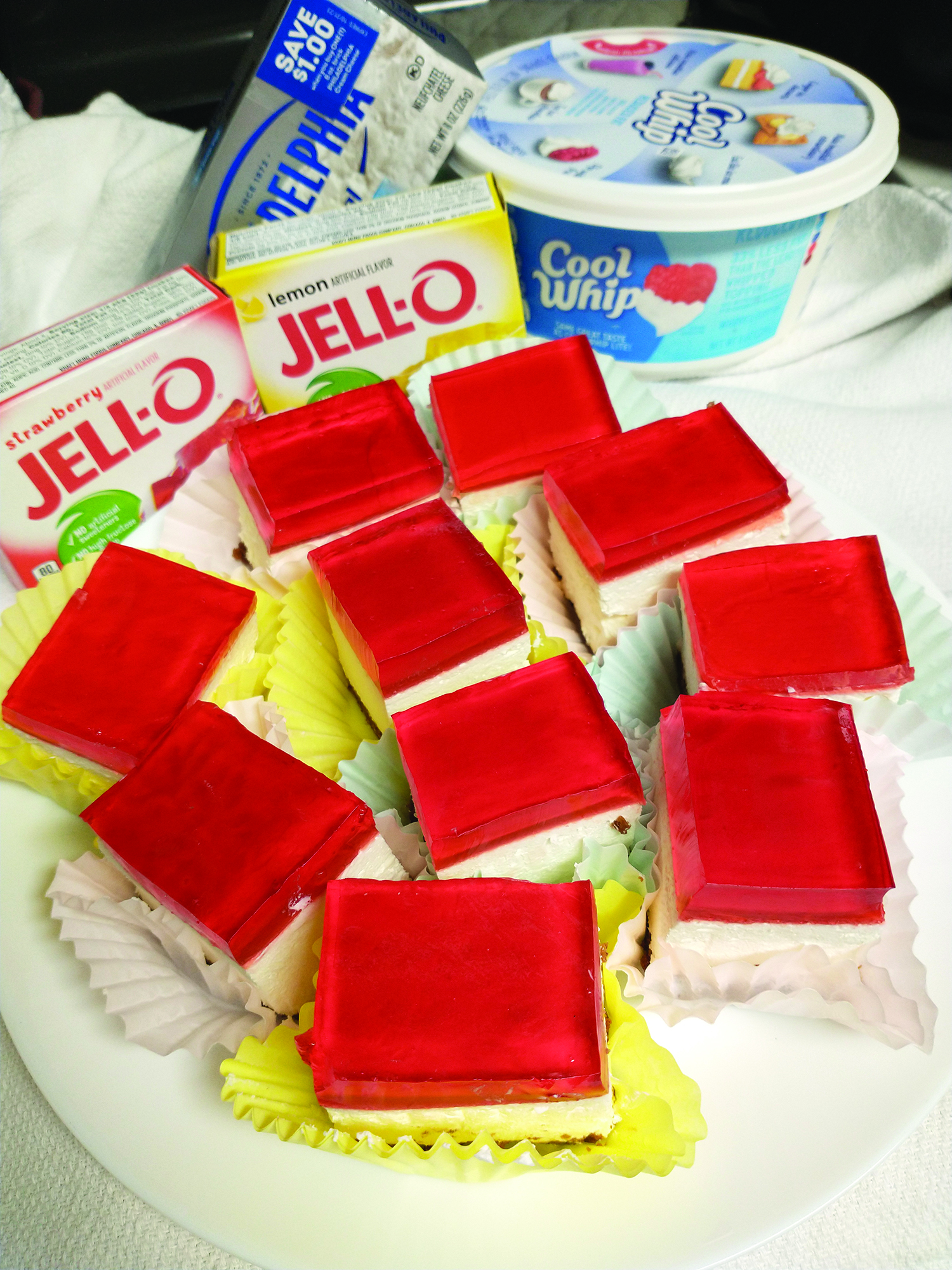
My fondest memories of my late grandma, Shirley Ihara, are of watching her cook and bake in the kitchen. During the holidays, she would make her Butter Crunch Jello Cream Cake and it was one of my favorites. She actually taught me this recipe when I was a child, but I really didn’t make it on my own; for some reason, hers always tasted much better.
My grandma was a great cook and baker; she has so many recipes that we all have enjoyed and loved. If you have ever come to one of my Uncle Les’s fundraisers, joined us in a family dinner or visited her at her home, she always had great food and awesome desserts to share with others.
As she was getting older, she stopped cooking as much. In recent years, I was going through her recipes and decided to cook them for her. I cooked everything from BBQ hot dogs, lasagna, banana muffins, stew, Chicken Divan and more. She would compliment me on how good it was and I responded to her with “Well, it’s your recipe.” She would laugh and keep enjoying her meal.
Ingredients: Bottom Crust: (Butter Crunch)
1 stick oleo (margarine or butter)
1/4 cup brown sugar
1 cup flour
1/2 cup chopped nuts Filling:
1 3 oz box jello (lemon)
1 cup hot water
3/4 cup sugar
1 8 oz Cool Whip (or 1 bottle Avoset)
1 8 oz cream cheese Topping:
1 6 oz box jello (flavor of your choice,
strawberry is the best)
3 cups hot water
Directions:
Bottom crust: Cream sugar and butter, add flour and nuts. Press and spread into 9”x13” cake pan. Cook at 375 degrees for 10 minutes
Filling: Dissolve jello in hot water and cool. Add cream cheese mixed with the sugar. Fold in Cool Whip (or whipped Avoset). Pour into cooled crust.
Topping: Dissolve jello in hot water. Cool and chill.
When about set, pour on cake.
Makes: Approx. 30 2”x2” sq. | Total time: 45 min.
Do you have a favorite recipe and story to share? For consideration in the next issue of Generations Magazine, mail your story and recipe to Generations Food & Story, PO Box 4213, Honolulu, HI 96812, or email them to Debra@generations808.com
My fondest memories of my late grandma, Shirley Ihara, are of watching her cook and bake in the kitchen. During the holidays, she would make her Butter Crunch Jello Cream Cake and it was one of my favorites. She actually taught me this recipe when I was a child, but I really didn’t make it…
Holidays are for giving, but for some it’s a season of taking. Don’t let a Grinch ruin your holiday! Below are some common scams and what to look out for to avoid them.
Online Shopping Scams
Scammers tout incredible deals in emails, websites and social media posts. But clicking the link may take you to fake websites that take your money but don’t send you the item or what arrives is a low-quality version of what you were expecting. Even worse, a visit to a fake site could enable crooks to download malicious software or steal personal information, logins and passwords.
TIPS:
• If a deal seems too good to be true, it probably is.
• If you’ve never heard of a company before, check it out.
Drained Gift Card Scams
Criminals can scratch off strips on the back of gift cards, get the PIN and return them to store racks. Once the card is purchased and loaded, a computer program notifies them and criminals are able to almost instantly drain the value from the cards.
TIPS:
• Purchase gift cards online directly from the merchant. If you do purchase gift cards at a brick-and-mortar store, inspect them for damage or tampering.
• Keep the purchase and activation receipts. You may not have any recourse, but at least with the receipts, you have a shot.
Package Delivery Scams
Porch pirates steal packages from people’s front doors — they are out in force over the holiday season. Scammers will also claim to be carriers (FedEx, UPS, etc.) and send fake package notifications to steal money or personal information.
TIPS:
• Ask shippers if packages can he held at their location until you are notified, or have them delivered in a location that would be hard to see from the road.
• Ignore urgent, unsolicited demands about shipments that you don’t know about. Check directly with the shipper. Don’t click on links.
Holidays are for giving, but for some it’s a season of taking. Don’t let a Grinch ruin your holiday! Below are some common scams and what to look out for to avoid them.
When I suggested a Q&A for Generations Magazine, I didn’t expect that so many ku¯puna would be so shy! Mahalo to everyone willing to share their answers with me and our readers. Look out for my next column of “Ask a Kupuna” in the next issue. The question will be “Do you have a favorite Valentine’s Day story to share?”
It’s that time of year when we fondly reminisce about family gatherings and vacations, so my question for this issue was:
“What is your favorite Christmas memory?”
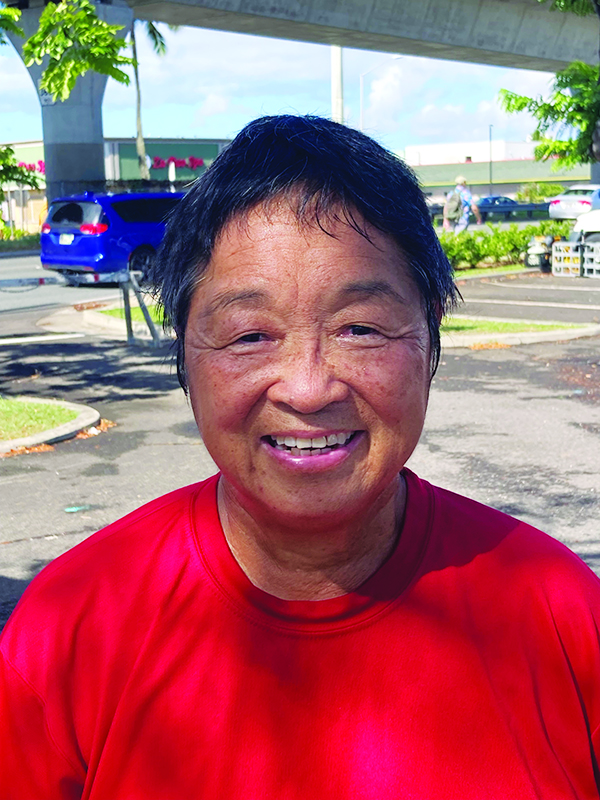
Sharon M. (68) Honolulu
When the kids were young, we would have Christmas Eve family gathering. We would play games, eat onolicious food and Santa would visit and bring all the kids a gift. Just seeing their eyes light up with amazement when they opened their gift from Santa were happy times and special moments… Christmas spirit!!
SC Anderson (69) Honolulu
Over Christmas 2020, my mother visited me from Pennsylvania and we enjoyed several O‘ahu Christmas traditions: watching boat and marching band parades; partaking in a festive trolly ride; and visiting Honolulu Hale to see the decorations outside and the annual tree and wreath decorating contests inside of the building.
Nathan Y. (76) Ewa Beach
My special Christmas memory was when our daughter was in elementary school. We’d decorate the tree together, do lots of family photos with our dog… trying to get everyone looking at the camera simultaneously, stuff stockings with little goodies, and on Christmas morning we’d set up “Deal or No Deal” for her. She was so excited.
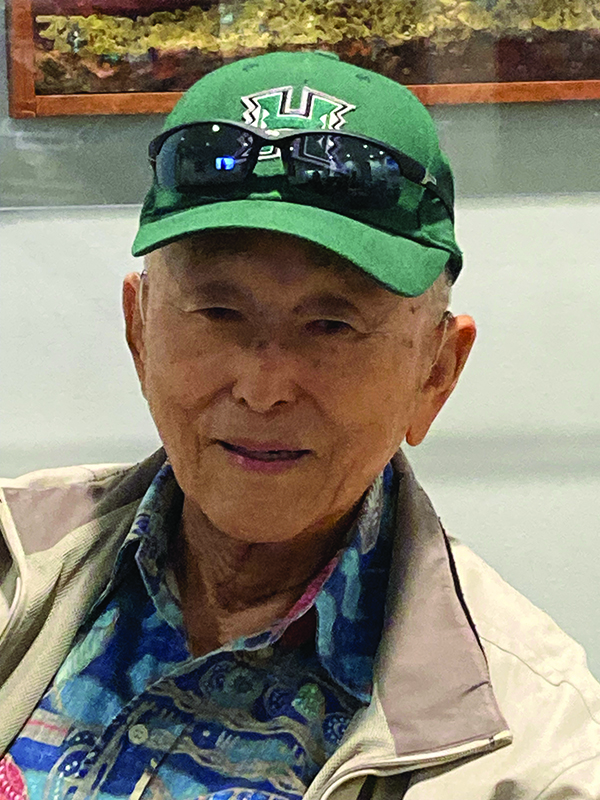
Alfred K. (94) Mililani
Christmas Markets in Germany and Austria was my favorite time. In many cities during the first week in December, there were booths for a craft fair, and seasonal food and drinks to enjoy. There were Christmas lights and decorations, with lots of fun music. There was also a Santa who climbed into buildings with gifts.
Call Sherry Goya at 808-722-8487 or email, sgoyallc@aol.com by November 20, 2023 to answer the “Ask a Kupuna” question for Jan/Feb 2024: “Do you have a favorite Valentine’s Day story to share?” And if you have a question you’d like to suggest, feel free to do so!
It’s that time of year when we fondly reminisce about family gatherings and vacations, so my question for this issue was: “What is your favorite Christmas memory?”
Some things are universal to the human race. The night sky is one of them, for we can all look up and feel connected to the moon and stars. Perhaps we have even placed a lost loved one there in the firmament and look to them for guidance when times are tough.
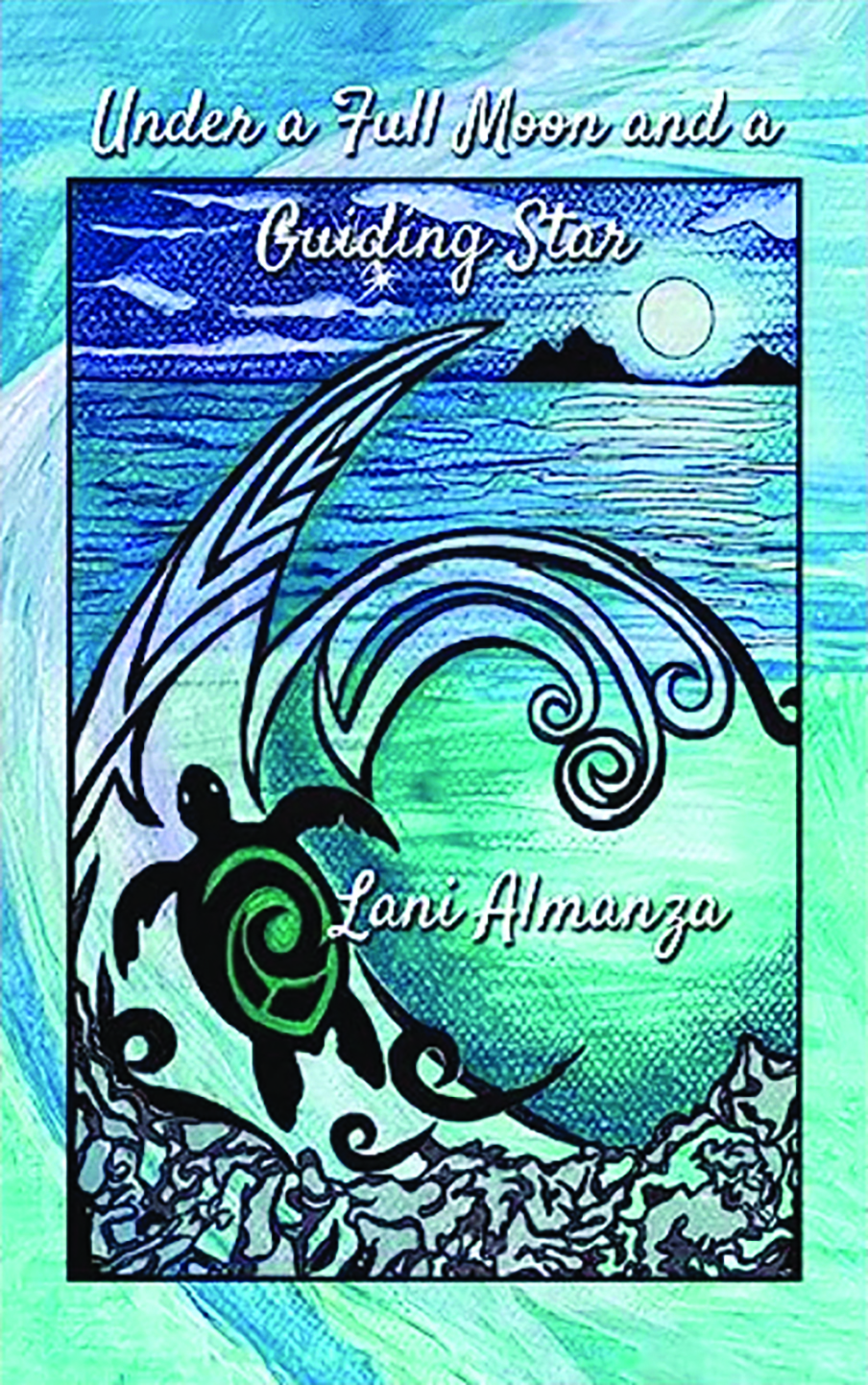
In her recent memoir, Under a Full Moon and a Guiding Star, Lani Almanza shares the wisdoms she learned while caring for her youngest son Jacob, who passed away in 2005, from cancer, at age 22. Drawing on her experiences from childhood on, she offers us ways to navigate pain and loss, sharing personal stories, images, meditations and lessons that enable caregivers to process their journey and live an “activated life.”
The book is divided into three parts: Doing and Being, Being and Becoming, and Alaka‘i Life Lessons. Alaka‘i is a Hawaiian word that signifies a leader or a guide and, as a verb, the act of doing that. The resources in Part III guide us towards transformative well-being so we can each live a healthier, happier life. Many can be practiced daily.
Wherever you are on life’s journey, this 166-page gem will inspire you to find balance and joy in your life.
UNDER A FULL MOON AND A GUIDING STAR
by Lani Almanza, is available in hardcover, paperback and Kindle formats from Amazon. alakaiassociates.com/book
Some things are universal to the human race. The night sky is one of them, for we can all look up and feel connected to the moon and stars. Perhaps we have even placed a lost loved one there in the firmament and look to them for guidance when times are tough. In her recent…

 During Sam C. Dobbs’ time, the early 20th-century, advertising promised consumers various outcomes; however, the claims weren’t based on any facts. This inspired him as the head of Coca-Cola to create a group of businesses to monitor each other’s advertising. The Better Business Bureau (BBB) began.