Category: Living Life

  • Tūtū, Take Me to the Library!

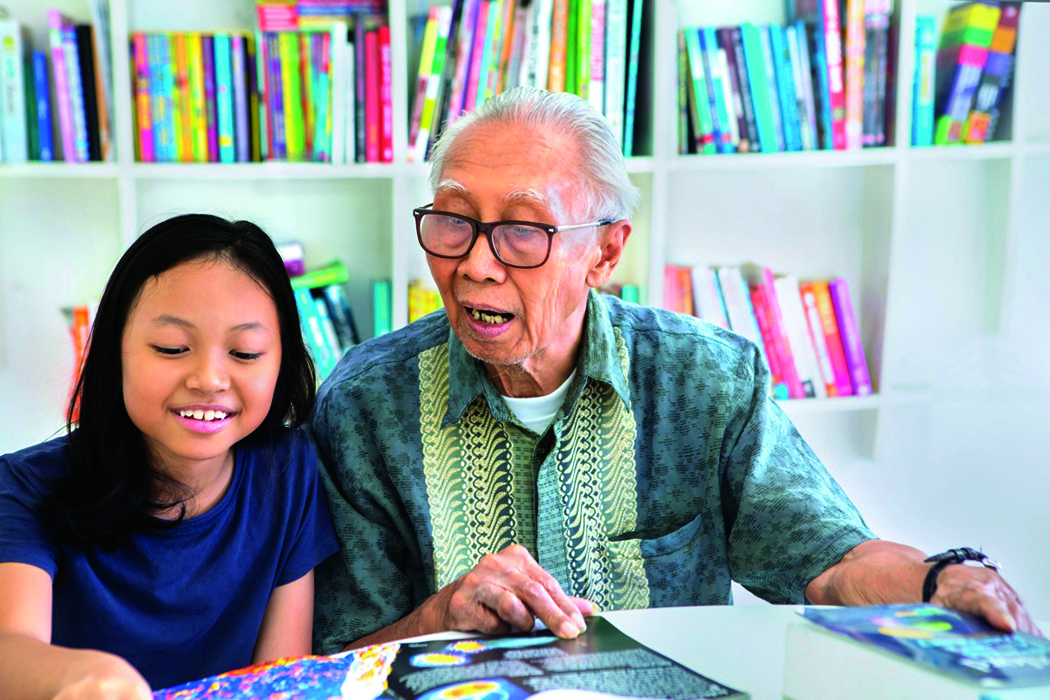
    We all love stories, no matter our age. But younger children are especially eager to listen to them! Taking the keiki in your life to a storytime program at your local library can be a wonderful bonding experience. They’ll enjoy hearing fun stories, singing songs and doing activities together. These activities help children build early reading skills, develop a love for books and grow socially and emotionally. You’ll get some quality time with them while helping to prepare them for success in school.

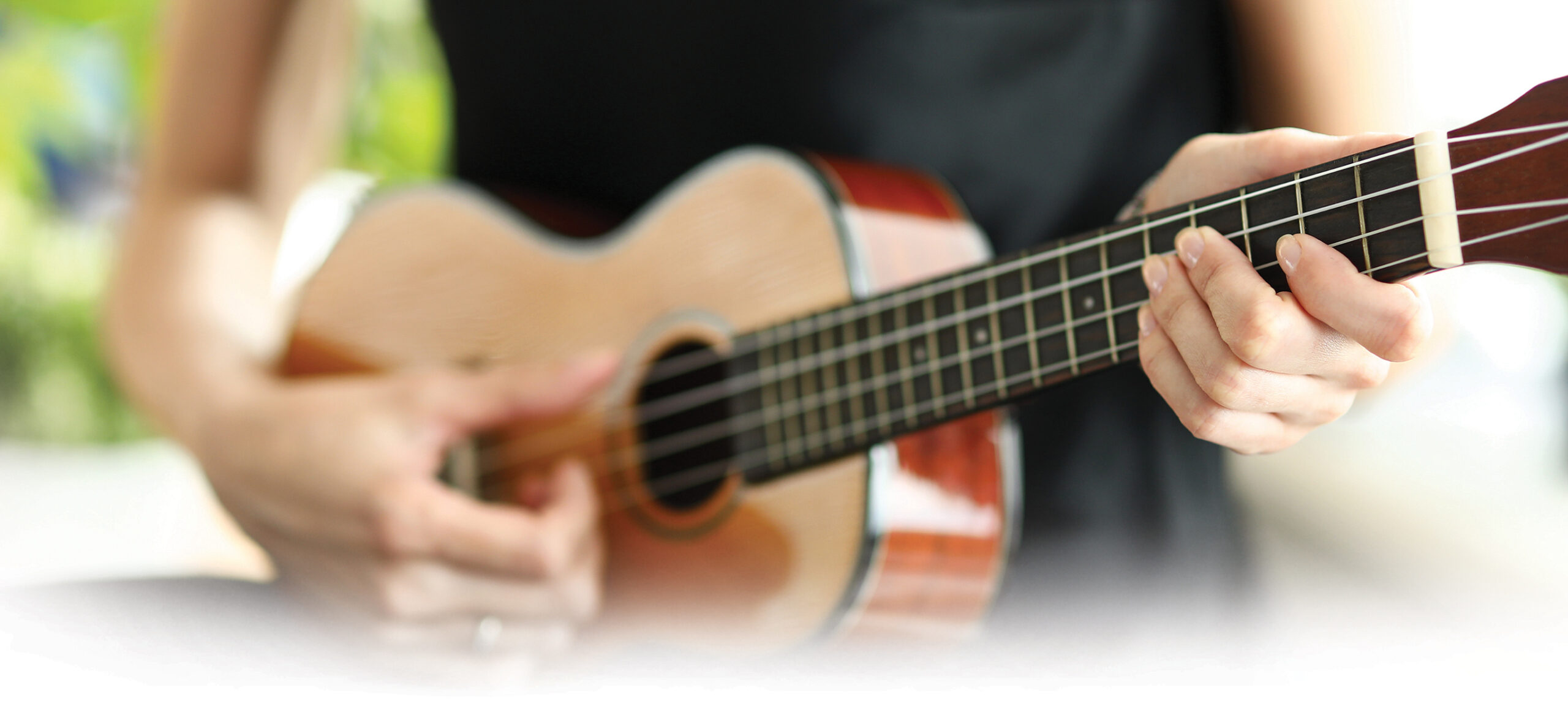
    Libraries offer many other ways for you to connect with your young ones. For a unique shared experience, borrow an ‘ukulele from the library and learn how to play together. Whether you’re a beginner or a seasoned musician, the ‘ukulele offers a fun meaningful way to share Hawaiian culture and make lasting memories through music.

    You can also enjoy year-round library events designed to enrich the lives of people of all ages. From crafting workshops to musical performances, there’s something fun for everyone to engage in together. To learn more about upcoming events, visit the online events calendar at librarieshawaii.org/events or contact your local library.

    We think you’ll be just as excited to visit the library as the keiki you bring!

    HAWAI‘I STATE PUBLIC LIBRARY SYSTEM
    44 Merchant St., Honolulu, HI 96813
    808-586-3704 | stlib@librarieshawaii.org
    librarieshawaii.org

    We all love stories, no matter our age. But younger children are especially eager to listen to them! Taking the keiki in your life to a storytime program at your local library can be a wonderful bonding experience. They’ll enjoy hearing fun stories, singing songs and doing activities together. These activities help children build early…

  • Kobumaki: Okinawan Lau Lau

    Recipe by Joyce Shimabukuro, written by her grandniece, Cynthia Arnold

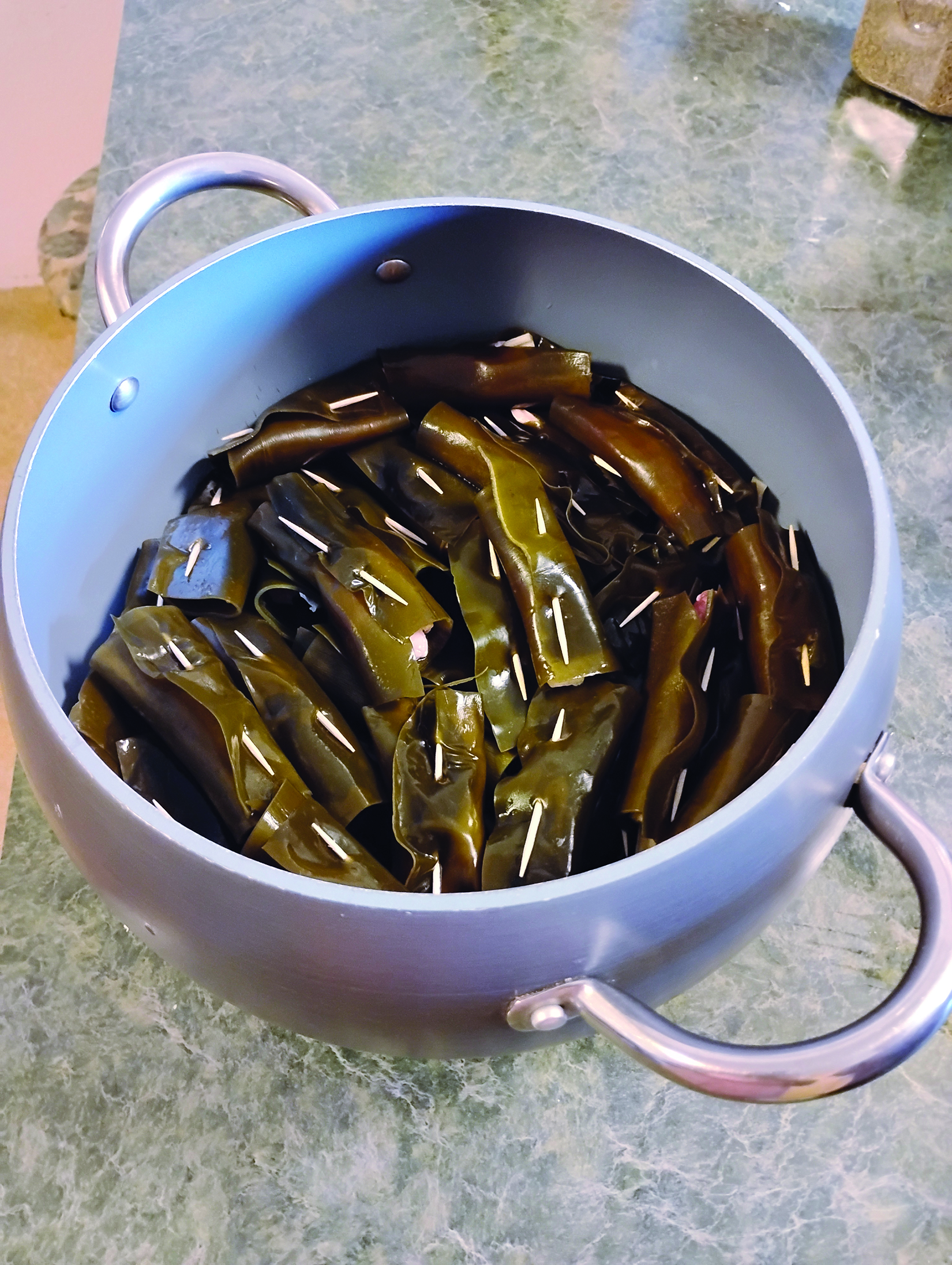
    Kobumaki is a great potluck item. This
    batch made by Dad and Cathlene fed
    over 30 guests last Mother’s Day.

    This kobumaki recipe has been passed down and enjoyed through many generations of my Okinawan family — from my great-grandma Nagamine to my grand-aunty, Joyce Shimabukuro, age 98, and now to her daughter, my Aunty Lisa. But my dad, Cliff Goya, with help from my sister, Cathlene, make it for our family. Making kobumaki is a labor of love; it takes time to prep and cook. But it is a family favorite and definitely one of the dishes that we will continue to pass down and enjoy with future generations.

    Ingredients
    1 pkg. konbu (dried kelp)
    2 lbs. pork belly, very lean and local
    2 stalks gobo (burdock root)
    1 pkg. kanpyo (dried gourd or squash)
    1 piece ginger to taste, grated
    1–2 cloves garlic to taste, grated
    1 cup sugar
    1 cup shoyu
    3 cups water
    20 wooden toothpicks

    Directions
    Konbu preparation: Wash konbu under running water, then soak it in water until it is pliable. Cut it into 7- to 8-inch by 2½- to 3-inch strips.

    Pork belly preparation: Cut pork belly into 2-inch by 1/2-inch strips.

    Gobo preparation: Scrape gobo skin with knife; do not use a peeler. Cut into 2-inch by 1/4-inch strips. Soak pieces in water to remove acidity.

    Kanpyo preparation: Soak kanpyo in water, then cut it into 2-inch strips.

    Assembly

    • Place the konbu pieces on a large sheet of waxed paper.
    • Place one piece of pork belly lengthwise at the bottom edge of each konbu strip.
    • Place one piece of gobo and one piece of kanpyo on top of the pork belly.
    • Roll the konbu ingredients like you are making maki sushi.
    • Secure the roll with a toothpick through the open side.

    Cooking Instructions

    Place the kobumaki rolls in a large pot. Add shoyu, sugar and water, ensuring the liquid covers the kobumaki. Add grated ginger and garlic to taste. Cook over high heat. When the liquid comes to a boil, lower the heat to medium and simmer until soft, about 1 hour. Or you can put them in a slow cooker for 4 to 6 hours on low.

    Storing

    After you have cooked and cooled the kobumaki, it freezes well in an airtight container, so you can make it ahead of time for your next gathering.

    Prep time: 1 hour
    Cook time: 1 hour or more
    Serves: about 20 as a side dish

    Do you have a favorite recipe and story to share? For consideration in the next issue, include a photo and mail them to Generations Recipe, PO Box 4213, Honolulu, HI 96812, or email them to Cynthia@generations808.com.
    KOBUMAKI RECIPE NOTE: You can find the ingredients at Marukai Wholesale Mart in Honolulu or in the Asian food aisle at many grocery stores. Times Supermarket, for example, carries the ingredients.

    Recipe by Joyce Shimabukuro, written by her grandniece, Cynthia Arnold This kobumaki recipe has been passed down and enjoyed through many generations of my Okinawan family — from my great-grandma Nagamine to my grand-aunty, Joyce Shimabukuro, age 98, and now to her daughter, my Aunty Lisa. But my dad, Cliff Goya, with help from my…

  • Celebrating the Okinawan Culture

    Since more than 1,500 years ago, Kānaka Maoli (Native Hawaiians) have welcomed immigrants from every corner of the globe, cultivating and perpetuating a tapestry of diverse cultures. In the fourth article in this ongoing series on the many cultures that comprise Hawai‘i, we focus on how the Okinawan people arrived in the Hawaiian Islands, their culture and a few widely celebrated observances, with a focus on the upcoming Okinawan Festival.

    Okinawan Arrival in Hawai‘i

    Following the annexation of the Ryukyu Islands by Japan in 1879, many Okinawans faced hardship and desired to emigrate in search of a better life. Twenty years later, led by emigration activist Kyuzo Toyama, 26 Okinawans journeyed to Hawai‘i, arriving in 1900. By 1908, more than 8,500 people in Hawai‘i were of Okinawan heritage. There are now 45,000 to 50,000, making up about 3% of Hawai‘i’s population.

    Culture and Tradition

    Because Okinawa was an independent country prior to annexation by the Japanese, they faced discrimination due to their linguistic and cultural differences. This adversity emboldened Okinawan migrants—known as Uchinānchu—to have great pride in their distinct cultural practices and traditions, especially those living in Hawai‘i.

    Today, this is evident in their love of merry-making and cuisine. Music became a meaningful way for laboring Uchinānchu to preserve and perpetuate their culture for their descendants and other laborers through expressions of folk songs and mo-ashibi (field play), where they gather to sing and dance. In terms of food, Okinawan sweet potato and gōyā (bittermelon) are found in many local recipes, such as a layer in haupia pie and an ingredient in champurū, a staple Okinawan stir-fry dish.

    Major annual Okinawan observances also include Irei no Hi, in memory of the end of the Battle of Okinawa (June 23), and Shīmī and Obon, separate but related traditions honoring ancestors.

    Celebrating Okinawans in Hawai‘i

    Though Okinawans honor their heritage every year, this year in particular is special because it marks the 125th anniversary of Uchinānchu’s arrival in Hawai‘i and the rest of the world. To celebrate, the Hawai‘i United Okinawa Association (HUOA) will host various events, including the 43rd annual Okinawan Festival on Aug. 30 and 31, when music/dance performances, martial arts demonstrations and craft-making activities will abound at the Hawai‘i Convention Center. Abroad, Okinawa hosts the World Uchinānchu Festival every five years, when Okinawan descendants return to their homeland and celebrate. Uchinānchu from Hawai‘i have consistently had the most representation at the festival.

    Visit HUOA’s website (huoa.org) and Generations Magazine’s Facebook page (facebook.com/genmag808) and calendar (generations808.com/calendar) for more community events.

    The next article in this series will feature the influences of Portuguese culture in Hawai‘i.

    Since more than 1,500 years ago, Kānaka Maoli (Native Hawaiians) have welcomed immigrants from every corner of the globe, cultivating and perpetuating a tapestry of diverse cultures. In the fourth article in this ongoing series on the many cultures that comprise Hawai‘i, we focus on how the Okinawan people arrived in the Hawaiian Islands, their…

  • 125th Anniversary of Okinawans in Hawai‘i

    This year, the Hawaii United Okinawa Association (HUOA) proudly celebrates the 125th anniversary of Okinawan immigration to Hawai‘i — a milestone that not only marks our history, but also acknowledges the resilience, achievements and cultural legacy of our ancestors. Since the arrival of the first 26 Okinawan immigrants in 1900, the community has grown into a vibrant and integral part of Hawai‘i’s diverse landscape. Through perseverance, hard work and an unbreakable spirit, generations of Uchinanchu have contributed to Hawai‘i’s society while preserving and sharing Okinawan culture. “Uchinanchu” is the term used by Okinawan immigrants and their descendants in Hawai‘i to identify themselves as an ethnic group distinct from the Yamatunchu of Japan’s four main islands. Okinawa is the southernmost and westernmost prefecture.

    Hawai‘i’s issei (first-generation immigrants) faced immense hardship, from discrimination to backbreaking labor on the plantations. Yet, they held fast to their identity, building families, businesses and communities that have thrived for over a century. Today, their legacy is evident in the Okinawan clubs, the annual Okinawan Festival and the cultural institutions that continue to educate and inspire new generations. The preservation of our language, music, dance and values speaks to the dedication of those who came before us and the commitment of those who carry the torch forward.

    Leading this year’s milestone celebration is HUOA President Frances Nakachi Kuba, whose theme, Miree Ya Kugani – Bright Hopeful Future, encourages us to honor our past while looking ahead with optimism. Under her leadership, HUOA continues to cultivate cultural programs, strengthen community connections and inspire the next generation of Okinawan leaders. Her vision recognizes that while we celebrate our heritage, we must also ensure its growth and relevance for future generations.

    As we reflect on this historic anniversary, we recognize that our community’s success is built upon the sacrifices and dreams of our ancestors. We honor them by continuing their work — preserving our culture, uplifting our people and embracing new opportunities. The journey of the Okinawan community in Hawai‘i is one of resilience and unity, and with Miree Ya Kugani as our guiding light, we look forward to a future as bright and hopeful as the one our ancestors envisioned. Ippee nifee deebiru — thank you to all who have contributed to this remarkable legacy.

    The celebration of 125 years of Okinawan immigration to Hawai‘i and emigration to the world is not a single event, but a yearlong series of commemorative activities and festivities. Each milestone and program reflects the legacy and enduring contributions of the Okinawan community in Hawai‘i. There will be many opportunities to celebrate this milestone year, and more information can be found at huoa.org/events.

    This year, the Hawaii United Okinawa Association (HUOA) proudly celebrates the 125th anniversary of Okinawan immigration to Hawai‘i — a milestone that not only marks our history, but also acknowledges the resilience, achievements and cultural legacy of our ancestors. Since the arrival of the first 26 Okinawan immigrants in 1900, the community has grown into…

  • Bonsai Made Easy for Beginners

    Bonsai (tray planting) is a Japanese art form that originated from the Chinese practice of “penjing” from the 6th century. Eventually it was redeveloped under the Japanese Zen Buddhism representing peace, harmony and strength.

    TOOLS
    The first things to consider as a beginner creating a bonsai are the basic tools: various types and sizes of shears and clippers for trimming, and an array of copper wire thicknesses.

    SELECTING A PLANT
    Next is selecting a plant. For beginners, I suggest starting with a jade plant. They are durable and easy to work with. There are different types to choose from and they come in different forms. I usually let the plant dictate the style. Here, I found a plant that had potential because it overgrew its container. I saw how I could continue to direct that. So, I decided to create a cascade-style bonsai.

    SHAPING
    Shaping the plant as envisioned, I use copper wires. Carefully curl them around its branches like a flexible cast to bend and hold them to the desired form. There
    are various thicknesses of wires depending on the thickness of each branch. During the next several months as the plant grows, methodically start pruning and shaping it, a little at a time, to the look you desire.

    POTTING
    When it’s beginning to take the shape of what you’ve envisioned, it’s time to select the pot that best enhances the style that you’ve chosen. Here, I chose a tall, narrow ceramic pot about 8 inches in height. I had to be sure it was tall enough for my cascading branches, and that it also complements the pot’s shape.

    TRIMMING
    Again, I am constantly reshaping the plant to blend with the pot. This is my jade plant after six months. As the plant continues to grow, you, too, must grow with it. Accept the natural changes the plant would offer. Sometimes a little bud might catch your attention and offers you another perspective. So trimming, shaping and maintaining the plant’s health is essential as it grows — as well as keeping an open mind.

    ENJOY
    Bonsai is an art form. It requires patience — after all, plants have their own natural time for growth — and vision, and heart. Creating a bonsai is a meditative
    process; a constant dance with nature. It really is not about control, rather, it’s about surrender. I find it relaxing and creative, producing these miniature forms. I hope you all find the same pleasure in bonsai as I do.

    Bonsai (tray planting) is a Japanese art form that originated from the Chinese practice of “penjing” from the 6th century. Eventually it was redeveloped under the Japanese Zen Buddhism representing peace, harmony and strength. TOOLSThe first things to consider as a beginner creating a bonsai are the basic tools: various types and sizes of shears…

  • Mom’s Chi Chi Dango

    Mochi was a rare treat when I was growing up, so I ate my fill of it at family gatherings on New Year’s Day: delicious homemade zenzai, nantu (Okinawan mochi), mochi filled with sweet bean paste and my favorite — soft, pillowy chi chi dango. This is my mother’s version.

    Ingredients

    16 oz. box of mochiko (sweet glutinous rice flour)
    2-2/3 cups water
    1/2 c evaporated milk
    1/2 c water
    2-1/2 cups sugar (or more) to taste
    kinako (roasted soybean flour) or potato starch
    for dusting

    Directions

    Combine mochiko and 2-2/3 cups water in a large bowl and steam 45 minutes to 1 hour until solid but still sticky.

    While the mochi is steaming, combine evaporated milk, 1/2 cup water and sugar in a small pot (add another 1/4 cup sugar if you like it sweeter). Bring to a boil. If you want colored mochi, stir in a few drops of food coloring.

    Add liquid gradually to bowl with steamed mochiko and stir.

    Butter a 9-by-13-inch glass pan and pour the mixture into it. Let it cool and set. Butter a plastic knife and cut the chi chi dango.

    Cut the 13-inch length of the pan in fourths and then cut rows approximately an inch wide. Dust pieces with kinako or potato starch; brush off excess.

    Prep time: about 1-1/2 hours

    Yield: 52 pieces, about 1-by-2-1/4 inches.

    Do you have a favorite recipe and story to share? For consideration in the next issue, include a photo and mail them to Generations Recipe, PO Box 4213, Honolulu, HI 96812, or email them to Cynthia@generations808.com.

    RECIPE NOTE: The Hawai‘i Book of Rice, Volume 2 by Cheryl Chee Tsutsumi features 101 rice recipes, including this one. The book is available for $22.95 at bookshawaii.net (free shipping on all Hawai‘i orders), Barnes & Noble, Walmart and other retail outlets statewide.

    Mochi was a rare treat when I was growing up, so I ate my fill of it at family gatherings on New Year’s Day: delicious homemade zenzai, nantu (Okinawan mochi), mochi filled with sweet bean paste and my favorite — soft, pillowy chi chi dango. This is my mother’s version. Ingredients 16 oz. box of…

  • Celebrating the Japanese Culture

    Since more than 1,500 years ago, Kānaka Maoli (Native Hawaiians) have welcomed immigrants from every corner of the globe, cultivating and perpetuating a tapestry of diverse cultures. In this third article in our series about the many cultures that comprise Hawai‘i, we will focus on the Japanese — how they arrived here, their culture and a few celebrated observances.

    Japanese Arrival in Hawai‘i

    PC: Mō‘ili‘ili Summer Festival Committee

    The earliest documented arrival of Japanese in Hawai‘i was in 1806, when survivors of a Japanese ship became stranded in the Pacific Ocean, then rescued by Capt. Cornelius Sole of an American ship. Upon docking in O‘ahu, the captain left the survivors in King Kamehameha I’s care. From 1869 to 1885, emigration from Japan was suspended. In 1881, King David Kalākaua visited and successfully strengthened relations between Hawai‘i and Japan, and emigration began again in 1885. Today, about 16% of Hawai‘i’s population is of Japanese ancestry.

    Culture and Tradition

    Many aspects of Japanese culture are embedded in the local ways of life. For example, we played “jan-ken-pon” instead of “rock-paper-scissors” in our hanabata days. “Hanabata” (runny nose) is just one example of how Japanese words and phrases are infused in daily conversation. Japanese food — ramen, sashimi, bento, etc. — is also an integral part of local culture. Japanese art, such as ikebana (flower arranging) and gyotaku (fish printing) are popular in Hawai‘i. The Honolulu Museum of Art has over 10,000 Japanese ukiyo-e woodblock prints in its collection.

    Celebrations and Obon

    Many Japanese celebrations are enthusiastically honored each year in Hawai‘i. Families and friends get together for mochitsuki (mochi-pounding) during oshogatsu (Japanese New Year) and pound for peace, prosperity and good health. On Kodomo no Hi (Children’s Day) on May 5, families fly koinobori, carp-shaped windsocks. On Tanabata (Star Festival) on July 7, one writes a wish on tanzaku (colorful paper) and displays it.

    One of the most important events, the traditional, three-day Buddhist Obon festival, is celebrated each summer to honor ancestors. Obon was introduced to Hawai‘i in the late 1800s by Japanese plantation workers. On the first day, families clean ancestral graves, calling spirits home by hanging lanterns outside or lighting mukae-bi (welcoming fires). On the second day, bon odori (bon dance) is held. Unique to Hawai‘i is hatsubon — the first memorial service to honor those who passed since last Obon season. Finally, okuri-bon (to send off) is held on the third day, when families light toro nagashi (floating lanterns) to help guide ancestors back to their world. This year, Obon festivals will be held throughout the summer, from June to September.

    Visit the Japanese Cultural Center of Hawai‘i’s website (jcchawaii.org), and Generations Magazine’s Facebook page (facebook.com/genmag808) and calendar (generations808.com/calendar) for community events and opportunities.

    The next article in this series will feature the influences of Okinawan culture in Hawai‘i.

    Since more than 1,500 years ago, Kānaka Maoli (Native Hawaiians) have welcomed immigrants from every corner of the globe, cultivating and perpetuating a tapestry of diverse cultures. In this third article in our series about the many cultures that comprise Hawai‘i, we will focus on the Japanese — how they arrived here, their culture and…

  • Flying Solo

    You may now find yourself single or maybe you have been single for years. You’ve managed a home, raised children and worked 40-plus hours a week in a demanding, often stressful job.

    Leigh and Cathy at the
    2024 NYC PPA Tournament.

    I’ve been single for several years, so cooking for one and maintaining a home were things I had already conquered. Pat yourself on the back if you are single and have done this, as well!

    I looked forward to retirement and doing whatever I wanted. But I struggled to find something I enjoyed doing with my “extra” time. But then, I discovered pickleball and my days filled up quickly! I made many new friends and even won several medals in tournaments!

    I also started a card group. A friend goes on cruises with me. After downsizing and moving into my condo, a group of us started having happy hour on the beach, going to movies and attending theater performances. I have even served on my condo’s homeowners’ association board of directors.

    In 2023, I began working for Generations Magazine, helping my daughter-in-law, Cynthia Arnold. My “extra time” filled up quickly!

    So, find those fun activities — and more importantly, people you enjoy being with. Your life will be much more fulfilling doing things that bring you joy!

    You may now find yourself single or maybe you have been single for years. You’ve managed a home, raised children and worked 40-plus hours a week in a demanding, often stressful job. I’ve been single for several years, so cooking for one and maintaining a home were things I had already conquered. Pat yourself on…

  • Beware of Going-Out-of-Business Sales

    Seeing the big signs and online ads that say “Going Out of Business! Everything Must Go!” can be tempting, but these sales aren’t always what they seem.

    Fake “online sale” websites:

    Scammers create fake websites advertising clearance sales, pretending to be popular brands. You place an order, get a tracking number but nothing arrives. Others may send cheap knockoffs instead of advertised products.

    Misleading marketing:

    Not all these sales are scams, but even legitimate store closures don’t always offer the deals they promise. Many retailers hire third-party liquidators who mark up prices before discounting them or stretch out sales for months. Some businesses advertise closures indefinitely to pressure shoppers.

    Shop smart by looking up the business on BBB.org. Verify websites by checking URL spellings and look for “https://.” Use a credit card for fraud protection. Compare prices before buying to make sure the “deal” is real.

    These simple steps and Better Business Bureau insights can help you make better buying choices, keeping your money safe — even when the deal looks really good!

    BETTER BUSINESS BUREAU GREAT WEST + PACIFIC (nonprofit)
    800-460-0910 | info@thebbb.org | thebbb.org
    Ad or company clarification: bbb.org
    Report a scam: bbb.org/scamtracker
    File a complaint: bbb.org/file-a-complaint

    Seeing the big signs and online ads that say “Going Out of Business! Everything Must Go!” can be tempting, but these sales aren’t always what they seem. Fake “online sale” websites: Scammers create fake websites advertising clearance sales, pretending to be popular brands. You place an order, get a tracking number but nothing arrives. Others…

  • Gateball Revived

    Having completed 80 orbits around the sun, I was part of a tour to the Blue Zone Village, Ogimi, Okinawa, last spring. Researchers have found that Blue Zone areas share nine lifestyle habits that contribute to extraordinarily long lifespans. But when we asked the village elders about the secret to their well-known longevity, they replied with only one word: gateball. They play daily.

    Although gateball was on our schedule, we were rained out. We researched the game and learned it was invented in Japan in 1947 and is now played by 8 million gateballers in 15 countries. It was very popular in Hawai‘i with the first and second generations (of mostly Japanese descent), with hundreds of players on all the islands. The state even hosted the world championship at Ala Moana Park in 1998, with a thousand players from all over the globe. But there are far fewer players in the state today.

    I found a small group on O‘ahu that plays Sundays at Ala Moana Park. Gateball only requires a flat grassy space. Startup costs are very low using mallets and balls in two colors — five odd-numbered red ones and five even-numbered white ones — three gates and one goal pole. Two teams with five players on each team compete against each other. Each team is assigned to play with either red or white balls. A ball through each gate is awarded one point; striking the goal pole earns two points. Defense can be played to “spark” balls off the field.

    Friends and others soon joined me and the Lanakila Senior Center started its own program. During several months of gateball, I have played with men and women — some in their 90s.

    Gateball is a highly strategic sport, similar to playing chess. Winning is only possible when players work cooperatively. It is an intergenerational sport and fun for the whole family, with grandparents, parents and even children playing on the same — or opposing — teams.


    Find a gateball game near you:
    O‘ahu
    Ohana Gateball Ma Ke Kai, Art Kimura
    ohanagateball@gmail.com
    Lanakila Senior Center, Suzanne Chun-Oakland
    suzanne.oakland@catholiccharitieshawaii.org
    Maui
    Kula Gateball Club, Art Ventura
    808-283-0987
    Hawai‘i Island
    Kamana Center, Roann Okamura
    roan.okamura@hawaiicounty.gov

    Having completed 80 orbits around the sun, I was part of a tour to the Blue Zone Village, Ogimi, Okinawa, last spring. Researchers have found that Blue Zone areas share nine lifestyle habits that contribute to extraordinarily long lifespans. But when we asked the village elders about the secret to their well-known longevity, they replied…

  • Talking Story on Moloka‘i

    One of the most treasured traditions in Hawai‘i is “talking story.” This Pidgin phrase can refer to something as simple as chatting about life events and the news of the day, or as complex as passing on generational wisdom and sharing concerns and hopes for the future.

    The Purdy family shares a favorite mele in the garden of
    the Molokai History Project. PC: Rosa Barker

    The Molokai History Project (MHP) has held several Talk Story events since its opening in October 2023. Besides sharing local and Hawaiian history, these events foster a great sense of community. Housed in a storefront in Kaunakakai, MHP was envisioned by its founders — Judy Mertens and Nora Espaniola — as a place for locals to recall and reconnect with the people and places that make the Friendly Isle so special.

    ‘Inherited Legacy’

    In November last year, six generations of the Purdy ‘ohana gathered in the garden behind the MHP storefront to present “Inherited Legacy”— a talk story about their family’s history. The award of Hawaiian Homestead lands brought Emma (Lindsey) Purdy and her husband, Harry Purdy Sr., to Moloka‘i from Waimea in 1924. The Lindsey and Purdy families worked for Parker Ranch on Hawai‘i Island as paniolo (Hawaiian cowboys).

    The fun event was enlivened by family reminiscences linked to the mele that Frank Sr.’s grandchildren performed. Several tales were about the misunderstandings that arose because Frank Sr. spoke only ‘Ōlelo Hawai‘i, which they didn’t understand. They also didn’t realize that the “weeds” in his yard were used for his calling as a practitioner of lā‘au lapa‘au (Hawaiian medicine One time, the two oldest, Waipa and Fay, cleaned up his yard by pulling them all out!

    Many of his descendants actively promote the learning of Hawaiian language and traditions. As his great-granddaughter, Wailana, said, “Hearing the stories, when we get older we understand that we gotta go back to the roots. All the Hawaiian ‘ike, that’s how we were raised. And from generation to generation, we try to gather all the time.”

    What a wonderful gathering the Purdy ‘ohana shared — full of laughter and song and love.


    MOLOKAI HISTORY PROJECT
    808-283-0792 | info@molokaihistoryproject.org
    molokaihistoryproject.org
    Talk Story videos: molokaihistoryproject.org/events

    One of the most treasured traditions in Hawai‘i is “talking story.” This Pidgin phrase can refer to something as simple as chatting about life events and the news of the day, or as complex as passing on generational wisdom and sharing concerns and hopes for the future. The Molokai History Project (MHP) has held several…

  • Hawai‘i’s Dancing Queen

    “You are the dancing queen, young and sweet, only 17,” say the lyrics of ABBA’s signature hit of the ’70s. Claire Groom, a 75-year old student at Aloha Ballroom Company, has rewritten those lyrics by dancing her way to victory at the Holiday Dance Classic, a prestigious national ballroom dance competition held at the Luxor Hotel & Casino in Las Vegas in mid-December of last year. Competing against hundreds of dancers from across the country, Claire’s win is an inspiring testament to the joy of lifelong learning, passion and perseverance.

    Claire, a resident of Moanalua Valley, dazzled the Holiday Dance Classic judges with her poise, technique and infectious love for dance. Her hard work and dedication in preparing for the competition paid off, earning her top honors among a field of talented dancers.

    She and her partner, Keith Michael, age 40, swept the competition, earning first place in cha-cha, rumba and swing.

    Reflecting on the experience, Claire shared that she was indeed, “having the time of her life.” “I had many memorable and first-time experiences at Holiday Dance Classic,” she says. “It was a blast! Aloha Ballroom Company has taught and guided me in the true art of dancing, and I am totally grateful for that. It was a wonderful experience to be with other dancers from all over the country and hear about their background.”

    The annual Holiday Dance Classic is one of the largest and most competitive ballroom dance events in the country, attracting participants of all levels and styles. Claire’s remarkable success is not only a personal triumph but also a shining example of how ballroom dance can enrich lives at any stage.

    Claire’s journey also underscores the health benefits of dancing at any age. “Dancing at any age elevates your flexibility, balance, mood and mental acuity,” says Claire. “I would recommend anyone even with two left feet to give dancing a try!”

    Study after study — including research from Stanford University — has shown that dancing is the only physical activity proven to significantly lower the risk of dementia. Beyond its mental acuity benefits, ballroom dance strengthens the body, promotes coordination and creates meaningful social connections, all while bringing immense joy.

    Aloha Ballroom Company is proud to celebrate her outstanding achievement. “Claire’s achievement is truly inspirational,” says Keith Michael, Claire’s Aloha Ballroom Company dance instructor. “Her energy, dedication and enthusiasm for dance remind us all that it’s never too late to pursue your passions. We’re thrilled to be a part of her journey and celebrate this well-deserved victory.”

    “Keith is an excellent teacher — warm, kind, patient and knowledgeable — with a great sense of humor!” says Claire. “And being coached by Tony Meredith was icing on the cake!”

    Aloha Ballroom Company continues to empower students of all ages and abilities to experience the artistry and beauty of ballroom dancing by promoting connection, confidence and community through movement.

    Aloha Ballroom Company is a ballroom dance company founded in January 2024 by world-renowned choreographer Tony Meredith.

    Aloha Ballroom Company provides certified professional dance instructors to teach students a variety of dances including waltz, tango, foxtrot, merengue, swing, salsa, cha-cha and much more.

    To learn more about Aloha Ballroom Company and how to begin ballroom dancing, visit alohaballroomcompany.com, email info@alohaballroomcompany.com or call 808-282-6819. The dance studio is located at 770 Kapiolani Blvd. in Honolulu. Hours of operation are by appointment, Monday through Friday.

    To learn more about the annual Holiday Dance Classic, visit holidaydanceclassic.com.

    “You are the dancing queen, young and sweet, only 17,” say the lyrics of ABBA’s signature hit of the ’70s. Claire Groom, a 75-year old student at Aloha Ballroom Company, has rewritten those lyrics by dancing her way to victory at the Holiday Dance Classic, a prestigious national ballroom dance competition held at the Luxor…