Category: Health

  • Better Posture, Better Health

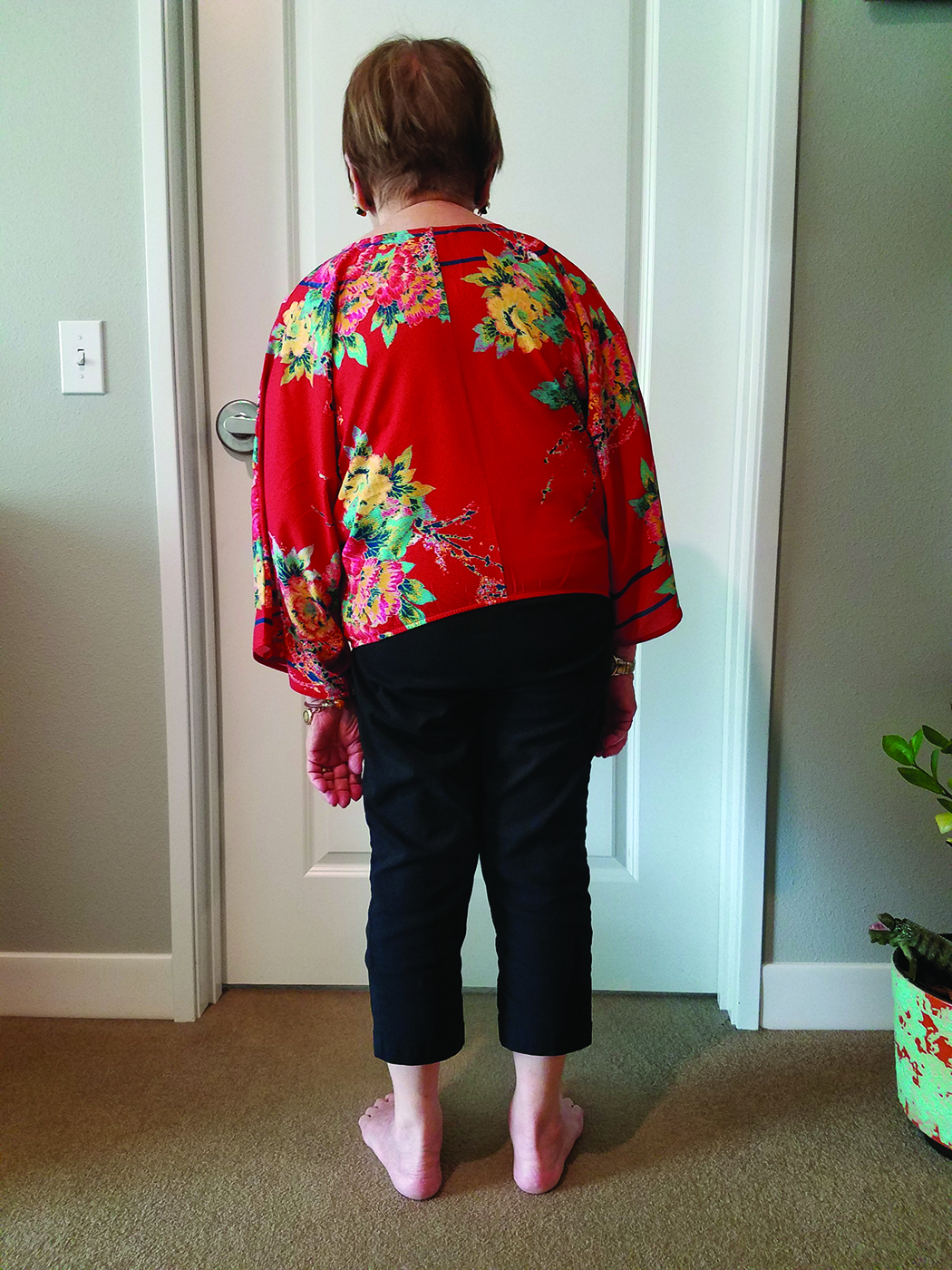
    Mention posture and everyone sits or stands straighter. But are you truly aligned? Most people have some type of asymmetry and don’t even know it. It’s impossible to correct an imbalance you aren’t aware of.

    Properly aligned spine and joints, and functionally balanced muscles allow your body to move with optimum efficiency and minimize the risk of injury or permanent structural damage. Achieving this state requires self-awareness.

    How do you find your neutral? Start by standing in front of a mirror. Check if your shoulders are the same height. Are your thumbs pointing towards the mirror or do you see the backs of your hands? Is one hip higher than the other? Are your knees and ankles straight, or caving in or bowing out? Are you leaning forward or backward? Do
    you lock your knees?

    Close your eyes, move around and realign yourself. Open your eyes. If you’re still crooked, keep trying with your eyes shut until you have achieved proper alignment.

    Awareness is just the first step; next is exercise — stretching tight muscles and strengthening postural muscles to keep you aligned. Repetition is the key to developing habits that lead to improved balance, function and health.


    GYMGUYZ Urban Honolulu
    Home Personal Training & Mobile Fitness
    808-638-2525
    gymguyzurbanhonolulu@gymguyz.com
    www.gymguyz.com

    Mention posture and everyone sits or stands straighter. But are you truly aligned? Most people have some type of asymmetry and don’t even know it. It’s impossible to correct an imbalance you aren’t aware of. Properly aligned spine and joints, and functionally balanced muscles allow your body to move with optimum efficiency and minimize the…

  • See Your Dentist to Reduce Alzheimer’s Risk

    Your oral health directly impacts your overall health, which is why seeing a dentist is just as important as seeing your primary care physician. Your dentist can determine if you will come across issues such as gum disease, which may impact your quality of life and even raise your risk for systemic disease in your later years.

    Gum disease, or periodontal disease, is an inflammation of the gums due to plaque and bacteria buildup. When plaque isn’t removed, it hardens into tartar and produces toxins that break down the gum tissue, causing them to pull away from your teeth and form pockets that fill with bacteria. Without a solid routine that includes brushing twice a day, flossing daily and visiting a dentist for an exam and cleaning twice annually, this condition can increase your risk for heart disease, diabetes and Alzheimer’s disease.

    Studies show those who develop gum disease early in life are four times more likely to develop Alzheimer’s disease or dementia. The type of bacteria that cause gum disease can destroy brain neurons, a hallmark feature of Alzheimer’s. Your dentist can help target gum disease and may increase your cleanings throughout the year to prevent plaque and bacteria buildup, lowering your risk of disease.

    Find a dentist near you and schedule an appointment today to live well and smile more.


    HAWAII DENTAL SERVICE
    Kahala Howser, Wellness & Events Manager
    808-521-1431 | khowser@hawaiidentalservice.com
    www.HawaiiDentalService.com

    Your oral health directly impacts your overall health, which is why seeing a dentist is just as important as seeing your primary care physician. Your dentist can determine if you will come across issues such as gum disease, which may impact your quality of life and even raise your risk for systemic disease in your…

  • 3 Steps to Help Kūpuna Cope With Change

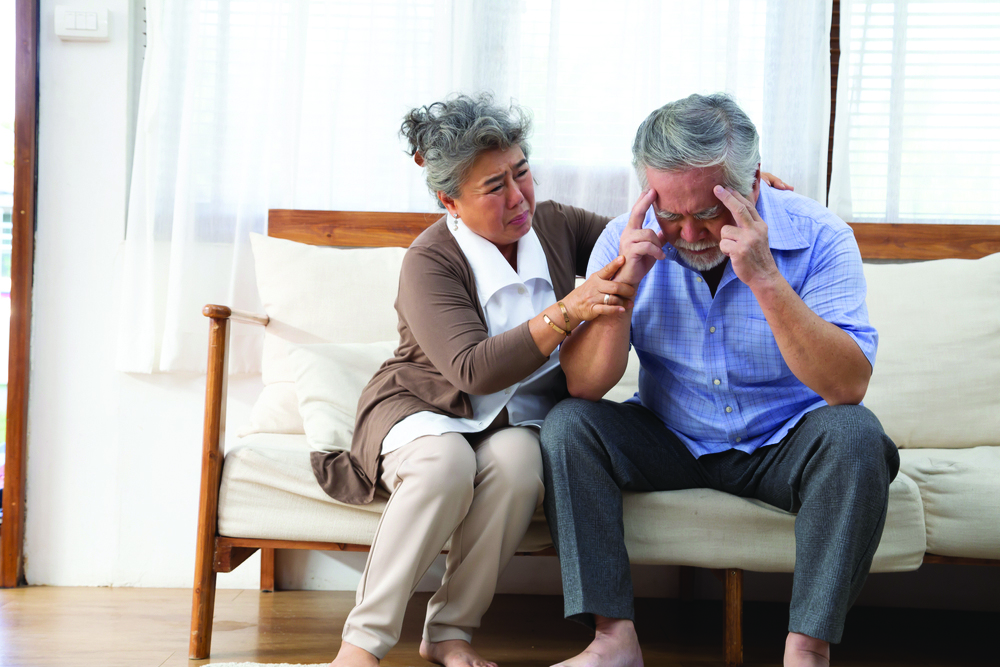
    Change continues at each phase of life and is not always easy. That is why changes like retirement, new living arrangements, health diagnoses, and the loss of close friends or a spouse can leave kūpuna feeling vulnerable and insecure. Whether you are in a season of change or helping an older loved one navigate new circumstances, there are practical steps you can take to make change a positive process.

    Reinforce with love. We all want our kūpuna to be safe and sound. Support and empathize with them by reassuring them that current changes are being made to benefit their wellbeing — not to take away their independence.

    Have a plan. Adequate planning and a specific timeline give your kūpuna the opportunity to adapt to these changes at a comfortable pace. A sensible plan facilitates a much smoother transition.

    Communication is key. Involve your kūpuna in the conversation. Explain your concerns and let them to do the same. Giving your kūpuna a platform for expressing themselves will help build a stronger foundation in order to address the need for change. Change is tough and emotions may run high. But leading with love, having a plan and being communicative will help facilitate this process.


    HOME CARE BY ALTRES MEDICAL 808-591-4930 | homecare@altres.com www.altreshomecare.com

    Change continues at each phase of life and is not always easy. That is why changes like retirement, new living arrangements, health diagnoses, and the loss of close friends or a spouse can leave kūpuna feeling vulnerable and insecure. Whether you are in a season of change or helping an older loved one navigate new…

  • How to Brush and Floss if You Have Arthritis

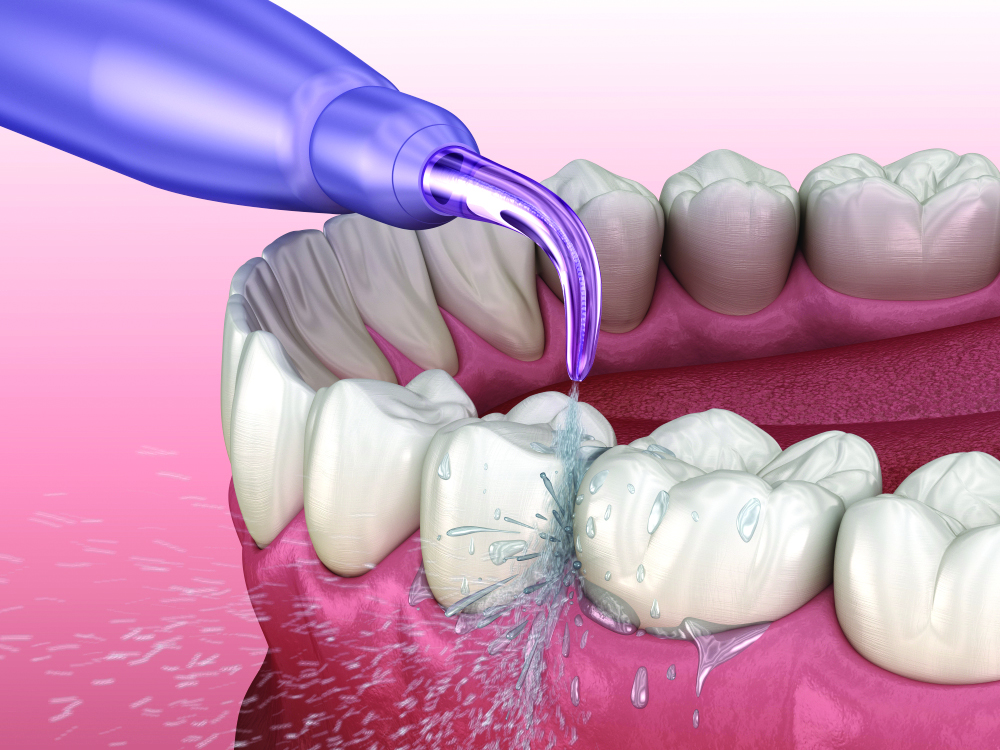
    Irrigator, Water teeth cleaning. Medically accurate 3D illustration of oral hygiene.Arthritis can be a painful condition that comes with aging. Those who have rheumatoid arthritis may have an even harder time staying on top of their oral hygiene routine due to inflammation in the joints and knuckles. Simple movements such as holding a toothbrush and floss may make it difficult to clean teeth and gums in various areas of the mouth. Here are a few tips on brushing and flossing with arthritis:

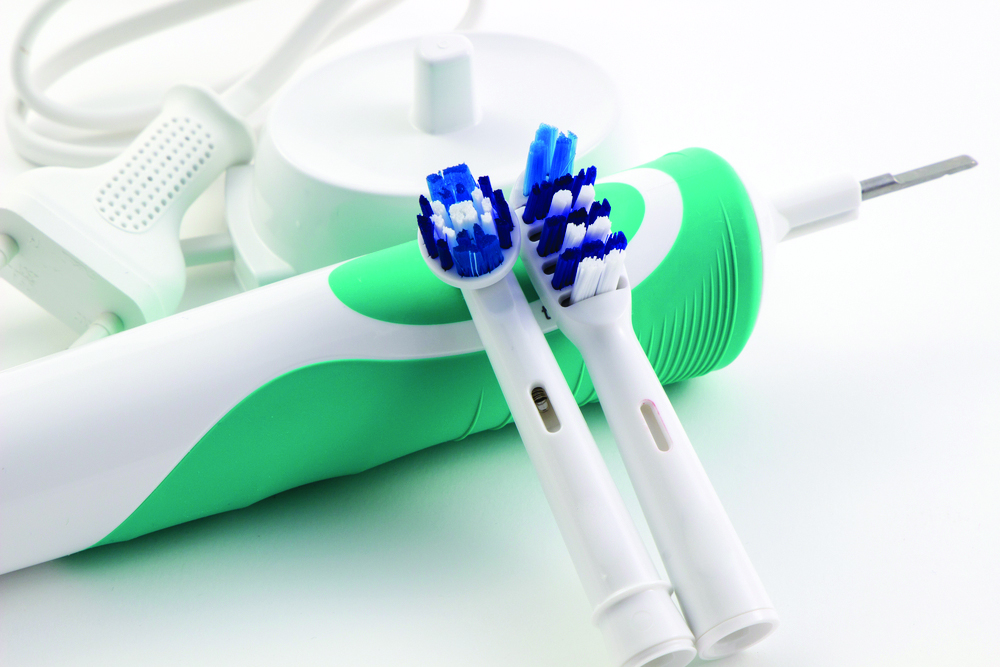
    Try using an electric toothbrush. Most have a larger handle that is easier to grip than traditional toothbrushes. Electric toothbrushes also minimize the movements you need to make since the spinning brush does most of the work.

    Soft focus toothbrush electric, Dental care tools on white background.Have a seat while brushing your teeth and rest your elbow on the counter or a table for support. Flossing can present difficulties for those with joint pain or dexterity issues. A handheld flosser, such as the small, disposable interdental flossers or water flossers, can help clean those hard-to -reach areas.

    Lastly, talk to your dentist about options that will best suit your needs. See a dentist regularly, brush twice a day and floss daily to help you live well and smile more!


    HAWAII DENTAL SERVICE
    Kahala Howser, Wellness & Events Manager
    808-521-1431 | khowser@hawaiidentalservice.com
    www.HawaiiDentalService.com

    Arthritis can be a painful condition that comes with aging. Those who have rheumatoid arthritis may have an even harder time staying on top of their oral hygiene routine due to inflammation in the joints and knuckles. Simple movements such as holding a toothbrush and floss may make it difficult to clean teeth and gums…

  • Peripheral Neuropathy Can Affect Balance

    Do you often experience pain, numbness or tingling in your feet? Have you noticed that your balance has been affected over the past few years? Are you diabetic or prediabetic? You may be experiencing peripheral neuropathy.

    What is peripheral neuropathy?

    Peripheral neuropathy (PN) is caused by nerve damage to the peripheral or small nerves of the body, usually in the hands and feet. This damage is commonly caused by poor blood flow, which causes the nerves to degenerate due to a lack of nutrient rich blood flow. PN is progressive in nature.

    There are many types of PN, but the most common are diabetic, chemotherapy induced and idiopathic (meaning, there is no known cause). Diabetic peripheral neuropathy (DPN) is the most common type, and it is estimated that 60 to 70 percent of people who have been diagnosed with diabetes will go on to develop DPN.

    How does peripheral neuropathy affect balance?

    The most common symptoms of peripheral neuropathy are pain, numbness, tingling and burning in the hands and/or feet, and balance issues. Patients may have difficulty differentiating between hot and cold, and feel like they are wearing socks or gloves when they are not.

    Balance issues are often overlooked and are potentially the most debilitating symptom of PN. A study of the risk factors of falls in elderly patients with PN published in the Journal of Gerontology found that PN was significantly associated with falls. The reason for the high risk of falls is because of the loss of sensation and positional sense caused by damage to the nerves responsible for the  sensations of touch, vibration and balance.

    Acupuncture is an effective treatment for peripheral neuropathy.

    Acupuncture has been proven to be an effective treatment method for pain, numbness and balance issues associated with PN. The goal of acupuncture treatment for PN is to increase blood flow to damaged nerves, stimulate nerve regeneration and decrease pain. Patients often find acupuncture effective after commonly prescribed medications such as gabapentin, Lyrica and Cymbalta have failed to help their PN pain.

    To find out if acupuncture can help treat your PN, contact a licensed acupuncturist who can  determine the best treatment strategy for you.


    HNL ACUPUNCTURE + WELLNESS
    808-754-4374 | hello@hnlacupuncture.com
    www.hnlacupuncture.com

    Do you often experience pain, numbness or tingling in your feet? Have you noticed that your  balance has been affected over the past few years? Are you diabetic or prediabetic? You may be experiencing peripheral neuropathy.

  • Protect Your Eyes From Computer Overuse

    Any combination of the following factors can lead to CVS: uncorrected refractive errors (nearsightedness, farsightedness and astigmatism), poor lighting, screen glare, and poor workstation setup for posture and viewing.

    Many experts believe that daily computer use may be a contributing factor to the rise in  nearsightedness and dry eye disease.

    How you can help protect yourself from CVS:

    • Make sure your prescriptions are correct.
    • Make sure you blink regularly to rehydrate your eyes.
    • Use Dr. Rhee’s 20-20-20 rule. Look up from your screen every 20 minutes at something at least 20 feet away for at least 20 seconds.
    • Make sure the the center of your screen is just below eye level and around 20 to 28 inches away from your eyes. Make screen brightness similar to your surroundings.
    • Visit an eyecare professional to find out if you need special computer glasses or treatment for dry eyes.


    HAWAIIAN EYE CENTER
    606 Kilani Ave., Wahiawa, HI 96786
    808-621-8448 | www.hawaiianeye.com

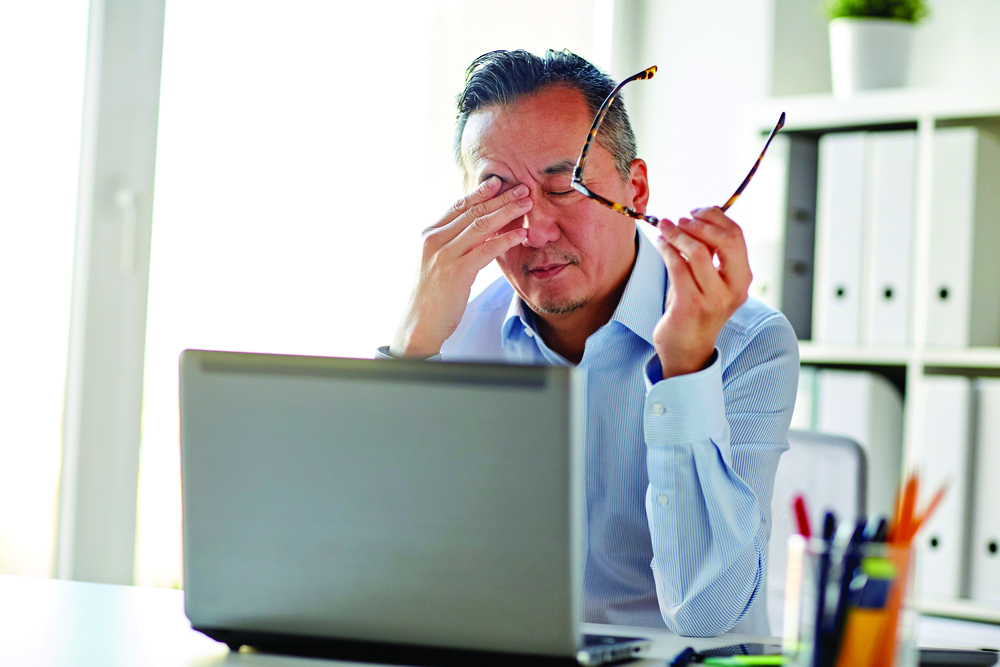
    If you spend your working day behind a computer screen, you are at risk of experiencing digital eye strain, or Computer Vision Syndrome (CVS). Symptoms of this include dry eyes, blurred vision,  headaches, and neck and shoulder pain.

  • See Your Dentist if Your Mouth Feels Dry

    Does your mouth often feel dry and uncomfortable? Does it make eating, speaking or swallowing difficult?

    Dry mouth can cause oral health issues that can affect your smile and overall quality of life. Persistent dry mouth is not a normal sign of aging and may be a possible side effect of many common medications, a symptom of certain diseases or health conditions, or a side effect of substance abuse or cancer treatment.

    This uncomfortable condition can lead to tooth decay, gum disease, mouth sores, cracked lips, bad breath and may affect your ability to eat and speak. It’s important to see a dentist and physician if you suffer from persistent dry mouth, so they can determine the cause and offer solutions to alleviate symptoms and stimulate saliva flow. Solutions may include drinking more water, limiting caffeine, avoiding tobacco and alcohol, rinsing with an alcohol-free mouthwash or using an over-the-counter saliva substitute.

    In addition to seeing your dentist regularly, be sure to brush twice a day and floss daily. These are small, but essential steps you can take every day to live well and smile more.


    HAWAII DENTAL SERVICE
    Kahala Howser, Wellness & Events Manager
    808-521-1431 | khowser@hawaiidentalservice.com
    www.HawaiiDentalService.com

    Does your mouth often feel dry and uncomfortable? Does it make eating, speaking or swallowing difficult? Dry mouth can cause oral health issues that can affect your smile and overall quality of life.

  • Prevent Permanent Disability Due to Stroke

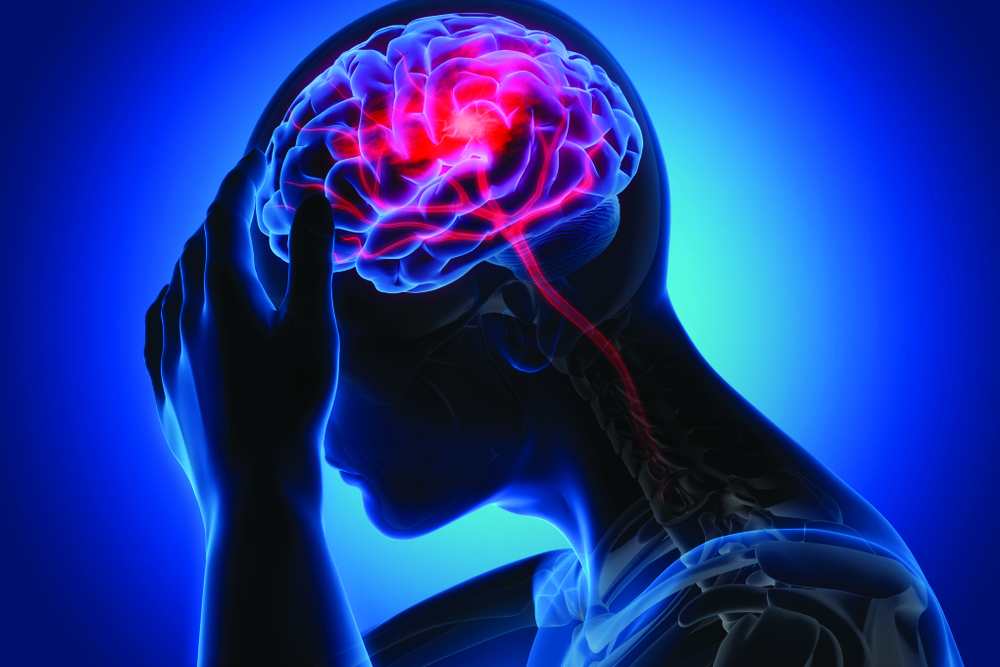
    Imagine being suddenly weak or  paralyzed, unable to move your leg, arm, see normally or feel your face. These are some of the symptoms of a stroke — 911 should be called immediately!

    What is a stroke? A stroke or “brain attack” occurs when the brain does not get enough oxygen from the blood, causing death of brain cells. It is easier to prevent a stroke than to recover from stroke disability.

    PREVENTION IS KEY

    Is smoking ok? No! Smoking is the leading cause of preventable death in the United States. Try smoking one less cigarette each day to achieve the bigger goal of quitting smoking altogether.

    Does diet matter? A diet such as Mediterranean diet will reduce inflammatory plaques in your blood vessels, reducing the risk of heart attack and stroke. Numerous studies have proven its effectiveness in preventing stroke and heart attacks.

    Will exercise help? A brisk walk 30 minutes per day has been shown to have many benefits. If you are unable to walk, many exercises can be conducted from home while seated in a chair.

    Ask your doctor what can be done to prevent a stroke if you ever been diagnosed with high blood pressure, high blood sugar or high cholesterol — or if you smoke.


    OHANA PACIFIC MEDICAL LLC
    1302 Young St, Honolulu, HI 96814
    808-930-9858 | opm@ohanapacific.org
    www.ohanapacificmedical.org

    Imagine being suddenly weak or  paralyzed, unable to move your leg, arm, see normally or feel your face. These are some of the symptoms of a stroke — 911 should be called immediately!

  • Free Dental Care & Education for Seniors

    Since 1995, the Aloha Medical Mission (AMM) Dental Clinic has provided basic dental care at no cost for adults who are unable to afford it.

    AMM Dental Clinic is a secular, nonprofit organization supported by government grants, independent donors and private foundations. Our independence and dedication to our mission has allowed AMM Dental Clinic to thrive, even during the COVID-19 pandemic, while other health centers closed. In 2020 between the months of April and June, the clinic experienced a 267 percent increase in patient visits.

    AMM Dental Clinic continues to be a dental health “safety net,” providing care at no cost for the homeless, immigrants, abused women, the elderly, and those with financial limitations, or limited or no dental insurance.

    We support the local dental community by referring patients to participating providers. As a no-cost dental clinic, care is limited to dental examinations, cleanings, X-rays, fillings, extractions, limited dentures (for abused women) and limited root canals, with the goal of treating acute dental disease and preventing systemic health problems.

    AMM Dental Clinic is grateful to the local dental community for volunteering their expertise and skills and providing pro bono dental care. Each month, five to 12 dentists step up to offer pro bono care. These volunteers allow AMM Dental Clinic to be a “safety net” at no-cost to those in need.

    HOW CAN SENIORS BENEFIT?

    Tooth decay is common among older adults. Nearly 50 percent of adults 65 years and older have untreated dental conditions, including tooth decay, gum problems and missing teeth.

    A virtual educational format called “Kupuna Smiles” has been designed by the HDS Foundation to provide training to nursing home staff and caregivers to obtain certification for oral health care. Expansion through outreach with community partners is on the horizon. The primary goal of this initiative is to improve the oral health of senior citizens in Hawai‘i through community-oriented  projects.

    The truth of the matter is that seniors are at increased risk for dental problems that affect their overall health and quality of life. Dental disease is a common cause of medical and emergency room visits. AMM Dental Clinic is here to help.


    ALOHA MEDICAL MISSION DENTAL CLINIC
    (501(c) 3 nonprofit)
    200 N. Vineyard Blvd., Unit B-120, Honolulu 96817
    Clinic hours: M–F, 8am–5pm
    808-847-3400 | www.alohamedicalmission.org

    Since 1995, the Aloha Medical Mission (AMM) Dental Clinic has provided basic dental care at no cost for adults who are unable to afford it. AMM Dental Clinic is a secular, nonprofit organization supported by government grants, independent donors and private foundations.

  • Strengthen Foot & Ankle Foundations

    When building a house, having a solid foundation is key to its stability. The feet and ankles are the foundations for your body, and are critical for stability and balance while standing and walking. Yet how often do we think of exercising these muscles to keep them strong and flexible.

    The intrinsic muscles of the feet (contained within the foot) and extrinsic muscles (originating outside of the foot and attached to the foot by tendons) contribute significantly to what happens at the ankles and joints above. As ground forces hit our feet, how the feet react affects our posture — the ability to keep our center of mass solidly in line over our hips, knees and ankles — and most importantly, our balance.

    To test your strength, mobility and coordination, try the following (these can be done seated):

    • Keeping your foot flat on the floor, alternate lifting your toes starting with the the big toe, then the other toes.

    • To strengthen your feet and ankles, put your foot on a towel. Then contract your toes and relax them.

    Practicing these exercises can improve the health of your feet and ankles, and ensure that they give you the best support possible.


    GYMGUYZ Urban Honolulu
    808-638-2525
    gymguyzurbanhonolulu@gymguyz.com
    www.gymguyz.com/urban-honolulu-hi

    When building a house, having a solid foundation is key to its stability. The feet and ankles are the foundations for your body, and are critical for stability and balance while standing and walking. Yet how often do we think of exercising these muscles to keep them strong and flexible.

  • How to Wear a Mask With Hearing Aids

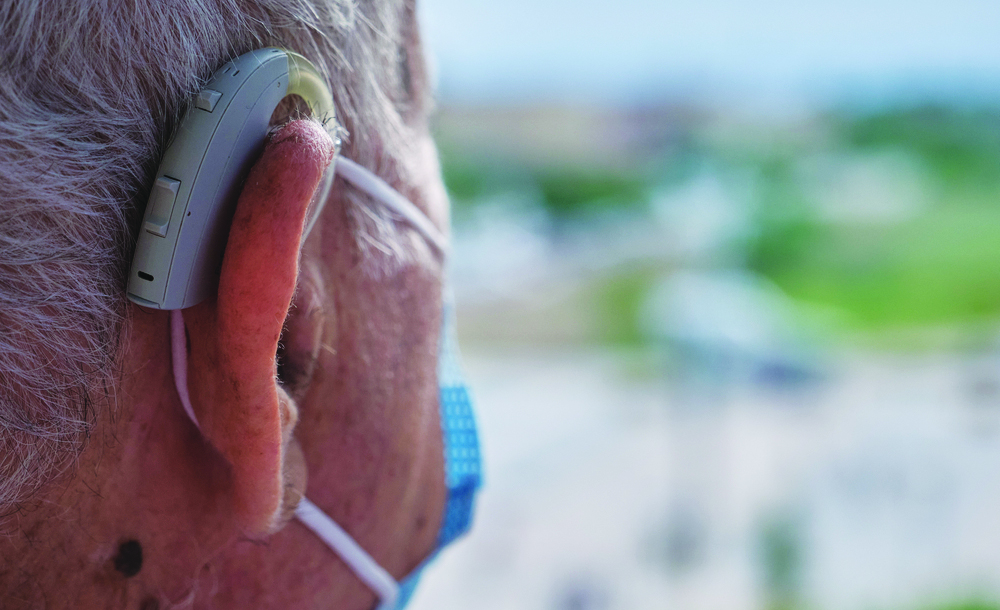
    Elderly man with hearing aid in the ear and surgical mask, close-upHearing aid wearers know the difficulty of getting the elastic bands of their protective face mask tangled up with their hearing aid. Hearing aids can fly out when removing a mask. I have seen many patients with lost and damaged hearing aids due to this problem.

    Here are seven tips that will help protect your hearing aids and stop you from losing them.

    1. Put your hearing aids in first, then the mask.

    2. Practice in the mirror. Work on refining your technique until you can remove your mask and keep your hearing aids in place.

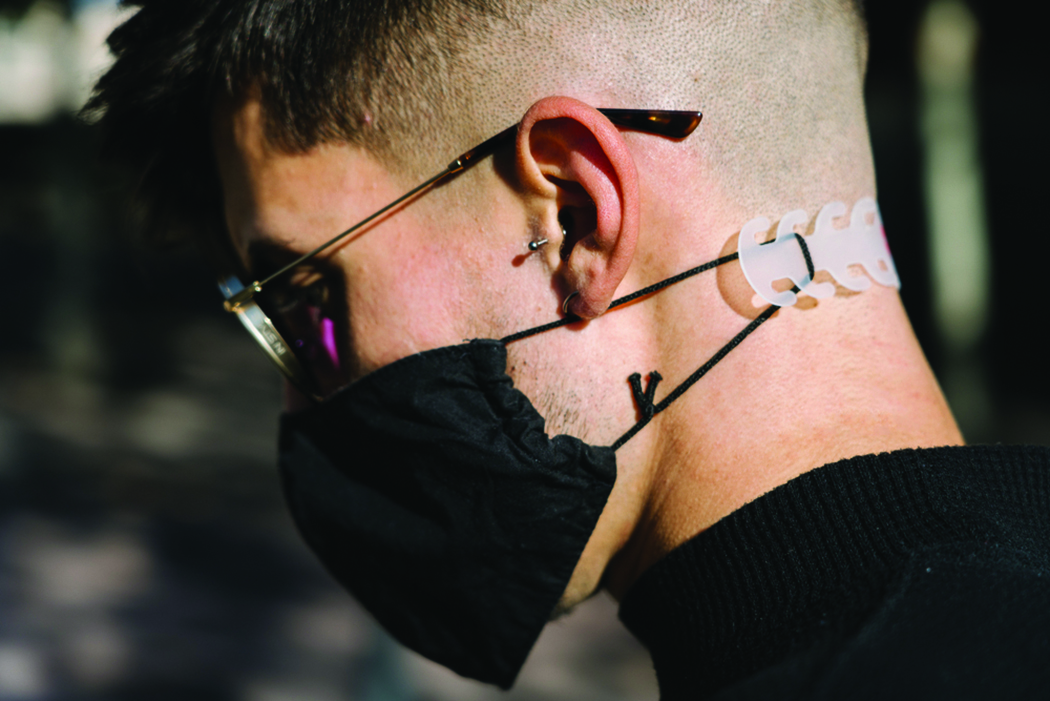
    A man standing back to camera tying a medical gauze mask on dark.Virus preventive methods. plastic that holds a facial mask on the back of the head

    3. Long hair adds to the problem. Pull long hair back in an elastic hair tie or bun.

    4. Don’t secure your mask to your ears. Instead, use button extensions to secure your mask at the back of your head.

    5. Use four-string masks. They also tie behind the head rather than on the ears.

    6. Check your hearing aid during and following the removal of your mask.

    7. Remove your mask in a clear area so if the hearing aid comes out, you can find it easily.


    OHANA HEARING CARE
    1296 S Beretania St., Ste. 102, Honolulu, HI 96814
    808-593-2137 | www.ohanahearingcare.com

    Hearing aid wearers know the difficulty of getting the elastic bands of their protective face mask tangled up with their hearing aid. Hearing aids can fly out when removing a mask. I have seen many patients with lost and damaged hearing aids due to this problem. Here are seven tips that will help protect your…

  • Bad Breath: Is It Poor Oral Hygiene?

    Bad breath

    Chronic bad breath can be embarrassing, but it can also tell you what’s going on with your mouth or body, such as underlying medical conditions, stress, hormonal changes, dry mouth and poor oral hygiene.

    Bad breath can be caused by a few things: bacteria, decaying food, infected gums, smoking and even an empty  stomach.

    Make sure your oral health is in good shape by maintaining a solid routine of brushing at least twice a day, flossing daily and seeing your dentist twice a year. Your dentist can tell right away if your gums or other parts of your mouth are  causing bad breath. It’s important to also gently brush your tongue each day, as bacteria tends to cling to the back of the tongue.

    What you eat and drink also plays a  key role in maintaining good oral health. A healthy diet of fruits and vegetables (and yes, even garlic) helps keep your teeth strong and clean. Limiting sugary foods will help prevent cavities, and drinking lots of water helps flush away food debris and bacteria from the mouth.

    There is no better time than now to schedule an appointment with your dentist to kick bad breath and poor oral health aside so you can live well and smile more.


    HAWAII DENTAL SERVICE
    Kahala Howser, Wellness & Events Manager
    808-521-1431 | khowser@hawaiidentalservice.com
    www.HawaiiDentalService.com

    Chronic bad breath can be embarrassing, but it can also tell you what’s going on with your mouth or body, such as underlying medical conditions, stress, hormonal changes, dry mouth and poor oral hygiene. Bad breath can be caused by a few things: bacteria, decaying food, infected gums, smoking and even an empty  stomach.