Category: Health

  • HBP: Know Your Numbers, Save Yourself

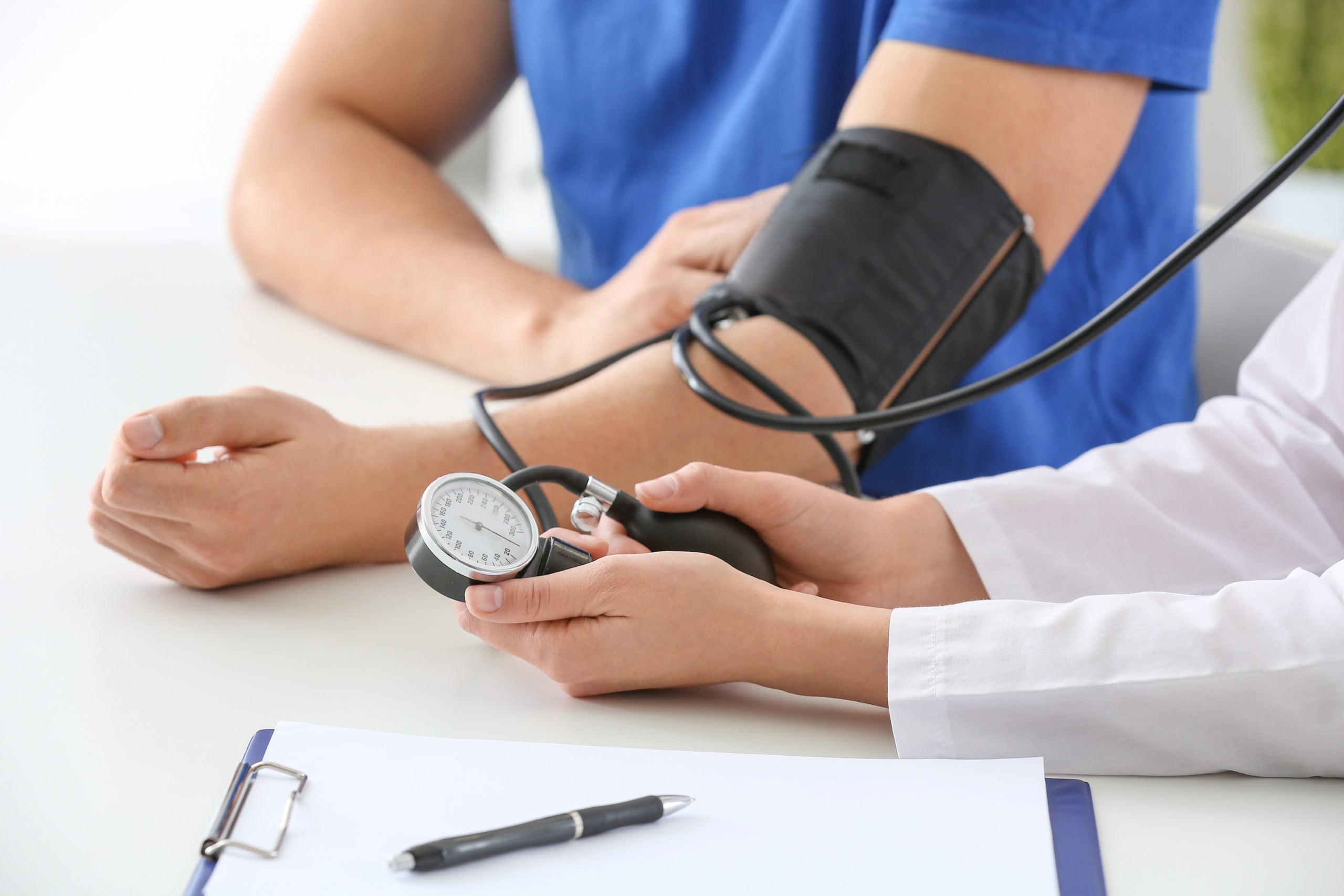
    Doctor measuring blood pressure of young man in clinicBlood pressure measures how hard the blood pushes against the walls of your arteries as it moves through your body. Measurements are taken when your heart beats and gain when it rests. Also known as hypertension, high blood pressure (HBP) can increase. Often described as a “silent killer,” HBP has no apparent symptoms. If left untreated, HBP increases your risk for heart disease — including heart failure or heart attack — as well as stroke, kidney problems and other threats.

    Coupled with family history, certain physical traits and lifestyle choices can put you at greater risk for HBP.

    While having high blood pressure is serious, there are many ways to manage it.

    Knowing your numbers and monitoring and controlling your blood pressure are essential. See your doctor at least yearly to check your blood pressure and determine if you need to take medicine, change your diet or monitor your blood pressure at home.

    It’s important to take medications exactly as prescribed and supply your doctor with a comprehensive list of all medicines, vitamins, herbal remedies and supplements you take.


    KAISER FOUNDATION HEALTH PLAN, INC.
    711 Kapiolani Blvd., Honolulu, HI 96813
    808-432-5915 (TTY 711) | kp.org
    To learn more about this and other topics, visit kp.org/health and kp.org/seniorhealth. This article contains health and wellness or prevention information.

    Blood pressure measures how hard the blood pushes against the walls of your arteries as it moves through your body. Measurements are taken when your heart beats and gain when it rests. Also known as hypertension, high blood pressure (HBP) can increase. Often described as a “silent killer,” HBP has no apparent symptoms.

  • Water: It Makes You Smile From Within

    Hydration is essential to staying fit and healthy, especially during warm summer months. As you venture outdoors to cool off, keep your flask filled with water. It’s the best beverage for your teeth and body. Water has many benefits; there’s no sugar or acids that can affect your oral and overall health.

    Did you know water can help improve your smile?

    • Water keeps your mouth cleaner and healthier than other drinks. Sip water between bites or after a meal to wash away sugars, acids and other bacteria that cause tooth decay or gingivitis.
    • Water helps you maintain a whiter smile. Sipping water after eating pigment-rich foods can prevent the formation of stains.
    • As you get older, some medical conditions and medications can cause dry mouth. Drinking water helps produce saliva to help defend your body against gum disease and tooth decay by washing away food particles and acid.

    Drinking water aids your digestive system, preventing constipation and abdominal discomfort. It helps you stay alert and focused, aiding in cognitive function. The H2O molecule also supports joint health as well as the appearance of the skin. To prioritize water as your main drink of choice, carry a water bottle with you.


    HAWAII DENTAL SERVICE (501(c) 4 nonprofit)
    Kahala Howser, Wellness & Events Manager
    808-521-1431 | khowser@hawaiidentalservice.com
    HawaiiDentalService.com

    Hydration is essential to staying fit and healthy, especially during warm summer months. As you venture outdoors to cool off, keep your flask filled with water. It’s the best beverage for your teeth and body. Water has many benefits; there’s no sugar or acids that can affect your oral and overall health.

  • How to Stop Your Gums From Receding

    If you’ve noticed your teeth are getting longer and your gums are getting shorter, perhaps it’s time to see a dentist.

    Gum recession can affect anyone, even those who brush twice a day and floss daily. Although it can’t be reversed, there are some things you can do to stop them from receding.

    Gum recession can be a form of gum disease in which the gum tissue pulls away from the teeth, revealing the tooth’s root. Also called “periodontal disease,” bacterial gum infections can destroy gum tissue and supporting bone that hold your teeth in place. Gum disease is the main cause of gum recession and can result from poor oral health, pre-existing medical conditions, dry mouth, aggressive brushing, smoking or the effects of age and even genetics.

    Gum disease makes you more prone to cavities and a higher risk of tooth loss. In addition to the visible signs of receding gums, other symptoms of gum disease are as follows:

    • bleeding after brushing or flossing
    • red and swollen gums
    • bad breath
    • pain at the gum line
    • loose teeth

    You can slow or even stop your gums from receding by first visiting your dentist for an exam and cleaning. Your dentist can identify problem areas and recommend certain treatments to stop gum disease from progressing.

    Ask your dentist which treatments are best for you. There are surgical and non-surgical treatments that may help. Healthy habits are essential to stopping gums from receding, like maintaining a balanced diet, eliminating tobacco use and improving your oral health routine at home.

    Remember, losing your teeth is not a foregone conclusion as you age — if your gums are healthy, it is still important to maintain good oral health through brushing twice a day, flossing daily and seeing your dentist at least twice a year so you can live well and smile more!


    HAWAII DENTAL SERVICE (501(c) 4 nonprofit)
    Kahala Howser, Wellness & Events Manager
    808-521-1431 | khowser@hawaiidentalservice.com
    HawaiiDentalService.com

    If you’ve noticed your teeth are getting longer and your gums are getting shorter, perhaps it’s time to see a dentist. Gum recession can affect anyone, even those who brush twice a day and floss daily. Although it can’t be reversed, there are some things you can do to stop them from receding.

  • Get Into a Groove & Do the Move

    We’ve all heard the saying, “If you don’t have your health, you don’t have anything.” And while exercise is always at the top of the list of what you can do to stay healthy, it’s so easy to run out of time and defer it to tomorrow.

    That’s why at this year’s Aging in Place Workshop organized by Generations Magazine, I spoke about simple things we can all do to stay healthy and functional as we age. Researchers are now telling us that even if we don’t spend 30 minutes on an exercise bike or walking five times a week, we can still improve our health with “exercise snacks,” short bursts of activity that add up to an amount that is beneficial to our health.

    Make it a NEAT day

    Another term that’s surfaced is “NEAT” or non-exercise activity thermogenesis. NEAT refers to everyday activities like yard work, housework, walking or even fidgeting. About 2½ hours of standing and light walking around the house per day is perfect. And if that seems too much, just remember to move every half hour. The latest studies have found that sitting for longer than 30 minutes without moving can increase mortality rates.

    Some examples of EXERCISE SNACKS:

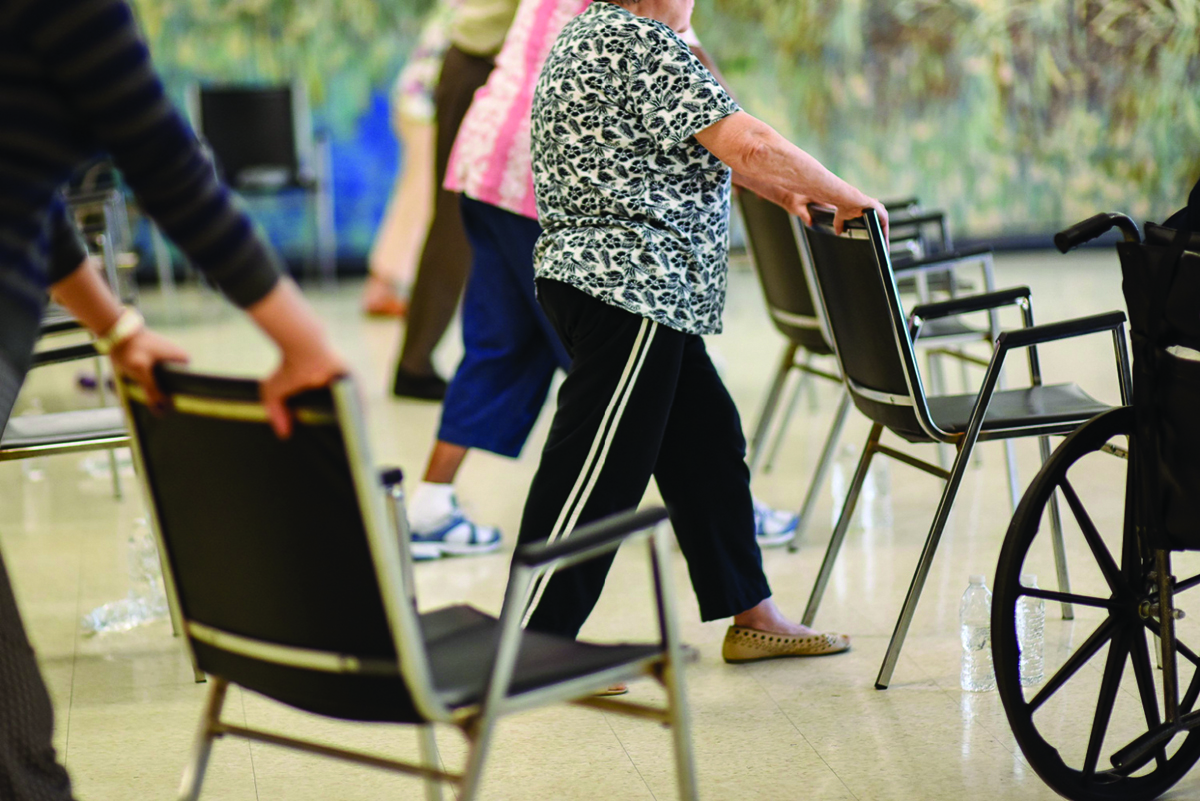
    CHAIR STANDS – go from sitting to standing at least five times whenever you go to sit down or stand up from a chair (without using your hands)

    HIGH KNEE TAPS – lift your leg until your thigh is parallel to the floor, then tap your knee with the palm of your opposite hand and continue marching (sustain through a commercial break)

    HEEL RAISES – while standing tall, raise your heels off the ground until you’re standing on the balls of your feet and repeat 10 times at the sink before and after you wash your hands

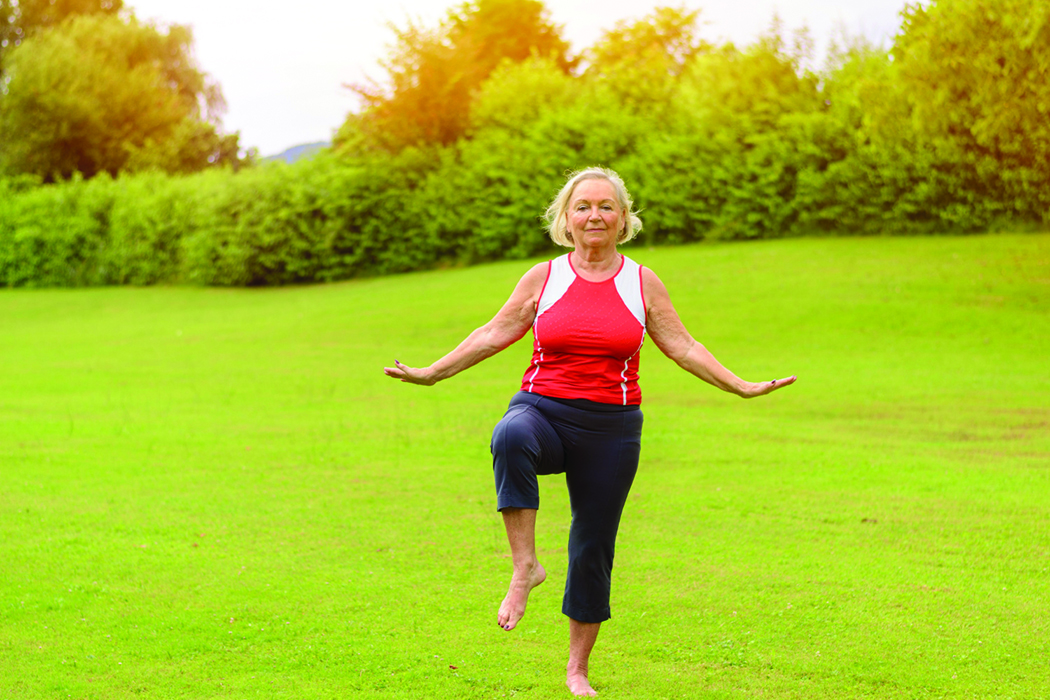
    SINGLE LEG STANDS – stand on one leg for 10 seconds whenever you’re near a counter (alternate, making sure you don’t lock the knee of your weight-bearing leg)

    And be sure to take advantage of NEAT. If you have stairs at home or places around your house to explore, take a few extra steps to get there.

    Most importantly, remember to MOVE!


    GYMGUYZ Urban Honolulu
    Home Personal Training & Mobile Fitness
    808-638-2525
    gymguyzurbanhonolulu@gymguyz.com
    www.gymguyz.com

    We’ve all heard the saying, “If you don’t have your health, you don’t have anything.” And while exercise is always at the top of the list of what you can do to stay healthy, it’s so easy to run out of time and defer it to tomorrow.

  • Wisdom of the Serving Spoon

    Eating together is good. Read “Eating Together” (www.generations808.com/eatingtogether) in our last issue. But Generations overlooked something in that article. One of the photos used to illustrate the article about Hawaii Food Bank programs shows a family sharing food, with members dipping into a communal bowl of noodles with their own chopsticks. We thought nothing of this time-honored way of dining until a Honolulu gastroenterologist pointed out that this culturally accepted convention may be hazardous to your health. “There are a lot of bacteria and viruses (mononucleosis; hepatitis A, B and C; H Pylori; herpes; HIV) in our saliva that can be transmitted to another diner.” And numerous observational, epidemiological data have suggested that the risk of COVID19 is related to shared meals or drinks. “The thing you need is a serving spoon or serving chopsticks.”

    He is not alone in this recommendation.

    A proposal by several Asian health organizations to use separate chopsticks and spoons for serving when people dine together was made at the height of the pandemic in 2020, suggesting diners avoid using their personal chopsticks to pick food from the same dishes, thereby reducing the chances of transmission of many diseases.

    Since people have been eating this way for generations, the proposal was met with some resistance. Using a serving spoon or set of chopsticks may send the signal of wanting to keep your distance — the total opposite of most Asian social and cultural conventions. But this simple change in etiquette is a small price to pay for staying safe — and just another example of how we must adapt to our changing world.


    Eating together is good. Read “Eating Together” (www.generations808.com/eatingtogether) in our last issue. But Generations overlooked something in that article.

  • Take Statins & Other Meds as Prescribed

    Medicine is an important part of treatment for many health conditions. For medications to be most effective and work safely, you need to take them exactly as  prescribed. If you experience problems, such as new symptoms or side effects, talk to your doctor immediately.

    Check with your doctor or pharmacist before starting any new medications

    Many seniors see multiple specialists to treat different conditions. Some drugs, including over-the-counter medicines that your doctor may not realize you’re taking, can interact with existing medication and potentially cause problems.

    Create a comprehensive list of all the medicines, vitamins, herbal remedies and supplements you take, and share it with your doctors. Having a clear picture of everything you’re putting into your body will help them provide safer and more effective care.

    Prescription refills

    It’s important to keep track of when you’ll run out of your medicine. Don’t wait until you have only a few pills left. Use a calendar to remind yourself to get refills. It may be dangerous to suddenly stop a medicine, so talk to your doctor or pharmacist about what to do if you miss a dose.

    If you were given a prescription during a hospital or emergency room visit, it may only be enough medicine until you can see your regular doctor. Ask the discharging physician about how long you should continue the new medicines.

    A bit about statins

    Statins are medicines that help with cholesterol, which is a fat-like substance in the blood. There is good and bad cholesterol. Having too much bad cholesterol in your blood vessels can raise your risk of heart disease, heart attack and stroke.  Many people with diabetes take statins because they’re at higher risk of heart attack and stroke. Statins must be taken regularly as prescribed to work well and lower your risk. If you stop, your risk for heart attack and stroke may go back up.

    Follow-up care

    A key part of your treatment and safety is to make and go to all appointments, and talk to your doctor if you experience problems.


    KAISER FOUNDATION HEALTH PLAN, INC.
    711 Kapiolani Blvd., Honolulu, Hawaii 96813
    808-432-5915 (TTY 711) | www.kp.org
    To learn more about this and other topics, visit www.kp.org/health and www.kp.org/seniorhealth. This article contains health and wellness or prevention information.

    Medicine is an important part of treatment for many health conditions. For medications to be most effective and work safely, you need to take them exactly as  prescribed. If you experience problems, such as new symptoms or side effects, talk to your doctor immediately.

  • Manual vs. Electric Toothbrushes

    Couple of toothbrushesA healthy smile requires everyone to commit to three simple actions: Brush twice a day, floss daily and see your dentist twice a year. You may have also considered new technology to make your oral hygiene routine a little easier and more efficient. New models of electric toothbrushes have prompted consumers to consider upgrading their manual toothbrushes to spinning brush heads that sometimes come with Bluetooth capabilities. So, which is better, manual or electric?

    Studies show powered toothbrushes are slightly better at reducing plaque and gum disease. If cost isn’t a factor, electric toothbrushes are found to be safe and effective. They can also connect to your smartphone and track how well and long you brush. Manual toothbrushes are affordable, simple and your local grocer or convenience store may carry models with different brush handles that give you a better grip so you can reach all tooth surfaces.

    All brushes, manual or electric, can be effective for removing plaque if used correctly — for at least two minutes at each brushing. All brushes will have to be replaced every three to four months. Choose a toothbrush that you like and will use properly with a fluoride toothpaste. Don’t forget to floss daily and see your dentist for an exam and cleaning twice a year so you can live well and smile more.


    HAWAII DENTAL SERVICE (501(c) 4 nonprofit)
    Mark Sweet, DDS, Dental Director
    808-521-1431 | mark.sweet@hawaiidentalservice.com
    www.HawaiiDentalService.com

    A healthy smile requires everyone to commit to three simple actions: Brush twice a day, floss daily and see your dentist twice a year. You may have also considered new technology to make your oral hygiene routine a little easier and more efficient. So, which is better, manual or electric?

  • Emotional Wellness During the Holidays

    Senior man with his dog sitting in chair beside window and sharing loveWith the holiday season upon us, it’s important to look after one’s mental health and emotional well-being. While the season typically includes family and social gatherings, holidays can also be stressful, and trigger feelings of grief, loneliness and depression. Consider some of these steps to help support  your emotional health and find joy during the holidays and beyond.

    ✦ Breath & Health: The way you breathe can affect your mind and body. Full, deep breathing is a good way to reduce tension. In the Hawaiian culture, the breath is an important part of physical and spiritual health. Be aware of your breathing. Practice daily deep breathing exercises.

    ✦ Nutrition & Exercise: Key to your overall wellness and coping with stress is a well-balanced diet, plenty of water and regular exercise. Stay hydrated by drinking six to eight 8-ounce glasses of water daily. Steer clear of heavily processed foods that are high in sugar or saturated fat. Check with your doctor and keep him or her informed about any changes to your diet and movement routines, or if you’re thinking about starting a new exercise program.

    ✦ Alcohol Intake: Even small amounts of alcohol, such as one drink, can make depression worse and disrupt your sleep and mood.

    ✦ Depression: Grief, stress, physical challenges and changing life circumstances can trigger depressive symptoms, and other emotional health problems. Know when to get help. If you’re concerned about your mind and mood, talk to a personal physician or behavioral health expert.

    ✦ Self-Care Apps: Digital apps can help your emotional well-being and resilience. The myStrength app offers a personalized program that teaches mindfulness and other helpful behaviors. Calm is an app designed to help lower stress, reduce anxiety and improve sleep by using guided meditation. Learn more at kp.org/selfcare.

    ✦ Getting Help: Mental healthcare is not one-size-fits-all. Treatment differs for everyone — from the type of provider you see and how often you see them to the length of time it takes for treatments to be most effective. If you don’t know where to start, discuss options and next steps with your doctor. If you believe you’re having a mental health or medical emergency, call 911 or go to the nearest hospital.


    KAISER FOUNDATION HEALTH PLAN, INC.
    711 Kapiolani Blvd., Honolulu, HI 96813
    808-432-5915 (TTY 711) | kp.org
    More resources & tools:
    kp.org/mentalhealth
    kp.org/seniorhealth This article contains health and wellness or prevention information.

    With the holiday season upon us, it’s important to look after one’s mental health and emotional well-being. While the season typically includes family and social gatherings, holidays can also be stressful, and trigger feelings of grief, loneliness and depression. Consider some of these steps to help support  your emotional health and find joy during the…

  • What is Telemedicine?

    Telemedicine facilitates medical professionals in providing medical care to patients outside of the traditional office setting by using modern technology.

    “Telemedicine” and “telehealth” are often used interchangeably. However, telehealth specifically describes the electronic and communications technologies being used to provide services remotely. Telemedicine can be viewed as the professional medical consultations you may receive remotely or outside of the clinical office.

    One of the main benefits telemedicine can provide to kūpuna is increased access to care. For many kūpuna, it can be difficult to get to the doctor’s office due to lack of transportation, physical impairments and lack of caregiver assistance. Telemedicine enables patients to stay at home and to see their physician remotely using telecommunication devices.

    However, not all kūpuna have the knowledge, technological skills or equipment to use telecommunication technologies.

    Solutions include getting help from family and friends who are more savvy. They’re already adept at using devices like a cellphone, and can easily help a senior. And your family member or friend can be right there to help assist if it is difficult for the senior to see or hear their doctor.


    OHANA PACIFIC MEDICAL LLC
    428 Kawaihae St., #148, Honolulu, HI 96825
    808-930-9858 | opm@ohanapacific.org
    ohanapacificmedical.org

    Telemedicine facilitates medical professionals in providing medical care to patients outside of the traditional office setting by using modern technology. “Telemedicine” and “telehealth” are often used interchangeably. However, telehealth specifically describes the electronic and communications technologies being used to provide services remotely. Telemedicine can be viewed as the professional medical consultations you may receive remotely…

  • Make Naughty Sweets Nicer for Teeth

    In Hawai‘i, everyone loves to spoil their loved ones with sweet treats during the holidays. It’s okay to indulge in a treat or two, but don’t forget the toll it takes on your teeth and gums. Here are some oral health tips when eating common holiday sweets:

    ❉ Arare (mochi crunch), candy canes and other hard candy: You’re putting your teeth at risk for decay when you let snacks dissolve in your mouth. And crunching on them could crack your teeth. Swap out hard candies for dark chocolate instead, which has less sugar and dissolves quickly.

    ❉ Pies, cakes and cookies: You’ve probably been waiting all year for that pumpkin crunch cake or custard pie, but moderation is key when it comes to these baked goods. Also, save yourself the toothache and scrape off the icing or sweet toppings before you eat them.

    ❉ Hot chocolate, eggnog or hot apple cider: These classic holiday drinks are full of sugar. Try your best to eliminate extra additions like marshmallows, alcohol or extra syrup that may harm your teeth or dry out your mouth.

    ❉ Mochi, caramels and other sticky sweets: Sticky sweets stay on your teeth longer, and their sugar and acids can break down enamel throughout the day. Brushing and flossing every time after eating them will save you an extra trip to the dentist.

    Go ahead and enjoy some sweet holiday decadence, but be sure to balance that out with crunchy fruits and veggies (carrots are a particularly great choice) and whole grains. Dentists also recommended drinking water immediately after eating to help wash sugars and acids from teeth.

    Be sure to discuss any changes in diet as well as other medical conditions with your physician and dentist. For healthier teeth, gums and total body health, a solid routine of brushing twice a day, flossing daily and seeing your dentist twice a year will ultimately help you live well and smile more at every age.


    HAWAII DENTAL SERVICE (501(c) 4 nonprofit)
    Kahala Howser, Wellness & Events Manager
    808-521-1431 | khowser@hawaiidentalservice.com
    HawaiiDentalService.com

    In Hawai‘i, everyone loves to spoil their loved ones with sweet treats during the holidays. It’s okay to indulge in a treat or two, but don’t forget the toll it takes on your teeth and gums. Here are some oral health tips when eating common holiday sweets.

  • Why Coffee Is a Health Food for Older Adults

    Coffee cup and beans on a white background.

    Quit feeling guilty over your morning cup(s) of joe. Research shows that coffee can help prevent dementia, improve cardiovascular health and increase lifespan.

    Coffee can help seniors maintain a healthy lifestyle. That is the conclusion of a plethora of studies on the steamy liquid that is synonymous with waking up for many Americans over 60. In fact, the morning brew has been shown to reduce a number of health issues. The main active ingredient in coffee, caffeine, is an antioxidant. Antioxidants help block damage related to aging:

    • Coffee can keep cells more elastic, reducing the hardening of arteries that takes place over time that weakens the cardiovascular system.
    • The risk of stroke is reduced by up to 22 percent. Even one cup of coffee per week was found beneficial to reduce stroke and improve heart health.
    • Caffeine may prevent or delay age-related cognitive impairment, including dementia. One study that tracked people from middle age to the 70s found a reduced lifetime risk of dementia.
    • Drinking caffeinated coffee cuts the risk of mouth and throat cancer in half and reduces the risk of many other types of cancer, as well as Type 2 diabetes.
    • The mood boost associated with coffee can increase motivation and alertness, in turn lowering the risk of mental health issues like depression.
    • People who drink coffee on a regular basis have an overall lower risk of death than those who do not.

    How Much is Too Much?

    Most studies have centered on consumption in the range of three to five 8-ounce cups, or up to 400 milligrams of caffeine. This amount reduces the risk of suicide for both men and women by 50 percent, and the overall risk of early death by 15 percent (this latter statistic holds true even for decaf drinkers).

    The Healthiest Way to Brew

    The method used to make the brew can have a big impact on LDL cholesterol, which can damage the arteries and triglycerides levels. Filtered coffee, which passes through a paper filter prior to consumption, filters out potentially dangerous oily chemicals called diterpenes. Seniors who use a French press instead of filters are at risk of raising their cholesterol and triglyceride levels. It may not be enough to affect their health, but if either of those values is high for you, consider switching to filtered coffee.

    You may be relieved to know that, with warm weather approaching, iced coffee lovers can safely turn to cold brew. This holds true for both caffeinated and decaffeinated brews. Cold brew coffee is made by steeping the grounds in cold water for a period of hours, after which the coffee is strained through a paper filter.

    Downside of Coffee

    Michael Pollan, the author of “This Is Your Mind on Plants,” has called caffeine “the enemy of good sleep.” He relates how, after weaning himself from coffee, he “was sleeping like a teenager again.” Caffeine has other undesirable side effects for some people:

    • Diarrhea and gastrointestinal issues due to high acid content.
    • Rapid heart rate.
    • Dehydration, possibly putting stress on the kidneys.
    • Elevated blood pressure, which is a temporary condition.

    When in doubt, ask your doctor if you should switch to decaffeinated coffee and if there are any other side effects you should be aware of. Seniors with migraines, insomnia, urinary incontinence, muscle tremors, stomach problems, or anxiety are more likely to have trouble with caffeine. Drug interactions are most likely to occur with ephedrine, echinacea and theophylline.

    When attempting to reduce the caffeine content of their coffee, many older adults reach for a lighter roast. Wrong! “The darker you roast the beans, the more caffeine burns away,” explains Mike Balderrama, regional educator for Counter Culture Coffee.

    Another caveat: Be aware of what you are stirring into your coffee. For all the benefits of the brew itself, many people negate them by adding cream, sugar, or processed alternatives that add calories and fat.

    Coffee can be a key component in the healthy lifestyle of older adults. Enjoy it in moderation, knowing you are reducing your chances of getting cancer, dementia and a host of other diseases. Coffee can augment healthy food choices and daily activity to help you live your best life.


    SCSA (Society of Certified SeniorAdvisors)
    The SCSA educates and supports specialists in aging dedicated to improving lives of older adults.
    1-800-653-1875 |csa.us

    Quit feeling guilty over your morning cup(s) of joe. Research shows that coffee can help prevent dementia, improve cardiovascular health and increase lifespan. Coffee can help seniors maintain a healthy lifestyle. That is the conclusion of a plethora of studies on the steamy liquid that is synonymous with waking up for many Americans over 60.

  • Can Sugar Substitutes Harm Your Teeth?

    photo of creamer, sugar and spicesIf you’re watching your sugar intake, but need to satisfy a sweet tooth, using a sugar substitute can be less harmful to your teeth and body. Here’s a breakdown of substitutes and how they can affect your oral and overall health.

    Artificial sweeteners and sugar alcohols: These can be a hundred times sweeter than sugar and can include saccharin, aspartame and sucralose. They contain little to no sugar, so they don’t contribute to tooth decay. But they potentially trick the body into craving sweets on a regular basis, which exposes you to the risks of sugar intake again.

    Plant and fruit-based sweeteners: Stevia and monk fruit extract have no calories or carbohydrates. While these are generally safe, some studies have found that stevia disrupts your natural gut microbiome, which can disturb oral and overall health.

    Natural sugars: Honey, coconut sugar, agave, molasses and dates have anti-inflammatory and antioxidant benefits, but they still contain sucrose and can contribute to tooth decay.

    These substitutes should be consumed in moderation. Remember, drinking water immediately after eating is recommended to help wash sugars and acids from teeth.


    HAWAII DENTAL SERVICE (501(c) 4 nonprofit)
    Kahala Howser, Wellness & Events Manager
    808-521-1431 | khowser@hawaiidentalservice.com
    HawaiiDentalService.com


    If you’re watching your sugar intake, but need to satisfy a sweet tooth, using a sugar substitute can be less harmful to your teeth and body. Here’s a breakdown of substitutes and how they can affect your oral and overall health.