Category: Health

  • Treating Shoulder Pain

    What causes constant shoulder pain?

    First off, seniors don’t have to live with pain. There are ways to treat your symptoms. Shoulder injuries are common and typically result from overuse, improper training and repetitive arm motions. The pain is often while participating in sports or during everyday activities like lifting grocery bags, or putting dishes away.

    Pain results from a swollen tendon most commonly localized to the front or side of the shoulder, and down the side of the upper arm.

    When should you seek professional treatment?

    Generations - 2013-08-09 - Shoulder Pain - Image 01Acute (temporary) injuries may last up to two weeks. You should stretch, ice the area for approximately 10 to 15 minutes, and if approved by your physician, take an over-the-counter, non-steroidal, anti-inflammatory medication. If your symptoms persist or worsen, seek professional advice from a qualified physical therapist who specializes in shoulder injuries.

    It is important to receive a medical assessment to diagnose shoulder impingement conditions, such as severe tendinitis, calcific tendinitis, acromial bone spurs and adhesive capsulitis (aka frozen shoulder). Proper diagnosis is key to recovery.

    Seek out a physical therapist who works extensively with seniors and who uses a “hands on” approach. He/she should manually treat all injuries, perform mobilizations to the muscles and joints, and build individualized strengthening exercises to achieve maximal results.


    Free 15 minute injury screening and/or phone consultation:
    Yoshimoto Physical Therapy (Honolulu)
    600 Kapiolani Blvd., Suite 208 at 525-5300
    1029 Kapahulu Ave., Suite 401 at 218-7888
    www.yoshimotophysicaltherapy.com

    What causes constant shoulder pain? First off, seniors don’t have to live with pain. There are ways to treat your symptoms. Shoulder injuries are common and typically result from overuse, improper training and repetitive arm motions. The pain is often while participating in sports or during everyday activities like lifting grocery bags, or putting dishes…

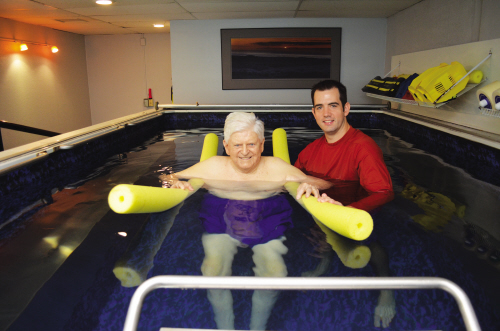
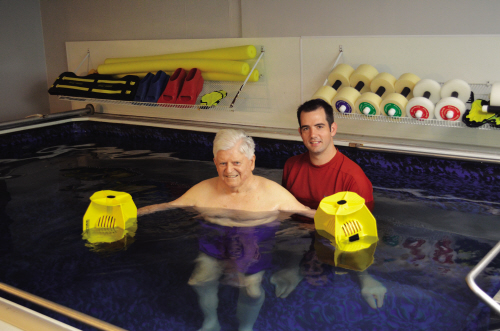
  • Choosing a Physical Therapist

    As the most vital member of your own health care team, it’s important for you to know how to choose the right physical therapist who can maximize your healthcare dollars.

    Tips for choosing a physical therapist:

    Freedom to Choose: You are not obligated to accept the therapist your physician recommends. Explore your options to ensure that you receive a great rehab experience.

    Personal Therapist: Do not settle for anything less than a licensed therapist who specializes in the kind of care you need. Your therapist should be empathetic, understanding, encouraging and challenging. S/he should work one-on-one with you to develop an individualized program. Look for a physical therapist who utilizes manual therapy, a specialized field that uses hands-on techniques for faster recovery.

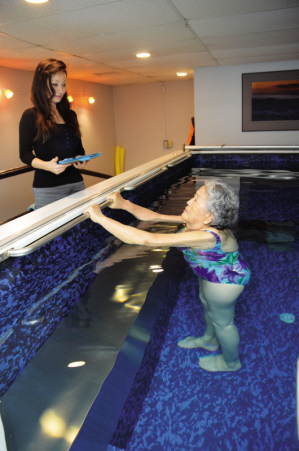
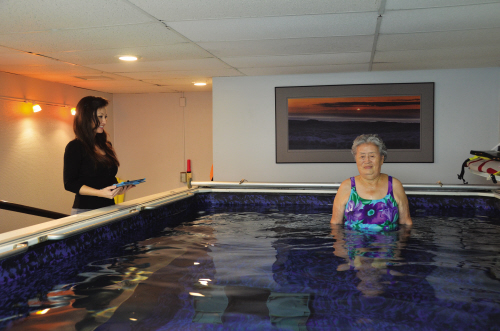
    Clinical Setting: Bigger isn’t always better; individualized care is. No two facilities are the same, so evaluate the facility to see whether it has the equipment you need, such as a therapy pool, weight equipment or gait and balance equipment.

    Consistency: While no clinic can guarantee that you’ll have the same therapist 100 percent of the time, it should strive for continuity of care. No one is more vested in your recovery than you. Expect value for services rendered. If the therapist is not providing hands-on care, you may not be receiving the best care possible. So seek out a stand-out physical therapist who goes above and beyond on your behalf.


    Moon Physical Therapy, LLC
    “Therapy that achieves RESULTS”
    320 Ward Avenue, Suite 107; Honolulu, HI 96814
    808-597-1005 | www.moonpt.com

    As the most vital member of your own health care team, it’s important for you to know how to choose the right physical therapist who can maximize your healthcare dollars. Tips for choosing a physical therapist: Freedom to Choose: You are not obligated to accept the therapist your physician recommends. Explore your options to ensure…

  • A New & Innovative Dental Office

    An innovative concept in dentistry has emerged in Kaimuki. This dental office focuses on patient comfort, relaxation, reduction of dental fear, and is paired with coordinated specialty treatment.

    This practice is breaking the mold of the traditional dental office our parents grew up with. The office has both specialists and general dentists together in the same office. This facilitates the ideal communication and coordination of treatment between practitioners. The specialties currently offered are endodontics (root canals) and orthodontics (braces), along with general dentistry.

    I created this office with the patient’s perspective in mind. Having a great fear of the dentist as a child, I decided that as a dentist I would find a way for patients to be more comfortable during treatment. In 2001 I created the Dental Day Spa of Hawaii. The Dental Day Spa of Hawaii’s second phase is The Specialty Group. This expands the pampered patient philosophy to a comprehensive dental approach.

    Surprisingly, many patients are still fearful of the dentist, and go out of their way to avoid dental treatment. Patient relaxation is emphasized through many amenities, such as soothing massage during dental procedures by a licensed massage therapist. Aroma therapy is also used to calm fear and anxiety.

    Patients can also watch movies at the dentist office. Imagine being able to enjoy your dental procedure with a movie and a massage. For more information on The Specialty Group office, visit www.ddsspecialty.com.


    Wynn H. Okuda, DMD, Inc.
    Cosmetic, Implant and Restorative Dentistry
    3660 Waialae Ave., Suite 315, Honolulu, Hawai‘i 96816
    808-734-1099 | www.cosmeticdentistryhawaii.com

    An innovative concept in dentistry has emerged in Kaimuki. This dental office focuses on patient comfort, relaxation, reduction of dental fear, and is paired with coordinated specialty treatment. This practice is breaking the mold of the traditional dental office our parents grew up with. The office has both specialists and general dentists together in the…

  • Proper Hydration for Health

    Staying hydrated everyday is the key to staying and feeling healthy. Our bodies have an intricate system of keeping fluids and electrolytes in balance. Due to changes in the body as we age, such as a decrease in total body water as well as a decreased sense of Generations - 2013-08-09 - Proper Hydration - Image 01thirst, this regulation system may no longer function properly, making dehydration more common. Dehydration especially in the elderly can lead to hospitalization, infection, loss of cognitive function and even death if not treated immediately. Symptoms of dehydration include dry mouth, no urine or very concentrated (dark yellow color) sunken eyes, lethargy, low blood pressure, rapid heart rate and dry skin.

    The requirement is 48–64 oz of fluid per day (almost 2 liters). For those who fear incontinence, consider things like undergarments or pelvic floor exercises. Don’t limit your intake because of it. Try to drink throughout the day (4 oz. Every 20 minutes).

    Fluid may come from fruits and vegetables, or soups and smoothies. Alcohol and caffeine don’t count because they have a dehydrating effect and should be avoided or limited.

    A good way to keep track of your intake is to get a 2–3 liter bottle to pour from so you can see how you drank by the end of each day. A pitcher of water with lemon, lime or orange slices, grapes and fresh mint is a nice refreshing drink. Remember, the more you drink the more water your body wants. Hydration is important to your health. Stay strong and drink up!


    Join Diane online at www.shapingup808.com, or call 808-221-3905; email shapingup@hawaii.rr.com.

    Staying hydrated everyday is the key to staying and feeling healthy. Our bodies have an intricate system of keeping fluids and electrolytes in balance. Due to changes in the body as we age, such as a decrease in total body water as well as a decreased sense of thirst, this regulation system may no longer…

  • Shingles

    Generations - 2013-08-09 - Shingles - Image 01Shingles also known as Herpes Zoster causes a painful rash that usually is located on one side of the body. Shingles is caused by the varicellazoster virus, the same virus that causes chickenpox. After a person recovers from chickenpox, the virus can enter the nervous system and lie dormant for years. Eventually it may reactivate and travel along nerve pathways to the skin causing shingles. Shingles tends to occur in seniors, especially during periods of low immunity or high stress.

    Is it Contagious?

    A person with shingles can pass the varicellazoster virus to anyone who isn’t immune to chickenpox. This usually occurs through direct contact with the open sores of the shingles rash. Once infected, the person will develop chickenpox, not shingles. Chickenpox can be dangerous for some groups of people such as pregnant women, newborn babies, and persons with weak immune systems.

    What are the signs and symptoms of shingles?

    • Pain, burning, tingling and numbness
    • Fluid-filled tiny blisters that break open and crust
    • Itching
    • Headache, fatigue, fever are less common

    What are the potential complications?

    • Post-herpetic neuralgia or pain that continues long after the blisters have cleared
    • Vision loss in or around the eyes
    • Inflammation of the brain (encephalitis), facial paralysis, hearing or balance problems
    • Skin infections

    What treatment options are available?

    Antiviral drugs such as Valcylovir (Valtrex), Famciclovir (Famvir) or Acyclovir (Zovirax) can speed up healing and reduce complications. To reduce the pain, anticonvulsants such as gabapentin or tricyclic antidepressants may be prescribed. Numbing agents such a lidocaine skin patch also reduce the pain.

    How can a person prevent shingles?

    The Food and Drug Administration has approved the use of the varicella-zoster vaccine (Zostavax) for adults age 50 and older. It is a one-time vaccination. In scientific studies, the vaccine reduces the risk of developing shingles by about 50 percent. It will reduce the course and severity of the disease as well as reduce the risk of post-herpetic neuralgia. Since the vaccine contains live virus it should not be given to people who have weakened immune systems.

    Shingles also known as Herpes Zoster causes a painful rash that usually is located on one side of the body. Shingles is caused by the varicellazoster virus, the same virus that causes chickenpox. After a person recovers from chickenpox, the virus can enter the nervous system and lie dormant for years. Eventually it may reactivate…

  • Heart Failure

    Approximately 5.8 million people in the United States have heart failure. Heart failure is a very common condition in seniors and is also known as congestive health failure. This is a condition in which the heart can’t pump enough blood to meet the body’s needs. In some cases, the heart can’t fill with enough blood (diastolic heart failure). In other cases, the heart can’t pump blood to the rest of the body with enough force (systolic heart failure). Some people have both problems. These are heart failure awareness:

    How is heart failure diagnosed?

    A physician usually diagnoses heart failure based on medical history, physical examination, and diagnostic tests. Most commonly ordered test is an echocardiography which uses sound waves to create a moving picture of the heart. The test shows the size and shape of the heart and how well the heart chambers and valves work.

    How is heart failure treated?

    Lifestyle changes can make a huge difference in controlling symptoms: limit fluid intake, low salt diet, weight loss (if obese), and smoking cessation. Water pills reduce the fluid build up and blood pressure pills reduce the heart’s workload. For severe heart failure cardiologist recommend an implantable cardioverter defibrillator (ICD) and/or pacemaker to prevent sudden cardiac death. Left ventricle assist device which pumps blood from the heart to the rest of the body has greatly improved quality of life in end-stage heart failure. Heart transplant is a last resort. There are newer experimental treatments on the horizon.

    Signs and Symptoms:

    • Shortness of breath
    • Fatigue
    • Swelling in the ankles & feet
    • Weight gain (major sign and symptom)

    Common Causes:

    • Coronary artery disease
    • Hypertension
    • Cardiomyopathy
    • Diabetes
    • Heart valve disease
    • Arrythmias
    • Congenital heart defects

    Normal and Failing Heart Diagram - Generations Magazine - June-July 2013

    Approximately 5.8 million people in the United States have heart failure. Heart failure is a very common condition in seniors and is also known as congestive health failure. This is a condition in which the heart can’t pump enough blood to meet the body’s needs. In some cases, the heart can’t fill with enough blood…

  • Smiles for a Lifetime

    Q: How can I ensure that my teeth and mouth stay healthy and strong for a lifetime?

    A: Two words to remember for a healthy smile are, “Be Proactive”! There’s no magic dental wand, but follow this philosophy to help keep your teeth for a lifetime.

    First, seeing your dentist and dental hygienist regularly is the key to optimal dental health. For most people this is every six months, for others more frequently. The dental exam may include assessments for oral cancer, root and tooth decay, gum disease and more. The hygienist will remove tartar build-up on teeth that may contribute to gum disease, the leading cause of tooth loss.

    Next, be proactive with your home dental care. Brush and floss daily and effectively! Ask your dental professionals for instructions if needed. If a rinse is recommended, use it as prescribed.

    Third, address dental problems on a timely basis. This will prevent more costly procedures and pain in the future. A good example is tooth decay. Although decay many start small, left untreated the pulp can become infected and require root canal therapy.

    Furthermore, being proactive let’s you and your dentist plan for your dental future. For example, if you need dental implants but constantly put it off, it may become too late. Changes in supporting bone or medical health issues may mean implants are no longer an option. So, stay proactive—it will pay off through the years!


    Wynn H Okuda - Generations Magazine - June-July 2013

    Wynn H. Okuda, DMD, Inc.

    Cosmetic, Implant and Restorative Dentistry
    3660 Waialae Ave., Suite 315, Honolulu, Hawai‘i 96816

    808-734-1099 | www.cosmeticdentistryhawaii.com

    Q: How can I ensure that my teeth and mouth stay healthy and strong for a lifetime? A: Two words to remember for a healthy smile are, “Be Proactive”! There’s no magic dental wand, but follow this philosophy to help keep your teeth for a lifetime. First, seeing your dentist and dental hygienist regularly is…

  • Stretching to Better Health: Part II

    Last issue, Feb/Mar, I talked about the importance of stretching and staying flexible to maintain function. I focused on stretches for the lower body. In this issue, we’re going to look at some upper body stretches.

    First, remember to warm your muscles up. You can do arm circles to warm the shoulder joint. Shoulder rolls help to warm up the shoulder girdle (upper back). Shrug your shoulders toward your ears, then roll them back bringing your shoulder blades together, then dropping them down to where you started. Repeat.

    Other things to consider is getting enough magnesium, which helps in contraction and relaxation of muscle tissue. Staying hydrated and getting enough healthy oils daily help keep your muscles lubricated & supple for easier stretching.


    Join Diane online at www.shapingup808.com, or call 808-221-3905; email shapingup@hawaii.rr.com.

    01 Chest Stretch - Generations Magazine - April-May 2013
    Chest/Front of Shoulder Stretch: Reach back side-ways on the wall and lean in to feel a nice pull.
    You can reach High, Med & Low for different chest fibers.


    02 Tricep Stretch - Generations Magazine - April-May 2013
    Rotator Cuff / Tricep Stretch:
    Holding a band or towel vertically
    behind the shoulders, pull up to stretch one side; pull down to stretch the other.


    03 Side Shoulder Stretch - Generations Magazine - April-May 2013
    Side Shoulder Stretch:
    Bring arm across chest, pull in toward your body, keeping your arm straight.To stretch the back of your shoulder, bring your arm up higher.


    04 Forearm Stretch - Generations Magazine - April-May 2013
    Forearm Stretches:
    Bend over onto a chair, rotating the wrist outward. Lean back just enough to feel a pull. Rotate the wrist inward to stretch other side.


    05 Lat Stretch - Generations Magazine - April-May 2013
    Lat Stretch (side of back):
    Turn top arm in; grab doorway or pole; then pull back and lead with the spine keeping your back flat with butt out. Alternate side.


    06 Spine Stretch - Generations Magazine - April-May 2013
    Spine-on-the-ball Stretch:
    Opens the vertebrae, internal organs and arteries. (Without a ball, lay on the floor reaching arms out and feet away from center.)

    Last issue, Feb/Mar, I talked about the importance of stretching and staying flexible to maintain function. I focused on stretches for the lower body. In this issue, we’re going to look at some upper body stretches. First, remember to warm your muscles up. You can do arm circles to warm the shoulder joint. Shoulder rolls…

  • NKFH: Create a Kidney-Friendly Kitchen

    Some 26 million Americans suffer from Chronic Kidney Disease (CDK), but experts predict this number will rise due to high obesity rates (approximately one-third of all adults) and high blood pressure. Both of these are risk factors for CKD. The aging of baby boomers will also increase this number because age over 60 is also a risk factor for CKD, making kidney disease a very important issue for seniors.

    Most people have no symptoms until CKD is advanced. If you wait until you have symptoms to be tested, you’ve waited too long. Therefore, taking care of overall health should not be postponed. Wise practices for seniors include exercising regularly, a low-salt diet, controlling weight, monitoring blood pressure, cholesterol and glucose levels, not smoking, drinking moderately, avoiding non-steroidal anti-inflammatory drugs (NSAIDs) and getting an annual physical.

    For spring cleaning, start in the kitchen to take steps toward kidney health. Get ready to clear out some common grocery items that could be wrecking your kidneys. The kidneys work 24/7 to clean out toxins in the body, so keep them healthy by cleaning out your kitchen. Now is the perfect time to trash the following:

    SALT SHAKER. Believe it or not, Americans today consume 50% more than the recommended daily amount of sodium. Diets high in sodium increase blood pressure levels and high blood pressure damages the kidneys over time. It’s 2,300 mg of sodium (or 1 teaspoon of salt) per day that should be the limit.

    RED MEAT. High protein diets, especially those containing large quantities of animal protein, may harm the kidneys. Red meat is also high in saturated fat—another no–no.

    SODA. Sugar-sweetened beverages, such as sodas are high calorie and contain no nutritious value. These beverages are linked to the presence of protein in the urine, one of the earliest signs of kidney disease. Colas also have phosphorus
    additives which can harm the kidneys.

    PROCESSED FOOD. Crackers, potato chips, deli meats, cheese spreads, instant potato mix are all examples of processed foods that are high in sodium and phosphorus additives — both which can have negative effects on the kidneys.

    SUGAR. An overdose of sugar can lead to health problems such as diabetes and obesity. As these are risk factors for kidney disease, eliminating or reducing sugar intake can reduce your kidney risk as well.

    With CKD, there are many dietary considerations and options. On the Internet, search for “kidney friendly recipes” to discover a wealth of helpful information. Start with our own Calabash Cookbook at www.kidneyhi.org/index.php?cid=16. Pay special attention to foods recommended for kidney patients and consult an expert if you are already diagnosed with CKD, because diets are especially critical for different stages of the disease.


    National Kidney Foundation of Hawaii
    1314 South King St., #304, Honolulu, Hawai‘i 96814
    808.589.5976 info@kidneyhi.org www.kidneyhi.org

    Some 26 million Americans suffer from Chronic Kidney Disease (CDK), but experts predict this number will rise due to high obesity rates (approximately one-third of all adults) and high blood pressure. Both of these are risk factors for CKD. The aging of baby boomers will also increase this number because age over 60 is also…

  • Your Mind & Body: Seniors Raising Grandchildren

    Seniors Raising Grandchildren - Generations Magazine - April-May 2013According to the U.S. 2010 Census, there were more than 2.7 million households with grandparents raising their grandchildren … and growing. As grandparents age, raising children can sometimes be challenging. Grandparents need to take care of themselves mentally, physically and spiritually, as it is vital to overall health and to live prosperous lives raising healthy grandchildren.

    Grandparents often step in because of the “missing generation” of parents who are unable to care for their own children because of their immaturity, substance abuse, domestic violence, AIDS or death.

    How could grandparents adapt to this new role?

    • Get help and support, join a support group.
    • Stay healthy by getting regular check ups.
    • Remember your age. Acknowledge how you feel and your capabilities.
    • Encourage open and honest communication.
    • Don’t neglect the relationship with your spouse.
    • Make it legal, seek advice of an attorney.
    • Find out about public assistance.
    • Take advantage of tax breaks.
    • Start an education fund.
    • Stay positive. Focus on creating a stable environment.

    What programs are available in Hawai‘i?

    Foster Grandparent Program is a part-time volunteer program that enrolls eligible low income seniors statewide to assist children with special needs. Stipends are provided. 808-832-5167.

    Grandparents Support Group at the Queen Lili‘uokalani Children’s Center conducts support groups for grandparents raising grandchildren. 808-235-7613.

    Hawai‘i Family Services, Inc. provides information on program services for grandparents providing care to grandchildren. 808-696-3482.

    Na Tutu is an advocacy group comprised of grandparents, relatives and organizations concerned with issues facing the caregiving of children.
    808-239-8908.

    PATCH provides information on licensed day care centers. 808-839-1988.

    Senior Helpline provides information on grandparent support groups, legal services and housing assistance. 808-768-7700.

    The Parent Line provides resources for caregivers and children. 808-526-1222.

    Tutu Support Group offers emotional support, counseling and information for grandparents caring for children. 808-696-3482.

    Tutu and Me is a mobile preschool program targeting Hawaiian communities. 808-524-7633.

    According to the U.S. 2010 Census, there were more than 2.7 million households with grandparents raising their grandchildren … and growing. As grandparents age, raising children can sometimes be challenging. Grandparents need to take care of themselves mentally, physically and spiritually, as it is vital to overall health and to live prosperous lives raising healthy grandchildren. Grandparents…

  • Wisdom Tooth: Major Cause of Tooth Loss

    Wisdom Teeth - Generations Magazine - April-May 2013Periodontal or gum disease is an infection that affects the gums and bone. It starts with plaque, the sticky, colorless layer of bacteria that forms on your teeth. If not removed thoroughly each day, it hardens into tartar or calculus, which irritates the gums. Toxins from the bacteria also irritate gums, and may cause the gums to separate from the teeth. Gingivitis is an early stage of periodontal disease. If untreated, the bone level around the affected teeth may recede, resulting in loose teeth.

    The goal of keeping your teeth for a lifetime ensures you are able to eat a variety of healthy foods, maintain good nutrition and enjoy the foods you love! Gum maintenance is the key.

    The American Dental Association states gum disease is a major cause of adult tooth loss and affects about 75% of Americans. Gum disease is a “silent disease.” When you first feel pain it may be already too late to save your teeth. The warning signs include red, swollen, tender or bleeding gums, or persistent bad breath. Depending on the severity, treatment may include special rinses, extensive cleanings and surgery.

    To prevent gum disease, routine dental exams and cleanings are highly recommended to keep your teeth and gums safe. Visit www.ada.org for proper techniques on brushing and flossing and more information.

    Healthy gums and a strong bone foundation contributes positively to oral and overall health.


    Wynn H. Okuda, DMD, Inc.

    Cosmetic, Implant and Restorative Dentistry
    3660 Waialae Ave., Suite 315, Honolulu, Hawai‘i 96816

    808-734-1099 | www.cosmeticdentistryhawaii.com

    Periodontal or gum disease is an infection that affects the gums and bone. It starts with plaque, the sticky, colorless layer of bacteria that forms on your teeth. If not removed thoroughly each day, it hardens into tartar or calculus, which irritates the gums. Toxins from the bacteria also irritate gums, and may cause the…

  • Pain Should Not Be a Part of Getting Old

    Dean Kashiwabara Physical Therapy - Generations Magazine - April-May 2013No one likes to endure aches and pains during work or play, or, for that matter, completing routine day-to-day activities such as housecleaning and yard work. Even standing, walking and sitting for short periods of time can be agonizing for those with ongoing, chronic pain. Physical therapy can help people return to their “pre-pain” condition and resume their life in comfort. A physical therapist can help people transition from chronic pain to a well-deserved quality of life in movement.

    SYMPTOMS & DIAGNOSIS

    It all starts with an evaluation, summarizing physical deficiencies in or near the area of pain. For example, a typical patient with low back pain may demonstrate restricted range of motion (ROM) and/or pain with forward-bending, weakness (tingling and numbness) in the area of pain or in remote areas; poor posture and/or significant muscle spasms in the lower back area.

    Diagnosis can include:

    • limitation in joint range of motion (ROM)
    • muscle inflexibility
    • loss of strength or motor control
    • abnormal postures
    • inefficient movement patterns
    • soft tissue changes (swelling & muscle spasms)
    • All of the above issues directly or indirectly contribute to the cause of symptoms — most notably pain. As these impairments diminish, so will the symptoms.

    TREATMENT

    Treatment may include strengthening exercises, massage and education on proper mechanics with forward bending and sitting. Patients should also be shown the correct form to take with body movements or static positions that may contribute to the symptoms.

    COMMON PROBLEM AREAS

    Injuries may not necessarily be caused by a single traumatic event, such as a fall or a strain, but can be caused by repetitive overuse. Overuse causes gradual and cumulative wear and tear of tissues. Furthermore, improper movement patterns or postures can perpetuate this type of injury.

    For musculoskeletal disorders, typical sites of treatment include the spine (neck, upper, lower back); hip and pelvis; lower extremities (knees, ankles, feet); and upper extremities (shoulders, elbows, wrists, hands). However, physical therapy supplements a variety of medical specialties such as neurology, cardiopulmonary, geriatrics, pediatrics and sports medicine.

    Some may say that “getting old is not for sissies!” It doesn’t have to be that way. No one should have to live with pain. Don’t ever believe that pain is just a part of getting older. Research has shown that physical therapy can produce positive, meaningful change — regardless of age.

    Ask your advising physician for a referral to physical therapy, as most health insurance plans reimburse for these services. It’s not uncommon to treat chronic pains for several months or up to years. Procrastination can actually prolong recovery and delay the potential to a “pre-pain” lifestyle. Recovery is possible with a combination of education and stylized exercise.

    Don’t worry… exercise doesn’t have to be agonizing and grueling. It’s less arduous or complicated than you may think, with a satisfying pain-free reward!

    No one likes to endure aches and pains during work or play, or, for that matter, completing routine day-to-day activities such as housecleaning and yard work. Even standing, walking and sitting for short periods of time can be agonizing for those with ongoing, chronic pain. Physical therapy can help people return to their “pre-pain” condition…