Category: Health

  • HMA’s Physician of the Year

    John Houk - Generations Magazine - February-March 2013The Hawaii Medical Association named Dr. John Houk the 2012 Physician of the Year during an October award ceremony. Dr. Houk has been Medical Director for Arcadia Retirement Residence since 1991 and for 15 Craigside since 2011. The award recognized him for providing compassionate, comprehensive care and for championing the concept of a “Patient-Centered Medical Home.” Dr. Houk is the first Medical Director of a Continuing Lifetime Care Retirement Community in Hawai‘i to receive this award. His colleagues at Arcadia and 15 Craigside are extremely proud of him for earning this testament to the quality of care provided. Dr. Houk is a member of the American College of Physicians, American Medical Association, American Medical Directors Association, Hawaii Medical Association and Honolulu County Medical Society. He is also a popular speaker at Arcadia, lecturing on topics that include the following: Forgetfulness and Alzheimer’s, Quality of Life: How Do You Keep It?, 7 Secrets of Healthy Living, Is There Value in Vitamins?, and Why I became a Vegan.

    Arcadia Retirement Residence is Hawai’i’s leading provider of senior care, since 1967, helping seniors in their own homes, in our convenient community centers or in our vibrant new retirement residence … 15 Craigside in Nuuanu Valley. For more information, visit arcadia-hi.org.

    The Hawaii Medical Association named Dr. John Houk the 2012 Physician of the Year during an October award ceremony. Dr. Houk has been Medical Director for Arcadia Retirement Residence since 1991 and for 15 Craigside since 2011. The award recognized him for providing compassionate, comprehensive care and for championing the concept of a “Patient-Centered Medical…

  • Arthritis, Diet and Dietary Supplement

    “Arthritis” means “inflamed joints.” About 100 different types exist, and each has its own treatment. On top of this list are osteoarthritis (OA) and rheumatoid arthritis (RA). In medicine, the conventional treatments for any disease are provided under “clinical practice guidelines.” For arthritis, these and “patient resources” are listed at www.rheumatology.org. However, each patient responds differently so the treatment is carefully determined by the physician.

    Although many conventional medical diets exist, some diets and supplements fall under “complementary” medicine, a method of health care sought by up to 90 percent of adults with arthritis. Does diet help? Researchers suggest that vegetarian diets may help people with RA. An elimination may help because grains (gluten), dairy, meats and citrus were among the top 10 common foods that worsen RA symptoms. Not all people with arthritis have food sensitivities. For those that do, an elimination diet under the guidance of a registered dietitian may help find the offending foods. Losing excess weight may very well alleviate OA pain, especially in the knees where the protective pad wears out between the two bones pressing against each other. Avoiding obesity is the best preventative measure against OA that affects 1/3 of the people over 65.

    Numerous dietary supplements have been touted to help arthritis, and those with some limited clinical research support in humans, are now briefly listed below:

    Avocado/Soybean unsaponifiables (ASU) — A Cochrane review of two OA studies show improvement in function, pain, and reduced medications.

    Bromelain — This enzyme found in pineapples has been traditionally used by boxers to reduce their hand inflammation. One OA study found it was as beneficial as anti-inflammatory drugs in relieving pain.

    Cat’s Claw — Three studies support the use of cat’s claw for OA. This vine native to the Amazon has been used for centuries.

    Chondroitin Sulphate — Although it takes two months to show an effect, if any because results are mixed, this supplement may relieve OA pain.

    Collagen — Polymerized collagen reduces inflammation in OA.

    Devil’s Claw — A few studies show that pain, stiffness, and function improve in OA.

    Fish Oil — Strong research support exists for treating RA pain.

    GLA (gamma linolenic acid) — About 7 studies suggest that this omega-6 fatty acid found in evening primrose oil, black currant oil, and barrage oil, may reduce the stiffness, pain, and amount of required medication for RA.

    Ginger — Reduced knee pain was observed in one OA study (possibly RA).

    Glucosamine — Some, but not all, people with OA respond after about two months on this natural substance. Diabetics should monitor their blood glucose when taking glucosamine-containing supplements.

    Glucosamine Chondroitin — A National Institutes of Health study (GAIT) supported its use in OA patients where it provided significant knee pain relief, but only for moderate or severe pain.

    Hyaluronic Acid — Found naturally in the body and used on horses, studies show it helps people too.

    Rose Hips — Two studies show that rose hips reduced the pain of OA and RA.

    SAM-e — Many studies support S-adenosylmethionine use for joint pain, but it is also used for depression.

    Stinging Nettle — Several studies show that this supplement taken orally or applied to the skin as a cream may be helpful in reducing OA inflammation and pain.

    Tumeric — Curcumin, a yellow coloring agent extracted from tumeric, may reduce inflammation in the body, including that caused by arthritis.

    “Arthritis” means “inflamed joints.” About 100 different types exist, and each has its own treatment. On top of this list are osteoarthritis (OA) and rheumatoid arthritis (RA). In medicine, the conventional treatments for any disease are provided under “clinical practice guidelines.” For arthritis, these and “patient resources” are listed at www.rheumatology.org. However, each patient responds…

  • Your Mind & Body: Disease of the Kings

    Gout - Generations Magazine - February-March 2013An estimated 6 million people in the United States have experienced gout at some point in their lives. Known as “the disease of kings and the king of diseases,” gout has been studied by physicians and has caused suffering in many people for centuries. Gout is a type of arthritis that occurs when uric acid builds up in the blood and causes joint inflammation. Men aged 40 to 50 are most commonly affected.

    What causes Gout?

    Gout is one of the few types of arthritis where the cause is known. It results from deposits of needle-like crystals of uric acid in the connective tissue, joint spaces, or both. Uric acid is a byproduct of the breakdown of purines or waste products in the body. Normally uric acid breaks down in the blood and is eliminated in urine. When the body increases its production of uric acid or if the kidneys do not eliminate enough uric acid from the body, levels build up. This is called hyperuricemia. If excess uric acid crystals form as a result of hyperuricemia, gout can develop.

    What are the symptoms?

    • Sudden, severe attacks of pain
    • Tenderness
    • Redness
    • Warmth
    • Swelling in some joints
    • It usually affects one joint at a time, especially the joint of the big toe, but can also affect the knee, ankle, foot, hand, wrist and elbow.
    • Deposits of uric acid, called tophi, can appear as lumps under the skin around the joints and at the rim of the ear.
    • In addition, uric acid crystals can also collect in the kidneys and cause kidney stones.

    How is it diagnosed?

    Standard diagnostic tools for gout may include a medical history and physical examination, blood test for uric acid, and urine sample for uric acid. For a definitive diagnosis of gout, a sample of synovial fluid from the affected joint is required. X-rays may be helpful. Not everyone with high uric acid levels in the blood has gout.

    How is Gout treated?

    Indomethacin is the usual choice for pain relief during an acute attack of gout. Colchicine (Colcrys), a derivative of the autumn crocus, has been used to treat gout for hundreds of years. This drug relieves the pain and swelling and can help prevent future attacks. Corticosteroids such as Prednisone can also be very effective for short term relief of joint inflammation and pain.

    Allopurinol blocks uric acid production and is the standard drug used in long-term treatment of gout. Probenecid is another maintenance drug that increases uric acid excretion in the urine. Febuxostat (Uloric) is the newest drug available to lower uric acid in the blood and has greatly improved the quality of life for persons with gout.

    • Lifestyle and Dietary Recommendations
    • Weight loss can help reduce uric acid levels in those people that are overweight.
    • Drinking plenty of water also helps remove uric acid from the body.
    • Avoid alcohol.
    • Limit the amount of meat at each meal.
    • Avoid purine rich foods – anchovies, sardines, fish roes, herring, yeast, organ meats (e.g., liver, kidneys), legumes (e.g., dried beans, peas, and soybeans), meat extracts, consommé, gravies, mushrooms, spinach, asparagus, cauliflower, and poultry.

    An estimated 6 million people in the United States have experienced gout at some point in their lives. Known as “the disease of kings and the king of diseases,” gout has been studied by physicians and has caused suffering in many people for centuries. Gout is a type of arthritis that occurs when uric acid…

  • Stretch to Better Health and Well Being

    quad stretch - Generations Magazine - February-March 2013
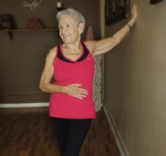
    Quad Stretch (Front of thigh) — Stand up straight and tilt pelvis forward. Keep the knee down and lean only as far back as you can still relax.

    We all know exercise and staying active plays a big role on how we age, but a lot of us forget about the importance of stretching and staying flexible. Tight short muscles create muscle imbalances, which leads to loss of function and range of joint motion. Not to forget the aches and pains that goes along with it. Tasks that used to be simple like reaching for something in the cabinet, putting on your seat belt, or even putting on a sock become extremely difficult or impossible. A regular stretching program can help lengthen your muscles and make daily activities so much easier and manageable.

    hip flexor stretch - Generations Magazine - February-March 2013
    Hip Flexor (Front of hip) — Kneel on a pad or pillow. Bring one leg forward; enough to keep your knee behind your toes. Press the opposite hip to the floor.

    Anyone can learn to stretch regardless of age or flexibility. There are simple stretches you can do on a daily basis while watching television at the computer or before you get out of bed. It feels good and doesn’t have to involve a huge time commitment, but can deliver huge results!

    Here are just a few of the benefits of stretching you can expect.

    • Increased flexibility, improves function, balance and coordination, lowering your risk for falls.
    • Improved circulation increases blood flow to your muscles and arteries to give you more energy and lower blood pressure.
    • Reduced muscle tension reduces stress so you feel more relaxed.
    • Less prone to injury and muscle strains.
    • Better posture helps to minimize discomfort of aches and pains.
    • Develops body awareness. As you stretch you focus on that particular part of your body you become more in touch with yourself. It is a form of active meditation for a better sense of well being.


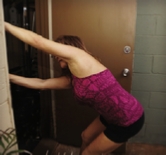
    calf stretch - Generations Magazine - February-March 2013
    Calf / Achilles Tendon — Only step as far back as you can. Keep your back heel on the floor.Stretching your calves keeps your ankle joint functioning.

    Muscles stretch easier if you warm up first. You can do a 5 minute walk making sure to move your arms, or even taking a warm shower. If you do strength training, stretch between sets. It is particularly important not to sit for more than an hour at a time without getting up and stretching!

    hamstring stretch - Generations Magazine - February-March 2013
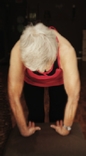
    Hamstring (Back of leg) —Keep your chest up and reach forward. You can also lay on your back and wrap a towel or rubber tubing around your foot and hold.

    Begin a stretch by holding it for 10–30 seconds to where you feel a mild tension. More is not better when comes to stretching. Find the degree of comfortability, then relax into it. Slight discomfort is okay, providing it starts to subside as you hold your pose. Don’t bounce, that can cause tears which can lead to scar tissue and tighter muscles.

    Your breathing should be slow and controlled. Deep breathe in through the nose and out through the mouth. That sends a signal to the brain to relax and to allow your muscles to lengthen.

    If you cannot relax then you’re trying to hard. Ease up slow and start again. Breath and relax.

    Make stretching part of your daily activities, you’ll feel better and your body will love it!

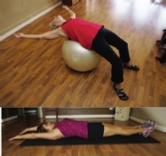
    hipe and lower back stretch - Generations Magazine - February-March 2013
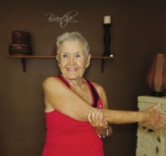
    Hip and Low Back — On your back and pull your bent knee across your body. Look the opposite direction. Keep your arm on the floor. Repeat with otherside.


    inner thigh stretch - Generations Magazine - February-March 2013
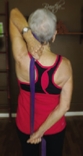
    Sissor Inner Thigh — Sit up tall and sissor your legs. With your hands behind your back you will also feel a stretch in your forearms and chest.

    Photos by Kathy Boast


    We all know exercise and staying active plays a big role on how we age, but a lot of us forget about the importance of stretching and staying flexible. Tight short muscles create muscle imbalances, which leads to loss of function and range of joint motion. Not to forget the aches and pains that goes…

  • Wisdom Tooth: Smile Rejuvenation

    My teeth are yellow, chipping and make me look so old. What can be done to have my smile look younger and my teeth stronger? Are crowns or caps the only solution?

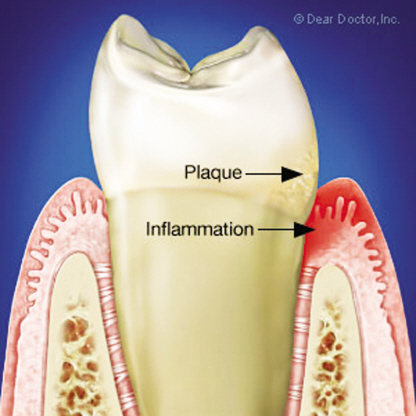
    Widsom Tooth Vaneer - Generations Magazine - February-March 2013These are the questions I hear often. As people get older they become concerned about their teeth looking yellowed, darkened, worn down, showing cracks, or being different colors. Solutions for making a smile look refreshed, brighter, youthful and stronger (or a “Smile Rejuvenation”) vary, depending on a patient’s needs.

    In today’s technology we no longer have to fully crown or cap teeth to have them be healthy. I have found that porcelain veneers are an excellent solution for many seniors, for healthier and stronger teeth. The myth about porcelain veneers is they just make a smile beautiful.

    Porcelain veneers allow the dentist to remove the least amount of tooth structure while reinforcing your natural teeth. Veneers, which are thin shells that fit over the front of your teeth, are often used as a minimal invasive alternative to crowns. Porcelain veneers allow you to have a natural, youthful smile, by brightening the color and altering the shape of the teeth. These restorations are ideal to have your teeth not only look better but be stronger as well, when the goal is to keep your teeth for a lifetime.

    For more information call our office for a complimentary consultation.


    Wynn H. Okuda, DMD, Inc.

    Cosmetic, Implant and Restorative Dentistry
    3660 Waialae Ave., Suite 315, Honolulu, Hawai‘i 96816

    808-734-1099 | www.cosmeticdentistryhawaii.com

    My teeth are yellow, chipping and make me look so old. What can be done to have my smile look younger and my teeth stronger? Are crowns or caps the only solution? These are the questions I hear often. As people get older they become concerned about their teeth looking yellowed, darkened, worn down, showing…

  • Dental Implants

    Question: What are dental implants? What are the benefits and how do I know if I’m a good candidate?

    Answer: Dental implants are a replacement for the root of your missing tooth. Invented in Sweden, they have been a part of restorative dentistry for over 35 years!

    Dental Implants - Generations Magazine - February-March 2013Dental implants are used to replace a single tooth, several teeth or a whole arch of teeth. They are made of ultra-strong titanium, and look like a large screw. Implants stabilize the restoration that sits on it and stimulates bone growth around the implant. Without a tooth or implant there, the bone and gums tend to recede away.

    Some people have dental implants placed because they are tired of their ill-fitting denture or not having teeth all the time. More importantly implants ensure that you enjoy a nutritious diet. Good nutrition and overall health is highly dependent on the ability to chew a variety of food.

    The Academy of General Dentistry states a good candidate for implants must be in good health, maintain regular dental visits, have a comprehensive exam and diagnostic xrays (CT scan), healthy gums, adequate bone structure, and excellent oral hygiene habits such as brushing and flossing. Even if you don’t have enough bone structure, there are bone grafting techniques that can help rebuild bone prior to implant placement. For more info, ask your dentist or visit www.cosmeticdentistryhawaii.com


    Wynn H. Okuda, DMD, Inc.

    Cosmetic, Implant and Restorative Dentistry
    3660 Waialae Ave., Suite 315, Honolulu, Hawai‘i 96816

    808-734-1099 | www.cosmeticdentistryhawaii.com

    Question: What are dental implants? What are the benefits and how do I know if I’m a good candidate? Answer: Dental implants are a replacement for the root of your missing tooth. Invented in Sweden, they have been a part of restorative dentistry for over 35 years! Dental implants are used to replace a single…

  • New Data on Asbestos Exposure

    A new data analysis indicates that the potential for asbestos exposure in Hawai‘i and the U.S. Pacific Islands could be significantly higher than previously thought. The finding is serious as the latency period between exposure and disease with asbestos can be up to 50 years or more.

    Shipbuilding and repair facilities located in the islands are one reason for the heightened risk. Prior to the mid-1970s, asbestos was heavily used in the maintenance and repair of ships. Pearl Harbor, Guam and the Commonwealth of the Northern Mariana Islands all had active military ports. Military and civilian workers at these sites were likely exposed to asbestos.

    In addition, many asbestos-containing materials were used to construct military and civilian buildings in the 20th century. As these buildings begin to deteriorate, need repair or are destroyed, they can continue to cause asbestos exposure.

    Asbestos exposure is the cause of mesothelioma, a rare cancer caused by the inhalation asbestos fibers. Mesothelioma victims typically do not begin to show symptoms of the disease until 10 to 40 years after the initial exposure. Most people diagnosed with mesothelioma are in their 50’s, 60’s or older and only start to show symptoms in the later stages of the disease.

    Sadly, there is no cure.

    This latency period creates information gaps regarding asbestos exposure and disease, especially in areas like the U.S. Pacific islands. The missing data is why professionals conclude that the actual prevalence of asbestos diseases is underestimated.

    The Galiher Law Firm has been representing victims of mesothelioma in Hawai‘i for over 30 years. For information, visit GaliherLaw.com.

    A new data analysis indicates that the potential for asbestos exposure in Hawai‘i and the U.S. Pacific Islands could be significantly higher than previously thought. The finding is serious as the latency period between exposure and disease with asbestos can be up to 50 years or more. Shipbuilding and repair facilities located in the islands…

  • Serious Consequences for Elderly Falls

    Falls are the leading cause of injuries among seniors in Hawai‘i. The risk and frequency of falling increase with age. Every 5 hours a senior in Hawai‘i suffers a fall that results in the senior being hospitalized. One in three adults 65 years or older in the US suffers a fall each year. Falls can affect seniors in many ways. Falls can result in bruises, sprains, broken bones, and/or head injuries. Falls account for 87% of all fractures among people aged 65 years or older. It can cause injury and their ability to live independently decreases. It can also limit confidence and the ability to live a comfortable life.

    What are the causes of falls in seniors?

    For people aged 65 years or older, 60% of fatal falls occur in the home, 30% in public places and 10% in health care institutions. Falls can be caused by many factors which are associated with health and aging conditions. Predictors of falls include a previous fall, poor posture, poor balance, prolonged bed rest, muscle weakness, mobility problems, loss of sensation in the feet, vision changes, dehydration, and drug interactions. Chronic health conditions such as arthritis, osteoporosis, stroke, Parkinson’s disease, urinary incontinence, diabetes, and heart problems may predispose to falls. Review of physician prescribed and over the counter medications, alcohol consumption, and marijuana use, may provide information that can be useful in decreasing the occurrence of falls. Environmental hazards such as slippery surfaces, poor lighting, and tripping obstacles also play a contributing role in falls.

    Is there a role for therapy and exercise?

    Home safety evaluations conducted by a physical therapist or an occupational therapist are invaluable in the prevention of falls. There is no charge for home safety evaluations by medical insurance, if the evaluation is prescribed by a physician. Senior participation in community fall prevention exercise programs and educational classes help prevent in-home falls. Tai Chi is excellent in decreasing the number of falls and fear of falling. Studies have shown Tai Chi to improve functional balance and physical performance in physically inactive seniors.

    FALL PREVENTION

    Home Modifications:

    Home safety is very important in preventing falls and disabilities. Some falls can be prevented by use of the following.

    • Non-slip flooring.
    • Install stair railing and/or stair climber.
    • Eliminate area rugs that shift or curl.
    • De-clutter the living spaces and footpaths throughout the home.
    • Provide a roll-in or curb-less shower stall.
    • Install grab bars in the shower and tub areas.
    • Appropriate height toilet seat.
    • Lights in hallways as well as closets.
    • Replacing door knobs and faucets with lever type handles.
    • Increase the width of doorways to 32 inches or more to accommodate the use of a wheelchair or walker.
    • Installation of a smoke detector and fire extinguisher according to code.
    • Setting of hot water heater thermostat at 110˚F or lower.

    Lifestyle Changes:

    • Have your vision & hearing checked regularly.
    • Talk to your doctor or pharmacist about the side effects of your medication.
    • Limit your intake of alcohol.
    • Use caution when getting up from eating or sleeping.
    • Use a cane or walker to help maintain your balance.
    • Wear supportive, rubber-soled shoes.
    • Maintain a regular exercise program to improve strength and tone

    Falls are the leading cause of injuries among seniors in Hawai‘i. The risk and frequency of falling increase with age. Every 5 hours a senior in Hawai‘i suffers a fall that results in the senior being hospitalized. One in three adults 65 years or older in the US suffers a fall each year. Falls can…

  • It’s a Matter of Life

    Think FAST - Generations Magazine - February-March 2013

    The chance of having a stroke doubles for each decade of life after age 55 and are common among the elderly. In 2009, about 650 Hawai‘i residents died of a stroke, according to the state Department of Health. But here’s the good news: a stroke is largely preventable and is the No. 1 preventable cause of disability.

    Created in 1997, the American Stroke Association (ASA), a division of the American Heart Association (AHA) is to empower and educate you and loved ones of preventing strokes.

    According to recent research commissioned by the ASA, about 93% of Americans do not consider stroke as a major health concern, yet it is the fourth-leading cause of death in the U.S. It is also the second leading cause of death in the world. Ages 60 – 79, 7.2% are men, 8.25% are women. For Asian or Pacific Islander, 34% are males and 32.1% are females. This was above cancer, accidents, diabetes, and pneumonia.

    But here’s a hopeful statistic: 80% of strokes may be prevented. It is largely treatable. One thing to remember, to help recognize a stroke, is to think FAST.

    For the first time in its 38-year history, the International Stroke Conference will be at the Hawai‘i Convention Center on Feb. 5–8, 2013. It is the world’s largest meeting for cerebrovascular healthcare professionals and will have the latest research findings and science. The conference will have over 1,300 scientific presentations.

    The American Stroke Association’s mission is to reduce disability and death from stroke. Also, to help stroke survivors and their families recognize they are not alone in the recovery and to provide helpful resources for a productive life.

    For information, visit StrokeAssociation.org, StrokeConference.org, or call 1-888-4Stroke.

    The chance of having a stroke doubles for each decade of life after age 55 and are common among the elderly. In 2009, about 650 Hawai‘i residents died of a stroke, according to the state Department of Health. But here’s the good news: a stroke is largely preventable and is the No. 1 preventable cause…

  • ‘Tis the Season of Merriment & Stress

    Relief is in your hands. Here are points that can be used easily and quickly. The Sea of Vitality (B-23 and B-47) in the lower back, are super important healing points to counteract holiday stress, lower back pain, and health problems due to excess cold. Use these points to boost your immune system!

    Body diagram - Generations Magazine - February-March 2013Place your fists into your back and rock them gradually, in slow motion, to activate these points. Do this 2–3 times daily.

    There are also other complimenting points that are helpful in this time of high energy. One in particular is Bearing Support (B-36), that governs resistance, especially to colds and flu. It is located near the spine, off the tips of the shoulder blades. Conversely, they are also the first to get blocked up just before an illness.

    Relief is in your hands. Here are points that can be used easily and quickly. The Sea of Vitality (B-23 and B-47) in the lower back, are super important healing points to counteract holiday stress, lower back pain, and health problems due to excess cold. Use these points to boost your immune system!

    Place your fists into your back and rock them gradually, in slow motion, to activate these points. Do this 2–3 times daily.

    There are also other complimenting points that are helpful in this time of high energy. One in particular is Bearing Support (B-36), that governs resistance, especially to colds and flu. It is located near the spine, off the tips of the shoulder blades. Conversely, they are also the first to get blocked up just before an illness.

    Acupressure Points & Methods for Boosting and Strengthening Immunity

    In a fast-paced world, everyday stresses accumulate inside our bodies, causing shoulder and neck tensions; and anxieties that often make it hard to breathe. It is easy to overwork yourself with too many commitments and extending yourself to the point of exhaustion. This energy imbalance weakens the immune system. Eating properly, getting enough rest, exercise, practicing techniques that release tension and balancing the body would help the resistance to illnesses. Acupressure and especially deep breathing strengthen the immune system and helps to ward off disease.Front of Body Diagram - Generations Magazine - February-March 2013

    Traditional Chinese medicine discovered that excesses of particular activities weaken the immune system by overstressing certain acupressure meridian pathways.

    Excess standing damages the bladder and kidney meridians, which can cause fatigue and low backaches. To restore these meridians, stimulate the Sea of Vitality (B-23 and B-47) points by rubbing your lower back for one minute. Then hold Elegant Mansion (K-27) directly below your collarbone for another minute. Finally, hold the Bigger Stream (K-3) points on the insides of your ankles for one minute as you breathe deeply.

    Excess sitting can damage the stomach and spleen meridians, which can contribute to anemia or digestive disorders. Stimulate the Three Mile Points (St -36) on the outsides of your calves to benefit these meridians.

    Side of Body Diagram - Generations Magazine - February-March 2013Excess lying down can damage the large intestine and lung meridians, which can affect both respiration and elimination. For these meridians use Joining the Valley (Hoku, LI-4) in the valley between the thumb and forefinger and Crooked Pond (LI-11) on the upper edge of your elbow.

    Excess use of your eyes (as in close desk work) or emotional stress can damage the small intestine and heart meridians, which can create emotional imbalances. The Sea of Tranquility (CV-17) on the center of your breastbone is an excellent point for balancing these meridians.

    Excess physical exertion can damage the gallbladder and liver meridians, which can cause cramps and spasms. Use Bigger Rushing (LV-3) on the top of your feet to benefit these meridians.

    By using these acupressure points regularly, balancing your activities, eating proper foods and practicing deep breathing, you can counteract stresses, prevent fatigue, and boost your immune system.


    For more information, visit Acupressure.com.

    *This article is originated from the book Acupressure’s Potent Points and was given reprint permission by Acupressure.com, the official website for acupressure.

    Relief is in your hands. Here are points that can be used easily and quickly. The Sea of Vitality (B-23 and B-47) in the lower back, are super important healing points to counteract holiday stress, lower back pain, and health problems due to excess cold. Use these points to boost your immune system! Place your…

  • Soups Up!

    Diane’s Kale, Bean & Roasted Vegetable Soup

    The fall season is here. What better time to prepare for flu season than with a hearty pot of immunity boosting soup.

    Kale Bean Soup - Generations Magazine - October-November 2012In order to keep your immune system strong, you need to eat a nutrient dense diet rich in antioxidants and anti cancer phytochemicals, which only come from fruits and vegetables. This soup is packed with just that. Kale, bok choy, onions, garlic, mushrooms, zucchini, carrots, and red bell pepper are all micronutrient rich foods that protect us from disease. The beans add a good source of healthy protein and fiber that we need on a daily basis. Feel free to add any other vegetable or other types of beans you may like. It makes a good amount so you can freeze some for later. Know you’re getting everything your body needs to stay healthy and live strong.

    PART 1

    • 2– 3 green zucchini
    • 1 yellow squash
    • 1 onion
    • 6– 8 mushrooms
    • 1 red bellpepper
    • 4 carrots
    • Handful cilantro
    • 5– 6 cloves garlic
    • Olive oil
    • Italian seasoning

    Diane Cadinha holding soup - Generations Magazine - October-November 2012Slice vegetables onto a foil tent, pour 3-4 Tbsp. of olive oil over them and toss. Add cilantro, sprinkle with Italian seasoning and pressed garlic cloves. Toss again. Close tent and roast on the grill for 30 minutes. If roasting in the oven, bake at 475° until vegetables are tender.

    PART 2

    • 4 bunches bok choy
    • 3 bunches kale
    • 3 cloves garlic
    • Stir-fry with olive oil, garlic, bok choy and kale.

    PART 3

    • 3 boxes organic chicken broth
    • 2 cans white cannellini bean
    • 1 can kidney beans
    • 2 cans low sodium diced tomatoes with
    • basil & garlic
    • 2 cans summer crisp corn
    • 1 tsp cumin
    • Seasalt & pepper to taste
    • 2 Tbsp. low sodium soy sauce

    Combine all of the parts in a soup pot and simmer for 20 minutes. View the video below. Enjoy; stay healthy.


    Join Diane on Facebook at shapingup808.com, or call 808-221-3905; email shapingup@hawaii.rr.com.

    Diane’s Kale, Bean & Roasted Vegetable Soup The fall season is here. What better time to prepare for flu season than with a hearty pot of immunity boosting soup. In order to keep your immune system strong, you need to eat a nutrient dense diet rich in antioxidants and anti cancer phytochemicals, which only come…

  • Asbestos – Not a Thing of the Past

    New data indicates that the asbestos exposure in Hawai‘i and the Pacific Islands could be significantly higher than previously thought. The finding is serious, as the latency (delayed time period) between exposure and asbestos-related diseases, such as mesothelioma and asbestosis, can be up to 50 years or more.

    Seniors who worked or lived near shipbuilding and repair facilities are at heightened risk. Prior to the mid-1970s, asbestos was heavily used in the maintenance and repair of ships. Pearl Harbor, Guam and the Commonwealth of the Northern Mariana Islands all had active military ports. Military and civilian workers at these sites were likely exposed to asbestos.

    Hawai‘i has a history of widespread asbestos use, from public buildings to commercial establishments. Nearly every building in the state constructed before 1980 — including schools, state buildings and military bases — was built with asbestos products. As these buildings begin to deteriorate, need repair or are destroyed, they can continue to cause asbestos exposure.

    Asbestos exposure is the cause of mesothelioma, a rare cancer caused by the inhalation asbestos fibers. Mesothelioma victims typically do not show symptoms of the disease until 10 to 40 years after the initial exposure. Most people diagnosed with mesothelioma are in their 50s, 60s or older and only start to show symptoms in the later stages of the disease. Sadly, there is no cure.

    This latency period creates information gaps regarding asbestos exposure and disease, especially in areas like the U.S. Pacific islands. The missing data is why professionals conclude that the actual prevalence of asbestos diseases is underestimated. For more information, please visit www.asbestos.com/states.

    New data indicates that the asbestos exposure in Hawai‘i and the Pacific Islands could be significantly higher than previously thought. The finding is serious, as the latency (delayed time period) between exposure and asbestos-related diseases, such as mesothelioma and asbestosis, can be up to 50 years or more. Seniors who worked or lived near shipbuilding…