Category: Health

  • The Wisdom Tooth

    QUESTION:

    My dentist says I have “root caries.” What are they, what causes it, and what can be done to treat it?

    ANSWER:

    Root caries, or root decay, are cavities that develop in root exposed areas. It looks like brown or black spots on the area near the gum line. Early stages of root decay may have no pain associated with it. At later stages, you may start to have cold or sweet sensitivity. According to the American Dental Association, the majority of people over age 50 have tooth root decay.

    Tooth Decay - Generations Magazine - October-November 2012Root decay can occur when the gums recede or draw away from the tooth and expose a softer root surface called cementum. The rest of the tooth surface is covered by a much harder enamel surface. The causes of gum recession include periodontal (gum) disease, stresses when teeth bite together, heredity and rough toothbrushing.

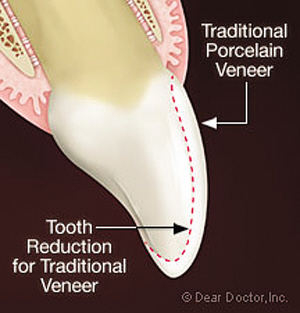
    There are various ways to address this problem, depending on its severity. Treatment may include medicated mouth rinses, placing a filling at the gum line, treatment restorative veneers, root canal therapy or gum surgery. In the worse case scenario, a patient may even lose the tooth.

    The best treatment, of course, is always prevention. Be sure to stay up-to-date with your examinations and cleanings. This way any problems can be caught early and addressed promptly.


    Wynn H. Okuda, DMD, Inc.
    808-734-1099 | www.cosmeticdentistryhawaii.com

    QUESTION: My dentist says I have “root caries.” What are they, what causes it, and what can be done to treat it? ANSWER: Root caries, or root decay, are cavities that develop in root exposed areas. It looks like brown or black spots on the area near the gum line. Early stages of root decay…

  • The Flu & You

    The flu shot is a vaccine that helps to prevent the flu, an illness caused by infection with the influenza virus. Viruses are very small germs that cause illnesses. Flu is a contagious disease, with symptoms such as fever, cough, headaches, body aches, sore throat and fatigue. For older people, especially those who have chronic diseases such as diabetes or heart disease, the flu can be very serious and even life threatening.

    The influenza pandemic of 1918-1919, also known as the Spanish Flu, killed more people than World War I. During the 1918 pandemic approximately 20 percent to 40 percent of the worldwide population became ill. An estimated 50 million people died, including nearly 675,000 in the United States.

    WHO SHOULD GET THE FLU SHOT?

    • All people 50 years and older
    • Persons with diabetes or chronic problems of the lungs, heart or kidneys
    • Persons whose immune system may be weakened, such as HIV, cancer or organ transplant patients
    • Residents of nursing homes, care homes, foster homes and other chronic care facilities
    • Staff working in nursing homes, hospitals and health centers

    WHY DOES A PERSON NEED A SHOT EVERY YEAR?

    The Flu and You - Generations Magazine - October-November 2012Flu viruses change often and each year’s virus is just a little different than the year before. Since different forms of the viruses appear each winter, a new vaccine is manufactured each year according to the circulating strain that will fight the viruses most likely to occur that year. The protection received from a flu shot also lessens with time, especially in older people. This is another reason why seniors need a flu shot every year. It helps keep seniors protected from the flu and stay healthy. Flu season is usually between November and April. It takes at least two weeks for the shot to start working, so try to get the flu shot in October or early November.

    ARE THERE SIDE EFFECTS TO THE SHOT?

    The flu shot is safe and most people have no problem. Seniors cannot catch flu from the vaccine because flu shots are made with a killed virus. A person may experience soreness or redness around the site of the shot for up to a few days. A few people do have a headache or a low-grade fever for about a day after they get the shot. Because eggs are used to make the flu vaccine, people who are allergic to eggs should not receive a flu shot.


    THINGS TO REMEMBER ABOUT THE FLU

    • The flu can be dangerous for older people
    • The flu can be prevented
    • Older people need a flu shot every year
    • Medicare pays for the flu shot

    The flu shot is a vaccine that helps to prevent the flu, an illness caused by infection with the influenza virus. Viruses are very small germs that cause illnesses. Flu is a contagious disease, with symptoms such as fever, cough, headaches, body aches, sore throat and fatigue. For older people, especially those who have chronic…

  • Acupressure: Points of Relieving Stress

    Head Massage - Generations Magazine - August - September 2012 Everybody suffers from stress from time to time, given the tremendous challenges, options and responsibilities in our busy lives. Stress depresses respiration and causes shallow breathing which can lead to irritability, frustration and fatigue. Many people turn to unhealthy habits like smoking, overeating, and excessive drinking to counteract stress. Instead, you can follow this 10-minute, self-care acupressure routine to alleviate everyday tensions.

    Shoulder & Neck Tension Relief

    Shoulder Tension Points - Generations Magazine - August - September 2012This 10-minute self-care routine is shown sitting, although you can also practice these techniques lying down.

    STEP 1 — Shoulder Grasp: Curve your fingers of both hands, and place them on the tops of your shoulder muscles (GB 21), close to the base of your neck. Gradually apply firm pressure directly on to your shoulder tension. Simply let the weight of your arms relax forward, keeping your fingers curved like a hook. Sink deeply into the muscles as they soften and relax. Hold for one minute as you take slow, deep breaths. Then let your hands relax in your lap. Gently shrug your shoulders up and down to encourage them to relax.

    STEP 2 — Neck Press: Interlace your fingers behind your neck, and let your head hang forward, with your elbows close together, pointing down toward your lap. Inhale deeply, raising your head as you stretch your elbows out to the sides; let your head tilt back. Exhale as your head relaxes forward and your elbows come close together in front of you. Repeat this exercise for two minutes; then let your hands float back into your lap. Keep your eyes closed and deeply relax for one minute.

    STEP 3 — Press GB 20: Close your eyes, and place your thumbs on GB 20 (underneath the base of your skull in the indentations that lie about three inches apart). Apply firm pressure for one minute.

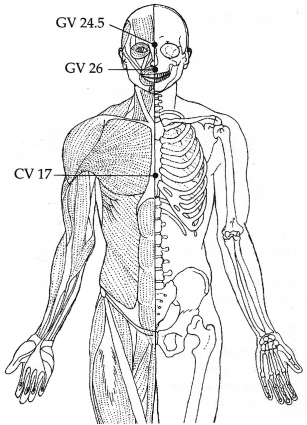
    STEP 4 — Press GV 24.5: Bring the palms of your hands together. Close your eyes, placing your middle fingertips between your eyebrows on GV 24.5 (in the indentation above the bridge of your nose). To collect your thoughts and rejuvenate yourself, breathe slowly and deeply for three minutes as you focus your attention on the gentle touch of this point. Deeply relax in a chair or on your back, eyes closed, to gain the full benefits.


    For more information, visit www.acupressure.com

    Everybody suffers from stress from time to time, given the tremendous challenges, options and responsibilities in our busy lives. Stress depresses respiration and causes shallow breathing which can lead to irritability, frustration and fatigue. Many people turn to unhealthy habits like smoking, overeating, and excessive drinking to counteract stress. Instead, you can follow this 10-minute,…

  • Your Mind & Body: Controlling Cholesterol

    Cholesterol - Generations Magazine - August - September 2012Cholesterol is a type of fat which occurs naturally in the body. It has both good and bad effects on the body. The body uses cholesterol to make hormones and to build and maintain nerve cells. However, when the body has too much cholesterol deposits of fat called plaques form inside blood vessel walls. The blood vessel walls thicken and the vessels become narrower. This change in the blood vessels reduces blood flow through the blood vessels contributing to heart attacks and strokes.

    Types of Cholesterol:

    Cholesterol travels through the blood attached to a protein. This cholesterol-protein package is called a lipoprotein. Lipoproteins are classified as high density, low density, or very low density, depending on how much protein there is in relation to fat.

    • Low density lipoproteins (LDL): LDL, also called “bad” cholesterol, can cause buildup of plaque on the walls of arteries. The more LDL there is in the blood, the greater the risk of heart disease.
    • High density lipoproteins (HDL): HDL, also called “good” cholesterol, helps the body get rid of bad cholesterol in the blood. The higher the level of HDL cholesterol, the better. If your levels of HDL are low, your risk of heart disease increases.
    • Very low density lipoproteins (VLDL): VLDL is similar to LDL cholesterol in that it contains mostly fat and not much protein.
    • Triglycerides: Triglycerides are another type of fat that is carried in the blood by very low density lipoproteins.

    Diet guidelines to help control your cholesterol:

    • Check labels for fat and cholesterol content.
    • Eat fruits and vegetables, beans, and whole grains daily. The fiber in these foods helps lower cholesterol.
    • Reduce the amount of cholesterol in your diet.
    • Eat less fat. Limit the amount of butter and margarine you eat.
    • Use sunflower, safflower, soybean, canola, corn, or olive oil.
    • Use egg whites or egg substitutes rather than whole eggs.
    • Replace whole-milk dairy products with nonfat or low-fat milk, cheese, spreads.
    • Eat skinless chicken, turkey, and fish more often than red meat.
    • Choose lean cuts of meat; trim off all visible fat.
    • Avoid fatty desserts: ice cream, cream-filled cakes, and cheesecakes.
    • Reduce amount of fried foods and fast foods.

    Where does cholesterol come from?

    Cholesterol comes from 2 sources — most are synthesized by the liver. Major dietary sources of cholesterol include animal products, meat, egg yolks, cheese, fish, and shrimp.

    How is cholesterol measured?

    It is measured by a blood test called fasting lipid profile. A total cholesterol of less than 200 mg/dl is considered good.

    What is the target LDL goal?

    The goal is less than 160 mg/dl if your risk of heart disease is low, less than 130 mg/dl if you have a moderate risk, or less than 100 mg/dl if you’re a high risk of heart disease or diabetes.

    How can seniors control cholesterol?

    Eating right and exercising can usually control cholesterol levels. If you have a high risk for heart disease, your health care provider may prescribe cholesterol lowering medications as well as changes in lifestyle. Statin drugs such as Lipitor, Crestor, Zocor, Pravachol, Mevacor, all lower LDL cholesterol. Niacin, a B vitamin, increases HDL cholesterol.

    Cholesterol is a type of fat which occurs naturally in the body. It has both good and bad effects on the body. The body uses cholesterol to make hormones and to build and maintain nerve cells. However, when the body has too much cholesterol deposits of fat called plaques form inside blood vessel walls. The…

  • The Hidden Epidemic – Dementia

    How and why we’re not prepared for an increase in cases

    Dementia is a degenerative neurological disease, which is incurable and fatal, rendering a person unable to care for himself/herself. It can deplete family members emotionally and financially, yet there is insufficient funding to research this disease.

    In America more than 5.4 million people are presently diagnosed with Alzheimer’s disease. It is the sixth leading cause of death. Neurological diseases cannot be prevented, cured or even slowed down. Major diseases such as cancer, cardiovascular and HIV have decreased in death rates, whereas Alzheimer’s disease has increased by 66%, even though it is underdiagnosed.

    Dr. Ken Dychtwald, founder and president of Age Wave, speaks of the “longevity revolution” caused by the progressive creation of antibiotics in the 1920s, the polio vaccine in 1950s, the increase in chronic disease management and the progress of medications, which have resulted in “more old people.” In 1900, the average age of death was 47 years, whereas in 2000 the average age of death was 78 years.

    Dychtwald focused on the majority of the population, which is noted as the baby boomers born in 1946-1964. In the years 2000-2020, Dychtwald noted that a large portion of the population will be 55 or older. He states that society’s single greatest challenge will be that 1 in 2 people who are 85 or older will have dementia. There will not be enough resources to deal with this disease. Dychtwald calls for research to “wipe the disease out!”

    Meryl Comer, CEO and president of Goeffrey Beene Foundation – Alzheimer’s Initiative, shares how caregivers hide the disease, bearing the brunt of the consequences while carefully protecting the dignity of the loved one.

    Harry John, president and CEO of the Alzheimer’s Association, notes that our country spends $6 billion dollars on cancer research yearly, $4 billion on heart research yearly and $3 billion on HIV research yearly, whereas we only spend $1.5 billion on dementia. Results from this include decrease in deaths of a negative 3% to 8% in cancer, a negative 13% to 20% cardiovascular deaths, a negative 29% in HIV deaths and an increase of a positive 66% deaths in dementia. This does not reflect the huge number of the undiagnosed population with dementia.

    Now is the time to act! Go to www.alz.org. Hit the ‘Advocate or Walk to End Alzheimer’s’ tab. Help in any way you feel comfortable. Help on the micro level by helping someone you know who is forgetful. Help on the macro level by speaking to our politicians and advocating for those inflicted Alzheimer’s.

    For more information, contact Chris Ridley of the Alzheimer’s Association at 443-7360.

    How and why we’re not prepared for an increase in cases Dementia is a degenerative neurological disease, which is incurable and fatal, rendering a person unable to care for himself/herself. It can deplete family members emotionally and financially, yet there is insufficient funding to research this disease. In America more than 5.4 million people are…

  • Back Pain Due to Injury

    Using acupressure and ice

    Back Pain - Generations Magazine - June - July 2012When I have back pain, its usually due to strain and injury due to lifting. This often results in pain hours later, due to the inflammation. In addition to using acupressure points, locally as well as above and below the painful area, I apply ice packs every two hours (for about 15 minutes) to reduce the inflammation and pain.

    Holistic Medical Advice: I rarely see my Western medical doctor, but he taught me something valuable. As a preventive medical care physician, he taught me that icing your lower back 30 nights, before retiring to bed, can be remarkably healing. It also works for injuries and pain in your ankles, including sprained ankles and for knee pain, and sciatica.

    How Ice Works to Heal an Injury: Simply ice the area for 15 to 20 minutes before you go to sleep, 30 nights in a row. When you’re asleep, your body weight is supported, and thus there’s no pressure on your spine. As ice reduces the inflammation, blood and energy can freely flow to heal your injury during the time you’re asleep. Give yourself gentle acupressure for 5 to 10 minutes to increase the energy flow is especially healing.

    Arm Diagram - Generations Magazine - June - July 2012Using acupressure for lower back pains: There is a special point on the arm for relieving aches and pain in the lower back. This point requires strong, firm stimulation. In order to effectively relieve an ache or pain in the lower back this point should be pressed hard enough to be momentarily painful.

    This point is located four finger widths below the elbow crease of the forearm. Place all four fingers together (as a measure) with your index finger against the elbow crease. The point will be on the middle of your forearm, just outside your little finger. You will feel a muscular band or cord. The point is directly under this muscle.

    To make sure you have the muscle, wiggle the middle finger of the arm on which you are searching. Press directly onto the muscle that “pops out” and hold firmly for five seconds; it will be momentarily painful. Stimulate this special point on both arms to relieve pain in the lower back.

    For more acupressure back care, visit www.acupressure.com/acupressure_books.htm.

    _______________________________________________________

    Michael Reed Gach, Ph.D., Acupressure Institute founder, is a foremost acupressure expert. Gach’s seven acupressure books and instructional self-healing programs have sold one-half million copies on how to relieve stress, headaches, backaches, chronic fatigue, and sleep better. Gach’s best selling book Acupressure’s Potent Points book contains 400 illustrations showing how to relieve 40 common complaints from A to Z.

    Using acupressure and ice When I have back pain, its usually due to strain and injury due to lifting. This often results in pain hours later, due to the inflammation. In addition to using acupressure points, locally as well as above and below the painful area, I apply ice packs every two hours (for about…

  • Your Mind & Body: Sleepless Seniors

    Insomnia is defined as having trouble falling or staying asleep. Insomnia affects 1 in 3 adults every year in the United States. Fifty percent of people over 65 years have various sleeping disorders. It can be transient, acute or chronic. Acute insomnia is brought on by situations such as stress at work, family pressures or a traumatic event. Chronic insomnia lasts for a month or longer and is the symptom or side effect of some other problem. Individuals with insomnia and short sleep duration are at increased risk for developing a number of health issues, including diabetes and hypertension.

    Insomnia - Generations Magazine - June - July 2012Adults need 7½ to 8 hours of sleep each night. As we age our need for sleep decreases slightly to 6½ to 7 hours at night. Normal aging includes a general trend toward more time in bed but the same or less time asleep. Older people tend to go to sleep earlier in the evening and wake up for the day earlier in the morning. Compared with young adults, the elderly tend to have delayed sleep onset, fragmented sleep, early morning awakening and decreased time in deepest stages of sleep.

    Causes of insomnia:

    • Changes in sleep patterns because of different work hours or travel
    • Acute stress, such as hospitalization or illness of a relative
    • Behavior-related problems, such as anxiety or depression
    • Medical problems, such as sleep apnea or hyperthyroidism
    • Use of alcohol or caffeine
    • Medicines, such as those used to treat heart problems and cancer
    • Pain, shortness of breath and other discomfort

    How is insomnia diagnosed?

    The health care provider will take an interview, perform a physical exam and take a blood sample for laboratory tests. A person may be asked to keep a sleep diary. The provider may order a sleep study that involves sleeping overnight in a sleep center.

    How is it treated?

    Avoid daily use of sleep medications as they can become addictive. Cognitive behavioral therapy encourages good sleep habits and uses several methods to relieve sleep anxiety. Techniques such as relaxation exercises sleep, restriction therapy and reconditioning may be useful.

    Chronic insomnia involves treatment of the underlying disorder. For example, if insomnia is caused by depression, the medicine used to treat depression should help insomnia. In some situations, a medication may be prescribed to aid sleep. Ambien (zolpidem), Sonata (zaleplon), Lunesta (eszopiclone) are some of the newer drugs on the market replacing benzodiazepines as sleeping pills. Herbal supplements such as Melatonin, L-tryptophan or Valerian tea are also used to treat insomnia.

    What lifestyle changes are recommended?

    Good sleep habits include:

    • Stick to a schedule of sleeping time and waking time
    • Get regular exercise
    • Avoid or limit caffeine or alcohol, especially after lunch
    • Stop smoking
    • Drink less liquids after dinner to avoid going to the toilet at night
    • Don’t eat a heavy meal late in the day
    • Finds way to relax before the bedtime, such as reading, warm bath, massage
    • Avoid or limit naps during the day
    • Do not read or watch television in bed

    Minimize sleep interruption by closing the bedroom door to avoid noise and keeping the bedroom temperature comfortable
    __________________________________________________

    Dr. Ritabelle Fernandes, MD, MPH, FACP is Clinical Associate Professor at the Geriatric Medicine Department of the John A. Burns School of Medicine, University of Hawai‘i. She is board certified in Geriatric medicine, Hospice and Palliative Medicine, Internal Medicine and Home Care. She is a practicing physician at the Kokua Kalihi Valley and Kalihi-Palama Health Center.

    Insomnia is defined as having trouble falling or staying asleep. Insomnia affects 1 in 3 adults every year in the United States. Fifty percent of people over 65 years have various sleeping disorders. It can be transient, acute or chronic. Acute insomnia is brought on by situations such as stress at work, family pressures or…

  • Assistive Technology on Loan

    Assistive Technology - Generations Magazine - April - May 2012Have you ever wanted to try a new technology without having to buy it? If so, you may be interested in the AT Depot/Equipment Loan Program — it is one of five programs offered by Assistive Technology Resource Centers (ARTC) of Hawai‘i. The center is a 501c (3) non-profit organization that receives federal funds to provide assistive technology. Last year, the center celebrated 20 years of service in the Islands.

    The assistive technology devices are designed for individuals with learning, mobility, hearing and vision challenges. Examples of devices that can borrowed include telephone amplifiers, hearing amplifiers, hand-held magnifiers, iPads, intel readers, pocket pro talkers, smart pens and more.

    The program allows you to take the assistive devices home to explore and use on your own terms. If you need help with the technology, the ATRC offers training and demonstrations. Once you give the device a test run, you simply return it to the ARTC. If you choose to purchase the device, ARTC can help you locate a vendor. Funding information and options are also available so you can get the technology you want and need.

    The latest mobility aid in the ARTC’s depot is the iGlasses. Designed for the blind and visually impaired, the iGlasses is a perfect complement to a walking cane or guide dog. It is a head-mounted device that uses ultrasonic sensors to detect objects as far as 10 feet away. Gentle vibrations on the lenses alert the wearer of objects, and the vibrations increase as objects become closer. It is definitely something to “see”!


    Assistive Technology Resource Centers
    www.atrc.org | 532-7115 | 1-800-645-3007

    Have you ever wanted to try a new technology without having to buy it? If so, you may be interested in the AT Depot/Equipment Loan Program — it is one of five programs offered by Assistive Technology Resource Centers (ARTC) of Hawai‘i. The center is a 501c (3) non-profit organization that receives federal funds to provide assistive…

  • Do You Take Your Vision for Granted?

    By age 65, one-third of all Americans have a vision-impairing eye disease. However, poor sight doesn’t have to be a part of aging. By detecting and treating eye disease early through annual eye exams, seniors can preserve their sight.

    In the U.S. there are four common eye diseases: glaucoma, macular degeneration, diabetic retinopathy and cataracts. As with any other health issue, it is better to catch these problems early, as there are often no warning signs.

    During a comprehensive annual eye health check, your eye care professional will:

    • check eye pressure, as high eye pressure can be a risk factor for glaucoma
    • dilate your eyes to get a clear view of your retina and check for macular degeneration
    • evaluate the blood vessels of the retina to check for diabetic retinopathy
    • check for cataracts with a variety of tests

    Cataracts rarely pose any real health concern for the eye. They can, however, interfere with your vision and affect quality of life. Traditional cataract implants only allow focus at one distance. Newer technologies include cataract implants such as the Crystalens that mimic a younger eye’s natural ability to focus at near and far.

    Also, several advancements in dry eye treatment, including a tear osmolarity analyzer, have recently been released.

    Dr. John Olkowski and Dr. Jon Etter of EyeSight Hawaii say that annual eye exams are a must for seniors, especially for diabetics who should have annual dilated eye exams to evaluate the retina closely. Both doctors are ophthalmologists with specialty in cornea and cataract surgery. EyeSight Hawaii’s office is current with the latest technologies and procedures, and prides itself in catering to senior patients.


    EyeSight Hawaii, 650 Iwilei Road, Ste. 210. | 808-735-1935 or visit eyesighthawaii.com

    By age 65, one-third of all Americans have a vision-impairing eye disease. However, poor sight doesn’t have to be a part of aging. By detecting and treating eye disease early through annual eye exams, seniors can preserve their sight. In the U.S. there are four common eye diseases: glaucoma, macular degeneration, diabetic retinopathy and cataracts.…

  • Your Mind & Body – Protect Your Athletes from Dementia

    Football Athletes - Generations Magazine - April - May 2012Watching your kids or grandchildren play hard in a team sport can be a lot of fun. It’s great to be involved and to be a source of encouragement. It’s equally important to keep them safe while playing high-contact sports and to know when they should take a break.

    A study commissioned by the National Football League (NFL) found that former players ages 30 to 49 are diagnosed with memory-related disorders at a rate of 19 times the national average. Chronic traumatic encephalopathy is a progressive neurological disorder found in people who have suffered some kind of brain trauma. Dementia pugilistica is the progressive end-stage of the chronic traumatic encephalopathy. This is a type of dementia that may affect amateur or professional athletes who suffer concussions. In the past, it was commonly known as “punch drunk syndrome.”

    Symptoms include:

    • Vary, depending on which part of the brain was damaged from the head injury
    • Problems with memory
    • Unsteady gait
    • Speech problems
    • Behavior and personality changes
    • Poor concentration

    Why does this occur?

    The cause of the brain injury is the cumulative effect of repetitive sub-concussive blows. Although the syndrome is not well understood, it’s believed that repetitive blows to the head can cause loss of neurons or brain cells, scarring of brain tissue, protein build up in the brain, damage to the cerebellum, damage to the blood vessels in the brain, senile plaques and neurofibrillary tangles.

    How is dementia pugilistica diagnosed?

    Memory and neuropsychological testing performed in the physician’s office will clinically diagnose dementia pugilistica. A CT scan test may show bone fractures as well as the presence of hemorrhage, hematomas, contusions, brain tissue swelling or tumors. A MRI test helps to detect subtle changes in brain tissue.

    Can athletes prevent this?

    Parents and grandparents play an important role in encouraging children to use protective gear when playing contact sports. A Grade 1 concussion is always treated with rest and continued observation. The athlete should not return to play until he/she receives a medical clearance. And athletes should follow the coach’s advice for rest periods.

    Athletes who return to play too soon after a concussion are at risk for second-impact syndrome, an often-fatal swelling of the brain caused by a second blow before the first is healed. Take collisions on the field seriously and seek medical attention.


    Dr. Ritabelle Fernandes, MD, MPH, FACP is Clinical Associate Professor at the Geriatric Medicine Department of the John A. Burns School of Medicine, University of Hawai‘i. She is board certified in Geriatric medicine, Hospice and Palliative Medicine, Internal Medicine and Home Care. She is a practicing physician at the Kokua Kalihi Valley and Kalihi-Palama Health Center.

    Watching your kids or grandchildren play hard in a team sport can be a lot of fun. It’s great to be involved and to be a source of encouragement. It’s equally important to keep them safe while playing high-contact sports and to know when they should take a break. A study commissioned by the National…

  • Your Mind & Body

    Signs of Stroke

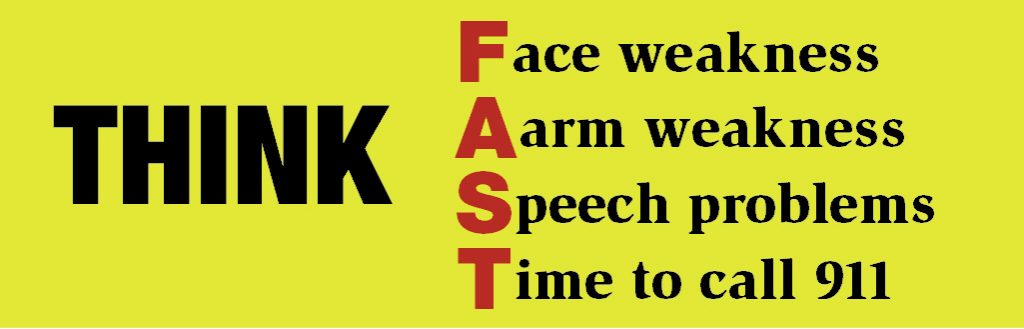
    Signs of Stroke - Generations Magazine - February - March 2012Each year in the United States, there are more than 700,000 strokes. Stroke is the third leading cause of death in the country. A stroke is a medical emergency. It occurs when the blood supply to part of the brain is reduced or interrupted. Nearly three-quarters of all strokes occur in people over the age of 65. It is the leading cause of long-term disabilities. African Americans have a higher death rate from stroke compared to any other ethnic group in the US.

    Warning Signs of Stroke

    • Sudden weakness or numbness of face, arm, or leg
    • Sudden confusion, difficulty understanding or speaking
    • Sudden trouble seeing in one or both eyes
    • Sudden difficulty walking, balance loss, or coordination
    • Act fast, call 9-1-1

    What is a mini stroke?

    Transient Ischemic Attack (TIA) is known as a mini stroke in which the signs and symptoms of stroke resolve within 24 hours. It happens when the blood flow to a part of the brain is temporarily reduced often by a blood clot, after a short time the blood flows again and the symptoms go away. A mini stroke is a warning sign, it means that a person is likely to have a stroke in the future.

    How is stroke diagnosed?

    The first test after a stroke is typically a CT scan of the brain. This test will help the doctor diagnose whether the stroke is ischemic (caused by a blot clot) or hemorrhagic (caused by a bleed). MRI may also be done to find out the amount of damage to the brain and help predict recovery. CT or MRI angiograms take a closer look at the circulation in the brain.

    How is stroke treated?

    Thrombolytic (clot-buster) drugs help reestablish blood flow to the brain by dissolving the clots, which are blocking the flow. To be effective,  should be given as quickly as possible in the recommended 4.5 hour window. Aspirin or antiplatelet medication may be prescribed. Treatment of blood pressure, cholesterol and diabetes is important.

    What is stroke rehabilitation?

    Most persons are disabled following a stroke. The types and degrees of disability that follow a stroke depend upon which area of the brain is damaged and how much is damaged. Recovery depends on rehabilitation with physical, occupational, and speech therapy. Rehabilitation helps stroke survivors relearn skills that are lost when part of the brain is damaged.

    Is stroke preventable?

    Studies show that 80% of stroke is preventable. It is important to control personal risk factors. Good control of blood pressure, cholesterol and diabetes reduce the likelihood of getting a stroke. Eating right and exercise will also reduce a person’s risk. Eat five servings of fruits and vegetables daily. Quit smoking and drink alcohol in moderation.

    Signs of Stroke Each year in the United States, there are more than 700,000 strokes. Stroke is the third leading cause of death in the country. A stroke is a medical emergency. It occurs when the blood supply to part of the brain is reduced or interrupted. Nearly three-quarters of all strokes occur in people…

  • Acupressure Weight Loss Program

    For Appetite Balancing, Eating Disorders, Food Cravings and Relieving Constipation

    Accupressure Weight Loss - Generations Magazine - February - March 2012The Acupressure Weight Loss and body image program provides an easy daily routine to balance your metabolism, appetite, and body’s energy system. Dieting alone is not enough. By actually working on your body - through gentle stretches, deep breathing, and self-massage on the acupressure points - you can transform your metabolism, eating imbalances, and cravings.

    How does it Work? I produced the Acupressure Weight Loss Audio Program that guides you to gently stretch and move your body, which stimulates acupressure weight loss points. The program consists of 12 weight loss techniques, which activate the most important parts of your body for balancing your appetite, digestion, and elimination. This weight loss and body image program offers an effective approach to losing weight using three natural modalities:

    • Deep Breathing Exercises relax and calm you, gathering healing energy for reducing stress and improving your digestion.
    • Movement Stretches stimulate circulation in your abdominal area, regulating your appetite.
    • Self-Acupressure on key digestive points, increase your body’s awareness, decrease your food cravings, and balance your appetite through self-massage.

    Acupressure Weight Loss Points: One of these twelve techniques, for instance, presses an acupressure point in your lower abdomen, three finger widths below your belly button, to increase the strength and function of your intestines. This point (CV 6) alone can enable you to lose weight by stimulating your body’s energy to eliminate properly. This routine includes massaging key ear points for eating disorders.

    By practicing this routine twice daily, you’ll have less stress, better appetite balance, and a greater sense of wellness.

    Weight Loss Ear Points are illustrated in this e-audio program. Dieting alone is not enough as an effective weight-loss program. Focusing on a specific diet with less calories and more fiber is excellent for temporarily losing weight, but does not get at the causes of food addictions, obsessions, yearnings and carvings. People can lose weight on low-calorie diets, but they tend to gain it back.

    The Role of Stress: Being under stress worsens eating disorders. This audio program reduces stress and is easy to practice. In less than a half-hour, practicing once or twice a day, these twelve weight loss techniques can transform your metabolism, appetite, and change your eating disorders.

    How Acupressure Weight Loss Works: The postures, movements, and stretches in this program activate specific acupressure points to release the flow of healing energy through the Stomach and Spleen Meridians. This energy flow balances your appetite, digestive system, and compulsive urges to eat.

    Acupressure Therapy is also effective for healing your body’s self-image and restoring trust in its awareness. The nature of giving yourself acupressure enables you to be more in touch with your body, and the messages it’s sending you. Acupressure points release tension, stress, and energy blockages, which cultivates greater awareness and a profound, natural wisdom for developing a natural intuition about when and what to eat.

    For more information, self-healing books, CDs and DVDS, visit www.Acupressure.com

    For Appetite Balancing, Eating Disorders, Food Cravings and Relieving Constipation The Acupressure Weight Loss and body image program provides an easy daily routine to balance your metabolism, appetite, and body’s energy system. Dieting alone is not enough. By actually working on your body - through gentle stretches, deep breathing, and self-massage on the acupressure points - you can transform…