
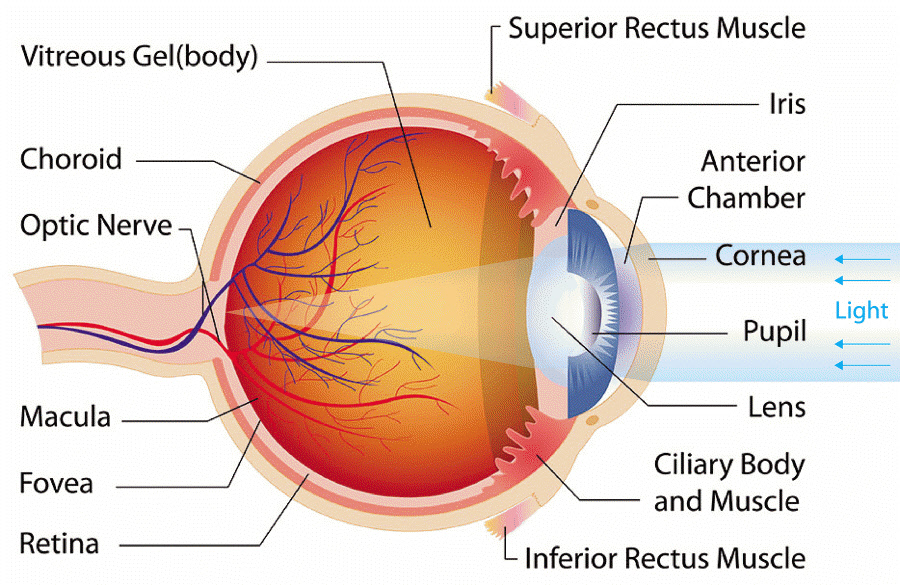
Cataract is clouding of the lens in the eye that affects vision. It is extremely common among seniors. In a normal eye, light passes through the transparent lens to the retina. Once it reaches the retina, light is changed into nerve signals that are sent to the brain. The lens must be clear for the retina to receive a sharp image. If the lens is cloudy from a cataract, the image seen will be blurred.
The risk for cataract increases as a person gets older. Diabetes also puts a person at increased risk for cataracts. Prolonged exposure to sunlight, smoking, and alcohol increases a person’s risk.
What are the symptoms of cataract?
- Cloudy or blurry vision
- Colors seem faded
- Glare
- Poor night vision
- Double vision
Frequent prescription changes in eyeglasses or contact lenses
How are cataracts detected?
Cataract is detected through a comprehensive eye exam that includes:
- Visual acuity test. This eye chart test measures how well a person can see at various distances.
- Dilated eye exam. Eye care professionals use special magnifying lens to examine the retina and optic nerve for signs of damage and other eye problems.
How are cataracts treated?
The symptoms of early cataract may be improved with new eyeglasses, brighter lighting, antiglare sunglasses, or magnifying lenses. If these measures do not help, surgery is the only effective treatment. A cataract needs to be removed when vision loss interferes with everyday activities, such as driving, reading, or watching television. Surgery involves removing the cloudy lens and replacing it with an artificial lens. Cataract removal is one of the most common surgeries performed in the United States. It also is one of the safest and effective. In about 90% of cases, people who have had cataract surgery report better vision afterward.
What can a person do to prevent cataracts?
Wearing sunglasses and a hat with a brim to block ultraviolet sunlight may help to delay cataract. Stopping smoking is beneficial at any age. Good nutrition such as eating fruits and vegetables rich in antioxidants will help reduce the risk of age-related cataract. Seniors need to have a comprehensive dilated eye exam at least once every two years.
 One in three adults in the U.S. has high blood pressure. Blood pressure is the force of the blood pushing against the walls of the arteries as the heart pumps blood. If pressure stays high over time it will damage the body. Hypertension is the persistent elevation of blood pressure. Blood pressure rises with age and is a common health problem in seniors. The only way to tell whether you have high blood pressure is to have your blood pressure measured with a blood pressure cuff (sphygmomanometer). This is usually done in a doctor’s office. It is important to know your blood pressure numbers. “Systolic” (the top number) refers to blood pressure when the heart beats while pumping blood. “Diastolic” (the bottom number) refers to blood pressure when the heart is at rest between beats.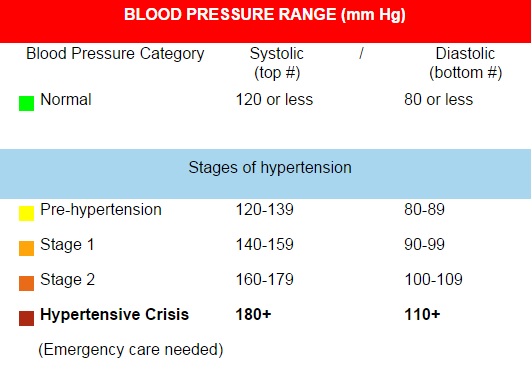
 Low in saturated fat, cholesterol and total fat
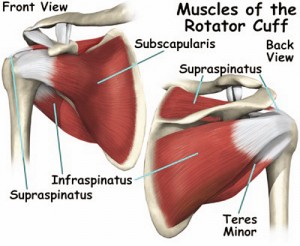 We have all heard the term “rotator cuff.” What is a rotator cuff? A group of four muscles: supraspinatus, infraspinatus, subscapularis and teres minor that connects the shoulder blade (scapula) to the arm bone (humerus).
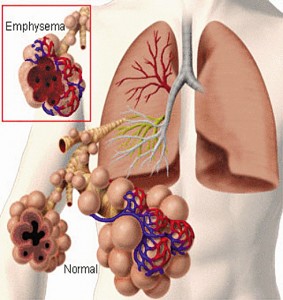 Emphysema is a lung disease that makes it hard to breathe. Emphysema, along with chronic bronchitis are referred to as Chronic Obstructive Lung Disease (COPD). COPD is the fourth leading cause of death in the United States. Smoking is the leading cause of emphysema.
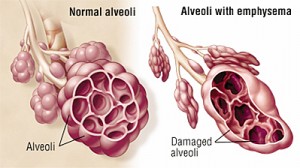 Rarely, emphysema is caused by an inherited deficiency of a protein that protects the elastic structures in the lungs called alpha-1-antitrypsin deficiency emphysema.
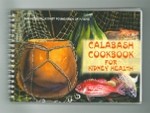 The National Kidney Foundation of Hawaii has prepared a cookbook of kidney-healthy recipes available to the public. Go to
 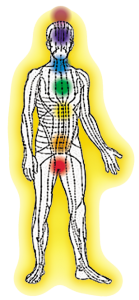 The Chinese call healing energy Qi — the life force, or vital energy, that flows through all things in the universe. In Japan, the life force is termed Ki, while yoga practitioners refer to the body’s life force as prana or pranic energy. These terms all relate to the same universal healing energy, which exists in our environment and links us to all forms of life. It’s the primordial force of nature.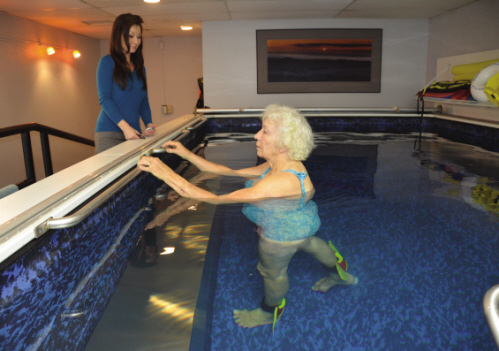
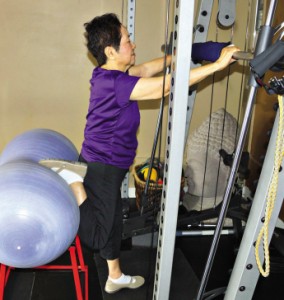 ear ago that Marion Iwane, 88, read a story in Generations Magazine about a senior in her 90s who started exercising at age 77. Inspired by the story, Marion decided to come in for help with balance, weakness and pain in her hips and shoulders. One month into the program, Marion suffered a mild stroke. After a brief stay in the hospital, she was sent to a nursing rehabilitation facility. Two months later, Marion’s daughter brought her back in to see me. Seeing her with a walker and weak on the left side of her body due to the stroke, I knew we had some work to do. I had successfully worked with another client who suffered a much stronger stroke, so I had high hopes for Marion’s recovery.
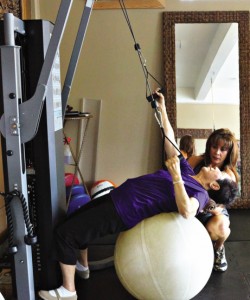 Marion has come in twice a week for the last 10 months. We started with moving the joints and light stretching, working our way up to strength and flexibility exercises. While training the right and then the left side of the body, it was important that she not lead with her dominant side. When she accomplishes one task we move on to a new one, continually stimulating her brain and connecting the mind to the movement. In the beginning there were times when she wanted to stop coming. Thanks to her daughter who encouraged her to continue, her attitude toward exercise has changed. One day she said to me, “I want to be strong like you.” Wow, that made my day!
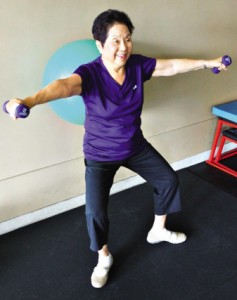 In addition to exercise, Marion and I have worked on infusing her diet with healthy nutrients through green smoothies. Getting enough fruits and vegetables into our diets is important for good health and longevity. We also need healthy fats (monounsaturated and polyunsaturated fats from avocados, raw nuts, fatty fish, etc.) to maintain brain function and help with cellular communication. We add flaxseed and coconut oil into our smoothies as an easy way to ensure we get our good fats.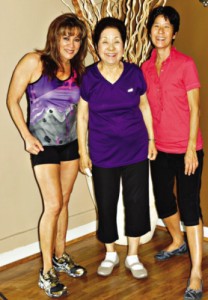
 More than ever, we have to take charge of our own health, including doing what we can to avoid health problems, such as preventing falls. According to the Centers for Disease Control, falls are the leading cause of accidental fatal and non-fatal injuries among Hawai‘i’s older adults. Every five hours a kupuna is injured so severely in a fall that he/she must be treated in a hospital.
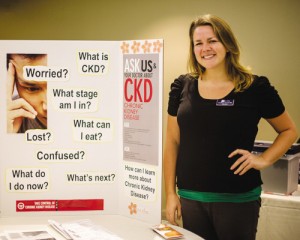 One in seven adults in Hawai‘i has kidney disease. An additional one in three people are at risk for getting it, and most don’t know it. Kidney disease can be found and treated early to prevent more serious kidney disease and other complications. Three simple tests can help.