Category: Health

  • Prevent Rat Lungworm Disease

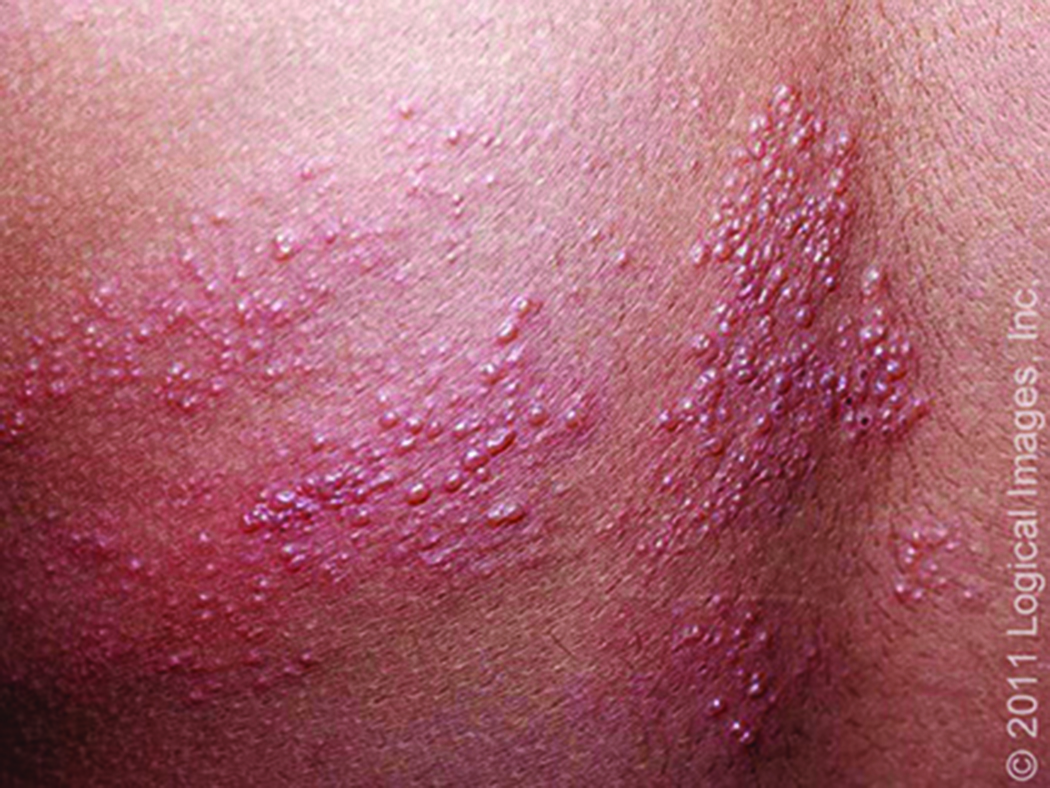
    In late September, an infant from Hawai’i Island was confirmed as the state’s 17th case of rat lungworm disease. Caused by a roundworm parasite, it can have debilitating effects on a person’s brain and spinal cord. The disease is endemic to the state and spreads when rodents pass larvae of the worm in their feces, which then is eaten by snails and slugs.

    Rat lungworm disease cannot be spread from person-to-person. Humans become infected by accidentally consuming snails or slugs, sometimes hidden on unwashed produce. People also can get the disease from eating under-cooked snails, freshwater prawns, crabs and frogs.

    The Puna toddler was infected likely after accidentally consuming a slug or snail. The Hawaii State Department of Health (DOH) is reminding parents, grandparents and caregivers to closely supervise young children, making sure they are not ingesting slugs, snails or other objects from the ground.

    “As caregivers, we have to watch what children might be sucking and chewing on, and help them properly wash their hands using soap and clean water after playing, whether indoors or outdoors,” says Health Director Dr. Virginia Pressler.

    Many kūpuna enjoy spending time in their backyards and gardens. To reduce the risk of rat lungworm disease, everyone is encouraged to eliminate slugs, snails and rats in their home gardens and around their properties.

    Important safety tips include:

    • Carefully wash produce un-der potable running water, especially leafy greens, to remove any tiny slugs or snails.
    • Cook food thoroughly by boiling for 3 to 5 minutes or heating to 165 degrees Fahrenheit for 15 seconds.
    • Cover water catchment tanks and containers.
    • Place a nozzle on watering hoses and keep off the ground to prevent slugs and snails from entering.
    After playing, help grandchildren wash their hands with soap and clean water.
    After playing, help grandchildren wash their hands with soap and clean water.
    Always wash produce thoroughly under potable running water before consuming. Pay careful attention to leafy greens.
    Always wash produce thoroughly under potable running water before consuming. Pay careful attention to leafy greens.

    SYMPTOMS:

    See your doctor if you have severe headache, neck stiffness, fever, tingling or pain in the skin or extremities.


    HAWAI‘I STATE DEPARTMENT OF HEALTH
    Disease Investigation Branch

    808-586-8362  |  Info Line 808-586-4400
    www.health.hawaii.gov


    In late September, an infant from Hawai’i Island was confirmed as the state’s 17th case of rat lungworm disease. Caused by a roundworm parasite, it can have debilitating effects on a person’s brain and spinal cord. The disease is endemic to the state and spreads when rodents pass larvae of the worm in their feces,…

  • Seeing and Feeling is Believing

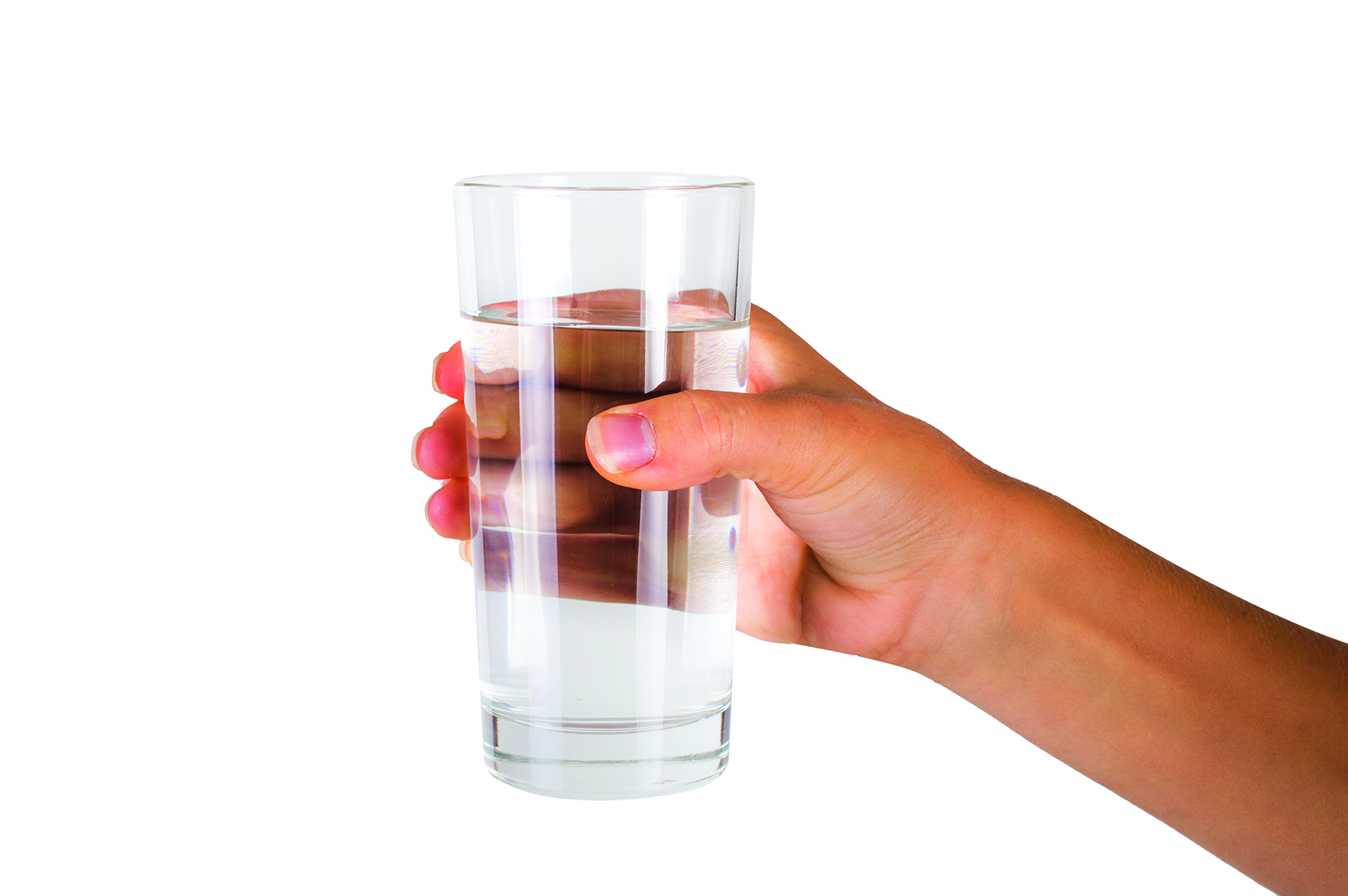
    In my previous articles in Generations Magazine, I’ve had the chance to share the wonder, power and fact that “the right kind of water” is key to maintaining an optimum health profile. Here is a review of the past articles, which can be found in articles published on this website.

    February 2016
    “Water Does Matter”

    Not all waters are created equal. Ionized water is best for the body, according to this article that addresses common misconceptions about water.

    April 2016
    “Why Drink More Water?”

    I discuss the importance of drinking enough water daily, how the body loses water, how much water is lost on a daily basis and the devastating and life-altering effects of dehydration.

    June 2016
    “Inflammation and Aging: Fluid Problems”

    This article identifies the relationship between aging chronic diseases and inflammation, which is the root cause of “old age” aches and pains, fatigue and aging skin. Dr. Hiromi Shinya, the father of modern colonoscopy and a world-renowned author and gastrointestinal specialist, recommends drinking a special, ionized alkaline water.

    August 2016
    “Doctors Say So”

    I quoted and took excerpts from articles featuring five medical professionals, including doctors, patent holders, researchers and authors. All stress the importance
    of drinking ionized alkaline water.

    October 2016
    “What I Learned From
    Dr. McCauley”

    This article features Dr. Bob McCauley, a naturopathic doctor, master herbalist and certified nutritional consultant, and his views on ionized alkaline water.

    December 2016
    “You Are What You Drink”

    The high level of interest I received from a past article “Doctors Say So” led me to write another piece highlighting four other medical professionals and their views on ionized alkaline water.

    The professed power and health benefits of ionized alkaline water can be difficult for many people to understand or believe.

    But seeing and feeling is believing.

    In terms of life span, ionized water is very sensitive. The most important property of ionized water is its “negative electrical charge,” also known as its antioxidant property. Once ionized water is produced, the negative electrical charge in the ionized water turns positive within 24 to 48 hours.

    For someone to truly experience the maximum benefits of the ionized water, one needs to drink the water as fresh as possible.


    Enagic USA INDEPENDENT DISTRIBUTOR

    Alan Matsushima
    808-384-7354  |  trader_808@yahoo.com

    Woody Kobayashi
    808-223-2613  |  woody18k@msn.com

    In my previous articles in Generations Magazine, I’ve had the chance to share the wonder, power and fact that “the right kind of water” is key to maintaining an optimum health profile. Here is a review of the past articles, which can be found in articles published on this website. February 2016 “Water Does Matter”…

  • Stretch Away Your Stress

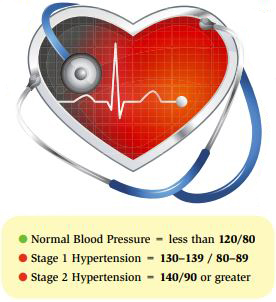
    Adults of all generations, from millennials to baby boomers and “maturers,” struggle with managing stress. Life can often be chaotic. When we are stressed, the body releases hormones adrenaline and cortisol. This increases heart rate and blood pressure, and interferes with sleep, which is vital for body repair, restoration and emotional balance.

    When severely stressed, tension usually is held in the shoulders, head and neck. Tension restricts blood flow, which leads to tightness in muscles. If not treated, the muscles will shorten over time, causing headaches and pain.

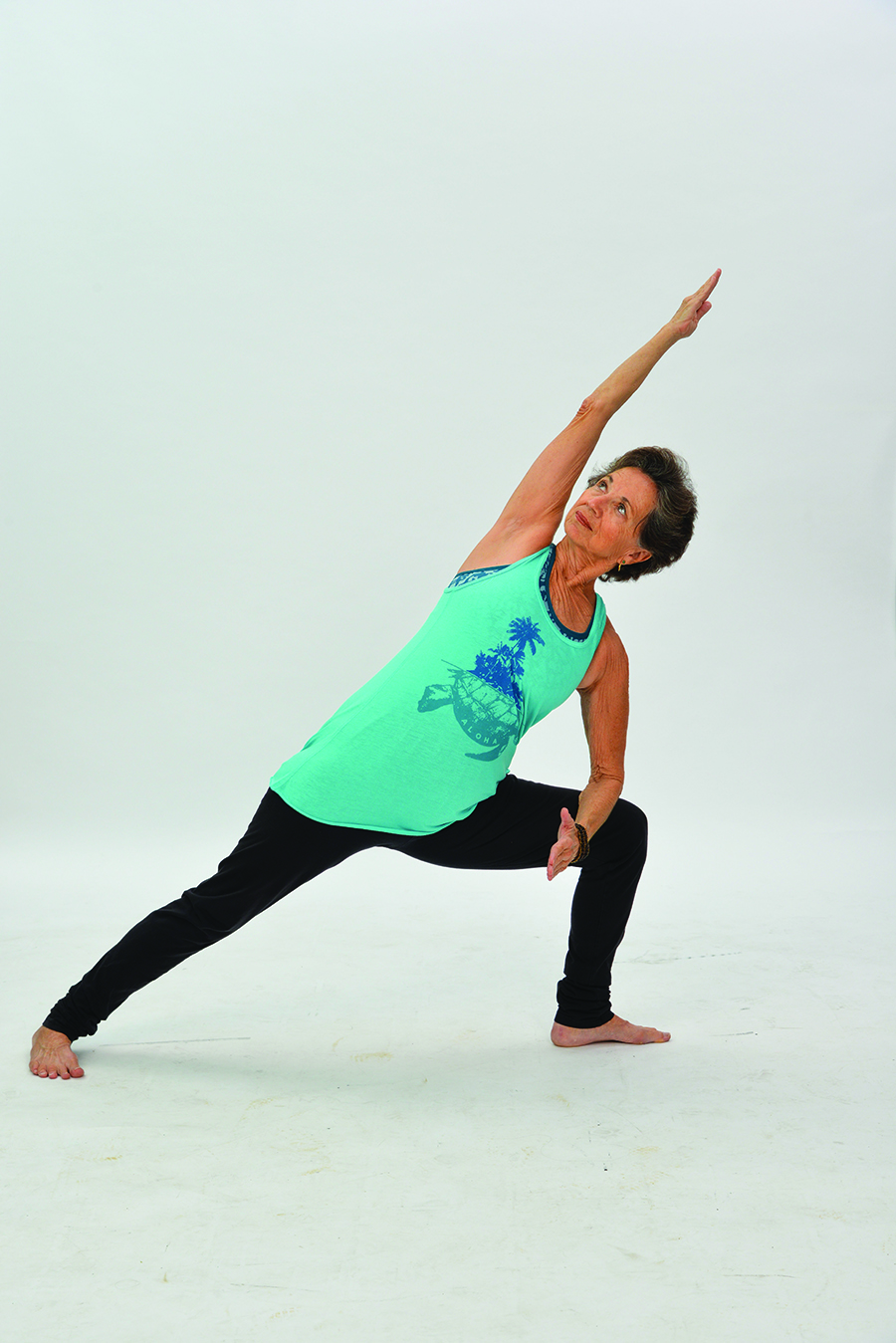
    The good news is that there are simple techniques to help reduce stress. According to the Mayo Clinic, stretching increases blood flow to the muscles and aids in circulation, allowing muscles to relax. Stretching also promotes circulation of new blood to the brain, resulting in mood elevation. Deep breathing while stretching increases oxygen consumption, slows heart rate and lowers blood pressure, which incites relaxation of the body.

    So, take time out of your busy schedule to listen to your body. The more you stretch, the better you will feel overall.

    • Stand on a towel and hold it taut with one hand.
    • Grasp your head and gently pull to one side.
    • Use the towel to hold the shoulder down and rotate the arm out, opening the chest area. This provides a deeper stretch in the neck, chest and shoulder.
    • Breathe deeply in through the nose and out through the mouth. Hold for 30 seconds and then switch.

    Moon Physical Therapy, LLC
    320 Ward Ave., Ste. 107, Honolulu HI 96814

    Aquatic, Land-based and Manual Therapy and Cardiopulmonary Rehab Programs

    808-597-1005 | www.moonpt.com
    Like me on Facebook: Moon Physical Therapy, LLC

    Adults of all generations, from millennials to baby boomers and “maturers,” struggle with managing stress. Life can often be chaotic. When we are stressed, the body releases hormones adrenaline and cortisol. This increases heart rate and blood pressure, and interferes with sleep, which is vital for body repair, restoration and emotional balance. When severely stressed,…

  • What Is Auricular Medicine?

    Auricular medicine is a highly developed, independent system of medicine recently rediscovered and revived as a major modality in the Chinese healthcare system. Thousands of years ago, it was discovered that the ears themselves contain nerve and acupuncture points corresponding to many areas and regions of the body. By stimulating these points, positive changes in the corresponding area can be created.

    In China over the past 2,000 years, the ears have been used to treat and diagnose diseases. However, the art of auricular medicine goes far beyond improving one’s health. The ears — when examined closely by a trained practitioner — can yield tremendous insights into the nature of a person’s body and constitutional type.

    This, in turn, gives the practitioner insights into the potential conditions, patterns and dysfunctions in the client’s body before symptoms may manifest. Over 400 points in the ear correlate to almost every system and functional process in the body. Treatment with auricular medicine is simple and painless. It can be used to assist with almost any chronic condition as a helpful adjunct therapy to any other modality.

    As an expanding body of knowledge, auricular medicine uses modern medical technologies, such as micro current, magnetic fields and electrical detection. This builds upon the ancient foundational knowledge and advances the understanding of how body systems work in an integrated, holistic way to promote better health.


    LUNA ACUPUNCTURE & WELLNESS LLC

    503-853-2866 | James@LunaAcupunctureWellness.com
    www.LunaAcupunctureWellness.com

    Auricular medicine is a highly developed, independent system of medicine recently rediscovered and revived as a major modality in the Chinese healthcare system. Thousands of years ago, it was discovered that the ears themselves contain nerve and acupuncture points corresponding to many areas and regions of the body. By stimulating these points, positive changes in…

  • Tighten Your ‘Internal Belt’

    Core training is one of the most popular concepts in the field of fitness and physical therapy. Core stability training is often associated with strengthening your abdominal muscles — the “abs.” The ab muscles play a very important role, but the core also includes multiple muscles in the mid-lower back, pelvic floor, hips and buttocks.

    This ring of muscles, or the “internal belt,” holds us up during the day, reducing falls, decreasing back pain and improving posture and even bladder control.

    Whether you are lifting your grandchild or playing your favorite sport, your core muscles help maintain the body in proper alignment to avoid injury.

    I often see patients who fall victim to the latest fitness trends that train the core improperly, leading to spine or leg injuries. Crunches, side-bends and rotational exercises with weights or kettlebells are not bad, but as we age, they often create more problems than benefits.

    Exercises that engage the muscles by bracing the entire trunk — as though you are wearing an internal belt rather than sucking the stomach in and flexing forward — are more effective in improving core stability.

    If you have poor posture and a weak core, try this simple, effective exercise to begin developing core control:

    • Start by finding an open wall.
    • Stand at the wall facing outward. Then place your heels about 6 inches away from bottom portion of the wall.
    • While keeping your foot planted, lean back against the wall with your back flush to the wall.
    • Pull your shoulders and arms back so they touch the wall.
    • Push your shoulders down with your palms facing out.
    • Tighten your abdominals so your lower back touches the wall — as if a force is sucking your back up against it.
    • Stand tall and breathe, hold
      for 30 seconds and then relax. Repeat 10 to 15 times.

    This simple exercise will tighten your internal belt and help you avoid injuries.


    Moon Physical Therapy LLC
    320 Ward Ave., Ste. 107, Honolulu HI 96814

    Aquatic, Land-Based and Manual Therapy, and
    Cardiopulmonary Rehab Programs

    808-597-1005 | www.moonpt.com
    Like me on Facebook: Moon Physical Therapy LLC


    Core training is one of the most popular concepts in the field of fitness and physical therapy. Core stability training is often associated with strengthening your abdominal muscles — the “abs.” The ab muscles play a very important role, but the core also includes multiple muscles in the mid-lower back, pelvic floor, hips and buttocks. This ring…

  • Ancient Health and Happiness Art

    For thousands of years, the tradition of calligraphy has been considered the highest form of art in many ancient cultures. In China and Japan, for instance, calligraphy, or “beautiful writing,” has served as more than just an alluring visual. The roots of understanding and deep contemplation that come through the art uplift all aspects of one’s life.

    The practice of becoming a calligrapher requires unwavering focus and refined tactile skills. The art form is transmitted in a deep, meditative state from the writer, through the brush to paper and offers a profound way to further develop body, mind and spirit.

    My teacher, Dr Zhi Gang Sha, is the sole lineage holder of the rare, ancient form of Yi Bi Zi Chinese calligraphy taught by 103-year-old Professor Li Qiu Yun. This unique form of one-stroke writing carries high-level messages to promote a harmonious, positive life.

    The intricate characters combine to describe the greatest qualities of life —love, forgiveness, compassion and service to others. The positive affirmations, concentration and meditative aspects lead to harmonious mindsets, attitudes and beliefs.

    Tao calligraphy is unique because it utilizes a powerful movement practice. The message is traced with the hands or whole body while chanting the positive message. The art is a fun, powerful way to help people move and meditate. Benefits of regular tracing include better circulation, stress reduction, relaxation and mental clarity.


    LUNA ACUPUNCTURE & WELLNESS LLC

    503-853-2866 | James@LunaAcupunctureWellness.com
    www.LunaAcupunctureWellness.com


    For thousands of years, the tradition of calligraphy has been considered the highest form of art in many ancient cultures. In China and Japan, for instance, calligraphy, or “beautiful writing,” has served as more than just an alluring visual. The roots of understanding and deep contemplation that come through the art uplift all aspects of…

  • Speed Healing with Aquatic Therapy

    By Julie Moon, Physical Therapist

    Back surgery is a serious procedure and often requires significant recovery time. Exercise is a critical part of healing, although during the post-operative stages, patients must be careful to avoid undue stress on the surgical site with certain activities, bending, lifting or twisting.

    The gentle environment of water allows patients to perform movements that they are unable to perform on land. The warmth of the water allows patients to increase their range of motion without severe pain. Buoyancy supports weak muscles and reduces stress on the spine, while the water’s resistance improves muscle tone and increases cardiovascular function.

    Janet Shaw, 75, underwent back surgery in January. Her goal was to swim in the Mermaids Hawaii Mother’s Day show in May. But her aquatic therapy program enabled her to participate in a swim show in March!

    Too much activity after surgery may slow recovery or damage the surgical repair. But aquatic therapy can be a safe and effective tool during the early stages of spinal care, and facilitate an easier transition to land exercises. And just like Janet, it can help you reach your goals and return you to the activities you love as soon as possible.


    MOON PHYSICAL THERAPY, LLC
    320 Ward Ave., Ste. 107, Honolulu HI 96814
    Aquatic, Land-based and Manual Therapy and
    Cardiopulmonary Rehab Programs
    808-597-1005 | www.moonpt.com
    Like me on Facebook: Moon Physical Therapy, LLC

    By Julie Moon, Physical Therapist Back surgery is a serious procedure and often requires significant recovery time. Exercise is a critical part of healing, although during the post-operative stages, patients must be careful to avoid undue stress on the surgical site with certain activities, bending, lifting or twisting. The gentle environment of water allows patients…

  • Diabetes Treatment: East Meets West

    By James Carter, L.Ac

    An estimated 30 million people in America have type 2 diabetes and that number is
    increasing each year. Although type 2 diabetes affects many different systems and functions of the body, the most commonly known effect is its disruption of the body’s ability to regulate blood glucose levels either by a lack of production of insulin or the body’s resistance to insulin. Common causes of type 2 diabetes are poor nutrition, excess weight, lack of exercise, genetics and even certain medications. Current conventional treatments involve taking insulin and lifestyle changes. However, the consistent increase in the number of people diagnosed each year leads many to conclude that these treatments alone may not be enough. Acupuncture and Chinese medicine offer unique and integrative approaches to improving the health of those dealing with diabetes through modalities unheard of by most in the West. In a Chinese medicine approach, different treatment principles are aimed at restoring the body’s own functional physiology. Modalities are combined to help restore balance — acupuncture therapy, medicinal nutrition, auricular acupressure, herb teas, cupping therapy — as well as lifestyle changes.

    These Chinese therapies, carefully combined with conventional medicine under the guidance of both practitioners, can facilitate diabetes management and create sustainable shifts in the root causes of the imbalance.


    LUNA ACUPUNCTURE & WELLNESS LLC
    503-853-2866 | James@LunaAcupunctureWellness.com
    www.LunaAcupunctureWellness.com

    By James Carter, L.Ac An estimated 30 million people in America have type 2 diabetes and that number is increasing each year. Although type 2 diabetes affects many different systems and functions of the body, the most commonly known effect is its disruption of the body’s ability to regulate blood glucose levels either by a…

  • The Aloha State: A Model for Kūpuna Care

    by Margaret A. Perkinson, Ph.D., Center on Aging Director – University of Hawai‘I 

    Never in the history of humankind have so many people lived so long. Anthropologists estimate that on average, Neanderthals lived little more than 20 years; only a small percent reached 40. In 15th century Europe, the average life expectancy reached a scant 35 years. Around the turn of the 20th century, however, advances in public health (clean water, waste disposal, vaccinations) decreased infectious diseases, greatly reducing infant and child mortality and increasing life expectancy. Since WWII, global average life expectancy increased from 45 to 69.6 years. By 2040, the number of people expected to reach age 65 is projected to reach 79.7 million. The number of seniors expected to reach age 80 is projected to increase 233 percent by 2040.

    As a species, we have made greater gains in average life expectancy in the past 100 years than in the previous 200,000 years! To put it another way, half of all humans who ever reached age 65 are still alive today!ever in the history of humankind have so many people lived so long. Anthropologists estimate that on average, Neanderthals lived little more than 20 years; only a small percent reached 40. In 15th century Europe, the average life expectancy reached a scant 35 years. Around the turn of the 20th century, however, advances in public health (clean water, waste disposal, vaccinations) decreased infectious diseases, greatly reducing infant and child mortality and increasing life expectancy. Since WWII, global average life expectancy increased from 45 to 69.6 years. By 2040, the number of people expected to reach age 65 is projected to reach 79.7 million. The number of seniors expected to reach age 80
    is projected to increase 233 percent by 2040.

    Recent global declines in birth rates contributed to populations’ increased percentages of old compared to young. In the near future, persons aged 65 and over will outnumber children under age 5 for the first time in history.

    These population changes will have a great impact on both individual life experiences and social institutions. As the average size and composition of families change, with multiple generations and fewer members in each succeeding generation, fewer caregivers will be tending to more older adults, in addition to raising their own children!

    Older populations confront long-term, sometimes incurable health challenges, such as cardiovascular disease, cancer and dementia. Chronic conditions demand reformulated forms of health-care — community-based long-term care, in-home care and support systems to enable continued independence and quality of life.

    With its aloha spirit and extensive network of ‘ohana dedicated to elder well-being, Hawai‘i is the perfect place to assume a leadership role in developing service models to address the health and social challenges of aging in the modern world by providing optimal kupuna care.

    CENTER ON AGING — University of Hawai‘i at Mānoa
    2430 Campus Rd., Gartley Hall, 201B, Honolulu HI 96822

    808-956-6124  |  map3@hawaii.edu
    www.hawaii.edu/aging/

    Never in the history of humankind have so many people lived so long. Anthropologists estimate that on average, Neanderthals lived little more than 20 years; only a small percent reached 40. In 15th century Europe, the average life expectancy reached a scant 35 years. Around the turn of the 20th century, however, advances in public…

  • Maximizing Mobility as We Age

    by Julie Moon, Physical Therapist HEALTH

    As we age, we lose flexibility, strength and balance, which affects our general health and mobility. The good news is therapeutic exercise can help improve mobility and function.

    Balance, flexibility and strength are essential to improve mobility and maintain independence.

    Poor balance increases the risk of falls and when combined with osteoporosis can lead to fractures, which affect mobility. Good balance comes from strengthening the muscles of your core, back and lower extremities.

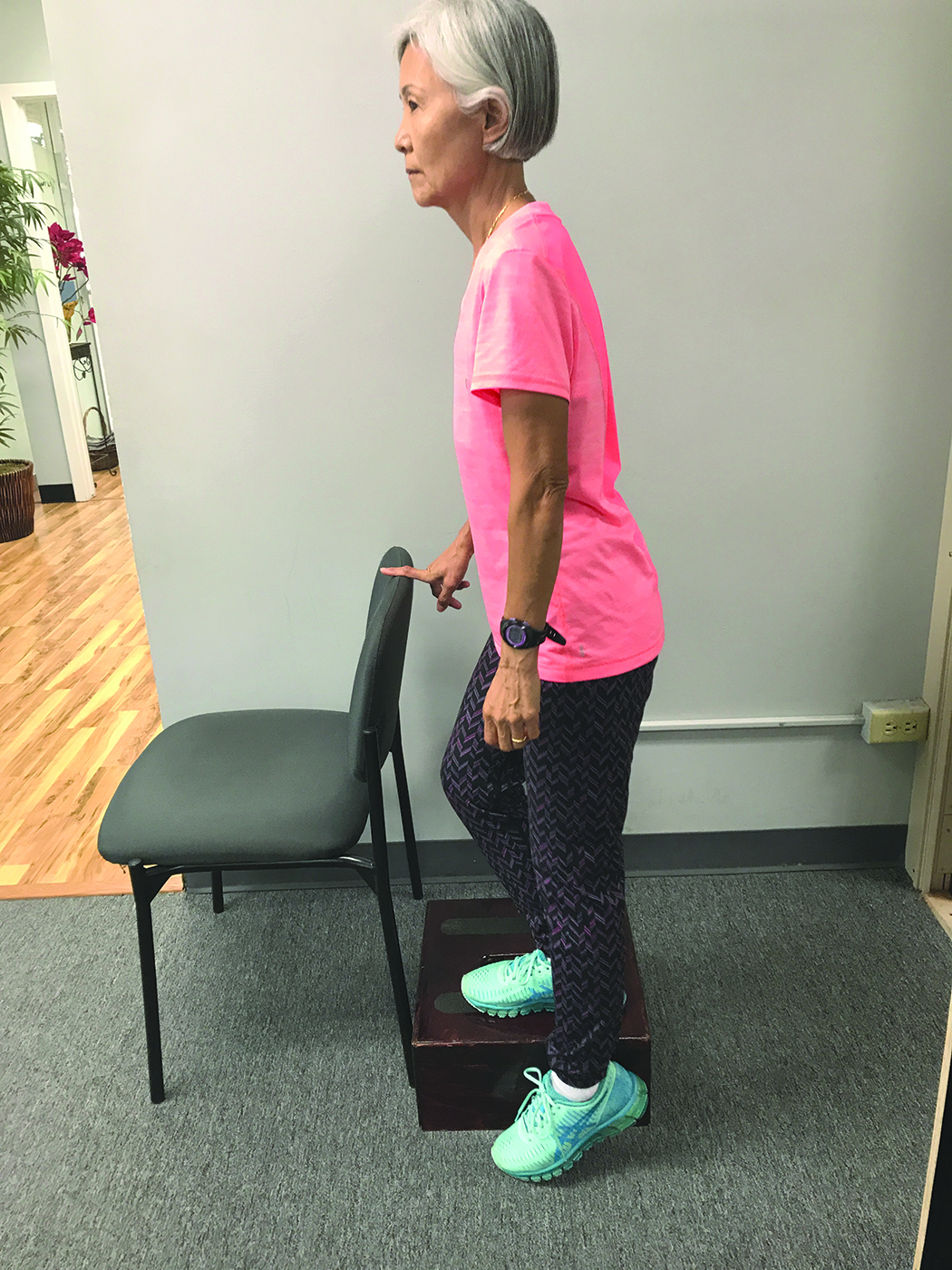
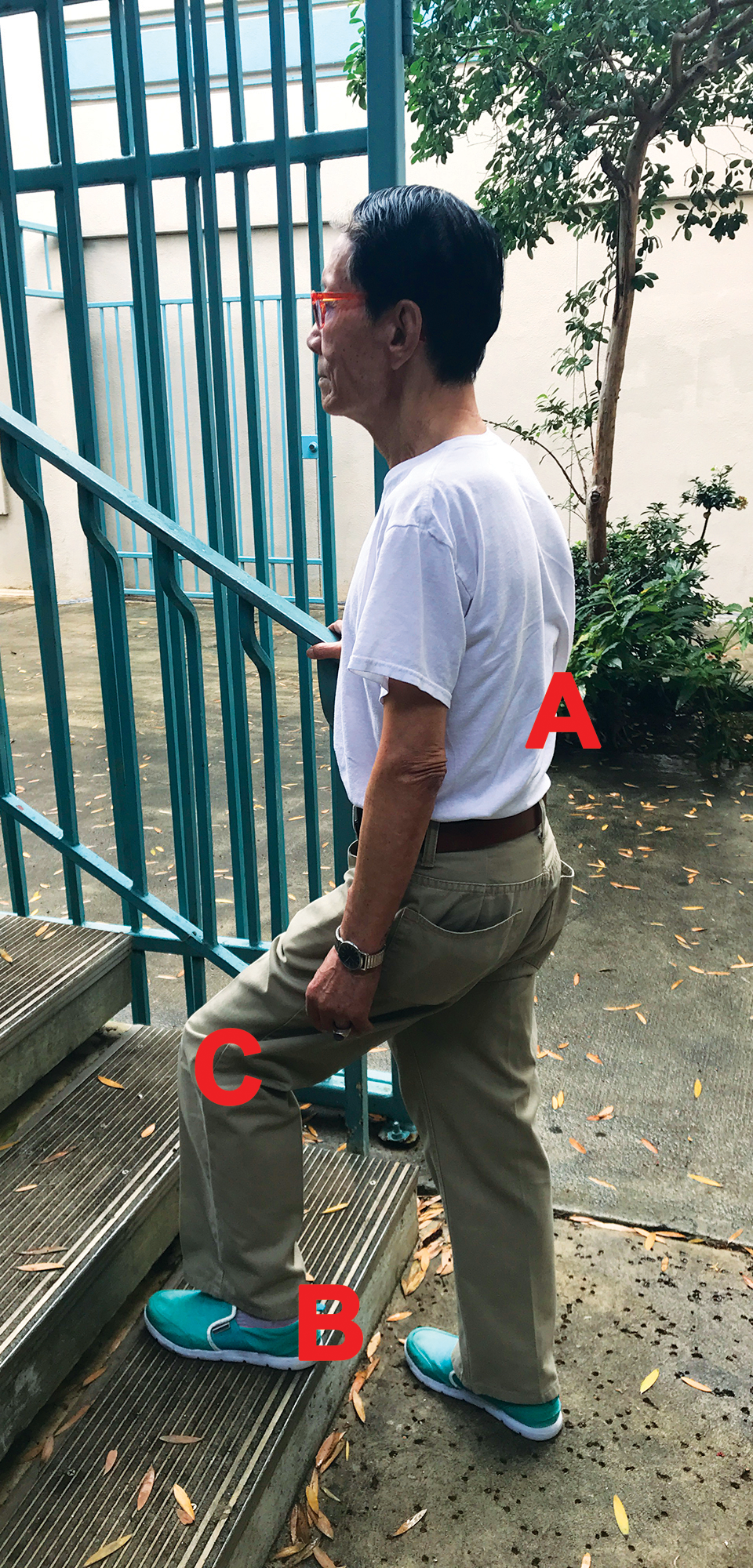
    Single Leg Balance With Clock Reach

    This easy exercise incorporates strengthening, stabilization and flexibility training.

    Imagine you are standing in the middle of a clock. Bend legs slightly, reach forward with one foot at 12 o’clock, then move it back to the starting position. Reach toward 3 o’clock, then back and continue toward 6 and 9 o’clock. Repeat 10 times. Keep your core tight and hips level when stepping. Hold onto a chair for balance as needed.

    It’s never too late to start increasing muscle strength and you don’t need fancy equipment to improve posture, mobility and function. Physical therapy can help increase mobility, return your independence and provide you with a renewed sense of confidence.

    Moon Physical Therapy, LLC
    320 Ward Ave., Ste. 107, Honolulu HI 96814

    Programs: Aquatic, Land-based & Manual Therapy, Cardiopulmonary Rehab

    808-597-1005 | www.moonpt.com
    Moon Physical Therapy, LLC

    by Julie Moon, Physical Therapist HEALTH As we age, we lose flexibility, strength and balance, which affects our general health and mobility. The good news is therapeutic exercise can help improve mobility and function. Balance, flexibility and strength are essential to improve mobility and maintain independence. Poor balance increases the risk of falls and when…

  • Pain Solutions with Acupuncture

    by James Carter, L.Ac. 

    More than one in four Americans suffer from a chronic pain condition. Pain is not only physically debilitating, but also affects our emotional and mental health. The primary causes of chronic pain are injuries, inflammation, poor circulation and age-related degeneration.

    The most common chronic pain afflictions occur in major joints and muscle groups. Left untreated, chronic pain can worsen over time, leading to immobility and loss of independence.ore than one in four Americans suffer from a chronic pain condition. Pain is not only physically debilitating, but also affects our emotional and mental health. The primary causes of chronic pain are injuries, inflammation, poor circulation and age-related degeneration.

    Fortunately, there are natural ways to alleviate these types of conditions that do not carry the side effects or risks associated with medications and surgery. Skillfully performed acupuncture and Chinese medicine treatments can alleviate chronic pain and treat a wide variety of pain conditions.

    From a Chinese medicine perspective, chronic pain is seen as the body’s inability to provide proper circulation of blood, oxygen and nutrients to these painful, affected areas. One of acupuncture’s most unique features is its ability to gently stimulate the body’s tiniest nerves and create a natural healing response in areas that are painful or not functioning well. Through a series of treatments, even some of the most chronic and painful conditions can be dramatically improved.

    LUNA ACUPUNCTURE & WELLNESS LLC

    503-853-2866 | James@LunaAcupunctureWellness.com
    www.LunaAcupunctureWellness.com

    by James Carter, L.Ac.  More than one in four Americans suffer from a chronic pain condition. Pain is not only physically debilitating, but also affects our emotional and mental health. The primary causes of chronic pain are injuries, inflammation, poor circulation and age-related degeneration. The most common chronic pain afflictions occur in major joints and…

  • Senior Dentistry: Concerns and Solutions

    According Harvard Medical School, the need for dentures in later life used to be a foregone conclusion. But today, three-quarters of the over-65 population retain at least some of their teeth. Although older people still suffer higher rates of gum disease, dental decay and tooth loss, they can still do a lot to keep their mouth looking and feeling younger than its years.

    Q: What are some areas of concern regarding seniors’ dental care?

    The main concerns for seniors as they age are maintaining their remaining teeth and minimizing further damage and loss. Receding gums can also be a big concern.
    In addition, insurance coverage may be minimal or nonexistent once a senior retires.

    Q: What are my options for a missing tooth?

    There are generally three options available when a person loses one or more teeth.

    1. Recommended is an implant — a standalone option that doesn’t require the presence of any of the other teeth for support. Though keep in mind:
    – implanting requires a surgical phase
    – multiple implants may need to support a bridge or denture
    – they can’t be used in every case
    – implants are generally more expensive

    2. A fixed/cemented bridge, which is basically two crowns(minimum) that act as anchors to support the missing tooth.

    Generally, teeth are needed on both sides of the space created by the missing teeth. In rare cases, the problem can be resolved with a fixed bridge with one anchor — but only if there is just one tooth missing, and the supporting teeth(anchors) must be in good health with adequate bone support, otherwise, the bridge could fail in the future, which could necessitate the need for dentures.

    3. Dentures, of which there are generally two types: A partial denture will replace some missing teeth, supported by remaining teeth. A complete or full denture is used when the teeth on one arch or both arches are missing.

    Both the partial and full dentures are removable prostheses or both can be implant-supported.

    They are the least costly of all the options unless they involve implants.

    What can seniors do to retain healthy teeth?

    Visit your dentist regularly — every six months as a minimum.

    Some insurance companies will allow for more than two teeth cleanings a year if you have diabetes (you would need to check with your respective insurance company on this).

    If you are having trouble holding the floss or toothbrush because of arthritis or diminished manual dexterity, use dental floss holders or floss picks. I recommend Cocofloss, which is especially good for those who have spaces between their teeth that constantly trap food.

    In addition, seniors can use an electric toothbrush with a large handle, which makes it easier to grip.

    A water flosser, such as a Waterpik, is also a great device that seniors can use if the task becomes too difficult.

    Mouth washes can be helpful as long as there is no alcohol in them, but they shouldn’t be used as an alternative to flossing and brushing.

    Remember, seniors’, teeth and gums need extra care and attention if they want them to stay healthy in their later years.


    LANCE TERAMOTO, DDS, INC.
    4747 Kilauea Ave., Ste. 101, Honolulu HI 96816
    808-725-2135 | www.smilesofaloha.com/

    According Harvard Medical School, the need for dentures in later life used to be a foregone conclusion. But today, three-quarters of the over-65 population retain at least some of their teeth. Although older people still suffer higher rates of gum disease, dental decay and tooth loss, they can still do a lot to keep their…