Category: Column

  • How to Make WORK…WORK for You!

    If you are 50, 60, 70 or 80 today and need — or want — to continue to work, there is an exciting, fast-rising world emerging; a world filled with new ways of working and earning your way in Hawai‘i!

    FREELANCING  is the first viable work choice we will consider. If ever there was an opportunity for qualified, older workers, freelancing is it! Age is not a barrier; current market-driven qualifications determine eligibility. Freelancers include independent contractors, moonlighters, temps, and diversified workers who have multiple skills needed by multiple employers. And, no, freelancing is not free. You charge by the hour or by the project.

    Before investigating selling your work or service by the hour, day or project as a freelancer, ask yourself: which of the following reasons to continue to work matter to you:

    ✦ I can’t imagine NOT working later in life as life expectancy is rising exponentially and continuing to work just makes common sense.

    ✦ I am having a great deal of difficulty finding a “job” at this stage of life, but I need a continued income stream and can’t afford to quit earning.

    ✦ I believe that continuing to work, in some capacity, adds a health and social benefit to my well-being.

    ✦ I look forward to the work and life balance that freelancing offers.

    Ideas to Explore

    Get yourself schooled in what freelancing is and what it can do for your career. Read what Daniel Pink, an author, futurist and expert, wrote in his book Free Agent Nation about free agency vs. jobs.

    Spend a few minutes each day reading additional information that will help you to get comfortable with freelancing as a worthwhile career choice. Learn more through Forbes magazine, The Economist and Hawaii Business magazine.

    Check out your skills against advertised opportunities and remember that learning new skills is everyone’s challenge as the world changes. AARP, local community colleges, the public libraries, adult schools (such as the McKinley Community School for Adults on O‘ahu) offer a full range of skills development. They are a step away from your phone.


    NEW WORKFORCE HAWAII
    Carleen MacKay
    916-316-0143  |  carleenmackayhi@gmail.com
    www.newworkforcehawaii.com

    Contact Carleen via her website and receive a free pdf book called New Ways to Work, co-written with Phyllis Horner.


    If you are 50, 60, 70 or 80 today and need — or want — to continue to work, there is an exciting, fast-rising world emerging; a world filled with new ways of working and earning your way in Hawai‘i!

  • The Stages of a Family Caregiving Career

    Family caregivers of older adults undergo fairly predictable stages in their caregiving careers. Each stage brings different challenges and requires different kinds of help for both the care receiver and family caregiver.

    Stage 1: The beginning

    The initial stage of a major illness represents a significant life transition for both the infirm elder and family caregiver, often requiring considerable
    adjustments in life goals, relationships, daily activities, and routines. Family caregivers may lack knowledge of the illness, impeding future planning.

    What is needed:

    • Information on the illness: possible causes, treatment options, expected trajectory
    • Emotional support: counseling services, support groups, peer counseling programs. Peer caregivers can share solutions to everyday issues and provide encouragement rooted in empathy.
    • Legal and financial planning: durable powers of attorney for asset management and healthcare decision-making; advance directives and wills; financial arrangements anticipating increased medical costs

    Stage 2: Being a caregiver

    This stage encompasses most of the caregiving experience and includes provision of home care and possible institutional placement.

    What is needed:

    • Continued education on the illness or condition and its expected trajectory
    • Formal training: classes in direct-care skills (e.g., safely transferring or bathing)
    • Home assessments and modifications for safety; guidance in use of relevant assistive devices
    • Coaching in behavior management techniques to deal with disruptive behaviors.
    • Guidance on preserving self-identity and quality of life for persons with dementia; training on effective communication techniques
    • Instruction in both time and stress management; help in setting limits, developing realistic standards, prioritizing goals, avoiding burnout
    • Counseling to deal with changing family dynamics, disagreements regarding management of the illness, and conflicts over division of caregiving labor and costs
    • Information on available community resources and payment sources and how to access them
    • In-home services to help with personal care (e.g., bathing, dressing, grooming); homemaking services (e.g., cleaning, laundry, shopping); home-delivered meals
    • Guidance in working effectively with home care aides
    • Exercise or rehabilitation programs for both care receiver and caregiver
    • Respite care, e.g., adult day care, extended overnight respite programs

    Stage 3: Completion of caregiving

    During the later stages of an illness, caregivers frequently drop social activities and neglect friendships as they attempt to address the ever-growing needs of their family member. When the elder dies, the caregiver often feels socially isolated.

    What is needed:

    • Emotional support to deal with bereavement and loss
    • Help in coming to terms with the end of caregiving, an integral part of self-identity for many
    • Exploring caregiving in other forms, e.g.,
      volunteering
    • Encouragement to re-engage and/or develop new activities to restore balance to a life previously structured by the caregiver role

    CENTER ON AGING — University of Hawai‘i at Mānoa, 2430 Campus Road, Gartley Hall, 201B, Honolulu HI 96822 | 808-956-6124 | map3@hawaii.edu | www.hawaii.edu/aging/

    Family caregivers of older adults undergo fairly predictable stages in their caregiving careers. Each stage brings different challenges and requires different kinds of help for both the care receiver and family caregiver.

  • Need to Work? Need to Earn?

    If your answer is “yes” to either question, then here are three immediate actions that will improve the return on your most important investment — YOU!

    1. Embrace the demands of change

    One in 4 of us are over 60 and life expectancy is increasing faster in Hawai‘i than in any other state. And if you live to age 65, add 22–25 years — a long time to sit on a white, sandy beach even if you can afford it and the knees still bend!

    Go beyond the past, familiar world of “jobs” and rekindle your excitement by looking at new ways to work; ways packed with opportunities for older workers.

    1. Continue to learn

    Combine your anticipated longer lifetime with meeting the fast-evolving new technical demands of work and you will soon see that, from start to finish, a lifetime of learning is a requirement for all generations to embrace.

    It’s easy to learn and there are countless, affordable and local opportunities available. Want to know where? Google it! Don’t know how? Ask your teenage child or grandchild for help! Further-
    more, most keiki can teach you the first steps to embracing everyday skills.

    1. Know where opportunity favors older workers

    The largest percentage of workers over age 55 are earning in new ways beyond the “old” world of jobs. Here are a few of the most obvious ways:

    Job sharing: Job sharing, or work sharing, is an arrangement where two people are retained on a part-time or reduced-time basis to perform a job normally fulfilled by one person working full time.

    Remote work: When you work from home; you can work for someone here, there or anywhere.

    Portfolio work: Balancing a portfolio of talents means using a number of efforts on behalf of many outcomes.

    Phasing: Rather than abruptly leaving a full-time position at the end of a lengthy career, why not phase out by reducing your work week and commitment over time?

    Freelancing: Freelancing generally means that you will work when an organization needs you.

    As to “how” to adjust to your longer working future… ah… that’s a subject for another time. For now, begin your journey by seeking inspiration from a choice that appeals to you.


    NEW WORKFORCE HAWAII Carleen MacKay, Co-Founder 913-316-0143 | carleenmackayhi@gmail.com | www.newworkforcehawaii.com

    Need to work? Need to earn? If your answer is “yes” to either question, then here are three immediate actions that will improve the return on your most important investment — YOU!

  • Who’s Turning 65 This Year?

    What do singer Cyndi Lauper, comedian Tim Allen, wrestler Hulk Hogan, attorney Marcia Clark and politician Jeb Bush have in common? They were born in 1953 and are turning 65 this year, along with many others who may not enjoy fortune or fame. Celebrity or not, if you share their birth year and you or a spouse/partner worked and paid Medicare taxes, you may qualify for valuable Medicare insurance benefits.

    Being unaware of the specific time periods to enroll in Original Medicare and Prescription Drug Plans, along with additional options that may be available in your region, can result in gaps in coverage or late enrollment penalties. In some cases, you may not be required to enroll at 65, or may have the option of a former employer’s retiree insurance coverage. You may also qualify at any age, if you are receiving Social Security Disability benefits and meet additional eligibility requirements.

    Celebrities may give a personal assistant or trusted advisor prior written authorization to contact Social Security on their behalf, but you may need to figure things out on your own. Start learning the basics by reading: www.ssa.gov/pubs/EN-05-10043.pdf

    When Singer Billy Joel was recently asked on his 69th birthday what it’s like to get older, he replied: “My best is yet to come!” So, figure out your Medicare insurance and prepare for your best!


    MEDICARE MOMENT WITH MARTHA
    A radio program with Martha Khlopin
    KHNR-690AM: Sat., 2 pm–2:30 pm, Sun., 9:30 am–10 am
    808-230-3379 | getmartha@aol.com

    What do singer Cyndi Lauper, comedian Tim Allen, wrestler Hulk Hogan, attorney Marcia Clark and politician Jeb Bush have in common? They were born in 1953 and are turning 65 this year, along with many others who may not enjoy fortune or fame. Celebrity or not, if you share their birth year and you or…

  • Living in the Moment with Momentia

    Momentia (rhymes with dementia) is an arts-based movement targeting persons with dementia and their care partners
    that “celebrates life in the moment.” It is a strengths-based grassroots movement to empower and energize those impacted by memory loss to remain connected and active in the community. It encourages them to take the lead in organizing a wide variety of dementia-friendly recreational activities that typically take place in “age neutral” public venues. Such activities include art classes, music, folk dance, improv, community gardening and walking groups, or simply hanging out at a Memory Cafe. Being involved in selecting and creating these activities enables persons with dementia to develop and participate in dementia-friendly communities, as they would like them to be.

    While not minimizing the challenges that accompany this disease, the movement encourages a positive, strengths-based stance that focuses on remaining abilities of persons with dementia to engage in and enjoy activities they find meaningful and to engage in and give back to the community. Momentia endorses the “new dementia story,” which proposes a radical rethinking of dementia life experiences: “(1) There is life beyond a diagnosis — a life that includes the possibility for joy in the midst of challenge. (2) Persons living with dementia remain a vital part of the community and deserve the opportunity to stay connected and engaged. (3) Persons living with dementia are the experts on their own experience and their valuable perspectives must be recognized. (4) By working together we can transform what it means to live with dementia in the community, changing the story from one of despair to one of hope.” (www.momentiaseattle.org/new-page-4).

    Local Momentia organizers work in teams of 8–12 community members and organizations and include persons with dementia, care partners, and persons working in dementia-friendly programs. Team members meet quarterly, maintain the website, mentor program development, and orchestrate events. The “Guiding Principles” of the movement require that any Momentia event: (1) Celebrates the strengths of persons living with dementia and includes their voices in decision-making and implementing programs; (2) Is open to the public and publicized to include both persons with dementia and all other members of the community, and takes place in a community setting; and (3) Involves an opportunity for engagement and empowerment in the community, a chance to connect with others and to make a difference.

    Momentia has the potential to impact those without dementia, as well. Momentia events are inclusive; anyone in the community can join them and are encouraged to do so. This level of participation requires that community members be “dementia aware,” i.e., informed about dementia, committed to principles of inclusion, respectful and lending support as needed.

    Hawai‘i is taking a big step toward developing dementia awareness through the Dementia Friends initiative, which is a partnership between Age-Friendly Honolulu, the Hawaii Alzheimer’s Disease Initiative at UH, and the State Alzheimer’s Disease and Related Dementias taskforce. It offers brief seminars on the basics of dementia to community groups and encourages participants to then use that knowledge to engage in positive interactions of some kind. For information, go to:
    www.agefriendlyhonolulu.com/dementia-friends/.


    CENTER ON AGING — University of Hawai‘i at Mānoa
    2430 Campus Road, Gartley Hall, 201B, Honolulu HI 96822
    808-956-6124 | map3@hawaii.edu
    www.hawaii.edu/aging/

    Momentia (rhymes with dementia) is an arts-based movement targeting persons with dementia and their care partners that “celebrates life in the moment.” It is a strengths-based grassroots movement to empower and energize those impacted by memory loss to remain connected and active in the community.

  • Sharing Personal Wisdom and Values

    Most of us recognize the importance of establishing a legal will to document and ensure that our material goods are passed on to the persons and/or causes of our choice. But how many of us have written comparable documents to ensure that our values and beliefs, our parting thoughts and wishes, also are documented and passed on to those we love?

    The tradition of ethical wills provides guidance for writing such documents. Sometimes called legacy letters, ethical wills provide a way to transmit one’s life lessons, feelings, and final thoughts to future generations. There is no format or right way to write one. It might contain family history and stories; expressions of blessings and love or perhaps forgiveness; articulation of cultural and spiritual values, traditions, and beliefs; validation of pride in children and grandchildren and hopes for their future well-being; expressions of gratitude and requests for ways one would like to be remembered — all the cherished intangibles, the knowledge and wisdom accumulated over a lifetime, to be preserved and shared with those most dear. Your ethical will might be of far greater value to your descendants than your legal will.

    How do you write an ethical will? Again, there is no one right way to do it. You might start by thinking of the most important events in your life and experiences or persons of greatest significance. Why did the events or people hold such import? When have you felt most happy, content, worthy? Can you see common elements or patterns in these memories? What are the life lessons that you want to share and underscore to those you love?

    The process of writing an ethical will or legacy letter is similar to writing a life review. The act of identifying, documenting, and reflecting on the most important elements of a lifetime helps to put things in perspective and find meaning in one’s existence. Both have the potential to foster and promote personal growth. The ethical will differs from a life review in that it goes beyond reflection and review; its primary purpose is to share the outcome of that review with those who matter.

    One of my favorite examples of an ethical will was presented as a lecture, given by Randy Pausch, a professor at Carnegie Mellon University who died of pancreatic cancer at the age of 47. He shared his life lessons with his students in the moving, witty, and profound “The Last Lecture: Really Achieving Your Childhood Dreams,” which is available on YouTube: www.bit.ly/LectureVideo.

    One need not be at the end of life to write an ethical will. It is just as relevant to review and evaluate one’s life at times of major transitions and share those reflections with those closely impacted by that transition. An excellent example of such a legacy letter was written by Barack Obama, “A Letter to My Daughters,” penned at the start of his presidency, January 18, 2009, available online: www.bit.ly/LifeLegacies.


    CENTER ON AGING — University of Hawai‘i at Mānoa
    2430 Campus Road, Gartley Hall, 201B, Honolulu HI 96822
    808-956-6124 | map3@hawaii.edu
    www.hawaii.edu/aging/


    Most of us recognize the importance of establishing a legal will to document and ensure that our material goods are passed on to the persons and/or causes of our choice. But how many of us have written comparable documents to ensure that our values and beliefs, our parting thoughts and wishes, also are documented and…

  • Keep that “Spring” in your Step!

    As a Medicare educator and radio host, it’s my passion to keep up with changes that impact Medicare beneficiaries. My radio listening audience is well into their 60s and 70s and octogenarians listen, too. Some are ’69 and ’70 graduates of Roosevelt, Kalani, Kaimuki, and McKinley high schools. Each year, they sponsor “Battle of the Bands” reunion dances with live music. The dancing goes on for hours.

    Put a spring in your step!The energy and enthusiasm always bring me to my feet. I am younger but can hardly keep up on the dance floor. One or two dances and I have to sit back and watch all the fun.

    If you have ever shared that feeling, then it is worth checking out if your Medicare plan covers an exercise program or movement class that will help you hold your own on the dance floor.

    Call your doctor and schedule your free Medicare annual wellness visit. Ask if you can start an exercise program. Then rejuvenate and put a “spring” back in your step!


    MEDICARE MOMENT WITH MARTHA
    A radio program with Martha Khlopin
    KHNR-690AM: Sat., 2 pm–2:30 pm, Sun., 9:30 am–10 am
    808-230-3379 | getmartha@aol.com

    To learn more about free Medicare wellness visits, go to:
    www.medicare.gov/coverage/preventive-visit-and-yearly-wellness-exams.html

    As a Medicare educator and radio host, it’s my passion to keep up with changes that impact Medicare beneficiaries. My radio listening audience is well into their 60s and 70s and octogenarians listen, too. Some are ’69 and ’70 graduates of Roosevelt, Kalani, Kaimuki, and McKinley high schools. Each year, they sponsor “Battle of the Bands”…

  • Mom Had ‘A Good Death’

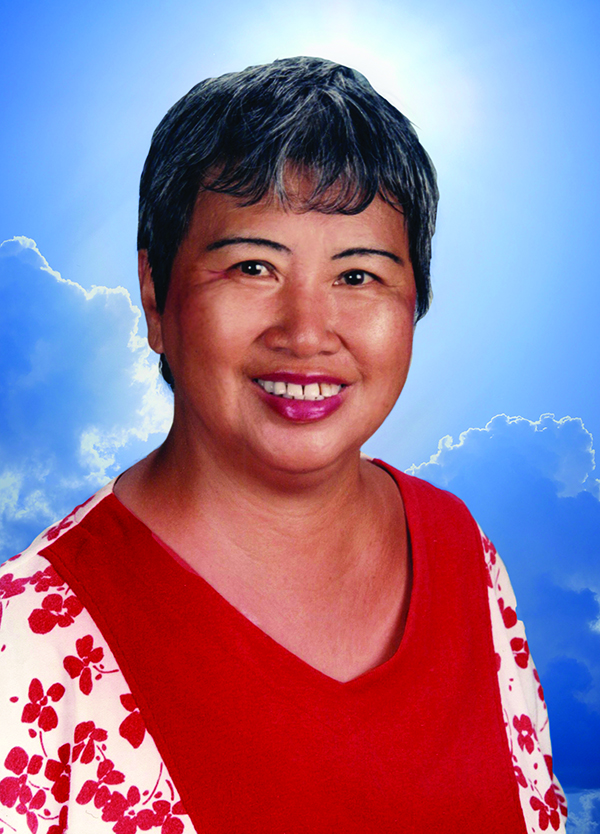
    Alice Yee, Michael Yee’s mother, passed away on July 25, surrounded by caring family members.
    Alice Yee, Michael Yee’s mother, passed away on July 25, surrounded by caring family members.

    On a Sunday morning this past July, Alice Hu Chew Yee, 81, asked her family to gather by her hospital bed, where she expressed her love to each member, listened to her favorite music played by her son and son-in-law, and helped to plan her own funeral, right down to flower arrangements.

    The next day, doctors put her on a morphine drip to eliminate any discomfort. She passed away Tuesday, July 25, at peace that her family was ready for her departure.

    It was “a good death,” says Alice’s son Michael Yee. “Mom had deep faith and embraced dying the same as living, no fear, only love. Because of this, we could embrace it together.”

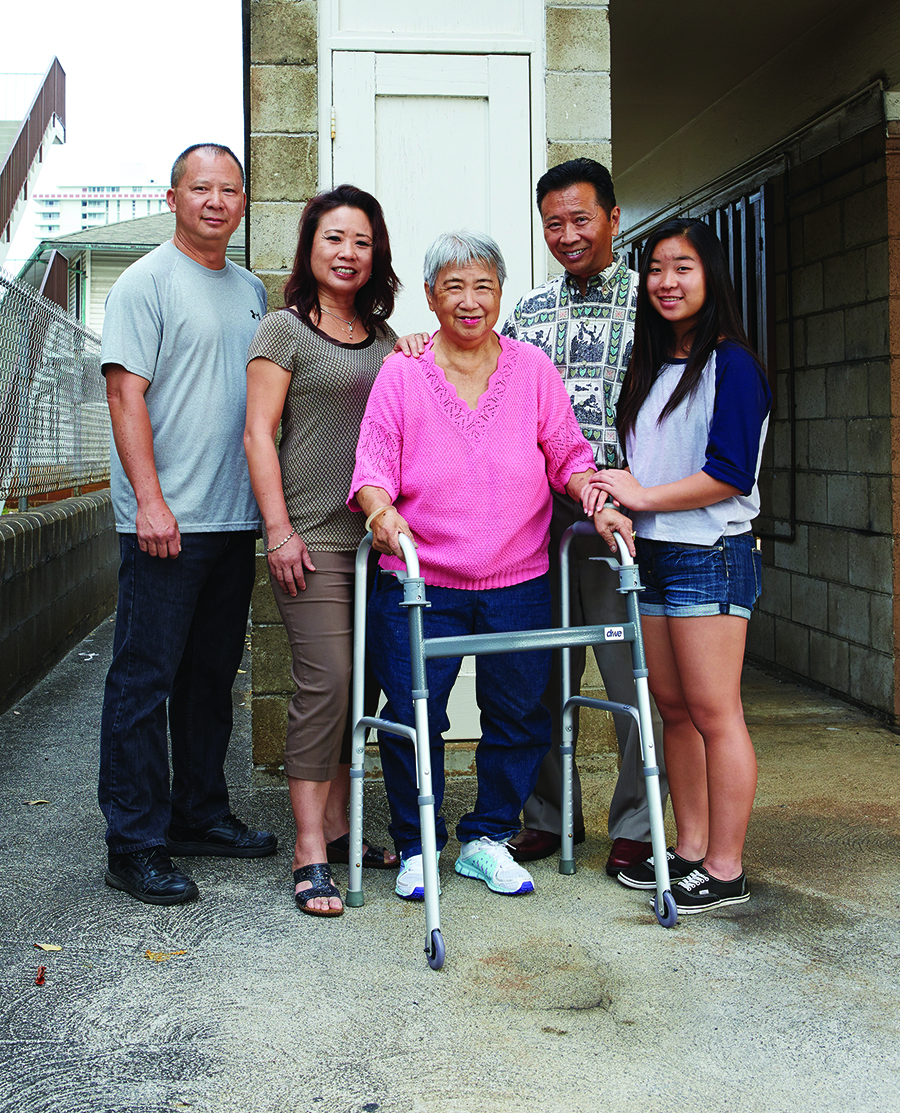
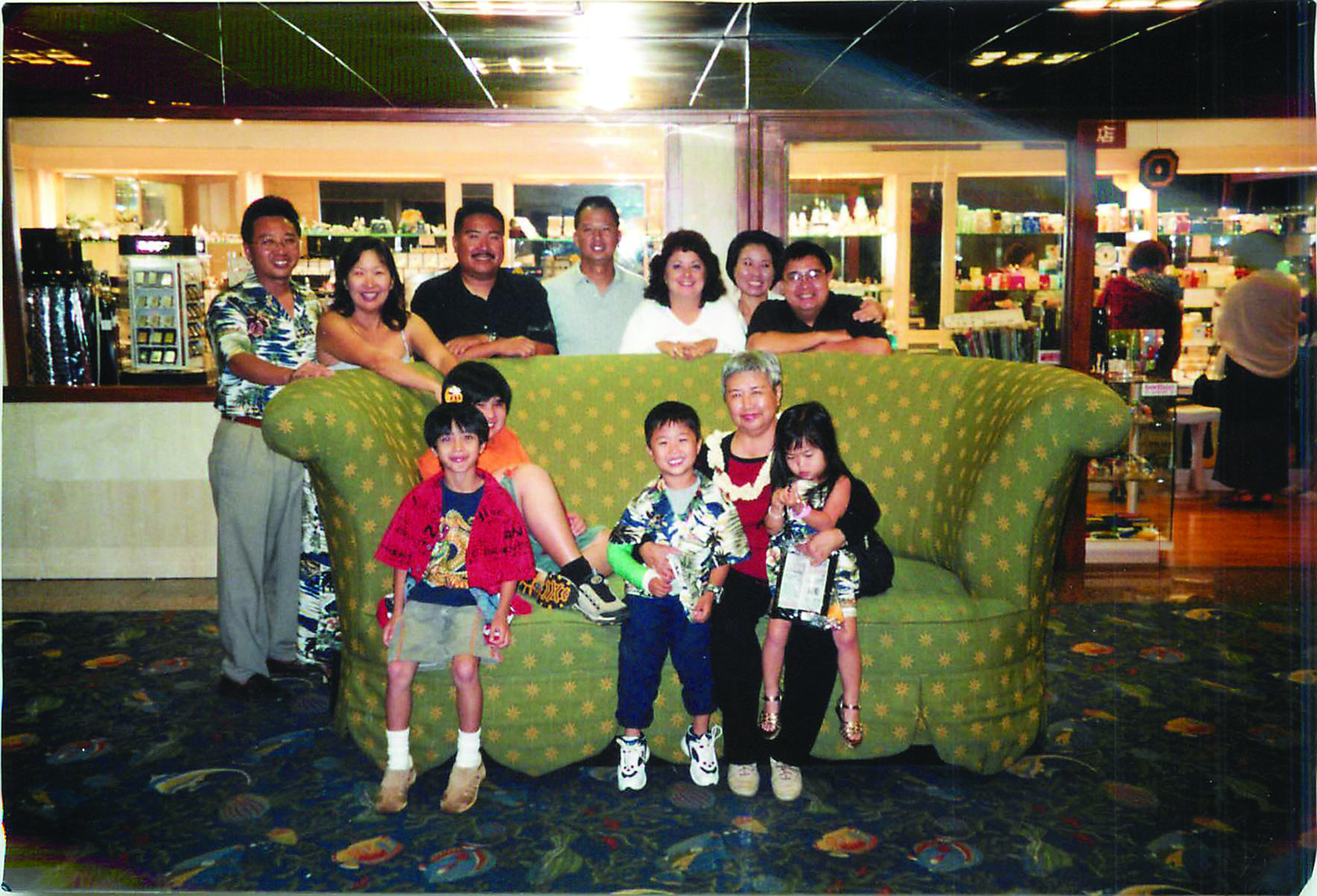
    In addition to Michael, Alice left behind two sons Malcolm and Milton, daughter, Tammy, and their spouses and four grandchildren. Alice also had lived independently for decades before moving in last year with Tammy, who shared primary caregiving duties with Michael’s family. In the months leading up to her death, Alice developed fluid in her lungs and suffered complications from a weak heart.

    PHOTOGRAPHS OF LORRI MISAKI’S, MICHAEL YEE’S & PAMELA AH-NEE’S FAMILIES

    Even in her final hours at the hospital, however, Alice taught valuable lessons.

    “Mom gave people something to shoot for — I know now what a good death looks and feels like,” says Michael, an Ameriprise financial advisor who specializes in retirement and end-of-life planning.

    Michael shares three lessons reinforced by his mother’s passing:

    • “Retirement isn’t just about travel and the grandkids.” There will come a time when most of us will need care by families and/or professionals.
    • Many families in Hawai‘i are not ready for health issues such as dementia or long-term care. When planning for retirement, consider long-term care planning and estate planning. Take a holistic approach.
    • Be proactive (not reactive) about retirement and end-of-life situations. Talk to family members about “not just the good times,” but the “hard times and crisis.” Put everyone on the same page.

    Generations Magazine first featured Michael Yee’s family in the June-July 2015 issue where he shared his caregiving experience. To read the original story, visit online at www.generations808.com/june-july-2015/.

    On a Sunday morning this past July, Alice Hu Chew Yee, 81, asked her family to gather by her hospital bed, where she expressed her love to each member, listened to her favorite music played by her son and son-in-law, and helped to plan her own funeral, right down to flower arrangements. The next day,…

  • Benefits of Volunteering for Seniors

    Volunteering — an activity that is voluntary, unpaid, structured by an organization and directed toward a community concern — is as beneficial for the older adult who engages in it as it is for those on the receiving end.

    While fewer older adults volunteer compared to those who are younger, persons age 65 and over who do volunteer spend more time on it. Approximately 35 percent of older adults in the U.S. volunteer an average of 71.5 hours per year. The value of their work is not trivial, estimated at $44.3 billion per year.

    The Impact of Volunteering. Older adults who volunteer reap many benefits. They experience higher levels of well-being, including better self-reported health. They have less depression and an enhanced ability to engage in daily activities. While more research is needed, some suggest that volunteering is associated with improved brain health and decline in mortality.

    As the number of volunteering hours increases, so do the positive effects of volunteering, but only up to a point. Research indicates the optimal amount of time to volunteer is around 100 hours per year, or two to three hours per week. Even modest levels of engagement in volunteer activities are beneficial.

    Why does it work? Volunteering provides greater health benefits compared to other types of social activities. What makes this role especially valuable is a combination of qualities and motivations specific to the role. Young adults tend to volunteer to acquire skills and to advance their careers. Older adults are more likely to volunteer to help others, stay active and replace lost roles, such as being a spouse.

    The factor of “mattering” also comes into play when others rely on the volunteer who contributes to society.1

    Promoting successful volunteer programs. Despite the abundant benefits, approximately 30 percent of older adults drop out of a given volunteer role after one year. What’s a health and/or social service organization to do? Various volunteer management practices have proven to be effective:2 appropriate supervision and communication, liability coverage, careful screening and matching volunteers to particular jobs, annual measurement of volunteer impact, training and professional development for volunteers, training paid staff in working with volunteers, ensuring that volunteers gain a sense of accomplishment by engaging in meaningful tasks and recognizing volunteers for their contributions.


    CENTER ON AGING — University of Hawai‘i at Mānoa
    2430 Campus Road, Gartley Hall, 201B, Honolulu HI 96822

    808-956-6124  |  map3@hawaii.edu
    www.hawaii.edu/aging/

    1 Morrow-Howell 2010
    2 Hager and Brudney 2004; McKee & McKee 2012

    Volunteering — an activity that is voluntary, unpaid, structured by an organization and directed toward a community concern — is as beneficial for the older adult who engages in it as it is for those on the receiving end. While fewer older adults volunteer compared to those who are younger, persons age 65 and over who do volunteer spend…

  • The Search for Ancestors

    I’ve been researching my ancestors for about 20 years. On my Hawaiian side, I’ve gone back five generations, and three generations on my Filipino side. I get so excited when I connect the dots in my family tree and discover a new family member, because I now have a name and story to share with my grandchildren.

    I’ve been blessed with three granddaughters and two grandsons. Analea, 13, loves to draw and has her own blog. Olena, 11, loves to cook and listen to my stories. Hoku, 4, who loves to talk and show me how to use her iPad, is the sole survivor of triplets. My grandsons (her brothers) Nahoa and Koa, lived a few hours.

    I tell my grandkids stories about their ancestors, including Uncle Travis, my son who passed away at age 23 and loved to draw. They want to one day own some of his drawings. When we visit Hilo, I make an effort to take them to the gravesites of their ancestors. Before my father passed away in HPP, Kea‘au, I took the girls to visit him and took pictures of each of their hands holding their great-grandfather.

    The author’s grandchildren Olena, 11, Analea, 13, and Hoku, 4.
    The author’s grandchildren Olena, 11, Analea, 13, and Hoku, 4.

    A few years ago, I started a private family blog that only my husband and children can access. There, I share ancestors’ pictures and stories, journal entries from my youth, family traditions, photos of treasured items from my parents, and letters from my late grandparents. When my grandchildren are older, I will open this blog to them so they can learn about our family.

    In February, I attended a genealogical convention in Utah, where I purchased four DNA kits for my family and am hoping to learn more about my family. I want my children and their future families to know where they came from and lessons that can help them in their lives. I want them to know they are connected to a rich heritage.


    GENEALOGY RESOURCES

    I’ve been researching my ancestors for about 20 years. On my Hawaiian side, I’ve gone back five generations, and three generations on my Filipino side. I get so excited when I connect the dots in my family tree and discover a new family member, because I now have a name and story to share with…

  • The Best is Yet to Be

    by Pastor Russ Higa

    On a frosty winter’s morning, my fellow seminarian, Cal Chinen, picked me up in his old beige Volvo. We drove across the Columbia River from Portland, Oregon, to Washougal, a small town at the foothills of the Cascade Mountains in Washington State. We were responding to a senior citizen’s request to do some yard-work. We drove deep into the snow-covered forest and finally arrived at her cabin.

    Busily, we chopped branches and started a bon- fire to burn the brush. As we worked, we saw bunny rabbits hopping across the snow and a deer checking us out to see what we were doing. For a local boy who had never seen snow, it was surreal — a winter wonderland.

    After three hours of labor, the woman of the house called us in for lunch. The warmth from the fireplace felt amazing after being in the freezing cold. As I enjoyed the soup and sandwich, I admired the cabin’s beautiful woodwork.

    The woman told us about her husband, who, in his younger years, built this cabin for her. Now in their sunset years, they were enjoying life in the cozy cabin built with his own hands. On the beam above the kitchen counter, her husband had lovingly carved the words “Grow old with me. The best is yet to be!” Although it has been 39 years since I sat in that cabin, I still remember the woman’s glowing face as she spoke of her hus-band and spending their golden years together.

    Yes, our later years can be a time of great blessing, but as we know all too well, it can be a time of loss. The loss of productivity, health, well-being, independence, and sadly, the loss of cherished loved ones. But all is not lost. Many have found comfort and peace of mind through spiritual nourishment. Developing supportive relationships in a spiritual fellowship can do wonders for the soul. A woman in her later years began attend-ing our church just a few months after losing her husband. Every Sunday, she tells me how blessed she feels being part of a loving church family. So, in your sunset years, consider developing the spiritual dimensions of your life. You will be glad you did. “The best is yet to be!”

    STREAMS OF LIFE FELLOWSHIP

    Manoa District Park
    2721 Ka‘aipu Ave, Honolulu HI 96822
    808-554-4513  |  www.streamsoflife.org
    Services: Sundays, 10 am
    Alternative site: Manoa Elementary School Cafeteria 3155 Manoa Rd., Honolulu, HI 96822

    On a frosty winter’s morning, my fellow seminarian, Cal Chinen, picked me up in his old beige Volvo. We drove across the Columbia River from Portland, Oregon, to Washougal, a small town at the foothills of the Cascade Mountains in Washington State. We were responding to a senior citizen’s request to do some yardwork.

  • Success! The 2016 Aging in Place Workshop

    OctNov2016 - successaipworkshop_image1

    OctNov2016 - successaipworkshop_image4

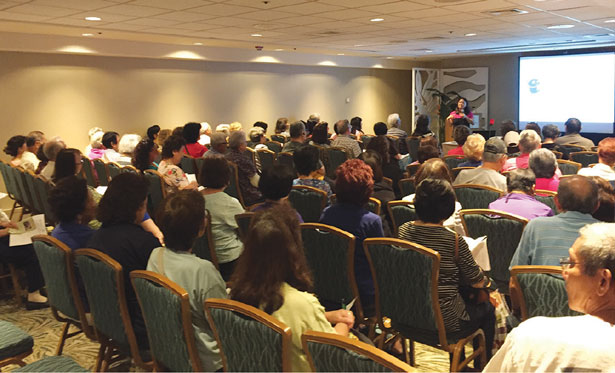
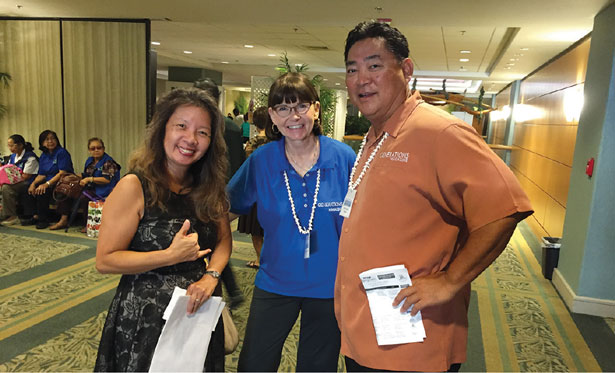
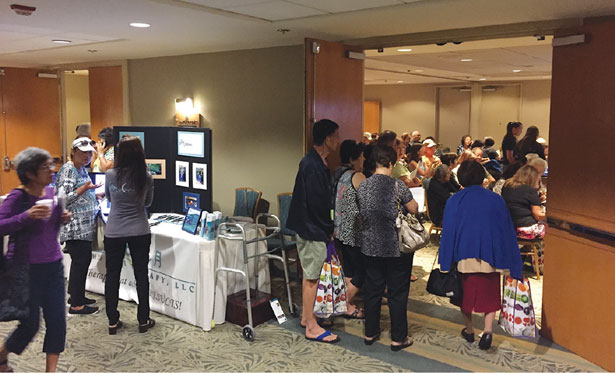
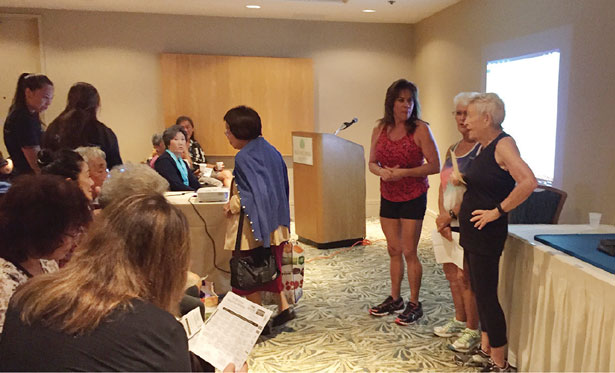
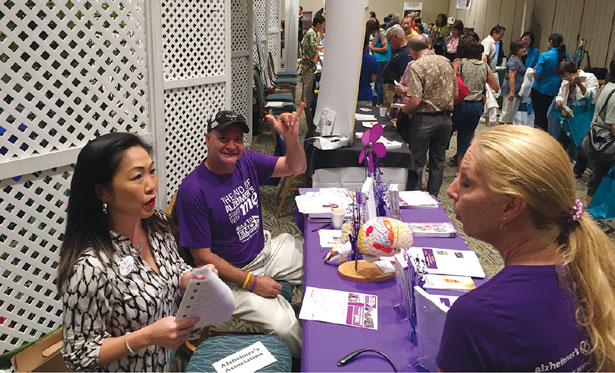
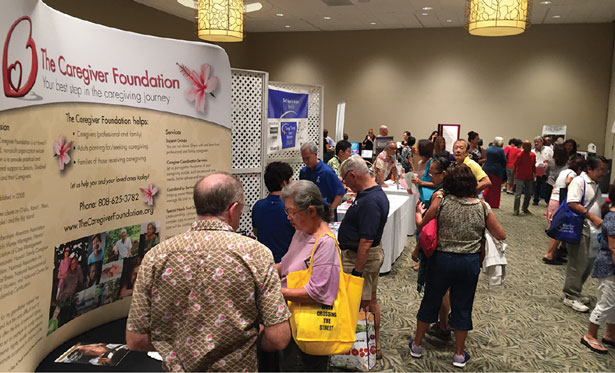
    Abundance was definitely the word of the day! Vendors. Seniors. Caregivers. It was booth to booth, chair to chair, shoulder to shoulder. This year garnered the biggest turnout in years — and that means seniors want to know “what’s next” as they age. Being informed and prepared is the wisest decision. Presented by Generations Magazine and KITV4, and sponsored by many organizations and businesses supporting health and aging, the AIP senior workshop is an annual “must-attend” free event.

    OctNov2016 - successaipworkshop_image3

    OctNov2016 - successaipworkshop_image5

    OctNov2016 - successaipworkshop_image6
    OctNov2016 - successaipworkshop_image2

    Success! The 2016 Aging in Place Workshop by Generations Magazine Staff from the DecJan 2017 issue of Generations Magazine, Hawai‘i’s Resource for Life