Category: Date

  • The Rarified Air of Acceptance

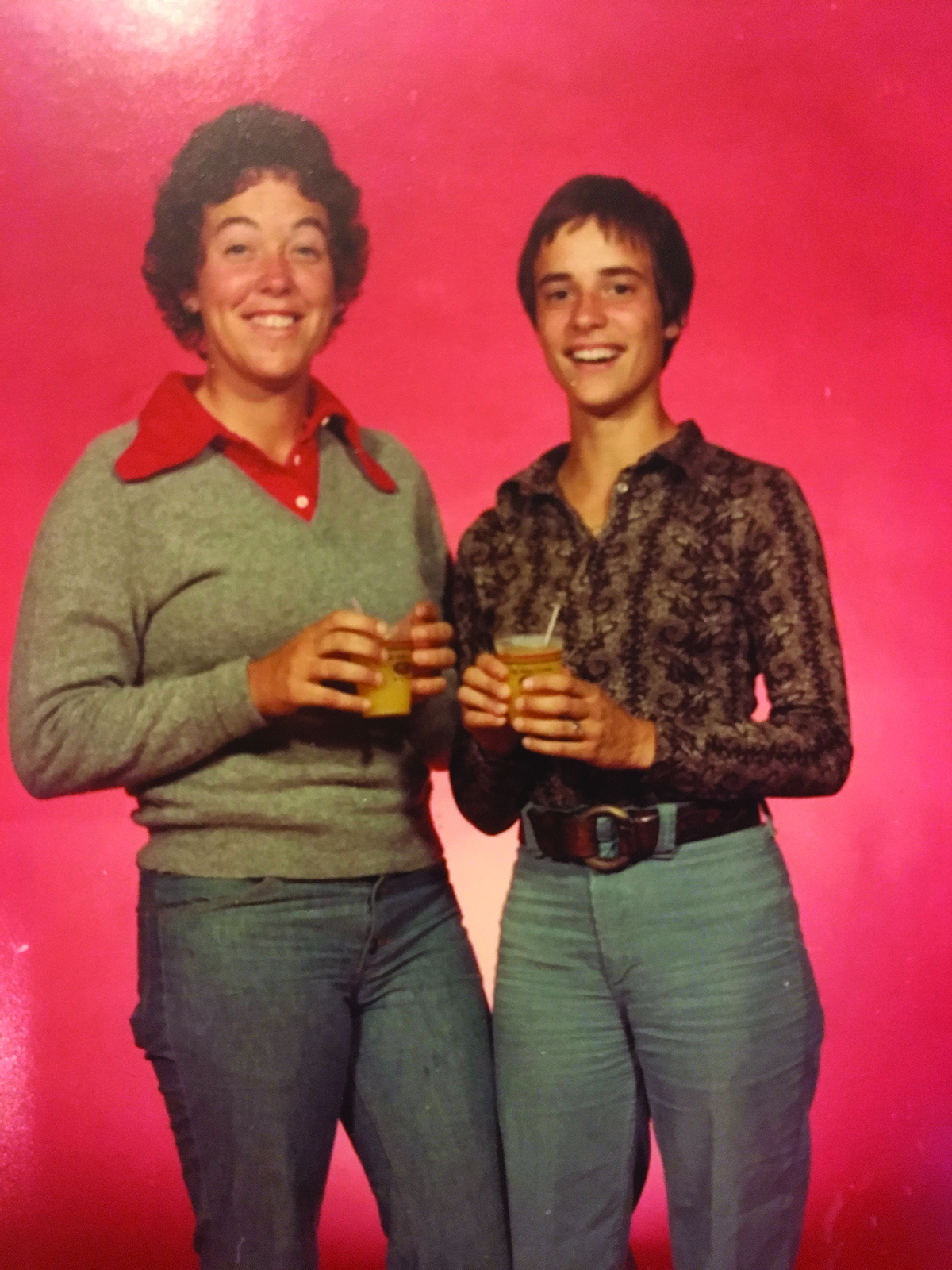
    Kathleen and Susan were finally able to marry in 2019. Love won.
    Kathleen and Susan were finally able to marry in 2019. Love won.

    Our friends, old and new, are sweetly awed when we tell them our love story. We met in college in the mid-’70s. We fell in love. We knew beyond a doubt that we were meant to be together. Yet, as fate would have it, we met at the wrong place and the wrong time for our relationship to flourish. As time has told, those feelings between Kathleen and I (Susan) have now endured for decades. But it was a long road to gain respect, visibility and equality.

    The Stonewall Rebellion of 1969 marked the beginning of the gay rights movement’s bloody, sacred, defiant crusade of “enough is enough.” In the summer of 1991, West Hollywood’s City Council passed a resolution in support of same-sex marriage, becoming the first city in the US to publicly affirm why marriage matters for all Americans. But many incremental steps taken by waves of activists had to happen in our country before “love won” in the 21st century. It wasn’t until 2015 that the US Supreme Court Justices affirmed a constitutional right to marriage equality for same-sex couples.

    It would be an understatement to say that the passage of the landmark Marriage Equality Act was a cosmic transformation in the lives of bisexual and transgendered peoples, gay men and lesbians, including myself.

    Pre-MEA: Struggling to Belong

    Before the MEA became law, only Jude, my best, straight high school friend, would ask me about the status of my long-term, same-sex relationship. I’d ask her about Jim; she’d ask me about my then-partner “Bette.”

    Susan Miller and Kathleen O’Bryan first met in college in the mid-’70s.
    Susan Miller and Kathleen O’Bryan first met in college in the mid-’70s.

    Being “closeted” was filled with a constant, intense fear of “being outed”— found out. I feared the consequences, even in the diverse, ultraliberal, state of Hawai‘i. In a place that culturally revered the sacredness of mahu — those who embody both male and female spirit — gay men were routinely assaulted outside gay bars by straight men. Even here in paradise, homophobia reigned.

    And even though Hawai‘i offered legal protection against employment discrimination, other equal protections under the law were limited.

    In the late 1980s, “Bette” and I were raising her daughter, “Annie,” together in Honolulu. Every day was a social and emotional struggle to fit in. I had a job with a leading nonprofit committed to strengthening community by empowering young people, improving health and well-being and inspiring community. I worked fulltime in its at-risk youth drug prevention program, an innovative, cooperative partnership with middle schools, offered during school hours. Weekend group outings were also offered to kids in struggling family settings who were at risk for failure at school.

    After passing the probationary period, I was offered vacation, sick leave, and healthcare and dental benefits. All my coworkers’ families also enjoyed family benefit coverage. So filling out the paperwork for my new permanent position, I claimed “Bette” and “Annie” as my dependents, neither of whom had health or dental benefits.

    My supervisor, Tony, was my exact same age — born on the same day and year. We became good friends. So it was difficult for him to explain to me, sheepishly and apologetically, that the nonprofit’s administration had declined coverage for my dependents because we weren’t married.

    What may have been equally hurtful, if not more so, was that while my coworkers shared openly about their kids and spouses, there was never a mention about me, my feelings and my invisible family. They all knew I was gay; a lesbian with a family. But at workplace potlucks or before office meetings, nobody asked me, “How’s da family?” The void was filled by a deafening, awkward silence. I was there — but not there.

    It was back in the 1990s and domestic partnership and civil unions had yet to be recognized by the state. Eventually, benefits were extended to families of state employees, but it was still optional for private sector businesses. Even so, we persevered through decades of being a despised, oppressed minority because of who we are and who we love. Lawful marriage was beyond unthinkable.

    Freedom for All Americans

    When the freedom to marry became the law of our land, we were liberated. No longer immoral outcasts, we belonged, for real, in mainstream America. Before Kathleen and I got married, we were domestic partners, and because I was employed in the University of Hawai‘i system, my state employment benefits were extended to her.

    But it wasn’t until the federal right to marry was recognized in 2015 that the straight world became aware of the LGBTQ persons around them who were breathing their same air — and had loved ones and families and interesting and fascinating lives! The right to be married not only liberated LGBTQ people, but straight people, too.

    Kathleen now has rights to my federal employment entitlements. We don’t need wills or probate courts for either of us to keep our jointly owned belongings. Neither her family nor my family have rights to what we own together. But that wasn’t always so.

    The MEA extended close to 1,000 rights and benefits to LGBQT married couples — rights we didn’t even know we were missing until 1991, when University of Hawai‘i law students began to research all the benefits and entitlements enjoyed by opposite-sex married couples. The same-sex marriage battle in Hawai‘i lasted 23 years, and in the process, helped transform LGBTQ rights in the rest of America.

    I was among those in the same-sex marriage battlefield in Hawai‘i in the 1990s. We were the first state to mount a legal challenge that went to both the state and federal Supreme Courts. But it was New York that became the first state to grant same-sex couples the legal right to marry in 2015.

    A Well-Deserved Golden Age

    The first miracle for Kathleen and I was that we reunited in Hawai‘i in a future that accepted our love for each other.

    The second miracle was one we never dared to believe would happen in our lifetime. Forty years after we met, we could legally marry. We waited, we pondered and we talked before joining millions of LGBTQ couples who are now legally married.

    Although we had to endure 35 years of living apart before coming back to each other, we finally married and settled happily in Upcountry Maui. Now in our 70s, we live as newlyweds. We’re growing and discovering each and every day during our marriage journey.

    We’ve ignited a change in society and society has changed. Winning the freedom to marry, nationwide, we all rose together.

    Marriage equality gave us a new dignity. With societal shifts to more respected public identities came a plethora of socioeconomic benefits and legal protections codified in law — more social stability in our communities — a positive outcome.

    And while successful marriages in the heterosexual population are in decline, the number of same-sex married couples has increased. Looking back from whence we came, we’re living an American dream. And there’s no going back to those suffocating closeted lives — we’ve done too much and come so far.

    Our love moved all of us from objects of ridicule and scorn to dignity, now breathing the rarified air of acceptance — outside the closet forever, with our whole lives ahead of us.


    Our friends, old and new, are sweetly awed when we tell them our love story. We met in college in the mid-’70s. We fell in love. We knew beyond a doubt that we were meant to be together. Yet, as fate would have it, we met at the wrong place and the wrong time for…

  • Facing Age Discrimination

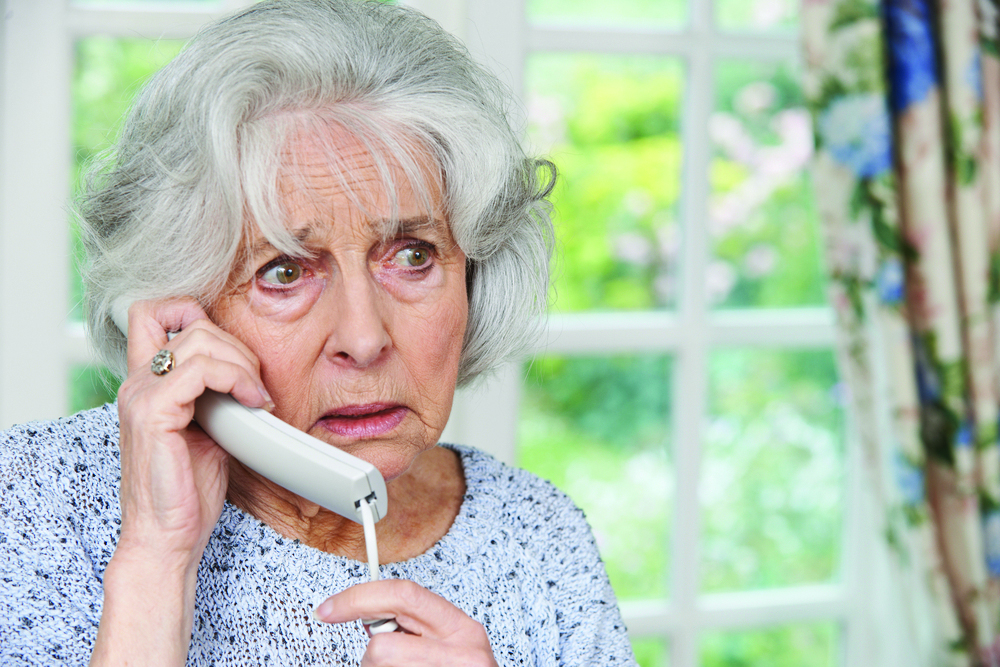
    Concept of accusation guilty businessman person. Side profile upset old man looking down many fingers pointing at him isolated grey office wall background. Human face expression emotion feelingAs we get older, what at first seems to be respectful and benign behavior begins to morph into microaggressions. “He is way too old to be trying that!” “Look what she is wearing — at her age!” “Production will slow down if we hire him.”

    A microaggression is a comment or action that negatively targets a marginalized group of people, including seniors. Whether intentional or accidental, it’s a form of discrimination. People who use microaggressions may mean no harm to a person or group, but it can still hurt.

    If we are honest,  it is easy to pinpoint our own feelings about aging. Aging does frequently result in restrictions and it often does impact our abilities. But just as with other forms of discrimination, the differences we note shouldn’t be our primary impression.

    Aging is natural. So, before you discover that old man or lady in the mirror looking back at you, learn how to relate to older individuals as individuals — not a silver tsunami, not a societal burden, not an obligation — as a person.


    THE CAREGIVER FOUNDATION (501(c) 3 nonprofit)
    926 3rd St., Pearl City, HI 96782
    808-625-3782 | info@thecaregiverfoundation.org
    www.thecaregiverfoundation.org

    While we are taught to treat those of a different race or religion equitably, seniors often face age discrimination. It first appears as an attempt to be helpful. Someone holds a door open for us. The bus waits a little longer for us to climb aboard. The bank teller smiles more as he hones his…

  • Follow the Medicare Road

    Not too long ago, my extended family enjoyed getting all the cousins together to watch “The Wizard of Oz” every year. We loved watching Dorothy follow the yellow brick road to Oz. It was a great bonding activity. Now those same family members are calling to ask for help with Medicare. Where did the time go?

    Recently, a relative called about a letter from his Medicare plan. It explained that a medication he takes regularly was covered as a courtesy but would not be filled again. My cousin was as shocked and disappointed as Dorothy was when she pulled the curtain back and found that Oz the Great and Powerful was not what she expected. My cousin blamed Medicare, the insurance plan and the sales agent. Here are the steps I offered.

    Step One: Call the plan to determine if the drug requires prior authorization, is subject to quantity limits or step therapy rules.

    Step Two: Contact the prescribing doctor’s office and have them call the plan to provide additional documentation based on the drug coverage rules.

    Step Three: Contact your plan to file an appeal and if necessary, ask for an expedited review.

    My cousin learned his medication was subject to prior authorization rules. The doctor contacted the insurance company and it will be covered.

    With a little help along the way, everyone should be able to follow the Medicare road and resolve any bumps along the way.


    GET2INSURANCE.COM FAMILY OFFICE
    1003 Bishop St., Ste. 2700, Honolulu, HI 96813
    800-226-3660 | martha@get2insurance.com
    www.Get2insurance.com

    Not too long ago, my extended family enjoyed getting all the cousins together to watch “The Wizard of Oz” every year. We loved watching Dorothy follow the yellow brick road to Oz. It was a great bonding activity. Now those same family members are calling to ask for help with Medicare. Where did the time…

  • The Slap Heard Around the World

    an angry old woman with her finger up for admonition /warningLast March, many witnessed the slap that was heard round the world. The unrehearsed and unscripted incident played out in front of the planet’s best actors, with 17 million viewers watching from home. It occurred in supposedly one of most civilized and curated places in the land. But everyone saw that even “winners” are not immune from knee-jerk reactions when messages perceived as offensive produce hurt feelings.

    The incident will ultimately change the way we look at these shocking outbursts after words perceived as insults are spoken.

    It will also be life-changing for another group of people out of the glare of the lights and cameras — family members who routinely slap others in their own homes. Ranging from verbal to physical abuse, they push, bully and bruise mothers, fathers, siblings and children on a regular basis.

    How should they react to regain balance? They can yell, strike back, disarm the incident with a humor or simply leave the scene, while hoping that the behavior will cease. But millions suffer in silence. They may become enablers of further violence if they don’t know where or how to draw the line. There are words and ways to handle abuse so they can calmly take their rightful place as heroes, not merely survivors.


    ANNETTE PANG-LIFE COACH VILLAGE, LLC
    2383 Beckwith St., Honolulu, HI 96822
    808-372-3478 | ap@annettepang.com
    www.annettepang.com

    Last March, many witnessed the slap that was heard round the world. The unrehearsed and unscripted incident played out in front of the planet’s best actors, with 17 million viewers watching from home. It occurred in supposedly one of most civilized and curated places in the land. But everyone saw that even “winners” are not…

  • Zooming Into the Future

    Happy senior woman in graduate capThe US Census Bureau has reported that people aged 65 and older will outnumber those under 18 years old by 2034. Every year, millions of these senior citizens look at life after retirement as an opportunity to expand their horizons and learn more. It’s a time to take special-interest lessons or even earn a degree. For some, it may  even mean going back into the workforce and starting a new career.

    That’s what I did as a 71-year-old retired high school assistant principal. I went back to college, earned another degree and eventually entered the workforce. What I immediately discovered, however, was the “Wild West” of technology. Every mode of learning or working involved online programs.

    Colleges and universities were  offering curricular courses via online sessions or what are called distance learning venues. Instead of sitting in a classroom surrounded by fellow students with the instructor in front of the class, I sat at home at my laptop with a cup of coffee and simply clicked a link I received in an email to enter an online grad class via Zoom. Zoom Meetings is a proprietary videotelephony software program.

    Today, I have also become one of those people who work from home… better known as remote employment. Through Zoom, I partake in virtual meetings or have one-on-one conversations with clients. I also teach online, offering Power Point presentations via Zoom.

    There are other video conferencing platforms,  such as Microsoft Teams or Google Meet. However, Zoom right now is used the most in schools and the workplace. As long as you have a smartphone, tablet, laptop or computer — in other words, a camera, speakers and microphone — you have access to Zoom (once you download the program).

    How did I learn to use it? As with many things  in these rapidly changing times, I learned through trial and error. This, fortunately, has worked for me, but I’m not sure I’d recommend it. Instead, I’d suggest taking a class or going to www.youtube.com, where you can watch video demonstrations on how to use Zoom or just about any other application, for that matter.

    The year 2034 is just 12 years away. By then, distance learning or remote working will probably have advanced to three-dimensional holographic technology. Your teacher, boss or client will be visible before you in real-life form.

    Ah, technology! Embrace it, delight in the benefits of it, and like me, just enjoy the fun of it!


    KAPIOLANI COMMUNITY COLLEGE
    Office of Continuing Education
    University of Hawai‘i/Kapi‘olani Community College
    Teri Pinney | 808-342-7690 | tpinney@hawaii.edu
    https://continuinged.kapiolani.hawaii.edu

    The US Census Bureau has reported that people aged 65 and older will outnumber those under 18 years old by 2034. Every year, millions of these senior citizens look at life after retirement as an opportunity to expand their horizons and learn more. It’s a time to take special-interest lessons or even earn a degree.…

  • Jobs Then, Work Now

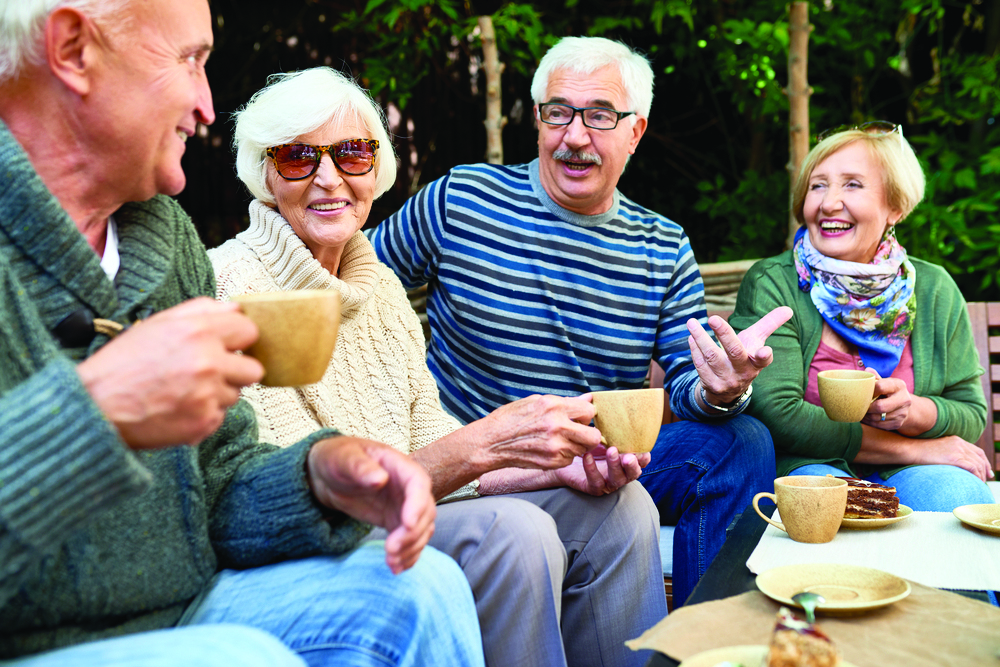
    Cheerful group of senior friends enjoying each others company while having tea party at lovely patio, they wearing knitted sweatersIt’s a new day and a new time in today’s world of work. A shifting economic landscape continues to drive significant changes in the American workplace. Nearly every aspect of the country’s workforce has changed in the last 50 years. The demographic makeup of who goes to work is radically different, along with the type of work individuals do, how they do it, where they do it and even how they save for retirement.

    JOBS THEN
    ♦ One full-time job occupied one physical space.
    ♦ Requirements for different jobs were similar.
    ♦ Decision-makers were impacted by long-standing prejudices: age, hiring choices, etc.
    ♦ Limited use of flexible/temporary contributors.
    ♦ Virtual work was virtually unknown.

    WORK NOW
    ♦ Workers may not be needed or hired on a fulltime basis. More than 40 percent of the workforce are not employed on a full-time basis in regular jobs at a physical office/factory.
    ♦ Changing demands equals shifting qualifications and skills. The workforce must learn, unlearn and relearn lessons and skills in this new world of work. Skills are more important than degrees. Eight out of 10 opportunities do not require a degree, but all require updated skills.
    ♦ The retirement age of 65 is a remnant. The average lifespan has increased by over 17 years since Social Security (SS) began.

    THINGS TO CONSIDER
    ♦ Without additional income, you are likely to outlive your money. Don’t count on SS benefits as your major source of income. In fact, the future of Social Security is a serious concern.
    ♦ An increasing number of us will be alone as we mature because of a spouse’s death or, even more likely, because of divorce. Will social isolation prompt you to seek some form of work?
    ♦ Research confirms that social engagement, working and learning throughout our lifetimes help reduce the risk of cognitive decline.

    SO LET’S
    ♦ Replace the word “jobs” with the word “work.”
    ♦ Reach out to the community to learn new skills and invigorate our social connections.
    ♦ Work part-time, some of the time or remotely.
    ♦ Continue to live a balanced life that matters.

    It’s time to explore alternatives that are suited to our time of life in this fast-changing world.


    CARLEEN MACKAY
    916-626-7222 | carleenmackayhi@gmail.com
    www.linkedin.com/in/carleenmackay

    It’s a new day and a new time in today’s world of work. A shifting economic landscape continues to drive significant changes in the American workplace. Nearly every aspect of the country’s workforce has changed in the last 50 years.

  • A Pioneer in Neurosurgery

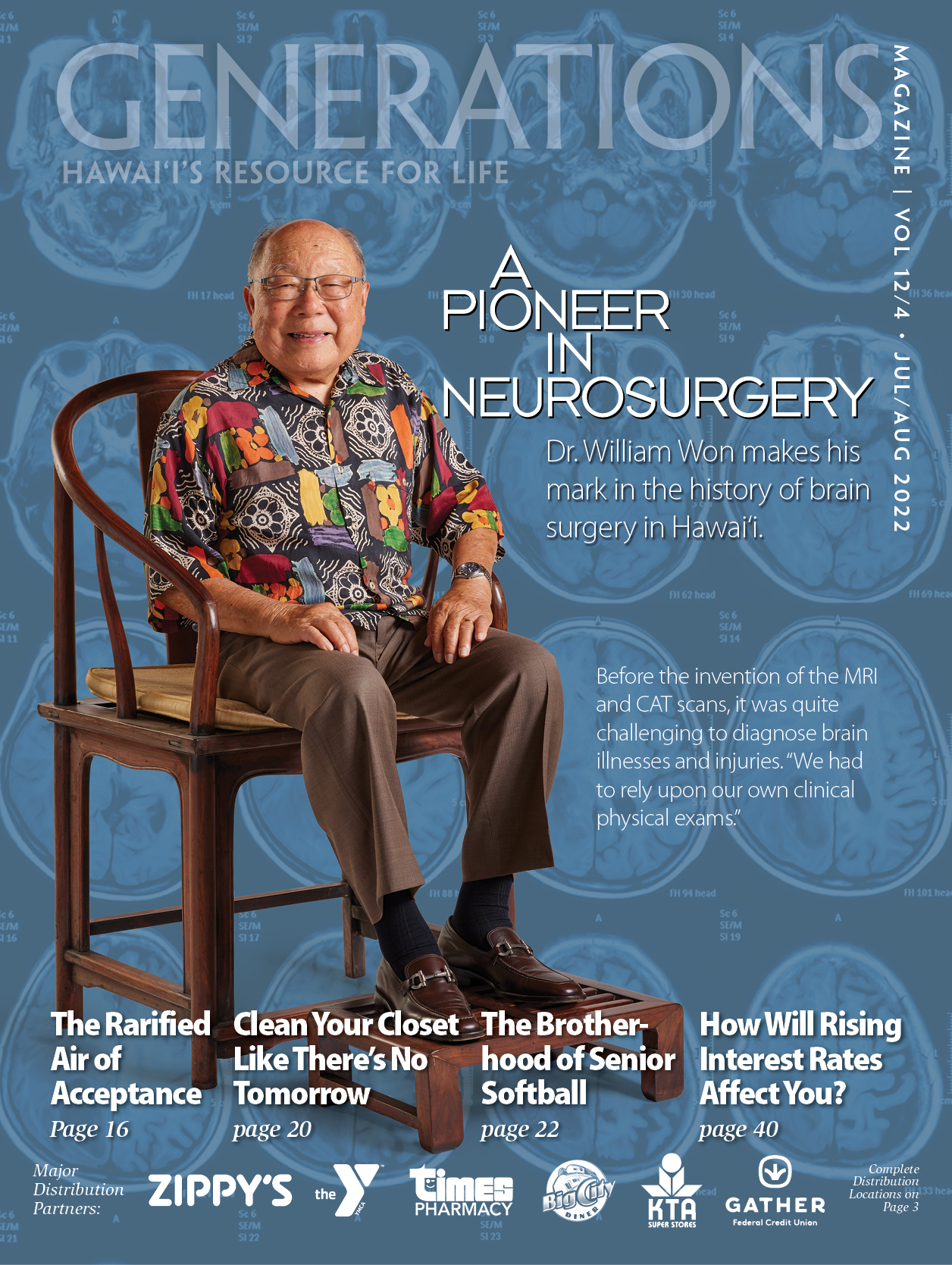
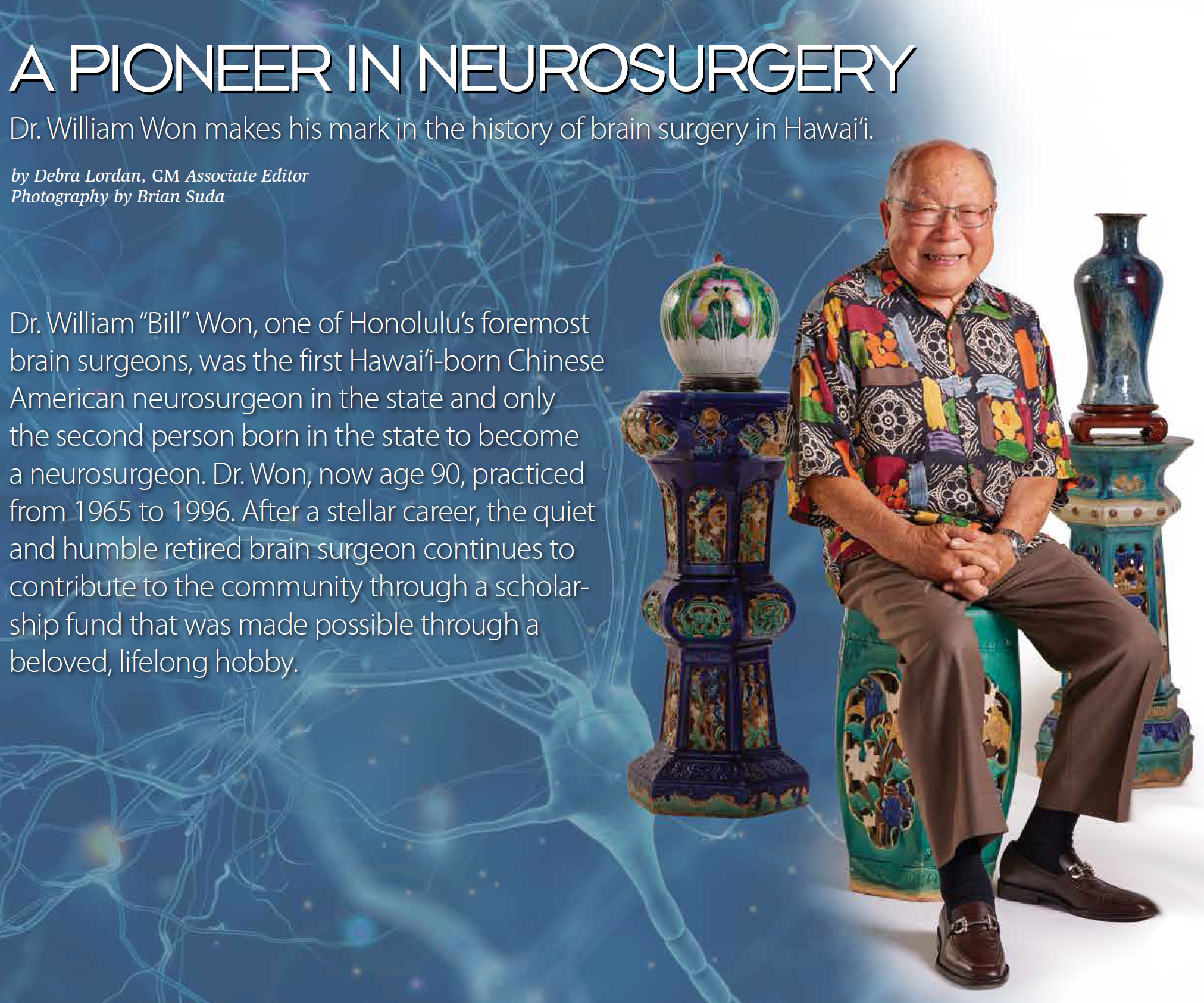
    A Pioneer in Neurosurgery

    Becoming a doctor remains one of the most challenging career paths one can embark upon. It requires extensive and expensive schooling followed by intensive residency training. One may go into the field of medicine anticipating that all the hard work will pay off — not only financially, but also in terms of job satisfaction. Then there’s the immeasurable personal benefits of helping people and saving lives. And in terms of respect and prestige, few occupations rank as high.

    But there are few professions that involve higher stakes or more serious responsibilities than the field of medicine. The consequences of a doctor’s decisions can be immense, leading to either remarkable or dire results — life or death. Becoming a doctor requires the discipline and determination to stay the course, and live a life true to oneself and one’s priorities.

    An Ambitious Career is Born

    Bill’s grandfather was part of a group of Chinese laborers who emigrated from China to California near the end of the gold rush to find a better world with greater opportunities. Since their hopes for fortune weren’t “panning out,” they headed for the Kingdom of Hawai‘i.

    Bill’s parents were born here in Hawai‘i and raised their family in Kula on Maui before moving to O‘ahu. The youngest of 12 children, Bill was ambitious. Although his parents didn’t encourage him due to the Great Depression of the 1930s, he was determined to excel in the field of medicine and saw a way to become a standout by becoming a pioneer in the emerging field of neurosurgery.
    Chasing the Dream

    Bill graduated from President Theodore Roosevelt High School in 1949, setting a course to attain his dream.

    “I was always a good student,” says Dr. Won. “I had the highest grade point average in high school and also won the Harvard Prize Book as a junior. It was my ticket to Harvard, but ultimately, I chose to attend Columbia University in New York instead of Harvard in Boston.”

    The Harvard Prize Book, awarded to Bill in 1948, is given to an outstanding high school student who “displays excellence in scholarship and high character, combined with achievements in other fields.” Its goal was to attract the attention of talented young students.

    Although he had been given this opportunity to attend Harvard University, money for room and board would still be necessary. He had no connections or accommodations in Boston, so one of his teachers suggested Columbia. Since he had two older siblings who lived in  Manhattan, he could live with them during his early college years. Other expenses that were unmet by the scholarship were covered by Dr. Won’s siblings. As the youngest, he had 11 who could help him.

    He first attended the University of Hawai‘i for two years as an undergraduate, then transferred to Columbia College in Manhattan.

    “I knew that neuroradiology was an emerging field but I didn’t know very much about it,” says Dr. Won. “But I wanted to make a good living as an adult. Neurosurgery was not very popular because of its long residency — seven years. Most medical residencies were three or four years after internship. Not many people went into that specialty because it was so difficult — so unknown. I had no idea just how special  Neuroradiology was — but I soon found out.”

    “Columbia later became the birthplace of the specialty of neuroradiology, which was non-existent at the time I started,” says Dr. Won. “Modern neuroradiology uses radiation to diagnose and treat disorders of the nervous system. But there were no X-ray scans of the brain at that time.”

    After finishing his undergraduate years in 1953, he was admitted to the State University of New York Downstate College of Medicine in Brooklyn, New York, graduating in 1957.

    He entered into a surgical internship at the Kings County Hospital in Brooklyn, New York, finishing in 1958. His neurosurgery residency program did not start until 1960 at the Neurological Institute of New York’s Columbia Presbyterian Medical Center, so in the interim, he was called into the US Congress’ Berry Plan military doctor draft. After completing two years of active military service in Japan as a general medical officer in the Air Force, he returned to New York City in 1960 to start his residency in neurosurgery at the Neurological Institute of the Columbia Presbyterian Medical Center in Manhattan, completing his training in 1964.

    All told, he had been away from Hawai‘i for 14 years while engaged in college, medical school, internship and residency training, and active military service overseas.

    He began his private neurosurgery practice in Honolulu in 1965 — one of a handful of experts in the field in the state.

    The Early Days of Brain Surgery

    Even a cursory outline of the history of neurosurgery in Hawai‘i would not be complete without the names of the doctors who laid its  foundation here. From its humble beginnings in the early 20th century to the present day, neurosurgery has a rich and fascinating history in the state and has experienced rapid growth. This history is particularly unique, given Hawai‘i’s remote location, indigenous population and military presence. However, the information available is relatively sparse before the state’s first full time neurosurgeon settled here in the late 20th century.

    The field and its limited neurosurgical care became available during this period in the form of transient traveling surgeons, notably, Dr. Frederick Reichert. Dr. Reichert trained at Johns Hopkins before moving to Stanford University, where he became chief in 1926. From California, he would make annual trips to the Hawaiian Islands to provide care for the local population.
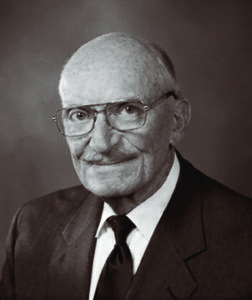
    Dr. Ralph B. Cloward, Hawai‘i’s first full-time neurosurgeon, was arguably the most influential neurosurgeon in the state. The legendary physician made extensive contributions to neurosurgical clinical knowledge, pioneering multiple surgical techniques and operative instrumentation.

    In ’38, at age 30, Dr. Cloward began to practice neurology and neurosurgery in Hawai‘i at “the Clinic” (Straub) where his father had worked. Throughout the ’40s, he provided unique contributions to the Kalaupapa community, relieving pain and returning function to leprosy patients. During the attacks on Pearl Harbor, Dr. Cloward literally worked under fire at Tripler Army Hospital at Fort Shafter, which filled with numerous head traumas within an hour of the initial bombing.

    The ’40s saw the arrival of additional neurosurgeons, including Dr. Thomas Bennet and Dr. John Lowrey. Drs. Cloward, Bennet and Lowrey worked together to provide neurosurgical care on O‘ahu for the next decade. They practiced at Queen’s Hospital, St. Francis Hospital and Children’s Hospital.

    The ’50s saw continued expansion of the field in Hawai‘i. Dr. Cloward continued to practice in the ’60s and beyond, developing and  subsequently refining his anterior cervical spine approach. This technique, which is used for the correction of cervical disk herniation, was ultimately termed the “Cloward Procedure,” in honor of its creator.

    The Doctor Returns Home

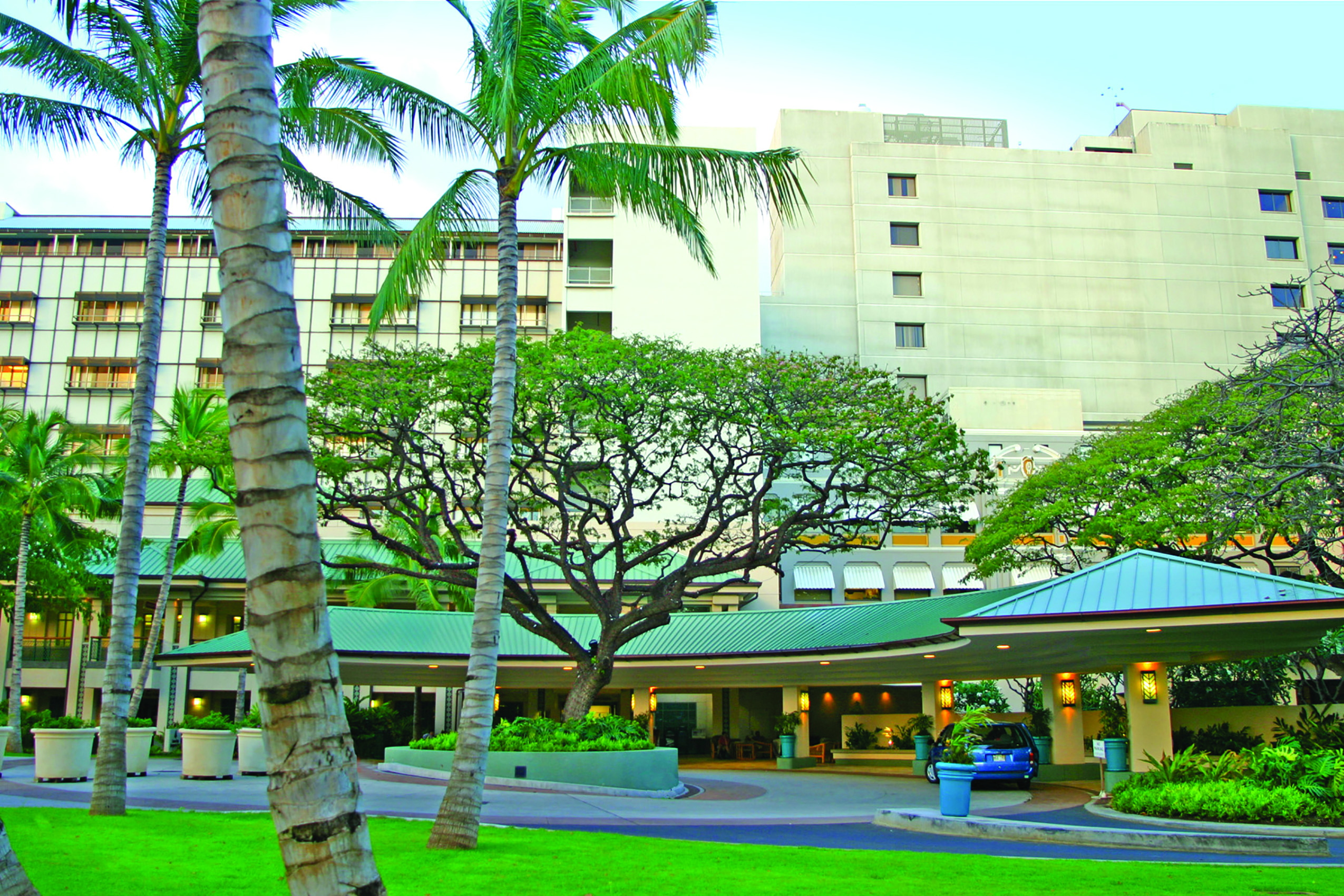
    The year of Dr. Won’s return as a neurosurgeon  was the same year that the new University of Hawai‘i medical school opened its doors as the John A. Burns School of Medicine (JABSOM). Early in 1965, Dr. Won went into private neurosurgical practice and his wife went to work for Kaiser Permanente–Hawai‘i as an internist practicing primary care medicine.

    “In the early ’60s, all surgeons in the state had to obtain operating privileges at each separate hospital, except for Kaiser hospital, which was a fairly new kind of health maintenance organization,” says Dr. Won. Medical insurance was in its infancy. “The Queen’s Medical Center was the most important hospital in town. Once you were accepted at Queen’s, you could work at the other hospitals — St. Francis and Kuakini Medical Center — called the Japanese Charity Hospital until Pearl Harbor was attacked. We worked at all the hospitals, but we all started at Queen’s.”
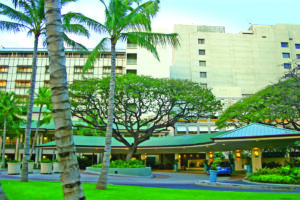
    “In the mid-’60s, when I started in private practice, there were no physicians’ offices at hospitals,” says Dr. Won. “We all had to have our own
    private consultation offices somewhere nearby.”

    There were no trained emergency room (ER) physicians in the ’60s and early ’70s in the US. Recently graduated interns and residents mainly staffed the ERs.

    Dr. Won reported that he seemed to inherit the lion’s share of pediatric neurosurgical cases in Hawai‘i at that time. However, his practice included all age groups. He performed aneurysm clippings, trauma surgery, pediatric subdural taps, placings of shunts for hydrocephalous, myelomeningocele repairs, brain tumor removals and many diagnostic tests.

    CAT and MRI scans were barely even in the concept stage back in 1966.

    A Challenge for Doctors and Patients Alike

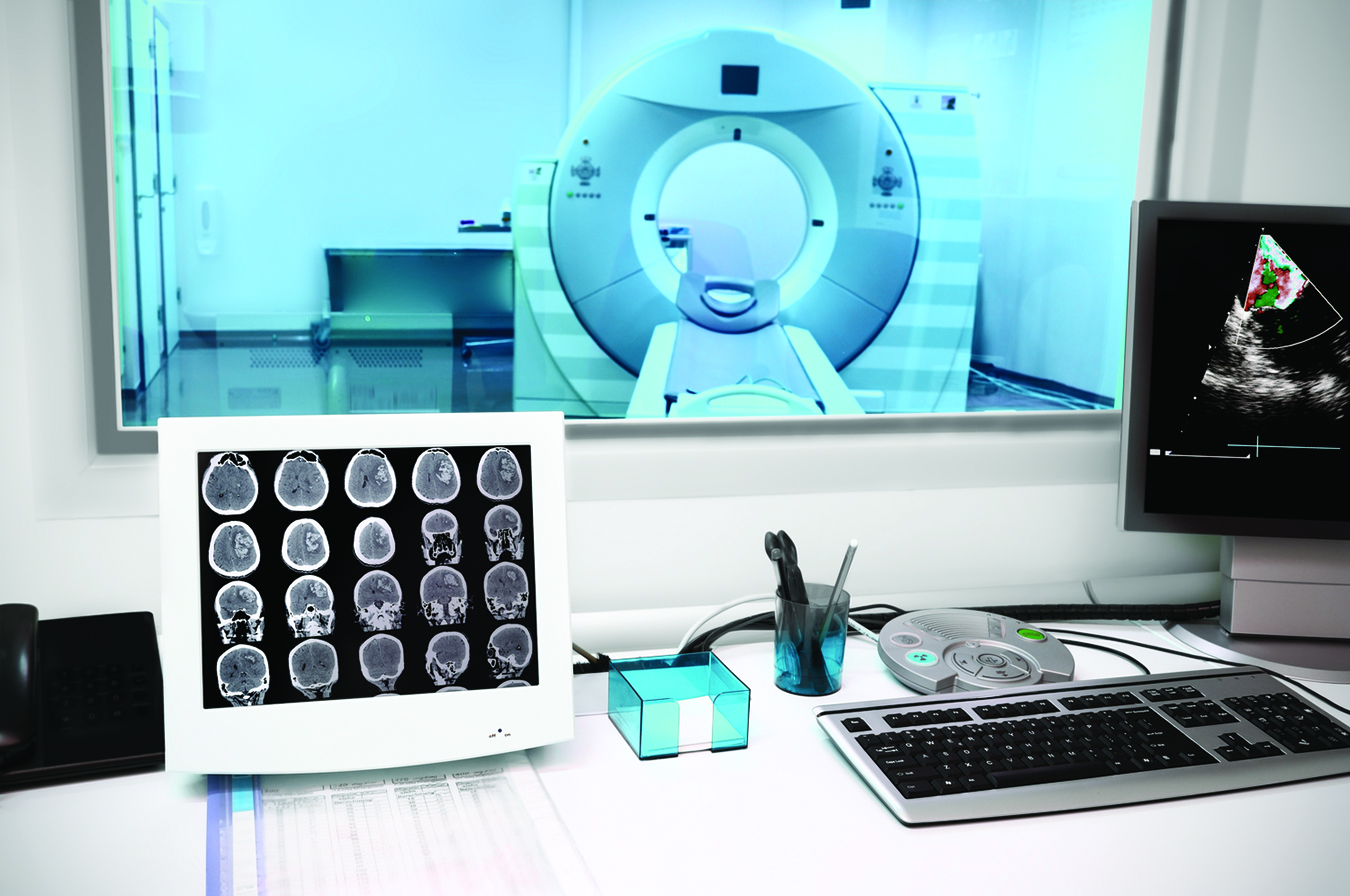
    Before the invention of the MRI and CAT scans, it was quite challenging to diagnose brain illnesses and injuries.

    “Whenever patients with any type of head injury came in, a neurosurgeon was always called in to evaluate the injury, no matter how minor,” says Dr. Won. “Because there were no CAT or MRI scans available, we had to do specific neurological examinations and depend on what we found in physical examinations of the patient. We had to rely upon our own clinical physical exam and neurological exams that we learned to do in medical school. We had to work from scratch, because at that time, they couldn’t see through the skull. They could just take plain X-rays that only showed the outside of the skull. It was very difficult.”
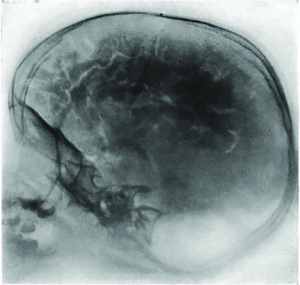
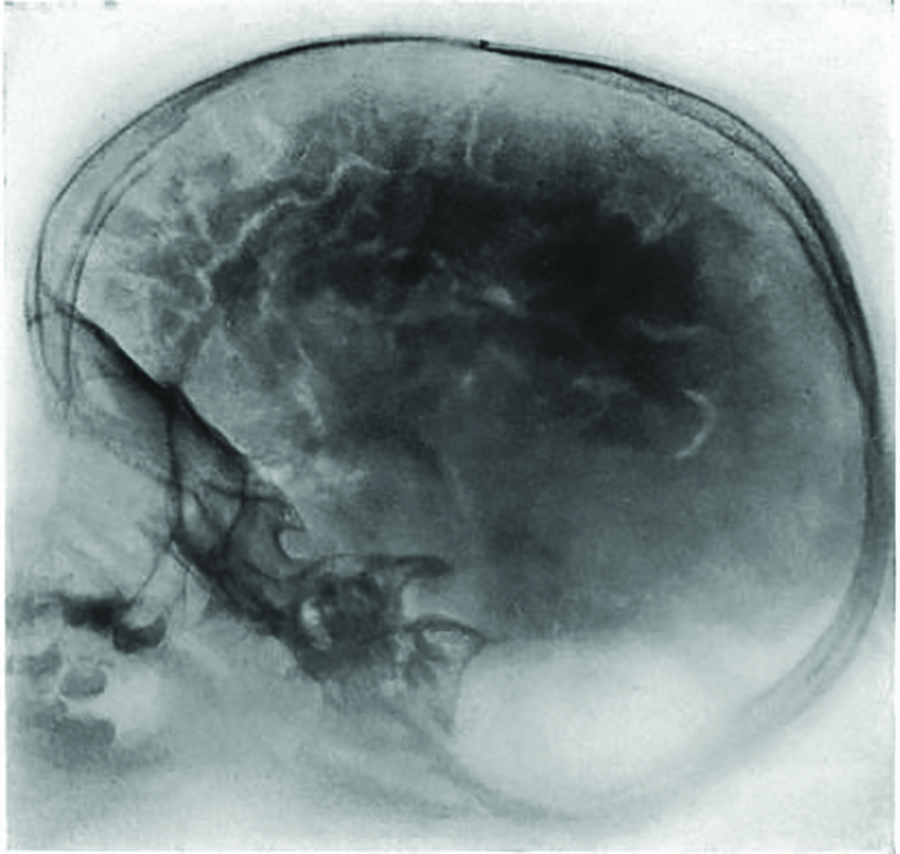
    “Much of our training and residencies were spent performing diagnostic exams to find out what the problem was,” says Dr. Won. “We had to do a lot of spinal taps. In order to do a really thorough test, we drained all of the spinal fluid out of the body and replaced it with air. Air shows up on an X-ray as black, so it outlined the brain and it’s convolutions — the grooves (sulci) and the folds (gyri). The pneumoencephalogram procedure gave patients a pretty bad headache.

    Having been trained at the Neurological Institute in New York, Dr. Won was accustomed to the use of the pneumoencephalogram chair, which could invert the patient upside down.

    “Air rises, so if you wanted an image of the bottom of the brain, you had to turn the patient upside down,” says Dr. Won.

    It was Dr. Won who brought the chair idea to Hawai‘i. “I was able to get the biomedical staff in St. Francis Hospital’s radiology department to build a rotating pneumoencephalogram chair adapted from an actual dental chair,” says Dr. Won. His chair was equipped to safely turn the patient upside down. “I was the only one who was able to use the chair due to my experience at Columbia. And it was quite useful, especially when doing that diagnostic test in the pediatric age group under general anesthesia.”

    This was one of the best ways to study the internal anatomy of the brain and detect lesions of the nervous system before CAT and MRI scanning became available. Dr. Won’s chair was the only such device in Hawai‘i at the time.

    “The chair was always in use because that was the only way to see inside the brain,” says Dr. Won. Neurosurgical residents conducted all the X-ray tests because there was no neuroradiology specialty at that time. (The angiogram or arteriogram — injecting dye into an artery — was another way of imaging the brain.)
    A Welcomed Obsolescence

    But Dr. Won didn’t have to use the pneumoencephalogram chair very long, because the CAT scan was developed a few years later, which made diagnosis easier “and the chair immediately obsolete” adds Dr. Won. “And all the tests that we were trained to perform were eliminated.”

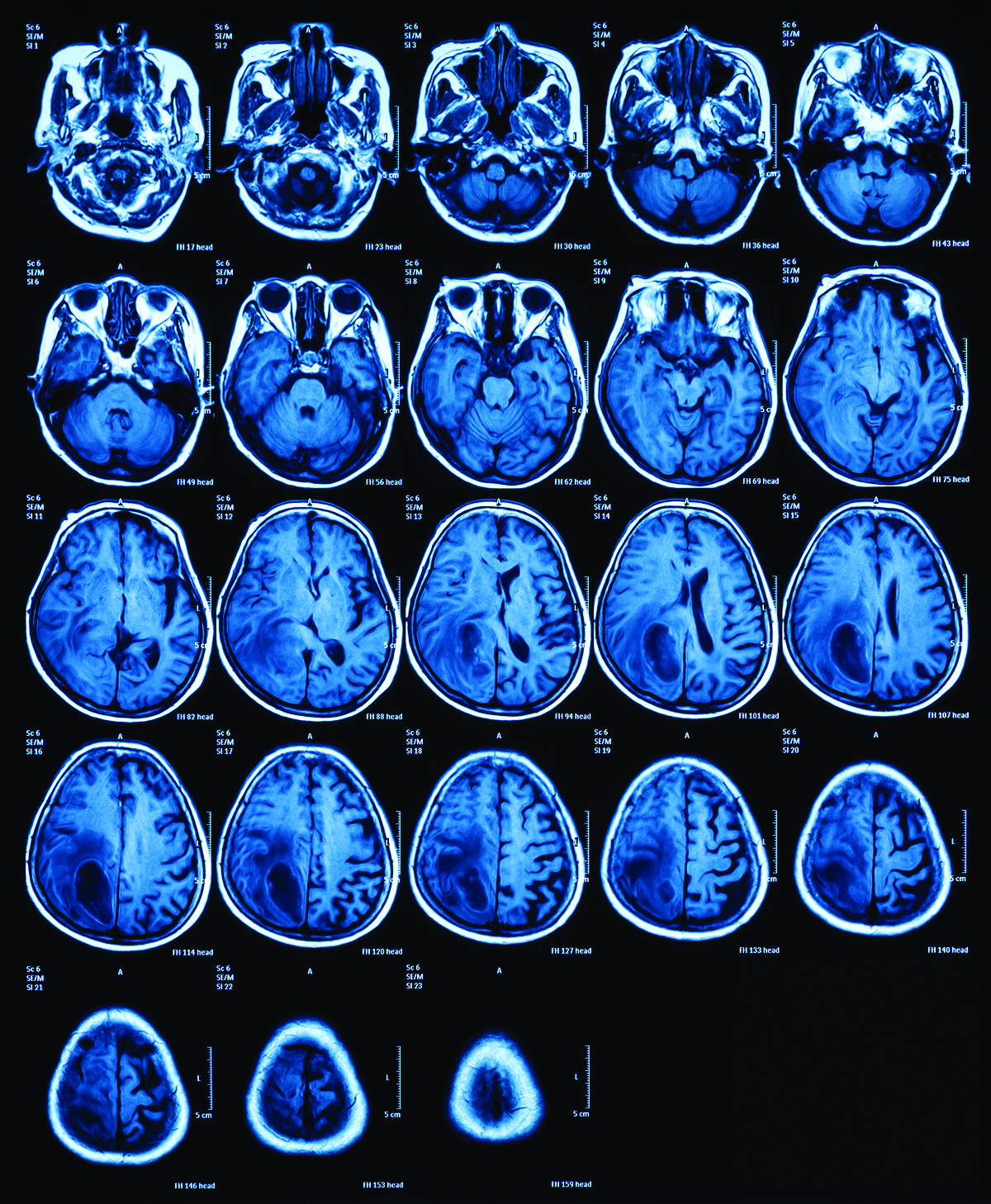
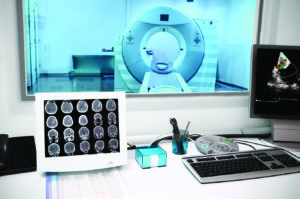
    Computerized axial tomography (CAT, CT) uses a combination of X-rays and computer technology to provide comprehensive images that help detect a number of neurological conditions. The MRI (magnetic resonance imaging) scan, which came later, was able to reveal even more than a CAT scan could. MRI scanning, using radio waves and a strong magnetic field to provide very clear images without ionizing radiation, is best for diagnosing and monitoring many neurological conditions affecting the brain.
    A Day in the Life of a Brain Surgeon

    “Neck and back surgery was also a large part of neurosurgery practice,” says Dr. Won. “Anterior cervical fusion for cervical spine injuries and cervical disc degenerative disease was a ‘popular’ operation. Lumbar spine surgery was also more common during those days
    than it is now.”

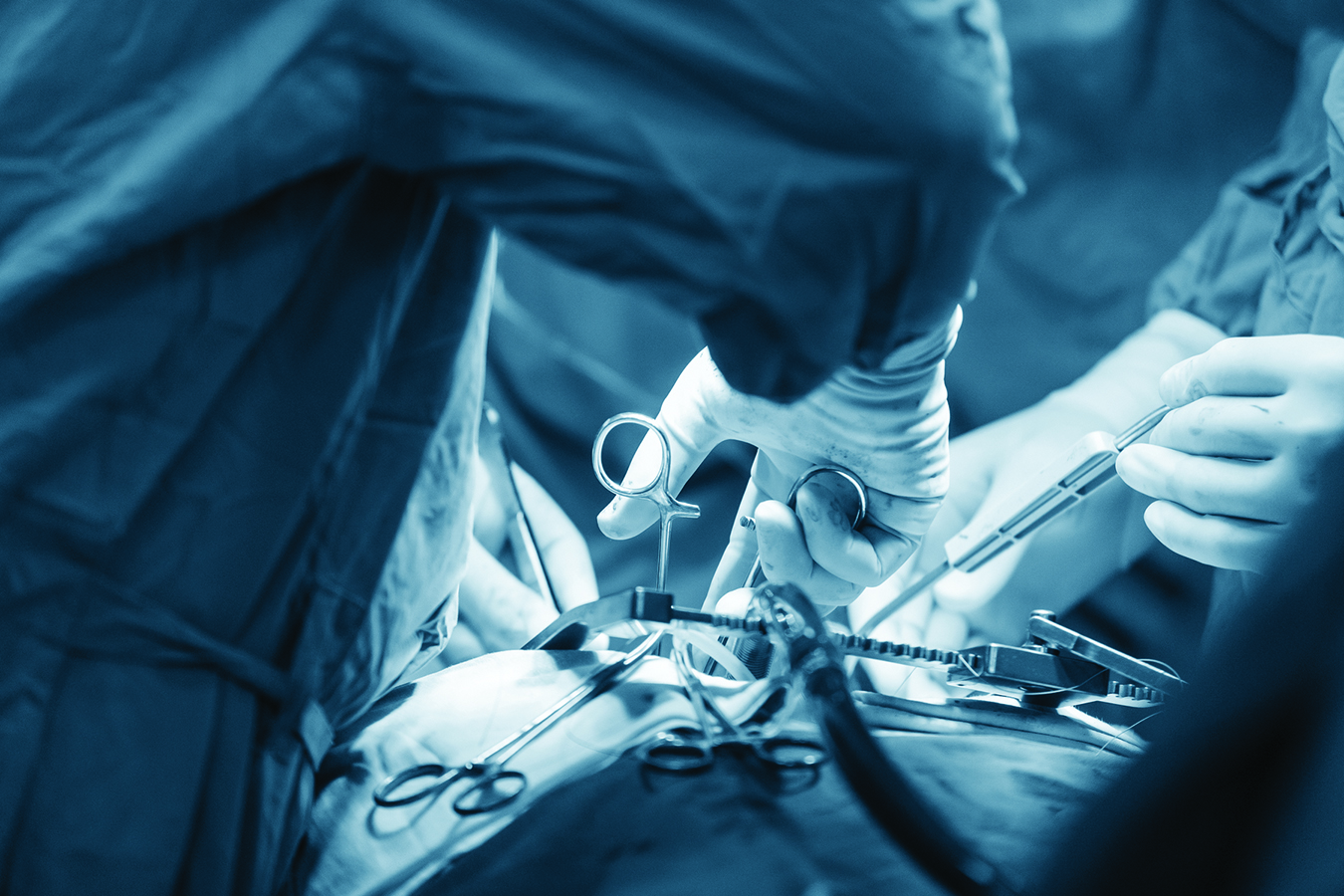
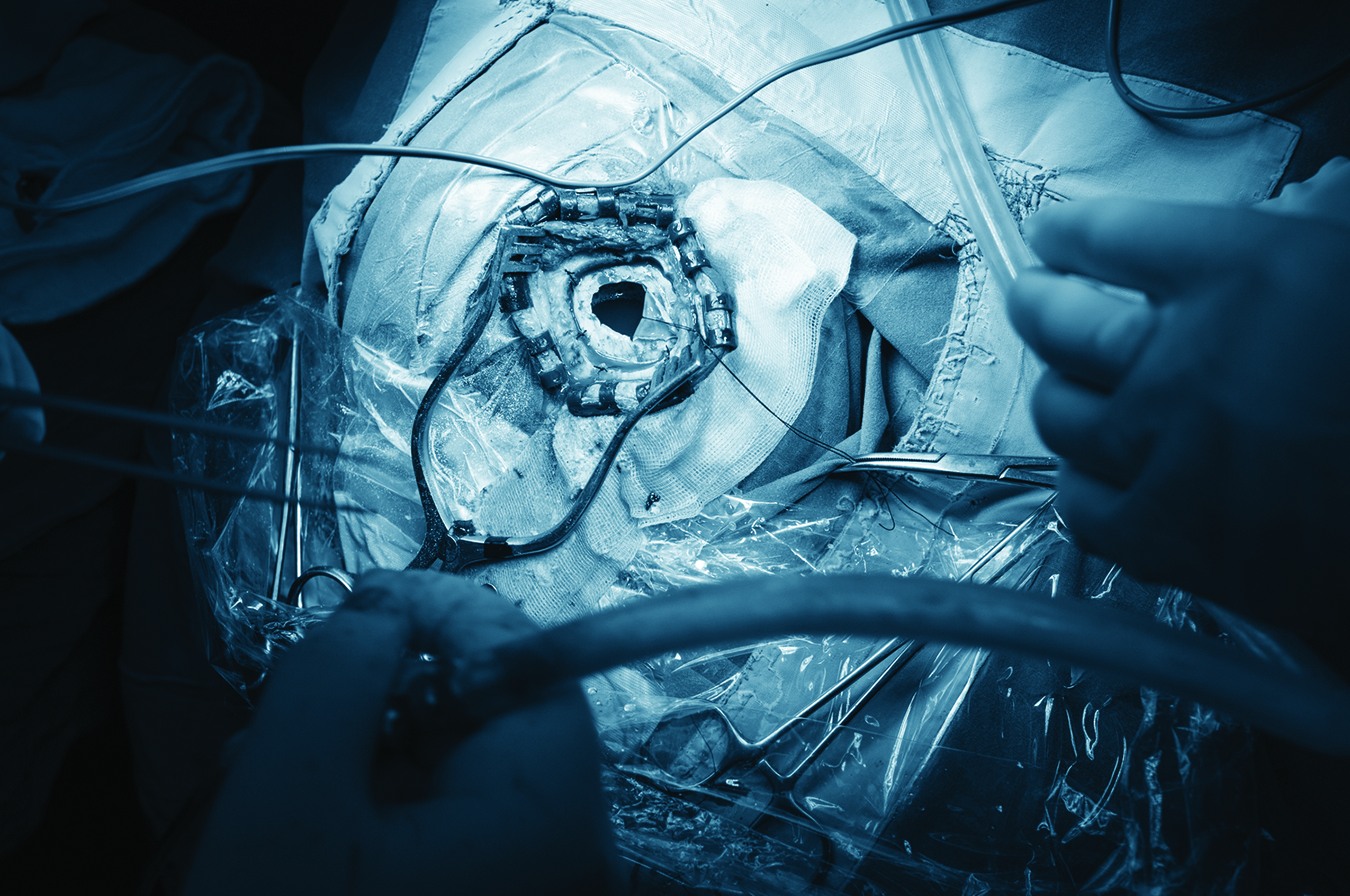
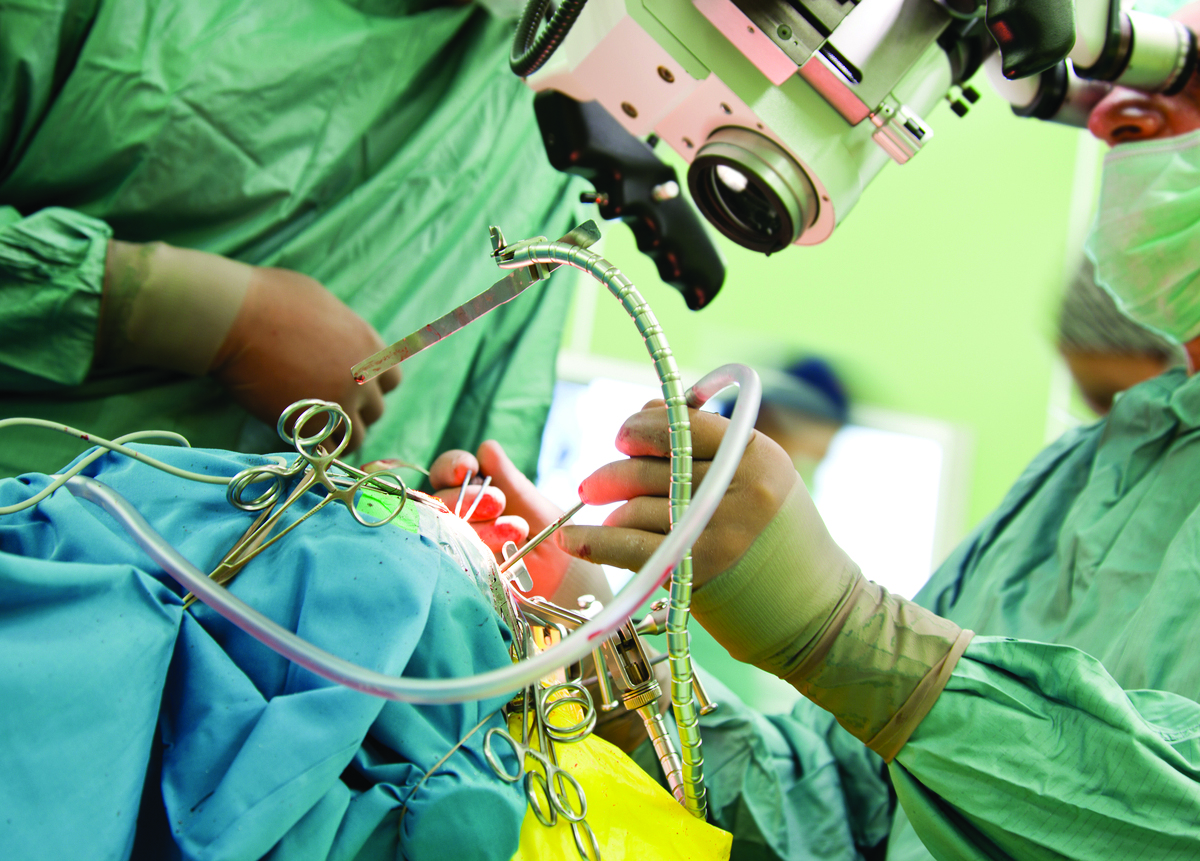
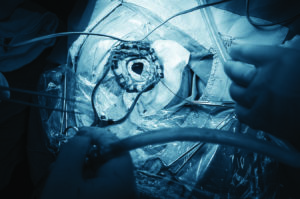
    Most major procedures were craniotomies for brain tumors, aneurysms and severe brain trauma — especially posterior fossa craniectomies — a surgical procedure to make an opening in the back of the head to gain access to the brain. Special head frames with bone pins were used.

    “Head trauma made up the bulk of my neurosurgery work in those early days,” says Dr. Won. “I worked 24/7, until the hospitals began to staff ERs with specialists who were fully trained MDs. Also, the availability of CAT and MRI scans replaced the necessity of having to do emergency carotid angiograms in the middle of the night. That was a great relief!”
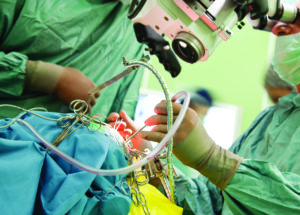
    “I did much of the pediatric work, for example, subdural punctures via anterior fontanelle, ventriculoperitoneal shunts for hydrocephalus; repair of myelomeningoceles; and rarely, posterior fossa tumors. With the now current knowledge of the important role of folic acid in the prenatal period, the occurrence of many of these pediatric abnormalities has subsided.”

    In the late ’80s, Dr. Won moved from his St. Francis Hospital campus office to Queen’s, where he practiced until he retired.

    Neuroradiology: The Evolution of Brain Surgery

    Neurosurgery was still in a relatively primitive state in the ’60s and early ’70s, until the CAT scan became clinically available.

    The first CAT scan machine was installed at Queen’s in the mid-’70s. It radically changed all of neurosurgical practice and firmly established the specialty of neuroradiology.

    “The surgical microscope for neurosurgery was not available at St. Francis Hospital, where I did the major portion of my hospital practice in the early ’60s,” says Dr. Won. “It was not until the ’70s that we were able to get some training for its use in treating aneurysms and skull base tumors. Individual neurosurgeons in private practice had to get special training in new procedures while attending our annual American Association of Neurological Surgeons and the Congress of Neurological Surgeons meetings on the mainland.”

    “In cases of extremely rare tumors or arteriovenous malformations, and in skull base and midline tumors, I would refer patients to the major medical centers on the mainland or to my neurosurgery training program in New York.”
    15 Minutes of Fame

    In 1981, Dr. Won became a reluctant expert witness in an infamous court case that became a major media sensation. A circuit court judge was the target of a large public protest and was criticized by state officials when he overturned a 1979 jury verdict that found a drug dealer guilty of killing and then dismembering another drug dealer, saying discrepancies in testimony by key prosecution witnesses raised serious doubts. The judge said the jury was wrong and the verdict was wrong.

    Many attorneys thought the judge was correct, according to Dr. Won.

    The following day, the judge was found semiconscious from a head injury. Police said he had tried to commit suicide by falling or jumping off a table.

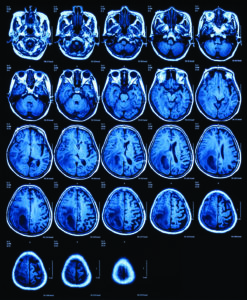
    Although Dr. Won hoped not to be involved, the case came to St. Francis Hospital where he worked because the facility had the new CAT scanner. A CAT scan revealed bilateral skull fractures and a subdural hematoma. Bilateral skull fractures usually occur from two direct impact sites. The eyes and neck were also bruised and one of his collarbones was broken.

    “If you fall down on one side, it will only fracture one side of the head, because of the big suture in the middle of the skull (fibrous tissue connects the bones of the skull),” says Dr. Won. “A fall on one side won’t affect the other side. But the judge had a fracture on both sides of his skull, so he couldn’t have just fallen. It was my opinion that the patient received several blows to the head while he was asleep.”

    Dr. Won performed emergency lifesaving surgery on the judge and was called to testify in court regarding his opinion of the cause of the judge’s suspicious head injury. “But the police department was not interested in my opinion regarding the judge’s head injuries,” he recalls.

    The court case gave Dr. Won much more than 15-minutes of fame — including articles in The New York Times. “It was a very sensational case.”
    Current State of Neurosurgery in Hawai‘i

    A hundred years ago, the only way to positively diagnose many neurological disorders was through an autopsy. Today, modern medical imaging has allowed physicians and scientists to see the structure of the brain and changes in brain activity as they occur. Some of the most significant improvements in imaging have occurred over the past 20 years, providing sharper images and more detailed functional information.

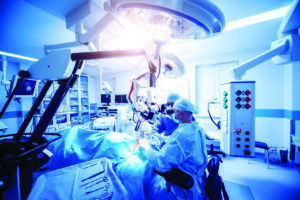
    Using X-ray, MRI and CAT technologies, radiology has become an important part of the diagnostic process within neuroscience. Modern neuroradiologists focus on interpreting scans of the central nervous system, which includes the brain, spine and spinal cord, face and neck, and peripheral nerves.

    Neurosurgery has continued to develop in Hawai‘i. JABSOM has a Division of Neurosurgery consisting of seven clinical faculty. The faculty operate at hospitals throughout Hawai‘i and the Pacific, including Queen’s and Straub. The faculty teach residents in the general surgery and orthopedic surgery residency programs, as well as medical students. Several from the latter group have gone on to neurosurgical residencies.

    There are typically 13 to 14 neurosurgeons at any given time based at nine hospitals in Hawai‘i. The majority of neurosurgical care is provided in Honolulu. However, neurosurgical services have also been available on Maui for the past several years. The most complex procedures are performed at Queen’s, which has been home to a neuroscience institute since 1996, participating in numerous clinical trials and research projects.

    Neurosurgeons are able to function with relative independence from mainland institutions. However, collaborations do exist. A recent  partnership between Queen’s and the M.D. Anderson Cancer Center in Texas has sought to expand the scope and quality of care available in the Pacific.

    Neurosurgery has continued to grow at UH and its associated training sites, making the state one of the Pacific’s premier destinations for such services.

    Nurturing a New Generation

    Dr. Won’s interest in collecting Chinese antiquities began during his college and medical school  days. He is a longtime member of the Society of Asian Art of Hawai‘i. During his free time at neurosurgical conferences, he visited antique shops. Over the years, he acquired a collection of Chinese antiques, which he later auctioned off. That auction was an important milestone for the Wons, enabling them to create a financial aid fund for Punahou students in need of tuition assistance.

    “We know the importance of education,” said Dr. Won. “Now we can offer some help to others.”

    Punahou has served as a pillar in the Won family foundation since their only son started kindergarten there more than 40 years ago. He graduated in 1984; all of his children also attended. “We come from humble beginnings,” said Dr. Margaret Lai, Dr. Won’s wife, “and we realize a lot of people need financial aid, so it’s wonderful to be able to offer that.”
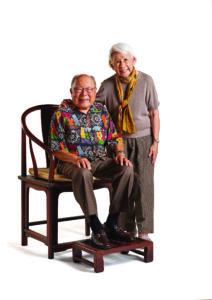
    Family Life

    After he retired in 1996, Dr. Won continued to serve as the physician member of Hawai‘i’s Medical Claims Conciliation Panel (MCCP) — now known as the Medical Inquiry and Conciliation Panel.

    In 2006, the Won’s son and his wife and two daughters moved back to live with them.

    “Because they are busy working parents — our son is a professor of accounting at the UH Department of Business and our daughter-in-law is a professor of geriatrics at JABSOM — we were very busy grandparenting,” say the Wons.

    Up to a few years ago, “Yeh-Yeh,” as his grandchildren call him, was on the Punahou campus daily, providing afternoon chauffeuring, picking them up and delivering them to a variety of afterschool activities. Margaret — “Nai-Nai” — cooked dinner for their extended family of eight, then six, when both granddaughters left for college. Now, their son and daughter-in-law have taken charge of nearly all of these activities.

    After retirement, Bill and Margaret helped make deliveries for Hawai‘i Meals on Wheels for over 15 years. The Wons also attend Kaimuki Christian Church and Bible studies, and contribute to Christian organizations and missionary doctors. They enjoy gardening. and meals with friends and family, and enjoy a regular walking routine.

    “We give glory and thanks to God for all His blessings,” they say.

    Just Listen…

    Dr. Won and Dr. Lai offer this simple guidance for future and current doctors: “Really listen to your patients and their families. Their descriptions of symptoms are an invaluable tool. When you listen carefully, patients know you care.”

    _______________________________
    History of Hawaii Neurosurgery, Robinson M.D., Bernard (www.amazon.com)
    SOURCES
    Columbia Neurosurgery History:
    https://www.neurosurgery.columbia.edu
    The Development of Neurosurgery in the State of Hawaii: 2021meeting.cns.org
    Swinney C, Obana W, The History of Neurosurgery in the Hawaiian Islands, World Neurosurgery (2017), doi: 10.1016/j.wneu.2017.10.065:
    https://iranarze.ir/wp-content/uploads/2018/09/E9610-IranArze.pdf
    WHAT IS NEURORADIOLOGY:
    https://www.radiology.ca/article/what-neuroradiology

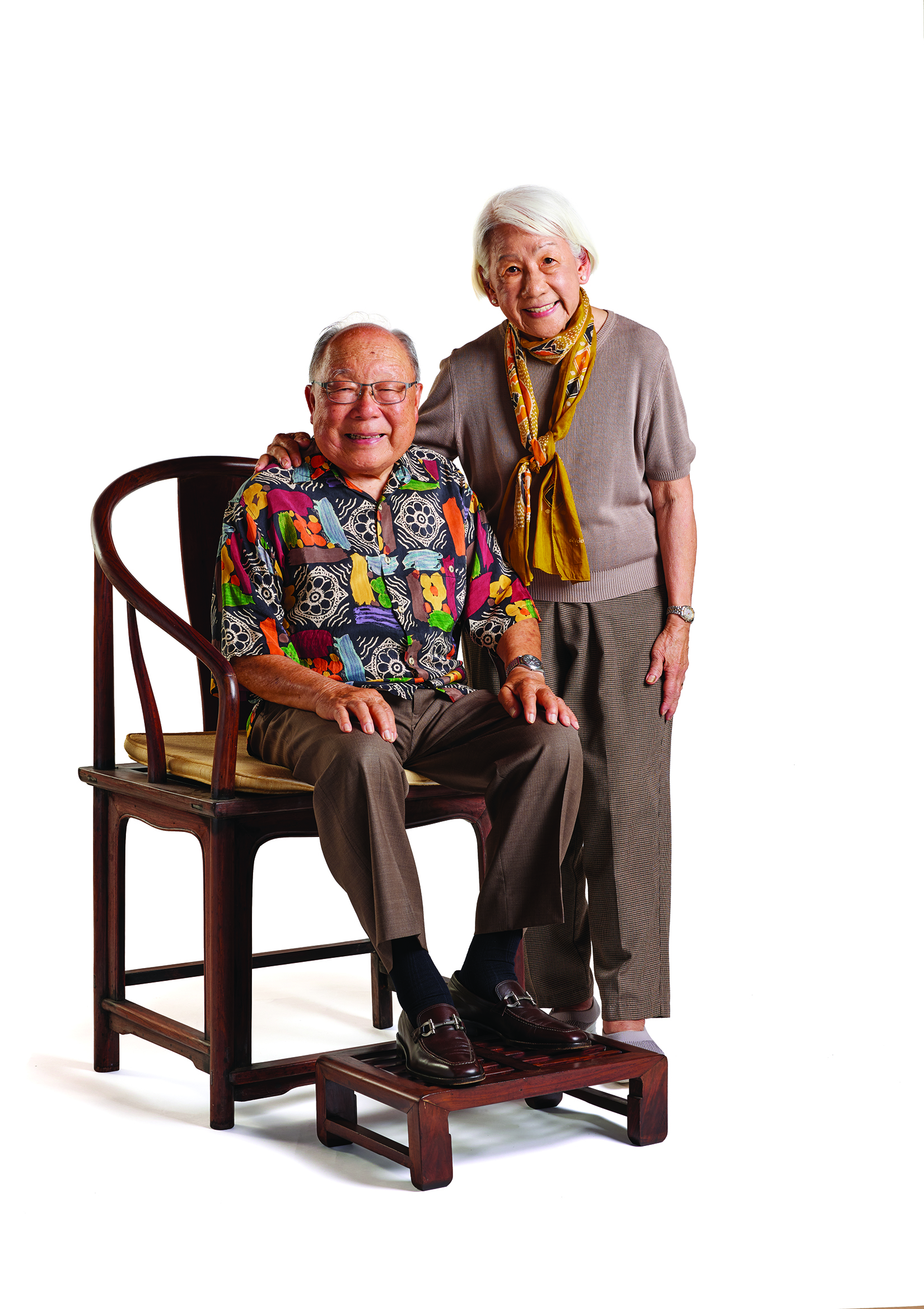
    Dr. William “Bill” Won, one of Honolulu’s foremost brain surgeons, was the first Hawai‘i-born Chinese American neurosurgeon in the state and only the second person born in the state to become a neurosurgeon. Dr. Won, now age 90, practiced from 1965 to 1996. After a stellar career, the quiet and humble retired brain surgeon continues…

  • Protect Pets After You’re Gone

    Senior man and big dog, closeupGrowing up, my family always had a pet. From dogs to cats to frogs and even a chicken for a day, pets have always been a part of my life. Today, our pet family consists of three dogs, a guinea pig, a bunny and frogs.

    Our pets are not just animals but members of our family. And like our family members, we want to ensure that they are taken care of after we are gone. If you’re an animal lover like me, you worry about what will happen to your pet if something were to happen to you, then a pet trust may be your answer.

    Many of our clients have pets that they love and want to ensure that they are cared for and provided for after they pass. A pet trust allows pet owners to set up a support system for their pets after they’re gone. The trust appoints a trustee who will manage the money put aside for the pet. It appoints a caretaker beneficiary who will take care of and love the pet for the rest of their life. We also work closely with our clients to prepare a memorandum of intent. This memorandum allows our clients to leave specific instructions on how to care for their pets — this can include specific food sensitivities, grooming, medical care and even burial or cremation.

    If this is something you are interested in, we recommend contacting your attorney.


    STEPHEN B. YIM, ATTORNEY AT LAW
    2054 S. Beretania St., Honolulu, HI 96826
    808-524-0251 | www.stephenyimestateplanning.com

    Growing up, my family always had a pet. From dogs to cats to frogs and even a chicken for a day, pets have always been a part of my life. Today, our pet family consists of three dogs, a guinea pig, a bunny and frogs. Our pets are not just animals but members of our…

  • Making the Rules Beyond Your Lifetime

    How do you stay in control of your stuff while you are able and assure that your wishes will be carried out when incapacity or the grim reaper catch up with you? Sorry to rub it in, but at least one of these possibilities is going to happen to you and odds are that both of them will. You  have an opinion about the kind of healthcare you want to receive throughout your lifetime and you have an opinion about who should enjoy your stuff when you are done with it. Turning your wishes into reality will require you to act on your opinions and put them down on paper. You need to develop the rulebook — your estate plan — that will give you the final say over your assets and your healthcare.

    And remember that your rulebook will need to change over time. In the future, your health, family situation and assets will change. Your comfort with your list of hand-picked decisionmakers who will someday step in and make choices will change. The laws that affect your estate plan will change. With these changes, you will need to adjust your rulebook in order to be confident that your wishes will be followed at every phase of your life — and perhaps beyond your lifetime.

    Talk with your trusted advisors about the best way to put your rulebook in place and then how to keep it current as circumstances change.


    SCOTT MAKUAKANE, Counselor at Law
    Focusing exclusively on estate planning and trust law.
    www.est8planning.com
    808-587-8227 | maku@est8planning.com

    How do you stay in control of your stuff while you are able and assure that your wishes will be carried out when incapacity or the grim reaper catch up with you? Sorry to rub it in, but at least one of these possibilities is going to happen to you and odds are that both…

  • Making Your Money Last in Retirement

    Having spent decades saving for retirement, it can feel like a major shift for retirees to spend down their hard-earned assets. Research by the Employee Benefit Research Institute found people with $500,000 or more in savings at retirement spent down less than 12 percent of their assets over 20 years.(1)  Many of these retirees  are reluctant to dip into their principal for fear of running out of money due to the anticipation of increased healthcare expenses and other factors. If you share these concerns about the longevity of your savings, here are steps you can take to help you feel more confident:

     Understand the arc of retirement spending. Annual expenses generally are highest within the first few years of retirement. This is because retirees are often taking advantage of their newfound leisure time to pursue hobbies, travel, dine out and shop. Spending tends to slow down with advancing age. You may find it reassuring to realize there’s a good chance your lifestyle expenses in retirement could level out or decrease over time.

     Plan for healthcare costs. Healthcare is consuming an increasing proportion of many retirees’ income. You can start preparing for these expenses today by researching your insurance and savings options and developing a strategy to cover your needs. Your options could include a combination of the following: Medicare, Medigap supplemental insurance, health savings accounts (HSAs), long–term care policies, continuing health insurance through your current or former employer, and other dedicated healthcare savings. Having funds and protection in place can help you feel more prepared to handle a medical emergency or more routine care.

     Understand the level of risk in your portfolio. As you turn your savings into income, it’s important to review your portfolio and assess your level of risk. This means ensuring that you have a diversified portfolio that suits your anticipated spending and balances your needs for liquidity and  growth. For example, consider having a year to several years of easily accessible investments to provide income in case of a market downturn or an unexcepted financial event in your life. At the same time, it’s important to also have investments that are positioned for growth, or at the minimum, keep up with inflation. Many retirees spend decades in retirement, so plan your investment strategy with longevity in mind.

     Devise a sustainable withdrawal strategy. A well-crafted retirement income plan can help you avoid running out of money and feel more confident about spending your hard-earned assets. Tally up your various sources of retirement income, which may include Social Security, annuities,  retirement assets and other investment earnings. Then, decide which assets you will tap into first, and when you will claim Social Security benefits. Remember that at 72 years of age you are required to take required minimum distributions from your traditional IRA and employer-sponsored retirement plans, so work this income into your plan.

     Consider the tax consequences. Reducing taxes on retirement income is a priority for a great number of retirees, yet many feel understanding the tax impacts of drawing down assets is complex. Starting the planning process early and seeking guidance from a tax and financial advisor can help you feel more secure in your strategy.


    MICHAEL W. K. YEE, CFP,® CFS,® CLTC, CRPC®
    1585 Kapiolani Blvd., Ste. 1100, Honolulu, HI 96814
    808-952-1222, ext. 1240 | michael.w.yee@ampf.com
    www.ameripriseadvisors.com/michael.w.yee
    Michael W. K. Yee, CFP®, CFS®, CLTC, CRPC®, is a Private Wealth Advisor, Certified Financial Planner™ practitioner with Ameriprise Financial Services, LLC in Honolulu, HI. He specializes in fee-based financial planning and asset management strategies and has been in practice for 37 years.

    Investment advisory products and services are made available through Ameriprise Financial Services, LLC, a registered investment adviser. Investment products are not insured by the FDIC, NCUA or any federal agency, are not deposits or obligations of, or guaranteed by any financial institution, and involve investment risks including possible loss of principal and fluctuation in value.

    1 “The Employee Benefit Research Institute’s Spending in Retirement Survey”. EBRI, 2021. Ameriprise Financial Services, LLC. Member FINRA and SIPC. ©2021 Ameriprise Financial, Inc. All rights reserved.

    Having spent decades saving for retirement, it can feel like a major shift for retirees to spend down their hard-earned assets. Research by the Employee Benefit Research Institute found people with $500,000 or more in savings at retirement spent down less than 12 percent of their assets over 20 years.

  • Credit Unions: People Helping People

    Those same members collectively own and control their credit unions. Every member gets an equal vote on the election of board of directors at their credit union,  Regardless of their deposits. Like banks, credit unions operate for the benefit of their shareholders. But unlike banks, a credit union’s shareholders are the members and vice versa — they’re both members and owners.

    Credit unions aren’t a new idea. The first one popped up in Germany in the late 1800s. The first American credit union opened in 1909. In 1934, the Federal Credit Union Act was signed into law, authorizing credit unions in every state. To this day, Oct. 20 is celebrated as International Credit Union Day. But despite the worldwide appeal, credit unions are decidedly local institutions.

    Most credit unions operate in a specific geographic area and that’s the same source for their members. For example, Gather Federal Credit Union operates branches across Kaua‘i. It offers membership to anyone who lives, works, worships, attends school or operates a business on Kaua‘i or Ni‘ihau. Members’ immediate families are all eligible as well. In that sense, credit unions work to strengthen communities by helping to build financial security for all members.

    Credit unions are nonprofit organizations and members benefit from similar protections as banks. Credit unions generally offer products and services similar to what banks offer, as well, including checking and savings accounts, loans, ATMs, debit and credit cards, IRA shares and certificates, money transfers and online banking. Some credit unions may also offer financial planning and counseling services. Members’ credit union accounts are federally insured by the National Credit Union Administration up to $250,000. Members also typically benefit from lower fees, competitive loan rates, higher dividend rates on deposit accounts and a more personal approach to member service.

    There’s lots more to learn about credit unions. A great place to start is at www.MyCreditUnion.gov.

    But, more than anything, the most important thing to remember about credit unions is their shared philosophy: “People Helping People.”


    GATHER FEDERAL CREDIT UNION
    Kukui Grove, Līhu‘e, Kapa‘a, Kōloa, ‘Ele‘ele, Waimea
    808-245-6791 | info@gatherfcu.org
    www.gatherfcu.org

    There’s an old saying about money that sums up why credit unions have flourished: “We make a living by what we get, but we make a life by what we give.” Credit unions are unique in the world of finance, and for lots of people, that’s exactly why they choose to become members.

  • SSA Survivors Benefits

    We are here for surviving family members when a worker dies. In the event of your death, certain members of your family may be eligible for  survivors’ benefits. These include widows and widowers, divorced widows and widowers,  children and dependent parents.

    The amount of benefits your survivors receive depends on your lifetime earnings. The higher your earnings, the higher their benefits. That’s why it’s important to make sure you {Play}r earnings history is correct in our records. That starts with creating a my Social Security account at www.ssa.gov/myaccount. A my Social Security account is secure and gives you immediate access to your earnings records, Social Security benefit estimates and a printable Social Security Statement. The statement will let you see an estimate of the survivors benefits we could pay your family.

    Visit our “Benefits Planner for Survivors” at www.ssa.gov/planners/ survivors to help you better understand Social Security protections for you and your family as you plan for your financial future.

    Please visit www.ssa.gov or read “Survivors Benefits” at www.ssa.gov/pubs/EN-05-10084.pdf for more information. You can also help us spread the word by sharing this information with your family and friends.


    800-772-1213 (TTY 800-325-0778) M–F, 8 am–5 pm
    SSA Office Locator: www.socialsecurity.gov
    Advance Designation FAQ: www.ssa.gov/faq (Other Topics)
    Representative Payees Information: blog.ssa.gov

    We are here for surviving family members when a worker dies. In the event of your death, certain members of your family may be eligible for  survivors’ benefits. These include widows and widowers, divorced widows and widowers,  children and dependent parents.