Category: Date

  • Caring for Yourself: Kidney Disease Update

    Generations Magazine - Caring for Yourself: Kidney Disease Update - Image 01What would you do if you were told you might be sick, or might become sick, even though you feel fine, have no symptoms of which you are aware, and think that you are generally in “good health?” Would you bother to do anything at all under those circumstances? Would you tend to think that you will deal with a potential health problem if and when you begin to notice some symptoms? After all, we’re all generally pretty busy, and dealing with something that “might” become an issue could easily be filed in the “Someday, Maybe” file.


    A New Study is Published

    Unfortunately, for many Americans this scenario is, or will become, a reality — and many of us are unaware that a problem may exist. According to a new analysis published in the American Journal of Kidney Disease, nearly six of ten Americans will develop kidney disease in their lifetime. That’s not a misprint; a new study completed by a team of researchers at Johns Hopkins University determined that the lifetime risk of moderate kidney disease for Americans is 59.1 percent. That is substantially higher than the lifetime risk of having a heart attack, diabetes or invasive cancer (which are significant illnesses in their own right). According to the analysis, “Chronic kidney disease (CKD) is rising in prevalence, increasingly expensive, and associated with a high degree of morbidity and mortality.” (Am J Kidney Dis. 2013;62(2):245)

    For those of us living in Hawai‘i, the prospect of a similar lifetime risk is even more daunting. While the Johns Hopkins University study did not make a state-by-state breakdown, it is generally known that Hawai‘i has a higher incidence of Chronic Kidney Disease than is found on the Mainland. At least in part, that is because CKD is not an equal opportunity disease. For reasons that are not yet clear, certain ethnic groups have a higher incidence of the disease than do other ethnic groups, including (in no particular order) Hawaiians and other Pacific Islanders, Asians, including Filipinos, Japanese, Chinese and others, African Americans and Latinos. Given the ethnic composition of our local population, it is reasonable to expect that the lifetime risk of CKD for people living in the Islands will be even higher than reported for the nation as a whole as represented in the Johns Hopkins University study.

    The new analysis, the first of its kind for kidney disease, also called attention to the very high risk that women have of developing moderate kidney disease, in part because moderate kidney disease risk increases dramatically starting at age 60. Women have a tendency to outlive men, making kidney disease a particular concern of women who might expect a long life.

    Additionally, diabetes and high blood pressure are the leading causes and risk factors, yet many people don’t link these with kidney disease. Even those with diabetes and high blood pressure aren’t always tested for kidney disease. High blood pressure can cause kidney disease, and in turn kidney disease can cause high blood pressure, so there is a cyclical relationship.

    What You Can Do to Safeguard Your Kidney Health

    Clearly, Chronic Kidney Disease is a serious, high-risk problem. Fortunately, having a problem and dealing with a problem are not necessarily the same thing. In the case of Chronic Kidney Disease, for many people — even those who may be in the early stages of the disease—there are things that can be done to help.

    A good first step you may want to take is to learn whether or not you may have kidney disease, even if you “feel fine” and consider yourself to be “in good health.” According to the National Kidney Foundation, the awareness level of most people is really low. It is estimated that fewer than 50 percent of people with advanced kidney disease (stage 4) are aware of their disease. It’s safe to say that most of us who may be in the early stages of kidney disease are also unaware of our true health condition. As a result of this latest study, the foundation is now calling on healthcare professionals and adults at risk to take action. People at risk for kidney disease should have an annual screening. Those who are generally considered to be at risk include people with diabetes, high blood pressure, and those over 60 year of age or with a family history of kidney failure.

    Your family physician can order simple urine and blood tests to check for the disease. A urine test is for albumin — a protein — which indicates early kidney damage. The blood test measures kidney function. Filtration of less than 60 indicates kidney disease — less than half the filtration capacity of healthy adults.

    Early detection allows early intervention, which can help prevent progression of the disease and the risk of complications, such as heart disease and stroke. Early detection can also improve patient safety in terms of appropriate medication use for those with reduced kidney function.

    Other things an adult can do to reduce the risk of kidney disease include the following:

    • Control blood pressure and blood sugar
    • Maintain proper weight through healthy diet and regular exercise
    • Quit smoking
    • Avoid excessive use of pain medication that can harm the kidneys, such as ibuprofen.

    Once kidney disease is advanced — when urine tests for kidney damage show large amounts of protein in the urine and blood tests measuring kidney function are less than 30 — a nephrologist can provide the expert care that is needed.

    At this stage, diet is critical and the help of a clinical dietician is helpful.

    Be proactive. Don’t wait until you don’t feel quite right to take the tests. And, if you have any of the risk factors mentioned in this article, check with your family doctor. Early detection will enable you to have a better quality of life and hold the disease in check.

    Let Us Help You and Your Caregiver

    For all of us, having better awareness of our health and nutrition is key to living an enriching lifestyle. At the National Kidney Foundation of Hawai‘i we try to make this easy. Our website, Facebook page and eNewsletters are filled with information that will keep you up to date. We encourage people to join the Willie K. Challenge, which encourages us all to eat better and exercise. Our programs department regularly holds public health and kidney screening events that inform people and measure a person’s kidney-related health.

    If you are a patient, family member or a caregiver, we offer support groups to help you cope with the lifestyle surrounding kidney disease. Members meet to discuss important treatment issues, learn from the experience of others and become active in managing kidney disease.

    Caregivers and patients may also want to participate in our Peer Mentoring program, where those who have dealt with the challenges of chronic kidney disease address your questions and concerns.

    Our K.I.W.I. program is open to patients and caregivers who want to learn about lifestyle issues such as nutrition and exercise, how to shop for kidney-friendly foods and prepare meals for kidney patients.

    To join a program, become a volunteer or simply keep in touch, call Jeff at 589-5976 or email jeff@kidneyhi.org.

    For more information, visit the National Kidney Foundation of Hawai‘i at www.kidneyhi.org, or the national website at www.kidney.org.

    Generations Magazine - Caring for Yourself: Kidney Disease Update - Image 02

    What would you do if you were told you might be sick, or might become sick, even though you feel fine, have no symptoms of which you are aware, and think that you are generally in “good health?” Would you bother to do anything at all under those circumstances? Would you tend to think that…

  • Estate Planning: Preventing the Fight

    You kids, don’t fight when I’m gone. These were always my Mom’s words as she left to go grocery shopping, and left my brothers and me home alone. I remember, as soon as we’d heard the car leave the garage, we would start fighting over something.

    Now as an adult, I notice that the same experience happens among adult children when their parents leave for the last time. While parents are with us, we tend to behave and get along. And once our parents die, many of us begin to argue and fight.

    This is sad for me to see time and again … As children not only lose a parent, but also their relationships with their siblings. None of my clients want their children to fight — especially after they’re gone. In fact, this is one of the main reasons why people set up estate plans. And estate planning attorneys can advise parents how to minimize the risk of jealousy, rivalry and infighting between their children. Sometimes we must continue to parent beyond the grave.

    Here are five estate planning suggestions to minimize fighting:

    • Don’t give your children the same asset, give them different things
    • Make it as equal as possible
    • Don’t leave decision-making up to them — you are the parent and these are your assets … you make the call
    • Meet with the family and explain the estate plan
    • Clearly explain your reasoning behind your decisions and share the “why” behind each gift

    Stephen B. Yim, Attorney at Law | 2054 S. Beretania St., Hon. | (808) 524-0251 | stephenyimestateplanning.com

    You kids, don’t fight when I’m gone. These were always my Mom’s words as she left to go grocery shopping, and left my brothers and me home alone. I remember, as soon as we’d heard the car leave the garage, we would start fighting over something. Now as an adult, I notice that the same…

  • October – November 2013

    October – November 2013

    WANT THIS ISSUE?

    Download your own personal copy of this issue in PDF format. Click the button below:

    DOWNLOAD IT NOW

    Emme Tomimbang: When Caregiving Come Full Circle

  • Spouses Have a Significant Benefit

    Social Security can be an important financial asset for married couples when the time comes to apply for retirement benefits. In many cases, one spouse may have earned significantly more than the other, or have worked for a longer span of time. Or it could be that one spouse stayed home to raise the children or care for elderly family members while the other focused on a career.

    Regardless of your situation, Social Security will look at all possibilities to make sure both spouses receive the maximum benefit possible.

    Even if you have not paid Social Security taxes, it’s likely you’ll be eligible to receive benefits on your spouse’s record. If you did work and pay into Social Security, we will check eligibility based on your work record and your spouse’s to see which amount is higher.

    You can apply for spouses benefits the same way that you apply for benefits on your own record. You can apply for reduced benefits as early as age 62, or for 100 percent of your full retirement benefits at your “full retirement age.” You can find your full retirement age, based on your birth year, at www.socialsecurity.gov/pubs/ageincrease.htm.

    The benefit amount you can receive as a spouse, if you have reached your full retirement age, can be as much as one half of your spouse’s full benefit. If you opt for early retirement, your benefit may be as little as a third of your spouse’s full benefit amount.

    Generations - 2013-08-09 - Social Security - Image 01If your spouse has already reached full retirement age but continues to work, your spouse can apply for retirement benefits and request to have the payments suspended until as late as age 70. This would allow the worker to earn delayed retirement credits that will mean higher payments later, but would allow you to receive your spouse’s benefit.

    You can also apply for spouse benefits based on the earnings record of an ex-spouse or deceased spouse if you were married for at least 10 years. Spouses can consider a number of options and variables. We make it easier to navigate them. A good place to start is by visiting our benefits planner at www.socialsecurity.gov/planners. Take note of the “Benefits As A Spouse” section.

    If you are ready to apply for benefits, the fastest, easiest and most convenient way is to apply online. You can do so at www.socialsecurity.gov/applyonline.

    Whether you receive benefits on a spouse’s record or your own, rest assured we will make sure you get the highest benefit we can pay you. Learn more at www.socialsecurity.gov.


    For other information and locations near you:

    www.socialsecurity.gov
    1-800-772-1213 (toll free) | 1-800-325-0778 (TTY)

    Generations - 2013-08-09 - Social Security - Image 02

    Social Security can be an important financial asset for married couples when the time comes to apply for retirement benefits. In many cases, one spouse may have earned significantly more than the other, or have worked for a longer span of time. Or it could be that one spouse stayed home to raise the children…

  • What’s So Good About Growing Older?

    Generations Magazine - What’s So Good About Growing Older? - Image 01
    Dr. Lucy Miller and William Neil Rapozo, Sr. of Kauai County

    Generations Magazine - What’s So Good About Growing Older? - Image 02
    John McGuire and Betty Chieko Goya of Honolulu County

    Generations Magazine - What’s So Good About Growing Older? - Image 03As part of Older Americans Month in May, the Hawai’I State Executive Office on Aging and the Policy Advisory Board for Elder Affairs joined the Area Agencies on Aging and Gov. Abercrombie in recognizing eight outstanding senior citizen volunteers from each of the four counties. The 2013 honorees are: Dr. Lucy Miller and William Neil Rapozo, Sr. Of Kauai County; Betty Chieko Goya and John McGuire of Honolulu County; and Diane Logsdon and Richard Endsley of Maui County; Shirley Ito and Peter Hoffmann of Hawai’i County. These outstanding kupuna represent the thousands of seniors who contribute to the wellness and quality of life of their communities.

    Every year, eight kupuna — one male and one female from each county — are selected as Older American volunteer honorees for the exemplary work they do to aid and support their individual communities. Each of the honorees personifies the contributions Older Americans continue to make well into retirement as productive, active, and influential members of society. This year the honorees were recognized by the Governor in Older American Month events in each county.

    “We celebrate Older Americans Month each year to recognize the vitality of older adults and their outstanding contributions to our communities,” Gov. Abercrombie said. “Each of the 2013 Older Americans Month Award honorees from across our state embodies this year’s national Older Americans Month theme, ‘Unleash the Power of Age!’ Kupuna are taking on new roles in retirement. The people of Hawai’i appreciate and thank them for their continuing service.”

    Generations Magazine - What’s So Good About Growing Older? - Image 04
    Richard Endsley and Diane Logsdon of Maui County

    Generations Magazine - What’s So Good About Growing Older? - Image 04
    Peter Hoffmann and Shirley Ito of Hawai’i County

    As part of Older Americans Month in May, the Hawai’I State Executive Office on Aging and the Policy Advisory Board for Elder Affairs joined the Area Agencies on Aging and Gov. Abercrombie in recognizing eight outstanding senior citizen volunteers from each of the four counties. The 2013 honorees are: Dr. Lucy Miller and William Neil…

  • International Adventure

    Mrs. Matthews and I just returned from a trip to Europe. We went to Lisbon, Portugal for a Rotary International Convention and then to Munich, Germany to visit with friends.

    The thrill of international travel can often be marred by the fact of international travel. Plane delays, for example, often derail plans and force travelers into unexpected circumstances. But here’s something we noticed — senior travelers seem to cope the best. Why is that? Often, I think, each new thing that happens to us is considered an adventure. Seniors have had many ‘adventures’ during their lives and that makes it easier to look at the next ‘inconvenience’ as just yet another turn in the road.

    There were families with toddlers who also managed to cope — but overall, coping is easier when you don’t have little ones. (On the flight from Munich to San Francisco, there was a toddler who could be the next opera star. He yelled and hollered for 10 hours straight. Try that, Michael Buble!)

    The downside to traveling as a senior is that your pill, lotion, ointment, remedy, soothing oils bag may not fit in the overhead bin. Get used to it. It’s not likely to stop there.

    In Portugal and Germany, there were crowded town squares where people from all generations gathered. Seniors were treated with respect, given the right-of-way when they needed it, doors opened for them, they were allowed to move to the front of the line when it appeared they were weakening. We were, in many cases, in tourist destinations and yet the courtesy on the part of residents was extended to visitors and neighbors alike.

    The message here … don’t be afraid to travel for the adventure, for the learning, for the experience if you are a senior. In most cases, you will be treated with style and grace by the people whose country you are visiting.


    The Elderhood Project airs on KHON2 Friday morning news at 5:45 a.m. and Thursday news at 5 p.m.

    Mrs. Matthews and I just returned from a trip to Europe. We went to Lisbon, Portugal for a Rotary International Convention and then to Munich, Germany to visit with friends. The thrill of international travel can often be marred by the fact of international travel. Plane delays, for example, often derail plans and force travelers…

  • Message from The Editor – August / September 2013

    Wow, where has the time gone! Generations Magazine is entering its 4th year of being Hawai‘i’s “Resource for Life.” We strive to educate and inform families and our senior community on a wide range of topics, from health and active living to caregiving and scam alerts… and much more!

    Heading into another year of publishing, the magazine and its business partners will continue to provide resourceful and current information. For example, this issue’s Resource Guide is a new “Speakers Bureau” list. The guide lists trusted resources of Generations Magazine that are available for presentations to senior clubs, church groups and other organizations. There is no charge, sales or solicitations by our participating speakers. Please contact anyone listed for more information or to schedule an appointment.

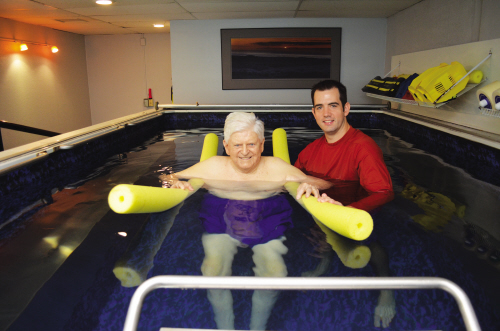
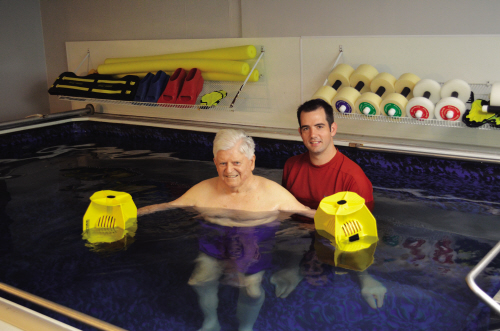
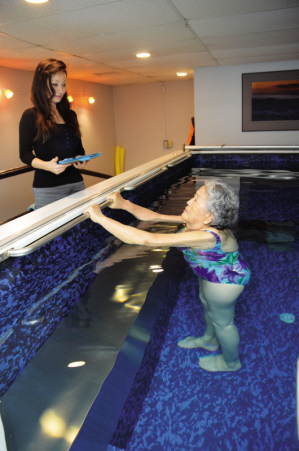
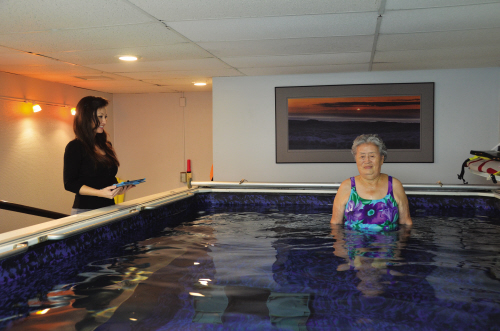
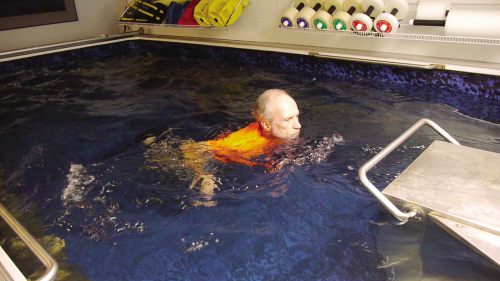
    As the magazine continues to grow, we’re always looking to work with like-minded businesses and organizations. Our newest partner is physical therapist Julie Moon, who has Honolulu’s only heated endless pool to get you back on your feet and moving. We also welcome Cardon Outreach, a Medicare and Medicaid provider of services.

    On a more serious note, we all need to protect ourselves against fraud, theft, stolen identity and other crimes. To help, the magazine has solicited the expertise of Scott Spallina of the Elder Abuse Justice Unit in the Prosecuting Attorney’s Office. For this month’s article, Sweetheart Swindles, turn to page 35.

    Also, we will again be distributed at the annual Hawaii Seniors’ Fair Good Life Expo on Sept. 27– 29 at the Blaisdell Exhibition Hall. With more than 300 vendors, this three day event provides an array of services, programs, educational workshops and additional support for Hawai‘i seniors. Al Harrington, who is on the cover of this month’s issue, is the event’s ambassador. Al believes that regardless of age, there is always room for personal growth. We all need to be proactive and look for ways to improve our lives, and, as I always say, “Live Well!”

    Generations Magazine - Editors Note - Grandparents Ihara
    Happy Nationnal Grandparents Day
    to my parents who are proud grandparents of fourteen grandchildren and four great-grandchildren.

    As we celebrate aging in Hawai‘i, we cannot forget all the wonderful volunteers who assist in so many senior programs throughout the Islands. In this issue we highlight the 2013 Older Americans Month Honorees who were recognized by local agencies and Gov. Abercrombie. To view this year’s eight recipients, turn to page 12.

    And, to top it off, please join us in celebrating National Grandparents Day on September 8th.

    Live Well,

    Generations-Magazine---Editors-Note---Percy-Portrait-Blue-Shirt
    Percy Ihara, Editor/Publisher

    Wow, where has the time gone! Generations Magazine is entering its 4th year of being Hawai‘i’s “Resource for Life.” We strive to educate and inform families and our senior community on a wide range of topics, from health and active living to caregiving and scam alerts… and much more! Heading into another year of publishing,…

  • Treating Shoulder Pain

    What causes constant shoulder pain?

    First off, seniors don’t have to live with pain. There are ways to treat your symptoms. Shoulder injuries are common and typically result from overuse, improper training and repetitive arm motions. The pain is often while participating in sports or during everyday activities like lifting grocery bags, or putting dishes away.

    Pain results from a swollen tendon most commonly localized to the front or side of the shoulder, and down the side of the upper arm.

    When should you seek professional treatment?

    Generations - 2013-08-09 - Shoulder Pain - Image 01Acute (temporary) injuries may last up to two weeks. You should stretch, ice the area for approximately 10 to 15 minutes, and if approved by your physician, take an over-the-counter, non-steroidal, anti-inflammatory medication. If your symptoms persist or worsen, seek professional advice from a qualified physical therapist who specializes in shoulder injuries.

    It is important to receive a medical assessment to diagnose shoulder impingement conditions, such as severe tendinitis, calcific tendinitis, acromial bone spurs and adhesive capsulitis (aka frozen shoulder). Proper diagnosis is key to recovery.

    Seek out a physical therapist who works extensively with seniors and who uses a “hands on” approach. He/she should manually treat all injuries, perform mobilizations to the muscles and joints, and build individualized strengthening exercises to achieve maximal results.


    Free 15 minute injury screening and/or phone consultation:
    Yoshimoto Physical Therapy (Honolulu)
    600 Kapiolani Blvd., Suite 208 at 525-5300
    1029 Kapahulu Ave., Suite 401 at 218-7888
    www.yoshimotophysicaltherapy.com

    What causes constant shoulder pain? First off, seniors don’t have to live with pain. There are ways to treat your symptoms. Shoulder injuries are common and typically result from overuse, improper training and repetitive arm motions. The pain is often while participating in sports or during everyday activities like lifting grocery bags, or putting dishes…

  • Medicares’ National Mail-Order Program

    On July 1, 2013, Medicare was scheduled to implement a national mail-order program for diabetic testing supplies. The program was designed to offer patients quality supplies at a discounted rate. Rather than having an approved amount of $78 for 100 test strips and lancets, Medicare’s approved amount is around $22 — and your co-pay will go from $15 to under $5. In order to save money under this program, you’ll need to use a Medicare national mail-order contract supplier. The national mail-order program includes all 50 states, the District of Columbia, Puerto Rico, the U.S. Virgin Islands, Guam and American Samoa.

    Who are the mail-order contract suppliers?

    For a list of contract suppliers, visit Medicare.gov/supplier. Enter your zip code, select “Mail-Order Diabetic Supplies” and hit the search button. You can also obtain a list of contract suppliers by calling 1-800-MEDICARE (1-800-633-4227). If your current supplier is not included in the list, you will have to select a new contract supplier for Medicare to help pay for diabetic testing supplies that you have delivered to your home.

    How else can I get supplies?

    If you don’t want diabetic testing supplies delivered to your home, you can go to any local store enrolled with Medicare and buy them there. You can receive the same savings by purchasing diabetic testing supplies in the store as you would by having them delivered to your home — as long as the store accepts assignment, which means they accept the Medicare-approved amount as payment in full. If the store does not accept assignment, they can charge you more. So it’s important to check with the store about assignment if you want to take advantage of the new prices.

    Questions?

    Medicare has resources to help you understand the new program, including Medicare.gov and 1-800-MEDICARE (1-800-633-4227). TTY users should call 1-877-486-2048. You can also call your local State Health Insurance Assistance Program (SHIP). In Hawai‘i, this is the Sage PLUS Program and we can be reached at 1-888-875-9229.

    This program applies to people with Original/ Traditional Medicare. If you’re in a Medicare Advantage Plan (Akamai Advantage, AlohaCare, Humana, Kaiser Sr. Advantage, Ohana Healthplan or UnitedHealthcare Medicare Complete), your plan will notify you if your supplier is changing. If you have a retirement health plan and are not sure, please call the Hawai‘i SHIP/Sage PLUS Program or your retirement administrator for more information.

    The Hawai‘i SHIP/Sage PLUS Program is a volunteer based, federally-funded, Medicare counseling program. And provides individual counseling and community presentations.

    Generations - 2013-08-09 - Medicare - Image 01

    On July 1, 2013, Medicare was scheduled to implement a national mail-order program for diabetic testing supplies. The program was designed to offer patients quality supplies at a discounted rate. Rather than having an approved amount of $78 for 100 test strips and lancets, Medicare’s approved amount is around $22 — and your co-pay will…

  • My Take on Things: What’s All the Racket?

    Two and a half hours, and three sets later, a group of “50 plus” women enjoy beautiful weather at Wentworth Tennis Courts in Pearl Harbor. The youngest is 52 and the oldest will turn 80 in August. All appreciate a challenging game of tennis as you can hear laughter, applause, “good shot” and “great get” from two courts of women’s doubles. Some of us have had meniscus, knee and shoulder surgery, but that doesn’t stop us from playing our hearts out.

    These “young-at-heart” women play two or three times a week. They start their first set by drawing playing cards and the two matching cards are partners. Luckily, I drew the same card as my sister, a “junior” player at age 56 and a retired teacher. More sets are played as ladies change partners and opponents.

    Lee Bassett, the “senior” player learned to play tennis in 8th grade in New York; and after raising her children, got back into it at age 35. She says, “I’ve got the old-ladies shot down!”— just after she hit a lovely drop shot winner. Luckily she was my partner!

    All these women have played in leagues and loved the sport for countless years. No one goes out to break a record…or themselves. There are never losers…only winners and runner-ups having a fun time together. And that’s the point: fun.

    So nowadays, no matter how old you are or what your body feels like, that shouldn’t stop you from doing what you love. You just simply need to adjust and do it…for fun!

    Generations Magazine - My Take on Things: What’s All the Racket? - Image 01
    R2: Connie, Sharon, Helen and Lee, R1: Sherry, Ellen, Cathy and

    Two and a half hours, and three sets later, a group of “50 plus” women enjoy beautiful weather at Wentworth Tennis Courts in Pearl Harbor. The youngest is 52 and the oldest will turn 80 in August. All appreciate a challenging game of tennis as you can hear laughter, applause, “good shot” and “great get”…

  • Choosing a Physical Therapist

    As the most vital member of your own health care team, it’s important for you to know how to choose the right physical therapist who can maximize your healthcare dollars.

    Tips for choosing a physical therapist:

    Freedom to Choose: You are not obligated to accept the therapist your physician recommends. Explore your options to ensure that you receive a great rehab experience.

    Personal Therapist: Do not settle for anything less than a licensed therapist who specializes in the kind of care you need. Your therapist should be empathetic, understanding, encouraging and challenging. S/he should work one-on-one with you to develop an individualized program. Look for a physical therapist who utilizes manual therapy, a specialized field that uses hands-on techniques for faster recovery.

    Clinical Setting: Bigger isn’t always better; individualized care is. No two facilities are the same, so evaluate the facility to see whether it has the equipment you need, such as a therapy pool, weight equipment or gait and balance equipment.

    Consistency: While no clinic can guarantee that you’ll have the same therapist 100 percent of the time, it should strive for continuity of care. No one is more vested in your recovery than you. Expect value for services rendered. If the therapist is not providing hands-on care, you may not be receiving the best care possible. So seek out a stand-out physical therapist who goes above and beyond on your behalf.


    Moon Physical Therapy, LLC
    “Therapy that achieves RESULTS”
    320 Ward Avenue, Suite 107; Honolulu, HI 96814
    808-597-1005 | www.moonpt.com

    As the most vital member of your own health care team, it’s important for you to know how to choose the right physical therapist who can maximize your healthcare dollars. Tips for choosing a physical therapist: Freedom to Choose: You are not obligated to accept the therapist your physician recommends. Explore your options to ensure…

  • Sweetheart Swindles

    An elderly man was in the gym working out with his trainer when they saw an attractive young woman enter the workout area and begin to exercise. The older man asked his trainer what machine he should use to impress the young woman. The trainer replied he should use the ATM machine in the lobby.

    This joke highlights two reasons why scams are often targeted against the elderly. First, seniors have more money and assets than any other segment in our community. And second, seniors are (or perceived to be) lonely, oftentimes surviving their spouse of many years. It is for these two reasons that the Elder Abuse Unit, as well as the Honolulu Police Department, has seen an increase in the crimes known as Sweetheart Swindles.

    Although this scam takes on several distinct forms, the scam artist finds a lonely senior, makes promises of companionship, and convinces him/her to give/loan the scam artist large sums of money or property.

    How do scam artists find lonely seniors? Very easily. If you Google “senior dating,” you will find 160 million websites in less than a second. As seniors become more comfortable with using the computer, they get exposed to websites that promise that companionship is at the tip of their fingers.

    Sally (alias), thought lightning struck twice in her life when she met “Sam,” a man who had the same values and beliefs she shared with her deceased husband. She “met” Sam on a well known dating site when he replied to her profile and sent her pictures he claimed to be of himself. The emails quickly became telephone calls filled with words of romance and security. However, they could not begin their fairytale romance until he completed some business he was conducting in London. Sam shared that his financial trouble relating to his business was the only thing preventing him from flying to Hawai‘i and sweeping her off her feet. Once Sally offered to help, she began a journey that would result in her losing $160,000, by wiring money overseas as a loan to help Sam. With her money gone, so was Sam.

    Unfortunately, the police were not able to retrieve the money lost by Sally, but they have been able to recover moneys taken in other Sweetheart Swindles that have occurred in Hawai‘i. This only happens, however, when the crime is reported, which, given the humiliation and betrayal felt by victims of this scam, is not very often. If you suspect you are being targeted in this type of scam or have any questions relating to elder abuse in general, please contact us.


    To Report Suspected Elder Abuse, call:

    Adult Protective Services
    808.832.5115
    ElderAbuse@honolulu.gov
    or visit www.ElderJusticeHonolulu.com.

    All reports are confidential.

    An elderly man was in the gym working out with his trainer when they saw an attractive young woman enter the workout area and begin to exercise. The older man asked his trainer what machine he should use to impress the young woman. The trainer replied he should use the ATM machine in the lobby.…