Category: Date

  • Emme Tomimbang – When Caregiving Comes Full Circle

    Emme Tomimbang – When Caregiving Comes Full Circle

    A personal story by Emme Tomimbang

    Generations - 2013 Oct Nov - Emee Tomimbang - Image 01
    “While [our challenges] may be far from over, we are in total gratitude for each day … each moment.”
    November is National Caregivers Month. It is a time to acknowledge the important role that family, friends and neighbors play in caring for the ill, disabled or aged. Family caregivers provide an estimated $450 billion worth of unpaid care to loved ones annually, according to the Family Caregiver Alliance. Also, 65.7 million caregivers make up 29 percent of the U.S. adult population.

    In this issue of Generations Magazine, TV personality Emme Tomimbang shares her personal story of how learning to be the caregiver—and the patient—changed her outlook on life and family forever.


    Most of you know my work as a television news reporter, host and producer of my own show Emme’s Island Moments. In my 20 years of TV news and another 20 in independent television production, I’ve done hundreds of people profiles, lifestyle clips and health segments on AIDS, diabetes, leukemia and heart disease. But nothing could have prepared me for the life-changing role as a caregiver. This time, I was not researching, interviewing or reporting on a difficult subject for a television series—rather, I was living the drama—the life of a caregiver and, eventually, the patient.

    My husband Jim Burns, who retired as Chief Judge of the State Intermediate Court Of Appeals six years ago, and I share our story publicly because we want other couples and families who find themselves caregiving each other to know they are not alone.

    About two years ago, I started a life-altering journey in becoming a multiple caregiver for a friend, mother, husband and, yes, even a pet. My caregiving experience started with one of my best friends, Mary, who had just returned from a visit to the Philippines. The following day she suffered a stroke that placed her in intensive care at The Queen’s Medical Center. In the weeks that followed, I helped her husband and family care for her in the hospital, at rehab and later at home. Most of what I did included emotional support, weekly visits and some advocacy work helping them navigate through the confusing world of hospital, home and healthcare.

    Today, I’m happy to report that my friend walks proudly with a cane and is recovering well.

    Three months after Mary’s hospitalization, my mom, Nena, had back surgery and at the age of 85 was hospitalized at a Kaiser Permanente Medical Center. She bravely fought to live even while on a ventilator and trachea tube. She could not speak until three months later. During her hospital stay, my sisters (one of them who flew in from San Francisco almost monthly) and I took daily, six-hour hospital caregiving shifts. Our family became part of her medical team. After a seven-month hospital stay, my mom was eventually taken off all her machines and left Kaiser for an advanced nursing home.

    Caregiving: In Sickness, In Health

    Three months prior to my mother’s departure, my husband Jim was diagnosed with throat cancer stage 4. So while caregiving for my mom in the hospital, I was blindsided with my husband’s life-threatening diagnoses. We hit the ground running learning about his illness, treatments and eventual home care.

    We found out about Jim’s medical matter in October 2011 just days before our planned trip to Australia to visit relatives.

    Our internist Dr. Thomas Au suggested, “Go take that trip and enjoy yourselves. When you return, we’ll begin treatments.” It was the best advice. We had a wonderful time knowing our lives would be so different once we returned home. It made the trip bittersweet, but we took pleasure in our moments together even more so.

    Our family’s Thanksgiving dinner in 2011 was to be the last normal meal Jim would eat for months. From that point on, he was tube fed and I had to learn how to administer cans of liquid food and medication that needed to be crushed and given by syringe.

    All this was so new and strange to me, but I was determined to learn it all and do it well. And it was never easy.

    I had friends who were nurses, professional caregivers and nursing home operators—all on speed dial. It was one question after another. I’ve come to appreciate the hard work all professional caregivers and healthcare workers face day to day.

    In December, we realized we had to postpone our Christmas celebrations, and my husband and I spent New Year’s Eve watching the countdown from his hospital bed at Kuakini Medical Center.

    During Jim’s chemo and radiation treatments, he developed pneumonia and had two separate weeklong hospital stays. I ran back and forth from his hospital room at Kuakini Medical Center to the Care Center of Honolulu (formerly The Convalescent Center of Honolulu) across the street to check on my mom. It was dizzying at times to bounce between patients, but this was my mom and my husband, I needed to be there for both of them.

    My Turn

    Then, in May of 2012, I faced my own medical condition. I had just completed writing the “Hawaii 5-0 Revisited” TV special—working late nights, early mornings and in between caregiving my mother and tube feeding my husband. I had just sent my husband with a friend who drove him to a doctors’ appointment when I collapsed after toweling off from a shower. I just hit the floor. I had no idea what happened, but my 110-pound Rottweiler, Rufus, used his nose to open our sliding screen door and woke me up by licking my face. With his help I was able to get to the phone and call my husband. I miraculously remembered his cell number, dialed it and told him I needed help.

    The following moments are a blur. I remember hearing both male and female voices. The EMTs and firefighters attempted to stabilize me while trying to control a protective Rufus who didn’t want strangers in the house or near me. My husband returned home just in time to sequester Rufus in the next room, while EMT’s put me on the gurney and rushed me to Castle Medical Center.

    At Castle, my husband was told that I had suffered a ruptured brain aneurysm (a swollen blood vessel, with risk of rupture, severe hemorrhaging and sudden death) and needed to be taken to The Queen’s Medical Center’s Neuro-ICU unit. I was again rushed by ambulance, and my husband who hadn’t driven in nearly seven months was now driving himself to meet me at Queen’s.

    Suddenly, the caregiver became the patient and the patient became the caregiver. We traded roles in a matter of moments.

    I don’t remember too much of the first week of my two-week hospital stay. But when I came to, I could not believe I had “lost” an entire week. Where did the time go, what happened to me, why was I even at the hospital?

    No one would say at first. Then, slowly, I was told I had a two-and-a-half-hour procedure in which two platinum coils were placed in my brain to stop the bleeding and repair a broken aneurysm. My neurologist Dr. Sung Bae Lee told me that I “cheated death” and I was in the 25 percent of patients who survive.

    That was a lot of information to resolve and accept. I couldn’t believe it.

    Once I was conscious, the doctors then became concerned about a spike in my blood pressure, which was caused by my worry over Jim’s well being. I thought, While I’ve been hospitalized, who has been tube feeding him? Who is giving him his meds? Being a caregiver is all consuming and nearly impossible to “turn off”—even from a hospital bed.

    Fortunately, the hospital had someone clean his feeding tube when he came to visit me. And, because my niece, Juliette, was a head nurse of the ICU Unit, she quickly dispatched another nurse to check in on Jim at home.

    During this time, my mother was across the street, worried and constantly asking how Jim and I were doing. Suddenly, I had to let go of caregiving and ‘self caregive,’ heal and get my own health back on track.

    When I finally came home, I tried to resume my own duties as a caregiver. It was among the most challenging days of my life.

    Post-Op & Puppy Love

    Generations - 2013 Oct Nov - Emee Tomimbang - Image 02Taking medications for my aneurysm and post procedure made it difficult to be my husband’s caregiver. But by this time, he had become so self reliant and spent more time trying to take care of me. I finally caved in and had to let go. This is where Rufus, my Rottweiler, began to caregive both of us. Yes, our 9-year-old dog intently watched both Jim and me, making sure he knew where we were at all times. I have to admit, I’m calmer and more relaxed when Rufus is nearby. He even reminds me when its time for my daily nap. He nudges me and draws me to the bedroom and he sleeps on his blanket next to my bed.

    We have friends and house help to come in, too. Our cleaning lady Bernie helps me around the house, which has been a hospital zone for the past year. Through The Queen’s Medical Center’s head and neck support group, we found our home chef Mike O’Connor. Mike is teaching me how to cook soft textured foods for Jim to swallow. Jim has lost his taste buds, so Mike teaches me how to make the food ‘look good’ enough to eat. Chef ‘O Connor helps cancer patients like Jim eat calorie- and nutritionally rich foods.

    Then, as life continued to throw curve balls …my mom, whom I started to visit again about two months into my own recovery once I received clearance to drive, quietly passed. This was a very emotional time for me and my sisters. But I was grateful for the time spent caregiving her in the hospital, watching her enjoy her final life’s moments. She was a “mom” till the end, always asking about how Jim and I were doing. When I reassured her that we were on the road to recovery, she decided it was time to leave. Life continually evolved between caregiving, life and death.

    Generations - 2013 Oct Nov - Emee Tomimbang - Image 03Shortly later, we noticed that Rufus was limping and acted less jovial than his usual self. We learned that he had aggressive arthritis and hip dysplasia—most common with large dogs. This is the dog who saved me and later became my uncertified ‘service dog.’ I was going to help him at all cost. Now it was our turn to caregive Rufus.

    After a pre-diagnosis from our veterinarian Dr. Allen Takayama, we were sent to the Veterinary Emergency & Referral Center of Hawaii where Dr. Doug Rohn gave Rufus an MRI to show us the advancement of his medical ailments.

    We were told about an animal acupuncturist, Dr. Wendy Asato, in Kailua. Today, Rufus is responding well to acupuncture and happily goes in once a month for his treatments.

    Giving Thanks For A Second Chance

    My husband jokes that our home is the Burns-Tomimbang-Rufus nursing home. We are all in recovery. It’s been a roller-coaster ride for nearly three years, but we’ve each managed to caregive one another and survive many of our challenges together. While our struggles may be far from over, we are in total gratitude for each day, each moment.

    We’ve come to understand that senior living not only means navigating our way through our own aging process and health issues, we also need to caregive our loved ones. It is a fact of life. Hopefully, we can all learn and teach one another how to shortcut through this part of life. We celebrate life in a whole new way with moments and milestones each day. And we can’t say thank you enough to the people who have helped us during these critical times, including our family, friends, doctors, nurses, therapists and our Times Supermarket pharmacist.

    A year to the day I collapsed at home, I found the EMTs and firefighters who responded to our 911 call and came to my home. I had the chance to thank them personally for saving my life. They, in turn, thanked me, saying they rarely hear about what happens to their cases and it makes them feel good to know that someone they helped is doing OK. Many do not survive. I’m forever grateful to them, because I did.

    Jim, me and Rufus are living the “new normal.” We will never be the same people we were before all of this. And that’s ok. It sort of feels good to be different…to see life and feel the gifts that come our way.

    We constantly remind people like us—caregivers—to look for agencies and organizations that can offer support. They are out there. And caregiving as a couple does make your love richer and offer more tenderness in your relationship. And love should thrive “in sickness and in health.”


    If you or a family member is in need of professional caregiving help, please resource this issue of Generations Magazine or visit www.Generations808.com. Additional information can be found at www.caregivers.com or search support groups by county at www.tinyurl.com/hawaiicares.

    Emme is a veteran broadcaster, with more than 35 years of experience in media. Nearly 20 yrs. Ago she launched EMME, Inc. and her TV series “Emme’s Island Moments,” where she interviewed everyone from pop idols to U.S. presidents.

    Generations - 2013 Oct Nov - Emee Tomimbang - Image 04
    Emme with Mark Dacascos, actor from Hawaii 5-0.
    Generations - 2013 Oct Nov - Emee Tomimbang - Image 05
    Emme with Jasmine Trias, American singer-entertainer placing third on Season 3 of American Idol.
    Generations - 2013 Oct Nov - Emee Tomimbang - Image 07
    Emme with Yvonne Elliman, acclaimed American musician and songwriter.
    Generations - 2013 Oct Nov - Emee Tomimbang - Image 08
    Emme with celebrity chefs: Russel Siu, Jean Marie Josselin, Alan Wong, Sommelier Chuck Furuya, and Roy Yamaguchi
    Generations - 2013 Oct Nov - Emee Tomimbang - Image 09
    Emme and Jim with President Barack Obama.

    In this issue of Generations Magazine, TV personality Emme Tomimbang shares her personal story of how learning to be the caregiver—and the patient—changed her outlook on life and family forever.

  • Demanding Good Government

    Forty years ago, the Watergate scandal outraged Americans and diminished the public’s trust in government. Demonstrations were held nationwide demanding that a more honest, open government be held accountable to the public, thussparring the good government movement.

    “Good government” is used to describe the ideal corruption-free government that is transparent, responsive to the public rather than private interests, robust with citizen participation, and where public officials are held accountable for their actions.

    Common Cause Hawaii has been a leading ‘good government’ voice advocating for improved process-related measures that affect our democracy. For the last 40, it has advocated for campaign finance reform, voting modernization, and stronger transparency and ethics in the Legislature. It considers process-related issues and improvements as universal issues that impact all of our social and economic policies.

    Today, one good government issue provokes the public with as much force as Watergate did: the 2010 U.S. Supreme Court’s decision on Citizens United, which opened the floodgates of special interest money from corporations, unions and wealthy individuals into “Super PACs” (political action committees that do not coordinate their efforts with candidates) seeking to influence our elections.

    As a result of Citizens United, Mainland corporate spending on national campaigns ran into the billions in 2012. Locally, the 2012 elections data reflected that 16 Super PACs spent $4,801,069.06 on Hawai’i campaigns. The 315 Hawai’i candidates who ran for State and County offices spent $13,404,231.01. The 16 Super PACs managed to spend 26 percent of the entire pool of money spent on Hawai’i elections. According to the Campaign Spending Commission, Hawai’i also attracted a significant amount of “outside” money from Mainland donors: 24 of the 61 registered non-candidate committees received 100 percent of their funding from outside sources.

    Citizens United reminded Americans how fragile our democracy is, and the strides we must take to strengthen it.

    Communities across the country are advancing resolutions through their city councils and state legislatures that declare support for a constitutional amendment to overturn Citizens United, challenge corporate power, and eliminate unlimited campaign spending.

    As part of our effort to limit special interest money’s influence in politics, in 2012, Common Cause Hawaii introduced two state legislative resolutions (HCR 5 and HR 5) and one Honolulu County resolution (Resolution 12-207), all of which passed. In the 2013 legislative session, Common Cause Hawaii successfully advocated for HB1147 (now Act 112), which would require Super PACs to list their top three donors in political ads.

    Our work extends beyond legislative activities. We are currently coaching high school students on key good government issues: money in politics, transparency and ethics. Additionally, we are planning a series of workshops to involve mobileapplication (apps) developers in creating apps to share Campaign Spending data in attractive and convenient ways.

    With the prevalence of social media, a new wave of citizens are in tune with how special interest money influences public policy, and can quickly raise awareness to questionable issues and actions. Through our advocacy and outreach, we develop new activist leaders and equip them to make informed decisions and participate meaningfully in the law-making and electoral process.

    Together, we can present a unified voice demanding higher standards for government ethics and transparency, and firmly say: money has no place in politics.

    Forty years ago, the Watergate scandal outraged Americans and diminished the public’s trust in government. Demonstrations were held nationwide demanding that a more honest, open government be held accountable to the public, thussparring the good government movement. “Good government” is used to describe the ideal corruption-free government that is transparent, responsive to the public rather…

  • Editor’s Note

    Where has the year gone? As we near the holiday season I am reminded of how important our families are to all of us. And there is no bigger issue that most of us will all face other than caregiving for our parents.

    As November is National Caregiver’s Awareness Month, this issue of the magazine is dedicated to all the caregivers in Hawai‘i who take care of their loved ones. There are more than 249,000 people in the Islands who provide over $162 million in unpaid caregiver support, according to a AARP report.

    A big mahalo to TV personality Emme Tomimbang and her husband Jim Burns, retired chief judge of the State Intermediate Court Of Appeals, for sharing their personal caregiving story with Generations Magazine. Our cover story, When Caregiving Comes Full Circle, exemplifies the struggles — and rewards — of caring for family and friends.

    Speaking of family, we welcome Generations Magazine’s new business partners — Ventus Design, Alternate Energy, California Hotel and HiHealthCare. All of our business partners are “vetted” in that they are senior-friendly businesses, love working with our older population and understand the importance of trust and respecting each other. We cannot bring you Generations Magazine without their support, so if you’re looking for senior services, please consider our business partners.

    Recently at the Hawai‘i Senior Fair at the Neal Blaisdell Center, the magazine offered a chance to win a 5-night, 6-day Las Vegas vacation with submission of a survey. Congratulations to our Senior Fair survey winner Myrna Arakaki, 70, of Kaneohe. She told us that she and her husband are excited and thankful. (We will publish the results of the survey in the upcoming December/January issue.)

    In our goal to continue to provide more resources for our readers, one of our columnists Frank B. Shaner and I are kicking off a new radio program called the “Baby Boomer Show.” For more information of when to tune in and give us a call, turn to page 9.

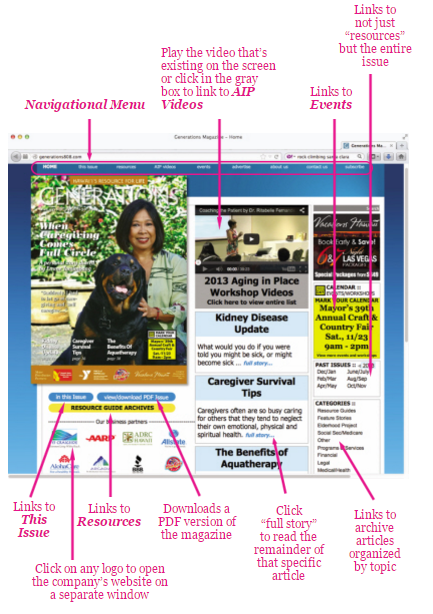
    Lastly, check out our Generations Magazine website at www.Generations808.com. It is easier than ever to navigate. Because many attendees of the 7th Annual Elderhood “Aging in Place” workshops didn’t get to see all of the presenters, we uploaded videos of the presentations online. Thanks again to all of our presenters!

    Have a safe and Happy Halloween!

    Live well,

    Generations Magazine - Editor's Note - Image 01


    Percy Ihara, Editor/Publisher

    Generations Magazine - Editor's Note - Image 02

    Where has the year gone? As we near the holiday season I am reminded of how important our families are to all of us. And there is no bigger issue that most of us will all face other than caregiving for our parents. As November is National Caregiver’s Awareness Month, this issue of the magazine…

  • Caregiving, Near or Far

    My mother fell and hurt her knee. She’s 86 years old. I am thousands of miles away. My sister lives in the same town as my mother which makes her, by default, my mother’s caregiver. I feel guilty. That is not uncommon for siblings who are not able to provide assistance to parents who live in another town — or on another continent. There are situations where it is impossible to be the primary caregiver, whether you want to or not.

    As seniors, we want to do the best we can to be self-sufficient and to take care of ourselves. But sooner or later [hopefully later] we will have to depend on others to look after our well-being. This is a message to the next generation. Think about who is going to be your caregiver. If you can count on your children, fine. But remember, there are professionals standing by who can help support the entire family. But if you have seen the headlines lately, you realize there is a looming crisis. There will be more people who need assistance than there are people available to offer it. These are important things to think about as we age. As we have said many times in the past, sooner or later you will be a caregiver or one receiving care. We are fortunate that Generations Magazine provides a great deal of resources to help us all with our specific family needs. In fact, the cover story of this issue, Living A New Normal, highlights the importance of caregiving and offers some insights and additional community resources.

    And, just remember, that although you may not always be able to be by a loved one’s side, a simple phone call to check in or sending some photos of grandkids can go a long way in making someone feel loved.


    The Elderhood Project airs on KHON2 Friday Morning news at 5:45a.m. and Thursday at 5p.m.

    My mother fell and hurt her knee. She’s 86 years old. I am thousands of miles away. My sister lives in the same town as my mother which makes her, by default, my mother’s caregiver. I feel guilty. That is not uncommon for siblings who are not able to provide assistance to parents who live…

  • Your Health, Your Home, Your Choice!

    It’s only natural to want to stay at home. So being informed about good caregivers and their services can enrich your home experience by making everyday tasks a little easier and safer. The services you need depends on your and health strategies and type of support, as well as your financial and insurance situation.

    Ask the home care agency how they ensure safe, qualified, professional service:

    Q. What types of screenings are performed before hiring a caregiver?

    A. For your safety and health benefits, be sure the caregiver has been pre-screened properly and is qualified. Here is a checklist to help guide a wise decision:

    □ Federal and State Criminal Background Checks

    □ Drug Screening (ten panel)

    □ Sex Offender Check (all 50 states)

    □ Medical Disciplinary Screening

    □ Employment and Education Verification

    □ Professional and Personal Reference Checks

    □ Office of the Inspector General (OIG)

    □ Social Security Check

    □ Adult / Child Protective Services Screening

    □ DMV Motor Vehicle Report

    Q. Are caregivers bonded and insured through the Home Care Agency?

    A. The agency should provide you proof of current professional liability, general liability, workers’compensation and temporary disability insurance.

    Q. Who is the caregiver employed by?

    A. Caregivers should be employees of the agency and not an independent contractor. If they work more than 20 hours a week on a regular basis they are eligible for health care under the Prepaid Health Care Act.

    Never compromise on quality and safety!


    HiHealthCare, 745 Fort Street, Honolulu, HI 96813
    Main (808) 534-7815 | Fax (808) 356-5014
    info@hihealthcarehawaii.com | hihealthcarehawaii.com

    It’s only natural to want to stay at home. So being informed about good caregivers and their services can enrich your home experience by making everyday tasks a little easier and safer. The services you need depends on your and health strategies and type of support, as well as your financial and insurance situation. Ask…

  • Retirees Have Confidence Yet Lack Finances

    Just five years after the onset of the financial crisis, Americans’ confidence about retirement is rising with the strengthening economy. According to the New Retirement Mindscape® 2013 City Pulse index, two in five (42%) Americans feel on track for retirement. This is more than last year (37%), and more than any other year since the index began in 2010.

    Yet, the lack of action people are taking to prepare financially for retirement has remained relatively unchanged over the past few years. While nearly three in four (72%) have taken some action to prepare for retirement, this number is smaller than in 2011 and 2010 when the economic recovery was still unstable.

    The annual New Retirement Mindscape City Pulse index examines the 30 U.S. Metropolitan areas. The index serves as a barometer for national and local retirement trends.

    According to the index, nearly half (45%) of Americans think that healthcare expenses during retirement will be one of the most challenging financial issues. Likewise, two-thirds (68%) of Americans express concern about the pending changes due to the Affordable Care Act, and half (51%) of those concerned say that their top worry is that they will end up paying more for healthcare.

    Of the 30 largest U.S. metro areas, San Francisco–Oakland–San Jose (#1), Detroit (#2) and Hartford-New Haven (#3) were the most confident and prepared. There are a few things that set these cities apart. If you’re preparing for retirement, take note of the following factors:

    • Contribute to retirement accounts beyond a workplace-sponsored plan. More residents than average in the top three cities contribute to IRAs or other personal investment accounts (other than or in addition to workplace-sponsored plans). Making regular financial contributions to these types of accounts and maintaining a diversified portfolio will likely make you feel more confident about life after you leave the workforce. You may also have more control over your personal accounts as you do in an employer-sponsored plan, and withdrawals typically carry fewer penalties — though it’s important to avoid withdrawing from you retirement savings accounts if possible.
    • Maintain positive feelings about retirement. Although the financial market fluctuates, you have control over how you respond to its ups and downs. Respondents in two of the top three cities were far more likely than the national average to say that thinking about retirement makes them feel empowered. Thinking positively about the future — and acting on those feelings by taking proactive steps to prepare — is key to helping build retirement confidence.
    • Consider working with a financial professional. Residents in two of the three most retirement-ready cities were more likely to work with a financial advisor. The national survey results uncovered that only one in four (23%) Americans say they have determined the amount of money they need to save for retirement and even fewer (11%) report having a written financial plan. A financial advisor can help you define and work toward your retirement goals.

    Michael W. K. Yee at (808) 952-1222 ext. 1240

    Michael W K Yee, CFP®, CFS®, CRPC®, is a Financial Advisor and CERTIFIED FINANCIAL PLANNER practitioner™ with Ameriprise Financial Services, Inc. in Honolulu, HI. He specializes in fee-based financial planning and asset management strategies and has been in practice for 25 years. To contact him, michael.w.yee@ampf.com, 808.952.1222 ext 1240, 1585 Kapiolani Blvd., Suite 1100 Honolulu, Hawai‘i 96814.
    Advisor is licensed/registered to do business with U.S. residents only in the states of Honolulu, Hawai‘i.
    1 The Money Across Generations IISM study was commissioned by Ameriprise Financial, Inc. and conducted by telephone by GfK in December 2011 among 1,006 affluent baby boomers (those with $100,000 or more in investable assets); 300 parents of baby boomers; and 300 children of baby boomers at least 18 years old. The margin of error is +/- three percentage points for the affluent boomers segment and +/- six percentage points for the parents and children of boomers segments.
    2 United States Department of Labor, Wage and Hour Division, Family and Medical Leave Act http://www.dol.gov/whd/fmla/
    Ameriprise Financial and its representatives do not provide tax or legal advice. Consult with your tax advisor or attorney regarding specific tax issues.
    Brokerage, investment and financial advisory services are made available through Ameriprise Financial Services, Inc. Member FINRA and SIPC.
    ©2012 Ameriprise Financial, Inc. All rights reserved.

    Just five years after the onset of the financial crisis, Americans’ confidence about retirement is rising with the strengthening economy. According to the New Retirement Mindscape® 2013 City Pulse index, two in five (42%) Americans feel on track for retirement. This is more than last year (37%), and more than any other year since the…

  • Secret Money for Senior Veterans

    Many Veterans believe that they have to have suffered an in-service disability to qualify for monetary benefits from the Veterans Administration. This is a common misconception. Depending on health, income and assets, many senior Veterans (and their dependent or surviving spouses) can qualify for not only basic “Improved Pensions” based on low income, but also supplemental benefits of up to $2,053 per month as of 2013. The supplemental benefits are called “Housebound Benefits” and “Aid & Attendance Benefits.”

    In order to qualify for any of these pension benefits, the Veteran (or surviving spouse, based on the Veteran’s military service record), must satisfy the following general criteria:

    • The Veteran must have served at least 90 days of active duty.
    • At least one day out of the 90 days of active duty must have been during war time (there are defined dates for the beginning and end of World War II, the Korean War and the Vietnam Conflict; and the Gulf War, which began on August 2, 1990, is not concluded yet, and its ending date will be set by Presidential Proclamation at the appropriate time).
    • The Veteran must have received a discharge other than dishonorable.
    • The claimant and household must have limited income and assets.
    • The claimant must have a permanent and total disability at the time of application (note that a surviving spouse can qualify for a basic low income pension without being disabled, but the Veteran must be disabled—although the disability does not have to be related to war time or military service).
    • The disability must have been caused without the willful misconduct of the claimant and must not have been due to the abuse of alcohol or drugs.

    As the name implies, Housebound Benefits are payable where the claimant is substantially confined to his or her home because of permanent disability. In order to qualify for Aid & Attendance benefits, the claimant must:

    • Require the aid of another person in order to perform personal functions required for everyday living (such as bathing, feeding, dressing, toileting, transferring from bed to a wheelchair, or dealing with incontinence) OR
    • Be bedridden, in that he or she must remain in bed apart from any prescribed course of convalescence or treatment OR
    • Be a patient in a nursing home due to mental or physical capacity OR
    • Be blind or have very poor vision.

    Applying for these supplemental benefits is not a quick or simple process, and if you decide to apply, you may want to enlist the help of a Veterans’ assistance organization or a specially-trained individual. Note that whoever assists with the application cannot charge a fee for that service. However, other services by the individual or organization may be chargeable.


    Scott Makuakane, Attorney at Law
    Specializing in estate planning and trust law.

    Watch Scott’s TV show, Malama Kupuna
    Sundays at 8:30pm on KWHE, Oceanic channel 11

    www.est8planning.com
    O‘ahu: 808-587-8227, Maui: 808-891-8881
    Email: maku@est8planning.com

    Many Veterans believe that they have to have suffered an in-service disability to qualify for monetary benefits from the Veterans Administration. This is a common misconception. Depending on health, income and assets, many senior Veterans (and their dependent or surviving spouses) can qualify for not only basic “Improved Pensions” based on low income, but also…

  • Share a Tip with Your Favorite Senior

    While the Baby Boom era is behind us, its effects live on. The number of people reaching the autumn season of life is higher than ever. In fact, the World Health Organization reports that there are around 600 million people aged 60 and older living in the world today. That number is expected to double by 2025 — a short 12 years from now — and is expected to reach about 2 billion by 2050.

    In the United States, 10,000 people reach retirement age every single day.

    Younger people often turn to their elders for advice, as older people have the life experience and reflection that younger people lack. But given the fast-paced changes the world now experiences, with new technologies becoming outdated in a matter of years or even months, there may be some helpful insights you can share with your elders.

    For example, if you know someone who is nearing retirement age, tell them about www.socialsecurity.gov. They may not be aware of the helpful and easy-to-use tools available to them. It’s no exaggeration to say that even someone who does not use the Internet on a regular basis can easily plan their retirement or even complete their retirement application online in a matter of minutes — much less time than it would take to drive to a local Social Security office.

    The best starting place for anyone thinking about retirement is Social Security’s Retirement Estimator. Use it to get an instant, personalized estimate of future retirement benefits in a matter of minutes. Spend a few more minutes plugging in different information, such as different projected future wages and different retirement dates, to help make a wise decision on the best retirement date. The Retirement Estimator is available at www.socialsecurity.gov/estimator.

    Then there’s the online retirement benefit application. In as little as 15 minutes, a person can apply for Social Security benefits and submit their application online. In most cases, once one submits the application, there is nothing more to do but wait for the first payment. It’s really that simple. And, if one decides they’d like to doublecheck some information before submitting the application, that’s fine too. The application can be paused and then restarted at any time during the process. It’s all available at www.socialsecurity.gov/applyonline.

    It makes sense to go to our elders for advice and guidance. But in this technology-driven world, we may be able to offer a little advice to the sages as well. A good bet is to tell the older adults in your life about www.socialsecurity.gov.


    For other information and locations near you:

    1-800-772-1213 (toll free) | 1-800-325-0778 (TTY)
    www.socialsecurity.gov

    Generations Magazine -Share a Tip with Your Favorite Senior - Image 01

    While the Baby Boom era is behind us, its effects live on. The number of people reaching the autumn season of life is higher than ever. In fact, the World Health Organization reports that there are around 600 million people aged 60 and older living in the world today. That number is expected to double…

  • Cataract Corrections

    What is a cataract?

    The eye’s lens is mostly made up of water and protein, but as we age, some of that protein in the lens begins to clump together, resulting in cloudy patches of vision. This is called a cataract.

    What does a cataract do to my vision?

    As the cataract grows, vision worsens. Cataracts usually develop slowly and are painless, though the symptoms are troubling, and ultimately can lead to blindness if not removed.

    When should you worry about cataracts?

    Cataracts affect nearly 22 million Americans age 40 and older. According to the American Academy of Ophthalmology more than half of all Americans have cataracts by age 80. Adults get cataracts usually due to aging, exposure to sunlight and can also be affected by smoking, improper nutrition, systemic diseases, injury to the eye or certain medications.

    Symptoms include:

    • Blurred, foggy or cloudy vision; a sense of film over your eyes
    • Blues and greens seem faded
    • Difficulty reading small print
    • Double vision
    • Seeing halos around lights at night
    • Are there new ways to correct cataracts?

    Laser cataract surgery is a simple and relatively painless procedure that is done on an out-patient basis. Cataract removal is the most frequently performed surgery in the U.S. and nine out of 10 patients who have cataract surgery regain between 20/20 and 20/40 vision. New bladeless, computer-controlled laser refractive cataract surgery, LenSx®, offers greater accuracy and precision than previous methods.


    Jenkins Eye Care | 808-591-9911
    615 Pi‘ikoi St. Suite 205, Honolulu, Hawai‘i 96814
    www.jenkinseyecare.com | Twitter: @jenkinseyecare
    Facebook.com/jenkinseyecare | YouTube: Jenkinseyecare

    What is a cataract? The eye’s lens is mostly made up of water and protein, but as we age, some of that protein in the lens begins to clump together, resulting in cloudy patches of vision. This is called a cataract. What does a cataract do to my vision? As the cataract grows, vision worsens.…

  • Don’t Miss a Beat with Online News

    Generations Magazine - Don’t Miss a Beat with Online News - Image 01A couple years ago, University of Hawai‘i journalism professor Bev Keever had her students undertake a very basic reporting exercise: request misconduct reports filed with the Legislature by Hawai‘i’s four county police agencies.

    It turned out to be anything but simple. But Keever, a former Vietnam War correspondent, finally obtained what turned out to be vague summaries, sorely lacking in detail, and only for the Honolulu Police Department dating back to 2000.

    By the time Keever got the records, her class of blossoming reporters was long gone. So she brought the three-inch stack of photocopies to Honolulu Civil Beat, a relatively new arrival on the media scene here.

    Keever’s groundwork became a five-part investigative series in Civil Beat. “In the Name of the Law” explored the public policy decisions that have kept police disciplinary records off limits to the public in Hawai‘i since the mid-1990s, when an earlier crop of UH journalism students fought — and won — a Supreme Court victory opening misconduct files. Their victory was short-lived; the police union convinced political allies in the Legislature to exempt police records from disclosure.

    I’ll let you read all about the politically charged situation that spanned three governors and many legislative sessions. You can find it at www.civilbeat.com under Special Reports.

    But the project that took more than six months to pull together illustrates just who we are. Started by eBay founder Pierre Omidyar and his business partner, Randy Ching, in May 2010, Civil Beat is the only independent news organization in Hawai‘i dedicated to public affairs journalism. We don’t cover sports, entertainment or lifestyle features unless they involve some aspect of public policy. Taxpayer money is always a big issue for us, as is raising questions of possible wrongdoing or lack or government transparency.

    We’ve provided in-depth coverage of controversial issues, from the Honolulu rail project to the debate over genetically engineered crops. Earlier this year, another multi-part special report examined the history of the Ala Wai Canal, its flawed design and environmental problems — and its murky future.

    We believe a vibrant news organization is vital to democracy and we can make a difference in the lives of people and public policy through solid, smart, watchdog journalism. In fact, legislators and other elected officials circulate our stories and quote from our coverage.

    One of our main goals is to foster civil discussions through our website, a virtual “civic square” where people can gather to understand, debate and discover the issues. We welcome community voices and invite you join us online.

    And we’ve won a slew of journalism awards for our work, including being named the Best News Site in Hawai’i for three years in a row by the Society of Professional Journalists.

    In September, we teamed up with The Huffington Post to launch HuffPost Hawaii, which brings news to Hawai’i while sharing our local issues with a global community. Visit us at www.huffingtonpost.com/Hawaii or email hawaiiblogs@huffingtonpost.com.

    A couple years ago, University of Hawai‘i journalism professor Bev Keever had her students undertake a very basic reporting exercise: request misconduct reports filed with the Legislature by Hawai‘i’s four county police agencies. It turned out to be anything but simple. But Keever, a former Vietnam War correspondent, finally obtained what turned out to be…

  • Fall Prevention

    There I was, the Hawai’i State Fall Prevention Coordinator, fallen, spread eagled, with a dent in my car door in the shape of my own forehead. It happened so fast, one second of inattention and I was flat on the ground. And to make matters worse, I had just left the quarterly meeting of the Hawai’i Fall Prevention Consortium.

    First, it’s important to know that falls are the most common fatal unintentional injuries in our state. Second, falls are the leading cause of nonfatal injuries among Hawai’i residents with more than 21,000 emergency room visits per year. That’s more than two falls every single hour. That’s a lot of pain, misery and money. And the majority of the fallers are 65 years or older. One single moment of inattention and, in my case, stupidity, and I fell. However, this fall (like most others) was preventable.

    I use the word “stupidity” because I should know better. Someone called my name, I turned to respond, and continued to walk without looking where I was going as I tripped on a curb and ran my forehead straight into my car door. Had my forehead come in contact with anything other than the soft spot in the side door of my car …say six inches to the left where the steel pillar and door hinges are, I would have been severely injured. I was just lucky.

    At 72 years of age, and with lousy balance, I cannot afford to make these mistakes. I know that we all have friends who have tripped, fallen, collided with their dog, slipped in their bathtub or in some other way fallen and severely injured themselves. We are all old enough to know better … we must stop being inattentive especially while walking. While walking, walk and watch where you put your feet. If you want to chat with a friend while walking make sure you are on a level path with no obstructions. Don’t stop walking, as it is one of the best things we can do to stay active and strong. Just be careful and don’t forget to raise your head and look several feet ahead now and then so that you can respond to obstacles or a change in terrain, grade and, yes, as with my case … curbs.

    Four simple tips:

    You can prevent falls and stay independent by taking these simple precautions.

    1) Medication — Some medications cause dizziness,vwhich can lead to falls. Be proactive andvmake an appointment with your doctor or pharmacistvtoday to review your medications, includingvany over-the-counter drugs and supplements.

    2) Exercise — Balance and strength are essential to preventing falls. Be active and do simple movements — walk, garden, yoga, swim, dance, tai chi — every day to prevent a fall.

    3) Vision — Maintaining good vision helps with balance and safety. Be proactive and have your eyes and eyewear checked at least once a year.

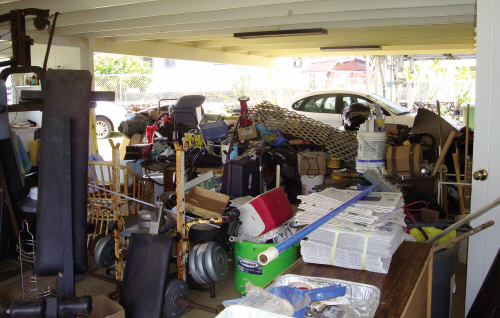
    4) Remove Hazards — Make your home safer by removing fall hazards. Keep pathways clear and the floor free of objects. For a home safety checklist, visit www.nogethurt.hawaii.gov.

    Hawai‘i State Department of Health offices:

    Oahu: 1250 Punchbowl St., Honolulu
    Ph: (808) 586-4400 | Fax: (808) 586-4444
    health.hawaii.gov

    Hilo: 75 Aupuni St., #201, Hilo
    Phone: (808) 974-6006 | Fax: (808) 974-6000

    Kona: 79-1015 Haukapila St., Kealakekua
    Ph: (808) 322-4880 | Fax: (808) 322-1504

    Waimea: 67-5189 Kamamalu St., Kamuela
    Ph: (808) 887-8114 | Fax: (808) 887-8118

    MAUI: 54 South High St., Rm. #301, Wailuku,
    Ph: (808) 984-8200

    Kauai: 3040 Umi St., Lihue, HI 96766
    Ph: (808) 241-3614

    Generations Magazine - Fall Prevention - Image 01

    There I was, the Hawai’i State Fall Prevention Coordinator, fallen, spread eagled, with a dent in my car door in the shape of my own forehead. It happened so fast, one second of inattention and I was flat on the ground. And to make matters worse, I had just left the quarterly meeting of the…

  • Caregiver Burnout

    In a 2012, 15 percent of Hawai‘i’s population was 65 years and older. This statistic continues to increase; and as part of our culture in Hawai‘I to care for our loved ones, many families have assumed the role of caregiver. Being a caregiver can include providing supervision, assisting in meal preparation, doctor’s visits, medications, and more. It is common for those providing care to struggle with managing a full-time job, raising a family and the demands of being a caregiver.

    The term “caregiver burnout” refers to the physical, emotional and mental exhaustion frequently experienced by caregivers. According the American Heart Association, signs and symptoms of caregiver burnout can include:

    • depression
    • changes in appetite
    • change in sleep patterns
    • difficulty concentrating

    It is important to recognize these symptoms and take the necessary steps to seek help from family, friends or a medical professional.

    Families may also want to consider exploring alternative options for care. For instance, The Community Care Foster Home Program is a long-term care program where qualified adults can receive medical care and supervision in licensed Adult Foster Homes without the excessive cost. For more information about the Adult Foster Home Program, please visit www.humanservices.hawaii.gov.


    Nightingale Case Management, Inc. has been a part of the CCFFH Program for over 12 years. For a free assessment and consultation, please contact: (808) 484-2205, nightingalecmi@hotmail.com, or visit www.nightingalecasemanagement.com.

    In a 2012, 15 percent of Hawai‘i’s population was 65 years and older. This statistic continues to increase; and as part of our culture in Hawai‘I to care for our loved ones, many families have assumed the role of caregiver. Being a caregiver can include providing supervision, assisting in meal preparation, doctor’s visits, medications, and…