Category: July – August 2023

  • 10 Seconds to Prevent Falls

    Staying steady in your golden years may be simpler than you think. It’s not about speed or agility, but the art of balance. Just 10 seconds a day can transform your confidence in your own footing — and prevent potentially disastrous falls.

    One simple daily exercise can make the difference: standing and balancing on one foot.

    Before you begin, acknowledge your own physical abilities. This is true for anything you do. Your reflexes may not be as quick as they once were.

    Next, find a level, flat area: a built floor or ground outdoors. For safety’s sake, have a stable surface like a counter or railing next to you in case your loose your  balance. You may even use a chair. Do not use anything with wheels as they may potentially roll away.

    With or without assistance, raise one leg; take 2–3 breaths and balance for up to 10 seconds (don’t be concerned with form, nor how high you’ve raised your leg); change leg and repeat. One set is good. Or you may do it intermittently through the day. You can build on it. Practice makes permanent.

    Do not do this exercise after taking medication that could compromise your sense of balance. Carefully consider your own abilities. Be safe; be mindful; listen to your body.


    SILVER AND STRONGER COACHING PROGRAM. LLC
    4893 Kalanianaole Hwy., Honolulu, HI 96821
    808-366-8620 | silverandstronger@gmail.com
    silverandstronger.com
    YouTube: Tai Chi Fall Prevention with Clint Evans

    Staying steady in your golden years may be simpler than you think. It’s not about speed or agility, but the art of balance. Just 10 seconds a day can transform your confidence in your own footing — and prevent potentially disastrous falls.

  • Tech Update for Older Adults

    Trends in technology for older adults highlight continued adaption in a variety of services, including health care.

    Older adults are continuing to live better because of technological innovation. A recent AARP report about tech trends shows that adults over 50 have nearly as high an adoption rate for smartphones, wearables, voice assistants and smart home technologies as their younger counterparts.

    Tech Adaption Increases

    Older adults are streaming movies, video-chatting with friends and family, and buying plenty of smart devices such as tablets and home security systems. COVID-19 was the tailwind that spurred increased acceptance of technology while we couldn’t get together in person. Spending on devices such as smart TVs, smartphones and Bluetooth headsets skyrocketed as older adults changed how they consume entertainment.

    However, that’s not to say that barriers to adoption don’t exist for older adults. More than half were eager to learn more about how to use technology, and over a third said they’d use technology more often if they knew how. The three top barriers cited were cost, lack of knowledge, and concerns around privacy. The majority (83%) were not confident that what they do online remains private.

    Finally, there are still disparities relating to access. Some relate to cost, which is an issue for about a quarter of older adults. But a quarter of rural consumers cited a lack of access, including 15% who either don’t have internet access or are not sure if they do.
    What’s On the Horizon

    So, knowing that tech is increasingly prevalent in the lives of older adults, let’s look at what’s catching on. Sheri Rose, director of the Thrive Center nonprofit that provides education on tech for older adults and looks at trends, highlights five areas where home tech and delivery models are morphing.

    1. Tech to support independent living. The kitchen is changing, from induction cooktops that can’t burn a user to fridges that let users see the contents without opening the door and remind users when product is expiring. Those lacking the full pocketbook for a fancy fridge can take advantage of a voice assistant — one that can be paired with other devices to move the thermostat, see who’s at the door, or turn on the lights. Sensors can help family members living elsewhere keep tabs on a loved one by detecting motion via laser scanning or measuring changes in gait and thus the likelihood of a fall.

    2. Wearables for health data. A plethora of wearable products is available to help users monitor their own health. Of course, there are the iconic Apple Watch and Fitbit, but you can also find Wi-Fi-enabled pulse oximeters and blood pressure monitors that will reduce visits to the doctor or alert when the measurement is abnormal. “Chronic heart failure and other comorbidities can be monitored remotely and help seniors avoid exposure to the virus, keeping them safe and healthy at home,” Rose says. “Smart tablets designed for seniors have integrated data collected from wearables. While you’re playing solitaire on your tablet, you get an alert that you need to take a walk or take your heart medication.”

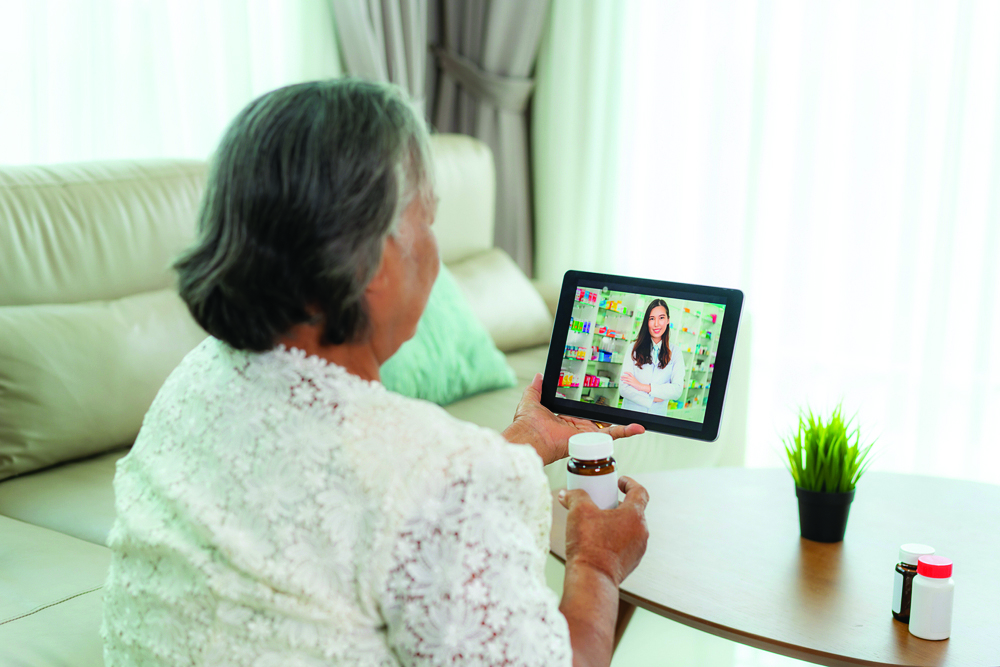
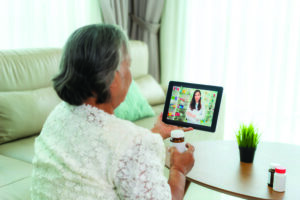
    3. Telehealth is taking off. The pandemic spurred adaption of remote health visits, made possible by secure videoconferencing platforms and improvements in camera sensitivity, making it possible for doctors to diagnose a rash or assess healing.

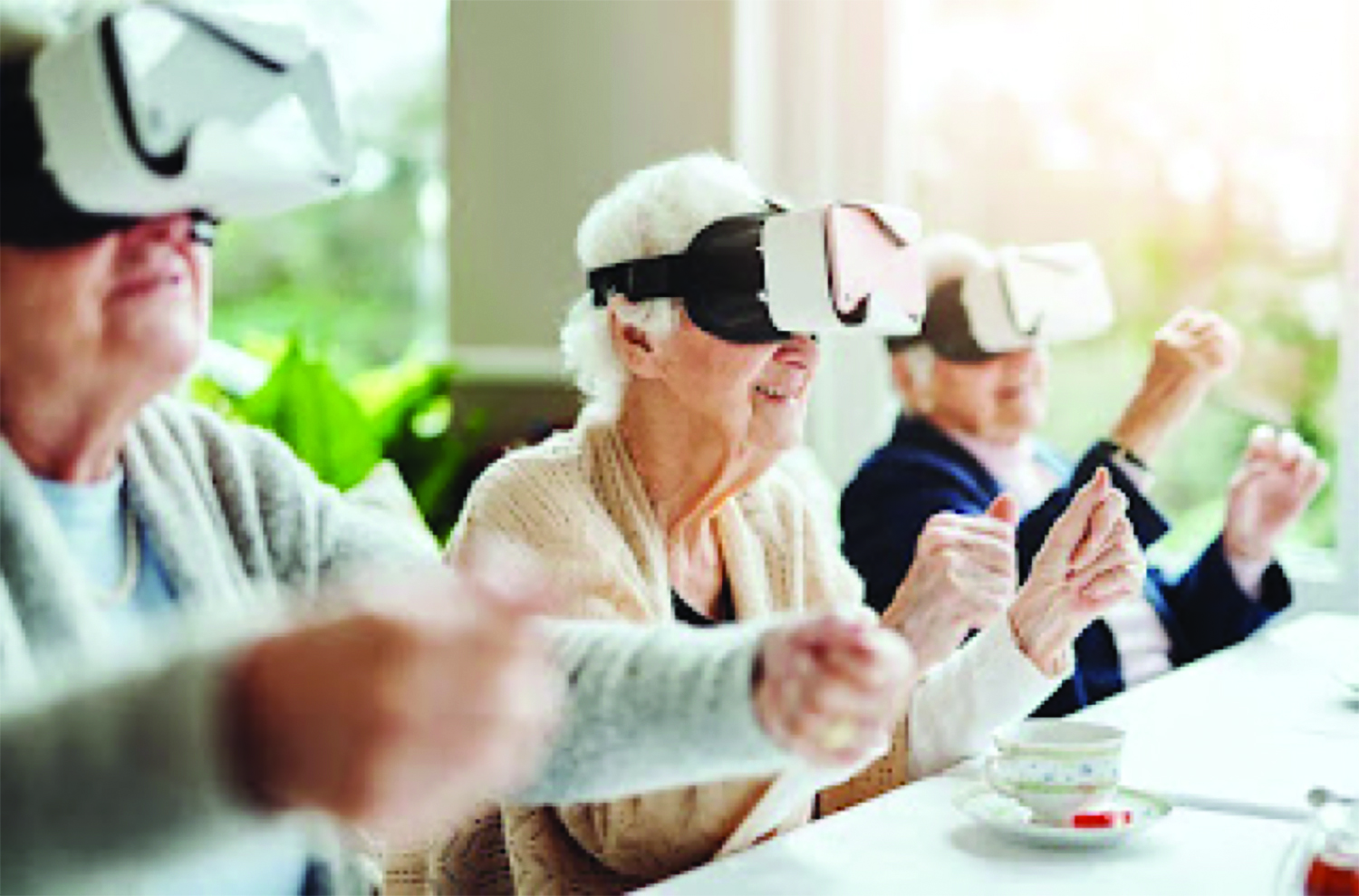
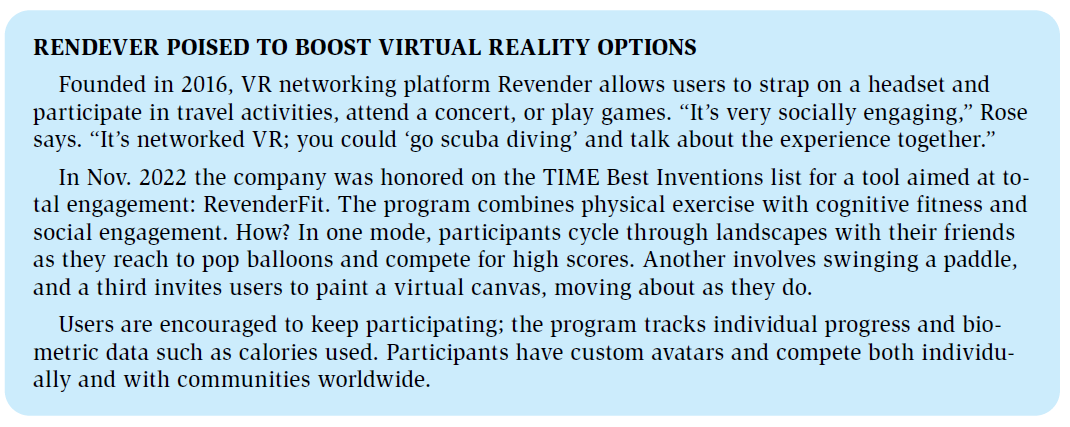
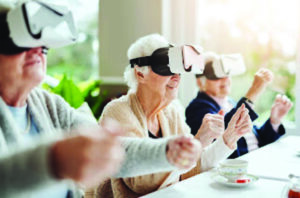
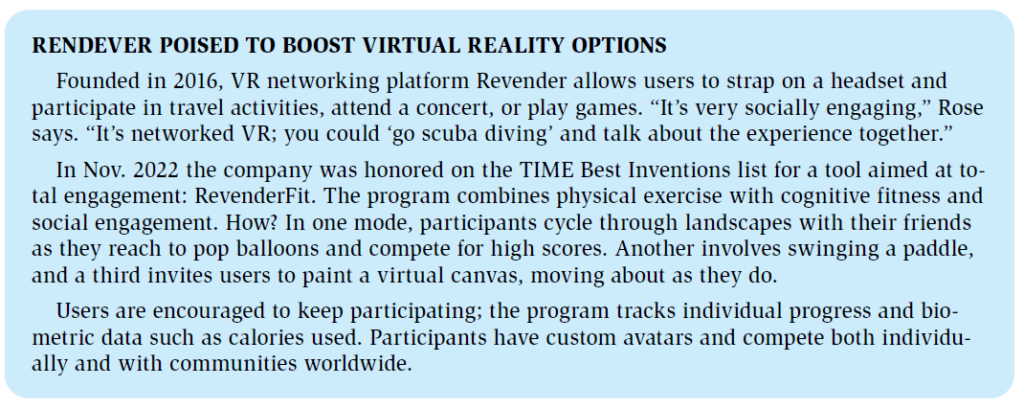
    4. Virtual reality is viable entertainment. The isolation of COVID-19 corresponded with an uptick in the use of virtual reality (VR) systems. Thrive Center seniors have been overwhelmingly positive in their assessment of the technology. “We see older adults visit Thrive and put on a VR headset, and they get so enthralled with sitting on the beach and meditating,” Rose says. “We do so much with virtual reality because we know the impact it can have on reducing pain, loneliness and stress levels.”

    5. 5G will make a difference. The fifth-generation cell service is set to boost speeds up to 100 times over current levels, and users will have to be trained in best-practice cybersecurity measures before joining up. Older adults may see the most benefit in the healthcare delivery arena. “5G is really going to boost a lot of  download and upload capacity. When deployed, I think it will make a huge difference,” Rose says.

    It’s clear that technology use is on the rise among older adults. Senior living facilities may soon be competing based on their tech offerings, as well as more traditional amenities.

    SOCIETY OF CERTIFIED SENIORADVISORS
    The SCSA educates and supports specialists in aging dedicated to improving lives of older adults.
    1-800-653-1875 | csa.us
    Sources:
    https://healthtechmagazine.net/article/2021/01/whats-next-senior-tech-5-insights-thrive-center
    https://www.rendever.com
    https://www.rendever.com/rendeverfit
    https://www.aarp.org/research/topics/technology/info-2021/2021-technology-trends-older-americans.html


    Trends in technology for older adults highlight continued adaption in a variety of services, including health care. Older adults are continuing to live better because of technological innovation. A recent AARP report about tech trends shows that adults over 50 have nearly as high an adoption rate for smartphones, wearables, voice assistants and smart home…

  • A Healthy Lifestyle Can Help with Diabetes

    Medications and insulin may be necessary to help you manage diabetes, but diet and exercise can have great impacts on your health.

    Noticeable benefits of a healthy lifestyle include improved glucose levels, blood pressure, and cholesterol; maintaining a healthy weight or weight loss; building muscle strength; improved mood and improved sleep.

    Wondering where to begin? National guidelines for healthy adults recommend at least 150 minutes of moderate-intensity physical activity each week, which can be broken down into 30-minute sessions a day for five days each week. Taking a brisk walk, doing housework, dancing, and swimming are just some of the various activities that you can do. Here are some tips that can help you get started incorporating physical activity:

    ❉ Find something you enjoy doing. This makes it fun rather than a chore.
    ❉ Start small. You are creating a lifelong habit. You can always build and add to the time and intensity of your activity.
    ❉ Set a goal. Give yourself something to strive for; hold yourself accountable and make sure these goals are specific and realistic.

    It does not have to be too difficult to manage diabetes and your health. You can start slowly and gradually build to make healthy eating and physical activity more manageable for you. Your doctor and healthcare team are always a resource for you if you have any questions or need help creating and managing your goals.

    From the American Diabetes Association’s Food Hub, enjoy this thirst-quenching beverage.
    SPARKLING STRAWBERRY MINT WATER
    Prep Time: 5 min.
    Servings: 4 glasses
    Ingredients
    1- ½ cups Sparkling water
    2 tsp. Fresh lemon juice
    4 Fresh mint leaves & sprigs
    4 Fresh strawberries with crown
    Directions
    – Puree the strawberries, mint leaves, lemon juice and ½ cup of sparkling water in a blender on low speed until smooth, at least 30 seconds.
    – Pour the puree into a serving pitcher. Very slowly, pour in the remaining sparkling water.
    – Serve chilled over ice in tall beverage glasses. Garnish each with a sprig of fresh mint.

    Nutrition Facts (total per serving) Calories: 5, Fat: 0g, Cholesterol: 0mg, Sodium: 0mg, Carbohydrate: 2g, Sugars: 1g, Protein: 0g, Potassium: 30mg

    diabetesfoodhub.org/recipes/sparkling-strawberry-mint-infused-water.html


    TIMES PHARMACY
    1620 North School St., Honolulu, HI 96817
    808-832-8265 | timespharmacyhawaii.com

    Medications and insulin may be necessary to help you manage diabetes, but diet and exercise can have great impacts on your health. Noticeable benefits of a healthy lifestyle include improved glucose levels, blood pressure, and cholesterol; maintaining a healthy weight or weight loss; building muscle strength; improved mood and improved sleep. Wondering where to begin?…

  • Thrifting: The New Cool

    Save money, help the environment,  and get a fresh look all at the same time by shopping the Gen Z way: at thrift stores.

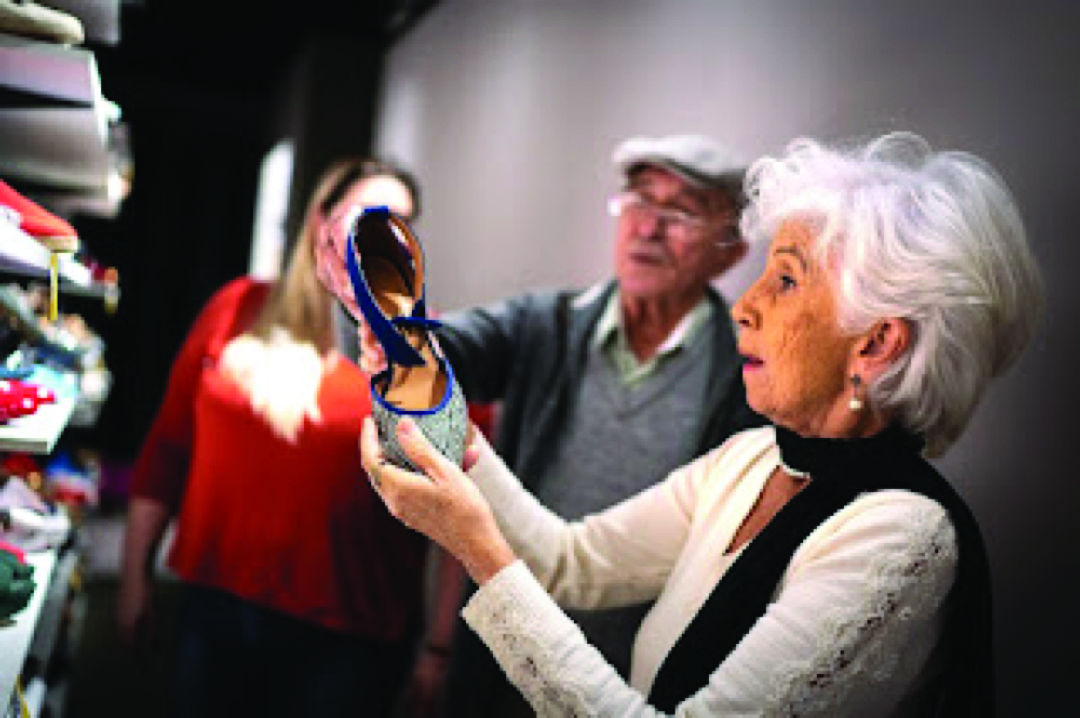
    Buying gently used clothing has become trendy, thanks to young adults and the pandemic. A culture has built up around finding your wardrobe at Goodwill, Savers, Salvation Army, flea markets, and a host of other brick-and-mortar second-hand stores, or online sites dedicated to recycled clothing. It is a way to add pieces to perk up your basics without spending an arm and a leg. You can get expensive items for a fraction of the retail price. And then there’s that added element: the thrill of the hunt.

    According to a recent study commissioned by online resale platform ThredUp, it’s a $36 billion market in the U.S. today, and expected to reach $77 billion in five years, eclipsing the growth in the broader retail sector 11 times over. One in five Americans shops at a thrift store in a given year — about the same number as those who go to a major department store.

    Green Machine

    “Having a young family where the kids are constantly outgrowing their clothes, thrift stores are a blessing,” says mom Beth Jarvie. “There is also now the awareness of conservation of resources, keeping your environmental footprint small, and upcycling durable goods.” According to the ThredUp study, younger shoppers are far more concerned with the environmental impact of clothing than their grandparents.

    The apparel and footwear industry accounts for about 10% of climate impact, which is more than the combined effect of every international flight and all maritime shipping, combined.

    Keenly aware of clothing’s impact, college student Grace Snelling says, “I’ve kind of stopped buying clothes from traditional stores. People almost respect you if what you’re wearing is thrifted, and it looks good because you’ve managed to pull off a cool outfit, and it’s sustainable.”

    What’s In It for Older Adults

    Thrift stores are a goldmine of clothing for grandchildren, and it’s priced right for people on a fixed income. You may find jeans or a gorgeous dress for your  granddaughter for around $5. Bikes, toys, crafts — they can all be thrifted.

    Switching to a fake Christmas tree? Shop your local thrift store and get it for a quarter of the retail price. Need some new dinnerware or kitchen tools? How about an edger for the lawn? Halloween costume? The nice thing about thrift stores vs. garage sales is that the thrift store will have a huge array of items in one stop. Most also have a senior day once a week when items are marked down for adults over a certain age.

    Another fun find is books, which seldom cost more than a dollar or two. How fun to bring over a basket of books for little grandkids or choose a few interesting reads for yourself. Invite a friend to accompany you for more fun and to get a second opinion on whether or not you should buy the jeans with the giant sparkle pockets.

    Online Thrifting

    Have you ever bought a used item on the internet? Hundreds of thousands of items are all available at any one time, from a vintage wool Norwegian sweater to a leather Harley Davidson jacket. Sites like eBay, ThredUp, Poshmark and the RealReal offer buyers the chance to find bargains galore. You can pay the stated price, make an offer to the seller, or bid in auctions where gorgeous clothing sometimes gets sold for a ridiculously low price. By the way, don’t forget to look for jewelry and shoes or boots. How about a fun pair of cowboy boots for $20 instead of $200? You don’t have to give up your favorite brands to thrift; they’re not this season’s goods, but they’re a whole lot cheaper!

    Be prepared to model your latest finds for older grandchildren, who will applaud your style and your savvy. They may even ask to go on your next thrifting trip!


    Save money, help the environment,  and get a fresh look all at the same time by shopping the Gen Z way: at thrift stores.

  • Eh! Nevah Mind Da Kine, Now is NOW

    Well, Generations wanted me to expound on the inevitable and that is…dying. I can safely say that I know something about dying because for many years as a stand-up comedian, I died many times on stage. It’s not a good feeling. However, once I passed through that uncomfortable moment and came out on the other side, I was refreshed and stronger. Hopefully, in your passing you will also feel much more refreshed and stronger. That being said, wouldn’t it be interesting to find out that the knowledge we have about death and dying is all wrong!

    WHAT IF! While on this earth, say we receive a letter every twenty years from God. This letter is God is giving you a review. Every 20, 40, 60 years and so on you  receive a letter that hopefully is going to give you a passing grade. And if you keep that up, eventually you’ll receive your golden ticket to heaven at the age of 80. And if you haven’t taken care of business that the LORD recommended when you reach 80, sorry — you’re going to have to stand in line with a lot of other people. And as for me? I can see one of my letters saying “Hey Frank, this is the Lord’s assistant and the Heavenly Father wants me to pass on his 40 year review to you. There is one aspect of your life the Heavenly Father strongly urges you to pay attention to and that is ‘Learn the words to the songs you’re going to sing on stage!!!!! ALSO PLEASE STAY ON KEY!’ When Heavenly Father hears you go off key he shakes his head, closes his eyes and prays for you. OK? That will make Heavenly Father very happy and we want to keep Heavenly Father very HAPPY or he’s going to come down there and rearrange some furniture. And if you upset Heavenly Father,  we’ll send you to a place where you’ll need a lot of sun block!! Get my drift? Got it? Good!”

    But what really happens when you die, pass over, pass out, pass gas, kaput, game over, no time left, make — die — dead? Many have come back from the other side to tell us. Moe Keale told me that, after he had flatlined, he walked towards a light that turned out to be a 7-11. I know that sounds absurd but that’s what he told me. And as he walked toward the door, his nephew Israel Kamakawiwo‘ole came walking out with a slurpee all happy and smiling. But when he saw Moe, he said “Unko, what you doing hea? It’s not your time, you gotta go back!” So Moe came back to tell the story. He also said that while he was transitioning back, all he heard were harps and ‘ukuleles.

    So this is what I do know: the reality of life is always NOW. The past is a memory which is a thought arising in the present. The future is merely anticipated and is just another thought arising now. What we truly have is this moment. If you stay connected to the present moment and find fulfillment here and now, you will always have a 7-11 heaven. That’s my story and I’m sticking to it.

    Well, Generations wanted me to expound on the inevitable and that is…dying. I can safely say that I know something about dying because for many years as a stand-up comedian, I died many times on stage. It’s not a good feeling.

  • In Celebration of Organ Donor Legacies

    If you could save a life, would you? We are all asked this vital question at the DMV. Checking the box YES to be an organ or tissue donor means we are willing to selflessly pass on the gift of life to those desperately in need.

    On Saturday, April 29, more than 240 people from across the Hawaiian islands came together to honor and celebrate their deceased loved ones who gave the gift of life to patients in critical need of a life-saving organ or restorative tissue. Hosted by Legacy of Life Hawai‘i, the Donor Remembrance Ceremony was held in Kaneohe.

    The all-day, heartwarming event included reflections from an organ donor’s son, Sean Cervone, whose mother tragically passed away suddenly and became an organ donor. Sean Keoni Craig, a double lung and kidney transplant recipient, followed with a powerful Hawaiian chant to his ancestors and a heartfelt message of gratitude for his organ donor. He shared his hopes to one day meet the family of the donor.

    Afterward, Tracy Lodge spoke about her beloved son, Brandon, who became an organ donor after he passed away suddenly after a traffic accident. She recalled fondly how Brandon was cherished for his generous spirit by his friends, family, and the Kailua community where he lived. In a touching moment, she was introduced for the first time to the grateful transplant recipient who received her son’s liver.

    Donor families were invited to create a commemorative lantern in memory of their loved ones. On display in the ballroom were the five panels of the Hawaii Donor Quilt created in a heartfelt tribute to those who gave the gift of life and whose legacies live on in transplant recipients. The event ended with the poignant release of monarch butterflies, symbolizing the renewed hope that their loved ones gave to the many transplant recipients by consenting to organ and tissue donation.

    The need for organ, eye, and tissue donors continues to grow, as it is a pressing issue. There are at present 322 patients in Hawai‘i suffering from end-stage organ failure and waiting for a life-saving kidney, pancreas or liver. More than 114,000 patients in the United States are in the same critical condition. To register as an organ, eye and tissue donor, visit registerme.org and help make a difference.


    LEGACY OF LIFE HAWA‘I (501(c) 3 nonprofit)
    405 N Kuakini St STE 810, Honolulu, HI 96817
    808-599-7630 | info@legacyoflifehawaii.org
    legacyoflifehawaii.org
    Legacy of Life Hawai’i is an organization in Hawai’i federally designated to recover organs and tissue for transplant; encourage organ donation through community outreach and education; and honor and support donor families by working closely with island hospitals to cultivate an understanding in community diversity that life is worth giving.

    If you could save a life, would you? We are all asked this vital question at the DMV. Checking the box YES to be an organ or tissue donor means we are willing to selflessly pass on the gift of life to those desperately in need.

  • My Story: A Life-Changing Health Scare

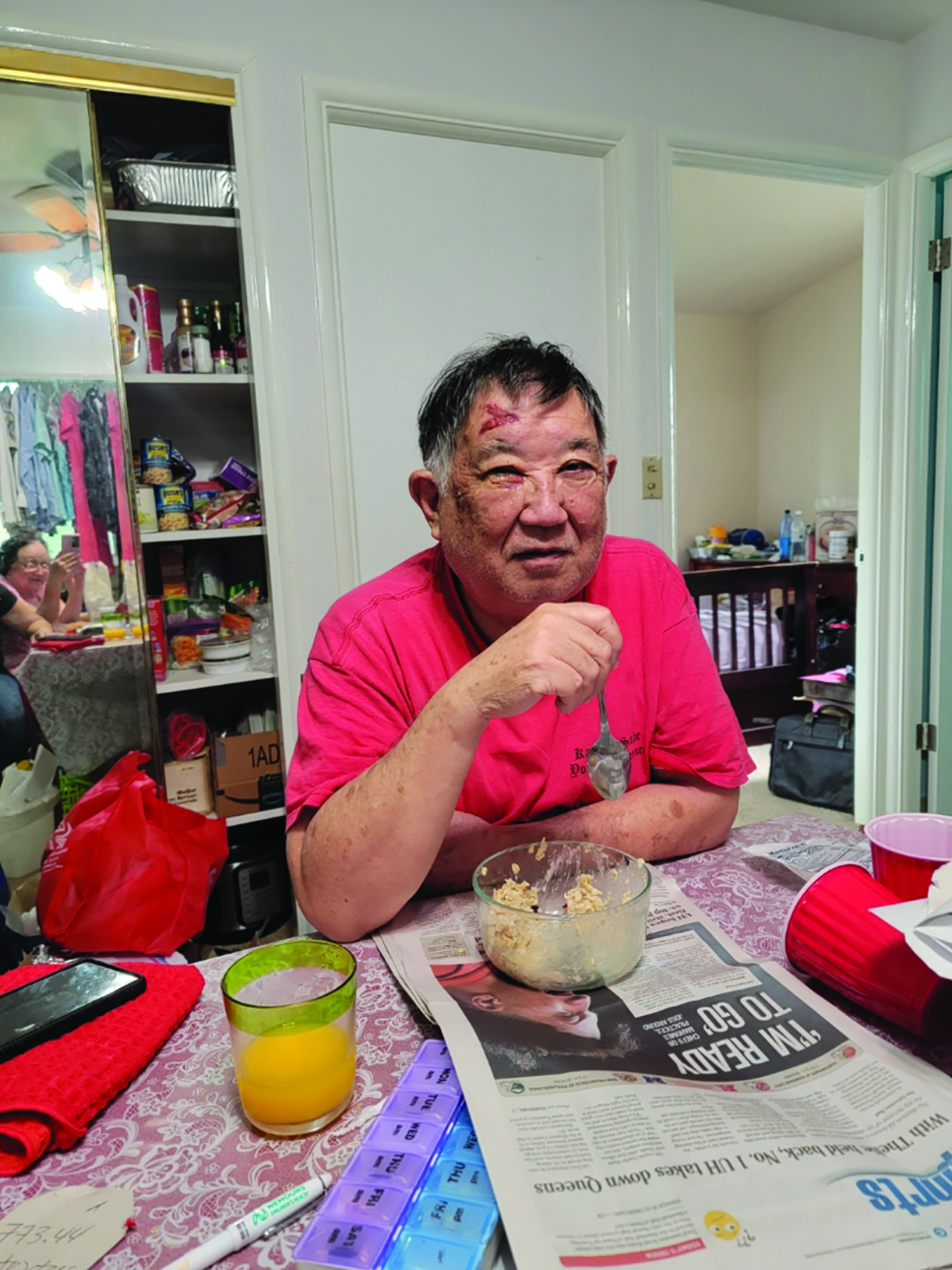
    I was sitting outside an Ala Moana Hotel meeting room texting on my phone. Suddenly, I looked up. I had no idea where I was.

    I realized I was actually lying on the floor and looking at the walls and ceiling. Sweat seemed to be pouring down my face. I reached up to wiped the perspiration, only to discover it was blood. Soon a physical therapist appeared, asking me to follow his finger with my eyes. He asked me to raise my hands above my head, then to smile. He said I didn’t have a stroke or heart attack.

    As he helped me to the restroom to clean up, fear possessed me. My thoughts raced. I went to the emergency room and spent three nights in the hospital. I had numerous tests.

    I reflected on my life while I waited for the results. I had great parents and a loving family. I got married to a loving wife. We share great children, grandchildren and great grandchildren. Nothing has been more enjoyable than seeing my family grow. I’ve also been lucky to see our family business grow.

    Balancing my family, church responsibilities, and work has not always kept me busy. I walk 4-5 miles every Saturday. At 74 years old, I didn’t feel old. Sure, I take pills for hypertension and cholesterol. I knew I needed to lose 40 pounds. Still, I thought I was in good health. I felt good.

    Sitting in the hospital, I wondered: Do I have a legacy to pass on to my family? Are my affairs in order? How do I make the most of my remaining years? Questions kept arising.

    Happily, my medical tests came back negative. Six months have now passed since my blackout.

    I’ve been trying to make the most of this second chance to change my lifestyle. I walk three times a week. It helps me with my balance. I’ve cut down on carbs — including rice. I eat only one big meal a day. The other two meals are small meals. I eat no junkies, except to keep my wife company during our TV nights.

    I introduced naps into my afternoon routine. My naps normally last between two and three hours. Occasionally I can nap for five hours. Now I realize there is great value in taking this time to refresh myself.

    I’ve slowed down my life, even though some still think I’m working too hard. This is what happens when you love what you do, I suppose. My new business is gratifying; I love going to work. My wife claims that I don’t work but just go to talk stories.

    I hope sharing this one can help inspire you to slow down a bit, too. Life is too short anyway.


    FINANCIAL BENEFITS INSURANCE INC.
    1311 Kapiolani Blvd., Ste. 504, Honolulu, HI 96814
    808-792-5194 | emotosue@fbihi.com
    fbihi.com | FB: Financial Benefits Insurance

    I was sitting outside an Ala Moana Hotel meeting room texting on my phone. Suddenly, I looked up. I had no idea where I was. I realized I was actually lying on the floor and looking at the walls and ceiling. Sweat seemed to be pouring down my face. I reached up to wiped the…

  • Generations Senior Fair at Windward Mall

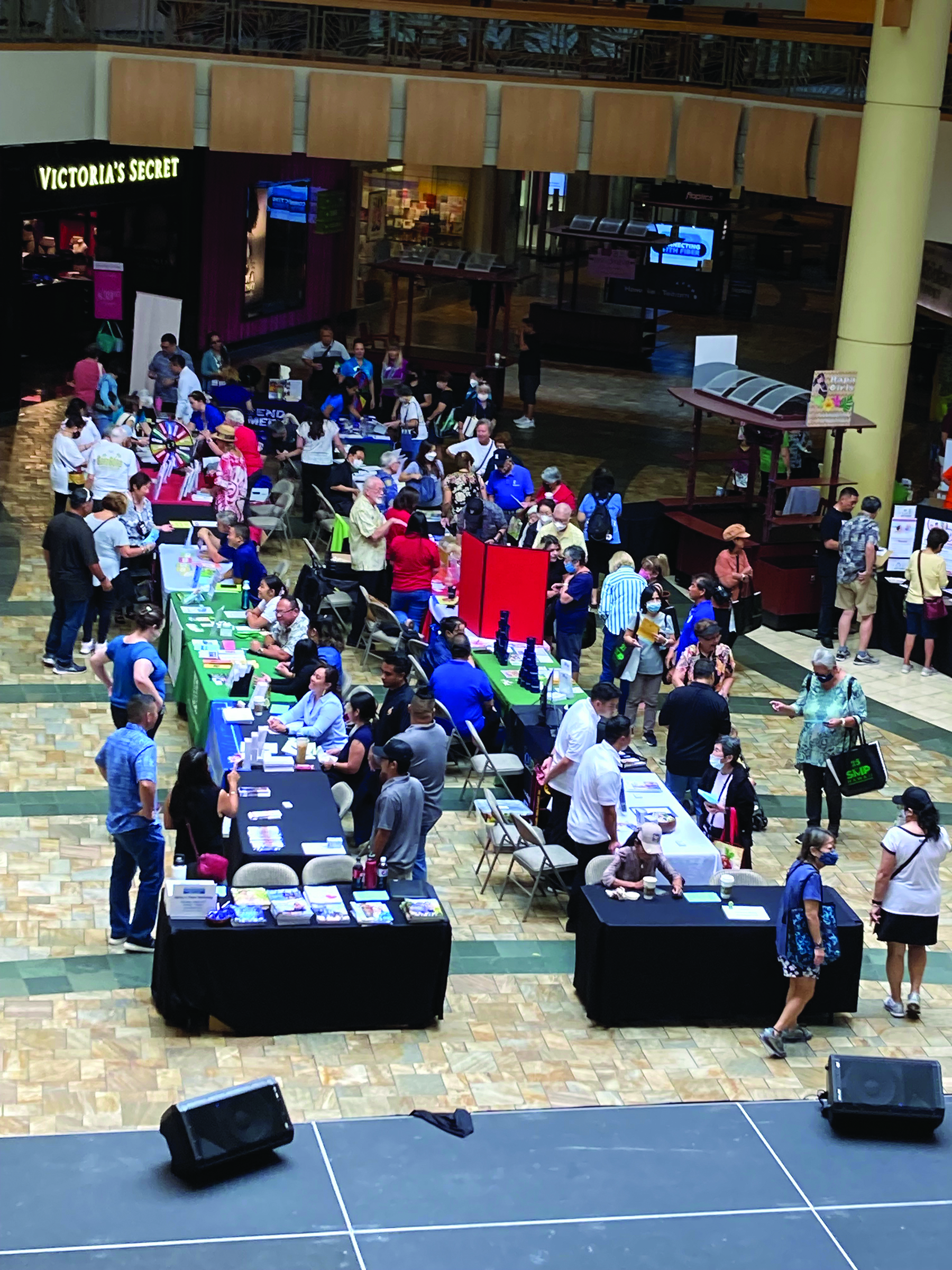
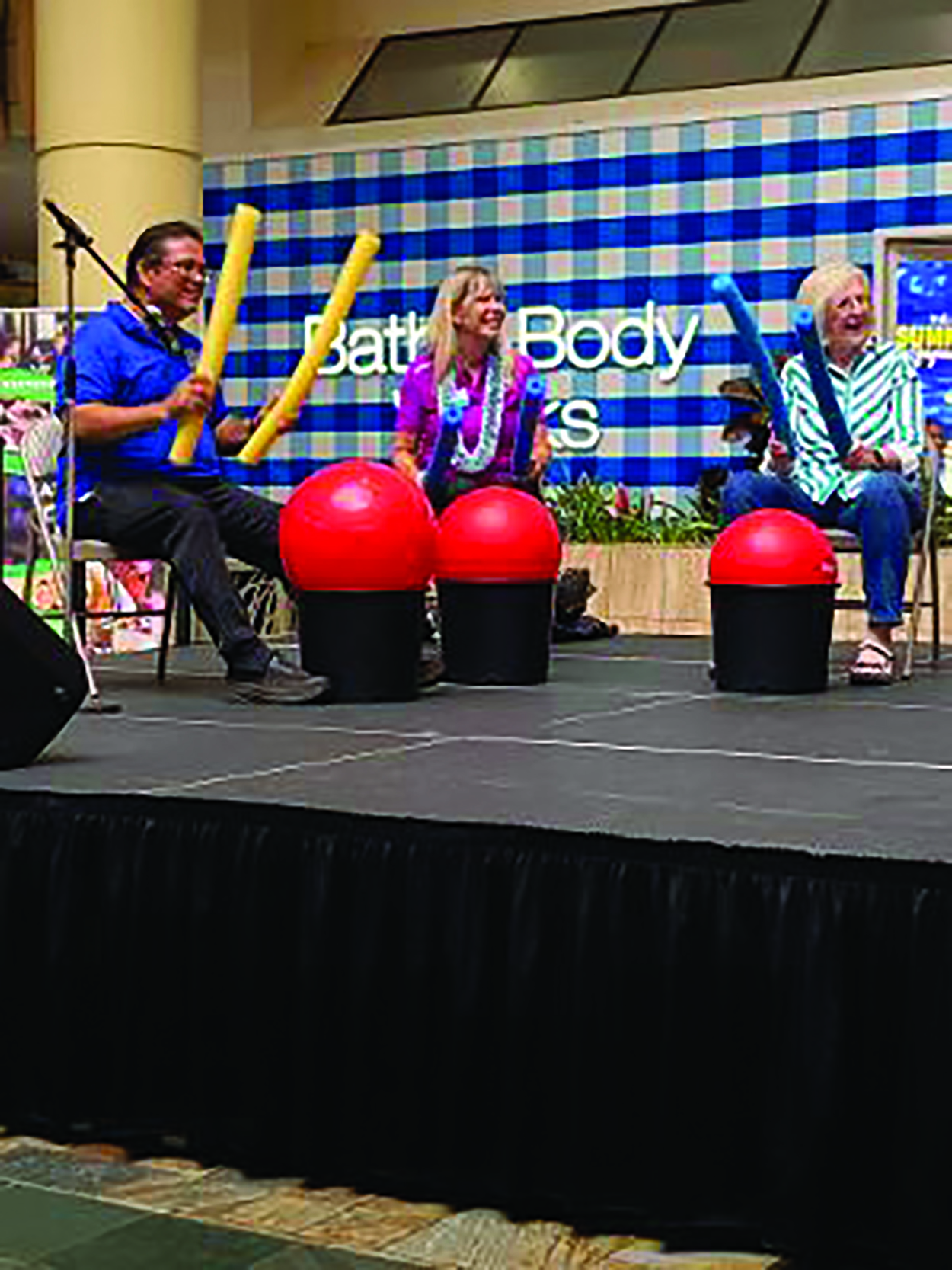
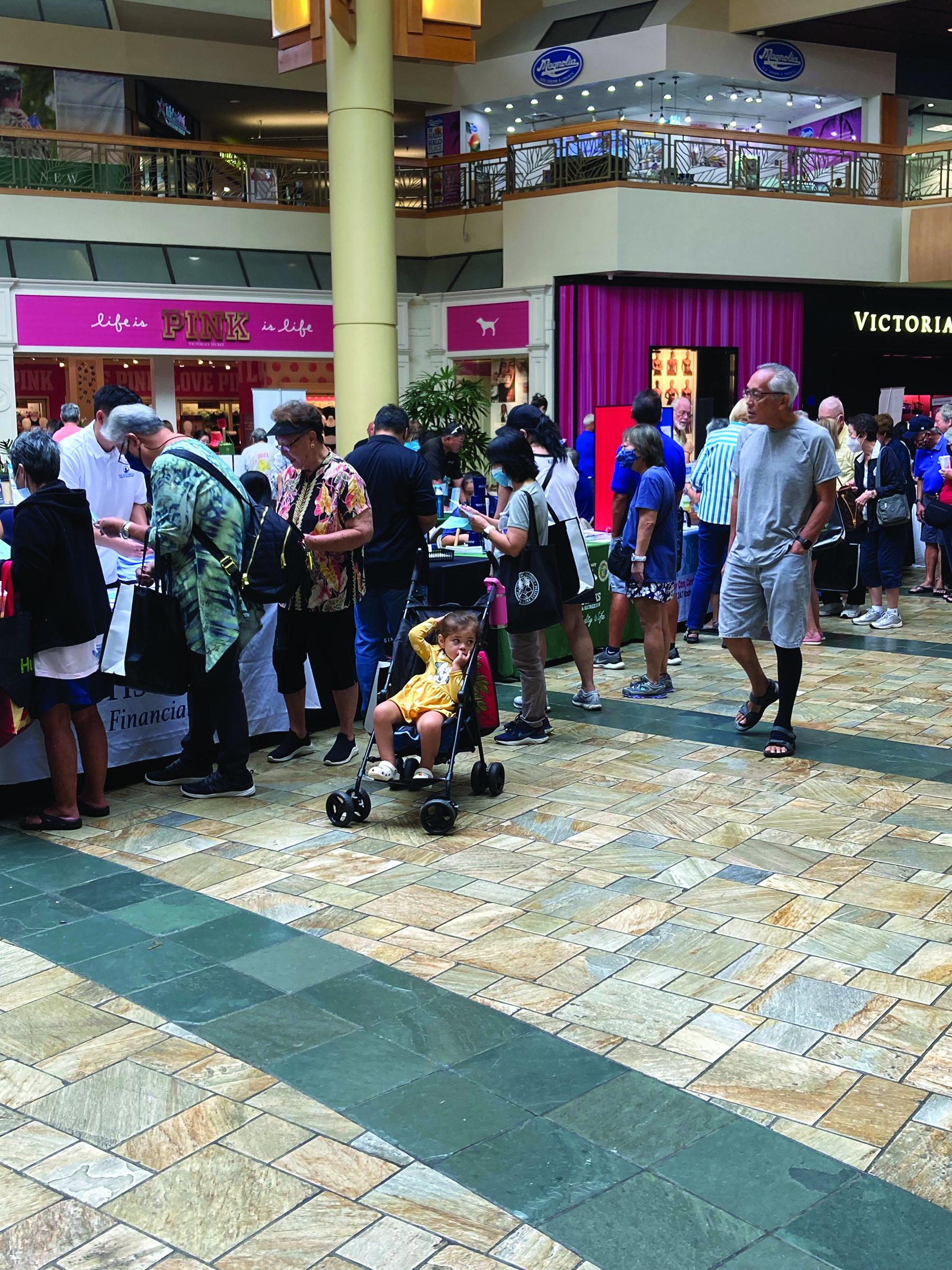
    You could feel the excitement and electricity in the center of Windward Mall in Kāne‘ohe, O‘ahu, on Friday, May 19, when Generations Magazine held our first “Generations Senior Fair at Windward Mall” since January 2020. There were six rows of Generations partners, offering their services, knowledge and experience. Everyone brought their wealth of information and welcomed attendees, who were able to speak one-to-one with professionals in the many fields serving kūpuna and their families. Kudos to Windward Mall for providing a great venue for the Windward side.

    Attendees told us afterward it was a very good event with lots of interesting people. Everyone could meet our partners in person and many learned so much from a wide variety of companies, nonprofits, and government agencies. It was also an opportunity for Generations readers to thank some of our partners for their service to the senior community.


    A big MAHALO goes out to the following Generations partners for taking the time to offer their services to kūpuna and their families at this event and the bold partners who provided door prizes. AARP Hawaii ✦ Ameriprise Financial Services ✦ Better Business Bureau ✦ City & County of Honolulu, Dept. of Parks & Recs ✦ Captain Cook Coin Company of Honolulu ✦ Catholic Charities ✦ Copeland Insurance Group ✦ Department of Health, Executive Office on Aging ✦ SMP Hawaii ✦ Dooplikit  LLC ✦ Financial Benefits Insurance ✦ Gimme a Break ✦ GYMGUYZ Urban Honolulu ✦ Hale Hau‘oli Hawai‘i ✦ Hawaii Dental Service ✦ Hawai‘i Department of Taxation ✦ Hawai‘i Long-Term Care Ombudsman ✦ Hawaii SHIP ✦ Humana ✦ Kaiser Permanente ✦ Kuakini Health Systems ✦ Law Office of Stephen B. Yim ✦ Legacy of Life Hawai‘i ✦ Lets Move ✦ Manoa Cottage ✦ Nursing Home Partners ✦ Open Mortgage ✦ Project Dana ✦ Silver & Stronger Coaching Program ✦  Soderholm Bus & Mobility ✦ State of Hawai‘i, Dept. of Commerce & Consumer Affairs ✦ The Ihara Team, Keller Williams Honolulu ✦ The Mediation Center of the Pacific ✦ Vacations Hawaii ✦ Valley of the Temples ✦ Veterans Administration: Caregiver ✦ Support Program ✦ Wellcare by ‘Ohana Health Plan ✦ YMCA of Honolulu


    You could feel the excitement and electricity in the center of Windward Mall in Kāne‘ohe, O‘ahu, on Friday, May 19, when Generations Magazine held our first “Generations Senior Fair at Windward Mall” since January 2020. There were six rows of Generations partners, offering their services, knowledge and experience. Everyone brought their wealth of information and…

  • Real Property Tax Relief for Honolulu

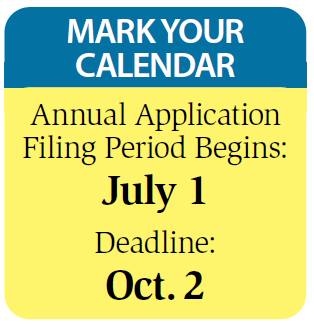
    If you’re a Honolulu homeowner concerned about property taxes, relief is on the horizon as the City and County of Honolulu announces its Real Property Tax Credit program, open for applications starting July 1.

    From July 1, eligible homeowners can apply for a tax credit to help alleviate their real property tax expenses. To qualify for this tax credit for the 2024–2025 tax year, applicants must:

     Have a home exemption on their property
     Ensure that none of the titleholders own other property anywhere
     Confirm that the combined gross income of all titleholders meet income requirements.

    The amount of the credit homeowners will receive, if qualified, is based on their income and current property tax amount. This tax credit program is aimed at providing much needed relief to homeowners who are affected by rising property taxes.

    Homeowners who applied for this credit during the 2023–2024 Tax Year can expect to receive an application in the mail in early July.

    Contact the Tax Relief Office for an application or download it from the website starting July 1.


    TAX RELIEF OFFICE
    For more information or questions, call 808-768-3205
    or visit honolulupropertytax.com
    (Information furnished is subject to change without notice.)

    If you’re a Honolulu homeowner concerned about property taxes, relief is on the horizon as the City and County of Honolulu announces its Real Property Tax Credit program, open for applications starting July 1.

  • Sustainable Transitions in Gerontology

    The Hawaii Pacific Gerontological Society (HPGS), is thrilled to announce its 2023 biennial conference from September 7–8 following the success of its virtual conference in 2021.

    Designed for a diverse audience that includes kūpuna practitioners in the health and human service fields, businesses, government agencies, nonprofits, and faith-based organizations serving kūpuna, HPGS extends a warm invitation to its two-day event at the Ala Moana Hotel. Applied researchers, students in gerontology, advocates for kūpuna, and kūpuna themselves who are keen on continuing their education as they age are also encouraged to join in this exciting event.

    The conference’s theme, “Sustainable Transitions in Gerontology,” spotlights the crucial adjustments made by businesses, organizations, individuals and kūpuna over the past few years in response to the ever-changing needs of our elderly population.

    An impressive lineup of keynote speakers is set to inspire attendees, featuring Dr. Lee Buenconsejo-Lum, Interim Dean of the John A. Burns School of Medicine, and Keith Hayashi, Department of Education Superintendent. HPGS is working to create a dynamic and informative event with additional speakers from Hawaii, the Mainland and Japan.

    Seven “Na Lima Kokua Awards” will be presented to individuals or companies/organizations from categories of business, communications, community service, government, and research/ education, along with two Tony Lenzer Scholarships to be awarded on Thursday, Sept. 7.

    To register for this exceptional gathering, visit hpgs.org and click on “Conference.” The registration fee is nominal for HPGS members, non-members, students and seniors.

    As a special offer, Generations Magazine readers will receive the “Regular Registration” rate through Aug. 31, 2023.

    Established in 1979, HPGS is a nonprofit organization committed to enhancing the quality of life for Hawaii’s Kupuna community. Since 1981, the dedicated board and biennial conference committees have organized 20 in-person two-day conferences and, as previously mentioned, a two-day virtual conference held during the Covid-
    19 pandemic in 2021.


    HAWAII PACIFIC GERONTOLOGICAL SOCIETY
    (501(c) 3 nonprofit)
    PO Box 3714, Honolulu, HI 96812
    Sherry Goya, HPGS Executive Director
    808-722-8487 | Sgoyallc@Aol.com
    hpgs.org

    The Hawaii Pacific Gerontological Society (HPGS), is thrilled to announce its 2023 biennial conference from September 7–8 following the success of its virtual conference in 2021.Designed for a diverse audience that includes kūpuna practitioners in the health and human service fields, businesses, government agencies, nonprofits, and faith-based organizations serving kūpuna, HPGS extends a warm invitation…

  • Kathy Jaycox’s Mission to Give Back

    After more than 40 years teaching at secondary and post-secondary schools in Illinois and Hawai‘i, Kathy Jaycox is now dedicated to volunteering for nonprofits. The work touches her heart and soul, she says.

    Kathy believes that “To whom much is given, much will be required (Luke 12:48).” This line of Biblical wisdom reminds us that we are held responsible for what we have. If we have been blessed with talents, wealth, knowledge and time, it is expected that we use them to benefit others.

    Past affiliations include service as a board member and president of Faith Action for Community Equity, and the Windward O‘ahu branch of the American Association of University Women, where she continues as a member.

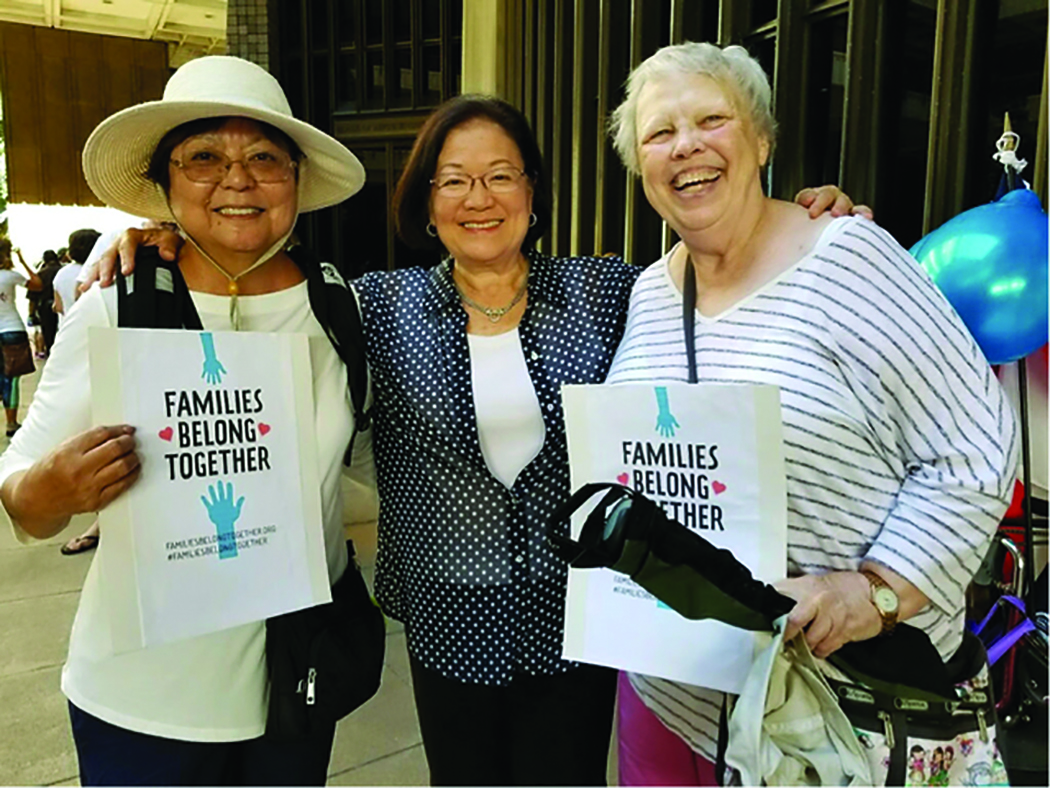
    Kathy says she feels rewarded when she sees volunteer actions lead to positive change. The most outstanding, she said, was the passage of Act 102 in 2017, which provided financial support to family caregivers so that they could hire respite workers and not need to give up their own employment.

    Currently, Kathy serves on the executive council of AARP Hawai‘i doing outreach. She teaches, speaks to groups and helps in whatever capacity is needed. Her role on the board of directors for the Hawaii Pacific Gerontological Society includes serving on the workforce development, publicity, newsletter, and website committees. Kathy is also a member of the Kupuna Caucus, a volunteer at St. John Vianney Church and on the board of St. John Vianney School.

    After more than 40 years teaching at secondary and post-secondary schools in Illinois and Hawai‘i, Kathy Jaycox is now dedicated to volunteering for nonprofits. The work touches her heart and soul, she says.

  • Carl “Kini Popo” Hebenstreit, 1929-2022

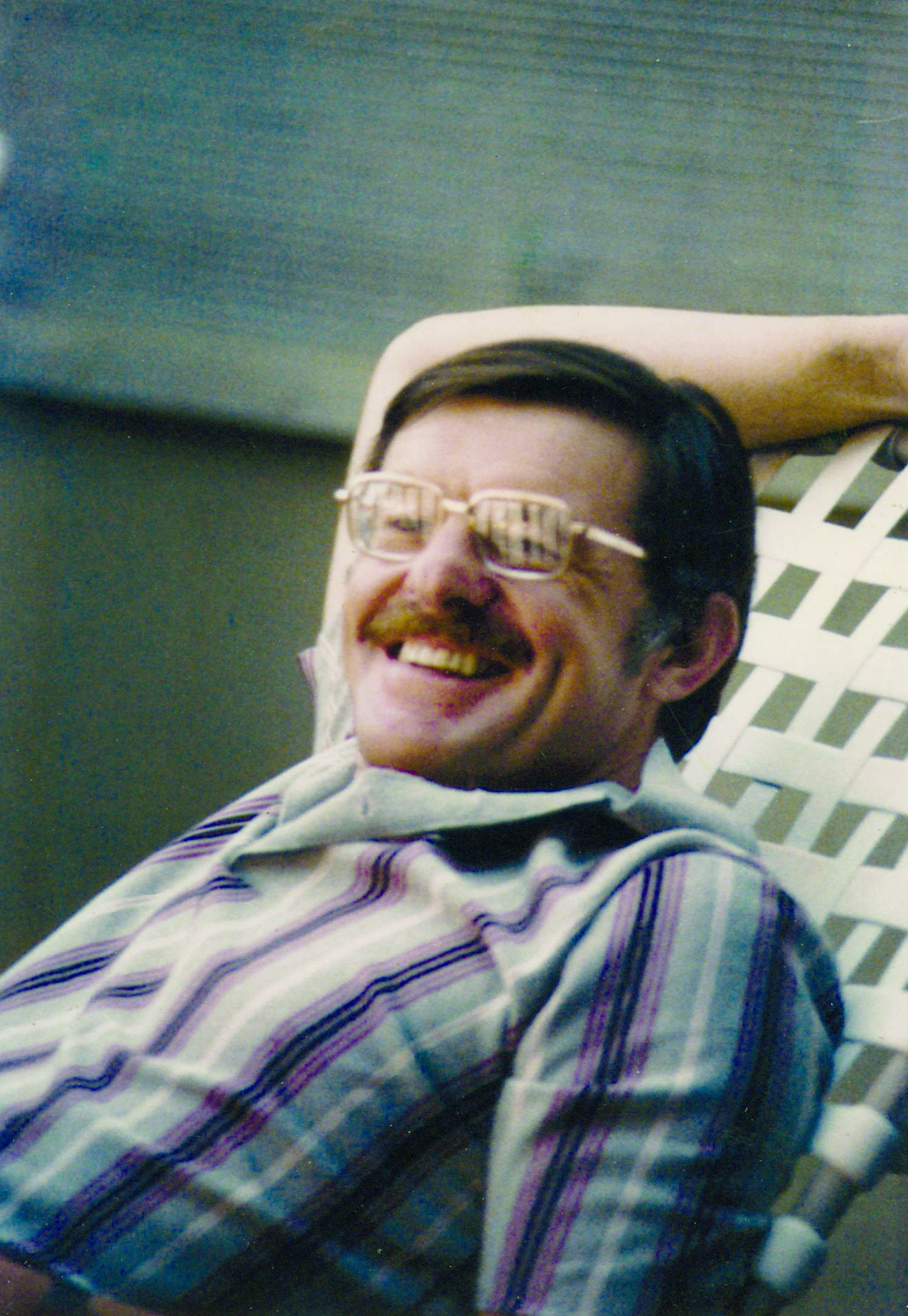
    Carl “Kini Popo” Hebenstreit was well past retirement age when he made the decision to launch Generations Hawai‘i, which he described as “one of the happiest and most satisfying activities” of his life.

    “There is a need for it. That’s been a Trade [Media Hui] DNA tag since [1954],” when the original parent company of Generations was founded, he explained in an email to a colleague in 2006.

    Even then, at the age of 77 himself, Carl could tell the Great Silver Wave was nowhere near its crest.

    “We’re aiming the publication at… those who have to look after their parents in their 80s and 90s, as well as the children of their own children,” he said.

    Nearly two decades after sending that email, demand is only stronger for a magazine Carl originally envisioned as “a lively resource that recognizes the achievements of Hawai‘i’s 50-plus citizens while offering information and insight into ways to enrich life in the mature years.”

    During his three years as Publisher of Generations, he came to the realization that most kūpuna didn’t see getting old as a liability — many, if not all, discovered  aging gracefully meant also gaining the opportunity to redefine and recreate their lives.

    “In fact, we discovered an amazing sense of energy in this group,” Carl said. “Sixty is indeed the new forty. Eighty is the new sixty.”

    Generations readers in 2023 still understand the importance of maintaining (and building) the strength of their health, wealth and relationships well into their golden years. This magazine remains a trusted companion and guide to helping readers Live the Good Life After 50.

    And for that, we have Carl Hebenstreit to thank.

    Mahalo, Kini.

    Carl “Kini Popo” Hebenstreit was well past retirement age when he made the decision to launch Generations Hawai‘i, which he described as “one of the happiest and most satisfying activities” of his life. “There is a need for it. That’s been a Trade [Media Hui] DNA tag since [1954],” when the original parent company of…