Category: February – March 2018

  • You Need Skilled Nursing … What?

    If you’re like most of us in Hawai‘i, you have no clue what “skilled nursing” means unless you have spent time in a Skilled Nursing and Rehab Facility (SNF). Some think it is the last stop, a depressing place where sick people go when they can no longer take care of themselves.

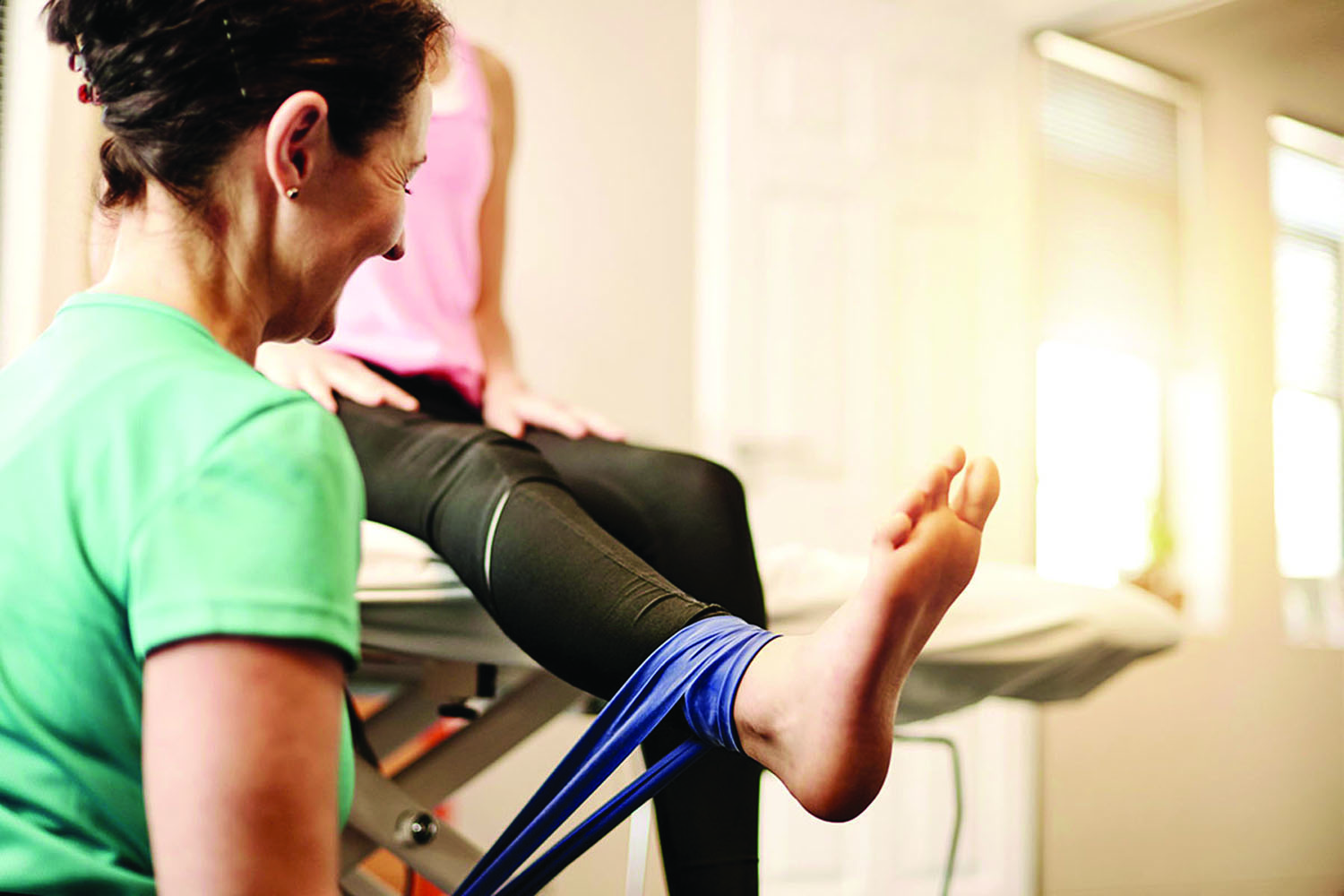
    Shot of a physiotherapist using a resistance band to treat a patient in her office
    A physiotherapist using a resistance band to treat a patient in her office

    It’s true that there are sick people in SNFs, but do you know that an SNF’s goal is to provide hands-on complex rehabilitation with one thing in mind? To get the patient as back to normal as possible so that they can live a normal life. That’s the GOAL!

    If you’ve broken a bone and need intensive rehab, or had a stroke and you aren’t quite ready for your home environment, your doctor will more than likely have you rehab at an SNF. You may learn how to walk again, strengthen muscles, and most likely practice normal skills like eye-and-hand coordination. SNFs specialize in complex care and rehab. Hundreds of folks get better and return home after spending time in an SNF. Don’t be afraid of an SNF. Keep your mind strong with one goal… to get well! You will be out of there in no time!


    CARE CENTER OF HONOLULU

    1900 Bachelot Street, Honolulu HI 96817
    808-531-5302  |  ccoh.us

    If you’re like most of us in Hawai‘i, you have no clue what “skilled nursing” means unless you have spent time in a Skilled Nursing and Rehab Facility (SNF). Some think it is the last stop, a depressing place where sick people go when they can no longer take care of themselves.

  • Kūpuna Travel Tips

    Last November, my mother’s side of the family flew to Las Vegas to see my cousin get married. Family trips usually include everyone, from newborns to our wise elders. So, of course, grandma came along for the trip!

    Throughout our weeklong stay, we ran into a few challenges. I’d like to share with you our experiences and triumphs.

    Here are three tips on traveling with kūpuna:

    1) Check the weather beforehand, and pack accordingly.

    Coming from Hawai‘i, where the weather is always tropical and warm, we weren’t prepared for the Las Vegas air to fluctuate and hit as low as 68 degrees! As a result, grandma endured the cold, dry air for an entire day until we headed to the shopping outlet and bought her the essentials — a thick, warm and cozy jacket paired with a black beanie cap to match.

    2) Kūpuna take great pride in feeling helpful.

    Grandma will always be who she used to be; she’s just a little different now. She was always the planner of the party — providing more than enough food and a plethora of games and activities. It’s obvious that she still enjoys holding a leadership position when it comes to family functions. Only now, she desperately needs our patience and guidance to successfully complete certain tasks. Grandma stayed over at the bride and groom’s house for the last three days leading up to the wedding. For those three days, she helped create centerpieces, went on car rides to pick up flowers and decorations, and helped set up the banquet room for the wedding reception.

    3) Share Grandma Duties.

    Assuming you have a team of caregivers, it is important to delegate duties according to strengths. Luckily, we have an executive team of four siblings, consisting of three daughters and one son. They each play an intricate role in the care of grandma.

    Grandma is a bonafide Diamond.* While we were on our trip, it was almost an instinct for each sibling to know when someone has reached his or her limit. The siblings would unconsciously tag team and swap places when one sibling’s temper was growing short due to Grandma’s bothersome behavior.

    Although the three tips mentioned were examples from my trip to Las Vegas, they can also be useful with travelling to doctors’ appointments, family parties, etc.


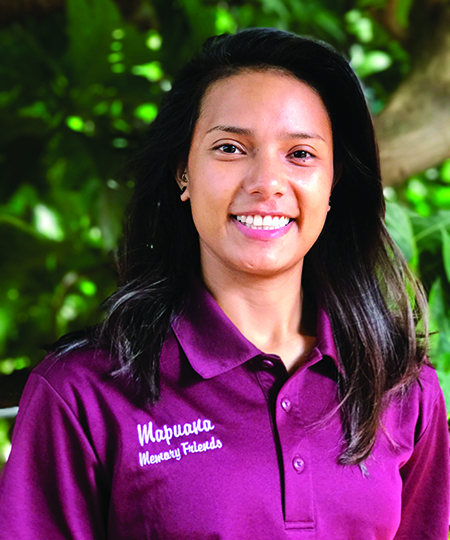
    Mapuana Taamu is a professional, family caregiver specializing in dementia. She owns and operates Memory Friends, a companionship, respite and consultation service for seniors. She also is a “Certified Positive Approach to Care” Trainer. Reach her at:

    808-469-5330 mfriends808@gmail.com

    *Diamond: Refers to one of six “gems” in Teepa Snow’s Positive Approach® To Care model. Each gem represents a classification system comparing the different stages of dementia.

    Last November, my mother’s side of the family flew to Las Vegas to see my cousin get married. Family trips usually include everyone, from newborns to our wise elders. So, of course, grandma came along for the trip!

  • Ruby: A True Gem

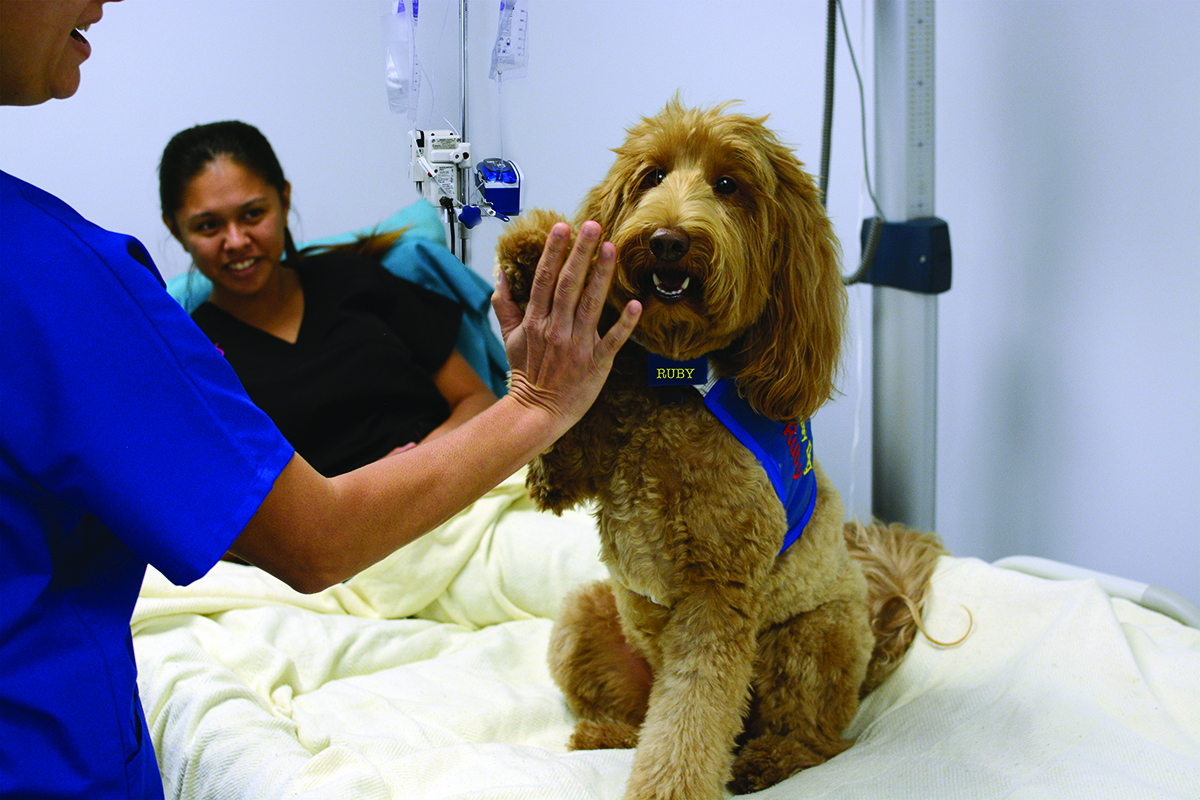
    We have a gem with us. In 2017, we introduced her as Ruby, our furry four-legged  caregiver and therapy dog. Since then, we’ve received much interest about her and pet therapy, aka, Animal Assisted Therapy.
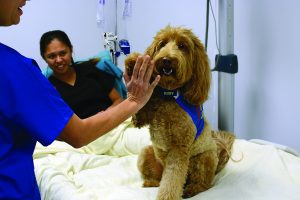
    As a handpicked Labradoodle, Ruby is highly trained and recognized by the American Kennel Club (AKC) as a certified therapy dog. She loves her time visiting children and adults in hospitals or in their homes, and she enjoys the special relationships she has meeting and greeting everyone.

    “The more I do this, I can clearly see that Ruby truly loves being with her clients,” says her handler, Carol Samples, RN, and CEO of Attention Plus Care. “She can connect and help people in ways where other treatments cannot. There is something happening beyond words that is exchanged.” Her natural talent for boosting morale can be life-changing for some and is both a product of her breed and her special training.

    Pet therapy, or Animal Assisted Therapy, has a positive effect on seniors. A one-year study of roughly 1,300 adults aged 65 or more years, published in the Journal of the American Geriatrics Society, found that companion animals had a positive effect on the activities of daily living (ADLs) of older adults. The study also found older adults had a decline in ADLs when they did not have pets, compared to similar groups with pets.

    A study in the Journal of Gerontology also found that a therapy dog had a positive effect on residents at long-term care facilities. Residents engaged with a therapy dog had a decrease in loneliness after the end of the six-week study. The study also found that one 30-minute session a week with a therapy dog gave significant reduction in participant loneliness.

    “Studies aside, we just notice an increase in smiles when Ruby visits our medically fragile patients,” Samples says. “The effect is profound and brings joy to those who can’t have a pet in their life. The unconditional love and relationship a therapy dog experiences with people is also good medicine. We need more of it.”

    Animal Assisted Therapy for seniors also has been shown to help Sundowner’s Syndrome, and evening periods of agitation and confusion in those with Alzheimer’s disease and dementia. It’s often seen that touching and being touched by a therapy dog gives tactile and cognitive stimulation with patients, while improving their well-being. Dr. Michael McCulloch, a Portland, Oregon, psychiatrist, researches why pets are therapeutic. “Touch is one of our primary needs when we’re born and one of our last needs to go,” Dr. McCulloch states.

    These days, in a world of texting to “keep in touch,” therapy dogs know their companionship and furry touch are paws above a phone text. Just ask Ruby. She’ll high-five you!


    ATTENTION PLUS CARE
    Accredited by The Joint Commission

    1580 Makaloa St., Ste. #1060, Honolulu, HI 96814
    808-739-2811 | attentionplus.com

    Available monthly: AGING IN HAWAII EDUCATIONAL OUTREACH PROGRAM by Attention Plus Care — A program to provide resources for seniors and their families, instructed by a registered nurse, who covers a different aging topic each month. For more information on Animal Assisted Therapy and free community workshops on Aging in Hawai‘i hosted by Attention Plus Care, call 808-440-9372.

    As a handpicked Labradoodle, Ruby is highly trained and recognized by the American Kennel Club (AKC) as a certified therapy dog. She loves her time visiting children and adults in hospitals or in their homes, and she enjoys the special relationships she has meeting and greeting everyone.

  • Tips for Healthy Kidneys

    March is National Kidney Month. Did you know that the risk for developing kidney disease in Hawai‘i is 30 percent higher than the mainland? One of the reasons we have a higher risk in Hawai‘i is due to our ethnicities, including Native Hawaiian, Filipino, Pacific Islander, etc. Here are tips on how to keep your kidneys healthy.

    Limit salt. According to the American Heart Association, the daily recommendation for salt intake is 2,400 milligrams of sodium. That’s only 1¼ teaspoon of salt for your whole day. This can really add up, especially when eating out. By limiting dining out and choosing low-sodium or no-added-salt foods, you can lower your salt intake and help control blood pressure. Controlling blood pressure is needed to prevent hypertension, which can lead to kidney disease.

    Stay hydrated. Make sure water is your primary beverage throughout the day. Most people can drink about eight cups of water throughout the day to stay hydrated, but some people require more or less. If you have questions about how much water you should be drinking, ask your doctor or a registered dietitian. For more information on kidney-care, come join our annual event:

    Walk on the Wild Side
    Saturday, March 10, 2018, in Chinatown

    There will be Kidney Early Detection Screening (including checking for diabetes, hypertension and kidney disease), a Health Fair, Scavenger Hunt, History-Mystery Walk, children’s activities and an arts-and-culture fair. Come and join the fun! Visit kidneyhi.org for more details.


    National Kidney Foundation of Hawaii

    808-593-1515  | www.kidney.org

    March is National Kidney Month. Did you know that the risk for developing kidney disease in Hawai‘i is 30 percent higher than the mainland? One of the reasons we have a higher risk in Hawai‘i is due to our ethnicities, including Native Hawaiian, Filipino, Pacific Islander, etc. Here are tips on how to keep your…

  • Aloha Everyone

    My contributions to Generations Magazine will end with this article. In past articles that I have written, I had the pleasure of sharing information about a very special water, transformed by electricity, that has been given the status of “medicinal water” in Japan. The Japanese have been utilizing a technology to transform ordinary tap water into ionized, micro-clustered, concentrated alkaline and acidic waters for decades. It started in the animal husbandry and agriculture sector, eventually moving into mainstream applications for human consumption and use.

    My articles in past issues of Generations Magazine have quoted and highlighted numerous doctors, medical and research professionals as to the benefits of consuming and using electrically charged ionized water.

    The human body is approximately 75 percent water. The body loses an average of three quarts of water per day through urination, exhalation and perspiration. It is absolutely critical that this water be replaced. Proper hydration is key to the normal functioning of body activities. Ionized, micro-clustered water is molecularly smaller than other waters which allows it to absorb up to six times faster and more efficiently into the cells of the body allowing for optimum hydration.

    Recent medical studies have exposed the role of inflammation, both low-level and acute, as a key contributor to degenerative health issues. Inflammation, documented through medical research, is oftentimes a direct result of abnormal fermentation in the colon that cause an increase in free radical production. This discovery narrows the window on the root cause of health issues in the human body. The high negative electrical charge of properly ionized water is instrumental in the neutralization of positively charged free radicals in the body.

    So why would you not want to try and drink ionized, micro-clustered, alkaline water? Many of you have asked me over the past year about where you can buy this kind of water. There is an inherent problem with this kind of water that renders it unsuitable for sale in a retail setting.

    The most common process of ionizing water requires the water to pass over electrodes that convert the electrical charge of the source water from positive to negative. Negatively charged water, or ionized water, has powerful health properties. This negative electrical charge is very fragile. The problem is that within the span of one to three days on average, the negative electrical charge, also known as antioxidant potential of the water, reverts back to its positive or oxidative charge.

    What this means is that you have to drink the ionized water within a short window of time to get the maximum health benefits.

    The most common belief that most people have is that “water is water.” There is ample documented research that speaks otherwise. If you truly want to explore a natural simple protocol that may change your health profile, drink ionized, micro-clustered, alkaline water.


    Enagic USA INDEPENDENT DISTRIBUTOR

    Alan Matsushima
    808-384-7354  |  trader_808@yahoo.com

    Woody Kobayashi
    808-223-2613  |  woody18k@msn.com

    he Japanese have been utilizing a technology to transform ordinary tap water into ionized, micro-clustered, concentrated alkaline and acidic waters for decades. It started in the animal husbandry and agriculture sector, eventually moving into mainstream applications for human consumption and use.

  • SHINGLES: What You Need to Know

    There is a painful ailment that affects millions of people: shingles.

    What is shingles?

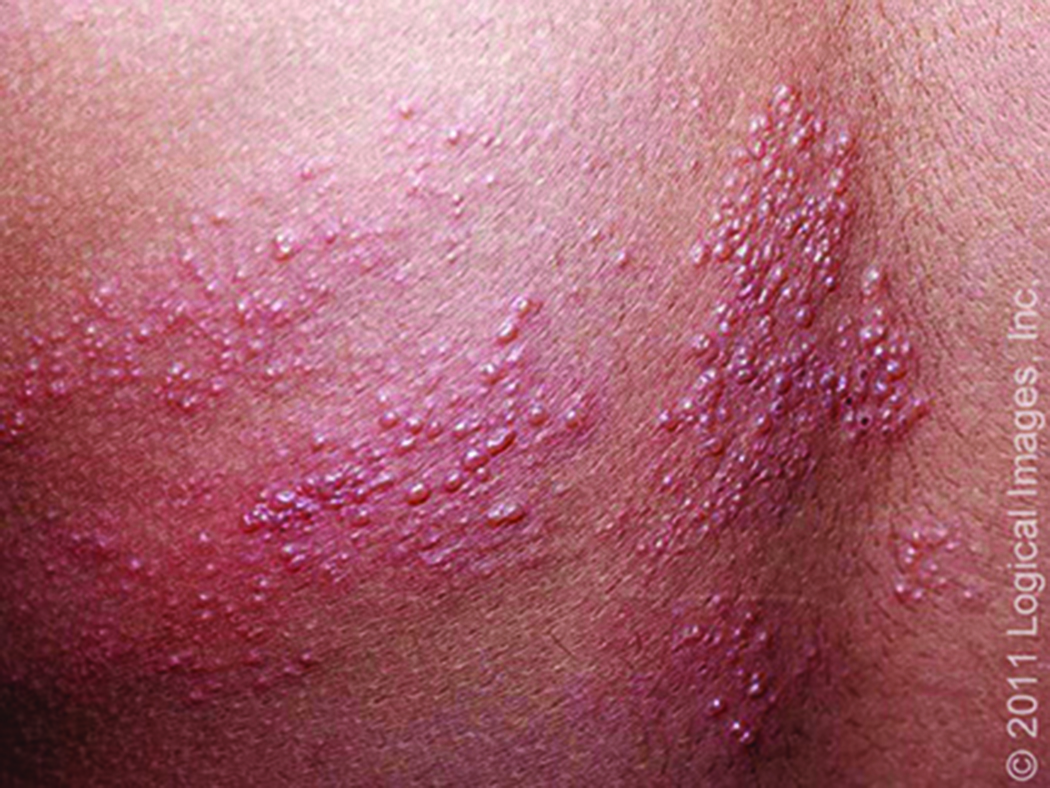
    Shingles is a blistering rash that is caused by a virus called herpes zoster. It effects approximately one million people in America every year. The herpes zoster virus, what we call shingles, is actually the same virus as the chicken pox you may have experienced as a child. When patients develop chicken pox, caused by a virus called Varicella-zoster, it lies dormant in your body for the rest of your life. Then, later in life, it may reactivate into another form we call shingles.

    The reactivation of the virus that lays dormant in your body is caused by many risk factors. Commonly as you age, especially after the ages of 50-60 years old, your chances of incidence increased dramatically. Although, there are also many patients younger than 50 who also develop shingles. Typically, patients who are immunocompromised, have had a recent cold or are highly stressed in their daily lives, are at increased risk for an incidence of shingles.

    What are some signs and symptoms?

    Some of the signs and symptoms of shingles include a red rash that quickly evolves into groups of vesicles or blisters. Many patients may experience a burning or tingling sensation prior to onset of the rash that could last days or even weeks before eruption of lesions. Other patients may also experience signs and symptoms of a cold, such as fever, fatigue, chills and headache. The rash can also be very painful for many patients and cause complications that may last even after the rash has resolved.

    Usually, the rash from the shingles is only on one side of the body, and this unilateral distribution is a classic presentation that helps doctors to diagnose patients. The rash can appear on your head, face, neck, torso, arms or legs, but typically, the rash appears on the torso for many patients. After eruption of the rash and blisters, the vesicles may rupture and crust over in about seven to 10 days.

    How’s it treated and prevented?

    If you suspect you may have shingles, please see your healthcare provider right away! The prompt and proper diagnosis of the disease is crucial when providing treatment for shingles. If caught early, within 72 hours, doctors can prescribe medications that may help to hasten and help decrease the severity of the virus. These medications can equally help to also prevent complications from shingles, which may include losing your vision and hearing, meningitis and other neurologic complications. Your healthcare provider also can help to give you medications that may help to reduce the pain and burning sensations that can be very debilitating for many patients.

    One of the best ways to prevent an outbreak from occurring is for older adults and patients who are at high risk, to receive their shingles vaccine. Although this vaccine does not prevent the disease 100 percent, it will significantly reduce your risk, and if you do have an incidence of shingles, it can help to reduce the severity of the virus.


    HOUSE CALL MEDICAL PRACTICE

    808-726-5062 housecallmed@gmail.com
    housecallmedhawaii.com

    Shingles is a blistering rash that is caused by a virus called herpes zoster. It effects approximately one million people in America every year. The herpes zoster virus, what we call shingles, is actually the same virus as the chicken pox you may have experienced as a child.

  • 5 Healthy Valentine’s Day Ideas

    There is no better gift that you can give your loved one than taking care of your health and staying fit. Living well means that you will be able to enjoy your time together for decades to come. Rather than the old routine of chocolates or dining out, why not try something more active and fun, something new to explore. Here are five ideas:

    1. Hiking/Nature walk. Go for a walk on the beach, or hike with your special someone. The peace and quiet with natural scenery not only is romantic, but you’ll burn calories and increase endorphin levels.
    2. Dancing. Music puts everyone in a good mood. Whether it is salsa, ballroom dancing or watching your favorite local band, try something new with each other, and get your heart pumping.
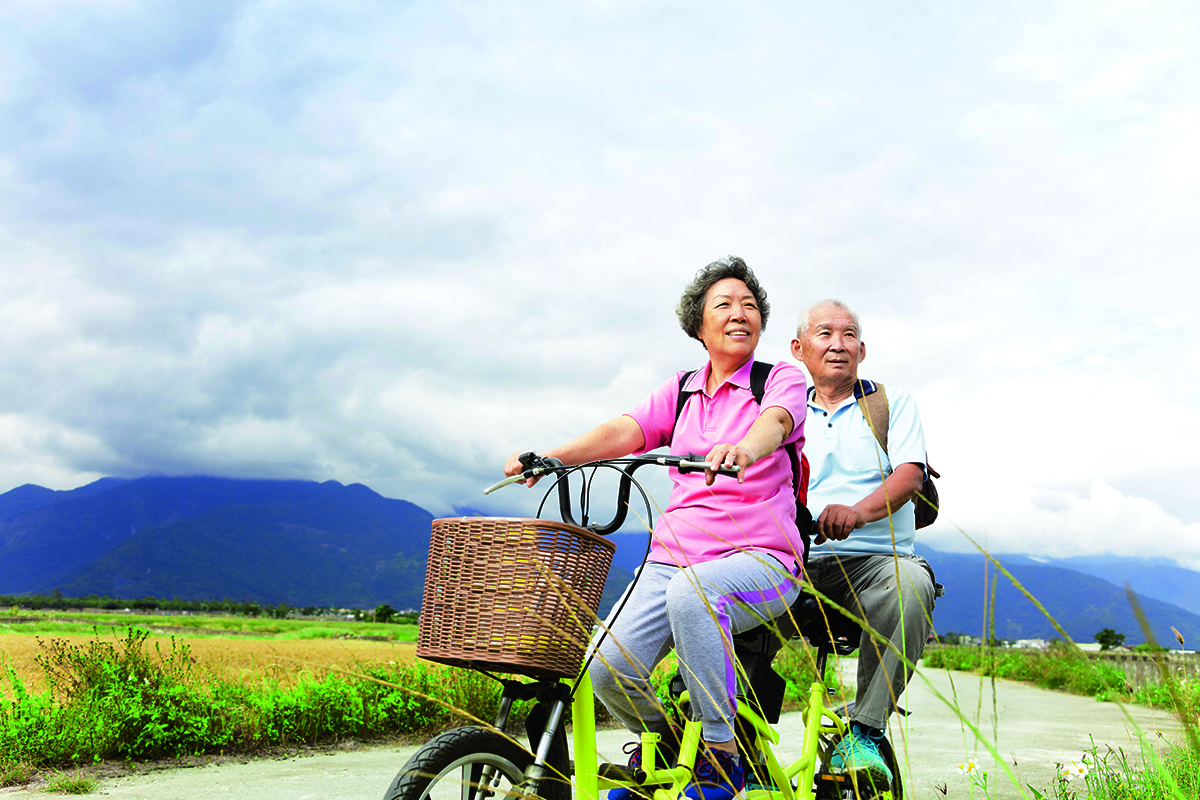
    3. Bike riding. Plan a route with amazing views, and get out in the fresh air together.
    4. Try a new sport. Step out of your comfort zone and try something new like bowling or tennis. Burn calories as you laugh!
    5. Schedule a couple’s massage. This may not seem like an active date, but a massage helps to relieve muscle tension and pain, reduce stress and improve overall health.

    Make this Valentine’s Day a day to remember and bond with the one you love over a new experience while you improve your health.


    Moon Physical Therapy, LLC
    320 Ward Ave., Ste. 107, Honolulu HI 96814

    Aquatic, Land-based and Manual Therapy and
    Cardiopulmonary Rehab Programs

    808-597-1005 | moonpt.com
    Like me on Facebook: Moon Physical Therapy, LLC

    There is no better gift that you can give your loved one than taking care of your health and staying fit. Living well means that you will be able to enjoy your time together for decades to come.

  • Hawai‘i and Hanafuda Pō‘ai

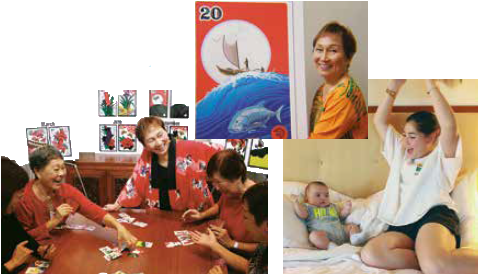
    Helen Nakano, at top, enjoys a game with the ladies and cherishes her grandchildren, Arielle, 15, and Matthew, 10 months.
    Helen Nakano, at top, enjoys a game with the ladies and cherishes her grandchildren, Arielle, 15, and Matthew, 10 months.

    I started Hanafuda Po¯‘ai (friendship circles), where players of all ages can come together to play, socialize. We now have two groups, Na Ku¯puna Makamae at the historic pumping station in Kakaako, and at Lanakila Multi-Purpose Senior Center. We want to grow our po¯‘ai. A lot of seniors live by themselves. When you see a young kid playing with an old person, it’s very magical and wonderful!

    My granddaughter, Arielle Spivack, is 15, but she was just 5 when I taught her to play hanafuda on one of our trips to her home in California.

    I advised Arielle to play hanafuda with boys she was interested in dating later. I told her, “You can find out if they are poor losers, impatient with slower players, or gracious winners.” These are character traits that carry over into their daily interactions with people, young and old.

    My grandson, Matthew Nakano, is just a baby and is great fun. I can’t wait to teach him how to play hanafuda! He giggles a lot and loves people.

    It will be great fun to see if all his “Hanafuda Aunties” and I can develop the winning skills of Hawaii’s youngest hanafuda player!


    HANAFUDA PO‘AI

    808-927-0993   |  www.hanafudahawaii.com

    I started Hanafuda Po¯‘ai where players of all ages can come together to play, socialize. We now have two groups, at the historic pumping station in Kakaako, and at Lanakila Multi-Purpose Senior Center. A lot of seniors live by themselves. When you see a young kid playing with an old person, it’s very magical

  • Youth Inspiring Seniors

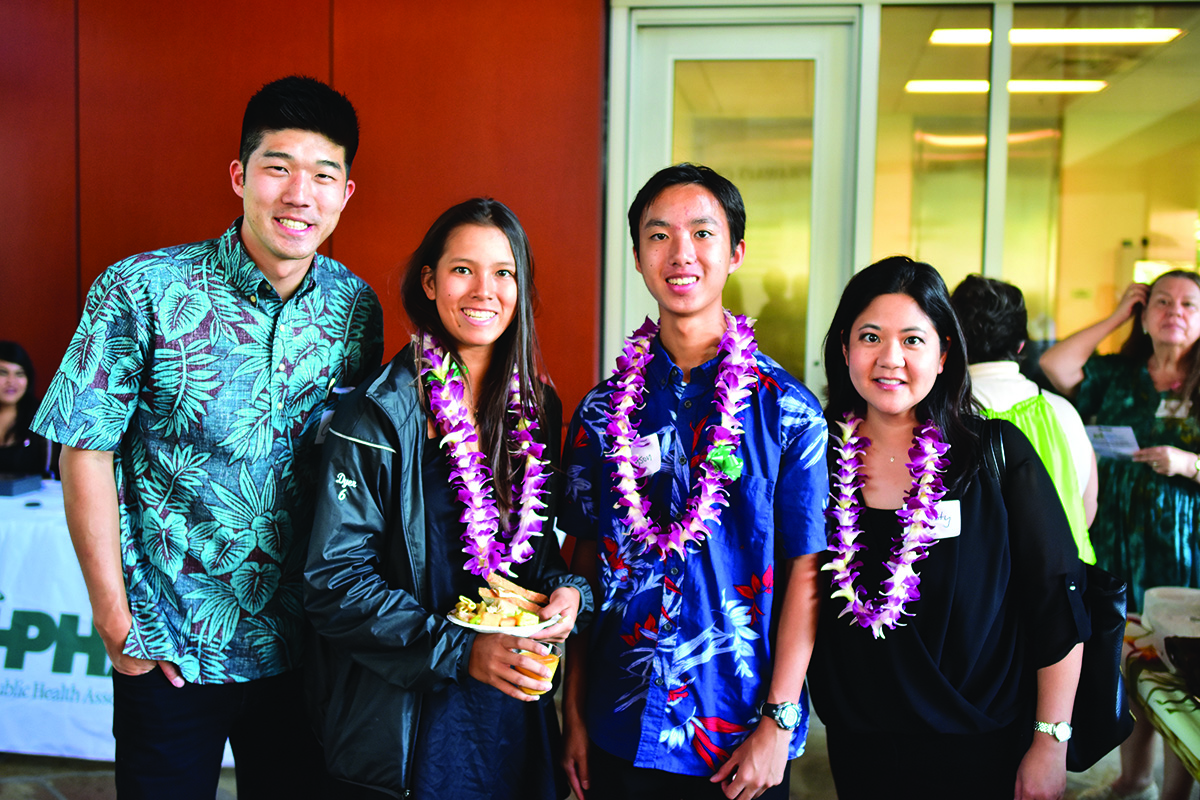
    From Left: Colby Takeda; ‘Iolani One Mile Project students Marley Dyer and Bryson Choy; and Christy Nishita, PhD.
    From Left: Colby Takeda; ‘Iolani One Mile Project students Marley Dyer and Bryson Choy; and Christy Nishita, PhD.

    The One Mile Project at ‘Iolani stands out from traditional academic classes. It is a high school class that centers on building empathy and understanding for kūpuna in our local community; it seeks to address the challenges that many kūpuna face in their daily lives. Students learn about aging, then develop and implement their own projects.

    As Christy Nishita says, “The One Mile Project class at ‘Iolani School makes these goals happen for our kūpuna. Our youth need to learn about aging and have opportunities to interact with older adults. The benefits are clear. Our youth will build awareness and empathy, and, on a community level, generations will find opportunities to build bridges and find common ground.”

    The class is an opportunity to step into the shoes of kūpuna and develop awareness and empathy towards the older population. The class pushed me to go beyond the classroom and pursue various projects to address challenges that kūpuna face. My project was inspired by my grandparents, who faced difficulties in communicating and understanding health information during doctor’s visits. With the support of my teachers and Christy Nishita, PhD, project advisor, I conducted focus groups and interviews with caregivers, older adults and geriatricians to better understand these challenges. I created a presentation with findings and tips and presented them to University of Hawai’i geriatric fellows, a pre-medicine student club, the Farrington High School Health Academy, and a Project Dana caregiver support group.

    My enthusiasm for helping the kūpuna population stimulated my decision to pursue other projects. I worked with Colby Takeda from The Plaza Assisted Living Waikīkī to co-coordinate an inter-generational photo voice project called ‘Honolulu Walks.’ I also talked story with different kūpuna and created a website that shares kūpuna life experiences called Stories of Kūpuna medium.com/stories-of-kupuna. I believe that older adults are the storytellers of our society. They have so many valuable life lessons, experiences and stories. I hope that my experience encourages others to step into their shoes and see the world from their perspective.


    CENTER ON AGING — University of Hawai‘i at Mānoa
    2430 Campus Rd., Gartley Hall, 201B, Honolulu HI 96822

    808-956-5001  | uhcoa@hawaii.edu | hawaii.edu/aging/

    The One Mile Project at ‘Iolani stands out from traditional academic classes. It is a high school class that centers on building empathy and understanding for kūpuna in our local community; it seeks to address the challenges that many kūpuna face in their daily lives. Students learn about aging, then develop and implement their own…

  • What Is The Blue Zones Project?

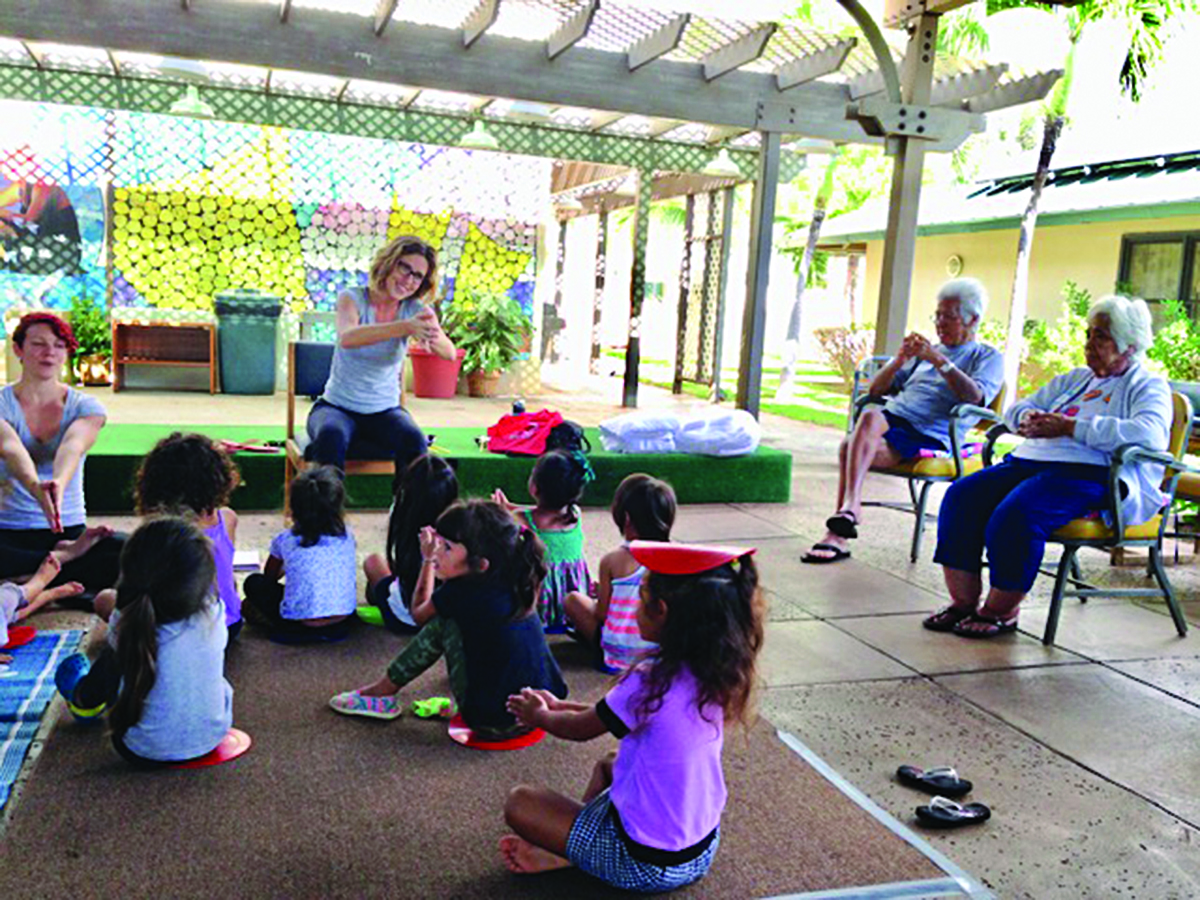
    Adult Day Care at the Blue Zones ProjectChildren who attend Seagull Schools in Kapolei have a special bond with seniors at Seagulls Adult Day Center, located next door. Not only do the kūpuna and keiki regularly meet to play bingo, exercise on the lawn and do arts and crafts, but they also dine together on lunches that include whole grains, lean proteins and plenty of fruits and vegetables.

    “The Kapolei school and adult center were purposely designed for mutually beneficial interaction between kūpuna and keiki,” says Chuck    Larson, executive director for Seagull Schools, which has five locations on O‘ahu and one on Hawai‘i Island. “It has drawn attention from countries around the world seeking to develop strategies for their aging populations.” Spending time with energetic children does wonders for seniors’ mental health and cognitive skills, he adds.

    Promoting good health is a top priority for Seagull Schools, which has been approved by the Blue Zones Project — a nationwide wellness program to enhance communities through proper nutrition, natural exercise, social interaction, spirituality and other healthy habits.

    HMSA brought the initiative to Hawai’i to lower healthcare costs and improve quality of life. As of this writing in December, Blue Zones had eight demonstration communities: North Hawai‘i, East Hawai‘i, West Hawai‘i/Hawai‘i County, Central Maui, Ko‘olaupoko, Wahiawa¯, Kapolei-Ewa and Mānoa-Makiki-McCully-Mō‘ili‘ili.

    Seagull campuses serve all-vegetarian meals on Wednesdays, and sugary, processed foods are banned. To circulate fresh air, there are ceiling fans, open windows and no air-conditioning.

    “Blue Zones is a lifestyle practice for adults to set the stage for children,” Larson says.

    Blue Zones Diet: What to eat

    • Up to 95 percent of your food should be greens, grains, fruits, vegetables and beans. Use olive oil and spices to flavor vegetables.
    • If you eat meat, limit portions to a deck of cards. Avoid hot dogs, bacon and sausages. Avoid seafood with high levels of mercury and other toxins.
    • Avoid cow’s milk. Eat cheeses (sparingly) made of sheep or goat’s milk. Limit eggs to three times weekly.
    • Eat one cup of beans, plus tofu, spread across the day. Avoid canned beans with added salt, sugar and chemicals.
    • Eat less than 28 grams, or 7 teaspoons, of added sugar daily.
    • Snack on nuts daily (non-sugar, non-salted).
    • Avoid white breads. Eat 100 percent whole-grain breads or pure sourdough bread made with live cultures. Limit to two slices daily.
    • Avoid processed foods; eat whole foods and dishes with fewer than five ingredients.
    • Drink at least six glasses of water daily.

    BLUE ZONES PROJECT

    hawaii.bluezonesproject.com

    SEAGULLS SCHOOLS ADULT DAY CENTER

    808-674-1160 seagullschools.com

    Children who attend Seagull Schools in Kapolei have a special bond with seniors at Seagulls Adult Day Center. Not only do the kūpuna and keiki regularly meet to play bingo, exercise on the lawn and do arts and crafts, but they also dine together.

  • Healthy Habits of a Centenarian

    Yukiko Murata, who will turn 102 in March, has a sharp wit and sunny outlook on life. To stay healthy, she eats fresh foods, takes classes at the University of Hawai‘i and plays hanafuda (Japanese card game) every Thursday at the Lanakila Senior Center, together with her daughter, Joanne Murata, and son-in-law, James Kramer. Yukiko shared advice with Generations Magazine:

    What’s your secret to a long life?

    I laugh too much. It just comes naturally to me. Every day is another day. Today and tomorrow might be another day. It may be good or bad. You don’t know. Every day is something you look forward to, and I think I enjoy that. I’m 101. Next thing you know, I’m going to be 102.

    What are your healthy habits?

    I eat anything, but I don’t eat too much sugar. I don’t get a mai tai. I say, don’t drink orange juice from a can. Eat a fresh orange. It’s juicy.

    What advice do you have for younger generations?

    Be kind to everybody. You have to be forceful, too, because times are different. Take the time to teach your children. Take the time to be a lifelong learner. Whatever you learn is for your own good. You’ll be happy, really happy.

    What are your goals for 2018?

    I’m going to Vegas! If somebody says, ‘Hey Mom, you’re going to go to Vegas,’ you’re not going to say, ‘What?’ You’ll say, ‘Let’s go next week.’ I’m really lucky, health-wise. I never use a cane, yet. I can walk. I catch The Bus, walk UH campus and go to class. (Agriculture and gardening classes). It’s a good feeling. The younger students call me Grandma.

    ukiko Murata, who will turn 102 in March, has a sharp wit and sunny outlook on life. To stay healthy, she eats fresh foods, takes classes at the University of Hawai‘i and plays hanafuda (Japanese card game) every Thursday at the Lanakila Senior Center, together with her daughter, Joanne Murata, and son-in-law, James Kramer. Yukiko…

  • Age Bias in the Workplace

    Bias is everywhere, including the presumption that you might be too old to work even when lengthening lifetimes allow you to do more for much longer. Nobody says it is easy for those of us in our 50s, 60s, or beyond, to overcome what others may think.

    Age bias is not just a myth but a fact to deal with in this new time of longer life spans. It is our task to learn to deal with common biases and meet the harsh realities of change. Here are some ways:

    BIAS 1: Older workers are too expensive. Forget what you once earned. Your contribution is worth what the market pays. Study marketplace pay scales before interviewing. Demonstrate your skills’ return on investment, based on their priorities and your ability to help their bottom line.

    BIAS 2: Older workers can’t learn as well as younger workers. (This is the “old dogs can’t learn new tricks” bias.) Don’t get caught with your learning down! Demonstrate what you have learned, particularly skills that will help a prospective employer or client.

    BIAS 3: Older workers are inflexible and set in their ways. (Boomers themselves set this myth in stone, and many have reaped what was sown.) Demonstrate how you have adapted to new challenges in work environments. Keep your change examples focused on describing relatively recent workplace efforts and results. Stick with 10 years or less. Nobody cares what you did before then.

    BIAS 4: Older workers are “age discrimination lawsuits” waiting to happen. Although it is more likely that people over the age of 50 will win age discrimination lawsuits than people over the age of 40 (legally protected class by the Feds), proving disparate treatment is not an easy task and a painful outcome for all involved. This is the hidden fear no employer discusses. On the contrary, demonstrate your flexibility to manage challenges the employer (or client) faces.

    BIAS 5: Once people reach their 60s, they really are too old to work. One in four people in Hawai‘i is 60 today. Chronological age bias is a hangover from the past. Don’t volunteer your age. Period. Take a self-marketing class from a qualified, mid-late career coaching expert who will ensure that you have skills to prove your energetic contribution based on relevant knowledge.

    BIAS 6: Older workers cannot adapt to new technologies. What is new in technology today is old tomorrow. Choose to continue to learn throughout your working lifetime. The single  biggest challenge in using technology is your own self-confidence. Take classes at a community college or through a senior center. Dive into the tech pool. The water is fine! And highlight your “technological currency” in your tools and during interviews.  N


    NEW WORKFORCE HAWAI’I

    Carleen MacKay, Co-Founder
    913-316-0143  |  carleenmackayhi@gmail.com
    www.newworkforcehawaii.com

    Bias is everywhere, including the presumption that you might be too old to work even when lengthening lifetimes allow you to do more for much longer. Nobody says it is easy for those of us in our 50s, 60s, or beyond, to overcome what others may think.