Do you have so many medications that you feel you can’t manage them all? We call this “the medication blues.” Keeping your prescriptions straight, organizing pills or disposing of unused meds, can be truly overwhelming.
The first step to cure the medication blues is to keep your medications organized. If you have several medications, you or a family member can type out each medication name, why you take it, and the dosage (how much and how often you take it). This list will allow you to clearly see all your medications in one place. Next, buy a pillbox at your local pharmacy. Pick a pillbox that will accommodate the amount of medications and how many times a day you need to take each. Fill your pillbox each week using your medication list as a guide.
If a medication changes or is discontinued, properly dispose of it. There are several ways to dispose of old medications. The simplest way is to call your pharmacy to find out if it has a medication return or “take-back” program. Not all pharmacies have this program, but many do. If you can’t find a return program, follow this plan:
Do not throw bottles of pills in the trash or flush them down the toilet. Instead, it is recommended that you strip the prescription label off the bottle, add some liquid to the bottle to dissolve the pills, reapply the lid, tape the lid with duct tape and throw the taped bottle in the trash.
With these simple actions, you can get your medications organized, ensure you get the treatment you need and soon make the medication blues a thing of the past.
Do you have so many medications that you feel you can’t manage them all? We call this “the medication blues.” Keeping your prescriptions straight, organizing pills or disposing of unused meds, can be truly overwhelming. The first step to cure the medication blues is to keep your medications organized. If you have several medications, you…
We’ve had lots of positive feedback on our first article about the Hawai‘i Neurotrauma Registry. In the last two years, we’ve given out information on neurotrauma injuries (stroke, traumatic brain injury, spinal cord injury) at 60 events and presentations to approximately 6,500 people.
There is a lot of information on patients with stroke, spinal cord injury or traumatic brain injury while they are in the hospital or rehabilitation facility.But what happens once they get home? What problems are they having? What kind of help do they need?
The Hawai‘i Neurotrauma Registry wants to know so the Hawai‘i Department of Health, Developmental Disabilities Division can make appropriate plans and policies.
We currently have 81 individuals with neurotrauma injuries who have registered. They took more people — especially from the Neighbor Islands — and younger people. The registry is voluntary and open to any resident of Hawai‘i, any age, who has had a neurotrauma injury at any point in his or her lifetime.
You can fill out the confidential survey online at www.svy.mk/1qybSHZ.Call us (there’s a tollfree number for Neighbor Islands) to receive a copy by mail or to schedule assistance completing the survey. Email us with any questions, as well. With your help, the registry will be a success. Mahalo.
University of Hawaii at Manoa John A. Burns School of Medicine, Pacific Basin RRTC 677 Ala Moana, Suite 202, Honolulu, HI 96813 808-692-1375/1372 | 1-866-447-9023 HawaiiNT@hawaii.edu
We’ve had lots of positive feedback on our first article about the Hawai‘i Neurotrauma Registry. In the last two years, we’ve given out information on neurotrauma injuries (stroke, traumatic brain injury, spinal cord injury) at 60 events and presentations to approximately 6,500 people. There is a lot of information on patients with stroke, spinal cord…
The letters “p” and “t” for physical therapy should NOT be confused with “pain” and “torture.” Unfortunately, many people will share their horror stories of how painful their experiences were. The old-school approach of “no pain, no gain” has been scientifically disproven. Stretching a muscle until it hurts will not get good results. Pain is the body’s way of telling the brain that tissue damage is occurring. When you experience pain, your body’s protective mechanisms take over, often inhibiting the strength and mobility of the damaged area. Believing that suffering has to get worse before it can get better may even make your injury worse.
Ironically, one of the goals of physical therapy is the reduction of pain. Many injuries and postsurgical conditions by their nature are painful, although appropriate physical therapy treatments should be designed to relieve those symptoms and improve function. So just remember, while temporary soreness can be a normal response to therapy sessions involving exercise and manual treatment, a correctly designed program should not make your injury or painful condition worse.
Moon Physical Therapy, LLC 320 Ward Avenue, Ste. 107, Honolulu, HI 96814 Aquatic, Land-based and Manual Therapy and Cardiopulmonary Rehab Programs 808-597-1005 | www.moonpt.com
The letters “p” and “t” for physical therapy should NOT be confused with “pain” and “torture.” Unfortunately, many people will share their horror stories of how painful their experiences were. The old-school approach of “no pain, no gain” has been scientifically disproven. Stretching a muscle until it hurts will not get good results. Pain is…
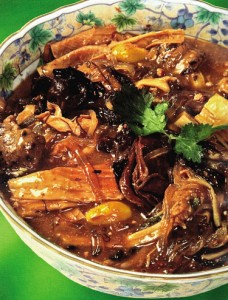
For a healthy and hearty New Year dish, Jai blends dried and fresh veggies with bean paste. Anyone can make this today using ingredients found in Asian groceries.
Broth:
1 pkg black moss (fatt choy) add oil to loosen and parboil
1 large celery or Napa cabbage (won bok), cut up
Directions:
Heat 3 Tbsp. of oil in a 6-quart pot. Brown ginger, add all broth items in order listed, stir fry 3 to 4 minutes, then add liquid and bring to a boil; adjust seasoning.
Pre-wash ingredients and parboil all but canned bamboo shoots. Add all but the last three ingredients. Bring to boil; simmer 30 minutes. Add last three ingredients. Stir well and cook 30 more minutes. Serve with white or brown rice.
Popo’s Kitchen available from the author: 808-734-1063or Amazon.com
For a healthy and hearty New Year dish, Jai blends dried and fresh veggies with bean paste. Anyone can make this today using ingredients found in Asian groceries. Broth: Ginger root (crushed & chopped 5 in.) 3/4 cup sugar 8 oz. mashed red bean paste (nam yau) 6 oz. mashed yellow bean paste (tau hu…
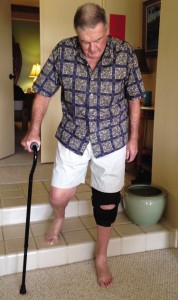
Osteoarthritis (OA) is one of the most common forms of arthritis. About 27 million people in America have osteoarthritis. It is a chronic condition in which the material that cushions the joints, called cartilage, breaks down. This causes the bones to rub against each other, causing stiffness, pain and loss of joint movement.
Common risk factors include increasing age, obesity, previous joint injury, overuse of the joint, weak thigh muscles, and genetics.
Osteoarthritis symptoms usually develop gradually. At first, there may be soreness or stiffness that seems more like a nuisance than a medical concern.
Common symptoms include:
Sore or stiff joints— particularly the hips, knees, and lower back — after inactivity or overuse.
Stiffnessafter resting that goes away after movement.
Painthat is worse after activity or toward the end of the day.
Osteoarthritis, or OA, may also affect the neck, small finger joints, the base of the thumb, ankle, and big toe. The pain may be moderate and come and go, without affecting the ability to perform daily tasks. Some people’s OA will never progress past this early stage. Others will have their OA get worse. The pain and stiffness of more severe osteoarthritis may make it difficult to walk, climb stairs, sleep, or perform other daily tasks.
If you have symptoms of osteoarthritis, the doctor will ask questions about your medical history and perform a physical exam and, possibly, take X-rays to confirm the diagnosis.
There is no cure for osteoarthritis, but there are medications to help relieve pain, when needed. The doctor may recommend physical therapy (PT) or occupational therapy (OT) to help improve strength and function. When pain is severe and frequent or mobility and daily activities become difficult, surgery may be considered.
Staying physically active and maintaining a healthy weight are the keys to living well with osteoarthritis. Too little movement can lead to stiffness and weak joints. Losing one pound can take four pounds of pressure off your knee joints. Overall fitness improves health in many ways. Strong muscles protect joints. An OA management plan also involves eating a nutritious diet, managing stress and depression, and getting a good balance of rest and activity each day.\
Osteoarthritis (OA) is one of the most common forms of arthritis. About 27 million people in America have osteoarthritis. It is a chronic condition in which the material that cushions the joints, called cartilage, breaks down. This causes the bones to rub against each other, causing stiffness, pain and loss of joint movement. Common risk…
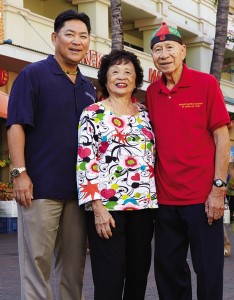
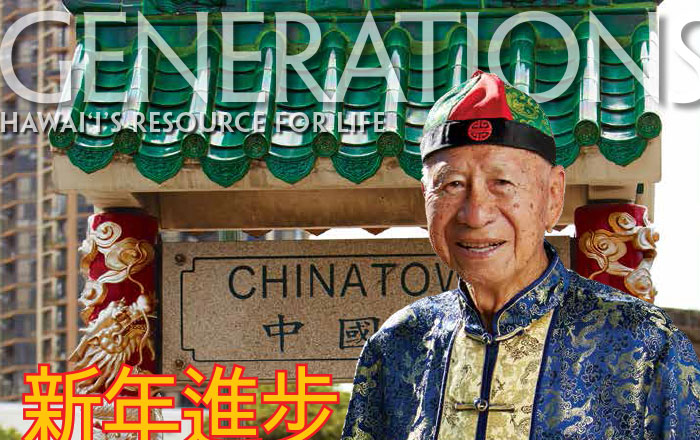
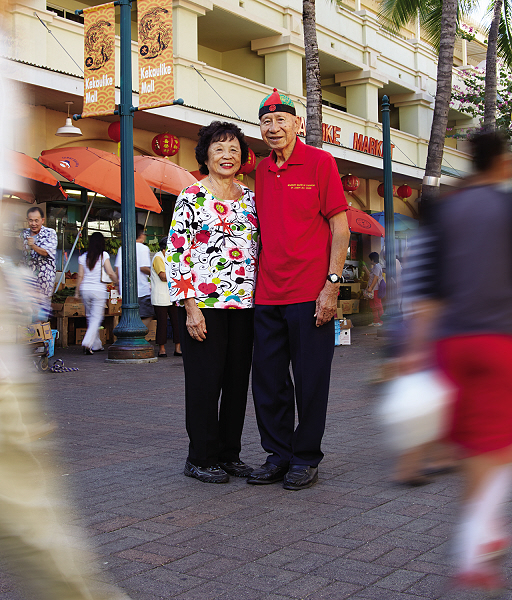
Dr. Joseph W. C. Young and his wife, Barbara frequent Kekaulike Mall in Chinatown to enjoy the morning bustle and shop for fresh produce. Seniors recognize “Dr. Joe” as he is endearingly called, and stop to share a New Year wish —“Gong hey fat choy.”
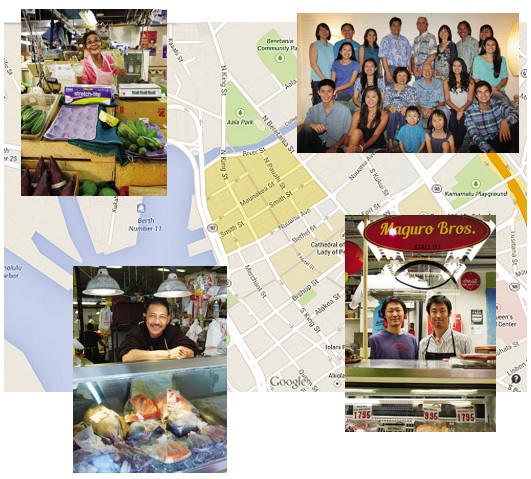
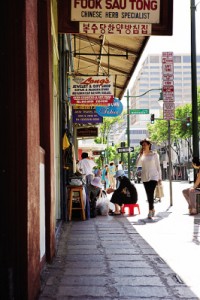
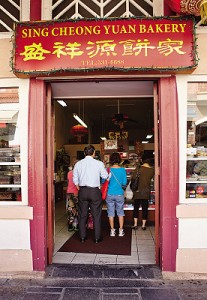
Behind the ornate gates of Chinatown on South King and River Streets, fruit stand merchants, restaurants, art galleries, importers and cultural organizations are ready for Chinese New Year. Shops offer tantalizing specialty foods for the holiday. Chinese calligraphy wall hangings, lanterns and T-shirts call out wishes for good health, prosperity and happiness. Dr. Joseph W.C. Young, Mayor of Chinatown, invites everyone to come and join the fun.
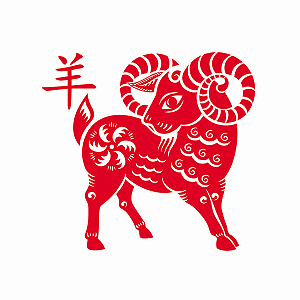
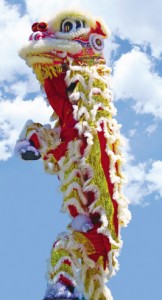
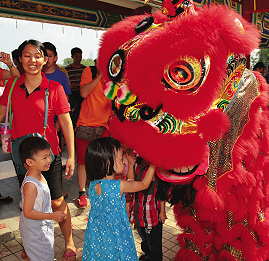
“So lucky that we live in Hawai‘i and get to celebrate New Year twice!” says Dr. Joe Young. On Feb. 13 and 14, fireworks, lion dancing, cultural performances and a huge parade will usher in the “Year of the Sheep”
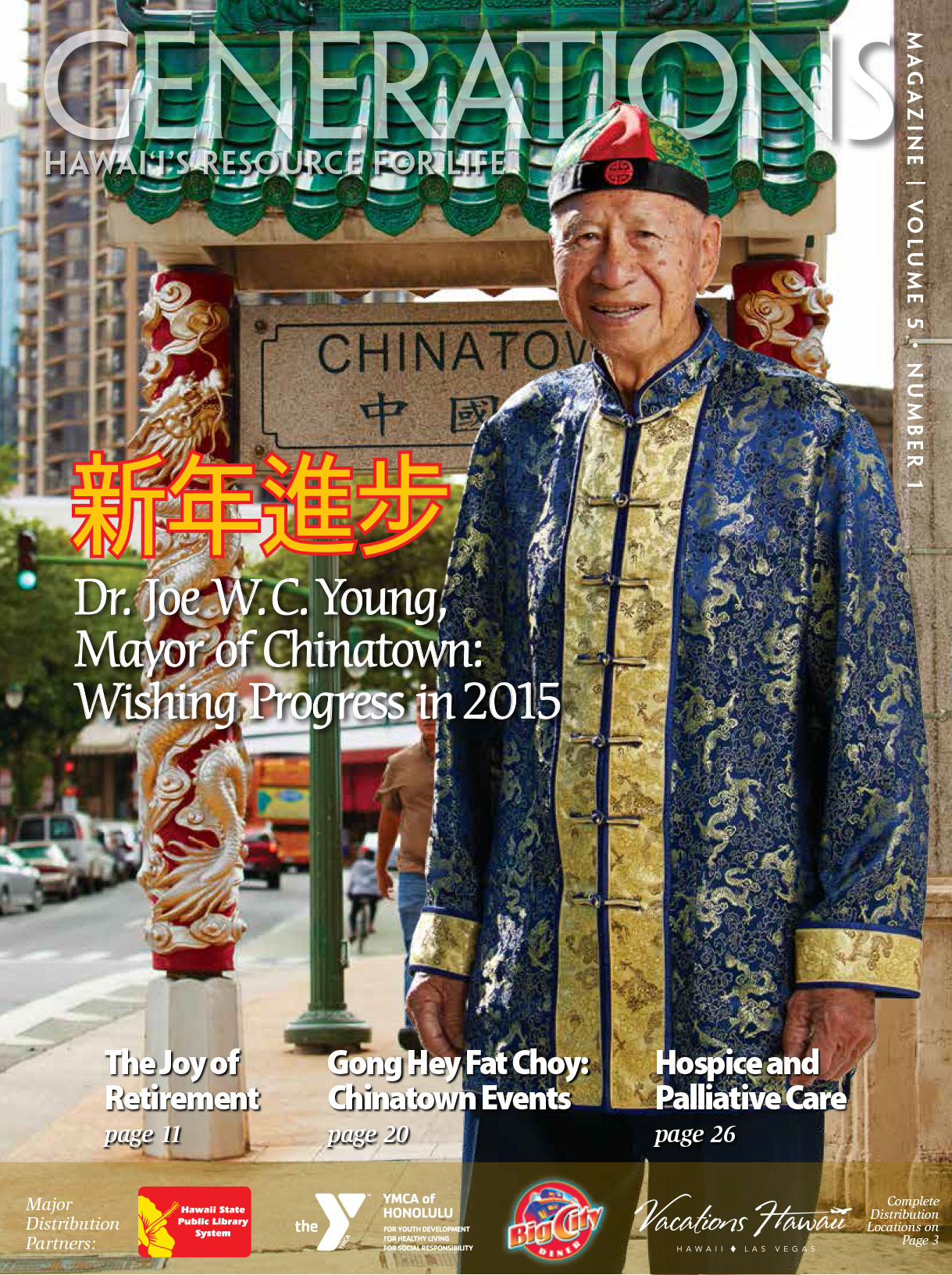
As a part of Honolulu’s downtown economy, Chinatown has overcome many challenges. Chinatown’s Mayor is a liaison to City and County programs and services. We were humbled to spend time with him and learn about his early life, his road to a successful career, his vision for Chinatown’s future and his 26 years of service to the Chinatown community.
The Social Structure of Chinatown is Language Dr. Joe’s family came from Lung Doo in Zhongshan city of Guandong Province ( 廣東 省中山市 ), China, where Sun Yat-sen was born. Joe’s father sustained his family by farming mullet in Kuapa fishpond at Hawai’i Kai. To prosper, he learned fluent Hawaiian. “My father told me that to be successful, I must learn to communicate —so that’s what I did, ”aid Dr. Joe. It paid off for both father and son.
Language has shaped Honolulu’s Chinese community for almost two centuries. Dr. Joe explained that Chinese has thousands of “dialects.” Chinese written characters are universal, but the words associated with them are unique to each community. In English, “accents” don’t interfere with understanding, but Chinese dialects differ so much that people from one village cannot understand their neighbors across the river or over the mountain. It’s not surprising that people of one dialect stick together, and that China’s government teaches Mandarin dialect to all school children to unite their country.
As far back as 1810, a few Chinese came to Hawai‘i from Zhongshan (near Hong Kong and Macao). Later, in the 1850s large numbers of Cantonese immigrated to work the sugar plantations. People from the See-Yup district ended up in San Francisco and New York, where their own dialects became established. Today, Chinese from Vietnam, Laos and Cambodia speak their own dialects, and socialize in their own clubs in Chinatown. In addition to these language groups, 100 societies also form around interests like commerce, lion dancing, exercise and religion. Building a lar
ge community always requires
bringing people together — Dr. Joe’s success is his ability to overcome Chinese language barriers.
Meet Dr. Joseph Young, Mayor of Chinatown
GM: Dr. Joe, Mayor Kirk Caldwell appointed you “Mayor of Chinatown.” What does that mean?
JY: Well, it is an honorary role, like a diplomat or Miss America,” Dr. Joe says with a grin. “My first duty is public relations — to keep Chinatown in the public eye. But more than that, I help Mayor Caldwell and the City Council communicate with our 100 cultural, community organizations. We are very social, and families are large. Some community issues are very big — solutions require all of us to get together and decide what is best. When the city or county needs our help on a project, my job is to get people communicating. Right now we are working with the Mayor on finding options for the homeless, and supporting Chinatown merchants.
GM: Chinatown looks a lot cleaner in the past few years. It is a safe place?
The appeal of Chinatown is quaint small shops with friendly merchants — selling everything from fine art and exotic delicacies to fresh seafood and local produce. Into the bargain, shoppers and visitors experience Chinese cultural traditions preserved in Honolulu for 200 years.
JY: I’m glad you noticed our new buildings and sidewalks. We have a lot of foot traffic in our small business district, and with the help of the City of Honolulu, we have been able to clean up it up. People can see and smell the difference. Chinatown is safe, day and night. We want people to know that we are a safe neighborhood.
GM: What can people expect at Chinese New Year?
JY: February 19th is Chinese New Year — the year of the sheep on our lunar calendar. The City and
County of Honolulu and United Chinese Society have been celebrating with cultural performances. The Chinese Chamber of Commerce and the City and County present a Chinatown open house Friday night, Feb. 13, and people will visit their societies and wish everyone good luck. On Saturday, Feb. 14, a big Parade with over 90 marching units starts in the afternoon. Maunakea Street will be closed from King Street, makai to Beretania Street. Vendors will set up booths on both sides of the street. Our County Council dignitaries, Mayor Caldwell and the 2015 Narcissus and Miss Chinatown Queens and their courts will be there with many traditional lion dancers . Everybody come. (Click here to see a list of New Year events)
GM: Isn’t food a big part of Chinese New Year?
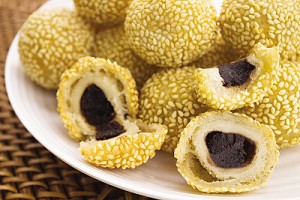
JY: Of course! Well known treats are Jin Dui sweet rice balls stuffed with sweet bean, meat or lotus paste and deep-fried. Everyone makes their own versions. My family loves Nien Gao , rice pudding with a red Chinese date on the top, and Pak Tong Koh , candied fruit and vegetables. On New Year’s Day, my wife serves Jai , savory vegetables and rice — called ‘monk food;’ children serve their parents tea, and parents give their children red paper envelopes, called Licee with money inside. Kids love New Years.
GM: Chinatown seems to be a great place to shop for fresh produce.
JY: Yes. You can find delicacies like Peking duck,pastries, sweets, flowers, fresh seafood, plenty bananas, and citrus fruits like tangerines. Food shopping is a social event. If you live in Chinatown or nearby, you see the same faces every day, and hear good conversation too. We buy a little at a time and enjoy the walking and talking. Most of the fresh produce is from local farms. My family farmed fish in Kuapa Pond and sold to shops up here
GM: Tell us more about your youth. How did you get to be a dentist?
JY: My uncle sent me to St Louis School. I was 16 when Pearl Harbor was bombed. Hysteria broke out. Soldiers came to the fishpond looking for spies — thinking we were Japanese. They barb wired the beaches, so our farmed fish nearly double in price. I quit school and went to work as an airplane mechanic’s apprentice at Hickam Air Force Base. Later I joined the Army Air Corps and served in the Philippines. After the war I passed my GED and entered University of Hawai‘i at Manoa. Later transferred to Washington University in Missouri, because they had a good school of dentistry. In 1955 I came home to set up a practice, and met and married Barbara Chun. She went to Syracuse University and completed her bachelors in education at the UH.
How did I get into dentistry? My college counselor tested my aptitudes. I wanted to be a lawyer but he said I would be better in biology — perhaps dentistry. He was right. I was good working with my hands and I did pretty well at dentistry.
GM: When did you retire?
JY: I’m 89 years old. I retired in 1994. My two sons, Emory and Collyer studied dentistry and took over my practice on Waialae Avenue. I also have two daughters — Haven is a teacher, and Shelby a veterinarian. For 26 years now Barbara and I spend our time giving back to the community. We have a Chinese adage that says, “When you drink water, remember the source.”
When you receive something valuable, give back. You know I also studied sociology in college — I always had that drive to help people. Dentistry helps people too.
Some of Dr. Young’s Accolades:
United Chinese Society Model Chinese Father of the Year, 1998
United Chinese Society Chinese Citizen of the Year, 2004
Distinguished Alumnus of the Year, Washington University Dental Alumni Association, 1999
Chinese Chamber of Commerce of Hawaii Outstanding Narcissus Volunteer, 2008
Organization of Chinese Americans, Hawaii Chapter, Unsung Hero Award, 2008
Some of Dr. Joe’s Favorite Projects:
Honolulu City and County Planning and Permitting Commission, Honolulu Fire Department Commission, Vision Team Project, Chinatown, Mayor’s Downtown/Chinatown Task Force, Chinatown Cleanup Effort, Sound Translation in Chinese, Committee member for design of Chinatown Gates, Street Signage Project, Smith and Nu‘uanu Street Sidewalk Vision Team Project, Palolo Chinese Home, Heritage Capital Fund Drive, Sun Ming Ting Village Elementary School Building Project, Chinatown Pedestrian Safety Project, Chung Shan Language School.
GM: What’s in the Future for Chinatown?
JY: The City Council applied Bill #48 “sit and lie law” to Chinatown in December. Our sidewalks are narrow. One person sitting on the curb disturbs foot traffic that our shop owners rely on for their livelihood. Enforcing the ordinance is a perfect example of how city and community work together. Shopkeepers and shoppers are pleased with the improvement.
The Mayor wants to help our community to grow. The Honolulu Rail Transit Project includes a Chinatown Station at the corner of Kekaulike Street and Nimitz Highway. We have a new Chinese Marketplace just two blocks away on Kekaulike. When the train begins running, we expect more foot traffic.
We are a community of different philosophies and backgrounds. New and different ideas are good. We want to be the best Chinatown we can. We started with safety and cleanliness. As honorary Mayor, I keep us communicating so Mayor Caldwell and the County Council can continue to help us. Then everyone prospers.
On behalf of my family and the community of Chinatown, I wish everyone Gong Hey Fat Choy ! Welcome the New Year! Come and celebrate with us!
Behind the ornate gates of Chinatown on South King and River Streets, fruit stand merchants, restaurants, art galleries, importers and cultural organizations are ready for Chinese New Year. Shops offer tantalizing specialty foods for the holiday. Chinese calligraphy wall hangings, lanterns and T-shirts call out wishes for good health, prosperity and happiness. Dr. Joseph W.C.…
One Sunday morning, a few years back, I was out driving on the North Shore, headed to Starbucks for my morning cup of coffee. The traffic wasn’t light, as it was surf season, which means it was pretty crowded with only one lane going in each direction. I noticed in my rearview mirror that there was a car weaving in and out of traffic, passing other cars and speeding. As the driver passed me, I remembered getting angry at this impatient and disrespectful driver. I continued to observe the driver as they sped ahead, weaving in and out of traffic, until the car finally disappeared. I couldn’t imagine anyone more selfish and crazy, making it so dangerous for everyone else just because of their impatience…until I got to Foodland where Starbucks was. You see, across the street was a fire station. And there was the crazy driver — at the fire station. Their passenger was seated, surrounded by firemen who were taking the passenger’s blood pressure. As I entered Starbucks, I could hear an ambulance driving away from the fire station.
This new year, you might be considering making or updating your estate plan. When you do, please do not rely solely on the legal plan to pass your intentions on. Where appropriate, please take the time to discuss your intentions with your family, and write them down. You are the custodian of your wishes, intentions, and memories. We cannot afford misunderstanding, or to completely lose them when you are not able to express or explain yourself. The estate plan, in a way, is your story and belongs only to you. Please do your best to clearly share your story.
One Sunday morning, a few years back, I was out driving on the North Shore, headed to Starbucks for my morning cup of coffee. The traffic wasn’t light, as it was surf season, which means it was pretty crowded with only one lane going in each direction. I noticed in my rearview mirror that there…
If you’re like most people, you protect what’s valuable to you. To protect your family financially, you buy health and life insurance. To protect your home, you get homeowner’s insurance, a security alarm, or perhaps a large dog. You hide your jewelry in a safe place or buy insurance in case you need to replace it. You save or invest your money with a bank that offers FDIC coverage.
Social Security is much the same. We value the people we serve, our employees who provide world-class customer service, and the integrity of our programs. We protect them by using many tools to identify, prevent, and stop fraud; we seek maximum punishment for those who commit it.
Social Security has a zero-tolerance policy for fraud. We use tools to help us predict where fraud may occur, and by monitoring cases closely, we identify fraud early. We also have stiff penalties that discourage people from committing fraud.
We cannot prevent every instance of fraud, just as law enforcement cannot prevent all crime, but we aggressively investigate and pursue prosecution of all who try to cheat the system. Our message to those who would defraud Social Security is clear: We will find you; we will prosecute you; we will seek the maximum punishment allowable under the law; and we will fight to restore to the American public the money you’ve stolen.
Social Security takes fraud seriously and so should you. If you suspect someone is committing Social Security fraud, report it online at oig.ssa.gov/report-fraud-waste-or-abuse/fraud-waste-and-abuse or call the Social Security Fraud Hotline at 1-800-269-0271.
Questions, online applications, or to make an appointment to visit a Social Security office, contact: 1-800-772-1213 (toll free) | 1-800-325-0778 (TTY) www.socialsecurity.gov
If you’re like most people, you protect what’s valuable to you. To protect your family financially, you buy health and life insurance. To protect your home, you get homeowner’s insurance, a security alarm, or perhaps a large dog. You hide your jewelry in a safe place or buy insurance in case you need to replace…
Receiving an inheritance can certainly be like winning the lottery. What could be wrong with that?
Callie Rogers, age 16, won $3.1 million in a British lottery. By the age of 22, the unwed mother of two had attempted suicide twice, and spent over $400,000 on cocaine alone (in addition to more conventional luxuries). She was broke, living with Mom, and working three cleaning jobs.
William “Bud” Post won $16.2 million in the Pennsylvania Lottery in 1988. Within five years, his brother had put out a murder-for-hire contract on him. His landlady, who was also his sixth wife, had forced him to give her a third of his winnings. He was convicted for assault for firing a shotgun at a bill collector. By the time he died in 2006, Post had gone from scooping up annual lottery payments of $497,953.47 to scraping by on $450 per month in disability compensation.
Jack Whitaker won the largest Powerball payout in history. In just four years, he blew through $113,386,407.77 (after taxes). He gave away $14 million to his church and other charitable causes, but he went from successful businessman to a sleazy strip club regular. Money’s impact on his loved ones was even more tragic. The apple of his eye — his granddaughter, Brandi — unfortunately spent her new-found wealth on a trip down the fast lane to drug addiction. Brandi ended up dead under circumstances that pointed to murder.
So what will your loved ones do with what you leave behind for them? The above examples are extreme, but they show how a sudden windfall can quickly turn from a blessing into a curse. The lesson applies to all of us. It doesn’t take millions of dollars to ruin a life. Rather than give your loved ones direct access to what you leave behind, you can give them their inheritance in trusts, administered by people or institutions who will provide good judgment and wise guidance. Those trusts can contain provisions to protect your beneficiaries from bad habits, opportunistic friends and family members, and their own lack of wisdom and experience. You can even add a variety of conditions to your gifts. You can condition distributions from trusts upon such things as the beneficiary’s passing a drug test, holding a steady job, or staying out of jail. You can also impose positive conditions, such as directing your trustees to make larger ongoing distributions to beneficiaries who are maintaining a certain grade point average in college or meeting other standards of achievement.
Your legacy deserves to be passed on in a way that will genuinely benefit your loved ones. There’s no harm in being creative about how you achieve your estate planning goals.
Scott Makuakane, Counselor at Law Focusing exclusively on estate planning and trust law. Watch Scott’s TV show, Malama Kupuna Sundays at 8:30 p.m. on KWHE,Oceanic channel 11 www.est8planning.com O‘ahu: 808-587-8227 | maku@est8planning.com
Receiving an inheritance can certainly be like winning the lottery. What could be wrong with that? Callie Rogers, age 16, won $3.1 million in a British lottery. By the age of 22, the unwed mother of two had attempted suicide twice, and spent over $400,000 on cocaine alone (in addition to more conventional luxuries). She…
2015 is taking off like a rocket, overcoming inertia, pushing upward! People are hopeful — visitor season in full swing, gas prices going down and our new Governor hard at work. The last of three New Year celebrations in Hawaii — Hawaiian Makahiki in November, Western New Year January 1, and soon, on the February new moon, Chinese New Year — is in full swing with festivities until the full moon in March. See our listing of Honolulu Chinese New Year events by clicking here.
“Gong Hey Fat Choy!” from Publisher Percy Ihara and Dr. and Mrs. Young
Dr. Joseph W.C. Young, Honolulu’s delightful and wise Mayor of Chinatown, took time to tell us about his community role as spokesperson and liaison for the over 100 Chinatown clubs and societies. You will be fascinated with his story, Page 14. If you like to cook and enjoy Chinese food, check out a New Year recipe by clicking here — from June Kam Tong’s classic Chinese cookbook, Popo’s Kitchen, volume 2. The recipes are yummy and adapted for the modern cook.
Ever wonder why sweepstakes and get rich scams sucker so many seniors? Click here to read Senior Deputy Prosecuting Attorney and elder abuse expert Scott Spallina’s wisdom tells how, and what we can do about it. Pass it on.
Generations Magazine will now be available in all Public Libraries throughout Hawai‘i. The State Library System is a great supporter of seniors — after all, we love to read! Click here to learn about all the services you can access with your free library card.
All our contributors have created wonderful resources for you in this issue. While most of our authors are expert in senior services, they are not retirees themselves. However — our friend, TV personality and journalist Kirk Matthews recently retired. Now his column (click here) will recount his personal experience as a senior retiree — with wonderful insights. We are delighted that he decided to continue his column; be sure to go to our website and wish him well.
Every Day is Brand New!
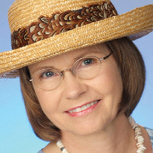
Katherine Kama‘ema‘e Smith, Associate Editor
2015 is taking off like a rocket, overcoming inertia, pushing upward! People are hopeful — visitor season in full swing, gas prices going down and our new Governor hard at work. The last of three New Year celebrations in Hawaii — Hawaiian Makahiki in November, Western New Year January 1, and soon, on the February…
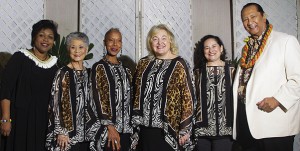
L–R: Martha Khlopin, Laurie Bachran, Terri Rainey, Fay Rawles-Schoch, Eda Daniels and Al Harrington.
The inaugural Hawai‘i Ms. Medicare “Age of Elegance” pageant held on Saturday, Dec. 20, 2014, at the Pacific Beach Hotel in Waikiki was sponsored by Get2insurance.com. The next Ms. Medicare event will be held in early October 2015. We pray this pilot project will grow much larger in years to come. The event’s mission is to boldly highlight that qualifying for Medicare does not diminish an individual’s vitality, relevance, or contribution to their family, community or society.
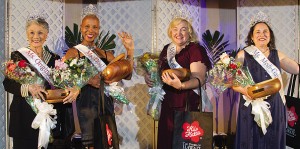
Terri Rainey, Ms Dual Medi-Medi – Evening Wear Compeition Phase
Medicare plans are partly funded by payroll taxes deducted during our earning years and were always intended to “care” for us when we qualify. It is important to advocate for all beneficiaries’ access to clear information. These valuable programs are designed to provide affordable, quality health care to everyone who qualifies.
We aim to promote access and education by sending Ms. Medicare pageant winners to events throughout the state so they may share information about the value of government programs. Holders of the Ms. Medicare crowns will share their own experiences as Medicare beneficiaries and discuss the great resources available.
Ann Mata of Pageant Productions provided her 30 years of expertise and visionary leadership to this truly memorable event.
If you would like to meet the pageant winners and learn more about Medicare or Medicaid, stop by our booth at theFHB Primetime WellnessFairat the Neal Blaisdell Center on March 5, 2015, from 8:30 am – noon. Or call Ann Mata at808-342-1516if you wish to schedule an appearance by one of our 2014 pageant winners at your next event. Access free workshops and online learning tools by visiting Medicare.gov or calling1-800-MEDICARE available 24/7.
Ms Medicare Pageant Title Holders (L-R) Laurie Bachran – Ms Original Medicare, Terri Rainey – Ms Dual Medi-Medi, Fay Rawles-Schoch – Ms Medicare Advantage, Ida Daniel – Ms Medi-Gap
808-543-2073 | getmedicare@aol.com www.Get2insurance.com A Medicare Moment With Martha A radio program with Martha Khlopin AM690: Saturdays, 11 am –11:30 am 99.5FM: Sundays,10 am –10:30 am
The inaugural Hawai‘i Ms. Medicare “Age of Elegance” pageant held on Saturday, Dec. 20, 2014, at the Pacific Beach Hotel in Waikiki was sponsored by Get2insurance.com. The next Ms. Medicare event will be held in early October 2015. We pray this pilot project will grow much larger in years to come. The event’s mission is…


 Osteoarthritis (OA) is one of the most common forms of arthritis. About 27 million people in America have osteoarthritis. It is a chronic condition in which the material that cushions the joints, called cartilage, breaks down. This causes the bones to rub against each other, causing stiffness, pain and loss of joint movement.


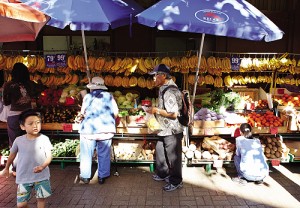 As a part of Honolulu’s downtown economy, Chinatown has overcome many challenges. Chinatown’s Mayor is a liaison to City and County programs and services. We were humbled to spend time with him and learn about his early life, his road to a successful career, his vision for Chinatown’s future and his 26 years of service to the Chinatown community.
 in Zhongshan city of Guandong Province ( 廣東 省中山市 ), China, where Sun Yat-sen was born. Joe’s father sustained his family by farming mullet in Kuapa fishpond at Hawai’i Kai. To prosper, he learned fluent Hawaiian. “My father told me that to be successful, I must learn to communicate —so that’s what I did, ”aid Dr. Joe. It paid off for both father and son.
 Language has shaped Honolulu’s Chinese community for almost two centuries. Dr. Joe explained that Chinese has thousands of “dialects.” Chinese written characters are universal, but the words associated with them are unique to each community. In English, “accents” don’t interfere with understanding, but Chinese dialects differ so much that people from one village cannot understand their neighbors across the river or over the mountain. It’s not surprising that people of one dialect stick together, and that China’s government teaches Mandarin dialect to all school children to unite their country.
 As far back as 1810, a few Chinese came to Hawai‘i from Zhongshan (near Hong Kong and Macao). Later, in the 1850s large numbers of Cantonese immigrated to work the sugar plantations. People from the See-Yup district ended up in San Francisco and New York, where their own dialects became established. Today, Chinese from Vietnam, Laos and Cambodia speak their own dialects, and socialize in their own clubs in Chinatown. In addition to these language groups, 100 societies also form around interests like commerce, lion dancing, exercise and religion. Building a lar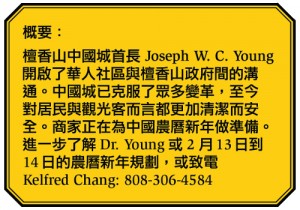
 .
. 
 sweet rice balls stuffed with sweet bean, meat or lotus paste and deep-fried. Everyone makes their own versions. My family loves Nien Gao
  , rice pudding with a red Chinese date on the top, and Pak Tong Koh
  , candied fruit and vegetables. On New Year’s Day, my wife serves Jai
  , savory vegetables and rice — called
  ‘monk food;’ children serve their parents tea, and parents give their children red paper envelopes, called Licee
  with money inside. Kids love New Years.
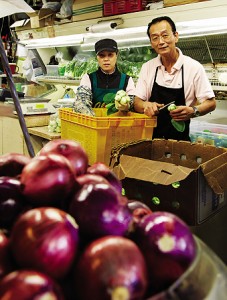 JY: Yes. You can find delicacies like Peking duck,pastries, sweets, flowers, fresh seafood, plenty bananas, and citrus fruits like tangerines. Food shopping is a social event. If you live in Chinatown or nearby, you see the same faces every day, and hear good conversation too. We buy a little at a time and enjoy the walking and talking. Most of the fresh produce is from local farms. My family farmed fish in Kuapa Pond and sold to shops up here
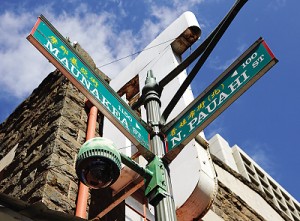 Honolulu City and County Planning and Permitting Commission, Honolulu Fire Department Commission, Vision Team Project, Chinatown, Mayor’s Downtown/Chinatown Task Force, Chinatown Cleanup Effort, Sound Translation in Chinese, Committee member for design of Chinatown Gates, Street Signage Project, Smith and Nu‘uanu Street Sidewalk Vision Team Project, Palolo Chinese Home, Heritage Capital Fund Drive, Sun Ming Ting Village Elementary School Building Project, Chinatown Pedestrian Safety Project, Chung Shan Language School.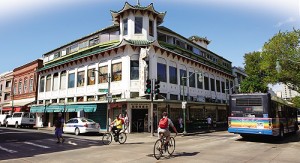
 ! Welcome the New Year! Come and celebrate with us!